
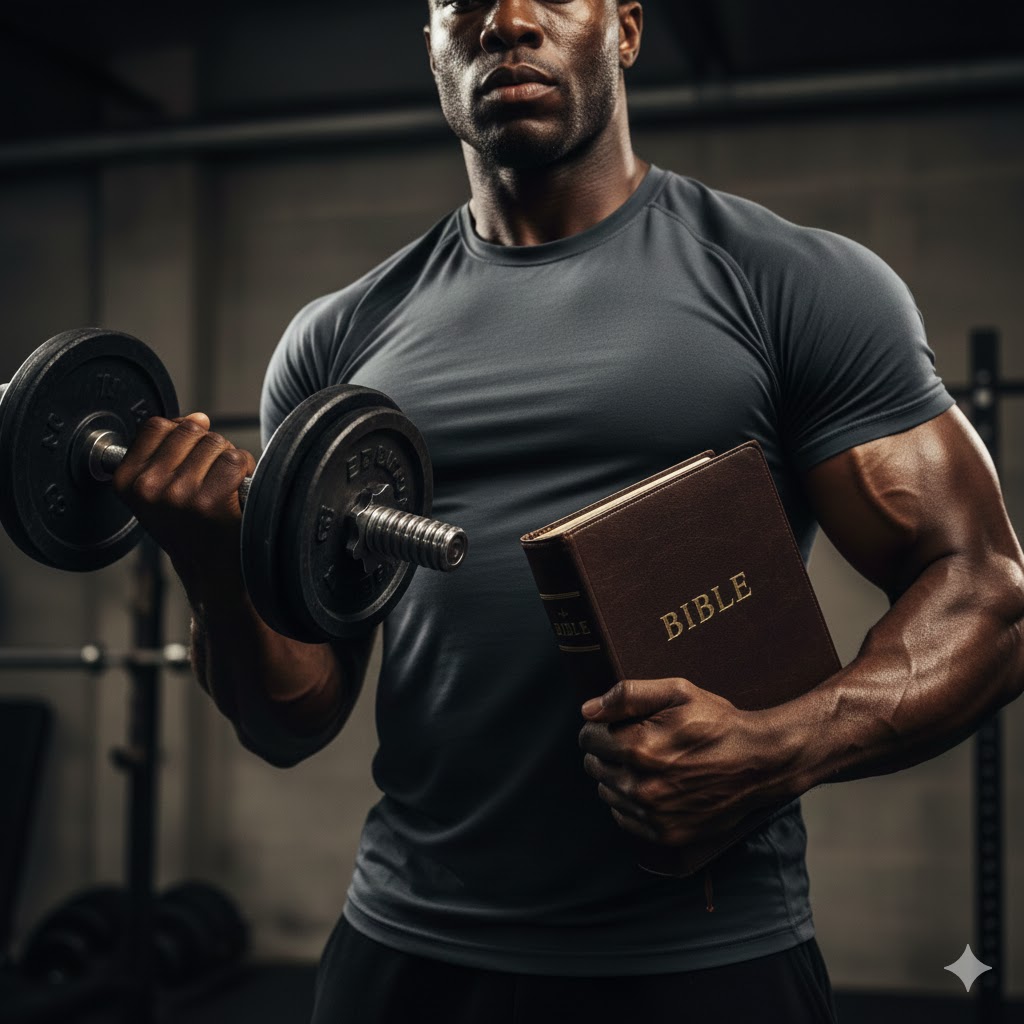
The Black man has been forged in the crucible of history, tested by oppression, and tempered by resilience. From the chains of slavery to the systemic inequalities of today, he carries a legacy that demands acknowledgment, respect, and honor. His strength is not merely physical—it is spiritual, intellectual, emotional, and cultural.
The Bible speaks to the essence of strength rooted in God. Joshua 1:9 commands, “Be strong and of a good courage; be not afraid, neither be thou dismayed: for the LORD thy God is with thee whithersoever thou goest.” This divine injunction reminds the Black man that true strength originates from faith, courage, and reliance on God’s guidance.
Historically, Black men were systematically dehumanized to undermine their power. During slavery, men were stripped of family authority, denied education, and subjected to brutality. Yet, even in these circumstances, they built networks of resilience, preserved cultural knowledge, and transmitted ancestral wisdom to future generations. This historical perseverance embodies sacred strength.
The psychological fortitude of the Black man is a testament to endurance. Despite societal pressures that often criminalize or marginalize him, he demonstrates an extraordinary capacity to navigate adversity, maintain dignity, and provide for his family. According to Spencer et al. (2016), cultural identity and spirituality are significant protective factors in mental health resilience for Black men.
Family structure is central to the Black man’s sacred strength. Proverbs 20:7 states, “The just man walketh in his integrity: his children are blessed after him.” By modeling integrity, discipline, and faith, Black men create generational legacies of empowerment that defy historical attempts at dismantling the family unit.
Education has long been a battlefield and a sanctuary for the Black man. Despite centuries of exclusion, Black men have pursued learning as a tool of liberation. Figures like W.E.B. Du Bois, Malcolm X, and contemporary scholars illustrate that intellectual strength is inseparable from moral and spiritual purpose.
Physical strength is often celebrated but must be understood alongside emotional and spiritual resilience. 1 Corinthians 16:13 urges, “Watch ye, stand fast in the faith, quit you like men, be strong.” True manhood, as defined biblically, combines courage, faith, and steadfastness in the face of trials.
Cultural expression is a manifestation of sacred strength. Music, literature, fashion, and art have long been vehicles for Black men to assert identity, narrate experiences, and challenge oppression. Through creativity, he reclaims narrative control and celebrates the fullness of his humanity.
Economic empowerment is another pillar of sacred strength. Proverbs 13:11 reminds, “Wealth gotten by vanity shall be diminished: but he that gathereth by labour shall increase.” Black men who build businesses, acquire assets, and create opportunities for community upliftment exemplify stewardship and resilience rooted in faith and wisdom.
Spiritual leadership within the home and community defines the sacred strength of the Black man. As Ephesians 5:23 states, “For the husband is the head of the wife, even as Christ is the head of the church…” Leadership grounded in service, humility, and accountability ensures the holistic growth of his family and community.
Overcoming societal stereotypes requires a continuous demonstration of courage and self-definition. Black men are often misrepresented as violent or absent; yet countless men serve as educators, mentors, ministers, and leaders. Reclaiming narrative power is an act of spiritual warfare.
The sacred strength of the Black man includes emotional intelligence. Proverbs 14:29 says, “He that is slow to wrath is of great understanding: but he that is hasty of spirit exalteth folly.” Emotional regulation, patience, and discernment enable him to navigate systemic pressures while cultivating meaningful relationships.
Resilience is intergenerational. Stories passed down from ancestors who survived slavery, Jim Crow, and modern systemic oppression inform the strategies Black men employ to thrive. This ancestral guidance, combined with faith, forms a moral compass that defines his sacred strength.
Community involvement demonstrates both responsibility and courage. By mentoring youth, engaging in social justice, or fostering civic participation, Black men extend their sacred strength beyond themselves. They model sacrifice, accountability, and hope for the collective.
Health and wellness are often overlooked dimensions of sacred strength. Proverbs 3:7-8 states, “Be not wise in thine own eyes: fear the LORD, and depart from evil. It shall be health to thy navel, and marrow to thy bones.” Prioritizing physical, mental, and spiritual health ensures longevity in purpose and service.
Faith in the face of adversity is paramount. Psalm 18:32 affirms, “It is God that girdeth me with strength, and maketh my way perfect.” The Black man’s ability to persevere against systemic inequities is reinforced by an unwavering reliance on God’s guidance and providence.
Mentorship forms a critical aspect of sacred strength. Older men guiding younger men transmit cultural wisdom, moral guidance, and practical life skills. Proverbs 22:6 emphasizes the value of early instruction: “Train up a child in the way he should go: and when he is old, he will not depart from it.”
Sacred strength also requires vulnerability. Sharing struggles, seeking counsel, and engaging in spiritual reflection are acts of courage that break cycles of toxic masculinity. James 5:16 teaches, “Confess your faults one to another, and pray one for another, that ye may be healed.”
Legacy is the ultimate measure of sacred strength. The lives Black men lead, the families they nurture, the communities they uplift, and the faith they model become living testaments to greatness. Their endurance transforms personal trials into collective triumphs.
Hope remains central. Jeremiah 29:11 declares, “For I know the thoughts that I think toward you, saith the LORD, thoughts of peace, and not of evil, to give you an expected end.” The Black man, rooted in faith, carries hope not just for himself but for generations yet unborn.
In conclusion, the sacred strength of the Black man is multifaceted, encompassing spiritual devotion, cultural preservation, emotional intelligence, and steadfast courage. Built from greatness, he stands as a beacon of resilience, leadership, and hope—a living testament to the enduring power of God’s design and the unbreakable spirit of his people.
References
- Bible. (1611). King James Version. Cambridge Edition.
- Spencer, M. B., Swanson, D. P., & Harpalani, V. (2016). The protective role of cultural identity and spirituality in African American boys’ development. Child Development Perspectives, 10(2), 123–128.
- Du Bois, W. E. B. (1903). The souls of black folk. A. C. McClurg & Co.
- Malcolm X. (1965). The autobiography of Malcolm X: As told to Alex Haley. Grove Press.
- Ephesians 5:23, Proverbs 20:7, Proverbs 13:11, Proverbs 14:29, Proverbs 3:7-8, Proverbs 22:6, Psalm 18:32, Joshua 1:9, James 5:16, Jeremiah 29:11.
 THE BROWN GIRL DILEMMA