Tag Archives: god

Plagues of a Sinful Heart

The concept of the sinful heart is central to biblical theology, describing the internal condition from which destructive behaviors, systems of oppression, and moral decay emerge. Scripture consistently teaches that sin is not merely an external action but an inward plague that shapes thoughts, desires, and intentions. The heart, in biblical language, represents the core of human will and consciousness, making it the primary battleground between righteousness and corruption.

The Bible declares that “the heart is deceitful above all things, and desperately wicked: who can know it?” (Jeremiah 17:9, KJV). This verse frames sin as a condition rather than a momentary failure. A sinful heart distorts perception, justifies wrongdoing, and resists accountability. Like a disease left untreated, it spreads silently until its effects become visible in individual lives and entire societies.

One plague of a sinful heart is pride. Pride elevates the self above God and others, fostering arrogance, entitlement, and domination. Scripture warns, “Pride goeth before destruction, and a haughty spirit before a fall” (Proverbs 16:18, KJV). Pride blinds individuals to their own faults and fuels systems that exploit the vulnerable while excusing injustice as superiority or destiny.

Another manifestation is greed, an insatiable desire for accumulation without regard for moral consequence. The Bible states plainly, “For the love of money is the root of all evil” (1 Timothy 6:10, KJV). Greed transforms human beings into commodities and reduces life to profit margins, giving rise to exploitation, economic oppression, and spiritual emptiness.

Hatred is another plague rooted in the sinful heart. Jesus taught that hatred is morally equivalent to murder in the heart (Matthew 5:21–22, KJV). When hatred is normalized, it dehumanizes others and justifies violence, discrimination, and exclusion. Entire nations have been shaped by this inward corruption, producing laws and cultures that reward cruelty.

Deceit also flows naturally from a sinful heart. Scripture declares, “Out of the heart proceed evil thoughts…false witness, blasphemies” (Matthew 15:19, KJV). Deceit corrodes trust and destabilizes relationships, institutions, and truth itself. When lies become habitual, truth is perceived as a threat rather than a virtue.

The plague of lust represents disordered desire, where pleasure is pursued without restraint or responsibility. Lust reduces people to objects and distorts the sacredness of intimacy. Jesus’ warning that lustful thoughts constitute adultery of the heart (Matthew 5:28, KJV) reveals how deeply sin operates beneath outward behavior.

A sinful heart also produces injustice. When compassion is absent, power is abused. The prophets repeatedly condemned Israel not for ritual failure alone but for hardened hearts that oppressed the poor and ignored the afflicted. “They have hearts like stone,” Ezekiel wrote, describing a people unmoved by suffering (Ezekiel 36:26, KJV).

Racism and tribalism are societal plagues born from sinful hearts that exalt one group over another. Though Scripture affirms that God “hath made of one blood all nations of men” (Acts 17:26, KJV), sinful hearts reject this truth in favor of hierarchy and domination. Such beliefs reflect rebellion against divine order rather than cultural difference.

Fear is another inward plague that fuels sin. Fear of loss, fear of others, and fear of truth lead people to cling to control rather than trust God. Scripture teaches that “the fear of man bringeth a snare” (Proverbs 29:25, KJV). When fear governs the heart, obedience to God becomes secondary to self-preservation.

Hardness of heart is a recurring biblical warning. Pharaoh’s refusal to repent during the Egyptian plagues illustrates how repeated resistance to truth strengthens inner corruption (Exodus 7–11, KJV). A hardened heart becomes incapable of repentance, even in the face of suffering.

The sinful heart also manifests as spiritual blindness. Paul writes that the minds of unbelievers are darkened because of the blindness of their heart (Ephesians 4:18, KJV). This blindness prevents discernment, allowing evil to be rationalized and righteousness to be dismissed as foolishness.

Hypocrisy thrives in sinful hearts that prioritize appearance over transformation. Jesus rebuked religious leaders who honored God outwardly while their hearts remained far from Him (Matthew 15:8, KJV). Such hypocrisy damages faith communities and drives people away from truth.

Unchecked anger is another plague that takes root internally. While righteous anger exists, sinful anger seeks vengeance rather than justice. Scripture warns that “the wrath of man worketh not the righteousness of God” (James 1:20, KJV). Anger lodged in the heart becomes bitterness over time.

The sinful heart resists correction. Proverbs teaches that a fool despises instruction, while wisdom begins with humility (Proverbs 1:7, KJV). Resistance to correction ensures that destructive patterns continue unchecked, reinforcing cycles of harm.

Biblically, the ultimate consequence of a sinful heart is separation from God. Isaiah declares that sin creates a divide between humanity and the Creator (Isaiah 59:2, KJV). This separation is both spiritual and psychological, resulting in alienation, guilt, and restlessness.

Despite its severity, Scripture does not present the sinful heart as beyond repair. God promises, “A new heart also will I give you, and a new spirit will I put within you” (Ezekiel 36:26, KJV). This transformation is not cosmetic but regenerative, replacing corruption with obedience.

Christ’s ministry directly addressed the condition of the heart. Through repentance, faith, and submission to God’s will, individuals are invited into inward renewal. Jesus emphasized that purity begins internally, not through ritual but through surrender (Luke 11:39–40, KJV).

The healing of the sinful heart requires accountability, truth, and divine intervention. Psychological insight confirms that unexamined beliefs and unresolved trauma shape behavior, aligning with biblical teaching that inward change precedes outward reform (Beck, 1976).

Ultimately, the plagues of a sinful heart reveal humanity’s need for redemption rather than self-sufficiency. Scripture concludes that God alone can search and restore the heart (Psalm 51:10, KJV). Where sin once ruled internally, righteousness can reign—if the heart is willingly yielded.


References

The Holy Bible, King James Version. (1611). Various passages.

Beck, A. T. (1976). Cognitive therapy and the emotional disorders. International Universities Press.

Augustine of Hippo. (397). Confessions. Translated editions.

Fanon, F. (1952). Black skin, white masks. Grove Press.

Wilkerson, I. (2020). Caste: The origins of our discontents. Random House.

Lewis, C. S. (1952). Mere Christianity. HarperOne.

Du Bois, W. E. B. (1903). The souls of Black folk. A. C. McClurg & Co.

The Soul Journal of a Black Man and Woman Around the World.

The soul journal of a Black man and woman around the world is not written with ink alone, but with memory, blood, prayer, and survival. It is a living record of a people who have traversed continents, oceans, and empires while carrying culture, faith, and identity within their bodies. Across Africa, the Americas, Europe, the Caribbean, and the Middle East, Black existence has been shaped by displacement and resilience, loss and continuity.

At the center of this journal is the soul—what Scripture calls the inner being. The Bible teaches that the soul bears witness to suffering and joy alike: “All my bones shall say, Lord, who is like unto thee” (Psalm 35:10, KJV). For Black men and women, the soul has often been the final refuge when the body was owned, policed, or violated by systems of domination.

The Black man’s global journey has been marked by labor without rest and strength without recognition. From plantations to ports, from mines to factories, his physicality was exploited while his humanity was denied. Yet Scripture affirms that manhood is not defined by chains or caricatures but by divine purpose: “Be watchful, stand firm in the faith, act like men, be strong” (1 Corinthians 16:13, KJV).

The Black woman’s soul journal bears a distinct weight. She has carried nations in her womb while being denied protection for her own body. Her labor—both visible and invisible—built households, economies, and cultures across the world. Proverbs declares, “Strength and honour are her clothing; and she shall rejoice in time to come” (Proverbs 31:25, KJV), a truth often delayed but never erased.

Across the African continent, the soul journal begins with memory—languages, names, spiritual systems, and kinship structures that predate colonization. These roots testify that Black identity did not begin in slavery but in civilization. Archaeology and history confirm advanced African societies long before European contact (Diop, 1974).

The transatlantic slave trade violently interrupted this continuity, scattering Black men and women across the globe. Families were torn apart, yet culture survived in fragments—songs, rhythms, proverbs, and prayers. The Bible’s lament echoes this experience: “By the rivers of Babylon, there we sat down, yea, we wept, when we remembered Zion” (Psalm 137:1, KJV).

In the Americas, the soul journal records a theology forged under oppression. Enslaved Africans encountered Christianity through the lens of white supremacy, yet reinterpreted Scripture through lived suffering. The Exodus story became a mirror, and the God who heard Israel’s cry was recognized as the same God who heard theirs (Cone, 1975).

In the Caribbean and Latin America, Black men and women blended African spirituality with imposed European religion, creating syncretic expressions that preserved ancestral memory. These practices were often demonized, reflecting fear of Black autonomy rather than theological concern. The soul journal notes resistance disguised as worship.

In Europe, Black existence has often been rendered invisible, yet the soul journal persists through migration, art, and intellectual contribution. From Moorish Spain to modern Britain and France, Black men and women have shaped culture while being excluded from national narratives (Olusoga, 2016).

The psychological dimension of the soul journal reveals trauma carried across generations. Studies on intergenerational trauma align with biblical understanding that wounds can echo beyond one lifetime (Yehuda et al., 2016; Exodus 20:5). Yet the same Scripture affirms that healing can also be inherited through righteousness.

For Black men, the soul journal often records the struggle between vulnerability and survival. Societies that criminalize Black masculinity discourage emotional expression, yet Scripture calls men to wisdom, gentleness, and discipline of the heart (Micah 6:8, KJV).

For Black women, the journal documents a tension between strength and exhaustion. The “strong Black woman” trope conceals pain while demanding endless resilience. Christ’s invitation—“Come unto me, all ye that labour and are heavy laden, and I will give you rest” (Matthew 11:28, KJV)—speaks directly to this burden.

Love and partnership appear throughout the journal as acts of defiance. Black love has survived forced breeding, family separation, and economic sabotage. Song of Solomon’s celebration of Blackness—“I am black, but comely” (Song of Solomon 1:5, KJV)—stands as a biblical affirmation of beauty long denied.

Faith remains a central entry in the soul journal. Prayer circles, hush harbors, mosques, churches, and ancestral rituals all reflect a longing for divine justice. Hebrews affirms that faith is evidence of things unseen, a truth embraced by people forced to hope beyond visible circumstances (Hebrews 11:1, KJV).

The journal also records anger—righteous anger born of injustice. Scripture does not silence this emotion but warns against its corruption into bitterness (Ephesians 4:26–27, KJV). Protest, art, and scholarship have become vessels through which anger is refined into purpose.

Across the diaspora, creativity serves as both memory and medicine. Music, literature, dance, and visual art document experiences history often omits. Du Bois described this as “double consciousness,” a constant negotiation between self-perception and imposed identity (Du Bois, 1903).

Healing emerges in the journal as a collective task. Community, storytelling, and truth-telling become sacred acts. Psychology affirms what Scripture already taught—that confession, lament, and restoration are essential to wholeness (Psalm 34:18, KJV).

The soul journal ultimately resists erasure. Despite colonization, racism, and global displacement, Black men and women continue to name themselves, love one another, and seek God. Revelation’s vision of every nation and people before the throne affirms that Black souls were never peripheral to divine history (Revelation 7:9, KJV).

This journal is unfinished. Each generation adds pages through endurance and hope. What binds its entries together is not merely suffering, but a sacred insistence on life. As Scripture declares, “We are troubled on every side, yet not distressed… cast down, but not destroyed” (2 Corinthians 4:8–9, KJV).


References

The Holy Bible, King James Version. (1611). Various passages.

Cone, J. H. (1975). God of the oppressed. Orbis Books.

Diop, C. A. (1974). The African origin of civilization: Myth or reality. Lawrence Hill Books.

Du Bois, W. E. B. (1903). The souls of Black folk. A. C. McClurg & Co.

Fanon, F. (1952). Black skin, white masks. Grove Press.

Olusoga, D. (2016). Black and British: A forgotten history. Pan Macmillan.

Wilkerson, I. (2020). Caste: The origins of our discontents. Random House.

Yehuda, R., et al. (2016). “Holocaust exposure induced intergenerational effects on FKBP5 methylation.” Biological Psychiatry, 80(5), 372–380.

The Friendship Files: A Friend That Sticks Closer Than a Brother.

Friendship is one of the most powerful bonds God allows humans to experience. Scripture describes the beauty and complexity of companionship with a profound truth: “A man that hath friends must shew himself friendly: and there is a friend that sticketh closer than a brother” (Proverbs 18:24, KJV). This verse reveals that true friendship is not accidental; it is cultivated, tested, and proven over time. The deepest friendships rise above convenience—they become covenant connections rooted in loyalty, love, and righteousness.

A true friend is someone who walks with you through seasons of joy and seasons of trial. The biblical friendship between David and Jonathan exemplifies this. Jonathan risked his own legacy and safety to protect David because their souls were “knit” together (1 Samuel 18:1, KJV). Their story teaches that genuine friendship is selfless, faithful, and sacrificial. It stands strong even when circumstances shift. A good friend celebrates your victories and stands guard in your valleys.

Conversely, Scripture also warns us about the danger of bad friends. Amnon, influenced by his cousin Jonadab, made destructive decisions that led to tragedy (2 Samuel 13). Jonadab is a picture of a bad friend: cunning, manipulative, and willing to push others toward sin. A bad friend encourages rebellion, stirs confusion, and speaks death into your destiny. Their presence drains your spirit rather than strengthening it.

The Bible is clear that your friendships shape your future. “Be not deceived: evil communications corrupt good manners” (1 Corinthians 15:33, KJV). A good friend brings out the best in you, but a bad friend diminishes your character and disrupts your peace. Many people discover too late that some friendships are seasonal, superficial, or self-serving. Discernment is essential.

One truth about life is this: you will not truly know who your friends are until you are broken, broke, or burdened. Wealth, status, and success often attract counterfeit connections. Yet adversity becomes the great revealer. When the prodigal son ran out of money, scripture says, “no man gave unto him” (Luke 15:16, KJV). The friends who surrounded him during abundance were nowhere to be found during his famine. Real friends don’t disappear when the blessings pause; they remain when the storms arrive.

A good friend uplifts you spiritually. Proverbs 27:17 teaches, “Iron sharpeneth iron; so a man sharpeneth the countenance of his friend.” A friend who loves God pushes you to grow, to pray, to forgive, and to rise higher. They support your calling rather than competing with it. They guard your secrets instead of gossiping about your weaknesses. They heal rather than harm.

Twelve signs of a good friend include loyalty, honesty, consistency, empathy, accountability, humility, prayerfulness, discretion, a supportive spirit, shared values, encouragement, and the ability to challenge you lovingly. Such a friend strengthens your walk with God and respects your boundaries. They help anchor your life with stability and truth.

Twelve signs of a bad friend include jealousy, manipulation, selfishness, inconsistency, gossip, emotional instability, competitiveness, hidden agendas, draining behavior, lack of accountability, disrespect, and unreliability. Such friendships produce confusion and emotional exhaustion, pulling you away from your purpose and peace.

Healthy friendships require wisdom, patience, and communication. Just as marriages need nurturing, friendships need intentionality. The Bible encourages believers to “admonish one another,” “comfort one another,” and “edify one another” (Romans 15:14; 1 Thessalonians 5:11, KJV). Friendship is ministry—an ongoing exchange of love, correction, and support.

A good friend will tell you the truth even when it hurts. “Faithful are the wounds of a friend” (Proverbs 27:6, KJV). They speak truth in love, not in cruelty. They pull you back from danger, encourage you to heal, and keep your secrets safe. A bad friend tells you only what you want to hear, even if it leads you toward destruction.

Jonathan is a biblical example of a righteous friend. Jonadab is the example of a destructive friend. Jesus Himself is the perfect friend. He said, “I have called you friends” (John 15:15, KJV). His friendship is marked by sacrifice, truth, and eternal commitment. Through His example, we learn that friendship is not merely emotional—it is covenantal.

Friendship also requires boundaries. Not every acquaintance is meant to be a confidant. Jesus had the multitudes, the seventy, the twelve, the three, and then His intimate friendship with John. This shows that levels of access must be based on trust, consistency, and character. Allowing the wrong people too close can create spiritual and emotional chaos.

The Bible teaches that friends should comfort one another in sorrow. Job’s friends initially sat with him in his grief for seven days without speaking (Job 2:13). Their presence became a comfort before their words became a problem. Sometimes the greatest gift a friend offers is simply being there—silent, prayerful, and steady.

Friendships must also survive change. People grow, mature, and transition. Some friendships adjust gracefully; others wither under the pressure of life. But a friend connected through God’s purpose remains steadfast even when seasons shift. Ruth’s loyalty to Naomi—“Where thou goest, I will go” (Ruth 1:16)—reveals how sacred true friendship can be.

Good friends protect your character, reputation, and peace. They cover you rather than expose you. They pray for you rather than slander you. They advocate for you rather than undermine you. Their presence adds value to your spiritual and emotional life.

A friend who sticks closer than a brother is rare but priceless. This type of friend becomes part of your legacy. Their impact shapes your faith, your strength, and your resilience. They show up not only in your celebration but also in your battle. Their love is tested, proven, and unwavering.

Bad friendships must be released for growth to happen. God often removes wrong friends to make space for healthy ones. When Abraham separated from Lot, God spoke promises to him more clearly (Genesis 13). Sometimes clarity comes after separation. Protection sometimes looks like disconnection.

Friendship is one of God’s greatest gifts. To steward it well, we must choose wisely, communicate honestly, love consistently, and forgive frequently. When friendships reflect Christ, they become sanctuaries of safety and sources of joy.

The greatest friend you will ever have is Christ Himself. But in His love, He often sends earthly friends who mirror His character. These are the friends who lift you, sharpen you, and stay by your side—closer than a brother.

References
Holy Bible, King James Version: Proverbs 18:24; 1 Samuel 18–20; 2 Samuel 13; 1 Corinthians 15:33; Luke 15:16; Proverbs 27:6, 17; John 15:15; Romans 15:14; 1 Thessalonians 5:11; Job 2:13; Ruth 1:16; Genesis 13.
Lewis, C. S. (1960). The Four Loves.
Cloud, H., & Townsend, J. (1992). Boundaries.
Lewis, C. S. (1958). Friendship and Spiritual Growth.

Girl Power Reconsidered: Strength and Authority of the Biblical Woman

“Girl power,” as popularly defined, often centers on autonomy, rebellion, and self-exaltation. In contrast, the Bible presents a vision of female power rooted not in dominance or imitation of men, but in divine alignment, moral authority, wisdom, endurance, and covenantal purpose. Biblical womanhood does not diminish power; it redefines it.

Biblical power begins with creation. Woman was not an afterthought but a deliberate act of God, formed as ezer kenegdo—a helper corresponding to man, not inferior but essential. This Hebrew phrase conveys strength, aid, and strategic support, often used of God Himself.

The biblical woman’s power is relational, not competitive. She builds rather than destabilizes, strengthens rather than rivals. Her authority flows from her position in God’s order, not from rejection of it.

Proverbs 31 offers one of Scripture’s clearest portraits of female power. The virtuous woman is industrious, economically astute, physically strong, and respected in the gates. Her power is quiet yet undeniable, woven into every sphere of life.

Biblical girl power includes wisdom. Proverbs repeatedly personifies wisdom as a woman, calling humanity to life, discernment, and righteousness. This imagery is intentional: the woman embodies moral insight and spiritual instruction.

Scripture affirms women as leaders and agents of deliverance. Deborah served as judge and prophetess, exercising authority over Israel without sacrificing femininity or faith. Her leadership flowed from obedience to God, not ambition.

Esther’s power lay not in force but in courage, timing, and restraint. She risked her life to save her people, demonstrating that biblical power often operates through sacrifice rather than spectacle.

Ruth’s strength appeared through loyalty, humility, and perseverance. Her obedience positioned her within the Messianic lineage, showing that faithfulness can reshape history.

The biblical woman’s body is not her primary currency. Scripture consistently values her character, discretion, and fear of the Lord over physical allure. This stands in sharp contrast to modern definitions of empowerment.

Biblical girl power includes self-governance. A woman who controls her spirit is portrayed as stronger than one who conquers a city. Discipline, restraint, and emotional wisdom are marks of true strength.

Motherhood, when present, is elevated rather than minimized. Women like Hannah and Jochebed shaped prophetic destinies through prayer and moral courage, influencing nations through nurture.

Singleness is also honored. Miriam, Anna the prophetess, and others demonstrate that a woman’s worth is not contingent on marital status but on spiritual calling.

The New Testament continues this framework. Women were the first witnesses of the resurrection, entrusted with the most consequential truth in Christian faith. This divine choice affirms women as reliable bearers of revelation.

Biblical girl power does not erase male leadership but complements it. Power is not sameness; it is harmony within divine order. Scripture values interdependence over rivalry.

The fear of the Lord is the foundation of biblical empowerment. A woman aligned with God’s will carries spiritual authority that transcends social rank or circumstance.

Modern culture often equates empowerment with sexual freedom and defiance of tradition. Scripture, however, portrays freedom as obedience that leads to peace, dignity, and legacy.

The biblical woman understands legacy. Her decisions are generational, oriented toward inheritance, lineage, and moral continuity rather than momentary validation.

Biblical girl power is resilient. Women endured exile, persecution, barrenness, and loss without surrendering faith. Their endurance is a testimony of strength forged in suffering.

This model challenges both misogyny and distorted feminism. It rejects the devaluation of women while refusing ideologies that detach power from responsibility.

True empowerment in Scripture is not loud but enduring, not rebellious but righteous, not self-centered but God-centered.

The biblical woman stands as a steward of life, wisdom, and faith. Her power is sacred, purposeful, and transformative.

In reclaiming biblical girl power, women rediscover strength that does not fade with age, beauty, or social trends—because it is anchored in God.


References

The Holy Bible, King James Version. (1611/1769).

Trible, P. (1978). God and the rhetoric of sexuality. Fortress Press.

Frymer-Kensky, T. (2002). Reading the women of the Bible. Schocken Books.

Brenner, A. (1993). The feminist companion to the Bible. Sheffield Academic Press.

Clines, D. J. A. (1995). What does Eve do to help? JSOT Press.

The Dating Series: The Best Dates for the followers of Christ.

Dating as a follower of Christ is not simply about fun or romance—it is an opportunity to grow spiritually, honor God, and cultivate a meaningful relationship rooted in faith. While popular culture emphasizes casual outings, believers are called to prioritize activities that glorify God, strengthen bonds, and reflect biblical values.

A foundational principle in holy dating is keeping the Sabbath together. Exodus 20:8 commands, “Remember the sabbath day, to keep it holy.” Spending this sacred day with your partner fosters spiritual connection and mutual worship, setting a God-centered tone for your relationship. Attending church services, prayer meetings, or Sabbath school together strengthens faith and accountability.

One of the most enriching holy date ideas is attending an opera or ballet. These cultural experiences inspire awe, creativity, and emotional reflection. While enjoying the arts, couples can discuss moral themes, human nature, and God’s design in creativity. Appreciating beauty in art reminds believers of the Creator’s glory.

Bible study dates are among the most spiritually rewarding. Studying scripture together allows couples to grow in knowledge, understanding, and spiritual intimacy. Proverbs 27:17 says, “Iron sharpeneth iron; so a man sharpeneth the countenance of his friend.” Engaging in dialogue about God’s Word strengthens faith and encourages accountability.

Attending holy music concerts or worship events makes for uplifting dates. Music has a powerful way of uniting hearts and lifting spirits. Singing praises together cultivates shared joy, reinforces spiritual priorities, and creates lasting memories rooted in faith.

Volunteering together provides a practical way to serve God and others. Acts of kindness, such as feeding the homeless or mentoring youth, allow couples to witness Christ’s love in action. These experiences reveal character, encourage teamwork, and deepen relational bonds.

Nature walks or hikes offer another godly dating option. Observing God’s creation together fosters gratitude and awe for His handiwork. Psalm 19:1 reminds us, “The heavens declare the glory of God; and the firmament sheweth his handywork.” Walking and reflecting together promotes conversation and intimacy without distraction.

Attending lectures, conferences, or seminars with spiritual or educational themes can be intellectually stimulating and spiritually enriching. Learning together encourages critical thinking, spiritual growth, and shared reflection on ethical and moral topics.

Art galleries, museums, or historical sites that highlight God’s creation or moral lessons are excellent for holy dates. Discussing symbolism, history, and biblical connections allows couples to grow intellectually and spiritually while enjoying cultural enrichment.

Cooking or baking together at home can be a wholesome, God-honoring activity. Preparing meals allows for conversation, cooperation, and nurturing of one another in practical ways. Sharing home-cooked meals promotes gratitude and fellowship, echoing biblical hospitality.

Attending faith-based film screenings or theater performances with wholesome, biblical themes encourages reflection and conversation about morality, relationships, and life choices. Couples can use these experiences to discuss God’s perspective and biblical wisdom.

Prayer walks or joint devotional times outside the home allow couples to commune with God in nature. Sharing prayer requests, praying for each other, and meditating on scripture fosters spiritual intimacy and dependence on God in the relationship.

Gardening or tending to a community project together is both productive and spiritually instructive. Caring for plants reflects God’s nurturing design and promotes teamwork, patience, and mutual responsibility.

Participating in small group fellowship or Bible discussion nights provides social and spiritual engagement. Couples can connect with other believers, encourage one another, and model godly relationships for peers.

Attending art workshops, music lessons, or dance classes within a faith-based context encourages creativity and shared learning. These activities foster skill development while honoring God and maintaining wholesome interaction.

Visiting religious landmarks, pilgrimage sites, or local churches of historical significance allows couples to reflect on faith, devotion, and God’s providence throughout history. Discussing these visits deepens understanding of God’s work in the world.

Writing or journaling together about spiritual experiences, reflections, or prayers strengthens emotional and spiritual bonds. Sharing personal insights and growth fosters transparency and encourages accountability in the relationship.

Picnics in nature while reading scripture or meditating on God’s Word combine leisure with spiritual reflection. These simple, peaceful outings provide opportunities for conversation, prayer, and gratitude.

Attending a Biblical retreat, camp, or spiritual workshop allows couples to focus on God, each other, and personal growth. Retreats provide immersive environments to pray, learn, and bond without everyday distractions.

Finally, celebrating holy seasons, biblical festivals, or church events together deepens spiritual awareness and communal connection. Observing God’s appointed times teaches reverence, joy, and unity in faith.

Holy dating is about intentionality. By choosing activities that honor God—whether cultural, educational, or spiritual—believers cultivate meaningful, lasting relationships rooted in faith. Following these principles ensures that dating is not only enjoyable but transformative, reflecting God’s design for love, companionship, and spiritual growth.

The Dating Playbook: Staying Pure Until Marriage.

Dating in the modern world is a complex landscape where desire, emotion, and spiritual conviction collide. In an age when intimacy is often rushed and physical connection is seen as the foundation of romance, maintaining purity stands as a countercultural act of strength. The commitment to abstain from sex until marriage is not merely a rule—it is a spiritual discipline, a boundary rooted in wisdom, dignity, and divine order. The Dating Playbook invites believers to approach relationships with intention, clarity, and holiness.

Purity begins with identity. When a person sees themselves as God sees them—valuable, sacred, and chosen—they are less likely to compromise. Scripture reminds, “you are bought with a price” (1 Corinthians 6:20, KJV), signaling that the body is not a casual vessel but a temple worth protecting. This understanding shapes self-worth, and self-worth shapes behavior.

In dating, purity flourishes when both partners share the same vision. Amos 3:3 asks, “Can two walk together, except they be agreed?” (KJV). When couples hold different expectations about intimacy, pressure grows, boundaries blur, and emotional instability emerges. An agreement establishes peace. Mutual conviction establishes strength.

Staying pure requires emotional intelligence. Physical boundaries are easily broken when emotional boundaries are ignored. Deep late-night conversations, loneliness, unresolved trauma, and unaddressed attraction can invite temptation. Healthy dating includes awareness of emotional triggers and the discipline to engage them with honesty and prayer.

Purity is also rooted in purpose. The goal of dating is not entertainment but discernment—discovering whether two people are compatible for covenant. Purpose-driven dating slows the pace, elevates standards, and shifts the focus from physical gratification to spiritual and emotional connection. Couples who date with purpose invest time in shared values, communication, character evaluation, and vision alignment.

The Bible provides clear instructions on sexual integrity. “Flee fornication” is not a suggestion but a command (1 Corinthians 6:18, KJV). Scripture encourages distance from temptation, not negotiation with it. Joseph demonstrated this when he fled Potiphar’s wife, revealing that purity sometimes requires dramatic action—leaving environments, turning off devices, or cutting off unhealthy bonds.

Purity also protects clarity. Sexual intimacy creates soul ties that blur judgment, making it harder to see red flags or regulate emotions. Neuropsychology research shows that sexual activity releases bonding hormones like oxytocin and vasopressin, which create emotional attachment even in unhealthy relationships. Abstaining preserves emotional clarity and strengthens decision-making.

The Dating Playbook emphasizes accountability. No one maintains purity alone. Wise couples surround themselves with mentors, pastors, or mature friends who can provide counsel and support. Proverbs teaches, “In the multitude of counsellors there is safety” (Proverbs 11:14, KJV). Accountability transforms purity from an isolated battle into a shared pursuit of holiness.

Boundaries become essential tools. Couples should agree on practical guidelines: avoiding private overnight visits, limiting physical affection, engaging in group settings, and prioritizing spiritual activities. Boundaries are not signs of weakness—they are expressions of commitment and respect.

Staying pure also builds trust. When both partners honor the relationship’s spiritual foundation, they communicate reliability, self-control, and integrity. A person who honors God is more likely to honor their spouse. A person who can manage desire before marriage can steward intimacy responsibly within marriage.

The Dating Playbook teaches that purity is not absence—it is preparation. By refraining from sexual involvement, couples can focus on building friendship, communication skills, conflict resolution, and emotional compatibility. These foundations determine the long-term health of the relationship far more than physical passion.

Temptation is inevitable, but temptation is not sin. Jesus Himself experienced temptation. What matters is response. Couples can combat temptation through prayer, fasting, open dialogue, and real-time honesty. When partners confess to struggle instead of hiding it, darkness loses its power.

Purity is a spiritual act of worship. Romans 12:1 calls believers to present their bodies “a living sacrifice, holy, acceptable unto God” (KJV). Saying “no” to sexual temptation is saying “yes” to God’s plan. It is a declaration of faith, obedience, and reverence.

Purity also challenges cultural narratives. The world glorifies sexual experience, but God honors sexual covenant. The world promotes casual intimacy, but God promotes lifelong devotion. Couples who wait testify that love can thrive without compromise and that marriage can begin with peace, not regret.

Dating with purity enhances emotional safety. Without the pressure of sexual expectations, partners feel freer to express themselves, ask questions, and define deal-breakers. Purity removes performance anxiety and creates space for authenticity. In that openness, love grows more honestly.

Purity also strengthens spiritual alignment. Couples who prioritize prayer, Bible study, and worship create relationships rooted in shared faith. Spiritual compatibility becomes the foundation for future parenting, problem-solving, and purpose. A couple that can pray together can endure together.

The Dating Playbook reminds couples of God’s grace. Purity is not only for those with a perfect past. God restores, renews, and redeems. Anyone can choose purity today. Forgiveness erases shame. Commitment establishes a new direction. Grace empowers change.

Waiting until marriage transforms intimacy into celebration rather than complication. When a couple marries with a clean conscience, they begin their union with joy, trust, and God’s blessing. Sex becomes sacred instead of stressful. Covenant transforms intimacy into worship.

Ultimately, purity is not about repression—it is about reverence. It is the belief that love is strongest when built on discipline, devotion, and divine wisdom. The Dating Playbook invites couples to honor God, honor themselves, and honor each other by choosing purity as a pathway to deeper, healthier, and holier love.

References
Holy Bible, King James Version: 1 Corinthians 6:18–20; 1 Corinthians 6:13; 1 Thessalonians 4:3–5; Proverbs 11:14; Amos 3:3; Romans 12:1; Genesis 2:24.
Cloud, H., & Townsend, J. (1992). Boundaries in Dating.
McDowell, J. (2011). The Bare Facts: The Truth About Sex, Love, and Relationships.
Balswick, J., & Balswick, J. (2006). A Model for Marriage: Covenant, Grace, Empowerment & Intimacy.
Garcia, J. R., & Reiber, C. (2008). Hook-up behavior and bonding hormones. Journal of Sex Research.

Dilemma: The Architecture of Anti-Blackness: How White Supremacy Manufactured Inferiority

The dilemma of how white supremacy, the racial hierarchy in the Western world, did not emerge spontaneously; it was intentionally crafted, narrated, and repeated until it became a cultural reflex. The idea that Black people were inferior was never rooted in fact, science, or scripture. Rather, it was a constructed narrative, projected outward by white societies to justify domination, economic exploitation, and colonial expansion. This false narrative became a psychological weapon—one that shaped nations, policies, and personal identities.

Anti-Blackness did not emerge by accident. It was deliberately engineered, brick by brick, to justify conquest, theft, and domination. White supremacy constructed a worldview that framed Black humanity as deficient so that European power structures could expand without moral restraint. This architecture was not simply ideological; it was legal, economic, religious, and cultural—a total system designed to redefine an entire people as less than human.

The earliest foundations were laid during the transatlantic slave trade, when European empires required a moral rationale for kidnapping, trafficking, and exploiting millions of African people. To soothe their consciences and maintain social order, they developed narratives portraying Africans as uncivilized, chaotic, or cursed. These ideas became the ideological scaffolding for slavery, turning brutality into “civilization,” and oppression into “progress.”

Religion was an essential tool in this construction. European theologians and clergy misused scripture to claim divine sanction for racial hierarchy, weaponizing biblical texts to portray Africans as descendants of the cursed. This manipulation reframed slavery as benevolence—a “civilizing mission” rather than a system of terror. The lie of inferiority became sacred doctrine in the minds of many, giving theological legitimacy to violence.

Law was the second load-bearing wall in this system. Slave codes, Black codes, and Jim Crow laws formalized a racial caste system in which whiteness meant citizenship and Blackness meant subjugation. The legal architecture enforced the belief that Black people were incapable of autonomy, intellect, or moral agency. Inferiority was not only an idea; it became a legal identity.

Science, too, was recruited to reinforce racial dominance. Enlightenment-era thinkers authored treatises classifying African people as biologically inferior—a distortion now known as scientific racism. Phrenology, craniometry, and fabricated racial taxonomies were presented as objective truth. These pseudosciences spread globally, embedding the myth of Black inferiority into academic and medical institutions.

Culture played a critical role in turning these narratives into everyday common sense. Literature, art, theater, and later film depicted Black people as caricatures—brutes, savages, servants, or comic relief. These images were not accidental misrepresentations; they were strategic distortions reflecting and reinforcing white anxieties about power, purity, and control. Culture became propaganda, shaping emotions as effectively as laws shaped behavior.

Economic interests further cemented anti-Black ideology. The wealth of Europe and the Americas was built on African labor, and maintaining this economic engine required the perpetual devaluation of Black life. The more inferior Black people were perceived to be, the more justifiable their exploitation became. Thus, racial ideology functioned as a financial instrument as much as a social one.

Psychologically, white supremacy fostered a collective identity rooted in superiority. To maintain this fragile sense of dominance, whiteness required an “other” to contrast itself against. Anti-Blackness became the foundation of that identity—the stabilizing force of white self-conception. Without a myth of inferiority, the myth of white superiority could not survive.

Education became a mechanism for transmitting these narratives across generations. Curricula erased African civilizations, downplayed the horrors of slavery, and glorified European expansion. By controlling what children learned, white supremacy ensured its own reproduction, making anti-Black narratives appear natural and inevitable.

Media institutions amplified these messages, creating feedback loops where stereotypes justified discrimination and discrimination reinforced stereotypes. Newspapers portrayed Black communities as violent or unfit for citizenship. Early Hollywood films like Birth of a Nation mythologized Black criminality and celebrated white vigilantism. These representations shaped national consciousness in ways more powerful than policy.

During Reconstruction and the Civil Rights Movement, white resistance intensified as Black progress challenged the architecture of inferiority. Every advancement by Black communities—land acquisition, education, political participation—was met with backlash, violence, or policy reversals. White supremacy adapted, evolving from slavery to segregation, from segregation to mass incarceration, and from overt racism to coded language.

The criminal legal system emerged as a modern extension of earlier racial regimes. Stereotypes created during slavery—Black people as dangerous, impulsive, or criminal—were used to justify policing, surveillance, and disproportionate punishment. The prison system became a new economic mechanism for exploiting Black labor while maintaining racial control.

Housing policies like redlining institutionalized racial inequality on geographic lines. Black communities were systematically denied homeownership, wealth accumulation, and access to quality schools. Inferiority became spatial, built into neighborhoods, resources, and opportunities. These disparities were later interpreted as natural “community problems,” reinforcing stereotypes that justified their existence.

Anti-Blackness also infiltrated interpersonal relations. Microaggressions, racial biases, and assumptions about intelligence or professionalism stem from centuries of propaganda. These everyday interactions reflect the deeper structural architecture that taught society how to see—and not see—Black humanity.

Globally, anti-Black narratives spread through colonialism. European empires exported their racial ideologies across Africa, Asia, and the Caribbean, shaping local hierarchies and perceptions of Blackness. The myth of inferiority became a global lingua franca that served imperial expansion.

The psychological impact on Black communities has been profound. Internalized oppression, colorism, and cultural trauma are legacies of a world constructed to diminish Black worth. Yet despite these forces, Black resistance has continually exposed the lie of inferiority and affirmed the truth of Black resilience, intellect, and brilliance.

The architecture of anti-Blackness is not static; it evolves with each generation. New technologies, political rhetoric, and economic systems mold old ideas into new forms. But the foundation remains the same: a lie constructed for the benefit of the powerful.

Dismantling this architecture requires truth-telling and historical reckoning. It demands that society confront the origins of its racial hierarchies and acknowledge the deliberate engineering behind them. Inferiority was manufactured; it was never real.

Black humanity, dignity, and brilliance have always existed independent of white imagination. What must be destroyed is not Black identity, but the false architecture built to oppress it. Only then can justice become more than a dream—it can become a structure of its own.

The origins of this racial myth can be traced to early European encounters with Africa. When European empires entered the African continent, they encountered civilizations with rich cultures, kingdoms, and intellectual traditions. But to enslave, extract, and colonize, they needed a worldview that placed Africans beneath them. And so the lie was born. The apostle Paul warned against such strategies of deception, reminding believers that “Satan himself is transformed into an angel of light” (2 Corinthians 11:14, KJV). Lies that appear logical, profitable, or convenient often masquerade as truth.

This narrative of inferiority became institutionalized during the transatlantic slave trade. Enslaved Africans were portrayed as subhuman, needing “civilization,” and devoid of intellect or morality. These portrayals served economic interests, allowing slaveholders to reconcile inhumane actions with their professed Christian identities. Yet the Bible had long declared the opposite: that all nations of the earth were made “of one blood” (Acts 17:26, KJV). In other words, the foundation of racial hierarchy was in direct contradiction to divine truth.

Over time, white societies refined these narratives into scientific-sounding theories. Pseudoscience emerged—phrenology, eugenics, and social Darwinism—each cloaked in academic language that gave validity to bigotry. The Bible warns that “professing themselves to be wise, they became fools” (Romans 1:22, KJV). These theories did not illuminate human diversity; rather, they darkened human compassion.

The narrative of Black inferiority was further reinforced by media, textbooks, and political speeches. Early depictions of Black people in Western literature and news portrayed them as threats, savages, or burdens. These images formed an ecosystem of propaganda that shaped public fear and public policy. Proverbs 6:16–19 speaks of those who sow discord among brethren—indeed, the manufacturing of racial hierarchy was a deliberate sowing of discord on a global scale.

Colonial missionaries also played a role, often using distorted interpretations of scripture to endorse oppression. Passages like the story of Noah’s sons were twisted to justify enslavement, even though the Bible never says anything about race-based servitude. Jesus Himself declared that loving one’s neighbor is the fulfillment of the law (Matthew 22:39, KJV), exposing the hypocrisy of those who claimed Christianity while practicing cruelty.

Over centuries, white societies began to internalize their own myth-making. What started as a political tool became a social identity. Whiteness became associated with superiority, purity, beauty, intelligence, and divine favor. Meanwhile, Blackness was framed as the opposite. This reinforced a dilemma not only for the oppressed, but also for the oppressor—how to maintain a false sense of superiority in a world where evidence repeatedly disproved it.

Black people, too, were impacted psychologically. Generations grew up in societies that undervalued their existence, distorted their history, and denied their humanity. Yet even in these conditions, African-descended people consistently demonstrated brilliance, resilience, and spiritual depth. The Bible affirms the strength of the oppressed, declaring that “the last shall be first” (Matthew 20:16, KJV). Oppression may wound, but it also reveals character and endurance.

White societies often used fear as the root justification for maintaining these narratives. Fear of Black intelligence, fear of retribution, fear of equality, and fear of losing power all contributed to the reinforcement of harmful stereotypes. King Solomon wrote that “the wicked flee when no man pursueth” (Proverbs 28:1, KJV). Fear—especially irrational fear—creates enemies where there are none.

One of the most damaging elements of this narrative was the portrayal of Black identity as needing validation from white institutions. Education, employment, beauty standards, and social acceptance became filtered through whiteness as the reference point. This contradicted scripture, for God alone defines worth: “For ye are fearfully and wonderfully made” (Psalm 139:14, KJV).

The dilemma also lies in the fact that white supremacy was never just a personal belief; it was a system. It permeated laws, housing policies, policing, and economic structures. These systems were designed to maintain the illusion of superiority through material advantage. Ecclesiastes 4:1 speaks of those who “have no comforter” under systems of oppression—an ancient truth that echoed through plantations, courtrooms, and schoolhouses.

Yet, throughout history, Black communities resisted this narrative through literacy, faith, artistry, and collective unity. The African American church became a center of truth-telling, reminding congregations that “the truth shall make you free” (John 8:32, KJV). Spiritual fortitude challenged societal lies and affirmed divine identity.

The civil rights movement exposed the moral contradiction of a nation claiming liberty while denying it to millions. As cameras captured violence against peaceful protestors, much of the world began to recognize the lie behind the narrative of Black inferiority. Darkness was brought into the light, fulfilling the scripture: “For nothing is secret, that shall not be made manifest” (Luke 8:17, KJV).

Still, remnants of this narrative persist today. Media bias, educational erasure, and structural inequities continue the old mythology in contemporary forms. The oppressor’s dilemma now becomes how to reconcile modern ideals of equality with centuries of racial conditioning. Many wrestle with guilt, denial, or fragility because the truth disrupts the comfort of inherited narratives.

For Black people, modern challenges include healing from the psychological residue of that false identity. Learning one’s history, celebrating one’s heritage, and embracing faith become acts of restoration. Isaiah 61:7 declares, “For your shame ye shall have double.” God promises divine compensation for historical dishonor.

The narrative of inferiority also fractures relationships between ethnic groups, creating suspicion and distance. True reconciliation requires more than silence—it requires repentance, acknowledgment, and structural transformation. Scripture teaches, “Confess your faults one to another” (James 5:16, KJV), suggesting that healing is communal, not individual.

The truth is that racial hierarchy has always been incompatible with God’s design. No group is ordained to dominance, nor is any group inherently inferior. The lies of the past may linger, but they cannot stand against the weight of truth. As Jesus said, “Every plant, which my heavenly Father hath not planted, shall be rooted up” (Matthew 15:13, KJV). White supremacy is one such plant.

Today, we stand at a crossroads where societies must choose honesty over tradition, truth over myth, and justice over comfort. The dismantling of the false narrative of Black inferiority is not merely a political act—it is a spiritual one. It aligns humanity with God’s vision of dignity for all His creation.

Ultimately, the dilemma is not whether Black people are inferior—they are not and never were. The true dilemma is whether societies built on lies are willing to confront the truth. And the truth, according to the Word, is unyielding: God shows no partiality, and neither should humanity. “For there is no respect of persons with God” (Romans 2:11, KJV).


References (KJV Bible):
Acts 17:26; 2 Corinthians 11:14; Romans 1:22; Proverbs 6:16–19; Matthew 22:39; Matthew 20:16; Proverbs 28:1; Psalm 139:14; Ecclesiastes 4:1; John 8:32; Luke 8:17; Isaiah 61:7; James 5:16; Matthew 15:13; Romans 2:11.

Bonilla-Silva, E. (2018). Racism without racists: Color-blind racism and the persistence of racial inequality in the United States. Rowman & Littlefield.
Du Bois, W. E. B. (1903). The souls of Black folk. A. C. McClurg.
Feagin, J. R. (2014). Racist America: Roots, current realities, and future reparations (3rd ed.). Routledge.
Fields, K., & Fields, B. (2012). Racecraft: The soul of inequality in American life. Verso.
Fredrickson, G. M. (2002). Racism: A short history. Princeton University Press.
Muhammad, K. G. (2010). The condemnation of Blackness: Race, crime, and the making of modern urban America. Harvard University Press.
Painter, N. I. (2010). The history of White people. W. W. Norton.
Williams, E. (1944). Capitalism and slavery. University of North Carolina Press.


Table of Nations

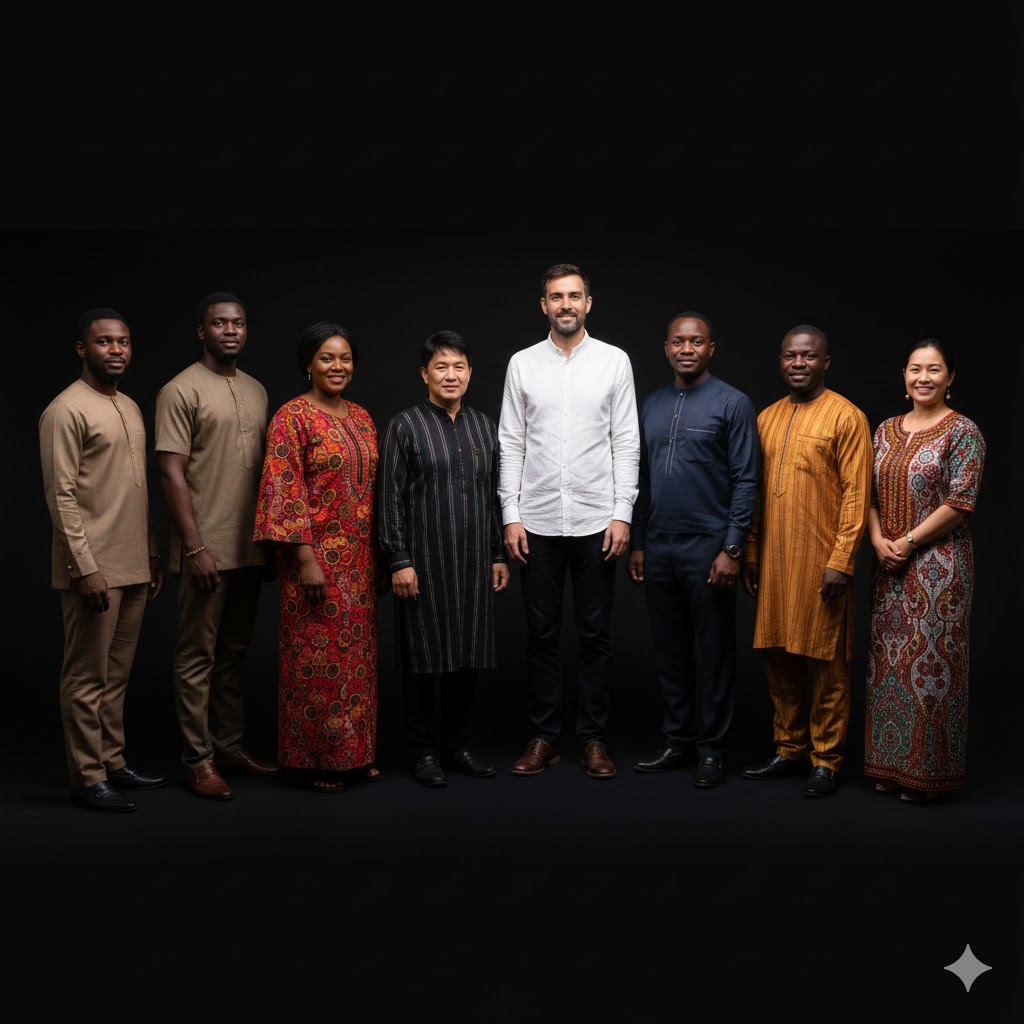
The “Table of Nations,” found in Genesis 10, remains one of the most profound genealogical records in Scripture. It outlines the dispersion of Noah’s three sons—Shem, Ham, and Japheth—after the Flood and provides the earliest biblical framework for understanding the origins of ancient peoples. Far more than a list of names, this chapter functions as a historical, cultural, and spiritual map of humanity that echoes through prophecy, migration, and identity. Within the Hebraic tradition, the Table of Nations is essential because it roots modern peoples in an ancient covenant story that begins with Noah and extends through Abraham, Israel, and ultimately the Messiah.

Genesis 10 opens with an authoritative declaration: “Now these are the generations of the sons of Noah” (Genesis 10:1, KJV). This introduces the idea that all post-Flood civilizations trace back to one family. In a world often fractured by race and hierarchy, Scripture begins with unity—one origin, three sons, and seventy nations. This unity does not erase difference; instead, it explains the divine ordering of cultural and ethnic plurality.

The sons of Japheth are listed first—Gomer, Magog, Madai, Javan, Tubal, Meshech, and Tiras (Genesis 10:2). These names correspond to peoples historically associated with Europe, parts of Asia Minor, and regions north of Israel. The Scriptures later reference several of these groups in prophetic texts, particularly Magog and Meshech, demonstrating that the Table of Nations is foundational not only to ancient history but also to eschatology.

Javan, associated with the Greek-speaking world, becomes particularly important in biblical prophecy and later history. His descendants—Elishah, Tarshish, Kittim, and Dodanim (Genesis 10:4)—illustrate how the Mediterranean world emerged through Japheth’s lineage. When Paul preaches in Greece centuries later, he is indirectly standing in the territories outlined in Genesis 10, showing how interconnected the biblical timeline truly is.

Ham’s lineage, occupying verses 6–20, is the most extensive in the chapter. Ham’s sons—Cush, Mizraim, Phut, and Canaan (Genesis 10:6)—represent African and Near Eastern civilizations. Of particular interest is Cush, often associated with Ethiopia, Nubia, and the broader regions of East Africa. Mizraim is universally recognized in Scripture as Egypt. These associations form the basis for understanding African biblical presence, heritage, and advanced civilizations within Scripture.

The descendants of Cush include Seba, Havilah, Sabtah, Raamah, and Sabtechah, but the most notable among them is Nimrod (Genesis 10:8). Described as “a mighty one in the earth” and “a mighty hunter before the LORD” (Genesis 10:9), Nimrod is credited with founding major Mesopotamian cities such as Babel, Erech, and Akkad (Genesis 10:10). His legacy is tied to empire-building, demonstrating the influence of Hamitic peoples on early global civilization.

Mizraim’s offspring include notable groups such as the Ludim, Anamim, Lehabim, Naphtuhim, Pathrusim, Casluhim, and Caphtorim (Genesis 10:13–14). The Philistines arise from this branch, illustrating that major biblical adversaries came from Ham’s line—not as a mark of inferiority, but as a testament to Ham’s geographical and political significance in the biblical world.

Phut, associated with Libya and North Africa, appears frequently in prophetic texts (Ezekiel 27:10; Nahum 3:9). His descendants are known for their military strength, aligning with Scripture’s consistent recognition of African nations as powerful and influential in regional conflicts and alliances.

The most controversial portion of Ham’s lineage concerns Canaan. Often misused historically to justify oppression, the biblical text itself does not support such conclusions. The Canaanites—Hivites, Jebusites, Amorites, and others (Genesis 10:15–18)—occupied the land later promised to Abraham. Their presence sets the stage for Israel’s future covenantal journey, demonstrating how genealogy intersects with geography and destiny.

Shem’s descendants, listed in verses 21–31, form the Semitic families, including the Hebrews, Assyrians, and Arameans. Shem is called “the father of all the children of Eber” (Genesis 10:21), emphasizing his connection to Abraham and the lineage through which Israel would arise. From Shem comes Arphaxad, Shelah, and Eber—names that anchor the Messianic line.

Eber’s name becomes the root of the term “Hebrew,” underscoring Genesis 10 as the starting point for understanding Israel’s ethnic and spiritual identity. The genealogical path from Shem to Abraham in Genesis 11 continues the story, showing how divine promise unfolds through a family tree that begins in the Table of Nations.

The division of the earth in the days of Peleg—“for in his days was the earth divided” (Genesis 10:25)—is a mysterious and significant note. Many interpret this as referencing either linguistic division at Babel or geographic dispersion. Whatever the exact meaning, it emphasizes that God oversaw the ordering of nations according to His plan.

The Table of Nations concludes by reiterating the central theme: “These are the families of the sons of Noah… by these were the nations divided in the earth after the flood” (Genesis 10:32). This ending affirms divine sovereignty over human migration, culture, and ethnicity.

For Hebraic readers, this chapter serves as a spiritual compass. It roots identity not in modern racial constructs but in biblical origin. It reinforces that every nation has a place in the redemptive narrative, yet Israel occupies a unique covenantal role flowing from Shem.

The Table of Nations also shows that Africa, Asia, and the Near East played major roles in early civilization, contrary to narratives that minimize non-European contributions. Scripture positions African and Semitic peoples at the center, not the margins, of ancient history.

By tracing Nimrod, Mizraim, Canaan, Asshur, and Eber, the chapter provides a panoramic view of how empires and tribes arose. It reveals that humanity’s diversity reflects God’s design rather than human accident. Differences in culture, language, and geography trace back to Genesis 10, not to notions of superiority or inferiority.

In modern times, the Table of Nations challenges believers to see beyond surface distinctions. If all nations came from one family, then ethnic hostility contradicts Scripture. The chapter becomes a theological argument for unity grounded in divine creation.

Yet it also highlights spiritual distinction. Israel, emerging from Shem, carries a covenant responsibility unlike any other nation. This duality—unity in origin, distinction in calling—becomes a biblical pattern that continues throughout the Old and New Testaments.

Ultimately, the Table of Nations frames the biblical worldview of humanity: one creation, many nations, and one redemptive plan. From Genesis to Revelation, the nations appear repeatedly, culminating in the vision of “all nations, and kindreds, and people, and tongues” standing before the Lamb (Revelation 7:9).

In this way, Genesis 10 is not merely a genealogy; it is a prophetic map. It shows where humanity began, how it spread, and how God would later gather the nations again under His kingdom. The Table of Nations reminds every reader of their sacred origin, their place in the divine story, and the God who oversees the destiny of all peoples.

References (KJV):
Genesis 10; Genesis 11:10–26; Revelation 7:9; Ezekiel 27:10; Nahum 3:9.

📜 Table of Nations (Genesis 10)

Son of NoahDescendants/People Groups ListedCommon Historical Associations (Traditional/Scholarly)
JaphethGomer, Magog, Madai, Javan, Tubal, Meshech, Tiras. Grandsons: Ashkenaz, Riphath, Togarmah (from Gomer); Elishah, Tarshish, Kittim, Rodanim (from Javan).Indo-European peoples, often associated with the North, Asia Minor, and Mediterranean Coastlands (e.g., Greeks/Ionians, Medes, peoples of modern Turkey, Spain).
HamCush, Egypt (Mizraim), Put, Canaan. Grandsons: Seba, Havilah, Sabtah, Raamah, Sabteca (from Cush); Ludites, Anamites, Lehabites, Naphtuhites, Pathrusites, Kasluhites, Caphtorites (from Egypt); Sidon, Heth, Jebusites, Amorites, Girgashites, Hivites, Arkites, Sinites, Arvadites, Zemarites, Hamathites (from Canaan).Peoples of Africa, the Arabian Peninsula, Mesopotamia, and the Levant (e.g., Ethiopians, Egyptians, Libyans, Canaanites, Babylonians/Assyrians via Nimrod).
ShemElam, Ashur, Arphaxad, Lud, Aram. Grandsons: Uz, Hul, Gether, Mash (from Aram); Shelah (from Arphaxad). Great-grandson: Eber.Peoples of the Middle East, the Levant, and Persia (e.g., Elamites, Assyrians, Aramaeans, Hebrews/Israelites via Eber).

The Wounded Man: Online Masculinity Movements and the Quest for Purpose

The wounded man does not announce himself bleeding—he appears stoic, articulate, and armored in ideology. The suffering of modern men is frequently misread as rebellion when it is really a crisis of belonging, affirmation, and paternal absence. The Bible foreshadowed the cost of shepherdless manhood: “Smite the shepherd, and the sheep shall be scattered” (Zech. 13:7, KJV).

In every generation, men look for language to describe their pain. Today, that language is often supplied by online masculinity movements—digital nations without elders, mentors, or covenantal accountability. Scripture warns when men lead themselves without God: “Every way of a man is right in his own eyes: but the Lord pondereth the hearts” (Prov. 21:2, KJV).

The wounded man is born first from inner rupture. He is shaped by rejection before religion, culture, or politics ever reach him. “The spirit of a man will sustain his infirmity; but a wounded spirit who can bear?” (Prov. 18:14, KJV). This verse reads like a diagnosis of modern male psychology.

Today’s movements promise a reinstallation of masculine strength, yet many boys never received an original spiritual installation at all. The internet becomes a father figure when fathers become absentee statistics. God speaks against leaders who scatter rather than strengthen: “Woe unto the shepherds that do feed themselves!” (Ezek. 34:2, KJV).

Loneliness fuels digital membership. Men find in online spaces the fraternity that reality failed to provide. But scripture explains purpose is not found in numbers of followers, but divine ordering: “The steps of a good man are ordered by the Lord” (Psa. 37:23, KJV).

Many wounded males adopt hyper-dominance rhetoric because pain distrusts softness. Tenderness is interpreted as loss of authority rather than evidence of healing. Yet scripture teaches God draws nearest to brokenness, not bravado: “The Lord is nigh unto them that are of a broken heart” (Psa. 34:18, KJV).

Online masculine rhetoric often hardens men outward instead of transforming them inward. Hardened men build platforms; healed men build families. The Bible defines masculine power through self-rule, not gender rule: “He that ruleth his spirit is better than he that taketh a city” (Prov. 16:32, KJV).

The wounded man is often angry at the wrong villain. He blames women for wounds fathers created, or culture for wounds neglect cultivated. Scripture redirects accountability: “Let each man prove his own work… for every man shall bear his own burden” (Gal. 6:4-5, KJV).

The crisis of purpose is a crisis of vision. Online movements rise when boys become men without prophetic direction. Scripture declares this clearly: “Where there is no vision, the people perish” (Prov. 29:18, KJV).

Many think masculinity was lost because feminism rose. But masculinity fractured because fatherhood fell, community eroded, and spiritual responsibility was abandoned. God instructs men to provide, not posture: “But if any provide not for his own house, he hath denied the faith” (1 Tim. 5:8, KJV).

The wounded man seeks purpose in self-help rhetoric rather than divine help rhetoric. He scrolls mentorship instead of submitting to it. Scripture indicts self-direction without God: “There is a way that seemeth right unto a man, but the end thereof are the ways of death” (Prov. 14:12, KJV).

Many of these communities use scripture selectively to validate hierarchy while ignoring holiness. But scripture calls masculinity to love, sacrifice, protection, and spiritual guidance. “Husbands, love your wives, even as Christ also loved the church, and gave himself for it” (Eph. 5:25, KJV).

The ideology of conquest appeals to men because trauma creates appetite for control. But purpose is not dominion—purpose is obedience. “To obey is better than sacrifice” (1 Sam. 15:22, KJV). That is the verse the manosphere rarely remembers.

The wounded man fears irrelevance more than he fears sin. He fears being average more than he fears disobedience. Yet scripture states, “For all have sinned, and come short of the glory of God” (Rom. 3:23, KJV). God equalizes sin so holiness can individualize purpose.

Many wounded men convert disappointment into doctrine. Their movements disciple pain instead of discipling repentance. Scripture warns about building identity on emotional deception: “The heart is deceitful above all things, and desperately wicked” (Jer. 17:9, KJV).

Viral masculinity movements disciples outrage faster than pastors disciple healing. The wounded boy is celebrated when he becomes rebellious but ignored when he becomes righteous. Yet God rewards spiritual endurance, not perpetual grievance. “If ye endure chastening, God dealeth with you as sons” (Heb. 12:7, KJV).

True sonship requires correction. The manosphere creates brotherhood without rebuke; God creates manhood through rebuke. “Whom the Lord loveth he correcteth” (Prov. 3:12, KJV).

The wounded man does not lack strength—he lacks aim. Misguided power builds loud followings, but misdirected strength builds relational casualties. God defines purpose Himself: “The Lord is my rock… the horn of my salvation” (Psa. 18:2, KJV).

Many boys were wounded into men who no longer trust love, community, or covenant. Disconnection becomes a masculinity badge rather than a trauma symptom. But scripture commands restoration of heart before restoration of manhood. “A new heart also will I give you, and a new spirit will I put within you” (Ezek. 36:26, KJV).

Purpose cannot be crowd-sourced; it must be God-breathed. Influence is temporary; calling is eternal. “For the gifts and calling of God are without repentance” (Rom. 11:29, KJV).

Masculine healing does not mean the absence of struggle—it means the absence of surrender to sin. Scripture assures dominion’s reversal: “Sin shall not have dominion over you” (Rom. 6:14, KJV).

The wounded man seeks societal recognition; the healed man seeks divine alignment. The greatest dilemma is that men are trying to become “unbreakable” while God calls them to become new. “If any man be in Christ, he is a new creature: old things are passed away” (2 Cor. 5:17, KJV).

The quest for purpose ends only when a man stops asking the internet to define him and allows scripture to realign him. Healing masculinity means rescuing boys before they become statistics—and restoring men before they become hardened headlines.


📚 References

American Psychological Association. (2017). Guidelines for Psychological Practice with Boys and Men. APA.

Baumeister, R. F. (1991). Meanings of Life. Guilford Press.

Berger, J. M. (2018). Extremism and grievance communities online: Social identity, group narratives, and radical belonging. International Centre for Counter-Terrorism, 9(2), 1–25.

Ging, D. (2019). Manosphere cultures, male trauma, and the rise of digital masculine identity movements. Social Media + Society, 5(2), 1–14.

hooks, b. (2004). The Will to Change: Men, Masculinity, and Love. Washington Square Press.

Kimmel, M. (2013). Angry White Men: American Masculinity at the End of an Era. Nation Books.

Ribeiro, M., Ottoni, R., West, R., Almeida, V., & Meira Jr., W. (2020). The evolution of grievance masculinity networks across the web. International AAAI Conference on Web and Social Media Proceedings, 14, 196–207.

Schnyder, U., & Cloitre, M. (2015). Evidence-Based Treatments for Trauma-Related Psychological Disorders in Adults. Springer.

Tatum, B. D. (1997). Why Are All the Black Kids Sitting Together in the Cafeteria? Basic Books.

Van Valkenburgh, S. P. (2021). Masculinity and neoliberalism in the manosphere. Men and Masculinities, 24(1), 84–103.

Wilson, J. (2024). The mainstreaming of misogynistic male-grievance ideology online. Feminist Media Studies, 24(2), 259–276.

The Holy Bible, King James Version. (1611). Cambridge University Press.

Brown Girl Rising

Brown Girl Rising is the story of awakening, resilience, and transformation. It is the journey from self-doubt shaped by societal bias to a confident embrace of identity, heritage, and purpose. For brown girls everywhere, rising is both personal and collective, a declaration that history, circumstance, or prejudice cannot define their worth or potential.

From childhood, brown girls encounter narratives that seek to diminish their value. Colorism, media misrepresentation, and systemic inequities often shape perception and self-esteem. Hunter (2007) highlights how internalized bias can negatively impact identity formation and confidence. Rising begins with recognizing and rejecting these false narratives.

Education is a key pillar in the ascent of the brown girl. Knowledge empowers critical thinking, cultural awareness, and leadership. When a brown girl learns her history, studies her potential, and cultivates her skills, she builds a foundation of confidence and independence. Proverbs 4:7 (KJV) affirms, “Wisdom is the principal thing; therefore get wisdom: and with all thy getting get understanding.”

Faith fortifies resilience. Brown Girl Rising understands that divine purpose is embedded within her being. Jeremiah 29:11 (KJV) declares, “For I know the thoughts that I think toward you, saith the LORD, thoughts of peace, and not of evil, to give you an expected end.” Trusting in God’s plan encourages perseverance through adversity.

Rising also requires community and mentorship. Surrounding oneself with supportive peers, role models, and leaders fosters growth, accountability, and inspiration. Proverbs 27:17 (KJV) states, “Iron sharpeneth iron; so a man sharpeneth the countenance of his friend.” Community becomes both a mirror and a catalyst for elevation.

Brown girls possess a unique brilliance, often overlooked or underestimated. Historical and contemporary examples—from scientists to artists to leaders—illustrate that talent, creativity, and leadership flourish when nurtured and affirmed. Asante (2007) emphasizes the rich intellectual legacy of African civilizations, demonstrating that brilliance is both inherited and cultivated.

Self-love is central to the rising journey. 1 John 4:19 (KJV) notes, “We love him, because he first loved us.” Recognizing God’s love provides a template for self-respect, affirmation, and boundaries, allowing brown girls to assert value in all aspects of life.

Rising is not linear. Challenges, setbacks, and opposition test resilience. Yet every trial strengthens character, sharpens focus, and deepens understanding of self. Romans 5:3-4 (KJV) teaches, “…we glory in tribulations also: knowing that tribulation worketh patience; And patience, experience; and experience, hope.”

Expression through art, literature, and culture amplifies the voice of the brown girl. Poetry, music, visual art, and storytelling communicate identity, resistance, and aspiration. These mediums allow her to rise visibly and inspire others.

Physical presence and aesthetic pride are also acts of rising. Hair, fashion, and beauty practices are expressions of culture and self-respect. Celebrating natural features affirms identity and challenges oppressive beauty standards.

Leadership is a natural extension of rising. By taking initiative, advocating for others, and influencing change, brown girls demonstrate that rising is not only personal but communal. Proverbs 31:8-9 (KJV) exhorts, “Open thy mouth for the dumb in the cause of all such as are appointed to destruction. Open thy mouth, judge righteously, and plead the cause of the poor and needy.”

Health—physical, emotional, and spiritual—is essential for sustaining upward movement. Self-care is not indulgence but a strategy for resilience, ensuring that the brown girl has energy and clarity to pursue purpose. 1 Corinthians 6:19-20 (KJV) reminds us that our bodies are temples of the Holy Spirit.

Rising also involves breaking cycles of generational trauma. By confronting inherited wounds and seeking healing, brown girls create space for empowerment and possibility. The journey becomes both personal transformation and societal impact.

Courage is fundamental. Speaking truth, pursuing dreams, and challenging injustice often require bravery. Joshua 1:9 (KJV) affirms, “Be strong and of a good courage; be not afraid, neither be thou dismayed: for the LORD thy God is with thee whithersoever thou goest.”

Brown Girl Rising understands the power of visibility. Representation in media, academia, business, and politics counters stereotypes, inspiring the next generation to rise without apology. Seeing oneself reflected validates dreams and normalizes achievement.

Advocacy is integral to rising. Elevating voices, addressing inequity, and mentoring others extends personal ascent into societal transformation. Acts of advocacy demonstrate that rising is both a personal and communal endeavor.

Patience and persistence distinguish lasting rise from fleeting success. Galatians 6:9 (KJV) reminds, “And let us not be weary in well doing: for in due season we shall reap, if we faint not.” Persistence ensures that efforts bear fruit over time.

Rising requires authenticity. Embracing individuality, culture, and values fosters self-respect and influence. Brown girls who honor their heritage and uniqueness inspire confidence and respect in others.

Celebration marks milestones of rising. Rejoicing in accomplishments, whether large or small, reinforces identity and motivates continued growth. Psalm 118:24 (KJV) declares, “This is the day which the LORD hath made; we will rejoice and be glad in it.”

Finally, Brown Girl Rising embodies hope, resilience, and purpose. It is a declaration of presence, power, and potential. Each step upward reflects ancestral strength, divine design, and personal agency. Rising is not only survival—it is flourishing.


References

Psalm 139:14, KJV.
Jeremiah 29:11, KJV.
Proverbs 4:7, KJV.
Proverbs 27:17, KJV.
1 John 4:19, KJV.
Romans 5:3-4, KJV.
Proverbs 31:8-9, KJV.
1 Corinthians 6:19-20, KJV.
Joshua 1:9, KJV.
Galatians 6:9, KJV.
Psalm 118:24, KJV.
Hunter, M. L. (2007). The Persistent Problem of Colorism: Skin Tone, Status, and Inequality. Sociology Compass, 1(1), 237–254.
Asante, M. K. (2007). The History of Africa: The Quest for Eternal Harmony. Routledge.
Gates, H. L. (2019). The Black Experience in America: Identity, Culture, and Achievement. Vintage Press.