Tag Archives: ethnically mixed

Constructed Identities: The Politics, Genetics, and Legacy of Mixed Race.

The story of mixed race is not merely a matter of biology, but a deeply layered narrative shaped by power, conquest, identity, and survival. What we call “mixed race” today emerged from historical systems that sought to divide humanity into categories, assigning value and status based on appearance. These divisions were not natural; they were constructed.

The modern conception of race was developed during the rise of European colonialism. Scholars in anthropology widely agree that race has no fixed biological basis. Instead, it was created as a social hierarchy to justify slavery, land theft, and domination over non-European peoples.

In contrast, ethnicity refers to cultural identity—shared language, customs, ancestry, and traditions. While race is often imposed externally, ethnicity is more closely tied to how people understand themselves and their heritage. The confusion between these two concepts has contributed to centuries of misunderstanding about identity.

The transatlantic slave trade marked a turning point in how race was defined and enforced. During this period, millions of Africans were forcibly transported to the Americas, where rigid racial systems were established. Within this system, people of mixed ancestry were given special classifications that both elevated and restricted them.

Many mixed-race individuals were born from deeply unequal relationships, often involving coercion or outright violence. European enslavers frequently fathered children with enslaved African women, creating a population that did not fit neatly into the binary racial categories of the time. These individuals became central to the development of complex racial hierarchies.

One of the most common terms used during slavery was Mulatto, referring to someone with one African and one European parent. The term itself reflects the dehumanizing logic of the era, as it is derived from a word historically associated with animal breeding.

Other classifications attempted to quantify ancestry with disturbing precision. A Quadroon referred to someone with one Black grandparent, while an Octoroon described someone even further removed. These labels were not casual descriptors—they determined a person’s legal rights, social status, and opportunities.

In Spanish and Portuguese colonies, an elaborate system known as the Casta System categorized individuals based on detailed mixtures of African, Indigenous, and European ancestry. Paintings from this era visually depicted these categories, reinforcing the idea that identity could be measured and ranked.

Terms like Mestizo and Zambo further illustrate how colonial societies attempted to map human diversity into rigid frameworks. Each category carried different social implications, often tied to proximity to whiteness.

In the United States, racial classification took on a particularly rigid form through the development of the One-Drop Rule. This principle erased the complexity of mixed identities by categorizing anyone with African ancestry as Black, reinforcing white supremacy and limiting social mobility.

Within plantation life, mixed-race individuals were often assigned roles that reflected their perceived proximity to whiteness. Some worked as house servants, while others labored in the fields. This distinction contributed to the development of colorism—a system that privileges lighter skin within communities of color.

Colorism has had long-lasting psychological and social effects. Lighter-skinned individuals were sometimes granted limited privileges, such as access to education or less physically demanding labor, while darker-skinned individuals faced harsher conditions. These divisions created internal hierarchies that persist today.

From a scientific perspective, however, the idea of distinct races collapses under scrutiny. Advances in Genetics reveal that all humans share approximately 99.9% of their DNA. The differences that do exist are gradual and do not align with traditional racial categories.

Mixed-race individuals are simply expressions of genetic diversity, resulting from the blending of ancestral populations over time. This process, known as admixture, is a natural part of human history. Migration, trade, and interaction have always led to the mixing of populations.

There is no single genetic marker that defines race. Traits like skin color are influenced by a small number of genes and can vary widely even within the same family. This explains why mixed-race individuals can have a broad range of appearances.

Physically, mixed-race individuals may exhibit a combination of features associated with different ancestral groups. These can include variations in skin tone, hair texture, facial structure, and eye color. However, these traits are not predictable and do not follow simple patterns.

The perception of a “mixed-race look” is largely shaped by societal expectations rather than biological reality. People often project assumptions onto individuals based on their appearance, reinforcing stereotypes about what mixed race should look like.

The psychological experience of being mixed race has often been marked by tension and contradiction. Many individuals have historically been forced to navigate multiple identities, sometimes feeling that they do not fully belong to any one group.

This sense of in-betweenness has been described as both a burden and a unique perspective. While some experience alienation, others embrace their mixed heritage as a source of strength and cultural richness.

A powerful case study can be found in the history of Creole communities in Louisiana. These communities, often composed of individuals with African, European, and sometimes Indigenous ancestry, developed distinct cultural identities that blended language, religion, and tradition.

Creoles occupied a unique social position, sometimes enjoying more rights than enslaved Africans but still facing discrimination. Their existence challenged rigid racial categories and demonstrated the fluidity of identity.

Another important case study is the Melungeon population of Appalachia. These communities, with mixed African, European, and Indigenous roots, lived on the margins of society and were often subjected to suspicion and discrimination due to their ambiguous appearance.

In the Caribbean, particularly in places like Haiti and the Dominican Republic, mixed-race populations became central to national identity. However, color hierarchies persisted, often privileging lighter skin and European features.

The legacy of mixed race is also visible in modern celebrity culture. Public figures of mixed ancestry are often celebrated for their appearance while simultaneously being subjected to scrutiny about their identity and authenticity.

Historically, mixed-race individuals have also been used symbolically in media and literature, sometimes portrayed as tragic figures caught between worlds. These narratives reflect broader societal anxieties about race and belonging.

A Construct Born of Power, Not Biology

The concept of “mixed race” cannot be understood apart from the historical invention of race itself. Race is not a biological reality but a social construct, developed largely during European colonial expansion to justify hierarchy, slavery, and domination . In contrast, ethnicity refers to shared culture, language, ancestry, and heritage—not physical traits alone.

Thus, “mixed race” is less about genetics and more about how societies have historically categorized, controlled, and stratified human beings.


The Origins of Race and Ethnicity

  • Race: A classification system based primarily on physical traits (skin color, hair texture, facial features), developed during colonialism to rank human populations.
  • Ethnicity: A cultural identity tied to shared traditions, language, ancestry, and historical experience.

The modern racial system emerged between the 16th–18th centuries alongside the transatlantic slave trade. Europeans created rigid categories (White, Black, Indigenous) and then constructed intermediate labels to classify people of mixed ancestry.


Slavery and the Creation of Mixed-Race Classes

During slavery in the Americas, mixed-race individuals were often the result of coercive relationships between European enslavers and African women . These children occupied a complex and often contradictory social position:

  • Sometimes granted limited privileges (education, lighter labor)
  • Often still enslaved and denied full humanity
  • Used as a buffer class between enslaved Africans and White elites

House Slaves vs Field Slaves

  • House slaves: Often lighter-skinned or mixed ancestry; worked inside homes; perceived as “closer” to whiteness
  • Field slaves: Typically darker-skinned; subjected to harsher labor conditions

This division reinforced colorism, a system privileging lighter skin within Black communities—a legacy that persists today.

Historical Terms for Mixed Race (and Their Meanings)

Colonial societies created dozens of terms to classify people by fractions of ancestry. These were not neutral—they were tools of control.

African + European Ancestry

  • Mulatto: One Black parent, one White parent
  • Quadroon: 1/4 African ancestry
  • Octoroon: 1/8 African ancestry
  • Griffe: 3/4 African, 1/4 European

African + Indigenous

  • Zambo: African + Indigenous ancestry

European + Indigenous

  • Mestizo: European + Indigenous ancestry

Tri-Racial or Complex Mixtures

  • Pardo: Mixed African, European, and Indigenous ancestry
  • Marabou: Haitian term for mixed African, European, and Indigenous lineage

Colonial System

  • Casta System: A hierarchical classification system in Spanish colonies assigning social status based on racial mixture

These labels were tied to legal rights, social status, and even freedom.


The “One-Drop Rule” and Racial Policing

In the United States, racial identity became even more rigid under laws like the one-drop rule, where any African ancestry classified a person as Black. This erased the complexity of mixed identity and reinforced white supremacy.


Genetics of Mixed Race: What Science Actually Says

From a biological standpoint:

  • All humans share 99.9% of their DNA
  • Genetic variation exists gradually across populations (not in rigid racial boxes)
  • Mixed-race individuals simply reflect genetic admixture—the blending of ancestral populations over time

Key points:

  • There is no gene for race
  • Traits like skin color are influenced by a small number of genes
  • Mixed ancestry often increases genetic diversity, which can be beneficial for health

Physical Features of Mixed-Race Individuals

There is no single “mixed-race look,” but some commonly observed features (depending on ancestry) include:

  • Varying skin tones (light brown to deep brown)
  • Curly, wavy, or loosely coiled hair textures
  • Facial feature blending (nose shape, lip fullness, eye shape)
  • Lighter eye colors (in some African-European mixes)

However, phenotype (appearance) is unpredictable due to genetic recombination.


The Psychological and Social “Tragedy”

The “tragedy” of mixed race is not biological—it is social and historical:

1. Identity Fragmentation

Mixed individuals have often been forced to “choose” one identity over another.

2. Rejection from Both Sides

Historically:

  • Not fully accepted by White society
  • Sometimes viewed with suspicion in Black communities

3. Colorism and Privilege

Mixed individuals have sometimes been:

  • Privileged due to proximity to whiteness
  • Simultaneously marginalized and fetishized

4. Historical Trauma

Many mixed-race lineages originate from violence, coercion, and exploitation during slavery.


Modern Language: Moving Away from Colonial Labels

Today, terms like:

  • Biracial
  • Multiracial
  • Mixed

are preferred over colonial classifications like “mulatto,” which is widely considered outdated or offensive in the United States.


Beyond Labels

Mixed race is not a biological anomaly—it is a human reality shaped by migration, empire, and survival. The tragedy lies not in the mixture, but in the systems that:

  • Created hierarchies of human value
  • Weaponized identity
  • Divided people by appearance

In truth, mixed-race people expose a deeper reality: the artificial nature of racial boundaries themselves.

The so-called “tragedy” of mixed race is not inherent to the individuals themselves but arises from the systems that have sought to define and limit them. It is a tragedy rooted in exclusion, not in identity.

In contemporary society, language around mixed race has evolved. Terms like “biracial” and “multiracial” are now commonly used, reflecting a shift toward more inclusive and self-defined identities.

Despite this progress, challenges remain. Mixed-race individuals still navigate complex social dynamics, including questions of authenticity, representation, and belonging.

At the same time, the growing visibility of multiracial identities is reshaping how society understands race. Increasingly, people are recognizing that racial categories are fluid, overlapping, and deeply interconnected.

Ultimately, the history of mixed race reveals a fundamental truth: the boundaries we draw between people are neither natural nor fixed. They are the product of human decisions, shaped by history and power.

In this sense, mixed-race individuals do not complicate the idea of race—they expose its limitations. Their existence challenges us to rethink how we define identity and to move beyond the divisions of the past.

The future of racial identity may lie not in rigid categories but in a more nuanced understanding of human diversity—one that acknowledges both our shared humanity and the richness of our differences.


References

Encyclopaedia Britannica. (2026). Mulatto.
Encyclopaedia Britannica. (2026). Race (human classification).
Pew Research Center. (2015). Multiracial in America: Proud, diverse, and growing in numbers.
Omi, M., & Winant, H. (2015). Racial Formation in the United States. Routledge.
Smedley, A., & Smedley, B. D. (2005). Race as biology is fiction, racism as a social problem is real. American Psychologist, 60(1), 16–26.
Marks, J. (2010). Ten Facts about Human Variation. In Biological Anthropology.
Nash, G. B. (1992). Forbidden Love: The Secret History of Mixed-Race America.
Davis, F. J. (2001). Who Is Black? One Nation’s Definition. Penn State Press.
Hollinger, D. A. (2003). Amalgamation and hypodescent. Journal of American History, 89(4), 1363–1390.
Proximity to Whiteness: Colorism’s Impact on Mixed-Race Black Identity and Status

Mixed-race refers to individuals whose ancestry comes from more than one racial or ethnic group, often resulting from the blending of genetic lineages across continents such as African, European, Asian, or Indigenous populations. Genetically, mixed-race people inherit a unique combination of alleles from each parent, leading to a wide range of physical features such as skin tone, hair texture, eye color, and facial structure. Because African populations carry the greatest genetic diversity on Earth, mixed-race individuals with African ancestry often show especially varied traits, including undertones in the skin, curl patterns in the hair, and combinations of Afrocentric and Eurocentric features. The expression of these traits is influenced by dominant and recessive genes, polygenic inheritance, and the randomness of genetic recombination, which is why mixed-race siblings can look very different from one another.

Other names for mixed-race include biracial, multiracial, bi-ethnic, multiethnic, racially blended, racially mixed, dual-heritage, interracial, mixed heritage, ethnically mixed, and in older or regional terms, words like mulatto, mestizo, creole, or colored—though many of these older terms are now considered outdated, offensive, or tied to colonial racism and should not be used today. Modern preferred terms are mixed-race, biracial, or multiracial because they respect identity without repeating painful language from slavery and segregation.

Throughout history, the treatment of all Black people—including mixed-race Black individuals—has been shaped by systems built on anti-Blackness and white supremacy. Even when mixed-race people were given certain privileges because of lighter skin or Eurocentric features, they were still classified as Black under the “one-drop rule” in America and still subjected to racism, discrimination, and exclusion. Mixed-race individuals sometimes benefited from proximity to whiteness, but they were never accepted as white and often lived in a fragile position between worlds. Within these systems, all Black people—light or dark, mixed or fully African-descended—were treated as inferior to whiteness, controlled socially, economically, and politically, and denied equal rights.

In modern times, colorism still influences how different Black people are treated. Mixed-race or lighter-skinned individuals may experience social advantages in beauty standards, employment, and representation, while darker-skinned Black people often face harsher discrimination. But all Black people remain targets of systemic racism, regardless of shade or heritage. In short, mixed-race identity may change the shade of one’s experience, but it does not erase the reality of being Black in a society that still struggles with deep-rooted anti-Blackness.

Colorism has long shaped the lived experiences of Black people across the African diaspora, but its impact on mixed-race Black individuals is uniquely complex. At the core of colorism is a deeply rooted social hierarchy built on proximity to whiteness—skin tone, hair texture, and facial features that align more closely with European standards. For mixed-race Black people, this proximity often determines how they are perceived, accepted, or marginalized in both society at large and within Black communities. The legacy of slavery, colonialism, and white supremacy continues to shape these dynamics in ways that profoundly influence identity, mental health, and social positioning.

Mixed-race Black individuals often encounter a peculiar duality: they may be celebrated for embodying certain beauty standards while simultaneously facing exclusion or skepticism about their “authenticity.” This tension forms the backdrop of their psychological experience. When society assigns social value based on skin tone or features, those with lighter skin or more Eurocentric traits frequently experience privileges that may boost external status while quietly eroding internal security and belonging.

The concept of proximity to whiteness is rooted in historical systems that privileged lighter-skinned people for labor, education, and interpersonal treatment. During enslavement, Eurocentric traits were often rewarded, while dark skin became linked to labor-intensive roles and dehumanization. This legacy remains embedded in contemporary institutions, media, and interpersonal relationships. Mixed-race individuals with lighter skin may be treated as more approachable, less threatening, or more desirable by non-Black individuals, reinforcing an internalized sense of conditional acceptance.

Within the Black community, mixed-race people may encounter both privilege and resistance. Lighter skin may bring admiration or elevated social positioning, but it can also provoke suspicion or accusations of cultural detachment. Many experience moments of feeling “not Black enough,” particularly when their physical features align more closely with whiteness. This can create a fractured sense of identity in which belonging is both offered and withheld.

Those with darker skin or more Afrocentric features, even if mixed-race, often face the harsher realities of colorism. They may not receive the same advantages in media portrayal, dating preferences, or workplace respect. Their Blackness becomes hyper-visible, and the social penalties associated with dark skin persist. Being mixed-race does not exempt them from anti-Blackness; in many cases, it magnifies it because they do not receive the protective cover of light-skin privilege.

Psychologically, these dynamics contribute to long-standing conflicts around self-esteem, identity development, and internalized racism. Mixed-race individuals often grapple with a sense of duality, forced to navigate stereotypes, expectations, and judgments from multiple sides. They may feel pressure to identify more strongly with one racial group over another or to “prove” their Blackness through cultural knowledge, speech patterns, or political positions.

Internal conflict intensifies when they recognize the privileges they benefit from while also experiencing the discrimination tied to their Black identity. Some carry guilt for advantages they did not choose, while others carry frustration for disadvantages imposed on them despite their mixed heritage. This creates a fragile internal balance where identity feels fluid, conditional, and at times, contested.

Light-skin privilege operates across several domains—beauty standards, employment opportunities, educational treatment, and social desirability. In media and pop culture, lighter skin is often portrayed as more beautiful, marketable, or universally appealing. This is not accidental; it reflects Eurocentric beauty norms that have dominated global aesthetics. Mixed-race models and actors with Eurocentric traits often rise to visibility more quickly, reinforcing public perception that lighter equals better.

Within the dating world, lighter-skinned mixed-race individuals may be idealized or fetishized. They may be praised for “good hair” or “exotic beauty,” terms rooted in colonial ideologies that define beauty by its distance from African features. Conversely, darker-skinned mixed-race people may struggle to receive the same admiration or may be stereotyped as less refined or less desirable. This creates a painful divide in how beauty is perceived within the same racial category.

The psychological impact of being consistently valued—or devalued—based on appearance is profound. Those praised for their lightness may internalize a sense of superiority, often without realizing that the foundation of that praise is rooted in oppressive systems. Over time, this can manifest as entitlement, insecurity, or anxiety around aging or changes in appearance. For those devalued, the internal wounds often include shame, resentment, or a lifelong struggle to affirm their beauty and humanity outside societal standards.

In Black communities, mixed-race individuals may encounter the painful tension between representation and resentment. Some are uplifted as symbols of elevated status, closer to whiteness, and therefore considered more acceptable or beautiful. Others are accused of being the benefactors of privilege they did not ask for. The community’s relationship to mixed-race people is shaped by historical trauma and the lingering impact of color hierarchy imposed from the outside.

These tensions often reveal themselves in comments about hair, skin tone, and features from childhood onward. A mixed-race child may be praised for having “pretty hair” while a darker sibling is ignored, or the child may be told they are “lucky” to look the way they do. These early messages shape how individuals come to understand themselves and the value placed on their Blackness.

Genetics plays a significant role in the diversity of appearances among mixed-race Black people. The interaction between African, European, and sometimes Indigenous ancestry influences skin tone, hair texture, and facial features. The vast genetic diversity of African populations means that even two dark-skinned parents can produce a range of features, and two light-skinned parents may have children with darker tones. This complexity shows that the racial hierarchy built around physical appearance is socially constructed rather than biologically grounded.

The multigenerational impact of interracial unions and the social messages surrounding them continue to shape how mixed-race individuals perceive themselves. Some navigate life with ease due to their privileges, but others experience profound confusion regarding their place in racial discussions. When whiteness becomes the standard for beauty or acceptance, the implication is clear: proximity to whiteness equals value, and distance from whiteness equals struggle.

In modern society, mixed-race individuals often become the face of diversity in branding, advertising, and entertainment. This selective representation reinforces the idea that lighter-skinned or racially ambiguous individuals are more palatable or digestible to mainstream audiences. While it appears to celebrate diversity, it subtly prioritizes certain phenotypes over others, excluding dark-skinned Black people from equal visibility.

The internalization of these dynamics can create a sense of dissonance. Mixed-race people may feel grateful for certain privileges while also recognizing the painful cost of them. They may feel used as tokens of diversity or pressured to represent multiple communities at once. This can create emotional exhaustion and fragmented identity, particularly when they face invalidation from people who insist they are “too light” or “too Black.”

Proximity to whiteness also influences how mixed-race individuals experience police interactions, professional environments, and social mobility. Those with lighter skin may find they are treated with less suspicion, offered more opportunities, or assumed to be more educated or trustworthy. These privileges shape life outcomes in ways that are often invisible to those who benefit from them.

At the same time, mixed-race people are not shielded from racism. In many cases, they experience it in nuanced or confusing forms—microaggressions, tokenization, or assumptions about their background. These layered experiences often lead to a psychological state known as “racial liminality,” a state of existing between worlds without fully belonging to either.

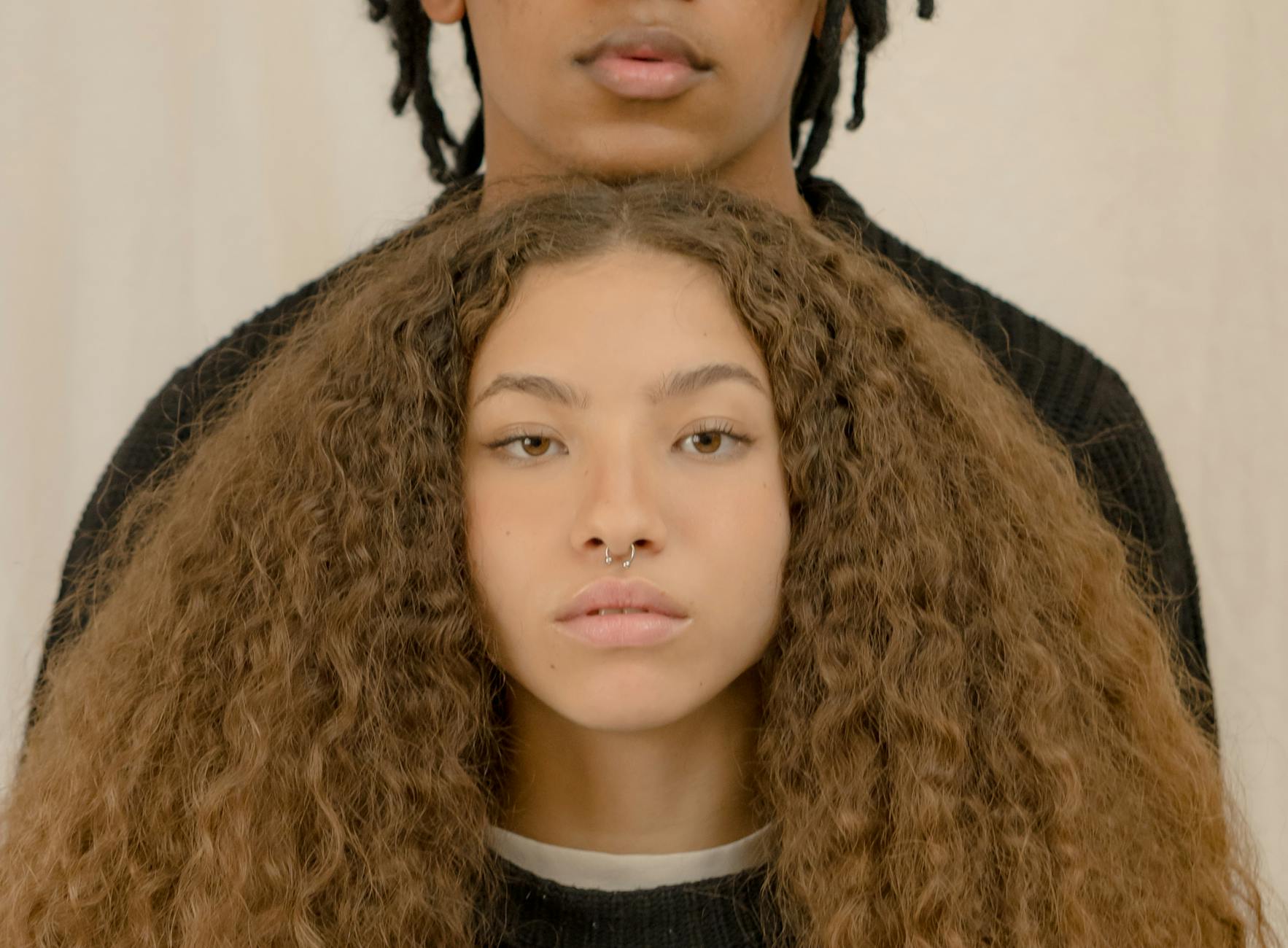
Photo by Andrea Piacquadio on Pexels.com

The esteem granted to light-skinned mixed-race individuals is deeply tied to the colonial beauty hierarchy. European colonizers created a system in which whiteness equaled beauty, purity, and power, while Blackness was portrayed as lesser. These ideologies were internalized across generations, influencing standards of attraction, desirability, and social worth.

Even today, many people subconsciously associate Eurocentric features—thin noses, small lips, loose curls—with beauty. This is not a reflection of intrinsic attractiveness but of historical conditioning. Mixed-race individuals with these traits are often uplifted as the ideal, while those with broader noses, fuller lips, or darker tones face unfair comparison.

The genetic aspect of mixed-race identity adds another layer of complexity. Even siblings can present differently, creating intra-family disparities that mirror broader societal biases. A lighter-skinned child might receive different treatment from relatives, peers, or teachers compared to a darker-skinned sibling, shaping their sense of self-worth from an early age.

The ongoing consequences of colorism and proximity to whiteness can be seen in the workplace, where lighter-skinned mixed-race individuals are often perceived as more professional or marketable. Research has shown that skin tone can predict income, arrest records, and employment opportunities. These disparities illustrate how deeply colorism shapes economic outcomes.

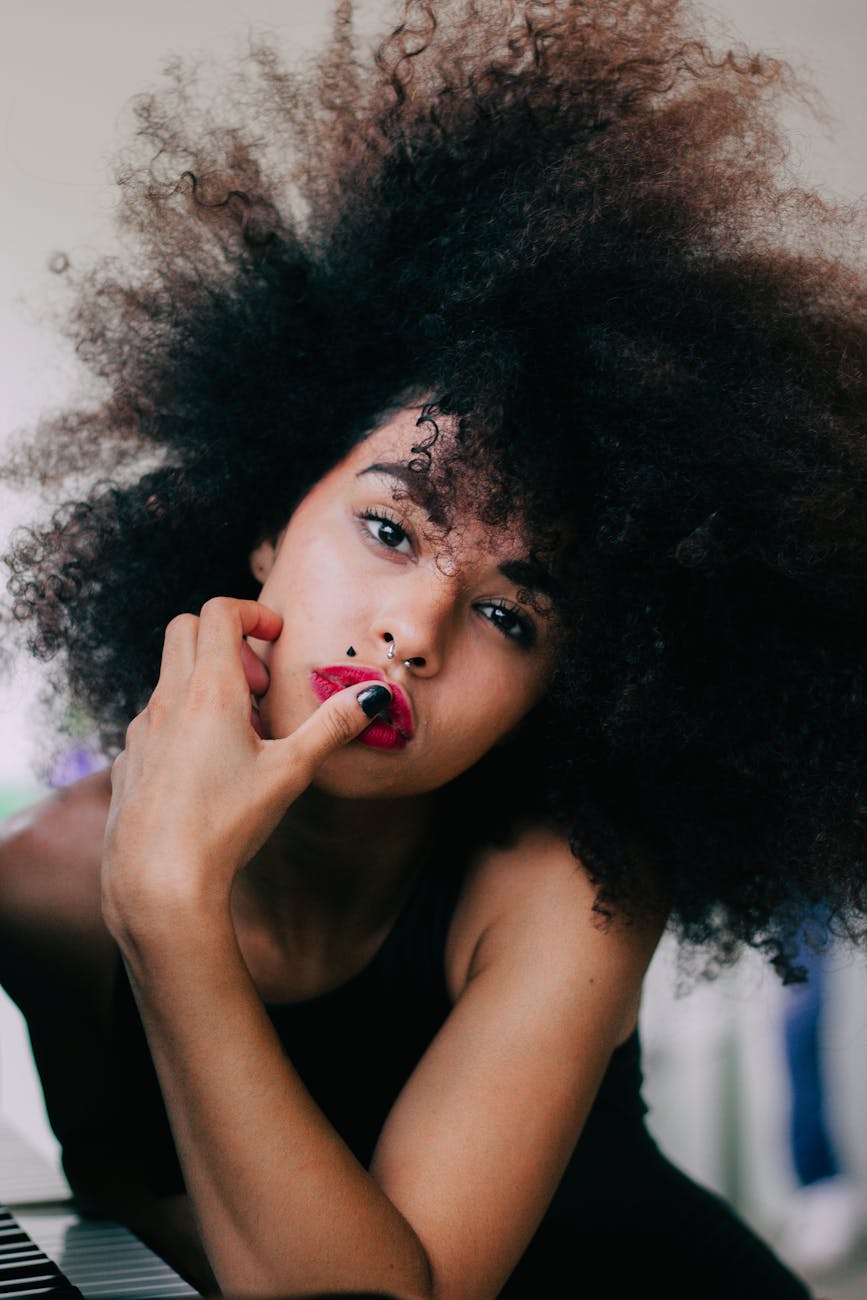
Photo by Olha Ruskykh on Pexels.com

Mixed-race individuals frequently navigate these inequalities with heightened awareness. They may develop a unique form of racial consciousness, recognizing their privileges while also experiencing discrimination. This awareness can create empathy, but it can also create isolation, as few people fully understand the duality of their experience.

In romantic relationships, mixed-race individuals may feel objectified or fetishized. Some people date them to gain proximity to whiteness, while others avoid them due to assumptions about personality, politics, or cultural understanding. These dynamics create emotional challenges in forming genuine, grounded relationships.

Within Black communities, there is often an unspoken tension between embracing mixed-race individuals as part of the collective and critiquing the privileges they receive. This push-and-pull dynamic shapes how many mixed-race people learn to navigate their Blackness—with caution, sensitivity, and an acute understanding of social hierarchy.

Many mixed-race individuals grow up receiving conflicting messages: praised for being lighter, yet questioned for their authenticity. These inconsistencies can form cracks in their self-perception, requiring intentional healing and cultural grounding to overcome.

The privileging of mixed-race beauty has long-term cultural consequences as well. When only certain phenotypes are uplifted, the full spectrum of Black beauty goes uncelebrated. This harms not only darker-skinned individuals but also mixed-race individuals who feel valued for their traits rather than their humanity.

Healing from colorism requires dismantling these hierarchies and embracing the diversity of Black identity. Mixed-race individuals must be allowed to define themselves beyond appearance, and Black communities must be empowered to celebrate all shades and features without reproducing colonial hierarchies.

While mixed-race individuals often sit at the intersection of privilege and discrimination, their experiences highlight the deeper issue: a world conditioned to see whiteness as superior. True liberation comes when Blackness in all its forms is recognized as inherently worthy, beautiful, and powerful.

Photo by Luan Nunes on Pexels.com

In the end, proximity to whiteness does not determine value—society does. As awareness grows and voices challenge these hierarchies, mixed-race individuals can reclaim their identity without the burden of historical bias.

Colorism is not simply about appearance; it is about power, history, psychology, and identity. Mixed-race Black individuals continue to navigate this terrain with resilience, complexity, and a deep desire to belong.

Their stories reveal not just the cost of colorism but the possibility of healing when communities confront the truth of their shared history and choose unity over hierarchy.

Ultimately, mixed-race identity is not defined by proximity to whiteness but by personal truth, lived experience, and the rich cultural heritage that shapes who they are beyond society’s expectations

References

Adams, R. E., & Dressler, W. W. (1988). Skin color and social status in the U.S. Sociological Spectrum, 8(4), 415–438.

Banks, T. L. (2000). Colorism: A darker shade of pale. University of California Press.

Bonilla-Silva, E. (2018). Racism without racists: Color-blind racism and the persistence of racial inequality in America (5th ed.). Rowman & Littlefield.

Burke, M. A., & Embrich, R. (2020). Colorism and stratification among siblings. American Sociological Review, 85(2), 255–280.

Crenshaw, K. (1991). Mapping the margins: Intersectionality, identity politics, and violence against women of color. Stanford Law Review, 43(6), 1241–1299.

Daniel, G. R. (2002). More than Black? Multiracial identity and the new racial order. Temple University Press.

Hall, R. E. (2010). An historical analysis of skin color discrimination. Springer.

Harris, C. (1993). Whiteness as property. Harvard Law Review, 106(8), 1707–1791.

Hunter, M. (2005). Race, gender, and the politics of skin tone. Routledge.

Keith, V. M., & Herring, C. (1991). Skin tone and stratification in the Black community. American Journal of Sociology, 97(3), 760–778.