Tag Archives: education

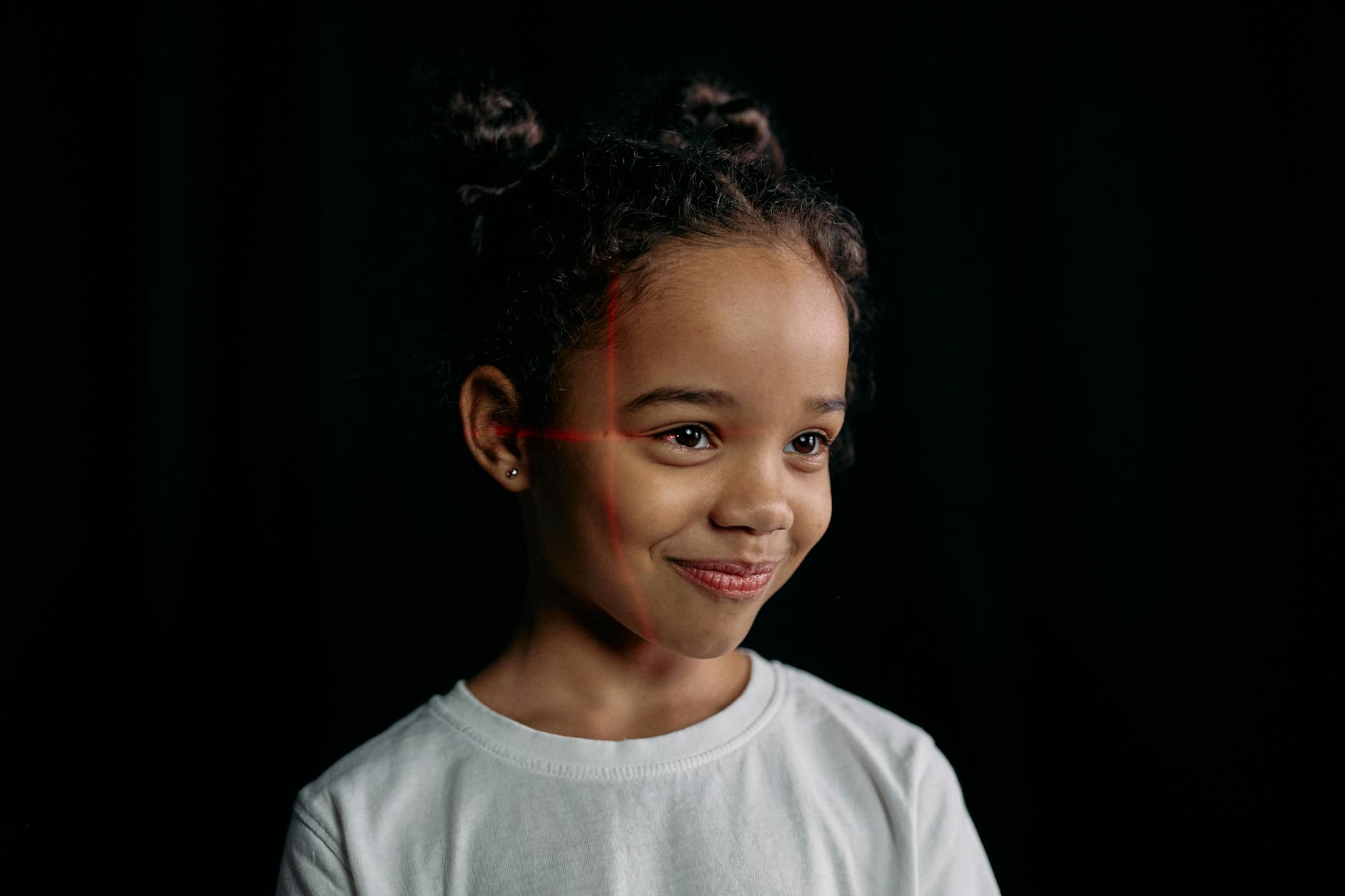
Shades of Innocence: Understanding Child Colorism.

Photo by cottonbro studio on Pexels.com

Child colorism is a pervasive yet often overlooked form of discrimination, rooted in the preferential treatment of lighter-skinned individuals over those with darker skin tones. While colorism affects adults in multiple domains such as employment, media representation, and social perception, its influence on children is particularly damaging, shaping self-esteem, social development, and identity from a young age.

Historically, colorism has been reinforced by colonialism, slavery, and societal hierarchies, which associated lighter skin with power, wealth, and beauty. In many communities, these historical legacies persist, subtly teaching children that lighter skin is more desirable or socially acceptable. This early exposure establishes a foundation for self-perception that can last a lifetime.

Within families, colorism often manifests unconsciously. Parents may praise lighter-skinned children for their appearance or intelligence, while offering less affirmation to darker-skinned siblings. Even casual comments like “You look so pretty for your skin tone” or “Why aren’t you lighter?” reinforce the idea that darker skin is less valued. Over time, these interactions can significantly influence a child’s sense of self-worth.

Peer interactions are another critical arena in which child colorism emerges. Schools and playgrounds, meant to foster equality and socialization, often replicate societal biases. Darker-skinned children may face teasing, exclusion, or derogatory nicknames from classmates, while lighter-skinned peers are more readily accepted and praised. These experiences can contribute to social anxiety and withdrawal.

Media representation amplifies these biases. From early childhood, children encounter cartoons, storybooks, toys, and television shows that overwhelmingly feature lighter-skinned characters or protagonists. The underrepresentation of darker-skinned children sends a subtle message that their appearance is less desirable, affecting both self-esteem and aspirations.

Colorism also intersects with gender, disproportionately affecting girls. Studies show that darker-skinned girls are often deemed less attractive, both by peers and within their own families, compared to lighter-skinned girls. This disparity can lead to a lifelong struggle with self-image and body confidence, beginning in formative years.

Psychologically, the effects of colorism on children are profound. Children internalize the societal preference for lighter skin, which may lead to feelings of inadequacy, low self-esteem, and identity confusion. These internalized beliefs often manifest in behaviors such as wishing for lighter skin or avoiding situations where their appearance is judged.

Academic performance may also be indirectly influenced by child colorism. Teachers’ expectations can be shaped, consciously or unconsciously, by a child’s skin tone. Research indicates that lighter-skinned children are sometimes presumed to be more intelligent or capable, which can translate into more attention, encouragement, and opportunities in educational settings.

Child colorism is not limited to any one culture or region. In African American communities, the preference for lighter skin has been documented extensively, affecting children’s perceptions of beauty and worth. Similarly, in India, fairness remains a dominant standard of attractiveness, influencing children’s social experiences and familial treatment.

In Latin American contexts, colonial histories have created complex racial hierarchies in which lighter-skinned children are more likely to receive social approval and affirmation. These global patterns demonstrate that child colorism is a structural and cultural issue, rather than isolated incidents.

Family interventions are crucial in mitigating child colorism. Parents can foster a positive environment by avoiding comparisons based on skin tone, actively celebrating all skin shades, and emphasizing qualities unrelated to appearance. Open conversations about beauty standards and societal bias help children critically engage with colorism from an early age.

Schools and educators also play a significant role in addressing child colorism. Anti-bullying programs should explicitly include color-based teasing, and curriculum materials should reflect the diversity of skin tones and experiences. Representation in educational content helps children see themselves positively and develop pride in their identity.

Media representation must be broadened to include diverse skin tones. Television shows, storybooks, toys, and online content that highlight darker-skinned children as heroes, protagonists, or leaders help counteract the subliminal messages of inferiority. Such representation fosters a sense of inclusion and affirmation.

Psychological support is another essential component. Counseling or therapeutic interventions can help children cope with the effects of colorism, develop resilience, and challenge internalized biases. Early support mitigates the long-term emotional and social consequences of discriminatory experiences.

Community engagement can further reinforce positive messaging. Cultural programs, storytelling, and community celebrations that honor darker skin tones promote pride and belonging. Engaging children in spaces where their appearance is valued and celebrated combats the negative societal messaging they encounter elsewhere.

Religious and spiritual communities can also address child colorism. Faith-based teachings that emphasize the intrinsic value of all people, regardless of skin tone, provide moral frameworks that challenge societal biases. Scriptural affirmations about human dignity and equality can strengthen a child’s self-image in contexts where colorism is prevalent.

Child colorism intersects with other forms of discrimination, including racism and socioeconomic bias. Darker-skinned children from lower-income families may experience compounded disadvantages, highlighting the structural dimensions of color bias. Understanding these intersections is critical for effective interventions.

Awareness campaigns and advocacy are vital in addressing child colorism on a societal level. Parents, educators, and media creators must recognize the impact of early exposure to color bias and take deliberate action to counteract these messages. Policies that encourage diversity and inclusion benefit children across racial and ethnic communities.

Ultimately, child colorism is not merely a cosmetic or social concern—it is a form of prejudice that shapes children’s emotional, cognitive, and social development. Left unaddressed, it perpetuates cycles of inequality and internalized oppression that extend into adulthood.

Addressing child colorism requires a multi-layered approach: family education, school policies, media representation, psychological support, and community engagement. By actively challenging color biases and celebrating all skin tones, society can create environments where children develop self-worth, confidence, and pride in their natural appearance.

Child colorism is a reflection of deeper societal hierarchies, but it is not immutable. With awareness, intentional action, and supportive environments, children of all skin tones can grow free from the damaging effects of prejudice, realizing their full potential and embracing their inherent beauty.

📚 Academic Articles and Research Studies

  1. Landor, A. M. (2013). Exploring the Impact of Skin Tone on Family Dynamics and Child Development. Journal of Family Psychology, 27(3), 397–407. Link
  2. Major, J. (2023). Colorism Among Black Youth in the United States. Psychology from the Margins, 1(1), Article 1033. Link
  3. Crutchfield, J. (2022). A Scoping Review of Colorism in Schools: Academic, Social, and Emotional Impacts on Students of Color. International Journal of Environmental Research and Public Health, 11(1), 15. Link
  4. Calzada, E. J. (2019). Skin Color as a Predictor of Mental Health in Young Latinx Children. Journal of Abnormal Child Psychology, 47(3), 473–485. Link
  5. Spann, M. S. (2023). The Effects of Colorism on the Self-esteem and Academic Achievement of African American Children. Journal of Research in Education, 33(2), 112–128. Link
  6. Thibault, O. (2020). The Impact of Colorism on Early Childhood Learners. SOAR (State University of New York at Albany) Theses and Dissertations. Link
  7. Moore, K. R. (2020). Disparities by Skin Color among Young African-American Children: Implications for Public Health Research. Journal of Health Disparities Research and Practice, 13(4), Article 5. Link
  8. Kim, Y. (2018). Skin Color and Academic Achievement in Young, Latino Children. Journal of Educational Psychology, 110(5), 725–738. Link
  9. Brown, C. S., & Bigler, R. S. (2005). Children’s Perceptions of Discrimination: A Developmental Model. Child Development, 76(3), 533–553. Link
  10. Craddock, N. (2018). Colourism: A Global Adolescent Health Concern. Current Opinion in Pediatrics, 30(4), 497–502. Link

🎥 Documentaries and Media

  1. Berry, D. C., & Duke, B. (2011). Dark Girls. [Film]. Link
  2. Nyong’o, L. (2019). Sulwe. [Children’s Book]. Link

🧠 Psychological and Sociocultural Insights

  1. Spradley, L. (2025). African American Girls Navigating the Complexities of Colorism. Women of Color and Library Services. Link
  2. Fergus, E. (2015). “What’s ‘Colorism’?”: Understanding Skin Tone Bias in Latino High School Students. Learning for Justice. Link
  3. Wilder, C. R., & Cain, H. (2011). The Role of Black Families in Developing Skin Tone Bias. Journal of Family Psychology, 25(5), 746–754. Link

Homeschooling: Train Up a Child

Photo by August de Richelieu on Pexels.com

“Train up a child in the way he should go: and when he is old, he will not depart from it” (Proverbs 22:6, KJV). These words remind parents of the vital responsibility to guide their children in righteousness, wisdom, and knowledge. In today’s society, with its moral decay and ideological pressures, homeschooling has become a powerful alternative to public schooling, offering parents the ability to shape not only the academic but also the spiritual and moral foundation of their children.

Homeschooling is the process by which parents educate their children at home rather than sending them to public or private schools. It allows for individualized instruction, a flexible schedule, and the ability to instill values aligned with biblical principles. Parents are able to directly influence what their children learn, how they learn, and what worldview is presented in their education.

One of the most significant benefits of homeschooling is the spiritual and moral oversight it provides. In public schools, children are often exposed to ideologies and behaviors contrary to biblical teachings. Lessons promoting moral relativism, secular humanism, and acceptance of behaviors like premarital sex, substance abuse, or gender confusion are increasingly present in curricula. Homeschooling allows parents to filter, guide, and correct these influences, teaching children God’s standards instead.

Another advantage is the opportunity for personalized learning. Every child has a unique pace, style, and set of strengths. Homeschooling allows parents to focus on areas where a child struggles while accelerating subjects in which they excel. This individualized attention can produce better academic outcomes and foster a love of learning.

In addition, homeschooling strengthens family bonds. Children spend more time with their parents and siblings, developing deeper relationships. This also allows parents to model biblical values daily, demonstrate servant leadership, and reinforce consistent discipline aligned with Scripture.

Public schools, in contrast, often promote behaviors and ideologies that can be spiritually harmful. The rise of programs teaching children that they can change genders or reject their God-given identity is one example. Children may be introduced to drag queen story hours, gender fluidity, and sexuality education that normalizes sinful behavior according to God’s Word (Genesis 1:27; Deuteronomy 22:5). Parents who oppose such teachings often find themselves in conflict with school boards or educators.

A practical example includes parents who have legally challenged school districts that introduce transgender ideology to elementary students. In some states, parents have filed lawsuits or withdrawn their children entirely from schools that support gender transition guidance for minors, citing parental rights and biblical convictions.

Getting started in homeschooling requires research, planning, and organization. The first step is understanding state laws, as homeschooling is regulated differently depending on location. Most states require parents to submit a notice of intent, keep attendance records, and maintain academic progress reports. Agencies such as the Home School Legal Defense Association (HSLDA) in the U.S. provide guidance, legal protection, and curriculum resources.

Parents must also choose a curriculum that aligns with their goals. There are Christian-based programs that integrate Scripture into every subject, classical education models, Charlotte Mason methods, and more. Choosing a curriculum depends on the child’s learning style, the parents’ teaching capacity, and the family’s educational objectives.

Homeschooling offers flexibility in daily schedules, allowing families to integrate real-life experiences, field trips, service projects, and mentorships into learning. This hands-on approach often increases engagement and retention, contrasting with the rigid structure of many public schools.

When comparing homeschooling and public schools, several advantages emerge. Homeschooled children often score higher on standardized tests, demonstrate higher literacy rates, and exhibit stronger moral reasoning. Socialization, a common critique of homeschooling, can be addressed through homeschool co-ops, sports teams, church activities, and community service, providing meaningful peer interaction.

However, homeschooling does come with challenges. Parents must dedicate significant time, effort, and resources. They must act as teacher, disciplinarian, and mentor, balancing these roles with work and household responsibilities. Academic gaps may occur if parents are not diligent, requiring supplemental courses or tutors in specialized subjects like advanced mathematics or foreign languages.

Critics of homeschooling often argue that homeschooled children lack social skills or exposure to diversity. However, many studies indicate that homeschooled children who participate in extracurricular activities, co-ops, and community programs develop excellent social skills, leadership qualities, and confidence.

The rise of gender ideology in schools is a key concern for many homeschooling parents. Children in public schools may encounter lessons teaching that it is acceptable to reject their biological sex or experiment with alternative lifestyles. Parents who wish to protect their children from this influence increasingly turn to homeschooling as a means of preserving moral and spiritual integrity.

Parents who oppose transgender and drag queen teachings often cite Deuteronomy 6:6–7, which instructs them to teach God’s Word diligently to their children, reinforcing parental responsibility over state-mandated curricula. By homeschooling, these parents ensure that children are raised with a biblical worldview rather than secular ideologies that contradict Scripture.

Homeschooling also allows parents to integrate biblical principles into every subject. History lessons can highlight God’s providence and moral lessons; science can include creationism and the wonder of God’s design; literature can focus on works that reflect virtue, courage, and faith. This integration fosters a holistic understanding of God’s truth.

A critical part of successful homeschooling is establishing a routine. Parents should create a daily schedule balancing core subjects like reading, writing, and mathematics with electives, physical education, arts, and spiritual study. Flexibility is important, but consistency ensures academic progress and discipline.

For curriculum guidance, homeschool families can follow these essentials:

  • Bible & Theology: Daily study of Scripture, memory verses, and character-building lessons.
  • Language Arts: Reading, writing, grammar, and spelling.
  • Mathematics: Arithmetic through advanced algebra, depending on grade level.
  • Science: Biology, chemistry, physics, and creation studies.
  • History & Social Studies: World and U.S. history, government, and cultural studies.
  • Arts & Music: Encouraging creativity through visual arts, music lessons, and performance.
  • Physical Education: Daily activity to build health and discipline.
  • Life Skills: Cooking, finances, time management, and community service.

Practical dos for homeschool families include:

  • Establish a clear educational and spiritual goal for your child.
  • Create a consistent routine and learning environment.
  • Integrate biblical principles into every subject.
  • Participate in homeschool co-ops, clubs, and community activities.
  • Keep records of attendance, grades, and progress for legal compliance.
  • Adapt curriculum to your child’s learning style and pace.
  • Encourage critical thinking, problem-solving, and creativity.
  • Pray regularly for guidance, wisdom, and protection over your children.

Families should contact their state or local education agency to understand homeschooling requirements. Many states have an online registration portal or department of education office that provides instructions, forms, and reporting guidelines. Organizations like HSLDA (http://www.hslda.org) offer legal support, curriculum recommendations, and advocacy resources.

Homeschooling is a biblically aligned approach to raising children in a world that increasingly rejects divine standards. By teaching children God’s Word, integrating faith into learning, and protecting them from harmful ideologies, parents fulfill the command to train up a child in the way he should go.

Homeschooling: Train Up a Child – Key Points

Definition:

  • Homeschooling is the education of children at home by parents instead of attending public or private schools.

Benefits of Homeschooling:

  • Spiritual and moral oversight; ability to teach biblical principles (Proverbs 22:6).
  • Individualized instruction tailored to each child’s learning pace.
  • Strengthened family bonds and consistent value teaching.
  • Flexibility in schedule and integration of real-life experiences.
  • Higher academic outcomes and literacy rates in many studies.

Challenges of Public Schools:

  • Exposure to secular ideologies contrary to Scripture.
  • Teaching of moral relativism, gender confusion, and sexual experimentation.
  • Influence of drag queen story hours, transgender lessons, and other controversial programs.

Getting Started in Homeschooling:

  • Research state homeschooling laws and regulations.
  • Notify local or state education agencies as required.
  • Keep attendance records and academic progress reports.
  • Seek guidance and legal protection from organizations like HSLDA.

Homeschooling vs Public School – Advantages:

  • Personalized education and pace adjustment.
  • Moral and spiritual instruction consistent with family values.
  • Opportunities for hands-on learning and practical skills.
  • Active parental involvement in curriculum and teaching.

Disadvantages/Challenges:

  • Requires significant parental time and commitment.
  • Need for supplemental instruction in specialized subjects.
  • Potential socialization concerns, mitigated by co-ops and community programs.

Opposition to Homeschooling:

  • Criticism from educators and society regarding socialization.
  • Legal and bureaucratic challenges in certain regions.
  • Resistance due to secular ideologies present in public schools.

Practical Considerations:

  • Parents can integrate biblical worldview into all subjects.
  • Curriculum should cover Bible, language arts, math, science, history, arts, PE, and life skills.
  • Establish a daily schedule balancing academics, spiritual study, and activities.
  • Utilize homeschool co-ops, clubs, and community events for social interaction.

Dos for Homeschool Families:

  • Set clear educational and spiritual goals.
  • Maintain consistency in routine and learning environment.
  • Keep accurate records of attendance, grades, and progress.
  • Pray for wisdom and guidance regularly.
  • Adapt curriculum to the child’s learning style.
  • Encourage critical thinking, creativity, and character development.

Curriculum Guidance:

  • Bible & Theology: Daily Scripture study and character lessons.
  • Language Arts: Reading, writing, grammar, and spelling.
  • Mathematics: Arithmetic to advanced levels.
  • Science: Biology, chemistry, physics, and creation studies.
  • History & Social Studies: World and U.S. history, government.
  • Arts & Music: Creativity and performance.
  • Physical Education: Daily exercise and health.
  • Life Skills: Cooking, finance, time management, and service.

Agencies & Legal Guidance:

  • Contact your state’s department of education or local school district for homeschooling requirements.
  • HSLDA (Home School Legal Defense Association) provides legal support, curriculum guidance, and advocacy.

Biblical Foundation:

  • Proverbs 22:6 – Train up a child in the way he should go.
  • Deuteronomy 6:6–7 – Teach God’s Word diligently to children.
  • Philippians 4:8 – Teach children to focus on what is true, honest, just, and pure.

Ultimately, homeschooling is not merely an academic decision—it is a spiritual commitment. Parents have the opportunity to shape not only intellect but character, morals, and faith, equipping their children to navigate the world with wisdom, integrity, and a firm foundation in the Most High Yah.


References

  • The Holy Bible, King James Version.
  • Home School Legal Defense Association (HSLDA). (n.d.). http://www.hslda.org
  • Ray, B. D. (2017). A Review of Research on Homeschooling and Academic Achievement. Peabody Journal of Education, 92(2), 201–217.
  • Green, C. L., & Hoover-Dempsey, K. V. (2007). Why Do Parents Homeschool? A Study of Parental Motivations in the United States. Educational Research, 49(6), 517–529.
  • Kunzman, R., & Gaither, M. (2013). Homeschooling: A Comprehensive Survey of the Research. Journal of School Choice, 7(4), 490–518.

School-to-Prison Pipeline: How the System Fails Black Youth Before They Start.

Photo by RDNE Stock project on Pexels.com

Psychologist Amos Wilson once observed, “Until our children are taught how to be Black, they will fail in school, because the schools were not designed to educate them in the first place.” This profound statement captures the structural failure of the American education system to nurture Black children. Instead of affirming identity and fostering opportunity, schools often serve as the first station along a pathway that leads Black youth toward incarceration. This phenomenon, widely known as the school-to-prison pipeline, is not a new development but the product of a long history of systemic inequality and institutional neglect.

Historically, education for African Americans was deliberately restricted. During slavery, teaching the enslaved to read was illegal in many states, as literacy threatened the institution of bondage. Following emancipation, segregated schools under Jim Crow laws ensured that Black children received inferior resources, curricula, and facilities. Though Brown v. Board of Education (1954) legally ended segregation, the persistence of de facto segregation, underfunded schools in Black neighborhoods, and discriminatory practices maintained inequities. This historical backdrop set the stage for the school-to-prison pipeline, where structural racism in education and law enforcement converges.

One of the primary mechanisms of this pipeline is disproportionate discipline. Research shows that Black students are suspended and expelled at much higher rates than their white peers for the same behaviors (Skiba et al., 2011). Zero-tolerance policies, adopted widely in the 1990s, criminalized minor misbehaviors such as tardiness, classroom disruptions, or dress code violations. Instead of counseling and restorative practices, schools resorted to suspensions, expulsions, and referrals to law enforcement. This exclusionary discipline pushes students out of classrooms and into contact with the criminal justice system.

Psychologically, such punitive environments stigmatize Black children early. Labeling theory suggests that when children are repeatedly categorized as “troublemakers,” they internalize these labels, which shapes self-perception and behavior (Becker, 1963). This creates a cycle where Black students, already navigating racial bias, are further burdened with psychological scars from being treated as criminals-in-waiting. The Bible echoes this concern in Ephesians 6:4, warning fathers and authority figures not to provoke children to wrath, but to nurture them. Yet the school system often provokes, rather than nurtures, Black children.

The failure extends beyond discipline to curriculum and pedagogy. Schools frequently erase or marginalize Black history, culture, and contributions. This invisibility diminishes self-worth and alienates Black youth from academic engagement. Amos Wilson argued that education must be rooted in the cultural and psychological needs of Black children; otherwise, it serves as a mechanism of control rather than liberation. Proverbs 22:6 (KJV) instructs, “Train up a child in the way he should go: and when he is old, he will not depart from it.” Yet Black children are too often trained into alienation, criminalization, and failure rather than purpose and possibility.

Socioeconomic inequality compounds the problem. Underfunded schools in predominantly Black neighborhoods lack qualified teachers, extracurricular opportunities, and adequate resources. These structural disadvantages feed directly into the school-to-prison pipeline. Psychologist Urie Bronfenbrenner’s ecological systems theory underscores that a child’s development is deeply influenced by the surrounding environment. When the environment is impoverished and punitive, children’s outcomes are shaped accordingly, not by personal failure but by systemic design.

The courts and law enforcement deepen this cycle. School-based arrests disproportionately affect Black youth, often for nonviolent infractions. Once ensnared in the juvenile justice system, young people face barriers to reentry into schools and future employment, effectively criminalizing childhood. Lamentations 3:27 reminds us, “It is good for a man that he bear the yoke in his youth.” Yet the yoke that many Black children bear is one of systemic injustice, imposed before they even have the chance to reach adulthood.

Ultimately, the school-to-prison pipeline reflects a betrayal of society’s moral and civic responsibility to its children. To dismantle it, reforms must address disciplinary practices, resource allocation, and culturally relevant curricula. Schools must transform from punitive institutions into nurturing environments that uplift Black youth. Both biblical wisdom and psychological research affirm that the flourishing of children depends on systems that nurture identity, support growth, and embody justice. Until such transformation occurs, justice will remain deferred, and the future of Black youth will continue to be unjustly stolen.


References

Alexander, M. (2010). The new Jim Crow: Mass incarceration in the age of colorblindness. The New Press.

Becker, H. S. (1963). Outsiders: Studies in the sociology of deviance. Free Press.

Bronfenbrenner, U. (1979). The ecology of human development: Experiments by nature and design. Harvard University Press.

King James Bible. (1769/2017). The Holy Bible, King James Version. Cambridge University Press. (Original work published 1611).

Skiba, R. J., Horner, R. H., Chung, C. G., Rausch, M. K., May, S. L., & Tobin, T. (2011). Race is not neutral: A national investigation of African American and Latino disproportionality in school discipline. School Psychology Review, 40(1), 85–107.

Wilson, A. (1998). Blueprint for Black power: A moral, political, and economic imperative for the twenty-first century. Afrikan World InfoSystems.

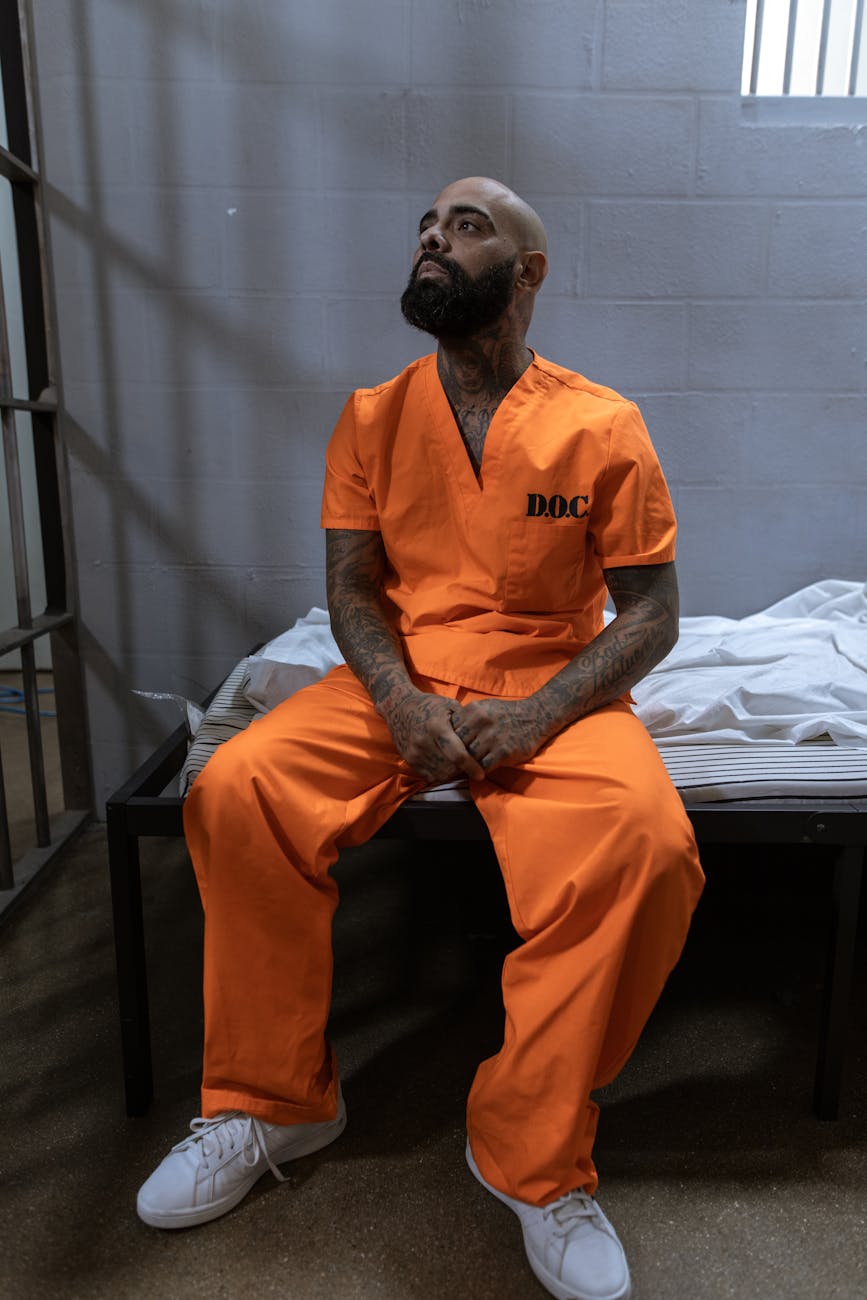
Justice Deferred: The Double Standard in Law Enforcement and the Courts.

Photo by KATRIN BOLOVTSOVA on Pexels.com

The concept of justice is founded on the principle of fairness, impartiality, and equality before the law. Yet in practice, systemic inequalities reveal a troubling double standard within both law enforcement and the judicial system. Marginalized communities, particularly African Americans, often experience harsher policing, unequal access to legal resources, and disproportionate sentencing outcomes. This disparity undermines the legitimacy of the legal system and perpetuates cycles of distrust between citizens and institutions.

Law enforcement practices demonstrate these inequities in striking ways. Research consistently shows that Black and Latino individuals are disproportionately stopped, searched, and subjected to the use of force compared to white individuals (Gelman, Fagan, & Kiss, 2007). The doctrine of “probable cause” is often applied unevenly, with minority communities bearing the brunt of aggressive policing strategies such as stop-and-frisk. This creates a reality where the very institutions sworn to protect all citizens enforce surveillance and control selectively, reinforcing racial hierarchies.

In the courts, the disparities extend into sentencing and trial outcomes. Studies highlight that people of color frequently receive harsher sentences for the same crimes compared to white defendants, especially in drug-related and capital cases (Alexander, 2010). Mandatory minimum sentencing and “three strikes” laws have compounded these effects, disproportionately incarcerating minority men and contributing to mass incarceration in the United States. Such legal frameworks reveal a systemic bias that privileges some groups while criminalizing others, making equality before the law more of an ideal than a reality.

Moreover, socioeconomic status amplifies these disparities. Wealthy defendants can secure private counsel, expert witnesses, and robust defense strategies, while poorer individuals—disproportionately minorities—rely on underfunded public defenders. The result is a two-tiered system of justice where money, rather than truth, often determines outcomes (Stevenson, 2014). This reality reveals that the double standard in the courts is not only racial but also economic, stratifying access to justice by class as well as color.

The consequences of this double standard reverberate beyond individual cases. When communities see repeated patterns of unequal justice, collective mistrust emerges, eroding confidence in the rule of law itself. This distrust contributes to cycles of alienation, where marginalized groups disengage from civic life, perceiving the state as an adversary rather than a protector. In turn, such alienation perpetuates social unrest, reinforcing a cycle of tension between law enforcement and the communities they police.

Addressing this crisis requires systemic reforms rooted in accountability, transparency, and equity. Implicit bias training, sentencing reform, and increased investment in public defense are among the necessary interventions. Yet beyond policy, a cultural shift is required: one that reasserts the fundamental truth that justice cannot exist where double standards prevail. As Scripture cautions in Proverbs 17:15, “He that justifieth the wicked, and he that condemneth the just, even they both are abomination to the Lord.” Both biblical wisdom and contemporary scholarship affirm that justice deferred is indeed justice denied, and only by dismantling these inequities can society move toward true fairness.


References

Alexander, M. (2010). The new Jim Crow: Mass incarceration in the age of colorblindness. The New Press.

Gelman, A., Fagan, J., & Kiss, A. (2007). An analysis of the New York City Police Department’s “stop-and-frisk” policy in the context of claims of racial bias. Journal of the American Statistical Association, 102(479), 813–823. https://doi.org/10.1198/016214506000001040

King James Bible. (1769/2017). The Holy Bible, King James Version. Cambridge University Press. (Original work published 1611).

Stevenson, B. (2014). Just mercy: A story of justice and redemption. Spiegel & Grau.