
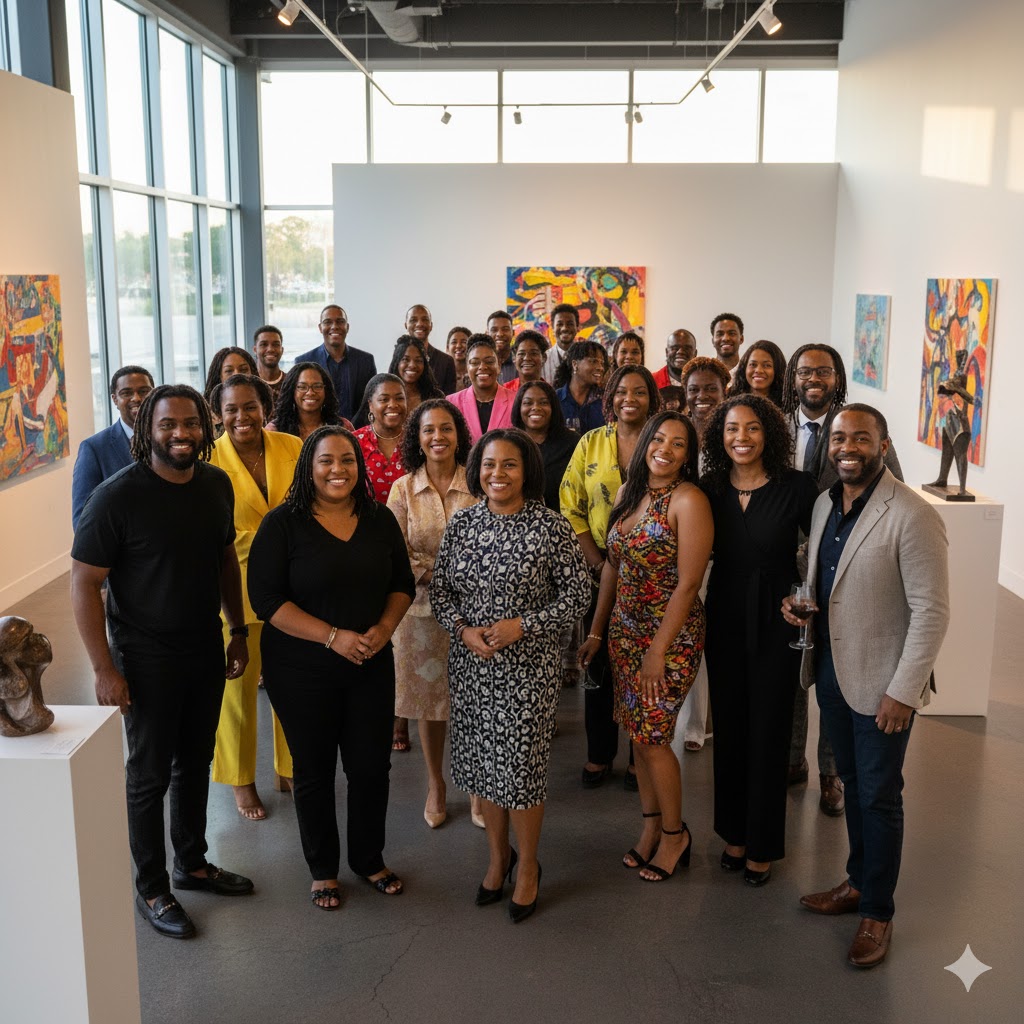
The dilemma of Black people is not merely historical — it is spiritual, psychological, and prophetic. It exists in the tension between divine identity and earthly rejection. It is the paradox of being a people endowed with brilliance, purpose, and sacred legacy, yet consistently challenged by social systems designed to suppress that brilliance. As Scripture declares, “For the Lord shall judge His people, and repent Himself for His servants, when He seeth that their power is gone” (Deuteronomy 32:36, KJV). The struggle has been seen and known by God.
This dilemma begins with divine intention. Black people embody creativity, resilience, and spiritual depth reflected in ancient civilizations, rich oral traditions, and unparalleled cultural influence. From Nubia to Mali, from Cush to Kemet, from Ethiopia to Judah, the African presence stands as a foundational pillar of global civilization (Diop, 1974). Yet as greatness rose, so did opposition — echoing the biblical notion that “many are the afflictions of the righteous” (Psalm 34:19, KJV).
Despite oppression, the Black spirit remains unbroken. Enslavement sought to steal identity, but instead sharpened emotional intelligence, cultural unity, and faith. On plantations, the enslaved held secret worship, trusting the God of deliverance just as Israel trusted Him in Egypt. They sang songs of freedom, echoing Moses: “Let my people go” (Exodus 5:1, KJV). Even bondage could not silence purpose.
One layer of this dilemma is invisibility. Black contributions are foundational to music, science, agriculture, theology, and medicine, yet rarely acknowledged (Asante, 1988). The world consumes our culture but often refuses to honor us as creators. We are celebrated as aesthetic, yet ignored as intellectual. We are loved for rhythm, but resisted for righteousness. We stand out — yet are told to “fit in.”
Another dimension is psychological warfare. Colonial propaganda attempted to convince us that we were inferior. Yet, biblically, the Most High often elevates the humble and chosen through adversity. “The last shall be first, and the first last” (Matthew 20:16, KJV). The struggle is not evidence of weakness, but a spiritual signpost of destiny.
Meanwhile, colorism emerged as a tool of division — a wound born of white supremacy’s hierarchy, weaponizing complexion to fracture unity. Yet Scripture teaches, “If a house be divided against itself, that house cannot stand” (Mark 3:25, KJV). Healing begins with rejecting systems that were never meant to define us.
We carry the burden of representation — expected to succeed flawlessly while being denied equal opportunity. This emotional weight mirrors Christ, who bore rejection while carrying divine purpose. “He was despised and rejected of men” (Isaiah 53:3, KJV). Our pain parallels prophecy.
Still, the world is threatened by Black excellence. When we rise in intellect, innovation, or leadership, systems shift uneasily, exposing the foundation of racial fear (Bell, 1992). This fear is not rooted in truth, but insecurity — because when a people gifted by God awaken, worldly powers tremble.
We live in dual consciousness — as W.E.B. Du Bois described — constantly balancing self-worth with societal judgment. Yet while society may try to define us, God declares our worth: “Ye are a chosen generation, a royal priesthood” (1 Peter 2:9, KJV). Our identity comes from heaven, not history books distorted by colonial pens.
Our existence challenges the world because we symbolize survival. We rose from chains to chart-topping music, from plantations to presidencies, from illiteracy laws to Ph.D. halls. Our story is not tragedy, but testimony. Every generation rises stronger than the last.
The dilemma also lies in being seen yet unseen. Black culture is everywhere — fashion, language, sports, beauty standards — yet our humanity is still debated. We are applauded on stages, yet targeted in streets. Loved on screens, yet feared in real life. A contradiction the world refuses to reconcile.
Economically, systems were built on our labor while denying us wealth (Muhammad, 2020). Our innovation created industries — cotton, music, sports — yet generational wealth disparities remain. Still, we thrive, build, and rise — a modern Joseph story, from pit to prominence.
Spiritually, Black people possess innate faith power. We pray with depth, worship with sincerity, love with intensity, and forgive with divine strength. Yet forgiveness has often been weaponized against us, urging peace without justice. But Scripture says, “Judgment also will I lay to the line, and righteousness to the plummet” (Isaiah 28:17, KJV).
Despite trauma, we create joy. We turn pain into poetry, oppression into art, and struggle into innovation. This alchemy of resilience is divine gifting — proof of God’s breath in us. We are living Psalms.
The world expects us to forget history, yet demands we perform excellence. But remembrance is biblical: “Thou shalt remember all the way which the Lord thy God led thee” (Deuteronomy 8:2, KJV). Memory is power. Our story is sacred.
The dilemma is also internal — unlearning lies, unbinding trauma, reclaiming divinity. Healing is both spiritual and psychological. As we restore identity, we rise into purpose. As we honor ancestry, we step into prophecy.
And still, hope remains our inheritance. Through storms, we remain anchored in God’s promise. “No weapon that is formed against thee shall prosper” (Isaiah 54:17, KJV). Not then. Not now. Not ever.
Our dilemma is not defeat — it is destiny unfolding. The world struggles to categorize what God has crowned. Oppression could not erase us. Misrepresentation could not distort us. Time could not silence us. We are history’s evidence and tomorrow’s blueprint.
We are not merely survivors — we are restorers. Rebuilders. Carriers of ancient wisdom and future vision. Our existence is revolutionary, our presence prophetic, our identity divine.
So stand tall, Black soul. Your legacy did not begin in chains; it began in crowns. Your struggle is not failure; it is refinement. Your identity is not determined by man; it is sealed by God. The dilemma is real — but so is the calling.
For buried gold is not forgotten — it is waiting for appointed time. And our time is rising.
Key Scriptures (KJV)
- Psalm 34:19
- Exodus 5:1
- Matthew 20:16
- Mark 3:25
- 1 Peter 2:9
- Isaiah 54:17
References
Asante, M. K. (1988). Afrocentricity.
Bell, D. (1992). Faces at the Bottom of the Well.
Diop, C. A. (1974). The African Origin of Civilization: Myth or Reality.
Muhammad, K. G. (2020). The Condemnation of Blackness.
Holy Bible, King James Version.
 THE BROWN GIRL DILEMMA