Tag Archives: culture

Pretty Privilege Series: The Dark History of Being Dark-Skinned.

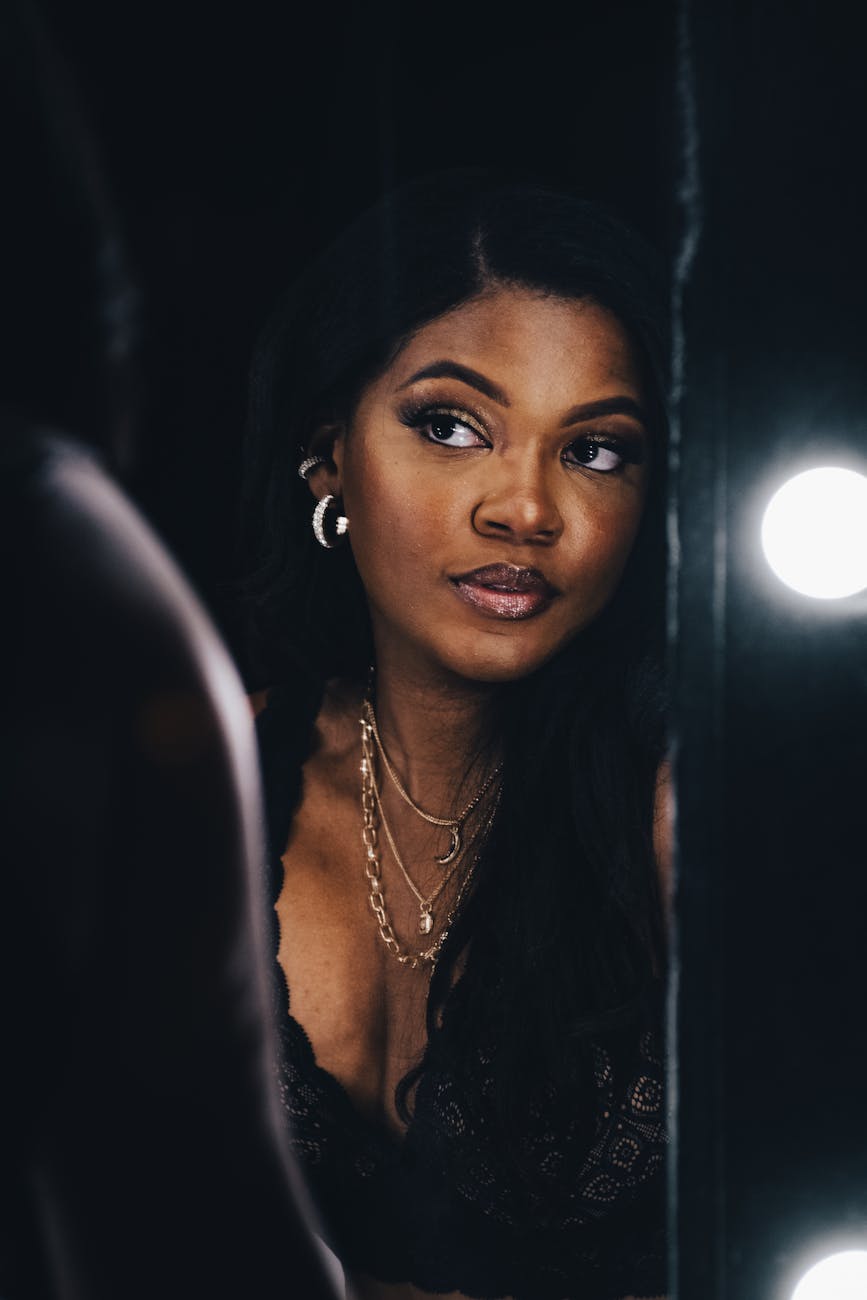
Photo by Abenezer Shewaga on Pexels.com

The experience of being dark-skinned carries a unique and often painful history that intersects with colonialism, racism, and internalized colorism. While lighter-skinned individuals historically benefited from proximity to whiteness, dark-skinned individuals often bore the brunt of systemic oppression, both from the outside world and within their own communities (Hunter, 2007). The narrative of dark skin has been shaped by centuries of stereotypes portraying it as undesirable, inferior, or threatening, creating a long-lasting psychological and social wound.

During the transatlantic slave trade, darker-skinned Africans were often subjected to the harshest labor. They were placed in the fields, working from sunrise to sunset, enduring grueling conditions. This division between “field slaves” and “house slaves” not only created social stratification within enslaved populations but also reinforced the idea that dark skin was associated with physical toil and subjugation (Williams, 1987).

Colonial propaganda deepened these associations by depicting dark skin as savage and uncivilized. European colonizers crafted pseudoscientific racial hierarchies in which darker skin was seen as a marker of primitivism. These ideas were spread globally through education, religion, and media, becoming ingrained in colonized societies and influencing beauty ideals for generations (Smedley, 1999).

The psychological toll of this history is profound. Dark-skinned children often face teasing and bullying from a young age, even within their own racial group. Terms like “blick,” “charcoal,” or “tar baby” have historically been used as insults, shaping children’s self-esteem and leading to what researchers call color-based trauma (Wilder, 2010). This trauma can result in internalized self-hate and a lifelong struggle to embrace one’s own beauty.

In the early 20th century, darker-skinned African Americans were excluded from certain social clubs, churches, and sororities that required passing the “paper bag test.” These exclusions further marginalized dark-skinned individuals, denying them access to elite Black spaces and perpetuating class and color divides (Russell, Wilson, & Hall, 2013).

In Hollywood and the entertainment industry, darker-skinned actors and actresses were often given subservient, villainous, or hypersexualized roles. The “mammy,” “brute,” and “jezebel” stereotypes became staples in film, associating dark skin with servitude, aggression, and moral looseness (Bogle, 2016). This limited representation reinforced negative societal perceptions and deprived darker-skinned individuals of complex, heroic portrayals.

Music videos, fashion magazines, and advertising have historically elevated lighter-skinned models while sidelining their darker counterparts. Even in hip-hop culture, where Blackness is celebrated, the phrase “redbone” became synonymous with desirable women, leaving dark-skinned women out of the narrative or objectified as exotic rarities (Neal, 2013).

The economic cost of being dark-skinned is measurable. Research shows that darker-skinned Black men and women often receive lower wages, harsher prison sentences, and fewer job opportunities than lighter-skinned peers with similar qualifications (Goldsmith, Hamilton, & Darity, 2006). This phenomenon, known as colorism wage disparity, shows that discrimination operates on a spectrum, not just a binary of Black and white.

Dark-skinned women in particular face what sociologists call “double discrimination”—experiencing both racism and colorism, and often sexism as well. This triple burden affects dating, hiring, and representation in ways that make their fight for recognition uniquely challenging (Hill, 2002).

Psychologically, the message that “lighter is better” leads some dark-skinned individuals to attempt to lighten their skin using bleaching creams. This dangerous practice is still common in parts of Africa, the Caribbean, and Asia, and is marketed as a way to achieve success and beauty (Charles, 2003). The very existence of a multibillion-dollar skin-lightening industry demonstrates how deep this bias runs.

Biblically, dark skin is not a curse but part of God’s design. Passages like Song of Solomon 1:5 (“I am black, but comely…”) celebrate dark beauty, reminding believers that melanin is not a mark of shame but of divine artistry. Scripture affirms that all are created in God’s image (Genesis 1:27), directly opposing the colonial lie that whiteness equates to godliness.

Dark-skinned men often face criminalization in ways that lighter-skinned men do not. Studies show they are more likely to be perceived as threatening, face higher rates of police brutality, and receive harsher punishments for the same crimes (Monk, 2014). This contributes to overrepresentation in prisons and a cycle of generational trauma.

In romantic relationships, dark-skinned women often face exclusion. Social experiments reveal that dating apps and social spaces show a bias toward lighter-skinned Black women, while darker-skinned women are frequently ranked as the least desirable group (Wilder, 2010). This leads to pain, frustration, and a struggle for self-worth in the context of intimacy and partnership.

Popular culture has slowly begun to challenge these narratives. The rise of actresses like Lupita Nyong’o, Danai Gurira, and Viola Davis has shifted the beauty conversation, showing the world that dark-skinned women can be glamorous, powerful, and leading ladies. Lupita’s Oscar-winning performance and her vocal advocacy for dark-skinned representation have been particularly transformative (Tate, 2016).

The natural hair movement and hashtags like #MelaninPoppin have helped reframe dark skin as a symbol of pride and resilience. Social media has created a platform where dark-skinned influencers and activists can celebrate their beauty without waiting for mainstream approval.

Despite these strides, the work is far from over. Dark-skinned children still report feeling excluded in classrooms, underrepresented in dolls and storybooks, and pressured to aspire to lighter ideals of beauty. Representation in media and education must continue to evolve to normalize and affirm all shades of Blackness.

Healing from the dark history of being dark-skinned requires both systemic and personal change. Communities must confront internalized colorism, reject harmful jokes and language, and uplift dark-skinned individuals in leadership, media, and relationships.

Spiritually, the process of healing calls for a renewal of the mind (Romans 12:2). Believers must learn to see beauty as God sees it—beyond colonial standards and rooted in dignity. Churches can play a role by affirming Black beauty from the pulpit and resisting Eurocentric portrayals of holiness.

Ultimately, the dark history of being dark-skinned is a story of survival and defiance. Despite centuries of marginalization, dark-skinned people have continued to create culture, lead movements, and inspire revolutions. The future demands that we not only acknowledge the pain but also celebrate the power of melanin as part of our collective liberation.


References

  • Bogle, D. (2016). Toms, Coons, Mulattoes, Mammies, and Bucks: An Interpretive History of Blacks in American Films. Bloomsbury.
  • Charles, C. (2003). Skin Bleaching, Self-Hate, and Black Identity in Jamaica. Journal of Black Studies, 33(6), 711–728.
  • Goldsmith, A., Hamilton, D., & Darity, W. (2006). Shades of Discrimination: Skin Tone and Wages. American Economic Review, 96(2), 242–245.
  • Hall, R. E. (1992). Bias Among African Americans Regarding Skin Color: Implications for Social Work Practice. Research on Social Work Practice, 2(4), 479–486.
  • Hill, M. (2002). Skin Color and the Perception of Attractiveness Among African Americans. Social Psychology Quarterly, 65(1), 77–91.
  • Hunter, M. (2007). The Persistent Problem of Colorism: Skin Tone, Status, and Inequality. Sociology Compass, 1(1), 237–254.
  • Monk, E. P. (2014). Skin Tone Stratification among Black Americans, 2001–2003. Social Forces, 92(4), 1313–1337.
  • Neal, M. A. (2013). What the Music Said: Black Popular Music and Black Public Culture. Routledge.
  • Russell, K., Wilson, M., & Hall, R. (2013). The Color Complex: The Politics of Skin Color Among African Americans. Anchor Books.
  • Smedley, A. (1999). Race in North America: Origin and Evolution of a Worldview. Westview Press.
  • Tate, S. (2016). Black Beauty: Aesthetics, Stylization, Politics. Routledge.
  • Wilder, J. (2010). Revisiting “Color Names and Color Notions”: A Contemporary Examination of the Language and Attitudes of Skin Color among Young Black Women. Journal of Black Studies, 41(1), 184–206.
  • Williams, E. (1987). Capitalism and Slavery. UNC Press.
Pretty Privilege Series: The Dark History of Being Light-Skinned.

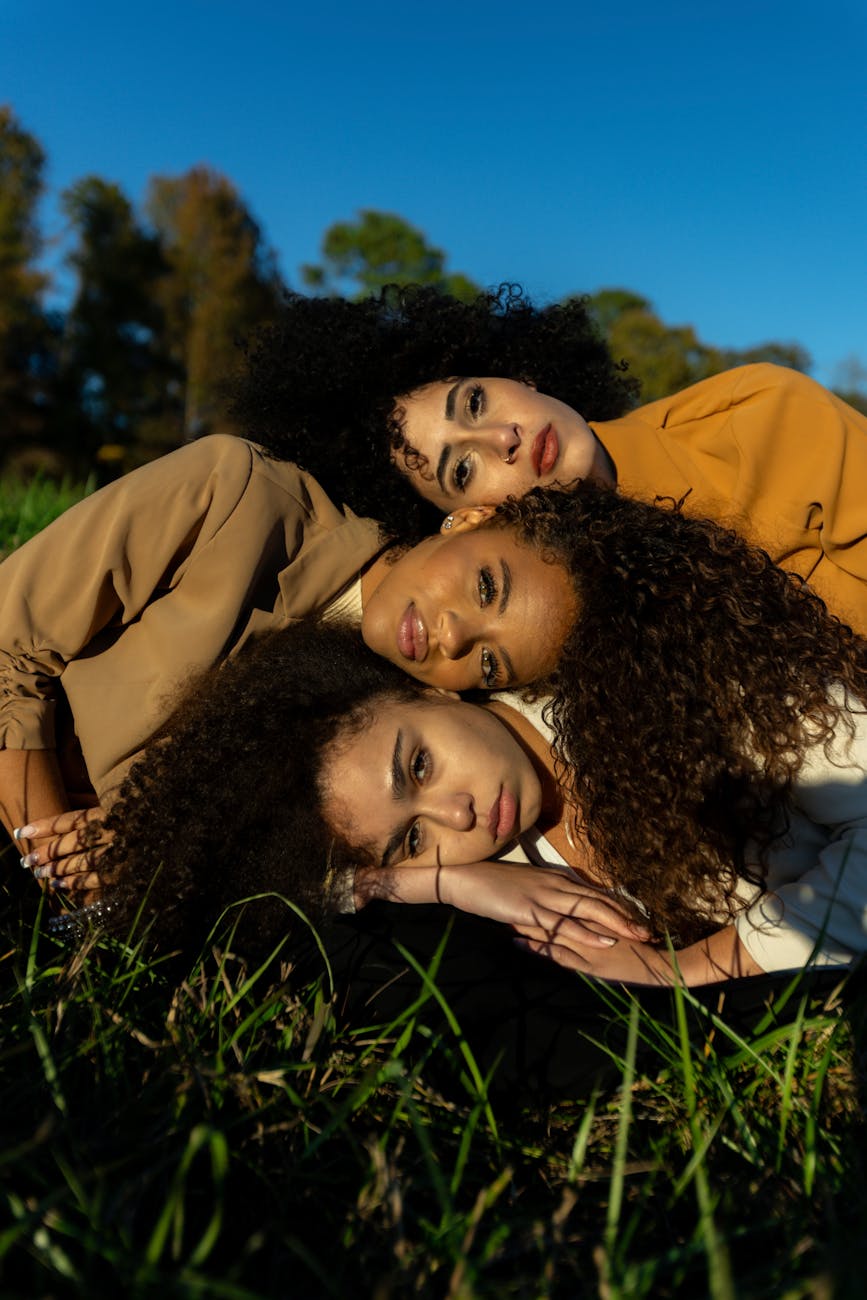
Photo by Jordy Toscano on Pexels.com

The concept of “pretty privilege” is often tied to Eurocentric beauty standards, where lighter skin is unconsciously, and sometimes consciously, elevated above darker complexions. In the Black community, this privilege traces back to the historical context of colonization and slavery. Being light-skinned often meant proximity to whiteness, and by extension, to power, resources, and favor. This historical backdrop created a social hierarchy that continues to influence Black experiences and perceptions of beauty today (Hunter, 2007).

During the transatlantic slave trade, many light-skinned children were the offspring of enslaved African women and their European masters. These children were frequently given preferential treatment—sometimes educated, occasionally freed, and often placed in domestic roles rather than forced into field labor (Williams, 1987). This division sowed discord between darker and lighter enslaved Africans, setting the stage for intraracial tension that persists to this day.

The privileges of lighter skin became institutionalized during slavery and Reconstruction. Light-skinned Black people often formed elite social clubs, fraternities, and sororities that were closed to darker-skinned individuals. These groups developed a “paper bag test,” which only allowed members whose skin was lighter than a brown paper bag (Russell, Wilson, & Hall, 2013). This practice not only excluded darker-skinned individuals but also perpetuated an internalized belief that lighter meant better.

In the early 20th century, colorism influenced career opportunities for Black entertainers. Many early Black actors and actresses in Hollywood were light-skinned because they were considered more “palatable” to white audiences. Actresses like Lena Horne openly discussed how Hollywood would cast her as an exotic beauty but deny roles to darker-skinned women who were equally talented (Horne, 1965). This further reinforced the idea that lighter skin was a ticket to visibility and success.

Music history reflects a similar pattern. Jazz clubs in the Harlem Renaissance often hired “high yellow” performers, favoring those who had more European features. Billie Holiday and other artists faced discrimination based on skin tone, shaping the narrative of who could be considered beautiful and worthy of fame. This stratification reinforced a hierarchy even within the cultural spaces designed to uplift African Americans (Neal, 2013).

Psychologically, light-skinned privilege has been a double-edged sword. While it offered access to education, jobs, and status in certain contexts, it also came with suspicion and accusations of betrayal from within the Black community. Lighter-skinned individuals were sometimes perceived as “not Black enough,” straddling the line between two worlds but never fully accepted in either (Hall, 1992).

Post-slavery, light-skinned individuals often became the leaders of the Black elite. This phenomenon can be seen in the development of HBCUs, where early presidents and administrators were disproportionately lighter-skinned. This was not simply coincidence—it reflected the biases of the time, as lighter-skinned leaders were seen as more acceptable to white donors and society at large (Brown, 2005).

The dark history of being light-skinned also intersects with colorism in romantic relationships. Studies show that lighter-skinned women are often perceived as more attractive, desirable, and “marriageable” (Wilder, 2010). This dynamic has led to social tensions, with darker-skinned women sometimes excluded from spaces of desirability and intimacy.

Black men have historically been pressured, subtly or overtly, to choose lighter-skinned partners as a way to “improve the race”—a concept rooted in both colonialism and eugenics. This phrase reflected a misguided belief that lighter offspring would face fewer barriers in a racist society, inadvertently perpetuating the cycle of color preference (Maddox & Gray, 2002).

The media plays a critical role in continuing the privilege of light skin. Magazine covers, music videos, and advertisements have overwhelmingly featured light-skinned Black women as the standard of beauty. Today, celebrities like Beyoncé, Zendaya, and Meghan Markle are frequently celebrated as representations of “Black excellence,” but their acceptance often comes in part because their lighter complexions are perceived as more universal or “marketable.” In contrast, actresses like Lupita Nyong’o and Viola Davis have had to fight for recognition, proving that darker-skinned women can embody beauty and sophistication.

Biblically, this issue can be framed as a distortion of God’s creation. Scripture reminds believers that all people are “fearfully and wonderfully made” (Psalm 139:14, KJV). Elevating one skin tone over another disrupts the divine equality intended by the Creator. Such preferences echo James 2:9, which warns that showing partiality is sin. Colorism thus becomes not only a social issue but also a moral and spiritual one.

Despite its privileges, being light-skinned has also meant being fetishized. Light-skinned women, in particular, have been hypersexualized, seen as exotic, and used as a bridge between Blackness and whiteness in the American imagination. This exoticism places a burden on light-skinned women to constantly validate their Black identity while resisting objectification (Bryant, 2017).

The “tragic mulatto” stereotype, popularized in literature and film, portrays light-skinned individuals as doomed to suffer because of their mixed heritage. This trope further complicates the psychology of being light-skinned, suggesting that privilege comes at the cost of belonging and peace (Bogle, 2016).

Economic data reveals that lighter-skinned Black individuals still earn more on average than darker-skinned peers, even when education and experience are held constant (Goldsmith, Hamilton, & Darity, 2006). This statistic highlights that light-skinned privilege remains an active force in contemporary society, not just a relic of the past.

Nevertheless, the “privilege” is not without its psychological price. Many light-skinned individuals express guilt over benefits they did not ask for but still receive. This creates an internal struggle, where identity becomes fraught with questions of authenticity and complicity (Monk, 2014).

Conversations about pretty privilege must also address skin bleaching, a dangerous practice that underscores the global preference for lighter skin. In Africa, celebrities like Dencia have been criticized for promoting skin-lightening creams, while artists like Burna Boy have openly condemned the practice, calling for pride in natural melanin. This shows the tension between profit and empowerment (Charles, 2003).

Today, the natural hair movement and campaigns like #MelaninPoppin and #BlackGirlMagic have sought to reclaim and celebrate darker skin tones, challenging centuries-old hierarchies. Lupita Nyong’o’s children’s book Sulwe is an example of using art to teach young girls that dark skin is beautiful and worthy of love (Tate, 2016).

Education is key to deconstructing these hierarchies. When Black history is taught in its fullness—including the painful legacies of colorism—communities can begin to heal. Documentaries like Dark Girls and Light Girls have opened dialogue around these issues, allowing space for honesty and empathy.

Ultimately, the dark history of being light-skinned calls for a return to valuing all Blackness equally. Healing will require repentance for internalized biases and an intentional effort to dismantle the false hierarchies that have divided the community for centuries. Only then can pretty privilege lose its power and allow for true equity and solidarity among all shades of Blackness.


References

  • Bogle, D. (2016). Toms, Coons, Mulattoes, Mammies, and Bucks: An Interpretive History of Blacks in American Films. Bloomsbury.
  • Brown, N. (2005). The Brown Paper Bag Test: The History of Colorism in America. Routledge.
  • Bryant, C. (2017). Fetishization and Identity: Mixed Race Women in Popular Culture. Journal of Black Studies, 48(3), 215–229.
  • Charles, C. (2003). Skin Bleaching, Self-Hate, and Black Identity in Jamaica. Journal of Black Studies, 33(6), 711–728.
  • Goldsmith, A., Hamilton, D., & Darity, W. (2006). Shades of Discrimination: Skin Tone and Wages. American Economic Review, 96(2), 242–245.
  • Hall, R. E. (1992). Bias Among African Americans Regarding Skin Color: Implications for Social Work Practice. Research on Social Work Practice, 2(4), 479–486.
  • Hill, M. (2002). Skin Color and the Perception of Attractiveness Among African Americans. Social Psychology Quarterly, 65(1), 77–91.
  • Horne, L. (1965). In Person: Lena Horne. Stein and Day.
  • Hunter, M. (2007). The Persistent Problem of Colorism: Skin Tone, Status, and Inequality. Sociology Compass, 1(1), 237–254.
  • Maddox, K., & Gray, S. (2002). Cognitive Representations of Black Americans: Reexploring the Role of Skin Tone. Personality and Social Psychology Bulletin, 28(2), 250–259.
  • Monk, E. P. (2014). Skin Tone Stratification among Black Americans, 2001–2003. Social Forces, 92(4), 1313–1337.
  • Neal, M. A. (2013). What the Music Said: Black Popular Music and Black Public Culture. Routledge.
  • Russell, K., Wilson, M., & Hall, R. (2013). The Color Complex: The Politics of Skin Color Among African Americans. Anchor Books.
  • Tate, S. (2016). Black Beauty: Aesthetics, Stylization, Politics. Routledge.
  • Wilder, J. (2010). Revisiting “Color Names and Color Notions”: A Contemporary Examination of the Language and Attitudes of Skin Color among Young Black Women. Journal of Black Studies, 41(1), 184–206.
  • Williams, E. (1987). Capitalism and Slavery. UNC Press.
When Melanin Becomes a Measure: The Psychology of Skin Tone.

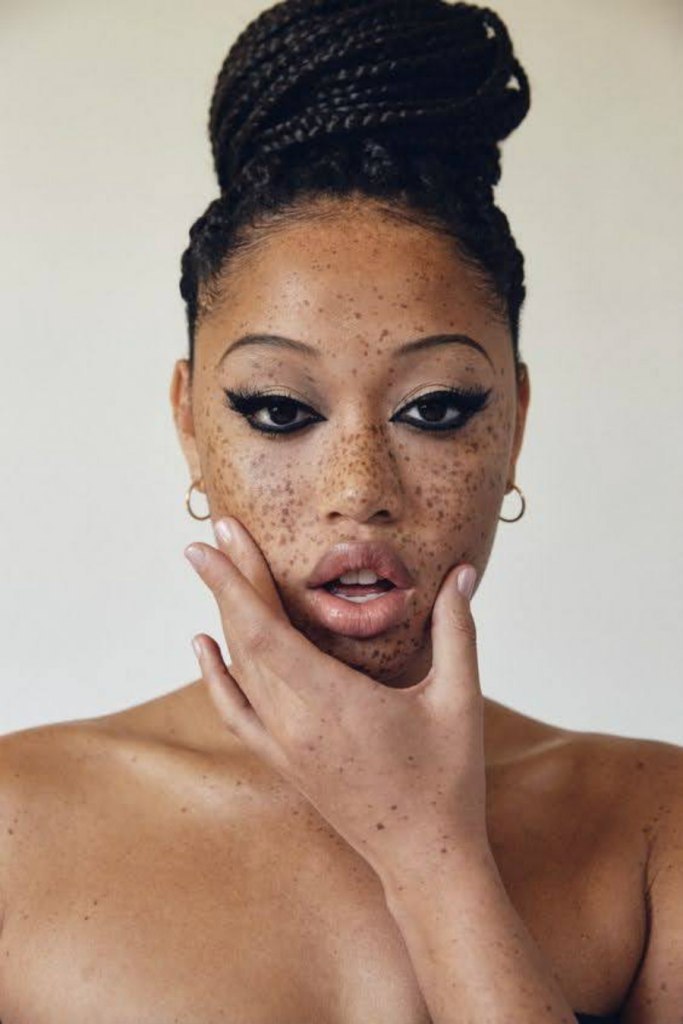
This photograph is the property of its respective owner. No copyright infringement intended.

Melanin is more than pigment; it is a living testament of ancestry, survival, and culture. In societies shaped by slavery, colonialism, and systemic white supremacy, skin tone has been weaponized as a marker of value, beauty, and social mobility. For Black people, colorism — the preferential treatment of lighter skin over darker skin — is a persistent psychological burden that affects identity, self-esteem, and opportunities. Understanding this phenomenon requires examining its historical roots, psychological mechanisms, and strategies for healing.

During slavery, skin tone was a tool of division. Lighter-skinned enslaved individuals were often assigned domestic work inside the master’s house, while darker-skinned Africans labored in the fields. This hierarchy, dictated by proximity to whiteness, created a lasting psychological imprint of internalized oppression (Hunter, 2007). Being lighter was subtly equated with safety, status, and relative privilege.

Colorism persisted after emancipation. Institutions such as Black fraternities, churches, and social clubs sometimes implemented color-based exclusions, exemplified by the “brown paper bag test.” This internalized hierarchy caused a psychological rift within the Black community, as self-worth became linked to skin tone rather than character or talent.

Research confirms the mental health consequences of colorism. Darker-skinned individuals often report lower self-esteem, depressive symptoms, and higher anxiety compared to lighter-skinned peers (Monk, 2014). Early exposure to color preference, as demonstrated in Clark and Clark’s (1947) famous doll studies, showed that Black children internalized societal biases favoring lighter skin, demonstrating that colorism affects identity from childhood.

Media and popular culture continue to reinforce Eurocentric beauty standards. Lighter-skinned actors, models, and influencers are often celebrated, while darker-skinned individuals are marginalized or stereotyped. The underrepresentation of dark skin in media contributes to a sense of invisibility and inadequacy.

The psychology of colorism also affects interpersonal relationships. Studies have shown that lighter-skinned Black women often receive more favorable treatment in dating, employment, and social networks compared to darker-skinned women, a pattern that mirrors historical social hierarchies (Hunter, 2007). Men too experience bias, though differently, often being hypersexualized or criminalized based on skin tone.

The global skin-lightening industry illustrates how deep this issue runs. Products promising “fairer” skin are marketed as pathways to success, attractiveness, and social acceptance. Many consumers engage in dangerous bleaching practices, risking long-term health issues to conform to beauty norms imposed by colonial histories (Charles, 2011).

Colorism can also foster divisions within families and communities. Lighter-skinned individuals may be unconsciously favored, creating tension and jealousy. Psychological theories suggest that this intra-group discrimination exacerbates feelings of inadequacy among darker-skinned individuals (Hunter, 2007).

On a spiritual level, colorism challenges the understanding of divine design. Psalm 139:14 (KJV) declares, “I will praise thee; for I am fearfully and wonderfully made.” Every shade of melanin reflects intentionality and purpose. Internalizing this truth is crucial to healing identity wounds caused by centuries of bias.

Social identity theory offers insight into these dynamics. People categorize themselves and others into groups, which can lead to in-group favoritism and out-group bias. Within the Black community, lighter skin can create a perceived “in-group” of privilege, leaving darker-skinned members feeling marginalized (Tajfel & Turner, 1979).

Psychologists have identified the phenomenon of “colorism stress,” where individuals experience chronic stress due to color-based discrimination. This stress can manifest as anxiety, depression, or identity confusion, impacting academic performance, professional success, and interpersonal relationships (Monk, 2014).

Addressing colorism requires interventions at multiple levels. Psychologically, therapy and counseling can help individuals unpack internalized bias and reclaim self-worth. Group support programs, mentorship, and discussion circles provide safe spaces to challenge color hierarchies and affirm dark skin as beautiful.

Culturally, representation matters. Media, literature, and fashion should celebrate all shades of Blackness. Highlighting dark-skinned leaders, role models, and celebrities combats stereotypes and reinforces positive identity formation.

Educational interventions are also vital. Teaching children about the history of colorism, its roots in slavery and colonialism, and the value of all skin tones can prevent internalized bias from forming in the first place (Hunter, 2007).

Faith-based communities can play a transformative role. Scriptures that affirm God’s intentional creation (Genesis 1:27, Psalm 139:14, KJV) offer a theological counter-narrative to societal bias. Spiritual teaching and community reinforcement of dignity and worth can buffer the psychological impact of colorism.

Interpersonal strategies are also important. Black men and women can practice solidarity and advocacy within their communities, intentionally uplifting those who are darker-skinned. Proverbs 31:8-9 (KJV) reminds believers to speak up for the oppressed and defend the vulnerable.

Self-affirmation practices have psychological benefits. Encouraging young Black people to celebrate their natural skin tone, hairstyles, and features can mitigate the harmful effects of internalized bias. Social media campaigns that normalize dark skin and challenge Eurocentric beauty norms are proving effective.

Mentorship is key for breaking cycles of self-rejection. Older Black adults who embrace their identity can model confidence for younger generations, teaching pride in melanin and heritage. Titus 2:2,6 (KJV) emphasizes the importance of teaching younger members of the community to be sober, sound-minded, and grounded.

Public policy can help combat structural colorism. Anti-discrimination laws, equitable hiring practices, and inclusive beauty standards in advertising reduce systemic bias, giving all shades of Black individuals equal opportunities in professional and social spheres.

Intersectionality must also be considered. Colorism interacts with gender, class, and geography to shape experiences uniquely. Dark-skinned women often face compounded biases, whereas lighter-skinned men may experience complex privileges and burdens simultaneously.

The psychology of skin tone ultimately intersects with identity, opportunity, and spiritual well-being. Healing requires intentional cultural, psychological, and spiritual work to dismantle centuries-old hierarchies and affirm the worth of all Black people, regardless of shade.

In conclusion, melanin should never be a measure of value. Understanding the psychology of skin tone — its historical roots, mental health impacts, and spiritual implications — is essential for reclaiming identity and dignity. By combining therapy, mentorship, representation, spiritual guidance, and advocacy, the Black community can move toward unity, pride, and healing.


References (APA)

Charles, C. A. D. (2011). Skin bleaching, self-hate, and black identity in Jamaica. Journal of Black Studies, 42(1), 43–61. https://doi.org/10.1177/0021934710386749

Clark, K., & Clark, M. (1947). Racial identification and preference in Negro children. Journal of Negro Education, 16(3), 169–175.

Hunter, M. (2007). The persistent problem of colorism: Skin tone, status, and inequality. Sociology Compass, 1(1), 237–254. https://doi.org/10.1111/j.1751-9020.2007.00006.x

Monk, E. P. (2014). The color of punishment: African Americans, skin tone, and the criminal justice system. Sociological Inquiry, 84(3), 401–430. https://doi.org/10.1111/soin.12053

Tajfel, H., & Turner, J. C. (1979). An integrative theory of intergroup conflict. In W. G. Austin & S. Worchel (Eds.), The social psychology of intergroup relations (pp. 33–47). Brooks/Cole.

The Holy Bible, King James Version. (1611). Thomas Nelson.

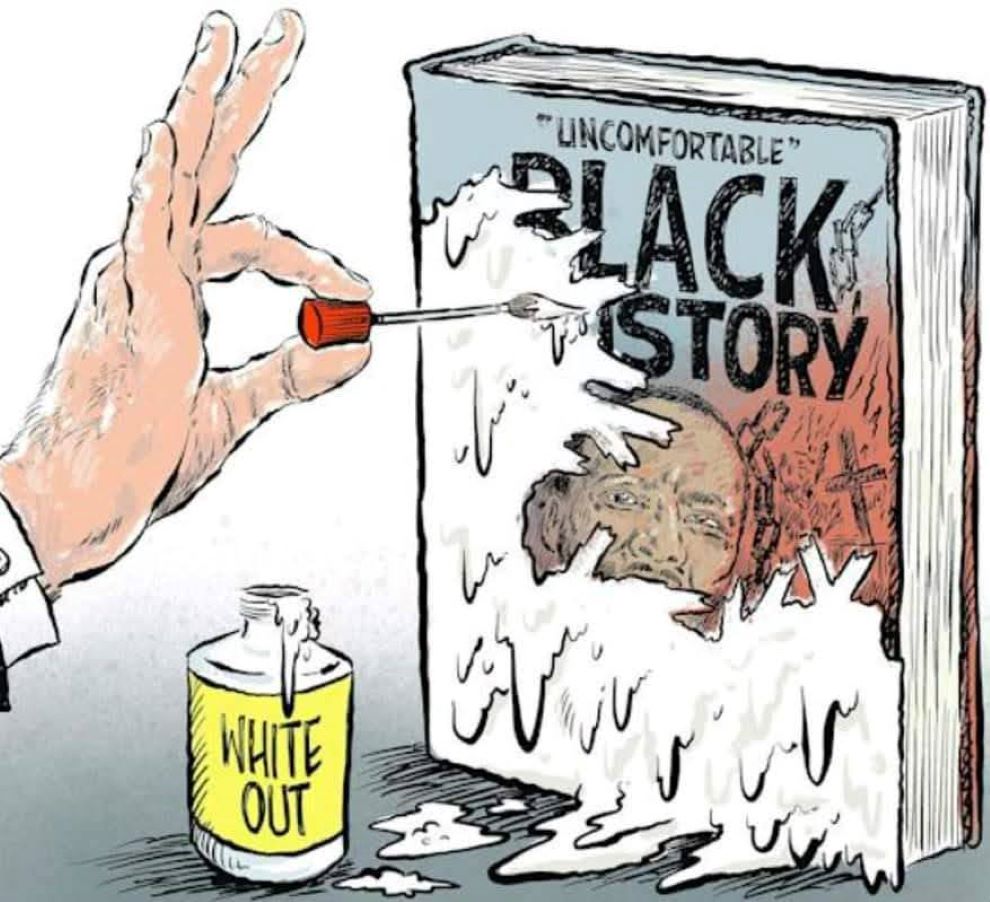
Black History, Has It Been Whitewashed?

This artwork is the property of its respective owner. No copyright infringement intended.

Black history is more than a subject taught in February; it is the story of humanity itself, tracing the contributions, struggles, and triumphs of people of African descent from antiquity to the present. Yet for centuries, much of this history has been systematically erased, misrepresented, or “whitewashed.” Whitewashing refers to the deliberate alteration of historical narratives to favor Eurocentric perspectives, minimizing or excluding Black presence, contributions, and identity. This erasure is not merely academic—it shapes the psychology of Black people and the collective consciousness of society.

Hollywood has played a major role in this process. Biblical movies, for instance, have often depicted Hebrews, Egyptians, and early Christians as European in appearance, despite the geographical and anthropological evidence pointing to their African and Semitic roots. Films like The Ten Commandments (1956) portrayed Pharaoh and Moses as white men, subtly reinforcing the idea that leadership, divinity, and chosenness are synonymous with whiteness. This not only distorts biblical truth but also conditions audiences to associate Blackness with servitude rather than divine purpose.

The Bible itself points to a different narrative. Many key figures—Moses, Joseph, and even Christ—spent time in Africa. Christ was hidden in Egypt as a child (Matthew 2:13-15, KJV), which would not have been a safe hiding place if He were a pale-skinned foreigner who stood out among the population. The Song of Solomon 1:5 (KJV) proclaims, “I am black, but comely,” affirming that dark skin was celebrated in ancient texts. The erasure of this truth diminishes the representation of Black identity in the biblical narrative.

Black history, in its truest sense, includes the kingdoms of Mali, Ghana, and Songhai; the libraries of Timbuktu; the inventions, music, and philosophies of African civilizations. It also includes the Middle Passage, slavery, and systemic oppression that followed. To study Black history is to study resilience, creativity, and faith. It is the acknowledgment of a people who survived one of the greatest crimes in human history and still found ways to bless the nations with culture, innovation, and spiritual depth.

The whitewashing of slavery is one of the most dangerous forms of historical erasure. Some school systems now refer to enslaved people as “workers” or claim that slavery was “beneficial” because it taught Africans “skills.” This revisionist narrative strips away the brutality of chattel slavery—the whippings, the family separations, the psychological warfare. Exodus 1:13-14 (KJV) describes how the Egyptians “made the children of Israel to serve with rigour,” which mirrors the forced labor and oppression endured by Africans in the Americas.

From a psychological standpoint, erasing or minimizing slavery has generational effects. Theories of intergenerational trauma suggest that the pain of slavery has been passed down genetically and emotionally (DeGruy, 2005). When history is hidden, Black communities are denied the opportunity to heal, grieve, and demand justice. It is psychologically disorienting to live in a world that denies the truth of your ancestors’ suffering while expecting you to “move on.”

The question arises: why would white society want to keep slavery hidden? The answer is multifaceted. To confront slavery honestly would require acknowledging that the wealth of nations like the United States, Britain, and France was built on Black suffering. It would also raise moral questions about reparations, justice, and restitution. Psychologically, some white individuals experience “white guilt” and prefer to avoid discomfort by sanitizing history (Spanierman & Cabrera, 2015).

The color of Black people has also been a point of erasure. In many educational and media portrayals, African Americans are depicted as a monolith, ignoring the diversity of skin tones, cultures, and histories. Colorism, which privileges lighter skin, has further complicated the narrative. Media representation often favors light-skinned actors to portray Black historical figures, which subtly communicates that lighter Blackness is more palatable to mainstream audiences.

Social media, while a tool for education, has also perpetuated whitewashing. Algorithms tend to amplify Eurocentric beauty standards and reward creators who fit into those ideals, often sidelining darker-skinned voices. Memes, viral trends, and TikTok dances created by Black users are frequently appropriated by non-Black influencers who gain more recognition and profit, leaving the originators invisible.

Whitewashing in education is particularly concerning. In some states, curriculum reforms have sought to limit or remove discussions of systemic racism and slavery from classrooms. This deprives young students—both Black and white—of a truthful understanding of history. Hosea 4:6 (KJV) warns, “My people are destroyed for lack of knowledge.” When history is withheld, it becomes easier to repeat cycles of oppression.

Psychologically, representation matters because it shapes identity. Social identity theory suggests that people derive part of their self-esteem from the groups to which they belong (Tajfel & Turner, 1986). When Black people see their history erased or distorted, it sends a message that they are insignificant or inferior. This can create internalized racism, self-hate, and low collective esteem.

The whitewashing of Black biblical history also has spiritual consequences. If Black people are taught that they have no place in sacred history, they may view Christianity as a “white man’s religion,” leading to spiritual disillusionment. Yet Acts 8:27-39 recounts the Ethiopian eunuch’s conversion and baptism, showing that Africans were among the first Christians. Reclaiming this narrative restores dignity and belonging.

The Bible takes place in Africa and the Middle East — regions where people historically had darker skin tones. The Hebrews, Egyptians, Ethiopians, and early Christians were not Northern Europeans. Yet, for centuries, European artists, church leaders, and later Hollywood filmmakers deliberately depicted them as white. This was not an accident — it was part of a larger project to make Christianity look “Western” and to align holiness, divinity, and authority with whiteness.

Here are a few key points you might find powerful:

  • Geography matters: The Bible’s events took place in regions like Egypt, Canaan, Babylon, and Jerusalem — all hot, sun-drenched places where people would have been brown-skinned or Black. Even Jesus’ family fled to Egypt (Matthew 2:13–15, KJV), a place where He would not have stood out if He were pale.
  • Biblical descriptions: Song of Solomon 1:5 (KJV) says, “I am black, but comely.” Lamentations 5:10 describes skin “black like an oven” from famine. Jeremiah 8:21 says, “I am black; astonishment hath taken hold on me.” These passages suggest that many biblical people were visibly dark-skinned.
  • Historical evidence: Ancient Israelite art, Egyptian tomb paintings, and archaeological records show people with brown to black skin tones, curly or woolly hair, and features common in African and Afro-Asiatic populations.
  • Whitewashing as control: When Europeans colonized Africa and enslaved Africans, they spread images of a white Jesus and white saints to justify slavery and teach that salvation came through European culture. This psychological tactic convinced many enslaved people that whiteness was divine and blackness was cursed — a lie that still shapes perceptions today.
  • Psychological effects: Seeing only white biblical figures can make Black and Brown believers feel disconnected from Scripture or think that God does not look like them. This is why representation matters — it shapes self-esteem, spiritual confidence, and cultural pride.

Slavery itself was justified using twisted theology, with slaveholders quoting Ephesians 6:5 (“Servants, be obedient to them that are your masters”) out of context, while ignoring the liberating themes of Scripture. This manipulation of the Word was an early form of whitewashing, reframing oppression as divine will rather than sin.

In popular culture, the whitewashing of Black music, dance, and language continues. Jazz, blues, and hip-hop—all birthed in Black communities—have been monetized by corporations while excluding the originators from full benefit. This economic exploitation mirrors historical patterns of taking from Black bodies and minds without acknowledgment.

The erasure of Black heroes is another tactic of whitewashing. Figures like Crispus Attucks, Ida B. Wells, and Garrett Morgan are rarely celebrated alongside Washington or Lincoln, despite their crucial roles in shaping American history. When they are mentioned, their Blackness is often downplayed, making them “race-neutral” heroes rather than distinctly Black ones.

This whitewashing creates a false sense of racial harmony by pretending racism never existed. It allows society to maintain systemic inequities while claiming progress. Proverbs 17:15 (KJV) warns against justifying the wicked, stating, “He that justifieth the wicked, and he that condemneth the just, even they both are abomination to the Lord.” To whitewash history is to justify wickedness and silence the righteous.

Psychologists argue that confronting historical injustice is essential for collective healing. Truth-telling initiatives, such as truth and reconciliation commissions, have been used in countries like South Africa to address systemic oppression. The United States has yet to fully reckon with its history of slavery, which is why racial tensions remain unresolved.

Social media activism has become one of the most powerful tools in combating whitewashing. Hashtags like #BlackLivesMatter and #BlackHistory365 have brought hidden stories to light, challenging mainstream narratives. This democratization of information gives Black people a voice that was long suppressed.

In conclusion, Black history has been whitewashed through media, education, religion, and social systems, but the truth continues to resurface. The erasure of slavery, Black biblical history, and cultural contributions has psychological and spiritual consequences that affect generations. Reclaiming Black history is not just an academic exercise but an act of resistance, healing, and restoration. To know Black history is to know the full story of humanity—and to resist the forces that seek to erase God’s image in Black bodies.


References

  • DeGruy, J. (2005). Post Traumatic Slave Syndrome: America’s Legacy of Enduring Injury and Healing. Joy DeGruy Publications.
  • Spanierman, L. B., & Cabrera, N. L. (2015). The emotions of White racism. Educational Psychologist, 50(3), 187–203.
  • Tajfel, H., & Turner, J. C. (1986). The social identity theory of intergroup behavior. In S. Worchel & W. Austin (Eds.), Psychology of intergroup relations (pp. 7–24). Nelson-Hall.

Key KJV Scriptures: Matthew 2:13-15; Song of Solomon 1:5; Exodus 1:13-14; Hosea 4:6; Acts 8:27-39; Proverbs 17:15; 1 Samuel 16:7; Proverbs 29:25.

THE COLORIST Gaze: Skin Tone Prejudice and the Politics of Proximity to Whiteness.

Photo by cottonbro studio on Pexels.com

Introduction: Who Is a Colorist?

A colorist is an individual who perpetuates or enforces discriminatory practices based on skin tone—favoring lighter skin over darker shades, even within the same racial or ethnic group. This behavior reflects colorism, a form of bias that upholds white or Eurocentric standards of beauty, professionalism, and desirability. While the term “colorism” was first coined by acclaimed African American author Alice Walker in her 1983 collection In Search of Our Mothers’ Gardens, the practice long predates the term—rooted in slavery, colonialism, caste systems, and global white supremacy.

A colorist can be of any race, but most often, colorists are individuals of color who have internalized societal messages that associate lightness with beauty, intelligence, and social mobility. Colorism is not just an interpersonal issue—it reflects deep systemic structures that impact everything from employment to education, marriage, and media representation.


The Race of the Colorist: Internalized Bias Across Cultures

While colorism is often highlighted within the Black community, it is by no means exclusive to it. In fact, some of the most pervasive colorist systems exist in countries like India, the Philippines, Brazil, South Africa, and Dominican Republic—all legacies of colonization and the global exportation of white beauty ideals.

In India, the caste system historically tied fair skin with higher caste status, and today, skin-lightening creams remain a billion-dollar industry. In Latin America, “mejorar la raza” (improve the race) is a common phrase that encourages marrying lighter-skinned partners to produce lighter children—reflecting long-standing colorist ideologies.

Thus, a colorist may be Black, Brown, Asian, or Indigenous—anyone who participates in or benefits from the stratification of people based on skin tone. Often, they have internalized whiteness as the standard and actively judge others who do not conform.


Prejudices and Practices of a Colorist

A colorist upholds several dangerous assumptions:

  • Lighter skin is more attractive, clean, and educated.
  • Darker skin is associated with poverty, aggression, or inferiority.
  • Romantic partners or children are more desirable if they have fair skin.
  • Certain hairstyles or cultural markers are acceptable only if paired with light skin.

These prejudices manifest in hiring practices, school discipline, healthcare disparities, and media exposure. A study by the National Bureau of Economic Research found that light-skinned Black men earn 15% more than their darker-skinned peers, even with identical resumes (Goldsmith, Hamilton, & Darity, 2006). This proves that colorist bias has material, not just emotional, consequences.


Example of a Colorist: The Case of Mathew Knowles

One public example is Mathew Knowles, father and former manager of Beyoncé. In interviews, he admitted that colorism influenced his dating preferences and how the music industry markets artists:

“When it comes to Black women, who are the people who get their music played on pop radio? Mariah Carey, Rihanna, Beyoncé. Do you think that’s an accident?”
—Mathew Knowles (Vulture, 2018)

His comment underscores how light-skinned artists are often elevated in mainstream media while darker-skinned artists with equal or greater talent struggle for visibility and recognition.


Effects of Colorism in Jobs and Daily Life

The impact of colorist thinking is far-reaching:

  • Employment: Lighter-skinned candidates are perceived as more “professional” or “polished,” particularly in customer-facing roles.
  • Legal System: Studies show that darker-skinned individuals receive longer prison sentences than lighter-skinned counterparts for the same crimes (Monk, 2015).
  • Healthcare: Dark-skinned patients are often undertreated for pain or misdiagnosed due to implicit bias.
  • Dating and Marriage: Colorists may seek partners of lighter skin tone as a form of social elevation or to have “fair-skinned” children.
  • Education: Teachers may unconsciously perceive lighter-skinned students as better behaved or more intelligent.

Do Colorists Marry Outside Their Race?

In many cases, yes—colorists may choose to marry outside their race, particularly into groups that offer closer proximity to whiteness, whether through skin tone or phenotype. However, even within the same racial or ethnic community, colorists may strategically pursue partners with lighter complexions in a conscious or unconscious attempt to “upgrade” their lineage. This reflects the internalized colonial logic that lighter is inherently better.


How to Overcome Colorism and the Colorist Mentality

Overcoming colorism—and dismantling the mindset of the colorist—requires both personal and collective transformation:

  1. Education: Learn the historical roots of colorism and its global impact.
  2. Representation: Support diverse portrayals of beauty and excellence across all skin tones.
  3. Affirmation: Celebrate melanin-rich skin and reject Eurocentric beauty standards.
  4. Policy Change: Enact workplace protections and anti-discrimination laws that address hair and appearance bias.
  5. Healing: Address the psychological trauma caused by years of shaming and invisibility.

As Dr. Yaba Blay writes:

“Colorism is not about preference; it’s about power. When your preference is shaped by systems of domination, it’s not just personal—it’s political.”


Conclusion

A colorist is not merely someone with a personal preference for lighter skin; they are a product and perpetrator of a global system that devalues Blackness and glorifies whiteness. From the beauty aisle to the boardroom, colorism shapes lives, relationships, and opportunities. But this system is neither natural nor irreversible. Through education, accountability, and a redefinition of beauty and worth, it is possible to unlearn colorist thinking and affirm the richness and dignity of all shades. To dismantle the colorist gaze is to reclaim not only the spectrum of Black and Brown beauty—but the humanity long denied to those furthest from the colonial ideal.


References

Blay, Y. (2021). One Drop: Shifting the Lens on Race. Beacon Press.
Goldsmith, A. H., Hamilton, D., & Darity, W. (2006). Shades of discrimination: Skin tone and wages. American Economic Review, 96(2), 242–245.
Monk, E. P., Jr. (2015). The cost of color: Skin color, discrimination, and health among African-Americans. American Journal of Sociology, 121(2), 396–444.
Walker, A. (1983). In Search of Our Mothers’ Gardens: Womanist Prose. Harcourt Brace Jovanovich.
Vulture. (2018). Mathew Knowles Talks Colorism in the Music Industry. https://www.vulture.com/2018/01/mathew-knowles-on-colorism-and-beyonce.html

Shades of Struggle, Shades of Strength: The Brown Girl Experience. #TheBrownGirlDilemma

Photo by nappy on Pexels.com

The lived experience of brown-skinned women is defined by a complex interplay of struggle and resilience. Across cultures and histories, brown girls navigate spaces that often undervalue or misrepresent their beauty, intellect, and worth. Yet, within these struggles lies extraordinary strength—a capacity to endure, redefine identity, and assert agency. “Shades of Struggle, Shades of Strength” captures this duality, recognizing both the oppression brown girls face and the power they embody in resisting it.

Historical Roots of the Brown Girl Experience

The challenges brown girls face are deeply rooted in history. Colonialism, slavery, and European conquest imposed hierarchies that privileged whiteness while marginalizing darker skin tones (Hunter, 2007). In the Americas, lighter-skinned enslaved women were often given preferential treatment over darker-skinned women, establishing a system of internalized hierarchy. These legacies persist, influencing perceptions of beauty, competence, and social worth for brown-skinned women today.

Colorism as a Source of Struggle

Colorism—the preferential treatment of lighter skin over darker tones—is central to the brown girl experience. It manifests in education, employment, media, and social relationships. Brown girls often internalize these biases, navigating self-esteem challenges and societal pressure to conform to Eurocentric ideals of beauty. Understanding colorism as both systemic and internalized is key to unpacking the struggles brown girls face.

Stereotypes and Hyper-Visibility

Brown girls are frequently subject to stereotypes that shape societal expectations. They are hyper-visible in media as objects of sexualization, exoticism, or anger, while simultaneously underrepresented in positions of power and influence (Collins, 2000). This duality creates tension: their bodies and identities are scrutinized, yet their voices and talents are marginalized.

Media Representation and Its Limitations

Media plays a pivotal role in the brown girl experience. Television, film, and advertising have historically favored lighter-skinned women, marginalizing darker skin tones and perpetuating narrow standards of beauty. Even when brown girls are represented, tokenism and stereotype reinforce limitations rather than authentic affirmation. Visibility without empowerment compounds the struggle rather than alleviates it.

Family and Community Pressures

Family and community expectations further complicate the brown girl experience. Cultural norms often elevate lighter skin as more desirable in social, professional, and marital contexts. Brown girls grow up navigating these pressures, balancing cultural identity with the desire for acceptance, which can create internal conflict and self-doubt.

Educational and Professional Challenges

In academic and professional spheres, brown girls may experience marginalization, tokenism, or bias based on skin tone. Their contributions may be undervalued, and their presence scrutinized more intensely than peers. These experiences foster resilience, as brown girls learn to navigate systems of exclusion while asserting their competence and authority.

Spiritual Foundations of Strength

Faith and spirituality provide a counterbalance to societal bias. Biblical texts affirm the inherent value of brown skin and character. In Song of Solomon 1:5, the woman declares, “I am black, but comely” (KJV), asserting that beauty is not contingent on skin tone. Psalm 139:14 reinforces that all humans are “fearfully and wonderfully made,” offering spiritual grounding that nurtures confidence and strength.

Cultural Expression as Empowerment

Brown girls draw strength from cultural heritage, including language, art, music, and traditions. Expressing identity through these channels affirms value and counters narratives that marginalize or diminish their experiences. Cultural pride becomes a source of resilience, transforming struggle into a celebration of identity.

Intersectionality and Compounded Struggles

The brown girl experience is shaped by intersecting systems of oppression, including race, gender, and class. Darker-skinned girls often encounter compounded challenges in navigating educational access, employment opportunities, and social mobility. Recognizing intersectionality is crucial to understanding the full scope of struggles and strategies for empowerment.

Representation as a Tool of Resistance

Representation, when authentic, becomes a powerful tool for resistance. Brown girls who see themselves reflected in media, politics, and leadership roles are inspired to embrace their identity and challenge societal expectations. Figures such as Lupita Nyong’o, Issa Rae, and Michelle Obama exemplify how visibility can transform struggle into a source of collective strength.

Mental Health and Resilience

The psychological toll of colorism, discrimination, and societal bias is significant. Brown girls often experience anxiety, depression, and identity conflicts due to persistent scrutiny and marginalization (Monk, 2014). Developing resilience requires both personal strategies—such as mentorship and self-affirmation—and systemic changes in representation and opportunity.

Hair and Aesthetic Politics

Hair, skin, and body aesthetics are central to the brown girl experience. Natural hair movements, melanin-positive campaigns, and diverse beauty standards challenge restrictive norms, allowing girls to reclaim their physical identity. Strength emerges when brown girls embrace features historically devalued or stigmatized, turning aesthetics into affirmation rather than limitation.

Mentorship and Community Support

Mentorship and supportive communities provide essential reinforcement. Guidance from older women, peer networks, and cultural organizations empowers brown girls to navigate systemic challenges and build confidence. Community affirmation counters isolation, transforming struggle into shared resilience.

Activism and Advocacy

Engagement in social justice and advocacy further strengthens brown girls. By challenging colorism, bias, and misrepresentation, they assert agency and create pathways for future generations. Advocacy transforms personal struggle into collective action, amplifying voices historically silenced.

Education and Awareness

Education about historical oppression, colorism, and social hierarchies equips brown girls with knowledge and context. Awareness fosters critical thinking and empowers girls to resist internalized biases, cultivate self-worth, and redefine standards of beauty and success on their own terms.

Digital Spaces and Empowerment

Social media provides platforms for empowerment, storytelling, and connection. Campaigns like #MelaninMagic, #BrownSkinGirlMagic, and #BlackGirlJoy enable girls to celebrate identity, share experiences, and form supportive networks. Digital visibility transforms struggle into collective affirmation and reinforces resilience.

Family Narratives and Generational Healing

Intergenerational narratives influence the brown girl experience. Families that acknowledge colorism, celebrate brown skin, and affirm cultural heritage contribute to healing cycles of internalized bias. Generational affirmation strengthens identity and fosters enduring confidence.

Spiritual Practice and Identity Formation

Spiritual practice reinforces confidence and resilience. Prayer, meditation, and engagement with scriptural affirmation nurture self-worth and counter societal pressures. Spiritual grounding enables brown girls to navigate struggle with perspective, purpose, and clarity.

Toward Holistic Confidence

Confidence emerges from a combination of self-awareness, community support, cultural affirmation, and spiritual grounding. By addressing both systemic and personal dimensions of the brown girl dilemma, girls can transform struggle into strength, reclaiming identity and agency.

Conclusion: Celebrating Shades of Strength

The brown girl experience is defined by both struggle and resilience. While colorism, bias, and societal pressure create challenges, brown girls embody strength in resistance, representation, and reclamation of identity. By embracing heritage, cultivating confidence, and asserting agency, brown girls redefine the narrative: they are not victims of society’s standards but architects of their own empowerment, turning shades of struggle into enduring shades of strength.


References

  • Collins, P. H. (2000). Black feminist thought: Knowledge, consciousness, and the politics of empowerment. Routledge.
  • Hunter, M. (2007). The persistent problem of colorism: Skin tone, status, and inequality. Sociology Compass, 1(1), 237–254.
  • Monk, E. P. (2014). Skin tone stratification among Black Americans, 2001–2003. Social Forces, 92(4), 1313–1337.
  • Thompson, C. (1996). Black women, beauty, and hair as a matter of being. Women’s Studies, 25(6), 667–678.
  • The Holy Bible, King James Version.

Legacy of Light: Colonialism and the Brown Girl Dilemma. #thebrowngirldilemma

Photo by Kari Alfonso on Pexels.com

The Brown girl dilemma—the complex interplay of colorism, identity, and self-worth—cannot be understood without examining the historical legacy of colonialism. For centuries, European colonial powers imposed rigid hierarchies that privileged lighter skin, straight hair, and Eurocentric features, associating these traits with intelligence, civility, and social status. Darker-skinned individuals were often dehumanized, labor exploited, and culture denigrated. This systemic privileging of lightness laid the foundation for enduring colorist biases that continue to shape societal standards of beauty and opportunity for Brown girls today (Hunter, 2007).

Colonial narratives infiltrated cultural norms, education, and media, reinforcing the association between light skin and desirability. Literature, visual arts, and folklore frequently depicted lighter-skinned women as virtuous and aspirational, while darker-skinned women were cast as secondary or subservient. Within colonized societies, this created internalized hierarchies where lighter-skinned individuals received preferential treatment in employment, education, and social recognition. Brown girls inherited these dynamics, often navigating environments where their natural features and melanin-rich skin were undervalued (Byrd & Tharps, 2014).

Colorism, the preferential treatment of lighter skin within the same racial or ethnic group, is a direct product of these historical structures. In contemporary societies, Brown girls face pressures to conform to beauty standards rooted in colonial ideals. Skin-lightening products, straightening treatments for natural hair, and fashion trends designed to emulate Western norms exemplify the continued influence of colonial hierarchies. These pressures can produce psychological strain, erode self-esteem, and foster internalized bias among young girls struggling to reconcile their heritage with societal expectations (Hunter, 2007).

Media representation continues to amplify the dilemma. Hollywood, global advertising, and social media platforms historically elevate lighter-skinned actors, models, and influencers. Figures such as Yara Shahidi, Salli Richardson, and Mari Morrow exemplify this visibility. In contrast, dark-skinned women, despite possessing equally striking features and talent, are often marginalized, reinforcing the message that proximity to whiteness is synonymous with success, beauty, and power. The lack of authentic representation perpetuates the colonial hierarchy in contemporary cultural spaces (Fardouly et al., 2015).

However, resistance and reclamation are reshaping narratives. Dark-skinned icons such as Lupita Nyong’o, Kenya Moore, and Issa Rae challenge Eurocentric ideals by embracing their melanin-rich complexion, natural hair, and culturally rooted aesthetics. Their success demonstrates that beauty, talent, and influence are not confined to colonial constructs of desirability. By centering these figures, Brown girls receive affirming role models who validate their features, heritage, and potential, fostering resilience and pride in their identity (Banks, 2015).

Educational and community initiatives further counteract the colonial legacy. Mentorship programs, culturally responsive curricula, and leadership training equip Brown girls with the skills and confidence to navigate systemic bias. By teaching critical media literacy, celebrating heritage, and providing visibility to accomplished role models, these programs empower young women to challenge historical hierarchies while cultivating self-worth and agency (Hunter, 2007).

Spiritual and ethical grounding offers an enduring corrective lens. Proverbs 31:30 (KJV) teaches, “Favour is deceitful, and beauty is vain: but a woman that feareth the LORD, she shall be praised.” Faith affirms that worth transcends societal or media-driven hierarchies rooted in colonial constructs. By rooting identity in character and divine purpose, Brown girls can resist the pressure to conform to external standards while embracing their natural beauty and potential.

In conclusion, the Brown girl dilemma is a direct legacy of colonialism, manifesting as colorism, limited representation, and internalized bias. Yet through cultural affirmation, mentorship, education, media representation, and spiritual grounding, Brown girls can reclaim agency, redefine beauty, and navigate the world with pride and confidence. Recognizing the historical roots of these challenges is the first step in dismantling them and creating spaces where melanin-rich features, talent, and intellect are fully celebrated.


References

Banks, J. A. (2015). Cultural diversity and education: Foundations, curriculum, and teaching. Routledge.

Byrd, A. D., & Tharps, L. L. (2014). Hair Story: Untangling the Roots of Black Hair in America. St. Martin’s Press.

Fardouly, J., Diedrichs, P. C., Vartanian, L. R., & Halliwell, E. (2015). Social comparisons on social media: The impact of Facebook on young women’s body image concerns and mood. Body Image, 13, 38–45.

Hunter, M. (2007). The persistent problem of colorism: Skin tone, status, and inequality. Sociology Compass, 1(1), 237–254.

From Ancestors to Algorithms: The Historical Roots of Colorism

Photo by Vitu00f3ria Santos on Pexels.com

Colorism, the preferential treatment of lighter-skinned individuals within the same racial or ethnic group, has deep historical roots that stretch from slavery and colonialism to modern-day digital culture. Unlike racism, which enforces hierarchies between racial groups, colorism operates within communities, producing internalized standards of beauty, privilege, and social status. Understanding the historical evolution of colorism reveals how social, economic, and technological forces continue to perpetuate biases based on skin tone.

During the transatlantic slave trade, lighter-skinned enslaved Africans often received preferential treatment because of partial European ancestry or proximity to white slaveholders. These individuals were frequently assigned domestic work instead of grueling field labor, gaining slightly better living conditions and social positioning within the enslaved community (Hunter, 2007). Over generations, lighter skin became associated with privilege, status, and survival, embedding hierarchies that extended beyond slavery into post-emancipation society.

Colonialism further entrenched colorism across the African diaspora. European colonizers promoted ideals of light skin, straight hair, and Eurocentric features as markers of civilization, morality, and sophistication. These standards infiltrated education, employment, and cultural norms, reinforcing the notion that proximity to whiteness equated with social and economic advantage (Byrd & Tharps, 2014). As a result, communities of color internalized these hierarchies, valuing lighter skin and devaluing darker complexions even within their own populations.

Media representation amplified these preferences during the 20th century. Hollywood films, fashion magazines, and advertising frequently highlighted lighter-skinned actors and models as ideals of beauty and success. Even within Black communities, light-skinned women and men received disproportionate visibility and admiration, while darker-skinned individuals were marginalized or stereotyped (Hunter, 2007). These cultural narratives solidified the association between complexion, desirability, and opportunity, perpetuating bias across generations.

With the rise of digital technology and social media, colorism has entered the realm of algorithms. Platforms like Instagram, TikTok, and Facebook often amplify content that aligns with dominant beauty ideals, including lighter skin tones, through engagement-driven algorithms. Likes, shares, and viral visibility create feedback loops that validate and reward lighter-skinned features, while darker-skinned users may experience relative invisibility or reduced exposure (Fardouly et al., 2015). In this way, historical hierarchies are reinforced and scaled by modern technology, linking ancestral bias to contemporary social media dynamics.

Psychologically, these persistent patterns of colorism affect self-esteem, confidence, and social identity. Individuals with darker complexions may internalize negative perceptions, experience body dissatisfaction, or feel excluded from cultural ideals of beauty (Festinger, 1954). Conversely, lighter-skinned individuals often benefit from societal affirmation, creating disparities in perceived social and aesthetic value. Recognizing these effects is essential for addressing both historical and modern manifestations of colorism.

Spiritual and ethical guidance provides a corrective lens for navigating the enduring impact of colorism. Proverbs 31:30 (KJV) declares, “Favour is deceitful, and beauty is vain: but a woman that feareth the LORD, she shall be praised.” True worth and dignity transcend social validation or algorithmic reinforcement, emphasizing character, faith, and virtue over skin tone. By grounding identity in spiritual and moral values, individuals can resist internalized bias and reclaim pride in authentic appearance.

In conclusion, colorism is a historical and contemporary phenomenon shaped by slavery, colonialism, media, and modern algorithms. From ancestral hierarchies to digital amplification, lighter skin has been privileged while darker complexions were marginalized. Understanding this evolution illuminates how systemic and cultural forces influence perception, self-worth, and social opportunity. Combating colorism requires both cultural representation and spiritual grounding, affirming that true value rests in character, faith, and the divine artistry inherent in every individual.


References

Byrd, A. D., & Tharps, L. L. (2014). Hair Story: Untangling the Roots of Black Hair in America. New York, NY: St. Martin’s Press.

Fardouly, J., Diedrichs, P. C., Vartanian, L. R., & Halliwell, E. (2015). Social comparisons on social media: The impact of Facebook on young women’s body image concerns and mood. Body Image, 13, 38–45.

Festinger, L. (1954). A theory of social comparison processes. Human Relations, 7(2), 117–140.

Hunter, M. (2007). The persistent problem of colorism: Skin tone, status, and inequality. Sociology Compass, 1(1), 237–254.

Curves, Coils, and Culture: Redefining Black Female Aesthetics.

Photo by RDNE Stock project on Pexels.com

The beauty of Black women has historically been contested, critiqued, and commodified through the lens of Eurocentric standards. Features such as full lips, natural hair textures, and curvaceous bodies have often been marginalized, while lighter skin, straighter hair, and slender bodies were celebrated. This has created a complex cultural tension where Black women must navigate self-perception, societal validation, and internalized bias. Redefining Black female aesthetics involves reclaiming cultural pride, challenging narrow standards, and celebrating the diversity inherent in African-descended bodies.

Curves and body shape have long been markers of both cultural identity and contested beauty ideals. Anthropological research shows that in many African societies, curvaceous bodies were historically associated with fertility, strength, and social desirability (Gravlee, 2009). In contrast, Westernized media often valorized thinness, creating a dissonance for Black women who were expected to conform to ideals that excluded natural forms. Recognizing the cultural significance of curves restores aesthetic legitimacy to bodies that have been devalued by colonial and media narratives.

Hair texture, or “coils,” has similarly been politicized. Natural Black hair—whether tightly coiled, kinky, or wavy—has historically been stigmatized in professional, educational, and social contexts (Byrd & Tharps, 2014). Recent movements such as #NaturalHair and #BlackGirlMagic have reframed natural hair as a symbol of cultural pride, personal identity, and resilience. Embracing natural textures not only challenges Eurocentric beauty standards but also asserts agency over self-expression and self-acceptance.

Facial features also play a significant role in redefining aesthetics. Full lips, broad noses, and high cheekbones are often celebrated within African-descended communities for their unique beauty, yet historically devalued by mainstream culture. By centering these features in media representation, campaigns, and artistic expression, Black women reclaim visual narratives that affirm their inherent beauty (Hunter, 2007). These traits, coupled with the natural diversity of eye shapes and skin tones, create a holistic framework for appreciating Black female aesthetics beyond reductive stereotypes.

Psychologically, embracing curves, coils, and distinct features strengthens self-esteem and identity formation. Social comparison theory explains that repeated exposure to media portraying a narrow standard of beauty can lower self-worth (Festinger, 1954). Conversely, visibility of diverse Black beauty—through celebrities, social media influencers, and community representation—promotes positive self-concept, resilience, and empowerment. Testimonials from public figures like Lupita Nyong’o, Tracee Ellis Ross, and Janelle Monáe highlight the transformative power of celebrating authentic features in shaping confidence and cultural pride.

Spiritual insight further enriches this conversation. Proverbs 31:30 (KJV) emphasizes, “Favour is deceitful, and beauty is vain: but a woman that feareth the LORD, she shall be praised.” While aesthetics hold social and psychological significance, ultimate value is anchored in character, faith, and virtue. Redefining Black female beauty involves harmonizing cultural pride with spiritual grounding, recognizing that divine design surpasses societal metrics of attractiveness.

In conclusion, the aesthetics of Black women—curves, coils, and unique facial features—represent both cultural heritage and individual empowerment. Challenging Eurocentric norms, reclaiming natural textures and body forms, and celebrating authentic features allow Black women to define beauty on their own terms. This redefinition intersects psychology, culture, and spirituality, providing a holistic framework that affirms identity, fosters confidence, and celebrates the divine artistry inherent in every woman of African descent.


References

Byrd, A. D., & Tharps, L. L. (2014). Hair Story: Untangling the Roots of Black Hair in America. New York, NY: St. Martin’s Press.

Festinger, L. (1954). A theory of social comparison processes. Human Relations, 7(2), 117–140.

Gravlee, C. C. (2009). How race becomes biology: Embodiment of social inequality. American Journal of Physical Anthropology, 139(1), 47–57.

Hunter, M. (2007). The persistent problem of colorism: Skin tone, status, and inequality. Sociology Compass, 1(1), 237–254.

Beyond the Mirror: Unpacking the Brown Girl Dilemma. #thebrowngirldilemma

Photo by Jaycee300s on Pexels.com

The concept of the brown girl dilemma describes the tension of existing in a world that both sees and refuses to see brown-skinned women. It is a paradox of hyper-visibility and invisibility, of being exalted as exotic while simultaneously devalued as undesirable. More than an issue of surface-level aesthetics, it reflects centuries of social engineering, colonial domination, and racialized standards of femininity. To fully understand the brown girl dilemma, one must look beyond the mirror—into history, psychology, spirituality, and cultural representation.

The Mirror as Metaphor

The mirror is not simply an object; it is a metaphor for reflection and self-perception. For the brown-skinned woman, the mirror has too often reflected back distorted images shaped by Eurocentric ideals. What should be a place of affirmation becomes a site of scrutiny and comparison. The dilemma, therefore, is not only about personal insecurities but also about collective histories embedded in glass, culture, and memory.

Colonialism and the Invention of Beauty Hierarchies

The roots of this dilemma stretch deep into colonial encounters where European conquerors created hierarchies of race and beauty. Dark skin became associated with servitude and inferiority, while lighter skin was elevated as closer to civility and divinity (Painter, 2010). This system of thought shaped slavery, caste systems, and beauty industries that persist to this day. The dilemma is thus not self-imposed but historically manufactured.

Slavery and the Double Burden

During slavery in the Americas, brown-skinned women were subjected to a dual exploitation. They were both laborers and objects of sexual control. Enslavers often favored lighter-skinned women, who were frequently products of assault, while darker women endured harsher treatment. This practice seeded colorism within communities of African descent, creating internal hierarchies that still echo (Hunter, 2007). The brown girl dilemma carries this inherited wound.

Colorism as Internalized Oppression

Colorism, the preference for lighter skin over darker tones within the same racial group, continues to mark brown-skinned women. Studies show that lighter skin is often associated with higher earnings, marriageability, and social acceptance, while darker skin is linked with stigma and limited opportunities (Monk, 2014). The brown girl dilemma is therefore not just about external prejudice but also internalized self-division.

Media Representation and Stereotypes

The dilemma intensifies when examining media portrayals. Brown women are either absent, stereotyped, or exoticized. The archetype of the “strong Black woman” often denies vulnerability, while the “sassy brown girl” reduces individuality to caricature. Rarely are brown women portrayed with nuance. When actresses like Viola Davis or Lupita Nyong’o challenge these portrayals, they expand cultural imagination, showing that brown skin is not a limitation but a canvas of depth and brilliance.

The Global Reach of the Dilemma

This dilemma is not unique to African American women. Across the globe, from South Asia to the Caribbean, brown-skinned women confront similar struggles. In India, skin-lightening products remain billion-dollar industries. In the Dominican Republic, Haiti, and Brazil, color hierarchies dictate class and desirability. The brown girl dilemma is therefore a global issue, shaped by centuries of colonialism and reinforced by globalization.

The Psychology of the Mirror

Psychologists argue that beauty standards play a significant role in self-esteem and identity development. For brown girls, the mirror often reflects a struggle between internal truth and external messaging. Research shows that women of color may internalize negative stereotypes, leading to anxiety, depression, or eating disorders (Thompson, 1996). The dilemma, then, is a psychological battle, not merely cultural commentary.

Hyper-Visibility and Invisibility

One of the most painful aspects of the brown girl dilemma is the paradox of being hyper-visible yet unseen. Brown women are often hyper-sexualized in media and fetishized in relationships, yet their humanity, intellect, and individuality are overlooked. This paradox strips them of subjectivity, leaving them caught in the tension between being desired and being dismissed.

The Role of Hair in the Dilemma

Hair becomes another battlefield. Eurocentric ideals often prize straight, silky textures, leading many brown women to alter their natural hair through chemicals or heat. The natural hair movement has sought to reclaim pride in coils, curls, and kinks, asserting that beauty does not need to conform. Yet, the workplace, schools, and even legislation have historically policed Black hair. Thus, the brown girl dilemma extends from skin to scalp, from identity to acceptance.

Spiritual Dimensions of Beauty

Faith offers a powerful alternative to destructive beauty hierarchies. The Bible teaches that true beauty comes from within: “Whose adorning let it not be that outward adorning… but let it be the hidden man of the heart” (1 Peter 3:3–4, KJV). Song of Solomon 1:5 unapologetically declares, “I am black, but comely.” These scriptures affirm the dignity and worth of brown women in ways that challenge societal distortions.

Ancestral Legacy as Healing

Reconnecting with ancestral heritage is another path of healing. For centuries, African societies celebrated melanin-rich skin as divine and powerful. Brown skin was linked to fertility, wisdom, and strength. To reclaim these narratives is to resist colonial lies and honor the legacy of queens, warriors, and mothers who embodied pride long before oppression sought to define them otherwise.

Resilience and Resistance

The brown girl dilemma is not solely a story of struggle; it is also a narrative of resilience. Brown women have continually resisted erasure through art, activism, and scholarship. Writers such as bell hooks and Audre Lorde dissected the intersections of race, gender, and beauty, creating intellectual blueprints for liberation. Their voices demonstrate that naming the dilemma is the first step in dismantling it.

Representation as Revolution

Representation is not trivial; it is revolutionary. When young girls see women who look like them on magazine covers, in films, and in leadership positions, it challenges the internalized hierarchy of shade. Media visibility does not solve all issues, but it creates new frameworks for self-acceptance. Issa Rae’s rise, for example, has offered a celebration of awkward, intelligent, brown-skinned womanhood—shattering monolithic depictions.

Intergenerational Transmission of the Dilemma

The dilemma is also generational. Mothers pass down both pride and pain, shaping how daughters see themselves. Healing requires interrupting cycles of self-deprecation with affirmations of beauty and worth. Teaching brown girls to love their reflection is not vanity—it is survival.

Social Movements and Collective Healing

Movements like #MelaninMagic and #BlackGirlMagic are more than hashtags; they are affirmations of collective worth. They operate as cultural interventions, affirming that brownness is not a liability but a superpower. Social media has become a mirror of its own, where brown women can reclaim narratives, curate beauty on their terms, and create digital sisterhoods.

The Brown Girl Dilemma in Academia and Workplaces

Even in professional spaces, brown women face dilemmas of perception. They are often considered “too aggressive” or “too loud” when advocating for themselves, while lighter-skinned peers may not face the same stereotypes. Professionalism itself has been coded in ways that police Black and brown expression. Thus, the dilemma extends from beauty to competence, from mirror to office.

Beyond Victimhood: Reframing the Narrative

To unpack the brown girl dilemma is to resist framing brown women solely as victims. While acknowledging pain, it is equally essential to celebrate victories. Brown women are innovators, thinkers, artists, and leaders whose contributions to history and culture remain unparalleled. To dwell only on oppression is to diminish the fullness of their humanity.

Toward Liberation and Empowerment

Liberation requires both individual and communal action. Individually, it involves self-love, faith, and reclamation of heritage. Communally, it requires dismantling colorism, expanding representation, and creating structures that honor equity. The brown girl dilemma may have been created by oppression, but it can be undone by empowerment.

Conclusion: Beyond the Mirror

Ultimately, the mirror can no longer be the measure of brown beauty. To look beyond the mirror is to embrace a truth deeper than reflection: that brown skin is sacred, strong, and sufficient. The dilemma may persist, but it need not define. By reclaiming their narrative, brown girls transform the mirror from a place of doubt into a place of affirmation, reflecting the light of resilience, faith, and unyielding beauty.


References

  • Hunter, M. (2007). The persistent problem of colorism: Skin tone, status, and inequality. Sociology Compass, 1(1), 237–254.
  • Monk, E. P. (2014). Skin tone stratification among Black Americans, 2001–2003. Social Forces, 92(4), 1313–1337.
  • Painter, N. I. (2010). The history of White people. W.W. Norton & Company.
  • Thompson, C. (1996). Black women, beauty, and hair as a matter of being. Women’s Studies, 25(6), 667–678.
  • The Holy Bible, King James Version.