Tag Archives: christianity

The Dating Series: The Best Dates for the followers of Christ.

Dating as a follower of Christ is not simply about fun or romance—it is an opportunity to grow spiritually, honor God, and cultivate a meaningful relationship rooted in faith. While popular culture emphasizes casual outings, believers are called to prioritize activities that glorify God, strengthen bonds, and reflect biblical values.

A foundational principle in holy dating is keeping the Sabbath together. Exodus 20:8 commands, “Remember the sabbath day, to keep it holy.” Spending this sacred day with your partner fosters spiritual connection and mutual worship, setting a God-centered tone for your relationship. Attending church services, prayer meetings, or Sabbath school together strengthens faith and accountability.

One of the most enriching holy date ideas is attending an opera or ballet. These cultural experiences inspire awe, creativity, and emotional reflection. While enjoying the arts, couples can discuss moral themes, human nature, and God’s design in creativity. Appreciating beauty in art reminds believers of the Creator’s glory.

Bible study dates are among the most spiritually rewarding. Studying scripture together allows couples to grow in knowledge, understanding, and spiritual intimacy. Proverbs 27:17 says, “Iron sharpeneth iron; so a man sharpeneth the countenance of his friend.” Engaging in dialogue about God’s Word strengthens faith and encourages accountability.

Attending holy music concerts or worship events makes for uplifting dates. Music has a powerful way of uniting hearts and lifting spirits. Singing praises together cultivates shared joy, reinforces spiritual priorities, and creates lasting memories rooted in faith.

Volunteering together provides a practical way to serve God and others. Acts of kindness, such as feeding the homeless or mentoring youth, allow couples to witness Christ’s love in action. These experiences reveal character, encourage teamwork, and deepen relational bonds.

Nature walks or hikes offer another godly dating option. Observing God’s creation together fosters gratitude and awe for His handiwork. Psalm 19:1 reminds us, “The heavens declare the glory of God; and the firmament sheweth his handywork.” Walking and reflecting together promotes conversation and intimacy without distraction.

Attending lectures, conferences, or seminars with spiritual or educational themes can be intellectually stimulating and spiritually enriching. Learning together encourages critical thinking, spiritual growth, and shared reflection on ethical and moral topics.

Art galleries, museums, or historical sites that highlight God’s creation or moral lessons are excellent for holy dates. Discussing symbolism, history, and biblical connections allows couples to grow intellectually and spiritually while enjoying cultural enrichment.

Cooking or baking together at home can be a wholesome, God-honoring activity. Preparing meals allows for conversation, cooperation, and nurturing of one another in practical ways. Sharing home-cooked meals promotes gratitude and fellowship, echoing biblical hospitality.

Attending faith-based film screenings or theater performances with wholesome, biblical themes encourages reflection and conversation about morality, relationships, and life choices. Couples can use these experiences to discuss God’s perspective and biblical wisdom.

Prayer walks or joint devotional times outside the home allow couples to commune with God in nature. Sharing prayer requests, praying for each other, and meditating on scripture fosters spiritual intimacy and dependence on God in the relationship.

Gardening or tending to a community project together is both productive and spiritually instructive. Caring for plants reflects God’s nurturing design and promotes teamwork, patience, and mutual responsibility.

Participating in small group fellowship or Bible discussion nights provides social and spiritual engagement. Couples can connect with other believers, encourage one another, and model godly relationships for peers.

Attending art workshops, music lessons, or dance classes within a faith-based context encourages creativity and shared learning. These activities foster skill development while honoring God and maintaining wholesome interaction.

Visiting religious landmarks, pilgrimage sites, or local churches of historical significance allows couples to reflect on faith, devotion, and God’s providence throughout history. Discussing these visits deepens understanding of God’s work in the world.

Writing or journaling together about spiritual experiences, reflections, or prayers strengthens emotional and spiritual bonds. Sharing personal insights and growth fosters transparency and encourages accountability in the relationship.

Picnics in nature while reading scripture or meditating on God’s Word combine leisure with spiritual reflection. These simple, peaceful outings provide opportunities for conversation, prayer, and gratitude.

Attending a Biblical retreat, camp, or spiritual workshop allows couples to focus on God, each other, and personal growth. Retreats provide immersive environments to pray, learn, and bond without everyday distractions.

Finally, celebrating holy seasons, biblical festivals, or church events together deepens spiritual awareness and communal connection. Observing God’s appointed times teaches reverence, joy, and unity in faith.

Holy dating is about intentionality. By choosing activities that honor God—whether cultural, educational, or spiritual—believers cultivate meaningful, lasting relationships rooted in faith. Following these principles ensures that dating is not only enjoyable but transformative, reflecting God’s design for love, companionship, and spiritual growth.

Dilemma: Forced Diaspora

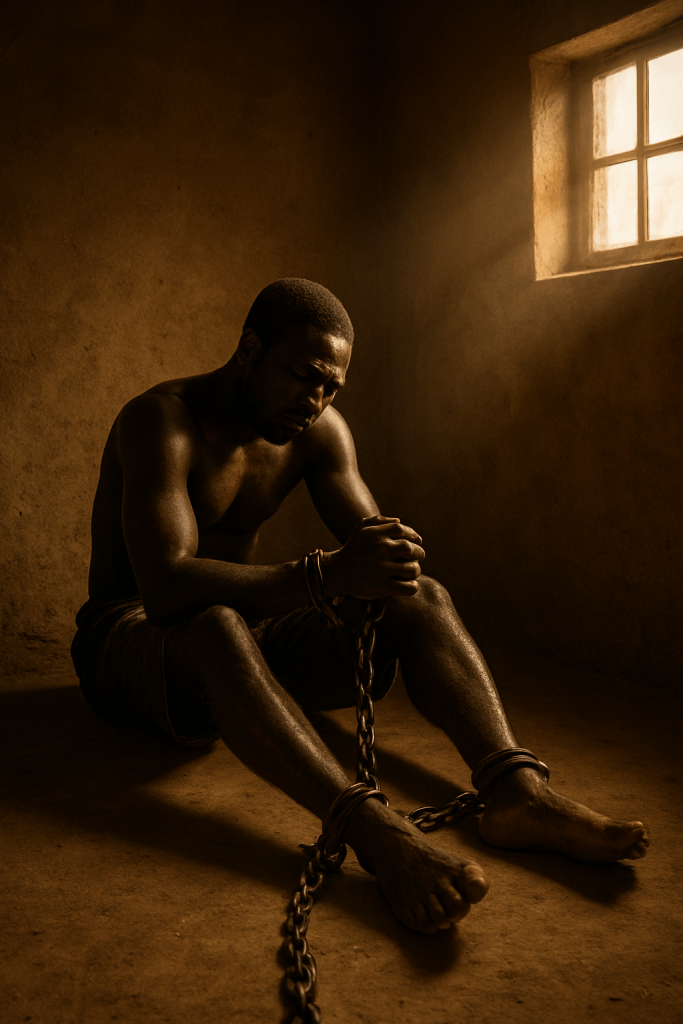
The dilemma of forced diaspora stands as one of the most defining and devastating realities in human history, particularly for African-descended peoples whose displacement reshaped the modern world. This rupture was not merely geographic but spiritual, psychological, and generational, severing people from land, language, kinship systems, and sacred memory.

Diaspora, in its truest sense, implies scattering. Forced diaspora, however, denotes violent expulsion—movement without consent, carried out through domination, coercion, and terror. The transatlantic slave trade exemplifies this condition, transforming human beings into cargo and redefining captivity as commerce.

Within the Hebrew Bible, displacement functions as both a consequence and a warning. Deuteronomy 28 in the King James Version presents blessings for obedience and curses for disobedience, culminating in exile, captivity, and foreign domination. The chapter is not abstract theology; it is historically grounded prophecy rooted in covenantal law.

Deuteronomy 28 begins with prosperity and national elevation, but the latter portion details systematic collapse. Hunger, poverty, loss of sovereignty, and enslavement emerge as consequences when a people fall under divine judgment. These themes recur throughout biblical history, particularly in the experiences of Israel.

Verse 48 declares that the people would serve enemies “in hunger, and in thirst, and in nakedness, and in want of all things,” while verse 68 foretells transportation into bondage by ships. This specific imagery has drawn sustained attention in diasporic biblical interpretation.

The reference to ships in Deuteronomy 28:68 is striking, as captivity in the ancient Near East was typically overland. The verse’s maritime language suggests a future mode of enslavement distinct from earlier Assyrian or Babylonian exiles, intensifying its interpretive gravity.

The Middle Passage, spanning the fifteenth through nineteenth centuries, involved the forced shipment of millions of Africans across the Atlantic Ocean. Conditions aboard slave ships included extreme overcrowding, disease, starvation, and death, reflecting the dehumanization described in Deuteronomy’s curses.

Men, women, and children were chained in holds, stripped of identity, and reduced to inventory. The loss of names, languages, and familial ties parallels the biblical language of becoming “a byword and a proverb” among nations, as stated in Deuteronomy 28:37.

The Middle Passage was not an isolated event but the center of a global economic system dependent upon forced labor. European empires extracted wealth through plantations, mines, and infrastructure built upon the backs of enslaved Africans.

Forced labor in the Americas mirrored the biblical description of unrelenting servitude. Enslaved people labored without rest, legal protection, or compensation, echoing Deuteronomy 28:65, which describes no ease, trembling hearts, and failing eyes.

The plantation system institutionalized violence, sexual exploitation, and family separation. Children were sold away from parents, marriages were unrecognized, and kinship networks were deliberately destroyed to prevent resistance.

This systematic breaking of family structures resonates with Deuteronomy 28:32, which warns that sons and daughters would be given to another people, with no power to rescue them. The verse reflects a loss of agency that defined chattel slavery.

Forced diaspora also produced cultural amnesia. African cosmologies, languages, and governance systems were suppressed, replaced by imposed identities rooted in racial hierarchy. Yet fragments survived through music, oral tradition, and spiritual practice.

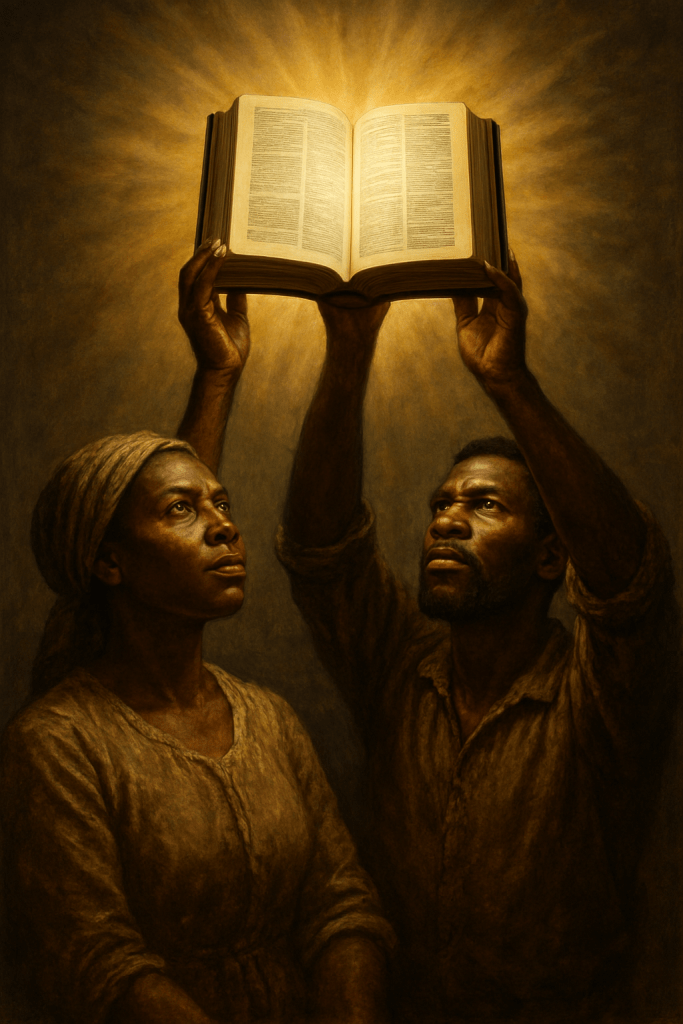
The introduction of Christianity to enslaved Africans occurred within contradiction. While Scripture was used to justify bondage, enslaved people discerned liberation themes within the text, identifying with Israel’s suffering and hope for deliverance.

Biblical narratives of exile—from Egypt to Babylon—offered frameworks for understanding suffering without surrendering dignity. The God who judged also promised restoration, a tension deeply embedded in Deuteronomy 30’s assurance of return.

Forced diaspora produced a transnational Black identity forged through shared trauma. Though stripped of homeland, African-descended peoples formed new cultures across the Caribbean, South America, and North America.

Resistance took many forms, including revolts, maroon societies, work slowdowns, and spiritual endurance. These acts challenged the totalizing power of forced labor systems and affirmed retained humanity.

Economic exploitation under slavery laid the foundation for modern global capitalism. Wealth extracted from forced labor financed industrialization, universities, banks, and nation-states, while the enslaved inherited poverty.

The end of legal slavery did not end the conditions described in Deuteronomy 28. Sharecropping, convict leasing, segregation, and mass incarceration functioned as continuations of forced labor under new legal frameworks.

Psychological captivity followed physical captivity. Generations internalized narratives of inferiority imposed to rationalize enslavement, fulfilling Deuteronomy 28:34, which speaks of madness for the sight of one’s eyes.

The forced diaspora fractured identity, producing questions of origin, belonging, and purpose. Many descendants of the enslaved continue to search archives, DNA, and Scripture for an ancestral connection.

Theological interpretations linking Deuteronomy 28 to the African diaspora remain contested, yet their persistence reflects an attempt to reconcile history with sacred text. For many, Scripture becomes a map through trauma.

The curse language of Deuteronomy is inseparable from covenant responsibility. In biblical theology, judgment is never arbitrary; it functions as correction rather than annihilation.

Importantly, Deuteronomy 28 does not conclude Israel’s story. Later prophets promise regathering, healing, and restoration, emphasizing divine faithfulness beyond punishment.

Forced diaspora, while devastating, did not erase African-descended peoples. Survival itself stands as testimony to resilience under conditions designed to destroy.

Cultural contributions born from displacement—music, language, theology, and political thought—have reshaped global civilization, often without acknowledgment of their origins.

Memory remains central to healing. To remember the Middle Passage is to resist erasure and affirm the humanity of those who endured it.

Scripture, when read with historical awareness, becomes a site of reckoning rather than oppression. Deuteronomy 28 challenges readers to confront how power, obedience, and justice intersect.

The dilemma of forced diaspora persists in contemporary inequalities, reminding the world that history is not past. The echoes of ships, chains, and fields remain embedded in modern systems.

Yet the biblical narrative insists that captivity is not the final word. Justice, restoration, and truth remain integral to divine order.

Forced diaspora stands as both a warning and a witness—a warning against unchecked power and a witness to the enduring strength of a people who survived the unthinkable.


References

The Holy Bible, King James Version. (1611/1769). Deuteronomy 28–30.

Curtin, P. D. (1969). The Atlantic slave trade: A census. University of Wisconsin Press.

Gomez, M. A. (2005). Reversing sail: A history of the African diaspora. Cambridge University Press.

Smallwood, S. E. (2007). Saltwater slavery: A middle passage from Africa to American diaspora. Harvard University Press.

Williams, E. (1944). Capitalism and slavery. University of North Carolina Press.

Dilemma: The Architecture of Anti-Blackness: How White Supremacy Manufactured Inferiority

The dilemma of how white supremacy, the racial hierarchy in the Western world, did not emerge spontaneously; it was intentionally crafted, narrated, and repeated until it became a cultural reflex. The idea that Black people were inferior was never rooted in fact, science, or scripture. Rather, it was a constructed narrative, projected outward by white societies to justify domination, economic exploitation, and colonial expansion. This false narrative became a psychological weapon—one that shaped nations, policies, and personal identities.

Anti-Blackness did not emerge by accident. It was deliberately engineered, brick by brick, to justify conquest, theft, and domination. White supremacy constructed a worldview that framed Black humanity as deficient so that European power structures could expand without moral restraint. This architecture was not simply ideological; it was legal, economic, religious, and cultural—a total system designed to redefine an entire people as less than human.

The earliest foundations were laid during the transatlantic slave trade, when European empires required a moral rationale for kidnapping, trafficking, and exploiting millions of African people. To soothe their consciences and maintain social order, they developed narratives portraying Africans as uncivilized, chaotic, or cursed. These ideas became the ideological scaffolding for slavery, turning brutality into “civilization,” and oppression into “progress.”

Religion was an essential tool in this construction. European theologians and clergy misused scripture to claim divine sanction for racial hierarchy, weaponizing biblical texts to portray Africans as descendants of the cursed. This manipulation reframed slavery as benevolence—a “civilizing mission” rather than a system of terror. The lie of inferiority became sacred doctrine in the minds of many, giving theological legitimacy to violence.

Law was the second load-bearing wall in this system. Slave codes, Black codes, and Jim Crow laws formalized a racial caste system in which whiteness meant citizenship and Blackness meant subjugation. The legal architecture enforced the belief that Black people were incapable of autonomy, intellect, or moral agency. Inferiority was not only an idea; it became a legal identity.

Science, too, was recruited to reinforce racial dominance. Enlightenment-era thinkers authored treatises classifying African people as biologically inferior—a distortion now known as scientific racism. Phrenology, craniometry, and fabricated racial taxonomies were presented as objective truth. These pseudosciences spread globally, embedding the myth of Black inferiority into academic and medical institutions.

Culture played a critical role in turning these narratives into everyday common sense. Literature, art, theater, and later film depicted Black people as caricatures—brutes, savages, servants, or comic relief. These images were not accidental misrepresentations; they were strategic distortions reflecting and reinforcing white anxieties about power, purity, and control. Culture became propaganda, shaping emotions as effectively as laws shaped behavior.

Economic interests further cemented anti-Black ideology. The wealth of Europe and the Americas was built on African labor, and maintaining this economic engine required the perpetual devaluation of Black life. The more inferior Black people were perceived to be, the more justifiable their exploitation became. Thus, racial ideology functioned as a financial instrument as much as a social one.

Psychologically, white supremacy fostered a collective identity rooted in superiority. To maintain this fragile sense of dominance, whiteness required an “other” to contrast itself against. Anti-Blackness became the foundation of that identity—the stabilizing force of white self-conception. Without a myth of inferiority, the myth of white superiority could not survive.

Education became a mechanism for transmitting these narratives across generations. Curricula erased African civilizations, downplayed the horrors of slavery, and glorified European expansion. By controlling what children learned, white supremacy ensured its own reproduction, making anti-Black narratives appear natural and inevitable.

Media institutions amplified these messages, creating feedback loops where stereotypes justified discrimination and discrimination reinforced stereotypes. Newspapers portrayed Black communities as violent or unfit for citizenship. Early Hollywood films like Birth of a Nation mythologized Black criminality and celebrated white vigilantism. These representations shaped national consciousness in ways more powerful than policy.

During Reconstruction and the Civil Rights Movement, white resistance intensified as Black progress challenged the architecture of inferiority. Every advancement by Black communities—land acquisition, education, political participation—was met with backlash, violence, or policy reversals. White supremacy adapted, evolving from slavery to segregation, from segregation to mass incarceration, and from overt racism to coded language.

The criminal legal system emerged as a modern extension of earlier racial regimes. Stereotypes created during slavery—Black people as dangerous, impulsive, or criminal—were used to justify policing, surveillance, and disproportionate punishment. The prison system became a new economic mechanism for exploiting Black labor while maintaining racial control.

Housing policies like redlining institutionalized racial inequality on geographic lines. Black communities were systematically denied homeownership, wealth accumulation, and access to quality schools. Inferiority became spatial, built into neighborhoods, resources, and opportunities. These disparities were later interpreted as natural “community problems,” reinforcing stereotypes that justified their existence.

Anti-Blackness also infiltrated interpersonal relations. Microaggressions, racial biases, and assumptions about intelligence or professionalism stem from centuries of propaganda. These everyday interactions reflect the deeper structural architecture that taught society how to see—and not see—Black humanity.

Globally, anti-Black narratives spread through colonialism. European empires exported their racial ideologies across Africa, Asia, and the Caribbean, shaping local hierarchies and perceptions of Blackness. The myth of inferiority became a global lingua franca that served imperial expansion.

The psychological impact on Black communities has been profound. Internalized oppression, colorism, and cultural trauma are legacies of a world constructed to diminish Black worth. Yet despite these forces, Black resistance has continually exposed the lie of inferiority and affirmed the truth of Black resilience, intellect, and brilliance.

The architecture of anti-Blackness is not static; it evolves with each generation. New technologies, political rhetoric, and economic systems mold old ideas into new forms. But the foundation remains the same: a lie constructed for the benefit of the powerful.

Dismantling this architecture requires truth-telling and historical reckoning. It demands that society confront the origins of its racial hierarchies and acknowledge the deliberate engineering behind them. Inferiority was manufactured; it was never real.

Black humanity, dignity, and brilliance have always existed independent of white imagination. What must be destroyed is not Black identity, but the false architecture built to oppress it. Only then can justice become more than a dream—it can become a structure of its own.

The origins of this racial myth can be traced to early European encounters with Africa. When European empires entered the African continent, they encountered civilizations with rich cultures, kingdoms, and intellectual traditions. But to enslave, extract, and colonize, they needed a worldview that placed Africans beneath them. And so the lie was born. The apostle Paul warned against such strategies of deception, reminding believers that “Satan himself is transformed into an angel of light” (2 Corinthians 11:14, KJV). Lies that appear logical, profitable, or convenient often masquerade as truth.

This narrative of inferiority became institutionalized during the transatlantic slave trade. Enslaved Africans were portrayed as subhuman, needing “civilization,” and devoid of intellect or morality. These portrayals served economic interests, allowing slaveholders to reconcile inhumane actions with their professed Christian identities. Yet the Bible had long declared the opposite: that all nations of the earth were made “of one blood” (Acts 17:26, KJV). In other words, the foundation of racial hierarchy was in direct contradiction to divine truth.

Over time, white societies refined these narratives into scientific-sounding theories. Pseudoscience emerged—phrenology, eugenics, and social Darwinism—each cloaked in academic language that gave validity to bigotry. The Bible warns that “professing themselves to be wise, they became fools” (Romans 1:22, KJV). These theories did not illuminate human diversity; rather, they darkened human compassion.

The narrative of Black inferiority was further reinforced by media, textbooks, and political speeches. Early depictions of Black people in Western literature and news portrayed them as threats, savages, or burdens. These images formed an ecosystem of propaganda that shaped public fear and public policy. Proverbs 6:16–19 speaks of those who sow discord among brethren—indeed, the manufacturing of racial hierarchy was a deliberate sowing of discord on a global scale.

Colonial missionaries also played a role, often using distorted interpretations of scripture to endorse oppression. Passages like the story of Noah’s sons were twisted to justify enslavement, even though the Bible never says anything about race-based servitude. Jesus Himself declared that loving one’s neighbor is the fulfillment of the law (Matthew 22:39, KJV), exposing the hypocrisy of those who claimed Christianity while practicing cruelty.

Over centuries, white societies began to internalize their own myth-making. What started as a political tool became a social identity. Whiteness became associated with superiority, purity, beauty, intelligence, and divine favor. Meanwhile, Blackness was framed as the opposite. This reinforced a dilemma not only for the oppressed, but also for the oppressor—how to maintain a false sense of superiority in a world where evidence repeatedly disproved it.

Black people, too, were impacted psychologically. Generations grew up in societies that undervalued their existence, distorted their history, and denied their humanity. Yet even in these conditions, African-descended people consistently demonstrated brilliance, resilience, and spiritual depth. The Bible affirms the strength of the oppressed, declaring that “the last shall be first” (Matthew 20:16, KJV). Oppression may wound, but it also reveals character and endurance.

White societies often used fear as the root justification for maintaining these narratives. Fear of Black intelligence, fear of retribution, fear of equality, and fear of losing power all contributed to the reinforcement of harmful stereotypes. King Solomon wrote that “the wicked flee when no man pursueth” (Proverbs 28:1, KJV). Fear—especially irrational fear—creates enemies where there are none.

One of the most damaging elements of this narrative was the portrayal of Black identity as needing validation from white institutions. Education, employment, beauty standards, and social acceptance became filtered through whiteness as the reference point. This contradicted scripture, for God alone defines worth: “For ye are fearfully and wonderfully made” (Psalm 139:14, KJV).

The dilemma also lies in the fact that white supremacy was never just a personal belief; it was a system. It permeated laws, housing policies, policing, and economic structures. These systems were designed to maintain the illusion of superiority through material advantage. Ecclesiastes 4:1 speaks of those who “have no comforter” under systems of oppression—an ancient truth that echoed through plantations, courtrooms, and schoolhouses.

Yet, throughout history, Black communities resisted this narrative through literacy, faith, artistry, and collective unity. The African American church became a center of truth-telling, reminding congregations that “the truth shall make you free” (John 8:32, KJV). Spiritual fortitude challenged societal lies and affirmed divine identity.

The civil rights movement exposed the moral contradiction of a nation claiming liberty while denying it to millions. As cameras captured violence against peaceful protestors, much of the world began to recognize the lie behind the narrative of Black inferiority. Darkness was brought into the light, fulfilling the scripture: “For nothing is secret, that shall not be made manifest” (Luke 8:17, KJV).

Still, remnants of this narrative persist today. Media bias, educational erasure, and structural inequities continue the old mythology in contemporary forms. The oppressor’s dilemma now becomes how to reconcile modern ideals of equality with centuries of racial conditioning. Many wrestle with guilt, denial, or fragility because the truth disrupts the comfort of inherited narratives.

For Black people, modern challenges include healing from the psychological residue of that false identity. Learning one’s history, celebrating one’s heritage, and embracing faith become acts of restoration. Isaiah 61:7 declares, “For your shame ye shall have double.” God promises divine compensation for historical dishonor.

The narrative of inferiority also fractures relationships between ethnic groups, creating suspicion and distance. True reconciliation requires more than silence—it requires repentance, acknowledgment, and structural transformation. Scripture teaches, “Confess your faults one to another” (James 5:16, KJV), suggesting that healing is communal, not individual.

The truth is that racial hierarchy has always been incompatible with God’s design. No group is ordained to dominance, nor is any group inherently inferior. The lies of the past may linger, but they cannot stand against the weight of truth. As Jesus said, “Every plant, which my heavenly Father hath not planted, shall be rooted up” (Matthew 15:13, KJV). White supremacy is one such plant.

Today, we stand at a crossroads where societies must choose honesty over tradition, truth over myth, and justice over comfort. The dismantling of the false narrative of Black inferiority is not merely a political act—it is a spiritual one. It aligns humanity with God’s vision of dignity for all His creation.

Ultimately, the dilemma is not whether Black people are inferior—they are not and never were. The true dilemma is whether societies built on lies are willing to confront the truth. And the truth, according to the Word, is unyielding: God shows no partiality, and neither should humanity. “For there is no respect of persons with God” (Romans 2:11, KJV).


References (KJV Bible):
Acts 17:26; 2 Corinthians 11:14; Romans 1:22; Proverbs 6:16–19; Matthew 22:39; Matthew 20:16; Proverbs 28:1; Psalm 139:14; Ecclesiastes 4:1; John 8:32; Luke 8:17; Isaiah 61:7; James 5:16; Matthew 15:13; Romans 2:11.

Bonilla-Silva, E. (2018). Racism without racists: Color-blind racism and the persistence of racial inequality in the United States. Rowman & Littlefield.
Du Bois, W. E. B. (1903). The souls of Black folk. A. C. McClurg.
Feagin, J. R. (2014). Racist America: Roots, current realities, and future reparations (3rd ed.). Routledge.
Fields, K., & Fields, B. (2012). Racecraft: The soul of inequality in American life. Verso.
Fredrickson, G. M. (2002). Racism: A short history. Princeton University Press.
Muhammad, K. G. (2010). The condemnation of Blackness: Race, crime, and the making of modern urban America. Harvard University Press.
Painter, N. I. (2010). The history of White people. W. W. Norton.
Williams, E. (1944). Capitalism and slavery. University of North Carolina Press.


The Marriage Series: Togetherness

Marriage is a divine institution established by God to reflect His covenant of love and faithfulness. It is more than a social contract; it is a spiritual union designed to cultivate intimacy, trust, and lifelong companionship. Togetherness in marriage is built upon a foundation of mutual commitment, respect, and shared purpose.

God’s design for marriage is clear in Genesis 2:24 (KJV): “Therefore shall a man leave his father and his mother, and shall cleave unto his wife: and they shall be one flesh.” Cleaving signifies total devotion, unity of purpose, and the willingness to prioritize one another above all else. True togetherness requires emotional, spiritual, and physical alignment.

Faithfulness is the cornerstone of a strong marital bond. Proverbs 5:18-19 (KJV) encourages delight in one’s spouse: “Let thy fountain be blessed: and rejoice with the wife of thy youth. Let her be as the loving hind and pleasant roe; let her breasts satisfy thee at all times; and be thou ravished always with her love.” Fidelity nurtures trust and allows intimacy to flourish.

Sexual purity before marriage is a critical element in building a lasting foundation. Hebrews 13:4 (KJV) reminds, “Marriage is honourable in all, and the bed undefiled: but whoremongers and adulterers God will judge.” Waiting to engage in sexual intimacy until marriage strengthens emotional bonds and aligns the couple with God’s design, ensuring a sacred and unifying experience.

The vow “let no man put asunder” echoes Jesus’ teaching in Matthew 19:6 (KJV): “Wherefore they are no more twain, but one flesh. What therefore God hath joined together, let not man put asunder.” Togetherness requires the couple to resist external pressures, conflict, and temptation that seek to divide the union.

Guarding one’s spouse is both an act of love and spiritual responsibility. 1 Corinthians 7:3-4 (KJV) instructs, “Let the husband render unto the wife due benevolence: and likewise also the wife unto the husband. The wife hath not power of her own body, but the husband: and likewise also the husband hath not power of his own body, but the wife.” Protecting the physical, emotional, and spiritual well-being of one another fosters safety and trust.

Mutual respect forms the heart of togetherness. Ephesians 5:33 (KJV) exhorts, “Nevertheless let every one of you in particular so love his wife even as himself; and the wife see that she reverence her husband.” When both partners honor one another’s dignity, the marriage becomes a reflection of Christ’s love for the Church.

Communication is a vital tool in maintaining unity. James 1:19 (KJV) teaches, “Wherefore, my beloved brethren, let every man be swift to hear, slow to speak, slow to wrath.” Open, honest, and patient communication strengthens emotional intimacy and prevents misunderstandings from eroding the bond.

Shared spiritual growth anchors the marriage in God’s truth. Couples who pray together, study the Word, and worship together cultivate alignment of purpose and vision. Amos 3:3 (KJV) asks, “Can two walk together, except they be agreed?” Agreement in spiritual priorities ensures resilience in times of trial.

Patience is essential for togetherness, especially during seasons of conflict or growth. Colossians 3:13 (KJV) instructs, “Forbearing one another, and forgiving one another, if any man have a quarrel against any: even as Christ forgave you, so also do ye.” Marriage requires grace, understanding, and willingness to forgive to maintain unity.

Financial stewardship is another aspect of marital togetherness. Couples who plan, budget, and work toward shared goals strengthen trust and reduce tension. Proverbs 21:20 (KJV) notes, “There is treasure to be desired and oil in the dwelling of the wise; but a foolish man spendeth it up.” Joint responsibility in finances reflects cooperation and foresight.

Physical affection and emotional presence deepen marital connection. Song of Solomon 2:16 (KJV) expresses romantic devotion: “My beloved is mine, and I am his: he feedeth among the lilies.” Regular expressions of love, encouragement, and intimacy reinforce the bond of togetherness.

Equality in decision-making and mutual support fosters a sense of partnership. Ecclesiastes 4:9-10 (KJV) highlights, “Two are better than one; because they have a good reward for their labour. For if they fall, the one will lift up his fellow.” Marriage thrives when both partners share responsibilities and celebrate successes together.

Conflict resolution grounded in humility preserves togetherness. Matthew 18:15-17 (KJV) provides guidance on reconciliation and addressing grievances directly. Couples who approach disagreements with a desire for resolution rather than victory maintain trust and unity.

Celebration of milestones strengthens the sense of partnership. Whether through anniversaries, achievements, or personal growth, acknowledging each other’s contributions fosters gratitude and shared joy. Philippians 1:3 (KJV) states, “I thank my God upon every remembrance of you.” Gratitude nurtures emotional intimacy.

Commitment to one another in sickness and in health reflects steadfast togetherness. 1 Corinthians 13:7 (KJV) affirms, “Love endureth all things, believeth all things, hopeth all things, endureth all things.” Enduring challenges together reinforces the depth and resilience of marital love.

Shared vision and goal-setting align life paths. Couples who discuss dreams, family planning, and personal aspirations ensure that the marriage is dynamic, forward-looking, and collaborative. Amos 3:3 (KJV) reinforces walking together in agreement, highlighting the importance of alignment in purpose.

Encouragement and affirmation of one another’s strengths enhance self-esteem and relational satisfaction. Proverbs 31:28 (KJV) celebrates a faithful wife: “Her children arise up, and call her blessed; her husband also, and he praiseth her.” Mutual encouragement fosters togetherness and nurtures individual growth.

Spiritual protection of the marriage ensures that togetherness is preserved against external threats. Ephesians 6:10-11 (KJV) calls believers to “Put on the whole armour of God, that ye may be able to stand against the wiles of the devil.” A spiritually fortified marriage withstands temptations, trials, and societal pressures.

Togetherness requires ongoing effort, intentionality, and prioritization. Ecclesiastes 9:9 (KJV) reminds, “Live joyfully with the wife whom thou lovest all the days of the life of thy vanity…” Actively investing in the relationship daily ensures longevity, satisfaction, and a reflective witness of God’s love.

Finally, marriage is a testimony to God’s covenantal love. Malachi 2:14 (KJV) declares, “Yet ye say, Wherefore? Because the LORD hath been witness between thee and the wife of thy youth…” Togetherness is a reflection of divine faithfulness, showing the world the power of love, commitment, and unity as ordained by God.


References

Genesis 2:24, KJV.
Matthew 19:6, KJV.
Proverbs 5:18-19, KJV.
Hebrews 13:4, KJV.
1 Corinthians 7:3-4, KJV.
Ephesians 5:33, KJV.
James 1:19, KJV.
Amos 3:3, KJV.
Colossians 3:13, KJV.
Proverbs 21:20, KJV.
Song of Solomon 2:16, KJV.
Ecclesiastes 4:9-10, KJV.
1 Corinthians 13:7, KJV.
Proverbs 31:28, KJV.
Ephesians 6:10-11, KJV.
Ecclesiastes 9:9, KJV.
Malachi 2:14, KJV.
Guerrero, L. K., & Floyd, K. (2006). Nonverbal communication in close relationships. Mahwah, NJ: Lawrence Erlbaum.
Chapman, G. (2015). The 5 Love Languages: The Secret to Love That Lasts. Chicago: Northfield Publishing.

Brown Girl Rising

Brown Girl Rising is the story of awakening, resilience, and transformation. It is the journey from self-doubt shaped by societal bias to a confident embrace of identity, heritage, and purpose. For brown girls everywhere, rising is both personal and collective, a declaration that history, circumstance, or prejudice cannot define their worth or potential.

From childhood, brown girls encounter narratives that seek to diminish their value. Colorism, media misrepresentation, and systemic inequities often shape perception and self-esteem. Hunter (2007) highlights how internalized bias can negatively impact identity formation and confidence. Rising begins with recognizing and rejecting these false narratives.

Education is a key pillar in the ascent of the brown girl. Knowledge empowers critical thinking, cultural awareness, and leadership. When a brown girl learns her history, studies her potential, and cultivates her skills, she builds a foundation of confidence and independence. Proverbs 4:7 (KJV) affirms, “Wisdom is the principal thing; therefore get wisdom: and with all thy getting get understanding.”

Faith fortifies resilience. Brown Girl Rising understands that divine purpose is embedded within her being. Jeremiah 29:11 (KJV) declares, “For I know the thoughts that I think toward you, saith the LORD, thoughts of peace, and not of evil, to give you an expected end.” Trusting in God’s plan encourages perseverance through adversity.

Rising also requires community and mentorship. Surrounding oneself with supportive peers, role models, and leaders fosters growth, accountability, and inspiration. Proverbs 27:17 (KJV) states, “Iron sharpeneth iron; so a man sharpeneth the countenance of his friend.” Community becomes both a mirror and a catalyst for elevation.

Brown girls possess a unique brilliance, often overlooked or underestimated. Historical and contemporary examples—from scientists to artists to leaders—illustrate that talent, creativity, and leadership flourish when nurtured and affirmed. Asante (2007) emphasizes the rich intellectual legacy of African civilizations, demonstrating that brilliance is both inherited and cultivated.

Self-love is central to the rising journey. 1 John 4:19 (KJV) notes, “We love him, because he first loved us.” Recognizing God’s love provides a template for self-respect, affirmation, and boundaries, allowing brown girls to assert value in all aspects of life.

Rising is not linear. Challenges, setbacks, and opposition test resilience. Yet every trial strengthens character, sharpens focus, and deepens understanding of self. Romans 5:3-4 (KJV) teaches, “…we glory in tribulations also: knowing that tribulation worketh patience; And patience, experience; and experience, hope.”

Expression through art, literature, and culture amplifies the voice of the brown girl. Poetry, music, visual art, and storytelling communicate identity, resistance, and aspiration. These mediums allow her to rise visibly and inspire others.

Physical presence and aesthetic pride are also acts of rising. Hair, fashion, and beauty practices are expressions of culture and self-respect. Celebrating natural features affirms identity and challenges oppressive beauty standards.

Leadership is a natural extension of rising. By taking initiative, advocating for others, and influencing change, brown girls demonstrate that rising is not only personal but communal. Proverbs 31:8-9 (KJV) exhorts, “Open thy mouth for the dumb in the cause of all such as are appointed to destruction. Open thy mouth, judge righteously, and plead the cause of the poor and needy.”

Health—physical, emotional, and spiritual—is essential for sustaining upward movement. Self-care is not indulgence but a strategy for resilience, ensuring that the brown girl has energy and clarity to pursue purpose. 1 Corinthians 6:19-20 (KJV) reminds us that our bodies are temples of the Holy Spirit.

Rising also involves breaking cycles of generational trauma. By confronting inherited wounds and seeking healing, brown girls create space for empowerment and possibility. The journey becomes both personal transformation and societal impact.

Courage is fundamental. Speaking truth, pursuing dreams, and challenging injustice often require bravery. Joshua 1:9 (KJV) affirms, “Be strong and of a good courage; be not afraid, neither be thou dismayed: for the LORD thy God is with thee whithersoever thou goest.”

Brown Girl Rising understands the power of visibility. Representation in media, academia, business, and politics counters stereotypes, inspiring the next generation to rise without apology. Seeing oneself reflected validates dreams and normalizes achievement.

Advocacy is integral to rising. Elevating voices, addressing inequity, and mentoring others extends personal ascent into societal transformation. Acts of advocacy demonstrate that rising is both a personal and communal endeavor.

Patience and persistence distinguish lasting rise from fleeting success. Galatians 6:9 (KJV) reminds, “And let us not be weary in well doing: for in due season we shall reap, if we faint not.” Persistence ensures that efforts bear fruit over time.

Rising requires authenticity. Embracing individuality, culture, and values fosters self-respect and influence. Brown girls who honor their heritage and uniqueness inspire confidence and respect in others.

Celebration marks milestones of rising. Rejoicing in accomplishments, whether large or small, reinforces identity and motivates continued growth. Psalm 118:24 (KJV) declares, “This is the day which the LORD hath made; we will rejoice and be glad in it.”

Finally, Brown Girl Rising embodies hope, resilience, and purpose. It is a declaration of presence, power, and potential. Each step upward reflects ancestral strength, divine design, and personal agency. Rising is not only survival—it is flourishing.


References

Psalm 139:14, KJV.
Jeremiah 29:11, KJV.
Proverbs 4:7, KJV.
Proverbs 27:17, KJV.
1 John 4:19, KJV.
Romans 5:3-4, KJV.
Proverbs 31:8-9, KJV.
1 Corinthians 6:19-20, KJV.
Joshua 1:9, KJV.
Galatians 6:9, KJV.
Psalm 118:24, KJV.
Hunter, M. L. (2007). The Persistent Problem of Colorism: Skin Tone, Status, and Inequality. Sociology Compass, 1(1), 237–254.
Asante, M. K. (2007). The History of Africa: The Quest for Eternal Harmony. Routledge.
Gates, H. L. (2019). The Black Experience in America: Identity, Culture, and Achievement. Vintage Press.

Dilemma: First Black Religion?!

The question of the first Black religion is not merely historical—it is existential, cultural, and theological. For many, religion is tied to identity, ancestry, trauma, and liberation. The dilemma emerges when history asserts one origin, scripture hints another, and lived experience narrates yet another.

Long before colonization, African spirituality flourished in elaborate cosmologies. These systems honored divine hierarchy, ancestral intercession, sacred symbols, covenantal obedience, and moral law. In parallel, biblical scripture references lands populated by Cushites, Egyptians, Ethiopians, and early civilizations where Black peoples interfaced with God’s unfolding plan (Gen. 10:6).

The lineage of Ham—particularly through Cush, Mizraim, and Canaan—places Africa at the dawn of human migration, culture, and worship. Though often misrepresented due to later interpretations, scripture never describes Ham as cursed in skin, but in lineage outcome concerning Canaan only (Gen. 9:25).

The Bible clearly presents Cush as a progenitor of nations in Africa. The Hebrew term Cush historically corresponds to regions of Northeast Africa, modern Sudan, Ethiopia, Eritrea, and the Nile Valley. These were lands where worship, civilization, and monarchal structures first developed.

African spirituality centered upon the belief in a supreme creator long before Western intrusions. This mirrors biblical revelation that God made Himself known to early nations, even outside later Israelite identity formation. Scripture affirms that all nations descend from one blood under God’s dominion (Acts 17:26).

Black contact with biblical worship begins even in patriarchal narratives. Moses married a Black Cushite woman, indicating cultural and religious intersections before formalized Judaic religion emerged (Num. 12:1). This disrupts the narrative that Black spiritual identity began only through Western Christianity.

Ethiopia is mentioned dozens of times in scripture, often as a land already acquainted with monarchy, worship, prophecy, and divine awareness. “Princes shall come out of Egypt; Ethiopia shall soon stretch out her hands unto God” (Psa. 68:31). This implies pre-existing spiritual consciousness and later global alignment toward Yahweh.

The dilemma intensifies when analyzing the transatlantic slave trade. Enslaved Africans were forcibly baptized into Christianity—a religion used both to console the oppressed and to justify the oppressor. Yet scripture declares that God sides with the afflicted: “He shall deliver the needy when he crieth; the poor also, and him that hath no helper” (Psa. 72:12).

Colonial Christianity reframed African spirituality as pagan, though much of it was built on a belief in one high God, sacred law, covenant allegiance, and moral accountability. This resembles the biblical world before the codified Torah existed—where God spoke, not systems.

Abraham encountered Melchizedek, a priest outside his nation, already worshipping the most high God (Gen. 14:18). This supports the theological idea that God’s first priesthood and worship were not geographically European.

Egypt, a Black African empire, was the first nation where God demonstrated Himself in national judgment and spiritual distinction. The Exodus confrontations show Yahweh contending with Egypt’s religion, not introducing spirituality to the world for the first time (Exo. 7:5).

God made Himself known in Egypt through plague and judgment: “And the Egyptians shall know that I am the Lord, when I stretch forth mine hand upon Egypt” (Exo. 7:5). This verifies Africa as the stage for one of God’s earliest religious confrontations.

Africa was not spiritually empty—it was spiritually contested. The world’s first recorded civilization, religious systems, libraries, priesthoods, temple economies, astronomy, sacred initiations, and moral codes began on African soil.

The Queen of Sheba—an African monarch—recognized Solomon through divine fascination, wealth exchange, and theological awe (1 Kings 10). This demonstrates that African worship already operated in sacred curiosity toward Yahweh before forced conversions ever existed.

Another scriptural Ethiopian, Ebed-melech, feared God, rescued the prophet Jeremiah, and was divinely delivered for his faithfulness, showing independent African knowledge of Yahweh before Christian imperialism (Jer. 38:7-13; 39:16-18).

Then comes Philip and the Ethiopian eunuch, a royal treasury official already reading the prophet Isaiah before being instructed and baptized (Acts 8:27-38). This passage is central to the argument that Black peoples engaged biblical religion before Western mediation, dismantling the claim that Christianity was Africa’s first encounter with God.

“He was led as a sheep to the slaughter” (Isa. 53:7; Acts 8:32) foreshadows Christ’s redemptive suffering—a passage preserved in Africa’s royal religious archives long before institutional Christianity dominated the continent.

Some assert that the “slave Bible” created a counterfeit Christian origin for Black people. But scripture pre-dates slavery and repeatedly spotlights African worshipers siding with God’s prophets, kings, and divine revelation (Psa. 87:4).

African spirituality practiced sacred law long before Western religion arrived. This reflects biblical truth: “I have put my law in their inward parts, and write it in their hearts” (Jer. 31:33). God embedded spiritual cognition into early peoples before institutions claimed ownership of Him.

Faithful obedience—not geographical religion—is the foundation of true worship. Jesus confirms this principle: “They that worship him must worship him in spirit and in truth” (John 4:24). Truth existed before titles like Christianity even did.

The real dilemma is not whether Black religion began in Africa or in the Bible—the crisis is when the world convinced Black people their spirituality came from chains, not the covenant.

God foretold long suffering for His chosen people: “And ye shall be sold unto your enemies… and no man shall buy you” (Deut. 28:68). Many scholars connect this to the transatlantic captivity as a prophetic cycle, showing that biblical identity could explain the Black religious experience more than colonial religion ever did.

Still, the truth remains: scripture shows Black peoples worshiping God, protecting prophets, reading prophecy, engaging the priesthood, serving royal courts, and stretching hands toward Yahweh before Christianity baptized Africa by force.

The dilemma of First Black Religion confronts three realities: Africa birthed the world’s oldest spiritual systems, the Bible records Africa’s earliest interactions with God, and slavery weaponized Christianity into both comfort and confusion.

Black religion did not begin in Europe, in plantations, or in forced baptism. It began wherever God first spoke to Black peoples—and scripture confirms that Africa heard His voice early, often, and sovereignly.

The question now shifts from origins to inheritance. God promised restoration: “And the Lord thy God will turn thy captivity… and have compassion upon thee, and will return and gather thee from all the nations” (Deut. 30:3).

The future of Black religion, identity, and covenant is not found in the hands that rewrote history, but in the God who wrote ancestry, suffering, deliverance, and spiritual consciousness into scripture from the beginning.


References

The Holy Bible, King James Version.
American Bible Society. (1611). KJV.

Bronzed by Heaven

Identity formation within psychology asserts that the self is a mental construct shaped by narrative, embodiment, and social reflection, yet theology precedes psychology by rooting identity in divine imaging rather than external affirmation (Cross, 1991; Genesis 1:27, KJV).

Melanin-rich skin is not merely a biological feature but an embodied text, functioning immunologically, socially, and symbolically in ways that impact cognition and self-schema across the lifespan (Jablonski, 2012).

Evolutionary anthropology attributes increased pigmentation to environmental adaptation, reframing melanin as biological wisdom rather than aesthetic deviation (Robins, 1991).

However, historical semiotics have attempted to character-edit brownness into inferiority, weaponizing complexion as a hierarchy rather than honoring it as heritage (Fanon, 1952/2008).

Colorism did not originate in Scripture—it originated in slavery, imperialism, and manufactured aesthetic caste systems that rewarded proximity to whiteness and punished natural brown gradients (Hunter, 2007; DeGruy, 2005).

Yet the biblical archive opposes the colonial manuscript. Humanity’s genesis emerges not in ivory, but in earth—literally animated dust, kissed by the breath of God (Genesis 2:7, KJV).

This origin theology disrupts Western aesthetic supremacy by revealing that the first human hue was not colorless but terrestrial—bronzed by divine imprint, not deficiency (Genesis 1:31, KJV).

Divine evaluation differs from human appraisal. God instructs that He does not judge by outward appearance, meaning complexion is not Heaven’s rubric—purpose and covenant are (1 Samuel 16:7, KJV).

Self-worth flourishes when anchored in God’s craftsmanship. The Psalmist does not request validation from society but declares identity confidence directly from divine authorship (Psalm 139:14, KJV).

The Bride of Solomon makes a theological decree of brown beauty, affirming her desirability despite social sun-darkening, reframing brown skin as intentional exposure rather than shameful evidence (Song of Solomon 1:5–6, KJV).

Brownness carries psychological tension because it has been narrated by systems of gaze rather than systems of glory. Healing requires self-authorship reclaimed by truth, not trauma scripts (Du Bois, 1903/2021).

Scripture supports psychological identity departure by instructing believers to put off the old man, showing that growth is not mere cosmetics but categorical identity replacement (Ephesians 4:22–24, KJV; Colossians 3:9-10, KJV).

Outgrowth requires cognitive recalibration. Biblical psychology teaches that as a man thinketh, so is he—meaning identity is shaped internally before expressed externally (Proverbs 23:7, KJV).

The transformation of the self is spiritually powered. Paul asserts he lives not by his former self but by Christ within, modeling identity transcendence through yielded internal occupancy, not external aesthetics (Galatians 2:20, KJV).

Hardship becomes the chisel of self-reconstruction. Modern psychology echoes biblical truth that adversity becomes identity-building training for emotional endurance, empathy, and long-term achievement (Duckworth, 2016; Romans 5:3-5, KJV).

God often hides individuals in difficult developmental margins before destiny exposure. Joseph was pit-processed long before he was publicly distinguished, demonstrating spiritual growth under forced isolation (Genesis 37–41, KJV).

Spiritual outgrowth provokes envy. Scripture affirms persecution follows transformation, meaning growth disrupts observers who once found comfort in predictable stagnation (2 Timothy 3:12, KJV).

Reclamation of brownness is psychological integration and theological resistance—self-authored, God-endorsed identity language that refuses comparative inferiority narratives (Cross, 1991).

Faith is acquired through hearing, but identity is acquired through believing. The mind must rehearse God’s speech toward brownness until it eclipses external misreadings (Romans 10:17, KJV).

Thus, brown skin is not only pigment—it is prophecy. It is evidence of survival, designed by God, and continual becoming under Heaven’s illumination, not the world’s eraser attempts (Genesis 1:27, 31; Psalm 139:14, KJV).


References

Cross, W. E. (1991). Shades of Black: Diversity in African American Identity. Temple University Press.

DeGruy, J. (2005). Post-Traumatic Slave Syndrome. Uptone Press.

Duckworth, A. L. (2016). Grit: The Power of Passion and Perseverance. Scribner.

Du Bois, W. E. B. (2021). The Souls of Black Folk. Penguin Classics. (Original work published 1903)

Fanon, F. (2008). Black Skin, White Masks. Grove Press. (Original work published 1952)

Hunter, M. (2007). The persistent problem of colorism: Skin tone, status, and inequality. Sociology Compass, 1(1), 237–254.

Jablonski, N. G. (2012). Living Color: The Biological and Social Meaning of Skin Color. University of California Press.

Jablonski, N. G., & Chaplin, G. (2010). Human skin pigmentation as an adaptation to UV radiation. Journal of Human Evolution, 58(5), 390–397.

Robins, A. H. (1991). Biological Perspectives on Human Pigmentation. Cambridge University Press.

The Holy Bible, King James Version (Authorized 1611/1769). Genesis 1:27, 31; 2:7; 1 Samuel 16:7; Proverbs 23:7; Psalm 139:14; Song of Solomon 1:5–6; Romans 5:3-5; Romans 10:17; 2 Timothy 3:12; Colossians 3:9-10; Ephesians 4:22-24; Galatians 2:20.

How to know God’s Voice…

Speak, God, for your servant is listening.

Hearing the voice of God is one of the most transformative experiences in the life of a believer. It is not mystical, strange, or reserved for a chosen few—Scripture shows that God speaks to His children, guides them, warns them, comforts them, and leads them into truth (John 10:27). To discern His voice, we must cultivate spiritual sensitivity and a lifestyle surrendered to His presence. This process is both beautiful and intentional, built on relationship, obedience, and quietness before the Lord.

One of the foundational ways to know God’s voice is recognizing that His voice always aligns with His Word. God will never contradict Scripture. If the thought, idea, or leading goes against biblical truth, it is not from Him (Psalm 119:105). The Word is the standard, the filter, and the mirror by which we evaluate every impression. This is why the psalmist says, “Thy word have I hid in mine heart, that I might not sin against thee” (Psalm 119:11). The more of God’s Word that is hidden in our hearts, the easier it becomes to discern when He is speaking.

Spending time in Scripture is essential because it trains the spiritual ear. When you read the Bible consistently, you become familiar with the tone, character, and rhythm of God’s heart. His Word shapes your discernment and sets a foundation for recognizing His direction. Just as sheep learn the voice of their shepherd through daily relationship, believers learn God’s voice through daily exposure to His truth (John 10:4).

Prayer is another vital doorway for hearing God. Prayer is not just talking—it is communion. Many believers pray passionately but never pause long enough to listen. After you finish pouring out your heart, you must also say, “Speak to me, Lord.” In the stillness that follows, the Holy Spirit brings clarity, conviction, ideas, or reassurance (1 Kings 19:12). Listening is a spiritual discipline that requires silence, patience, and expectation.

A major key to knowing God’s voice is slowing down. Many people miss God because they move too fast. Rushing leads to confusion. God often speaks in the quiet, not the chaos. When you eliminate distractions—phones, noise, people, busyness—you create space for God to guide your thoughts. Psalm 46:10 says, “Be still, and know that I am God.” Stillness is not laziness; it is spiritual positioning.

Wise counsel is another tool God uses to confirm His voice. Scripture teaches that “in the multitude of counsellors there is safety” (Proverbs 11:14). When you feel God is leading you, speak with people who are strong in faith, spiritually mature, and rooted in Scripture. They can provide confirmation, correction, or clarity. God often uses others to echo what He has already spoken to your heart.

Obedience is one of the clearest ways to train your spiritual hearing. When you obey God in small things, your ear becomes sharper for big things. Ignoring God repeatedly dulls spiritual sensitivity. Jesus said, “If any man will do his will, he shall know of the doctrine” (John 7:17). In other words, understanding God’s voice grows when we walk in obedience.

One of the greatest ways people miss God is by expecting His voice to always be loud or dramatic. Sometimes God speaks through peace, sometimes through discomfort, sometimes through a closed door, and sometimes through a gentle whisper. We must be spiritually flexible—ready for God to speak in whichever way He chooses.

Remaining open to hearing God requires humility. You cannot approach God with a hardened heart or with your own agenda. You must be willing to surrender your desires and say, “Lord, not my will, but Yours be done” (Luke 22:42). A humble heart is fertile ground for divine direction.

Another way to stay sensitive is by guarding your spiritual environment. The wrong people, toxic relationships, and negative influences can drown out God’s voice. What you consume—music, media, conversations—affects your clarity. Purity of heart sharpens discernment (Matthew 5:8).

Spiritual consistency is key. Weekend faith will not produce weekday hearing. Establishing a rhythm of prayer, worship, Scripture reading, and reflection trains your spirit to recognize God’s guidance quickly. The more consistently you seek God, the more naturally you will recognize His voice (Jeremiah 29:13).

Fasting also sharpens spiritual perception. When you deny your flesh, your spirit becomes more alert. Fasting quiets earthly cravings and heightens sensitivity to the Holy Spirit’s whispers (Isaiah 58:6–11).

One of the most overlooked aspects of hearing God is gratitude. A thankful heart is open, clear, and full of faith. Gratitude shifts your focus off the noise and onto God’s presence. When your heart is postured in thanksgiving, you become more aware of divine leading (1 Thessalonians 5:18).

God speaks through peace. Colossians 3:15 says, “Let the peace of God rule in your hearts.” The word “rule” means “act like an umpire.” When God is speaking, He brings a deep sense of peace—even if the instruction challenges you. If something brings confusion, panic, or turmoil, it is not from God (1 Corinthians 14:33).

He also speaks through conviction. Conviction is not condemnation; it is divine correction that pulls you toward righteousness. The Holy Spirit uses conviction to guide you back to God’s will (John 16:13). Ignoring conviction makes His voice harder to recognize over time.

God speaks through opportunities. Open doors and divine timing are ways He confirms His words. When God is directing you, He aligns circumstances, timing, and resources. What He ordains, He sustains.

He also speaks through burdens. Sometimes God puts a burden on your heart for prayer, a person, a mission, or a calling. This inward pull is often a signal of divine leading. When you feel a strong, consistent spiritual urge, pay attention—it may be God prompting you.

Journaling is a powerful tool for tracking how God speaks. Writing down dreams, impressions, Scriptures, and moments of clarity helps you identify patterns in how the Lord communicates with you.

To avoid missing God, remain spiritually teachable. Pride closes your ears; humility keeps them open. Stay sensitive to correction, remain flexible to His instruction, and be willing to change course when He says move.

Separation is sometimes necessary. Getting away from noise, people, or environments that cloud your spirit helps you hear with clarity. Jesus Himself withdrew often to lonely places to pray (Luke 5:16).

Hearing God also requires spiritual maturity. You grow in discernment by studying Scripture, applying wisdom, reflecting on past experiences, and learning from both mistakes and victories. Discernment is developed, not automatic.

God speaks through creation, through nudges, through dreams, and through the internal witness of the Holy Spirit. Learning these different channels increases your spiritual awareness.

Above all, you know God’s voice through a relationship. The closer you walk with Him, the clearer His voice becomes. Shepherds do not yell at sheep—they speak in tones the sheep learned through closeness. Intimacy is the key to clarity.

When you live a life that seeks God daily, listens for Him, obeys Him, and filters everything through His Word, you will not miss His guidance. God wants you to hear Him more than you want to hear Him. The more you pursue Him, the more unmistakable His voice will become.

References (KJV)
John 10:4; John 10:27; Psalm 119:105; Psalm 119:11; 1 Kings 19:12; Psalm 46:10; Proverbs 11:14; John 7:17; Luke 22:42; Matthew 5:8; Jeremiah 29:13; Isaiah 58:6–11; 1 Thessalonians 5:18; Colossians 3:15; 1 Corinthians 14:33; John 16:13; Luke 5:16.

The Silent Exodus: Why Black Believers Are Leaving the Church

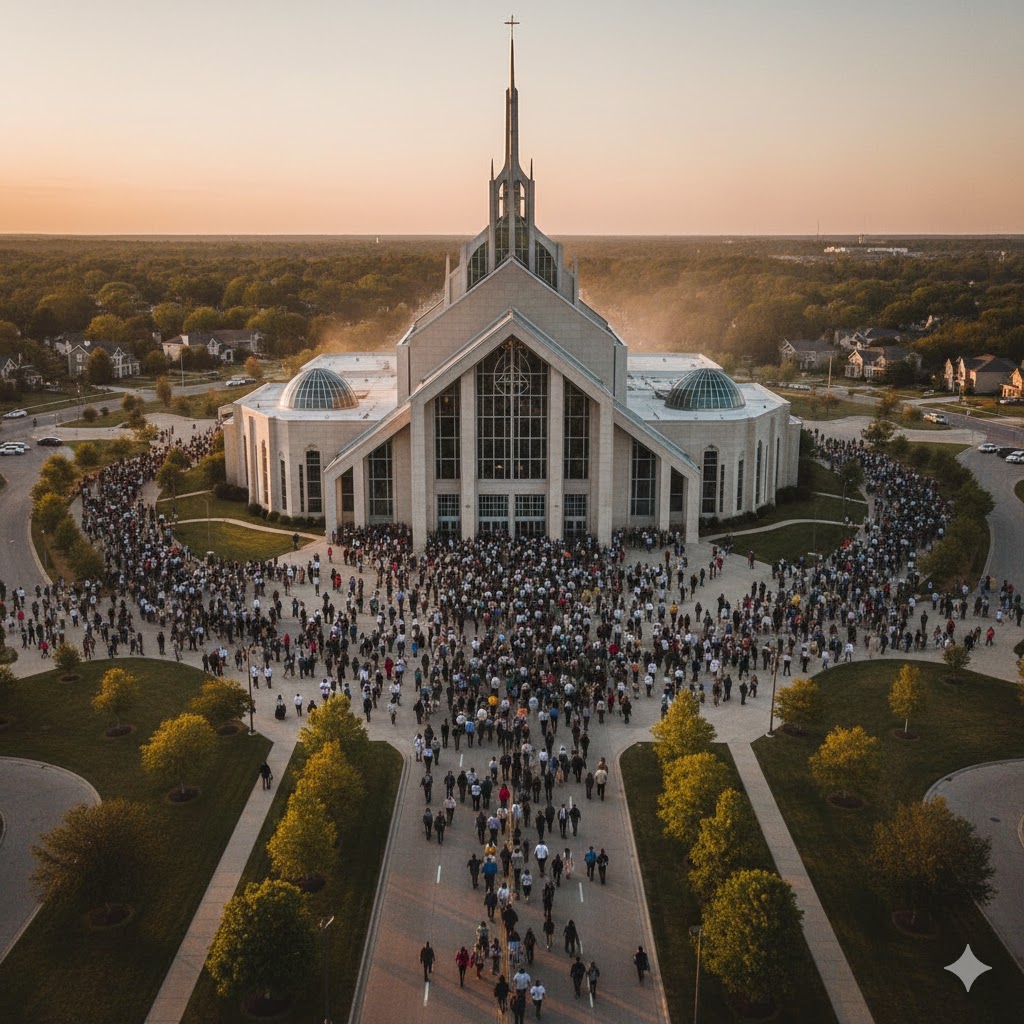
Across America, many Black believers are quietly stepping away from traditional church spaces. What was once the heart of the community—a place of refuge, power, and spiritual identity—has become a place of disappointment for many. This silent exodus is not rooted in rebellion against God, but in disillusionment with systems, leaders, and teachings that no longer reflect biblical truth, justice, or the spiritual hunger of a new generation. As faith evolves, many are seeking God outside the four walls that once defined their spiritual home.

One of the leading reasons for the departure is the rise of the prosperity gospel. This message teaches that wealth is a sign of divine favor and that poverty is a sign of spiritual weakness. But Scripture warns against false teachers who “through covetousness shall they with feigned words make merchandise of you” (2 Peter 2:3, KJV). Many Black believers are recognizing that this gospel has imprisoned them financially, emotionally, and spiritually.

The so-called tithing requirement is another source of frustration. While giving is biblical, many leaders have transformed it into a manipulative obligation. Some teach that failing to pay 10% curses a believer, even though the New Testament emphasizes cheerful, voluntary giving (2 Corinthians 9:7). For many, tithing has become a tool of guilt rather than worship, and people are waking up to the misuse of Scripture.

Stories of preachers buying luxury cars, designer clothes, and mansions using church funds have pushed many away. The contrast between lavish pastoral lifestyles and struggling congregants feels immoral. “Woe be unto the pastors that destroy and scatter the sheep of my pasture!” (Jeremiah 23:1). Black believers sense this imbalance deeply and are tired of watching leaders prosper while their communities suffer.

The “name it and claim it” ideology has caused further spiritual damage. When prayers aren’t answered in expected ways, believers are told their faith is too weak. Yet Jesus Himself said that believers would face trials and tribulations (John 16:33). Faith is not a vending machine, and many are rejecting a doctrine that oversimplifies suffering and blames the believer for every hardship.

The lifestyle of many pastors has also become a source of mistrust. Instead of shepherds serving the flock, some have become celebrities cultivating their own brands. Paul warned of such leaders, describing those “whose god is their belly” (Philippians 3:19). For many, the church feels more like a corporation than a sacred space.

Gen Z, in particular, has walked away in large numbers. They crave authenticity and truth. They are not satisfied with emotional sermons that lack substance or accountability. They question everything, research deeply, and refuse to remain in systems that exploit them spiritually or financially.

The wound of slavery remains a major factor in this shift. During enslavement, Christianity was used as a weapon. Slave owners gave enslaved people chains and a distorted Bible, using select verses to enforce obedience and justify brutality. Passages about liberation and justice were hidden or forbidden. This historical truth forces many modern believers to question how Christianity was presented to them.

Black scholars, theologians, and seekers are now reading Scripture for themselves—and finding that the Bible is not a tool of oppression but one of liberation. They see that Christ came to set the captives free (Luke 4:18), not bind them. Many are reclaiming their identity as God’s chosen people, awakening to spiritual truths long hidden from them.

The “curse of Ham” was one of the greatest lies used against Black people. This fallacy claims that Africans were cursed to be servants, but no Scripture supports this racist myth. Many are leaving churches that still allow such harmful theology to linger in silence.

Another issue is the image of a blonde-haired, blue-eyed Jesus imposed by Western society. This false image disconnects Black believers from the true Afro-Asiatic identity of the Messiah. It promotes white supremacy more than biblical truth. As believers discover historical accuracy, they reject the false image forced upon generations.

Many also leave because church culture has become performance-driven. Lights, cameras, production, and theatrics overshadow Scripture. Worship is sometimes designed to entertain rather than transform. This hollowness creates spiritual emptiness.

Others walk away because they feel unheard. Real questions about justice, identity, history, trauma, and racial healing are often ignored. Instead of addressing community pain, some churches avoid difficult conversations, choosing comfort over truth.

Some depart because the church has become politically entangled. Instead of preaching the Kingdom of God, some pastors preach nationalism, capitalism, or partisan agendas. Believers seeking spiritual food find themselves receiving propaganda instead.

Disconnection grows when churches refuse to confront issues like mental health. Many suffering believers are told to “just pray about it,” leaving them unsupported and unseen. This spiritual minimization pushes people toward therapists, support groups, and online communities instead of the sanctuary.

Some churchgoers are tired of being overworked in ministry while receiving little spiritual nourishment. They volunteer endlessly while pastors demand more, never pouring back into the people who labor for free behind the scenes.

Many leave because church discipline has become abusive. Leaders shame people publicly, gossip about members, or use Scripture as a weapon rather than a guide. Christ did not model this; He led with compassion, correction, and truth.

Others walk away because churches fail to address the real needs of the community—poverty, violence, education, housing, family structure, and injustice. Instead, money is collected while communities around the building remain broken.

Some are leaving because they sense God calling them to a deeper truth. They are not leaving Him—they are leaving systems that have misrepresented Him. They seek raw worship, sound doctrine, biblical accuracy, and spiritual awakening.

What It Means When Mega-Churches Preach Prosperity

Many mega-churches promote the “prosperity gospel,” which teaches that if you sow money, speak positive words, or claim blessings, God will make you wealthy, healthy, and successful. On the surface, it sounds empowering. But the structure behind it reveals something deeper and more concerning.

The preaching of prosperity is often not about the people prospering—it’s about financing the pastor’s lifestyle, expanding the church’s brand, and increasing the institution’s wealth.


1. They Preach Prosperity Because It Is Profitable—for Them

When pastors say things like:

  • “Sow your seed today and watch God move!”
  • “Break the curse by giving your best offering!”
  • “God is going to double your harvest if you plant a sacrificial seed!”

They are essentially turning the pulpit into a spiritual business model. The more people struggle, the more desperate they become for hope. Desperation + Scripture taken out of context = financial gain for the leadership.


2. Members Rarely See the “Promised” Prosperity

If prosperity teaching were truly biblical the way it’s taught:

  • The members would be debt-free.
  • The community around the church would be transformed.
  • The poor would be fed.
  • Single mothers would be supported.
  • Generational poverty would be broken.

But what usually happens?

The congregation struggles while the pastor gets richer.

People keep sowing into a system that never brings the promised results.


3. The Pastor’s Lifestyle Reveals the Real “Prosperity.”

Prosperity preachers often own:

  • Luxury cars
  • Multi-million-dollar homes
  • Designer suits
  • Private jets
  • Personal security teams
  • Investment properties
  • Corporate-level salaries

And yet, many of their members:

  • Work two or three jobs
  • Are behind on rent
  • Can’t afford groceries
  • Stay financially stressed
  • Have no savings or investments

This imbalance exposes that the doctrine is not about universal prosperity but one-directional prosperity flowing upward—from the members to the pastor.


4. They Use Scripture as a Fundraising Tool

Verses like:

  • Malachi 3:10
  • Luke 6:38
  • 3 John 1:2

are preached heavily—but out of context. These messages are crafted to make people emotional so they will give more.

Meanwhile, verses about:

  • financial stewardship
  • caring for the poor
  • justice
  • leaders living modestly
  • accountability

are conveniently ignored.


5. Emotional Manipulation Becomes a Strategy

The formula is predictable:

  1. Play soft music.
  2. Build a testimony about “seed sowing.”
  3. Stir emotions.
  4. Make supernatural promises.
  5. Repetition of “This is your season!”
  6. Pressure giving (multiple offerings in one service).

This emotional moment creates an illusion of spiritual breakthrough when, in reality, it is fundraising disguised as faith.


6. The Focus Shifts from Christ to Cashflow

Instead of preaching:

  • repentance
  • holiness
  • discipleship
  • righteousness
  • justice
  • community building
  • spiritual growth

The sermons revolve around:

  • money
  • success
  • manifestations
  • personal blessing
  • “expecting checks in the mail.”

The gospel becomes a financial transaction instead of a transformational relationship with God.


7. They Teach You to “Believe for Wealth”—But Not How to Build It

Notice they rarely teach:

  • budgeting
  • investing
  • building credit
  • starting a business
  • wealth-building strategies
  • inheritance planning
  • financial literacy

Because real financial literacy breaks dependence.

If members become financially wise, they stop being financially manipulated.

So instead of empowering people to build financial stability, they tell them to “sow their way to prosperity,” which guarantees the church’s wealth—not the members’.


8. Mega-Church Prosperity Is a System

And systems are designed to protect one thing:

The institution and its leadership.

Every sermon, every conference, every seed challenge ultimately feeds the machine that keeps:

  • the lights on,
  • the brand alive,
  • and the pastor is wealthy.

In Short:

Mega-churches that preach prosperity are often preaching their own prosperity, not yours. The system is built so that:

  • You give
  • They receive
  • You believe for miracles
  • They accumulate wealth
  • You stay hopeful
  • They stay rich

This is why many believers are waking up, studying Scripture for themselves, and walking away from systems that exploit their faith.

Ultimately, the silent exodus is not the death of Black faith—it is the beginning of spiritual reformation. Black believers are no longer satisfied with imitation religion. They want truth, freedom, and an authentic connection with God. They hunger for the Word, not manipulation; for liberation, not bondage; for identity, not erasure.

God is calling His people back to Himself. Back to Scripture. Back to the truth. Back to a lifestyle of righteousness. “And ye shall know the truth, and the truth shall make you free” (John 8:32). The exodus is not away from God—it is toward Him.

References (KJV)
John 8:32; 2 Peter 2:3; 2 Corinthians 9:7; Jeremiah 23:1; John 16:33; Philippians 3:19; Luke 4:18; Genesis 9 (context of Ham); John 10:27.

Dilemma: Being Pro-Black Does Not Mean Being Anti-White.

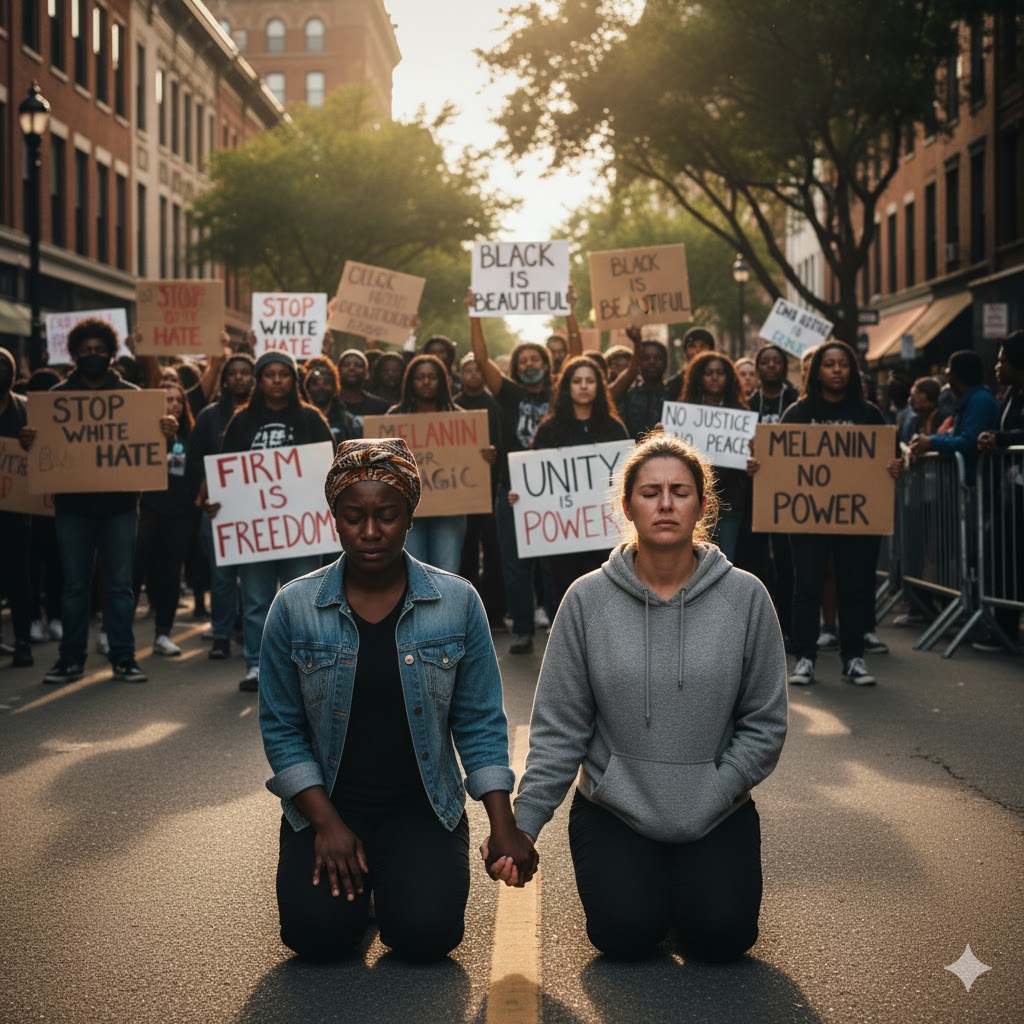
I believe that in every nation, there are both good and bad people. I do not believe that every white person is evil, nor do I subscribe to the idea that being pro-Black requires hating anyone of another race. Some of my closest friends are white, and many of the greatest opportunities and support I have received in life have come from individuals who do not look like me. However, I do not like how Black people were treated at the hands of white people throughout history. They did some evil things to my people—enslaving, dehumanizing, and oppressing generations in ways that still echo today. Yet even in my pain, I do not excuse treating people badly with racism and hate. My faith and conscience teach me that evil should not be repaid with evil. I believe in accountability, truth, and love that heals rather than destroys.

The phrase “being pro-Black” has been misunderstood by many, often distorted by social media and political rhetoric. To be pro-Black is to affirm, protect, and uplift the value of Black life, culture, and history in a world that has too often devalued it. It means loving who we are without apology, restoring what has been stolen, and healing what has been broken. Yet it does not mean to hate or reject others. It is possible—and necessary—to celebrate one’s heritage while still embracing universal humanity (hooks, 1992).

The false assumption that pro-Blackness equals anti-whiteness often stems from fear and guilt rather than understanding. Historically, those in power have portrayed Black pride as a threat to the status quo. During the Civil Rights Movement, for instance, calls for equality were met with accusations of aggression or reverse racism. But love of self is not hatred of others. The same world that celebrates Italian heritage or Irish pride should not condemn Black people for loving themselves and seeking liberation (West, 2001).

To be pro-Black is to reject oppression, not to reject individuals. It is to stand against systems that perpetuate inequality, from slavery to segregation to modern-day mass incarceration. When Black people advocate for justice, they are not attacking white people—they are attacking racism, a sin and a structure that dehumanizes both the oppressed and the oppressor (King, 1963).

The Bible itself speaks to the unity of humanity and the diversity of creation. Acts 17:26 (KJV) declares, “And hath made of one blood all nations of men for to dwell on all the face of the earth.” This scripture reveals that ethnic difference was never meant to divide us but to display the beauty of divine variety. Therefore, affirming Black identity aligns with biblical truth, not contradiction. God does not erase our color; He sanctifies it for His glory.

I have personally encountered compassion and understanding from white allies who have listened, supported, and helped amplify Black voices. Their actions remind me that allyship is not about guilt—it’s about shared humanity. Many white individuals throughout history have stood against racial injustice, from the abolitionists who risked their lives to end slavery to modern-day activists who march beside us in solidarity (Alexander, 2010).

Being pro-Black means loving the legacy of our ancestors—the kings and queens, the inventors, scholars, artists, and visionaries who built civilizations long before colonial contact. It means unlearning internalized inferiority and celebrating the brilliance of melanin, rhythm, creativity, and resilience. None of this requires hatred toward others. It requires healing, remembrance, and restoration of self-worth.

Racism thrives when people believe they must compete for dignity. The truth is, dignity is not a scarce resource—it is divinely infinite. Every race can celebrate its heritage without diminishing another’s. The problem arises when celebration turns into supremacy. White supremacy, not whiteness, is the enemy of humanity; it is the spiritual and social lie that some people are inherently superior to others.

Being pro-Black is an act of spiritual alignment. It is about returning to the image of God within the Black man and woman, distorted for centuries by slavery, colonialism, and Eurocentric theology. It is a declaration that our skin is not a curse but a crown. To affirm this truth does not exclude others from divine love but insists that all people recognize and respect Black humanity as equal in worth and wonder.

Many misunderstandings about pro-Blackness arise from the pain of history. The trauma of slavery and racial violence has left scars across generations. For some, anger toward injustice may appear as hatred toward white people, but more often it is grief, unhealed pain, and frustration over centuries of inequity. True pro-Black love transforms that pain into purpose—it heals instead of hardens.

Cultural pride must be rooted in love, not resentment. The late theologian Howard Thurman (1949) wrote that hatred “confuses the issues” and “distorts the personality.” Hatred consumes both victim and perpetrator. Therefore, being pro-Black should never mean exchanging one form of prejudice for another. Instead, it should mean striving for freedom of the soul, mind, and body while extending grace toward others who walk a different path.

Social progress has always depended on cooperation between people of different races. The abolition of slavery, the Civil Rights Movement, and today’s justice movements all demonstrate that racial equality cannot be achieved in isolation. It requires solidarity—a shared vision for humanity’s moral and spiritual evolution. To be pro-Black is to contribute to that evolution by affirming one’s identity while respecting others’.

Love of one’s people does not require permission or apology. Black pride should not be seen as separatist, but as a necessary corrective to centuries of oppression. When others learn to see pro-Blackness as love rather than hate, dialogue replaces division. Dr. Martin Luther King Jr. reminded us that “love is the only force capable of transforming an enemy into a friend.” Such love is active, courageous, and rooted in justice (King, 1963).

To be pro-Black also means telling the truth about history. It means confronting uncomfortable realities—colonialism, slavery, Jim Crow, redlining, and ongoing discrimination—without bitterness but with moral clarity. A people cannot heal from what they refuse to face. Truth-telling is not anti-white; it is pro-truth, and truth sets everyone free (John 8:32).

Pro-Black identity challenges everyone to reflect on their own cultural roots. Just as Black people reclaim their heritage, so can white people embrace theirs responsibly—without superiority, guilt, or shame. Healing the racial divide begins when each group honors its past, learns from it, and walks in humility toward reconciliation.

It is essential to remember that allyship and accountability can coexist. Being pro-Black does not mean excusing racism among non-Black communities; it means calling for transformation in love. Genuine allies understand that fighting racism benefits all humanity, not just one race. The liberation of one group uplifts the moral consciousness of the whole.

The heart of pro-Blackness is not division but divine order. It seeks the restoration of balance—a world where Black children see their worth reflected in books, films, and leadership. When that balance is restored, everyone benefits. A tree that grows strong in its roots provides shade for all who rest beneath it.

In my journey, I have learned that love for my people deepens my compassion for all people. When I see the suffering of others, regardless of race, I am moved by the same empathy that compels me to uplift my own community. The closer one walks with God, the more one recognizes that love cannot be confined by color.

To be pro-Black is to walk in truth, to heal from generational wounds, and to stand tall in divine dignity. It is to know that we can love ourselves without diminishing anyone else. The world becomes more just when every race celebrates its own identity while respecting others’. True power is not found in domination but in understanding.

Ultimately, being pro-Black is about love—love for self, love for community, and love for humanity. It is about breaking the chains of oppression through education, unity, and spiritual awakening. It is a call to rise without resentment, to build without bitterness, and to shine without shade. In the words of Galatians 3:28 (KJV), “There is neither Jew nor Greek, bond nor free… for ye are all one in Christ Jesus.”


References

  • Alexander, M. (2010). The New Jim Crow: Mass Incarceration in the Age of Colorblindness. The New Press.
  • hooks, b. (1992). Black Looks: Race and Representation. South End Press.
  • King, M. L. Jr. (1963). Strength to Love. Harper & Row.
  • Thurman, H. (1949). Jesus and the Disinherited. Abingdon-Cokesbury Press.
  • West, C. (2001). Race Matters. Beacon Press.