Tag Archives: christianity

Dilemma: Money

Money is one of the most powerful forces shaping human behavior, not because it has a life of its own, but because of what it does to the human heart. Scripture does not condemn money itself, yet it repeatedly warns that wealth has the capacity to distort humility, inflate ego, and quietly replace trust in God with trust in possessions. The dilemma of money lies in its ability to serve as both a tool and a temptation.

When wealth increases, humility is often the first virtue to be tested. Financial abundance can subtly convince a person that their success is self-generated, disconnecting prosperity from divine provision. The heart that once prayed earnestly can become casual, assuming tomorrow is guaranteed because resources appear secure. Proverbs warns, “Pride goeth before destruction, and a haughty spirit before a fall” (Proverbs 16:18, KJV).

Money also breeds arrogance by creating artificial hierarchies of worth. Those with more are often perceived as wiser, more capable, or more deserving, while the poor are unjustly viewed as failures. Scripture rebukes this thinking, reminding us that God is no respecter of persons (Acts 10:34, KJV). Wealth does not elevate righteousness, nor does poverty diminish dignity.

False security is one of money’s greatest deceptions. Bank accounts, investments, and assets promise safety, yet they cannot prevent illness, death, or divine judgment. Jesus warns against this illusion when He says, “Take heed, and beware of covetousness: for a man’s life consisteth not in the abundance of the things which he possesseth” (Luke 12:15, KJV).

Christ’s declaration that it is easier for a camel to go through the eye of a needle than for a rich man to enter the kingdom of God is not hyperbole meant to shock without meaning. It exposes how wealth entangles the soul, making surrender to God increasingly difficult (Matthew 19:23–24, KJV). Riches often compete with obedience, demanding loyalty that belongs to the Most High.

Money has the power to turn hearts away from dependence on God because it offers an alternative source of comfort. Instead of seeking daily bread through prayer, wealth allows people to stockpile security for years ahead. Yet Scripture teaches, “Trust in the LORD with all thine heart; and lean not unto thine own understanding” (Proverbs 3:5, KJV).

The Bible repeatedly commands those with abundance to distribute it quickly and generously. Wealth is not meant to stagnate in vaults while suffering surrounds us. “He that hath pity upon the poor lendeth unto the LORD; and that which he hath given will he pay him again” (Proverbs 19:17, KJV). Giving is not loss; it is obedience.

Hoarding wealth while others starve is portrayed in Scripture as moral failure, not financial wisdom. James speaks sharply to the wealthy who store riches while neglecting justice, declaring that their gold and silver will testify against them (James 5:1–3, KJV). Excess becomes evidence of indifference when compassion is absent.

The gospel ethic does not support the endless accumulation of luxury. One can only inhabit so many houses, drive so many cars, or carry so many handbags before excess becomes vanity. Ecclesiastes soberly observes that abundance does not satisfy the soul (Ecclesiastes 5:10, KJV). Desire expands with wealth, never contracting.

Death exposes the ultimate futility of hoarded riches. Scripture is clear that nothing material accompanies the soul beyond the grave. “For we brought nothing into this world, and it is certain we can carry nothing out” (1 Timothy 6:7, KJV). Every possession will eventually belong to someone else.

Jesus’ parable of the rich fool illustrates this truth vividly. The man builds bigger barns to store his goods, confident in his future, only to lose his life that very night. God asks, “Then whose shall those things be?” (Luke 12:20, KJV). Wealth without wisdom ends in loss.

True riches are measured by generosity, not accumulation. Christ teaches that treasures laid up in heaven cannot be corrupted, stolen, or destroyed (Matthew 6:19–21, KJV). Giving transforms wealth from a burden into a blessing.

Money becomes dangerous when it replaces God as the source of identity. Careers, titles, and net worth begin to define worth, while character and obedience fade into the background. Scripture reminds us that the love of money is the root of all kinds of evil, drawing many away from the faith (1 Timothy 6:9–10, KJV).

The poor are not an inconvenience to be avoided but a divine responsibility. Christ identifies Himself with the hungry, the naked, and the imprisoned, declaring that how we treat them is how we treat Him (Matthew 25:40, KJV). Wealth that ignores suffering dishonors God.

Generosity breaks the power money holds over the heart. Giving disciplines desire and realigns trust, reminding believers that provision comes from God, not from stored surplus. Paul teaches that God loves a cheerful giver, one who gives freely rather than fearfully (2 Corinthians 9:6–7, KJV).

Biblical stewardship does not forbid saving, but it condemns idolatry. Savings meant for wisdom differ from hoards driven by fear and pride. When money is guarded more fiercely than faith, it has become an idol.

The early church modeled radical generosity, selling possessions to ensure that no one lacked necessities (Acts 4:34–35, KJV). This was not coercion but compassion born from spiritual unity. Wealth was subordinated to love.

Money also tests obedience by revealing what we prioritize. Where resources flow, the heart follows. Jesus plainly states, “For where your treasure is, there will your heart be also” (Matthew 6:21, KJV).

Society celebrates excess, yet Scripture celebrates sufficiency. Paul declares that godliness with contentment is a great gain (1 Timothy 6:6, KJV). Contentment resists the endless hunger that wealth culture promotes.

Luxury without generosity hardens the heart. Over time, comfort dulls compassion, making suffering seem distant and abstract. Scripture calls believers to remember the poor always, not selectively (Galatians 2:10, KJV).

Money cannot purchase peace, wisdom, or eternal life. These are gifts of God, not commodities. Isaiah warns against laboring for what does not satisfy, urging people to seek what truly nourishes the soul (Isaiah 55:2, KJV).

The dilemma of money is ultimately a spiritual one. Wealth reveals who we trust, what we worship, and how deeply we believe God’s promises. It tests whether faith is genuine or conditional.

When money is surrendered to God, it becomes a servant rather than a master. Used rightly, it feeds the hungry, shelters the vulnerable, and advances righteousness. Used wrongly, it corrodes humility and fractures the soul.

Scripture does not ask whether we have money, but whether money has us. The call is not poverty for its own sake, but freedom from bondage to possessions. True wealth is found in obedience, generosity, and dependence on the Most High.

In the end, only what is done for God and others will endure. Riches fade, but righteousness remains. The dilemma of money forces every believer to choose between temporary comfort and eternal reward.


References

The Holy Bible, King James Version. (1769/2017). Cambridge University Press.

Blomberg, C. L. (2016). Neither poverty nor riches: A biblical theology of material possessions. IVP Academic.

Wright, C. J. H. (2010). Old Testament ethics for the people of God. IVP Academic.

Foster, R. J. (2018). Money, sex, and power: The challenge of the disciplined life. HarperOne.

Smith, J. K. A. (2016). You are what you love: The spiritual power of habit. Brazos Press.

10 Material Things you Need to Stop Buying

In a society dominated by consumerism, it is easy to equate wealth with status, happiness, and personal worth. From expensive cars to designer handbags, the constant pursuit of material possessions can blind individuals to the deeper purpose of wealth and the responsibility to use it wisely.

America, in particular, promotes an ethos of individualism—“I got mine, you get yours”—that encourages accumulation over compassion. This mindset often prioritizes personal gain over communal support, leading to a culture where opulence becomes a badge of superiority rather than a tool for service.

Expensive cars, while symbolizing status, rarely produce lasting fulfillment. The thrill of ownership fades quickly, leaving only the financial burden behind. While transportation is necessary, the obsession with luxury vehicles can distract from using resources to meet the needs of others.

Designer handbags from Hermès, Chanel, Prada, and similar brands have become status symbols in many communities. These items signal wealth and taste, yet they cannot carry eternal value. The Bible reminds us that earthly treasures are fleeting and cannot accompany us beyond this life (Matthew 6:19–21).

Costly clothing, beyond what is necessary, often reinforces pride and materialism. Fashion can become a competition of visibility rather than a reflection of personal character. The constant desire for the latest trends shifts focus from spiritual growth and community impact to self-centered display.

Pride and arrogance frequently accompany riches. When wealth becomes a source of identity, humility is compromised, and relationships suffer. Proverbs 16:18 warns that pride goes before destruction, and a haughty spirit before a fall, emphasizing that character matters more than possessions.

Many forget that God gives wealth not merely for personal comfort, but to enable generosity and service. Acts of kindness, financial assistance to those in need, and support of community initiatives honor God’s purpose for resources (1 Timothy 6:17–19). Wealth without generosity is hollow.

Electronics, the latest gadgets, and luxury items intended purely for status also fall into the category of material traps. While these may bring temporary satisfaction, they do not cultivate wisdom, empathy, or spiritual growth. The Bible teaches contentment with what we have (Hebrews 13:5), which contrasts sharply with consumer culture.

Jewelry, watches, and other flashy accessories often symbolize social ranking rather than necessity. When adornment becomes a source of comparison, it fosters envy, division, and distraction. James 2:1–4 cautions against favoritism based on outward appearance, reminding believers to prioritize the heart over possessions.

The pursuit of material wealth often overshadows the need to help others, particularly brothers and sisters in distress. When someone is in need, sharing resources embodies the love and generosity God calls us to express. True wealth is measured not by what we accumulate, but by how we bless others with what we have.

Luxury vacations and extravagant experiences are another form of consumable pride. While travel can enrich perspective, doing so solely to broadcast status fosters vanity. Scripture repeatedly emphasizes stewardship, reminding us that earthly experiences are temporary and should serve a higher purpose.

High-end homes, often purchased as trophies of success, can foster both financial strain and a sense of entitlement. While shelter is necessary, opulence should not replace community connection or spiritual focus. The parable of the rich fool (Luke 12:16–21) illustrates the folly of storing up treasures for oneself alone.

Collecting material items often leads to distraction from spiritual life. Time, energy, and money spent on accumulating things could instead be invested in prayer, study, service, and generosity. Matthew 6:24 teaches that one cannot serve both God and mammon, reminding believers to prioritize eternal over temporal gain.

These items are temporary and cannot accompany us into eternity. Instead, the resources used to acquire them can be redirected toward helping others, cultivating spiritual growth, and living with humility.

  1. Expensive Cars – Luxury vehicles may signal status, but do not bring lasting fulfillment.
  2. Designer Handbags – Brands like Hermès, Chanel, and Prada offer prestige, not eternal value.
  3. Costly Clothing – Overspending on fashion fosters pride and distracts from character and purpose.
  4. Jewelry and Watches – Flashy accessories often promote envy and comparison rather than meaningful self-expression.
  5. Luxury Electronics – Gadgets purchased purely for status rarely enrich the soul or relationships.
  6. High-End Homes – Opulent houses can create financial strain and encourage materialistic priorities.
  7. Extravagant Vacations – Travel for show can cultivate vanity instead of spiritual or personal growth.
  8. Collectibles and Trophies – Accumulating items for prestige often replaces acts of generosity and stewardship.
  9. Expensive Vehicles for Leisure – Boats, jets, or recreational vehicles bought for image rather than need.
  10. Designer Accessories – Shoes, belts, or sunglasses purchased for social status rather than utility.

Instead of chasing possessions, believers are called to cultivate generosity, humility, and contentment. By focusing on relationships, service, and stewardship, we align our lives with God’s vision for wealth. True prosperity is reflected in the lives we touch, not the objects we own.

Ultimately, the things we accumulate cannot accompany us into eternity. Investing in others, supporting the needy, and living with contentment honors God and ensures our wealth serves a lasting purpose. By resisting the allure of unnecessary material purchases, we free ourselves to embrace generosity, humility, and eternal value.


References

Holy Bible, King James Version. (1769).

Anderson, T. (2019). The culture of consumerism and spiritual fulfillment. Christian Scholar Press.

Benedict, D. (2020). Wealth, generosity, and the Christian life. Faith & Finance Publications.

Keller, T. (2013). Generous justice: How God’s grace makes us just. Dutton.

Miller, W. R. (2017). Contentment in a consumer society. Journal of Biblical Ethics, 12(3), 45–60.

Wright, N. T. (2010). After you believe: Why Christian character matters. HarperOne.

Who Benefits When the Curriculum is Sanitized, and the History is Whitewashed?

When education omits uncomfortable truths or sanitizes history, it does more than distort knowledge—it shapes identities and values in ways that serve the powerful. A whitewashed curriculum often conceals oppression, marginalization, and systemic injustice, leaving students with a skewed perception of reality.

Sanitizing history benefits those who wish to maintain societal dominance. By minimizing the moral failures of the powerful and glorifying selective narratives, the truth about injustice is obscured. Proverbs 18:13 warns, “He that answereth a matter before he heareth it, it is folly and shame unto him.” Without hearing the full account, society cannot respond with justice.

Whitewashing history perpetuates ignorance. Students grow up unaware of the struggles and resilience of oppressed peoples, creating a populace less likely to recognize injustice in the present. Knowledge of history is a form of power, and withholding it sustains inequity.

This sanitized narrative also undermines moral development. Encountering the realities of human sin is essential for cultivating discernment. Romans 1:18–20 states, “For the wrath of God is revealed from heaven against all ungodliness and unrighteousness of men, who hold the truth in unrighteousness.” Suppressing truth allows unrighteousness to flourish.

Those most harmed by whitewashing are communities whose histories are erased or distorted. Cultural and spiritual identity are shaped by knowledge of one’s past. Deuteronomy 32:7 teaches, “Remember the days of old, consider the years of many generations: ask thy father, and he will shew thee; thy elders, and they will tell thee.” History forms the backbone of identity, and its erasure impoverishes future generations.

Sanitized curricula also obscure the mechanisms of systemic oppression. Understanding slavery, colonization, segregation, and exploitation is essential to preventing their recurrence. Ignorance of these realities benefits the descendants of oppressors, who inherit both unexamined privilege and historical myths.

Economic and social power is often maintained through control of narratives. Ecclesiastes 8:11 reminds us, “Because sentence against an evil work is not executed speedily, therefore the heart of the sons of men is fully set in them to do evil.” Delay or denial of historical accountability allows injustices to continue unnoticed.

Whitewashing history also influences psychological and social development. When young people are taught incomplete or sanitized histories, they may internalize inferiority or fail to appreciate their heritage. Understanding one’s ancestry builds resilience and pride.

Sanitized education can manipulate national or cultural identity. By presenting selective histories, institutions foster loyalty to ideologies that serve dominant groups, rather than encouraging critical thinking or moral responsibility. Proverbs 23:23 states, “Buy the truth, and sell it not; also wisdom, and instruction, and understanding.” Truth must be sought and taught, even when uncomfortable.

In contrast, confronting history honestly fosters justice. Awareness of past wrongs equips society to correct present inequities and cultivate empathy. Psalm 82:3–4 exhorts, “Defend the poor and fatherless: do justice to the afflicted and needy. Deliver the poor and needy: rid them out of the hand of the wicked.” Education that recognizes oppression is a tool for justice.

Those in power benefit materially and socially from sanitized curricula. Wealth and influence are preserved, and social hierarchies remain unchallenged. Historical truths that might provoke moral or political reform are hidden.

Religious texts emphasize the importance of remembering and teaching truth. Proverbs 4:7 teaches, “Wisdom is the principal thing; therefore get wisdom: and with all thy getting get understanding.” Knowledge of history is part of this wisdom.

The erasure of marginalized histories also diminishes collective memory. When atrocities or injustices are minimized, lessons from the past are lost, and societies are more likely to repeat mistakes.

Furthermore, sanitized curricula often valorize the oppressor’s narrative, embedding it as a universal truth. This skews morality and erodes empathy, teaching young people to admire figures or institutions without critical evaluation.

A society that ignores historical suffering undermines the spiritual imperative to pursue justice. Isaiah 1:17 instructs, “Learn to do well; seek judgment, relieve the oppressed, judge the fatherless, plead for the widow.” Ignorance of oppression prevents action aligned with divine justice.

The consequences of whitewashed education are multi-generational. When children grow up unaware of historical realities, social inequalities persist, and systemic injustices are perpetuated silently.

Reclaiming historical truth empowers oppressed communities. Knowledge of ancestral struggles and victories fosters resilience, identity, and social cohesion. Deuteronomy 4:9 emphasizes the importance of remembering and teaching what one has learned: “Take ye therefore good heed unto yourselves; for ye saw no manner of similitude on the day that the LORD spake unto you in Horeb out of the midst of the fire.” Awareness preserves wisdom across generations.

In conclusion, sanitized curricula and whitewashed history benefit the powerful by preserving privilege and suppressing accountability. Yet, God commands the pursuit of truth, justice, and understanding, calling societies to confront their past and act rightly.

True education must confront reality fully. Only through honesty in teaching history can justice, empathy, and spiritual discernment flourish. Societies that conceal history cheat themselves of moral and spiritual growth, while those who face it with courage honor God and humanity alike.


References (KJV Bible):

  • Proverbs 18:13
  • Romans 1:18–20
  • Psalm 82:3–4
  • Deuteronomy 32:7
  • Ecclesiastes 8:11
  • Proverbs 23:23
  • Proverbs 4:7
  • Isaiah 1:17
  • Deuteronomy 4:9

The Beauty of Righteous Strength: God’s Design for the Male Form

The male body, according to biblical theology, is not merely a biological structure but a visible expression of purpose, order, and responsibility. God’s design for the male form reflects strength governed by righteousness, power restrained by wisdom, and authority tempered by humility. In Scripture, physical strength is never separated from moral obligation.

From the beginning, God formed man with intention. Adam was created to cultivate, protect, and steward (Genesis 2:15, KJV). His physical design corresponded with his calling. Strength was not for domination, but for service. The male body was shaped to labor, defend, and build within God’s created order.

Biblical masculinity emphasizes functional strength rather than ornamental beauty. While Scripture acknowledges attractiveness, it consistently elevates character over appearance. True male beauty is measured by obedience, discipline, and faithfulness rather than aesthetic appeal alone.

The Psalms frequently associate strength with righteousness. “The Lord is my strength and my shield” (Psalm 28:7, KJV) frames strength as something derived from God rather than self-exaltation. The male form becomes beautiful when it reflects dependence on divine authority rather than personal pride.

In Proverbs, strength without wisdom is portrayed as dangerous. “He that is slow to anger is better than the mighty; and he that ruleth his spirit than he that taketh a city” (Proverbs 16:32, KJV). The most admirable strength is self-governed strength, where power is mastered rather than unleashed recklessly.

The male physique in Scripture is often connected to protection. Men are repeatedly called to guard households, communities, and faith. This protective role gives meaning to physical strength, transforming it from aggression into responsibility.

The New Testament deepens this framework. Christ, the ultimate model of manhood, embodied strength through sacrifice. His power was revealed not through domination, but through endurance, restraint, and submission to the Father’s will. The male form finds its highest expression when aligned with Christ-like character.

Paul instructs men to love sacrificially, especially within marriage. “Husbands, love your wives, even as Christ also loved the church, and gave himself for it” (Ephesians 5:25, KJV). Strength becomes beautiful when it is willing to give rather than take.

Cultural distortions often redefine male beauty as aggression, sexual conquest, or physical intimidation. Scripture rejects this model. Biblical strength is measured by faithfulness, integrity, and the ability to stand firm without cruelty or excess.

Psychological research supports this biblical framing. Studies show that men who integrate strength with emotional regulation and moral clarity experience healthier relationships and greater psychological well-being than those who rely on dominance-based identity.

The male body also reflects discipline. Athleticism, labor, and endurance are praised in Scripture when exercised with self-control. Paul compares spiritual life to physical training, acknowledging the value of bodily discipline while placing greater emphasis on godliness (1 Timothy 4:8, KJV).

Righteous strength also includes restraint in sexuality. The male form is powerful, yet Scripture calls men to govern desire rather than be ruled by it. Self-control is repeatedly listed as evidence of spiritual maturity.

The beauty of the male form is further revealed through leadership. Biblical leadership is not coercive but accountable. Men are instructed to lead as servants, understanding that authority is stewardship, not entitlement.

Historically, societies that honored righteous masculinity valued strength paired with honor. Modern culture often divorces strength from virtue, producing confusion, violence, and identity crisis among men. Scripture offers a corrective framework.

The male body ages, weakens, and changes, yet righteousness preserves dignity. Scripture teaches that strength rooted solely in physical capacity fades, but strength anchored in character endures.

The prophet Micah summarizes masculine virtue succinctly: to do justly, love mercy, and walk humbly with God. These qualities redefine strength as moral clarity rather than physical force.

True masculine beauty is therefore functional, moral, and purposeful. It is a strength that builds rather than destroys, protects rather than exploits, and leads without arrogance.

When men understand their bodies as instruments of service rather than symbols of ego, they reclaim dignity. The male form becomes a testimony rather than a spectacle.

Righteous strength also benefits the community. Families, churches, and societies flourish when men embody disciplined power rather than unchecked dominance. Strength ordered by righteousness produces stability.

The beauty of the male form ultimately points beyond itself. It reflects the Creator’s intent that power exists to uphold life, justice, and truth. When strength is aligned with righteousness, it becomes a visible expression of divine order.

In God’s design, the male form is not merely strong—it is accountable. Its beauty is revealed not in how much it can conquer, but in how faithfully it can serve under God’s authority.

References

The Holy Bible, King James Version.
Genesis 2:15
Psalm 28:7
Proverbs 16:32
Ephesians 5:25
1 Timothy 4:8
Micah 6:8

Connell, R. W. (2005). Masculinities (2nd ed.). University of California Press.

Levant, R. F., & Richmond, K. (2016). The gender role strain paradigm and masculinity ideologies. Psychology of Men & Masculinity, 17(2), 111–119.

Peterson, C., & Seligman, M. E. P. (2004). Character strengths and virtues. Oxford University Press.

Skin-Tone Capital: How Shade Determines Social Currency

In many societies, skin tone functions as a form of social currency, where lighter complexions are often rewarded with preferential treatment, and darker shades face systemic bias. This phenomenon, widely recognized as colorism, shapes opportunities, self-perception, and interpersonal dynamics. Psalm 139:14 reminds us, “I will praise thee; for I am fearfully and wonderfully made: marvellous are thy works; and that my soul knoweth right well.” Worth is determined by God, not by melanin levels.

Historical legacies perpetuate shade-based hierarchies. Across continents and centuries, lighter skin has been associated with proximity to power, education, and social mobility. Yet, Galatians 3:28 teaches, “There is neither Jew nor Greek, there is neither bond nor free, there is neither male nor female: for ye are all one in Christ Jesus.” Divine equality transcends superficial measures.

Internalized bias affects self-perception. Many darker-skinned individuals grapple with self-doubt and societal rejection. Proverbs 4:7 emphasizes, “Wisdom is the principal thing; therefore get wisdom: and with all thy getting get understanding.” Understanding one’s intrinsic value combats these internalized hierarchies.

Skin-tone capital influences economic opportunity. Studies show that lighter-skinned individuals often access higher-paying roles or public-facing positions. Romans 12:2 exhorts, “And be not conformed to this world: but be ye transformed by the renewing of your mind…” Renewing perspective helps resist societal conditioning.

Media reinforces the bias. Advertising, film, and social media often highlight Eurocentric beauty standards, associating lighter skin with desirability. Proverbs 31:30 teaches, “Favor is deceitful, and beauty is vain: but a woman that feareth the Lord, she shall be praised.” Spiritual and moral qualities surpass superficial valuation.

Shade impacts relationships and community dynamics. Lighter skin can result in privilege within social groups, while darker individuals experience marginalization. Ecclesiastes 4:9-10 states, “Two are better than one; because they have a good reward for their labour. For if they fall, the one will lift up his fellow…” Intentional community support fosters resilience.

Colorism intersects with gender. Darker-skinned women often face compounded bias, navigating societal expectations and systemic discrimination. Proverbs 31:25 affirms, “Strength and honour are her clothing; and she shall rejoice in time to come.” Inner strength and dignity surpass external judgment.

Education and mentorship disrupt shade hierarchies. Knowledge empowers individuals to challenge stereotypes and assert their value. James 1:5 teaches, “If any of you lack wisdom, let him ask of God, that giveth to all men liberally, and upbraideth not; and it shall be given him.” Divine guidance equips for discernment and advocacy.

Faith offers enduring validation. Hebrews 11:6 states, “But without faith it is impossible to please him: for he that cometh to God must believe that he is, and that he is a rewarder of them that diligently seek him.” Spiritual identity resists societal hierarchy based on shade.

Colorism affects mental health. Shame, anxiety, and internalized inferiority often accompany bias. Psalm 34:18 declares, “The LORD is nigh unto them that are of a broken heart; and saveth such as be of a contrite spirit.” Healing begins through divine awareness of personal worth.

Social mobility often aligns with skin-tone bias. Lighter skin frequently correlates with broader acceptance in elite circles. Romans 5:3-4 reminds, “…tribulation worketh patience; And patience, experience; and experience, hope.” Endurance and faith foster resilience beyond superficial advantage.

Faith-centered communities resist external hierarchies. Colossians 3:2 commands, “Set your affection on things above, not on things on the earth.” Anchoring identity in God neutralizes the social power of skin tone.

Media literacy empowers critique. Proverbs 15:14 teaches, “The heart of him that hath understanding seeketh knowledge: but the mouth of fools feedeth on foolishness.” Awareness allows informed engagement with content that perpetuates color bias.

Economic empowerment counters color-based marginalization. Proverbs 31:16 affirms, “She considereth a field, and buyeth it: with the fruit of her hands she planteth a vineyard.” Self-sufficiency and entrepreneurship reduce dependence on shade-based favor.

Interpersonal advocacy disrupts bias. Matthew 5:16 states, “Let your light so shine before men, that they may see your good works, and glorify your Father which is in heaven.” Demonstrating excellence shifts focus from complexion to competence and character.

Self-love challenges societal valuation. 1 Corinthians 6:19-20 reminds, “…your body is the temple of the Holy Ghost…glorify God in your body, and in your spirit, which are God’s.” Embracing skin as God-given rejects hierarchical thinking.

Community dialogue transforms perception. Proverbs 27:17 teaches, “Iron sharpeneth iron; so a man sharpeneth the countenance of his friend.” Honest conversations about bias cultivate awareness and collective empowerment.

Prayer sustains identity. Philippians 4:6 instructs, “Be careful for nothing; but in every thing by prayer and supplication with thanksgiving let your requests be made known unto God.” Spiritual affirmation anchors worth beyond social evaluation.

Legacy requires intentional action. Proverbs 22:6 declares, “Train up a child in the way he should go: and when he is old, he will not depart from it.” Teaching children to value character and faith over shade ensures generational transformation.

Ultimately, skin tone capital may influence perception, but divine truth determines value. Psalm 92:12-14 affirms, “The righteous shall flourish like the palm tree…they shall still bring forth fruit in old age; they shall be fat and flourishing.” Worth and legacy emerge from God-centered living, not the hue of one’s skin.

Girl Talk Series: Being That “Ride or Die”

Not for boyfriends. Not for situationships. Not for potential. For the covenant.

🌸 Ladies, Before We Begin… 🌸

Beloved sisters, this conversation is not about being loyal to any man who smiles at you, texts you good morning, or gives you a little attention. The world has romanticized being a “ride or die” for situationships, unproven men, and temporary connections — but Kingdom women do not give wife devotion to boyfriend energy.

This lesson is for covenant, not confusion.
For wives, and for women preparing for the man God has proven, not the man you’re hoping will change.

We are speaking to the woman who understands that loyalty belongs where there is leadership, vision, and God’s covering. To the woman who knows that her heart, her strength, and her devotion are worthy of a man who honors God, honors her, and chooses her publicly and spiritually.

“Every wise woman buildeth her house…”
Proverbs 14:1 (KJV)

We do not build for men still living like boys.
We do not sacrifice for men who do not submit to God.
We do not pour into a vessel that refuses to be filled by the Lord.

Your loyalty is royal.
Your devotion is divine.
Your heart is holy ground.

And the one who receives that kind of love must be a man who has shown consistent character, spiritual maturity, and covenant intention.

This is not about being gullible — it is about being God-led.
Not desperate — but discerning.
Not a placeholder — but a wife in purpose and preparation.

So as we enter this conversation, remember:

You are not proving yourself to a man.
You are preparing yourself for God’s promise.

Let’s talk about what it truly means to stand by a King, and to walk in the grace, wisdom, and strength of a help meet designed by Heaven.

There is a narrative in today’s culture that glorifies being a “ride or die” for any man who shows a little attention. Social media tells women to hold down men who have not proven character, commitment, or covenant. But beloved, God never called daughters of Zion to pour out loyalty, sacrifice, and devotion on untested vessels or unsubmitted men.

This lesson is not for girlfriend status. This is for wives and women preparing for God-ordained marriage, not for anyone entertaining random relationships or men who do not carry the spirit of leadership, responsibility, and faithfulness.

Before you ride, he must have vision.
Before you die to self, he must have died to flesh.
Before you support, he must be submitted to God.

A “ride or die” spirit is righteous when it is covenant-based — when a man has proven himself trustworthy, God-fearing, and aligned with Kingdom purpose. This kind of loyalty belongs inside marriage, not the wilderness of modern dating.

“Whoso findeth a wife findeth a good thing, and obtaineth favour of the LORD.”
Proverbs 18:22 (KJV)

A wife is not “auditioned,” “tested,” or “trial-run.” She is chosen, covered, and covenanted.

💕 A True “Ride or Die” Wife in the Kingdom

She is not desperate — she is discerning.
She does not chase — she is chosen.
She does not break herself — she builds her home.

She stands by her husband because he stands by God.

“Two are better than one… For if they fall, the one will lift up his fellow.”
Ecclesiastes 4:9-10 (KJV)

A Kingdom “ride or die” woman is:

His help meet (Genesis 2:18)
His peace, not his battle (Proverbs 31:26)
His rest, not his restlessness (Proverbs 12:4)
His comfort, not his chaos (Titus 2:4-5)
His support, not his stress (1 Peter 3:1-2)

When she rides, she rides in wisdom, faith, and loyalty.
When she sacrifices, it is for covenant, not confusion.
When she submits, she does so under God’s structure, not man’s ego.

“Wives, submit yourselves unto your own husbands, as unto the Lord.”
Ephesians 5:22 (KJV)

Submission is safe when he submits to God first.


👑 Kingdom “Ride or Die” Looks Like:

  • Praying for him
  • Protecting his name
  • Building him up, not breaking him down
  • Standing with him in spiritual battles
  • Loving him with patience and wisdom
  • Being his rest, warmth, and covering

This is not slavery — it is strength in submission and honor.
This is not weakness — it is divine womanhood.

Remember beloved — loyalty is holy when it is covenant, not chaos.

“The heart of her husband doth safely trust in her…”
Proverbs 31:11 (KJV)

A true “ride or die” woman is not reckless.
She is rooted in God, grounded in peace, and crowned with grace.


🌺 Reflection Questions

  • Am I preparing to be a wife or performing for a boyfriend?
  • Do I give loyalty to men who have not earned leadership?
  • Does the man I envision supporting submit to Christ?
  • Am I building for covenant or clinging to potential?

Psychology Series: Biblical Courtship vs. Worldly Dating 💍👑🔥

From Casual Encounters to Kingdom Covenant

In today’s culture, relationships are often treated as experiments, entertainment, or emotional convenience. Dating has become trial and error, a temporary connection, and self-gratification disguised as romance. Yet Scripture calls believers to a higher path—one rooted in holiness, purpose, and covenant. Biblical courtship and worldly dating do not simply differ in method; they differ in spirit, intention, and destiny.

Worldly dating prioritizes chemistry, attraction, and immediate gratification. It often begins with emotion and ends with confusion. Biblical courtship begins with purpose, prayer, and alignment, and leads toward clarity and covenant. The world asks, “Do you make me happy?” God asks, “Can we build the kingdom together?” (Amos 3:3, KJV).

In worldly dating, individuals seek pleasure, validation, or companionship without accountability. Courtship seeks God’s will, spiritual partnership, and generational purpose. Dating centers on feelings; courtship centers on faith. Feelings are fragile; purpose is eternal (Proverbs 19:21, KJV).

Psychologically, worldly dating mirrors consumer culture—partners are “chosen,” sampled, and discarded like products. This mindset breeds emotional instability, attachment trauma, and fear of commitment (Finkel et al., 2014). Biblical courtship mirrors covenant culture—commitment precedes intimacy, and intention guides action (Hebrews 13:4, KJV).

Worldly dating often thrives off emotional intimacy without covenant commitment. It encourages trying on hearts like outfits. But the Bible warns against awakening love before its time (Song of Solomon 2:7, KJV). Emotional access without spiritual covering breeds heartbreak and spiritual compromise.

Courtship invites covering, counsel, and community. “In the multitude of counsellors there is safety” (Proverbs 11:14, KJV). Parents, pastors, and wise elders play a role—not as dictators, but as safeguards. Worldly dating hides; courtship walks in the light (John 3:21, KJV).

Worldly dating fuels lust, fantasy, and carnal bonding. It often leads to sexual sin disguised as passion. The flesh calls this love, but Scripture calls it fornication (1 Corinthians 6:18, KJV). Courtship prioritizes purity, because purity is protection, not punishment (1 Thessalonians 4:3–5, KJV).

Sex in dating blinds discernment and binds souls prematurely. Psychology confirms that sexual intimacy increases emotional bonding and reduces objectivity, often trapping people in unhealthy relationships (Fowler, 2015). In courtship, intimacy waits, clarity reigns, and covenant crowns commitment.

Worldly dating asks, “How do you make me feel?” Biblical courtship asks, “How will we worship God together?” Feelings shift like sand; covenant stands like rock. Marriage is not built on butterflies; it is built on spiritual alignment, emotional maturity, and shared purpose (Matthew 7:24–25, KJV).

Courtship honors time, communication, and transparency. It invites intentional questions:

  • What is your calling?
  • What is your vision for family?
  • How do you serve God?
  • What are your values and boundaries?

Courtship is not perfect people—it is prepared people. It values healing before union, not using relationships as medication for unhealed wounds. Godly preparation creates godly partnership (Psalm 127:1, KJV).

Worldly dating thrives on ambiguity—“We’re just talking,” “situationships,” “friends with benefits.” Confusion is the devil’s playground (1 Corinthians 14:33, KJV). Courtship thrives on clarity—intentions stated, direction known, God honored.

Biblical courtship values character over charisma, purpose over passion, discernment over desire. It seeks fruit, not fantasy (Matthew 7:16, KJV). A partner is not chosen by emotional high but by spiritual witness, wise counsel, and divine peace.

Worldly dating promotes self; courtship promotes sanctification. Courtship kills ego, grows patience, and nurtures faith. It is not a sprint—it is a sacred preparation for covenant, legacy, and kingdom assignment. Courtship is love with discipline.

Psychologically, intentional commitment increases relational success, stability, and satisfaction (Stanley & Markman, 2020). Scripture confirms: everything lasting is built with intention, not impulse (Luke 14:28, KJV). Lust rushes; love builds. Passion burns fast; purpose burns forever.

Courtship does not idolize marriage—it honors God first. Marriage is not the finish line; God’s glory is. Yet courtship recognizes marriage as holy, powerful, and generational. “He that findeth a wife findeth a good thing” (Proverbs 18:22, KJV). Courtship finds covenant; dating often finds distraction.

In biblical courtship, the journey is sacred: prayer, mentorship, boundaries, purity, and accountability. It is protected by wisdom and guided by God. It is about becoming, not pretending. It is love as worship, not lust with romance.

Worldly dating teaches you to fall in love many times; courtship prepares you to fall in love once and build for life. One model trains your heart to fracture; the other trains your heart to covenant.

The world dates for pleasure; believers court for purpose. One breeds emotional soul wounds; the other builds generational blessings. When love submits to God, relationships become ministry, and marriage becomes a weapon against hell.

Biblical courtship is not restrictive—it is redemptive. It protects your heart, your body, your purpose, your legacy, and your soul. It says yes to God’s timing, yes to righteousness, yes to wisdom, and yes to destiny. Courtship is love aligned with heaven.


References

  • Eccles, J. S., & Harold, R. D. (1991). Gender roles and family patterns.
  • Finkel, E. J., et al. (2014). The suffocation model of marriage. Psychological Inquiry.
  • Fowler, C. (2015). Attachment and sexual bonding in relationships.
  • Stanley, S., & Markman, H. (2020). Commitment and relationship success.
  • Holy Bible, King James Version.

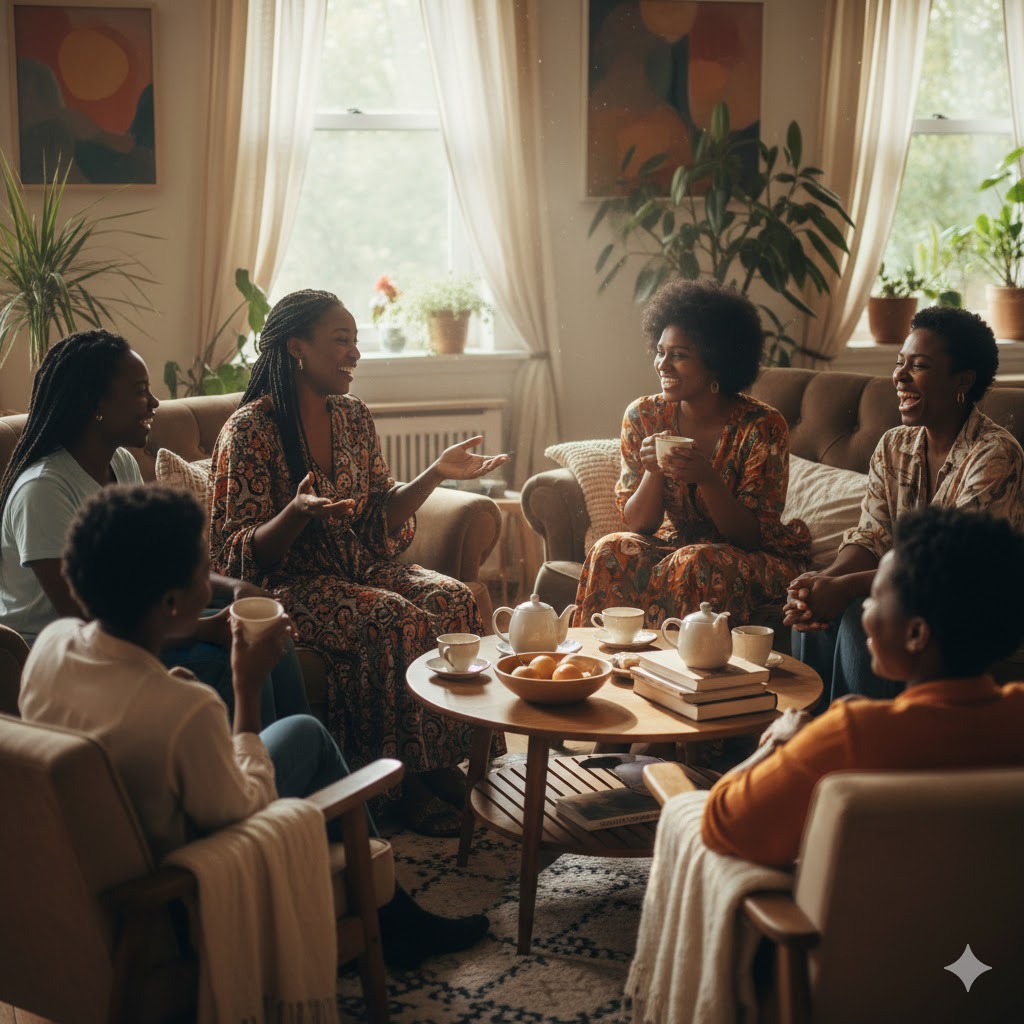
Reclaiming womanhood, one talk at a time and Sacred conversations for chosen women.

Womanhood is a divine calling, yet in today’s world, the essence of being a woman is often misunderstood, diluted, or attacked. Society bombards women with unrealistic standards, distorted narratives, and conflicting messages about their worth. Reclaiming womanhood requires intentional reflection and sacred dialogue that restores the true identity of a woman in God (Proverbs 31:30, KJV).

Each conversation among women carries the power to heal, uplift, and instruct. When women gather to speak honestly about their struggles, triumphs, and spiritual journeys, they create a sacred space where true understanding flourishes. This is why “one talk at a time” can transform communities and hearts alike (Ecclesiastes 4:9-10, KJV).

Chosen women are called to embrace their divine purpose. As Proverbs 31:30 (KJV) reminds us, “Favor is deceitful, and beauty is vain: but a woman that feareth the LORD, she shall be praised.” Spiritual alignment and reverence for God form the foundation of authentic womanhood.

Reclaiming womanhood begins with self-awareness. Women must confront internalized messages of inadequacy, inferiority, or shame. Sacred conversations provide a mirror, allowing women to reflect on their identity beyond societal pressures (Titus 2:3-5, KJV).

These dialogues encourage women to distinguish between cultural expectations and God-given purpose. The pressure to conform to materialism, appearance, or social trends often distracts women from spiritual and personal growth (Romans 12:2, KJV).

Mentorship is a vital element in reclaiming womanhood. Older, wiser women sharing their experiences help younger women navigate life’s challenges. Titus 2:3-5 (KJV) highlights this, instructing older women to guide younger women in love, wisdom, and virtue.

True sacred conversations involve vulnerability. When women openly discuss failures, heartbreak, and doubts, they normalize the struggles inherent to life. This transparency fosters empathy and strengthens communal bonds (James 5:16, KJV).

Reclaiming womanhood also involves breaking generational curses. Many women inherit narratives of fear, submission, or limitation. Through intentional dialogue and prayer, women can release these patterns and step into empowerment (Exodus 20:5-6, KJV).

Emotional intelligence is nurtured through these sacred exchanges. Women learn to navigate conflict, express feelings with grace, and cultivate resilience in both personal and professional spheres (Proverbs 16:32, KJV).

Faith is central to sacred conversations. Prayer, scripture, and spiritual reflection guide women toward discernment, purpose, and courage. A woman grounded in God’s word is equipped to resist the pressures of the world (Psalm 119:105, KJV).

Body image and self-worth are recurring topics in these talks. Society often ties a woman’s value to appearance, but sacred conversations emphasize character, spirit, and heart as markers of true beauty (1 Samuel 16:7, KJV).

Relationships are another critical area. From friendships to romantic partnerships, women gain insight into healthy boundaries, respect, and divine alignment. Understanding one’s worth ensures that women do not settle for toxic or unfulfilling connections (Proverbs 13:20, KJV).

Professional life and ambition are often sidelined in cultural narratives of womanhood. These discussions empower women to pursue vocations, leadership, and entrepreneurship while maintaining integrity and spiritual grounding (Colossians 3:23-24, KJV).

Self-care and holistic wellness are essential aspects of reclaiming womanhood. Women are encouraged to prioritize mental, physical, and spiritual health without guilt or apology (1 Corinthians 6:19-20, KJV).

Overcoming fear and anxiety is often a central focus. Sharing personal testimonies of victory over fear inspires courage in others, reinforcing that chosen women are called to be bold and resilient (Joshua 1:9, KJV).

Forgiveness and grace are recurring themes. Women are taught to forgive themselves and others, releasing bitterness and embracing freedom. This process is central to emotional and spiritual liberation (Ephesians 4:32, KJV).

Community and sisterhood flourish through these dialogues. When women unite under shared values and purpose, they create networks of support that extend beyond the conversation itself (Hebrews 10:24-25, KJV).

Reclaiming womanhood also means challenging societal stereotypes. Women are encouraged to define their identities, pursue leadership, and cultivate excellence while remaining humble and spiritually grounded (Philippians 2:3-4, KJV).

Sacred conversations honor the diversity of experiences among women. By listening and learning from one another, women develop empathy, wisdom, and a deeper understanding of God’s design for their lives (Proverbs 27:17, KJV).

Ultimately, reclaiming womanhood, one talk at a time, restores dignity, purpose, and divine alignment. Chosen women who engage in sacred dialogue embody strength, grace, and faith, becoming beacons of inspiration for future generations. These conversations are not merely words—they are catalysts for transformation, empowerment, and the fulfillment of God’s calling on womanhood (Psalm 46:5, KJV).


References

Holy Bible, King James Version. (1611). Thomas Nelson.

Guthrie, D. (1994). The NIV application commentary: Proverbs. Grand Rapids, MI: Zondervan.

Wright, C. J. H. (2002). Old Testament ethics for the people of God. Downers Grove, IL: InterVarsity Press.

Aune, D. E. (2013). Reconsidering the role of women in the Bible: Biblical theology for contemporary women. New York, NY: Continuum.

The Soul Journal of a Black Man and Woman Around the World.

The soul journal of a Black man and woman around the world is not written with ink alone, but with memory, blood, prayer, and survival. It is a living record of a people who have traversed continents, oceans, and empires while carrying culture, faith, and identity within their bodies. Across Africa, the Americas, Europe, the Caribbean, and the Middle East, Black existence has been shaped by displacement and resilience, loss and continuity.

At the center of this journal is the soul—what Scripture calls the inner being. The Bible teaches that the soul bears witness to suffering and joy alike: “All my bones shall say, Lord, who is like unto thee” (Psalm 35:10, KJV). For Black men and women, the soul has often been the final refuge when the body was owned, policed, or violated by systems of domination.

The Black man’s global journey has been marked by labor without rest and strength without recognition. From plantations to ports, from mines to factories, his physicality was exploited while his humanity was denied. Yet Scripture affirms that manhood is not defined by chains or caricatures but by divine purpose: “Be watchful, stand firm in the faith, act like men, be strong” (1 Corinthians 16:13, KJV).

The Black woman’s soul journal bears a distinct weight. She has carried nations in her womb while being denied protection for her own body. Her labor—both visible and invisible—built households, economies, and cultures across the world. Proverbs declares, “Strength and honour are her clothing; and she shall rejoice in time to come” (Proverbs 31:25, KJV), a truth often delayed but never erased.

Across the African continent, the soul journal begins with memory—languages, names, spiritual systems, and kinship structures that predate colonization. These roots testify that Black identity did not begin in slavery but in civilization. Archaeology and history confirm advanced African societies long before European contact (Diop, 1974).

The transatlantic slave trade violently interrupted this continuity, scattering Black men and women across the globe. Families were torn apart, yet culture survived in fragments—songs, rhythms, proverbs, and prayers. The Bible’s lament echoes this experience: “By the rivers of Babylon, there we sat down, yea, we wept, when we remembered Zion” (Psalm 137:1, KJV).

In the Americas, the soul journal records a theology forged under oppression. Enslaved Africans encountered Christianity through the lens of white supremacy, yet reinterpreted Scripture through lived suffering. The Exodus story became a mirror, and the God who heard Israel’s cry was recognized as the same God who heard theirs (Cone, 1975).

In the Caribbean and Latin America, Black men and women blended African spirituality with imposed European religion, creating syncretic expressions that preserved ancestral memory. These practices were often demonized, reflecting fear of Black autonomy rather than theological concern. The soul journal notes resistance disguised as worship.

In Europe, Black existence has often been rendered invisible, yet the soul journal persists through migration, art, and intellectual contribution. From Moorish Spain to modern Britain and France, Black men and women have shaped culture while being excluded from national narratives (Olusoga, 2016).

The psychological dimension of the soul journal reveals trauma carried across generations. Studies on intergenerational trauma align with biblical understanding that wounds can echo beyond one lifetime (Yehuda et al., 2016; Exodus 20:5). Yet the same Scripture affirms that healing can also be inherited through righteousness.

For Black men, the soul journal often records the struggle between vulnerability and survival. Societies that criminalize Black masculinity discourage emotional expression, yet Scripture calls men to wisdom, gentleness, and discipline of the heart (Micah 6:8, KJV).

For Black women, the journal documents a tension between strength and exhaustion. The “strong Black woman” trope conceals pain while demanding endless resilience. Christ’s invitation—“Come unto me, all ye that labour and are heavy laden, and I will give you rest” (Matthew 11:28, KJV)—speaks directly to this burden.

Love and partnership appear throughout the journal as acts of defiance. Black love has survived forced breeding, family separation, and economic sabotage. Song of Solomon’s celebration of Blackness—“I am black, but comely” (Song of Solomon 1:5, KJV)—stands as a biblical affirmation of beauty long denied.

Faith remains a central entry in the soul journal. Prayer circles, hush harbors, mosques, churches, and ancestral rituals all reflect a longing for divine justice. Hebrews affirms that faith is evidence of things unseen, a truth embraced by people forced to hope beyond visible circumstances (Hebrews 11:1, KJV).

The journal also records anger—righteous anger born of injustice. Scripture does not silence this emotion but warns against its corruption into bitterness (Ephesians 4:26–27, KJV). Protest, art, and scholarship have become vessels through which anger is refined into purpose.

Across the diaspora, creativity serves as both memory and medicine. Music, literature, dance, and visual art document experiences history often omits. Du Bois described this as “double consciousness,” a constant negotiation between self-perception and imposed identity (Du Bois, 1903).

Healing emerges in the journal as a collective task. Community, storytelling, and truth-telling become sacred acts. Psychology affirms what Scripture already taught—that confession, lament, and restoration are essential to wholeness (Psalm 34:18, KJV).

The soul journal ultimately resists erasure. Despite colonization, racism, and global displacement, Black men and women continue to name themselves, love one another, and seek God. Revelation’s vision of every nation and people before the throne affirms that Black souls were never peripheral to divine history (Revelation 7:9, KJV).

This journal is unfinished. Each generation adds pages through endurance and hope. What binds its entries together is not merely suffering, but a sacred insistence on life. As Scripture declares, “We are troubled on every side, yet not distressed… cast down, but not destroyed” (2 Corinthians 4:8–9, KJV).


References

The Holy Bible, King James Version. (1611). Various passages.

Cone, J. H. (1975). God of the oppressed. Orbis Books.

Diop, C. A. (1974). The African origin of civilization: Myth or reality. Lawrence Hill Books.

Du Bois, W. E. B. (1903). The souls of Black folk. A. C. McClurg & Co.

Fanon, F. (1952). Black skin, white masks. Grove Press.

Olusoga, D. (2016). Black and British: A forgotten history. Pan Macmillan.

Wilkerson, I. (2020). Caste: The origins of our discontents. Random House.

Yehuda, R., et al. (2016). “Holocaust exposure induced intergenerational effects on FKBP5 methylation.” Biological Psychiatry, 80(5), 372–380.

Girl Power Reconsidered: Strength and Authority of the Biblical Woman

“Girl power,” as popularly defined, often centers on autonomy, rebellion, and self-exaltation. In contrast, the Bible presents a vision of female power rooted not in dominance or imitation of men, but in divine alignment, moral authority, wisdom, endurance, and covenantal purpose. Biblical womanhood does not diminish power; it redefines it.

Biblical power begins with creation. Woman was not an afterthought but a deliberate act of God, formed as ezer kenegdo—a helper corresponding to man, not inferior but essential. This Hebrew phrase conveys strength, aid, and strategic support, often used of God Himself.

The biblical woman’s power is relational, not competitive. She builds rather than destabilizes, strengthens rather than rivals. Her authority flows from her position in God’s order, not from rejection of it.

Proverbs 31 offers one of Scripture’s clearest portraits of female power. The virtuous woman is industrious, economically astute, physically strong, and respected in the gates. Her power is quiet yet undeniable, woven into every sphere of life.

Biblical girl power includes wisdom. Proverbs repeatedly personifies wisdom as a woman, calling humanity to life, discernment, and righteousness. This imagery is intentional: the woman embodies moral insight and spiritual instruction.

Scripture affirms women as leaders and agents of deliverance. Deborah served as judge and prophetess, exercising authority over Israel without sacrificing femininity or faith. Her leadership flowed from obedience to God, not ambition.

Esther’s power lay not in force but in courage, timing, and restraint. She risked her life to save her people, demonstrating that biblical power often operates through sacrifice rather than spectacle.

Ruth’s strength appeared through loyalty, humility, and perseverance. Her obedience positioned her within the Messianic lineage, showing that faithfulness can reshape history.

The biblical woman’s body is not her primary currency. Scripture consistently values her character, discretion, and fear of the Lord over physical allure. This stands in sharp contrast to modern definitions of empowerment.

Biblical girl power includes self-governance. A woman who controls her spirit is portrayed as stronger than one who conquers a city. Discipline, restraint, and emotional wisdom are marks of true strength.

Motherhood, when present, is elevated rather than minimized. Women like Hannah and Jochebed shaped prophetic destinies through prayer and moral courage, influencing nations through nurture.

Singleness is also honored. Miriam, Anna the prophetess, and others demonstrate that a woman’s worth is not contingent on marital status but on spiritual calling.

The New Testament continues this framework. Women were the first witnesses of the resurrection, entrusted with the most consequential truth in Christian faith. This divine choice affirms women as reliable bearers of revelation.

Biblical girl power does not erase male leadership but complements it. Power is not sameness; it is harmony within divine order. Scripture values interdependence over rivalry.

The fear of the Lord is the foundation of biblical empowerment. A woman aligned with God’s will carries spiritual authority that transcends social rank or circumstance.

Modern culture often equates empowerment with sexual freedom and defiance of tradition. Scripture, however, portrays freedom as obedience that leads to peace, dignity, and legacy.

The biblical woman understands legacy. Her decisions are generational, oriented toward inheritance, lineage, and moral continuity rather than momentary validation.

Biblical girl power is resilient. Women endured exile, persecution, barrenness, and loss without surrendering faith. Their endurance is a testimony of strength forged in suffering.

This model challenges both misogyny and distorted feminism. It rejects the devaluation of women while refusing ideologies that detach power from responsibility.

True empowerment in Scripture is not loud but enduring, not rebellious but righteous, not self-centered but God-centered.

The biblical woman stands as a steward of life, wisdom, and faith. Her power is sacred, purposeful, and transformative.

In reclaiming biblical girl power, women rediscover strength that does not fade with age, beauty, or social trends—because it is anchored in God.


References

The Holy Bible, King James Version. (1611/1769).

Trible, P. (1978). God and the rhetoric of sexuality. Fortress Press.

Frymer-Kensky, T. (2002). Reading the women of the Bible. Schocken Books.

Brenner, A. (1993). The feminist companion to the Bible. Sheffield Academic Press.

Clines, D. J. A. (1995). What does Eve do to help? JSOT Press.