Tag Archives: Brown Skin

Beauty, Burden, and Brown Skin: The Weight of Being Seen. #thebrowngirldilemma

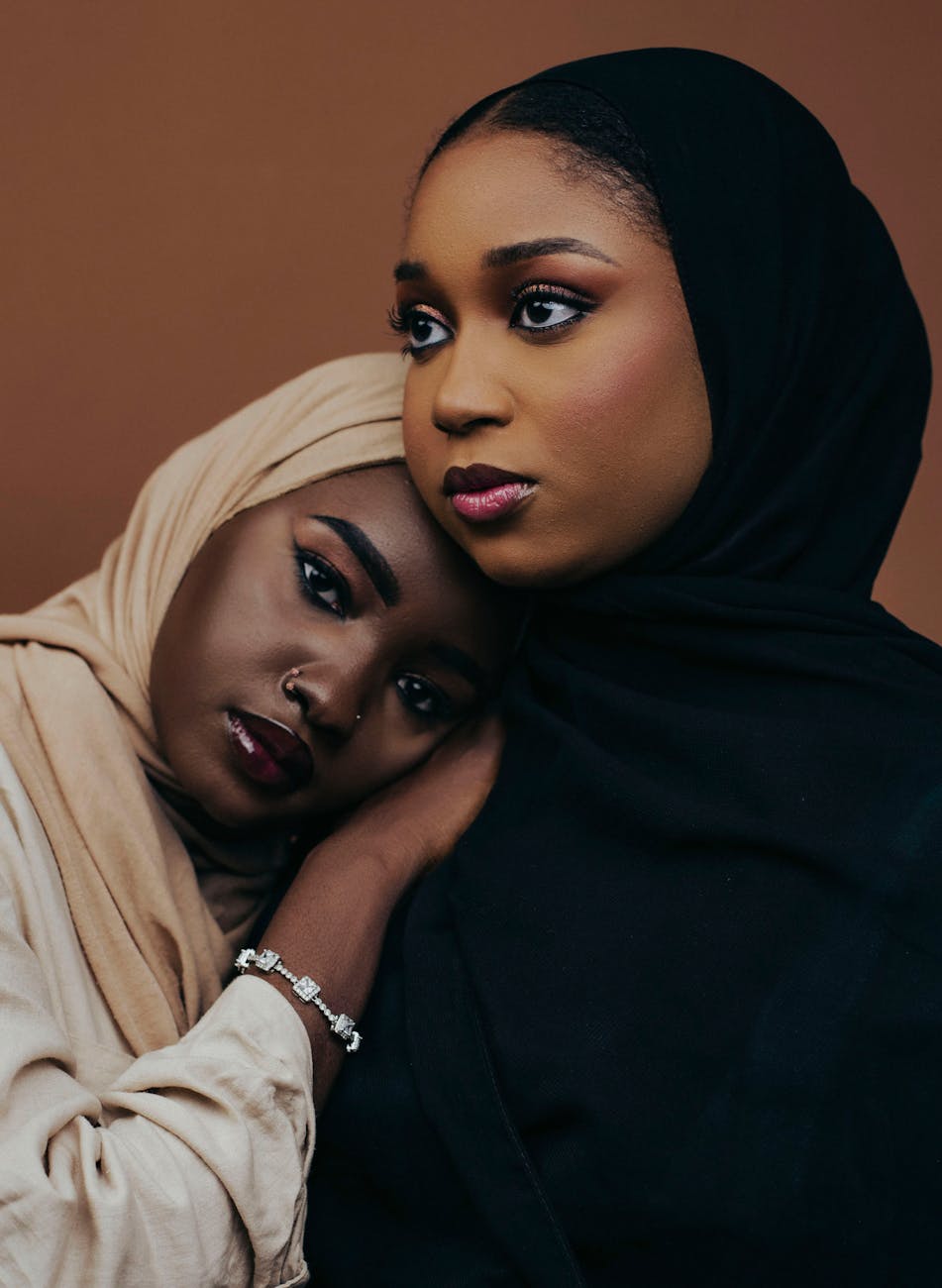
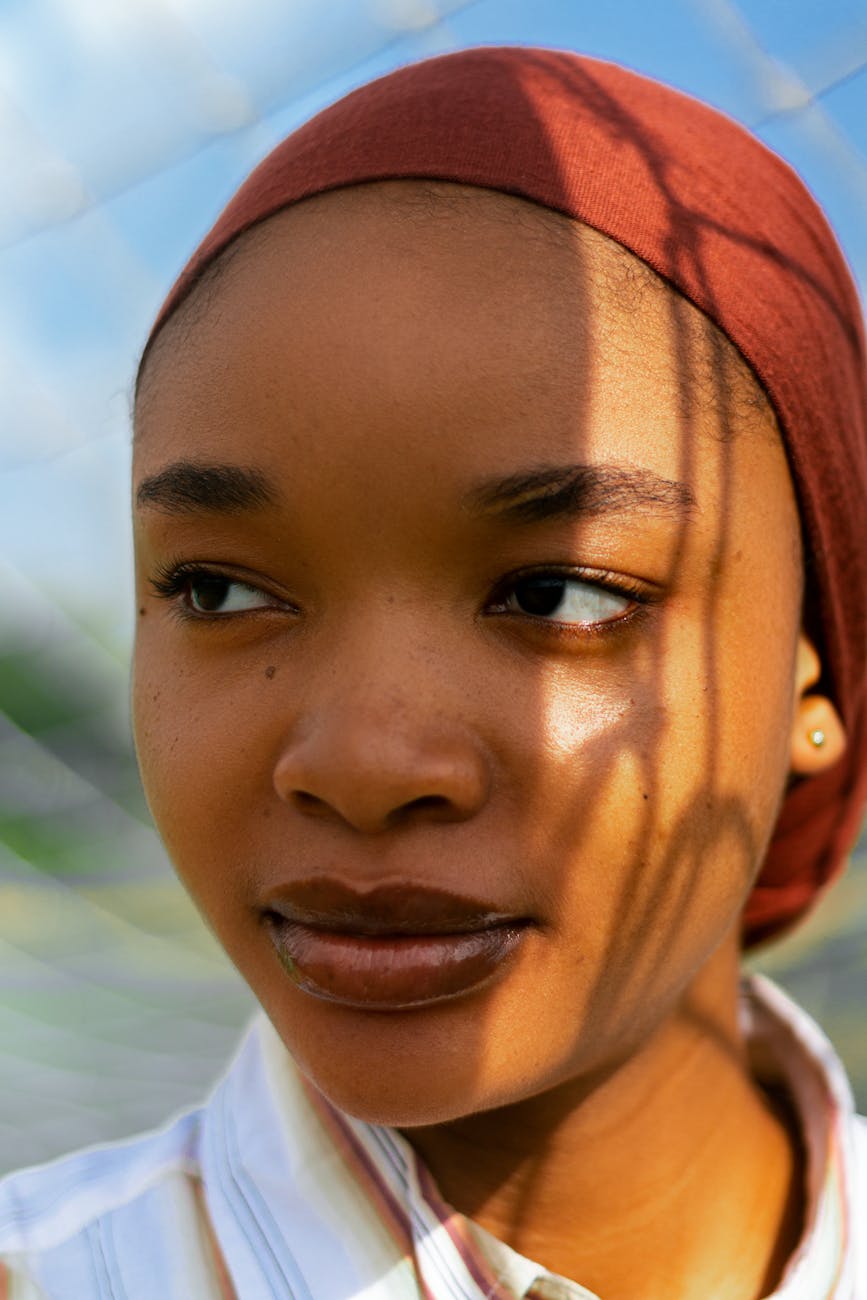
Photo by TRIPLE LENS PHOTOGRAPHY on Pexels.com

For Brown girls, beauty is never a neutral experience. It is both a gift and a burden, a source of pride and pain, a reflection of cultural richness but also a reminder of society’s skewed lens. To be seen as a Brown girl is to live at the intersection of visibility and invisibility—noticed for one’s appearance yet often unseen for one’s humanity. This duality forms one of the heaviest weights carried by women of color: the struggle of being defined more by skin tone than by character.

Historically, the beauty of Brown women was distorted through slavery, colonialism, and colorism. Enslaved women were simultaneously exploited for their bodies and devalued as “less beautiful” compared to White women or lighter-skinned counterparts. This legacy persists today. In media, advertisements, and even dating culture, lighter skin often remains the celebrated standard, leaving darker-skinned women to fight for validation. The result is that beauty for Brown girls often comes with unspoken conditions—accepted only if it fits within narrow, Eurocentric frameworks.

The Bible reminds us that true beauty is never defined by skin, hair, or external adornment but by the inner spirit. “Whose adorning let it not be that outward adorning of plaiting the hair, and of wearing of gold, or of putting on of apparel; But let it be the hidden man of the heart, in that which is not corruptible, even the ornament of a meek and quiet spirit, which is in the sight of God of great price” (1 Peter 3:3–4, KJV). For Brown girls, this scripture serves as both comfort and resistance—it affirms that their worth is not contingent upon external validation but upon the divine imprint within.

Psychology helps explain the toll of being hyper-visible yet undervalued. Studies on racialized beauty standards reveal that colorism can erode self-esteem and contribute to depression and anxiety (Keith & Monroe, 2016). When society constantly communicates that lighter skin is preferable, darker-skinned women internalize messages of inadequacy. This psychological burden often begins in childhood, when young girls are teased for their complexion, and extends into adulthood in areas such as employment, dating, and representation.

At the same time, the weight of being seen also generates strength. Brown girls have historically resisted narrow beauty ideals by embracing their natural features—whether through the natural hair movement, melanin pride campaigns, or simply rejecting bleaching products marketed to them. This resilience reflects what psychologists describe as “collective identity affirmation,” the process by which marginalized groups draw strength from shared experiences of struggle and pride (Sellers et al., 1998). For many Brown women, their skin becomes not just a marker of difference but a source of solidarity.

Still, the burden of beauty cannot be ignored. Brown girls often walk into rooms knowing they will be judged before they speak. They navigate workspaces where professionalism is measured against Eurocentric hair textures, and relationships where desirability is filtered through centuries-old biases. The weight is constant: to prove that their beauty is not a liability, to show that their skin is not an obstacle but a testament to survival and resilience.

The challenge for families, churches, and communities is to create counter-narratives that affirm beauty without conditions. Romans 8:37 reminds us, “Nay, in all these things we are more than conquerors through him that loved us” (KJV). For Brown girls, this verse is a reminder that no societal gaze can diminish their divine worth. Healing begins when families affirm dark skin as beautiful, when men honor it without comparison, and when Brown girls themselves embrace their skin not as a burden but as a crown.

Ultimately, beauty for Brown girls will always carry weight—but it can be transformed from a burden into a banner. By rejecting society’s shallow standards and embracing the beauty God already placed within, Brown women redefine what it means to be seen. Their presence becomes a testimony that true beauty does not ask permission to exist—it commands recognition, dignity, and love.


References

  • The Holy Bible, King James Version.
  • Keith, V. M., & Monroe, C. R. (2016). Histories of colorism and its psychological impact on African American women. Gender & Society, 30(2), 184–206.
  • Sellers, R. M., Smith, M. A., Shelton, J. N., Rowley, S. A., & Chavous, T. M. (1998). Multidimensional model of racial identity: A reconceptualization of African American racial identity. Personality and Social Psychology Review, 2(1), 18–39.
Unveiling Radiance: The Science Behind Black Beauty. #thescienccofblackbeauty

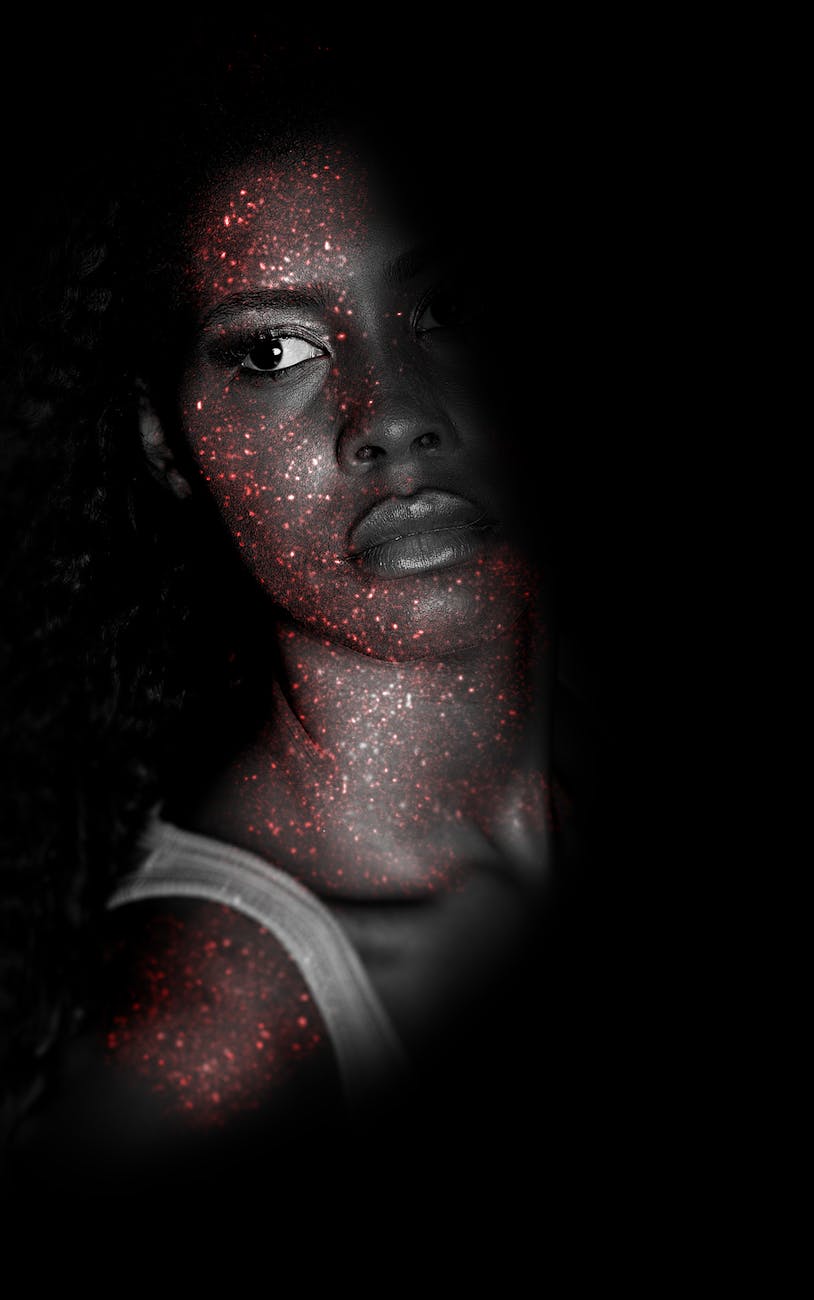
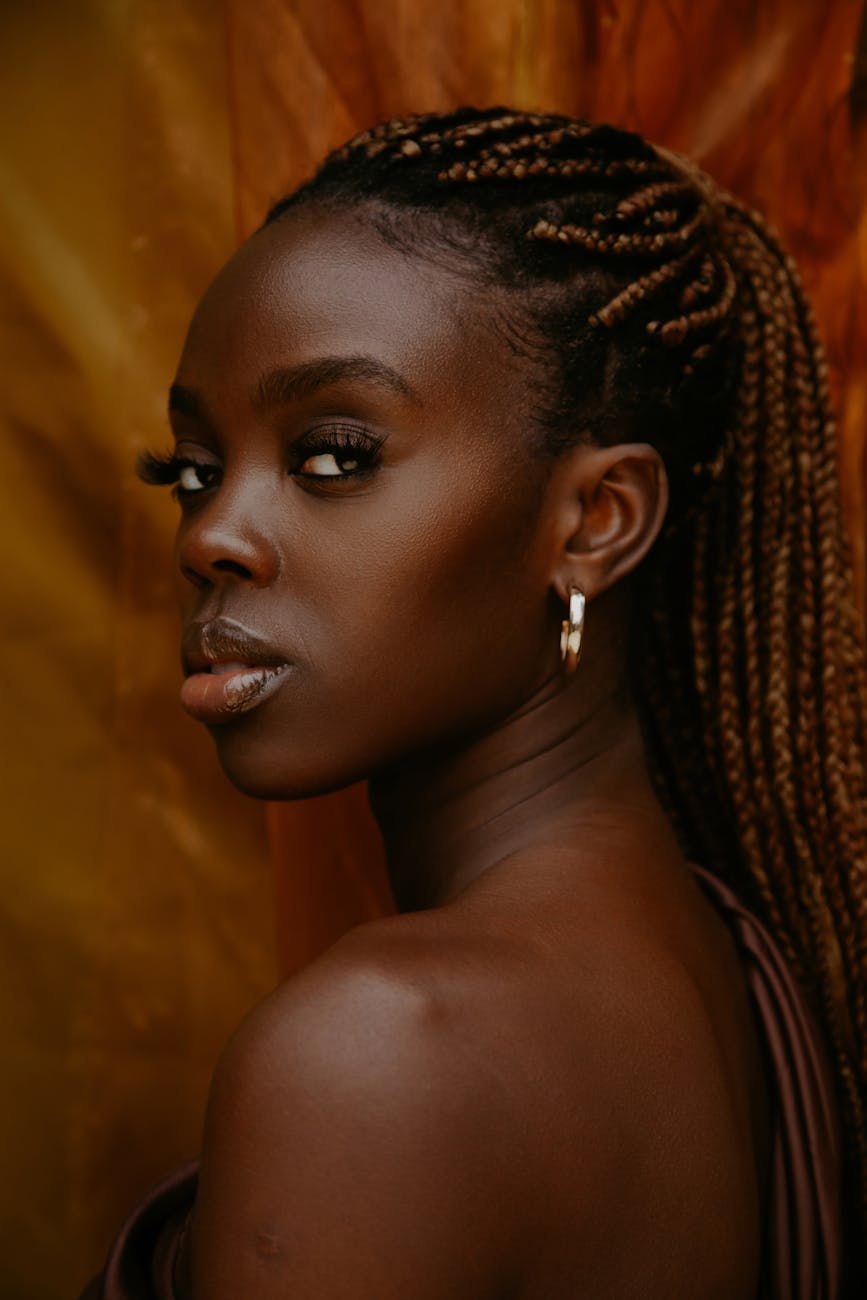
Photo by 3Motional Studio on Pexels.com

Black beauty is a phenomenon that transcends aesthetics, reaching into the realms of biology, psychology, culture, and spirituality. To unveil its radiance is to uncover the evolutionary genius of African traits, the resilience of a people who have endured systemic oppression, and the redefinition of beauty as an act of resistance. Far from being superficial, Black beauty embodies survival, identity, and the sacred dignity of heritage.

From a biological perspective, the features most associated with Black beauty—melanin-rich skin, coiled hair textures, and distinctive facial structures—carry deep evolutionary significance. Dark skin, rich in eumelanin, evolved as protection against harmful ultraviolet rays, while preserving vital nutrients like folate necessary for reproduction (Jablonski & Chaplin, 2010). Similarly, coiled hair functions as a natural insulator, protecting the scalp from heat while aiding in cooling, a design of resilience rooted in Africa’s climate (Robins, 2009). These features reveal that beauty is more than appearance—it is a story of adaptation and survival.

Psychology offers another lens into Black beauty. For centuries, Eurocentric ideals distorted global standards, leading to colorism and the devaluation of African features (Hunter, 2007). Internalized racism caused many to struggle with self-esteem, as seen in studies where Black children favored white dolls over Black dolls. Yet resilience emerged through movements such as “Black is Beautiful,” which reshaped psychological frameworks by affirming melanin, natural hair, and cultural aesthetics (Byrd & Tharps, 2014). In this way, beauty became a psychological anchor of identity and empowerment.

Culturally, representation plays a powerful role in shaping perceptions of beauty. Historically, Black women and men were excluded from mainstream imagery or reduced to stereotypes. However, pioneers like Cicely Tyson and Angela Davis disrupted these patterns by embracing natural styles that carried political meaning. In the modern era, global icons such as Lupita Nyong’o and Rihanna’s Fenty Beauty have expanded definitions of beauty, affirming darker complexions and diverse aesthetics as not only acceptable but aspirational (Tate, 2009). Representation thus transforms beauty from exclusion to celebration.

Black beauty is also inseparable from the politics of survival. During slavery, African women braided hair not only for style but also as cultural memory and, at times, as coded maps for escape (Byrd & Tharps, 2014). Beauty, in this context, was not frivolous but functional, a tool of survival and cultural preservation. This historical resilience underscores that beauty for Black communities is never just cosmetic—it is intertwined with dignity, memory, and liberation.

Spiritually, beauty is rooted in values deeper than appearance. The Bible teaches that true beauty lies within: “Whose adorning let it not be that outward adorning…but the hidden man of the heart” (1 Peter 3:3–4, KJV). For Black people, whose external beauty was often devalued by oppressive systems, inner radiance and spiritual strength became central to survival. Thus, Black beauty is not only seen in skin and hair, but also in character, resilience, and unwavering faith.

In contemporary society, Black aesthetics influence global fashion, music, and art. From natural hairstyles to melanin-positive campaigns, African-descended communities are reclaiming and redefining beauty on their own terms. Yet challenges remain, as colorism and Eurocentric bias persist in media and industries (Patton, 2006). Still, the global celebration of melanin and the mainstreaming of diverse beauty standards signal progress toward broader acceptance.

Ultimately, the science behind Black beauty reveals a truth greater than aesthetics: beauty is resilience, adaptation, and radiance born of struggle and survival. It is biological brilliance, psychological strength, cultural memory, and spiritual dignity combined. To unveil this radiance is to affirm that Black beauty is not only valid—it is foundational to humanity, a sacred testimony to the power of survival, identity, and divine design.


References

  • Byrd, A., & Tharps, L. (2014). Hair story: Untangling the roots of Black hair in America. St. Martin’s Press.
  • Hunter, M. (2007). The persistent problem of colorism: Skin tone, status, and inequality. Sociology Compass, 1(1), 237–254.
  • Jablonski, N. G., & Chaplin, G. (2010). Human skin pigmentation as an adaptation to UV radiation. Proceedings of the National Academy of Sciences, 107(Suppl 2), 8962–8968.
  • Patton, T. O. (2006). Hey girl, am I more than my hair? African American women and their struggles with beauty, body image, and hair. NWSA Journal, 18(2), 24–51.
  • Robins, A. H. (2009). Biological perspectives on human pigmentation. Cambridge University Press.
  • Tate, S. A. (2009). Black beauty: Aesthetics, stylization, politics. Ashgate.

The Golden Fleece and Its Connection to Black Skin.

Beneath the sun, our skin ignites,
A molten glow of ancient lights.
From river, sea, or morning ray,
The gold within cannot decay.


Photo by Gifty Dzenyo on Pexels.com

The Golden Fleece, in classical mythology, was a symbol of ultimate power, wealth, and divine favor. While often imagined as a literal object in Greek legend, symbolically, it represents the sacred, coveted essence of life and vitality. In Afrocentric interpretations, the Golden Fleece parallels the natural golden undertones of melanated skin, celebrating the richness, resilience, and uniqueness of Black bodies.

When a Black man or woman emerges from water, sunlight reveals a golden glow, a phenomenon that occurs across the spectrum of dark skin tones. This luminous effect reflects the melanin-rich composition of the skin, which absorbs and diffuses light in ways that give a subtle, warm radiance. The glow has been described as a visual testament to the divine and ancestral heritage carried in every melanated body.

Frances Cress Welsing, in her seminal work The Isis Papers, addresses the psychology of melanated skin, emphasizing how white-dominant societies have historically envied the physical, intellectual, and spiritual capacities associated with Blackness. She posits that melanin is not merely pigment but a symbol of power, and the natural golden glow of the skin is a manifestation of life-force and genetic vitality, evoking both admiration and subconscious fear in societies conditioned to reject Black excellence.

The Golden Fleece, then, becomes a metaphor for the sacred value inherent in Black skin—a treasure of beauty, resilience, and divine design. It is a reminder that melanated bodies are not only aesthetically radiant but spiritually significant, carrying a legacy that cannot be replicated or diminished.

Biblical References (KJV)

  • Exodus 3:21-22. King James Version.
  • Deuteronomy 28:12. King James Version.
  • Psalm 139:14. King James Version.

Secondary Sources

Welsing, F. C. (1991). The Isis Papers: The Keys to the Colors. Third World Press.

Fanon, F. (1967). Black Skin, White Masks. Grove Press.

Grier, W. H., & Cobbs, P. M. (1968). Black Rage. Basic Books.

Harris, S. (2015). The Psychological Effects of Racism on African Americans. American Psychological Association.

The Science of Glow: Melanin, Skin Health, and Beauty.

Photo by Darksight Image on Pexels.com

Golden Glow

Emerging from the depths, a shimmer in the light,
Brown skin gleams with stories, both ancient and bright.
Each droplet a testament, each curve a song,
In the tapestry of heritage, we all belong. Rich as earth, deep as night,
A tapestry of ancestral light.
Golden hues in sun’s embrace,
A legacy etched upon the face.
Strength and beauty intertwined,
In every shade, a story is defined.

Glow is often used in popular culture to describe radiant, healthy skin, but behind the aesthetic appeal lies a biological marvel: melanin. Understanding how melanin functions, its impact on skin health, and its role in beauty offers both scientific insight and cultural affirmation for individuals with melanin-rich skin.

Dr. Frances Cress Welsing’s work, The Isis Papers: The Keys to the Colors, delves into the concept of the “Golden Fleece” as a metaphor for the genetic potential and beauty inherent in Black individuals.. In her writings, she emphasizes the unique and powerful attributes of Black skin, often highlighting its radiance and resilience. ResearchGate+3PBS+3Wikipedia+3

The “Golden Fleece” metaphorically represents the richness and depth of Black identity and heritage. It’s a poetic way to acknowledge the inherent beauty and strength that radiates from within, much like the glow that can be seen when light reflects off skin after emerging from water.

Melanin: Nature’s Protective Pigment

Melanin is a natural pigment responsible for skin, hair, and eye color. It is produced by specialized cells called melanocytes, which convert the amino acid tyrosine into pigment through a process called melanogenesis. Melanin serves a crucial biological function: it protects the skin from ultraviolet (UV) radiation, reducing the risk of DNA damage, premature aging, and certain types of skin cancer.

The Link Between Melanin and Skin Health

Individuals with higher melanin content have natural photoprotection, which contributes to healthier skin over time. Melanin acts as a natural sunscreen, absorbing UV rays and preventing excessive sun damage. However, proper skin care remains essential: hydration, nourishment, and protection from environmental stressors enhance the natural glow, while avoiding harsh chemicals and overexposure to sun preserves skin integrity.

Melanin and Aesthetic Glow

A radiant complexion is often associated with high melanin content because melanin-rich skin can reflect light in a warm, luminous manner. This natural radiance is enhanced by proper hydration, nutrition, and self-care practices. Beyond aesthetics, the glow symbolizes resilience and heritage, linking biological function to cultural identity.

What is Melanin?

  • Definition: Natural pigment responsible for skin, hair, and eye color.
  • Function: Protects skin from harmful UV rays and reduces DNA damage.
  • Visual Idea: Diagram showing melanocytes producing melanin in the skin layers.

2. Melanin and Natural Radiance

  • Glow Factor: Reflects light in warm, luminous tones.
  • Significance: Radiance signals health, vitality, and resilience.
  • Visual Idea: Gradient spectrum of melanin-rich skin glowing under soft light.

3. Skin Health Tips for a Natural Glow

  • Hydration: Drink water to maintain cellular function.
  • Nutrition: Eat foods rich in antioxidants, vitamins C & E, and healthy fats.
  • Sun Protection: Use sunscreen to prevent hyperpigmentation and UV damage.
  • Gentle Care: Avoid harsh chemicals; embrace natural products.
  • Visual Idea: Icons representing water, fruits/veggies, sunscreen, and skincare bottles.

4. Cultural and Psychological Power

  • Heritage: Melanin-rich skin represents ancestral pride and identity.
  • Confidence: Embracing natural glow strengthens self-esteem and counters colorism.
  • Visual Idea: Illustration of diverse brown-skinned women celebrating their glow with affirmations.

5. Daily Affirmations for Your Glow

  • “My melanin is my shield and my shine.”
  • “My glow reflects my heritage, health, and beauty.”
  • “I embrace and celebrate my natural radiance every day.”
  • Visual Idea: Typography-based banners layered over gradient brown tones.

Cultural and Psychological Significance

Melanin has been historically undervalued due to Eurocentric beauty standards and colorism. Embracing melanin-rich skin as beautiful and healthy fosters self-esteem, pride, and identity affirmation (Hunter, 2007). When communities celebrate melanin, glow becomes both a physical and psychological marker of confidence, resilience, and empowerment.

Practical Tips for Enhancing Your Natural Glow

  1. Hydration: Water consumption supports cellular function and skin vitality.
  2. Nutrition: Diets rich in antioxidants, vitamins C and E, and healthy fats promote skin radiance.
  3. Sun Protection: Even melanin-rich skin benefits from sunscreen to prevent hyperpigmentation and UV damage.
  4. Gentle Skin Care: Avoid harsh exfoliants and chemical treatments that disrupt natural skin balance.
  5. Affirmation and Confidence: Embrace your natural glow as a reflection of heritage, health, and beauty.

Conclusion

Glow is more than surface-level radiance—it is the intersection of biology, health, and cultural identity. Melanin not only protects the skin but also enhances its aesthetic appeal, symbolizing resilience, heritage, and self-pride. By understanding and caring for melanin-rich skin, individuals can cultivate a natural glow that is both scientifically supported and culturally empowering. Glow is both science and culture. By understanding melanin’s protective role, practicing healthy skincare, and embracing natural beauty, your glow becomes a declaration of confidence, heritage, and empowerment.


References

  • Hunter, M. (2007). The Persistent Problem of Colorism: Skin Tone, Status, and Inequality. Sociology Compass, 1(1), 237–254.
  • Brenner, M., & Hearing, V. J. (2008). The protective role of melanin against UV damage in human skin. Photochemistry and Photobiology, 84(3), 539–549.
  • The Holy Bible, King James Version. (1611). Song of Solomon 1:5.

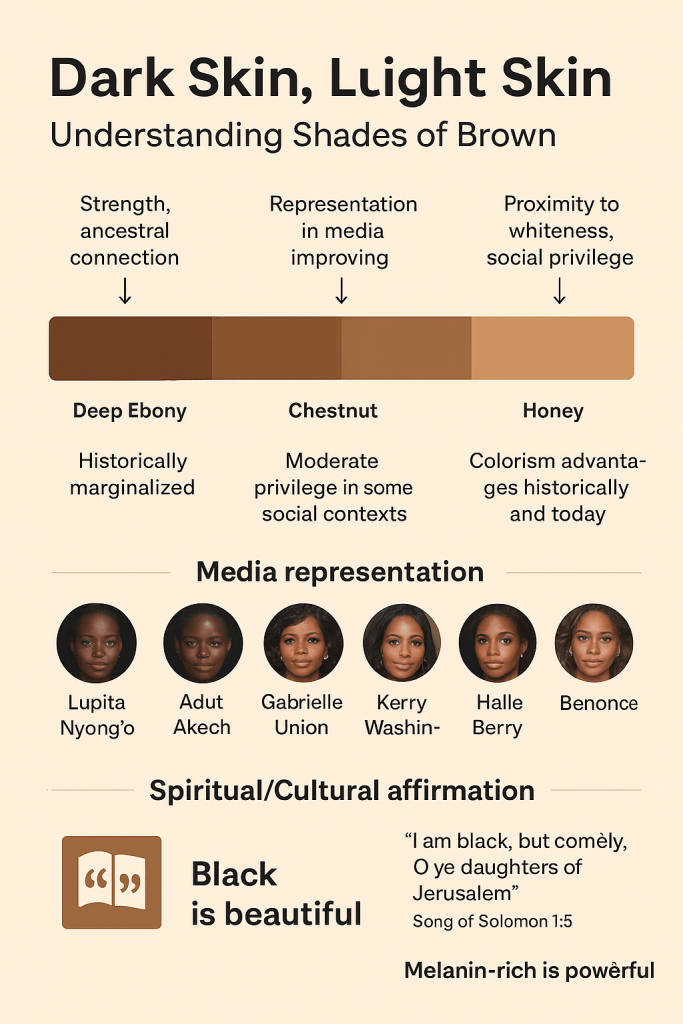
Dark Skin, Light Skin: Understanding Shades of Brown.

Skin color is more than a biological trait; it is a social, cultural, and historical marker. Among people of African descent, the spectrum of brown skin encompasses a wide array of shades, each carrying unique significance in terms of identity, beauty, and social perception. The differences between dark skin and light skin are often perceived not only visually but also psychologically and socially, shaping how individuals are treated, how they see themselves, and how society values them. To understand shades of brown, one must consider genetics, history, psychology, and cultural representation.

Genetic and Biological Foundations

Human skin color is determined primarily by melanin, the pigment produced by melanocytes. Darker skin contains higher levels of eumelanin, which provides more protection against ultraviolet (UV) radiation. Lighter brown skin contains less eumelanin, resulting in greater sensitivity to UV exposure (Jablonski & Chaplin, 2000). These variations occur naturally across populations due to evolutionary adaptation to geographic and environmental conditions. In African and African-descended populations, this genetic diversity produces a rich spectrum of brown skin—from deep ebony to caramel and honey tones.

Cultural Significance of Skin Tone

Shades of brown have been imbued with cultural meaning throughout history. In many African societies, dark skin is celebrated as a sign of strength, vitality, and connection to ancestry. Conversely, during and after slavery in the Americas, lighter skin was often associated with proximity to whiteness, privilege, and social mobility (Hunter, 2005). This historical privileging of light skin laid the foundation for colorism—the practice of favoring lighter-skinned individuals over darker-skinned ones within communities of color.

Examples of celebrities/models for each tone:

  • Dark Brown: Lupita Nyong’o, Adut Akech, Viola Davis.
  • Medium Brown: Gabrielle Union, Kerry Washington.
  • Light Brown: Halle Berry, Zendaya, Beyoncé.

Colorism and Social Hierarchy

Colorism is a direct legacy of slavery and colonialism. Enslaved light-skinned Africans often received preferential treatment, while darker-skinned individuals were relegated to harsher labor. These social hierarchies persisted into the 20th century, influencing marriage, employment, and media representation. Research shows that lighter-skinned African Americans often enjoy advantages in education, income, and perceptions of attractiveness, demonstrating the lingering psychological and structural effects of colorism (Hill, 2002).

Psychological Impacts

Skin tone can affect self-esteem, social interactions, and identity formation. Dark-skinned individuals may experience negative stereotypes, including assumptions about aggression, laziness, or undesirability, while light-skinned individuals may face internal and external pressure to conform to Eurocentric beauty standards (Fanon, 2008). These dynamics contribute to a spectrum of internalized perceptions of beauty and self-worth, influencing choices about hair, clothing, and cosmetic practices.

Shades of Brown in Media Representation

Media representation continues to reflect and shape perceptions of brown skin. Historically, lighter-skinned actors and models were prioritized in film, television, and advertising, reinforcing the desirability of proximity to whiteness. Dark-skinned individuals were underrepresented or cast in secondary roles, perpetuating stereotypes (Hunter, 2005). Today, movements such as #MelaninPoppin and #BlackGirlMagic seek to celebrate all shades of brown, providing positive visibility for darker-skinned individuals and challenging entrenched biases.

Celebrities as Icons of Melanin Diversity

Public figures have played a key role in redefining beauty standards across the spectrum of brown skin. Adut Akech, Lupita Nyong’o, and Viola Davis celebrate deep ebony skin, while actresses like Halle Berry and Zendaya represent lighter shades of brown. By showcasing a range of skin tones, these women challenge narrow conceptions of beauty and affirm that Blackness is not monolithic but diverse and vibrant.

The Bible and Affirmation of Dark Skin

Scripture affirms the beauty and worth of dark-skinned individuals. Song of Solomon 1:5 (KJV) states, “I am black, but comely, O ye daughters of Jerusalem,” validating the inherent beauty of darker tones. Such affirmations counteract centuries of imposed inferiority and colorist ideologies, offering spiritual grounding for self-acceptance and pride in one’s natural skin.

The Global Perspective

Shades of brown carry significance beyond African-descended populations in the Americas. Across Latin America, the Caribbean, and Africa, skin tone influences social hierarchy, marriage prospects, and economic opportunities. In India and Southeast Asia, similar dynamics exist, with lighter skin often preferred in media and marriage markets. These global patterns reveal that the social value assigned to skin tone is historically contingent and culturally transmitted rather than biologically inherent.

Skin Tone and Hair Texture

Skin tone often intersects with hair texture in shaping beauty standards. Darker-skinned individuals with tightly coiled hair historically faced compounded biases in professional and social settings. Lighter-skinned individuals with looser curls or straighter hair were more likely to align with Eurocentric aesthetics, reinforcing hierarchies within African-descended communities. Movements celebrating natural hair, such as the CROWN Act in the U.S., have challenged these biases and promoted acceptance of diverse expressions of Black beauty.

Colorism in Family and Relationships

Colorism also manifests in interpersonal relationships. Studies indicate that lighter-skinned individuals may experience preferential treatment in dating, marriage, and family dynamics. In some cases, families internalize societal biases, encouraging lighter-skinned children to pursue social advantages associated with proximity to whiteness. This perpetuates generational cycles of color-based prejudice, highlighting the social power of skin tone beyond personal preference.

Psychological Resilience

Despite systemic pressures, many dark-skinned individuals cultivate resilience and pride. Awareness of historical oppression, cultural affirmation, and spiritual grounding contribute to self-confidence and community solidarity. Social campaigns and media representation increasingly highlight the value and beauty of darker tones, fostering empowerment and collective affirmation.

Intersectionality: Race, Gender, and Skin Tone

Shades of brown are experienced differently depending on gender. Dark-skinned women often face compounded bias, with stereotypes intersecting with sexism, while men encounter expectations tied to hypermasculinity and athleticism. Intersectional analysis shows that skin tone cannot be separated from broader structures of racial and gendered inequality, emphasizing the need for nuanced understanding.

Beauty Standards and Economic Implications

Skin tone affects economic outcomes. Studies reveal that lighter-skinned individuals are often favored in hiring, promotions, and media representation. Cosmetic industries exploit these perceptions, marketing skin-lightening products and hair-straightening treatments as pathways to social and professional success. Understanding shades of brown therefore requires attention to both cultural meaning and material consequences.

Spiritual and Cultural Affirmation

Faith and cultural traditions offer avenues for affirming the beauty of all shades of brown. African proverbs, folklore, and religious texts celebrate melanin-rich skin as a symbol of vitality, heritage, and divine design. These affirmations provide psychological and spiritual reinforcement against societal biases.

Conclusion

Shades of brown are not merely aesthetic; they are markers of identity, history, and social dynamics. Dark skin and light skin among African-descended populations carry complex cultural meanings shaped by slavery, colonization, and media representation. Understanding these shades requires attention to biology, psychology, culture, and spirituality. By affirming the beauty of all tones—from deep ebony to caramel and honey—society can challenge colorism, celebrate diversity, and restore dignity to what has long been marginalized. As Song of Solomon 1:5 reminds us, “I am black, but comely,” all shades of brown are inherently worthy of recognition and celebration.


References

Fanon, F. (2008). Black skin, white masks. Grove Press. (Original work published 1952)

Hill, M. E. (2002). Skin color and the perception of attractiveness among African Americans: Does gender make a difference? Social Psychology Quarterly, 65(1), 77–91.

Hunter, M. (2005). Race, gender, and the politics of skin tone. Routledge.

Jablonski, N. G., & Chaplin, G. (2000). The evolution of human skin coloration. Journal of Human Evolution, 39(1), 57–106.

Eternal Bronze: The Science, Spirit, and Psychology of Brown Skin.

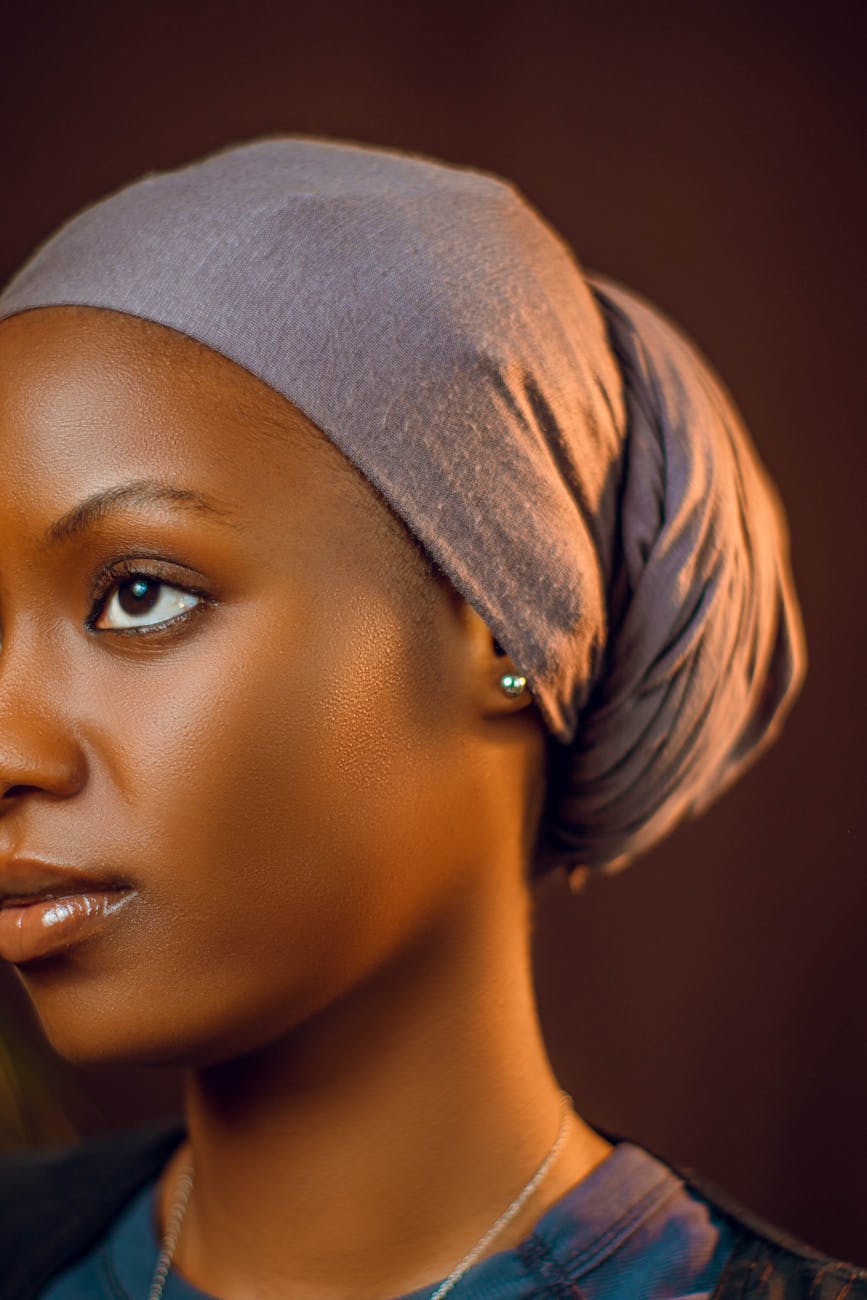
This photograph is the property of its respective owner. No copyright infringement intended.

The beauty and resilience of brown skin have been celebrated across centuries and cultures, even as it has also been marginalized and stigmatized under the weight of colonialism and white supremacy. The defining characteristic of this richness is melanin, the natural pigment that gives skin its brown and black hues. Melanin not only provides aesthetic brilliance but also serves as a biological shield, protecting the skin from harmful ultraviolet rays and slowing visible signs of aging. This scientific advantage underlies the well-known saying, “Black don’t crack,” a phrase affirming the ageless quality of melanated skin (Sherrow, 2006).

From a global perspective, various cultures have remarked on the luster and endurance of melanin-rich skin. In African traditions, dark brown skin has long been associated with vitality and spiritual energy. The Sudanese model Adut Akech, for example, has often been described as embodying “the future of beauty” (Vogue, 2019). Similarly, Naomi Campbell, one of the world’s most recognizable supermodels, has consistently shattered Eurocentric barriers while proudly showcasing her deep brown tone on international runways. Male icons such as Morris Chestnut have also carried the global representation of melanated male beauty, admired for the way his brown skin reflects strength and elegance.

Brown skin exists in a wide spectrum of shades—from caramel and honey to chestnut, mahogany, and ebony. Each variation tells a story of genetic heritage, adaptation to climates, and ancestral roots. The psychologists Kenneth and Mamie Clark, whose research included the “doll experiments,” highlighted how societal bias against darker tones led to internalized racism in Black children (Clark & Clark, 1947). Yet, in reversing this stigma, scholars and activists today highlight the aesthetic diversity of brown skin as an emblem of resilience and cultural pride.

The psychology of brown skin is complex. On one hand, melanin-rich individuals often face negative stereotyping, colorism, and systemic discrimination, leading to stress, anxiety, and internalized self-doubt (Russell et al., 1992). On the other hand, movements like “Black is Beautiful” have reclaimed brown skin as a symbol of empowerment and unity. This duality reflects the ongoing struggle between external societal oppression and internal affirmation of self-worth. When society praises Eurocentric beauty, brown skin becomes “the most hated,” not because of its lack, but because of its strength, history, and refusal to conform.

The Bible also affirms the beauty of dark, melanated skin. In the Song of Solomon 1:5 (KJV), the Shulamite woman declares: “I am black, but comely, O ye daughters of Jerusalem.” This scripture has often been used to affirm the dignity and divine beauty of those with darker complexions. Similarly, Jeremiah 13:23 states, “Can the Ethiopian change his skin, or the leopard his spots?” suggesting the unchangeable nature of one’s God-given melanin as both identity and blessing. In this sense, the biblical witness counters the cultural devaluation of darker skin tones by emphasizing their inherent worth.

Science further affirms the benefits of melanin beyond aesthetics. Research shows melanin absorbs and scatters ultraviolet radiation, protecting DNA from damage and reducing the risk of skin cancer (Palmer et al., 2015). This gives brown-skinned individuals a biological advantage in hotter climates, ensuring survival and adaptability across generations. The phrase “Black don’t crack” finds not only cultural but also scientific legitimacy in melanin’s role in maintaining youthful, resilient skin.

Around the world, observers have noted the unique radiance of brown skin. From poets in the Harlem Renaissance to African philosophers like Leopold Senghor, melanated skin has been described as “a mask of light,” reflecting dignity and endurance. Contemporary celebrities and models extend this legacy by asserting their natural hues as high fashion and cultural pride. Brown skin is not a burden but a crown, as seen in figures like Akech, Campbell, and Chestnut, who challenge the world to redefine beauty beyond Eurocentrism.

Ultimately, brown skin embodies both biological blessing and cultural battle. Its glow tells the story of survival, endurance, and divine design, yet its existence has been politicized and stigmatized. The solution lies in dismantling colorism, celebrating melanin’s biological and spiritual significance, and teaching young Black children the truth: their skin is not only beautiful but also powerful. As Amos Wilson (1998) reminded us, “Our self-perceptions must be liberated from alien definitions if we are to be truly free.” Brown skin is not merely pigment—it is history, resilience, and brilliance wrapped in flesh.


References

  • Clark, K. B., & Clark, M. P. (1947). Racial identification and preference in Negro children. Journal of Negro Education, 19(3), 341–350.
  • Palmer, R. A., et al. (2015). Melanin’s role in skin photoprotection. Journal of Photochemistry and Photobiology, 152, 28–39.
  • Russell, K. K., Wilson, M., & Hall, R. (1992). The Color Complex: The Politics of Skin Color among African Americans. Anchor.
  • Sherrow, V. (2006). Encyclopedia of Hair: A Cultural History. Greenwood.
  • The Holy Bible, King James Version. Song of Solomon 1:5; Jeremiah 13:23.
  • Vogue. (2019). “Adut Akech is the future of fashion.” Vogue Magazine.
  • Wilson, A. N. (1998). Blueprint for Black Power. Afrikan World InfoSystems.

Brown Skin, Heavy Crown: The Weight of Expectations on Black Women

Photo by mahfuz visual on Pexels.com

“The most disrespected person in America is the Black woman. The most unprotected person in America is the Black woman. The most neglected person in America is the Black woman.” – Malcolm X, 1962

This piercing statement still resonates today, capturing the enduring reality that Black women carry a unique weight in society. The title Brown Skin, Heavy Crown: The Weight of Expectations on Black Women speaks to the duality of being both admired and burdened, resilient and weary. Their “crown” is both literal and symbolic—representing beauty, strength, responsibility, and the heavy expectations imposed upon them.


Day-to-Day Struggles of Black Women

The struggles of Black women are multifaceted and often invisible to those who do not share their experience. Day to day, many must navigate:

  • Workplace Bias: Stereotypes about competence, tone, and appearance force Black women to “prove themselves” beyond their peers.
  • Hair and Body Politics: Choices about hair, dress, and body image are scrutinized more harshly, often deemed “unprofessional” or “too much.”
  • Family and Community Expectations: Many are expected to be the “backbone” of families and communities, carrying immense emotional and financial burdens.
  • Healthcare Inequality: Black women face disproportionate maternal mortality rates and are often ignored or dismissed in medical settings.
  • Microaggressions and Racism: Subtle but constant reminders that their identity is undervalued, whether in classrooms, workplaces, or public spaces.

These struggles create a reality in which Black women are expected to endure more, speak less, and carry others—while often being denied rest, vulnerability, or protection.


The Weight of Expectations

The “heavy crown” symbolizes how society demands resilience from Black women, often at the cost of their well-being. The archetype of the “strong Black woman” can be both empowering and damaging. While it honors resilience, it also pressures Black women to suppress vulnerability and avoid asking for help. This results in what psychologists call the Superwoman Schema, a coping mechanism where Black women overperform in roles of strength while neglecting self-care, leading to stress, anxiety, and depression (Woods-Giscombé, 2010).

Society expects Black women to be endlessly strong, forgiving, nurturing, and graceful under pressure. Yet, when they resist these expectations, they risk being labeled “angry,” “difficult,” or “unfeminine.” The crown of strength becomes a weight rather than a jewel.


Biblical Reflections on Burden and Strength

The Bible acknowledges the weight of burdens but also offers encouragement:

  • “Cast thy burden upon the Lord, and he shall sustain thee: he shall never suffer the righteous to be moved” (Psalm 55:22, KJV).
  • “Come unto me, all ye that labour and are heavy laden, and I will give you rest” (Matthew 11:28, KJV).
  • “She girdeth her loins with strength, and strengtheneth her arms” (Proverbs 31:17, KJV).

These verses affirm both the strength and the humanity of women. While society demands that Black women carry impossible burdens, Scripture reminds them that strength is not found in perpetual suffering but in faith, rest, and divine sustenance. The Bible does not glorify exploitation—it calls for justice and care for the oppressed (Isaiah 1:17).


Psychological Insights

The expectations placed on Black women have measurable psychological impacts.

  • Superwoman Schema: Over-identification with strength creates barriers to seeking help and worsens stress-related health outcomes (Woods-Giscombé, 2010).
  • Stereotype Threat: Fear of confirming stereotypes about anger or incompetence forces Black women into emotional suppression (Rosenthal & Lobel, 2011).
  • Resilience and Coping: Despite these challenges, research shows that spiritual practices, community ties, and cultural affirmation are key coping strategies for Black women’s mental health (Watson & Hunter, 2015).

These insights reveal that the “heavy crown” is not only social but psychological—demanding constant balance between external expectations and inner well-being.


Conclusion

Brown Skin, Heavy Crown: The Weight of Expectations on Black Women reminds us that while Black women have been celebrated for their resilience, they are too often denied softness, rest, and protection. The crown they wear should symbolize dignity, beauty, and divine strength, not relentless exploitation. To break free, society must dismantle oppressive expectations and affirm Black women as whole human beings—vulnerable, valuable, and beloved.

As Scripture says, “For my yoke is easy, and my burden is light” (Matthew 11:30, KJV). The true crown is not the one society imposes but the one God gives—of honor, peace, and eternal worth.


References

  • Rosenthal, L., & Lobel, M. (2011). Explaining racial disparities in adverse birth outcomes: Unique sources of stress for Black American women. Social Science & Medicine, 72(6), 977–983.
  • Watson, N. N., & Hunter, C. D. (2015). Anxiety and depression among African American women: The costs of strength and negative attitudes toward psychological help-seeking. Cultural Diversity and Ethnic Minority Psychology, 21(4), 604–612.
  • Woods-Giscombé, C. L. (2010). Superwoman schema: African American women’s views on stress, strength, and health. Qualitative Health Research, 20(5), 668–683.
  • The Holy Bible, King James Version.