
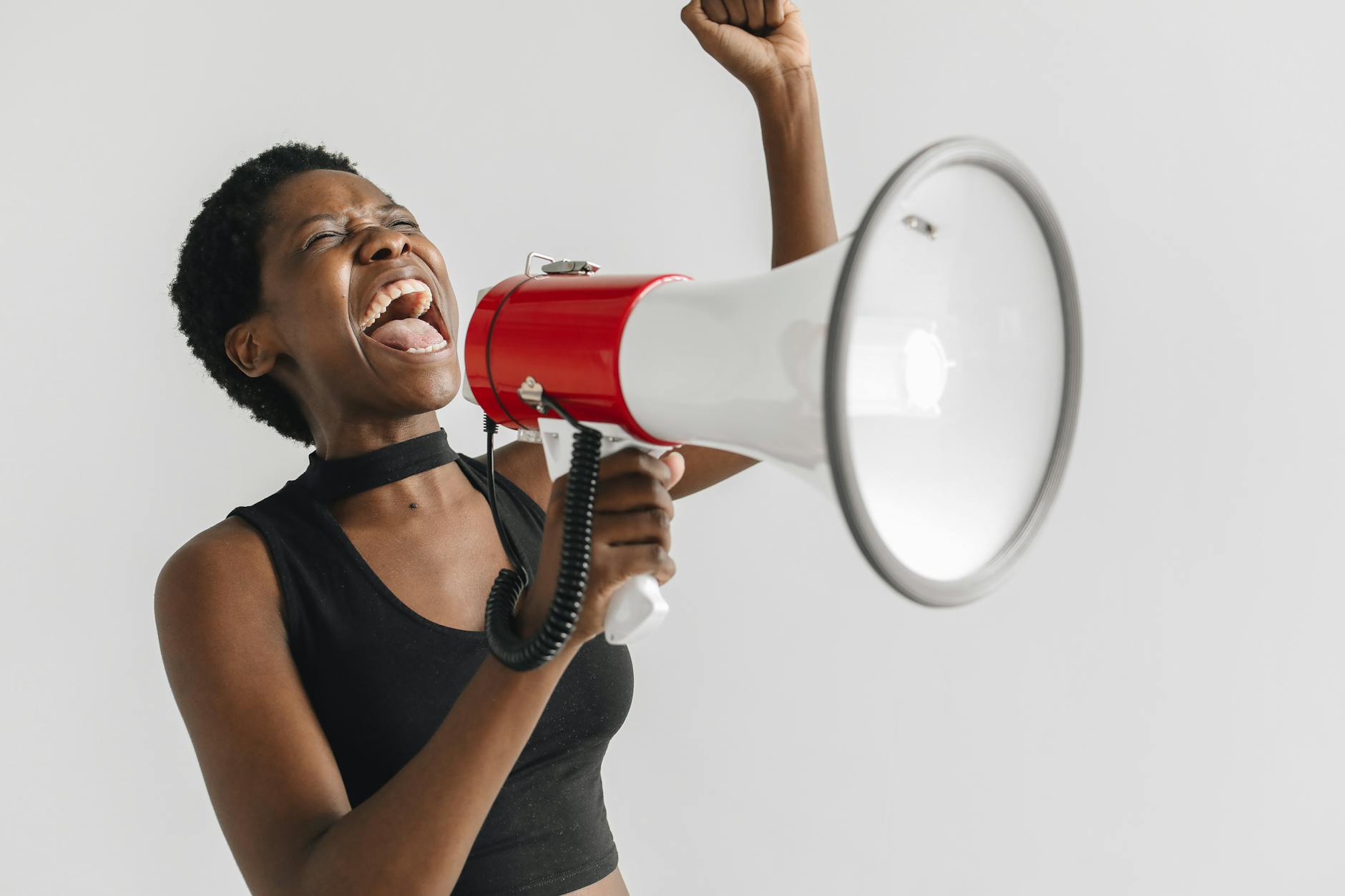
Brown girls navigate a complex social landscape where bias, colorism, and cultural stereotypes intersect, shaping self-perception, opportunity, and empowerment. From childhood through adulthood, societal norms often privilege lighter skin, Eurocentric features, and conformity to dominant cultural ideals, placing additional pressure on Brown girls to assert their identity and worth. Overcoming these challenges requires a multi-faceted approach that combines education, cultural affirmation, and personal resilience.
Education plays a pivotal role in empowering Brown girls to rise above systemic bias. Academic achievement equips them with critical thinking skills, confidence, and the ability to advocate for themselves in both professional and social settings. Schools and mentorship programs that emphasize representation, diversity, and culturally responsive pedagogy can counteract stereotypes, reinforcing the idea that intelligence, talent, and leadership are independent of skin tone or appearance (Banks, 2015). Knowledge becomes both armor and empowerment, allowing Brown girls to challenge narratives that seek to diminish their potential.
Cultural affirmation is equally crucial. Celebrating Black and Brown heritage, hair textures, skin tones, and historical achievements fosters pride and resilience. Exposure to role models like Lupita Nyong’o, Issa Rae, and Yara Shahidi demonstrates that success, beauty, and influence are not determined by proximity to whiteness but by authenticity, talent, and perseverance. Cultural initiatives, festivals, and media representation highlight the diversity and richness of Brown girl identity, providing alternative narratives that counteract colorism and societal marginalization.
Psychological resilience is intertwined with education and cultural affirmation. Brown girls often experience internalized bias, which can erode self-esteem and hinder personal growth. Social comparison theory explains how constant exposure to societal standards favoring lighter skin or Eurocentric features can produce dissatisfaction and self-doubt (Festinger, 1954). By cultivating self-awareness, mindfulness, and confidence-building practices, Brown girls can navigate these pressures while maintaining pride in their heritage and features.
Media literacy also empowers Brown girls to critique and navigate content that perpetuates bias. Social media, film, and advertising frequently amplify colorism and unrealistic beauty standards. Teaching Brown girls to deconstruct media messages, recognize algorithmic biases, and value authentic representation fosters critical engagement rather than passive acceptance. This awareness reinforces the understanding that beauty, worth, and influence are not dictated by societal trends but by personal integrity and talent (Fardouly et al., 2015).
Mentorship and community support amplify empowerment. Programs that connect Brown girls with successful role models provide guidance, encouragement, and proof that overcoming bias is possible. Mentors not only teach skills but also model resilience, confidence, and leadership. Supportive networks reinforce the notion that challenges related to skin tone, culture, or societal expectation can be met with knowledge, self-worth, and collective solidarity.
Spiritual grounding offers a lasting framework for empowerment. Proverbs 31:30 (KJV) declares, “Favour is deceitful, and beauty is vain: but a woman that feareth the LORD, she shall be praised.” Faith provides Brown girls with a lens to measure their value beyond societal metrics of beauty or achievement. Spiritual conviction nurtures confidence, perseverance, and ethical decision-making, ensuring that empowerment is holistic, anchored in character as well as capability.
Looking to the future, the empowerment of Brown girls depends on dismantling systemic bias while celebrating identity. Education, cultural affirmation, mentorship, and spiritual grounding collectively create pathways for Brown girls to thrive academically, socially, and personally. Visibility in media, leadership roles, and public discourse further normalizes diverse representation, ensuring that future generations inherit a world where beauty, intelligence, and influence are inclusive and celebrated.
Empowerment in Action: Tools and Programs Uplifting Brown Girls
Empowering Brown girls requires intentional initiatives that address both systemic barriers and personal development. Across education, media, and leadership, programs are emerging to provide resources, mentorship, and representation, equipping young women to navigate societal bias while embracing their identity with pride.
Educational Programs and Mentorship
Programs like Girls Who Code and Black Girls CODE offer access to STEM education, mentorship, and skill-building opportunities for young Black and Brown girls. By fostering technical proficiency and problem-solving skills, these programs counteract stereotypes about intellectual capacity while promoting confidence in academic achievement. Local initiatives, such as culturally responsive school curricula and after-school enrichment programs, ensure that Brown girls see themselves reflected in their learning and are encouraged to pursue higher education and leadership roles (Banks, 2015).
Media Representation and Literacy
Representation in media shapes self-perception and societal expectations. Initiatives like #BlackGirlMagic, #UnapologeticallyBlack, and campaigns led by organizations such as The Representation Project highlight dark-skinned beauty, natural hair textures, and culturally diverse achievements. Media literacy programs teach Brown girls to critically engage with content, identify bias, and challenge unrealistic beauty standards, fostering resilience against harmful social comparisons (Fardouly et al., 2015).
Leadership and Entrepreneurship Programs
Leadership programs like Black Girls Rock! and The National Coalition of 100 Black Women, Inc. empower young women to take active roles in their communities, promoting civic engagement, public speaking, and entrepreneurship. These platforms provide visibility, mentorship, and resources to cultivate both confidence and competence. Brown girls participating in these programs learn to leverage their talents, articulate their perspectives, and claim space in sectors where representation has been historically limited.
Cultural Affirmation and Community Spaces
Cultural centers, youth groups, and online communities dedicated to celebrating Black and Brown heritage create safe spaces for identity exploration and affirmation. Events, workshops, and storytelling sessions allow Brown girls to explore ancestry, art, and personal style while learning from role models who reflect their experiences. These spaces cultivate pride in cultural heritage and counteract internalized colorism, reinforcing the value of authentic self-expression (Hunter, 2007).
Mental Health and Wellness Initiatives
Programs like Therapy for Black Girls address mental health challenges, including anxiety, depression, and self-esteem issues arising from colorism and societal bias. Providing access to culturally competent counselors and peer support, these initiatives normalize emotional care and teach coping strategies for navigating discrimination, social pressures, and media-induced comparison. Mental wellness becomes an essential pillar of empowerment, ensuring that Brown girls develop both confidence and resilience.
Faith and Spiritual Development
Faith-based programs and mentorship integrate spiritual grounding with personal growth. By emphasizing values such as integrity, discipline, and purpose, these initiatives complement secular programs, reinforcing that self-worth extends beyond societal standards of beauty or achievement. Proverbs 31:30 (KJV) serves as a guiding principle: “Favour is deceitful, and beauty is vain: but a woman that feareth the LORD, she shall be praised.” Spiritual empowerment supports holistic development, nurturing both character and confidence.
Digital Platforms and Social Media Advocacy
Social media, when used intentionally, becomes a tool for empowerment. Platforms like Instagram, YouTube, and TikTok allow Brown girls to showcase talent, share personal narratives, and build supportive networks. Influencers and content creators who celebrate natural hair, melanin-rich skin, and cultural heritage provide relatable role models, amplifying messages of self-love and pride. Digital advocacy challenges traditional gatekeepers of beauty and success, democratizing influence and visibility.
Policy and Institutional Support
Sustainable empowerment also requires systemic change. Advocating for policies that address colorism, discrimination, and unequal educational resources ensures that empowerment extends beyond individual programs. Scholarships, equitable representation in curricula, and funding for culturally focused initiatives create structural support that allows Brown girls to thrive academically, socially, and professionally.
Empowering Brown girls demands a multi-dimensional approach that integrates education, mentorship, media representation, mental wellness, cultural affirmation, and spiritual grounding. Programs such as Black Girls CODE, Black Girls Rock!, Therapy for Black Girls, and media campaigns like #BlackGirlMagic illustrate practical pathways for fostering confidence, resilience, and leadership. By combining personal development with systemic advocacy, communities can ensure that the next generation of Brown girls steps into spaces of power, influence, and self-assured identity with pride and unshakable confidence.
In conclusion, moving beyond bias requires intentional strategies that affirm identity, cultivate knowledge, and promote resilience. Brown girls, equipped with education, cultural pride, mentorship, and spiritual grounding, are positioned to redefine societal standards, challenge prejudice, and embrace empowerment in its fullest sense. By fostering these conditions, communities can ensure that the future of Brown girl identity is one of confidence, dignity, and unassailable self-worth.
References
Banks, J. A. (2015). Cultural diversity and education: Foundations, curriculum, and teaching. Routledge.
Festinger, L. (1954). A theory of social comparison processes. Human Relations, 7(2), 117–140.
Fardouly, J., Diedrichs, P. C., Vartanian, L. R., & Halliwell, E. (2015). Social comparisons on social media: The impact of Facebook on young women’s body image concerns and mood. Body Image, 13, 38–45.
Hunter, M. (2007). The persistent problem of colorism: Skin tone, status, and inequality. Sociology Compass, 1(1), 237–254.
Byrd, A. D., & Tharps, L. L. (2014). Hair Story: Untangling the Roots of Black Hair in America. St. Martin’s Press.
 THE BROWN GIRL DILEMMA