
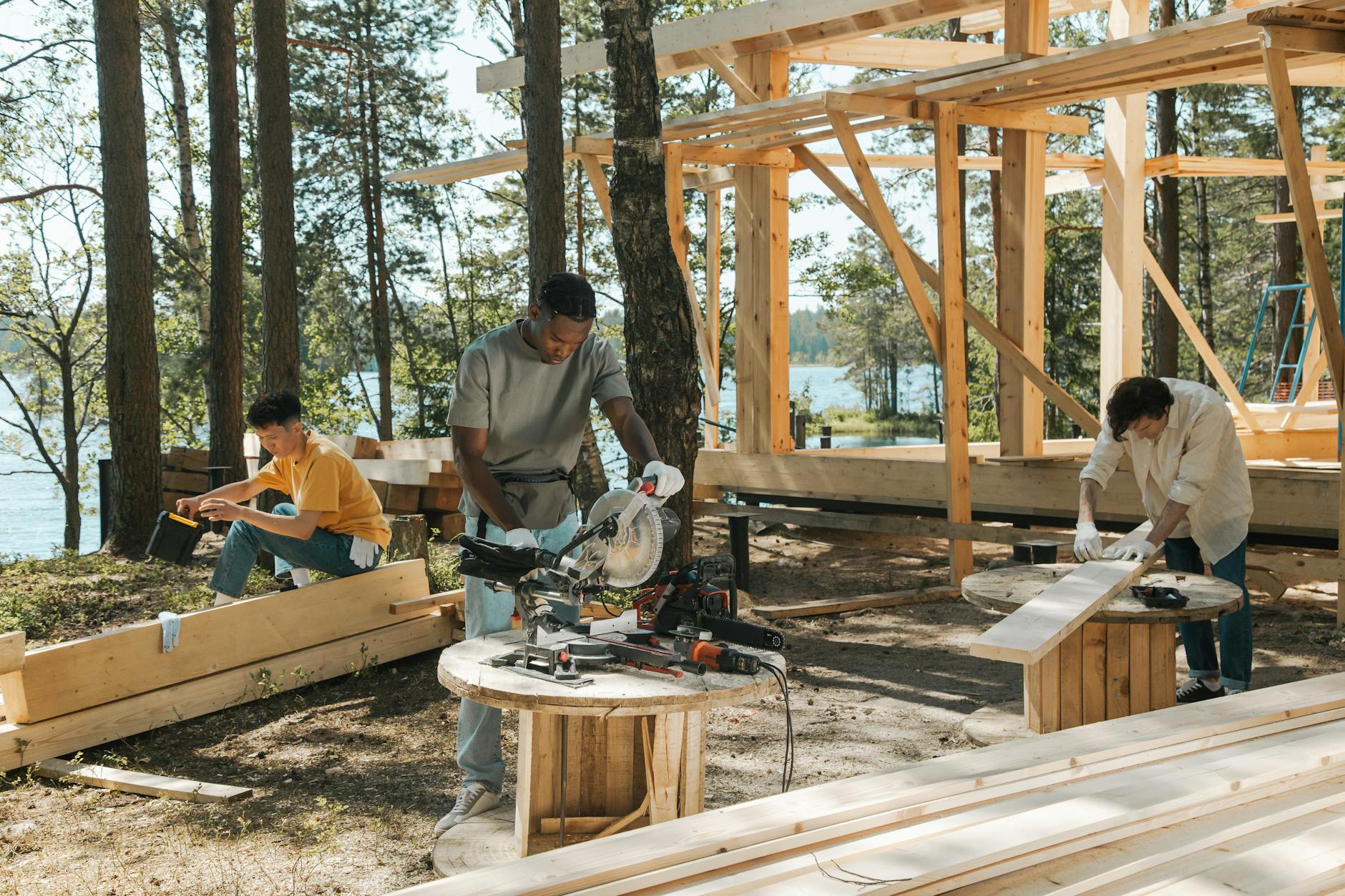
Manhood is more than a biological milestone; it is a journey of responsibility, character, and purposeful action. Transitioning from boyhood to manhood requires cultivating moral integrity, emotional intelligence, and the ability to contribute positively to family, community, and society. The measure of a man lies not in privilege or strength, but in accountability and leadership.
Historically, societies have defined manhood through rites of passage, labor, and civic contribution. In many African cultures, coming-of-age ceremonies marked the shift from boyhood to manhood, emphasizing courage, wisdom, and communal responsibility (Imam, 2015). These traditions underscored that manhood entails service and stewardship.
Faith plays a critical role in shaping responsible manhood. Biblical teachings encourage men to exemplify virtues such as integrity, diligence, and protection of the vulnerable. Proverbs 20:7 asserts, “The just man walketh in his integrity: his children are blessed after him” (KJV). Spiritual grounding equips men to make decisions rooted in principle rather than impulse.
Education and knowledge are foundational to manhood. A responsible man seeks to cultivate wisdom and skill, not only for personal advancement but for the betterment of his community. Learning equips men to lead effectively, mentor youth, and participate in society with discernment.
Emotional maturity is a cornerstone of responsibility. Boys often navigate socialization that discourages vulnerability, yet a man must develop the capacity for empathy, reflection, and self-regulation. Emotional intelligence enables men to manage relationships, resolve conflict, and provide guidance within families and communities.
Economic responsibility is an integral aspect of manhood. Men are often expected to provide for themselves and their dependents, building financial stability and intergenerational wealth. Responsible stewardship of resources demonstrates reliability and ensures that one’s household and community are supported (Graves, 2013).
Mentorship and legacy building are key duties of a man. By teaching younger generations, men transfer wisdom, skills, and ethical frameworks. Mentorship is not merely advice-giving; it involves modeling accountability, perseverance, and principled action, shaping future leaders.
Community engagement reflects a man’s broader responsibility. Acts of service, civic involvement, and advocacy demonstrate that manhood is relational and societal, not merely individual. Men who contribute to the welfare of their communities embody leadership through action rather than authority alone.
Resilience in adversity distinguishes boys from men. Life presents inevitable trials, and a responsible man responds with courage, integrity, and problem-solving. Facing challenges rather than avoiding them cultivates strength of character and earns respect across social and familial spheres.
Spiritual and moral leadership within the family is another crucial responsibility. Fathers and elder men guide children and young adults through modeling, instruction, and protection. The stability of families often reflects the integrity and commitment of male leaders.
Cultural narratives and media representations influence perceptions of manhood. Responsible manhood challenges stereotypes of aggression, irresponsibility, and dominance, offering alternative models based on character, ethical leadership, and service. Representation of positive masculinity reshapes expectations for boys growing into men.
Accountability and self-discipline are defining markers of maturity. A man must take ownership of actions, accept consequences, and strive to align behavior with ethical and spiritual principles. These traits foster trust, respect, and social cohesion, distinguishing boys from men.
Health and well-being are also responsibilities of manhood. Physical, mental, and emotional health enable men to fulfill familial and societal roles effectively. Neglect of well-being undermines capacity to lead, mentor, and contribute meaningfully.
Spiritual resilience supports ethical decision-making. Men grounded in faith or moral principle are better equipped to resist societal pressures that encourage dishonesty, exploitation, or neglect of duty. Integrity becomes both armor and compass in navigating the complexities of adulthood.
In conclusion, the journey from boyhood to manhood is defined by responsibility, accountability, and service. Men who embrace their roles as builders of families, communities, and legacies demonstrate that true masculinity is rooted in principle, character, and purposeful action. The transformation from boy to builder requires dedication, resilience, and unwavering commitment to ethical and spiritual growth.
References
Graves, J. (2013). Black men in America: Health, family, and social policy. Routledge.
Hunter, M. (2005). Race, gender, and the development of African American masculinity. In M. Hunter & J. Davis (Eds.), African American family life: Ecological and cultural diversity (pp. 45–62). Sage Publications.
Imam, A. (2015). African rites of passage: Cultural significance and social impact. African Studies Review, 58(2), 89–107. https://doi.org/10.1017/asr.2015.21
Proverbs 20:7 (King James Bible). (n.d.). King James Bible Online. https://www.kingjamesbibleonline.org
Connell, R. W. (2005). Masculinities (2nd ed.). University of California Press.
Zimbardo, P. G., & Coulombe, N. D. (2015). Man interrupted: Why young men are struggling and what we can do about it. Conari Press.
 THE BROWN GIRL DILEMMA