Tag Archives: books

Dilemma: Color Bias

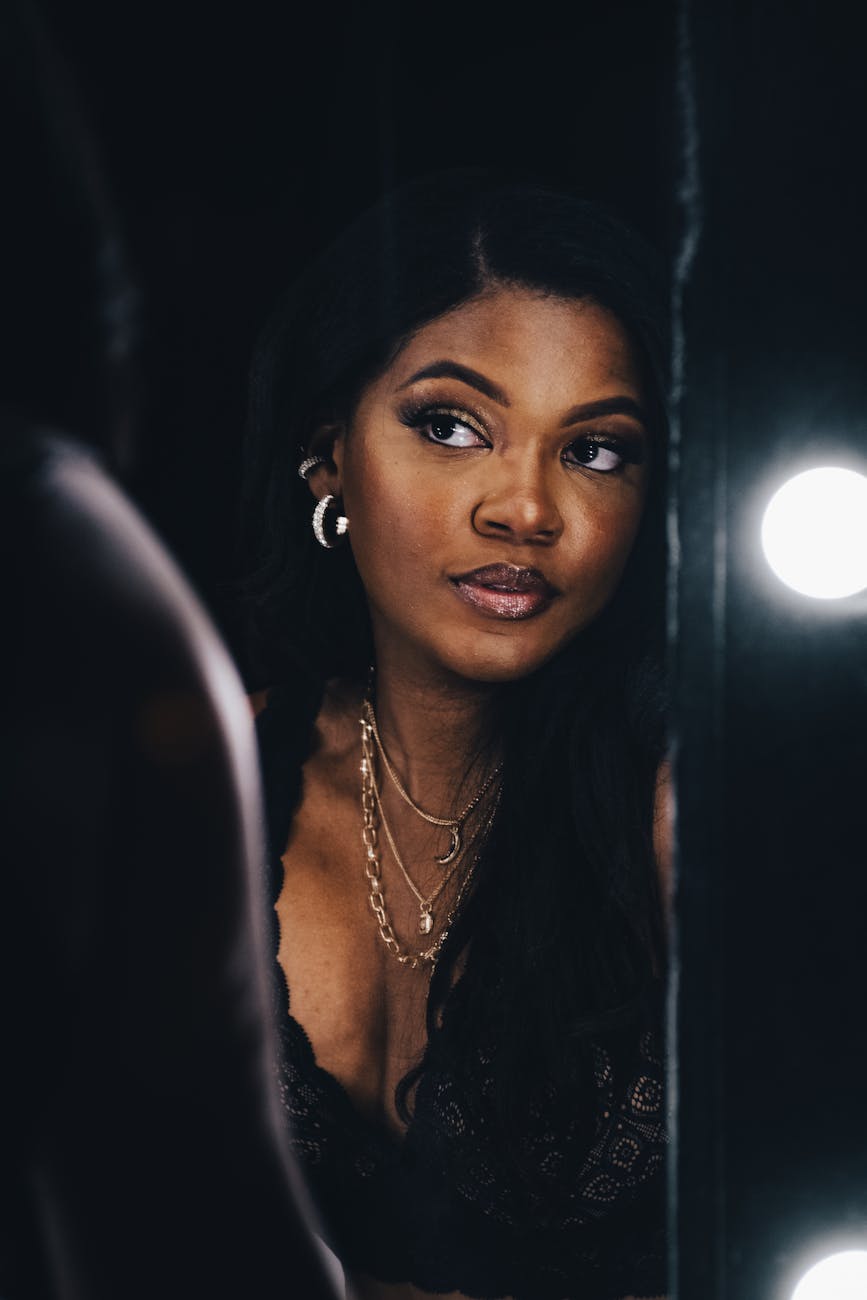
Photo by Nicole Berro on Pexels.com

Color bias, often called colorism, is the social preference for lighter skin tones within racial or ethnic groups. Unlike racism, which functions across different races, color bias operates within a community, shaping hierarchies of privilege, beauty, and worthiness according to complexion. Rooted in slavery, colonialism, and Eurocentric ideals, color bias has lasting effects on how people are valued and treated. It creates divisions among those who share the same ancestry, undermining unity and reinforcing oppression from within (Hunter, 2007).

Historically, color bias took root during the transatlantic slave trade and colonial rule. Lighter-skinned enslaved Africans, often born of European masters, were given positions as house servants, while darker-skinned individuals were confined to harsher field labor (Keith & Herring, 1991). This division fostered the perception that lighter skin represented refinement, intelligence, and proximity to whiteness, while darker skin was stigmatized as less desirable. These beliefs were passed through generations, embedding shade hierarchies into social and cultural structures long after the abolition of slavery.

In modern contexts, color bias continues to shape opportunity and representation. Lighter-skinned individuals are often favored in entertainment, media, and professional spaces. Globally, skin-lightening industries thrive, promising upward mobility and beauty to those who conform to lighter ideals (Glenn, 2008). Within families, children with lighter complexions may be praised as “beautiful” or “lucky,” while darker-skinned children face teasing or stigma, creating internalized wounds. Even in casual language, terms like “high yellow” or “redbone” highlight how complexion is tied to perceived social value.

Color bias also significantly impacts relationships, marriage, and family dynamics. Research shows that lighter-skinned women are often perceived as more desirable for marriage, while darker-skinned women face higher levels of rejection, bias, and stereotypes (Hunter, 1998). Men with darker skin may also be labeled as more threatening or less “respectable,” influencing dating choices and family expectations. These biases affect mate selection, with some families encouraging unions with lighter-skinned partners to “improve” the family lineage. Such practices reflect not only internalized racism but also the lingering scars of slavery and colonialism.

The Bible challenges such distortions of human worth. Song of Solomon 1:5 (KJV) declares: “I am black, but comely, O ye daughters of Jerusalem.” This verse affirms the beauty of dark skin, countering cultural stigmas. Furthermore, 1 Samuel 16:7 (KJV) reminds believers that God judges by the heart, not appearance. Favoritism in love, marriage, or family based on complexion stands against the divine standard of equality. Acts 17:26 (KJV) further emphasizes that God “hath made of one blood all nations of men,” revealing that complexion-based hierarchies are human inventions, not divine truths.

Psychologically, color bias is sustained through internalized racism and implicit bias. Internalized racism leads individuals to adopt the belief that lighter features are more attractive or valuable, even when such beliefs harm their own identity (Speight, 2007). Implicit bias operates unconsciously, shaping decisions about who is considered attractive, professional, or marriage-worthy. These biases infiltrate dating preferences, hiring choices, and even parental expectations, perpetuating cycles of inequality. Addressing these issues requires intentional reflection, awareness, and healing.

Ultimately, overcoming color bias demands both spiritual and psychological renewal. Spiritually, believers are called to “be not conformed to this world: but be ye transformed by the renewing of your mind” (Romans 12:2, KJV). Psychologically, education, representation, and open dialogue are necessary to dismantle implicit biases and heal generational wounds. Communities must affirm that every shade of melanin is a reflection of God’s creativity, equally worthy of love, respect, and dignity. By uniting faith and knowledge, families and societies can break the grip of color bias and build relationships rooted in genuine character rather than complexion.


References

  • Glenn, E. N. (2008). Yearning for lightness: Transnational circuits in the marketing and consumption of skin lighteners. Gender & Society, 22(3), 281–302.
  • Hunter, M. (1998). Colorstruck: Skin color stratification in the lives of African American women. Sociological Inquiry, 68(4), 517–535.
  • Hunter, M. (2007). The persistent problem of colorism: Skin tone, status, and inequality. Sociology Compass, 1(1), 237-254.
  • Keith, V. M., & Herring, C. (1991). Skin tone and stratification in the Black community. American Journal of Sociology, 97(3), 760–778.
  • Speight, S. L. (2007). Internalized racism: One more piece of the puzzle. The Counseling Psychologist, 35(1), 126–134.
  • The Holy Bible, King James Version.
The Burden of Beauty: Brown Skin in a Colorist World. #thebrowngirldilemma

Photo by EZEKIXL AKINNEWU on Pexels.com

Beauty has always been both a blessing and a burden, especially for brown-skinned women navigating societies structured by colorism and white supremacy. The burden of beauty for the brown girl lies not only in external perceptions of her skin but also in the internalized struggles she must confront in affirming her own worth. In a world where lighter skin is often equated with superiority, desirability, and privilege, brown skin becomes a site of both fascination and rejection—desired for its exotic appeal yet devalued in the hierarchy of social status.

Historically, this burden is rooted in colonialism and slavery, where skin tone was weaponized as a measure of proximity to whiteness. Lighter-skinned women were often afforded marginal privileges, while darker-skinned women were relegated to harsher labor and harsher stereotypes (Hunter, 2007). This historical legacy continues in modern media, where Eurocentric beauty standards dominate, casting brown women as either hypersexualized or invisible. Such distortions create psychological weight, forcing many brown women to wrestle with feelings of inadequacy, envy, or invisibility.

Yet, paradoxically, the brown girl’s beauty is undeniable. Her skin is rich in melanin, biologically designed to protect and preserve, defying aging in a way the world calls “Black don’t crack.” Her hair grows in crowns of coiled resilience, testifying to strength and uniqueness. Still, the blessing of this natural beauty becomes a burden when society simultaneously covets and condemns it. For example, fashion and beauty industries often imitate brown features—full lips, curves, tanned skin—while marginalizing the very women who embody them naturally (Tate, 2016).

From a theological perspective, this burden of beauty is not merely social but spiritual. Scripture reminds us that beauty is not defined by outward appearance but by the inward spirit: “Whose adorning let it not be that outward adorning of plaiting the hair, and of wearing of gold… But let it be the hidden man of the heart, in that which is not corruptible, even the ornament of a meek and quiet spirit” (1 Peter 3:3–4, KJV). The brown girl’s true beauty rests not in meeting a colonial standard but in embracing her God-given design. Her worth is eternal, sealed by divine purpose, and not diminished by earthly bias.

Psychologically, carrying this burden often leads to both trauma and transformation. Studies on colorism reveal that women of darker complexions face greater discrimination in employment, relationships, and media representation (Keith & Herring, 1991). Yet, those who reclaim their identities often experience heightened resilience and self-definition. The process of unlearning colorist ideologies is itself an act of resistance—a reprogramming of the mind to embrace authenticity over assimilation.

Culturally, movements such as #MelaninMagic, #BlackGirlMagic, and natural hair revolutions signify collective rejection of imposed beauty hierarchies. They are testimonies that brown girls are no longer passive recipients of definition but active authors of their beauty narrative. Representation of dark-skinned actresses like Viola Davis, Danai Gurira, and Lupita Nyong’o has further chipped away at barriers, providing mirrors for young girls who previously saw none.

The burden of beauty, therefore, becomes an opportunity for liberation. Brown skin is not a curse but a crown; its richness tells the story of survival, endurance, and divine creativity. The true challenge lies not in the brown girl’s skin but in the world’s distorted lens. To confront colorism is to confront an entire system that profits from insecurity. When brown girls embrace their reflection, they transform the burden of beauty into a banner of pride, healing not only themselves but generations to come.

The brown girl dilemma, in this context, is not about being beautiful—it is about surviving the weight of being beautiful in a world that struggles to accept her as she is. Her power rests in remembering that her worth predates colonial hierarchies and transcends human judgment. Her beauty is eternal, rooted in divine creation, and no longer a burden when she learns to see it through God’s eyes.


References

  • Hunter, M. (2007). The Persistent Problem of Colorism: Skin Tone, Status, and Inequality. Sociology Compass, 1(1), 237–254.
  • Keith, V. M., & Herring, C. (1991). Skin tone and stratification in the Black community. American Journal of Sociology, 97(3), 760–778.
  • Tate, S. (2016). Skin Bleaching in Black and Brown Communities: Connected to Colorism and Colonialism. Palgrave Macmillan.
  • The Holy Bible, King James Version.
Beyond the Mirror: Unpacking the Brown Girl Dilemma. #thebrowngirldilemma

Photo by Jaycee300s on Pexels.com

The concept of the brown girl dilemma describes the tension of existing in a world that both sees and refuses to see brown-skinned women. It is a paradox of hyper-visibility and invisibility, of being exalted as exotic while simultaneously devalued as undesirable. More than an issue of surface-level aesthetics, it reflects centuries of social engineering, colonial domination, and racialized standards of femininity. To fully understand the brown girl dilemma, one must look beyond the mirror—into history, psychology, spirituality, and cultural representation.

The Mirror as Metaphor

The mirror is not simply an object; it is a metaphor for reflection and self-perception. For the brown-skinned woman, the mirror has too often reflected back distorted images shaped by Eurocentric ideals. What should be a place of affirmation becomes a site of scrutiny and comparison. The dilemma, therefore, is not only about personal insecurities but also about collective histories embedded in glass, culture, and memory.

Colonialism and the Invention of Beauty Hierarchies

The roots of this dilemma stretch deep into colonial encounters where European conquerors created hierarchies of race and beauty. Dark skin became associated with servitude and inferiority, while lighter skin was elevated as closer to civility and divinity (Painter, 2010). This system of thought shaped slavery, caste systems, and beauty industries that persist to this day. The dilemma is thus not self-imposed but historically manufactured.

Slavery and the Double Burden

During slavery in the Americas, brown-skinned women were subjected to a dual exploitation. They were both laborers and objects of sexual control. Enslavers often favored lighter-skinned women, who were frequently products of assault, while darker women endured harsher treatment. This practice seeded colorism within communities of African descent, creating internal hierarchies that still echo (Hunter, 2007). The brown girl dilemma carries this inherited wound.

Colorism as Internalized Oppression

Colorism, the preference for lighter skin over darker tones within the same racial group, continues to mark brown-skinned women. Studies show that lighter skin is often associated with higher earnings, marriageability, and social acceptance, while darker skin is linked with stigma and limited opportunities (Monk, 2014). The brown girl dilemma is therefore not just about external prejudice but also internalized self-division.

Media Representation and Stereotypes

The dilemma intensifies when examining media portrayals. Brown women are either absent, stereotyped, or exoticized. The archetype of the “strong Black woman” often denies vulnerability, while the “sassy brown girl” reduces individuality to caricature. Rarely are brown women portrayed with nuance. When actresses like Viola Davis or Lupita Nyong’o challenge these portrayals, they expand cultural imagination, showing that brown skin is not a limitation but a canvas of depth and brilliance.

The Global Reach of the Dilemma

This dilemma is not unique to African American women. Across the globe, from South Asia to the Caribbean, brown-skinned women confront similar struggles. In India, skin-lightening products remain billion-dollar industries. In the Dominican Republic, Haiti, and Brazil, color hierarchies dictate class and desirability. The brown girl dilemma is therefore a global issue, shaped by centuries of colonialism and reinforced by globalization.

The Psychology of the Mirror

Psychologists argue that beauty standards play a significant role in self-esteem and identity development. For brown girls, the mirror often reflects a struggle between internal truth and external messaging. Research shows that women of color may internalize negative stereotypes, leading to anxiety, depression, or eating disorders (Thompson, 1996). The dilemma, then, is a psychological battle, not merely cultural commentary.

Hyper-Visibility and Invisibility

One of the most painful aspects of the brown girl dilemma is the paradox of being hyper-visible yet unseen. Brown women are often hyper-sexualized in media and fetishized in relationships, yet their humanity, intellect, and individuality are overlooked. This paradox strips them of subjectivity, leaving them caught in the tension between being desired and being dismissed.

The Role of Hair in the Dilemma

Hair becomes another battlefield. Eurocentric ideals often prize straight, silky textures, leading many brown women to alter their natural hair through chemicals or heat. The natural hair movement has sought to reclaim pride in coils, curls, and kinks, asserting that beauty does not need to conform. Yet, the workplace, schools, and even legislation have historically policed Black hair. Thus, the brown girl dilemma extends from skin to scalp, from identity to acceptance.

Spiritual Dimensions of Beauty

Faith offers a powerful alternative to destructive beauty hierarchies. The Bible teaches that true beauty comes from within: “Whose adorning let it not be that outward adorning… but let it be the hidden man of the heart” (1 Peter 3:3–4, KJV). Song of Solomon 1:5 unapologetically declares, “I am black, but comely.” These scriptures affirm the dignity and worth of brown women in ways that challenge societal distortions.

Ancestral Legacy as Healing

Reconnecting with ancestral heritage is another path of healing. For centuries, African societies celebrated melanin-rich skin as divine and powerful. Brown skin was linked to fertility, wisdom, and strength. To reclaim these narratives is to resist colonial lies and honor the legacy of queens, warriors, and mothers who embodied pride long before oppression sought to define them otherwise.

Resilience and Resistance

The brown girl dilemma is not solely a story of struggle; it is also a narrative of resilience. Brown women have continually resisted erasure through art, activism, and scholarship. Writers such as bell hooks and Audre Lorde dissected the intersections of race, gender, and beauty, creating intellectual blueprints for liberation. Their voices demonstrate that naming the dilemma is the first step in dismantling it.

Representation as Revolution

Representation is not trivial; it is revolutionary. When young girls see women who look like them on magazine covers, in films, and in leadership positions, it challenges the internalized hierarchy of shade. Media visibility does not solve all issues, but it creates new frameworks for self-acceptance. Issa Rae’s rise, for example, has offered a celebration of awkward, intelligent, brown-skinned womanhood—shattering monolithic depictions.

Intergenerational Transmission of the Dilemma

The dilemma is also generational. Mothers pass down both pride and pain, shaping how daughters see themselves. Healing requires interrupting cycles of self-deprecation with affirmations of beauty and worth. Teaching brown girls to love their reflection is not vanity—it is survival.

Social Movements and Collective Healing

Movements like #MelaninMagic and #BlackGirlMagic are more than hashtags; they are affirmations of collective worth. They operate as cultural interventions, affirming that brownness is not a liability but a superpower. Social media has become a mirror of its own, where brown women can reclaim narratives, curate beauty on their terms, and create digital sisterhoods.

The Brown Girl Dilemma in Academia and Workplaces

Even in professional spaces, brown women face dilemmas of perception. They are often considered “too aggressive” or “too loud” when advocating for themselves, while lighter-skinned peers may not face the same stereotypes. Professionalism itself has been coded in ways that police Black and brown expression. Thus, the dilemma extends from beauty to competence, from mirror to office.

Beyond Victimhood: Reframing the Narrative

To unpack the brown girl dilemma is to resist framing brown women solely as victims. While acknowledging pain, it is equally essential to celebrate victories. Brown women are innovators, thinkers, artists, and leaders whose contributions to history and culture remain unparalleled. To dwell only on oppression is to diminish the fullness of their humanity.

Toward Liberation and Empowerment

Liberation requires both individual and communal action. Individually, it involves self-love, faith, and reclamation of heritage. Communally, it requires dismantling colorism, expanding representation, and creating structures that honor equity. The brown girl dilemma may have been created by oppression, but it can be undone by empowerment.

Conclusion: Beyond the Mirror

Ultimately, the mirror can no longer be the measure of brown beauty. To look beyond the mirror is to embrace a truth deeper than reflection: that brown skin is sacred, strong, and sufficient. The dilemma may persist, but it need not define. By reclaiming their narrative, brown girls transform the mirror from a place of doubt into a place of affirmation, reflecting the light of resilience, faith, and unyielding beauty.


References

  • Hunter, M. (2007). The persistent problem of colorism: Skin tone, status, and inequality. Sociology Compass, 1(1), 237–254.
  • Monk, E. P. (2014). Skin tone stratification among Black Americans, 2001–2003. Social Forces, 92(4), 1313–1337.
  • Painter, N. I. (2010). The history of White people. W.W. Norton & Company.
  • Thompson, C. (1996). Black women, beauty, and hair as a matter of being. Women’s Studies, 25(6), 667–678.
  • The Holy Bible, King James Version.
Black Women and Representation in Literature. #BlackWomenAuthors

Photo by Thought Catalog on Pexels.com

Representation matters. The stories we tell and the voices we amplify shape culture, identity, and self-worth. For centuries, literature often marginalized or misrepresented Black women, reducing them to stereotypes or erasing their experiences entirely. Yet, Black women writers and literary characters have fought to reclaim narrative space, offering authentic portrayals that celebrate resilience, intellect, and cultural identity. Their contributions illuminate the power of literature and the profound importance of representation.

During slavery and the post-emancipation era, Black women were frequently depicted through harmful stereotypes, such as the “mammy,” the “jezebel,” or the “tragic mulatto,” which reinforced social hierarchies and dehumanized Black women. Despite systemic erasure, their stories persisted through oral histories, spirituals, and later written works, preserving cultural memory and lived experience. Early literary trailblazers such as Phillis Wheatley, the first published African American poet, and Harriet E. Wilson, the first African American woman to publish a novel, broke barriers in the 18th and 19th centuries. Their works challenged prevailing racial and gender norms, providing insight into the intellect, faith, and resilience of Black women under oppression.

The Harlem Renaissance further elevated Black women’s voices in literature. Zora Neale Hurston, through works like Their Eyes Were Watching God and Mules and Men, celebrated the journey of self-discovery and the richness of Black Southern culture. Nella Larsen, author of Passing and Quicksand, explored the complexities of racial identity, colorism, and societal expectations. These writers foregrounded Black women’s experiences, challenging the silence and stereotypes imposed by mainstream literature.

Contemporary Black women writers continue this tradition with extraordinary impact. Toni Morrison, through novels like The Bluest Eye, Beloved, and Song of Solomon, explored the legacy of slavery, trauma, and cultural memory, portraying Black womanhood with depth and nuance. Alice Walker, in The Color Purple, celebrates female solidarity, spirituality, and self-realization amidst oppression. Audre Lorde and bell hooks interrogated the intersections of race, gender, and class, with works such as Sister Outsider and Ain’t I a Woman? providing insight into feminism, activism, and liberation.

Authors like Chimamanda Ngozi Adichie, with Purple Hibiscus, Americanah, and Half of a Yellow Sun, explore immigration, identity, and cultural displacement, while Roxane Gay, in Bad Feminist and Hunger, addresses trauma, body image, and social critique. Jesmyn Ward’s Salvage the Bones and Sing, Unburied, Sing depict resilience and family in the American South, and Nikki Giovanni’s poetry emphasizes love, community, and empowerment. Science fiction and Afrofuturism have also been reshaped by Black women writers like Octavia E. Butler (Kindred, Parable of the Sower) and Nnedi Okorafor (Binti, Who Fears Death), who explore race, gender, and identity within imaginative worlds. Claudia Rankine’s Citizen: An American Lyric examines contemporary racism and microaggressions, bridging literature and social consciousness. Misty Copeland, while primarily a ballet trailblazer, also contributes to cultural narratives around representation and excellence in artistic literature.

🌟 Trailblazers in Literature: Black Women Who Shaped the Narrative

Phillis Wheatley (1753–1784)Poems on Various Subjects, Religious and Moral
Themes: Faith, intellect, early African American identity, resilience.

Harriet E. Wilson (1825–1900)Our Nig
Themes: Slavery, race, gender, survival in Northern society.

Zora Neale Hurston (1891–1960)Their Eyes Were Watching God, Mules and Men
Themes: Self-discovery, folklore, Southern Black culture, female empowerment.

Nella Larsen (1891–1964)Passing, Quicksand
Themes: Racial identity, colorism, gender, societal expectations.

Toni Morrison (1931–2019)The Bluest Eye, Beloved, Song of Solomon
Themes: Slavery, trauma, Black womanhood, cultural memory.

Alice Walker (b. 1944)The Color Purple
Themes: Oppression, female solidarity, self-realization, spirituality.

Audre Lorde (1934–1992)Sister Outsider, Zami: A New Spelling of My Name
Themes: Intersectionality, feminism, sexuality, activism.

bell hooks (1952–2021)Ain’t I a Woman?, Feminist Theory: From Margin to Center
Themes: Gender, race, love, liberation, cultural critique.

Chimamanda Ngozi Adichie (b. 1977)Purple Hibiscus, Americanah, Half of a Yellow Sun
Themes: Immigration, identity, feminism, cultural displacement.

Roxane Gay (b. 1974)Bad Feminist, Hunger
Themes: Body image, trauma, race, feminism, social critique.

Jesmyn Ward (b. 1977)Salvage the Bones, Sing, Unburied, Sing
Themes: Family, poverty, grief, Southern Black life, resilience.

Nikki Giovanni (b. 1943)Black Feeling, Black Talk, Black Judgment, Love Poems
Themes: Civil rights, love, community, empowerment.

Octavia E. Butler (1947–2006)Kindred, Parable of the Sower
Themes: Science fiction, social justice, race, human morality.

Claudia Rankine (b. 1963)Citizen: An American Lyric
Themes: Racism, microaggressions, identity, social consciousness.

Nnedi Okorafor (b. 1974)Binti, Who Fears Death
Themes: Afrofuturism, African culture, female empowerment, identity.

Literary representation has profound effects on identity and self-perception. Seeing multidimensional Black women as authors and characters empowers readers to value their intellect, creativity, and beauty. Psychological research demonstrates that positive representation strengthens self-efficacy, reduces internalized bias, and fosters a sense of belonging. Literature also provides a platform for exploring the intersection of faith, resilience, and cultural pride. Biblical principles affirm dignity and divine purpose, as Psalm 139:14 reminds us: “I am fearfully and wonderfully made” (KJV), emphasizing that worth is inherent and divinely assigned rather than dictated by societal bias.

Despite the remarkable achievements of Black women writers, challenges persist. Underrepresentation in mainstream publishing, limited critical recognition, and pressures to conform to marketable stereotypes continue to restrict opportunities. Advocacy for inclusive publishing, mentorship, and the celebration of authentic Black women’s voices remains crucial. Organizations such as the National Black Writers Conference and collectives like We Need Diverse Books provide mentorship, visibility, and resources, fostering a community that values authenticity and excellence.

Black women’s representation in literature is essential for cultural understanding, personal empowerment, and social justice. From Phillis Wheatley to Roxane Gay, Zora Neale Hurston to Chimamanda Ngozi Adichie, Black women writers have resisted erasure, reclaimed narratives, and inspired generations through their artistry and insight. Their stories affirm identity, challenge oppression, and celebrate the intellectual, spiritual, and cultural richness of Black womanhood.


References

  • West, C. (1995). Mammy, Jezebel, Sapphire, and Other Stereotypes: Black Women in Literature. Journal of African American Studies, 1(1), 45–60.
  • Tajfel, H., & Turner, J. C. (1986). The social identity theory of intergroup behavior. In S. Worchel & W. G. Austin (Eds.), Psychology of intergroup relations (pp. 7–24). Nelson-Hall.
  • Morrison, T. (1970). The Bluest Eye. Holt, Rinehart & Winston.
  • Hurston, Z. N. (1937). Their Eyes Were Watching God. J. B. Lippincott.
  • Walker, A. (1982). The Color Purple. Harcourt.
  • Adichie, C. N. (2013). Americanah. Knopf.

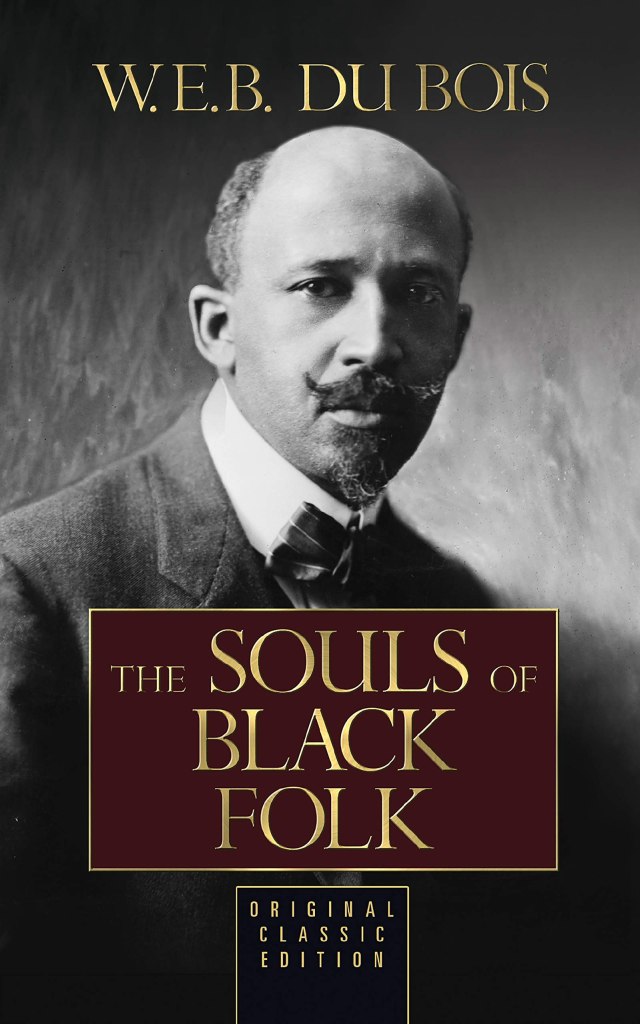
BOOK REVIEW: The Souls of Black Folk by W.E.B. Du Bois

W. E. B. Du Bois (1868–1963) was a pioneering African American scholar, sociologist, historian, author, and civil rights activist whose work transformed the intellectual and political landscape of the 20th century. Born in Great Barrington, Massachusetts, Du Bois was one of the first Black Americans to grow up in a predominantly white community with access to integrated schools. He went on to become the first Black person to earn a Ph.D. from Harvard University, later studying at the University of Berlin. A tireless advocate for racial equality, Du Bois challenged systemic racism through groundbreaking scholarship and bold public advocacy. His landmark 1903 work, The Souls of Black Folk, introduced the concept of double consciousness and called for the political, educational, and social uplift of African Americans. Du Bois co-founded the NAACP and used the power of the pen and protest to fight lynching, segregation, and disenfranchisement. His light skin, though sometimes noted by others, never distracted from his unwavering commitment to Black liberation; he used his voice, platform, and brilliance not for personal elevation but to awaken the conscience of a nation and demand justice for his people. Throughout his life, Du Bois remained a fierce critic of racism and an uncompromising advocate for the dignity, intellect, and future of Black humanity worldwide.

Version 1.0.0

📚 Book Review — The Souls of Black Folk by W. E. B. Du Bois

Rating: ⭐⭐⭐⭐⭐
Published: 1903

Premise & Overview

A foundational collection of essays introducing his theory of double consciousness—the enduring inner conflict experienced by Black Americans: “two souls, two thoughts… two warring ideals in one dark body” Owlcation+15Encyclopedia Britannica+15Biography+15. Du Bois rejects the philosophy of accommodation promoted by Booker T. Washington and calls for full civil rights, higher education, and leadership from the Black “Talented Tenth” Wikipedia+14Encyclopedia Britannica+14PBS+14.

Key Themes and Impact

  • Double Consciousness: The psychological toll of seeing oneself through white society’s contempt, leading to internal division Encyclopedia Britannica.
  • Critique of Washington’s Strategy: Du Bois charged that Washington “practicably accepts the alleged inferiority of the Negro races,” arguing that his approach would perpetuate submission The New Yorker+15Encyclopedia Britannica+15Wikipedia+15.
  • Higher Education & Political Rights: He championed classical education and equal voting rights to produce leaders who could uplift the race Biography+2Reddit+2Reddit+2.
  • Pan-African Vision: Du Bois writes about a global color line and anticipated colonial revolutions and Pan-African unity Wikipedia.

How It Changed Black Lives

  • Served as the intellectual bedrock of the NAACP and the civil rights movement, providing theoretical clarity and radical urgency Encyclopedia BritannicaPBS.
  • Spurred the rise of the Black middle class via legitimizing higher education and civic activism Wikipedia.
  • Became a founding text of Black protest literature, galvanizing generations of activists and scholar-intellectuals Reddit+2Reddit+2Reddit+2.

Celebration & Reception

Awards and Honors

  • The book itself did not win contemporary awards, but it has been honored as a cornerstone of Black literature and thought.
  • The two-volume biography of Du Bois by David Levering Lewis won Pulitzer Prizes in 1993 and 2000 AP News+1TIME+1.


🔑 What Did Du Bois Advocate?

  • Political agitation and protest—not silence or submission.
  • Development of the Talented Tenth—educated Black leaders to guide the masses and achieve justice WikipediaWikipedia+2PBS+2Reddit+2.
  • A refusal to “put further dependence on the help of the whites” and a call for self-reliant organization and nationalist thinking Wikipedia.

🌍 Historical Legacy

  • Du Bois changed American history by legitimizing Black intellectual power, clarifying racial injustice as a national crisis, and fueling the NAACP’s civil rights agenda.
  • His concept of double consciousness is foundational to race and identity studies today.
  • His insistence on education, political rights, and fuller participation transformed prospects for generations of Black Americans.

Conclusion

The Souls of Black Folk is a masterwork—part sociological insight, part moral manifesto, part spiritual meditation. It demanded dignity, equality, and intellectual excellence. W. E. B. Du Bois stood as the voice of Black reason and rebellion. His legacy continues to inspire those who believe in the power of truth, education, and uncompromising justice.

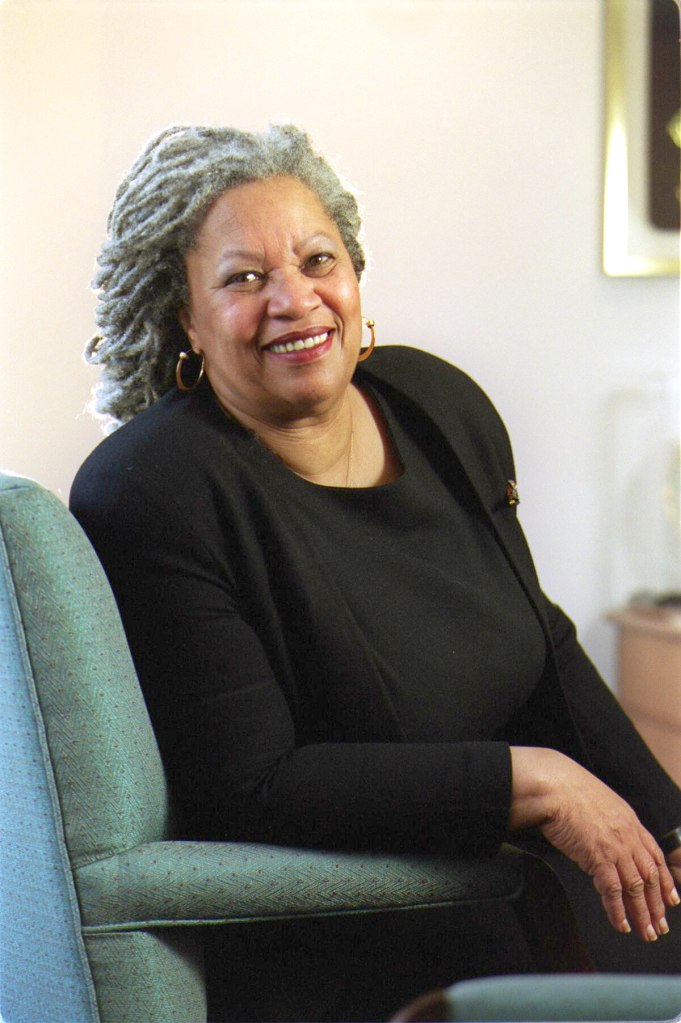
AUTHOR SPOTLIGHT: Toni Morrison

The Conjurer of Black Memory, Love, and Liberation

Photo credit: PATRICK KOVARIK/AFP/GettyImages)

Toni Morrison, born Chloe Ardelia Wofford on February 18, 1931, in Lorain, Ohio, was one of the most brilliant literary voices of the 20th century. A Nobel Laureate, Pulitzer Prize winner, editor, teacher, and cultural icon, Morrison reshaped American literature by centering the Black experience, especially the inner lives of Black women. Through lyrical prose, spiritual depth, and historical honesty, she offered the world powerful stories that honored the complexities of race, identity, trauma, and love. Her legacy continues to influence generations of readers, writers, and thinkers who see themselves reflected in the truth of her words.


Early Life and Inspiration

Morrison was raised in a working-class African American family during the Great Depression. Her parents, George and Ramah Wofford, emphasized education, oral tradition, and Black pride. From a young age, she was immersed in African American folklore, spirituals, and storytelling. Though she grew up in an integrated town, Morrison understood the weight of racism, particularly through her father’s deep mistrust of white people, which stemmed from his own experiences in the segregated South.

She attended Howard University, where she changed her name to Toni, a shortened version of her baptismal name, Anthony. She later earned a master’s degree in English from Cornell University. After marrying Harold Morrison, a Jamaican architect, she had two sons—Harold and Slade—but the marriage ended in divorce. She raised her children as a single mother while working as a senior editor at Random House, becoming the first Black woman to hold that position. It was during this time that she began writing fiction, often waking up before dawn to write while her children slept.


Becoming a Writer and Literary Vision

Toni Morrison’s decision to write stemmed from a deep desire to see Black life reflected with honesty, beauty, and dignity. She once said, “If there’s a book you really want to read, but it hasn’t been written yet, then you must write it.” Her debut novel, The Bluest Eye (1970), told the tragic story of a young Black girl who longs for blue eyes and acceptance in a world that devalues her Blackness. This set the tone for Morrison’s career—exploring themes of internalized racism, generational trauma, and spiritual survival.

Morrison’s writing style was uniquely poetic, non-linear, and rich in symbolism. She often wove together the mystical and the mundane, the historical and the personal, allowing her stories to transcend time while remaining grounded in the Black American experience. Her characters were deeply human—flawed, sacred, wounded, and strong—and she never apologized for writing to a Black audience. Morrison rejected the white gaze, choosing instead to write “without explaining to white people,” thereby creating authentic narratives that affirmed Black identity and voice.


Beloved and Tar Baby: Inspirations and Impact

Two of her most profound works, Tar Baby (1981) and Beloved (1987), exemplify Morrison’s commitment to excavating Black history and identity. Tar Baby explores the tensions between wealth and cultural memory, beauty standards, assimilation, and the spiritual consequences of disconnection from one’s roots. The novel, inspired by African American folklore, offers a complex meditation on what it means to be free—and what it costs to belong.

Beloved, widely regarded as her masterpiece, was inspired by the true story of Margaret Garner, an enslaved woman who killed her child rather than allow her to be captured and returned to slavery. Morrison transforms this historical account into a haunting ghost story that examines the psychological legacy of slavery. The novel, for which she won the Pulitzer Prize in 1988, presents memory not just as a personal experience, but as a communal reckoning. In 2006, The New York Times Book Review named Beloved the best American novel of the previous 25 years.


Challenges as a Black Woman and Author

Despite her immense talent, Morrison faced numerous challenges. As a Black woman in the predominantly white publishing world, she endured marginalization, tokenism, and skepticism. Her work was sometimes dismissed as “too Black” or “too political,” and her insistence on centering Black stories without catering to white sensibilities was considered radical. Nevertheless, she stood firm. Morrison refused to let racism and sexism shape her craft, stating, “The very serious function of racism is distraction. It keeps you from doing your work.” Her light skin may have shielded her from some overt forms of discrimination, but it did not spare her the structural barriers and cultural resistance faced by Black women in the literary world.


Awards, Recognition, and Cultural Influence

Morrison’s literary genius was eventually acknowledged with the highest honors. In 1993, she became the first African American woman to receive the Nobel Prize in Literature. She also received the Pulitzer Prize, the Presidential Medal of Freedom (2012), more than 30 honorary degrees, and a place in the canon of great American writers. Her work appeared in curricula across the world, and she was celebrated in pop culture through appearances on Oprah’s Book Club, interviews, documentaries, and film adaptations. In 2023, she was honored with a U.S. postage stamp—an enduring symbol of national recognition.

Beyond literature, Morrison became a cultural voice for justice and liberation. She used her platform to speak against racism, economic injustice, and the erasure of Black stories. She was revered for her intellect, her elegance, and her unwavering commitment to truth.


Private Life and Motherhood

Toni Morrison remained fiercely private about her personal life, though her love for her sons was evident in her interviews and dedications. Her son Slade Morrison, who predeceased her in 2010, co-wrote several children’s books with her. Her home life, though quiet, informed much of her writing. She infused her narratives with the rhythms of family life, the strength of single mothers, and the wisdom of matriarchs. Her experiences as a working mother, editor, and teacher were not separate from her art—they were its foundation.


Advice to Black Women and Lasting Legacy

Morrison’s advice to Black women was simple, bold, and liberating: “You are your best thing.” She believed in the power of Black women to define themselves, to love themselves fiercely, and to resist erasure. She encouraged them to create, to remember, and to live without apology.

Her legacy continues to thrive. Writers like Ta-Nehisi Coates, Jesmyn Ward, and Chimamanda Ngozi Adichie cite her as a major influence. Her novels are still taught in classrooms, her interviews quoted in protest signs, and her words invoked in moments of cultural reckoning. Morrison wrote not just with intellect, but with anointing.


Conclusion

Toni Morrison was not simply a writer—she was a witness, a warrior, and a woman of vision. Through her novels, she preserved the spiritual and historical truths of Black America. She showed the world that Black lives are rich with depth, pain, joy, and beauty. Her ability to transform suffering into art and memory into liberation makes her one of the most important literary voices in history. In honoring her, we honor a tradition of truth-telling and the endless power of the written word.


References

Morrison, T. (1970). The Bluest Eye. Holt, Rinehart and Winston.
Morrison, T. (1981). Tar Baby. Alfred A. Knopf.
Morrison, T. (1987). Beloved. Alfred A. Knopf.
The Nobel Foundation. (1993). Nobel Lecture: Toni Morrison.
Obama, B. (2012). Presidential Medal of Freedom Recipients. White House Archives.
New York Times Book Review. (2006). The Best Work of American Fiction of the Last 25 Years.
Winfrey, O. (1998). Oprah’s Book Club: Beloved. Harpo Productions.

Celebrity Spotlight: Nadia Buari

This photograph is the property of its respective owners. No copyright infringement intended

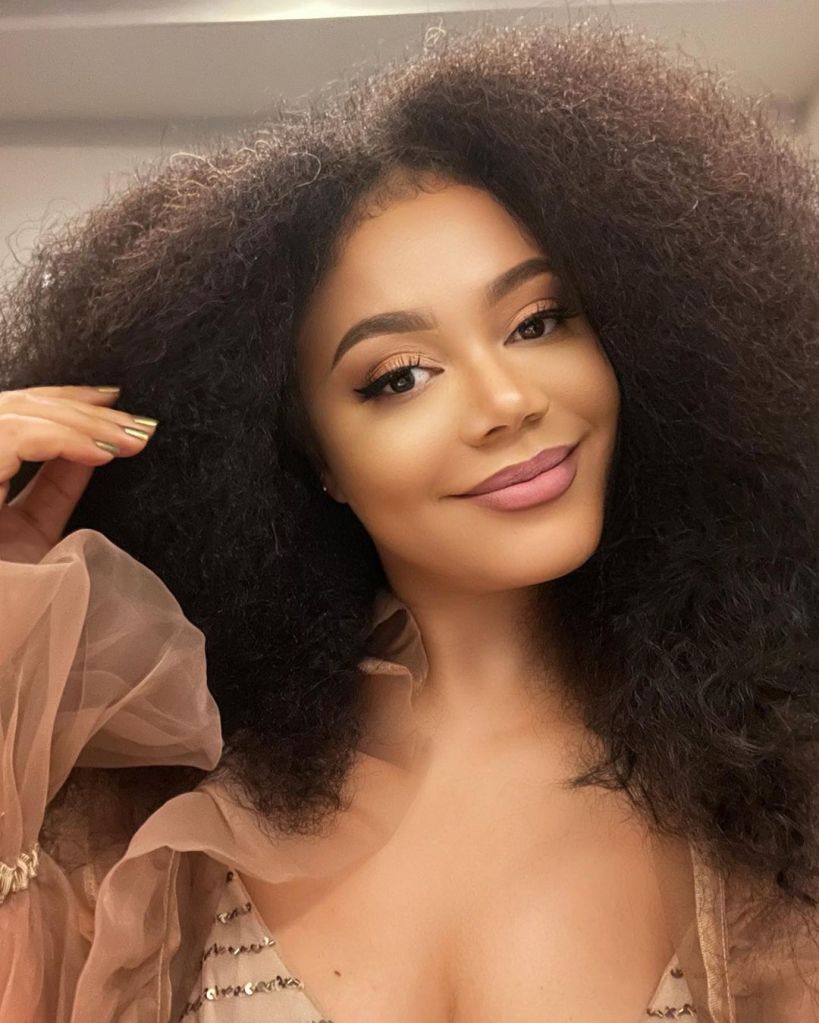
In the radiant world of African cinema, few figures embody ethereal beauty and grace like Nadia Buari, the Ghanaian actress often celebrated for her doll-like features, glowing light complexion, and soft, expressive eyes that speak volumes on screen. Her radiant skin tone exudes both elegance and mystery, earning her admiration as one of the most stunning women in African entertainment. With her exquisite beauty, poised demeanor, and remarkable acting talent, Nadia Buari represents a rare blend of femininity, intellect, and star power.

Born on November 21, 1982, in Sekondi-Takoradi, Ghana, Nadia Buari comes from a richly diverse heritage. Her mother is a Ghanaian woman of African descent, while her father, Alhaji Sidiku Buari, is a Ghanaian of Lebanese descent, a renowned musician, producer, and former president of the Musicians Union of Ghana. This mixed heritage contributes to her uniquely captivating look—her almond-shaped eyes, smooth complexion, and deep expressive eyes have made her one of the most photographed faces in West African cinema. Raised in a creative and disciplined household, Nadia’s multicultural background shaped her artistic identity and global appeal.

She attended Mfantsiman Girls’ Secondary School and later graduated from the University of Ghana, Legon, with a Bachelor of Fine Arts degree. Her academic training, coupled with her father’s musical influence, gave her a solid artistic foundation and an appreciation for performance from a young age.

This photograph is the property of its respective owners. No copyright infringement intended

Nadia’s acting career began in the early 2000s when she appeared in the Ghanaian television series Games People Play (2005). Her natural charm and emotional expressiveness immediately drew attention. Her breakout role came with Mummy’s Daughter (2006), but it was her appearance in the Nollywood hit Beyoncé: The President’s Daughter (2006), co-starring Van Vicker and Jackie Appiah, that catapulted her into pan-African fame. The film’s success made her a household name across Ghana and Nigeria, with fans praising her ability to embody both vulnerability and strength with authenticity.

Known for her soft-spoken grace and timeless style, Nadia Buari quickly became one of the most sought-after actresses in Nollywood and Ghallywood. She went on to star in several acclaimed films such as The Return of Beyoncé, Beauty and the Beast, Rough Rider, Secret Lie, and Single and Married. Her screen presence—a fusion of quiet sensuality and emotional depth—set her apart in a competitive industry often dominated by louder personalities.

Her beauty and charisma also made her an ideal ambassador for top brands. Buari has represented numerous African and international companies, endorsing beauty and lifestyle products that align with her image of sophistication. Beyond acting, she is also an entrepreneur, having launched her own clothing line and perfume brand—further proof of her creativity and influence.

In her personal life, Nadia Buari is known for her elegance, privacy, and devotion to family. She is the proud mother of four daughters, often expressing in interviews that motherhood has brought her profound joy and balance. Despite the demands of fame, she remains grounded, valuing her children and family life above all.

This photograph is the property of its respective owners. No copyright infringement intended

Throughout her career, Buari has earned several awards and nominations, including recognition from the Africa Movie Academy Awards (AMAA), Ghana Movie Awards, and Africa Magic Viewers’ Choice Awards (AMVCA). In 2013, she received a Special Recognition Award at the Pan African Film Festival for her contribution to the growth of African cinema.

Today, Nadia Buari is recognized as one of the highest-paid actresses in Nollywood and Ghana, a testament to her enduring appeal and professional excellence. Her success has helped bridge Ghanaian and Nigerian cinema, inspiring a new generation of West African actresses.

Ultimately, Nadia Buari’s legacy lies not just in her films but in the image of refined Black beauty and cultural pride she represents. With her mixed heritage, rich melanin glow, and gentle confidence, she continues to enchant audiences around the world—proving that true beauty is both divine and diverse.


References

  • Africa Magic. (2022). Nadia Buari Biography and Career Highlights. MultiChoice Africa.
  • Ghana Web. (2021). Nadia Buari: From Mummy’s Daughter to Nollywood Royalty.
  • Pulse Ghana. (2023). Top 10 Highest-Paid Actresses in Ghana and Nollywood.
  • The Guardian Nigeria. (2022). Nadia Buari: A Decade of Excellence in African Cinema.
  • IMDb. (2024). Nadia Buari Filmography and Awards.
  • Modern Ghana. (2023). Nadia Buari: Lebanese-Ghanaian Beauty Who Redefined Nollywood Stardom.

Masculine Perfection Series: Billy Dee Williams

The Most Handsome, Suave, Cool, and Charismatic Black Actor to ever grace the Silver Screen.

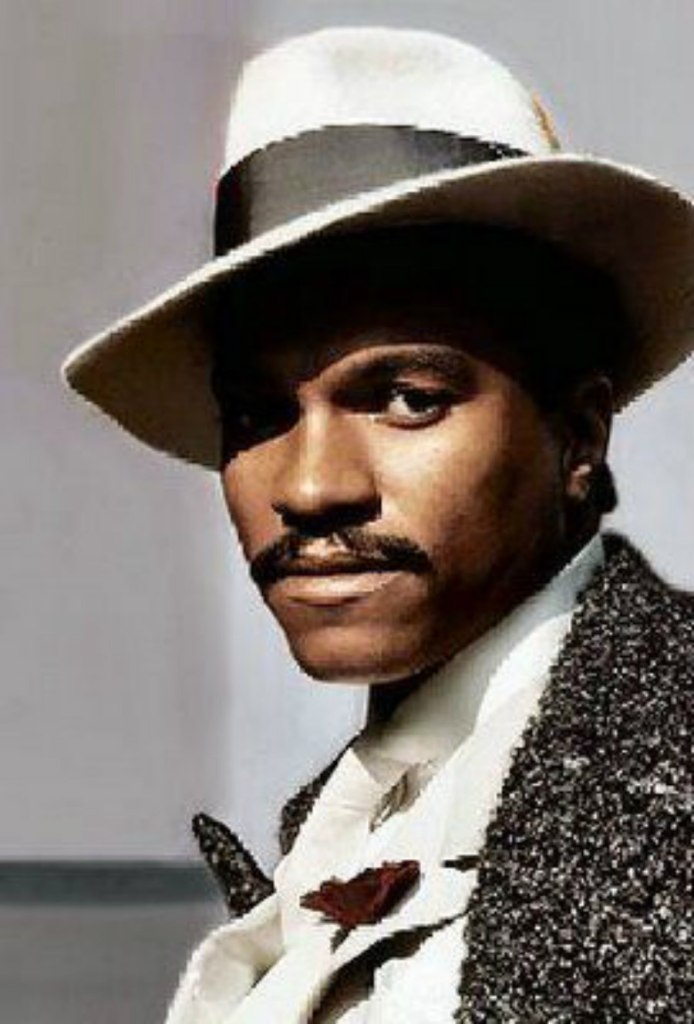
This photograph is the property of its respective owner.

“Suave was redefined the moment he walked into a room. That voice, that smile, that presence—Billy Dee wasn’t just a heartthrob, he was a whole genre of cool.”


Introduction: The Gentleman of Desire

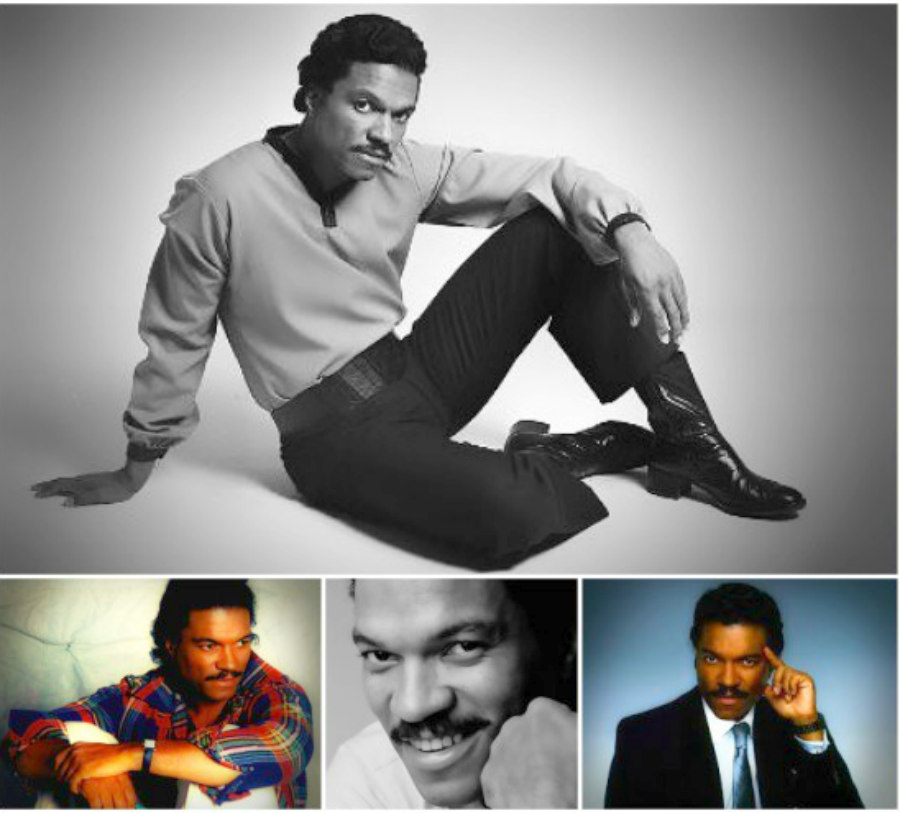
Before the era of social media heartthrobs, abs-driven selfies, and designer drip, there was Billy Dee Williams—an actor whose very presence on screen sent pulses racing and redefined Black masculinity for generations. With his caramel-hued velvety skin, deep-set almond eyes, and that now-legendary “come hither” smile, Billy Dee was more than handsome—he was hypnotic. His voice? A smooth, seductive baritone dipped in brown liquor and jazz smoke, as unforgettable as his on-screen swagger.

With his caramel-toned skin, bedroom eyes, and a voice as smooth as jazz, Billy Dee Williams was more than just a handsome face—he was an icon of sophistication. Possessing a magnetic screen presence, his roles blended elegance and edge, charm and command. Whether donning a finely tailored suit or delivering lines with velvety poise, Williams captivated audiences with a rare combination of classic Hollywood glamour and unapologetic Black excellence. From romantic dramas to intergalactic adventures, he brought style, strength, and seduction to every frame he graced. A trailblazer for generations of Black leading men, Billy Dee made being suave look effortless—and unforgettable.

He was the epitome of elegance—a handsome devil, as fans and critics often called him, whose sensual restraint made desire simmer rather than explode. His style, grace, and natural charm gave the leading men of the 1970s and ’80s a run for their money—and would still outshine many of today’s stars.

These photographs are the property of their respective owners.

Quotes from Admirers

  • “There was Denzel, there was Sidney… but there was only one Billy Dee.” – Quincy Jones
  • “His voice alone could seduce a nation.” – Angela Bassett
  • “He made us believe in love on screen. Real, grown, complicated love.” – Diana Ross

Early Life and Beginnings

William December “Billy Dee” Williams Jr. was born (has a twin sister) on April 6, 1937, in Harlem, New York, to Loretta Anne, an elevator operator at the Schubert Theatre, and William Sr., a caretaker and aspiring musician. With roots in African-American, West Indian, and Native American ancestry, Billy Dee’s rich cultural heritage imbued him with both classic beauty and a regal air.

He graduated from LaGuardia High School of Music & Art and studied at the prestigious National Academy of Fine Arts and Design, originally pursuing a career in visual arts before making a pivot to the stage and screen.


Rise to Stardom and Breakout Roles

Billy Dee’s breakthrough came with the 1971 television movie “Brian’s Song,” in which he portrayed NFL star Gale Sayers alongside James Caan. The role earned him a Primetime Emmy nomination and established him as a serious actor with emotional depth and romantic appeal.

But it was in “Lady Sings the Blues” (1972), opposite Diana Ross, that Billy Dee became a certified sex symbol. Playing the smooth-talking Louis McKay, he delivered the now-iconic line to Ross, “Do you want my arm to fall off?”—a moment that oozed suave seduction. That line—and the way he said it—became cinematic shorthand for Black male romantic allure.


The Aesthetic of Desire: His Iconic Look

Billy Dee’s beauty wasn’t just physical—it was dimensional.

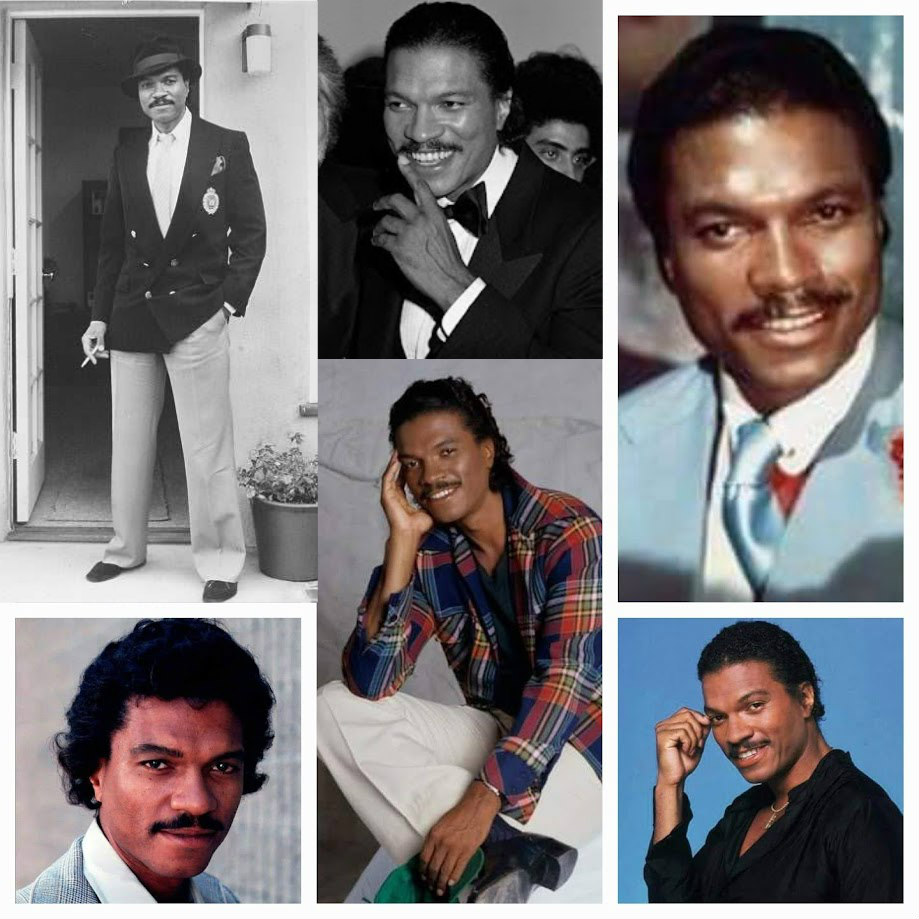
These photographs are the property of their respective owners.
  • Skin: A warm, glowing brown, reminiscent of sunlit caramel, always perfectly lit by the camera.
  • Smile: Disarming, confident, and suggestive—a “come hither” look that made audiences lean in.
  • Voice: Silky, deep, and debonair. That “d’o-demere” voice (as one fan affectionately mispronounced “debonair”) added to his mystique.
  • Style: Whether in a tuxedo, a cape (as Lando Calrissian), or a simple three-piece suit, his fashion sense exuded classic Hollywood elegance with unapologetic Black pride.

Women swooned, men imitated, and Hollywood finally had a Black male romantic lead who didn’t have to be aggressive, comedic, or stereotyped to hold the screen.


Celebrated Roles and Legacy


Billy Dee Williams has appeared in over 90 film and television projects across his career, including iconic roles in “Lady Sings the Blues” (1972) and as Lando Calrissian in the Star Wars franchise.

Some of Billy Dee’s most iconic roles include:

  • Louis McKay in Lady Sings the Blues (1972)
  • Brian’s Song (1971) – A tender, groundbreaking portrayal of interracial friendship
  • Gale Sayers in the TV movie Brian’s Song
  • Lando Calrissian in Star Wars: The Empire Strikes Back (1980) and Return of the Jedi (1983)
  • Berry Gordy’s Mahogany (1975) – Again paired with Diana Ross
  • Nighthawks (1981) with Sylvester Stallone

He is particularly remembered for Lando Calrissian, the cape-wearing, galaxy-hopping smooth-talker who brought charm and charisma to the Star Wars universe—a role he reprised in The Rise of Skywalker (2019), proving his ageless appeal.

His favorite performance? Billy Dee has often said that Brian’s Song and Lady Sings the Blues held deep personal meaning—stories about love, loss, and dignity.


Awards and Recognition

  • NAACP Image Award (multiple wins)
  • Hollywood Walk of Fame Star (1985)
  • Primetime Emmy Nomination for Brian’s Song
  • Honored by Ebony, Jet, and Essence throughout the 1970s and ’80s as one of the “Most Beautiful Black Men in America.”

Ebony Magazine once called him “The Face of Black Sophistication.” Diana Ross described him as “so smooth, he made the screen melt.”


Racism, Respect, and Representation

Billy Dee was a leading Black man in an era that rarely allowed for them. He once shared, “There weren’t many roles where a Black man could be dignified, romantic, and powerful without being stereotyped. I fought for that image.”

He challenged Hollywood’s limited narrative—presenting the Black man as a lover, a hero, and a gentleman.


Love Life, Family, and Legacy

Billy Dee has been married three times, most famously to Teruko Nakagami, a Japanese-American actress and model. They have one daughter, Hanako, and he has a son, Corey Dee Williams, from a previous relationship.

While not publicly known for romantic scandals, he’s long been admired for his respectful relationships, discretion, and dignified image.

Who did he have a crush on? Rumors swirled about his admiration for Lena Horne, whom he called “the epitome of grace and allure.”


Commercials and Endorsements

In the 1980s, Billy Dee became the face of Colt 45 Malt Liquor, delivering the famously smooth tagline:
“It works every time.”

While the ad campaign was commercially successful, it also drew criticism for its alignment with alcohol marketing. Nevertheless, it further cemented his image as the “coolest man alive.”

He also endorsed products for Mennen, Schick razors, and fashion brands who wanted to capture his stylish persona.


Where Is He Now?

Now in his late 80s, Billy Dee Williams remains active in voice acting, public appearances, and conventions. He reprised his Lando role in Star Wars: The Rise of Skywalker (2019) and voiced characters in animated series.

In 2019, he caused a stir by referring to himself as using “he/him and she/her pronouns” to describe his emotional duality—sparking conversations about identity, masculinity, and expression. He later clarified he was referring to his balance of energies, not gender fluidity, but praised the younger generation’s openness.


Conclusion: A Living Monument of Black Elegance

Billy Dee Williams wasn’t just beautiful—he was cinematic alchemy. The type of man who made time pause, who made women blush and men reassess their approach. He showed us that Black men could be more than what the world limited them to. He was a lover, a thinker, a prince of style and sensuality.

As Ebony once put it:
“Billy Dee didn’t just change the screen—he changed the way Black men were seen.”

References

Bassett, A. (2016). Interview with Angela Bassett on Black icons in Hollywood. Essence Magazine.
https://www.essence.com

Ebony Magazine. (1972, October). Hollywood’s smoothest Black leading man: Billy Dee Williams lights up the screen. Ebony, 27(12), 72–76.

IMDb. (n.d.). Billy Dee Williams – Biography. IMDb. Retrieved August 4, 2025, from https://www.imdb.com/name/nm0001850/

Jet Magazine. (1980, April 7). Billy Dee Williams: The man, the myth, the mustache. Jet, 59(15), 20–23.

Jones, Q. (1994). Q: The Autobiography of Quincy Jones. New York: Doubleday.

Ross, D. (1993). Secrets of a diva: Diana Ross on life, love, and legends. Interview by Ebony, reprinted in Classic Soul Interviews. Johnson Publishing.

Smith, J. (2020). The elegance of Black masculinity: Billy Dee Williams and the politics of suave. Journal of Black Cinema and Culture, 12(1), 35–48.

Star Wars Archives. (n.d.). Lando Calrissian: Character Profile and Actor History. Lucasfilm. https://www.starwars.com/databank/lando-calrissian

Vanity Fair. (2019, November 27). Billy Dee Williams discusses gender fluidity, love, and his return to Star Wars. Retrieved from https://www.vanityfair.com

Williams, B. D. (2016). Lights, Camera, Legacy: A Conversation with Billy Dee Williams. NPR Interviews. Retrieved from https://www.npr.org

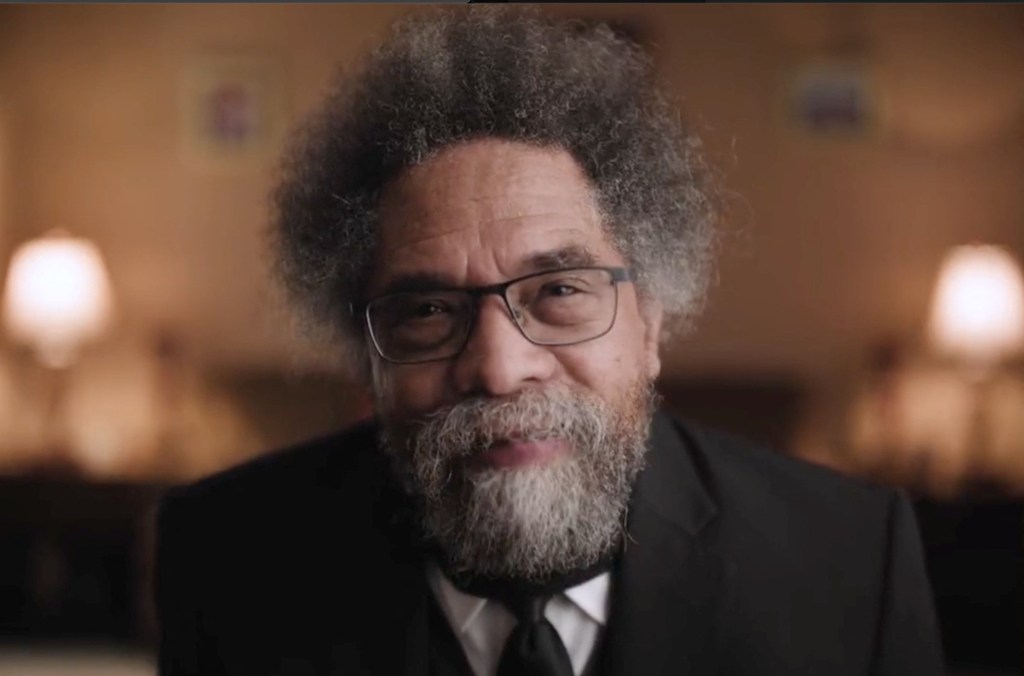
Cornel West: The Black Einstein

The Intellectual Force of Nature, Dr. Cornel West: A Modern-Day Philosopher Rooted in Black Excellence, The Black Einstein.

This photograph is the property of its respective owner; no copyright infringement intended.

With his signature three-piece suit, wild, halo-like hair, and untamed beard, Dr. Cornel West is more than a scholar—he’s a cultural force. When he speaks, a poetic style of conversing emerges, equal parts preacher, philosopher, and jazz musician. His gapped tooth flashes as he weaves complex thoughts with the ease of a griot and the rhythm of the blues. Whether in academia, activism, or the arts, West mesmerizes the world with his brilliance and moral fire.

From Tulsa to the World Stage

Born on June 2, 1953, in Tulsa, Oklahoma—a city steeped in Black resilience and the memory of the 1921 massacre—Cornel West emerged from the Bible Belt with a calling: to pursue truth and justice at all costs. He graduated magna cum laude from Harvard in just three years, and later earned his Ph.D. in philosophy from Princeton, becoming the first Black person to do so.

His academic reach includes professorships at Harvard, Yale, Princeton, and Union Theological Seminary. But West doesn’t dwell solely in ivory towers. He meets people where they are—on the streets, in churches, in protests, and through screens.

Race Matters—and So Does West

In 1993, West published Race Matters, a seismic work that shattered illusions about a “post-racial” America. The collection of essays, confronting issues like Black nihilism, identity politics, and systemic injustice, became an intellectual touchstone. It’s required reading in both university syllabi and grassroots organizing circles, forever reshaping how America talks about race.

The book’s impact on the Black community was both emotional and intellectual—it gave language to the pain, hope, and righteous anger simmering under decades of systemic neglect. West didn’t just analyze injustice; he bore witness to it, making him a pillar of Black excellence alongside figures like James Baldwin, Angela Davis, and bell hooks.

Philosopher, Prophet, President?

In a bold political move, Dr. West ran for President of the United States as an independent candidate, challenging both major parties and offering a vision rooted in truth, justice, and love. His campaign was less about power and more about principle—calling for universal healthcare, demilitarization, workers’ rights, and the spiritual revival of a morally decaying society.

Though he faced an uphill battle in a deeply polarized political landscape, West’s campaign was a philosophical journey that placed the poor, the working class, and the oppressed at the center of the conversation. “I’m running for truth and justice,” he declared, echoing the same prophetic tradition that guided Martin Luther King Jr.

The Matrix and the Message

Dr. West’s impact extends beyond the pulpit and podium. His role as Councilor West in The Matrix Reloaded and The Matrix Revolutions introduced him to a new generation. With philosophical insight, even in a sci-fi blockbuster, he played a compelling figure of wisdom and resistance. In fact, he also contributed commentary on The Matrix DVD alongside philosopher Ken Wilber, offering deep metaphysical analysis that blurred the lines between Hollywood and the Hegelian dialectic.

A Mind Like Einstein, A Voice Like No Other

Albert Einstein’s intelligence reshaped the scientific world, but Cornel West’s intellect confronts the moral fabric of society. Both men used their brilliance to challenge injustice—Einstein was outspoken against American segregation, while West has spent a lifetime battling the evils of racism, greed, and militarism.

To call Cornel West a “Black Einstein” is not a statement of comparison in field, but one of intellectual gravity and world-changing potential. If one were to compile a list of the greatest speakers the world has ever known—Martin Luther King Jr., Malcolm X, Winston Churchill, Maya Angelou—Dr. West would be in their midst. His ability to turn academic theory into poetic truth makes him one of the most compelling orators of our time.

Conclusion: A Living Legacy

Cornel West is a rare soul—a philosopher who walks with the people, a scholar who sings the blues of the oppressed, and a revolutionary who believes in radical love. His fusion of faith, intellect, and activism places him not just in the pages of history, but in the hearts of those still fighting for a just world.

As West often reminds us, “Justice is what love looks like in public.” And whether he’s delivering a lecture, marching for peace, or offering commentary in a science fiction epic, Cornel West embodies that public love in every word, every gesture, and every idea.


References:

  • West, C. (1993). Race Matters. Beacon Press.
  • Union Theological Seminary. Faculty Page: Dr. Cornel West – utsnyc.edu
  • Dyson, M. E. (2001). Holler if You Hear Me: Searching for Tupac Shakur.
  • Taylor, K.-Y. (2016). From #BlackLivesMatter to Black Liberation. Haymarket Books.
  • The Matrix Reloaded & Revolutions (2003), Warner Bros.
  • Einstein, A. (1946). “The Negro Question.” Pageant Magazine.

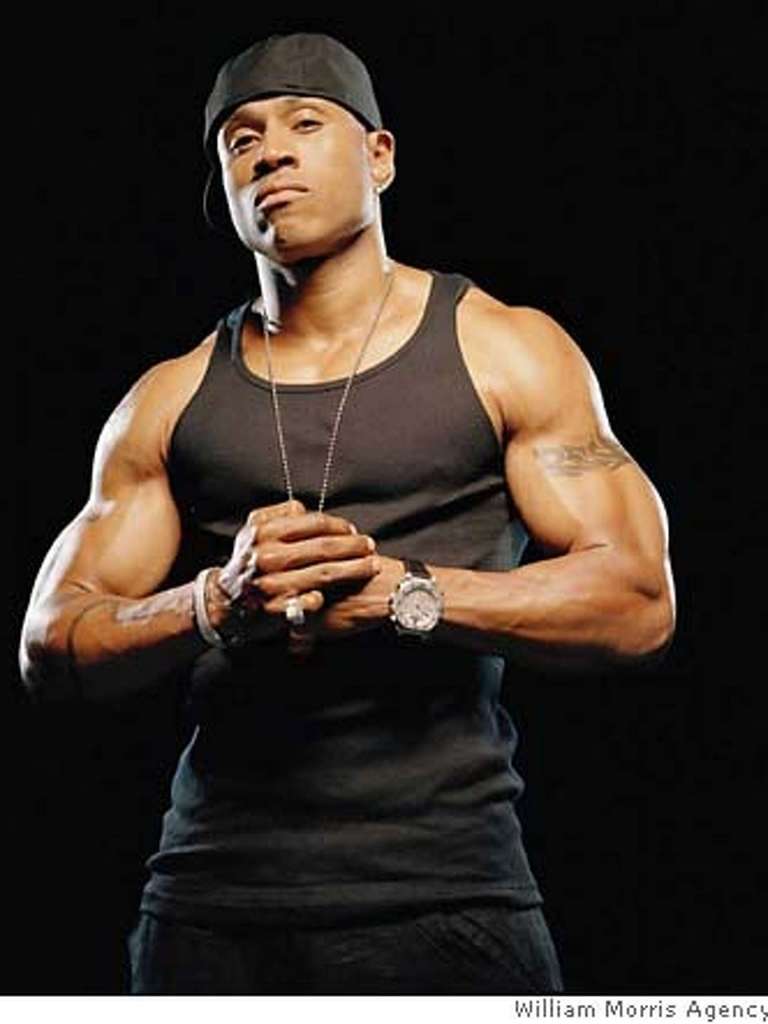
Masculine Perfection Series: LL Cool J, Lamman Rucker, and Michael Jai White.

LL Cool J — The Rappin Adonis with Peanut-Butter Skin & Iconic Lips

LL Cool J, born James Todd Smith in 1968 in Bay Shore, New York, stands as one of the most influential figures in hip-hop and a multi-talented force in entertainment. With smooth peanut-butter skin, full sensual lips, and an athletic, sculpted physique, he has long been admired for his charm and striking appearance. His career began as a young teenager when he became one of Def Jam’s earliest and most successful artists. He quickly rose to fame with hits such as “I Can’t Live Without My Radio,” “Rock the Bells,” and the legendary “Mama Said Knock You Out,” earning multiple awards, including two Grammys.

LL Cool J extended his talent into acting, becoming a dynamic force in both film and television. His performances in Deep Blue Sea, In Too Deep, Any Given Sunday, and S.W.A.T. showcased his charisma, and his long-running role as Special Agent Sam Hanna on NCIS: Los Angeles solidified his status as a respected TV star.

In his personal life, LL has been married to Simone I. Smith since 1995, and together they share four children: Najee, Italia, Samaria, and Nina. His family life is known for its stability, closeness, and strong values, and LL has also embraced being a proud grandfather. Through discipline, loyalty, and an unwavering work ethic, he remains a powerful representation of Black masculine excellence.


Lamman Rucker — The Adorable Boy-Next-Door

Lamman Rucker, born in 1971 in Pittsburgh, exudes warmth, gentleness, and a naturally disarming charm. With rich brown skin, soft expressive eyes, and a down-to-earth demeanor, he embodies the ideal “boy-next-door” look — approachable, comforting, and undeniably handsome. Before embracing acting full-time, Rucker studied business, education, and information technology, which equipped him with discipline and intellect that complement his artistic gifts.

His early roles in soap operas introduced him to audiences, but he became widely recognized for his roles in Tyler Perry’s Why Did I Get Married? and Why Did I Get Married Too? He later captivated viewers as Jacob Greenleaf in the acclaimed series Greenleaf, where he portrayed complexity, depth, and emotional authenticity. More recently, he joined the cast of The Black Hamptons, continuing to expand his presence in television drama.

Lamman is married to Kelly Davis Rucker and maintains a private and grounded family life. Beyond acting, he is known for his advocacy work within the community. In his youth and early adulthood, he participated in abstinence education, sexual-health advocacy, HIV awareness programs, and youth empowerment initiatives. His values, compassion, and moral grounding enhance his public image as a man of integrity.


Michael Jai White — Dangerously Handsome with Skills & Physique Out of This World

Michael Jai White, born in 1967 in Brooklyn, New York, carries a commanding, warrior-like presence. His chiseled features, intense gaze, powerful build, and disciplined aura contribute to a form of masculine beauty that is sharp, striking, and unforgettable. He is one of the most skilled and accomplished real martial artists in Hollywood, holding multiple black belts across several disciplines, including Shotokan, Kyokushin, Taekwondo, Tang Soo Do, Wushu, and Kobudō.

Beginning martial-arts training at the age of seven, Michael developed a mastery that set him apart from actors who merely perform choreographed fighting. His athleticism and precision translated naturally into an action-film career. He starred in productions such as Spawn, Blood and Bone, Undisputed II, Black Dynamite, and the Never Back Down franchise, where he brought both physical brilliance and emotional depth to the screen.

Away from his demanding screen roles, Michael is a dedicated family man. He is married to Gillian White, who also practices martial arts, creating a partnership grounded in discipline and shared purpose. His life reflects strength, structure, and authenticity, making him one of the most respected and admired Black action stars of his era.


References

  • “LL Cool J.” Wikipedia.
  • Parade Magazine. LL Cool J family and children features.
  • People Magazine. LL Cool J biography and family coverage.
  • “Lamman Rucker.” Wikipedia.
  • Interviews and press features on Lamman Rucker’s work in The Black Hamptons.
  • “Michael Jai White.” Wikipedia.
  • Martial Arts Entertainment: Michael Jai White martial-arts biography.
  • USAdojo: Michael Jai White training and black belt documentation.