Tag Archives: black people

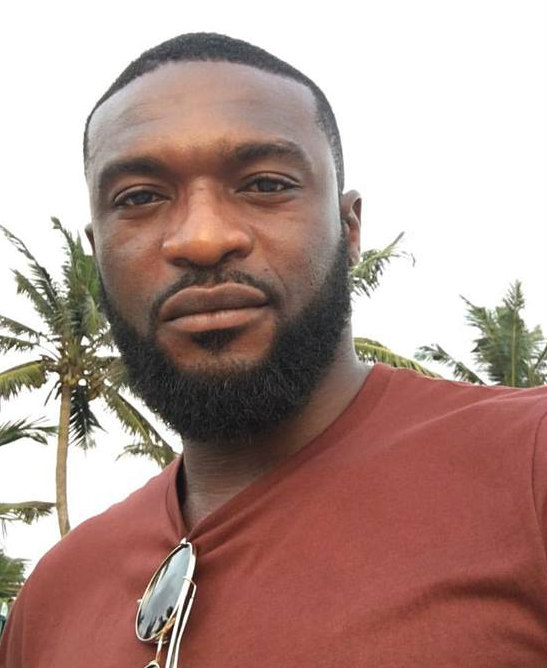
Unapologetic Blackness

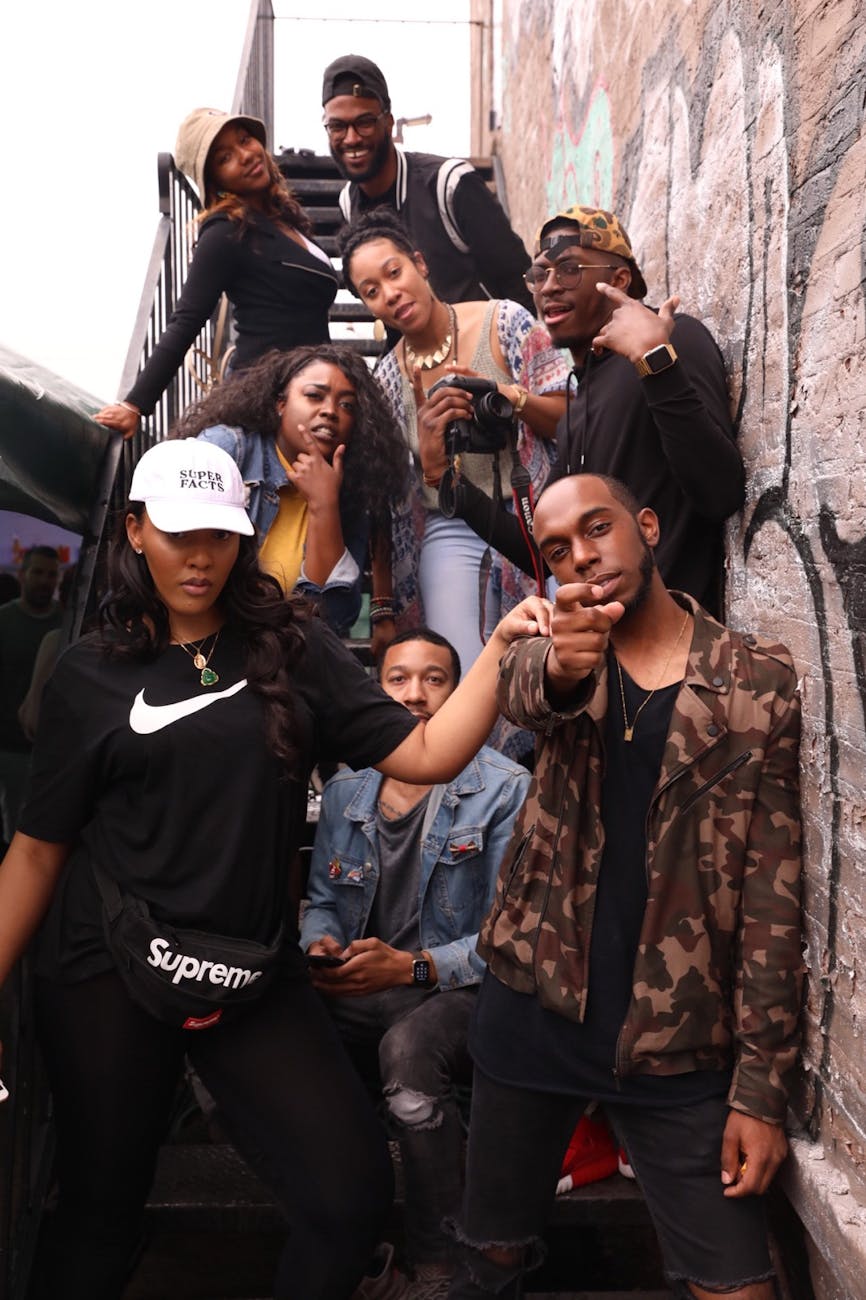
This photograph is the property of its respective owners. No copyright infringement intended.

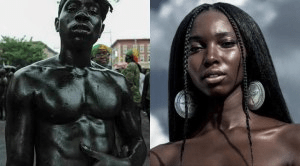
Unapologetic Blackness is the affirmation of Black identity, culture, and dignity without shame, compromise, or the need for validation from dominant cultural narratives. To be unapologetically Black is to embrace one’s heritage, history, and uniqueness with confidence, while resisting the systems of racism, colorism, and assimilation that attempt to diminish or erase Blackness. It is both a cultural and spiritual declaration of self-worth, resilience, and God-given identity.

At its core, unapologetic Blackness is about living authentically as a Black person without shrinking in spaces where whiteness is centered or where stereotypes attempt to dictate how Black people should behave. It means refusing to apologize for natural hair, darker skin tones, African heritage, vernacular, or cultural expression. As Psalm 139:14 (KJV) reminds us, “I will praise thee; for I am fearfully and wonderfully made.” Blackness is not something to erase—it is part of God’s intentional creation.

Living Unapologetically Black
Living this out requires self-love, cultural pride, and resistance to societal pressures of assimilation. It means celebrating natural hairstyles, speaking boldly about injustice, supporting Black-owned businesses, and affirming Black excellence in academics, arts, science, and faith. It is also about spiritual resilience—seeing oneself as part of God’s chosen work in history. Deuteronomy 7:6 (KJV) declares, “For thou art an holy people unto the LORD thy God: the LORD thy God hath chosen thee to be a special people unto himself, above all people that are upon the face of the earth.”

Examples of Unapologetic Blackness
Examples can be found in leaders like Malcolm X and Angela Davis, who resisted systems of oppression; in artists like Nina Simone, who used music as protest; and in everyday Black women and men who choose authenticity in hostile environments. Unapologetic Blackness also appears in cultural movements such as Black Lives Matter, Afrocentric fashion, or natural hair advocacy, all of which assert the beauty and value of Blackness on its own terms.

The Psychology of Black People
Psychologically, Black people have endured centuries of systemic trauma from slavery, segregation, and racism. Yet, they have also demonstrated profound resilience, developing adaptive coping mechanisms through community, faith, music, and storytelling (Akbar, 1984). Being unapologetically Black helps undo the psychological damage of internalized racism by affirming identity rather than hiding it. In psychological terms, it promotes positive racial identity development and strengthens mental health.

Societal and Global Effects
Globally, unapologetic Blackness challenges anti-Blackness that exists across nations. In Latin America, India, and parts of Asia, anti-Blackness manifests in colorism and discrimination against African-descended people. When Black individuals and communities live unapologetically, they shift global consciousness, proving that Blackness is not a deficit but a strength. This creates ripple effects in representation, policy, and social justice movements worldwide.

The Psychological Impact of Being Unapologetically Black
The psychological impact is liberating. Black individuals who embrace their identity often experience higher self-esteem, stronger community bonds, and reduced anxiety related to assimilation pressures. Conversely, denying or suppressing Black identity can cause internal conflict and psychological distress. Romans 12:2 (KJV) reminds believers not to be “conformed to this world” but to be transformed by God’s truth—a principle that aligns with resisting oppressive systems.

Black people are special not only because of cultural richness, creativity, and resilience but also because of their historical and biblical significance. Many scholars connect the African diaspora to biblical Israelite heritage, emphasizing endurance through suffering and deliverance by God’s hand. In addition, the global influence of Black culture—in music, fashion, language, and art—shows the unique contribution of Black people to humanity as a whole.

Conclusion: What It Means to Be Unapologetically Black
To be unapologetically Black means to live in the fullness of one’s God-given identity, refusing to allow racism, colonialism, or assimilation to dictate worth. It is about celebrating melanin, honoring ancestral struggles, embracing cultural roots, and walking boldly in faith. As Galatians 5:1 (KJV) declares, “Stand fast therefore in the liberty wherewith Christ hath made us free, and be not entangled again with the yoke of bondage.” Unapologetic Blackness is freedom—spiritual, psychological, and cultural. It is both a declaration of survival and a proclamation of divine purpose.


References

  • Akbar, N. (1984). Africentric Social Sciences for Human Liberation. Journal of Black Studies.
  • Hunter, M. (2007). The Persistent Problem of Colorism: Skin Tone, Status, and Inequality. Sociology Compass.
  • The Holy Bible, King James Version (KJV).

The Genetics of Black People #thescienceofblackbeauty

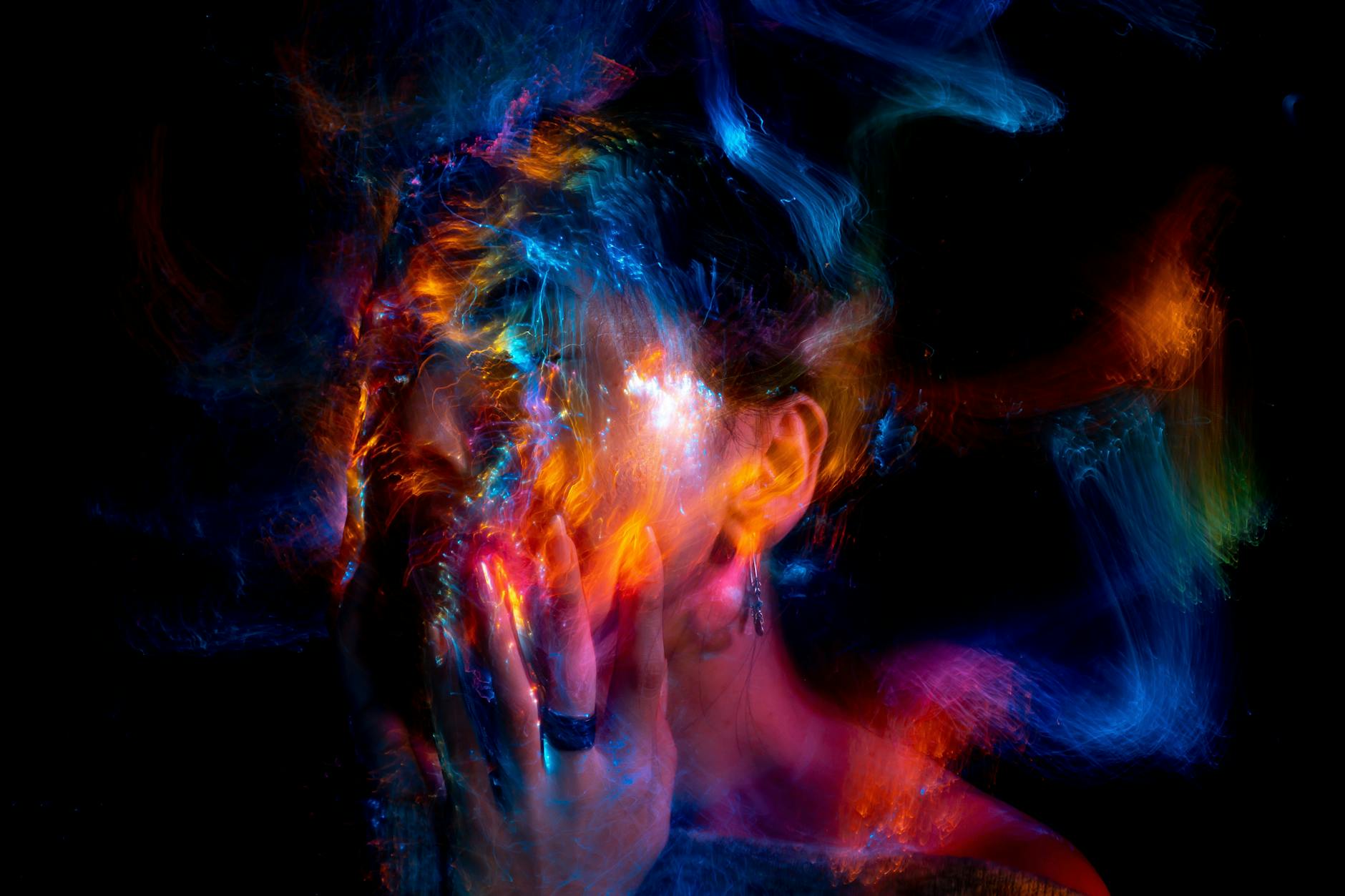
Photo by Merlin Lightpainting on Pexels.com

The genetics of Black people provides a profound window into human history, identity, and resilience. Through the lens of science, anthropology, and biblical reflection, one discovers that African-descended populations carry the richest genetic diversity on Earth. This diversity not only traces back to the earliest human origins but also tells the story of migration, adaptation, and survival. To understand Black genetics is to understand the foundations of humanity itself.

Africa as the Genetic Cradle

Modern genetics affirms what archaeology and anthropology have long suggested: Africa is the cradle of humanity. Studies of mitochondrial DNA (mtDNA) and Y-chromosome lineages confirm that all modern humans trace their ancestry to Africa approximately 200,000 years ago (Tishkoff et al., 2009). This means that the genetic diversity seen among Black people is not only vast but also foundational to the human story.

Haplogroups and Lineages

Among African and African diasporic populations, haplogroups such as E1b1a are highly prevalent. This Y-DNA lineage is especially common among West and Central Africans, as well as among African Americans and Afro-Caribbeans (Underhill et al., 2001). Such markers provide genetic evidence of ancestral ties that link dispersed Black populations back to Africa, particularly the regions most affected by the transatlantic slave trade.

Melanin as a Genetic Gift

One of the most visible genetic traits of Black people is melanin, the pigment responsible for skin color. Far from being a mere aesthetic trait, melanin serves as a protective adaptation against ultraviolet radiation. It reduces the risk of DNA damage while regulating vitamin D synthesis (Jablonski & Chaplin, 2000). In biblical reflection, one could argue that melanin symbolizes divine design: “I am black, but comely” (Song of Solomon 1:5, KJV).

Adaptation and Survival

Genetics reveals that traits common among African populations were shaped by evolutionary pressures. For example, the sickle cell trait—a genetic adaptation—provides resistance against malaria, a deadly disease endemic to parts of Africa. This illustrates how Black genetics embodies survival strategies written into DNA through centuries of environmental challenges.

The Transatlantic Slave Trade and Genetic Disruption

The forced displacement of millions of Africans through the transatlantic slave trade disrupted genetic continuity, yet it also created new diasporic lineages. African Americans, for example, typically show a mixture of West and Central African ancestry, with smaller proportions of European and Native American ancestry due to centuries of enslavement, coercion, and survival (Bryc et al., 2015). Genetics, therefore, serves as a testimony of trauma but also of resilience.

Diaspora Diversity

The African diaspora is far from monolithic. Afro-Caribbeans, Afro-Latinos, and African Americans all share African genetic roots but reflect distinct admixture histories. For instance, Afro-Brazilians often display higher proportions of African ancestry compared to African Americans, due to Brazil’s massive role in the slave trade (Telles, 2004). Yet across the diaspora, the shared thread is an undeniable African genetic legacy.

Health Implications in Genetics

The genetics of Black people also intersects with health in powerful ways. Certain conditions such as hypertension and diabetes are disproportionately prevalent among African-descended populations, influenced not only by genetics but also by systemic inequalities (Gravlee, 2009). Understanding genetic predispositions must go hand in hand with addressing structural racism in healthcare.

Misuse of Genetics in Racism

History has shown how genetics was misused to justify slavery, colonialism, and segregation. Pseudoscientific racism claimed that Black people were biologically inferior. Modern genetics refutes these falsehoods, affirming that race is a social construct, while genetic diversity within Africa surpasses that of all other continents combined (Lewontin, 1972).

Biblical Reflections on Ancestry

The Bible teaches that all humanity is made in the image of God (Genesis 1:27, KJV). Yet for Black people, genetics and scripture converge in unique ways. Deuteronomy 28 has been interpreted by some as prophetic, aligning the experiences of the African diaspora with the curses of Israel. While debated, this perspective connects genetics, history, and spiritual identity in profound ways.

Marriage of Science and Scripture

Rather than conflict, genetics and scripture can complement one another. Science reveals the pathways of migration and adaptation, while scripture reminds us of divine purpose. Acts 17:26 (KJV) declares: “And hath made of one blood all nations of men for to dwell on all the face of the earth.” This verse resonates deeply with the genetic truth that all humans share common African ancestry.

Genetics and Identity Formation

For many Black individuals, DNA testing has become a tool for reclaiming lost heritage. Commercial genetic tests allow descendants of the diaspora to trace their lineages back to specific African regions. This process provides not only scientific validation but also psychological healing from centuries of disconnection caused by slavery.

Psychology of Genetic Roots

Psychology suggests that knowing one’s ancestry strengthens self-esteem and identity formation (Phinney, 1990). For Black people, genetic awareness can counter narratives of erasure. By affirming African origins and resilience, genetics helps restore pride and a sense of belonging within the larger human family.

🧬 The Genetic Makeup of Black People

1. Genetic Diversity in Africa

Science shows that people of African descent carry the highest genetic diversity in the world. This is because Africa is the cradle of humankind, where modern Homo sapiens first evolved about 200,000 years ago (Tishkoff et al., 2009). Populations that migrated out of Africa carried only a subset of this genetic variation, which makes non-African groups less genetically diverse.


2. Haplogroups in African Populations

One of the most common paternal lineages in Sub-Saharan Africa is the Y-DNA haplogroup E1b1a. It is especially dominant among West and Central Africans and their descendants in the Americas due to the Transatlantic Slave Trade (Wood et al., 2005).

On the maternal side, African women often carry mtDNA haplogroups L0–L3, some of the oldest lineages in the world. These haplogroups trace directly back to the first mothers of humanity (Salas et al., 2002).


3. Skin Color and Melanin

The dark skin of Black people is due to high melanin production (specifically eumelanin). This adaptation evolved in Africa to protect against ultraviolet (UV) radiation, reducing risks of skin cancer and preserving folate, a vitamin essential for reproduction (Jablonski & Chaplin, 2010).


4. Health and Genetic Traits

Certain genetic traits in African populations arose as adaptations to local environments. For example:

  • The sickle-cell trait provides protection against severe malaria, which is widespread in Africa (Kwiatkowski, 2005).
  • Variants in the Duffy antigen receptor gene protect many West Africans from Plasmodium vivax malaria (Miller et al., 1976).

However, these adaptations can have trade-offs. For instance, carrying two sickle-cell alleles leads to sickle-cell disease.


5. Admixture and the Diaspora

Black populations outside Africa, especially in the Americas, often have mixed ancestry. African Americans, for example, typically have West and Central African ancestry but also varying degrees of European and Native American admixture due to historical slavery, colonization, and forced mixing (Bryc et al., 2015).


6. Genetics, Identity, and Misuse

Science has confirmed that while genetic diversity exists, race is not a strict biological category. Instead, it reflects clusters of ancestry shaped by migration and geography. Unfortunately, genetics has been historically misused to justify racism. Today, genetic studies highlight shared humanity and deep African origins of all people (Graves, 2005).


📖 Biblical Reflection (KJV)

  • “And hath made of one blood all nations of men for to dwell on all the face of the earth” (Acts 17:26).
  • “I will say to the north, Give up; and to the south, Keep not back: bring my sons from far, and my daughters from the ends of the earth” (Isaiah 43:6).

Genetic Continuity Across Generations

Despite centuries of oppression, African-descended people carry forward genetic continuity that cannot be erased. Each generation inherits not only biological traits but also stories of endurance. Psalm 139:14 (KJV) reminds us: “I will praise thee; for I am fearfully and wonderfully made.” Genetics affirms this biblical truth.

Cultural Implications of Genetics

Black culture—music, food, language, and spirituality—often reflects deep genetic memory. Anthropologists note that certain rhythms, agricultural practices, and even healing traditions among diasporic communities trace back to African roots. Genetics, therefore, is not only biological but also cultural.

The Ethics of Genetic Research

While genetic science holds promise, ethical considerations remain. Historically, Black communities have been exploited in medical and genetic research, such as the Tuskegee Syphilis Study. Thus, the pursuit of genetic knowledge must be grounded in justice, equity, and respect.

Future of Black Genetics

As technology advances, the genetics of Black people will play a central role in medicine, anthropology, and identity studies. Genetic research promises better healthcare outcomes when tailored to African ancestry. Moreover, it enriches global understanding of human origins and diversity.

Spiritual Continuity and Covenant

In scripture, covenant symbolizes continuity. Just as marriage is a covenant binding two into one flesh, so too does genetics bind generations into one continuous story (Genesis 2:24, KJV). For Black people, genetics reveals that despite historical fractures, divine continuity has preserved identity across centuries.

Walk Toward Eternal Truth

Genetics is not merely about physical lineage—it also points toward eternal truth. For believers, DNA testifies of God’s handiwork, inscribed into the very code of life. It calls humanity to unity rather than division, reminding us that science and scripture both declare the dignity of Black people.

Conclusion

The genetics of Black people is a narrative of origins, endurance, and divine purpose. From the haplogroups of Africa to the diasporic survival of slavery, from melanin’s protective gift to the misuse of science in racism, genetics tells a story of resilience. Scripture confirms this dignity, affirming that God’s covenant transcends race and history. To study Black genetics is not only to learn about biology but also to witness the unfolding of both science and spirit in one of humanity’s most profound stories. The genetics of Black people tells a story that stretches from the dawn of humanity in Africa to the present-day struggles for justice and identity. It encompasses haplogroups, slavery, melanin, health, psychology, and theology. More than science, genetics is a living testimony of survival, a record of God’s providence, and a foundation for future generations to reclaim both heritage and destiny.


📚 References

Bryc, K., Durand, E. Y., Macpherson, J. M., Reich, D., & Mountain, J. L. (2015). The genetic ancestry of African Americans, Latinos, and European Americans across the United States. The American Journal of Human Genetics, 96(1), 37–53. https://doi.org/10.1016/j.ajhg.2014.11.010

Gravlee, C. C. (2009). How race becomes biology: Embodiment of social inequality. American Journal of Physical Anthropology, 139(1), 47–57. https://doi.org/10.1002/ajpa.20983

Jablonski, N. G., & Chaplin, G. (2000). The evolution of human skin coloration. Journal of Human Evolution, 39(1), 57–106. https://doi.org/10.1006/jhev.2000.0403

Lewontin, R. C. (1972). The apportionment of human diversity. Evolutionary Biology, 6, 381–398. https://doi.org/10.1007/978-1-4684-9063-3_14

Phinney, J. S. (1990). Ethnic identity in adolescents and adults: Review of research. Psychological Bulletin, 108(3), 499–514. https://doi.org/10.1037/0033-2909.108.3.499

Telles, E. E. (2004). Race in another America: The significance of skin color in Brazil. Princeton University Press.

Tishkoff, S. A., et al. (2009). The genetic structure and history of Africans and African Americans. Science, 324(5930), 1035–1044. https://doi.org/10.1126/science.1172257

Underhill, P. A., et al. (2001). The phylogeography of Y chromosome binary haplotypes and the origins of modern human populations. Annals of Human Genetics, 65(1), 43–62. https://doi.org/10.1046/j.1469-1809.2001.6510043.x

Bryc, K., Durand, E. Y., Macpherson, J. M., Reich, D., & Mountain, J. L. (2015). The genetic ancestry of African Americans, Latinos, and European Americans across the United States. American Journal of Human Genetics, 96(1), 37–53. https://doi.org/10.1016/j.ajhg.2014.11.010

Graves, J. L. (2005). The race myth: Why we pretend race exists in America. Dutton.

Jablonski, N. G., & Chaplin, G. (2010). Human skin pigmentation as an adaptation to UV radiation. Proceedings of the National Academy of Sciences, 107(Supplement 2), 8962–8968. https://doi.org/10.1073/pnas.0914628107

Kwiatkowski, D. P. (2005). How malaria has affected the human genome and what human genetics can teach us about malaria. American Journal of Human Genetics, 77(2), 171–192. https://doi.org/10.1086/432519

Miller, L. H., Mason, S. J., Clyde, D. F., & McGinniss, M. H. (1976). The resistance factor to Plasmodium vivax in Blacks: The Duffy-blood-group genotype, FyFy. New England Journal of Medicine, 295(6), 302–304. https://doi.org/10.1056/NEJM197608052950602

Salas, A., Richards, M., De la Fe, T., Lareu, M. V., Sobrino, B., Sánchez-Diz, P., … & Carracedo, Á. (2002). The making of the African mtDNA landscape. American Journal of Human Genetics, 71(5), 1082–1111. https://doi.org/10.1086/344348

Tishkoff, S. A., Reed, F. A., Friedlaender, F. R., Ehret, C., Ranciaro, A., Froment, A., … & Williams, S. M. (2009). The genetic structure and history of Africans and African Americans. Science, 324(5930), 1035–1044. https://doi.org/10.1126/science.1172257

Wood, E. T., Stover, D. A., Ehret, C., Destro-Bisol, G., Spedini, G., McLeod, H., … & Hammer, M. F. (2005). Contrasting patterns of Y chromosome and mtDNA variation in Africa: Evidence for sex-biased demographic processes. European Journal of Human Genetics, 13(7), 867–876. https://doi.org/10.1038/sj.ejhg.5201370


The Most Hated People: Black People

Photo by nappy on Pexels.com

Throughout history, Black people have endured hatred, oppression, and marginalization on a global scale. This phenomenon is not merely social or political; it has deep spiritual and psychological roots. The Bible, particularly the King James Version, offers insight into why Black people have been hated, how God allows this suffering, and how the forces of darkness exploit it. Understanding these dynamics is essential for empowerment, resilience, and spiritual victory.


Biblical Foundations: Why Black People Are Hated

The hatred toward Black people is hinted at in Scripture as a form of prophetic suffering. Deuteronomy 28:37 states, “And thou shalt become an astonishment, a proverb, and a byword among all nations whither the LORD shall lead thee” (KJV). The Israelites, often linked biblically to Black Africans through E1b1a haplogroups and historical migrations, were marked for suffering as a consequence of God’s covenant and the lessons of obedience. This hatred, though painful, serves as a tool in God’s providential plan to teach, refine, and ultimately elevate His people spiritually.

Scripture also warns of the spiritual adversary behind oppression: “Be sober, be vigilant; because your adversary the devil, as a roaring lion, walketh about, seeking whom he may devour” (1 Peter 5:8, KJV). The devil manipulates human sin and societal prejudice to sow division, hatred, and despair, targeting Black people as part of a larger plan to weaken God’s chosen people.


Psychological Dimensions of Hatred

From a psychological perspective, the hatred of Black people is rooted in fear, envy, and the need for domination. Social psychology explains this as in-group/out-group bias, scapegoating, and internalized superiority complexes. Historical trauma, such as slavery and colonization, reinforced narratives that dehumanized Black people, creating generational cycles of oppression. Modern psychology identifies implicit bias, colorism, and structural racism as extensions of these long-standing prejudices, perpetuated unconsciously in societies worldwide.

The psychological impact of being hated manifests as internalized oppression, lowered self-esteem, and hyper-vigilance. Yet the Bible offers resilience strategies: “Fear thou not; for I am with thee: be not dismayed; for I am thy God” (Isaiah 41:10, KJV). Faith, identity in God, and historical consciousness serve as buffers against the toxic effects of hatred.


The Role of the Devil

Satan’s involvement in the hatred of Black people cannot be understated. He works to divide, oppress, and distort identity. As John 10:10 warns, “The thief cometh not, but for to steal, and to kill, and to destroy” (KJV). By promoting false narratives, enslavement, and systemic oppression, the devil aims to suppress Black excellence, spiritual awareness, and societal influence. Recognizing this spiritual warfare is critical to understanding that hatred is not merely human sin but also a tool of darkness.


The Meaning of Blackness

Blackness is more than skin color; it represents resilience, divine heritage, and a reflection of God’s creative diversity. Psalm 139:14 states, “I will praise thee; for I am fearfully and wonderfully made” (KJV). Black identity, therefore, is sacred and intentional. Historically, Black people have been leaders, prophets, and nation-builders, and their cultural and spiritual contributions reflect God’s favor and purpose, even when society hates them.


How to Overcome Hatred

Overcoming hatred requires a combination of spiritual, psychological, and practical strategies:

  1. Faith in God’s Sovereignty: Trusting that God can turn suffering into blessing (Genesis 50:20).
  2. Community and Mentorship: Strengthening ties within Black communities to resist isolation and despair.
  3. Education and Awareness: Learning history, understanding systemic oppression, and reclaiming identity.
  4. Spiritual Warfare: Prayer, fasting, and studying Scripture to resist the devil’s schemes (Ephesians 6:11-12).

How Black People Can Deal with Hatred

Dealing with hatred requires resilience, wisdom, and spiritual discernment:

  • Identity Affirmation: Embrace biblical and historical truths about heritage.
  • Psychological Healing: Engage in therapy, counseling, or group support to process generational trauma.
  • Advocacy and Leadership: Transform experiences of hatred into activism, mentorship, and leadership.
  • Forgiveness and Wisdom: Maintain a biblical posture of righteousness without compromising self-respect (Romans 12:17-21).

Conclusion

The hatred of Black people is both a historical and spiritual reality, sanctioned at times in Scripture for refinement, exploited by human sin, and magnified by Satan’s schemes. Yet Blackness carries divine meaning, and God equips His people to overcome hatred through faith, resilience, and wisdom. Understanding the interplay of biblical principles, psychological realities, and spiritual warfare empowers Black individuals and communities to thrive despite oppression. The journey from suffering to victory is both personal and communal, guided by Scripture, history, and divine purpose.


References

Biblical References (KJV)

  • Deuteronomy 28:37
  • 1 Peter 5:8
  • Isaiah 41:10
  • John 10:10
  • Psalm 139:14
  • Genesis 50:20
  • Ephesians 6:11-12
  • Romans 12:17-21

Secondary Sources
Fanon, F. (1967). Black Skin, White Masks. Grove Press.

Grier, W. H., & Cobbs, P. M. (1968). Black Rage. Basic Books.

Harris, S. (2015). The Psychological Effects of Racism on African Americans. American Psychological Association.

West, C. (1993). Race Matters. Beacon Press.

“Black Don’t Crack”: The Science Behind Melanated Skin.

Photo by KATRIN BOLOVTSOVA on Pexels.com

The popular phrase “Black Don’t Crack” is more than just a cultural expression; it is a reflection of biological science, genetics, and lived experience. The phrase highlights how people of African descent, with higher levels of melanin, often appear younger than their chronological age. While the statement is rooted in cultural pride, dermatological research confirms that melanated skin is more resistant to the visible effects of aging due to its structural composition and protective properties.

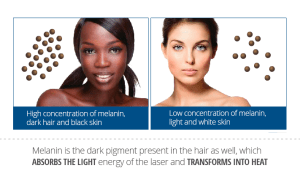
Melanin, the pigment that determines skin color, is a powerful natural protector. Darker skin tones contain higher amounts of eumelanin, which shields the skin against ultraviolet (UV) radiation, reducing the likelihood of premature wrinkles, sunspots, and photoaging (Palmer & Oppenheimer, 2019). Studies have shown that darker skin tones have a natural sun protection factor (SPF) estimated between 13 and 15, compared to lighter skin which has an SPF of 3 or less (Taylor, 2002). This biological advantage helps delay visible signs of aging, keeping skin firm and radiant for longer periods.

In addition to UV protection, melanated skin has structural benefits. Research indicates that Black skin tends to have a denser dermis, with more compact collagen fibers and greater elasticity (Halder & Bridgeman-Shah, 1995). Collagen breakdown is one of the primary causes of wrinkles and sagging, yet in darker skin, this process occurs at a slower rate. Combined with natural oil production that maintains skin hydration, these factors contribute to the smooth and youthful appearance often seen in Black individuals.

Cultural narratives about beauty are reinforced by celebrities whose appearances defy time. Angela Bassett, at nearly 65, is celebrated for her glowing, youthful complexion, often appearing decades younger. Similarly, actors like Morris Chestnut and Halle Berry continue to embody ageless elegance, their skin reflecting both genetics and disciplined skincare routines. Pharrell Williams, often cited as a celebrity who appears almost untouched by time, demonstrates the profound impact of melanin’s protective qualities, paired with healthy lifestyle choices. Even supermodel Naomi Campbell, in her fifties, continues to maintain the same radiance and elasticity as she did at the height of her modeling career.

Psychologically, the phrase “Black Don’t Crack” also acts as an affirmation, countering centuries of Eurocentric beauty standards that often marginalized Black features. By celebrating the resilience and beauty of melanated skin, the phrase empowers communities to embrace their natural attributes while acknowledging the unique biological advantages they hold. It not only speaks to science but also to the cultural pride and resistance embedded in Black identity.

Yet, it is important to recognize that “Black Don’t Crack” is not a guarantee. Lifestyle choices, diet, hydration, stress management, and skincare practices all play a crucial role in preserving youthfulness. While melanin provides natural protection, it does not eliminate the risks of sun damage or skin cancer, making sunscreen and self-care important across all skin tones (Kundu & Patterson, 2013).

In conclusion, the phrase “Black Don’t Crack” embodies both cultural truth and scientific fact. Melanated skin, with its higher levels of melanin, stronger collagen structures, and natural oil balance, is biologically designed to age more gracefully. Celebrities such as Angela Bassett, Naomi Campbell, and Pharrell Williams exemplify the synergy between genetics and lifestyle in sustaining youthful appearances. What began as a cultural saying has now been validated by dermatological science: the richness of Black skin is both a gift of nature and a source of cultural pride.


References

  • Halder, R. M., & Bridgeman-Shah, S. (1995). Skin cancer in African Americans. Cancer, 75(S2), 667-673.
  • Kundu, R. V., & Patterson, S. (2013). Dermatologic conditions in skin of color: Part I. Special considerations for common skin disorders. American Family Physician, 87(12), 850–856.
  • Palmer, J. S., & Oppenheimer, S. B. (2019). The biology of melanin. Journal of Dermatological Science, 96(2), 75-83.
  • Taylor, S. C. (2002). Skin of color: Biology, structure, function, and implications for dermatologic disease. Journal of the American Academy of Dermatology, 46(2 Suppl Understanding), S41–S62.

The Power and Beauty of Melanated Skin

A skin that glistens in the sun, ranging from satin black to golden brown is Melanated skin. Melanin is organic crystallized carbon, it actually runs through your blood, ravages your skin and was created by the Most High God. The dark nations possess it, although, they don’t want to own it, the lighter nations of people try to put it in a bottle to manufacture it through tanning sprays and creams.

All photographs are the property of their respective owners.

Melanin, which is Carbon, is any of a class of insoluble pigments, found in all forms of animal life, that account for the dark color of skin.

According to Dr. Francis Cress Welling on pg 205, in her book “The Isis Papers:, stated, The phrase “Golden Fleece” is made up of two words associated with Black people: “gold,” denoting black or brown skin and “fleece,” denoting lambs wool or kinky hair. The search for the Golden Fleece becomes the search for melanin. J.D. Cirlot’s dictionary of symbols says that the Golden Fleece ” is one of the symbols denoting the conquest of the impossible or the ultra=reasonable.” For white-skinned people, it is impossible to produce melanin or golden brown or black.

There is a golden hue that radiates out from dark skin, it is present no matter how dark the hue is.

The subject of color to most is probably somewhat idiosyncratic. What we think scientifically and historically about the origins of ‘race’ and the complex ways that skin color has influenced our perception of one another. The effects of colorism and racism on society within various communities. Though modern conceptions of ‘white beauty’ have evolved and become progressively more artificial in recent decades, which has led people to believe that having melanated skin is a curse and not a blessing. I must admit that it was very cathartic and endearing for me to write on this topic of “melanin.” Although, I didn’t want to appear to be a narcissist or presumptuous. I think when I first actually, thought of my skin color was when a friend compared me to a sunset, amazed at how the golden hues, brown, and orangey glow radiated from my skin. While others, always assumed that I was wearing pantyhose on my legs or foundation on my face, sorry no such thing that is the power of melanin. I believe that physical beauty is measured by your features and symmetry, not skin color. It’s really in the eye of the beholder literally. I have traveled the world, there are much beautiful dark and light women the world over, all possess one common thing – their facial features are harmony together. So the theory that your skin color makes you attractive only is a fallacy. Not to be believed. The whole premise of a debate of light vs. dark is unsettling and ignorant, and not edifying the unity between women of all shades of brown. Willie Lynch created a prevalent method for teaching slaves divisive behavior and through colonization, people around the world have adopted these self-denigrating issues that white skin is the best and anything that deviates from that theory is not good. Lynch supported division to keep the light slaves against the dark slaves to prevent rebellion and unity among blacks. Still, today that residue from the past has conditioned people around the world to adopt “white skin” as the best. This is a wide worldwide problem not just for black people but many nations face this reality daily in America, India, Africa, Latin American, South America, Brazil, Dominican Republic, the West Indies, Mexico, Puerto Rico, and Cuba just to name a few. In these countries the lighter you are the more beautiful you are perceived as, the smarter, and the nicer. The Darker you are the more you are perceived as a menace to society, evil, and ugly. These stereotypes are far from the truth, people of color are still suffering from strong delusional thinking based on skin color. Most feel that a white person has attained a status, and reached a level of success because they are the progenitors of the European standard of beauty that dark-skinned people could never measure up to. As for the white (Aryan/Nordic) men and women, they don’t have to try, they woke up in privilege. They have been born this way. They have become gods in their own eyes.

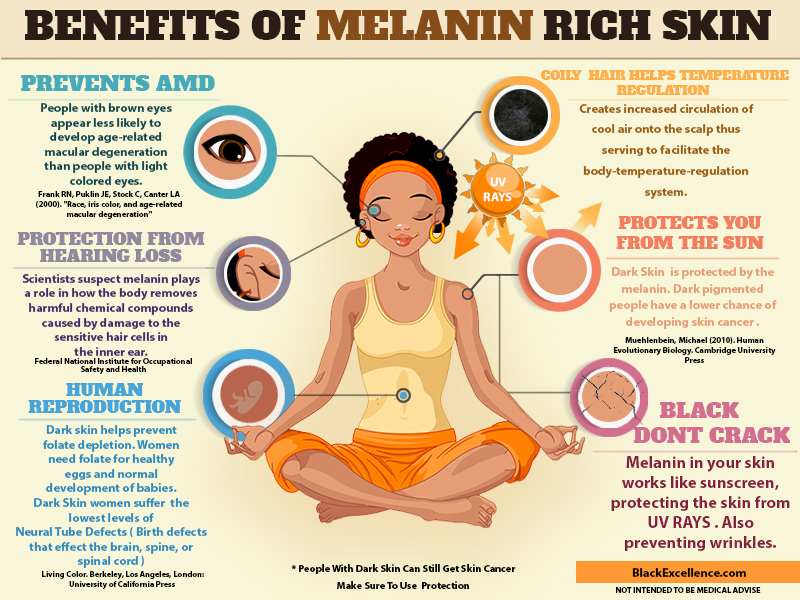
Photo Credit: blackexcellence.com

1. BLACK DOESN’T CRACK! The most celebrated quality of possessing melanated skin is its uncanny ability to be anti-aging, whereas, dark skin shows less visible signs of aging when compared to white skin. Dark-skinned people tend to look younger than their chronological age.

2. Protection from the sun, melanated skin has a natural SPF.

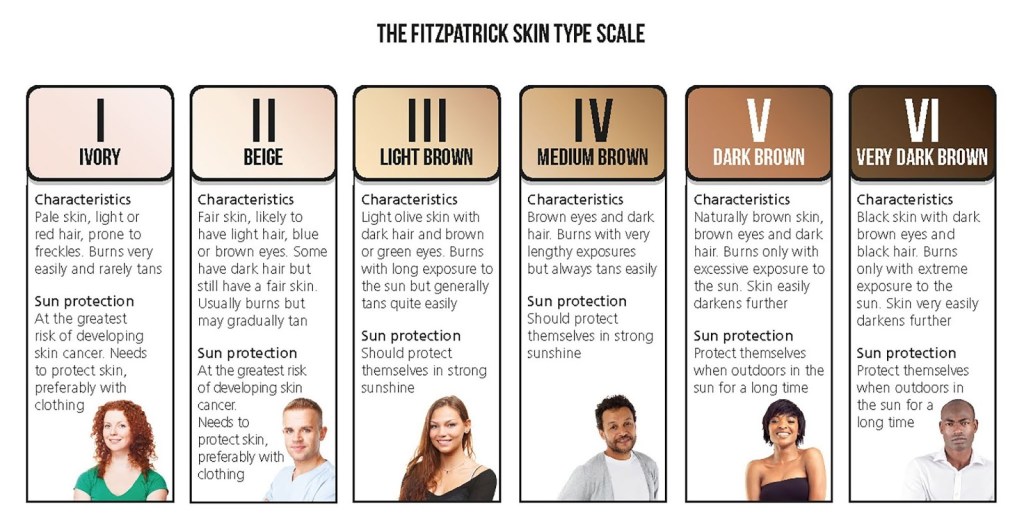
The Fitzpatrick scale (above) is a numerical classification that was created in the 1970s by Thomas Fitzpatrick, an American dermatologist. The study of human skin color underlines the categories of skin color where it relates to how it measures in terms of being exposed to the sun. It identifies that darker skin is less likely to develop skin cancer when exposed to the sun.

In his article, “Why the sun is good for Afrikan people”, Dr. Kwame Osei says,

This lack of melanin cover explains why Europeans/White people especially the albino whites burn in the sun and in the worst circumstances turn pink and get skin cancer- hence why they need to wear sunscreen because their white skin has been damaged by the sun’s UV rays because their pineal gland, an organ between the eyes has been calcified. What this means in effect that they cannot generate energy from the sun’s UV rays due to their lack of melanin. Melanin in its most concentrated form is black. It is black because its chemical structure will not allow any energy to escape once that energy has come in contact with it. This gives us insight and shows that melanin-dominant people do not require the same amount of minerals and nutrients in their diet as people with less melanin.(modernghana.com)

Nearly all black and brown skins are beautiful, but beautiful white skin is rare. Where dark complexions are massed, they make the whites look bleached-out, unwholesome, and sometimes frankly ghastly. I could notice this as a boy, down South in the slavery days before the war. The splendid black satin skin of the South African Zulus of Durban seemed to me to come very close to perfection. The white man’s complexion makes no concealments. It can’t. It seemed to have been designed as a catch-all for everything that can damage it. Ladies have to paint it, and powder it, and cosmetic it, and diet it with arsenic, and enamel it, and be always enticing it, and persuading it, and pestering it, and fussing at it, to make it beautiful; and they do not succeed. But these efforts show what they think of the natural complexion, as distributed. As distributed it needs these helps. The complexion which they try to counterfeit is one that nature restricts to the few–to the very few. To ninety-nine persons, she gives a bad complexion, to the hundredth a good one. The hundredth can keep it–how long? Ten years, perhaps. The advantage is with the Zulu, I think. He starts with a beautiful complexion, and it will last him through. And as for the Indian brown–firm, smooth, blemish free, pleasant, and restful to the eye, afraid of no color, harmonizing with all colors and adding a grace to them all–I think there is no sort of chance for the average white complexion against that rich and perfect tint. — Mark Twain, Skin Deep – Complexions

The Black skin is not a badge of shame, but rather a glorious symbol of national greatness. — Marcus Garvey

The recipients of the phenomenon we know as “MELANIN” are the people, that are referred to as Black, Colored, African, Sub-Saharan,  and African American.

In his book, “The Chemical Key to Black Greatness” American Biochemist, Carol Barnes, described melanin as, “a civilizing chemical that acts as a sedative to help keep the black human calm, relaxed, caring, creative, energetic and civilized”. Research also revealed that melanin enables black skin to actively interact with the sun, to produce Vitamin D from a biochemical substance, 7- dehydrocholesterol. The study also detected that, melanin has spiritual dynamics as well as physical, since it acts as a sensory ‘receptor’ and ‘transmitter’; communicating with cosmic energy fields in the vast universe converting light energy to sound energy and back. Dr. Richard King, MD, stated that, “melanin, by its ability to capture light and hold it in a memory mode, reveals that blackness converts light into knowledge”.

All photographs are the property of their respective owners.

Melanin refines the nervous system in such a way that messages from the brain reach other areas of the body most rapidly in dark people, the first race. The abundance of melanin in our skin gives us genetic inferiority. We are physically stronger. Mentally sounder. Spiritually more connected. High absorption of vitamins, full-color range, taste of the full flavor of food, and more intelligence. Melanin (Carbon) is essential to brain, nerve, and organ function it can be found in every part of the body where cells are to reproduce and regenerate. Let’s not forget the anti-aging effects of melanin in dark skin, on average a white-skinned person will look much older than their black counterpart.

“ Melanin (Carbon) is the fundamental unit of the universe and exists in four forms: Cosmic, Planetary, plant kingdom (chlorophyll), and animal kingdom melanin. Melanin is black (carbon) because its chemical structure allows no energy to escape.. making black melanin the super absorber of energy and light. Melanin is found in almost every organ of the body and is necessary in order for the brain and nerves to operate, the eyes to see, and the cells to reproduce. Melanin can rearrange its chemical structure to absorb all energy across the radiant energy spectrum (i.e. sunlight, Xirays, music, sound, radar, radio waves, etc) The black human can charge up his/her melanin just by being in the sun or around the right type of musical sounds or other energy sources. Our body is electrical, with currents of nerves sending signals through our brain daily. Melanin itself, on a philosophical plane, is a black chemical/biological door through which the life force of African spirituality passes in moving from the spirit to the material realm. You will we learn to accept and embrace the fact that Black is not only beautiful but it comes in a variety of different shades, textures, and tones; None of which is better or worse than the other. Proof of a creator? You exist and there are no copies of you anywhere. The facial features of a person of color are more pronounced than any other nation around the world. Did you know that many white people in the Americas tan their skin and are vast consumers of tanning bronzing gels ,etc? Just the other day I saw a white woman at my local market she was as dark as me, but with a orangey tint to her face. So with the lie that states that dark skin is less desired but the hate is more a product of self-hatred and taught behavior, than a total social preference. There is a reason we have been conditioned this way.

As has its advantages dark skin so does dark eyes which can see the full-color range as it is exactly it is.

My conversation with Pascal, a professional photographer from France.

Q: What is it like to work with models/people of color?

Pascal: Let me start with you… photographing you and applying makeup to your face what a pleasure, you have the most beautiful eyes, face, and skin. Up close you are so physically beautiful, physically compelling, I’m hypnotized by your good looks. Your skin is always so soft, smooth, and creamy like churned butter, I love your light skin color. Women of color are the most beautiful creatures on earth, the skin is so deep and rich, they are the best to work with.

Q: Do you have a preference for light or dark?

Pascal: No but in my work, the darker the girl is the more light she becomes to the camera like a rare occurrence with the view. Dark skin really is the best.

Carbon is really the correct word.. but Melanin is the black man’s ace and intelligence. Our skin has the highest amount of Melanin of all nations, also, This is the color of the Savior. And his feet like unto fine brass, as if they burned in a furnace; and his voice as the sound of many waters. Revelation 1:15-17 KJV

Basking in the hot sun for hours While becoming sun-kissed to perfection The salt of our tears raped our face As we picked cotton in the southern heat No other skin could take such a beating Like the Melanin in our skin. Our skin is just like butter burned to make you want to devour it Symbolic of the melting of dark chocolate and How sweet it is Some are like coffee with milk while others are like hot chocolate Only one term to describe the beauty and dimension of the colors of our skin Resplendently Like the melanin in our skin.

The Black skin is not a badge of shame, but rather a glorious symbol of national greatness. — Marcus Garvey

All photographs are the property of their respective owners.

4 things the other nations COVET from us.

1. Lips

So they say that Angelina Jolie made our lips famous? Way before there was Angelina, there were our ancestors that possessed those ancient lumps we call lips, yes full and luscious all the way. Now today with millions of collagen injections being dished out annually for something we have been blessed with. 

2. Darker Skin

Who said only white porcelain skin was all the rage with millions of dollars being spent annually on tan salons, bronzing powders, and spray tans all to achieve our sun-kissed skin? 

Our melanin is a gift from the Most High God. So cherish it.

3. Our Round Bottoms

It is no secret that black women are known for their big bottoms, but we were born with them. Butt implants have become the norm like brushing your teeth, and many women have become disfigured by infecting fat into their bottoms. Hmmm, wouldn’t have been nice to be born with it.

5. Black Men

Are Truly the most desired men by all nations. The Greatest Gift to the black woman is the black man. So what if so or you are rough around the edges but so are we black women? Everyone can see your greatness, you are our King. So raise and love the black woman back. The other nations may love you, but your roots are with the black woman.

5 Great things about melanin in the skin: 

1. Some of the greatest Inventors and Innovators.

Despite such impressive credentials, black people are the innovators and inventors of just about everything on earth from toothpaste to electricity.

2. The Melanin in our Skin.

Beyond a shadow of a doubt, black doesn’t crack, which contributes to our anti-aging, but more importantly, the high concentration of melanin has its benefits such as protection from the sun and produces our Vitamin D.

3. Our hair is unique and fascinating.

Everyone else grows fur. Black hair can maintain its state, whether it be kinky, coily, relaxed, fro, or cornrows can keep its shape in the harsh climates in the world.

4. A black man’s body is superior, genetically stronger than that of any other race.

It has been proven that throughout history that the black man has built the constructs of building and foundations for many nations, including America through slavery, etc.

5. A black woman’s features are highly coveted.

Our skin and facial features are highly coveted by other races, such as our lips, booty, and skin. Many Nordic/Aryan races have emulated our features in mainstream media.