
Tag Archives: black manhood

Algorithms of Black Manhood

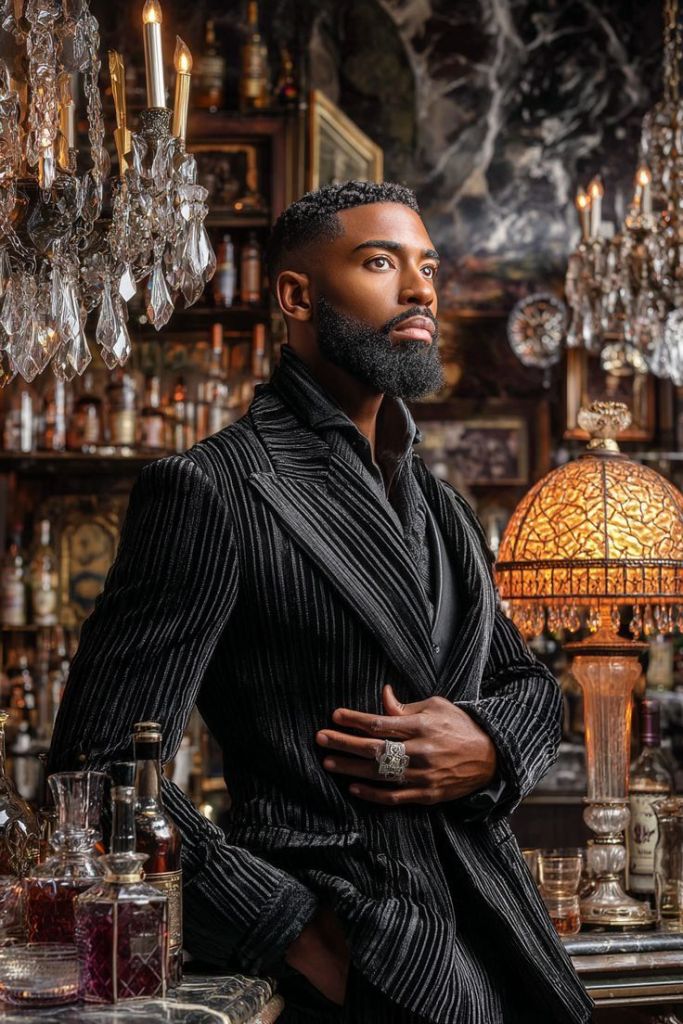
This photograph is the property of its respective owner. No copyright infringement is intended.

Black manhood has never been formed in isolation; it has always been shaped, surveilled, and disciplined by external systems of power. In the digital age, algorithms now join history, media, and law as invisible architects of how Black men are seen, sorted, rewarded, and punished. These systems do not merely reflect society—they reproduce its biases at scale.

Algorithms are often framed as neutral tools driven by data, yet data itself is historical. Because Black men have been disproportionately criminalized, excluded, and stereotyped, the datasets used to train algorithms inherit these distortions. As a result, digital systems frequently encode old racial myths into new technological forms.

One of the most enduring myths shaping Black manhood is criminality. Predictive policing algorithms, facial recognition software, and risk assessment tools consistently flag Black men as higher risk, not because of inherent behavior, but because past policing practices over-targeted Black communities. The algorithm learns the bias and calls it probability.

These systems extend surveillance beyond the street and into everyday life. Credit scoring, hiring software, insurance assessments, and social media moderation all participate in ranking Black men’s trustworthiness, competence, and value. Manhood becomes something quantified, filtered, and judged by machines that cannot understand context, humanity, or history.

Media algorithms further distort Black masculinity. Platforms reward content that reinforces familiar tropes—hypermasculinity, aggression, emotional detachment—because such content drives engagement. Nuanced representations of Black fatherhood, vulnerability, or intellectual depth are less likely to be amplified, not because they lack value, but because they disrupt profitable narratives.

This creates a feedback loop. Black men who wish to be seen or heard online may feel pressure to perform algorithm-approved versions of masculinity. Authenticity is punished, while caricature is rewarded. Over time, performance replaces self-definition.

The workplace is not exempt from algorithmic shaping. Automated résumé screeners trained on historically white, male corporate profiles may downgrade Black male candidates based on names, schools, or speech patterns. Leadership potential is filtered through coded assumptions about what authority is supposed to look and sound like.

Education systems increasingly rely on algorithmic assessment as well. Disciplinary prediction tools and behavioral analytics disproportionately flag Black boys as future problems, reinforcing a school-to-prison pipeline under the guise of efficiency. Manhood is framed early as deviance rather than potential.

Dating apps and social platforms also reveal algorithmic hierarchies of desire. Studies show that Black men are often ranked lower or fetishized based on racialized assumptions about dominance, danger, or athleticism. Even intimacy is shaped by code that translates bias into preference.

The emotional cost of this constant evaluation is significant. When manhood is continuously questioned, monitored, or misread, it produces hypervigilance, stress, and alienation. Black men must navigate not only social expectations, but automated judgments they cannot see or contest.

Historically, Black manhood has been policed through law, violence, and propaganda. Algorithms represent a quieter continuation of this control—less visible, more technical, and therefore harder to challenge. Power becomes abstracted behind dashboards and models.

Yet algorithms are created by people, not destiny. Their values, priorities, and blind spots reflect the cultures that build them. When diversity, ethics, and historical literacy are absent from tech development, bias becomes automated rather than eliminated.

Resistance begins with literacy. Understanding how algorithms work, where data comes from, and who benefits from these systems empowers communities to question their authority. Transparency is not a technical luxury; it is a civil rights necessity.

Scholars and activists have begun calling for algorithmic accountability, demanding audits, bias testing, and inclusive design. These efforts recognize that justice in the digital age requires more than representation—it requires structural intervention.

Redefining Black manhood outside algorithmic constraints is also essential. Manhood cannot be reduced to data points, threat scores, or engagement metrics. It must be reclaimed as relational, ethical, spiritual, and communal.

Faith traditions, cultural memory, and intergenerational knowledge offer counter-algorithms—value systems that affirm dignity beyond performance or prediction. These frameworks resist reduction and insist on humanity over efficiency.

The danger of algorithmic manhood is not only misrepresentation, but inevitability. When systems are treated as objective, their outcomes feel unchangeable. Challenging this myth reopens space for agency and reform.

A future that honors Black manhood must confront the technologies shaping it. This includes diversifying tech leadership, regulating high-stakes algorithms, and centering those most harmed by automated decision-making.

Ultimately, algorithms do not define Black manhood—power does. And power can be challenged. By exposing how digital systems encode old hierarchies, society can begin to imagine technologies that serve justice rather than reproduce inequality.

Black manhood has survived centuries of distortion. It will also survive algorithms. But survival is not the goal. Liberation requires that technology be reshaped to recognize Black men not as risks to be managed, but as full human beings worthy of complexity, care, and self-definition.

References

Benjamin, R. (2019). Race after technology: Abolitionist tools for the new Jim Code. Polity Press.

Browne, S. (2015). Dark matters: On the surveillance of Blackness. Duke University Press.

Buolamwini, J., & Gebru, T. (2018). Gender shades: Intersectional accuracy disparities in commercial gender classification. Proceedings of Machine Learning Research, 81, 1–15.

Eubanks, V. (2018). Automating inequality: How high-tech tools profile, police, and punish the poor. St. Martin’s Press.

Noble, S. U. (2018). Algorithms of oppression: How search engines reinforce racism. NYU Press.

O’Neil, C. (2016). Weapons of math destruction: How big data increases inequality and threatens democracy. Crown.

Rios, V. M. (2011). Punished: Policing the lives of Black and Latino boys. NYU Press.
The War for Black Manhood

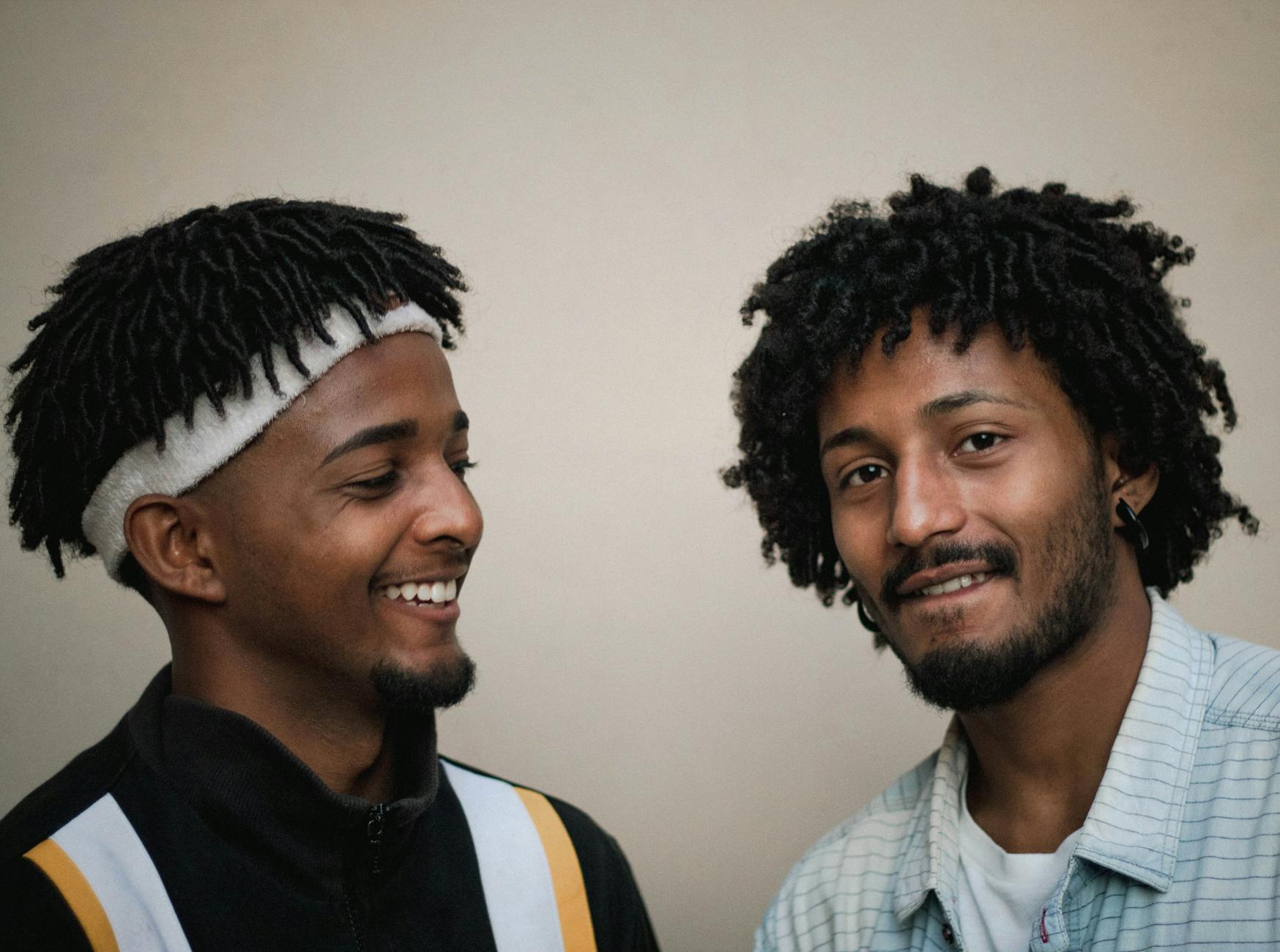
Photo by Dayvison Tadeu on Pexels.com

The war for Black manhood is not fought solely in streets, prisons, courtrooms, or schools—it is waged in the soul, the psyche, and the spiritual realm. From slavery’s plantations to modern digital plantations of propaganda, the Black man has endured relentless attacks against his identity, dignity, and divine purpose. This struggle is not merely social, political, or economic; it is spiritual warfare targeting the very essence of who God created him to be.

The biblical foundation of Black manhood is rooted in creation. Man was formed first, charged with leadership, responsibility, and stewardship (Genesis 2:7, 15). Yet the same adversary who sought to destroy Adam’s authority continues to target the sons of Africa today. To diminish the Black man is to weaken the family, fracture the community, and disrupt divine order. Satan’s assault on Black men is strategic warfare, designed to sever the image of God reflected in them.

The transatlantic slave trade was not just a historical event—it was a spiritual attack meant to strip Black men of identity, masculinity, and kingship. Enslaved men were separated from wives, children, culture, and language, systematically humiliated to destroy their sense of authority. This trauma reverberates through generations, echoing the curses described in Deuteronomy 28, where the chosen would suffer captivity, family division, and oppression. Slavery targeted the Black man’s crown before it ever touched his chains.

White supremacy sought to redefine Black manhood from divinely appointed leader to threat, beast, or commodity. During Jim Crow, the Black man’s dignity was so feared that false accusations and violence were used to maintain domination. To oppress a man, one must first demonize him. Propaganda turned the Black man from imago Dei into public enemy, justifying violence and control. These lies became law, media narrative, and belief.

Modern systems continue the war through mass incarceration, economic disenfranchisement, and educational inequity. Policies like the War on Drugs disproportionately targeted Black men, creating cycles of fatherlessness and poverty. The judicial system frequently punishes Black masculinity more than crime. When a man is caged, a community is crippled. One cannot separate the prison crisis from the spiritual agenda to dismantle Black manhood.

But the battlefield is not just external. Many Black men wrestle with internalized oppression, identity confusion, and emotional scars. Centuries of emasculation, exploitation, and systemic barriers weigh heavy. Depression, anxiety, and trauma are often masked behind stoicism, anger, or silence. The world permits everyone to be vulnerable except the Black man. Yet Christ calls all to cast burdens upon Him (1 Peter 5:7). Healing begins where honesty begins.

Media has become a weapon as well. Where once the Black man was criminalized, now he is hyper-sexualized, feminized, or portrayed as irresponsible and violent. Hollywood, music, and social platforms often glorify dysfunction while diminishing images of honorable, God-fearing Black men. A war of images is a war of identities. If he does not control his narrative, someone else will.

The family remains the primary target. A man who leads his home with faith, discipline, and love becomes a fortress against societal chaos. But if he is removed, the gates fall. Fatherhood is divine assignment (Ephesians 6:4). When fatherhood is weakened, so is the nation. Systems knew this—so they removed him from the home economically, psychologically, or physically. Yet God calls Black men back to priesthood, protection, and provision.

The war also seeks to distort masculinity. Strength is labeled aggression, authority is called toxicity, and biblical leadership is framed as oppression. But true masculinity is not tyranny—it is sacrificial love modeled by Christ. Headship is not domination—it is service, responsibility, and covering (Ephesians 5:23-25). The world wants the Black man soft, silent, or sinful; God wants him righteous, wise, and unshakable.

Spiritually, the enemy fears the Black man’s awakening to his identity as chosen, royal, and called by God. When Black men understand their scriptural heritage, ancestral power, and divine calling, they become unstoppable. Knowledge of self aligned with knowledge of God is liberation. That is why Christ is the cornerstone of restoration. Only God can rebuild what oppression tried to break.

Education, wealth building, and empowerment are weapons of victory. Yet without spiritual foundation, success becomes fragile. True transformation requires renewing the mind (Romans 12:2). Black men must return to wisdom, discipline, and purpose, rejecting distractions that weaken leadership—lust, pride, idleness, addiction, and rebellion against God’s order.

Brotherhood is also essential. Iron sharpens iron (Proverbs 27:17). Men need mentors, elders, and brothers who pray together, build together, hold one another accountable, and refuse to abandon each other. Isolation makes a man vulnerable; unity makes him powerful. Community is armor.

Marriage and family are battlegrounds of restoration. A righteous man loving a righteous woman, raising children in truth, becomes a warrior for generational change. The enemy knows this—so he attacks relationships, fuels lust over love, and fosters division between Black men and Black women. But God calls them back into covenant, unity, and honor (Ecclesiastes 4:9-12).

Purpose is the cure to wandering. When a man knows his calling, he walks differently. Black men are called to build, protect, teach, lead, and worship. Destiny demands discipline. A king cannot live like a slave to sin. God calls Black men to rise in integrity, prayer, strategy, and service.

Healing requires truth, therapy, prayer, and brotherhood. Trauma must be acknowledged, not buried. The past must be confronted, not escaped. God restores broken identities and heals father wounds. The Holy Spirit rebuilds confidence, clarity, and courage.

The future requires generational vision. Each Black man must ask: What legacy will I leave? What son will I raise? What world will I help shape? Legacy is leadership stretched across time. To win the war, he must build beyond himself.

Above all, the Black man must return to God. His strength is not in muscles, money, or status—but in righteousness, wisdom, and obedience. “The righteous are bold as a lion” (Proverbs 28:1). His true identity is not defined by oppression but ordained by heaven.

The war for Black manhood is fierce, but victory is promised. God has not abandoned His sons; He calls them to rise as kings, priests, and warriors of purpose. When Black men reclaim faith, identity, and leadership, families heal, communities rise, and nations shift. The battle is great—but so is the calling. The world fears the restored Black man because a restored Black man restores a people.

This is not the fall of Black manhood—it is the awakening.