Tag Archives: black male beauty

Black Men, Beautiful by Divine Design

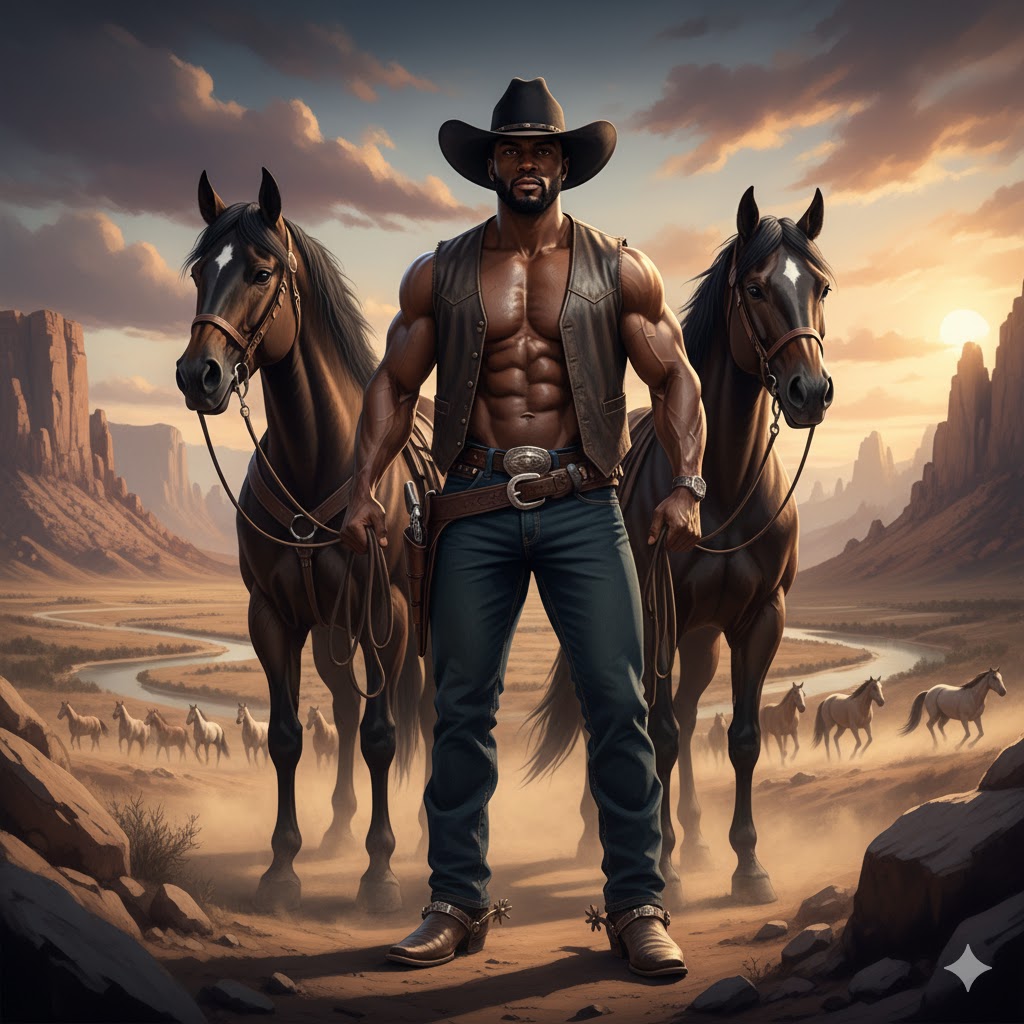
Black men are beautiful by divine design, not as a reaction to oppression but as an original truth rooted in creation itself. From the first formation of humanity, Scripture affirms that mankind was made in the image and likeness of God, carrying dignity, purpose, and beauty that cannot be erased by history or hatred (Genesis 1:26–27, KJV). Black male beauty is therefore not merely aesthetic; it is theological, intentional, and sacred.

The beauty of Black men is expressed through strength and softness existing in harmony. Muscular frames, broad shoulders, and commanding posture often reflect physical power, yet the deeper beauty lies in restraint, wisdom, and emotional depth. Biblical masculinity never divorces strength from gentleness, as Christ Himself embodied both authority and compassion (Matthew 11:29, KJV).

Melanin itself stands as a biological testimony of divine wisdom. Scientifically, melanin provides protection against ultraviolet radiation and contributes to skin resilience, reflecting adaptation and intentional design (Jablonski, 2012). What society has often devalued, creation reveals as functional, protective, and beautiful.

Black men’s facial diversity—strong jawlines, full lips, wide or narrow noses, deep-set or expressive eyes—reflects a vast genetic inheritance rooted in Africa, the cradle of humanity. Genetics confirms that African populations possess the greatest genetic diversity on Earth, making Black features foundational rather than derivative (Tishkoff et al., 2009).

Hair textures among Black men, from tight coils and full afros to locs and curls, represent cultural memory and biological brilliance. Coiled hair conserves moisture and protects the scalp in warm climates, further revealing form following function (Jablonski & Chaplin, 2010). What was once policed and stigmatized is now being reclaimed as a crown.

Scripture consistently affirms that beauty is not accidental but crafted. Psalm 139 declares that human beings are “fearfully and wonderfully made,” language that applies fully to Black men whose bodies and identities have been historically attacked (Psalm 139:14, KJV). Divine craftsmanship cannot be undone by social distortion.

Historically, Black male beauty was intentionally suppressed during slavery and colonialism. European racial hierarchies sought to redefine beauty through whiteness to justify domination, portraying Black men as hyperphysical but subhuman (Fanon, 1952). This distortion was never truth—it was strategy.

Despite this, Black men have continually embodied dignity under pressure. From enslaved fathers protecting their families in spirit, to freedom fighters, scholars, artists, and builders, Black men have reflected a beauty rooted in perseverance and moral courage. Such beauty aligns with biblical endurance refined through trial (James 1:12, KJV).

The physical presence of Black men often communicates authority even in silence. This presence, frequently misinterpreted as threat, is in fact a reflection of bearing—what Scripture might call countenance. When Moses descended from Sinai, his face shone with divine encounter, reminding us that presence can be mistaken when observers lack understanding (Exodus 34:29, KJV).

Black male beauty is also relational. A man’s ability to love, lead, protect, and nurture reflects God’s design for masculine stewardship. Biblical manhood emphasizes responsibility and sacrificial love, not domination (Ephesians 5:25, KJV). In this, Black men mirror divine order.

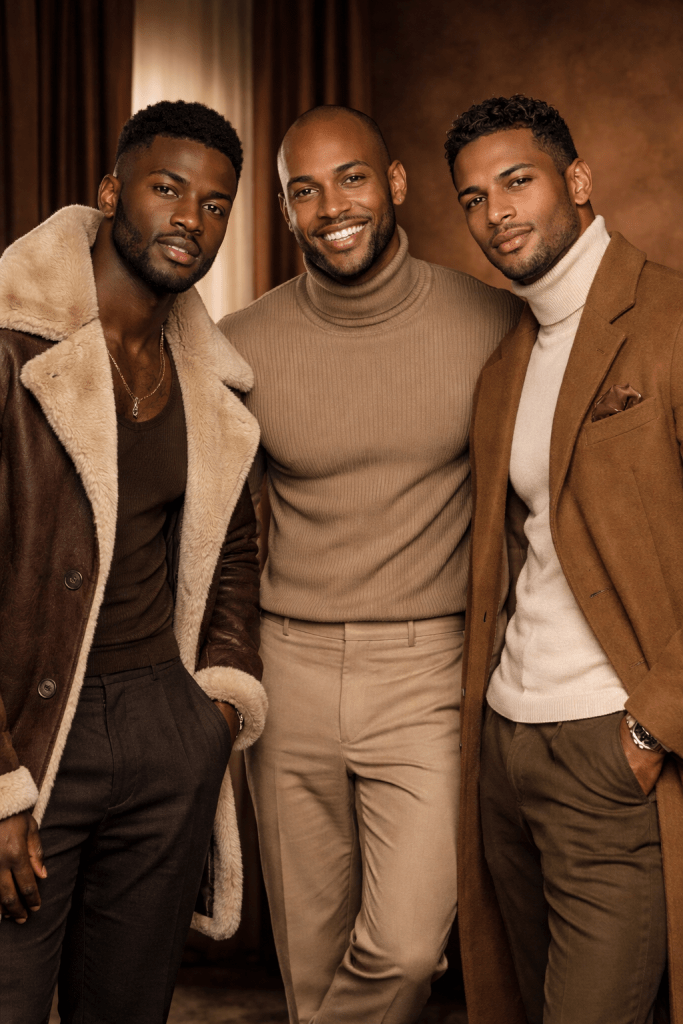
In contemporary media, the reclamation of Black male beauty challenges centuries of distortion. When Black men are depicted as intellectual, tender, fashionable, faithful, and emotionally whole, the narrative shifts toward truth. Representation becomes a corrective lens rather than a superficial trend.

Psychologically, affirming Black male beauty is essential for healing. Studies show that internalized racism negatively impacts self-concept and mental health among Black men (Williams & Mohammed, 2009). Reclaiming beauty is therefore an act of restoration, not vanity.

Spiritually, beauty is linked to purpose. The Most High does nothing without intention, and Black men exist as vessels of divine assignment. Their appearance, voice, and physicality are part of how they move through the world and fulfill calling (Jeremiah 1:5, KJV).

The biblical narrative includes men of dark complexion and strength, such as the Shulammite’s beloved, described with admiration and desire in the Song of Solomon. The language of attraction and admiration in Scripture affirms that Blackness and beauty are not opposites (Song of Solomon 5:10–11, KJV).

Black men’s beauty also lives in discipline—how they carry themselves, speak with wisdom, and develop mastery in skill and craft. Proverbs teaches that skill brings a man before greatness, reinforcing that excellence itself is attractive and honorable (Proverbs 22:29, KJV).

Athleticism, often emphasized in Black male bodies, should be understood as one expression of embodied intelligence, not the limit of Black potential. The same bodies that run, lift, and endure also think, create, heal, and lead. Divine design never restricts purpose to one dimension.

Fatherhood reveals another layer of beauty. When Black men nurture children, guide families, and restore generational foundations, they reflect God as Father. This image is especially powerful in a society shaped by intentional family disruption (Malachi 4:6, KJV).

Cultural style—how Black men dress, groom, and adorn themselves—functions as visual theology. From tailored suits to casual streetwear, style communicates identity, self-respect, and cultural continuity. Even Scripture acknowledges garments as expressions of honor and position (Genesis 41:42, KJV).

Black men’s voices carry resonance, rhythm, and authority, shaped by both ancestry and lived experience. Whether preaching, teaching, singing, or speaking truth in everyday spaces, their voices reflect breath given by God Himself (Genesis 2:7, KJV).

Ultimately, declaring Black men “beautiful by divine design” is an act of truth-telling. It resists false narratives, restores dignity, and aligns with both Scripture and science. Beauty, in this sense, is not subjective—it is ordained.

When Black men see themselves as God sees them, beauty becomes a foundation for wholeness, responsibility, and righteous living. To affirm their beauty is to affirm God’s craftsmanship, wisdom, and sovereignty. What God has designed beautifully, no system has the authority to redefine.


References

Fanon, F. (1952). Black skin, white masks. Grove Press.

Jablonski, N. G. (2012). Living color: The biological and social meaning of skin color. University of California Press.

Jablonski, N. G., & Chaplin, G. (2010). Human skin pigmentation as an adaptation to UV radiation. Proceedings of the National Academy of Sciences, 107(Supplement 2), 8962–8968.

Tishkoff, S. A., et al. (2009). The genetic structure and history of Africans and African Americans. Science, 324(5930), 1035–1044.

Williams, D. R., & Mohammed, S. A. (2009). Discrimination and racial disparities in health. Journal of Behavioral Medicine, 32(1), 20–47.

The Holy Bible, King James Version. (1611/2017). Cambridge University Press.
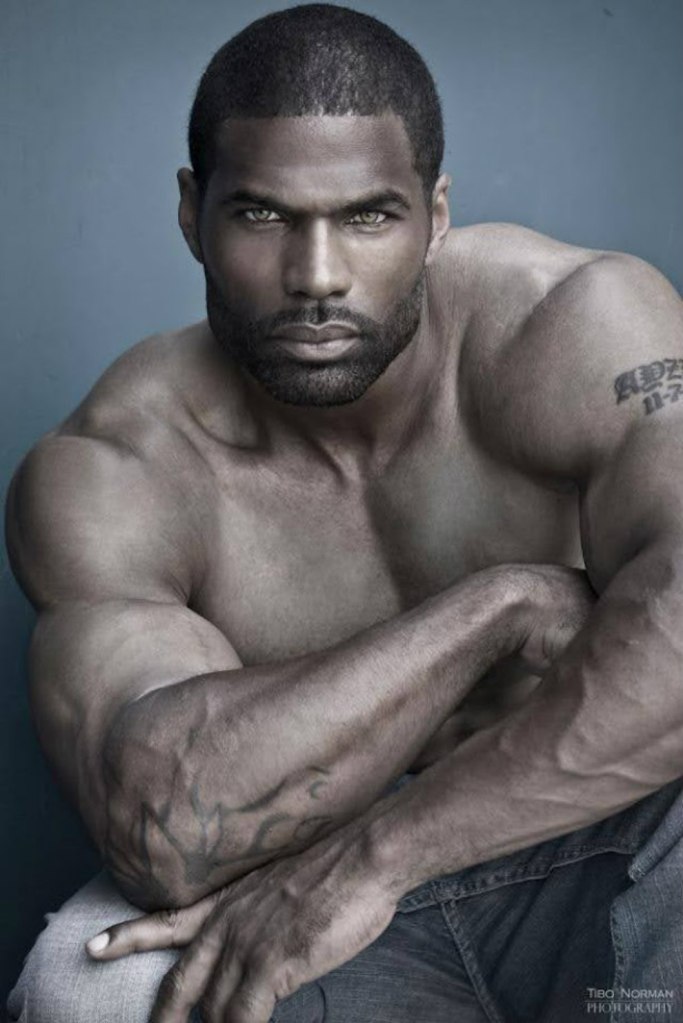
The Handsome Burden: How Society Looks at Black Male Beauty.

Photo Credit: Tibo Norman (used with permission)

Black male beauty has historically existed in a complex intersection of admiration and marginalization. In Western culture, ideals of masculinity and attractiveness have often been racially coded, favoring Eurocentric features such as light skin, straight hair, and narrow noses, leaving Black men to negotiate a beauty standard that often excludes them (Hunter, 2007). Despite these systemic barriers, Black men have consistently exemplified a wide range of physical beauty that challenges monolithic societal expectations.

The aesthetic evaluation of Black men is heavily influenced by historical and social contexts. During slavery and colonial periods, Black male bodies were subjected to objectification and dehumanization, yet their physicality was simultaneously fetishized as symbols of raw strength and virility (hooks, 1992). This duality created a paradoxical space where Black male attractiveness was both feared and desired.

Skin tone continues to play a significant role in how Black male beauty is perceived. Colorism, an intra-racial bias favoring lighter-skinned individuals, disproportionately affects Black men, impacting their representation in media and the dating market (Keith & Herring, 1991). Darker-skinned men often confront stereotypes associating them with aggression or hyper-masculinity, while lighter-skinned men are more frequently idealized in romantic or social contexts.

Facial features are another critical component in perceptions of beauty. Broad noses, full lips, and strong jawlines, which are characteristic of many Black men, are alternately fetishized and stigmatized in popular culture (Hall, 1997). Media representations often distort these features to fit palatable norms, leading to both admiration in certain subcultures and marginalization in mainstream society.

Hair texture and style also heavily influence social reception. Natural hair, afros, dreadlocks, and braids have long been sites of both cultural pride and discrimination. The policing of Black male hair in professional and social settings reflects broader societal discomfort with expressions of Black identity and beauty (Byrd & Tharps, 2014).

Athleticism is frequently conflated with attractiveness in Black men, reinforcing narrow definitions of beauty tied to physical performance rather than aesthetic nuance. This overemphasis perpetuates the stereotype that Black men’s value lies predominantly in their bodies’ functional capacity, rather than their individuality or style (Sailes, 1998).

The concept of “handsome burden” emerges from the paradox that Black male beauty, while celebrated in certain spaces, carries additional social costs. Attractive Black men are often hyper-visible, subjected to scrutiny, and stereotyped in ways that can impede social mobility and personal relationships (Griffin, 2012). The very features that draw admiration can also elicit bias.

Media representation is central to shaping societal views. Historically, Black men were either absent from mainstream portrayals of romantic leads or depicted in hypersexualized or villainized roles (Bogle, 2016). The lack of nuanced representation has contributed to a skewed understanding of Black male attractiveness, privileging exoticism over authenticity.

Black male celebrities frequently navigate the tension between societal fascination and personal agency over their image. Figures like Idris Elba, Michael B. Jordan, and Denzel Washington have gained recognition for their appearance, yet their visibility often subjects them to reductive discussions centered on looks rather than accomplishments (Russell, 2008).

Society’s obsession with physique and style creates pressures unique to Black men. Fashion, grooming, and fitness become mechanisms through which Black men negotiate social acceptance and desirability, amplifying the burden of external expectations (Banks, 2000).

Intersecting identities—such as socioeconomic status, sexuality, and regional background—further complicate the reception of Black male beauty. For example, a wealthy Black man may gain admiration that is denied to a working-class counterpart, illustrating how social capital intersects with racialized beauty standards (Patton, 2006).

Racialized beauty ideals also affect intimate relationships. Studies show that Black men often face exclusion in dating markets due to stereotypes about their masculinity or desirability (Felmlee, 2001). This phenomenon highlights how social perceptions of Black male beauty can influence both personal and emotional wellbeing.

The global circulation of Black male aesthetics offers a counter-narrative to Eurocentric beauty norms. Across Africa, the Caribbean, and the diaspora, Black men are celebrated for features that are undervalued in Western contexts, creating a multiplicity of beauty frameworks that resist homogenization (Ekine & Abbas, 2013).

Social media has amplified both the pressures and opportunities for Black men to curate their appearance. Platforms like Instagram provide spaces for self-representation and affirmation, yet they also expose individuals to heightened scrutiny and comparison, reinforcing anxieties about desirability (Tynes et al., 2016).

The commodification of Black male beauty through advertising and branding further complicates its social reception. Black men are often marketed as symbols of sexual allure or physical prowess, reducing complex identities to consumable aesthetic traits (Cole, 2015).

Historical trauma and generational narratives contribute to contemporary experiences of beauty for Black men. The lingering effects of slavery, segregation, and systemic oppression influence internalized self-perception and the valuation of physical traits, creating a psychological dimension to the “handsome burden” (Anderson, 2010).

Mental health implications are significant. Hypervisibility and the pressure to perform attractiveness can lead to stress, anxiety, and identity conflicts, revealing how aesthetic ideals intersect with emotional wellbeing (Wyatt et al., 2015).

Resistance movements have emerged, celebrating Black male beauty on its own terms. Cultural expressions such as hip hop, Afrofuturism, and Black fashion activism challenge normative aesthetics and create spaces where diverse Black male appearances are celebrated (Morgan & Bennett, 2011).

Education and scholarship play essential roles in redefining beauty narratives. By analyzing and challenging historical biases, researchers and cultural critics help to broaden society’s understanding of Black male attractiveness beyond reductive stereotypes (hooks, 1992).

Ultimately, Black male beauty exists as both a gift and a burden. The societal gaze can elevate and constrain, praise and stereotype, celebrate and marginalize. Understanding the intricate dynamics of this perception is critical to fostering cultural equity and dismantling limiting beauty paradigms.


References

Anderson, C. (2010). The psychology of African American male identity: Understanding the impact of historical trauma. Journal of Black Psychology, 36(4), 357–381.

Banks, I. (2000). Hair matters: Beauty, power, and Black men’s culture. New York University Press.

Bogle, D. (2016). Toms, coons, mulattoes, mammies, and bucks: An interpretive history of Blacks in American films (4th ed.). Bloomsbury Academic.

Byrd, A., & Tharps, L. (2014). Hair story: Untangling the roots of Black hair in America. St. Martin’s Press.

Cole, D. (2015). Advertising Blackness: Representation and racialization in marketing. Media, Culture & Society, 37(8), 1238–1254.

Ekine, S., & Abbas, H. (2013). African men and masculinities: Gendered transformations. Palgrave Macmillan.

Felmlee, D. (2001). No couple is an island: Social networks and mate selection. Social Forces, 79(4), 1259–1283.

Griffin, R. (2012). Beauty and the burden: Racialized perceptions of African American men. Journal of African American Studies, 16(3), 345–360.

Hall, R. (1997). The standard of beauty: A critical review of racialized aesthetics. Race & Society, 1(2), 123–138.

hooks, b. (1992). Black looks: Race and representation. South End Press.

Hunter, M. (2007). The persistent problem of colorism: Skin tone, status, and inequality. Sociology Compass, 1(1), 237–254.

Keith, V., & Herring, C. (1991). Skin tone and stratification in the Black community. American Journal of Sociology, 97(3), 760–778.

Morgan, M., & Bennett, D. (2011). Hip hop & the global imagination: Black male beauty and cultural resistance. Cultural Studies, 25(5), 643–664.

Patton, T. (2006). In the house of hip hop: Black masculinity and cultural capital. Gender & Society, 20(5), 599–617.

Russell, R. (2008). Image and identity: Black male celebrity culture. Media, Culture & Society, 30(5), 675–693.

Sailes, G. (1998). African American male athletes: Phenomenalism and stereotypes. Journal of Sport & Social Issues, 22(4), 390–402.

Tynes, B., Giang, M., Williams, D., & Thompson, G. (2016). Online racial discrimination and psychological adjustment among adolescents. Journal of Adolescent Health, 58(1), 30–36.

Wyatt, S., Gilbert, R., & Rivers, R. (2015). The impact of societal beauty standards on Black male mental health. Journal of Black Psychology, 41(2), 123–147.

From King to Commodity: The Exploitation of Black Male Beauty

For centuries, the Black male body has existed at the crossroads of reverence and exploitation. In ancient African civilizations, the Black man was often crowned as divine—embodying leadership, spiritual authority, physical excellence, and intellectual brilliance. Yet through the transatlantic slave trade and subsequent Western sociopolitical systems, this image was distorted into a commodified form—an object to be controlled, feared, marketed, consumed, and surveilled. The Black male aesthetic, once a symbol of sovereignty, was stripped and weaponized for profit, entertainment, and domination.

The transformation from king to commodity began during slavery, where enslaved Black men were appraised for strength, endurance, and reproductive potential rather than humanity or intellect. Plantation records reveal how enslavers measured, bred, and traded Black men as physical capital (Gomez, 1998). This legacy birthed an enduring paradox: the Black male admired for his athletic body and masculine power, yet simultaneously denied autonomy, dignity, and emotional depth.

In the modern era, this commodification evolved into media, sports, fashion, and entertainment industries that profit from Black male image and labor. Professional athletics serve as a modern plantation metaphor, where predominantly white ownership capitalizes on Black physicality while often suppressing political voice and cultural authenticity (Rhoden, 2006). Rap and film industries selectively magnify hyper-masculinity, aggression, and sexual prowess, reinforcing stereotypes rooted in slavery’s breeding logic. Even luxury fashion and modeling spaces now celebrate melanin, strong facial structure, and athletic builds—traits historically mocked or criminalized—yet Black men still navigate barriers to economic ownership and narrative control in these industries.

Paradoxically, while the Black male body is commodified, the Black male spirit remains heavily policed. Society praises the physique but fears the presence; celebrates the style but rejects the voice; desires the look but not the lived experience. This duality contributes to mental strain, identity conflict, and hyper-visibility intertwined with invisibility. Black men must constantly negotiate spaces where their beauty is praised but their humanity is questioned.

Yet reclaiming sovereignty is underway. Increasingly, Black men reject objectification and redefine beauty beyond physicality—embracing intellectual excellence, emotional intelligence, spiritual grounding, and entrepreneurial power. Cultural movements uplift the dignified, introspective, protective, visionary roles Black men play as fathers, scholars, artists, healers, and leaders. From ancient Kemet to Nubia, from Timbuktu to Harlem Renaissance salons, the Black man’s beauty has always been multidimensional—rooted not in body alone, but in mind, spirit, and legacy.

The journey forward requires dismantling systems that consume Black masculinity for profit while denying agency and humanity. It calls for honoring the king before the commodity, the purpose before the performance, the soul before the spectacle. The Black male is not merely to be viewed—he is to be valued, respected, and restored to his rightful place in the narrative of global civilization.


References

Gomez, M. A. (1998). Exchanging our country marks: The transformation of African identities in the colonial and antebellum South. University of North Carolina Press.

Rhoden, W. C. (2006). Forty million dollar slaves: The rise, fall, and redemption of the Black athlete. Crown Publishing.