Tag Archives: black love

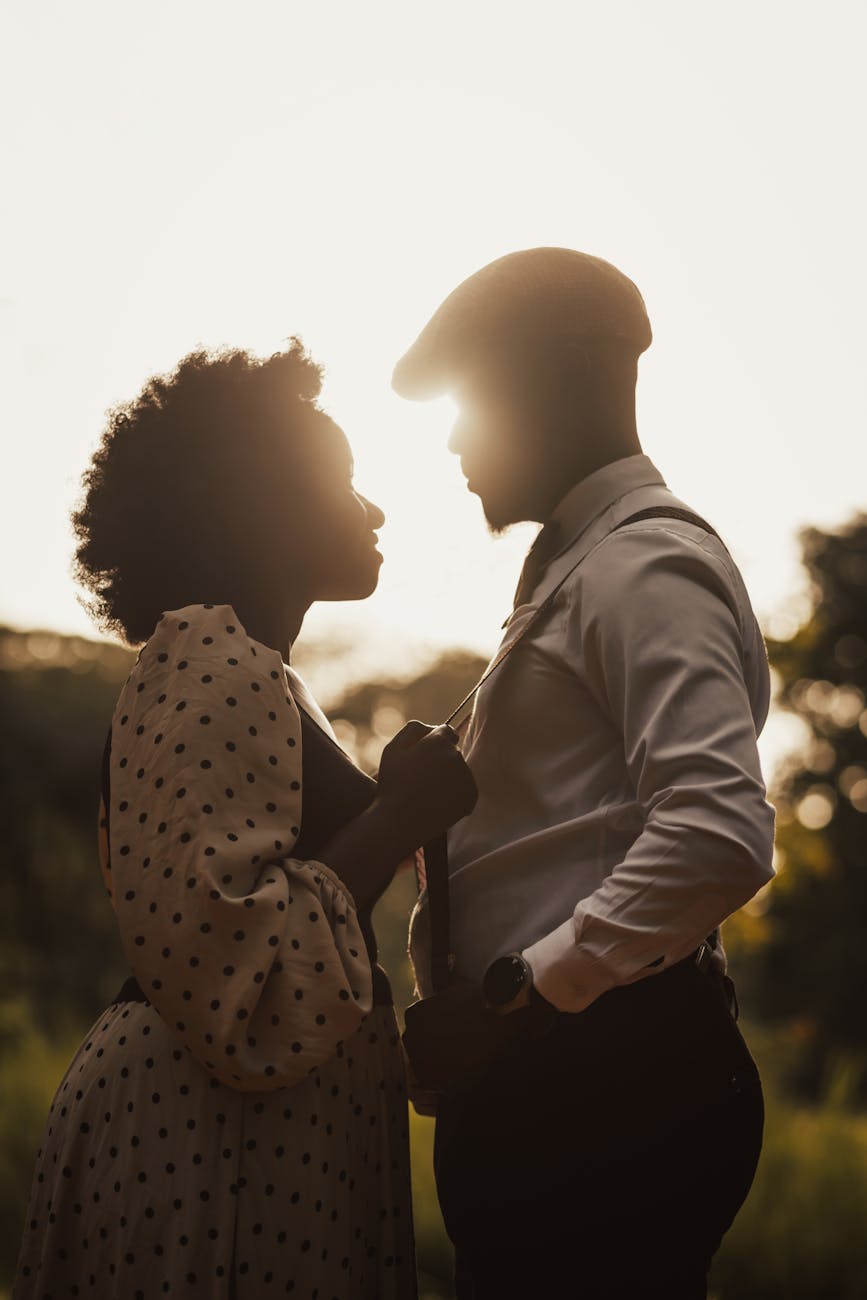
Bridging the Gap: Black Men, Black Women, and the Future of Us.

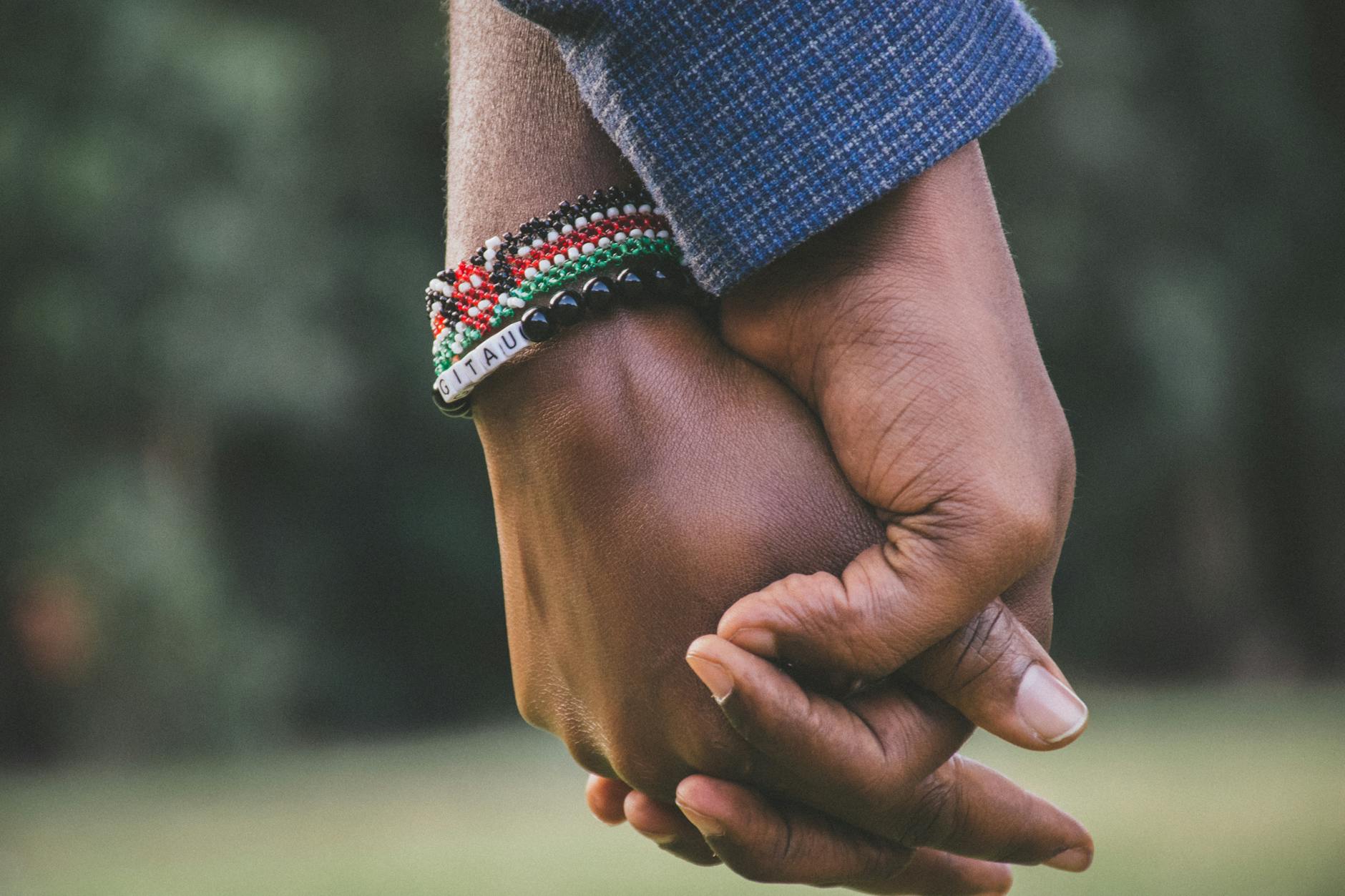
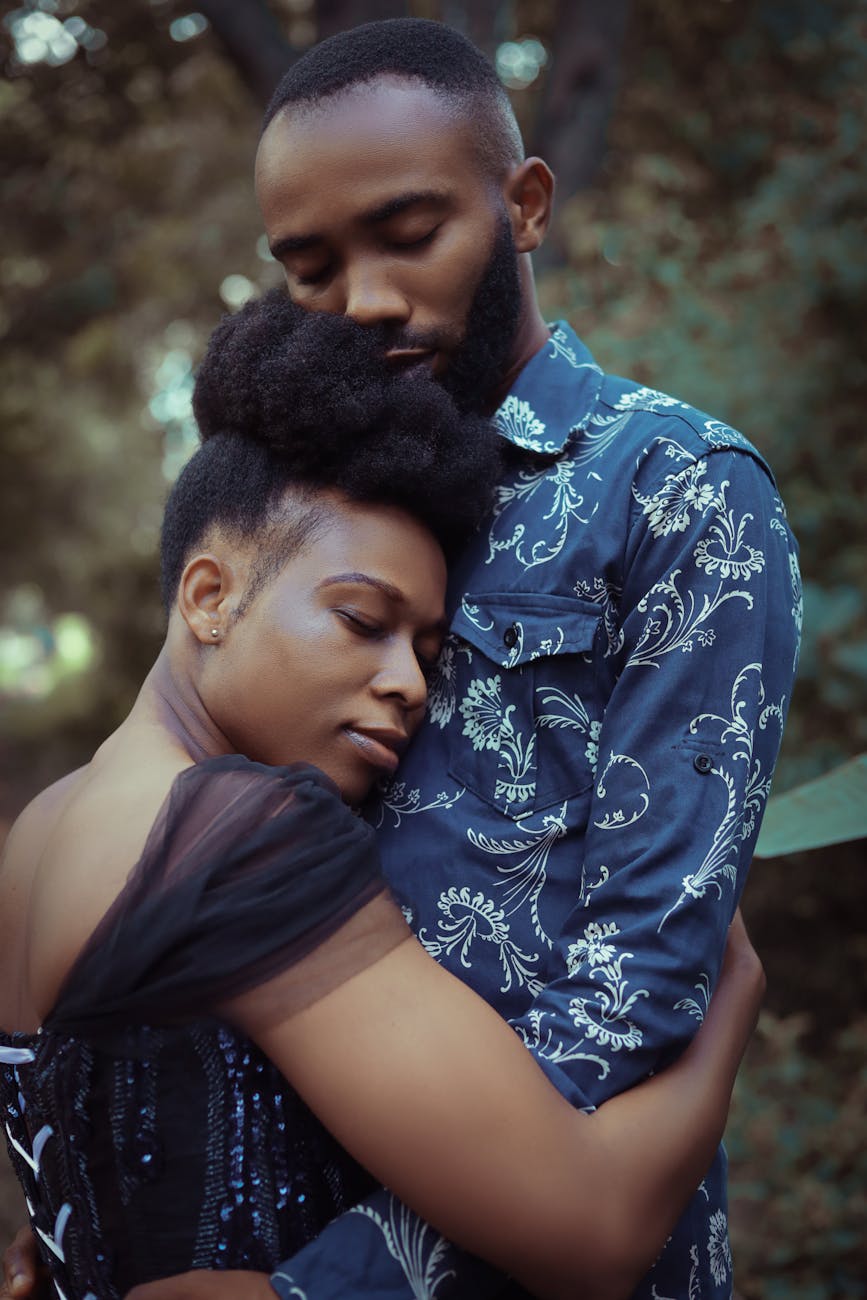
Photo by Git Stephen Gitau on Pexels.com

There was a time when the bond between Black men and Black women was sacred—a spiritual connection born of shared struggle and mutual survival. That love endured whips, chains, and systems designed to destroy it. Yet in the 21st century, something has shifted. The gap between Black men and Black women has widened—not only in relationships but in trust, understanding, and unity. To bridge this divide, we must return to the essence of who we are: divine reflections of one another, created not to compete, but to complete.

The fractures we see today are not natural; they are historical. During slavery, families were torn apart, and gender roles were deliberately distorted. Enslaved men were stripped of authority, while women were forced to become protectors in a world without protection. These traumas did not vanish with emancipation—they evolved. The seeds of mistrust planted in those centuries still bear fruit in modern relationships. Healing begins when we acknowledge that this division was orchestrated, not ordained.

In the aftermath of oppression, both Black men and women learned survival differently. Men often internalized stoicism, strength, and pride as their armor. Women carried resilience, independence, and emotional labor as theirs. These traits, though admirable, can clash when survival becomes competition. The challenge is to transform survival into synergy—learning to stand together instead of standing apart.

Media narratives have deepened this divide. The strong Black woman is portrayed as unyielding, and the Black man as either absent or inadequate. These depictions erode intimacy and reinforce stereotypes that pit us against one another. Bridging the gap requires dismantling these lies and telling our own stories—stories of love, leadership, and partnership that reflect truth rather than trauma.

Spiritually, we must remember that the first covenant between man and woman came from God, not society. “And the LORD God said, It is not good that the man should be alone; I will make him an help meet for him” (Genesis 2:18, KJV). The divine blueprint was never adversarial—it was complementary. Black men and women must return to this sacred design, understanding that our differences are not weapons but gifts meant to balance creation.

Economically, division weakens us. A fractured household means fractured wealth, fractured legacy, and fractured community. When Black men and women unite in financial vision and discipline, they rebuild the foundations of prosperity that systemic inequality has long denied. Love is not only emotional—it is also economic warfare against generational poverty.

Psychologically, bridging the gap requires healing from internalized wounds. Black men must confront the pain of emasculation, abandonment, and unmet emotional needs. Black women must release the burden of over-functioning and reclaim the freedom to be soft without fear of exploitation. Healing is not a gendered task—it is a collective responsibility.

Communication is the bridge between understanding and unity. Too often, we speak at each other instead of to each other. Thriving Black love demands emotional literacy—the courage to express needs without shame and to listen without judgment. In this space, honesty becomes healing, and empathy becomes power.

Forgiveness must also take center stage. Centuries of division cannot be undone without mercy. Black women must forgive the wounds inflicted by absent fathers and broken promises. Black men must forgive the mistrust born from survivalism and pain. Only then can love flow freely without the chains of resentment.

Faith provides the framework for rebuilding. When God is at the center, love becomes covenant, not chaos. Ephesians 5:25 reminds, “Husbands, love your wives, even as Christ also loved the church.” And Proverbs 31:11 declares, “The heart of her husband doth safely trust in her.” In this divine order, mutual honor replaces competition. It is through obedience to God’s design that reconciliation begins.

Bridging the gap also requires re-education. The next generation must see love modeled, not just preached. They must witness men leading with humility and women submitting with strength—not out of control, but out of covenant. When our children grow up seeing harmony instead of hostility, they inherit the vision of unity we once lost.

Community accountability plays a crucial role. Our music, media, and conversations must reflect restoration rather than rivalry. The glorification of hyper-individualism and toxic independence has bred division. We must celebrate interdependence—the power of “we” over “me.” True progress is collective.

Historically, movements like the Civil Rights era thrived because of unity between Black men and women. Coretta Scott King, Fannie Lou Hamer, Malcolm X, and Martin Luther King Jr. modeled what partnership looked like under pressure. Their shared mission produced progress because love was not merely romantic—it was revolutionary.

Culturally, we must redefine beauty and masculinity within our context. The world teaches Black women to idolize Eurocentric standards and Black men to suppress emotion. Bridging the gap requires affirming each other as divine reflections of God’s image—where dark skin, natural hair, and Black strength are celebrated, not criticized.

Emotionally, thriving relationships demand patience. We must unlearn the urgency of temporary pleasure and relearn the endurance of covenant love. It takes time to rebuild trust that centuries have broken. But every conversation, every act of kindness, every prayer whispered together is a stone laid in the bridge toward wholeness.

Socially, we must also protect our unions from the systems that profit from our disunity. Mass incarceration, poverty, and gender warfare are tools of control. When we love intentionally, we disrupt those systems. Every healthy Black relationship becomes a protest against oppression and a prophecy of restoration.

Theologically, our reconciliation mirrors God’s redemptive love. Just as Christ reconciled humanity to Himself through grace, so must we reconcile to one another through humility. Love is not about dominance—it is about divine reflection. The Black man and woman together reveal the full spectrum of God’s creative power.

Ultimately, bridging the gap is not about returning to the past—it is about building a future. It is about transforming our pain into purpose, our competition into cooperation, and our division into destiny. It is the work of generations, but it begins with two people who choose to try again.

The future of us depends on our ability to love beyond our wounds. When the Black man sees the Black woman not as his adversary but as his ally, and when the Black woman sees the Black man not as her threat but as her protector, the restoration of Eden begins anew. The gap narrows, the bridge forms, and together—we rise.

References

  • The Holy Bible, King James Version (Genesis 2:18; Ephesians 5:25; Proverbs 31:11).
  • hooks, b. (2004). We Real Cool: Black Men and Masculinity. Routledge.
  • Baldwin, J. (1962). The Fire Next Time. Dial Press.
  • Akbar, N. (1996). Know Thyself. Mind Productions.
  • Hill Collins, P. (2000). Black Feminist Thought. Routledge.
  • Boyd-Franklin, N. (2003). Black Families in Therapy. Guilford Press.
  • West, C. (1993). Race Matters. Beacon Press.
  • Davis, A. (1981). Women, Race, & Class. Random House.

Beyond Survival: Thriving Black Love in a Broken System.

Photo by Ricky Esquivel on Pexels.com

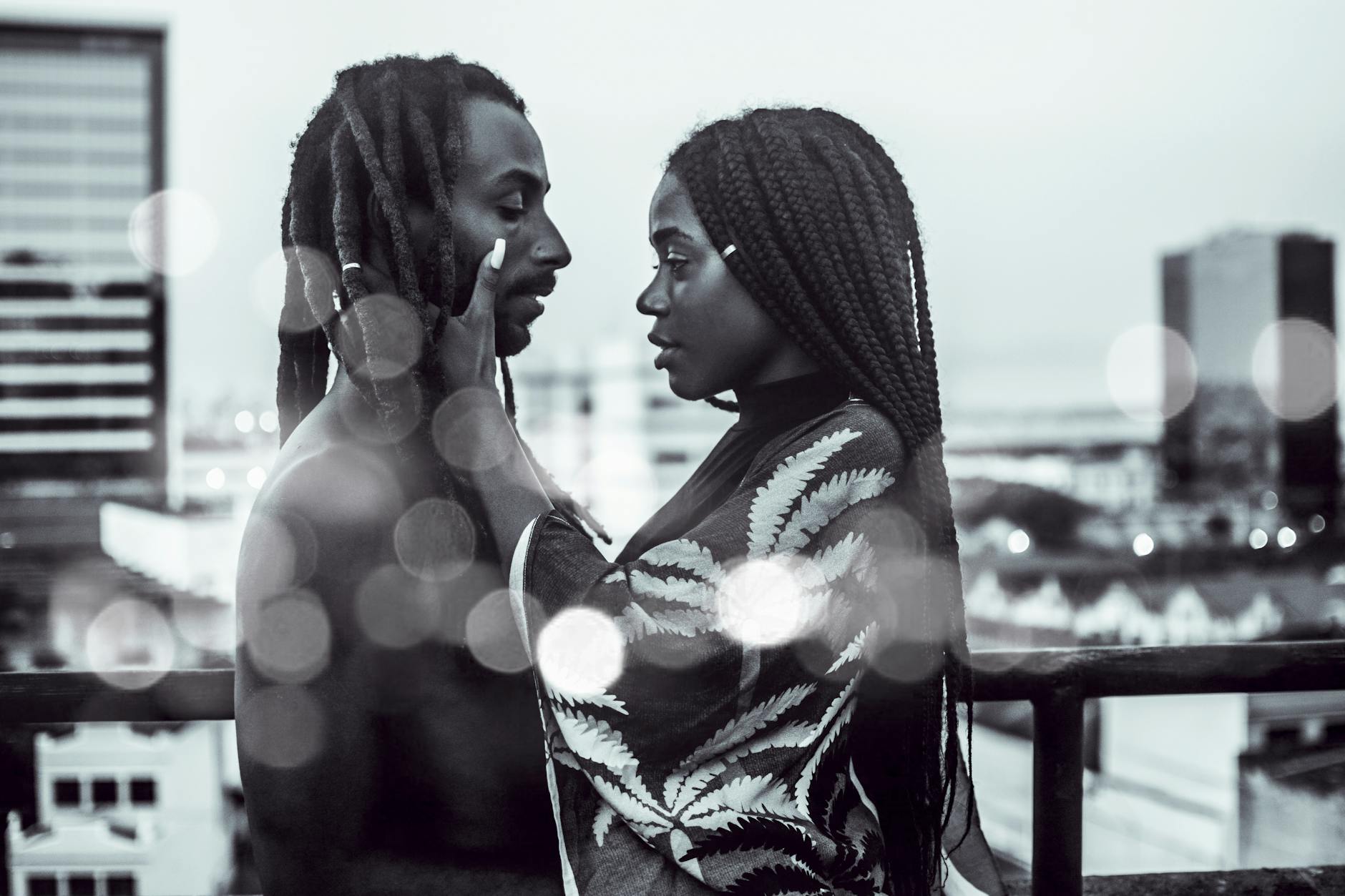
Black love is more than romance—it is resistance. In a world that has worked tirelessly to fracture, redefine, and commodify the bonds between Black men and women, love becomes a radical act of restoration. To love, to forgive, to build, and to remain committed within a system designed to destroy that unity is nothing short of divine warfare. Beyond survival, thriving Black love is a reawakening—a return to the sacred covenant that once anchored families, communities, and nations.

For centuries, the foundation of Black love was attacked through slavery, segregation, and systemic racism. Enslaved Africans were denied legal marriage, stripped of parental rights, and separated from their partners. Yet, even under these dehumanizing conditions, they found ways to love—through whispered vows, hidden ceremonies, and songs sung in the night. That love was not fragile; it was forged in fire. It became the first example of thriving love in a system that sought to erase it.

Today, remnants of that same broken system remain. Incarceration rates, economic disparity, and media misrepresentation all conspire to divide the Black household. The image of the strong Black man and the virtuous Black woman has been distorted, leaving behind stereotypes that discourage partnership and unity. Yet despite these forces, Black love endures. It blooms in adversity, reminding the world that God’s design for love was never contingent on circumstances.

Thriving Black love is not about perfection—it’s about perseverance. It means choosing to grow where the soil is cracked, to heal generational wounds instead of recycling them. When a Black couple commits to love one another through honesty, faith, and restoration, they are repairing what was historically broken. Their love becomes both personal healing and collective revolution.

The biblical foundation of love calls for covenant, not convenience. “Two are better than one; because they have a good reward for their labour” (Ecclesiastes 4:9, KJV). Within the context of Black love, this scripture reflects more than companionship—it is divine partnership. It reminds the Black man and woman that their union is not a transaction but a transformation. Together, they embody strength that transcends oppression.

In thriving love, vulnerability becomes sacred. For too long, Black love has been portrayed as stoic or transactional—rooted in survival, not softness. Yet true intimacy allows both partners to remove their armor without fear. When the Black man feels safe to weep and the Black woman feels safe to rest, healing begins. This safety is a divine exchange that births emotional abundance and spiritual alignment.

Thriving Black love also requires truth-telling. It acknowledges trauma but refuses to be defined by it. It confronts the generational pain that has shaped distrust, abandonment, and miscommunication. Through prayer, counseling, and patience, couples can reclaim what systemic injustice stole—the ability to love freely without fear of loss.

Faith remains the cornerstone of thriving love. Without God, relationships often become replicas of worldly dysfunction. The Creator established marriage as covenant, not contract. When Black couples center their love on divine principles—honor, submission, forgiveness, and purpose—they transform not only their relationship but the generations that follow.

Beyond survival, Black love becomes prophetic. It tells the truth about redemption—that we can rebuild from ruins. It speaks hope into broken homes and lost sons. It declares that healing is possible even when history says otherwise. In that sense, every thriving Black couple becomes a sermon in motion, preaching restoration through their unity.

Culturally, thriving Black love challenges the narrative that independence equals strength. The myth of the “strong Black woman” and the “emotionally unavailable Black man” has caused emotional disconnection. But thriving love redefines strength—it is not isolation but interdependence. It says, “We rise together.”

Economically, thriving love builds legacies. When Black couples unite with shared financial vision and discipline, they reclaim generational wealth stolen through systemic inequality. From shared businesses to property ownership, they begin to create the stability their ancestors dreamed of. Love then becomes an act of economic liberation.

Socially, thriving Black love restores community. Strong marriages model stability for children and inspire others to pursue love with purpose. When men honor women and women respect men, families thrive, and communities rebuild. It’s not just about romance—it’s about revolution.

Psychologically, thriving love dismantles internalized shame. It teaches that love is not earned through pain or performance but given freely. Black men learn that masculinity includes tenderness. Black women learn that submission is not subservience but trust. Both rediscover their value in God’s original design.

Spiritually, thriving love mirrors divine union. Christ’s relationship with His Church exemplifies sacrificial love, patience, and endurance. In the same way, thriving Black love must be rooted in service and humility. It must look beyond temporary attraction toward eternal purpose.

The modern world celebrates lust but mocks loyalty. It glorifies self-love but neglects covenant love. Yet Black love remains countercultural—it endures. It reminds us that to love in truth and spirit is to wage war against the forces that profit from our division. Every Black couple that thrives becomes a symbol of divine defiance.

Beyond survival, love becomes legacy. It is passed down through laughter, through faith, through shared prayers at midnight. It is seen in the small gestures—a hand held, a word spoken in kindness, a decision to stay. It is a daily act of rebellion against despair.

Thriving Black love also celebrates individuality. It does not erase differences but honors them. The man and woman bring distinct strengths to the covenant—one leads, one nurtures, both serve. Together, they reflect the wholeness of God’s image.

Ultimately, thriving Black love is the restoration of Eden in the midst of Babylon. It reminds us that even in a broken world, divine harmony is still possible. When two souls rooted in faith, culture, and purpose unite, they build something eternal—something that transcends oppression and outlives pain.

To love and be loved in Blackness is to proclaim freedom. Beyond survival lies a deeper truth: we were never meant to merely endure—we were meant to flourish. In the mirror of God’s design, thriving Black love is not only possible; it is holy.

References

  • The Holy Bible, King James Version. (Ecclesiastes 4:9; Ephesians 5:22–33).
  • hooks, b. (2000). All About Love: New Visions. Harper Perennial.
  • Baldwin, J. (1962). The Fire Next Time. Dial Press.
  • Davis, A. (1981). Women, Race, & Class. Random House.
  • Hill Collins, P. (2000). Black Feminist Thought: Knowledge, Consciousness, and the Politics of Empowerment. Routledge.
  • Akbar, N. (1996). Know Thyself. Mind Productions.
  • Boyd-Franklin, N. (2003). Black Families in Therapy: Understanding the African American Experience. Guilford Press.
  • West, C. (1993). Race Matters. Beacon Press.

Cocoa & Crown: The Story of Black Love 👑🤎

Photo by Enock Mensah on Pexels.com

Black love is more than romance—it is revolution. In a world that has systematically tried to dismantle Black families, Black love stands as a testimony of survival and hope. From the plantations where love was forbidden, to the present day where media often distorts images of Black relationships, every Black couple that chooses each other is participating in a radical act of restoration. ✊🏾🤎

Historically, the love between Black men and women has been under attack. Enslavement ripped husbands from wives and sold children away from mothers. Marriage among enslaved Africans was often not legally recognized, leaving couples vulnerable to forced separation (King, 2011). Yet even then, they jumped the broom, exchanged secret vows, and carved out sacred spaces for intimacy despite the chains. This resilience was the earliest chapter of Cocoa & Crown.

After Emancipation, the Black family became a target for Jim Crow laws, systemic poverty, and racial violence. Sociologists note that Black love survived despite mass incarceration, economic deprivation, and social disinvestment (Alexander, 2010). Black couples built churches, schools, and businesses together, proving that their love was both personal and political. 👑🏾

Psychologically, Black love carries intergenerational trauma but also intergenerational strength. Epigenetic research suggests that trauma can leave biological imprints, yet so can resilience (Yehuda et al., 2016). This means Black love is not just about two people—it is about rewriting genetic memory, passing on healing instead of pain.

Gender dynamics complicate this story. Black men have been stereotyped as absentee fathers or hypersexual predators, while Black women have been portrayed as angry, emasculating, or undesirable (Collins, 2000). These harmful narratives create division and distrust, shaping how Black men and women approach love. Cocoa & Crown calls for breaking those stereotypes and rediscovering each other’s humanity.

Spiritually, Black love is a reflection of God’s covenant love. Marriage was designed as a picture of Christ and the Church (Ephesians 5:25–33), meaning that when a Black man loves a Black woman well, it is a sermon to the world about God’s faithfulness. When a Black woman honors and supports her Black man, she reflects the beauty and strength of the Bride of Christ. This is why spiritual warfare often targets Black unions—they carry prophetic power. ✝️🤎

Healing must begin with honest dialogue. Black men must face the wounds they carry from systemic emasculation and the pressures of hypermasculinity. Black women must process the pain of being expected to be “strong” to the point of self-neglect. Together, they must create safe spaces to be vulnerable and rebuild trust. 💬🏾

Forgiveness is a cornerstone of Cocoa & Crown. Many relationships carry scars from betrayal, misunderstanding, and generational baggage. Forgiveness allows couples to move forward rather than remain chained to past hurts (Matthew 18:21–22). Therapy, prayer, and mentorship can all play a role in this healing process.

Economically, Black love thrives when partners support each other’s growth. Couples who build together—saving, investing, and creating generational wealth—turn love into legacy. This is how Cocoa & Crown becomes more than passion; it becomes partnership. 💼👑

Representation matters. Seeing images of Black couples who love each other deeply, publicly, and without apology inspires others to do the same. Television shows like Black Love (OWN) and films like Love Jones and Queen & Slim offer alternative narratives to the toxic stereotypes that flood mainstream media. 🎥🤎

Culturally, Black love is flavored by music, language, and shared struggle. It is the way we dance together at cookouts, the way we grieve together at funerals, the way we pray together during hard times. It is romance rooted in rhythm, tenderness born of trial. 🎶✊🏾

Raising children within Black love is also revolutionary. When sons see their fathers loving their mothers well, they learn what true manhood looks like. When daughters see their mothers respected and cherished, they learn what love they should accept. Strong Black unions become training grounds for future generations of kings and queens. 👑👶🏾

Black love must also transcend competition. Sometimes colonial conditioning pits Black men and women against one another, turning relationships into battlegrounds for power. True love is not about domination but mutual submission (Ephesians 5:21). It is about laying down ego to build something greater than the sum of two individuals.

Ultimately, Cocoa & Crown is a story of restoration. It is a call to honor the beauty, vulnerability, and sacredness of Black love. It is a reminder that despite centuries of attempts to erase it, this love remains. It blooms in protest, prays through pain, and dances in joy. It wears its crown proudly. 👑🤎

The story is still being written. Every time a Black man and woman choose each other, choose forgiveness, choose partnership, they add another chapter. Cocoa & Crown is not just a love story—it is a legacy story. And it is one the world needs to see.


References

  • Alexander, M. (2010). The new Jim Crow: Mass incarceration in the age of colorblindness. The New Press.
  • Collins, P. H. (2000). Black feminist thought: Knowledge, consciousness, and the politics of empowerment. Routledge.
  • King, W. (2011). Stolen childhood: Slave youth in nineteenth-century America. Indiana University Press.
  • Yehuda, R., Daskalakis, N. P., Lehrner, A., et al. (2016). Influences of maternal and paternal PTSD on epigenetic regulation of the glucocorticoid receptor gene in Holocaust survivor offspring. American Journal of Psychiatry, 173(8), 856–864.

Black Men, Black Women, and the Silent Wars of Love. #thebrowngirldilemma

Photo by Kalzud83dudcf8ud83cuddfaud83cuddec Michael on Pexels.com

Love between Black men and Black women has always existed within a context of both beauty and battle. The bonds of affection, intimacy, and shared struggle are often tested by external forces—racism, economic inequality, systemic injustice—and internal wounds that have been passed down through generations. What often results are silent wars: unspoken conflicts, misunderstandings, and resentments that simmer beneath the surface of Black love. These struggles are not always visible, but they shape how Black men and women relate to one another in family, community, and society.

Historically, the system of slavery fractured Black families and redefined love under oppression. Enslaved men were stripped of their authority as protectors and providers, while women were forced into roles of survival, often enduring sexual violence at the hands of slaveholders. This history planted seeds of mistrust and imbalance, where love was shadowed by trauma. Even after emancipation, Jim Crow laws, mass incarceration, and economic discrimination continued to challenge Black relationships, creating conditions where survival often outweighed romance.

The Bible acknowledges both the trials of love and the call to unity. “Two are better than one; because they have a good reward for their labour. For if they fall, the one will lift up his fellow” (Ecclesiastes 4:9–10, KJV). God designed relationships as a place of healing and strength. Yet, when systemic oppression and internalized pain intrude, couples may find themselves at odds, not against each other by choice, but against the lingering shadows of history. The silent wars of love emerge when healing is postponed, and unspoken pain replaces honest conversation.

From a psychological perspective, these conflicts often stem from unaddressed trauma and gender expectations. Black men, conditioned by society to suppress vulnerability, may struggle to express affection or emotional needs. Black women, who have historically carried the role of both nurturer and fighter, may feel unsupported or unheard. These tensions can manifest as power struggles, mistrust, or withdrawal in relationships (Wingfield, 2009). When silence replaces dialogue, resentment builds, and what should be a partnership becomes a battlefield without words.

Examples of these silent wars are seen in family structures, where fathers may withdraw due to financial pressure or incarceration, and mothers overcompensate with strength that society praises but secretly drains them. In dating and marriage, silent wars appear as financial disagreements, unmet expectations of loyalty, or struggles over gender roles. At times, these conflicts are not openly acknowledged because of pride, cultural norms, or the fear of reinforcing negative stereotypes about Black love. Yet the silence itself becomes destructive.

Healing these silent wars requires both spiritual and psychological intervention. Biblically, couples are reminded to “submit yourselves one to another in the fear of God” (Ephesians 5:21, KJV). Mutual respect, sacrificial love, and communication are antidotes to division. Psychologists emphasize the importance of vulnerability, emotional literacy, and therapy in helping couples dismantle cycles of trauma (hooks, 2000). When silence is broken by truth and empathy, love is no longer a battlefield but a sanctuary.

Despite the challenges, Black men and women continue to create powerful legacies of love that endure. From the marriages of activists like Coretta Scott King and Martin Luther King Jr. to everyday couples who build families and businesses together, the strength of Black love is undeniable. It resists division, heals wounds, and becomes a model of resilience. Though silent wars exist, they are not the end of the story—they are opportunities for transformation, where honesty, faith, and commitment can restore unity.

Ultimately, the story of Black men and Black women in love is a story of survival and hope. The silent wars may wound, but they also reveal the depth of what is at stake. When love is nurtured with forgiveness, communication, and faith, it becomes a revolutionary act. Against the weight of history and the challenges of the present, Black love remains both a refuge and a rebellion—a declaration that despite the wars, love still wins.


References

  • The Holy Bible, King James Version.
  • hooks, b. (2000). All about love: New visions. HarperCollins.
  • Wingfield, A. H. (2009). Racializing the glass escalator: Reconsidering men’s experiences with women’s work. Gender & Society, 23(1), 5–26.

MOVIE REVIEW: THE PHOTOGRAPH

A Soft Place to Land: A 5-Star Review of The Photograph and the Power of Black Love

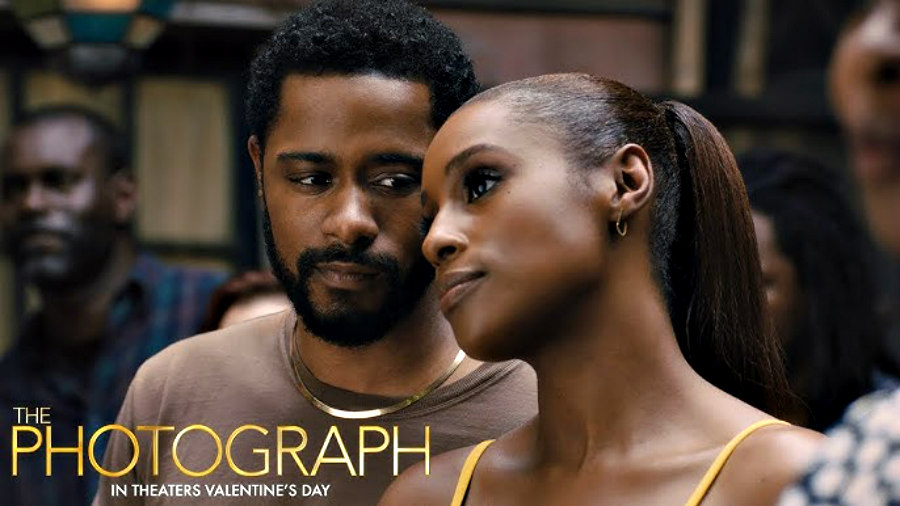
In an era saturated with hyper-dramatic romance and trauma-centered storytelling, The Photograph emerges as a gentle, evocative tribute to the enduring power of Black love. Directed by Stella Meghie and released in 2020, this romantic drama gracefully unfolds over two parallel timelines, weaving together themes of love, loss, generational trauma, and emotional courage. With powerful lead performances from LaKeith Stanfield and Issa Rae, the film delivers a lush, soul-stirring portrait of intimacy that quietly reshapes the cinematic landscape for Black relationships.

At its core, The Photograph tells the story of Mae Morton, a guarded museum curator who is grieving the sudden death of her estranged mother, the acclaimed photographer Christina Eames. As Mae discovers a hidden photograph and a handwritten letter from her mother, she begins to uncover secrets from Christina’s past—including a long-lost love affair. Simultaneously, Mae embarks on her own romantic journey with Michael Block, a rising journalist investigating her mother’s life. Their connection becomes the emotional center of the film, echoing the choices and missed opportunities of the previous generation. The film flows like jazz—measured, improvisational, and beautifully composed. It is, at heart, a love story—but one made remarkable by its cultural subtlety and emotional honesty.


LaKeith Stanfield: A Portrait of Emotional Vulnerability

LaKeith Stanfield, born August 12, 1991, in San Bernardino, California, has carved out a reputation as one of Hollywood’s most versatile and introspective actors. Known for standout performances in Get Out, Atlanta, Judas and the Black Messiah, and Sorry to Bother You, Stanfield consistently chooses roles that challenge dominant narratives around Black masculinity. His portrayal of Michael Block in The Photograph is no exception.

In this role, Stanfield embodies a kind of emotional accessibility rarely afforded to Black male characters in mainstream cinema. Michael is thoughtful, curious, and emotionally intelligent—a man not running from love but quietly pursuing it. Reflecting on the significance of the role, Stanfield remarked, “I wanted to be part of a film where we get to just love, just exist, without chaos. That in itself felt revolutionary.” His presence in the film gives space for Black men to be portrayed with tenderness, complexity, and poetic restraint—offering a refreshing contrast to historically limited and stereotypical portrayals.


Issa Rae: The Evolution of a Phenomenal Woman

Born on January 12, 1985, in Los Angeles, California, Jo-Issa Rae Diop—professionally known as Issa Rae—has transformed the landscape of Black media. She gained national attention through her critically acclaimed web series The Misadventures of Awkward Black Girl, which evolved into the award-winning HBO series Insecure. As a writer, producer, and actress, Rae has become a cultural icon, lauded for her authenticity, wit, and commitment to reshaping the narrative of Black womanhood in media.

In The Photograph, Rae plays Mae Morton, a woman navigating grief, romantic hesitation, and the echoes of her mother’s mistakes. Her performance is subtle yet potent, conveying an internal conflict many Black women face: the need to protect their hearts while longing to open them. Speaking about her connection to the role, Rae shared, “Playing Mae allowed me to explore what it means to love and let go—something many of us wrestle with silently.” Her portrayal offers a quiet revolution in itself—an image of a Black woman not defined by strength alone, but by softness, introspection, and emotional growth.


The Power of Representation and Cultural Impact

The Photograph is more than a romance; it is a cultural statement. It challenges the dominant media narrative that often confines Black stories to struggle and trauma. Instead, it invites audiences into a world where Black people fall in love, make mistakes, and heal—without being burdened by external stereotypes. The film’s aesthetic, scored by Robert Glasper’s jazz compositions, is timeless and dreamlike, further elevating its emotional resonance. Each scene unfolds like a memory, with the camera lingering on touch, glances, and silence rather than sensationalism.

What sets The Photograph apart is its celebration of intergenerational love and emotional inheritance. By paralleling the stories of Mae and her mother Christina, the film explores how trauma, silence, and unresolved love can ripple through time—and how confronting those truths can set future generations free.


Final Reflection: A Necessary Love Story

In every way, The Photograph is a cinematic balm. It reminds viewers that love doesn’t have to be loud to be transformative. For Black audiences especially, it offers something both rare and revolutionary: a story where love is the destination, not the battleground. With Stanfield and Rae delivering performances that are as honest as they are mesmerizing, and with Meghie’s direction guiding the film like a poem, The Photograph earns its five-star rating with ease.

It is not just a film—it is a mirror, a memory, and a meditation on how we love, why we guard our hearts, and what it means to trust again.


References
Meghie, S. (Director). (2020). The Photograph [Film]. Universal Pictures.
NPR. (2020). The Photograph Is a Rare, Tender Look at Black Romance.
Essence. (2020). Issa Rae on Portraying Emotional Complexity in The Photograph.
Variety. (2020). LaKeith Stanfield and Issa Rae Talk Black Love and Vulnerability in The Photograph.

🖤🤎 Black Love in a Broken World 🤎🖤

How We Love Ourselves through Struggle.

Photo by Vinu00edcius Vieira ft on Pexels.com

“Black love is a radical act of self-preservation and cultural continuity in a world designed to undermine it.” — Cornel West

“The most disrespected person in America is the Black woman. The most unprotected person in America is the Black woman. The most neglected person in America is the Black woman.” — Malcolm X


Black love is a powerful yet often misunderstood force, shaped by a history of systemic oppression, socio-economic challenges, and cultural marginalization. It exists not only between partners but also within the self, community, and family. In a world where societal structures and historical trauma challenge Black relationships, learning to love oneself and one another becomes a revolutionary act of resistance, resilience, and hope. Understanding Black love requires a multidimensional approach, integrating psychological insights, biblical principles, and historical and contemporary examples of enduring relationships.

This paper explores Black love through multiple lenses: historical trauma, contemporary examples of couples who have endured adversity, psychological frameworks for resilience, and spiritual guidance from the Bible (KJV). It examines both what is lacking and what is flourishing in Black love, offering insights into how individuals and communities can sustain relational integrity despite external pressures.


Historical Context of Black Love

Historically, Black love has existed under conditions of oppression, from slavery to Jim Crow, where couples were separated by systemic forces. Enslaved Africans often formed families and romantic bonds despite the threat of forced separation, abuse, and dehumanization. These historical conditions necessitated resilience, patience, and deep trust, forming the foundation for what contemporary scholars recognize as intergenerational emotional endurance in Black love (Collins, 2000).

The practice of forming families under slavery was itself an act of resistance. By creating bonds and transmitting cultural knowledge, enslaved Africans preserved a sense of identity and humanity. Relationships during this period were often precarious, yet the emotional and spiritual commitment that survived the brutality of slavery has informed contemporary understandings of endurance, loyalty, and partnership within Black love.


Examples of Couples’ Enduring Struggle

Modern Black couples continue to demonstrate the endurance of love through adversity. For example, Michelle and Barack Obama’s relationship illustrates partnership, shared vision, and mutual support amidst public scrutiny and professional pressures. Similarly, legendary soul musicians Marvin Gaye and Janis Hunter navigated personal and societal challenges while striving to maintain family and emotional bonds. Historically, couples like Mary McLeod Bethune and Albertus Bethune exemplified resilience as they balanced public activism, social barriers, and domestic responsibilities, demonstrating that love and commitment can coexist with external struggle.

These examples highlight that Black love often requires conscious commitment, mutual respect, and the courage to sustain relational integrity despite external pressures. In each case, the couple’s ability to communicate, empathize, and protect one another’s well-being reflects the enduring spiritual and emotional frameworks necessary to maintain love across generations.


Loving Ourselves through Struggle

Self-love is foundational for healthy Black love. Psychological research indicates that internalized oppression, low self-esteem, and societal marginalization can impede one’s capacity to form loving relationships (Hooks, 2000). Loving oneself through struggle involves recognizing personal worth, cultivating resilience, and maintaining mental and emotional health.

Practices such as meditation, journaling, counseling, and spiritual engagement empower individuals to navigate adversity while preserving their sense of identity, dignity, and relational capacity. Self-love also includes setting boundaries, prioritizing mental health, and cultivating community support. When individuals understand and appreciate their own worth, they are better equipped to contribute positively to intimate partnerships, family units, and communal networks.


Honoring Faithful Providers and Kind Fathers

Black women honoring faithful, present husbands and Black men appreciating nurturing fathers reinforces the values of commitment, accountability, and emotional presence. The Bible emphasizes the role of the husband as a provider and protector, stating in Ephesians 5:25 (KJV): “Husbands, love your wives, even as Christ also loved the church, and gave himself for it.” Similarly, Proverbs 22:6 (KJV) advises: “Train up a child in the way he should go: and when he is old, he will not depart from it.”

Recognizing and affirming these attributes strengthens family bonds and models healthy relational dynamics for children, fostering generational continuity of trust, care, and love. Fathers who engage emotionally and spiritually with their families challenge the historical stereotypes of absenteeism and disengagement, promoting resilience and positive relational modeling within the Black community.


Navigating Love through Hurt and Trying Times

Black couples must navigate trauma, socio-economic challenges, and societal bias, often simultaneously addressing personal and collective pain. Loving through hurt requires empathy, forgiveness, and open communication. Psychological frameworks suggest that emotionally attuned couples develop stronger bonds when addressing conflict constructively, validating feelings, and reinforcing mutual support (Gottman & Silver, 2015).

Biblical teachings, such as 1 Corinthians 13:4–7 (KJV), emphasize patience, kindness, and perseverance: “Charity suffereth long, and is kind; charity envieth not; charity vaunteth not itself, is not puffed up…” These spiritual principles complement psychological approaches, underscoring the importance of both emotional intelligence and moral integrity in sustaining relationships. Healing through relational struggle often requires acknowledging personal and intergenerational trauma, creating a foundation for mutual growth and understanding.


Impact of the Modern World on Black Love

The contemporary environment, characterized by systemic inequities, media misrepresentation, and economic pressures, poses unique challenges to Black love. Social media often projects unrealistic relational standards, while societal structures may undermine economic stability, increasing stress and relational tension. These conditions necessitate conscious intentionality in relationships, where partners actively cultivate trust, mutual respect, and emotional intimacy as shields against external destabilizing forces.

Economic pressures, gentrification, and systemic racism exacerbate stressors in Black relationships, yet cultural resilience, community networks, and shared faith often provide protective buffers. Recognizing the structural forces affecting Black love allows couples to contextualize challenges and engage in deliberate strategies to strengthen relational bonds despite societal obstacles.


Attributes of Real Love in Black Relationships

Real Black love is characterized by loyalty, empathy, mutual respect, accountability, and shared vision. It values communication, spiritual alignment, and emotional resilience. According to psychology, attachment security, emotional intelligence, and conflict resolution skills are crucial to sustaining relationships under stress (Johnson, 2013).

Biblically, 1 Corinthians 13 highlights qualities such as patience, kindness, humility, and endurance as hallmarks of enduring love. Black love thrives when both partners embody these attributes, balancing individual identity with collective commitment. A conscious awareness of cultural history, spiritual heritage, and psychological dynamics enhances relational stability and ensures that love is both deeply felt and actively maintained.


What Is Lacking and What Is Good in Black Love

While Black love exhibits resilience and creativity, systemic oppression and intergenerational trauma have introduced challenges, including mistrust, fragmented communication, and underrepresentation of positive relational models. Conversely, strengths include cultural pride, emotional endurance, adaptability, and a deep understanding of relational perseverance. Recognizing these strengths alongside areas for growth allows the Black community to intentionally cultivate loving relationships, grounded in self-awareness, shared history, and spiritual and emotional maturity.

Encouraging open dialogues about relational expectations, emotional literacy, and historical context helps Black couples navigate relational complexities while celebrating cultural continuity. Mentorship, communal support, and positive media representation also play vital roles in sustaining healthy Black love.


Conclusion

Black love in a broken world is both a reflection of struggle and a testament to resilience. It demands self-love, commitment, and conscious cultivation of relational virtues. By honoring faithful partners, nurturing emotional intelligence, and aligning practices with biblical and psychological principles, Black individuals can sustain love through adversity. Historical examples, modern couples, and scholarly research collectively demonstrate that Black love is not merely romantic; it is an act of resistance, cultural preservation, and generational empowerment.

Embracing these lessons enables individuals and communities to navigate hardship while celebrating the enduring power of love. In doing so, Black love becomes a transformative force that nurtures identity, fosters communal cohesion, and builds legacies of dignity, joy, and mutual respect for generations to come.


References

  • Collins, P. H. (2000). Black Feminist Thought: Knowledge, Consciousness, and the Politics of Empowerment. Routledge.
  • Gottman, J., & Silver, N. (2015). The Seven Principles for Making Marriage Work. Harmony Books.
  • Hooks, B. (2000). All About Love: New Visions. William Morrow & Company.
  • Johnson, S. M. (2013). Love Sense: The Revolutionary New Science of Romantic Relationships. Little, Brown and Company.
  • Wallace, M. (2016). On the Challenges of Black Love in America. Journal of African American Studies, 20(2), 153–172.
  • Hill, M. (2019). Endurance and Resilience in Black Relationships: A Sociocultural Perspective. Sage Publications.
  • Malcolm X. (1965). The Autobiography of Malcolm X. Ballantine Books.
  • Cornel West. (1993). Race Matters. Beacon Press.
  • The Holy Bible, King James Version.