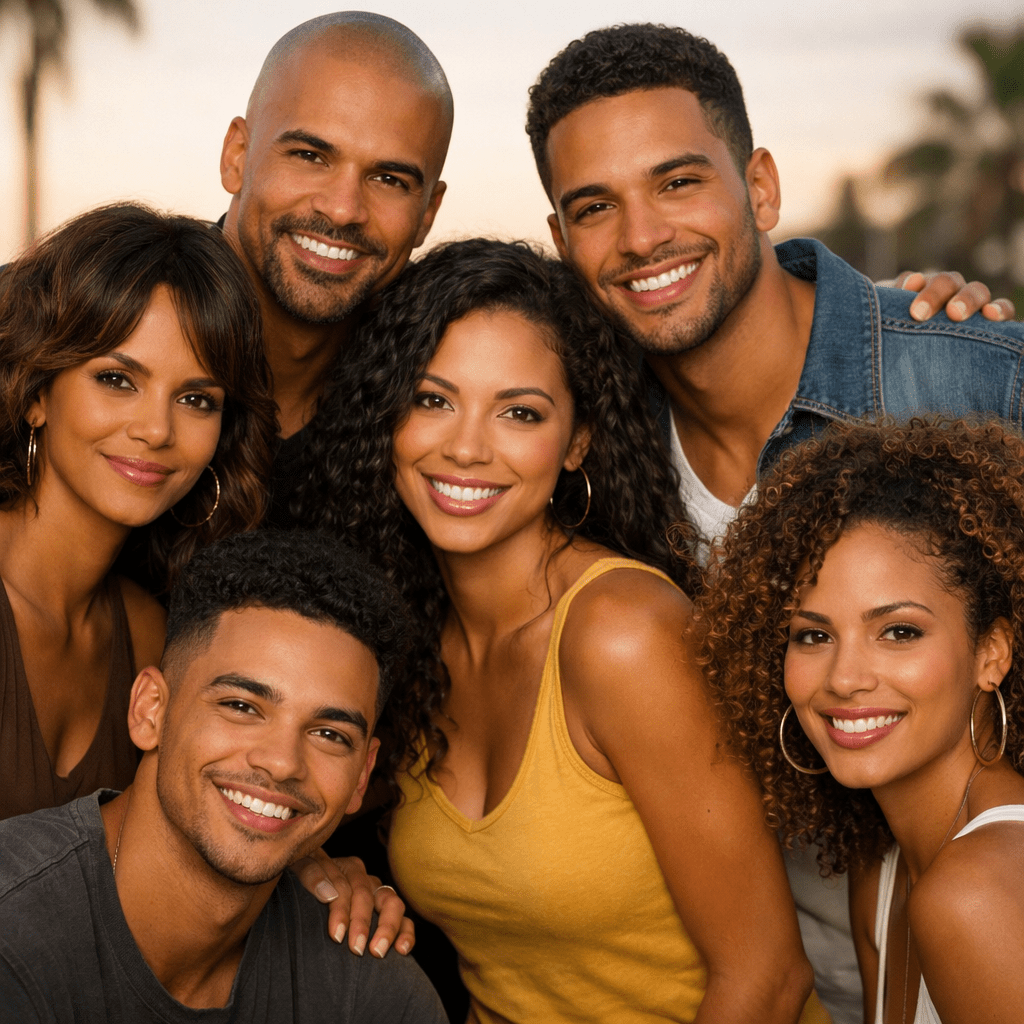
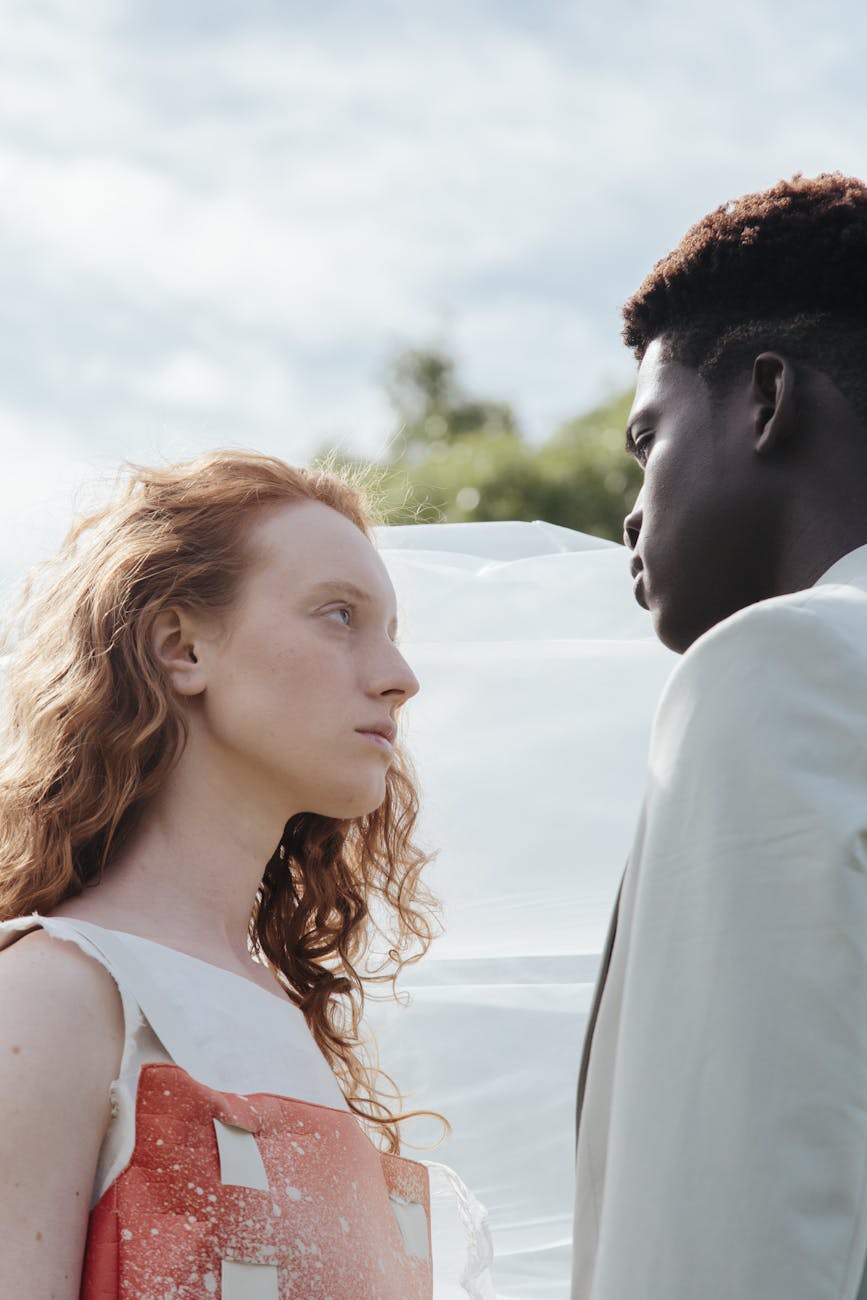
Biracial identity exists at the intersection of history, power, love, and survival. To be biracial is not merely to possess ancestry from two racial groups; it is to navigate a world that has long been obsessed with classification, hierarchy, and visual difference. The biracial experience exposes the artificiality of race while simultaneously revealing how deeply race structures social life.
Historically, biracial people did not emerge from a vacuum of harmony. In many societies—particularly in the Americas—biracial populations grew out of colonialism, enslavement, sexual violence, coercion, and unequal power relations. European colonization of Africa and the Americas produced racial mixing under conditions that were often violent and asymmetrical, leaving biracial descendants to inherit complex legacies rather than simple origin stories.
In the United States, the “one-drop rule” legally and socially erased biracial identity for centuries. Anyone with African ancestry was classified as Black, regardless of appearance or cultural upbringing. This rigid racial binary denied biracial people the right to self-definition and reinforced white supremacy by preserving racial purity narratives (Davis, 2001). Biracial identity, therefore, has always been political.
Modern biracial individuals often face a paradox: being hyper-visible and invisible at the same time. They may be exoticized for ambiguous features while simultaneously pressured to “choose a side.” This demand reflects society’s discomfort with complexity. Biracial people challenge the illusion that race is biological rather than social, revealing it instead as a constructed system maintained through perception and power.
Psychologically, biracial identity development can involve unique challenges. Research shows that biracial individuals often experience identity invalidation, social exclusion, and questioning of authenticity from both racial groups (Rockquemore & Brunsma, 2002). These experiences can lead to internal conflict, but they can also foster adaptability, cultural fluency, and critical awareness.
Media representation has played a significant role in shaping public perceptions of biracial people. Often portrayed as symbols of progress or “post-racial” society, biracial individuals are burdened with unrealistic expectations to reconcile racial divisions they did not create. This narrative obscures ongoing racism and places emotional labor on those already navigating complex identities.
Within the Black community, conversations around biracial identity are especially layered. Colorism, proximity to whiteness, and historical trauma influence how biracial people are perceived and received. While some biracial individuals benefit from lighter skin privilege, others are fully racialized as Black regardless of mixed ancestry. These dynamics reveal that privilege is not evenly distributed among biracial populations.
Culturally, biracial identity is not a monolith. A biracial person raised in a Black household may experience identity differently from someone raised in a white or multicultural environment. Language, neighborhood, religion, and socialization often matter more than genetics alone. Identity, therefore, is lived—not simply inherited.
Genetically, science confirms what sociology has long suggested: race has no biological foundation. Human genetic variation exists on a continuum, with more diversity within so-called racial groups than between them (Lewontin, 1972; Templeton, 2013). Biracial individuals embody this truth, challenging rigid racial thinking through their very existence.
Spiritually and ethically, biracial identity raises questions about belonging, unity, and human dignity. Many faith traditions affirm that humanity shares a common origin, contradicting ideologies that divide people by phenotype. From this perspective, biracial people are not anomalies but reminders of shared humanity.
In contemporary society, biracial individuals are increasingly claiming the right to self-definition. Rather than being boxed into externally imposed categories, many embrace fluid, contextual, and intersectional identities. This shift reflects a broader cultural reckoning with race, power, and history.
Ultimately, the biracial experience exposes both the cruelty and the creativity of human societies. It reveals how deeply people cling to racial boundaries—and how easily those boundaries are crossed. To understand biracial identity is to confront uncomfortable truths about history while imagining more honest, inclusive futures.
Biracial people do not exist to resolve racial tension or symbolize harmony. They exist because people did—and do—love, exploit, resist, survive, and endure. Their stories deserve complexity, respect, and truth.
References
Davis, F. J. (2001). Who is Black? One nation’s definition. Pennsylvania State University Press.
Lewontin, R. C. (1972). The apportionment of human diversity. Evolutionary Biology, 6, 381–398.
Rockquemore, K. A., & Brunsma, D. L. (2002). Beyond Black: Biracial identity in America. Sage Publications.
Templeton, A. R. (2013). Biological races in humans. Studies in History and Philosophy of Science Part C: Studies in History and Philosophy of Biological and Biomedical Sciences, 44(3), 262–271.
This photograph is the property of its respective owner. No copyright infringement intended.
The conversation surrounding mixed-race identity—especially within the African diaspora—is layered with history, psychology, and theology. To understand its roots, one must trace the origins of racial mixing to colonialism and slavery. During the transatlantic slave trade, European men often exploited enslaved African women, creating generations of mixed-race offspring who were caught between two worlds—belonging fully to neither. These children were used to reinforce racial hierarchies, as their lighter skin often afforded them privileges denied to darker-skinned Africans. The complex legacy of this division continues to shape how mixed-race individuals view themselves and how they are perceived within Black communities.
The origin of mixed-race identity in the Black context is deeply tied to oppression rather than equality. Colonial societies created rigid racial classifications such as “mulatto,” “quadroon,” and “octoroon,” assigning social worth based on proximity to whiteness. This system, known as colorism, weaponized phenotype to maintain control and discord among African-descended people. The lighter one’s skin, the closer they were deemed to “civilization.” Such hierarchies fractured unity among the enslaved, fulfilling the divide-and-rule tactics of white supremacy.
This historical divide evolved into a psychological wound. Many mixed-race individuals internalized superiority due to their European features, while darker-skinned individuals were conditioned to associate beauty, intelligence, and worth with lightness. This perpetuated a silent competition within the Black community, where acceptance often hinged on color rather than character. The psychological scars of colonial classification still bleed into modern Black relationships, culture, and self-perception.
The Bible, however, dismantles all forms of racial hierarchy. Acts 17:26 declares, “And hath made of one blood all nations of men for to dwell on all the face of the earth” (KJV). Scripture affirms that all humanity shares a divine origin—therefore, racial superiority or inferiority is antithetical to God’s design. The divisions birthed from slavery and colonialism are not of God but of man’s rebellion and pride.
Mixed-race identity, while historically exploited, also symbolizes resilience. Despite the injustices of their conception, mixed descendants are living testimonies of survival. Yet, the question remains: how do mixed-race individuals navigate a world that often demands they “choose a side”? Many experience rejection from both Black and white communities—too light for one, too dark for the other. This dual rejection can lead to identity confusion and emotional isolation, especially when racial loyalty becomes politicized.
The treatment of darker-skinned Black people by some mixed-race individuals reflects internalized colonial psychology. Proximity to whiteness can unconsciously breed bias, leading to elitism, exclusion, or disdain toward darker skin tones. This phenomenon, known as color stratification, still affects employment, dating, and media representation. It is a modern manifestation of an ancient wound. James 2:9 warns, “But if ye have respect to persons, ye commit sin, and are convinced of the law as transgressors” (KJV). Partiality based on appearance, therefore, is sin before God.
The internal division among Black people undermines collective progress. While society benefits from multiculturalism, the unresolved trauma surrounding mixed identity can perpetuate division rather than unity. Instead of bridging gaps, colorism often reinforces hierarchies of beauty and worth. This spiritual fracture hinders the restoration of Black dignity and solidarity.
Interracial marriage—another byproduct of global migration and cultural exchange—has long sparked theological debate. Some interpret biblical passages as forbidding such unions, yet the KJV Bible does not condemn marriage between races. Rather, it forbids unions that lead believers into idolatry or disobedience to God’s law (Deuteronomy 7:3–4). The issue is not color but covenant. When two people of different races unite under Christ, their marriage honors God’s design for love and unity, transcending the artificial barriers of race.
Nevertheless, interracial relationships carry historical complexities. In societies still healing from racism, these unions can trigger deep emotions, from resentment to fascination. For some Black individuals, seeing interracial relationships—particularly between Black men and white women—can resurrect feelings of rejection and devaluation. This stems not from hate but from historical pain: the centuries-long erasure of Black women’s beauty and humanity.
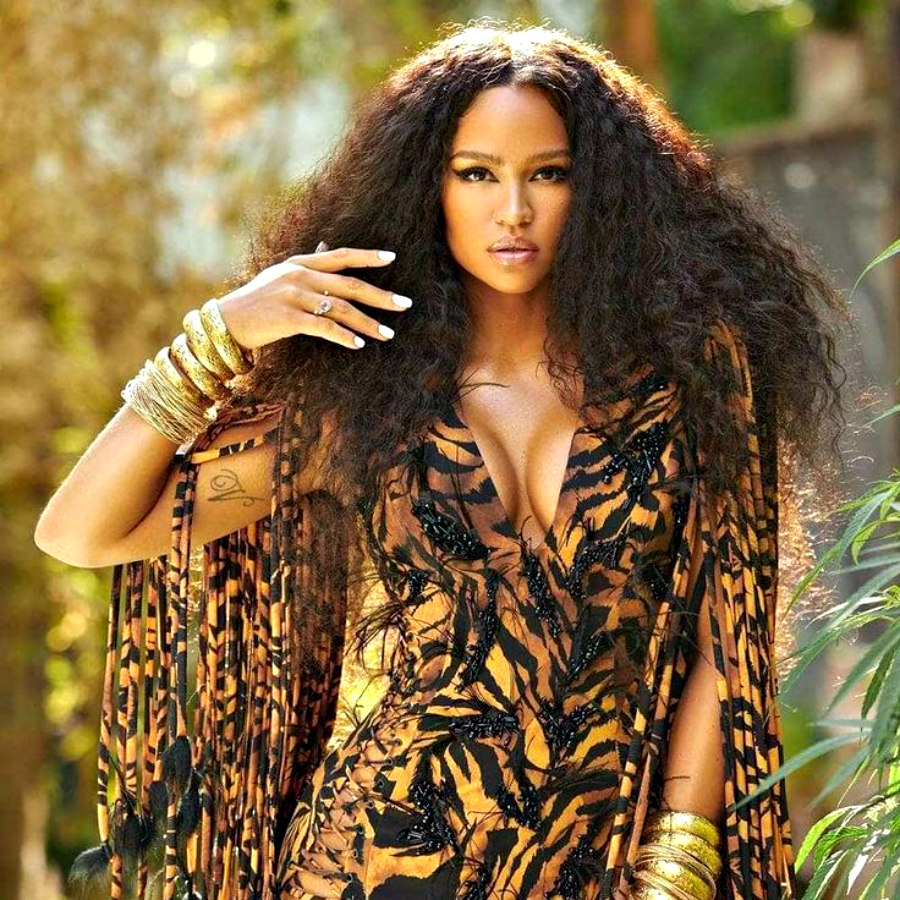
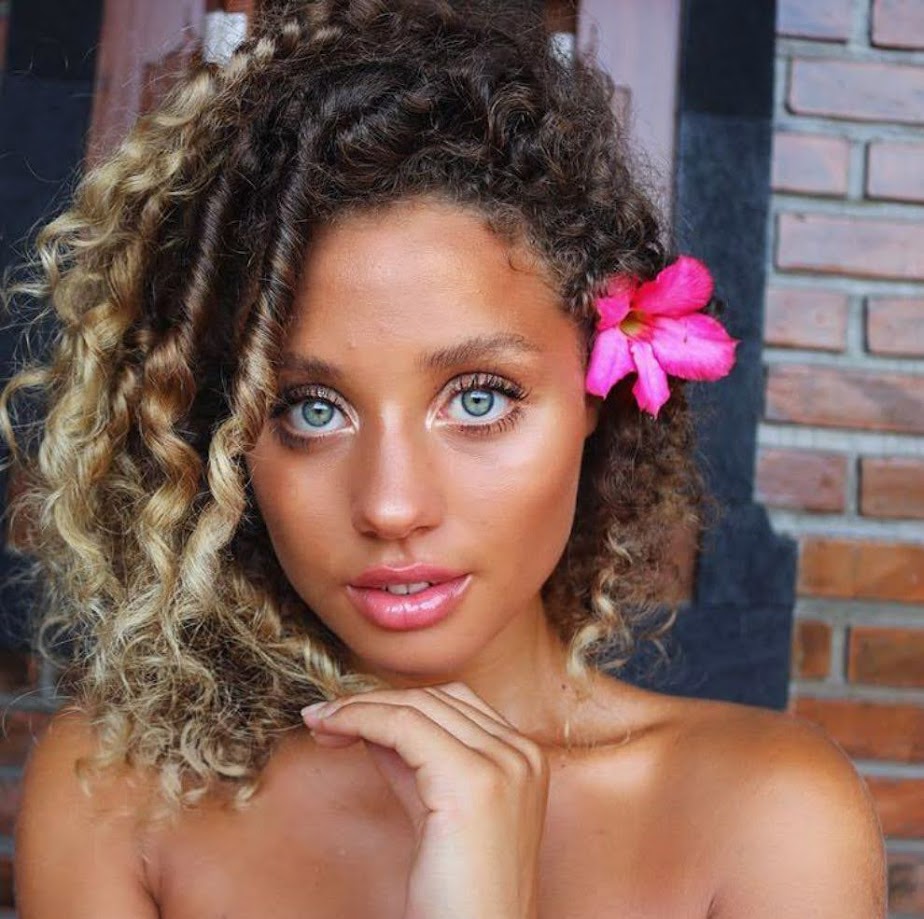
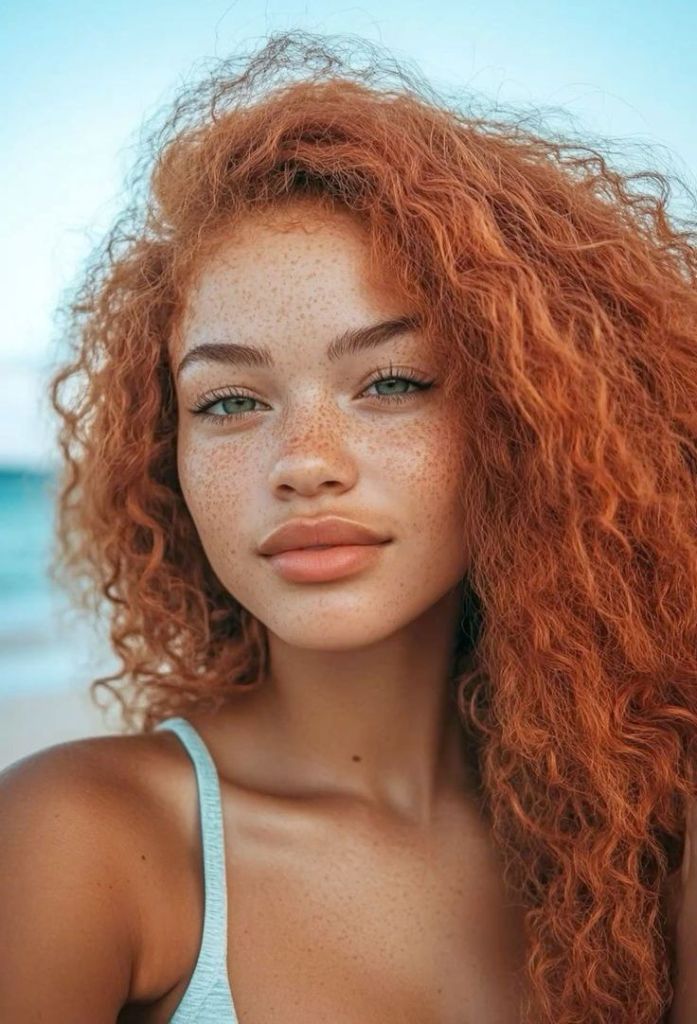
The modern glorification of mixed-race aesthetics—curly hair, light skin, ambiguous features—continues to marginalize darker-skinned individuals. Media representation often reinforces this bias, promoting “safe” versions of Blackness that appeal to white audiences. This selective visibility diminishes the diversity of Black beauty. Psalm 139:14 reminds us, “I will praise thee; for I am fearfully and wonderfully made.” God crafted all shades of melanin with divine intent; none are superior or inferior in His sight.
Spiritually, division based on color mirrors the sin of pride. Lucifer himself was cast down for exalting his image above God’s (Isaiah 14:12–15). When human beings exalt lighter skin as “better,” they mirror that same rebellion—valuing creation over Creator. True healing requires repentance from color-based idolatry and a return to divine order, where love, not lightness, defines worth.
The social consequences of colorism within the Black community are profound. Darker-skinned individuals often experience higher rates of discrimination, lower marriage rates, and underrepresentation in leadership. Meanwhile, mixed-race or lighter-skinned individuals may face resentment, misunderstanding, or pressure to “prove” their Blackness. This dynamic fosters tension rather than unity, perpetuating what psychologist Beverly Tatum (1997) calls “intra-racial racism.”
Yet, the gospel calls for reconciliation. Galatians 3:28 declares, “There is neither Jew nor Greek… for ye are all one in Christ Jesus.” The identity of the believer transcends color and heritage. The Church must model this unity, teaching that racial hierarchy is sin and diversity is divine. The mixed-race believer, in particular, carries a sacred opportunity to embody this unity—to be a living testimony that God’s kingdom is multiethnic, yet singular in spirit.
Understanding mixed-race identity through a biblical lens helps dismantle shame and confusion. The enemy thrives in division, but Christ restores wholeness. He redeems what history distorted. The color of one’s skin should never define one’s closeness to God or one’s acceptance among brethren. As 1 Samuel 16:7 teaches, “Man looketh on the outward appearance, but the Lord looketh on the heart.”
Interracial marriages, when rooted in faith, symbolize the redemption of divided bloodlines. What once resulted from oppression can now become a covenant of healing. When two races unite under Christ, they testify that love conquers hatred and unity conquers prejudice. Such unions must, however, remain spiritually grounded to resist cultural pressures and ancestral wounds.
It is vital for mixed-race individuals and interracial couples to understand their spiritual assignment. They are not just participants in diversity—they are vessels of reconciliation. Their existence challenges centuries of division and calls all people back to the biblical truth of shared creation. Their journey, however, requires humility, empathy, and active rejection of color-based superiority.
The Black community must also embrace healing by confronting internalized colorism. This begins with education, love, and scriptural truth. The hierarchy of skin tone must be replaced with the hierarchy of virtue. Proverbs 22:2 reminds us, “The rich and poor meet together: the Lord is the maker of them all.” Similarly, light and dark meet in the Creator’s palette, both radiant in His image.
Ultimately, the evolution of mixed-race identity is a spiritual parable. What began in exploitation can end in redemption. What once divided can now unite. The challenge lies in uprooting the psychological residue of slavery and reestablishing identity upon divine truth.
In God’s kingdom, there are no “half” identities—only whole souls. Every shade, feature, and lineage is crafted for His glory. The world divides by pigment, but Heaven unites by purpose. Revelation 7:9 envisions a multitude “of all nations, and kindreds, and people, and tongues, stood before the throne.” This is the divine end of racial confusion—oneness in the presence of the Creator, where all colors reflect His light perfectly.
Scholarly References Tatum, B. D. (1997). Why Are All the Black Kids Sitting Together in the Cafeteria? Basic Books. Hunter, M. (2007). The Persistent Problem of Colorism: Skin Tone, Status, and Inequality.Sociology Compass, 1(1), 237–254. Russell, K., Wilson, M., & Hall, R. (1992). The Color Complex: The Politics of Skin Color Among African Americans. Anchor Books. Ifekwunigwe, J. (2004). Mixed Race Studies: A Reader. Routledge.
Mixed-race refers to individuals whose ancestry comes from more than one racial or ethnic group, often resulting from the blending of genetic lineages across continents such as African, European, Asian, or Indigenous populations. Genetically, mixed-race people inherit a unique combination of alleles from each parent, leading to a wide range of physical features such as skin tone, hair texture, eye color, and facial structure. Because African populations carry the greatest genetic diversity on Earth, mixed-race individuals with African ancestry often show especially varied traits, including undertones in the skin, curl patterns in the hair, and combinations of Afrocentric and Eurocentric features. The expression of these traits is influenced by dominant and recessive genes, polygenic inheritance, and the randomness of genetic recombination, which is why mixed-race siblings can look very different from one another.
Other names for mixed-race include biracial, multiracial, bi-ethnic, multiethnic, racially blended, racially mixed, dual-heritage, interracial, mixed heritage, ethnically mixed, and in older or regional terms, words like mulatto, mestizo, creole, or colored—though many of these older terms are now considered outdated, offensive, or tied to colonial racism and should not be used today. Modern preferred terms are mixed-race, biracial, or multiracial because they respect identity without repeating painful language from slavery and segregation.
Throughout history, the treatment of all Black people—including mixed-race Black individuals—has been shaped by systems built on anti-Blackness and white supremacy. Even when mixed-race people were given certain privileges because of lighter skin or Eurocentric features, they were still classified as Black under the “one-drop rule” in America and still subjected to racism, discrimination, and exclusion. Mixed-race individuals sometimes benefited from proximity to whiteness, but they were never accepted as white and often lived in a fragile position between worlds. Within these systems, all Black people—light or dark, mixed or fully African-descended—were treated as inferior to whiteness, controlled socially, economically, and politically, and denied equal rights.
In modern times, colorism still influences how different Black people are treated. Mixed-race or lighter-skinned individuals may experience social advantages in beauty standards, employment, and representation, while darker-skinned Black people often face harsher discrimination. But all Black people remain targets of systemic racism, regardless of shade or heritage. In short, mixed-race identity may change the shade of one’s experience, but it does not erase the reality of being Black in a society that still struggles with deep-rooted anti-Blackness.
Colorism has long shaped the lived experiences of Black people across the African diaspora, but its impact on mixed-race Black individuals is uniquely complex. At the core of colorism is a deeply rooted social hierarchy built on proximity to whiteness—skin tone, hair texture, and facial features that align more closely with European standards. For mixed-race Black people, this proximity often determines how they are perceived, accepted, or marginalized in both society at large and within Black communities. The legacy of slavery, colonialism, and white supremacy continues to shape these dynamics in ways that profoundly influence identity, mental health, and social positioning.
Mixed-race Black individuals often encounter a peculiar duality: they may be celebrated for embodying certain beauty standards while simultaneously facing exclusion or skepticism about their “authenticity.” This tension forms the backdrop of their psychological experience. When society assigns social value based on skin tone or features, those with lighter skin or more Eurocentric traits frequently experience privileges that may boost external status while quietly eroding internal security and belonging.
The concept of proximity to whiteness is rooted in historical systems that privileged lighter-skinned people for labor, education, and interpersonal treatment. During enslavement, Eurocentric traits were often rewarded, while dark skin became linked to labor-intensive roles and dehumanization. This legacy remains embedded in contemporary institutions, media, and interpersonal relationships. Mixed-race individuals with lighter skin may be treated as more approachable, less threatening, or more desirable by non-Black individuals, reinforcing an internalized sense of conditional acceptance.
Within the Black community, mixed-race people may encounter both privilege and resistance. Lighter skin may bring admiration or elevated social positioning, but it can also provoke suspicion or accusations of cultural detachment. Many experience moments of feeling “not Black enough,” particularly when their physical features align more closely with whiteness. This can create a fractured sense of identity in which belonging is both offered and withheld.
Those with darker skin or more Afrocentric features, even if mixed-race, often face the harsher realities of colorism. They may not receive the same advantages in media portrayal, dating preferences, or workplace respect. Their Blackness becomes hyper-visible, and the social penalties associated with dark skin persist. Being mixed-race does not exempt them from anti-Blackness; in many cases, it magnifies it because they do not receive the protective cover of light-skin privilege.
Psychologically, these dynamics contribute to long-standing conflicts around self-esteem, identity development, and internalized racism. Mixed-race individuals often grapple with a sense of duality, forced to navigate stereotypes, expectations, and judgments from multiple sides. They may feel pressure to identify more strongly with one racial group over another or to “prove” their Blackness through cultural knowledge, speech patterns, or political positions.
Internal conflict intensifies when they recognize the privileges they benefit from while also experiencing the discrimination tied to their Black identity. Some carry guilt for advantages they did not choose, while others carry frustration for disadvantages imposed on them despite their mixed heritage. This creates a fragile internal balance where identity feels fluid, conditional, and at times, contested.
Light-skin privilege operates across several domains—beauty standards, employment opportunities, educational treatment, and social desirability. In media and pop culture, lighter skin is often portrayed as more beautiful, marketable, or universally appealing. This is not accidental; it reflects Eurocentric beauty norms that have dominated global aesthetics. Mixed-race models and actors with Eurocentric traits often rise to visibility more quickly, reinforcing public perception that lighter equals better.
Within the dating world, lighter-skinned mixed-race individuals may be idealized or fetishized. They may be praised for “good hair” or “exotic beauty,” terms rooted in colonial ideologies that define beauty by its distance from African features. Conversely, darker-skinned mixed-race people may struggle to receive the same admiration or may be stereotyped as less refined or less desirable. This creates a painful divide in how beauty is perceived within the same racial category.
The psychological impact of being consistently valued—or devalued—based on appearance is profound. Those praised for their lightness may internalize a sense of superiority, often without realizing that the foundation of that praise is rooted in oppressive systems. Over time, this can manifest as entitlement, insecurity, or anxiety around aging or changes in appearance. For those devalued, the internal wounds often include shame, resentment, or a lifelong struggle to affirm their beauty and humanity outside societal standards.
In Black communities, mixed-race individuals may encounter the painful tension between representation and resentment. Some are uplifted as symbols of elevated status, closer to whiteness, and therefore considered more acceptable or beautiful. Others are accused of being the benefactors of privilege they did not ask for. The community’s relationship to mixed-race people is shaped by historical trauma and the lingering impact of color hierarchy imposed from the outside.
These tensions often reveal themselves in comments about hair, skin tone, and features from childhood onward. A mixed-race child may be praised for having “pretty hair” while a darker sibling is ignored, or the child may be told they are “lucky” to look the way they do. These early messages shape how individuals come to understand themselves and the value placed on their Blackness.
Genetics plays a significant role in the diversity of appearances among mixed-race Black people. The interaction between African, European, and sometimes Indigenous ancestry influences skin tone, hair texture, and facial features. The vast genetic diversity of African populations means that even two dark-skinned parents can produce a range of features, and two light-skinned parents may have children with darker tones. This complexity shows that the racial hierarchy built around physical appearance is socially constructed rather than biologically grounded.
The multigenerational impact of interracial unions and the social messages surrounding them continue to shape how mixed-race individuals perceive themselves. Some navigate life with ease due to their privileges, but others experience profound confusion regarding their place in racial discussions. When whiteness becomes the standard for beauty or acceptance, the implication is clear: proximity to whiteness equals value, and distance from whiteness equals struggle.
In modern society, mixed-race individuals often become the face of diversity in branding, advertising, and entertainment. This selective representation reinforces the idea that lighter-skinned or racially ambiguous individuals are more palatable or digestible to mainstream audiences. While it appears to celebrate diversity, it subtly prioritizes certain phenotypes over others, excluding dark-skinned Black people from equal visibility.
The internalization of these dynamics can create a sense of dissonance. Mixed-race people may feel grateful for certain privileges while also recognizing the painful cost of them. They may feel used as tokens of diversity or pressured to represent multiple communities at once. This can create emotional exhaustion and fragmented identity, particularly when they face invalidation from people who insist they are “too light” or “too Black.”
Proximity to whiteness also influences how mixed-race individuals experience police interactions, professional environments, and social mobility. Those with lighter skin may find they are treated with less suspicion, offered more opportunities, or assumed to be more educated or trustworthy. These privileges shape life outcomes in ways that are often invisible to those who benefit from them.
At the same time, mixed-race people are not shielded from racism. In many cases, they experience it in nuanced or confusing forms—microaggressions, tokenization, or assumptions about their background. These layered experiences often lead to a psychological state known as “racial liminality,” a state of existing between worlds without fully belonging to either.
The esteem granted to light-skinned mixed-race individuals is deeply tied to the colonial beauty hierarchy. European colonizers created a system in which whiteness equaled beauty, purity, and power, while Blackness was portrayed as lesser. These ideologies were internalized across generations, influencing standards of attraction, desirability, and social worth.
Even today, many people subconsciously associate Eurocentric features—thin noses, small lips, loose curls—with beauty. This is not a reflection of intrinsic attractiveness but of historical conditioning. Mixed-race individuals with these traits are often uplifted as the ideal, while those with broader noses, fuller lips, or darker tones face unfair comparison.
The genetic aspect of mixed-race identity adds another layer of complexity. Even siblings can present differently, creating intra-family disparities that mirror broader societal biases. A lighter-skinned child might receive different treatment from relatives, peers, or teachers compared to a darker-skinned sibling, shaping their sense of self-worth from an early age.
The ongoing consequences of colorism and proximity to whiteness can be seen in the workplace, where lighter-skinned mixed-race individuals are often perceived as more professional or marketable. Research has shown that skin tone can predict income, arrest records, and employment opportunities. These disparities illustrate how deeply colorism shapes economic outcomes.
Mixed-race individuals frequently navigate these inequalities with heightened awareness. They may develop a unique form of racial consciousness, recognizing their privileges while also experiencing discrimination. This awareness can create empathy, but it can also create isolation, as few people fully understand the duality of their experience.
In romantic relationships, mixed-race individuals may feel objectified or fetishized. Some people date them to gain proximity to whiteness, while others avoid them due to assumptions about personality, politics, or cultural understanding. These dynamics create emotional challenges in forming genuine, grounded relationships.
Within Black communities, there is often an unspoken tension between embracing mixed-race individuals as part of the collective and critiquing the privileges they receive. This push-and-pull dynamic shapes how many mixed-race people learn to navigate their Blackness—with caution, sensitivity, and an acute understanding of social hierarchy.
Many mixed-race individuals grow up receiving conflicting messages: praised for being lighter, yet questioned for their authenticity. These inconsistencies can form cracks in their self-perception, requiring intentional healing and cultural grounding to overcome.
The privileging of mixed-race beauty has long-term cultural consequences as well. When only certain phenotypes are uplifted, the full spectrum of Black beauty goes uncelebrated. This harms not only darker-skinned individuals but also mixed-race individuals who feel valued for their traits rather than their humanity.
Healing from colorism requires dismantling these hierarchies and embracing the diversity of Black identity. Mixed-race individuals must be allowed to define themselves beyond appearance, and Black communities must be empowered to celebrate all shades and features without reproducing colonial hierarchies.
While mixed-race individuals often sit at the intersection of privilege and discrimination, their experiences highlight the deeper issue: a world conditioned to see whiteness as superior. True liberation comes when Blackness in all its forms is recognized as inherently worthy, beautiful, and powerful.
In the end, proximity to whiteness does not determine value—society does. As awareness grows and voices challenge these hierarchies, mixed-race individuals can reclaim their identity without the burden of historical bias.
Colorism is not simply about appearance; it is about power, history, psychology, and identity. Mixed-race Black individuals continue to navigate this terrain with resilience, complexity, and a deep desire to belong.
Their stories reveal not just the cost of colorism but the possibility of healing when communities confront the truth of their shared history and choose unity over hierarchy.
Ultimately, mixed-race identity is not defined by proximity to whiteness but by personal truth, lived experience, and the rich cultural heritage that shapes who they are beyond society’s expectations
References
Adams, R. E., & Dressler, W. W. (1988). Skin color and social status in the U.S. Sociological Spectrum, 8(4), 415–438.
Banks, T. L. (2000). Colorism: A darker shade of pale. University of California Press.
Bonilla-Silva, E. (2018). Racism without racists: Color-blind racism and the persistence of racial inequality in America (5th ed.). Rowman & Littlefield.
Burke, M. A., & Embrich, R. (2020). Colorism and stratification among siblings. American Sociological Review, 85(2), 255–280.
Crenshaw, K. (1991). Mapping the margins: Intersectionality, identity politics, and violence against women of color. Stanford Law Review, 43(6), 1241–1299.
Daniel, G. R. (2002). More than Black? Multiracial identity and the new racial order. Temple University Press.
Hall, R. E. (2010). An historical analysis of skin color discrimination. Springer.
Harris, C. (1993). Whiteness as property. Harvard Law Review, 106(8), 1707–1791.
Hunter, M. (2005). Race, gender, and the politics of skin tone. Routledge.
Keith, V. M., & Herring, C. (1991). Skin tone and stratification in the Black community. American Journal of Sociology, 97(3), 760–778.
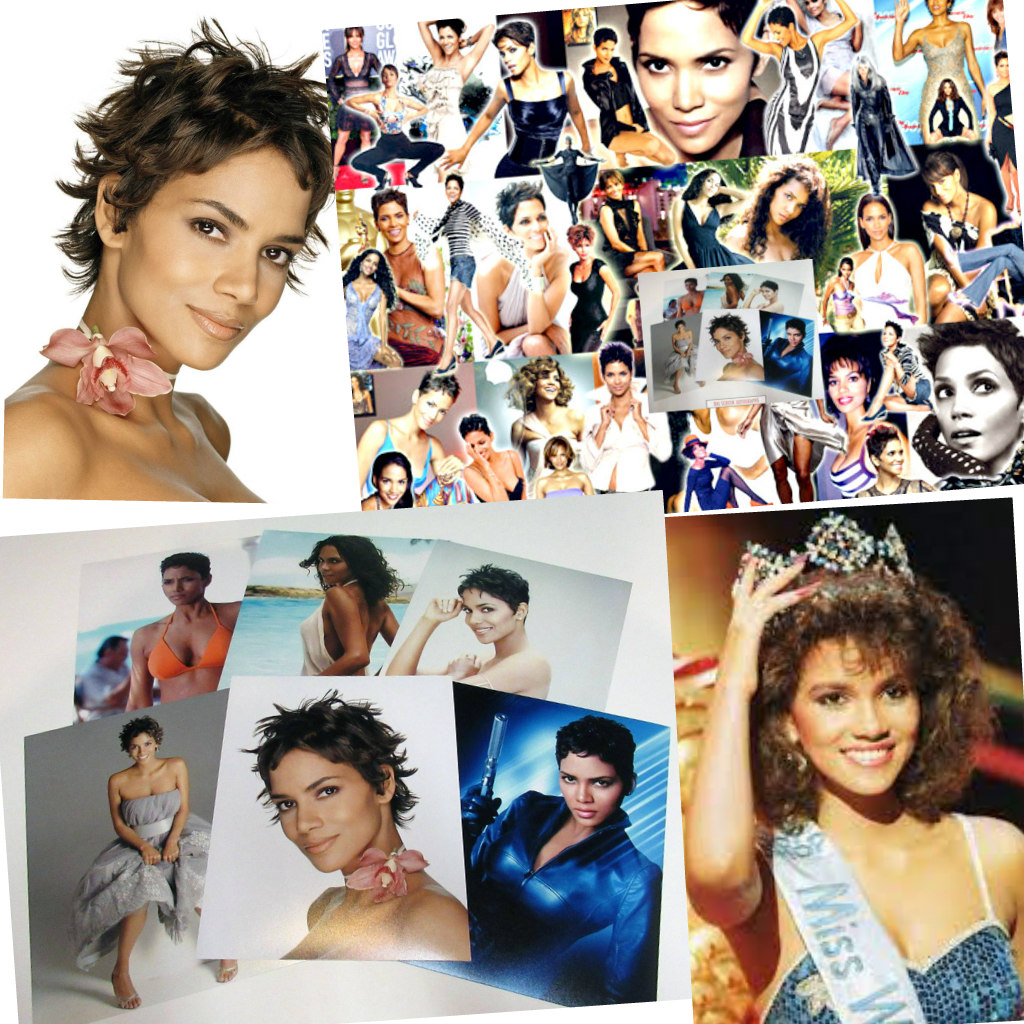
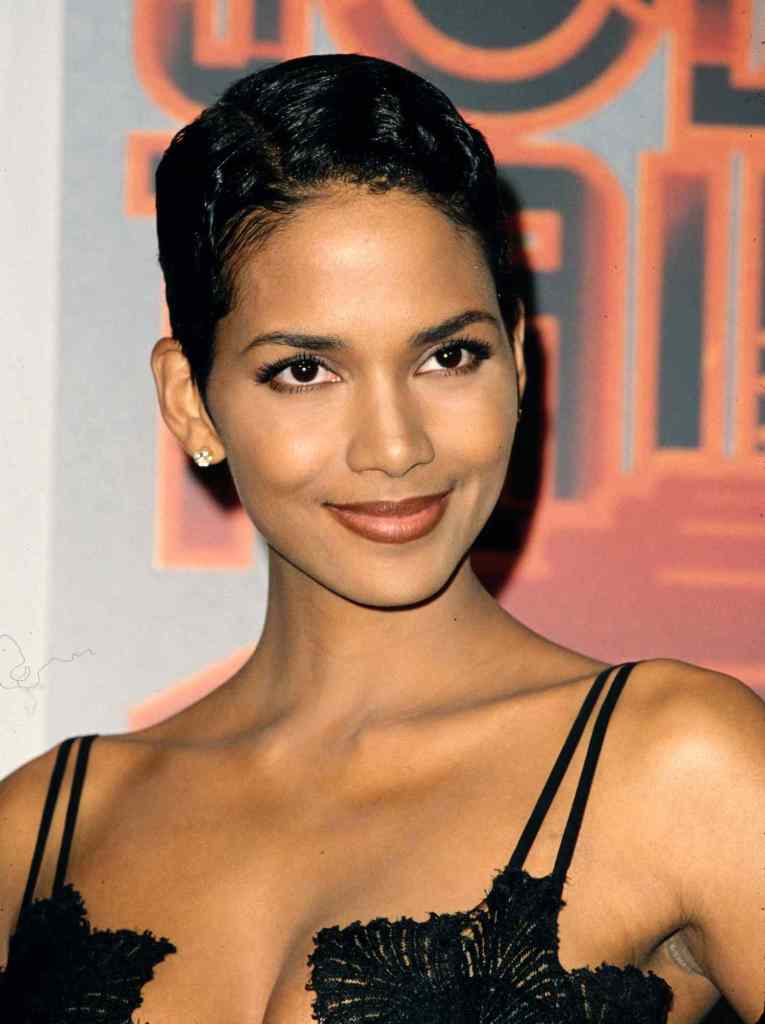
Many have said that Halle Berry is the most beautiful woman in the world, making her a living icon of beauty and timeless elegance.
In the early 1990s, after the release of Strictly Business (1991), Halle Berry captivated Hollywood and the world with her magnetic screen presence and extraordinary beauty. The film served as her breakout role, introducing audiences to a new kind of Black leading lady—radiant, confident, and effortlessly alluring. Her appearance in Strictly Business marked a cultural turning point, as Berry’s blend of sophistication and sensuality transcended racial boundaries in an industry still grappling with representation. Television host Arsenio Hall famously declared her “the most beautiful woman in the world,” echoing the collective awe of audiences and critics alike who saw in Berry not just a starlet, but a genetic marvel – the complete package in terms of beauty whose elegance and charisma would redefine Hollywood’s standards of beauty for decades to come.
These photographs are the property of their respective owners. No copyright infringement intended.
Halle Berry has long been celebrated as one of the most beautiful women in the world—a vision of timeless elegance, grace, and radiant femininity. Her symmetrical features, luminous skin, and captivating eyes embody a beauty that transcends race and age. With a sculpted jawline, flawless complexion, and confidence that radiates from within, she redefined the global perception of Black beauty. Whether walking a red carpet or appearing barefaced in interviews, Halle’s natural glow and poise reflect inner strength and divine self-assurance. Her presence commands attention—not merely for her looks, but for the spirit and perseverance behind them.
Born Maria Halle Berry on August 14, 1966, in Cleveland, Ohio, she was raised by her mother, Judith Ann, after her parents divorced when she was young. Her mother, a psychiatric nurse, taught her resilience, while her father, Jerome Berry, an African American hospital attendant, contributed to her rich biracial heritage. Halle’s early life was marked by challenges, including racial discrimination, but she turned adversity into motivation. Her drive and determination pushed her to excel academically and artistically.
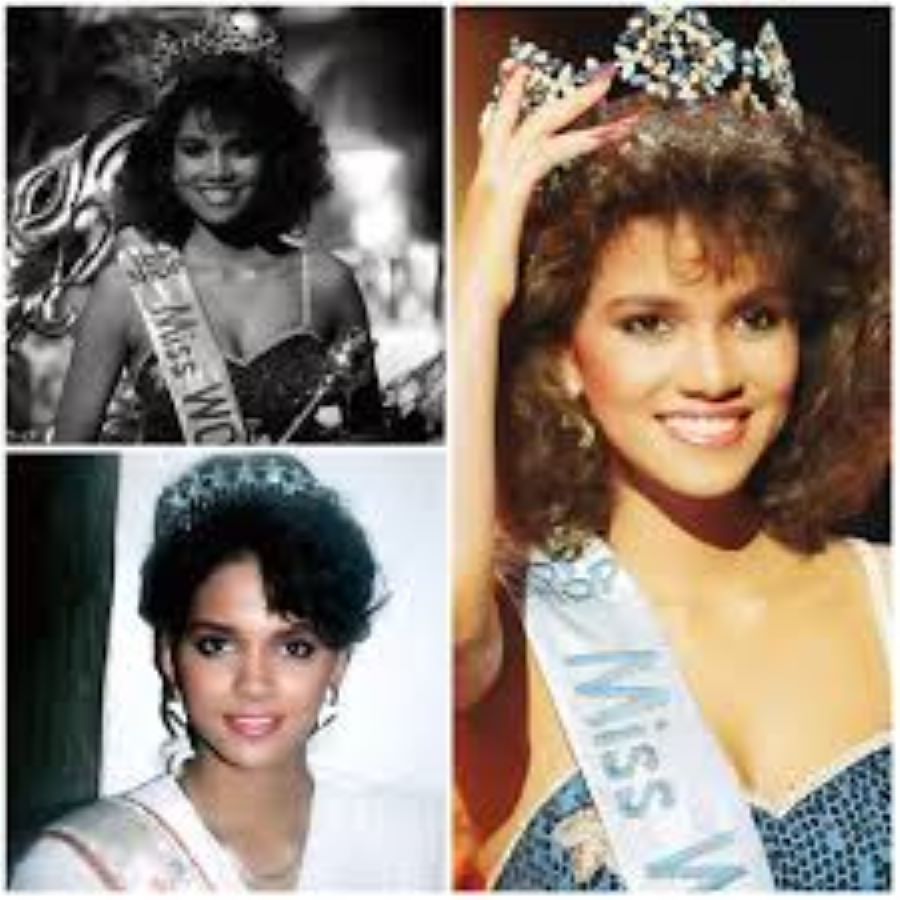
Before her rise to stardom, Halle Berry began her career in modeling and beauty pageants. In 1985, she won the title of Miss Teen All-American and later became the first runner-up in the 1986 Miss USA pageant. That same year, she represented the United States in the Miss World competition, where she placed sixth. Her pageant success opened doors to modeling and acting opportunities, giving her visibility in an industry where diversity was still limited.
These photographs are the property of their respective owners. No copyright infringement intended.
Halle’s modeling career flourished throughout the 1980s, appearing in high-profile campaigns and fashion spreads that highlighted her natural beauty and grace. She was a muse for photographers who saw in her the perfect balance between strength and softness. But it wasn’t just her looks that set her apart—it was her professionalism, intelligence, and ability to carry herself with royal composure.
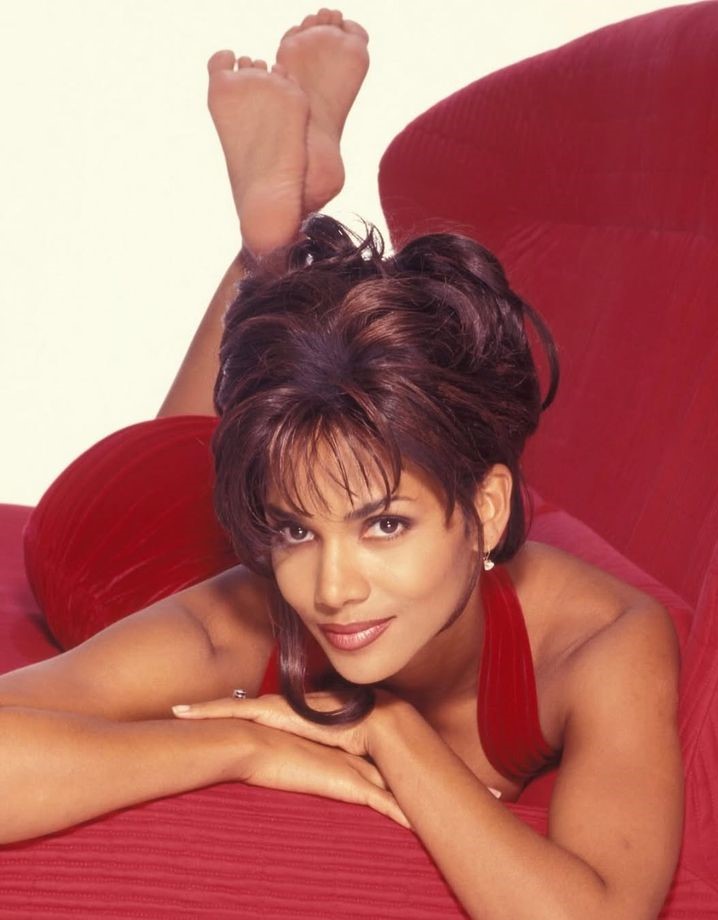
Her transition to acting began with small television roles, including Living Dolls in 1989. However, her breakthrough came in Spike Lee’s Jungle Fever (1991), where she portrayed a crack addict named Vivian. This role proved that she was more than just a beauty queen—she was an actress capable of depth, vulnerability, and emotional truth. Halle’s early film choices often centered around complex female characters navigating identity, love, and survival.
This photograph is the property of its respective owner. No copyright infringement intended.
As her career expanded, Berry starred in a wide range of films that showcased her versatility. She appeared in Boomerang (1992) alongside Eddie Murphy, The Flintstones (1994), Bulworth (1998), and the critically acclaimed Introducing Dorothy Dandridge (1999). Her portrayal of the legendary actress Dorothy Dandridge earned her an Emmy, a Golden Globe, and a Screen Actors Guild Award. This performance was especially meaningful, as Dandridge had been the first Black woman nominated for an Academy Award for Best Actress—a barrier Berry herself would later break.
In 2002, Halle Berry made history when she became the first Black woman to win the Academy Award for Best Actress for her role in Monster’s Ball (2001). In her emotional acceptance speech, she dedicated the moment to “every nameless, faceless woman of color who now has a chance because this door tonight has been opened.” Her performance in the film, as a struggling widow seeking redemption, cemented her place among Hollywood’s elite and broke racial boundaries in the industry.
This photograph is the property of its respective owner. No copyright infringement intended.
Beyond her Oscar, Berry’s trophy case includes a Golden Globe, multiple NAACP Image Awards, and recognition from the BET Honors and Essence Black Women in Hollywood Awards. She also received a star on the Hollywood Walk of Fame in 2007, a testament to her enduring influence and body of work.
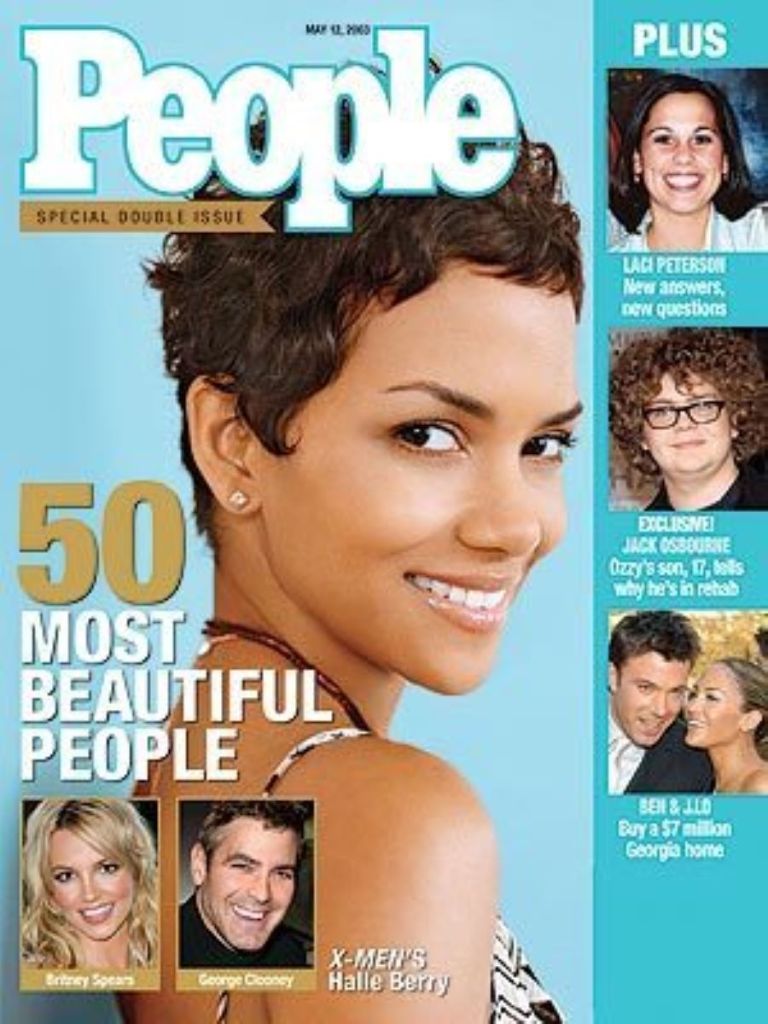
People Magazine
Halle’s beauty has often been celebrated alongside her talent. She was named People magazine’s “Most Beautiful Woman in the World” in 2003 and has graced the cover multiple times since. Her appeal lies not just in physical perfection but in authenticity and confidence. She embodies the kind of beauty that grows richer with time—a combination of fitness, spiritual balance, and self-love.
Her beauty regimen has always emphasized simplicity and consistency. Berry advocates for hydration, clean eating, regular exercise, and a focus on inner wellness. She follows a ketogenic diet, practices yoga, and prioritizes mental health. In interviews, she often states that “beauty begins with the soul,” emphasizing peace, faith, and gratitude as key components of lasting radiance.
Health has been a lifelong priority for Halle, especially after being diagnosed with type 1 diabetes at age 22. This diagnosis changed her relationship with food, fitness, and discipline. She became an advocate for holistic wellness, encouraging others to take control of their health through natural living and balance. Her fitness routine includes strength training, cardio, martial arts, and meditation.
This photograph is the property of its respective owner. No copyright infringement intended.
As Halle matured in her career, she took on new roles that reflected her growth as both a woman and an artist. Films like Gothika (2003), Catwoman (2004), Cloud Atlas (2012), and Bruised (2020)—which she also directed—demonstrated her fearlessness in exploring challenging roles. Her ability to reinvent herself in each decade of her career shows a rare kind of endurance and artistic evolution.
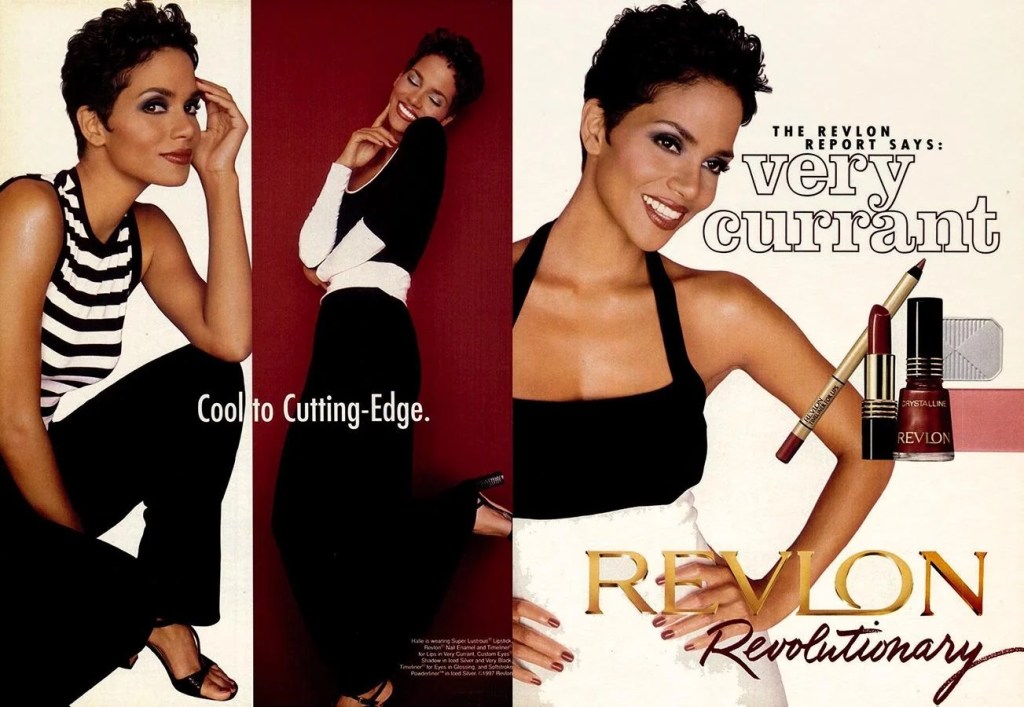
Revlon Cosmetics
Halle Berry’s enduring beauty and cinematic prestige have made her one of the most sought-after celebrity endorsers in Hollywood. Her long-term partnership with Revlon, beginning in 1996, established her as a global ambassador and symbol of timeless glamour. Berry also became a collaborative partner and campaign face for Finishing Touch Flawless, a beauty-tech brand emphasizing women’s self-care and confidence, and launched her own fragrance line with Coty in 2009, showcasing her elegance and entrepreneurial vision. Her flawless complexion, sculpted bone structure, and magnetic screen presence—paired with her historic Academy Award win as the first Black woman to receive Best Actress—solidified her appeal as the epitome of sophistication and modern femininity, aligning perfectly with brands seeking a face that transcends race and radiates universal beauty.
Her personal life has also been under public scrutiny, particularly her high-profile marriages and relationships. Berry was married to baseball player David Justice (1993–1997), musician Eric Benét (2001–2005), and actor Olivier Martinez (2013–2016). Despite the challenges, she has maintained dignity and optimism, focusing on her children and her work. Her transparency about heartbreak and healing has made her relatable to women worldwide. After these marriages, she entered a committed relationship in 2020 with Grammy-winning musician Van Hunt. Hunt proposed to Berry, though she has stated she doesn’t need marriage to validate their relationship. People.com
As a mother to two children, Nahla and Maceo, Halle has spoken openly about balancing motherhood and career. She has emphasized the importance of teaching her children about self-worth, resilience, and faith. Her nurturing yet disciplined nature mirrors the Proverbs 31 woman—strong, wise, and compassionate.
This photograph is the property of its respective owner. No copyright infringement intended.
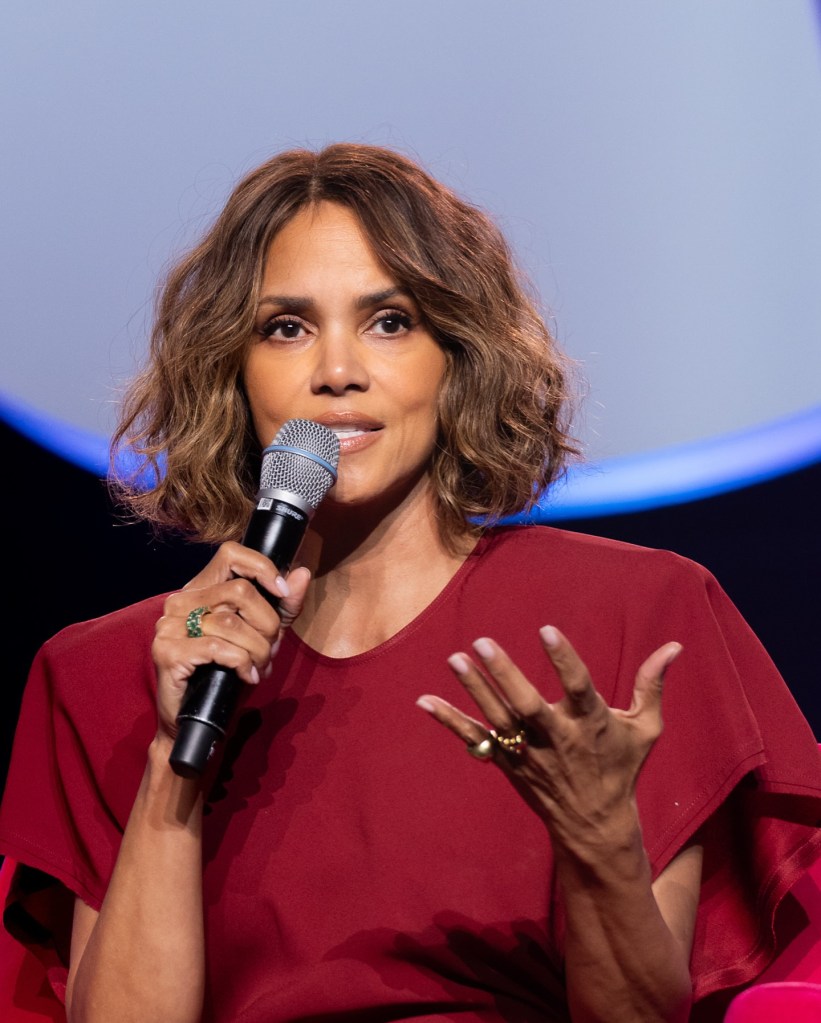
Berry’s activism extends beyond entertainment. She is a passionate advocate for women’s rights, domestic violence survivors, and health awareness. In recent years, she has become an outspoken voice for menopause education, challenging the stigma surrounding it. Halle uses her platform to empower women to embrace their changing bodies and find beauty in every stage of life.
In discussing menopause, Berry highlights the importance of embracing transformation with grace. She rejects the notion that aging diminishes worth or attractiveness. Instead, she champions the idea that true beauty deepens with experience, wisdom, and peace of mind. Her advocacy reflects her mission to redefine womanhood in Hollywood and beyond.
This photograph is the property of its respective owner. No copyright infringement intended.
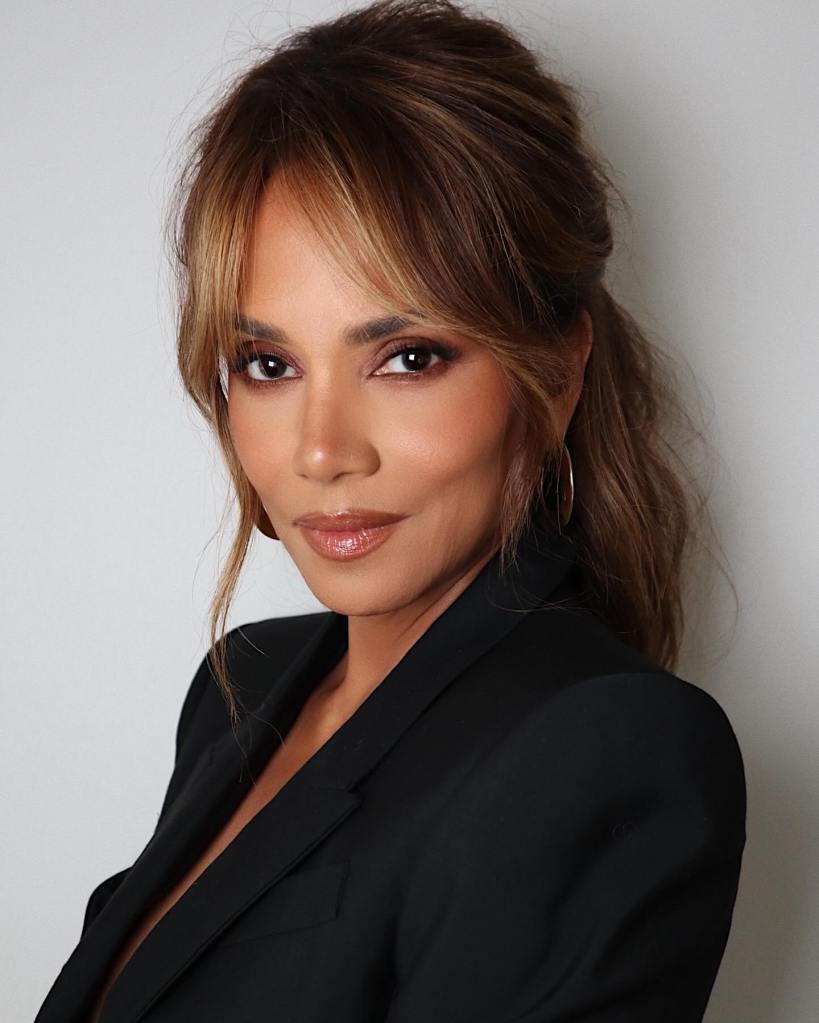
Today, Halle Berry continues to inspire not only through her performances but through her authenticity. She has proven that beauty, talent, and intelligence can coexist powerfully. Her influence reaches far beyond film; she has become a symbol of endurance, elegance, and empowerment for generations of women. She has become the face and co-founder of Re•Spin Menopause, a wellness brand that seeks to redefine and destigmatize the conversation around menopause. Through her platform, Berry advocates for education, empowerment, and holistic health during midlife, encouraging women to embrace this transition with confidence and self-love. Her candid discussions about her own journey with perimenopause have inspired millions, highlighting the importance of open dialogue about women’s health. Berry’s mission with Re•Spin and her partnership with Pendulum Therapeutics mark a cultural shift toward celebrating aging as strength, not decline.
Her legacy as an “Ebony Doll” represents more than physical beauty—it is a celebration of Black excellence, resilience, and divine femininity. Halle Berry’s journey reminds the world that true allure is found not in perfection but in purpose, perseverance, and self-love. She remains a beacon of light, defying age, stereotypes, and limitations.
People Magazine. (2003–2023). Most Beautiful Woman in the World Issues.
NAACP Image Awards Archives. (2023). Halle Berry: Past Wins and Nominations.
Essence Magazine. (2022). Halle Berry on Beauty, Aging, and Empowerment.
The Guardian. (2021). Halle Berry: Breaking Barriers in Hollywood.
Women’s Health. (2020). Halle Berry Shares Her Fitness and Wellness Secrets.
BET. (2022). The Evolution of Halle Berry: Actress, Director, and Icon.
CNN. (2024, April 5). Halle Berry on changing the narrative about menopause. Forbes. (2024, March 12). Halle Berry partners with Pendulum to redefine menopause wellness. Essence. (2024, March 14). Halle Berry launches Re•Spin Menopause: Empowering women through the change.
A colorist is an individual who perpetuates or enforces discriminatory practices based on skin tone—favoring lighter skin over darker shades, even within the same racial or ethnic group. This behavior reflects colorism, a form of bias that upholds white or Eurocentric standards of beauty, professionalism, and desirability. While the term “colorism” was first coined by acclaimed African American author Alice Walker in her 1983 collection In Search of Our Mothers’ Gardens, the practice long predates the term—rooted in slavery, colonialism, caste systems, and global white supremacy.
A colorist can be of any race, but most often, colorists are individuals of color who have internalized societal messages that associate lightness with beauty, intelligence, and social mobility. Colorism is not just an interpersonal issue—it reflects deep systemic structures that impact everything from employment to education, marriage, and media representation.
The Race of the Colorist: Internalized Bias Across Cultures
While colorism is often highlighted within the Black community, it is by no means exclusive to it. In fact, some of the most pervasive colorist systems exist in countries like India, the Philippines, Brazil, South Africa, and Dominican Republic—all legacies of colonization and the global exportation of white beauty ideals.
In India, the caste system historically tied fair skin with higher caste status, and today, skin-lightening creams remain a billion-dollar industry. In Latin America, “mejorar la raza” (improve the race) is a common phrase that encourages marrying lighter-skinned partners to produce lighter children—reflecting long-standing colorist ideologies.
Thus, a colorist may be Black, Brown, Asian, or Indigenous—anyone who participates in or benefits from the stratification of people based on skin tone. Often, they have internalized whiteness as the standard and actively judge others who do not conform.
Prejudices and Practices of a Colorist
A colorist upholds several dangerous assumptions:
Lighter skin is more attractive, clean, and educated.
Darker skin is associated with poverty, aggression, or inferiority.
Romantic partners or children are more desirable if they have fair skin.
Certain hairstyles or cultural markers are acceptable only if paired with light skin.
These prejudices manifest in hiring practices, school discipline, healthcare disparities, and media exposure. A study by the National Bureau of Economic Research found that light-skinned Black men earn 15% more than their darker-skinned peers, even with identical resumes (Goldsmith, Hamilton, & Darity, 2006). This proves that colorist bias has material, not just emotional, consequences.
Example of a Colorist: The Case of Mathew Knowles
One public example is Mathew Knowles, father and former manager of Beyoncé. In interviews, he admitted that colorism influenced his dating preferences and how the music industry markets artists:
“When it comes to Black women, who are the people who get their music played on pop radio? Mariah Carey, Rihanna, Beyoncé. Do you think that’s an accident?” —Mathew Knowles (Vulture, 2018)
His comment underscores how light-skinned artists are often elevated in mainstream media while darker-skinned artists with equal or greater talent struggle for visibility and recognition.
Effects of Colorism in Jobs and Daily Life
The impact of colorist thinking is far-reaching:
Employment: Lighter-skinned candidates are perceived as more “professional” or “polished,” particularly in customer-facing roles.
Legal System: Studies show that darker-skinned individuals receive longer prison sentences than lighter-skinned counterparts for the same crimes (Monk, 2015).
Healthcare: Dark-skinned patients are often undertreated for pain or misdiagnosed due to implicit bias.
Dating and Marriage: Colorists may seek partners of lighter skin tone as a form of social elevation or to have “fair-skinned” children.
Education: Teachers may unconsciously perceive lighter-skinned students as better behaved or more intelligent.
Do Colorists Marry Outside Their Race?
In many cases, yes—colorists may choose to marry outside their race, particularly into groups that offer closer proximity to whiteness, whether through skin tone or phenotype. However, even within the same racial or ethnic community, colorists may strategically pursue partners with lighter complexions in a conscious or unconscious attempt to “upgrade” their lineage. This reflects the internalized colonial logic that lighter is inherently better.
How to Overcome Colorism and the Colorist Mentality
Overcoming colorism—and dismantling the mindset of the colorist—requires both personal and collective transformation:
Education: Learn the historical roots of colorism and its global impact.
Representation: Support diverse portrayals of beauty and excellence across all skin tones.
Affirmation: Celebrate melanin-rich skin and reject Eurocentric beauty standards.
Policy Change: Enact workplace protections and anti-discrimination laws that address hair and appearance bias.
Healing: Address the psychological trauma caused by years of shaming and invisibility.
As Dr. Yaba Blay writes:
“Colorism is not about preference; it’s about power. When your preference is shaped by systems of domination, it’s not just personal—it’s political.”
Conclusion
A colorist is not merely someone with a personal preference for lighter skin; they are a product and perpetrator of a global system that devalues Blackness and glorifies whiteness. From the beauty aisle to the boardroom, colorism shapes lives, relationships, and opportunities. But this system is neither natural nor irreversible. Through education, accountability, and a redefinition of beauty and worth, it is possible to unlearn colorist thinking and affirm the richness and dignity of all shades. To dismantle the colorist gaze is to reclaim not only the spectrum of Black and Brown beauty—but the humanity long denied to those furthest from the colonial ideal.
References
Blay, Y. (2021). One Drop: Shifting the Lens on Race. Beacon Press. Goldsmith, A. H., Hamilton, D., & Darity, W. (2006). Shades of discrimination: Skin tone and wages. American Economic Review, 96(2), 242–245. Monk, E. P., Jr. (2015). The cost of color: Skin color, discrimination, and health among African-Americans. American Journal of Sociology, 121(2), 396–444. Walker, A. (1983). In Search of Our Mothers’ Gardens: Womanist Prose. Harcourt Brace Jovanovich. Vulture. (2018). Mathew Knowles Talks Colorism in the Music Industry. https://www.vulture.com/2018/01/mathew-knowles-on-colorism-and-beyonce.html
Where faith, history, and truth illuminate the Black experience.




 THE BROWN GIRL DILEMMA