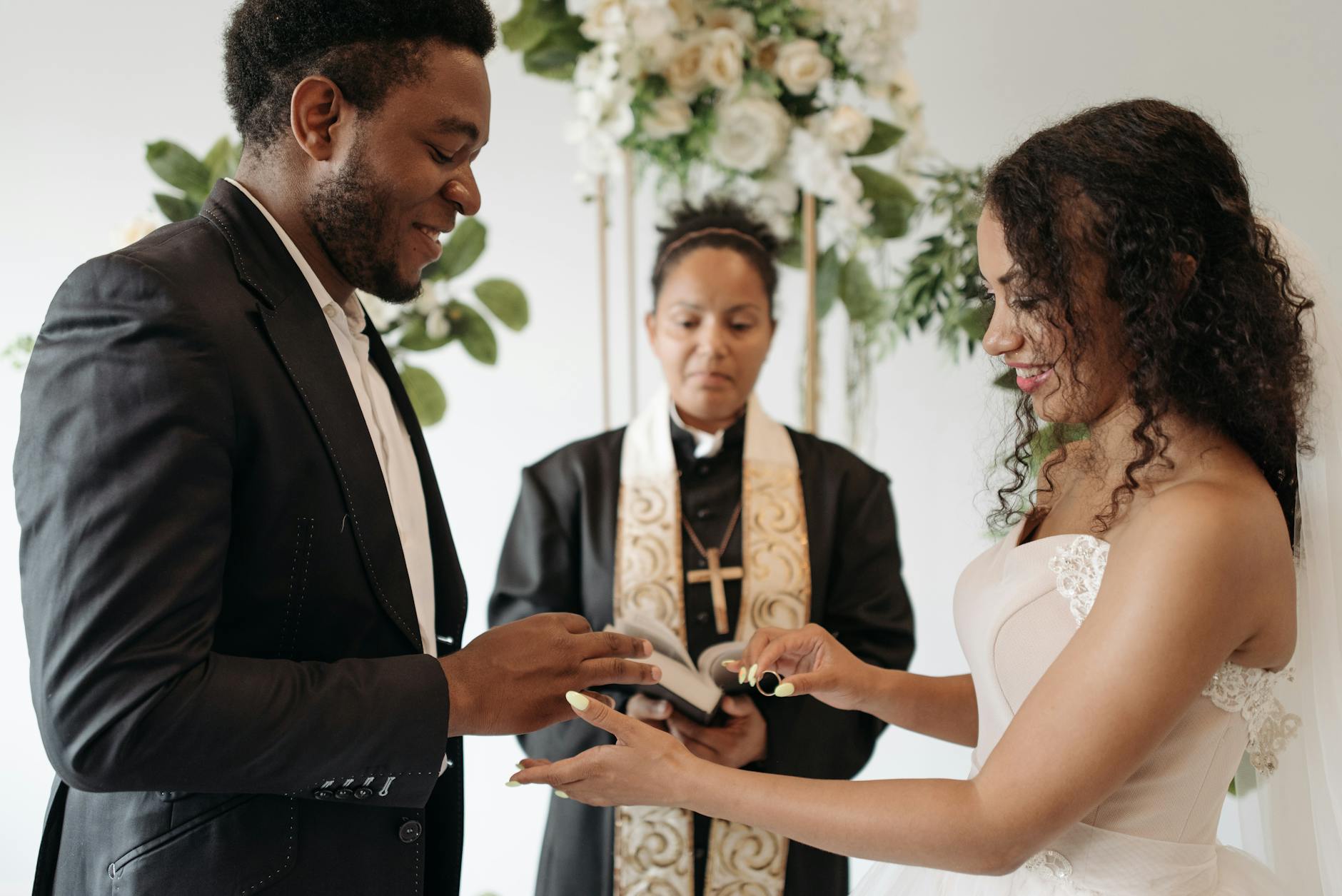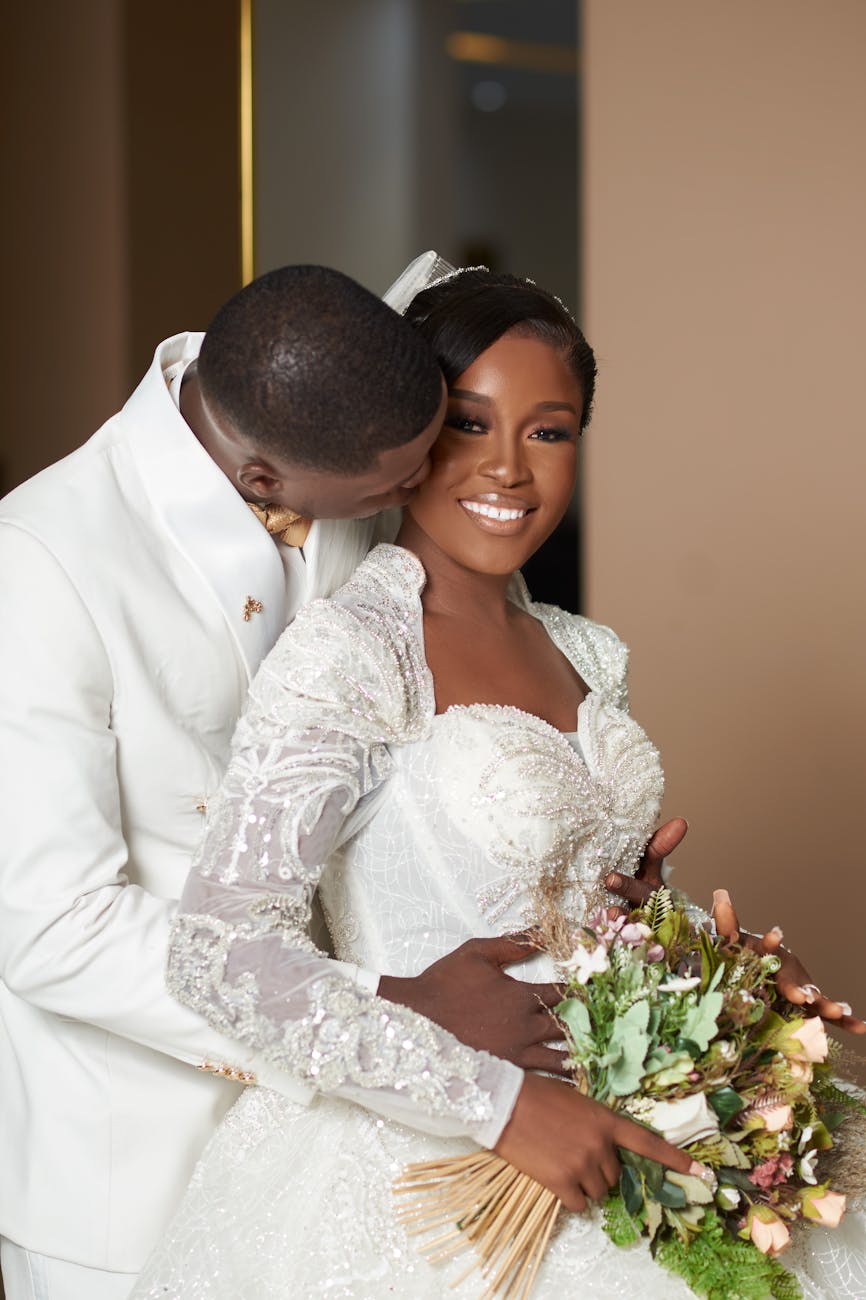
Tag Archives: biblical marriage

Dilemma: Why can’t women find a good man?💍💍💍

Photo by Git Stephen Gitau on Pexels.com

The Search for a Good Man: Black Women, Marriage, and the Complexities of Modern Love

💍💍💍

“Whoso findeth a wife findeth a good thing, and obtaineth favour of the Lord.”
—Proverbs 18:22 (KJV)

Marriage remains a central social and spiritual institution in human society. For Black women, however, marriage patterns in the United States reveal complex dynamics. According to U.S. Census Bureau data, approximately 26% of Black women are married, compared to 46% of White women (U.S. Census Bureau, 2022). Inversely, about never-married Black women outnumber never-married Black men (47% vs. 36%) (Pew Research Center, 2019). These disparities have spurred scholarly inquiry into why marriage rates among Black women are significantly lower. Biblically, Proverbs 18:22 declares, “Whoso findeth a wife findeth a good thing, and obtaineth favour of the Lord” (KJV), framing marriage as a man’s pursuit of divine favor. Psychologically and socially, the challenge lies in distinguishing between men of character and those who embody destructive traits, and in navigating a dating culture that complicates authentic connections.

The Typologies of Men in Contemporary Relationships

Women searching for suitable partners must navigate a landscape of varied male typologies. The cheater or adulterer undermines covenantal trust, directly contradicting the biblical prohibition: “Thou shalt not commit adultery” (Exodus 20:14, KJV). The fornicator embodies sexual impulsivity without commitment, ignoring Paul’s admonition to “flee fornication” (1 Corinthians 6:18, KJV). The narcissist, often described in psychological literature as possessing inflated self-importance and lack of empathy (American Psychiatric Association, 2013), emotionally manipulates women who seek validation. By contrast, the provider offers material stability but may lack emotional or spiritual leadership. The rare godly man mirrors Ephesians 5:25: “Husbands, love your wives, even as Christ also loved the church, and gave himself for it” (KJV). This typology underscores the biblical model of selfless love and spiritual leadership.

Why Women Struggle to Find a Good Man

The difficulty of finding a good man is rooted in intersecting cultural, psychological, and spiritual factors. First, structural issues such as mass incarceration and economic disparities disproportionately limit the pool of available Black men (Alexander, 2010). Psychologically, many men wrestle with commitment avoidance, stemming from fear of responsibility or unresolved childhood trauma (Levine & Heller, 2010). Spiritually, the erosion of biblical morality normalizes fornication, adultery, and dishonor toward women. Women, in turn, may compromise standards out of loneliness, desperation, or low self-esteem, exposing themselves to unhealthy relationships. Proverbs 31:10 raises the question, “Who can find a virtuous woman? for her price is far above rubies” (KJV)—a reminder that the search for virtue applies to both genders.

The Dangers of Dating Apps and Digital Courtship

The rise of dating apps has introduced new challenges to relational stability. Psychologists describe these platforms as “paradox of choice environments,” where endless swiping fosters superficial attraction and decision fatigue (Finkel et al., 2012). Statistically, while 30% of U.S. adults report using dating apps, only 12% of app users enter long-term marriages or partnerships (Pew Research Center, 2020). For Black women, these platforms often exacerbate racial biases, as studies indicate they are rated less favorably in dating algorithms compared to other racial groups (Robnett & Feliciano, 2011). Biblically, this environment mirrors the warning in 2 Timothy 3:6–7 about being “led away with divers lusts.” Digital dating frequently emphasizes lust-driven choice over spiritual discernment, making it a “cesspool” of temporary encounters rather than covenantal unions.

What is a Good Man?

From a biblical perspective, a “good man” embodies righteousness, faith, and stability. Psalm 37:23 declares, “The steps of a good man are ordered by the Lord” (KJV), implying spiritual alignment and divine guidance. In psychological terms, a good man demonstrates emotional intelligence, empathy, responsibility, and consistent character (Goleman, 1995). He is capable of both providing for and nurturing his partner, balancing strength with gentleness. In marital context, a good husband aligns with Ephesians 5:28: “So ought men to love their wives as their own bodies. He that loveth his wife loveth himself” (KJV). Thus, the definition of a good man transcends financial provision—it requires integrity, emotional maturity, and godliness.

Why Some Black Women Remain Unmarried

Despite their achievements, many Black women struggle to marry due to structural and personal barriers. Sociologists note that Black women are the most educated group of women in the United States, yet higher educational attainment narrows their pool of potential Black male partners (U.S. Department of Education, 2021). Additionally, many women are caught in cycles of unhealthy attachment—dating married men or narcissists—leading to psychological harm. Research shows that women involved in affairs with married men often suffer depression, shame, and prolonged low self-esteem due to secrecy and lack of commitment (Glass & Wright, 1992). Spiritually, such entanglements are destructive: Hebrews 13:4 warns that “whoremongers and adulterers God will judge” (KJV).

Where and How Women Can Position Themselves to Be Found

Proverbs 18:22 underscores that marriage is not about women chasing men but about men, under God’s guidance, finding wives. This principle challenges modern culture where women often pursue men directly. Instead, women should position themselves by cultivating virtue, wisdom, and godliness, much like Ruth did in the fields where Boaz noticed her (Ruth 2). Psychology supports this: individuals with secure attachment styles are more likely to form healthy, lasting marriages (Mikulincer & Shaver, 2016). Thus, women must develop spiritual grounding, self-respect, and patience, trusting that the right man will pursue them in alignment with God’s order.

Hope and Solutions

Though modern dating culture presents obstacles, hope remains. A return to biblical principles of courtship, virtue, and male spiritual leadership provides a framework for healthy marriages. Women can protect themselves by setting boundaries, avoiding desperation, and seeking partners in godly environments—such as churches, community service, and faith-based networks—rather than solely through dating apps. The solution lies not in lowering standards but in elevating expectations to align with God’s design for marriage. In doing so, women increase the likelihood of encountering men who embody godliness, responsibility, and true love. Ultimately, the promise of Jeremiah 29:11 reassures, “For I know the thoughts that I think toward you, saith the Lord, thoughts of peace, and not of evil, to give you an expected end” (KJV).


References

  • Alexander, M. (2010). The new Jim Crow: Mass incarceration in the age of colorblindness. New Press.
  • American Psychiatric Association. (2013). Diagnostic and statistical manual of mental disorders (5th ed.). APA.
  • Finkel, E. J., Eastwick, P. W., Karney, B. R., Reis, H. T., & Sprecher, S. (2012). Online dating: A critical analysis from the perspective of psychological science. Psychological Science in the Public Interest, 13(1), 3–66.
  • Glass, S. P., & Wright, T. L. (1992). Justifications for extramarital relationships: The association between attitudes, behaviors, and gender. Journal of Sex Research, 29(3), 361–387.
  • Goleman, D. (1995). Emotional intelligence. Bantam Books.
  • Levine, A., & Heller, R. (2010). Attached: The new science of adult attachment and how it can help you find—and keep—love. TarcherPerigee.
  • Mikulincer, M., & Shaver, P. R. (2016). Attachment in adulthood: Structure, dynamics, and change. Guilford Press.
  • Pew Research Center. (2019). Marriage and cohabitation in the U.S.
  • Pew Research Center. (2020). The virtues and downsides of online dating.
  • Robnett, B., & Feliciano, C. (2011). Patterns of racial-ethnic exclusion by gender on online dating sites. Social Forces, 89(3), 807–828.
  • U.S. Census Bureau. (2022). Current Population Survey, Annual Social and Economic Supplement.
  • U.S. Department of Education. (2021). Condition of Education.

How to Be a Good and Godly Wife

A Biblical and Psychological Perspective

Photo by Agung Prakoso BayuAdi on Pexels.com

The institution of marriage is one of the earliest and most sacred covenants established by God (Genesis 2:24, KJV). The Bible’s model for a godly wife integrates reverence for the Lord, commitment to her husband, and the nurturing of the home. In contemporary psychology, these same virtues—mutual respect, emotional intelligence, and selflessness—are essential predictors of marital satisfaction and family stability (Gottman & Silver, 2015). Understanding how to live out these biblical principles with wisdom enables women to flourish in their roles as wives, mothers, and spiritual stewards of the household.


I. Biblical Foundation for a Godly Wife

Scripture outlines the qualities of a virtuous wife in detail. Proverbs 31 describes her as industrious, wise, compassionate, and devoted to her family. The apostle Paul emphasizes in Ephesians 5:22–24 (KJV) that wives should submit to their own husbands “as unto the Lord,” not as an act of inferiority, but as a reflection of divine order. Submission in biblical terms means honoring the leadership role of the husband while exercising her own God-given wisdom and gifts (Titus 2:4–5, KJV).


II. Psychological Perspective

From a psychological standpoint, marriage thrives when both partners display emotional regulation, mutual respect, and shared values (Stanley, Rhoades, & Whitton, 2010). Research on healthy relationships shows that a supportive wife fosters emotional stability in her spouse, which in turn strengthens the marital bond and provides a secure environment for children (Karney & Bradbury, 2005). Emotional intelligence—understanding and managing one’s own emotions while empathizing with others—is a key factor in being a loving and wise helpmeet (Goleman, 1995).


III. Ten Traits of a Good and Godly Wife

  1. Faithfulness – Remains loyal in heart, speech, and conduct (Proverbs 31:11, KJV).
  2. Respect for Her Husband – Honors his leadership (Ephesians 5:33, KJV).
  3. Wisdom and Discernment – Speaks with kindness and avoids foolish words (Proverbs 31:26, KJV).
  4. Diligence – Works hard to manage the home and contribute to its well-being (Proverbs 31:13, 27, KJV).
  5. Compassion – Cares for the poor and needy (Proverbs 31:20, KJV).
  6. Self-Control – Maintains godly behavior even under stress (1 Peter 3:4, KJV).
  7. Encouragement – Strengthens her husband with words of affirmation (Proverbs 12:4, KJV).
  8. Modesty – Dresses in a way that honors God and avoids immodesty (1 Timothy 2:9–10, KJV).
  9. Hospitality – Opens her home and heart to others (Hebrews 13:2, KJV).
  10. Prayerfulness – Covers her family in consistent intercession (Philippians 4:6, KJV).

IV. Behaviors to Avoid

A godly wife must guard against traits and behaviors that undermine love and respect:

  • Nagging and Quarreling (Proverbs 21:9, KJV)
  • Disrespect or Contempt (Ephesians 5:33, KJV)
  • Gossip and Slander (Proverbs 16:28, KJV)
  • Laziness (Proverbs 31:27, KJV)
  • Vanity and Pride (Proverbs 31:30, KJV)

Psychology confirms that contempt, criticism, and stonewalling are some of the most destructive patterns in marriage (Gottman & Silver, 2015).


V. Biblical Modesty and Dress

Modesty in dress is both an outward reflection of inward holiness and a safeguard against distraction or temptation. The Bible commands women to adorn themselves “in modest apparel, with shamefacedness and sobriety” (1 Timothy 2:9, KJV). Modesty is not about drabness but about self-respect, dignity, and honoring God with our appearance. Psychology supports the idea that clothing influences perception—modest dress fosters respect and communicates self-control (Adam & Galinsky, 2012).


VI. Becoming the Biblical Wife

To embody the biblical wife is to live in alignment with God’s Word, to respect her husband’s role without losing her own voice, and to cultivate an atmosphere of peace in the home. This requires daily spiritual discipline—prayer, study of Scripture, humility, and a heart set on service rather than self-promotion.


VII. Teaching Daughters to Be Godly Wives

Titus 2:3–5 (KJV) instructs older women to teach the younger women “to love their husbands, to love their children, to be discreet, chaste, keepers at home, good, obedient to their own husbands.” Mothers must model godly womanhood before their daughters, teaching:

  • The value of purity before marriage.
  • The strength found in gentleness and wisdom.
  • Skills for managing a household.
  • How to pray and read Scripture daily.

Psychologically, daughters who witness healthy marriages and loving motherly guidance are more likely to form strong, stable relationships themselves (Amato, 2000).


Conclusion

A good and godly wife is a woman who embodies biblical virtues, exercises emotional intelligence, and builds her home on a foundation of faith and love. She is not defined by cultural fads but by the eternal wisdom of God’s Word. By teaching these principles to daughters, mothers ensure that the legacy of godly womanhood is preserved for generations.


References

Adam, H., & Galinsky, A. D. (2012). Enclothed cognition. Journal of Experimental Social Psychology, 48(4), 918–925.
Amato, P. R. (2000). The consequences of divorce for adults and children. Journal of Marriage and the Family, 62(4), 1269–1287.
Goleman, D. (1995). Emotional intelligence. Bantam Books.
Gottman, J., & Silver, N. (2015). The seven principles for making marriage work. Harmony Books.
Karney, B. R., & Bradbury, T. N. (2005). Contextual influences on marriage. Current Directions in Psychological Science, 14(4), 171–174.
Stanley, S. M., Rhoades, G. K., & Whitton, S. W. (2010). Commitment: Functions, formation, and the securing of romantic attachment. Journal of Family Theory & Review, 2(4), 243–257.

Dilemma: Leveling Up as a Godly Wife

Biblical Principles, Intellectual Partnership, and the Role of Support in Marriage

Photo by Pavel Danilyuk on Pexels.com

In modern discourse, the phrase “leveling up” often describes personal growth, self-improvement, and the intentional pursuit of higher standards in one’s life. While secular definitions may focus on financial status, aesthetics, or social capital, within the biblical framework, “leveling up” as a wife is rooted in character, spiritual maturity, and the ability to nurture a godly and harmonious home. Proverbs 18:22 (KJV) declares, “Whoso findeth a wife findeth a good thing, and obtaineth favour of the Lord.” This statement highlights not only the blessing of marriage but also the intrinsic value of a godly wife to her husband’s life, mission, and spiritual walk.


The Meaning of “Leveling Up” in a Biblical Marriage

“Leveling up” in the context of biblical womanhood is the intentional act of aligning one’s actions, mindset, and spirit with God’s standards for marriage. This involves spiritual growth (2 Peter 3:18), emotional maturity (Proverbs 31:25), and the cultivation of virtues such as kindness, humility, and wisdom. It is not about material perfection but about embodying the qualities that make a wife a source of stability, inspiration, and strength.


Biblical Principles of Being a Wife

The Bible presents a multi-dimensional view of the role of a wife. Key passages include:

  • Submission and Respect: “Wives, submit yourselves unto your own husbands, as unto the Lord” (Ephesians 5:22, KJV). Biblical submission is not about oppression but about honoring the divine order and supporting the husband’s leadership.
  • Helper and Partner: Genesis 2:18 identifies the wife as a “help meet,” meaning a suitable helper, complementing her husband’s mission and vision.
  • Virtue and Diligence: Proverbs 31 describes a wife who is industrious, wise, and compassionate, managing her home well and caring for her household’s needs.
  • Faithfulness: Hebrews 13:4 emphasizes marital fidelity as a covenant before God.

Practical Ways to Level Up as a Wife

  1. Listening and Communication Skills – James 1:19 advises being “swift to hear, slow to speak.” Effective listening fosters trust, minimizes conflict, and helps a wife better understand her husband’s emotional and spiritual needs.
  2. Culinary and Home Management Skills – Providing healthy, well-prepared meals (Proverbs 31:15) and maintaining a clean, peaceful home environment demonstrate care and respect for the family.
  3. Supportive Partnership – A wife’s encouragement can uplift a man in moments of doubt (Ecclesiastes 4:9–10). She helps him focus on his calling by providing stability and reassurance.
  4. Emotional and Spiritual Encouragement – Praying together and for each other strengthens the spiritual bond (1 Thessalonians 5:11).

Choosing a Husband: Beyond Looks

The Bible warns against relying solely on appearances: “Favour is deceitful, and beauty is vain: but a woman that feareth the Lord, she shall be praised” (Proverbs 31:30). Compatibility, shared faith, integrity, and a man’s commitment to God’s purpose are more important than physical attraction alone.


What Godly Men Look For

Research and biblical teaching suggest that godly men often value:

  • Spiritual maturity (Proverbs 31:10–12)
  • Trustworthiness
  • Emotional support
  • Intellectual companionship
  • Respect and admiration

The Five Love Languages in Marriage

Dr. Gary Chapman (1992) identifies five primary ways people express and receive love:

  1. Words of Affirmation
  2. Acts of Service
  3. Receiving Gifts
  4. Quality Time
  5. Physical Touch

Understanding a husband’s primary love language allows a wife to meet his emotional needs more effectively, fostering deeper intimacy and connection.


Conclusion

Leveling up as a wife means committing to personal growth, aligning with biblical values, and becoming a partner who nurtures her husband’s well-being spiritually, emotionally, and physically. Proverbs 18:22 is not merely a poetic line but a reminder that a godly wife is both a blessing and a source of divine favor. By embracing biblical principles, practical skills, and emotional intelligence, a wife can create a marriage that reflects God’s design and thrives in love and unity.


References

  • Chapman, G. (1992). The five love languages: How to express heartfelt commitment to your mate. Northfield Publishing.
  • Holy Bible, King James Version.
  • Peters, R. (2020). Marriage God’s Way: A Biblical Recipe for Healthy, Joyful Relationships. Christian Focus Publications.
  • Thomas, G. (2015). Sacred marriage: What if God designed marriage to make us holy more than to make us happy? Zondervan.

Dilemma: I DON’T NEED A MAN!?

Photo by Tony Meyers on Pexels.com

The popular phrase “I don’t need a man” echoes through modern culture, often touted as a badge of strength, independence, and self-reliance. While independence has its virtues, the sentiment frequently masks deep cultural wounds, spiritual misalignment, and historical shifts that have led to the breakdown of the biblical model of love, marriage, and mutual support. From the Genesis account of Adam and Eve to the apostolic teachings of Christ and the Church, Scripture consistently affirms that it is not good for man—or woman—to be alone.


I Need a Man: To My Black Brother
By Paper Doll (with love and truth)

I need a man—
Not just any man, but my brother, my king,
A soul forged in the fire of trials,
A lion with purpose,
A priest of his home,
A warrior of the Most High.

I need a man—
Not to complete me, but to stand beside me,
To speak life into dry places,
To cover me in prayer when the night grows cold,
To hold my hand as we walk this narrow road,
Both flawed, but chosen.

I need a man—
Not to dominate, but to lead,
With love as his language and wisdom as his seed.
I need the thunder in your voice to silence fear,
The strength of your arms to draw me near.
I need your presence, your covering, your gaze,
Your commitment, not just your praise.

To my Black brother—
We need you.
Not the world’s version of you,
But the real you:
Head bowed in prayer,
Hands lifted in praise,
Feet firm in faith.

I want you—
Your mind, your spirit, your legacy.
I want your protection, your counsel,
Your vision that sees beyond the storm,
Your heart that beats in rhythm with heaven.

We were never meant to do this alone.
Even Eden knew no joy until Eve had Adam—
Flesh of his flesh, bone of his bone.
I am your rib, and you are my frame.
We are not enemies. We are flame.

I need a man—
One who will stand when others fall,
Who loves hard, forgives deep, and fears God above all.
A man who will teach sons how to be just,
And daughters how to trust.

I need a man—
To laugh with, pray with, build with, grow with,
To cry with, dream with, raise nations with.
To love me like Christ loves His bride—
Not as property, but in power.
Not as servant, but with honor.

To my Black king,
Come home.
We need you.
I need you.
And I will wait—not for perfection,
But for your return to purpose.

Genesis: God’s Blueprint for Companionship

In Genesis 2:18 (KJV), God declared, “It is not good that the man should be alone; I will make him an help meet for him.” This foundational statement affirms that man was never intended to live in isolation. The woman was not an afterthought, but a divine counterpart—a reflection of man’s need for relational, emotional, and spiritual partnership. Eve was taken from Adam’s side—not his head, to rule over him, nor his feet, to be trampled—but from his rib, to walk beside him in purpose and covenant (Genesis 2:21-24).

Marriage, in its purest form, is not just a social contract but a living testament of divine love. Ephesians 5:25 (KJV) declares, “Husbands, love your wives, even as Christ also loved the church, and gave himself for it.” Here, Paul equates the sacrificial love of Christ with the love a man must show his wife—protective, selfless, and enduring. This relationship is not built on domination or servitude but mutual honor and spiritual reflection.


The Dangers of Radical Independence and Isolation

While independence in women has its place—particularly in resilience, wisdom, and strength—it becomes spiritually and emotionally dangerous when it fosters isolation, pride, or rebellion against God’s order. Proverbs 14:12 reminds us, “There is a way which seemeth right unto a man, but the end thereof are the ways of death.” The idea that one does not need a man, often born out of trauma or disappointment, may seem empowering but ultimately undermines the divine need for interdependence.

In Ecclesiastes 4:9-10 (KJV), the Word declares: “Two are better than one… For if they fall, the one will lift up his fellow: but woe to him that is alone when he falleth.” Emotional, spiritual, and physical support is best found in companionship and community. When women believe they can “do it all,” they often face burnout, loneliness, and spiritual disconnection, especially if they are raising children or managing households without godly support.


Lesbianism: A Symptom of Rebellion and Woundedness

The rise of lesbianism in modern society is not just a cultural shift but a spiritual misalignment with God’s design for human relationships. Romans 1:26-27 (KJV) speaks directly to this: “For this cause God gave them up unto vile affections: for even their women did change the natural use into that which is against nature.” While society affirms same-sex unions, Scripture warns of the spiritual consequences of rejecting God’s established order.

In many cases, lesbianism arises from deep wounds—neglect, abuse, betrayal by men, or unresolved trauma. Instead of turning to God for healing, some women turn to one another in an effort to escape the hurt men have caused. Yet, counterfeit love cannot fill the void that only God’s truth can satisfy.


Black Love: A Sacred Partnership in Need of Restoration

In the Black community, centuries of slavery, systemic racism, and generational trauma have torn apart the image of strong, unified Black families. From being sold apart on plantations to the government policies of the 20th century that incentivized fatherless homes, the erosion of the Black family has been strategic. Now more than ever, Black men and women must reject the culture of division and embrace one another in truth, healing, and covenant love.

Ephesians 4:2-3 encourages believers to walk “with all lowliness and meekness, with longsuffering, forbearing one another in love; Endeavouring to keep the unity of the Spirit in the bond of peace.” Black love must not be based on transactional convenience but on godly servanthood and mutual respect.


The Working Woman vs. The Stay-at-Home Mother: Honoring Both Roles

A woman who works outside the home brings financial support, creativity, and independence to the family. Proverbs 31:16 describes the virtuous woman: “She considereth a field, and buyeth it.” However, the same passage also honors her role within the home: “She looketh well to the ways of her household” (v. 27). A stay-at-home mother nurtures, educates, and spiritually molds the next generation—a full-time calling that should not be belittled.

Both paths require balance, grace, and godly alignment, and neither is superior if done in submission to God’s will. The danger lies in comparison, pride, or the belief that motherhood or homemaking is lesser in value.


The Fall of Feminism and the Illusion of Superiority

Modern feminism, while originally rooted in the pursuit of equal rights, has gradually evolved into a movement of superiority, not equality. The second and third waves of feminism especially encouraged women to reject traditional gender roles, marriage, and male leadership, positioning men as inherently oppressive. This ideology has led to division, confusion, and a deep identity crisis in many women.

Isaiah 3:12 (KJV) warns, “As for my people, children are their oppressors, and women rule over them.” The breakdown of order, where men are devalued and women exalt themselves above them, creates societal instability. God’s order is not patriarchal oppression—it is divine harmony.


Conclusion: We Need Each Other

God never intended for men or women to be alone or independent from one another. We were created for covenant—for marriage, family, and divine partnership. Hebrews 13:4 (KJV) declares: “Marriage is honourable in all, and the bed undefiled: but whoremongers and adulterers God will judge.” Marriage mirrors the heart of God, His love for His people, and the unity of the body of Christ.

It is not weakness to need a man—it is wisdom. And for men, it is not weakness to need a woman—it is God’s design. As Black men and women, the healing of our community depends on us choosing love, honor, and unity over pride, pain, and division.


References

  • The Holy Bible, King James Version (KJV)
  • Ephesians 5:25
  • Genesis 2:18-24
  • Ecclesiastes 4:9-10
  • Romans 1:26-27
  • Proverbs 31
  • Isaiah 3:12
  • Hebrews 13:4

The Marriage Series: The Sacred Roles of Husband and Wife.

Photo by Aj Collins Artistry on Pexels.com


The Sacred Role of a Husband: A Biblical Perspective

A Husband is the head and the foundation of the family, he ungirds the family. 

Marriage, as designed by the Most High, is a sacred covenant modeled after the divine relationship between Christ and His Church. Within this spiritual union, the husband bears a significant role—one of leadership, love, provision, and spiritual guidance. According to the Apostle Paul, “For the husband is the head of the wife, even as Christ is the head of the church: and He is the savior of the body” (Ephesians 5:23, KJV). This headship, however, is not a position of domination, but of sacrificial leadership—rooted in love, service, and humility.

Headship and Leadership

The concept of male headship is reaffirmed in Paul’s epistle to the Corinthians: “But I would have you know, that the head of every man is Christ; and the head of the woman is the man; and the head of Christ is God” (1 Corinthians 11:3, KJV). Here, divine order is established, not to elevate man in pride, but to empower him in responsibility. The role of the husband is not to control, abuse, or neglect his wife, but to guide her spiritually and emotionally. As Dr. Peters notes, the Most High places the spiritual weight of the home upon the shoulders of the man, calling him to be priest, provider, and protector—not an authoritarian figure, but a servant-leader modeled after Christ (Peters, 2023).

Loving as Christ Loves

The command for husbands to love their wives is not optional—it is foundational. “Husbands, love your wives, even as Christ also loved the church, and gave himself for it” (Ephesians 5:25, KJV). This is not mere affection but a love that sanctifies, edifies, and protects. As Christ sacrificed Himself to present the Church “without spot, or wrinkle,” so too must a husband nurture his wife in holiness and honor (Ephesians 5:26-27). Loving one’s wife as one’s own body means nourishing her emotionally, spiritually, and physically (Ephesians 5:28-29).

Dr. Peters stresses that a godly husband affirms his wife continually, seeks to meet her unspoken needs, and washes her with the Word of God—just as Christ did for His disciples (John 13:4-5). Through acts of service, listening, prayer, and biblical instruction, a husband builds up the heart and soul of his wife, fulfilling his divine duty.

The Biblical Blueprint of a Husband

To walk in divine alignment, a godly husband must embody six core principles:

  1. Leadership (Priesthood of the Home): Initiating spiritual guidance, prayer, and biblical instruction (Deuteronomy 6:6-7).

  2. Provision: Financial responsibility rests on the husband, as Scripture states: “If any provide not for his own… he hath denied the faith, and is worse than an infidel” (1 Timothy 5:8, KJV).

  3. Discipline and Self-Control: God placed man in Eden “to dress it and to keep it” (Genesis 2:15, KJV), symbolizing responsibility and diligence.

  4. Servanthood: True leadership imitates Christ’s humility. “He that is greatest among you shall be your servant” (Matthew 23:11, KJV).

  5. Spiritual Instruction: Teaching one’s wife and children the commandments and ways of the Most High (Proverbs 22:6).

  6. Emotional and Physical Protection: “Giving honor unto the wife, as unto the weaker vessel… that your prayers be not hindered” (1 Peter 3:7, KJV).

A Godly Legacy

A man is called to leave behind a righteous inheritance—not merely in material wealth, but in spiritual impact. “A good man leaveth an inheritance to his children’s children” (Proverbs 13:22, KJV). Prioritizing the wife over all other human relationships reflects the command to “leave his father and his mother, and shall cleave unto his wife: and they shall be one flesh” (Genesis 2:24, KJV). In so doing, the husband models Christ’s commitment and becomes the cornerstone of generational blessings.

Furthermore, as fathers, men are instructed to raise their children in “the nurture and admonition of the Lord” (Ephesians 6:4, KJV), avoiding harshness but promoting spiritual growth (Colossians 3:21).

Conclusion: A Reflection of Divine Love

To be a godly husband is to be a reflection of divine love on earth. It means to “accommodate your life to the life of the gift God has given you—your wife,” as Dr. Peters wisely expresses. At the judgment seat of Christ, may husbands be found faithful—having led, loved, and served their families with holiness and humility. Let every husband declare as Adam did, “This is now bone of my bones, and flesh of my flesh” (Genesis 2:23, KJV), acknowledging his wife not as property, but as a partner in purpose and faith.


The Role of a Godly Wife: A Biblical Blueprint

A godly wife is one who fears the Lord, seeking His will over the approval of others. Proverbs 31:30 declares, “Favour is deceitful, and beauty is vain: but a woman that feareth the Lord, she shall be praised.” Her reverence for the Most High compels her to walk in wisdom, avoiding decisions that compromise her future purpose in God’s plan. Her day begins with prayer and often fasting, aligning herself with the will of the Most High. Her body is a temple of the Holy Spirit (1 Corinthians 6:19-20), and she lives with the awareness that she was bought with a price. Therefore, she honors the Lord in her conduct, speech, and motives.

Luke 12:31 reminds her to “seek ye the kingdom of God; and all these things shall be added unto you.” She is a woman who understands order and calls her husband “lord” as Sarah did, showing reverence and respect (1 Peter 3:6). When her husband is faithful, provides, and protects, she understands she is blessed and expresses gratitude, knowing that such a man is rare and highly favored. A virtuous woman is a crown to her husband (Proverbs 12:4) and contributes to a peaceful and joyful home.

The Help Meet

Genesis 2:18 states, “And the Lord God said, It is not good that the man should be alone; I will make him a help meet for him.” The wife is not a background character; she is central to God’s plan, made to complete her husband. When she sees areas of weakness in him, she steps in as the helper God designed her to be. If her husband falls short, her role is to uplift and assist him—not to criticize, but to build. This is the divine assignment of a help-meet.

Submission to Her Husband

Ephesians 5:22-23 commands, “Wives, submit yourselves unto your own husbands, as unto the Lord. For the husband is the head of the wife.” Submission is not agreement on every issue, but recognition of her husband’s divine position. She submits as unto the Lord, understanding that obedience to God includes reverencing her husband (Ephesians 5:33). This posture of submission brings harmony, ensuring that her prayers are not hindered and her home functions according to God’s design.

Attributes of a Virtuous Wife

A virtuous wife does good to her husband all the days of her life (Proverbs 31:12). She supports his ministry, prays with him, anoints him, and speaks life over him. She never belittles or embarrasses him but treats him with the dignity due to a fellow heir of the Kingdom. Her compliments uplift his spirit: “You are a mighty man of valor,” “my provider,” “my king.” Her praise, like incense, builds him up and encourages godly confidence.

Modesty and Appearance

1 Timothy 2:9 instructs women to “adorn themselves in modest apparel.” Her clothing and demeanor reflect a meek and quiet spirit, which is of great value in God’s eyes (1 Peter 3:4). She dresses for her husband and not the world, maintaining her physical health and cleanliness. Her modesty is not repression, but reverence—honoring God and her spouse.

Housekeeping and Hospitality

The home is a reflection of her stewardship. “Godliness is next to cleanliness,” and her diligence in keeping the house in order shows respect for her husband’s labor. A clean home fosters peace, and she prioritizes this as an act of love and honor.

Parenting

Titus 2:4-5 and 1 Timothy 5:14 instruct wives to love their husbands and children, be keepers at home, and guide the household. She is deeply involved in raising the next generation, not outsourcing this duty to others. She supports her husband in parenting, contributing to a godly legacy.

Feeding the Household

Proverbs 31:15 shows that a virtuous wife “giveth meat to her household.” She learns to cook and provides meals with love and diligence. Her commitment extends to ensuring her family is nourished, not only physically but spiritually.

Conclusion

There is no perfect marriage, but when both spouses fulfill their divine roles, the Most High brings increase. A godly wife is a powerful force in her husband’s life and in her home. She fasts, prays, submits, and nurtures with grace. She exemplifies biblical womanhood and stands as a beacon of holiness, love, and wisdom to the world.

References

King James Bible. (n.d.). Authorized King James Version. Retrieved from https://www.kingjamesbibleonline.org/