Tag Archives: bible

Dilemma: Mental Slavery

Understanding, Overcoming, and Renewing the Mind.

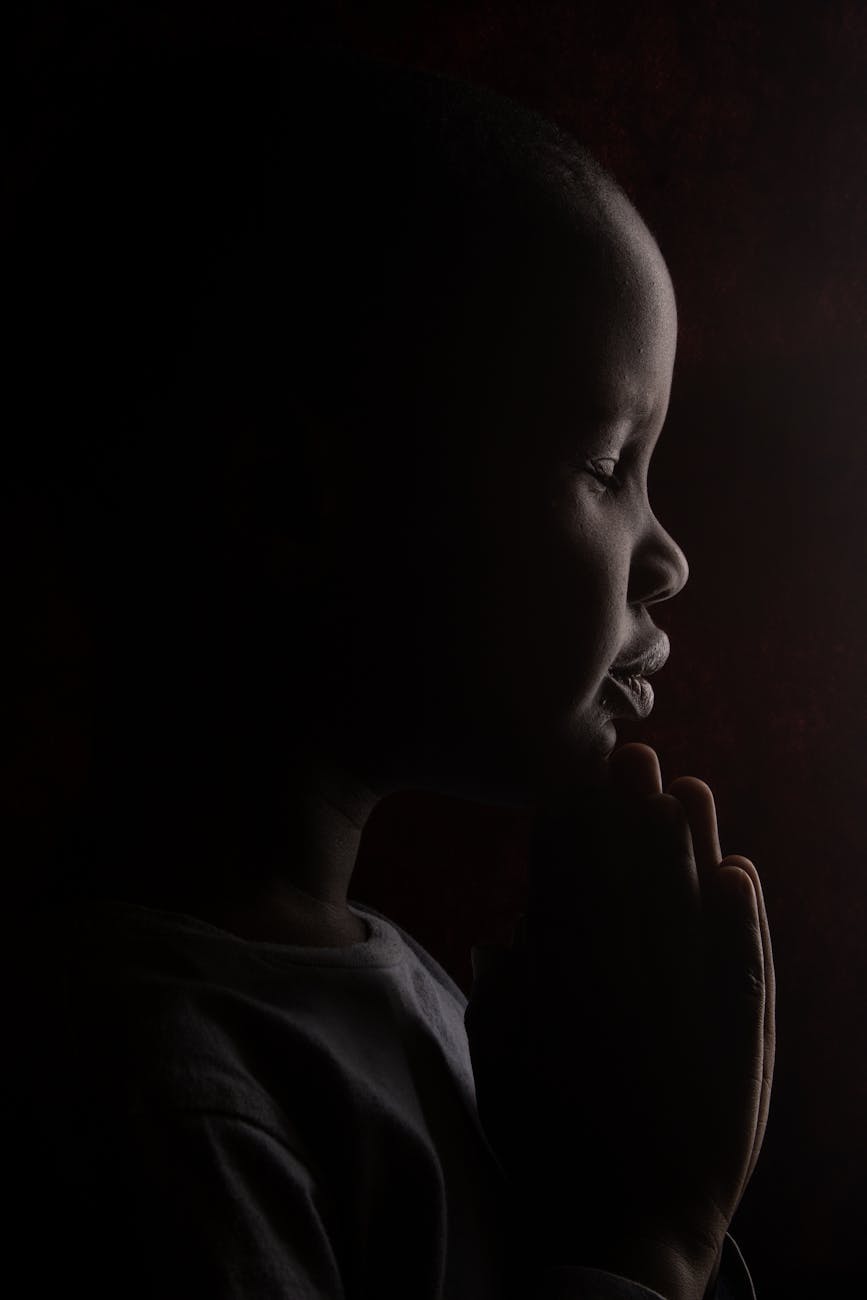
Photo by Ketut Subiyanto on Pexels.com

Mental slavery refers to the psychological condition in which individuals internalize beliefs of inferiority, limitation, or subservience imposed by external systems of oppression. Unlike physical slavery, which confines the body, mental slavery confines the mind, influencing behavior, self-worth, and worldview. It perpetuates cycles of disempowerment, even long after the end of legal slavery. Psychologists describe mental slavery as a form of internalized oppression, where the oppressed adopt the value system of the oppressor (Welsing, 1991). Biblically, this is akin to captivity of the mind: “And be not conformed to this world: but be ye transformed by the renewing of your mind, that ye may prove what is that good, and acceptable, and perfect, will of God” (Romans 12:2, KJV).

Origins of Mental Slavery

Mental slavery originated during the transatlantic slave trade, where Africans were forcibly removed from their homelands and subjected to dehumanization, brutality, and cultural erasure. Enslavers imposed narratives of inferiority, instilling in enslaved people the belief that they were subhuman, incapable of self-determination, and dependent on their oppressors. This psychological conditioning was reinforced through generations via systemic oppression, segregation, and institutionalized racism.

Impact on Ancestors

Our ancestors endured extreme physical, emotional, and psychological trauma. They were denied education, cultural expression, family integrity, and autonomy. Beyond physical exploitation, slavery instilled fear, dependency, and internalized inferiority, affecting generational mindset. Even in freedom, descendants inherit remnants of these beliefs, manifesting as self-doubt, colorism, and acceptance of societal hierarchies that devalue Black life.

Psychological Impact Today

Mental slavery continues to affect Black communities through low self-esteem, internalized racism, identity conflicts, and susceptibility to societal conditioning. Psychologists observe that it contributes to cycles of poverty, educational disparities, and social marginalization. The mental burden often results in anxiety, depression, and diminished motivation, creating barriers to realizing full potential (Hunter, 2007).

Understanding Mental Slavery Through the Bible

The KJV Bible provides principles for overcoming mental slavery by emphasizing spiritual freedom and mind renewal. Jesus declared: “If the Son therefore shall make you free, ye shall be free indeed” (John 8:36, KJV). Freedom begins in the mind, aligning thoughts and beliefs with God’s truth rather than the lies imposed by oppression. Scripture repeatedly emphasizes that the mind and heart are central to liberation (Romans 12:2; 2 Corinthians 10:5, KJV).

Renewing the Mind

Renewal of the mind involves rejecting false narratives, embracing God’s Word, and cultivating a spiritual, moral, and intellectual identity rooted in truth. Daily practices include prayer, meditation on Scripture, affirmations, education, and exposure to empowering narratives. “Casting down imaginations, and every high thing that exalteth itself against the knowledge of God, and bringing into captivity every thought to the obedience of Christ” (2 Corinthians 10:5, KJV). Renewal requires discipline, community, and conscious effort.

Overcoming Mental Slavery

Overcoming mental slavery entails both individual and collective strategies:

  • Education: Learning history, culture, and personal heritage restores identity and pride.
  • Therapy & Counseling: Addressing generational trauma and internalized beliefs.
  • Faith & Spiritual Practice: Grounding identity in God’s truth rather than societal lies.
  • Community & Mentorship: Engaging with supportive networks that model empowerment and resilience.

Mental Slavery Healing Guide: Breaking Generational Mind Chains


1. Daily Affirmations and Spiritual Alignment

  • “If the Son therefore shall make you free, ye shall be free indeed” (John 8:36, KJV).
  • “I reject every lie of inferiority and embrace my God-given worth.”
  • “My mind is renewed by God’s Word, not the world’s standards” (Romans 12:2, KJV).

Practice: Repeat affirmations morning and evening, or write them in a journal. Pair with prayer to internalize truth.


2. Scripture Meditation and Mind Renewal

  • Meditate on verses that affirm identity, freedom, and power in Christ:
    • 2 Corinthians 10:5: “Casting down imaginations, and every high thing that exalteth itself against the knowledge of God.”
    • Romans 12:2: Emphasizes transformation through mind renewal.
  • Visualize each thought and belief aligning with God’s truth rather than oppressive narratives.

3. Education and Historical Awareness

  • Study the history of slavery, colonialism, and colorism to understand the roots of mental slavery.
  • Read biographies of Black leaders, scholars, and revolutionaries who resisted oppression.
  • Teaching history accurately restores pride, identity, and resilience.

4. Psychological Tools

  • Journaling: Record experiences of internalized bias and victories over negative thoughts.
  • Cognitive Restructuring: Identify and challenge thoughts of inferiority, replacing them with affirming truths.
  • Therapy or Counseling: Seek professionals trained in racial trauma, intergenerational oppression, and self-esteem issues.

5. Faith-Based Practices

  • Daily prayer for clarity, courage, and mental freedom.
  • Fasting and extended prayer sessions can strengthen spiritual discipline and focus.
  • Attend Bible study groups that emphasize spiritual empowerment and mental renewal.

6. Community and Mentorship

  • Surround yourself with mentors and peers who embody empowerment and pride in Black identity.
  • Participate in community programs that focus on leadership, entrepreneurship, and cultural affirmation.
  • Engage in dialogue about mental slavery to normalize experiences and foster collective healing.

7. Cultural Affirmation and Personal Expression

  • Celebrate natural hair, skin, and features; avoid conforming to Eurocentric standards for approval.
  • Explore cultural arts, music, and literature to strengthen identity and counter societal conditioning.
  • Represent Black beauty, achievement, and intellect publicly to inspire others.

8. Action Steps for Daily Freedom

  1. Begin each day with Scripture, prayer, and affirmations.
  2. Educate yourself on history and cultural identity.
  3. Practice cognitive and emotional strategies to reject internalized oppression.
  4. Engage in faith communities and mentorship programs.
  5. Express identity authentically through personal appearance, creativity, and leadership.

Conclusion

Mental slavery is a profound, generational challenge, rooted in the dehumanization of our ancestors and perpetuated by societal systems. Its psychological impact is pervasive, influencing identity, self-perception, and social outcomes. However, the KJV Bible provides a framework for liberation through the renewal of the mind, spiritual alignment, and embracing God-given worth. By understanding its origins, acknowledging its effects, and actively pursuing mental and spiritual freedom, Black individuals and communities can break the chains of mental slavery and reclaim empowerment, dignity, and purpose.


References

Biblical References (KJV)

  • Romans 12:2
  • 2 Corinthians 10:5
  • John 8:36

Psychology & Sociology References

  • Welsing, F. C. (1991). The Isis Papers: The Keys to the Colors. Third World Press.
  • Hunter, M. L. (2007). The Persistent Problem of Colorism: Skin Tone, Status, and Inequality. Sociology Compass, 1(1), 237–254.
  • Clark, R., & Clark, K. (1947). Racial Identification and Preference in Negro Children. Journal of Negro Education, 16(3), 169–176.

Dilemma: Self-Hatred

The Psychological Legacy of Slavery and Color Bias.

Photo by Shanice McKenzie on Pexels.com

Self-hatred among Black people has deep historical roots, particularly stemming from the trauma of slavery and centuries of systemic oppression. This internalized disdain manifests in attitudes toward one’s skin, hair, and cultural features, and continues to affect Black people today. Psychologists identify self-hatred as a form of internalized oppression, where victims adopt the negative beliefs and stereotypes imposed by dominant groups (Welsing, 1991). Biblically, this contrasts with God’s perspective: “But the Lord said unto Samuel, Look not on his countenance, or on the height of his stature; for the Lord seeth not as man seeth; for man looketh on the outward appearance, but the Lord looketh on the heart” (1 Samuel 16:7, KJV).

Historical Roots: Slavery and Colorism

During slavery, lighter-skinned slaves—often children of European masters—were given preferential treatment, while darker-skinned individuals faced harsher labor and punishment. This created a color hierarchy within enslaved communities, instilling notions of inferiority based on skin tone. Hair texture was also stigmatized, and European beauty ideals were valorized. These historical realities laid the foundation for psychological wounds that persist across generations.

Psychological Effects

Self-hatred manifests as low self-esteem, anxiety, depression, and identity conflict. Psychologists note that internalized racism can result in imposter syndrome, social withdrawal, and preference for Eurocentric features (Hunter, 2007). Black girls and women may feel pressured to straighten hair, lighten skin, or alter features to fit societal ideals. The stress of trying to conform externally often exacerbates internal conflict and mental health challenges.

Contemporary Implications

Today, Black people still face discrimination in employment, education, and media representation. Lookism and lightism—preference for lighter skin and straighter hair—affect hiring decisions, casting in media, and social interactions. Colorism perpetuates inequality even within communities of color, while mainstream media continues to glorify Eurocentric beauty standards. The KJV Bible reminds believers to find value in spiritual and moral integrity rather than external appearance (1 Peter 3:3-4, KJV).

Self-Hatred Healing Guide: Overcoming the Legacy of Slavery and Colorism

1. Daily Affirmations and Spiritual Grounding

  • “I am fearfully and wonderfully made” (Psalm 139:14, KJV).
  • “God sees the heart; my worth is in Him, not in society’s standards” (1 Samuel 16:7, KJV).
  • “My skin, hair, and features are beautiful and reflect God’s design.”

Practice: Repeat affirmations daily, write them in a journal, or post them where you see them regularly.


2. Cultural Pride and Representation

  • Celebrate African, Caribbean, or Black American heritage.
  • Engage with media that showcases Black beauty, culture, and achievements.
  • Support Black-owned businesses, authors, artists, and creators to reinforce cultural pride.

3. Media Literacy

  • Critically evaluate mainstream media for Eurocentric beauty standards.
  • Avoid content that perpetuates negative stereotypes or color bias.
  • Share and promote diverse representation that affirms dark and brown-skinned beauty.

4. Mental Health and Therapy

  • Seek therapy with professionals trained in racial trauma and colorism.
  • Journaling: Write thoughts, experiences, and victories to externalize and process internalized biases.
  • Cognitive restructuring: Challenge negative self-talk and replace it with truth-based affirmations rooted in spirituality and personal value.

5. Faith and Spiritual Practices

  • Pray daily for self-acceptance, healing, and guidance.
  • Meditate on Scriptures emphasizing inner beauty and God’s perspective:
    • 1 Samuel 16:7: God values the heart, not outward appearance.
    • Psalm 139:14: Each person is wonderfully made.
  • Use fasting, worship, and fellowship to strengthen spiritual resilience and emotional health.

6. Practical Beauty and Self-Care

  • Embrace natural hair textures, skin tones, and facial features.
  • Experiment with self-expression through fashion, makeup, and hairstyles that celebrate identity rather than conform to Eurocentric norms.
  • Develop a self-care routine that nurtures mental, physical, and emotional well-being.

7. Community and Mentorship

  • Join groups or networks that celebrate Black identity and provide emotional support.
  • Seek mentorship from Black leaders, activists, and professionals who model confidence and self-love.
  • Share experiences with peers to normalize challenges and reinforce empowerment.

8. Action Steps

  1. Begin each day with affirmations and prayer.
  2. Limit exposure to harmful media messages.
  3. Participate in cultural and community events that celebrate Black heritage.
  4. Engage in therapy, journaling, or spiritual counseling.
  5. Mentor or guide younger Black individuals to foster self-love and cultural pride.

Strategies for Change

  • Cultural Affirmation: Celebrate Black features, hairstyles, and skin tones in media, education, and community spaces.
  • Education: Teach the history of slavery, colorism, and its psychological effects to promote awareness.
  • Therapy and Counseling: Encourage mental health support focused on racial trauma and self-worth.
  • Faith-Based Empowerment: Scripture and spiritual practice can restore confidence and identity in God’s eyes (Psalm 139:14, KJV).

Role of White Society

White society can help dismantle systemic biases by:

  • Confronting and correcting discriminatory policies in workplaces, schools, and media.
  • Promoting diverse representation in leadership and media.
  • Supporting initiatives that celebrate Black culture rather than co-opt or erase it.
  • Recognizing the historical roots of self-hatred and advocating for reparative justice.

References

Biblical References (KJV)

  • 1 Samuel 16:7
  • 1 Peter 3:3-4
  • Psalm 139:14

Psychology & Sociology References

  • Welsing, F. C. (1991). The Isis Papers: The Keys to the Colors. Third World Press.
  • Hunter, M. L. (2007). The Persistent Problem of Colorism: Skin Tone, Status, and Inequality. Sociology Compass, 1(1), 237–254.
  • Clark, R., & Clark, K. (1947). Racial Identification and Preference in Negro Children. Journal of Negro Education, 16(3), 169–176.

Prayer: The Secret Weapon of Faith

Photo by Hendrick Molomo on Pexels.com

Prayer is the act of communicating with God, expressing praise, thanksgiving, confession, and supplication. Biblically, prayer is both a privilege and a spiritual weapon: “Pray without ceasing” (1 Thessalonians 5:17, KJV). It is a direct channel to the Most High, allowing believers to align their hearts with His will, seek guidance, and intercede for others. Psychologically, prayer can reduce stress, enhance emotional regulation, and foster resilience by providing a sense of control and connection to a higher purpose (Pargament, 2007).

How God Receives Prayer

The Most High receives prayer based on the heart and righteousness of the believer. James 5:16 states, “The effectual fervent prayer of a righteous man availeth much” (KJV). God listens attentively when our hearts are aligned with His commands and when we approach Him with humility and faith. Even in imperfection, sincere prayer is heard, but unrepented sin can hinder effectiveness (Psalm 66:18, KJV).

How to Pray

Prayer can take many forms: adoration, confession, thanksgiving, and supplication (ACTS model). Jesus provided a template: “After this manner therefore pray ye: Our Father which art in heaven, Hallowed be thy name. Thy kingdom come. Thy will be done in earth, as it is in heaven” (Matthew 6:9-10, KJV). Effective prayer is consistent, heartfelt, and specific. Psychologically, structured prayer fosters focus and intentionality, strengthening mental clarity and spiritual discipline.

When to Pray and the Role of Fasting

Prayer is not limited by time; it can be done morning, evening, and throughout the day (Psalm 5:3, KJV). Fasting intensifies prayer by humbling the body and heightening spiritual sensitivity. Daniel exemplified this: “And when he had spoken unto me, I set my face unto the Lord God, to seek by prayer and supplications, with fasting” (Daniel 9:3, KJV). Prayer and fasting together unlock spiritual breakthroughs, discipline the flesh, and magnify faith.

Prayers That Hit the Walls

Some prayers encounter resistance when the believer is not in right standing. Sin, unforgiveness, or idolatry can act as barriers: “If I regard iniquity in my heart, the Lord will not hear me” (Psalm 66:18, KJV). Persistent, repentant, and righteous prayer, however, can penetrate spiritual walls and bring deliverance. Examples include Elijah praying for rain (1 Kings 18:41-45) and Hezekiah interceding for Jerusalem (Isaiah 38:1-5).

Praying Over Your Home and Spiritual Warfare

Prayer affects not only individuals but also spaces and demonic influences. Praying over one’s home involves dedicating it to God, reading Scripture aloud, and commanding evil spirits to depart (Joshua 24:15, KJV). Demonic forces are disrupted by prayer, as it invokes God’s authority: “Submit yourselves therefore to God. Resist the devil, and he will flee from you” (James 4:7, KJV). Consistent intercession fortifies households, communities, and personal lives.

Biblical Examples of Prayer

  • Hannah prayed fervently for a child and received Samuel (1 Samuel 1:10-20).
  • Daniel prayed three times daily despite decree forbidding it (Daniel 6:10-22).
  • Jesus prayed in Gethsemane for guidance and submission to the Father (Luke 22:41-44).
    These examples highlight prayer’s power, persistence, and alignment with God’s will.

Practical Prayer Guide: Unlocking the Secret Weapon of Faith

1. Daily Prayer Routine

  • Morning Prayer: Begin the day thanking God and dedicating your actions to Him (Psalm 5:3, KJV).
  • Evening Prayer: Reflect on the day, confess sins, and ask for guidance (Psalm 66:18, KJV).
  • Throughout the Day: Short prayers of gratitude, protection, and intercession.

Tip: Use the ACTS method—Adoration, Confession, Thanksgiving, Supplication—to structure prayers.


2. How to Pray Effectively

  • Align Your Heart: Approach God with humility and sincerity (James 5:16, KJV).
  • Be Specific: Pray for clear needs and outcomes, not just general desires.
  • Persistence: Don’t give up after one prayer; consistent prayer demonstrates faith (Luke 18:1-8).
  • Meditate on Scripture: Integrate verses into your prayers to strengthen faith and focus.

3. Prayer and Fasting

  • Purpose: Fasting humbles the body and heightens spiritual sensitivity (Daniel 9:3, KJV).
  • Timing: Fast during critical decisions, spiritual battles, or when seeking breakthroughs.
  • Integration: Combine fasting with focused prayer for specific outcomes or intercession.

4. Praying Over Your Home

  • Walk through each room while reading Scriptures aloud (Joshua 24:15, KJV).
  • Declare God’s protection, peace, and blessing over the home.
  • Command any demonic influence to leave in Jesus’ name (James 4:7, KJV).
  • Maintain a routine of prayer, praise, and Scripture reading to keep the space spiritually strong.

5. Spiritual Warfare Through Prayer

  • Recognize that prayer disrupts demonic forces: “Resist the devil, and he will flee from you” (James 4:7, KJV).
  • Use authority in Christ to bind evil spirits and release blessing.
  • Pray for protection, discernment, and deliverance over yourself, family, and community.

6. Prayers That Hit the Walls

  • Sin, unforgiveness, or hidden motives can hinder prayer (Psalm 66:18, KJV).
  • Confess and repent regularly to maintain alignment with God’s will.
  • Intercede with righteousness, faith, and persistence to break through spiritual barriers.

7. Biblical Examples

  • Hannah: Persisted in prayer for a child; God answered (1 Samuel 1:10-20).
  • Daniel: Prayed three times daily despite persecution (Daniel 6:10-22).
  • Elijah: Prayed for rain; his persistence caused a spiritual breakthrough (1 Kings 18:41-45).
  • Jesus: Prayed for God’s will to be done in Gethsemane (Luke 22:41-44).

8. Psychology of Prayer

  • Prayer reduces stress, promotes emotional regulation, and fosters resilience.
  • Structured prayer improves mental clarity and decision-making (Pargament, 2007).
  • Spiritual connection enhances purpose, optimism, and coping strategies.

9. Tips for Righteous and Effective Prayer

  • Confess sins and forgive others before praying (Matthew 6:14-15, KJV).
  • Keep a prayer journal to track requests and God’s answers.
  • Pray in faith, believing God hears and answers according to His will (Mark 11:24, KJV).
  • Use corporate prayer with community or church to strengthen spiritual authority.

Conclusion

Prayer is a secret weapon of faith, blending spiritual authority, discipline, and psychological fortitude. Approached with righteousness, consistency, and humility, it brings guidance, protection, and breakthroughs. Through fasting, intercession, and praying over spaces and individuals, believers engage in spiritual warfare, resist demonic forces, and strengthen their connection to the Most High. Prayer is both a divine privilege and a practical tool for navigating life’s challenges with faith and purpose.


References

Biblical References (KJV)

  • 1 Thessalonians 5:17
  • James 5:16
  • Psalm 66:18
  • Matthew 6:9-10
  • Psalm 5:3
  • Daniel 9:3
  • 1 Kings 18:41-45
  • Isaiah 38:1-5
  • Joshua 24:15
  • James 4:7
  • 1 Samuel 1:10-20
  • Daniel 6:10-22
  • Luke 22:41-44

Secondary Sources
Pargament, K. I. (2007). Spiritually Integrated Psychotherapy: Understanding and Addressing the Sacred. Guilford Press.

The Most Hated People: Black People

Photo by nappy on Pexels.com

Throughout history, Black people have endured hatred, oppression, and marginalization on a global scale. This phenomenon is not merely social or political; it has deep spiritual and psychological roots. The Bible, particularly the King James Version, offers insight into why Black people have been hated, how God allows this suffering, and how the forces of darkness exploit it. Understanding these dynamics is essential for empowerment, resilience, and spiritual victory.


Biblical Foundations: Why Black People Are Hated

The hatred toward Black people is hinted at in Scripture as a form of prophetic suffering. Deuteronomy 28:37 states, “And thou shalt become an astonishment, a proverb, and a byword among all nations whither the LORD shall lead thee” (KJV). The Israelites, often linked biblically to Black Africans through E1b1a haplogroups and historical migrations, were marked for suffering as a consequence of God’s covenant and the lessons of obedience. This hatred, though painful, serves as a tool in God’s providential plan to teach, refine, and ultimately elevate His people spiritually.

Scripture also warns of the spiritual adversary behind oppression: “Be sober, be vigilant; because your adversary the devil, as a roaring lion, walketh about, seeking whom he may devour” (1 Peter 5:8, KJV). The devil manipulates human sin and societal prejudice to sow division, hatred, and despair, targeting Black people as part of a larger plan to weaken God’s chosen people.


Psychological Dimensions of Hatred

From a psychological perspective, the hatred of Black people is rooted in fear, envy, and the need for domination. Social psychology explains this as in-group/out-group bias, scapegoating, and internalized superiority complexes. Historical trauma, such as slavery and colonization, reinforced narratives that dehumanized Black people, creating generational cycles of oppression. Modern psychology identifies implicit bias, colorism, and structural racism as extensions of these long-standing prejudices, perpetuated unconsciously in societies worldwide.

The psychological impact of being hated manifests as internalized oppression, lowered self-esteem, and hyper-vigilance. Yet the Bible offers resilience strategies: “Fear thou not; for I am with thee: be not dismayed; for I am thy God” (Isaiah 41:10, KJV). Faith, identity in God, and historical consciousness serve as buffers against the toxic effects of hatred.


The Role of the Devil

Satan’s involvement in the hatred of Black people cannot be understated. He works to divide, oppress, and distort identity. As John 10:10 warns, “The thief cometh not, but for to steal, and to kill, and to destroy” (KJV). By promoting false narratives, enslavement, and systemic oppression, the devil aims to suppress Black excellence, spiritual awareness, and societal influence. Recognizing this spiritual warfare is critical to understanding that hatred is not merely human sin but also a tool of darkness.


The Meaning of Blackness

Blackness is more than skin color; it represents resilience, divine heritage, and a reflection of God’s creative diversity. Psalm 139:14 states, “I will praise thee; for I am fearfully and wonderfully made” (KJV). Black identity, therefore, is sacred and intentional. Historically, Black people have been leaders, prophets, and nation-builders, and their cultural and spiritual contributions reflect God’s favor and purpose, even when society hates them.


How to Overcome Hatred

Overcoming hatred requires a combination of spiritual, psychological, and practical strategies:

  1. Faith in God’s Sovereignty: Trusting that God can turn suffering into blessing (Genesis 50:20).
  2. Community and Mentorship: Strengthening ties within Black communities to resist isolation and despair.
  3. Education and Awareness: Learning history, understanding systemic oppression, and reclaiming identity.
  4. Spiritual Warfare: Prayer, fasting, and studying Scripture to resist the devil’s schemes (Ephesians 6:11-12).

How Black People Can Deal with Hatred

Dealing with hatred requires resilience, wisdom, and spiritual discernment:

  • Identity Affirmation: Embrace biblical and historical truths about heritage.
  • Psychological Healing: Engage in therapy, counseling, or group support to process generational trauma.
  • Advocacy and Leadership: Transform experiences of hatred into activism, mentorship, and leadership.
  • Forgiveness and Wisdom: Maintain a biblical posture of righteousness without compromising self-respect (Romans 12:17-21).

Conclusion

The hatred of Black people is both a historical and spiritual reality, sanctioned at times in Scripture for refinement, exploited by human sin, and magnified by Satan’s schemes. Yet Blackness carries divine meaning, and God equips His people to overcome hatred through faith, resilience, and wisdom. Understanding the interplay of biblical principles, psychological realities, and spiritual warfare empowers Black individuals and communities to thrive despite oppression. The journey from suffering to victory is both personal and communal, guided by Scripture, history, and divine purpose.


References

Biblical References (KJV)

  • Deuteronomy 28:37
  • 1 Peter 5:8
  • Isaiah 41:10
  • John 10:10
  • Psalm 139:14
  • Genesis 50:20
  • Ephesians 6:11-12
  • Romans 12:17-21

Secondary Sources
Fanon, F. (1967). Black Skin, White Masks. Grove Press.

Grier, W. H., & Cobbs, P. M. (1968). Black Rage. Basic Books.

Harris, S. (2015). The Psychological Effects of Racism on African Americans. American Psychological Association.

West, C. (1993). Race Matters. Beacon Press.

The Bible’s Secrets About Black People That Were Hidden.

These photographs are the property of their respective owners. No copyright infringement intended.

For centuries, the presence of Black people in the Bible has been minimized or obscured through Eurocentric interpretations of Scripture. Yet, the King James Version (KJV) and the Apocrypha contain numerous references to African nations, dark-skinned peoples, and the true identity of the children of Israel. These connections reveal that Black people were not only present but central to the biblical narrative.


Cush, Ham, and the African Lineage

The Bible traces much of the African world back to Ham, the son of Noah. Genesis 10 (the Table of Nations) records: “And the sons of Ham; Cush, and Mizraim, and Phut, and Canaan” (Genesis 10:6, KJV).

  • Cush refers to Ethiopia (modern Sudan/Ethiopia).
  • Mizraim refers to Egypt (Kemet).
  • Phut refers to Libya/North Africa.
  • Canaan refers to the land that Israel later inhabited.

This genealogy directly places Africans at the root of early civilization, showing that people of dark skin were present in the earliest biblical times.


The Israelites and Their Appearance

Many hidden scriptures reveal the physical appearance of Israel. Contrary to the Eurocentric depictions, the Bible describes Israel as a people of dark skin.

  • Jeremiah 8:21 (KJV): “For the hurt of the daughter of my people am I hurt; I am black; astonishment hath taken hold on me.”
  • Lamentations 5:10 (KJV): “Our skin was black like an oven because of the terrible famine.”
  • Song of Solomon 1:5-6 (KJV): “I am black, but comely, O ye daughters of Jerusalem, as the tents of Kedar, as the curtains of Solomon. Look not upon me, because I am black…”

These passages show that Israelite figures, including prophets and kings, were described with dark skin, connecting them to African and Afro-Asiatic peoples.


Egypt, Ethiopia, and Black Royalty

The Bible honors Ethiopia and Egypt as powerful nations:

  • Amos 9:7 (KJV): “Are ye not as children of the Ethiopians unto me, O children of Israel?” – God directly compares Israel to Ethiopians, emphasizing their shared heritage.
  • Jeremiah 13:23 (KJV): “Can the Ethiopian change his skin, or the leopard his spots?” – highlighting the natural dark complexion of Africans.
  • Acts 8:27 (KJV): The Ethiopian eunuch, a royal servant of Candace, queen of Ethiopia, was one of the first Gentiles baptized, showing Africa’s early role in the spread of the Gospel.

The Apocrypha and Hidden Identity

The Apocrypha, often removed from modern Bibles, holds more insight into the suffering and scattering of Israel.

  • 2 Esdras 6:54-56 (Apocrypha): Describes Israel as God’s chosen people above all nations, though later scattered.
  • 2 Esdras 13:40-45 (Apocrypha): Describes the migration of the ten tribes of Israel into distant lands—interpreted by many as part of the scattering into Africa and eventually the Americas during slavery.
  • Baruch 2:29-30 (Apocrypha): “If ye will not hear my voice, surely this very great multitude shall be turned into a small number among the nations, where I will scatter them.”

This aligns with Deuteronomy 28, where curses were placed upon Israel for disobedience, including being taken on ships into slavery:

  • “And the LORD shall bring thee into Egypt again with ships… and there ye shall be sold unto your enemies for bondmen and bondwomen, and no man shall buy you” (Deuteronomy 28:68, KJV).

This prophecy eerily parallels the Transatlantic Slave Trade, where millions of Africans—descendants of Israel—were sold into bondage.


The Revelation of Christ’s Image

One of the most concealed truths involves the description of Christ Himself:

  • Revelation 1:14-15 (KJV):“His head and his hairs were white like wool, as white as snow; and his eyes were as a flame of fire; and his feet like unto fine brass, as if they burned in a furnace.”
    • Hair like wool = texture associated with Black people.
    • Feet like burned brass = a dark, brown/black complexion.

This description directly challenges Eurocentric images of a pale-skinned Christ.


Conclusion

The Bible contains profound truths about Black people that were long hidden through translation bias, colonialism, and Eurocentric theology. From the line of Ham and Cush to the descriptions of Israel’s skin color, from the curses of Deuteronomy 28 to the Apocryphal accounts of scattering, the evidence shows that Black people are deeply woven into the story of Scripture. The hidden truth is that the people of the Bible were not European, but Afro-Asiatic—people of color, many of whom would be recognized today as Black.


References

  • Holy Bible, King James Version.
  • The Apocrypha (2 Esdras, Baruch, Ecclesiasticus).
  • Ben-Jochannan, Y. (1993). African Origins of the Major Western Religions. Baltimore: Black Classic Press.
  • Windsor, R. (1969). From Babylon to Timbuktu: A History of Ancient Black Races Including the Black Hebrews. Atlanta: Windsor’s Golden Series.

The Psychology of Human Attraction

Understanding Biblical Insight and Psychological Theories

Photo by Dellon Thomas on Pexels.com

Human attraction is one of the most complex dynamics of social life. It extends beyond physical appearance, involving biological, psychological, and spiritual dimensions. The Bible acknowledges attraction as a natural part of human relationships, yet emphasizes that it should be guided by divine principles. “Favour is deceitful, and beauty is vain: but a woman that feareth the LORD, she shall be praised” (Proverbs 31:30, KJV). Psychology, meanwhile, investigates attraction through theories of attachment, evolutionary biology, and social cognition, seeking to explain why people are drawn to one another.

One of the primary drivers of attraction is physical appearance, which has roots in both biology and culture. Evolutionary psychologists argue that features such as facial symmetry, clear skin, and body proportions are often unconsciously associated with health and fertility (Rhodes, 2006). However, Scripture warns that outward beauty alone is insufficient; it is the hidden qualities of character and spirit that sustain meaningful bonds (1 Peter 3:3–4, KJV). This balance between surface appeal and deeper substance reveals how attraction is both instinctive and moral.

Another factor is similarity and shared values. Psychology’s similarity-attraction paradigm suggests people are drawn to those with common beliefs, interests, or cultural backgrounds because these similarities reduce conflict and affirm identity (Byrne, 1971). Biblically, Amos 3:3 (KJV) reinforces this principle: “Can two walk together, except they be agreed?” Attraction rooted in shared values fosters stability, mutual respect, and spiritual harmony, making relationships more resilient.

Emotional connection and attachment styles also shape attraction. According to attachment theory (Bowlby, 1988), individuals with secure attachment styles tend to form healthier bonds, while those with insecure attachments may seek relationships that mirror unresolved childhood experiences. From a spiritual perspective, love should be rooted in selflessness and divine order: “Charity suffereth long, and is kind… seeketh not her own” (1 Corinthians 13:4–5, KJV). Thus, emotional attraction goes beyond chemistry—it is linked to healing, trust, and godly love.

Attraction is further influenced by reciprocity and availability. Psychologists note that people are more likely to be drawn to those who express mutual interest and make themselves emotionally available (Aron et al., 1997). This dynamic reflects biblical principles of mutual honor and affection: “Be kindly affectioned one to another with brotherly love; in honour preferring one another” (Romans 12:10, KJV). Relationships thrive when both parties show intentional care and openness.

7 Key Factors in the Psychology of Human Attraction

With KJV Bible + Psychology Insights

  1. Physical Appearance (First Impressions)
    • Psychology: Symmetry, grooming, and health signal vitality (Rhodes, 2006).
    • 1 Samuel 16:7 (KJV): “Man looketh on the outward appearance, but the LORD looketh on the heart.”
  2. Similarity and Shared Values
    • Psychology: People prefer partners with common beliefs and lifestyles (Byrne, 1971).
    • Amos 3:3 (KJV): “Can two walk together, except they be agreed?”
  3. Emotional Connection
    • Psychology: Attachment theory shows secure bonds build trust (Bowlby, 1988).
    • 1 Corinthians 13:4–5 (KJV): Love is patient, kind, and not self-seeking.
  4. Reciprocity (Mutual Interest)
    • Psychology: We are drawn to those who show interest in us (Aron et al., 1997).
    • Romans 12:10 (KJV): “Be kindly affectioned one to another… in honour preferring one another.”
  5. Proximity and Time Spent Together
    • Psychology: The “mere exposure effect” increases attraction with familiarity.
    • Ruth 2:10–12 (KJV): Ruth’s closeness to Boaz created favor and recognition.
  6. Emotional Availability and Support
    • Psychology: People value partners who provide safety and encouragement.
    • Ecclesiastes 4:9–10 (KJV): Two are better than one, for they lift each other up.
  7. Spiritual and Moral Character
    • Psychology: Inner qualities sustain long-term attraction beyond appearance.
    • Proverbs 31:30 (KJV): “Favour is deceitful, and beauty is vain: but a woman that feareth the LORD, she shall be praised.”

In conclusion, the psychology of human attraction reveals a profound interplay between biology, mind, and spirit. While science emphasizes appearance, similarity, and attachment, Scripture elevates attraction beyond instinct to covenantal love grounded in God’s design. Ultimately, the most enduring form of attraction is not fleeting physical beauty but the spiritual, emotional, and moral bonds that reflect God’s love. As Proverbs reminds us, true attraction rests in the fear of the Lord, which sustains love when surface qualities fade.


📚 References

  • The Holy Bible, King James Version.
  • Aron, A., Aron, E. N., & Smollan, D. (1997). Inclusion of Other in the Self Scale and the structure of interpersonal closeness. Journal of Personality and Social Psychology, 63(4), 596–612.
  • Bowlby, J. (1988). A secure base: Parent-child attachment and healthy human development. Basic Books.
  • Byrne, D. (1971). The Attraction Paradigm. Academic Press.
  • Rhodes, G. (2006). The evolutionary psychology of facial beauty. Annual Review of Psychology, 57, 199–226.

The 10 Attributes of a Good Man

Biblical Wisdom and Psychological Insight on Character and Relationships

This photograph is the property of its respective owners. No copyright infringement intended.

A good man is defined not merely by his outward appearance or words but by the integrity, character, and values he demonstrates in daily life. The Bible emphasizes that true strength is rooted in faith and moral integrity. Psalm 112:1 (KJV) declares, “Blessed is the man that feareth the Lord: that delighteth greatly in his commandments.” This reverence for God provides a foundation for all other virtues. Psychologically, a man guided by values and spiritual principles demonstrates stability, resilience, and a clear sense of purpose, which positively impacts his relationships and community.

First, a good man is faithful, honest, and transparent. Trustworthiness forms the cornerstone of lasting relationships. Scripture teaches, “Providing for honest things, not only in the sight of the Lord, but also in the sight of men” (2 Corinthians 8:21, KJV). Psychologically, honesty and transparency foster emotional safety and strengthen bonds, allowing intimacy to flourish without fear of deception or betrayal.

Second, a good man is responsible, disciplined, and self-controlled. Proverbs 14:29 (KJV) states, “He that is slow to wrath is of great understanding.” Responsibility ensures that a man can care for himself and those who depend on him, while self-discipline predicts long-term achievement and emotional stability. From a psychological perspective, self-control is strongly correlated with better stress management, goal attainment, and relational satisfaction.

Third, he is loving, compassionate, patient, and understanding. Ephesians 5:25 (KJV) instructs, “Husbands, love your wives, even as Christ also loved the church.” Emotional intelligence, including empathy and patience, allows a man to navigate conflict gracefully and maintain supportive relationships. Psychology confirms that men who cultivate compassion and patience experience more satisfying and enduring partnerships, as they respond thoughtfully rather than react impulsively.

Fourth, a good man is wise, humble, and teachable. Proverbs 9:10 (KJV) declares, “The fear of the Lord is the beginning of wisdom.” Humility allows him to learn from mistakes, accept counsel, and grow continually. Psychologically, humility reduces defensiveness and increases adaptability, making a man more capable of resolving challenges and nurturing meaningful relationships.

Finally, a good man is hardworking and a provider. Proverbs 10:4 (KJV) teaches, “The hand of the diligent maketh rich.” Providing goes beyond financial support; it encompasses emotional, spiritual, and practical stewardship of one’s household. Psychologically, ambition and diligence signal responsibility, motivation, and reliability. A man who strives to provide is not only demonstrating care but also creating stability for his family, reflecting both biblical principles and sound relational psychology.

Biblical Wisdom and Psychological Insight

  1. Faithful and God-Fearing
  • Biblical Basis: “Blessed is the man that feareth the Lord” (Psalm 112:1, KJV).
  • Psychological Insight: Spiritual grounding provides moral stability and resilience in life and relationships.
  1. Honest and Transparent
  • Biblical Basis: “Providing for honest things, not only in the sight of the Lord, but also in the sight of men” (2 Corinthians 8:21, KJV).
  • Psychological Insight: Honesty fosters trust and emotional safety, essential for intimacy and long-term partnerships.
  1. Responsible and Accountable
  • Biblical Basis: “But let every man prove his own work” (Galatians 6:4, KJV).
  • Psychological Insight: Responsibility and accountability predict reliability and the ability to handle life’s challenges effectively.
  1. Loving and Compassionate
  • Biblical Basis: “Husbands, love your wives, even as Christ also loved the church” (Ephesians 5:25, KJV).
  • Psychological Insight: Emotional intelligence and empathy are linked to healthier relationships and conflict resolution.
  1. Disciplined and Self-Controlled
  • Biblical Basis: “He that is slow to wrath is of great understanding” (Proverbs 14:29, KJV).
  • Psychological Insight: Self-discipline predicts goal achievement, stress management, and emotional stability.
  1. Protective and Supportive
  • Biblical Basis: “The just man walketh in his integrity: his children are blessed after him” (Proverbs 20:7, KJV).
  • Psychological Insight: A supportive man promotes security, growth, and confidence in those he loves.
  1. Patient and Understanding
  • Biblical Basis: “With all lowliness and meekness, with longsuffering, forbearing one another in love” (Ephesians 4:2, KJV).
  • Psychological Insight: Patience and tolerance reduce conflict and enhance relationship satisfaction.
  1. Wise and Discerned
  • Biblical Basis: “The fear of the Lord is the beginning of wisdom” (Proverbs 9:10, KJV).
  • Psychological Insight: Wisdom and critical thinking aid in making sound decisions and maintaining long-term stability.
  1. Hardworking and A Provider
  • Biblical Basis: “The hand of the diligent maketh rich” (Proverbs 10:4, KJV).
  • Psychological Insight: Motivation and persistence indicate reliability and the ability to provide and achieve goals.
  1. Humble and Teachable
  • Biblical Basis: “Humble yourselves in the sight of the Lord, and he shall lift you up” (James 4:10, KJV).
  • Psychological Insight: Humility allows growth, self-reflection, and healthy relationship dynamics.

In conclusion, a good man integrates faith, integrity, emotional intelligence, wisdom, humility, and diligence into his life. By embodying these ten attributes—faithful, honest, responsible, disciplined, loving, compassionate, patient, wise, humble, and a hardworking provider—he fulfills the biblical vision of manhood while fostering stable, thriving relationships. Aligning spiritual wisdom with psychological understanding ensures that a man is not only admired but also genuinely equipped to lead, love, and protect with purpose and integrity.


📚 References

  • Stanley, S. M., Rhoades, G. K., & Whitton, S. W. (2010). Commitment: Functions, formation, and the securing of romantic attachment. Journal of Family Theory & Review, 2(3), 243–257.
  • Sternberg, R. J. (1986). A triangular theory of love. Psychological Review, 93(2), 119–135.
  • The Holy Bible, King James Version.

The Power of Silence: Three Things to Keep to Yourself.

Photo by lascot studio on Pexels.com

In both biblical wisdom and psychological insight, silence emerges as a form of power. The Scriptures warn against careless speech, teaching that words carry the ability to build up or destroy. Proverbs 21:23 (KJV) declares, “Whoso keepeth his mouth and his tongue keepeth his soul from troubles.” This counsel reveals a timeless truth: what we choose to reveal or conceal can determine the course of our lives. Likewise, psychology highlights that self-disclosure, while necessary for intimacy and trust, can also leave one vulnerable to manipulation, judgment, or betrayal. Thus, discernment in speech is not suppression, but a strategic form of self-preservation.

One of the first areas the Bible and psychology agree we should guard is our personal plans and future goals. Ecclesiastes 3:7 (KJV) reminds us there is “a time to keep silence, and a time to speak.” Announcing ambitions prematurely may expose them to discouragement, sabotage, or envy. Psychologists note that speaking about goals can create a false sense of accomplishment, reducing motivation to achieve them (Gollwitzer, 2014). Therefore, silence protects not only the integrity of one’s vision but also the mental drive to pursue it diligently.

The second matter to keep private is personal struggles and weaknesses. The Bible counsels, “Give not that which is holy unto the dogs, neither cast ye your pearls before swine” (Matthew 7:6, KJV). This scripture illustrates the danger of exposing one’s vulnerabilities to those who may not handle them with care. From a psychological standpoint, self-disclosure can build empathy, but it also risks exploitation when shared with the wrong audience. Those who weaponize another’s weakness can inflict long-lasting emotional harm, a phenomenon often observed in toxic relationships and workplace politics. By reserving some struggles for prayer, trusted counsel, or professional guidance, individuals protect their inner strength.

Thirdly, private acts of generosity or spirituality should remain hidden. Jesus taught, “But when thou doest alms, let not thy left hand know what thy right hand doeth” (Matthew 6:3, KJV). This principle emphasizes humility, reminding believers that some deeds are meant for God’s recognition, not human applause. Psychology echoes this, suggesting that constant validation-seeking undermines intrinsic motivation and fosters dependency on external approval. Keeping spiritual practices or charitable deeds private cultivates authenticity, ensuring that one’s character, not one’s reputation, remains the anchor of identity.

Silence, then, is not weakness but wisdom. Psychological research demonstrates that restraint in speech promotes emotional regulation, prevents conflict, and strengthens self-control. The Bible describes this quality as prudence: “Even a fool, when he holdeth his peace, is counted wise” (Proverbs 17:28, KJV). Thus, knowing when to withhold information is both a divine principle and a psychological strategy for survival and success.

Ultimately, silence protects the sacred—our dreams, our vulnerabilities, and our spiritual integrity. In a world obsessed with oversharing, restraint becomes an act of rebellion and empowerment. By aligning with biblical wisdom and psychological insight, individuals can cultivate a life marked by discernment, strength, and peace. What we choose not to say can, at times, speak louder than any words we could utter.


📚 References

  • Gollwitzer, P. M. (2014). Weakness of the will: Is a quick fix possible? Motivation and Emotion, 38(3), 305–322.
  • The Holy Bible, King James Version.

What makes a Woman truly beautiful?

Photo by cottonbro studio on Pexels.com

Beauty is one of the most debated concepts in human history, yet its truest form transcends mere physical appearance. While society often emphasizes youth, skin tone, or body shape, biblical scripture and psychology reveal that true beauty lies in a woman’s inner essence, her spiritual alignment, and her impact on others.


Beauty Rooted in Character

The Bible consistently reminds us that outward attractiveness is fleeting, but inner character endures. Proverbs 31:30 (KJV) declares: “Favour is deceitful, and beauty is vain: but a woman that feareth the Lord, she shall be praised.” Here, beauty is redefined as reverence for God, moral integrity, and righteous living. A woman’s character — her honesty, patience, and humility — shines brighter than any adornment. Psychologically, researchers confirm that individuals are perceived as more attractive when they display warmth and kindness (Kniffin & Wilson, 2004).


Confidence and Self-Worth

True beauty cannot exist without confidence. A woman who understands her worth is not easily swayed by Eurocentric beauty ideals, media filters, or societal comparisons. Confidence radiates through posture, voice, and presence, shaping how others perceive her. According to Cash and Smolak (2011), self-esteem and body image significantly influence perceptions of beauty. When a woman accepts and loves her natural skin tone, hair texture, and unique features, she communicates a power that no external validation can diminish.


Compassion as a Radiant Force

Compassion is another dimension of beauty that goes beyond aesthetics. A woman’s ability to nurture, empathize, and uplift others embodies inner radiance. 1 Peter 3:3–4 (KJV) emphasizes this, stating: “Whose adorning let it not be that outward adorning of plaiting the hair, and of wearing of gold… but let it be the hidden man of the heart, in that which is not corruptible, even the ornament of a meek and quiet spirit, which is in the sight of God of great price.” Meekness and compassion beautify a woman’s spirit, making her presence restorative.


Wisdom and Purpose as Elegance

Wisdom transforms beauty into legacy. A woman of understanding and purpose carries a timeless elegance that surpasses physical allure. Ecclesiastes 3:11 reminds us that God “hath made every thing beautiful in his time.” When women walk in purpose — whether in leadership, motherhood, scholarship, or service — their beauty expands beyond themselves and impacts generations. Psychologically, meaning and purpose increase not only personal well-being but also how others perceive attractiveness (King et al., 2006).


The Harmony of Body, Mind, and Spirit

Lastly, true beauty emerges from balance. A woman who honors her body as the temple of God (1 Corinthians 6:19), renews her mind through positive thought (Romans 12:2), and nurtures her spirit through prayer reflects a glow that cannot be replicated by cosmetics. This harmony creates wholeness, and wholeness itself is beauty.


Conclusion

A truly beautiful woman is not defined solely by her physical features but by her depth of spirit, confidence, compassion, wisdom, and divine alignment. While outward beauty may draw attention, it is her inner radiance that captures hearts and endures through time. In essence, beauty is not just what she looks like, but what she lives like.


📖 References

  • Cash, T. F., & Smolak, L. (2011). Body Image: A Handbook of Science, Practice, and Prevention. Guilford Press.
  • Kniffin, K. M., & Wilson, D. S. (2004). The effect of nonphysical traits on the perception of physical attractiveness. Evolution and Human Behavior, 25(2), 88–101.
  • King, L. A., Hicks, J. A., Krull, J. L., & Gaiso, A. K. (2006). Positive affect and the experience of meaning in life. Journal of Personality and Social Psychology, 90(1), 179–196.
  • The Holy Bible, King James Version.

Biblical Insights on Black Womanhood

Photo by Victor Ace Geoffrey on Pexels.com

Black womanhood embodies resilience, strength, and spiritual depth. Across generations, Black women have relied on faith as a source of empowerment, guidance, and healing, navigating systemic oppression, personal challenges, and familial responsibilities. The Bible offers timeless wisdom that affirms their value, instills confidence, and provides tools for enduring life’s trials. Understanding these principles illuminates how spirituality can shape identity, foster resilience, and nurture generational healing.

Faith serves as a powerful tool for resilience and empowerment. Black women often face the dual pressures of racial and gendered oppression, economic disparities, and societal expectations. Scripture provides guidance and assurance of God’s sustaining power. Verses such as Isaiah 40:31 (KJV), “But they that wait upon the LORD shall renew their strength; they shall mount up with wings as eagles; they shall run, and not be weary; and they shall walk, and not faint,” illustrate that reliance on God cultivates endurance, courage, and hope. Faith empowers Black women to persevere in the face of adversity while maintaining a sense of dignity and purpose.

Healing generational trauma through spiritual practice is another essential aspect of Black womanhood. Many Black women carry the weight of historical trauma, including the legacy of slavery, segregation, and systemic discrimination. Spiritual disciplines such as prayer, meditation on Scripture, fasting, and worship create a framework for processing pain, restoring inner peace, and breaking cycles of trauma. By anchoring healing in faith, Black women can reclaim narratives of strength and resilience, fostering emotional and psychological restoration for themselves and future generations.

The church and broader community provide crucial support systems, particularly for widows and orphans. Historically, Black churches have served as centers for spiritual guidance, social support, and community advocacy. Women who are widowed or caring for children often rely on communal networks for emotional encouragement, material assistance, and mentorship. The biblical exhortation in James 1:27 (KJV), “Pure religion and undefiled before God and the Father is this, To visit the fatherless and widows in their affliction, and to keep himself unspotted from the world,” highlights the importance of nurturing and supporting vulnerable members of the community, reflecting how faith and collective care intersect.

Faith also profoundly shapes confidence and self-worth. In a society that frequently marginalizes Black women, spiritual affirmation reinforces identity, purpose, and value. Recognizing that they are fearfully and wonderfully made, as affirmed in Psalm 139:14 (KJV), Black women can embrace their uniqueness, talents, and beauty as God-given gifts. Spiritual practices, such as daily reflection and gratitude, cultivate self-awareness and self-respect, allowing women to navigate professional, personal, and social spaces with confidence and integrity.

Overcoming life challenges through spiritual discipline demonstrates the transformative power of faith. Challenges may include career obstacles, relational difficulties, health concerns, or societal pressures. By maintaining consistent prayer, scriptural study, and reliance on God’s guidance, Black women develop resilience, problem-solving skills, and emotional stability. Philippians 4:13 (KJV), “I can do all things through Christ which strengtheneth me,” serves as a guiding principle for approaching difficulties with perseverance, courage, and faith-informed strategy.

🌸 Faith & Empowerment Practices for Black Women

Daily Spiritual Practices

  • Morning Devotion & Prayer: Begin each day with scripture reflection and intentional prayer to set a positive tone.
  • Scripture Meditation: Focus on verses affirming worth, strength, and purpose (e.g., Psalm 139:14; Isaiah 40:31).
  • Gratitude Journaling: Write three things each day you are thankful for, cultivating a mindset of abundance and spiritual awareness.
  • Affirmations in Faith: Speak declarations such as, “I am fearfully and wonderfully made, and God empowers me to overcome challenges.”

Healing Generational Trauma

  • Intergenerational Prayer Circles: Join or create groups that pray for family, ancestors, and future generations.
  • Reflective Journaling: Document personal and family histories, highlighting triumphs and lessons learned.
  • Forgiveness Rituals: Use prayer and meditation to release resentment and trauma inherited through family and community.

Community Engagement

  • Bible Study: Actively engage in Bible study groups, women’s ministries, or outreach programs to foster connection and support.
  • Mentorship & Peer Support: Mentor younger women while also seeking guidance from experienced spiritual and professional mentors.
  • Service to Widows and Orphans: Volunteer or support programs that uplift vulnerable members of the community, following James 1:27 (KJV).

Building Confidence & Self-Worth

  • Reflect on God’s Purpose: Daily remind yourself that your gifts and talents are divinely given.
  • Celebrate Achievements: Record personal victories, both big and small, reinforcing a sense of accomplishment.
  • Faith-Based Goal Setting: Align personal and professional goals with spiritual values to ensure purpose-driven progress.

Overcoming Life Challenges

  • Prayer Before Decisions: Seek guidance through prayer and meditation before making important life choices.
  • Spiritual Accountability Partners: Share struggles and successes with trusted friends or mentors who encourage faith-based growth.
  • Resilience Rituals: Read uplifting scriptures, sing spiritual songs, or engage in contemplative walks to maintain mental and emotional balance.

Key Takeaways

  • Faith is both a personal anchor and a communal resource that strengthens Black women spiritually, emotionally, and socially.
  • Daily spiritual practices cultivate resilience, self-worth, and confidence.
  • Community engagement—through mentorship, church, and service—reinforces healing and generational empowerment.
  • Integrating biblical principles into daily life ensures that challenges are met with strength, purpose, and faith.

In conclusion, biblical insights illuminate the multifaceted strength of Black womanhood. Faith acts as both shield and compass, fostering resilience, empowering healing from generational trauma, and reinforcing confidence and self-worth. Through spiritual discipline and communal support, Black women navigate life’s challenges with grace, wisdom, and purpose. By integrating biblical principles into daily life, they not only overcome adversity but also cultivate legacies of empowerment and spiritual fortitude for future generations.


References

  • Bible (KJV). Isaiah 40:31; James 1:27; Psalm 139:14; Philippians 4:13.
  • hooks, b. (2000). All About Love: New Visions. William Morrow Paperbacks.
  • Boyd-Franklin, N. (2003). Black Families in Therapy: Understanding the African American Experience. Guilford Press.
  • Patterson, O. (1982). Slavery and Social Death: A Comparative Study. Harvard University Press.