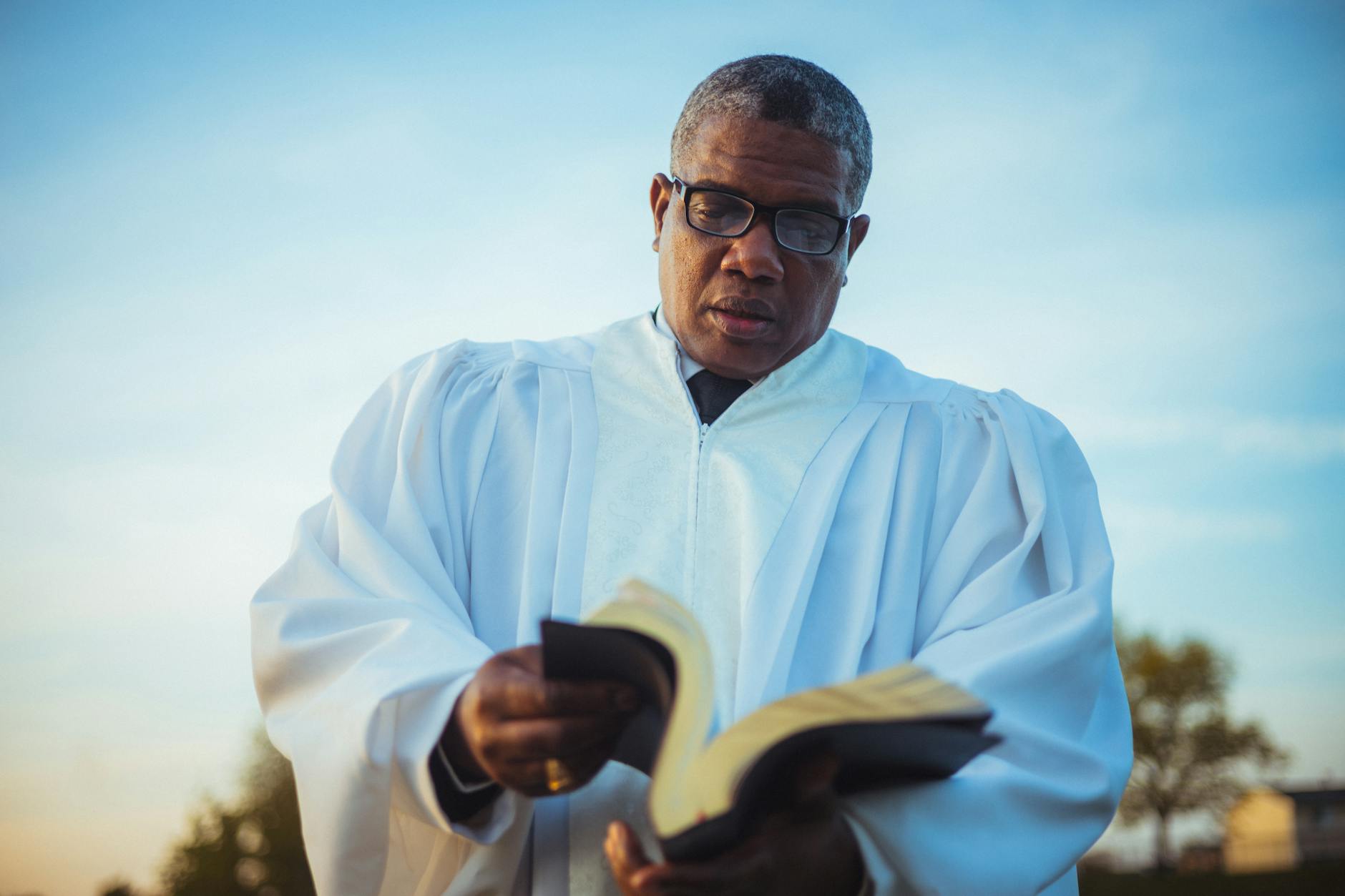
Tag Archives: bible

The Dating Series: Modern Dating vs. Courting.

Photo by Gustavo Fring on Pexels.com

The Lost Art of Courtship
In today’s culture, modern dating has replaced the sacred process once known as courtship—a spiritual, intentional, and biblically guided journey toward marriage. Courting emphasized honor, patience, and divine timing, whereas modern dating often focuses on personal pleasure, instant gratification, and sexual chemistry. The Bible says, “He that findeth a wife findeth a good thing, and obtaineth favour of the Lord” (Proverbs 18:22, KJV). Yet, in an era dominated by lust and self-indulgence, the concept of finding a wife has been replaced by finding a “good time.”

The Biblical Foundation of Relationships
From the beginning, God designed relationships with purpose and sanctity. In Genesis 2:24 (KJV), it is written, “Therefore shall a man leave his father and his mother, and shall cleave unto his wife: and they shall be one flesh.” This scripture establishes marriage—not casual encounters—as the divine union approved by God. The process of becoming one flesh was never meant to occur outside of covenant.

Historical Roots of Courtship
Before the rise of modern dating, courtship was the traditional method for choosing a life partner. It was family-oriented, chaperoned, and spiritually supervised. Courtship allowed a man to demonstrate his intentions and moral integrity, proving he could provide and lead a household. The woman’s virtue was protected, and the goal was marriage, not experimentation.

The Role of Parental Guidance in Courtship
In biblical and historical contexts, family involvement was essential. Parents and elders acted as counselors, ensuring the relationship aligned with spiritual principles. This reflected Proverbs 11:14 (KJV): “Where no counsel is, the people fall: but in the multitude of counsellors there is safety.” Such oversight kept emotional and physical boundaries intact.

The Rise of Modern Dating
The concept of “dating” as we know it emerged in the early 20th century with the rise of urbanization and individual freedom. Instead of pursuing marriage, people began pursuing personal experiences. By the mid-1900s, dating was less about long-term commitment and more about social status and pleasure.

The Baby Boomer Era and Romance
During the Baby Boomer generation (1946–1964), dating still retained traces of courtship. Many couples met in church, school, or community events. While some pre-marital encounters existed, societal norms largely favored chastity before marriage. The family unit remained central, and men were expected to pursue and protect women with respect.

Generation X and the Birth of Casual Dating
Generation X (1965–1980) saw a cultural shift due to the sexual revolution of the 1960s and 1970s. The notion of “free love” encouraged physical intimacy without emotional or marital commitment. This was the beginning of the normalization of fornication, contradicting the biblical command: “Flee fornication. Every sin that a man doeth is without the body; but he that committeth fornication sinneth against his own body” (1 Corinthians 6:18, KJV).

Millennials and Hookup Culture
For Millennials, technology transformed dating into a digital marketplace. Apps like Tinder and Bumble made casual sex more accessible than genuine love. The culture of “hooking up” became synonymous with modern dating, removing God from the process entirely.

Generation Z and Gender Confusion
Generation Z (born after 1997) is growing up in a time of blurred gender roles and declining marriage rates. Biblical masculinity and femininity are under attack. Men are no longer taught to pursue women with godly intention, and women are often encouraged to chase careers or fleeting validation rather than covenant relationships.

The Spiritual Consequences of Modern Dating
Modern dating, detached from divine principles, leads to broken hearts, soul ties, and emotional emptiness. The Bible warns that “the wages of sin is death” (Romans 6:23, KJV)—not just physical death, but spiritual death, separation from God’s purpose in relationships.

Casual Sex and the Death of Intimacy
Casual sex reduces sacred union to a temporary thrill. It breeds lust, not love; addiction, not affection. Unlike covenant intimacy within marriage, it leaves both individuals spiritually fragmented. Hebrews 13:4 (KJV) reminds us: “Marriage is honourable in all, and the bed undefiled: but whoremongers and adulterers God will judge.”

Fornication: The Silent Destroyer
Fornication has become normalized, yet it erodes moral foundations. It robs individuals of purity and dulls the conscience to sin. This defilement extends beyond the body—it corrupts the soul, affecting one’s ability to connect deeply and faithfully later in marriage.

Lust: The Counterfeit of Love
Lust masquerades as love but seeks self-gratification, not mutual edification. James 1:14–15 (KJV) declares: “But every man is tempted, when he is drawn away of his own lust, and enticed. Then when lust hath conceived, it bringeth forth sin.” Lust is the devil’s perversion of God’s design for holy intimacy.

The Man’s Role in Courtship
Biblically, the man is the pursuer. He demonstrates leadership, discipline, and spiritual maturity in pursuit of a wife. Courtship allows a man to show his readiness for covenant. Just as Jacob labored seven years for Rachel (Genesis 29:20), a true man of God proves his love through patience and commitment.

The Woman’s Role in Courtship
A godly woman maintains her virtue and discernment, waiting on the man who honors God’s process. Proverbs 31:10 (KJV) asks, “Who can find a virtuous woman? for her price is far above rubies.” She does not chase or seduce; she attracts through righteousness, wisdom, and grace.

Example of Courting in Scripture
The story of Ruth and Boaz offers a perfect example of biblical courtship. Ruth was hardworking, loyal, and virtuous; Boaz was honorable and patient. Their connection grew through respect and righteousness. Boaz’s pursuit led to marriage, not fornication—a divine model for believers today.

The Importance of Purity
Purity is not old-fashioned; it is protection. God designed sexual boundaries to safeguard the heart and soul. 1 Thessalonians 4:3 (KJV) declares, “For this is the will of God, even your sanctification, that ye should abstain from fornication.” Waiting until marriage is a declaration of faith and obedience.

Emotional Soul Ties and Spiritual Damage
Each sexual encounter creates a soul tie—an invisible bond that connects one spirit to another. When these ties are formed outside marriage, they bring confusion, guilt, and spiritual oppression. Breaking these bonds requires repentance and restoration through Christ.

The Deception of “Compatibility”
Modern dating often revolves around “compatibility tests” or physical attraction rather than spiritual alignment. Yet Amos 3:3 (KJV) asks, “Can two walk together, except they be agreed?” True agreement comes from shared faith, not shared hobbies.

Why People Are Far from the Bible Today
People have drifted from the Bible because society glorifies pleasure over purity. The acronym “BIBLE”—Basic Instructions Before Leaving Earth—is no longer seen as relevant. Yet, this divine manual remains the blueprint for successful relationships and eternal life.

The Social Media Effect
Social media has made comparisons and temptations more accessible than ever. Many now idolize unrealistic portrayals of love while rejecting God’s timing. Romans 12:2 (KJV) warns, “Be not conformed to this world: but be ye transformed by the renewing of your mind.”

Entertainment and the Sexual Agenda
Movies, music, and media normalize lust and fornication. The enemy uses culture to desensitize the conscience, making sin seem harmless and holy living appear outdated. But holiness remains God’s standard, not an option.

Reclaiming Biblical Courtship
To restore godly relationships, believers must return to biblical principles—accountability, prayer, chastity, and purpose-driven pursuit. Courtship should glorify God, not self. Every step must be guided by prayer and spiritual counsel.

Waiting on God’s Timing
Patience is the true test of faith. Isaiah 40:31 (KJV) promises, “But they that wait upon the Lord shall renew their strength.” Waiting for the right spouse aligns one’s heart with God’s perfect timing, ensuring blessings rather than burdens.

The Consequences of Impatience
Rushing into relationships often leads to heartbreak and sin. Many seek to satisfy loneliness instead of allowing God to refine them. Impatience breeds compromise, while patience breeds covenant.

Healing from Past Sexual Sin
Through repentance, forgiveness, and sanctification, one can be made new. Psalm 51:10 (KJV) prays, “Create in me a clean heart, O God; and renew a right spirit within me.” Christ offers redemption for those willing to turn from fornication and embrace purity.

Accountability and Community
Surrounding oneself with godly mentors and church community helps maintain purity. Ecclesiastes 4:9–10 (KJV) says, “Two are better than one… For if they fall, the one will lift up his fellow.” Biblical community strengthens righteous living.

Marriage as Covenant, Not Contract
Marriage is not a social arrangement—it’s a covenant before God. Ephesians 5:25 (KJV) instructs, “Husbands, love your wives, even as Christ also loved the church.” This sacred bond reflects divine love, sacrifice, and unity.

Restoring Honor in Relationships
Honoring God in relationships means setting boundaries, seeking holiness, and respecting His design. Men and women must rediscover reverence for marriage as the highest form of love between humans.

Returning to God’s Blueprint
The evolution from courtship to modern dating reveals humanity’s drift from divine truth. To restore love’s true purpose, society must reject lust, embrace purity, and pursue relationships that honor God. As 1 Corinthians 13:4–7 reminds us, “Charity suffereth long, and is kind… seeketh not her own.” True love waits, worships, and walks in obedience.


References (KJV Bible)
Genesis 2:24
Proverbs 11:14
Proverbs 18:22
Proverbs 31:10
Amos 3:3
1 Corinthians 6:18; 13:4–7
Romans 6:23; 12:2
1 Thessalonians 4:3
Hebrews 13:4
Isaiah 40:31
Ephesians 5:25
Psalm 51:10
James 1:14–15
Ecclesiastes 4:9–10

Girl Talk Series: Fear Not, My Child

Ladies, let’s have a heart-to-heart. Fear is something we’ve all faced — whether it’s fear of the future, fear of failure, fear of rejection, or fear of the unknown. But I came to remind you today: you are not alone, and God’s Word gives us power over fear. The same God who created the heavens and the earth whispers softly to your heart, “Fear not, my child, for I am with thee.” (Isaiah 41:10, KJV).

Fear often shows up when faith starts to waver, but the Lord calls us to stand firm and trust Him completely. You may not know what tomorrow holds, but you can rest in the truth that God holds tomorrow. He is Alpha and Omega, the beginning and the end, and nothing that happens to you escapes His watchful care.

When fear tries to creep in, remind yourself that God has already gone before you. Deuteronomy 31:8 (KJV) says, “And the Lord, he it is that doth go before thee; he will be with thee, he will not fail thee, neither forsake thee: fear not, neither be dismayed.” What a promise! God not only goes before you — He walks beside you and covers you on every side.

Sometimes fear disguises itself as anxiety, worry, or overthinking. It makes us feel like we must control every detail of life. But the Lord says otherwise: “Be still, and know that I am God” (Psalm 46:10, KJV). Sis, you don’t have to have all the answers. You just need to trust the One who does.

There will be moments when life feels uncertain — the job isn’t secure, the relationship feels unstable, the diagnosis is unclear — yet God says, “Peace, be still.” (Mark 4:39, KJV) When Christ is in your boat, even the storm must obey His voice. Fear cannot remain where faith is active.

Fear is one of the enemy’s greatest weapons, but it loses all power when we remember the truth of 2 Timothy 1:7 (KJV): “For God hath not given us the spirit of fear; but of power, and of love, and of a sound mind.” The spirit of fear is not from God — it’s a counterfeit spirit sent to confuse and paralyze you. But the spirit within you is stronger.

The enemy wants to keep you afraid because he knows that faith is your weapon. When you walk in fear, you shrink. When you walk in faith, you soar. The woman of God who chooses faith over fear becomes unstoppable, because her courage is rooted in divine assurance, not human understanding.

Beloved, don’t let fear silence your purpose. God placed gifts, dreams, and callings inside you that fear wants to suffocate. But hear the words of Joshua 1:9 (KJV): “Have not I commanded thee? Be strong and of a good courage; be not afraid, neither be thou dismayed: for the Lord thy God is with thee whithersoever thou goest.” You are not walking alone.

Even when you feel unworthy, broken, or uncertain, God calls you by name and says, “Fear not, for I have redeemed thee.” (Isaiah 43:1, KJV) You belong to Him. No past mistake, no painful memory, no fear of the future can separate you from His love.

Fear also shows up when God calls us out of our comfort zone. But growth always requires a stretch. Think of Peter walking on the water — he began to sink only when he took his eyes off Jesus (Matthew 14:30-31, KJV). The lesson? Keep your focus on Christ, not the waves around you.

When fear tries to speak louder than faith, speak the Word of God louder. Declare, “I will not fear what man shall do unto me” (Hebrews 13:6, KJV). Your confidence doesn’t come from circumstances — it comes from your covenant with God. He is your provider, your protector, and your peace.

Sometimes God allows situations that make you uncomfortable so you can grow in trust. Psalm 56:3 (KJV) says, “What time I am afraid, I will trust in thee.” Faith does not mean the absence of fear; it means choosing to trust God in spite of it. That’s where real strength is born.

Fear not, my child — God knows every tear you’ve cried. He knows every worry that keeps you awake at night. Matthew 10:29-31 (KJV) reminds us that not even a sparrow falls without the Father’s knowledge, and “ye are of more value than many sparrows.” If He cares for the birds, how much more does He care for you?

The peace of God is your weapon against fear. Philippians 4:6-7 (KJV) tells us, “Be careful for nothing; but in every thing by prayer and supplication with thanksgiving let your requests be made known unto God.” When you give your fears to Him, His peace will guard your heart and mind like a divine shield.

When your heart feels heavy, remember God’s love is perfect — and perfect love casts out fear (1 John 4:18, KJV). His love is not conditional, temporary, or earned. It’s eternal, and it destroys every lie that fear tries to plant in your spirit.

Even in the darkest moments, fear cannot outshine God’s light. Psalm 27:1 (KJV) declares, “The Lord is my light and my salvation; whom shall I fear? the Lord is the strength of my life; of whom shall I be afraid?” Let that verse be your anthem when life feels overwhelming.

You are not defined by what scares you — you are defined by the One who saves you. Every fear you surrender becomes a testimony of faith. What once terrified you will one day strengthen someone else through your story.

So, daughter of Zion, lift up your head. God has not forgotten you. He has not abandoned you. He is whispering, “Fear not, my child, for I am with you, always.” His promises stand firm even when the world feels unstable.

Walk boldly into your purpose, and when fear knocks, answer it with faith. Pray, fast, and remind yourself daily: “The Lord is on my side; I will not fear” (Psalm 118:6, KJV). You are protected, loved, and chosen for greatness.


References (KJV)
Isaiah 41:10; Deuteronomy 31:8; Psalm 46:10; Mark 4:39; 2 Timothy 1:7; Joshua 1:9; Isaiah 43:1; Matthew 14:30-31; Hebrews 13:6; Psalm 56:3; Matthew 10:29-31; Philippians 4:6-7; 1 John 4:18; Psalm 27:1; Psalm 118:6.

Religious Legalism: The Burden of Law Over Grace.

Photo by Samuel Peter on Pexels.com

GOD IS GUIDE

Religious legalism refers to the excessive or rigid adherence to religious laws, traditions, and rituals as the primary means of attaining righteousness or divine favor. It represents a distortion of faith that prioritizes outward conformity to rules rather than inward transformation of the heart. Legalism is not confined to one faith tradition—it manifests across religious systems whenever human effort is exalted above divine grace. From a biblical standpoint, legalism undermines the message of salvation through faith, replacing relationship with regulation.

The term “legalism” derives from the Latin legalis, meaning “about the law.” In a theological sense, it denotes the belief that moral or ceremonial laws are sufficient for justification before God. The Apostle Paul vigorously opposed such thinking, especially among early Christians who attempted to impose Mosaic law on Gentile converts. In Galatians 2:16 (KJV), Paul declares, “Knowing that a man is not justified by the works of the law, but by the faith of Jesus Christ.” This verse crystallizes the distinction between grace-centered faith and law-centered religion.

Legalism often emerges when religious communities elevate human traditions to the level of divine command. The Pharisees in the New Testament epitomized this tendency. While they sought to preserve Jewish purity through strict observance of the Torah, their zeal for rules eclipsed compassion and mercy. Christ rebuked them, saying, “This people draweth nigh unto me with their mouth… but their heart is far from me” (Matthew 15:8, KJV). Legalism thus fosters hypocrisy, where outward piety masks inner spiritual decay.

At its core, religious legalism distorts the purpose of divine law. The Mosaic Law was never intended as a means of salvation but as a mirror to reveal human sinfulness and the need for grace (Romans 3:20). Legalists, however, misinterpret law as a ladder to reach God rather than a light to expose dependence upon Him. In doing so, they replace humility with pride, and faith with performance.

Historically, legalism has shaped many religious movements. In medieval Christianity, for instance, salvation was often portrayed as achievable through penance, indulgences, and ritual observance. The Protestant Reformation, led by Martin Luther, emerged in opposition to this mentality. Luther’s rallying cry—sola fide (faith alone)—was a direct response to the oppressive legalism of the institutional church (McGrath, 2012).

Legalism also reappears in modern religious contexts. In many Christian denominations, holiness is mistakenly measured by external codes of conduct: dress, dietary laws, church attendance, or avoidance of secular culture. While moral discipline is valuable, when it becomes the basis of worthiness, it crosses into legalistic bondage. The Apostle Paul warned against such enslavement: “Stand fast therefore in the liberty wherewith Christ hath made us free” (Galatians 5:1, KJV).

Psychologically, legalism appeals to the human desire for control. It provides a checklist faith—predictable, measurable, and self-validating. Yet this illusion of control breeds spiritual anxiety. Individuals striving to earn divine approval often experience guilt, shame, and fear of failure (Crabb, 1991). Legalism, therefore, replaces joy with judgment and freedom with fear.

Sociologically, legalistic religion fosters division. It creates hierarchies of holiness, separating the “righteous” from the “sinners.” This exclusivity contradicts Christ’s example of inclusivity and compassion. Jesus dined with tax collectors and sinners, demonstrating that divine grace transcends moral boundaries (Luke 5:30–32). Legalism, however, builds walls where grace builds bridges.

In the Hebrew Bible, the law (Torah) was given as a covenantal guide, not a prison. It reflected God’s holiness and instructed Israel in righteous living. Yet the prophets repeatedly criticized empty ritualism. Isaiah 1:13–17 portrays God’s disdain for sacrifices performed without justice and mercy. Thus, even under the Old Covenant, the spirit of the law was always superior to its letter.

In contemporary faith practice, legalism manifests through denominational rigidity, dogmatic exclusivity, and moral policing. It often masquerades as holiness but lacks love. The Apostle Paul identified love as the fulfillment of the law (Romans 13:10). Therefore, without love, obedience becomes oppression.

Grace, by contrast, liberates believers from the tyranny of performance. Ephesians 2:8–9 (KJV) reminds us: “For by grace are ye saved through faith… not of works, lest any man should boast.” Grace does not negate moral responsibility; rather, it transforms obedience from obligation into devotion. When believers act from love rather than fear, faith becomes authentic and alive.

Theologically, legalism denies the sufficiency of Christ’s atonement. To seek justification through rules is to imply that the cross was inadequate. Paul confronts this heresy directly in Galatians 2:21: “If righteousness come by the law, then Christ is dead in vain.” Thus, legalism is not merely a theological error—it is a spiritual insult to divine grace.

Legalism also corrodes spiritual discernment. When focus shifts to rule-keeping, believers lose sensitivity to the Holy Spirit. The Spirit leads in truth, flexibility, and relational intimacy, whereas legalism enforces rigidity and ritualism (2 Corinthians 3:6). “The letter killeth,” Paul writes, “but the spirit giveth life.”

In community settings, legalistic leaders often manipulate followers through guilt-based control. This authoritarian spirituality equates obedience to human authority with obedience to God. Such environments breed spiritual abuse and suppress authentic faith expression (Enroth, 1992).

Conversely, grace-oriented communities foster accountability through love, not fear. They recognize that moral growth arises from inner transformation, not external enforcement. The fruit of the Spirit—love, joy, peace, and gentleness (Galatians 5:22)—cannot flourish in legalistic soil.

The balance between law and grace remains central to Christian ethics. Law reveals God’s standard; grace empowers believers to live by it. Jesus Himself affirmed the law’s moral essence while fulfilling its redemptive purpose: “Think not that I am come to destroy the law… but to fulfil” (Matthew 5:17, KJV). Thus, the law points to Christ, and Christ perfects the law through love.

Beyond Christianity, legalism appears in other faith traditions as well. In Islam, excessive focus on ritual purity can obscure the spirit of submission (Islam literally meaning “surrender”). In Judaism, rabbinic traditions evolved to protect Torah observance but occasionally burdened followers with excessive detail (Neusner, 2004). The pattern is universal: when ritual replaces relationship, faith becomes formulaic.

Philosophically, legalism mirrors Kantian moralism—duty for duty’s sake—divorced from grace or divine empowerment. In contrast, Christian theology affirms synergism between divine initiative and human response: “For it is God which worketh in you both to will and to do of his good pleasure” (Philippians 2:13, KJV).

In pastoral practice, overcoming legalism requires teaching believers their identity in Christ. True holiness flows from understanding one’s position as a child of grace, not a slave to law. When people rest in divine acceptance, obedience becomes an act of gratitude rather than fear.

Spiritually, the antidote to legalism is love. Love fulfills, transcends, and redefines the law. As Jesus summarized, “Thou shalt love the Lord thy God… and thy neighbour as thyself” (Matthew 22:37–39, KJV). This twofold commandment distills religion into relationship.

Ultimately, religious legalism is the human attempt to earn what can only be received. It is the soul’s rebellion disguised as righteousness. Grace alone liberates the believer from this deception, restoring the simplicity of faith and the joy of divine fellowship. As Romans 8:2 (KJV) declares, “For the law of the Spirit of life in Christ Jesus hath made me free from the law of sin and death.”

References

Crabb, L. J. (1991). Understanding people: Deep longings for relationship. Zondervan.
Enroth, R. (1992). Churches that abuse. Zondervan.
McGrath, A. E. (2012). Christian theology: An introduction (5th ed.). Wiley-Blackwell.
Neusner, J. (2004). The perfection of Torah: Studies in the sociology of religion and Judaism. Brill.
The Holy Bible, King James Version. (1769/2017). Cambridge University Press.

The Dating Series: Sanctified Sexuality

Photo by Gustavo Fring on Pexels.com

In a world where sexual freedom is often mistaken for personal empowerment, the biblical principle of sanctified sexuality stands as a divine countercultural truth. God designed sex to be sacred—a covenantal act reserved for the marriage bed, not a recreational experience detached from spiritual responsibility. Scripture declares in Hebrews 13:4 (KJV), “Marriage is honourable in all, and the bed undefiled: but whoremongers and adulterers God will judge.” Sanctified sexuality calls believers to honor God with their bodies and to view intimacy not as casual pleasure, but as covenant worship.

The word “sanctified” means set apart for holy use. In the context of sexuality, it means that a believer’s body is dedicated to God’s purpose, not carnal indulgence. 1 Corinthians 6:19-20 (KJV) reminds us, “Know ye not that your body is the temple of the Holy Ghost… ye are not your own? For ye are bought with a price.” This understanding shifts intimacy from being merely physical to deeply spiritual. When one understands that the Holy Spirit dwells within, fornication and adultery become more than moral failures—they become acts of spiritual defilement.

Modern dating culture often encourages people to “try before they buy,” normalizing sexual relations before marriage. Yet, Scripture is clear that fornication—sexual activity outside the marriage covenant—is sin. 1 Thessalonians 4:3 (KJV) declares, “For this is the will of God, even your sanctification, that ye should abstain from fornication.” Sanctified sexuality is not about repression; it is about reverence. It is understanding that waiting is not weakness—it is worship.

Soul ties are another profound aspect of sexual relationships. When two individuals engage in sexual intimacy, they form a spiritual bond that connects their souls and emotions. This bond is meant to unite husband and wife in covenant, but outside of marriage, it leads to emotional confusion, spiritual contamination, and bondage. Genesis 2:24 (KJV) says, “Therefore shall a man leave his father and his mother, and shall cleave unto his wife: and they shall be one flesh.” Outside of God’s order, these soul ties can leave individuals fragmented, carrying pieces of others within them long after the physical relationship ends.

The aftermath of ungodly soul ties often manifests as guilt, depression, or difficulty bonding in future relationships. Many find themselves haunted by memories of past partners, unable to experience true intimacy in marriage. The Bible warns of this in Proverbs 6:27 (KJV): “Can a man take fire in his bosom, and his clothes not be burned?” Every illicit connection leaves a spiritual residue that must be broken through repentance and deliverance. Sanctified sexuality calls believers to cleanse themselves from past entanglements and renew their covenant with God.

Adultery, likewise, violates not just marital vows but divine trust. It wounds the soul and corrupts the sanctity of the covenant. Exodus 20:14 (KJV) gives the clear command: “Thou shalt not commit adultery.” The world may romanticize infidelity in movies and music, but Scripture views it as treachery against both God and spouse. When David sinned with Bathsheba, his deepest grief was spiritual—“Against thee, thee only, have I sinned,” he confessed in Psalm 51:4 (KJV). Sanctified sexuality acknowledges that every act of impurity is first a sin against a holy God.

Sexual sin also dulls spiritual sensitivity. It clouds discernment and weakens prayer life because sin creates separation between humanity and God. Isaiah 59:2 (KJV) affirms, “But your iniquities have separated between you and your God.” This is why many believers find it difficult to grow spiritually while entangled in fornication or adultery. Sanctification requires separation—cutting ties with anything that draws one away from holiness.

In contrast, sanctified sexuality strengthens both spiritual and emotional intimacy within marriage. The marriage bed is not a place of shame but a space for mutual love, pleasure, and unity. 1 Corinthians 7:3-5 (KJV) encourages spouses to render “due benevolence” to one another and not to deprive each other, lest Satan tempt them for lack of self-control. God designed marital intimacy as protection against temptation and as a reflection of divine oneness.

Fasting and prayer are powerful tools in maintaining sanctified sexuality. When single, they help subdue the flesh and align desire with divine timing. When married, they fortify intimacy through shared spiritual focus. Matthew 26:41 (KJV) warns, “Watch and pray, that ye enter not into temptation: the spirit indeed is willing, but the flesh is weak.” Fasting disciplines the body while strengthening the spirit, teaching believers to let God govern their desires rather than lust.

Many Christians struggle with lust because they feed the flesh more than the spirit. The media glorifies sensuality, and social platforms thrive on physical allure. Yet Scripture commands in Romans 13:14 (KJV), “Make not provision for the flesh, to fulfil the lusts thereof.” Sanctified sexuality demands boundaries—guarding eyes, ears, and heart from unholy influences. True purity is not just abstinence from sin but avoidance of its seduction.

Pornography and self-gratification have also corrupted modern relationships. These acts create false expectations and distort the sacredness of intimacy. Jesus said in Matthew 5:28 (KJV), “Whosoever looketh on a woman to lust after her hath committed adultery with her already in his heart.” Sanctified sexuality teaches that sin begins in the mind, and thus the battle must be fought in thought before it becomes action.

True love is patient and disciplined. It seeks covenant, not convenience. The world teaches instant gratification, but the Spirit teaches delayed satisfaction for eternal reward. Galatians 5:16 (KJV) urges believers to “Walk in the Spirit, and ye shall not fulfil the lust of the flesh.” Sanctified sexuality is the manifestation of walking in the Spirit, denying temporary pleasures for eternal intimacy with God.

When believers yield to temptation, repentance remains the door of restoration. God’s grace is sufficient to cleanse and restore those who fall. 1 John 1:9 (KJV) promises, “If we confess our sins, he is faithful and just to forgive us our sins, and to cleanse us from all unrighteousness.” Sanctified sexuality does not shame the fallen; it calls them to rise again in righteousness, renewed by grace.

God’s design for sex is redemptive, not destructive. Within marriage, it symbolizes the covenant between Christ and His Church. Paul writes in Ephesians 5:31-32 (KJV) that marriage is a “great mystery,” reflecting Christ’s love for the Church. Thus, sexual purity is not merely moral—it is theological. It mirrors divine fidelity, intimacy, and fruitfulness.

For singles, sanctified sexuality means waiting with purpose. It is a season of preparation—learning to love oneself and God fully before uniting with another. Psalm 37:4 (KJV) encourages, “Delight thyself also in the Lord: and he shall give thee the desires of thine heart.” The one who delights in God becomes the one ready for a godly relationship.

For married couples, sanctified sexuality means nurturing mutual respect and intimacy. It requires communication, prayer, and love rooted in Christ. Ephesians 5:25 (KJV) commands, “Husbands, love your wives, even as Christ also loved the church.” In sanctified union, pleasure and purpose coexist, glorifying God through oneness and covenant loyalty.

The danger of casual dating and “situationships” is that they mimic commitment without covenant. Such relationships breed confusion and heartbreak. Proverbs 14:12 (KJV) warns, “There is a way which seemeth right unto a man, but the end thereof are the ways of death.” Sanctified sexuality calls for clarity—relationships rooted in truth, not emotion.

Jealousy, lust, and emotional manipulation are often fruits of unsanctified bonds. They come from trying to fill spiritual voids with fleshly connections. Only God’s love can satisfy the soul’s deepest longing. John 4:14 (KJV) affirms that whoever drinks of Christ’s water “shall never thirst.” Sanctified sexuality begins by drinking from that eternal well.

In sanctified love, boundaries are not burdens—they are blessings. They protect what is holy from being trampled by the profane. Song of Solomon 2:7 (KJV) beautifully advises, “Stir not up, nor awake my love, till he please.” Love and intimacy flourish most beautifully in God’s timing.

Breaking ungodly soul ties requires prayer, repentance, and often fasting. Believers must verbally renounce past sexual and emotional connections, asking the Holy Spirit to sever every unholy bond. James 4:7 (KJV) instructs, “Submit yourselves therefore to God. Resist the devil, and he will flee from you.” Submission to God is the key to freedom.

Sanctified sexuality also demands accountability. Surrounding oneself with godly mentors, church family, and prayer partners provides strength against temptation. Ecclesiastes 4:9-10 (KJV) teaches, “Two are better than one… for if they fall, the one will lift up his fellow.” Spiritual community reinforces purity through love and support.

Parents and leaders have a duty to teach sanctified sexuality to the next generation. Silence breeds ignorance, and ignorance breeds sin. Teaching biblical boundaries helps youth build lives of moral integrity. Proverbs 22:6 (KJV) instructs, “Train up a child in the way he should go.” Education rooted in Scripture preserves purity for generations.

God’s view of sexuality is not prudish but purposeful. He created pleasure within boundaries to reflect divine joy and unity. Sin distorts pleasure into addiction, but sanctification restores it into blessing. Psalm 16:11 (KJV) says, “At thy right hand there are pleasures for evermore.” True fulfillment comes from the presence of God, not the indulgence of lust.

Forgiveness and healing are available for all who repent. No matter how far one has fallen, God’s mercy can restore wholeness. Sanctified sexuality is not about perfection—it’s about progression. It is choosing holiness daily, one thought and one action at a time.

When believers live in sanctified sexuality, they reflect the holiness of Christ in their relationships. They become witnesses of God’s redemptive love in a world enslaved to passion. Their restraint, purity, and joy stand as light in dark places.

Ultimately, sanctified sexuality points back to divine order—sex as worship, love as covenant, and marriage as ministry. The body, soul, and spirit unite under God’s authority to glorify Him through intimacy rooted in holiness.

To walk in sanctified sexuality is to reclaim what sin distorted—to see the body not as an object of lust but as a vessel of divine glory. In doing so, believers fulfill Romans 12:1 (KJV): “Present your bodies a living sacrifice, holy, acceptable unto God, which is your reasonable service.”

References (KJV Bible)
Hebrews 13:4; 1 Corinthians 6:19-20; 1 Thessalonians 4:3; Genesis 2:24; Proverbs 6:27; Exodus 20:14; Psalm 51:4; Isaiah 59:2; 1 Corinthians 7:3-5; Matthew 26:41; Romans 13:14; Matthew 5:28; Galatians 5:16; 1 John 1:9; Ephesians 5:31-32; Psalm 37:4; Ephesians 5:25; Proverbs 14:12; John 4:14; Song of Solomon 2:7; James 4:7; Ecclesiastes 4:9-10; Proverbs 22:6; Psalm 16:11; Romans 12:1.

Lakita Garth: A Legacy of Purity, Power, and Purpose.

Virtue and Victory: Lakita Garth’s Stand for Purity

All photographs are the property of their respective owners. No copyright infringement intended.

Lakita Garth is a shining beacon in a society where the flesh rules and sex without marriage is glorified, while moral values are dismissed as outdated. Radiant in resolve, she stands as a living testimony that true beauty flows from within—a reflection of purity, strength, and unwavering faith. Her grace, intelligence, and conviction remind the world that virtue is not weakness but power under discipline. In an age where compromise is celebrated, Lakita’s steadfast message of abstinence and godly love shines as a sacred light of hope and holiness.

Lakita Garth’s story is one of courage, conviction, and countercultural grace. Born and raised in Los Angeles as the youngest of five children, she was molded by both hardship and faith. Her father, a 27-year Air Force veteran, passed away from cancer when she was just eleven, leaving her mother to raise the family in one of the city’s most dangerous neighborhoods. Yet, out of that adversity, Garth emerged with a fierce commitment to integrity and self-worth—a message she would later carry to stages across the nation.

The Lovely Lakita stands as one of the most prominent voices in the modern abstinence and purity movement. Known for her poise, eloquence, and unapologetic moral stance, she rose to prominence as a speaker, author, and former beauty queen. Her journey from pageantry to purpose embodies the balance of external beauty and inner conviction, reminding young people that true virtue radiates from within. Garth’s message has resonated globally, challenging cultural norms that equate freedom with sexual indulgence and redefining what it means to live a life set apart for God.

From her youth, Garth adopted a radical stance on sexuality in a society obsessed with physical pleasure. Inspired by her grandfather’s lifelong devotion to his late wife, she decided early to remain abstinent until marriage. That personal vow became the cornerstone of her mission: to teach young people that purity is not repression, but empowerment. Her voice rose as a clarion call in an era when virginity was mocked, redefining abstinence as an act of dignity, discipline, and self-respect.

In 1995, Garth’s poise and beauty earned her the title of Miss Black California and second runner-up in the Miss Black America pageant. Her grace on stage was matched by the substance of her message off it. She used her platform not for fame, but to advocate for sexual integrity and moral leadership among youth. Publications such as Vogue, Seventeen, and Cosmopolitan featured her, recognizing a woman who could embody both elegance and ethical strength. Lakita Garth’s early life was marked by academic excellence and a deep commitment to faith. After winning the title of Miss Black California, she used her platform not merely for glamour but to promote moral integrity and self-respect among youth. She attended the University of Southern California, where she graduated with honors, showing that intelligence and virtue can walk hand in hand. Her rise to national recognition came not from controversy but from conviction—a rare feat in an age where public attention is often tied to scandal.

Her breakthrough moment came through public speaking. Garth became one of the most sought-after abstinence educators in America, addressing thousands of students, parents, and leaders nationwide. She has testified before the U.S. Congress, appeared on major television programs such as Politically Incorrect with Bill Maher and MTV’s Sex in the ’90s, and has spoken at countless universities, churches, and conferences. Her charisma, intelligence, and unapologetic conviction allowed her to bridge both secular and faith-based audiences.

Garth’s central message was that abstinence is not just about saying “no” to sex—it is about saying “yes” to purpose, power, and self-respect. In her bestselling book The Naked Truth: Real Talk About Sex, Shame, and Transparency, she lays out a four-phase decision-making framework to help young people navigate relationships with clarity. Her approach balanced biblical truth with practical insight, encouraging both women and men to pursue holiness and healthy relationships rooted in self-control.

Throughout her career, Garth has been a sought-after motivational speaker, addressing thousands of students and adults across the United States and abroad. She has spoken at universities, churches, and conferences, delivering messages grounded in biblical truth. Her lectures often reference 1 Corinthians 6:19-20 (KJV)—“What? know ye not that your body is the temple of the Holy Ghost… therefore glorify God in your body, and in your spirit, which are God’s.” This scripture became the cornerstone of her message, reminding audiences that purity is not repression but reverence.

Garth’s impact extended beyond the pulpit and stage. As an author and media commentator, she appeared on major networks including MTV, BET, and CNN, where she fearlessly defended abstinence and moral clarity in a culture obsessed with sexual expression. Her ability to articulate biblical principles with intelligence and humor made her one of the few Christian voices respected in both secular and faith-based arenas. She emphasized that purity was not simply about abstaining from sex, but about guarding the heart, as commanded in Proverbs 4:23 (KJV)—“Keep thy heart with all diligence; for out of it are the issues of life.”

Her message was particularly influential among young women who struggled with societal pressure to conform to hypersexualized ideals. Garth championed modesty and discipline not as restrictions, but as divine protection. She often declared that “true power comes from self-control,” echoing Galatians 5:22-23 (KJV), which lists temperance as a fruit of the Spirit. In a world where the lines between love and lust were blurred, Garth’s bold stance reminded youth that spiritual and emotional purity are essential for holistic growth.

However, her message was not without opposition. Critics accused her of promoting outdated ideals and restricting young people’s freedom. Some media commentators labeled her teachings as “unrealistic” or “judgmental,” particularly in the wake of the sexual liberation movements. Yet, Garth remained undeterred. She countered with biblical wisdom, citing Romans 12:2 (KJV)—“And be not conformed to this world: but be ye transformed by the renewing of your mind.” Her resilience against criticism demonstrated that standing for righteousness often invites rejection from a culture steeped in moral compromise.

Despite negative remarks, many praised her authenticity and grace. Lakita’s beauty, both physical and spiritual, drew admiration even from those who disagreed with her. Unlike many public figures who folded under scrutiny, she exemplified 1 Peter 3:3-4 (KJV)—“Whose adorning let it not be that outward adorning… but let it be the hidden man of the heart.” Her ability to remain poised and gracious under criticism reflected divine strength and character.

Her influence extended into community leadership and mentorship programs, where she worked to empower youth through education and moral guidance. Garth’s workshops and seminars encouraged self-worth, teaching that every individual has inherent value given by God. Through her initiatives, she sought to break cycles of promiscuity, fatherlessness, and low self-esteem that plague many communities. Her message of purity thus became a movement of restoration and empowerment.

In the realm of Christian leadership, Garth’s voice remains one of steadfast truth. She continues to be cited by purity advocates, youth ministers, and educators who use her teachings as a blueprint for moral education. Her unwavering faith and courage embody Philippians 4:13 (KJV)—“I can do all things through Christ which strengtheneth me.” Lakita Garth’s life reminds believers that holiness is not antiquated—it is timeless truth wrapped in grace and purpose.

Ultimately, Lakita Garth’s legacy transcends beauty and fame. She is a living testament that spiritual integrity can coexist with elegance and ambition. Her life challenges believers to rise above compromise and reflect the light of Christ in all they do. Through her example, she redefined what it means to be a woman of virtue in a modern age, proving that purity is not the absence of passion, but the redirection of passion toward divine purpose.

Her advocacy has had a measurable impact. Evaluations of youth programs led by Garth found significant shifts in perspective: after hearing her speak, 92% of students affirmed the advantages of abstinence, and 80% said they felt more capable of saying no to sexual pressure. These outcomes demonstrated that her approach—rooted in compassion and conviction—resonated powerfully with the next generation.

In 2005, at the age of 36, Lakita Garth married Jeffrey Wright, remaining a virgin until her wedding day. She famously shared that her first kiss was reserved for her husband at the altar—a testimony that shocked some and inspired many. Her marriage became a symbol of the fulfillment of her faith-based commitment, proving that waiting is possible and worth it. Her story encouraged thousands of women to believe that self-restraint could coexist with beauty, ambition, and joy.

Throughout her career, Garth has been honored with numerous awards and accolades for her service and advocacy. She received recognition from the U.S. Congress, faith-based organizations, and educational boards for her work in character development and abstinence education. She also served as a consultant for the California Department of Health and was featured in documentaries and news specials addressing youth morality, self-esteem, and sexual ethics.

Yet, her message has not been without criticism. Some commentators have accused abstinence-only education of promoting unrealistic standards or reinforcing the so-called “purity myth.” Secular outlets such as Rewire News argued that the emphasis on virginity before marriage might stigmatize those who fall short of that ideal. Others questioned whether abstinence programs adequately addressed the complexities of sexual health and identity. Still, Garth stood firm, responding with grace and conviction, often reminding critics that her message was not about shame—but about choice, discipline, and spiritual empowerment.

Even amidst debate, Lakita Garth’s legacy remains profound. Her influence stretches far beyond classrooms and auditoriums; it has become part of a larger cultural movement toward reclaiming moral clarity in a confused world. Her beauty and brilliance remind many that strength and femininity need not be at odds. Through her life, she has shown that true confidence is born from conviction, and real freedom is found not in indulgence, but in obedience to divine wisdom. Her story continues to inspire young women to live with purpose, protect their worth, and wait for love that mirrors God’s perfect design.

References

The Brown Girl Speaks: Negative Relationships.

Photo by Keira Burton on Pexels.com

The journey of a brown girl navigating love, friendship, and loyalty is both beautiful and burdensome. Many learn early that not everyone who smiles has pure intentions, and not every “I love you” carries the weight of sincerity. The reality of negative relationships—be they friendship, platonic, or familial—can leave deep emotional scars if not discerned through the lens of divine wisdom. The Word of God provides a foundation for identifying, enduring, and overcoming the pain caused by betrayal, jealousy, manipulation, and unfaithful love.

In Proverbs 4:23 (KJV), Scripture commands, “Keep thy heart with all diligence; for out of it are the issues of life.” For a brown woman growing in strength and self-awareness, this verse becomes armor. Protecting the heart does not mean building impenetrable walls—it means applying spiritual discernment before granting emotional access. Many negative relationships thrive because individuals ignore the red flags God reveals.

When dealing with romantic relationships, it’s essential to understand that love without respect or honesty is bondage. No sex before marriage. A boyfriend who lies, cheats, or manipulates is not a partner but a parasite. God calls women to be loved as Christ loves the Church (Ephesians 5:25–28, KJV). Any man who constantly breaks your peace is out of alignment with that divine standard. Sometimes walking away is not weakness—it is worship, an act of obedience to protect the temple God made you.

Cheating relationships destroy trust and emotional security. Yet, Scripture reminds us that betrayal is not new. Even Jesus was betrayed by Judas with a kiss (Luke 22:48, KJV). The betrayal hurt, but it also fulfilled divine purpose. Similarly, heartbreak can redirect you toward healing and self-worth. Pain can purify the spirit when you surrender it to God’s plan rather than revenge or self-blame.

When navigating narcissistic individuals—those who crave control, drain empathy, and manipulate emotions—the Bible offers clarity. 2 Timothy 3:2–5 (KJV) describes them vividly: “For men shall be lovers of their own selves, covetous, boasters, proud… having a form of godliness, but denying the power thereof: from such turn away.” The command is direct—turn away. Trying to change a narcissist through love alone is spiritual exhaustion. Only God can transform hearts; your task is to protect yours.

Friendships can also become sources of pain when jealousy takes root. A jealous friend secretly resents your glow, your growth, or your God-given grace. Proverbs 27:4 (KJV) warns, “Wrath is cruel, and anger is outrageous; but who is able to stand before envy?” Jealousy often disguises itself as backhanded compliments, gossip, or subtle sabotage. Recognizing it early prevents emotional contamination. True friends celebrate your success, not compete with it.

The brown girl must understand that peace is a divine inheritance, not a privilege to be begged for. Isaiah 26:3 (KJV) declares, “Thou wilt keep him in perfect peace, whose mind is stayed on thee: because he trusteth in thee.” When relationships—romantic or friendly—threaten that peace, God is signaling that a boundary or departure is necessary. Walking away is not pride; it is preservation.

Good men exist, though they are often overshadowed by stories of betrayal. A good man leads with humility, serves with patience, and loves with truth. Proverbs 20:6 (KJV) observes, “Most men will proclaim every one his own goodness: but a faithful man who can find?” The faithful man may not be loud or flashy, but his integrity will speak through consistent actions. For the brown girl of faith, prayer and patience are key in discerning such a man.

Bad men, on the other hand, often arrive dressed in charm but carry deception in their spirit. They mimic love but lack loyalty. 1 Corinthians 13:4–6 (KJV) defines love as patient, kind, not boastful, and not self-seeking. If a relationship feels like constant confusion, emotional manipulation, or fear, it is not love—it is a counterfeit. God’s love brings peace, not anxiety (1 John 4:18).

Narcissistic partners often weaponize affection. They use love as bait, attention as control, and guilt as punishment. The Bible warns against being unequally yoked (2 Corinthians 6:14, KJV), meaning believers should not bind themselves to those who reject God’s principles. A narcissist’s idol is the self, which makes a healthy spiritual union impossible without divine intervention.

Jealousy among friends can be as dangerous as infidelity in romance. Cain’s jealousy of Abel led to murder (Genesis 4:8). Similarly, envious friends may not kill the body, but they often attempt to kill your confidence or reputation. Guard your associations carefully, for energy is contagious. Surround yourself with people who pray for you, not prey on you.

The brown girl’s heart is often both tender and resilient. Many women have learned to survive heartbreak, betrayal, and gossip with grace. Psalm 34:18 (KJV) offers comfort: “The Lord is nigh unto them that are of a broken heart; and saveth such as be of a contrite spirit.” God draws near to those who have been wounded. Healing begins when you allow Him to mend what people tried to break.

Forgiveness is another crucial step. Forgiveness does not mean allowing toxic people back into your life; it means freeing yourself from the poison of resentment. Matthew 6:14–15 (KJV) reminds us that forgiveness is a condition of divine mercy. You forgive for your peace, not their comfort. Holding grudges keeps the wound open; forgiveness closes it with divine grace.

Negative relationships often leave emotional residue—trust issues, insecurity, fear of intimacy. However, Romans 8:28 (KJV) assures, “And we know that all things work together for good to them that love God.” Every disappointment can be redemptive. What you lose in people, you gain in wisdom.

When navigating friendships, the brown girl must discern between associates and allies. Not everyone clapping for you is cheering sincerely. Psalm 55:21 (KJV) warns, “The words of his mouth were smoother than butter, but war was in his heart.” Watch the patterns, not the promises. Time exposes the truth.

In relationships, never compromise your worth to keep company. God’s daughters are not meant to beg for love or settle for attention. Psalm 139:14 (KJV) affirms, “I will praise thee; for I am fearfully and wonderfully made.” Knowing your value disarms manipulation. The more you recognize your divine identity, the less susceptible you become to counterfeit affection.

Boundaries are holy. Even Jesus withdrew from the crowd to pray and rest (Luke 5:16). Boundaries are not barriers; they are gates of protection. Whether with friends, partners, or family, you are not obligated to entertain chaos in the name of loyalty. Peace is the fruit of wise boundaries.

When dealing with cheating partners, remember that betrayal reveals character, not your inadequacy. Infidelity stems from broken integrity, not your beauty or worth. God can restore your confidence and redirect your path toward someone who values covenant over convenience.

Friendships rooted in competition can never bear fruit. Ecclesiastes 4:9–10 (KJV) teaches, “Two are better than one… for if they fall, the one will lift up his fellow.” True friends uplift, not undermine. Choose people who add to your growth and challenge you toward righteousness.

Emotional manipulation—whether through guilt, silence, or gaslighting—is psychological warfare. Proverbs 29:5 (KJV) declares, “A man that flattereth his neighbour spreadeth a net for his feet.” Flattery without sincerity is a trap. Trust consistency over charm.

The brown girl must also learn to be still. Sometimes the answer to chaos is silence. Exodus 14:14 (KJV) says, “The Lord shall fight for you, and ye shall hold your peace.” Not every betrayal deserves reaction; some deserve your absence. Your peace is more powerful than your proof.

Godly friendships and relationships require accountability and prayer. When two people—friends—pray together, deception cannot easily hide. Amos 3:3 (KJV) asks, “Can two walk together, except they be agreed?” Spiritual agreement anchors relationships in purpose.

Healing from toxic people requires solitude. Jesus spent forty days in the wilderness not as punishment but preparation. Your season of singleness or separation may be the same—a divine pause before promotion. Use that time to rebuild self-esteem and reconnect with God’s voice.

A jealous friend or unfaithful partner can shake your trust, but they cannot shake your destiny. What is meant for you will always find you. Joseph’s brothers betrayed him, yet God elevated him to power (Genesis 50:20). What others mean for evil, God will turn for good.

Sometimes, love must be expressed through letting go. You cannot heal in the same environment that broke you. Isaiah 43:18–19 (KJV) reminds, “Remember ye not the former things… behold, I will do a new thing.” Clinging to toxicity blocks divine renewal.

Surround yourself with truth-tellers, prayer warriors, and encouragers. Proverbs 27:17 (KJV) teaches, “Iron sharpeneth iron; so a man sharpeneth the countenance of his friend.” Choose company that polishes your purpose, not dulls your light.

For the brown girl healing from betrayal, remember that you are not broken—you are being rebuilt. God uses pain as preparation for purpose. Romans 8:37 (KJV) affirms, “Nay, in all these things we are more than conquerors through him that loved us.”

In closing, navigating negative relationships requires faith, discernment, and boundaries anchored in Scripture. Whether facing a cheating boyfriend, a jealous friend, or a narcissistic manipulator, trust that God’s truth will reveal deception in time. Walk away when peace departs, pray when confusion arises, and remember: your value is not defined by who left you, but by Who created you.

References

  • The Holy Bible, King James Version (KJV)
  • Proverbs 4:23; 27:4; 27:17
  • Ephesians 5:25–28
  • 1 Corinthians 13:4–6
  • 2 Timothy 3:2–5
  • Psalm 34:18; 55:21; 139:14
  • Isaiah 26:3; 43:18–19
  • Luke 22:48; 5:16
  • Genesis 4:8; 50:20
  • 2 Corinthians 6:14
  • Amos 3:3
  • Romans 8:28, 8:37
  • 1 John 4:18
  • Ecclesiastes 4:9–10
  • Matthew 6:14–15
  • Exodus 14:14

The Marriage Series: The Bed Undefiled.

Photo by MART PRODUCTION on Pexels.com

Marriage is a divine covenant established by God as the foundation for human intimacy, procreation, and companionship. Within this sacred union, sexual intimacy is not only permitted but celebrated as pure when expressed within the bounds of marriage. The Scripture declares, “Marriage is honourable in all, and the bed undefiled: but whoremongers and adulterers God will judge” (Hebrews 13:4, KJV). This verse sets the tone for a biblical understanding of physical intimacy—not as something shameful or sinful—but as a holy act of love and unity sanctioned by God Himself.

The term “undefiled” in the Greek text connotes purity, cleanliness, and moral integrity. In the marital context, it signifies that sexual relations between husband and wife are honorable when kept within the covenantal boundaries. God designed marital intimacy as an expression of oneness, echoing the words of Genesis 2:24: “Therefore shall a man leave his father and his mother, and shall cleave unto his wife: and they shall be one flesh.” This “one flesh” union encompasses emotional, spiritual, and physical dimensions, symbolizing divine harmony.

However, in today’s culture, the sanctity of the marital bed is often polluted by lust, infidelity, and emotional neglect. When couples fail to honor their vows or deprive one another of affection, the marriage becomes vulnerable to spiritual attack. The Apostle Paul addresses this with clarity: “Defraud ye not one the other, except it be with consent for a time, that ye may give yourselves to fasting and prayer; and come together again, that Satan tempt you not for your incontinency” (1 Corinthians 7:5, KJV). Paul’s exhortation emphasizes that marital intimacy should be consistent and mutual to safeguard the relationship from temptation.

The phrase “defraud ye not” reveals that withholding intimacy without mutual consent can be seen as a form of spiritual neglect. Paul recognized that both husband and wife possess physical and emotional needs, and regular intimacy helps maintain trust and unity. The only acceptable reason to abstain, according to Scripture, is for a period of fasting and prayer—a time of consecration and spiritual alignment. Even then, the couple must reunite promptly to prevent Satan from exploiting the absence of affection.

“Due benevolence,” as mentioned in 1 Corinthians 7:3, captures the heart of marital reciprocity: “Let the husband render unto the wife due benevolence: and likewise also the wife unto the husband.” This concept implies kindness, affection, and sexual responsibility. The Greek term eunoia conveys goodwill and loving obligation. Each spouse owes the other not merely physical intimacy but emotional attentiveness and spiritual partnership. Marriage thrives when love is expressed through intentional acts of care, communication, and touch.

Fasting within marriage serves as a sacred discipline that strengthens spiritual intimacy. It is not a denial of pleasure for its own sake but a redirection of desire toward God. When couples fast together, they align their spirits, discern God’s will, and invite divine protection over their home. Yet Paul cautions that fasting should be temporary and consensual; extended separation without agreement can lead to resentment, loneliness, or temptation.

The marital bed thus symbolizes both sanctity and surrender. It is where love becomes tangible, where forgiveness is practiced, and where two souls reconnect beyond words. When approached with reverence, intimacy becomes a form of worship—an acknowledgment that every good and perfect gift, including pleasure, comes from above (James 1:17, KJV). Within the boundaries of marriage, sex becomes not just physical but sacramental.

Society has corrupted the perception of sexual intimacy, often presenting it as transactional or self-serving. The biblical model, however, restores sex to its rightful place as an act of covenantal love. When the marital bed is kept pure, it nurtures both the body and the soul, reflecting the relationship between Christ and the Church (Ephesians 5:25–32). Just as Christ gives Himself sacrificially, so too should spouses give themselves wholly to one another.

A defiled bed, conversely, can manifest not only through infidelity but also through emotional withdrawal, pornography, or unfaithful thoughts. Jesus’ warning in Matthew 5:28—“That whosoever looketh on a woman to lust after her hath committed adultery with her already in his heart”—reminds believers that purity begins within. Thus, guarding the marriage bed also involves protecting the mind and heart from outside influences that corrupt the covenant.

In practical terms, couples must cultivate communication and transparency. Talking openly about desires, expectations, and boundaries prevents resentment and secrecy. The Song of Solomon celebrates this openness, portraying love as both poetic and passionate. “Let him kiss me with the kisses of his mouth: for thy love is better than wine” (Song of Solomon 1:2, KJV). Such intimacy is not merely sensual—it is relational, built upon trust and divine blessing.

Regular intimacy is not a burden but a blessing. It reaffirms commitment, reduces stress, and reinforces the bond that marriage was designed to sustain. When neglected, the enemy seizes the opportunity to plant seeds of dissatisfaction and distraction. Spiritual warfare often enters through emotional distance, making consistent affection a defense mechanism ordained by God.

Moreover, the mutual consent emphasized by Paul reflects the equality within marriage. Though the husband is called to lead, and the wife to submit (Ephesians 5:22–25), both share equal rights over one another’s bodies. “The wife hath not power of her own body, but the husband: and likewise also the husband hath not power of his own body, but the wife” (1 Corinthians 7:4, KJV). This verse underlines that marital authority is reciprocal, not oppressive.

Fasting and intimacy must coexist in divine order. Fasting purifies the spirit; intimacy sanctifies the flesh. Together, they sustain balance—spiritual focus without carnal neglect, and affection without idolatry. A marriage that prays and plays together stays spiritually grounded and emotionally satisfied.

When the marital bed is undefiled, it becomes a fortress against temptation. Adultery, fornication, and pornography lose their appeal when genuine love is nourished at home. Husbands and wives who honor God in private moments invite His favor into their public lives. The presence of God dwells where holiness and love coexist.

Holiness in marriage extends beyond sexual fidelity; it encompasses emotional and spiritual faithfulness. Being “one flesh” also means being one in purpose, prayer, and passion. As Ecclesiastes 4:12 (KJV) declares, “A threefold cord is not quickly broken.” The third cord—God—holds the union together through trials, temptations, and time.

It is crucial to remember that Satan attacks marriages to fracture families and weaken communities. A strong marriage built on prayer, communication, and consistent intimacy resists those attacks. Couples who fast together, study Scripture together, and make love regularly embody divine unity. Their covenant becomes both a ministry and a testimony.

Thus, the undefiled bed is not merely about sexual purity but about holistic harmony. It represents a marriage where love is expressed through faithfulness, where bodies and spirits are devoted to one another, and where God reigns as the central bond. Every act of love becomes a reflection of divine creation—sacred, satisfying, and sanctified.

In conclusion, marriage is God’s sacred covenant, and the bed is His chosen altar of intimacy. It is where divine purpose meets human passion, where the spiritual and physical unite in holy union. As believers honor this design through fasting, prayer, and due benevolence, they safeguard their marriages from temptation and glorify the Creator who declared, “It is not good that the man should be alone” (Genesis 2:18, KJV). Indeed, when the marriage bed is kept undefiled, it becomes a sanctuary of love, purity, and divine presence.

References

  • The Holy Bible, King James Version (KJV)
  • Hebrews 13:4
  • 1 Corinthians 7:3–5
  • Genesis 2:24
  • Ephesians 5:22–32
  • Song of Solomon 1:2
  • Ecclesiastes 4:12
  • Matthew 5:28
  • James 1:17

The Royal Remnant: The Lost Tribes and the Black Biblical Lineage.

Photo by Qarim Zam on Pexels.com

The story of Black people across the globe is not merely a social or historical narrative—it is a divine chronicle written in the pages of prophecy. From the deserts of Egypt to the plantations of the Americas, the descendants of Israel have walked a path that mirrors the covenantal pattern of exile, punishment, and eventual restoration. Scripture foretells not only their scattering but also their awakening, for God never breaks His promises to His people.

The Book of Deuteronomy outlines blessings for obedience and curses for disobedience. Among these prophecies lies a haunting resemblance to the Black experience in the Americas. “And the LORD shall bring thee into Egypt again with ships, by the way whereof I spake unto thee, thou shalt see it no more again: and there ye shall be sold unto your enemies for bondmen and bondwomen, and no man shall buy you” (Deuteronomy 28:68, KJV). Egypt in this verse is symbolic of bondage, and the only people in history taken into slavery by ships are those transported during the transatlantic slave trade.

This prophecy provides the foundation for a larger spiritual revelation—that many descendants of enslaved Africans may in fact be members of the Lost Tribes of Israel. Historians, anthropologists, and theologians have begun to reexamine the migratory patterns of ancient Hebrew peoples across Africa, tracing their presence through language, ritual, and oral tradition. This is not conjecture but continuity—the living memory of a covenant people scattered yet preserved.

The Igbo, Yoruba, Ashanti, and other West African tribes bear customs and names reminiscent of ancient Israelite traditions. Among the Igbo, for instance, circumcision on the eighth day, dietary laws resembling Leviticus, and reverence for the Almighty as Chukwu echo biblical faith. (Parfitt, 2002). Similarly, the Lemba of Southern Africa have priestly oral traditions tracing their lineage to Israel and possess DNA markers linked to the ancient Kohanim priesthood (Thomas et al., 2000).

These African traditions were not mere imitations—they were continuations. Before the European slave ships arrived, West Africa was already home to thriving spiritual nations influenced by ancient Hebraic customs. The presence of Hebrew inscriptions, Star of David-like symbols, and Torah-based laws among precolonial communities suggests that remnants of Israel had long found refuge across the African continent after successive dispersions.

Following the Assyrian captivity (2 Kings 17:6), the northern tribes of Israel were scattered across regions extending into Africa. Centuries later, after the destruction of Jerusalem in 70 A.D. by Rome, historians like Josephus record that many Jews fled into Africa to escape persecution. From North Africa they migrated westward, establishing communities throughout the Sahel and beyond. (Josephus, Antiquities of the Jews, Book 12).

Thus, the enslavement of Africans in the Americas was not a random historical tragedy—it was the culmination of prophetic dispersion. The slave routes from ports such as Elmina, Ouidah, and Luanda became the corridors of divine consequence. The people carried away in chains were not merely Africans—they were a covenant people fulfilling the ancient warnings of Deuteronomy 28:64: “And the LORD shall scatter thee among all people, from the one end of the earth even unto the other…”

Within the Americas, this scattered remnant endured unspeakable suffering—lynchings, colonization, systemic racism, and cultural erasure. Yet, through it all, they retained spiritual fire. The spirituals sung in bondage were coded psalms of deliverance—“Go Down Moses,” “Swing Low, Sweet Chariot”—rooted in Israelite longing for freedom. The very identity of the enslaved became intertwined with biblical hope: that the God who delivered Israel from Egypt would again deliver His people.

This connection between Africa and Israel is not a fabrication of modern Black consciousness—it is a restoration of historical truth. Early European explorers such as Portuguese chroniclers of the 15th century noted Jewish-like customs among tribes they encountered on the West African coast. Missionaries and colonial administrators often destroyed or suppressed these practices, labeling them pagan to maintain control. Yet remnants survived in song, name, and ritual, awaiting rediscovery.

In rediscovering their divine lineage, many African Americans and people of the diaspora have found spiritual and psychological healing. Identity is power. To know that one is not cursed but chosen, not inferior but covenantal, transforms despair into destiny. As Isaiah wrote, “Yet now hear, O Jacob my servant; and Israel, whom I have chosen… Fear not: for I have redeemed thee, I have called thee by thy name; thou art mine” (Isaiah 43:1, KJV).

The world has long hidden this revelation under layers of colonial theology and racial hierarchy. Eurocentric Christianity disconnected the descendants of slaves from their biblical roots, teaching them submission rather than sovereignty. The same Bible that empowered liberation was used to justify bondage. Yet, God’s Word endures beyond manipulation—truth has a way of resurrecting itself.

Rediscovering the Black biblical lineage also redefines the meaning of salvation history. If the children of Israel were scattered among all nations, then the gathering of the lost tribes is a sign of the approaching redemption. The awakening of Black consciousness and return to the covenant represents not racial supremacy, but divine restoration. As Jeremiah declared, “For, lo, the days come, saith the LORD, that I will bring again the captivity of my people Israel and Judah” (Jeremiah 30:3, KJV).

Anthropological data further supports the idea of ancient Hebrew migration into Africa. Linguistic parallels between Hebrew and West African dialects—such as the Igbo “Elohim” (Chukwu Abiama) or Yoruba terms for covenantal purity—indicate shared ancient roots. Cultural anthropologists note that these traditions often predate European influence, suggesting transmission through ancient Semitic-African interaction (Daniels, 2019).

DNA studies, while limited and controversial, provide intriguing evidence. The Lemba’s priestly gene (the Cohen Modal Haplotype) matches that found among Jewish priests in the Middle East. Although not all African groups carry this specific marker, the presence of such genetic continuity among select tribes implies a wider Israelite dispersion than previously acknowledged (Thomas et al., 2000).

In America, the prophetic echoes of Deuteronomy 28 resonate vividly: the yoke of iron, the loss of heritage, the separation of families, the economic exploitation, and the social degradation. “Thy sons and thy daughters shall be given unto another people… and thou shalt be only oppressed and crushed alway” (Deuteronomy 28:32–33, KJV). These verses describe not an ancient myth but the lived reality of the African diaspora.

The systemic racism, Jim Crow laws, and police brutality that plague the Black community today are extensions of the same captivity spirit. Though the chains have become invisible, the system still thrives on economic inequality, mass incarceration, and cultural erasure. Yet, even in captivity, the covenant people awaken. God promised restoration to those who remember His commandments and turn back to Him. “If they shall bethink themselves… and return unto thee with all their heart” (1 Kings 8:47–48, KJV).

Spiritual reawakening among descendants of the diaspora is evidence of prophecy unfolding. Across the world, people of African descent are reclaiming Hebrew names, keeping Sabbaths, and studying Torah through a Hebraic lens. This is not rebellion against Christianity but a return to the roots of faith before it was westernized. It is a restoration of covenant identity in the light of truth.

The revelation of Black biblical lineage challenges both religion and history to tell the truth. It demands that we see Christ not as a European savior, but as a man of the people who looked like those despised by the world. “And his feet like unto fine brass, as if they burned in a furnace, and his voice as the sound of many waters” (Revelation 1:15, KJV). Representation in Scripture is not cosmetic—it is cosmic.

This knowledge must not produce arrogance but humility. If the Black race is indeed among the covenant people, then the responsibility is great. To be chosen is to be called to holiness, justice, and service. The covenant demands obedience and righteousness. The purpose of restoration is not to exalt a race but to glorify the Creator through the redeemed.

The return of the royal remnant also signifies the return of divine order. As family, faith, and morality are restored among the descendants of the diaspora, so too does the presence of God return to dwell among His people. The true revolution is not political—it is spiritual. God is raising a generation who will know Him not through tradition, but through truth.

Our ancestors sang, “We shall overcome.” That was not just hope—it was prophecy. The awakening happening today among the scattered tribes is the fulfillment of that faith. The dry bones of Ezekiel’s vision are rising. “Behold, O my people, I will open your graves, and cause you to come up out of your graves, and bring you into the land of Israel” (Ezekiel 37:12, KJV).

As this knowledge spreads, the nations tremble, for it unravels centuries of deception. The world built on lies cannot stand when the truth of divine identity rises. Black people across the diaspora are no longer ashamed—they are awakening as the royal remnant of prophecy.

In the end, this revelation is not about color but covenant. The Most High is gathering His children from every corner of the earth. Yet it begins with those who suffered most, for through their suffering, they preserved the testimony of faith. The story of the Black biblical lineage is thus the story of redemption—of a people refined through fire to reveal divine glory.

The Awakening: The Spiritual Return of the Scattered Tribes

The story of the Black diaspora is one of exile, survival, and covenantal destiny. Centuries of slavery, colonialism, and systemic oppression sought to erase identity, yet Scripture promised that the covenant people would be restored. “For, lo, the days come, saith the LORD, that I will bring again the captivity of my people Israel and Judah” (Jeremiah 30:3, KJV). The modern awakening among Black believers signals the spiritual return of the scattered tribes, fulfilling ancient prophecy in both soul and society.

The dispersion of Israel, first through Assyrian conquest and later Roman destruction, scattered the tribes across nations. Some fled into Africa, others across Asia and Europe. These movements were not mere historical happenstance but divinely ordained exile. Ezekiel 37:21–22 proclaims, “I will take the children of Israel from among the heathen… and I will make them one nation in the land” (KJV). The scattered tribes would not be lost forever—they would awaken in their time.

In the Americas, the transatlantic slave trade completed this prophetic scattering. Africans, many of whom were descendants of the Lost Tribes, were transported across the ocean under conditions that mirrored biblical bondage. Deuteronomy 28:68 foresaw this: “And the LORD shall bring thee into Egypt again with ships… and there ye shall be sold unto your enemies for bondmen and bondwomen” (KJV). The diaspora became a living testament to divine prophecy.

The modern spiritual awakening begins with recognition—acknowledgment that Black people are not outsiders in God’s plan, but heirs of covenant promise. Afrocentric biblical studies, Hebraic Israelite movements, and revivalist churches have sparked this recognition, teaching that identity is both spiritual and historical. To know oneself as part of God’s chosen lineage is to reclaim lost authority and purpose.

The awakening manifests in reclaiming religious practice that aligns with Scripture rather than colonial reinterpretation. Observance of Sabbaths, dietary laws, and biblical festivals reflects a return to covenantal roots. These practices are not antiquarian; they reconnect the scattered tribes to God’s commands and to one another across the diaspora. “Sanctify yourselves therefore, and be ye holy: for I am the LORD your God” (Leviticus 11:44, KJV).

Through worship, song, and prayer, the spirit of the people awakens. Spirituals sung by enslaved ancestors contained coded knowledge of redemption. Today, gospel, contemporary Christian music, and prophetic praise continue this tradition, echoing the covenantal identity of a people once scattered but never forsaken.

Education serves as both instrument and catalyst for this awakening. Knowledge of African kingdoms, Hebraic lineage, and diaspora history empowers believers to view themselves through God’s lens. Moses commanded, “Hear, O Israel… and thou shalt teach them diligently unto thy children” (Deuteronomy 6:4–7, KJV). Awareness of spiritual heritage restores agency and counters centuries of erasure.

The awakening is also communal. The scattered tribes are not merely individuals but a body, called to reunite in identity, purpose, and mission. Psalm 133:1 declares, “Behold, how good and how pleasant it is for brethren to dwell together in unity” (KJV). Through fellowship, mentoring, and intergenerational teaching, the covenant people begin to experience wholeness.

Prophecy also informs the socio-political aspect of awakening. Economic empowerment, civil rights, and social justice are spiritual acts when pursued in covenantal consciousness. Isaiah 1:17 exhorts, “Learn to do well; seek judgment, relieve the oppressed, judge the fatherless, plead for the widow” (KJV). Spiritual restoration is inseparable from action that restores dignity to the oppressed.

The transatlantic slave trade and centuries of oppression left psychological scars. The awakening heals these wounds by restoring memory and affirming divine identity. Jeremiah 31:16–17 promises, “I will turn their mourning into joy… they shall obtain joy and gladness” (KJV). Spiritual revival brings mental and emotional restoration to a people long traumatized.

Afrocentric scholarship validates these spiritual insights, connecting African history to biblical prophecy. The Igbo, Yoruba, Lemba, and other tribes maintain customs reminiscent of Israelite law, demonstrating continuity of faith despite displacement (Parfitt, 2002; Thomas et al., 2000). This historical awareness underpins the modern awakening.

The spiritual return also corrects religious misrepresentation. For centuries, Europeanized Christianity erased Black biblical identity. The awakening challenges these narratives, demonstrating that Christ’s ministry and covenant were never exclusively European. Revelation 1:14–15 describes Christ’s hair “like wool” and feet “as if they burned in a furnace” (KJV), affirming a reflection of the African lineage in Scripture.

Diaspora movements emphasize prophetic education. Young Black believers are being taught Hebrew language, Torah study, and historical context. This literacy fosters spiritual authority and communal cohesion. Hosea 4:6 warns, “My people are destroyed for lack of knowledge” (KJV). Knowledge of covenant identity is a shield against spiritual and social oppression.

Family and generational restoration are central to awakening. Broken families, a legacy of slavery and systemic oppression, are rebuilt when the covenant identity is embraced. Proverbs 22:6 instructs, “Train up a child in the way he should go: and when he is old, he will not depart from it” (KJV). Spiritual teaching preserves lineage not just biologically but covenantally.

The awakening embraces cultural heritage. Music, dance, and art reflecting African and Israelite traditions become vehicles for spiritual remembrance. Festivals, Sabbath gatherings, and communal meals recall biblical practices, linking the scattered tribes across continents. “And they shall teach no more every man his neighbour… but they shall all know me, from the least of them unto the greatest” (Jeremiah 31:34, KJV).

Spiritual gifts and prophetic revelation emerge in this context. Believers report visions, dreams, and callings reminiscent of biblical patterns, signaling divine confirmation of lineage. Joel 2:28–29 promises, “I will pour out my spirit upon all flesh… and your old men shall dream dreams” (KJV). The awakening is not symbolic alone; it is supernatural.

Economic and social empowerment accompany spiritual revival. As Deuteronomy 28 promises blessings for obedience, the re-engagement of Black communities in commerce, education, and governance becomes a fulfillment of divine covenant. Restoration is holistic, addressing body, mind, and spirit.

The awakening confronts systemic racism directly. Police brutality, mass incarceration, and educational inequities are challenged not only through social activism but through covenantal consciousness. Exodus 23:9 warns, “The stranger that dwelleth with you shall be unto you as one born among you, and thou shalt love him as thyself” (KJV). True restoration requires justice aligned with divine law.

Prophetic movements reconnect African Americans to continental Africa, fostering pan-African awareness. Pilgrimages, exchanges, and heritage tours cultivate identity, bridging the diaspora to ancestral lands. Acts 17:26 declares, “And hath made of one blood all nations of men” (KJV), emphasizing unity and restoration.

The awakening cultivates intergenerational leadership. Elders, pastors, and scholars mentor youth in covenant knowledge, spiritual discipline, and community responsibility. 1 Timothy 4:12 encourages, “Let no man despise thy youth; but be thou an example of the believers” (KJV). Leadership ensures the survival of covenant identity.

Healing of trauma is both spiritual and psychological. The acknowledgment of ancestral suffering, coupled with divine affirmation, restores dignity. Isaiah 61:3 promises “the garment of praise for the spirit of heaviness” (KJV). Spiritual awakening transforms grief into joy and sorrow into purpose.

Community reconciliation is central. Colorism, denominational divides, and social class fractures are addressed through covenantal teaching. Ephesians 4:3 exhorts, “Endeavouring to keep the unity of the Spirit in the bond of peace” (KJV). Restoration is collective, not merely individual.

The awakening also reclaims prophetic voice. Preachers, teachers, and leaders speak with authority rooted in covenant lineage. Their message challenges societal lies and reinforces divine destiny. Micah 6:8 instructs, “He hath shewed thee, O man, what is good; and what doth the LORD require of thee… to walk humbly with thy God” (KJV).

Faith-based activism emerges as a natural outgrowth. Communities engage in service, political advocacy, and social reform as acts of covenant obedience. Galatians 5:13 reminds, “Use not liberty for an occasion to the flesh, but by love serve one another” (KJV). Spiritual restoration and social action are inseparable.

Art, music, and literature reflect this awakening, bridging cultural memory with covenant identity. The preservation and celebration of African traditions alongside biblical practices reinforce continuity and destiny. Psalm 78:4 emphasizes, “We will not hide them from their children, shewing to the generation to come the praises of the LORD” (KJV).

The awakening is visible globally. African communities, Caribbean nations, and African American populations are engaging in spiritual revival simultaneously, demonstrating prophetic fulfillment. Isaiah 49:22 declares, “I will lift up mine hand to the nations, and set up my standard to the people” (KJV). The scattered tribes are returning.

Personal transformation accompanies communal revival. Individuals embrace covenant identity, moral responsibility, and spiritual discipline. Romans 12:2 exhorts, “Be ye transformed by the renewing of your mind” (KJV). Spiritual awakening begins internally before manifesting externally.

Prophetic fulfillment is ongoing. Modern recognition of Israelite lineage among African descendants aligns with biblical promises of restoration. Ezekiel 36:24–25 states, “I will take you from among the heathen… and sprinkle clean water upon you” (KJV). The spiritual return is literal and symbolic.

The awakening also emphasizes repentance. Spiritual restoration is contingent upon turning from falsehood and sin, embracing covenant obedience. 2 Chronicles 7:14 prescribes, *“If my people… shall humble themselves, and pray… then will I hear from heaven, and will forgive their sin, and embracing covenant obedience. 2 Chronicles 7:14 prescribes, “If my people… shall humble themselves, and pray… then will I hear from heaven, and will forgive their sin, and will heal their land” (KJV).

As the royal remnant rises, hope becomes tangible. Communities once demoralized are empowered, spiritually equipped, and historically informed. Deuteronomy 32:10 affirms, “He found him in a desert land, and in the waste howling wilderness; he led him about, he instructed him, he kept him as the apple of his eye” (KJV). God has never abandoned His people.

The awakening unites history, prophecy, and practice. African Americans and continental Africans reclaim cultural memory while embracing spiritual truth. Psalms 126:1–2 declares, “When the LORD turned again the captivity of Zion, we were like them that dream” (KJV). Dreams of restoration become reality.

The spiritual return empowers leadership, advocacy, and stewardship. Communities embrace covenant responsibility, ensuring that the royal remnant is both preserved and active. Proverbs 29:18 notes, “Where there is no vision, the people perish” (KJV). Covenant vision restores purpose.

Ultimately, the awakening is both prophetic and personal. Every believer who understands their lineage contributes to the restoration of the scattered tribes. Isaiah 11:12 declares, “He shall set up an ensign for the nations, and shall assemble the outcasts of Israel” (KJV). The scattered tribes are awakening, returning to the covenant, and fulfilling divine prophecy.

The royal remnant rises, not in vengeance but in victory. We remember who we are: a chosen generation, a royal priesthood, a holy nation. The chains of slavery have become the symbols of survival. The story is no longer about oppression but restoration. For the God of Israel has not forgotten His people.


References

  • The Holy Bible, King James Version (KJV).
  • Asante, M. K. (2003). Afrocentricity: The Theory of Social Change. African American Images.
  • Ben-Jochannan, Y. (1970). African Origins of Major Western Religions. Alkebu-Lan Books.
  • Daniels, B. (2019). Hebrew Identity in Africa: Cultural and Linguistic Evidence. Journal of Africana Studies.
  • Josephus, F. (75 CE). Antiquities of the Jews.
  • Parfitt, T. (2002). The Lost Tribes of Israel: The History of a Myth. Phoenix Press.
  • Thomas, M. G., Parfitt, T., et al. (2000). Y Chromosomes Traveling South: The Cohen Modal Haplotype and the Origins of the Lemba. American Journal of Human Genetics, 66(2), 674–686.
  • Williams, C. (1987). The Destruction of Black Civilization. Third World Press.
  • Wilkerson, I. (2020). Caste: The Origins of Our Discontents. Random House.

Divine Identity: Rediscovering Who We Are in God.

Photo by Tima Miroshnichenko on Pexels.com

The search for identity among Black people is not merely historical—it is deeply spiritual. Beneath centuries of oppression and distortion lies a divine truth: we are not accidents of history, but instruments of prophecy. Our existence, heritage, and resilience are written in Scripture long before slavery’s chains and colonization’s lies. Rediscovering who we are in God is both revelation and revolution, a holy awakening that reclaims what was stolen and restores what was silenced.

When God created humanity, He made no mistakes. “So God created man in his own image, in the image of God created he him; male and female created he them” (Genesis 1:27, KJV). This divine image was not limited to one hue or heritage. Yet through centuries of white supremacy, the face of God was painted pale, and His people were depicted as European. This distortion of divinity not only whitened Christ but wounded the collective soul of Black people, teaching us to worship a reflection that excluded us.

To rediscover divine identity is to strip away colonial religion and uncover covenant truth. The Bible is not a European book—it is a Middle Eastern and African text. Many of its central figures were people of color, dwelling in lands like Egypt, Ethiopia, and Canaan. Moses was mistaken for an Egyptian (Exodus 2:19). Christ Himself hid in Africa as a child (Matthew 2:13–15). Simon of Cyrene, who carried His cross, was an African man (Mark 15:21). The Scriptures themselves reveal that the story of salvation is inseparable from the African presence.

White supremacy sought to erase that truth, using false imagery to associate holiness with whiteness and sin with Blackness. This lie, repeated for centuries, fractured the spiritual self-perception of the Black race. Yet the Bible stands in defiance of such deception. “His head and his hairs were white like wool, as white as snow; and his eyes were as a flame of fire” (Revelation 1:14, KJV). The description of Christ in Revelation, with hair like wool and feet like burned brass, contradicts the Western portrayal and restores cultural truth.

For centuries, Black people were taught to see themselves as cursed descendants of Ham—a false doctrine birthed from racist misinterpretation of Genesis 9. But nowhere in Scripture does God curse Ham himself, nor his African lineage. This myth became one of the greatest theological weapons of white supremacy, used to justify slavery and colonization. The true curse, however, fell upon those who twisted God’s Word for oppression.

The rediscovery of divine identity begins with understanding that our spiritual history predates slavery. We are descendants of strength, wisdom, and divine favor. The same God who walked with Abraham and Moses also walked with us through plantations and prisons. We are not forgotten—we are chosen. “But ye are a chosen generation, a royal priesthood, an holy nation, a peculiar people” (1 Peter 2:9, KJV).

To be chosen does not mean to be superior—it means to be set apart for divine purpose. Throughout Scripture, God’s chosen people endured captivity, exile, and oppression. Their suffering was not a sign of rejection but a pathway to redemption. Likewise, the Black experience mirrors the biblical pattern of exile and restoration. Our history of enslavement and struggle bears prophetic resemblance to the children of Israel in Egypt and Babylon.

Our rediscovery must also dismantle the illusion that European Christianity holds a monopoly on truth. Long before Rome adopted the cross, African nations knew God by many names. Ethiopia embraced Christianity centuries before Europe, as recorded in Acts 8:27–39, where an Ethiopian eunuch was baptized by Philip. The first Christian nations were not white—they were African and Semitic. This truth reclaims the faith that was hijacked and used as a tool of oppression.

Spiritual amnesia among Black people has led to generational despair. Many have forgotten that they are the descendants of kings, prophets, and builders of civilizations. The world labeled us slaves, but God called us heirs. “And if children, then heirs; heirs of God, and joint-heirs with Christ” (Romans 8:17, KJV). To rediscover divine identity is to walk again in the authority of inheritance.

Racism has always targeted identity because identity shapes destiny. When a people forget who they are, they become easily controlled. But once they remember, they become unstoppable. This is why the awakening of Black consciousness—rooted in Scripture and history—is so threatening to systems of oppression. Spiritual ignorance maintains bondage; spiritual knowledge births freedom.

The church must reclaim its prophetic voice. Too often, pulpits have preached comfort rather than conviction, submission rather than liberation. True gospel truth uplifts the oppressed and rebukes the oppressor. “Learn to do well; seek judgment, relieve the oppressed, judge the fatherless, plead for the widow” (Isaiah 1:17, KJV). The rediscovery of divine identity demands a return to justice as a sacred duty.

Divine identity is not only racial—it is moral and spiritual. It calls for holiness, integrity, and righteousness. A people who rediscover their divine roots must also live as divine representatives. The world must see through us the reflection of God’s character, not just His color. For identity without virtue becomes vanity, and heritage without holiness becomes hypocrisy.

Healing from false identity also involves reclaiming beauty. The Eurocentric ideal of attractiveness has long devalued melanin, natural hair, and African features. But when God created diversity, He called it good. “And God saw every thing that he had made, and, behold, it was very good” (Genesis 1:31, KJV). To see beauty in Blackness is to see beauty in God’s own creation.

Education plays a sacred role in this awakening. When we study Scripture alongside history, we uncover the continuity between biblical truth and African legacy. We see that wisdom, science, and faith flourished in Africa long before colonial distortion. Rediscovering divine identity means returning to our intellectual and spiritual roots, understanding that knowledge and faith were never meant to be enemies.

Black unity is essential for divine restoration. Division—by colorism, denomination, or class—weakens collective power. Christ prayed, “That they all may be one” (John 17:21, KJV). Our unity is a form of resistance; it restores the divine order that racism tried to destroy. When we love one another as God loves us, we heal the fractures of history.

This rediscovery also demands repentance—from the oppressors who built systems of white supremacy, and from the oppressed who have internalized self-hate. Healing begins when truth replaces lies, and when both sides humble themselves before the Creator. “If my people, which are called by my name, shall humble themselves, and pray… then will I hear from heaven, and will forgive their sin, and will heal their land” (2 Chronicles 7:14, KJV).

To rediscover divine identity is to understand that we are not merely descendants of Africa—we are descendants of God. We are the bridge between suffering and salvation, the living evidence of divine endurance. Our story is not a tragedy; it is a testimony.

As we rise from centuries of distortion, the world will see the restoration of a people once despised but now divinely defined. We are the light the darkness could not extinguish. We are the fulfillment of prophecy—the stone that the builders rejected, becoming the cornerstone of a new era (Psalm 118:22, KJV).

Our calling now is to live in the fullness of who we are—to walk in royal humility, to lead in righteous strength, to love with divine compassion. The rediscovery of identity is not just about knowing our past; it is about shaping our future according to God’s will.

Let this be our declaration: We are not who the world says we are. We are who God says we are. We are chosen, redeemed, and restored. We are the children of the Most High, created in His image, commissioned for His glory. Our divine identity has been reclaimed, and no system, no lie, no power on earth can strip it away again.


References

  • The Holy Bible, King James Version (KJV).
  • Cone, J. H. (1970). A Black Theology of Liberation. Orbis Books.
  • Asante, M. K. (2003). Afrocentricity: The Theory of Social Change. African American Images.
  • Ben-Jochannan, Y. (1970). African Origins of Major Western Religions. Alkebu-Lan Books.
  • Williams, C. (1987). The Destruction of Black Civilization. Third World Press.
  • Wilkerson, I. (2020). Caste: The Origins of Our Discontents. Random House.

  • Du Bois, W. E. B. (1903). The Souls of Black Folk. A. C. McClurg & Co.

Dilemma: Spiritually Shell-Shocked.

Spiritual Prisoners of War.

Photo by Nicola Barts on Pexels.com

In the landscape of American history, the Black experience remains a story marked by both divine endurance and deep trauma. The spiritual and psychological wounds inflicted by systemic racism, economic disenfranchisement, police brutality, and the remnants of Jim Crow laws have created generations that are spiritually shell-shocked—alive yet aching, breathing yet broken. The dilemma lies in navigating faith amid oppression, maintaining hope in a society designed to erode it, and remembering God’s promises when the world appears to forget justice.

From slavery to segregation, the Black soul has endured centuries of assault. The spiritual shell-shock of oppression echoes through time, a collective PTSD that manifests in our communities, churches, and identities. Just as soldiers return from war carrying invisible wounds, so too do descendants of the enslaved carry inherited pain. The difference is that this war was not fought overseas—it was fought on American soil, in cotton fields, courtrooms, and city streets.

Systemic racism operates not merely as prejudice, but as a structured power that undermines entire communities. It infiltrates schools, healthcare, housing, and employment, creating barriers that cripple progress. This machinery of inequity causes spiritual fatigue—a despair that whispers, “You are less than.” Yet Scripture declares otherwise: “I will praise thee; for I am fearfully and wonderfully made” (Psalm 139:14, KJV). This biblical truth must combat societal lies.

The economics of racial inequality further deepen the wound. The wealth gap between Black and white families is not accidental but a continuation of the theft of labor, land, and opportunity. During Reconstruction, promises like “forty acres and a mule” dissolved into betrayal, leaving many freedmen impoverished and powerless. The spiritual result was disillusionment—a people free in name but bound by poverty.

This cycle of economic despair is a modern plantation, disguised as urban poverty and wage disparity. Financial oppression strips dignity and fosters hopelessness. Yet the Bible reminds us that “The borrower is servant to the lender” (Proverbs 22:7, KJV). The struggle for economic liberation, therefore, is not only political but deeply spiritual—a fight for self-determination and divine restoration.

Police brutality represents the contemporary form of public terror once embodied by lynching. The televised deaths of unarmed Black men and women mirror the postcards of hangings sent during Jim Crow. The uniform replaced the hood, but the system remains. When another Black life is unjustly taken, the community collectively grieves—not just the person, but the persistence of evil.

This trauma accumulates. Every hashtag and protest becomes another reminder of a system that sees our skin as a weapon. For many, faith becomes both refuge and rebellion. It is the cry of Psalm 13:1—“How long wilt thou forget me, O Lord? forever? how long wilt thou hide thy face from me?” This ancient lament still echoes in our streets.

Jim Crow’s ghost still walks among us, haunting courtrooms, schools, and neighborhoods. Though its laws were repealed, its logic endures—in redlining, mass incarceration, and inequitable education. The spiritual dilemma emerges when those once oppressed by the whip now face oppression by the pen and policy.

Violence—both physical and structural—has long been a tool of control. From slave patrols to modern policing, from bombed Black churches to mass shootings, violence serves as a reminder that progress is fragile. This constant threat instills a collective fear, a hypervigilance that mirrors soldiers in combat. Spiritually, it breeds exhaustion and distrust, even toward divine promises.

The community’s resilience, however, is nothing short of miraculous. The same Bible that slaveholders misused to justify bondage became the source of liberation for the enslaved. The Exodus story, with Moses leading the Israelites from Egypt, became the heartbeat of the Black spiritual imagination. “Let my people go” (Exodus 5:1, KJV) was not only a biblical command but a declaration of human dignity.

Churches became sanctuaries for both the soul and the movement. Spiritual shell-shock was met with sacred song, protest, and prayer. The Negro spirituals—“Go Down, Moses,” “Swing Low, Sweet Chariot”—carried coded messages of freedom and theological hope. These songs were both therapy and theology, merging lament with resistance.

Yet in today’s world, the faith of our ancestors collides with a modern crisis of belief. Many young Black men and women question God’s justice in the face of persistent inequality. The dilemma deepens: How does one trust a God who allows suffering? But Scripture reminds us that “The sufferings of this present time are not worthy to be compared with the glory which shall be revealed in us” (Romans 8:18, KJV).

This verse reframes pain as purpose. What we endure is not meaningless, but molding. Oppression has refined our faith, producing resilience that outlasts empires. Every attempt to destroy us has revealed God’s sustaining hand. The survival of Black faith is a miracle greater than any political reform.

Education, too, has been weaponized and redeemed. During segregation, Black excellence flourished in spite of systemic neglect. Teachers and parents instilled divine worth in children the world rejected. Today, the erosion of that moral foundation contributes to spiritual shell-shock. The mind cannot heal if it is constantly fed inferiority.

Media and pop culture compound this by distorting Black identity. The glorification of violence, hypersexuality, and materialism numbs spiritual awareness. It’s a different kind of warfare—psychological colonization. Romans 12:2 urges, “Be not conformed to this world: but be ye transformed by the renewing of your mind.” This transformation is critical for our collective healing.

The Black home once stood as a fortress of love and resilience. However, systemic pressures—from mass incarceration to economic hardship—have fractured family structures. Absentee fathers, struggling mothers, and disillusioned youth form the triad of generational pain. This fragmentation contributes to our spiritual disorientation.

Healing, therefore, must be both individual and communal. It begins with acknowledgment—confessing that we are wounded yet worthy, broken yet beloved. Psalm 34:18 assures us, “The Lord is nigh unto them that are of a broken heart; and saveth such as be of a contrite spirit.”

True liberation requires spiritual reawakening. Policy changes may improve conditions, but only divine renewal can restore identity. When people recognize that their worth is not defined by systems but by God, they reclaim the power once stripped away.

The dilemma of being spiritually shell-shocked also exposes the hypocrisy of America’s Christian conscience. The same nation that quotes Scripture to justify its actions often ignores the Bible’s call for justice: “Learn to do well; seek judgment, relieve the oppressed, judge the fatherless, plead for the widow” (Isaiah 1:17, KJV).

Economic justice is a biblical command, not a political suggestion. The prophets denounced exploitation and greed. Amos cried, “Let judgment run down as waters, and righteousness as a mighty stream” (Amos 5:24, KJV). Martin Luther King Jr. echoed this cry, linking faith with civil rights, spirituality with social action.

Racial reconciliation cannot occur without repentance. America must confront its original sins of slavery and genocide with humility, not denial. Forgiveness without truth is false peace. Healing requires both justice and grace, both accountability and compassion.

Mental health, often stigmatized in the Black community, is another battlefield. The trauma of racism manifests as depression, anxiety, and despair. Churches must evolve into spaces of both prayer and therapy, merging spiritual and psychological care. For faith without healing is fragile.

As generational trauma lingers, hope becomes revolutionary. The very act of believing in God’s goodness amid injustice defies despair. Hebrews 11:1 declares, “Now faith is the substance of things hoped for, the evidence of things not seen.” Black faith, in this sense, is radical—it believes when the world gives no reason to.

The modern civil rights struggle continues through education, protest, and policy, but it must also continue through prayer. Spiritual warfare demands spiritual weapons: truth, righteousness, and perseverance. Ephesians 6:12 reminds us that “we wrestle not against flesh and blood, but against principalities, against powers, against the rulers of the darkness of this world.”

To be spiritually shell-shocked is not to be defeated—it is to be aware of the cost of survival. It is the weariness of a people who have prayed, marched, and bled for centuries, yet still believe. That belief is the bridge between trauma and triumph.

Every generation must decide whether to remain wounded or to walk toward wholeness. Healing demands confrontation—with history, with injustice, and with ourselves. But as 2 Chronicles 7:14 promises, “If my people, which are called by my name, shall humble themselves, and pray… then will I hear from heaven, and will forgive their sin, and will heal their land.”

The Healing of the Shell: Faith After the Fire

After centuries of endurance, the Black spirit stands at a crossroads—scarred but not destroyed, wounded but still whispering songs of survival. “We are troubled on every side, yet not distressed; we are perplexed, but not in despair” (2 Corinthians 4:8, KJV). These words encapsulate the paradox of our condition: to have walked through fire and yet to still reach toward heaven. Healing the spiritual shell-shock of oppression requires not only remembrance of the pain but the reclaiming of divine purpose that outlasts it.

The shell, once a defense mechanism, is also a symbol of transformation. It represents the hardened exterior formed by centuries of struggle, the thick skin we developed to survive injustice. Yet true healing calls for the courage to shed that shell—to allow vulnerability, forgiveness, and faith to reemerge. For too long, survival has been mistaken for healing. Now, the time has come for restoration.

The first step toward healing is truth. Healing cannot occur where denial persists. The nation must confront its sins, and individuals must acknowledge their pain. As Christ said, “Ye shall know the truth, and the truth shall make you free” (John 8:32, KJV). The truth liberates both the oppressed and the oppressor, for only through confession can grace begin its work.

Healing also requires remembrance without reliving. To remember is to honor our ancestors who carried crosses not of their choosing. To relive, however, is to remain bound by yesterday’s trauma. Faith becomes the bridge between memory and freedom. It transforms lament into legacy.

Forgiveness remains one of the hardest lessons. How can a people forgive centuries of cruelty? The answer is not found in excusing evil but in freeing the heart from its grip. Christ’s command to forgive seventy times seven (Matthew 18:22, KJV) was not meant to minimize injustice, but to preserve the soul from bitterness. To forgive is to reclaim control over one’s spirit.

Economic and psychological restoration must accompany spiritual healing. Poverty is not only material but mental—a conditioned belief in lack. The renewed Black mind must recognize that abundance begins in purpose, not possessions. Deuteronomy 8:18 reminds us, “But thou shalt remember the Lord thy God: for it is he that giveth thee power to get wealth.” True wealth is wisdom, faith, and community.

Education becomes both the sword and the salve. Where ignorance once enslaved, knowledge now emancipates. Every degree earned, every book read, every child taught is an act of spiritual warfare. Hosea 4:6 warns, “My people are destroyed for lack of knowledge.” Education is not merely academic—it is divine awakening.

The Black Church, though wounded, remains a pillar of healing. It must evolve beyond emotional worship to holistic restoration—addressing mental health, family stability, and financial literacy alongside prayer. A healed church produces healed people, and healed people transform nations.

Prayer, too, takes on new meaning after the fire. No longer the desperate cry of the oppressed, it becomes the steady declaration of the redeemed. Prayer changes posture—it lifts bowed heads and strengthens weary hearts. Philippians 4:6–7 teaches, “Be careful for nothing; but in every thing by prayer and supplication with thanksgiving let your requests be made known unto God.” Gratitude after grief is evidence of divine maturity.

Generational trauma must meet generational transformation. The pain inherited from slavery, segregation, and systemic racism must end where revelation begins. When we teach our children who they are—royalty, not remnants—we disrupt the cycle. Psalm 127:3 reminds us, “Lo, children are an heritage of the Lord.” Healing, therefore, is not just for us, but for those who come after.

Black love is also a revolutionary form of healing. To love oneself in a world that taught you to hate your reflection is an act of holy defiance. To love one another, beyond pain and prejudice, restores the image of God in humanity. 1 John 4:7 declares, “Beloved, let us love one another: for love is of God.” Love becomes our new language of deliverance.

Art, music, and storytelling continue to serve as instruments of spiritual recovery. Every poem, painting, and melody created from the ashes of struggle is testimony that beauty still lives in us. The creative spirit is sacred—it mirrors the Creator’s power to bring light out of darkness.

Faith must also be paired with works. James 2:17 reminds us, “Faith, if it hath not works, is dead.” The healing of our communities requires action—voting, mentoring, organizing, and building. Spirituality must step out of the sanctuary and into the streets. Healing is faith in motion.

Black women, as the backbone of resilience, deserve rest as part of healing. Too long have they carried the dual burdens of race and gender, faith and fatigue. Their healing is essential for the restoration of families and nations. Proverbs 31 describes a virtuous woman, but she must also be valued beyond her labor—honored for her soul.

Black men, too, must rediscover their divine identity beyond trauma. They are not statistics or stereotypes, but kings in covenant with God. The healing of their minds and spirits restores balance to homes and communities. Psalm 82:6 declares, “Ye are gods; and all of you are children of the most High.” The rediscovery of this truth breaks the curse of inferiority.

Community healing requires unity. Division—by class, colorism, or creed—only prolongs our pain. Christ’s prayer in John 17:21 was for oneness: “That they all may be one; as thou, Father, art in me, and I in thee.” Healing begins when we see each other not as rivals, but as reflections.

Healing after the fire also means redefining justice. Justice is not revenge but restoration—repairing what was broken and returning what was stolen. The call for reparations is not greed but biblical righteousness. Exodus 22:1 shows that restitution follows wrongdoing. A healed people must also be a just people.

Our relationship with God deepens through suffering. Pain teaches empathy, dependence, and humility. The scars of our history become testimonies of grace. As Joseph told his brothers, “Ye thought evil against me; but God meant it unto good” (Genesis 50:20, KJV). Our collective suffering has birthed divine wisdom.

Faith after the fire demands hope beyond sight. Hebrews 10:23 declares, “Let us hold fast the profession of our faith without wavering; (for he is faithful that promised).” The promise is not that the fire will not come, but that it will refine, not consume.

Healing also requires joy. After centuries of lament, we must learn to laugh again, to celebrate victories both great and small. Psalm 30:5 promises, “Weeping may endure for a night, but joy cometh in the morning.” That morning has not yet fully come, but dawn is near.

Cultural healing emerges when we reclaim the narratives once stolen from us. The story of the African diaspora is not solely one of suffering, but of strength, innovation, and divine purpose. We are not victims of history—we are vessels of prophecy.

The healing journey is incomplete without gratitude. Gratitude acknowledges that despite everything—chains, whips, and systemic cruelty—we are still here. Gratitude is a weapon of faith. It transforms trauma into triumph, sorrow into song.

In the ashes of oppression, new seeds of purpose take root. Out of the pain of racism grows the fruit of resilience; out of exile comes excellence. The fire was never meant to destroy us—it was meant to purify us for destiny.

Each generation must decide whether to inherit pain or pursue peace. Healing is a choice, one made daily in the face of adversity. Joshua 24:15 declares, “Choose you this day whom ye will serve.” To choose healing is to choose God’s will over generational wounds.

Ultimately, the healing of the shell represents resurrection. The same God who raised Christ from the dead can revive a people once buried under oppression. Romans 8:11 promises, “He that raised up Christ from the dead shall also quicken your mortal bodies by his Spirit.” Our spirits, too, are being quickened.

The fire has passed. The smoke still lingers, but so does the song. We rise not as victims, but as visionaries. Our shells may be cracked, but light now shines through them. The healing has begun—not just for a people, but for the soul of a nation.

And when the world asks how we survived, our answer will be simple: because grace never left us. “But they that wait upon the Lord shall renew their strength; they shall mount up with wings as eagles” (Isaiah 40:31, KJV). The spiritually shell-shocked have become spiritually restored—healed after the fire, whole by faith.

That healing is the hope of the spiritually shell-shocked. Despite every injustice, we endure. Despite every wound, we rise. The dilemma of our suffering becomes the testimony of our faith: that though the world may bruise the body, it cannot break the spirit.


References

  • The Holy Bible, King James Version (KJV).
  • Alexander, M. (2010). The New Jim Crow: Mass Incarceration in the Age of Colorblindness. The New Press.
  • Du Bois, W. E. B. (1903). The Souls of Black Folk. A. C. McClurg & Co.
  • Cone, J. H. (1970). A Black Theology of Liberation. Orbis Books.
  • King Jr., M. L. (1963). Letter from Birmingham Jail.
  • Wilkerson, I. (2020). Caste: The Origins of Our Discontents. Random House.

  • West, C. (1993). Race Matters. Beacon Press.
  • Thurman, H. (1949). Jesus and the Disinherited. Abingdon Press.