
Tag Archives: bible

Colorblind: The Illusion of Equality and the Denial of Black Identity

The concept of being “colorblind” is often presented as a noble ideal, one that claims to transcend race and see all people as equal. However, beneath its surface lies a deeper issue — the erasure of identity and the dismissal of lived experiences. The term “colorblind” denies the richness, beauty, and historical significance of the skin God intentionally gave His children. The Bible makes it clear that God is a God of diversity and design, not uniformity or erasure (Genesis 1:27; Psalm 139:14).

The colorblind mentality assumes that ignoring race can lead to peace and fairness, yet it often silences the voices of the oppressed. When people say, “I don’t see color,” they often unknowingly reject the cultural and spiritual heritage of people of color. God’s creation was never meant to be overlooked but celebrated — from the hues of the sky to the shades of humanity. Revelation 7:9 (KJV) affirms this truth: “After this I beheld, and, lo, a great multitude… of all nations, and kindreds, and people, and tongues, stood before the throne.” Heaven itself will be filled with diversity, not colorblindness.

In society, the colorblind approach is often used as a defense mechanism to avoid confronting racism. By denying race, individuals avoid accountability for the systems of inequality that still exist. Instead of healing, this approach deepens the wounds of those who experience racism daily. The Scriptures call for justice and empathy, not denial. Micah 6:8 (KJV) declares, “He hath shewed thee, O man, what is good; and what doth the Lord require of thee, but to do justly, and to love mercy, and to walk humbly with thy God?”

God designed every people group with purpose. The melanin in Black skin is not an accident — it’s a divine adaptation to the Creator’s plan. It carries not only physical beauty but also symbolic depth, representing strength, endurance, and divine protection (Song of Solomon 1:5, KJV). To be colorblind to this truth is to miss part of God’s artistry.

Colorblindness also robs children of cultural pride. When Black youth are taught that color doesn’t matter, they are denied the opportunity to celebrate their heritage. Proverbs 22:6 (KJV) instructs, “Train up a child in the way he should go: and when he is old, he will not depart from it.” Teaching young people to honor their roots, rather than erase them, cultivates self-worth rooted in divine truth.

True unity in Christ does not mean sameness. Paul’s letters to the early church reveal that believers maintained their ethnic and cultural distinctions while walking together in love (1 Corinthians 12:12-14). Unity through diversity glorifies God; conformity through denial distorts His creation.

The colorblind ideology can be traced to the false belief that acknowledging race causes division. In reality, the opposite is true — division arises when differences are ignored rather than understood. James 2:9 (KJV) warns, “But if ye have respect to persons, ye commit sin, and are convinced of the law as transgressors.” Respecting persons includes respecting their culture and the journey God ordained for them.

To be color-conscious in righteousness is to see as God sees — with truth and love. The Lord does not ask us to be blind to color but to see each person through His spiritual lens. Jesus Himself was not colorblind; He recognized the Samaritan woman’s ethnicity (John 4:9), yet treated her with dignity and revelation.

The problem with colorblindness is that it denies the need for repentance from racial sin. If one claims to “not see race,” one also denies the existence of racial oppression. The Bible, however, calls for confession and restitution when injustice occurs (Proverbs 28:13; Luke 19:8). Without acknowledging racial realities, there can be no true reconciliation.

For believers, the goal is not colorblindness but Christ-centered vision — a way of seeing that honors every shade of humanity as an intentional masterpiece. Romans 12:10 (KJV) commands, “Be kindly affectioned one to another with brotherly love; in honour preferring one another.” Honoring includes valuing one’s identity, background, and history.

When someone says “I don’t see color,” they may mean well, but they inadvertently communicate that Blackness is invisible. The truth is, to see color is to see the Creator’s brilliance. The melanin in the skin is a testimony of divine craftsmanship and protection. Science affirms that melanin protects from ultraviolet radiation — a sign of God’s foresight and care for His people.

A biblical worldview calls us to awareness, not blindness. Ephesians 5:13 (KJV) declares, “But all things that are reproved are made manifest by the light.” The light of truth exposes both the beauty of diversity and the sin of racism. To walk in light means to see and address both.

Colorblindness is also spiritually dangerous because it undermines identity. God used ethnicity and lineage throughout Scripture to fulfill His covenant promises — from the tribe of Judah to the seed of David to the lineage of Christ. Race and heritage matter to God; they are part of His divine narrative.

Instead of striving for colorblindness, we must seek color-blessing — an appreciation of the unique gifts that each culture brings to the body of Christ. 1 Corinthians 12:18 (KJV) reminds us, “But now hath God set the members every one of them in the body, as it hath pleased him.” God is pleased with our differences because they complement one another.

In the modern world, the colorblind approach can perpetuate systemic injustice by ignoring racial disparities. The biblical approach is not blindness but justice with vision — to see inequity and act in love. Isaiah 1:17 (KJV) exhorts, “Learn to do well; seek judgment, relieve the oppressed, judge the fatherless, plead for the widow.”

Colorblindness fails because it focuses on comfort rather than correction. It silences the pain of the marginalized to protect the feelings of the privileged. True love, however, confronts truth. Proverbs 27:5 (KJV) declares, “Open rebuke is better than secret love.”

The beauty of the Black experience — from language to music to faith — is a living testimony of survival and grace. To erase color is to erase the evidence of God’s deliverance through trials. Psalm 66:12 (KJV) says, “Thou hast caused men to ride over our heads; we went through fire and through water: but thou broughtest us out into a wealthy place.”

To the Black believer, remember: your color is not a curse but a covenant. Your melanin is divine artistry, your culture is a heritage of resilience, and your existence is intentional. The Most High saw fit to give you skin kissed by the sun and endurance shaped by fire.

The true solution is not to stop seeing color — it is to start seeing truth. God’s Kingdom celebrates every shade, every tongue, and every story that glorifies Him. Color is not the enemy of unity; denial is. The church must walk in spiritual sight, embracing all of God’s creation with reverence and justice.

References (KJV):
Genesis 1:27; Psalm 139:14; Revelation 7:9; Micah 6:8; Song of Solomon 1:5; Proverbs 22:6; 1 Corinthians 12:12–14, 18; James 2:9; John 4:9; Proverbs 28:13; Luke 19:8; Romans 12:10; Ephesians 5:13; Isaiah 1:17; Proverbs 27:5; Psalm 66:12.

Dilemma: Racial Slurs

Photo by cottonbro studio on Pexels.com

Racial slurs are more than just words—they are weapons. They are verbal instruments of dehumanization that have been used for centuries to belittle, divide, and destroy. Every slur carries historical trauma, echoing systems of slavery, segregation, and racial oppression. The Bible teaches that “death and life are in the power of the tongue” (Proverbs 18:21, KJV), reminding us that language can either build or break the human spirit.

The most common racial slurs used against Black people, Asians, Indigenous peoples, Latinos, and others vary across cultures, but their roots are similar—they seek to strip identity and dignity. For educational clarity, common examples include the N-word against African Americans, “coon,” “monkey,” and “jigaboo.” Against other groups, terms such as “chink” (Asian), “spic” (Latino), “redskin” (Native American), and “terrorist” or “sand n****r” (Middle Eastern descent) are often used. These terms are not repeated here for hate, but for awareness—so that truth can confront ignorance.

The origin of many racial slurs is found in colonialism and white supremacy, which classified people according to color and physical features to justify domination. Language became a tool of hierarchy. Genesis 11:1–9 (KJV) reminds us that language once unified humanity, but sin brought division. Racial slurs are a modern manifestation of that same pride and separation.

When an oppressor uses a racial slur, they reaffirm an ideology of superiority. These words are meant to remind the target of their “place” in a social hierarchy that was never God-ordained. Yet Scripture declares in Acts 17:26, “And hath made of one blood all nations of men for to dwell on all the face of the earth.” There is no hierarchy in the kingdom of God—only equality in creation.

Psychologically, racial slurs wound deeply because they attack one’s core identity—the self-image shaped by culture, history, and ancestry. They cause internalized shame, self-hatred, and disconnection from one’s heritage. The emotional pain is not just momentary; it can imprint generational trauma. James 3:8 calls the tongue “an unruly evil, full of deadly poison,” which captures the lethal nature of racialized speech.

Sociologically, racial slurs function as control mechanisms. By labeling someone with a degrading name, a person or group exerts power. During slavery, slurs were used to reduce Africans to property; during segregation, they enforced social barriers. These words became linguistic chains.

The solution to racial slurs is both moral and spiritual. Morally, society must commit to education, accountability, and empathy. Spiritually, hearts must be renewed by the Spirit of God. Romans 12:2 (KJV) says, “Be ye transformed by the renewing of your mind.” Without internal transformation, laws and campaigns can only treat the symptoms, not the root.

Healing begins with acknowledgment—acknowledging that these words are not harmless jokes but symptoms of sin and hatred. Then comes repentance, not only from those who speak them, but also from those who silently tolerate them. Proverbs 31:8–9 calls the righteous to “open thy mouth for the dumb… and plead the cause of the poor and needy.”

Another part of the solution is education. Teaching history honestly—about slavery, Jim Crow, and racial colonization—equips future generations to understand why slurs exist and how to resist them. Silence only perpetuates ignorance. Hosea 4:6 warns, “My people are destroyed for lack of knowledge.”

Media accountability also plays a role. Popular culture often normalizes racialized language for humor or shock value. When slurs are sung, posted, or repeated carelessly, they lose their perceived harm but not their actual power. The children who hear them inherit desensitization.

Empathy training in schools, workplaces, and faith communities can bridge divides. The more we interact with those different from ourselves, the less we depend on stereotypes. Galatians 3:28 teaches that “there is neither Jew nor Greek… for ye are all one in Christ Jesus.” This verse doesn’t erase ethnicity; it erases enmity.

Racial slurs also persist because of fear—fear of the other, fear of loss of dominance, fear of change. Fear breeds hatred, but 1 John 4:18 declares, “Perfect love casteth out fear.” Love is not a weak response; it is a powerful act of defiance against bigotry.

The psychological solution involves reclaiming identity. When those targeted by slurs embrace their divine design—skin tone, culture, and heritage—they disarm the insult. Psalm 139:14 reminds, “I will praise thee; for I am fearfully and wonderfully made.” Knowing who you are in God makes you immune to those who call you less.

Community unity among people of color and allies is essential. Racism thrives in division. When Black, Brown, and Indigenous voices rise together in truth and dignity, the power of racist language weakens. Ecclesiastes 4:12 affirms, “A threefold cord is not quickly broken.”

Restorative justice also plays a part—allowing offenders to learn, grow, and make amends rather than simply be punished. Forgiveness does not excuse the offense, but it frees the victim from carrying its poison. Ephesians 4:32 urges believers to “be kind one to another… forgiving one another, even as God for Christ’s sake hath forgiven you.”

Yet, forgiveness must not silence truth. Racial slurs must be confronted directly, with courage and clarity. Jesus confronted the hypocrisy of His time with both grace and fire (Matthew 23). Righteous anger, when guided by love, leads to justice.

Ultimately, the tongue must be sanctified. James 3:10 reminds, “Out of the same mouth proceedeth blessing and cursing. My brethren, these things ought not so to be.” We must re-learn how to speak life—to name people as God names them: beloved, chosen, and worthy.

Each racial slur is a curse—but every curse can be broken by truth. When we replace slurs with affirmations, we reverse the narrative. Calling someone “brother,” “sister,” or “child of God” restores their dignity.

The vision is a redeemed language, where every nation and tongue praises together. Revelation 7:9 paints the heavenly picture: “A great multitude… of all nations, and kindreds, and people, and tongues, stood before the throne.” Heaven’s speech is unity. Earth’s must learn to echo it.


List (Educational and Analytical Context Only): Common Racial Slurs and Groups Targeted
(Note: These are cited for sociological study and anti-racism awareness, not for use.)

  • Against Black people: the “N-word,” “coon,” “monkey,” “jigaboo,” “boy,” “slave,” “colored.”
  • Against Latino/Hispanic people: “spic,” “wetback,” “beaner.”
  • Against Asian people: “chink,” “gook,” “yellow,” “oriental” (outdated and offensive).
  • Against Indigenous peoples: “redskin,” “savage.”
  • Against Middle Eastern people: “terrorist,” “camel jockey,” “sand n****r.”
  • Against Jewish people: “k**e,” “Christ killer.”
  • Against white people (though historically less systemic): “cracker,” “redneck.”

Each word represents centuries of pain, prejudice, and inequality—reminding us that the solution is not silence, but sanctified speech.


Biblical References (KJV)
Proverbs 18:21; Acts 17:26; James 3:8–10; Romans 12:2; Proverbs 31:8–9; Hosea 4:6; Galatians 3:28; Psalm 139:14; Ephesians 4:32; 1 John 4:18; Revelation 7:9.

The Bible Series: The Temple of the Holy Spirit

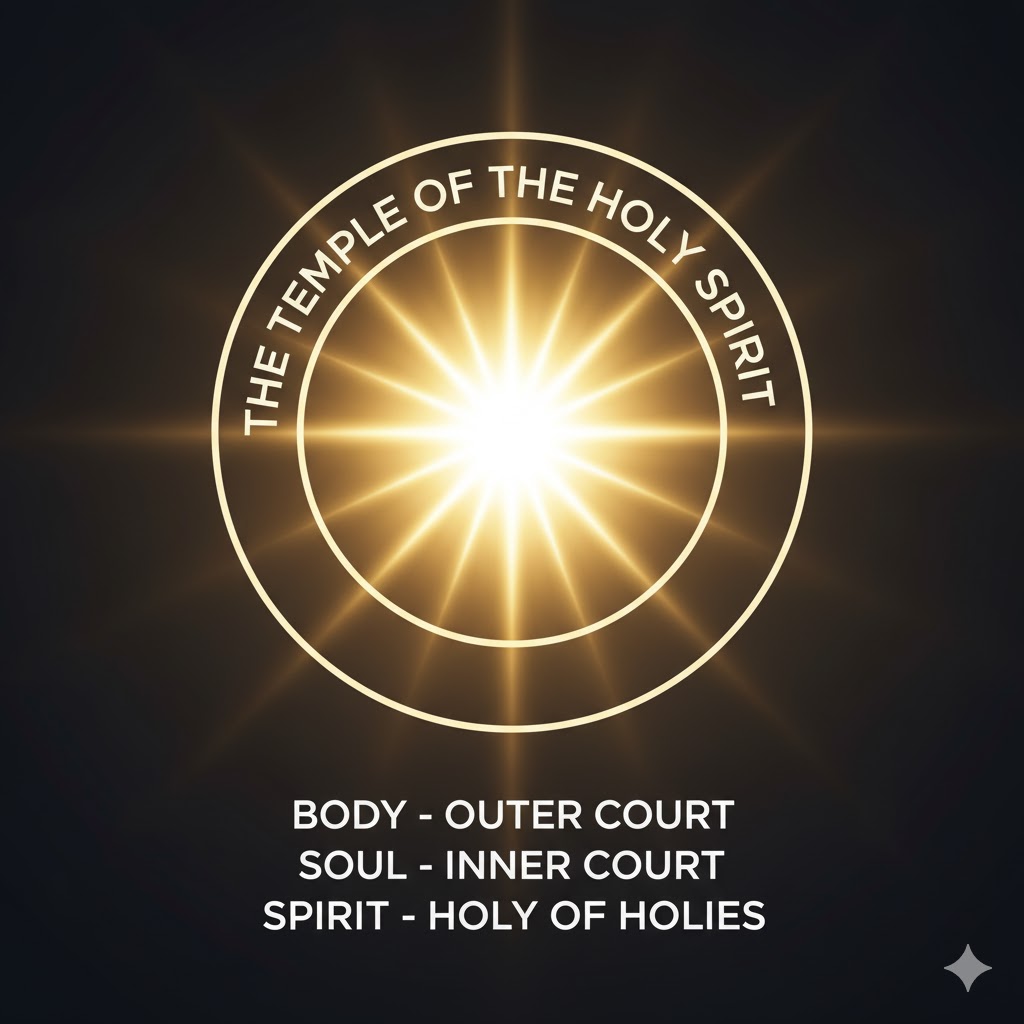
The Temple of the Holy Spirit

(1 Corinthians 6:19–20 KJV)

“What? know ye not that your body is the temple of the Holy Ghost which is in you, which ye have of God, and ye are not your own?”

The human being is a sacred temple composed of three divine courtsthe body (outer court), the soul (inner court), and the spirit (Holy of Holies). Each has spiritual “gates” that must be guarded, purified, and dedicated to God.


🕊 Holy Spirit Gates (The Holy of Holies)

The dwelling place of the presence of God; where communion, revelation, and transformation occur.

  1. Truth Gate – The Spirit of truth guides believers into all understanding.
    • John 16:13: “When he, the Spirit of truth, is come, he will guide you into all truth.”
    • This gate opens discernment and alignment with God’s Word, rejecting deception.
  2. Revelation Gate – Unlocks divine mysteries and heavenly insight.
    • Ephesians 1:17: “That the God of our Lord Jesus Christ… may give unto you the spirit of wisdom and revelation in the knowledge of him.”
    • When open, this gate allows divine secrets to be revealed to the heart.
  3. Intuition Gate – The inner knowing that transcends logic.
    • 1 John 2:27: “Ye need not that any man teach you… the same anointing teacheth you of all things.”
    • The Spirit communicates through an inner sense or divine impression.
  4. Prayer Gate – Connects heaven and earth through constant communion.
    • 1 Thessalonians 5:17: “Pray without ceasing.”
    • This gate fuels spiritual life, keeping the fire of the altar burning within.
  5. Reverence Gate – Produces humility and awe before God’s holiness.
    • Psalm 111:10: “The fear of the LORD is the beginning of wisdom.”
    • Reverence guards against pride, keeping the temple pure and submissive.
  6. Faith Gate – The doorway to the supernatural.
    • Hebrews 11:6: “Without faith it is impossible to please him.”
    • Faith activates miracles and allows the believer to walk in divine authority.
  7. Hope Gate – Sustains endurance through trials.
    • Romans 15:13: “Now the God of hope fill you with all joy and peace in believing.”
    • Hope keeps the spirit alive and focused on God’s promises.
  8. Worship Gate – The highest expression of divine intimacy.
    • John 4:24: “God is a Spirit: and they that worship him must worship him in spirit and in truth.”
    • Worship sanctifies the atmosphere of the spirit, aligning the believer with heaven.
  9. Fear of God Gate – Protects from sin and awakens holiness.
    • Proverbs 14:27: “The fear of the LORD is a fountain of life, to depart from the snares of death.”
    • This gate anchors reverence, obedience, and purity in the believer’s spirit.

💠 Soul Gates (The Inner Court)

The seat of the mind, will, and emotions—where choices are made and spiritual warfare often occurs.

  1. Conscience Gate – The moral compass of the soul.
    • Romans 9:1: “My conscience also bearing me witness in the Holy Ghost.”
    • When pure, it warns against sin; when seared, it allows moral confusion.
  2. Reason Gate – The faculty of understanding and interpretation.
    • Proverbs 3:5–6: “Trust in the LORD… and lean not unto thine own understanding.”
    • This gate must be submitted to divine wisdom rather than worldly logic.
  3. Imagination Gate – The creative and visionary center of the soul.
    • Genesis 6:5: “Every imagination of the thoughts of his heart was only evil continually.”
    • When sanctified, imagination allows believers to visualize God’s glory and promises.
  4. Mind Gate – Governs thoughts, memory, and meditation.
    • Romans 12:2: “Be ye transformed by the renewing of your mind.”
    • A renewed mind brings the soul into harmony with the will of God.
  5. Will Gate – The power of choice and surrender.
    • Deuteronomy 30:19: “Choose life, that both thou and thy seed may live.”
    • This gate determines whether one obeys God or yields to the flesh.
  6. Emotions Gate – The realm of feelings and affections.
    • Proverbs 4:23: “Keep thy heart with all diligence; for out of it are the issues of life.”
    • Emotions must be ruled by the Spirit, not by circumstance.
  7. Choices Gate – Where decisions shape destiny.
    • Joshua 24:15: “Choose you this day whom ye will serve.”
    • Every choice opens or closes access to spiritual blessings.
  8. Will (as Dominion Gate) – Represents alignment of human will with divine purpose.
    • Luke 22:42: “Not my will, but thine, be done.”
    • This final gate in the soul ensures complete surrender to God’s plan.

🕯 Body Gates (The Outer Court)

The physical realm that interacts with the world—where obedience, discipline, and holiness must govern.

  1. Flesh Gate – Represents the fallen nature that seeks its own desires.
    • Galatians 5:17: “The flesh lusteth against the Spirit.”
    • The believer must crucify the flesh daily to keep the temple pure.
  2. Touch Gate – The sense of contact and intimacy.
    • 2 Corinthians 6:17: “Touch not the unclean thing; and I will receive you.”
    • This gate calls for purity and discernment in physical and spiritual connections.
  3. Taste Gate – Governs appetite, both physical and spiritual.
    • Psalm 34:8: “O taste and see that the LORD is good.”
    • Discipline in what one consumes symbolizes satisfaction in God, not excess.
  4. Smell Gate – Symbolic of spiritual discernment and worship.
    • Ephesians 5:2: “A sweet smelling savour.”
    • The anointing oil and incense of worship in the Old Testament mirror this gate’s holiness.
  5. Sight Gate – Controls vision and perception.
    • Job 31:1: “I made a covenant with mine eyes.”
    • What one watches or observes either sanctifies or corrupts the heart.
  6. Hearing Gate – Governs what influences faith and belief.
    • Romans 10:17: “Faith cometh by hearing, and hearing by the word of God.”
    • The ears determine what teachings, music, or words shape the soul.

When the Holy Spirit Gates are active, the believer walks in revelation and divine connection.
When the Soul Gates are renewed, the believer’s emotions, mind, and will align with truth.
When the Body Gates are disciplined, the believer’s actions reflect holiness.

Together, these gates form the Temple of the Holy Spirit—a living, breathing sanctuary through which God manifests His glory.

1 Thessalonians 5:23 (KJV): “And the very God of peace sanctify you wholly; and I pray God your whole spirit and soul and body be preserved blameless unto the coming of our Lord Jesus Christ.”

The human being is a divine masterpiece crafted in the image of God, designed to be a dwelling place for His presence. According to 1 Corinthians 6:19 (KJV), “What? know ye not that your body is the temple of the Holy Ghost which is in you, which ye have of God, and ye are not your own?” This scripture establishes a sacred truth: the human body, soul, and spirit are not merely biological or emotional structures, but holy vessels that mirror the very order of God’s tabernacle.

In the Old Testament, the temple of God had three parts: the outer court, the inner court, and the Holy of Holies. Each part symbolically represents a dimension of our being—the body, the soul, and the spirit. The outer court corresponds to the body, the inner court to the soul, and the Holy of Holies to the spirit. This divine structure reveals that true worship begins within, from the spirit, moving outward to influence the soul and body.

The body is the outer court, the physical representation of the inner life. It interacts with the world through five gates—touch, taste, smell, sight, and hearing. These gates determine what enters and exits, affecting the purity of the temple. 1 Corinthians 9:27 (KJV) says, “But I keep under my body, and bring it into subjection,” reminding believers that the flesh must be disciplined so it does not corrupt what is sacred.

The gate of sight determines vision—what one allows the eyes to behold. Job made a covenant with his eyes (Job 31:1), understanding that the eyes can either glorify God or lead one into temptation. Similarly, the gate of hearing must be guarded, for “faith cometh by hearing” (Romans 10:17), and what we listen to shapes belief and action.

The gate of taste influences appetite and desire. Proverbs 23:2 warns against overindulgence, teaching self-control in what one consumes. The touch gate represents intimacy and connection, reminding believers to “touch not the unclean thing” (2 Corinthians 6:17). Finally, the gate of smell connects to discernment—sensing what is holy versus profane, for in Exodus 30, God gave Moses instructions for the holy anointing oil, a sweet fragrance representing divine worship.

Beyond the body lies the soul, the inner court of human existence. The soul is where thoughts, emotions, and decisions are born. It is the seat of the mind, will, and emotions—the realm where spiritual battles occur. In Luke 21:19, Christ declares, “In your patience possess ye your souls.” This means the believer must govern the soul with divine wisdom and endurance.

The mind gate processes reasoning, imagination, and memory. Romans 12:2 instructs, “Be ye transformed by the renewing of your mind,” because the mind must be renewed daily through Scripture and prayer. The imagination gate, when sanctified, allows believers to envision God’s promises; but when corrupted, it becomes a tool of deception (Genesis 6:5).

The will gate represents choice—the power to obey or disobey. Deuteronomy 30:19 declares, “I have set before you life and death… therefore choose life.” The will determines which voice—God’s or the flesh’s—governs the temple. The emotion gate is deeply tied to worship, for God desires hearts that love Him sincerely. Proverbs 4:23 (KJV) says, “Keep thy heart with all diligence; for out of it are the issues of life.”

The conscience acts as a moral compass, bearing witness with the Spirit to what is right or wrong (Romans 9:1). When the conscience is purified by the blood of Christ, the soul becomes a place of peace and discernment. But if defiled, it leads to confusion and spiritual blindness (Titus 1:15).

The reason gate is where understanding is formed. Proverbs 3:5-6 (KJV) teaches, “Trust in the LORD with all thine heart; and lean not unto thine own understanding.” Reason must be submitted to revelation; for human wisdom alone cannot grasp divine truth.

The deepest part of the human temple is the spirit, the Holy of Holies. Here, communion with God occurs through the indwelling of the Holy Spirit. The spirit has its own gates—faith, reverence, prayer, revelation, intuition, worship, and the fear of God—each essential for divine connection.

The faith gate activates the believer’s trust in God. Hebrews 11:6 declares, “Without faith it is impossible to please Him.” The prayer gate keeps communication open between heaven and earth (1 Thessalonians 5:17). Prayer maintains the fire of the altar within the Holy of Holies, where God’s glory abides.

The revelation gate opens divine mysteries to those who seek truth. Ephesians 1:17 speaks of “the spirit of wisdom and revelation in the knowledge of Him.” The intuition gate allows one to perceive spiritual truths without human logic; it is the inner knowing that comes from the Spirit of God (1 John 2:27).

The reverence gate reflects holy respect and submission before the Lord. Psalm 111:10 declares, “The fear of the LORD is the beginning of wisdom.” Reverence keeps the spirit humble and the heart tender toward God.

The worship gate is the ultimate purpose of the temple—to glorify the Creator. John 4:24 reminds, “God is a Spirit: and they that worship him must worship him in spirit and in truth.” Worship purifies the temple and aligns every gate with heaven’s harmony.

Finally, the fear of God gate establishes holiness. Proverbs 14:27 declares, “The fear of the LORD is a fountain of life.” When this gate is open, sin cannot dominate, and the believer becomes a living sanctuary of divine power.

Thus, the temple of the Holy Spirit is a complete structure—body, soul, and spirit working together in divine order. When every gate is consecrated, the believer lives in alignment with heaven, walking as a vessel of light in a dark world.

The restoration of this temple begins with repentance and ends with transformation. Romans 8:11 declares that the Spirit that raised Jesus from the dead will quicken our mortal bodies. This quickening power renews the entire being, sanctifying each court and gate for God’s use.

Ultimately, the believer’s goal is not mere moral purity, but divine habitation. When the body, soul, and spirit operate in harmony under the authority of the Holy Spirit, heaven finds expression on earth. As Paul writes in 1 Thessalonians 5:23, “And the very God of peace sanctify you wholly; and I pray God your whole spirit and soul and body be preserved blameless unto the coming of our Lord Jesus Christ.”

References
1 Corinthians 6:19–20; Romans 12:1–2; Proverbs 4:23; 1 Thessalonians 5:23; John 4:24; Hebrews 11:6; Deuteronomy 30:19; Psalm 111:10; Ephesians 1:17; Romans 8:11 (KJV).

Biblical Order of the Family

From the beginning of creation, the Most High established divine order in the family as a reflection of His heavenly structure. The family is not merely a social construct—it is a sacred covenant designed to manifest the image of God in the earth. According to Scripture, the divine hierarchy is clear: “But I would have you know, that the head of every man is Christ; and the head of the woman is the man; and the head of Christ is God” (1 Corinthians 11:3, KJV). This is the biblical order of the family—God, Christ, Husband, Wife, and then Children.

Christ stands as the head of the entire family structure because He is the mediator between God and humanity. “For there is one God, and one mediator between God and men, the man Christ Jesus” (1 Timothy 2:5, KJV). His example of sacrificial love, leadership, and righteousness becomes the standard for every husband and father. Through Christ’s covering, the family walks in divine favor and protection.

The husband is called to lead the family under the authority of Christ. He is both protector and provider, priest and prophet of his household. His leadership is not tyranny, but love expressed through service and responsibility. “For the husband is the head of the wife, even as Christ is the head of the church” (Ephesians 5:23, KJV). True headship mirrors Christ’s leadership—sacrificial, wise, and faithful.

The husband’s duty is to protect his home from both spiritual and physical harm. He must guard the hearts and minds of his wife and children through prayer, discernment, and obedience to the Word. Just as Christ shields His church, so must a husband shield his family from ungodly influences. “Husbands, love your wives, even as Christ also loved the church, and gave himself for it” (Ephesians 5:25, KJV).

Provision is another sacred responsibility of the husband. He must ensure his family’s needs are met and that his household lacks nothing necessary for godly living. Scripture warns, “But if any provide not for his own, and specially for those of his own house, he hath denied the faith, and is worse than an infidel” (1 Timothy 5:8, KJV). Provision is not only material—it is also spiritual and emotional.

The husband is also called to lead with wisdom. He must seek divine counsel and govern his household according to biblical principles. A man’s authority is rooted in his submission to Christ. When he walks in righteousness, his leadership brings peace, order, and prosperity. “The steps of a good man are ordered by the Lord” (Psalm 37:23, KJV).

The wife, under this divine order, is the heart of the home. She is called to comfort, teach, and nurture her family with grace and wisdom. “Every wise woman buildeth her house: but the foolish plucketh it down with her hands” (Proverbs 14:1, KJV). Her role complements her husband’s leadership, creating balance and harmony in the home.

The wife’s role is not inferior—it is sacred. She represents the church, the bride of Christ. Her submission is not servitude but alignment with divine order. “Wives, submit yourselves unto your own husbands, as unto the Lord” (Ephesians 5:22, KJV). In doing so, she honors God and strengthens the unity of her family.

The virtuous woman of Proverbs 31 stands as the model of biblical womanhood. She is strong, industrious, wise, and nurturing. “She openeth her mouth with wisdom; and in her tongue is the law of kindness” (Proverbs 31:26, KJV). Her faith anchors her household, her kindness strengthens relationships, and her diligence ensures prosperity.

As nurturer, the wife shapes the emotional and spiritual atmosphere of the home. Her compassion comforts, her words heal, and her prayers intercede. Her strength is gentle but unbreakable. “She looketh well to the ways of her household, and eateth not the bread of idleness” (Proverbs 31:27, KJV). The family thrives under her care and faithfulness.

The children, in this divine structure, are the fruit of the union between husband and wife. They are a heritage from the Lord and must be raised according to His laws. “Lo, children are an heritage of the Lord: and the fruit of the womb is his reward” (Psalm 127:3, KJV). Parents have the sacred duty to train their children in righteousness.

Fathers are commanded to instruct their children with patience and love. “And, ye fathers, provoke not your children to wrath: but bring them up in the nurture and admonition of the Lord” (Ephesians 6:4, KJV). The father’s teaching grounds children in truth, while the mother’s love nurtures their emotional and spiritual development. Together, they shape the next generation.

Children are called to honor and obey their parents as an act of obedience to God. “Children, obey your parents in the Lord: for this is right. Honour thy father and mother; which is the first commandment with promise” (Ephesians 6:1–2, KJV). Obedience brings blessing, long life, and favor. The home flourishes when order is respected and love governs each relationship.

Love is the binding force that holds the family together. Without love, authority becomes oppression, and submission becomes resentment. Love ensures that every role functions with grace and humility. “Let all your things be done with charity” (1 Corinthians 16:14, KJV). The family’s strength lies not in power, but in unity through love.

The biblical family thrives when prayer is its foundation. A praying husband covers his wife and children; a praying wife strengthens her husband; praying children carry on the legacy of faith. “The effectual fervent prayer of a righteous man availeth much” (James 5:16, KJV). Prayer builds spiritual walls around the family that no enemy can breach.

Discipline and instruction are also vital in the biblical home. “Train up a child in the way he should go: and when he is old, he will not depart from it” (Proverbs 22:6, KJV). Discipline guided by love produces respect, order, and wisdom. It teaches children accountability and prepares them to lead their own homes in righteousness.

The biblical order of the family reflects the order of heaven itself. When Christ leads the man, the man leads the home, the woman supports in love, and the children obey with joy, the household becomes a mirror of divine harmony. It is a small kingdom under God’s ultimate reign.

In this divine design, no role is more important than another; each complements the other. The husband’s strength balances the wife’s wisdom. The wife’s nurture balances the husband’s leadership. The children’s obedience completes the circle of love. Together they form a spiritual ecosystem grounded in God’s Word.

When families align with biblical order, blessings flow. Peace reigns, love abounds, and righteousness endures from generation to generation. “Except the Lord build the house, they labour in vain that build it” (Psalm 127:1, KJV). The family built upon God’s foundation will withstand every storm.

Thus, the biblical family is more than a household—it is a living testimony of God’s design for humanity. Christ-centered, husband-led, wife-supported, and child-honoring—this is the order that reflects heaven on earth. When this order is embraced, families not only survive—they thrive, becoming beacons of faith, love, and divine purpose.

References
Holy Bible, King James Version.
1 Corinthians 11:3; 1 Timothy 2:5; Ephesians 5:22–25; 1 Timothy 5:8; Psalm 37:23; Proverbs 14:1; Proverbs 31:26–27; Psalm 127:1,3; Ephesians 6:1–4; 1 Corinthians 16:14; James 5:16; Proverbs 22:6.

The Callings of the Chosen

In every generation, the Most High appoints vessels for divine purpose, shaping them for assignments that transcend time, culture, and earthly understanding. Scripture affirms that purpose precedes existence, declaring, “Before I formed thee in the belly I knew thee” (Jeremiah 1:5, KJV). This sacred foreknowledge reveals that spiritual callings are not random; they are crafted by the sovereignty of God for the restoration of His people and the advancement of His Kingdom.

The Revealer is appointed to unveil truth hidden beneath deception, spiritual blindness, and worldly confusion. Like Daniel, who interpreted dreams and decoded mysteries, revealers operate under heavenly wisdom and divine insight. Through revelation, they expose the schemes of darkness and illuminate the path of righteousness. “He revealeth the deep and secret things” (Daniel 2:22, KJV). Their purpose is to pull back the veil so that truth can lead souls to freedom.

The Breaker is forged for warfare, designed to dismantle generational curses, demonic cycles, and systemic oppression. The Breaker moves with authority, echoing the Messiah who “break in pieces the oppressor” (Psalm 72:4, KJV). This calling requires courage and spiritual resilience, as these individuals confront strongholds and stand boldly against principalities. They are destined to set captives free and disrupt the plans of the enemy.

The Alchemist represents transformation — the divine ability to turn suffering into strength, rejection into refinement, and trials into spiritual treasure. This calling mirrors Joseph’s journey, where tests became testimony, and hardship became preparation for destiny. The Most High turns “beauty for ashes” (Isaiah 61:3, KJV), and through the Alchemist, pain becomes purpose sanctified by heaven’s hand.

The Guardian is called to protect, intercede, and defend. Much like Nehemiah who rebuilt the walls and guarded the city, Guardians stand watch in prayer, vigilance, and faithfulness. Their spiritual armor is essential, fulfilling the mandate to “be sober, be vigilant” (1 Peter 5:8, KJV). They guard families, communities, truth, and righteousness, standing as pillars of divine protection.

The Seer walks in heightened spiritual sight, perceiving beyond the natural realm. Like Ezekiel and Elisha, Seers discern angels, divine messages, and spiritual warfare unseen by ordinary eyes. “Where there is no vision, the people perish” (Proverbs 29:18, KJV). Their prophetic sight guides nations, warns the righteous, and brings clarity where confusion seeks dominion.

The Bridge is chosen to unify — connecting generations, cultures, and spiritual realities. This calling resembles Moses, who bridged the gap between God and Israel. They reconcile and restore, standing between broken hearts and divine healing. “Blessed are the peacemakers” (Matthew 5:9, KJV). Bridges repair breaches and unite the flock for kingdom advancement.

The Awakener stirs souls from spiritual slumber, calling dry bones to rise. Like John the Baptist, they cry aloud to awaken repentance, righteousness, and identity. “Awake thou that sleepest” (Ephesians 5:14, KJV). Their voice shakes complacency and ignites revival in those chosen to walk in truth.

The Healer carries divine compassion and restorative power. Whether through laying on of hands, wise counsel, or comforting presence, they exemplify the heart of Christ who came to “heal the brokenhearted” (Luke 4:18, KJV). Healers minister to spiritual wounds, emotional scars, and physical afflictions through faith and obedience.

The Architect builds systems, structures, and visions aligned with divine order. Like Bezalel, who was filled with the Spirit to construct the tabernacle (Exodus 31:3–5, KJV), these chosen ones design strategies, ministries, and movements grounded in heavenly wisdom. Their work creates environments where God’s glory can dwell.

Each calling requires humility, obedience, and submission to the Most High. Talents and gifts are not merely abilities, but sacred tools for spiritual growth and edification. “A man’s gift maketh room for him” (Proverbs 18:16, KJV). Spiritual gifts, such as prophecy, teaching, healing, wisdom, and discernment, are manifestations of the Spirit for divine purposes (1 Corinthians 12:4–11, KJV).

Chosen vessels may experience solitude, spiritual attack, and misunderstanding because sanctification often precedes manifestation. Like David, who trained in obscurity, they learn private obedience before public anointing. Destiny requires pruning, testing, and stretching to prepare a vessel worthy of kingdom work.

Many are called, but few answer. The chosen walk a narrow path that rejects worldly applause for heavenly assignment. Their identity is anchored in God’s Word and divine purpose, not earthly titles or acclaim. To carry a spiritual calling is to live in surrender, knowing that “the gifts and calling of God are without repentance” (Romans 11:29, KJV).

When the Most High calls, He equips. Moses received Aaron, Jeremiah received divine reassurance, and the apostles received the Holy Spirit. The chosen are never left powerless; they operate in the authority bestowed by the Father. “Not by might, nor by power, but by my spirit” (Zechariah 4:6, KJV).

Divine callings manifest uniquely, yet they share core attributes — faith, perseverance, righteousness, and love. Without love, even the greatest gifts are empty (1 Corinthians 13:2, KJV). The chosen serve not for glory, but for the advancement of God’s Kingdom and the restoration of His people.

Each calling complements the others, forming a divine ecosystem within the body of believers. The Revealer needs the Guardian; the Seer needs the Architect; the Breaker needs the Healer. “For the body is not one member, but many” (1 Corinthians 12:14, KJV). Unity strengthens purpose, and collaboration magnifies impact.

Those called must cultivate spiritual discipline — prayer, fasting, study, and holy living. “Study to shew thyself approved unto God” (2 Timothy 2:15, KJV). Gifting without character leads to destruction, but gifting combined with holiness leads to divine excellence.

Chosen ones carry spiritual authority, yet remain servants first. They model Christ, who washed feet and bore the cross before wearing the crown. The journey demands humility, compassion, and unwavering trust in the Most High’s timing.

Opposition is guaranteed; purpose attracts resistance. Yet the chosen stand firm, knowing that “no weapon that is formed against thee shall prosper” (Isaiah 54:17, KJV). Trials refine the calling, sharpening discernment and deepening faith.

The Most High ordains seasons of elevation and hiddenness. Waiting is not punishment but preparation. Like Esther, Joseph, and David, the chosen discover that divine timing is perfect and purposeful.

Many experience spiritual isolation, not as abandonment, but consecration. Solitude trains the ear to hear God’s voice and the heart to rely on His strength. “Be still, and know that I am God” (Psalm 46:10, KJV).

True calling cannot be imitated or inherited; it is divinely imparted. It is recognized not by noise or titles but by fruit, obedience, and spiritual authority. “Ye shall know them by their fruits” (Matthew 7:16, KJV).

The chosen often feel unqualified, yet this humility positions them to be vessels of glory. God delights in using the unlikely, proving His power through surrendered lives. “God hath chosen the weak things of the world to confound the things which are mighty” (1 Corinthians 1:27, KJV).

As destinies unfold, chosen vessels must remember their source. They are instruments, not originators. The power, wisdom, and revelation they carry come from the Most High, not themselves. “He that glorieth, let him glory in the Lord” (1 Corinthians 1:31, KJV).

Every calling is sacred, and every chosen soul is appointed for impact. Whether seen or unseen, public or private, each assignment advances the Kingdom and restores righteousness. The chosen move is not by coincidence, but by divine design.

The Revealer, the Breaker, the Alchemist, the Guardian, the Seer, the Bridge, the Awakener, the Healer, and the Architect.

Ultimately, the callings of the chosen align with the mission to bring light, truth, justice, and healing in a world darkened by deception and sin. Their lives testify that God is still raising vessels, still speaking, and still performing wonders among His people.

And in the final measure, the chosen long to hear only one affirmation — “Well done, thou good and faithful servant” (Matthew 25:21, KJV). For that reward outweighs every sacrifice, every battle, and every tear. Their calling is eternal, and their purpose is holy.

References
Holy Bible, King James Version.
Jeremiah 1:5; Daniel 2:22; Psalm 72:4; Isaiah 61:3; 1 Peter 5:8; Proverbs 29:18; Matthew 5:9; Ephesians 5:14; Luke 4:18; Exodus 31:3–5; Proverbs 18:16; Romans 11:29; Zechariah 4:6; 1 Corinthians 12; 1 Corinthians 13:2; 1 Corinthians 12:14; 2 Timothy 2:15; Isaiah 54:17; Psalm 46:10; Matthew 7:16; 1 Corinthians 1:27; 1 Corinthians 1:31; Matthew 25:21 (KJV).

Lust of the Eyes, the Lust of the Flesh, and the Pride of Life – Materialism Edition

The human heart has always wrestled with desire, temptation, and the allure of physical possessions. Scripture calls these traps “the lust of the flesh, the lust of the eyes, and the pride of life” (1 John 2:16, KJV). These forces quietly pull souls away from spiritual purpose and into material bondage. This struggle is not new; since Eden, humanity has battled between holy devotion and worldly desire.

The lust of the eyes begins with covetousness. It is the craving birthed by sight—wanting what others have, longing for possessions as proof of status, identity, or worth. Eve saw the fruit and “it was pleasant to the eyes” (Genesis 3:6, KJV), and sight became the doorway to disobedience. Today, that fruit is brand names, luxury lifestyles, praise from strangers online, and validation through appearance.

The lust of the flesh speaks to our physical impulses—pleasure seeking, appetite, indulgence without restraint, and choosing comfort over holiness. This can manifest as sensuality, gluttony, addiction to entertainment, overspending, or craving experiences that excite the flesh but starve the soul. “Walk in the Spirit, and ye shall not fulfil the lust of the flesh” (Galatians 5:16, KJV).

The pride of life is ego—the desire to be exalted, admired, envied, or seen as superior. This pride fuels self-glorification and worldly ambition. Satan offered Jesus “all the kingdoms of the world” (Matthew 4:8-10, KJV), a temptation appealing to pride, power, and recognition. Jesus rejected it, teaching that worship belongs only to God.

We live in a culture where materialism is normalized and spiritual emptiness is disguised with designer labels and curated images. The world teaches us to measure success by what we own, not who we are. But Scripture warns, “A man’s life consisteth not in the abundance of the things which he possesseth” (Luke 12:15, KJV). God values character, not closets.

When identity becomes tied to luxury—cars, jewelry, clothing, homes—our worth becomes fragile. Material status fades, trends change, markets crash, and wealth can vanish overnight. “For riches certainly make themselves wings; they fly away” (Proverbs 23:5, KJV). But identity rooted in God cannot be shaken.

Modern culture rewards excess—lavish vacations, Birkin bags, designer sneakers, luxury cars. None of these things are inherently sinful; the sin emerges when they become idols. It is not the object but the obsession that destroys spiritual clarity. When possessions possess us, we lose sight of eternal purpose.

Many chase luxury not for comfort, but for validation. Social media fuels envy and comparison, making material display a new form of worship. This is the digital golden calf, where likes become praise, and attention becomes glory. But God commands, “Thou shalt have no other gods before me” (Exodus 20:3, KJV).

There is a heavy pressure today to look wealthy—even when people are financially drowning. We sacrifice peace for presentation, savings for status, stability for social approval. We buy to impress people who do not love us. Scripture says, “The borrower is servant to the lender” (Proverbs 22:7, KJV). Debt becomes bondage masquerading as prestige.

Materialism is spiritual warfare disguised as lifestyle aspiration. Satan does not always tempt with sin; sometimes he tempts with shine. He offers glittering chains that feel like glory but operate like slavery. Temporary possessions distract from eternal inheritance. “For what is a man profited, if he shall gain the whole world, and lose his own soul?” (Matthew 16:26, KJV).

God wants His people to prosper (3 John 1:2), but prosperity under God’s law includes wisdom, stewardship, contentment, and purpose—not reckless consumption. Righteous prosperity honours God, builds legacy, blesses others, and aligns with discipline and obedience. Kingdom wealth is not flexing—it is fruitfulness.

Material blessing without spiritual foundation leads to pride, waste, and emptiness. But blessing rooted in obedience protects the heart. “The blessing of the Lord, it maketh rich, and he addeth no sorrow with it” (Proverbs 10:22, KJV). God does not oppose wealth—He opposes idolatry.

The flesh wants what is seen; the Spirit values what is unseen. True wealth is faith, wisdom, spiritual discernment, peace, family, legacy, purpose, and favor from God. These cannot be purchased, and they will never go out of style. They are eternal currency.

The person ruled by lust is never satisfied. New becomes old, enough becomes not enough. Satisfaction fades quickly when desire drives life. But “godliness with contentment is great gain” (1 Timothy 6:6, KJV). Contentment is a spiritual shield against material addiction.

God calls us to be in the world but not of it (John 17:16). We may enjoy blessings without worshipping them. We can steward abundance without boasting in it. We can dress well, live well, and build wealth—while understanding that everything belongs to God.

Instead of asking, “How can I look successful?” the believer asks, “How can I glorify God with what I have?” When your purpose is higher than your possessions, no possession can master you. This is freedom—the kingdom mindset over consumer culture.

Jesus taught simplicity, stewardship, and surrender. He had no mansion, no wardrobe, no throne on earth—yet He had all authority. Our value flows from who we belong to, not what we wear. “Set your affection on things above, not on things on the earth” (Colossians 3:2, KJV).

Believers must examine motives—why do we want what we want? Is it God-led or ego-fed? Is it for Kingdom or vanity? Everything we pursue must pass the test: Will this glorify God or glorify the flesh?

Freedom from material bondage starts with gratitude, discipline, worship, and purpose. It is choosing spiritual riches over surface riches. It is remembering that crowns here tarnish, but crowns in Heaven endure. “Lay up for yourselves treasures in heaven” (Matthew 6:20, KJV).

We are called to love God more than gold, character more than clothes, Kingdom purpose more than earthly applause. Let us choose eternal value over temporary vanity. Because what we chase reveals who we serve.

Materialism: A Warning Against Idolatry.

The pursuit of material possessions can quickly become an idol if it overtakes one’s love for God and obedience to His Word. “For the love of money is the root of all evil: which while some coveted after, they have erred from the faith, and pierced themselves through with many sorrows” (1 Timothy 6:10, KJV). Excessive attachment to wealth or luxury objects can distort priorities, leading to spiritual and emotional harm.

Idolatry is not limited to statues or religious false gods. Anything that commands devotion above God qualifies as an idol, including material wealth, designer goods, or social status. “Thou shalt have no other gods before me” (Exodus 20:3, KJV). When material desires dominate the heart, they replace God’s rightful place.

Social media amplifies materialistic tendencies by constantly showcasing curated lives and luxury. Images of wealth, exotic vacations, and designer brands create comparison traps, convincing viewers that happiness is tied to possessions. “Set not your affection on things on the earth” (Colossians 3:2, KJV).

The urge to show off to others is a natural extension of this material love. Displaying wealth or status to impress peers fosters pride and envy. “When thou doest alms, let not thy left hand know what thy right hand doeth” (Matthew 6:3, KJV). True contentment is not dependent on external validation.

Dangerous illusions arise when materialism is mistaken for fulfillment. Luxury may provide temporary pleasure, but it cannot satisfy the soul. “Vanity of vanities, saith the Preacher, vanity of vanities; all is vanity” (Ecclesiastes 1:2, KJV). Spiritual emptiness often lurks behind outward abundance.

Psychologically, constant desire for more can trigger anxiety, stress, and low self-esteem. Studies in behavioral psychology demonstrate that materialism correlates with depression and diminished life satisfaction (Kasser & Ryan, 2001). Attachment to things rather than purpose undermines long-term happiness.

Advertising and media exploit these tendencies. Companies design campaigns to create dissatisfaction with what one has, encouraging perpetual consumption. “Beware lest any man spoil you through philosophy and vain deceit” (Colossians 2:8, KJV). Recognizing manipulation protects the mind and heart.

Comparisons on social media often lead to feelings of inadequacy. When one measures self-worth by possessions or appearances, envy and resentment grow. “A sound heart is the life of the flesh: but envy the rottenness of the bones” (Proverbs 14:30, KJV). Spiritual perspective offers freedom from these traps.

The display of wealth can also foster false identities. Men and women may adopt personas centered around luxury, seeking admiration rather than authenticity. “He that loveth silver shall not be satisfied with silver; nor he that loveth abundance with increase” (Ecclesiastes 5:10, KJV). True identity is found in Christ, not currency.

Greed often accompanies love of material things. Accumulating more than necessary fosters selfishness, detachment from community, and moral compromise. “Charge them that are rich in this world, that they be not highminded, nor trust in uncertain riches” (1 Timothy 6:17, KJV).

Generosity offers a counterbalance. Giving freely reflects God’s heart and combats the idolization of possessions. “It is more blessed to give than to receive” (Acts 20:35, KJV). Joy arises when wealth is a tool for service, not a source of self-glorification.

Simplicity and contentment are spiritual antidotes. A humble heart finds peace in any circumstance. “I have learned, in whatsoever state I am, therewith to be content” (Philippians 4:11, KJV). Satisfaction is rooted in gratitude, not accumulation.

Material obsession can erode relationships. Friends and family may be neglected in pursuit of status or wealth. “He that loveth father or mother more than me is not worthy of me” (Matthew 10:37, KJV). Prioritizing God and people safeguards relational and spiritual health.

Debt often follows the love of material things. Overspending to maintain appearances burdens the soul and finances. “Owe no man anything, but to love one another” (Romans 13:8, KJV). Living within one’s means demonstrates wisdom and self-control.

Covetousness can escalate to theft, dishonesty, or moral compromise. Desire left unchecked becomes destructive. “Thou shalt not covet… anything that is thy neighbour’s” (Exodus 20:17, KJV). Integrity is compromised when possessions become obsession.

Social comparison also breeds competition and conflict. Communities can fracture when individuals seek to outshine each other materially. “Let nothing be done through strife or vainglory” (Philippians 2:3, KJV). Peace and humility counteract rivalry.

Meditation on God’s provision nurtures gratitude. Remembering that every blessing originates from Him fosters contentment. “Every good gift and every perfect gift is from above” (James 1:17, KJV). This shifts focus from things to the Giver.

The danger of idols extends to self-image. Vanity and obsession with aesthetics parallel material idolization. “Thou shalt not make unto thee any graven image” (Exodus 20:4, KJV). Fixation on appearances distracts from spiritual growth.

True joy is internal, not external. A life grounded in faith, gratitude, and purpose surpasses fleeting pleasure from wealth or social admiration. “But godliness with contentment is great gain” (1 Timothy 6:6, KJV). Spiritual richness offers security that material abundance cannot.

In conclusion, the love of material things carries spiritual, psychological, and social dangers. Idolatry, pride, and comparison can erode peace, integrity, and joy. By cultivating gratitude, contentment, generosity, and faith, one can live fully in every circumstance, avoiding the trap of material obsession and finding true fulfillment in God.


References

  1. Kasser, T., & Ryan, R. M. (2001). Be careful what you wish for: Materialism and its role in social and psychological well-being. Psychology and Consumer Culture, 1-25.
  2. The Holy Bible, King James Version. (1611). Cambridge Edition.
  3. Belk, R. W. (1985). Materialism: Trait aspects of living in the material world. Journal of Consumer Research, 12(3), 265–280.
  4. Richins, M. L., & Dawson, S. (1992). A consumer values orientation for materialism and its measurement: Scale development and validation. Journal of Consumer Research, 19(3), 303–316.
  5. Kinnaman, D. (2011). You lost me: Why young Christians are leaving church… and rethinking faith. Baker Books.

❤️💛 What Is God’s Love? 💛❤️

God’s love is the highest form of love—the purest, most restorative, and most unconditional expression of devotion that exists. In a world filled with artificial affection, surface-level attraction, and self-centered relationships, understanding the nature of God’s love sets us free from counterfeit versions. His love is not based on feelings or convenience—it is rooted in covenant, sacrifice, truth, and eternal commitment (Jeremiah 31:3).

God’s love is agape—divine, sacrificial, unconditional. It is the kind of love that pursues us even when we fall short, forgives us when we repent, and sustains us when the world cannot (Romans 5:8). Human love wavers, but God’s love stays constant. His love is perfect (1 John 4:8).

Human love, at its best, mirrors God’s design—selfless, humble, and rooted in service. But at its worst, human love can become selfish, conditional, performative, and broken. Many people confuse intense emotions with love, but feelings alone are not love; actions, loyalty, and consistency are the true measure (1 Corinthians 13:4-8).

Infatuation masquerades as love but burns out quickly. It thrills the flesh but never feeds the soul. Infatuation is feelings-first; love is commitment-first. Proverbs 31:30 reminds us, “Favour is deceitful, and beauty is vain: but a woman that feareth the Lord, she shall be praised.” Infatuation fades when emotion fades. Love endures through trials.

Fake love flatters but fails when sacrifice is required. Fake love is conditional, selfish, and manipulative. It is often born from insecurity, lust, or desire for control. Scripture warns us of smooth words without integrity: “With flattering lips and with a double heart do they speak” (Psalm 12:2). God does not call us to cling to deception—He calls us to discernment and truth.

God’s love invites us into transformation. It refines us, molds us, and requires surrender. True love requires obedience to His commandments (John 14:15). The world promotes love without accountability, commitment without covenant, desire without discipline—but God’s love demands righteousness.

There are different forms of love in Scripture:
Agape (God’s love), Philia (brotherly love), Storge (family love), and Eros (romantic love). Each has purpose, but agape governs them all. Without God, love becomes distorted. With Him, love becomes fruitful, honorable, and eternal.

Every relationship must be filtered through God’s character. Real love protects, builds, and purifies—not corrupts. “Let all your things be done with charity” (1 Corinthians 16:14). Love is not merely emotion; it is obedience to God’s design—rooted in patience, humility, faith, and truth.

God’s love corrects, not to harm but to refine. “For whom the Lord loveth he chasteneth” (Hebrews 12:6). Love does not ignore wrongdoing; it brings restoration through truth. Love is honest. Love holds accountable. Love leads to holiness.

A godly heart does not weaponize love, nor does it idolize people. When love is rooted in God first, we never lose ourselves trying to hold onto someone who is not meant to stay. When love becomes an idol, pain follows. When God remains the center, peace remains.

God’s love heals wounds humans cannot reach. It restores identity, dignity, and worth. He loved us before we ever knew Him (1 John 4:19). His love is not earned; it is given. And because of that, we learn how to love without losing ourselves.

In romantic relationships, love is a covenant, not a convenience. Marriage is designed to reflect Christ and the Church, a sacred union built on sacrifice, loyalty, and spiritual covering (Ephesians 5:25–28). Love is not lust, and covenant is not casual attachment.

How a Husband Should Love His Wife

Scripture commands: “Husbands, love your wives, even as Christ also loved the church, and gave himself for it” (Ephesians 5:25). A husband must lead with love, protect with strength, guide with wisdom, and sanctify through the Word. Real love provides, prays, guards, and honors.

A godly husband loves with patience, humility, provision, and righteous leadership. He does not dominate—he covers. He does not wound—he builds. His leadership reflects Christ’s tenderness and authority. “Likewise, ye husbands, dwell with them according to knowledge” (1 Peter 3:7).

A godly wife loves through respect, support, and virtue. She nurtures his vision, not competes with it. She brings peace, not chaos. But even this love is first unto God before spouse. Holiness shapes harmony.

The love God commands between husband and wife is sacrificial, serving, and sanctifying. It mirrors heaven on earth when aligned with Scripture. Marriage without God becomes survival; marriage with God becomes ministry.

God’s love forms loyalty. Loyalty is not blindness—it is commitment through truth. Love does not walk away at discomfort, but it walks away from destruction. God’s love honors peace. “God is not the author of confusion” (1 Corinthians 14:33).

To love God is to obey Him. To love others is to reflect Him. Love is proof of discipleship (John 13:35). Love without righteousness is lawlessness; righteousness without love is hardness. God calls us to both.

To love is to serve. To love is to sacrifice flesh for spirit. To love is to forgive while maintaining boundaries. To love is to see others with grace and truth. To love is to stand on God’s Word even when feelings shift.

God’s love is eternal. Human love is fragile without Him. Infatuation ends. Fake love collapses. Carnal love fades. But God’s love remains—the anchor to the soul, the healer of hearts, the standard of holiness, and the blueprint for covenant.

May we seek love that cleanses, not compromises. Love that builds, not breaks. Love that protects, not manipulates. Love rooted in Christ—not culture, not emotion, not ego. For God Himself is love.

“And now abideth faith, hope, charity, these three; but the greatest of these is charity.”
1 Corinthians 13:13 (KJV)

The Divine Standard of Love: God’s Way vs The World ❤️💛

God’s love is the standard against which all love must be measured — sacred, selfless, covenant-centered, and rooted in truth. The world teaches a love that prioritizes convenience, emotion, and personal benefit, but God teaches a love grounded in sacrifice, obedience, and holiness. “For my thoughts are not your thoughts, neither are your ways my ways” (Isaiah 55:8). Where the world says “love is whatever feels good,” God says love is what purifies, protects, and transforms. True love isn’t just affectionate — it is accountable. It doesn’t just comfort — it corrects. It doesn’t just excite — it sanctifies. In a culture that glorifies lust and applauds selfishness, God calls His people to a holy, steadfast, righteous love that reflects His heart — the kind of love that never fails (1 Corinthians 13:8).


❤️💛 Real Love vs Fake Love — Understanding God’s Heart 💛❤️

Real love carries weight — covenant, consistency, sacrifice, and truth. Fake love flatters, but real love transforms. Fake love is loud in public but absent in private; real love is steady in silence and strong in struggle. Fake love demands attention; real love gives devotion. God’s love is the blueprint: “Let us not love in word, neither in tongue; but in deed and in truth” (1 John 3:18). Many have been fooled by emotional excitement, performative romance, and sweet words with no spirit behind them. But God reveals love through action — protection, covering, faithfulness, discipline, forgiveness, and spiritual leadership. Where fake love seeks to be served, real love seeks to serve. To know God is to know love — and to have His Spirit is to discern the counterfeits.


💛❤️ God’s Love, Human Love, and the Counterfeits ❤️💛

Human love, though powerful, is flawed without God — easily swayed by emotion, ego, insecurity, and desire. God’s love, however, is perfect, unchanging, and unconditional (1 John 4:8). When people try to love apart from Him, they often slip into attachment, dependency, idolization, or lust. Counterfeit love imitates affection but lacks the fruit of the Spirit — patience, sacrifice, faithfulness, humility, and self-control (Galatians 5:22-23). When we let God be the architect of our hearts, our love becomes purposed, healed, and rooted in truth. Without God, love becomes survival. With God, love becomes sanctification. His love doesn’t just feel good — it makes us good.


❤️💛 Agape Over Infatuation: What True Love Really Is 💛❤️

Infatuation is emotion-driven, flesh-driven, and fueled by excitement and fantasy — but agape love is spiritual, sacrificial, and enduring. Infatuation rushes; agape remains patient (1 Corinthians 13:4). Infatuation idolizes a person; agape honors God above all. Infatuation thrives on attention and thrill; agape thrives on truth, respect, loyalty, and purpose. Infatuation burns bright and dies fast; agape holds steady when feelings shift and seasons change. The world falls in love quickly and falls out just as fast, but God calls us into love that builds, covers, and commits. Agape love does not blur boundaries — it honors them. It is not fueled by ego or emotion — it is guided by the Spirit. That is why agape love lasts where infatuation collapses.

💛❤️ Love According to God — Not Culture, Not Flesh ❤️💛

Culture pushes a love that is impulsive, self-focused, sensual, and driven by appearance and instant gratification. But love, according to Go,d is patient, pure, intentional, and rooted in spiritual alignment. “Walk in the Spirit, and ye shall not fulfil the lust of the flesh” (Galatians 5:16). God’s love does not chase validation or vanity — it pursues purpose. It is not swayed by trends, emotions, or hormones — it is anchored in covenant, discipline, and truth. Culture celebrates temporary attraction; God honors eternal commitment. The flesh wants to feel good; the Spirit wants to grow strong. To love God’s way is to choose wisdom over impulse, righteousness over desire, and covenant over convenience. Love without God is emotional chaos; love with God is peace, fruit, and divine order.


Your Voice, Your Power

The power of the human voice is immense. Words carry weight, shape perception, and influence both our own lives and the lives of those around us. Proverbs 18:21 (KJV) says, “Death and life are in the power of the tongue: and they that love it shall eat the fruit thereof.” This verse reminds us that speech can either build or destroy, and understanding the spiritual and social significance of our words is essential.

The Spiritual Significance of Speech

God created humans with the ability to communicate, giving us voice as a tool for worship, guidance, and encouragement. Speaking life and truth aligns us with God’s will, while careless or harmful words can lead to destruction (James 3:5-6).

Words Shape Reality

Our words influence thought patterns, relationships, and communities. Positive speech fosters hope, unity, and growth, while negative speech can perpetuate fear, division, and stagnation. Choosing words wisely demonstrates spiritual maturity and faith in action.

The Tongue as a Reflection of the Heart

Jesus taught that the mouth speaks from the abundance of the heart (Matthew 12:34-35). Therefore, cultivating a pure, righteous heart ensures that our words uplift rather than harm, reflecting the inner transformation God desires.

The Power to Inspire

A voice used wisely can inspire courage, faith, and resilience. Prophets in the Bible, such as Isaiah and Jeremiah, used their words to guide nations and individuals, demonstrating that speech has both temporal and eternal impact.

Teaching and Mentorship

Black communities and faith-based networks rely on spoken and written word to educate and empower. Proverbs 22:6 reminds us, “Train up a child in the way he should go: and when he is old, he will not depart from it.” Using our voice to mentor and guide nurtures the next generation.

Words as Tools of Healing

Encouragement and affirmation can heal emotional wounds and restore hope. Scripture emphasizes comforting others through speech: “Comfort ye, comfort ye my people, saith your God” (Isaiah 40:1). Our voice is a divine instrument to bring light in dark places.

Warning Against Destructive Speech

Uncontrolled words can lead to personal and communal harm. James 1:19 warns, “Let every man be swift to hear, slow to speak, slow to wrath,” reminding believers to exercise restraint and discernment in speech.

Speech in Leadership

Leaders wield the power of influence through their words. Moses, David, and Paul demonstrate that effective leadership is intertwined with wise, godly communication that motivates, instructs, and protects their communities.

The Role of Confession and Declaration

Speaking faith-filled declarations over our lives aligns us with God’s promises. Romans 4:17 highlights God’s ability to call things that are not as though they were. Our words can release divine favor and manifest God’s will.

Words Shape Self-Perception

Negative self-talk diminishes confidence, while affirmations rooted in scripture reinforce identity and purpose. Declaring God’s truth over oneself strengthens faith, resilience, and vision.

Community Impact

Our speech affects families, friendships, and society. Words that spread encouragement, truth, and justice amplify positive change and reflect God’s heart for humanity (Ephesians 4:29).

The Digital Age and Voice

Social media has expanded the reach of our words. Posts, comments, and messages carry influence far beyond immediate circles, making responsible, faith-driven communication critical in modern contexts.

Guarding Your Speech

Proverbs 21:23 teaches, “Whoso keepeth his mouth and his tongue keepeth his soul from troubles.” Monitoring our speech protects our relationships, reputation, and spiritual health.

Prayers and Declarations

Speaking prayers aloud strengthens faith and invites divine intervention. Psalm 19:14 says, “Let the words of my mouth, and the meditation of my heart, be acceptable in thy sight, O Lord, my strength, and my redeemer.” Prayerful speech aligns our voice with God’s purpose.

Empowering Others Through Words

Using speech to uplift others creates a ripple effect of empowerment. Encouraging words cultivate confidence, unity, and hope, shaping communities that reflect God’s love.

Overcoming Fear of Speaking

Fear often silences potential. By trusting God, believers can overcome anxiety about their voice. Exodus 4:12 reminds us, “Now therefore go, and I will be with thy mouth, and teach thee what thou shalt say.” God equips us to speak boldly.

Teaching Through Storytelling

Parables and testimonies demonstrate the educational power of speech. Sharing experiences and lessons communicates wisdom and cultural knowledge, fostering connection and understanding.

The Responsibility of Influence

With the ability to influence comes responsibility. Words can uplift or oppress, unite or divide. Using speech wisely honors God, supports community, and reflects spiritual integrity.

Conclusion

Your voice is a divine gift. Through careful, faith-driven speech, you can inspire, heal, and empower. Let your words reflect the heart of God, speaking life into yourself, your community, and the world. Proverbs 18:21 reminds us to wield our tongue with intention, understanding that death and life are truly in its power.


References

  • Proverbs 18:21 – “Death and life are in the power of the tongue: and they that love it shall eat the fruit thereof.”
  • James 3:5-6 – The tongue’s potential for great influence.
  • Matthew 12:34-35 – “Out of the abundance of the heart the mouth speaketh.”
  • Proverbs 22:6 – “Train up a child in the way he should go…”
  • Isaiah 40:1 – “Comfort ye, comfort ye my people…”
  • James 1:19 – “Swift to hear, slow to speak, slow to wrath.”
  • Romans 4:17 – God calls things that are not as though they were.
  • Ephesians 4:29 – “Let no corrupt communication proceed out of your mouth…”
  • Proverbs 21:23 – “Whoso keepeth his mouth and his tongue keepeth his soul from troubles.”
  • Psalm 19:14 – “Let the words of my mouth, and the meditation of my heart, be acceptable in thy sight, O Lord, my strength, and my redeemer.”
  • Exodus 4:12 – “I will be with thy mouth, and teach thee what thou shalt say.”

❤️ When a Man Loves a Woman❤️

Understanding a man’s love can be complex, but the Bible gives timeless wisdom about godly love and how it manifests in action and character. True love is patient, selfless, protective, and rooted in faith (1 Corinthians 13:4-7). A man who loves a woman in a godly way will reflect these principles in his words, actions, and priorities.


1. He Protects and Provides

A man who loves a woman will seek to protect her physically, emotionally, and spiritually, and take responsibility for providing support.
KJV Reference: Ephesians 5:25 – “Husbands, love your wives, even as Christ also loved the church, and gave himself for it.”

  • Love involves sacrifice and stewardship.
  • Providing isn’t always material; it includes guidance, encouragement, and spiritual leadership.

2. He Shows Respect and Honor

A loving man honors a woman’s dignity and treats her with respect.
KJV Reference: 1 Peter 3:7 – “Likewise, ye husbands, dwell with them according to knowledge, giving honour unto the wife, as unto the weaker vessel, and as being heirs together of the grace of life; that your prayers be not hindered.”

  • He listens, values her opinions, and does not belittle her.

3. He Communicates Honestly

A man in love will be transparent and open with his feelings, struggles, and intentions.
KJV Reference: Proverbs 24:26 – “Every man shall kiss his lips that giveth answer wisely.”

  • He speaks truthfully and avoids deception.
  • Communication fosters trust and intimacy.

4. He Seeks Her Best Interests

Love is selfless. A man who loves a woman seeks her spiritual, emotional, and personal growth.
KJV Reference: Philippians 2:3-4 – “Let nothing be done through strife or vainglory; but in lowliness of mind let each esteem other better than themselves. Look not every man on his own things, but every man also on the things of others.”

  • He encourages her dreams, supports her goals, and prays for her.

5. He Is Faithful and Loyal

Commitment is a hallmark of biblical love. A man in love remains loyal in heart, mind, and action.
KJV Reference: Proverbs 20:6 – “Most men will proclaim every one his own goodness: but a faithful man who can find?”

  • Love is shown by consistent faithfulness, not just words.

6. He Shows Patience and Understanding

True love exercises patience, especially during disagreements or challenges.
KJV Reference: 1 Corinthians 13:4-5 – “Charity suffereth long, and is kind; charity envieth not; charity vaunteth not itself, is not puffed up… thinketh no evil.”

  • He listens, forgives, and gives her grace.

7. He Acts with Gentleness and Tenderness

A loving man treats a woman with care and tenderness, honoring her heart and emotions.
KJV Reference: Colossians 3:19 – “Husbands, love your wives, and be not bitter against them.”

  • Love is soft, not harsh; it nurtures rather than criticizes.

8. He Prays for Her and Encourages Spiritual Growth

A man who loves a woman desires her closeness to God and prays on her behalf.
KJV Reference: 1 Thessalonians 5:17-18 – “Pray without ceasing. In every thing give thanks: for this is the will of God in Christ Jesus concerning you.”

  • His love is intertwined with faith and spiritual encouragement.

9. He Invests Time and Attention

Actions speak louder than words. A man in love prioritizes time with a woman, showing that she matters.
KJV Reference: Ecclesiastes 3:1 – “To every thing there is a season, and a time to every purpose under the heaven.”

  • Time spent together builds emotional intimacy and shared life experiences.

10. He Sacrifices Personal Desires

A man who truly loves a woman will sometimes set aside his own preferences to uplift, support, or bless her.
KJV Reference: John 15:13 – “Greater love hath no man than this, that a man lay down his life for his friends.”

  • Sacrifice in love mirrors Christ’s example of selflessness.

Signs a Man Loves You – The Male Files (KJV-Based)

Sign of LoveWhat It Looks LikeScripture Reference (KJV)
Protects and ProvidesSacrifices for your well-being, offers guidance and supportEphesians 5:25 – “Husbands, love your wives, even as Christ also loved the church, and gave himself for it.”
Honors and Respects YouTreats you with dignity, values your opinions1 Peter 3:7 – “…giving honour unto the wife, as unto the weaker vessel…”
Communicates HonestlyShares feelings, intentions, and struggles openlyProverbs 24:26 – “Every man shall kiss his lips that giveth answer wisely.”
Seeks Your Best InterestsEncourages your growth, prays for you, supports your goalsPhilippians 2:3-4 – “Look not every man on his own things, but every man also on the things of others.”
Faithful and LoyalRemains committed in heart and actionProverbs 20:6 – “Most men will proclaim every one his own goodness: but a faithful man who can find?”
Patient and UnderstandingListens, forgives, shows grace1 Corinthians 13:4-5 – “Charity suffereth long, and is kind… thinketh no evil.”
Gentle and TenderTreats you with care, avoids harshnessColossians 3:19 – “Husbands, love your wives, and be not bitter against them.”
Prays for You & Encourages Spiritual GrowthDesires your closeness to God1 Thessalonians 5:17-18 – “Pray without ceasing… for this is the will of God…”
Invests Time and AttentionPrioritizes meaningful moments togetherEcclesiastes 3:1 – “To every thing there is a season, and a time to every purpose under the heaven.”
Sacrifices Personal DesiresPuts your needs above his own when necessaryJohn 15:13 – “Greater love hath no man than this, that a man lay down his life for his friends.”

Conclusion

A man’s love is not measured by fleeting words or material gifts but by consistent, godly actions. He seeks her welfare, honors her as a co-heir of grace, and leads with humility, patience, and faith. Observing these signs, rooted in Scripture, provides clarity for discerning genuine love in a relationship.