
Tag Archives: becoming

✨ The Power of Becoming: How to Break Generational Boxes and Step Into Your True Identity ✨

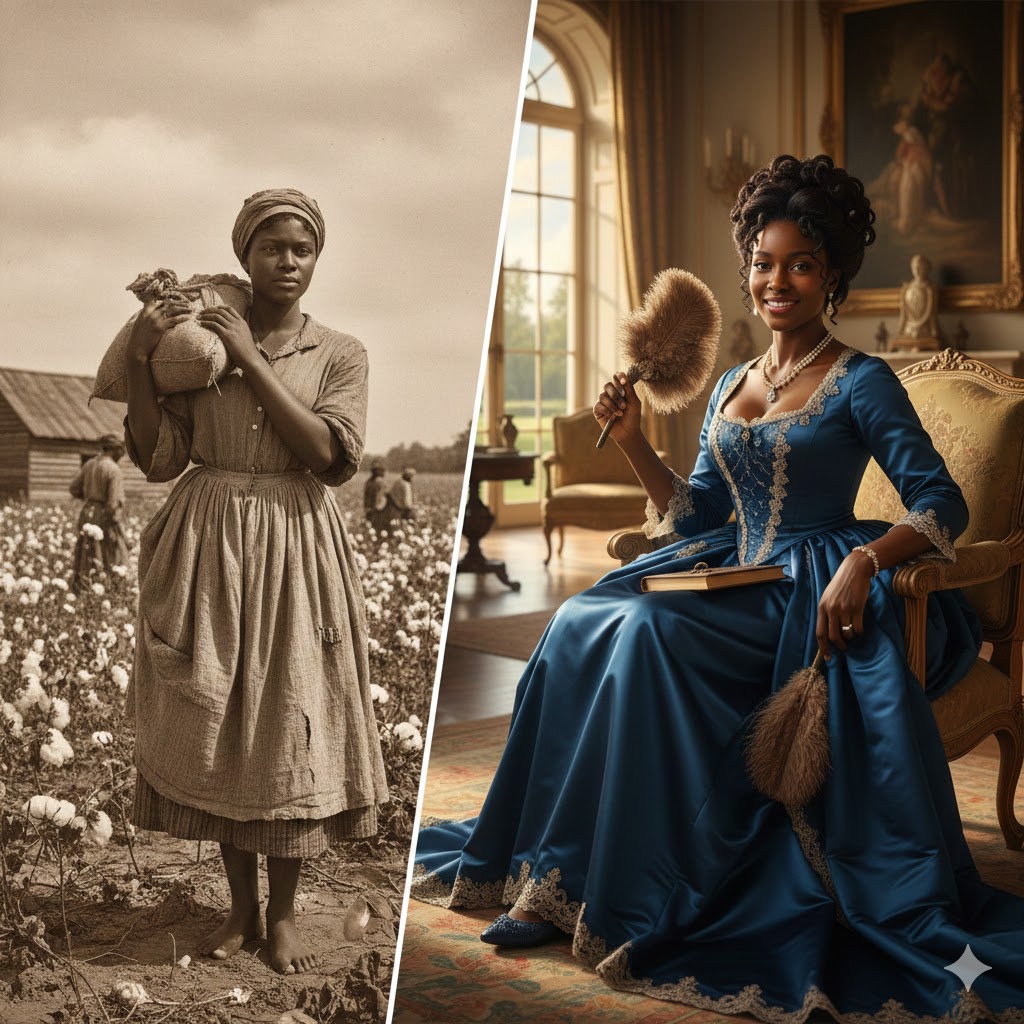
There comes a moment in life when a person quietly realizes that they have outgrown the version of themselves others created. The labels placed on them no longer fit. The expectations others had for them feel too small. The box they were born into becomes suffocating, and the spirit begins to whisper that it is time to evolve. This awakening is the beginning of becoming.

Every person is shaped by their upbringing, their environment, their culture, and their wounds. Identity is often inherited long before it is ever chosen. Families pass down not just traditions, but fears. Communities pass down not just values, but limitations. And society passes down not just opportunities, but stereotypes. For many, the journey of adulthood becomes the slow unraveling of everything that tried to define them.

The process of becoming requires courage. It demands that a person confront the voices that told them who they could not be. It calls them to look in the mirror and see possibility instead of restriction. Scripture teaches, “Be ye transformed by the renewing of your mind…” (Romans 12:2, KJV). Transformation begins internally long before it ever becomes visible externally.

Generational boxes often feel comfortable because they are familiar. People learn to play the roles they were assigned: the strong one, the quiet one, the responsible one, the overlooked one, the helper, the fixer, the dreamer with dreams too big for the room they were placed in. But God never intended for these temporary roles to become permanent identities. When God calls someone to destiny, He breaks the boxes of yesterday to make room for tomorrow.

Becoming requires healing. Many people carry the weight of childhood labels—“too sensitive,” “too loud,” “not smart enough,” “not pretty enough,” “not favored enough,” “not chosen enough.” These lies shape self-perception. They create internal ceilings. But healing dismantles every lie. Healing reminds the soul that it is worthy of taking up space. It whispers what God said all along: “Ye are fearfully and wonderfully made…” (Psalm 139:14, KJV).

As people evolve, they often fear outgrowing those they love. They worry that stepping into a new identity will create distance. But the truth is simple: outgrowing people is not betrayal—it is transformation. When a seed becomes a tree, it doesn’t apologize to the soil. Growth is not an offense; it is a necessity. God calls His children upward, not backward.

Becoming also means releasing old versions of the self that were built on survival. Many people learned to shrink themselves to stay safe, quiet themselves to stay accepted, or dim their brilliance to stay unnoticed. But when God begins a new work in someone’s life, shrinking becomes impossible. “Enlarge the place of thy tent…” (Isaiah 54:2, KJV) is not a suggestion; it is a command to expand.

Stepping into true identity requires embracing divine purpose. Every gift, every talent, every instinct, and every passion is evidence that God intentionally crafted each life. Nothing is random. Nothing is accidental. The calling on a person’s life is written in their spirit, and becoming is the process of aligning with that calling. When God declares, “Behold, I will do a new thing…” (Isaiah 43:19, KJV), it means the old version of self is no longer sufficient for the assignment ahead.

Becoming does not mean perfection. It means movement. It means choosing growth over fear. It means walking with God through the unknown. Like clay in the hands of the potter, identity is shaped, reshaped, stretched, and refined. What emerges is stronger, wiser, and more aligned with truth.

When a person begins to break generational boxes, they also break generational curses. They give the next generation permission to live boldly. They model what it means to step into purpose. They become the first in their family to heal, to dream, to rise, to thrive. The courage of one becomes the blueprint for many.

Becoming also invites a new relationship with God. When people stop defining themselves by their wounds and start defining themselves by His Word, they step into spiritual maturity. The journey becomes less about who they were and more about who He is. Identity becomes rooted in His promises rather than personal history.

The fullness of becoming is found in surrender. It is releasing the old storylines and embracing God’s narrative. It is letting go of fear to walk in faith. It is shedding insecurity to walk in confidence. It is trading comfort for calling. God makes all things new—including identity. “If any man be in Christ, he is a new creature…” (2 Corinthians 5:17, KJV).

Every person has a moment when destiny calls their name. Some whisper. Some roar. Some come through heartbreak. Others arrive through revelation. But the call is always the same: become the version of yourself that God designed, not the version the world demanded.

This is the beauty of becoming. It is freedom. It is a rebirth. It is spiritual elevation. It is stepping boldly into purpose with fire in the heart and God at the center. And once a person begins to walk in their true identity, they never again fit inside the boxes they were once placed in.


References

Biblical (KJV)

2 Corinthians 5:17
Isaiah 43:19
Isaiah 54:2
Psalm 139:14
Romans 12:2Erikson, E. H. (1993). Childhood and society. W.W. Norton.
Hooks, B. (2000). All about love: New visions. William Morrow.
Myers, D. G. (2014). Psychology (11th ed.). Worth Publishers.
Tolle, E. (2004). The power of now: A guide to spiritual enlightenment. New World Library.
Wilson, S. (2021). The psychology of self-worth in women. Oxford Press.

The Beauty of Becoming….

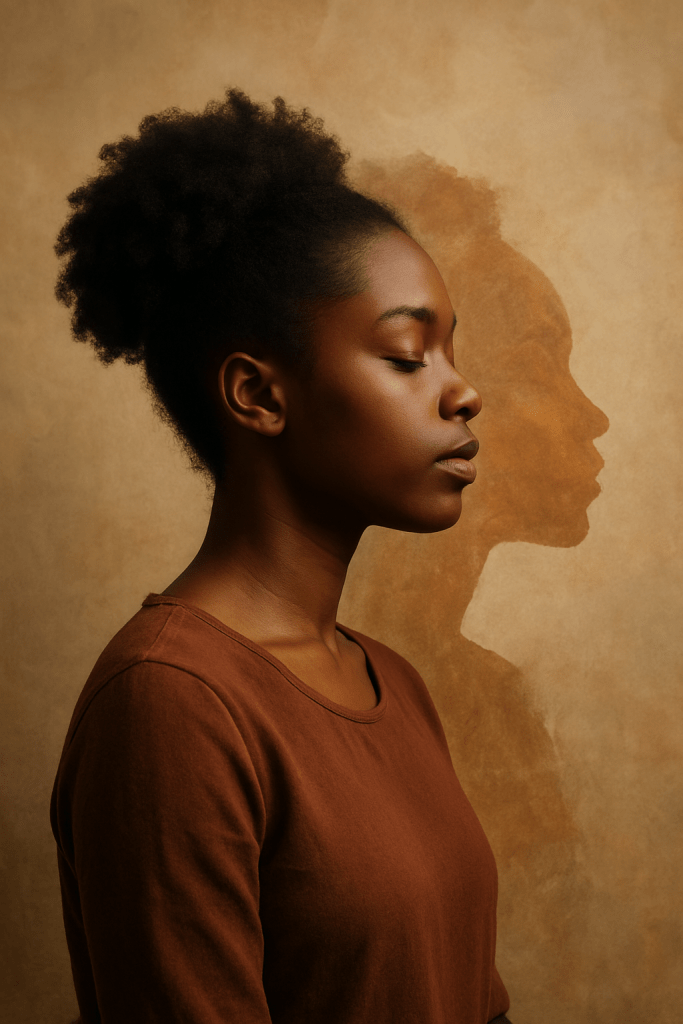
Becoming is a journey, not a destination. It is the quiet unfolding of who we are meant to be, shaped by trials, faith, identity, and the choices we make along the way. The beauty of becoming lies not in perfection, but in the process—the stretching, the learning, the breaking, and the rebuilding that form a life of depth and purpose.

To become anything great, one must first confront the inner landscapes of the soul. This requires honesty, the willingness to face uncomfortable truths, and the courage to shed old versions of oneself. Growth begins where denial ends. It is in those sacred spaces of self-reflection that transformation first takes root.

There is a divine rhythm to becoming. Scripture reminds us that God moves in seasons—“To everything there is a season” (Ecclesiastes 3:1, KJV). Becoming is the unfolding of these seasons: the planting, the watering, the waiting, and the harvest. Each season carries lessons that prepare us for the next.

The beauty of becoming also emerges through struggle. Trials are not curses but catalysts. Hardship refines; adversity illumines; disappointment redirects. What seems like destruction often becomes the fertile soil where destiny grows. Through struggle, we develop endurance and character.

Becoming requires letting go. Letting go of who we used to be, what others expected, and the weight of past mistakes. Release is an act of liberation. The more we loosen our grip on what no longer serves us, the more capacity we create for God to pour in new strength, new vision, and new identity.

There is beauty in vulnerability. Becoming demands that we soften where life has hardened us. It requires openness to healing—emotional, spiritual, relational. When we allow ourselves to feel deeply, we become more human, more compassionate, and more aligned with God’s design for our hearts.

Faith is the anchor of becoming. Without faith, the process feels chaotic and purposeless. With faith, even the unknown becomes sacred territory. Faith allows us to trust that every step, even the painful ones, is divinely ordered and will work together for our good (Romans 8:28, KJV).

The beauty of becoming is dynamic. It is not linear, predictable, or smooth. Some days you leap forward, other days you crawl, and some days you stand still—but you are still becoming. The pauses are part of the process. The setbacks are part of the story. Nothing is wasted.

Becoming teaches patience. We often desire immediate change, instant results, or sudden clarity. But becoming is slow artistry. God does His greatest work in the unseen—beneath the surface, behind the scenes, within the heart. Patience allows us to embrace the pace of grace.

Comparison is the thief of becoming. The moment we measure ourselves against others, we lose sight of our own path. Your becoming will not look like anyone else’s because your calling, your battles, and your blessings are uniquely yours. Embrace your difference as your divine design.

Becoming also involves restoration. The pieces of our past that we thought were broken beyond repair are often the very fragments God uses to create new glory. He is the Potter; we are the clay. In His hands, nothing is wasted, and everything is redeemable.

The beauty of becoming is illuminated through identity. When we know who we are and whose we are, we no longer shrink to fit into the molds of others. We step boldly into our assignment, our gifts, and our God-given authority. Identity fuels transformation.

Relationships also shape our becoming. Some people come to grow us, some to prune us, and some to reposition us. Honor each role. People are part of the curriculum of destiny, teaching us lessons we could never learn alone.

Becoming requires discipline. Dreams without discipline remain fantasies. Purpose demands intentionality—spiritual discipline, mental discipline, financial discipline, emotional discipline. These small, consistent choices shape the future you are building.

There is beauty in embracing change. Change disrupts comfort but expands capacity. Change signals movement, and movement is the heartbeat of becoming. The willingness to adapt, evolve, and be teachable opens doors that stagnation cannot.

Becoming is rooted in self-love—not vanity, but stewardship. To love oneself is to honor the vessel God created, nurture the mind, protect the soul, and speak life into your own journey. Self-love fuels resilience and empowers us to grow with grace.

The beauty of becoming is found in purpose. We are not wandering aimlessly; we are being shaped intentionally. Purpose clarifies decisions, strengthens resolve, and aligns us with the path God designed specifically for us.

Becoming is also sacred because it never ends. As long as we live, we are continually unfolding. New seasons will call forth new versions of you. New challenges will demand new strength. New blessings will require new wisdom. Becoming is a lifelong transformation.

Ultimately, the beauty of becoming reflects the beauty of God’s work within us. We are His workmanship—masterpieces in progress (Ephesians 2:10, KJV). Every chapter, every scar, every triumph, and every tear contribute to the masterpiece He is creating. Becoming is not about reaching a final point, but about becoming more like Christ, more aligned with purpose, and more alive to the fullness of who we are destined to be.

References

Cloud, H. (2016). Necessary endings: The employees, businesses, and relationships that all of us have to give up to move forward. HarperCollins.

Dweck, C. S. (2006). Mindset: The new psychology of success. Random House.

Frankl, V. E. (2006). Man’s search for meaning. Beacon Press.

Houston, J. (2018). The transforming power of prayer: Deepening your friendship with God. HarperOne.

Keller, T. (2013). Walking with God through pain and suffering. Penguin Books.

Lewis, C. S. (1952). Mere Christianity. HarperCollins.

McKnight, S. (2011). The King Jesus Gospel: The original good news revisited. Zondervan.

Piper, J. (2007). When the darkness will not lift: Doing what we can while we wait for God—and joy. Crossway.

Sanders, J. O. (1994). Spiritual leadership: Principles of excellence for every believer. Moody Publishers.

Scazzero, P. (2017). Emotionally healthy spirituality: It’s impossible to be spiritually mature, while remaining emotionally immature. Zondervan.

Tolle, E. (1999). The power of now: A guide to spiritual enlightenment. New World Library.

Willard, D. (1999). The divine conspiracy: Rediscovering our hidden life in God. HarperCollins.

Brown Girl Blueprint: Beauty, Brilliance & Becoming

The journey of a brown girl is one of discovery, resilience, and transformation. Beauty, Brilliance & Becoming reflects the multidimensional essence of her identity—honoring her physical presence, cultivating her intellect, and stepping into her God-given purpose. This blueprint is not merely a guide for success; it is a roadmap to self-realization, confidence, and divine alignment.

Beauty for the brown girl transcends skin tone or societal standards. It encompasses authenticity, self-love, and the embrace of natural features that reflect her heritage. In a world that often equates beauty with Eurocentric ideals, embracing melanin-rich skin, natural hair textures, and unique features becomes an act of reclamation and empowerment. Psalm 139:14 (KJV) reminds her: “I will praise thee; for I am fearfully and wonderfully made.” True beauty begins with recognition of divine design.

Brilliance is the cultivation of the mind, talents, and wisdom. Intellectual growth, creativity, and problem-solving are forms of empowerment that equip the brown girl to navigate life’s challenges. Proverbs 4:7 (KJV) exhorts: “Wisdom is the principal thing; therefore get wisdom: and with all thy getting get understanding.” Brilliance is nurtured through education, mentorship, and deliberate pursuit of excellence.

Becoming is the ongoing process of fulfilling potential. It is the journey of self-discovery, character development, and spiritual alignment. Becoming requires courage—the courage to defy limiting narratives, overcome systemic barriers, and step into spaces where her voice and vision are recognized. Jeremiah 29:11 (KJV) promises: “For I know the thoughts that I think toward you, saith the LORD, thoughts of peace, and not of evil, to give you an expected end.”

The brown girl blueprint encourages intentionality in all aspects of life. It emphasizes self-care, emotional intelligence, and spiritual grounding. By prioritizing mental and physical wellness, she strengthens her ability to contribute meaningfully to her family, community, and world.

Identity is a foundational pillar. Recognizing the value of her ancestry, culture, and heritage empowers the brown girl to stand with confidence in spaces that may not always affirm her worth. Historical context, from African civilizations to modern Black excellence, forms a legacy of resilience and brilliance to be honored and advanced.

Self-expression is also central to this blueprint. Fashion, hair, art, and communication serve as tools for authenticity, creativity, and empowerment. Celebrating individuality fosters confidence and challenges societal stereotypes, allowing the brown girl to claim her narrative.

Relationships shape growth and influence. Surrounding oneself with mentors, peers, and spiritual guides who affirm values, vision, and purpose cultivates an environment where brilliance can flourish. Proverbs 27:17 (KJV) reminds us: “Iron sharpeneth iron; so a man sharpeneth the countenance of his friend.” The right community catalyzes development and accountability.

Education and skill-building are pathways to empowerment. From formal schooling to personal development, knowledge equips the brown girl to navigate systemic challenges and seize opportunities. Intellectual empowerment is inseparable from confidence and spiritual alignment.

Financial literacy and independence are essential components of becoming. Mastery over resources ensures autonomy, reduces vulnerability, and enables her to support herself and her community responsibly. Proverbs 21:20 (KJV) emphasizes prudence: “There is treasure to be desired and oil in the dwelling of the wise; but a foolish man spendeth it up.”

Faith is the anchor of the brown girl blueprint. Spiritual grounding provides clarity, perseverance, and discernment. Prayer, meditation, and alignment with God’s purpose shape decision-making and fortify resilience. Isaiah 40:31 (KJV) promises: “But they that wait upon the LORD shall renew their strength; they shall mount up with wings as eagles; they shall run, and not be weary; and they shall walk, and not faint.”

Resilience is cultivated through embracing challenges as opportunities for growth. Life’s trials refine character, deepen faith, and enhance wisdom. Every setback becomes a stepping stone toward fulfillment and impact.

Self-confidence grows from acknowledging accomplishments, strengths, and potential. The brown girl is encouraged to celebrate victories, however small, as evidence of her brilliance and progression toward purpose.

Leadership is an extension of becoming. Empowered brown girls are equipped to lead with integrity, compassion, and vision. Influence is exercised responsibly, shaping communities and mentoring future generations.

Creativity fuels innovation and personal expression. Art, music, writing, and entrepreneurship allow the brown girl to channel brilliance into tangible contributions that leave lasting impact.

Service and community engagement solidify purpose. Using talents, resources, and knowledge to uplift others reinforces the values of compassion, justice, and stewardship. Strength is measured not only in personal success but in the ability to positively influence the world.

Reflection and self-assessment ensure continuous growth. Regular evaluation of personal goals, values, and spiritual alignment keeps the brown girl on track toward fulfilling her blueprint with intentionality.

Courage underpins every step of the journey. Fear of failure, judgment, or limitation is overcome through faith, resilience, and self-belief. Courage transforms potential into achievement and vision into reality.

Gratitude and humility balance ambition. Recognizing God’s hand, mentors’ support, and ancestral legacy fosters perspective, grounding the brown girl in values that honor both self and community.

Ultimately, Brown Girl Blueprint: Beauty, Brilliance & Becoming is a call to action and a framework for intentional living. It empowers young women to embrace their identity, cultivate their gifts, and step boldly into destiny. Beauty is acknowledged, brilliance is developed, and becoming is actualized—a holistic journey toward purpose, empowerment, and divine fulfillment.


References

Holy Bible, King James Version. (1611). Thomas Nelson.

Guthrie, D. (1994). The NIV application commentary: Proverbs. Grand Rapids, MI: Zondervan.

Wright, C. J. H. (2002). Old Testament ethics for the people of God. Downers Grove, IL: InterVarsity Press.

Rooks, N. (2021). Hair politics: Beauty, culture, and Black identity. New York, NY: Beacon Press.

Harris, T. (2019). Black girls rising: A roadmap to excellence and empowerment. Chicago, IL: University of Chicago Press.