
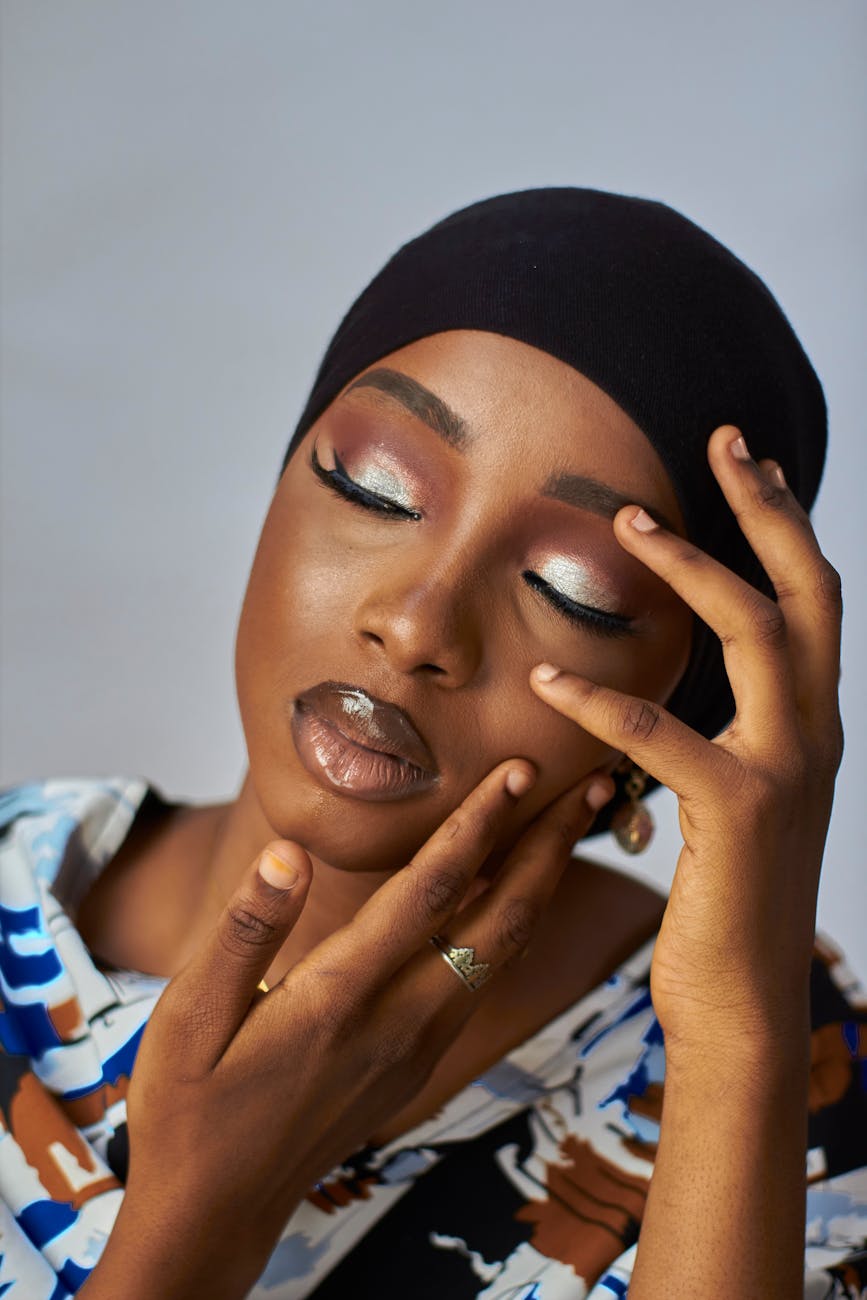
Beauty is often thought of as merely aesthetic, yet psychology reveals that color—especially skin tone—plays a profound role in shaping perception, identity, and self-confidence. Human beings subconsciously associate certain hues with traits, emotions, and social status, influencing both how individuals see themselves and how they are perceived by others. Understanding the interplay between color and psychology provides insight into cultural biases, self-esteem, and the lived experiences of those navigating societal beauty standards.
Color as a Psychological Signal
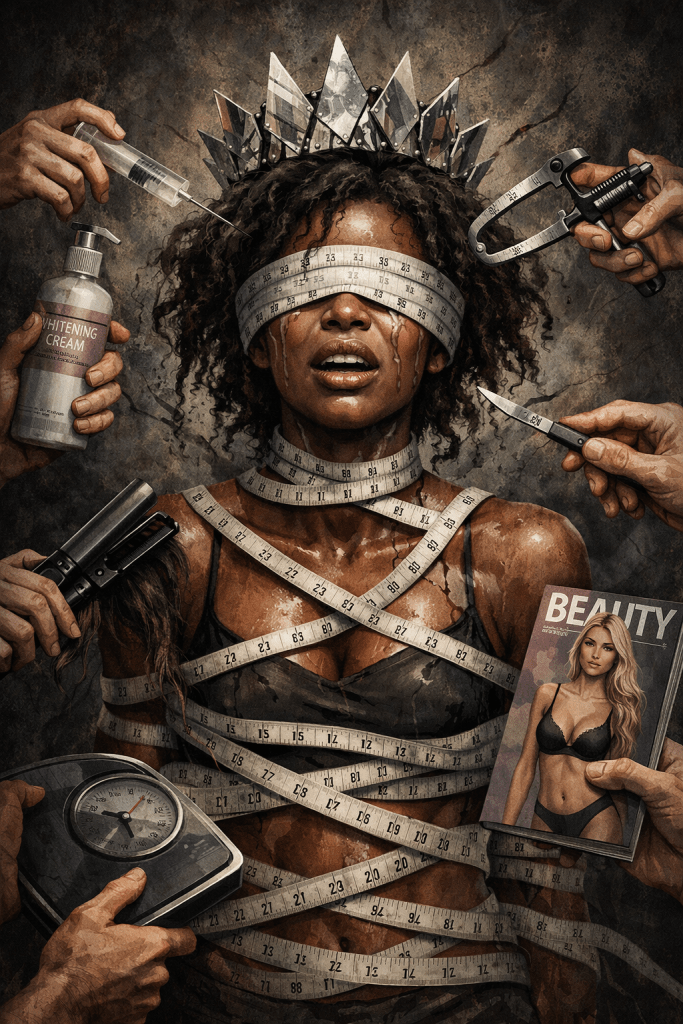
Color conveys meaning beyond its visual appeal. In psychology, it is established that lighter and darker shades can trigger different perceptions. For instance, lighter skin tones are often unconsciously associated with attractiveness, approachability, or social privilege in Eurocentric societies, whereas darker tones may face bias or negative stereotyping (Hunter, 2007). These perceptions are reinforced through media, literature, and cultural narratives, affecting both interpersonal interactions and self-image.
The Impact of Skin Tone on Self-Confidence
Color perception significantly affects self-esteem and confidence. Studies on colorism reveal that individuals with lighter skin often experience social advantages, while those with darker skin may face prejudice, impacting psychological well-being (Russell, Wilson, & Hall, 1992). Conversely, individuals who learn to embrace their natural skin tone and its cultural significance report higher self-esteem and a stronger sense of identity. This demonstrates the critical link between color acceptance and psychological empowerment.
Cultural and Historical Contexts
The meaning attached to skin tone is not innate but culturally constructed. Colonialism, slavery, and global media have historically elevated lighter skin as a standard of beauty, relegating darker tones to marginalization (Hunter, 2005). Across African and diasporic communities, these biases influence dating preferences, professional opportunities, and societal treatment. Recognizing this history is essential to addressing internalized perceptions and fostering authentic self-confidence.
Beauty, Color, and Social Perception
Color does more than shape self-perception—it also dictates social perception. People often unconsciously ascribe personality traits, competence, and attractiveness based on color cues. For example, in professional or social contexts, lighter skin may be associated with approachability or higher status, while darker skin may be unfairly linked to negative stereotypes (Russell et al., 1992). Awareness of these biases is the first step toward challenging them and redefining beauty standards on equitable terms.
Psychological Strategies for Embracing Color
Self-reflection, media literacy, and exposure to diverse representations are key strategies for building confidence in one’s natural hue. Affirmations, community support, and representation in media empower individuals to value their skin tone and resist societal pressures. Celebrating diversity in color not only enhances personal confidence but also shifts cultural narratives about beauty, making them more inclusive and representative.
Melanin and Power: Thriving with Confidence in a World of Color Bias
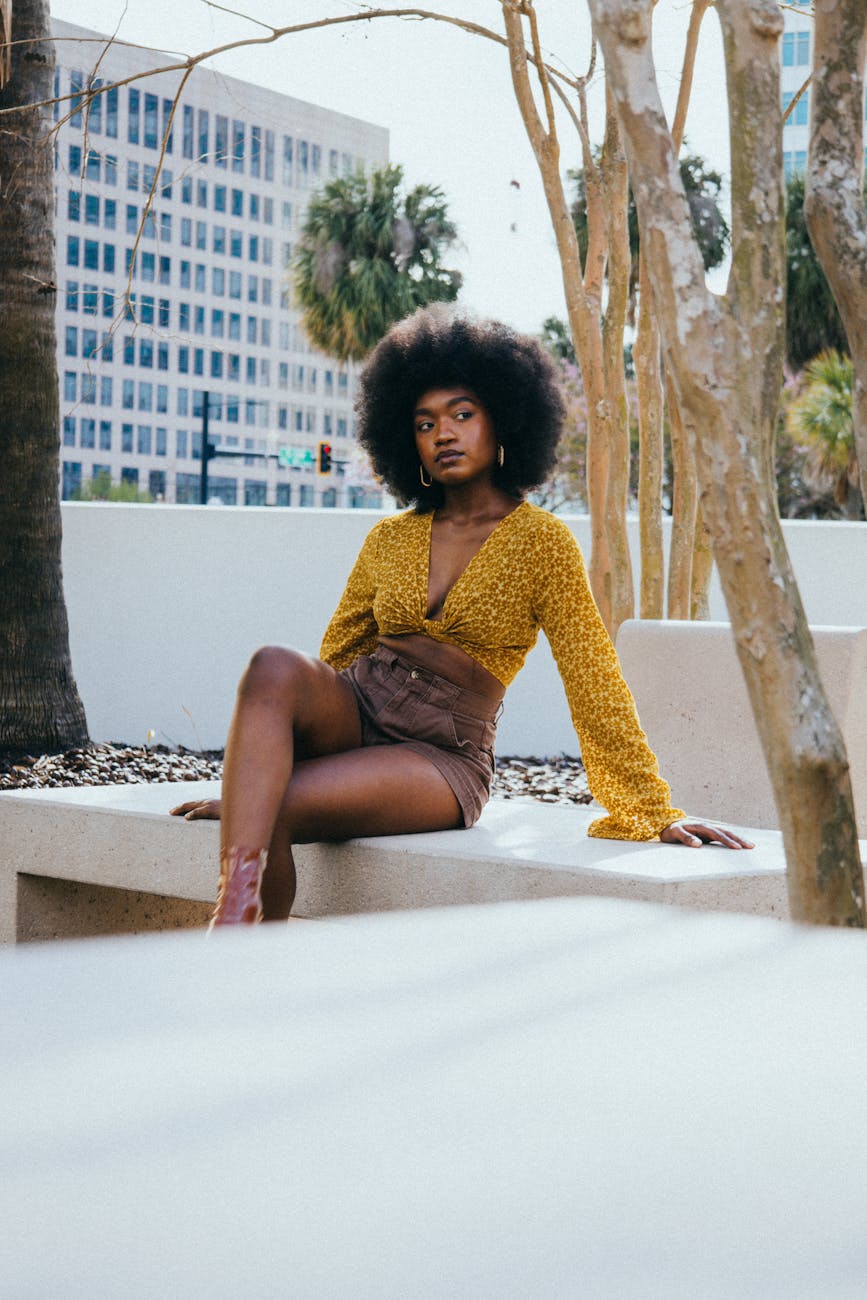
Melanin-rich skin is a source of natural beauty, resilience, and identity. Yet, across cultures and history, darker tones have often been devalued, creating psychological and social challenges for those who bear them. Understanding the intersection of melanin, perception, and confidence allows individuals to embrace their skin fully, redefine beauty standards, and thrive in environments shaped by bias.
The Science of Melanin and Its Beauty
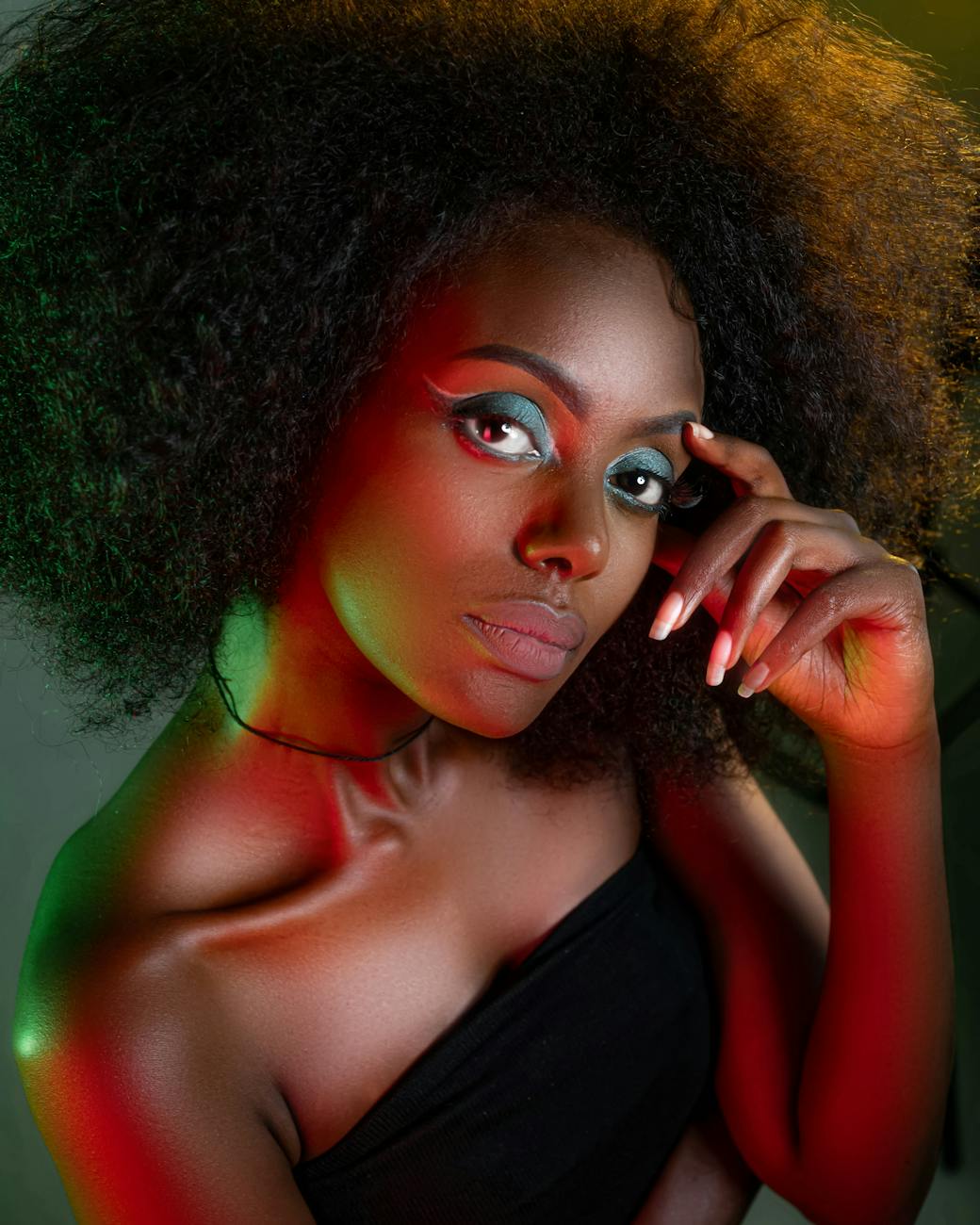
Melanin, the pigment responsible for skin color, offers protection against UV radiation and contributes to youthful, resilient skin. Beyond its biological function, melanin-rich skin carries deep cultural and ancestral significance. It symbolizes survival, heritage, and the legacy of African and diasporic communities, reminding those who bear it of strength passed down through generations.
Psychological Effects of Color Bias
Colorism—the privileging of lighter skin tones over darker ones—has measurable effects on self-esteem and social confidence. Studies show that darker-skinned individuals may experience discrimination in education, employment, and social settings, impacting psychological well-being (Hunter, 2007). Internalizing societal bias can lead to diminished self-worth, while embracing one’s natural shade correlates with higher confidence and identity affirmation.
Empowerment Through Representation
Representation matters. Celebrities like Lupita Nyong’o, Viola Davis, Idris Elba, and Michaela Coel showcase the elegance, power, and beauty of melanin-rich skin on global platforms. Their visibility challenges stereotypes, promotes diversity, and provides role models for younger generations. When media reflects the richness of skin tones, it reinforces positive self-perception and inspires confidence.
Strategies for Thriving with Melanin-Rich Skin
- Self-Affirmation: Regularly celebrate your skin tone with affirmations and reflection. Recognize its uniqueness and beauty.
- Community Support: Surround yourself with mentors, friends, and communities that uplift all shades of melanin.
- Media Literacy: Critically assess media portrayals of beauty and seek diverse, inclusive representations.
- Cultural Reclamation: Learn and honor the history, heritage, and achievements of people with melanin-rich skin.
- Personal Presentation: Embrace hairstyles, fashion, and skincare routines that make you feel empowered and confident.
The Spiritual Dimension
Scripture celebrates the beauty of all skin tones. The Bible affirms that beauty and dignity are inherent, not contingent on societal approval (Song of Solomon 1:5 KJV: “I am black, but comely, O ye daughters of Jerusalem”). Recognizing the spiritual value of melanin-rich skin reinforces self-love and counters societal pressures that seek to devalue it.
Conclusion
The psychology of beauty underscores that color is more than an aesthetic feature—it is a social and psychological signal that shapes perception, confidence, and identity. By understanding how color influences both self-image and societal treatment, individuals and communities can challenge biases, embrace diversity, and cultivate authentic self-esteem. True empowerment lies in recognizing the inherent value of every shade and redefining beauty beyond narrow cultural constructs. Thriving with melanin-rich skin is both a personal and collective journey. By embracing color, challenging bias, and seeking representation, individuals cultivate self-confidence and redefine beauty standards. Every shade of melanin tells a story of resilience, legacy, and power—reminding the world that true beauty is not dictated by society, but by self-acceptance, pride, and celebration of heritage.
References
- Hunter, M. (2005). Race, Gender, and the Politics of Skin Tone. Routledge.
- Hunter, M. (2007). The Persistent Problem of Colorism: Skin Tone, Status, and Inequality. Sociology Compass, 1(1), 237–254.
- Russell, K., Wilson, M., & Hall, R. E. (1992). The Color Complex: The Politics of Skin Color in a New Millennium. Anchor Books.
- King James Bible


 THE BROWN GIRL DILEMMA