Tag Archives: beauty personified

The Ebony Dolls: Vanity (Denise Matthews)

From Canadian beauty queen and pop icon to born-again Christian minister
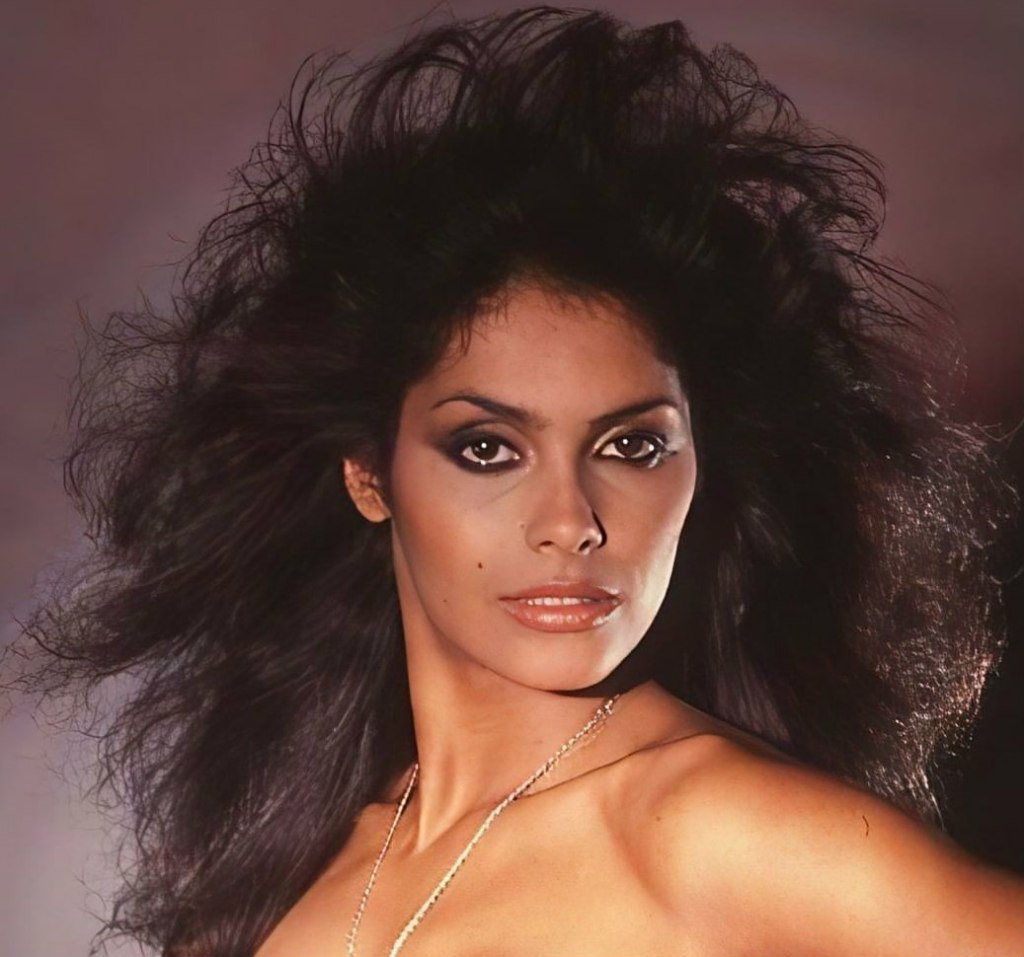
This photograph is the property of its respective owners. No copyright infringement intended

She looked like a mirror of me. I saw her and thought, that’s me in female form.” — — Prince

Denise Matthews, known to the world as Vanity, embodied a rare and arresting form of beauty—one that felt almost mythic. With her almond-shaped eyes, glowing skin, racially ambiguous features, and effortless beauty, she represented the archetype of the 1980s “Ebony Doll”: a woman whose presence commanded attention before she ever spoke a word. Vanity was not merely admired; she was desired, elevated into fantasy, and projected onto screens and stages as an icon of glamour and Black feminine mystique.

Yet the most profound chapter of her life unfolded far from the spotlight. After years of fame, addiction, and near-death, Vanity experienced a spiritual awakening that led her to renounce celebrity culture entirely. She publicly surrendered her stage name, calling it a false identity, and dedicated the rest of her life to Jesus Christ and Christian ministry. In doing so, she became one of the rare figures in pop history whose legacy is not defined only by beauty and desire, but by repentance, faith, and radical transformation—an “Ebony Doll” who walked away from the world to choose God.

Denise Katherine Matthews (January 4, 1959 – February 15, 2016), professionally known as Vanity, was a Canadian model, singer, songwriter, actress, and later a Christian evangelist. She rose to global fame in the early 1980s as the frontwoman of the provocative pop-funk group Vanity 6, created and produced by Prince. Her life became a powerful narrative of beauty, fame, addiction, redemption, and spiritual rebirth.


Denise Matthews was born in Niagara Falls, Ontario, Canada. She was of mixed racial heritage, with a Black father and a mother of German and Jewish descent. From a young age, Denise gravitated toward modeling and performance. She entered beauty competitions and gained national recognition when she won Miss Niagara Hospitality (1977) and later competed in Miss Canada (1978). These early achievements established her as a rising figure in Canadian beauty culture and opened doors to professional modeling. She was one of the most beautiful celebrities.


This photograph is the property of its respective owners. No copyright infringement intended

Following her pageant success, Matthews relocated to New York City, where she signed with the prestigious Zoli Model Agency. Though she did not fit traditional high-fashion height standards, her magnetic presence, camera appeal, and sensual confidence made her highly marketable. She appeared in commercials, print advertisements, and international modeling campaigns, including work in Japan.

Her early image combined innocence and eroticism, foreshadowing the bold persona she would later embody as Vanity.


Denise’s career took a dramatic turn after meeting Prince at the 1980 American Music Awards. Prince saw in her a female reflection of his own artistic identity and envisioned her as the centerpiece of a new musical project.

Originally, Prince proposed highly explicit stage names, but Denise refused one of them and accepted “Vanity” instead. The name symbolized both beauty and self-obsession—qualities that became central to her public persona.
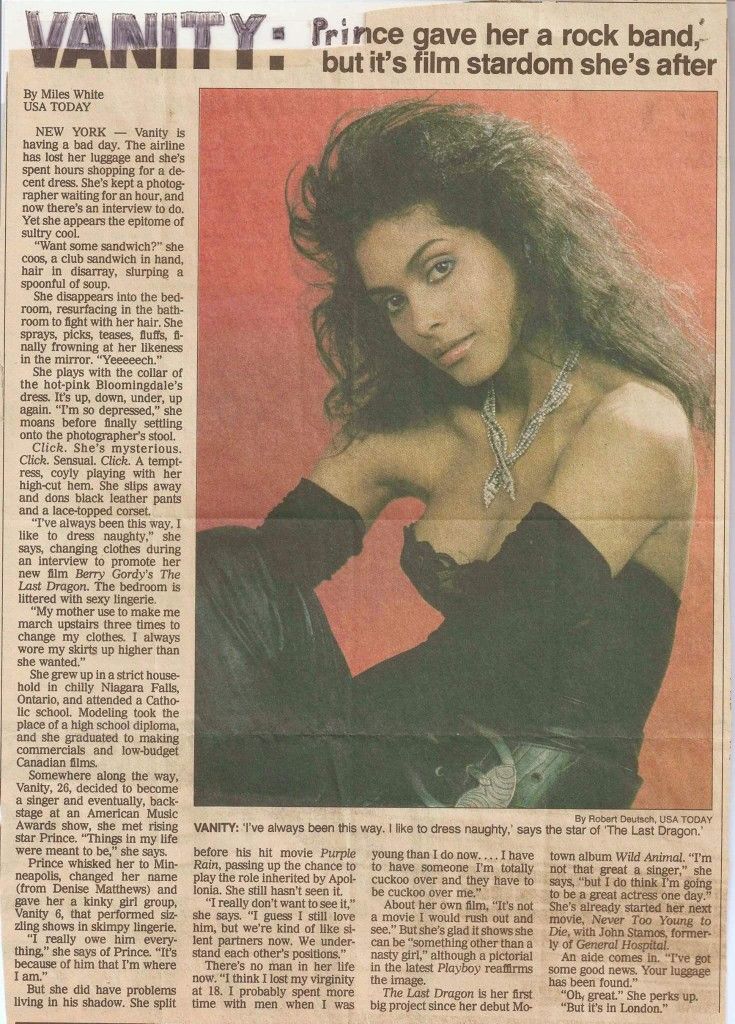
USA Today

Prince formed Vanity 6, a three-woman group that blended sexual imagery, synth-funk music, and provocative performance aesthetics. The group’s lingerie-styled outfits and explicit lyrics made them cultural lightning rods.

Their breakout hit “Nasty Girl” (1982) became a defining anthem of the decade, reaching #1 on the U.S. Billboard Dance Chart and turning Vanity into a global sex symbol.


After leaving Vanity 6, Denise signed with Motown Records and launched a solo career. She released two albums:

  • Wild Animal (1984)
  • Skin on Skin (1986)

Her single “Under the Influence” charted on Billboard’s R&B and Dance rankings.

In parallel, she pursued acting, appearing in major films including:

  • The Last Dragon (1985)
  • 52 Pick-Up (1986)
  • Never Too Young to Die (1986)
  • Action Jackson (1988)

Vanity became one of the most visible Black female celebrities of the era, blending beauty, sexuality, and pop culture power.
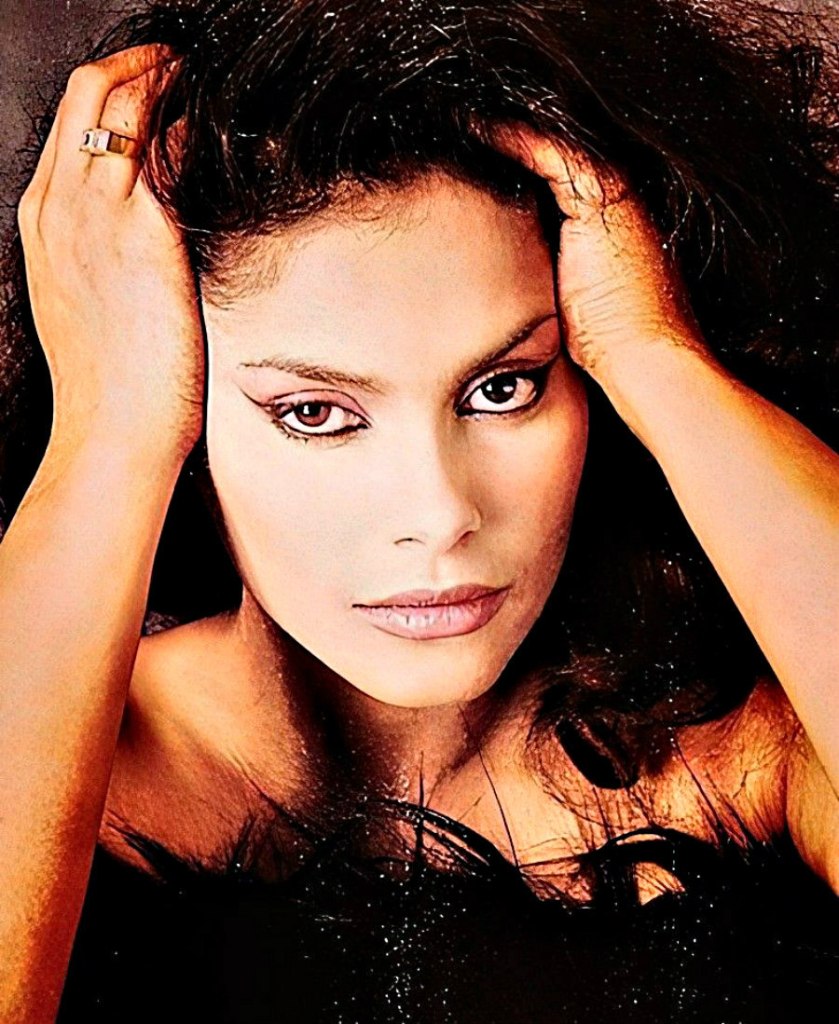
This photograph is the property of its respective owners. No copyright infringement intended

Vanity’s beauty and fame attracted high-profile relationships throughout the 1980s, including musicians and rock stars. However, behind the glamorous image were deep struggle with substance abuse.

In 1995, she married former NFL player Anthony Smith after a brief courtship. The marriage ended in divorce, and Smith later became infamous after being convicted of multiple murders and receiving life imprisonment. This period marked a traumatic chapter in her personal life.


By the early 1990s, Vanity’s cocaine addiction had devastated her health. In 1994, she suffered near-fatal kidney failure. During her hospitalization, she reported a spiritual encounter with Jesus Christ, which she described as a divine intervention that saved her life.

She immediately renounced the “Vanity” persona, abandoned secular entertainment, and became a born-again Christian evangelist.

This photograph is the property of its respective owners. No copyright infringement intended

Denise founded Pure Hearts Ministries in California and dedicated her life to preaching, counseling, and sharing her testimony about spiritual transformation, repentance, and redemption.

She later published her autobiography:
Blame It On Vanity: Hollywood, Hell and Heaven (2010), detailing her journey from fame to faith.


Years of substance abuse permanently damaged her kidneys. She underwent a kidney transplant in 1997 and later suffered from sclerosing encapsulating peritonitis, a rare and painful abdominal disease.

After multiple surgeries and long-term dialysis, Denise Matthews died on February 15, 2016, at age 57, in Fremont, California, from kidney failure.


Vanity remains a symbol of Black feminine beauty, erotic power, and cultural transformation. As an “Ebony Doll,” she embodied the intersection of beauty, visibility, and spirituality—first as a singer-actress and later as a woman who publicly rejected celebrity culture in favor of faith.

Her life stands as a rare testimony of radical personal change within the entertainment industry, illustrating the spiritual cost of fame and the possibility of redemption.


References

Matthews, D. (2010). Blame It On Vanity: Hollywood, Hell and Heaven. Destiny Image Publishers.

Vanity. (n.d.). In Wikipedia. https://en.wikipedia.org/wiki/Vanity_(singer)

Vanity 6. (n.d.). In Wikipedia. https://en.wikipedia.org/wiki/Vanity_6

Nasty Girl (Vanity 6 song). (n.d.). In Wikipedia. https://en.wikipedia.org/wiki/Nasty_Girl_(Vanity_6_song)

Time Magazine. (2016). Vanity, singer and actress, dies at 57. https://time.com/4225112/vanity-denise-mathews-dead/

The Washington Post. (2016). Denise Matthews, troubled pop singer known as Vanity, dies at 57.

Vogue. (2016). Vanity’s legacy: Prince, pop culture, and the erotic imagination.

AOL Entertainment. (2016). Denise “Vanity” Matthews dies at 57.

Billboard. (1984–1986). Chart history for “Under the Influence”.
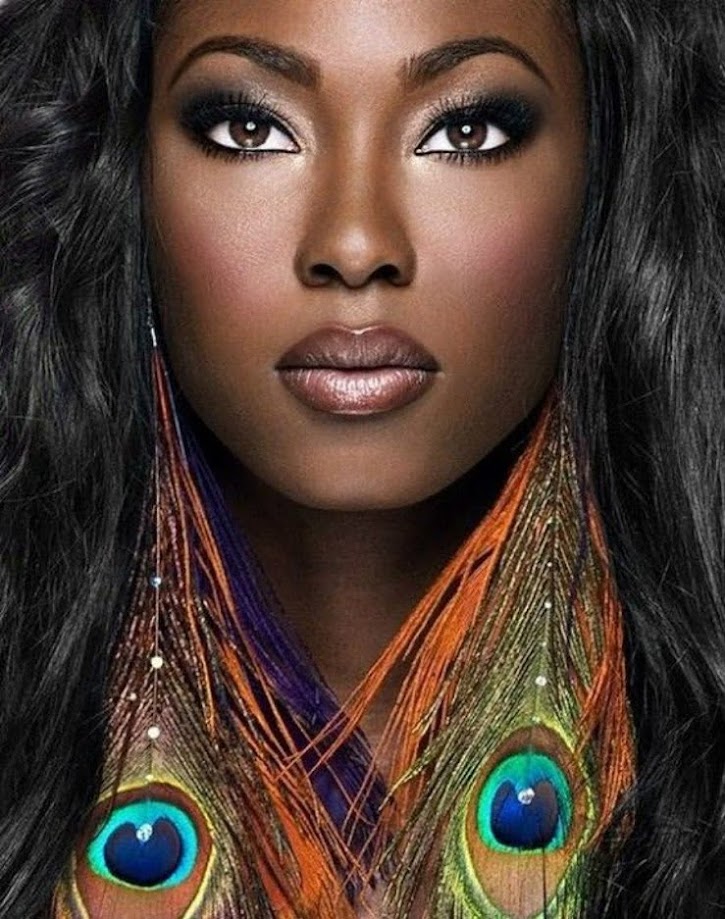
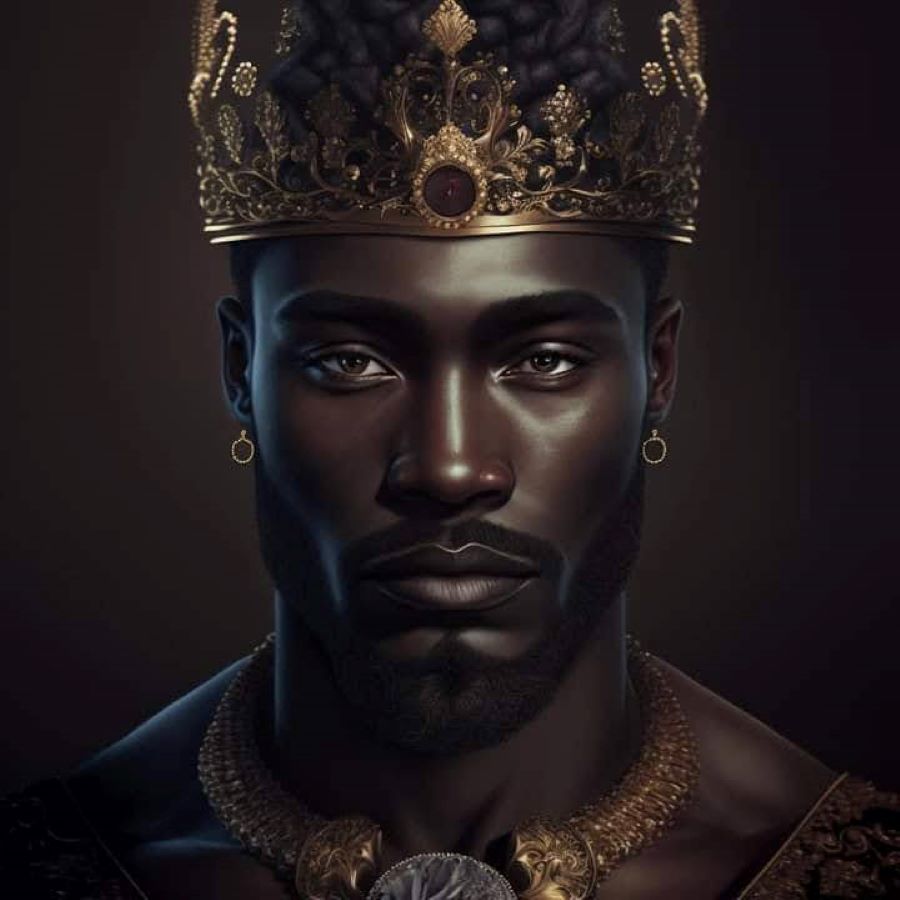
Beauty Personified: The History of the Black Aesthetic.

This photograph is the property of its respective owner. No copyright infringement is intended.

Black beauty has always been a reflection of resilience, identity, and cultural heritage. Long before colonial influence and Eurocentric beauty ideals, African peoples celebrated diverse features, skin tones, and hair textures as markers of pride and identity (Byrd & Tharps, 2014). Beauty was never simply aesthetic; it was political, spiritual, and social.

In ancient Africa, beauty standards varied across regions but consistently emphasized harmony with nature and individuality. Facial symmetry, body proportions, and elaborate adornments were expressions of status, spirituality, and lineage. Scarification, body paint, and jewelry communicated wealth, maturity, and tribal identity (Banks, 2000).

Biblically, beauty carries spiritual significance. In 1 Samuel 16:7 (KJV), God instructs, “For the LORD seeth not as man seeth; for man looketh on the outward appearance, but the LORD looketh on the heart.” This verse underscores that Black beauty is multidimensional: outwardly expressive yet inwardly spiritual.

Hairstyles have historically been central to Black beauty. Cornrows, braids, and locs served as both artistic expression and social communication, reflecting age, marital status, and even spiritual allegiance (Roach, 2018). Hair was, and remains, an essential component of identity and aesthetic.

Skin tone was celebrated within African societies, with varying hues symbolizing status, tribe, or seasonal adaptation. While European colonization attempted to devalue darker skin, pre-colonial Africa embraced a spectrum of melanated beauty (Thompson, 2009).

Facial features such as full lips, wide noses, and high cheekbones were considered attractive and emblematic of lineage and strength. Sculptures, masks, and paintings from ancient African civilizations, including Egypt and Mali, reflect admiration for these traits (Diop, 1987).

Adornment and clothing further expressed beauty. Beaded jewelry, headwraps, and patterned textiles were not only aesthetic but signified intelligence, creativity, and societal role. A well-adorned individual reflected personal and communal pride.

With the advent of slavery, Black beauty faced systemic devaluation. Enslavers imposed European standards, ridiculing African features and promoting straight hair, lighter skin, and narrower noses as ideals. This caused intergenerational psychological and social trauma (Byrd & Tharps, 2014).

Despite this, enslaved Africans maintained beauty practices as a form of resistance. Braiding patterns preserved African heritage, and adornments symbolized hope, dignity, and communal identity (Painter, 2006). Beauty became an act of defiance.

The Harlem Renaissance marked a renaissance of Black beauty and culture. Artists, writers, and performers celebrated Black features, skin tones, and hair textures as central to American identity, countering racist narratives (Huggins, 1971).

In the 1960s and 1970s, the natural hair and “Black is Beautiful” movements elevated African features as symbols of pride and resistance. Afros, locs, and braids became political statements, asserting self-love and cultural reclamation (Craig, 2002).

Black women and men used fashion, makeup, and hair to reclaim aesthetic sovereignty. Iconic figures like Cicely Tyson, Nina Simone, and Angela Davis redefined mainstream perceptions of beauty, highlighting authenticity and heritage over assimilation.

Hollywood and the media often misrepresented Black beauty, favoring Eurocentric standards. Nevertheless, contemporary artists, models, and public figures have increasingly embraced and normalized natural textures, darker skin, and African features in global spaces (Banks, 2000).

Cosmetic entrepreneurship has played a vital role in celebrating Black beauty. Madam C.J. Walker, Annie Malone, and modern beauty brands empower communities while creating products specifically for Black skin and hair, affirming beauty in its natural form (Walker, 1910).

Colorism, a residual effect of colonialism, remains a challenge. Preferences for lighter skin and European features still influence perceptions of attractiveness within Black communities, revealing the ongoing negotiation of identity and self-esteem (Hunter, 2007).

Social media has reshaped beauty discourse, enabling Black creators to challenge standards, share hair and skin care tips, and celebrate diverse aesthetics. Platforms have become modern-day salons and classrooms, fostering education and empowerment (Twine, 2010).

Beauty intersects with spirituality in Black communities. Proverbs 31:30 (KJV) states, “Favor is deceitful, and beauty is vain: but a woman that feareth the LORD, she shall be praised.” Black beauty is thus not only physical; it is entwined with moral character, resilience, and divine favor.

The global influence of Black beauty is evident in fashion, music, and popular culture. African features inspire designers, musicians, and artists worldwide, reshaping perceptions of elegance, style, and power (Henderson, 2008).

In conclusion, Black beauty is multidimensional—historically rooted, culturally expressive, and spiritually significant. From pre-colonial Africa to contemporary global spaces, Black people have navigated oppression while reclaiming, redefining, and celebrating their natural features. Beauty is not merely skin deep; it is identity, resilience, and glory personified.


References

  • Banks, I. (2000). Hair matters: Beauty, power, and Black women’s consciousness. NYU Press.
  • Byrd, A., & Tharps, L. (2014). Hair story: Untangling the roots of Black hair in America. St. Martin’s Press.
  • Craig, M. L. (2002). Ain’t I a beauty queen?: Black women, beauty, and the politics of race. Oxford University Press.
  • Diop, C. A. (1987). The African origin of civilization: Myth or reality. Chicago Review Press.
  • Henderson, C. (2008). Black aesthetics and culture: The evolution of African American beauty standards. Journal of African Cultural Studies, 20(2), 115–134.
  • Huggins, N. (1971). Harlem Renaissance. Oxford University Press.
  • Hunter, M. (2007). The persistent problem of colorism: Skin tone, status, and inequality. Sociology Compass, 1(1), 237–254.
  • Painter, N. I. (2006). Exodusters: Black migration to Kansas after Reconstruction. Knopf.
  • Roach, M. (2018). Hair and identity in the African diaspora. Journal of Black Studies, 49(5), 435–456.
  • Thompson, C. (2009). Black women, beauty, and hair: How hair matters in identity formation. Women’s Studies Quarterly, 37(3/4), 101–123.
  • Twine, F. (2010). A white side of Black Britain: Skin tone, identity politics, and the “good” vs. “bad” Black girl narrative. Sociology, 44(5), 903–920.
  • Walker, M. C. J. (1910). Secrets of success. Independent Business Publisher.

The Brown Girl: Beauty Personified

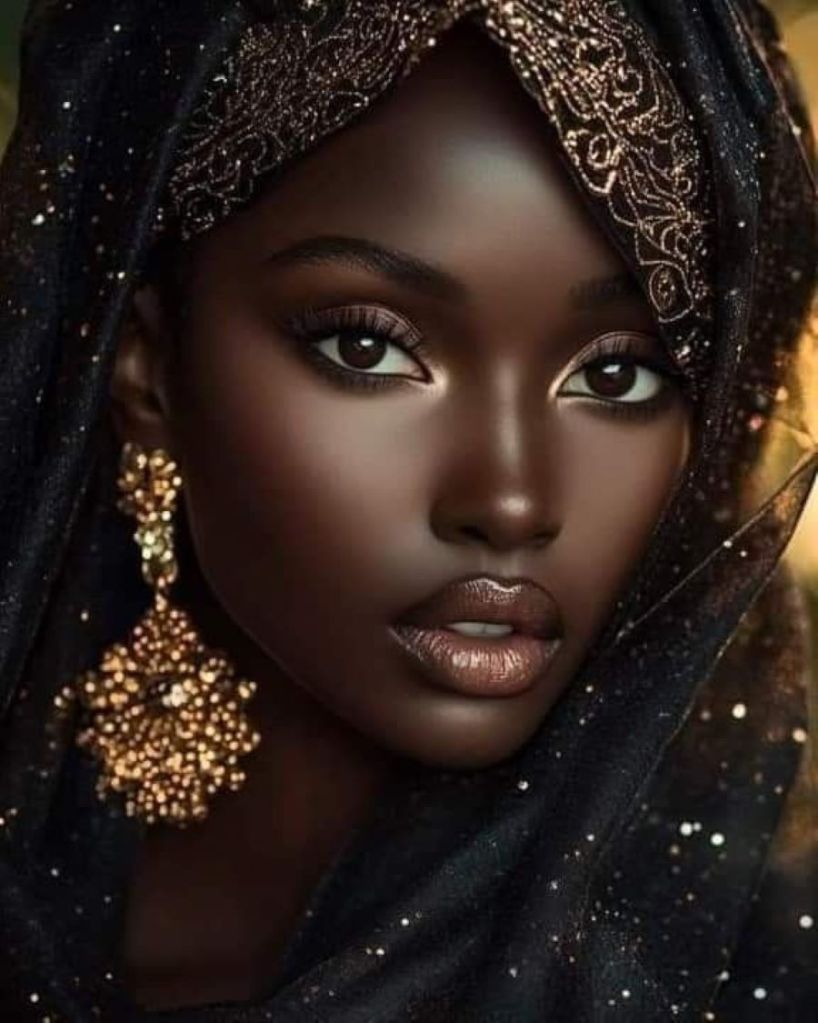
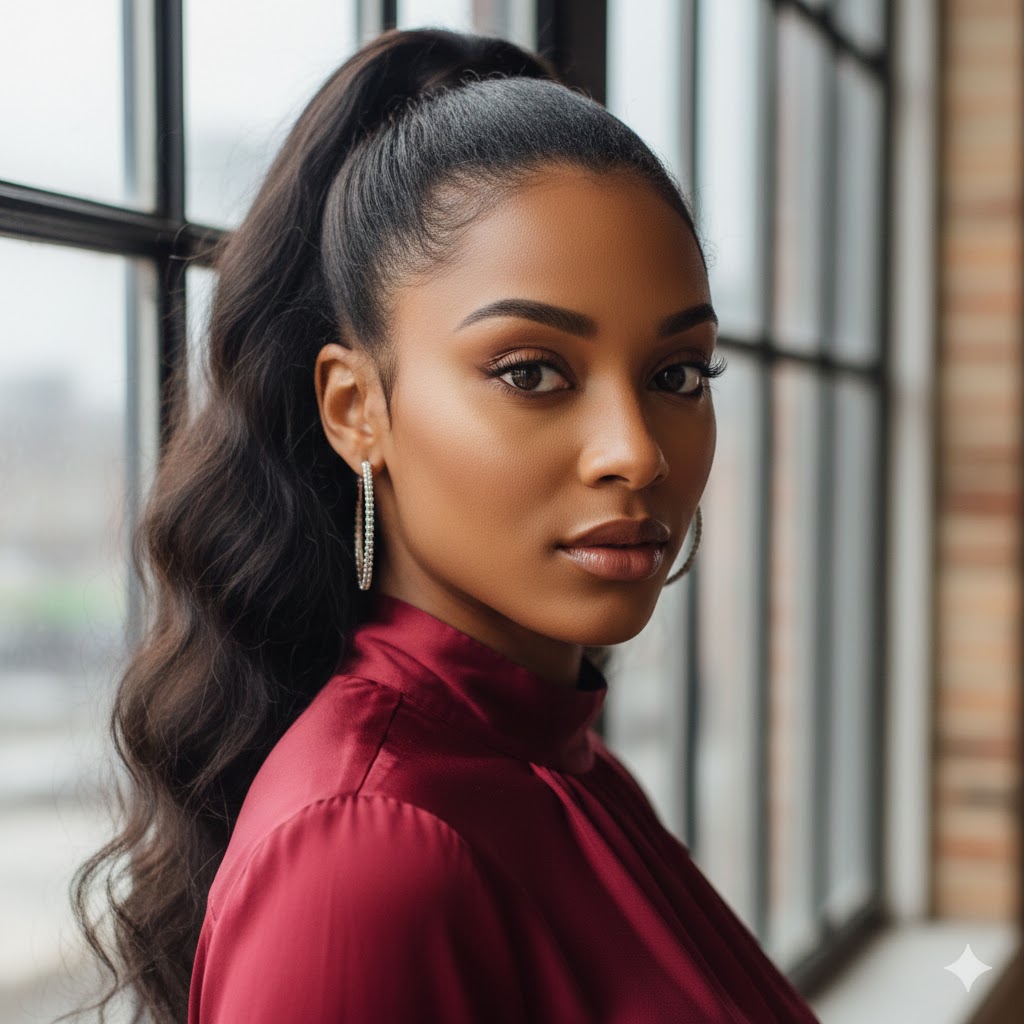
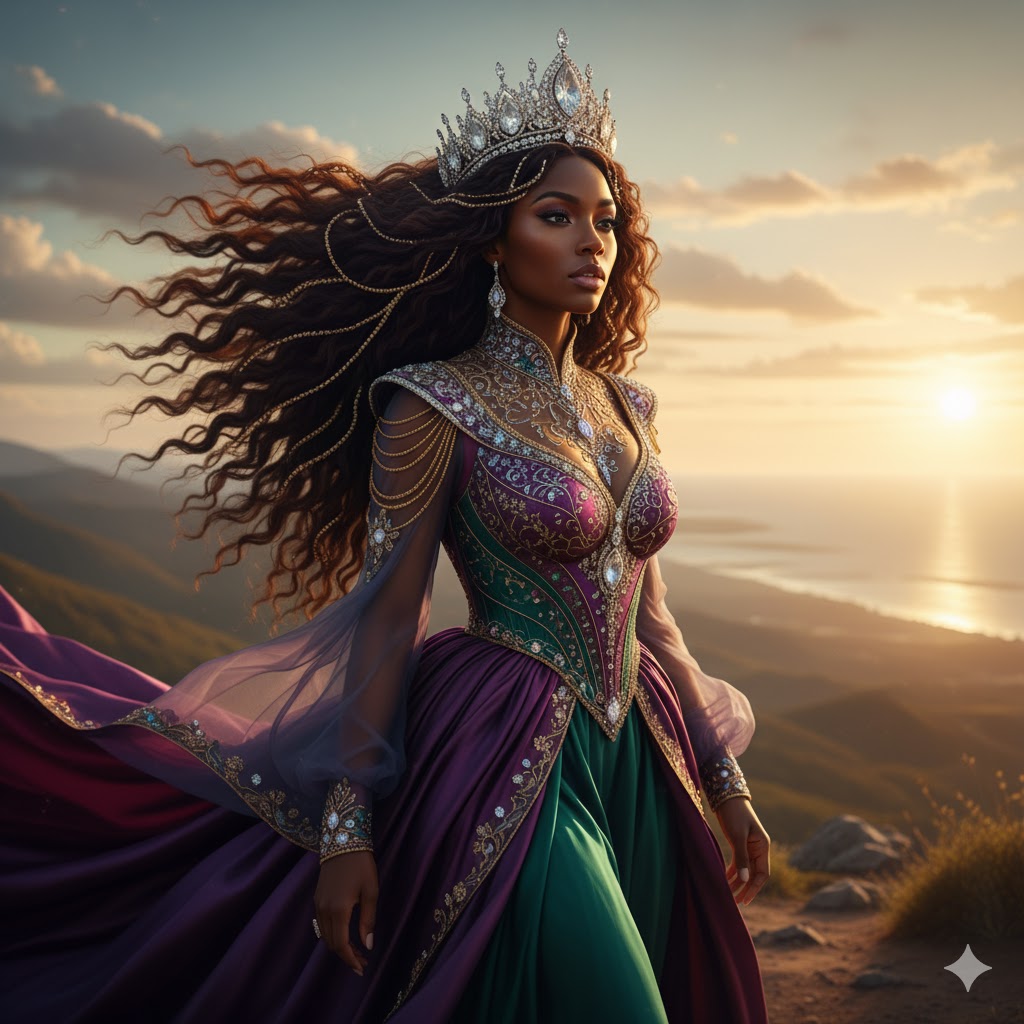
The brown girl stands as a timeless symbol of radiance, resilience, and regal splendor. Her beauty is not merely external, nor confined to superficial definitions shaped by Eurocentric visual hierarchies. Rather, her essence glows from a divine inheritance—carried in her skin like sunlight wrapped in earth, in her features shaped by ancestral strength, and in her spirit forged through generations of perseverance and brilliance. The brown girl is beauty personified, not because the world always affirms it, but because creation itself does.

Historically, the image of the brown-skinned woman has been misunderstood, misrepresented, and underestimated. Yet she has always existed as a foundational pillar of civilization. From the queens of Kemet, Kush, and Punt to the heroines of the African diaspora, her presence has defined cultural, spiritual, and intellectual legacies across continents and centuries. Beauty, in her, is embodied not as ornament but as origin.

Her melanin—rich, warm, and luminescent is not merely pigment, but a tapestry of genetic sophistication and divine artistry. Science affirms that melanin serves as a natural protector, a molecular masterpiece that absorbs light, defends against damage, and radiates health and vitality (Wakamatsu et al., 2022). The brown girl carries in her skin a biological excellence that is both ancient and unmatched.

Her facial structure—broad nose or small nose, full lips, expressive eyes, and sculpted cheekbones—has inspired imitation, innovation, and admiration throughout history. Yet these same features have been policed, mocked, and exoticized by systems that simultaneously envy and oppress. Sociologists note the long legacy of colorism and phenotype bias rooted in colonial psychology, where beauty was weaponized as a tool of hierarchy (Hunter, 2007). Despite this, the brown girl remains unstolen, unbroken, and undeniably radiant.

Her hair—coils, curls, waves, and kinks—stands as a crown of divine geometry. Spiraled like galaxies and textured like sacred earth, it is a testament to identity and inheritance. Where the world once demanded conformity, the brown girl reclaimed autonomy, turning her hair into a proclamation of dignity, heritage, and pride. Her beauty is not assimilation—it is revolution.

Culturally, she has shaped fashion, language, art, rhythm, and rhythm-born movements. From braided hairstyles that carry historical codes to dance forms born in Black communities, her presence is culture’s heartbeat. Her grace has been echoed in poetry, sculpted in bronze, sung in gospel hymns, and captured through lenses that struggle to contain her brilliance.

Emotionally, she embodies empathy and power—able to nurture nations and challenge empires. The brown girl’s beauty is rooted in emotional intelligence, compassion, and spiritual depth. Her resilience is not merely reaction but prophecy: she rises not because she must, but because she is called to rise.

Spiritually, she reflects what is sacred. In the biblical narrative, wisdom is personified as a woman of strength, dignity, and divine insight (Proverbs 31:10-31 KJV). Across cultures, goddesses of fertility, creation, and justice are depicted in brown forms. In her, heaven and earth meet.

In modern society, she still battles stereotypes that attempt to flatten her identity—too loud, too strong, too independent, too dark, too much. Yet she breaks these molds effortlessly, revealing that her beauty is multifaceted: soft and mighty, gentle and powerful, intellectual and artistic, graceful and grounded. She is not a trope—she is truth.

She has become the muse and the creator—architect of movements, scholar of survival, priestess of dignity, and mother of nations. The brown girl does not wait for permission to shine; her glow predates oppression and outlives it. Her beauty, like her story, is eternal.

The global beauty industry once erased her image, yet now attempts to profit from the features it ignored. Still, the brown girl understands her value is not market-made but God-given. She does not seek validation—she commands presence.

Education, enterprise, and expression are her adornments. She writes, builds, heals, leads, and innovates. Her mind is fertile ground for brilliance; her voice alters narratives. She births both children and movements, both leaders and legacies.

In relationships, she loves deeply and thoughtfully. Her softness is not weakness—it is wisdom. Her standards are not arrogance—they are inheritance. To be loved by her is to witness excellence and be called higher.

Her walk carries rhythm, grace, and authority; her presence fills rooms. She does not shrink to soothe insecurity—she rises to affirm destiny. Her beauty is not performative; it is purposeful. She is art in motion, history in flesh, divinity in form.

The brown girl is not defined by the struggle that shaped her, but by the glory within her. Trauma has touched her, but triumph crowns her. She carries memory and prophecy simultaneously, holding ancient worlds and future visions in her smile.

She exists beyond gaze or approval. She is beauty when seen and beauty when overlooked. When the world forgets her, she remembers herself. When the world imitates her, she remains original. Her reflection is sacred, not simply stunning.

Time cannot diminish her, trends cannot outrun her, and systems cannot erase her. Her beauty is foundational—before magazines, filters, or metrics ever tried to measure it. She was beauty in womb, in cradle, in history’s first breath.

Her existence refutes any narrative of inferiority. She is evidence of God’s creative genius, Africa’s royal bloodline, and humanity’s first mother. Beauty began with her—and still rests within her.

To see the brown girl is to witness elegance and endurance. To know her is to learn power and peace. To honor her is to honor humanity’s beginning and future. She is not striving to become beauty—she has always been beauty.

And the world, slowly returning to the truth it once denied, is learning again to bow to the brilliance of the brown girl—beauty personified.


References

Hunter, M. (2007). The persistent problem of colorism: Skin tone, status, and inequality. Sociology Compass, 1(1), 237–254.

Wakamatsu, K., Ito, S., & Hasegawa, A. (2022). Melanin chemistry and its implications for skin health. International Journal of Molecular Sciences, 23(18), 10521–10539.

Proverbs 31:10-31, King James Version.