
The Silent Epidemic
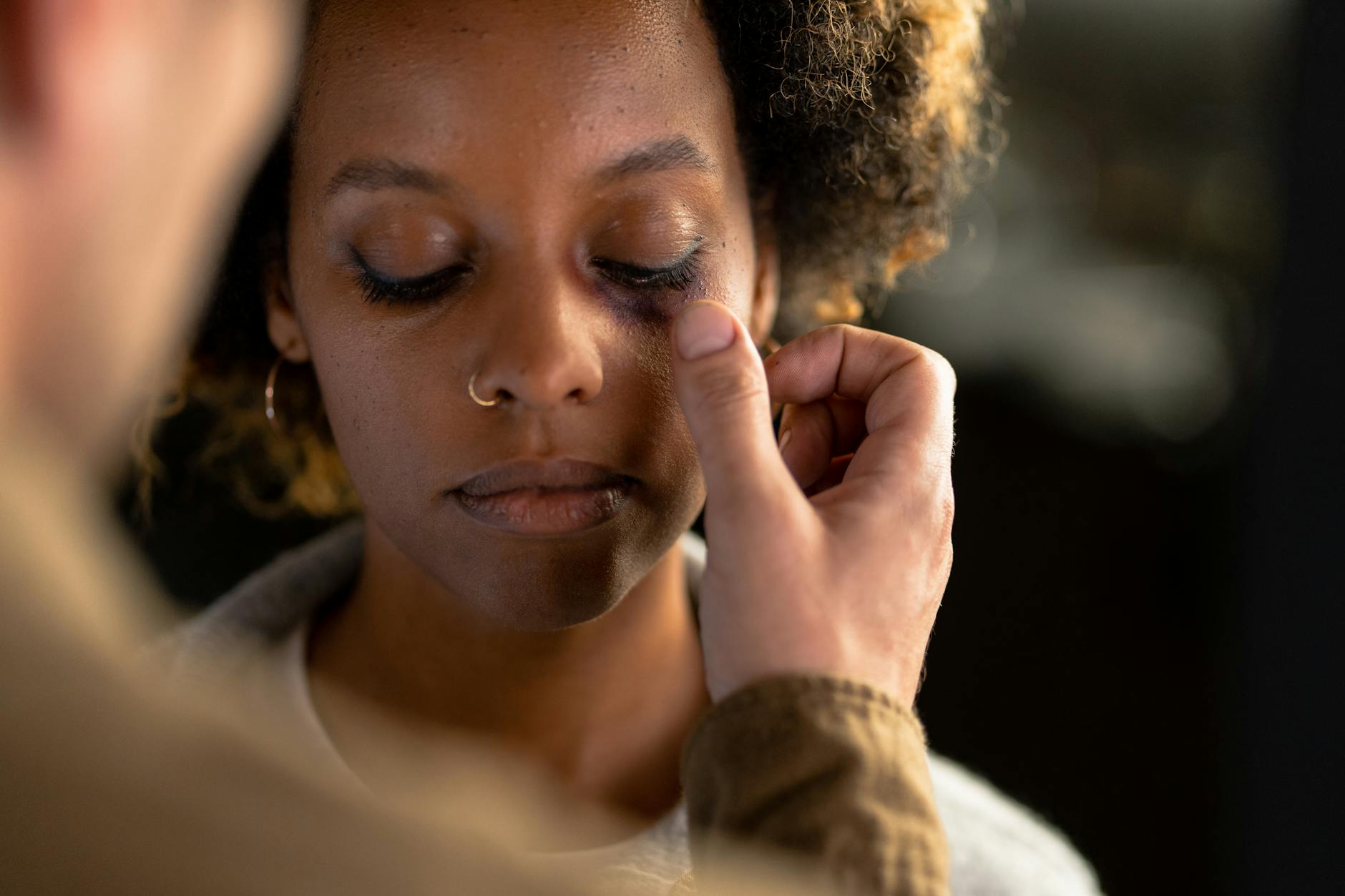
Domestic violence is a pervasive issue that affects millions of women worldwide. In the United States alone, nearly 5.3 million incidents of intimate partner violence (IPV) occur annually among women aged 18 and older Emory School of Medicine. This violence manifests in various forms, including physical, emotional, and psychological abuse, often leading to severe consequences for the victims.
Why Does Domestic Violence Happen?
The reasons behind domestic violence are complex and multifaceted. Factors contributing to abusive behavior include:
- Power and Control: Abusers often seek to dominate their partners, using violence as a means to maintain control.
- Psychological Factors: Some individuals may have witnessed or experienced abuse in their own childhoods, perpetuating a cycle of violence.
- Cultural Norms: Societal attitudes that condone aggression or view women as subordinates can foster environments where abuse is tolerated.
- Substance Abuse: Alcohol and drugs can exacerbate violent tendencies, though they do not cause abuse CAWC.
The Psychology of Abusers
Abusers often exhibit certain psychological traits and behaviors:
- Narcissism: A sense of entitlement and lack of empathy for others.
- Jealousy and Possessiveness: Viewing partners as property rather than equals.
- Manipulation: Using guilt, threats, or gaslighting to control the victim.
- Emotional Instability: Rapid mood swings that can escalate into violence Psychology Today.
Understanding these traits can help in identifying abusive patterns and seeking appropriate interventions.
The Devastating Impact on Women
Domestic violence has profound effects on women, including:
- Physical Injuries: Bruises, broken bones, and in severe cases, death.
- Mental Health Issues: Depression, anxiety, and post-traumatic stress disorder (PTSD).
- Social Isolation: Abusers often cut off victims from friends and family, making it difficult to seek help.
- Economic Hardship: Victims may be financially dependent on their abusers, limiting their ability to escape Emory School of Medicine.
Age Groups Most Affected
While domestic violence can affect women of all ages, certain groups are at higher risk:
- Young Women (18–24): This age group experiences the highest rates of intimate partner violence.
- Older Women (Over 70): Increasingly, older women are becoming victims of domestic abuse, often facing unique challenges in seeking help The Guardian.
Global Statistics on Femicide
Femicide—the killing of women because of their gender—is a tragic outcome of domestic violence. In 2023, an average of 140 women and girls were killed daily by an intimate partner or family member, totaling approximately 51,100 deaths globally AP News.
Understanding the Cycle of Abuse
Domestic violence often follows a predictable pattern:
- Tension Building: Minor incidents escalate.
- Incident: The abuser lashes out.
- Reconciliation: The abuser apologizes, promising change.
- Calm: A period of peace before the cycle repeats GotQuestions.org.
Recognizing this cycle is crucial for victims and those supporting them.
The Question: Why Does Love Hurt?
Victims often grapple with conflicting emotions. They may love their abuser and hope for change, but love should never cause pain. Abuse is not a manifestation of love but a distortion of it, rooted in control and manipulation.
Biblical Perspective on Domestic Violence
The Bible condemns violence and oppression. Scriptures such as Malachi 2:16 and Psalm 11:5 affirm that God despises injustice and calls for the protection of the vulnerable. While the Bible does not explicitly address modern domestic violence, it upholds principles of love, respect, and justice Anglican Families & Culture Commission.
What Should a Woman Do?
If you are experiencing domestic violence:
- Acknowledge the Abuse: Recognize that you deserve respect and safety.
- Seek Support: Reach out to trusted friends, family, or professionals.
- Create a Safety Plan: Know where to go and who to contact in case of emergency.
- Contact Authorities: Report the abuse to law enforcement and seek legal protection.
Where Can a Battered Woman Go for Help?
Numerous resources are available for victims of domestic violence:
- National Domestic Violence Hotline: Call 1-800-799-SAFE (7233) for confidential support.
- Local Shelters: Many communities offer safe housing and services.
- Legal Aid: Seek assistance for restraining orders and custody issues.
- Counseling Services: Professional therapy can aid in recovery.
The Role of the Church
Faith communities can play a pivotal role in supporting victims:
- Provide Safe Spaces: Offer counseling and refuge.
- Educate Congregations: Raise awareness about domestic violence.
- Advocate for Justice: Stand against abuse and support legal reforms Assemblies of God.
Breaking the Cycle
Ending domestic violence requires:
- Education: Teaching about healthy relationships and respect.
- Intervention: Addressing abusive behavior early.
- Support Systems: Providing resources for victims and rehabilitation for abusers.
The Importance of Empowerment
Empowering women involves:
- Building Self-Esteem: Encouraging confidence and independence.
- Providing Resources: Access to education, employment, and legal aid.
- Creating Support Networks: Connecting with others who understand and support.
Legal Protections
Laws exist to protect victims:
- Restraining Orders: Legal orders that prevent abusers from contacting victims.
- Domestic Violence Laws: Legislation that criminalizes abuse and provides penalties.
- Custody Laws: Protecting children from exposure to violence.
The Role of Men
Men can be allies by:
- Challenging Misogyny: Rejecting attitudes that condone abuse.
- Supporting Victims: Listening and offering assistance.
- Educating Peers: Promoting respect and equality in relationships.
The Impact on Children
Children who witness domestic violence may experience:
- Emotional Distress: Anxiety, depression, and behavioral issues.
- Risk of Abuse: Increased likelihood of becoming victims or perpetrators in the future.
- Disrupted Development: Challenges in forming healthy relationships.
The Need for Societal Change
Addressing domestic violence requires:
- Cultural Shifts: Changing attitudes that tolerate abuse.
- Community Engagement: Involving all sectors in prevention and support.
- Policy Reforms: Strengthening laws and services for victims.
The Path to Healing
Healing from domestic violence involves:
- Acknowledgment: Recognizing the trauma and its effects.
- Therapy: Engaging in counseling to process experiences.
- Support: Building a network of trusted individuals and resources.
20. Conclusion
Domestic violence is a serious issue that requires collective action. By understanding the causes, recognizing the signs, and providing support, we can work towards a society where women are safe and valued. Remember, no one deserves to be abused, and help is always available.
References
- National Domestic Violence Hotline. (2023). Domestic Violence Statistics. Retrieved from https://www.thehotline.org/stakeholders/domestic-violence-statistics/
- Psychology Today. (2013). Behind the Veil: Inside the Mind of Men Who Abuse. Retrieved from https://www.psychologytoday.com/us/blog/the-reality-corner/201302/behind-the-veil-inside-the-mind-men-who-abuse
- United Nations Office on Drugs and Crime. (2023). An average of 140 women and girls were killed by a partner or relative per day in 2023. Retrieved from https://apnews.com/article/c2f26290b8158e1d97b1b16ef76e85a8
- Emory University School of Medicine. (2023). Domestic Violence/Intimate Partner Violence Facts. Retrieved from https://med.emory.edu/departments/psychiatry/nia/resources/domestic_violence.html
- Assemblies of God (USA). (2023). Domestic Violence. Retrieved from https://ag.org/Beliefs/Position-Papers/Domestic-Violence
 THE BROWN GIRL DILEMMA