Tag Archives: art

Face Value

Faces are the silent storytellers of human experience. Before a word is spoken, a glance, a smile, or a frown conveys personality, mood, and intention. Our brains are wired to interpret these cues almost instantaneously, a process critical for social interaction and survival (Willis & Todorov, 2006).

The concept of “face value” goes beyond superficial beauty. It encompasses perceived trustworthiness, competence, and warmth—all traits inferred from facial features and expressions (Oosterhof & Todorov, 2016). These judgments shape our social interactions in subtle but powerful ways.

First impressions are formed remarkably quickly. Studies show that exposure to a face for as little as 100 milliseconds is sufficient for observers to make consistent judgments about traits such as dominance and friendliness (Willis & Todorov, 2006). The rapidity of these impressions underscores the influence of visual cues on human behavior.

Facial symmetry is often associated with attractiveness and perceived health. Symmetrical features signal genetic quality, which has evolutionary roots in mate selection (Zebrowitz & Montepare, 2008). Yet symmetry alone is insufficient; expression and context shape perception as much as physical proportions.

The eyes are central to social communication. Eye contact conveys attention, engagement, and emotional openness. A steady gaze can project confidence, while avoidance may indicate discomfort or deception (Hietanen, 2018). These cues operate on both conscious and subconscious levels.

Microexpressions, fleeting facial movements lasting only a fraction of a second, reveal emotions that words may attempt to hide. Observing these subtle cues can help decode sincerity, embarrassment, or hostility (Hehman, Stolier, Keller, & Freeman, 2018).

Faces are processed along social dimensions such as trustworthiness, competence, and dominance. These dimensions are consistent across cultures, suggesting that certain facial cues universally convey social meaning (Todorov, Said, Engell, & Oosterhof, 2008).

Cultural norms influence the interpretation of facial expressions. While some expressions are universally understood, subtleties in gaze, eyebrow movement, and lip tension can carry different meanings in distinct cultural contexts (Matsumoto & Hwang, 2017).

Perceived trustworthiness is critical in both personal and professional interactions. Faces judged as more trustworthy are associated with greater cooperation in economic games and higher social influence (Little, Burriss, Jones, & Roberts, 2011). This demonstrates the functional importance of first impressions.

Dominance and leadership are also inferred from facial cues. Features such as jawline strength, brow prominence, and eye gaze influence perceptions of authority and competence (Todorov, 2017). These judgments can affect hiring decisions, voting behavior, and social hierarchies.

Emotional expression adds nuance to facial perception. Smiles increase perceived warmth and likability, while anger or frowns can signal threat or dissatisfaction (Adams & Kleck, 2005). Subtlety matters: exaggerated expressions may be dismissed as insincere.

Facial features interact with context to shape impressions. A neutral expression may appear approachable in one setting and stern in another. Lighting, posture, and background all modulate the social signal conveyed by a face (Conty & Grèzes, 2017).

The face is also a medium for identity and self-expression. Hairstyles, makeup, and adornments complement natural features and communicate personality, creativity, and cultural affiliation (Hehman & Freeman, 2023). This layering of cues enriches the social message of the face.

Perceptions of competence from faces can influence real-world outcomes. Politicians, educators, and executives with “competent-looking” faces often enjoy advantages in elections, negotiations, and leadership selection (Oosterhof & Todorov, 2016). First impressions extend far beyond casual encounters.

Faces can signal health and vitality. Skin clarity, eye brightness, and facial tone contribute to judgments of attractiveness and robustness (Zebrowitz & Montepare, 2008). These cues are processed automatically and often unconsciously.

Digital communication challenges traditional facial perception. Video calls preserve many cues, but text and emoji can only approximate the subtleties of expression. Despite this, people still infer personality traits based on avatars and profile images (Rule & Ambady, 2008).

Children develop sensitivity to facial cues early. Infants can discriminate between emotional expressions and respond to gaze direction, indicating that face-based social evaluation is innate and foundational for human interaction (Hehman et al., 2018).

Biases in facial judgment are persistent. People may stereotype or make assumptions based on facial features, which can perpetuate inequality in social and professional contexts (Todorov, 2017). Awareness of these biases is essential for fair decision-making.

Facial perception evolves with experience and social learning. Repeated interactions refine the accuracy of judgments, allowing observers to distinguish between superficial cues and genuine personality traits (Hehman & Freeman, 2023).

Ultimately, “face value” reflects a complex interplay of biology, psychology, and culture. Faces convey emotion, intention, and identity, shaping human relationships in profound ways. Understanding this silent language enhances empathy, communication, and social insight (Zebrowitz & Montepare, 2008).


References

  • Adams, R. B., & Kleck, R. E. (2005). Effects of direct and averted gaze on the perception of facially expressed emotion. Emotion, 5(1), 3–11.
  • Conty, L., & Grèzes, J. (2017). Eye contact effects on social preference and face recognition in normal ageing and in Alzheimer’s disease. Psychological Research. https://doi.org/10.1007/s00426-017-0955-6
  • Hehman, E., Stolier, R. M., Keller, M. C., & Freeman, J. B. (2018). The conceptual structure of face impressions. PNAS, 115(50), 12703–12708. https://doi.org/10.1073/pnas.1806764115
  • Hehman, E., & Freeman, J. B. (2023). The observer’s lens: The impact of personality traits and gaze on facial impression inferences. Electronics, 17(3), 17. https://doi.org/10.3390/electronics17030017
  • Hietanen, J. K. (2018). Affective eye contact: An integrative review. Frontiers in Psychology, 9, 1587. https://doi.org/10.3389/fpsyg.2018.01587
  • Little, A. C., Burriss, R. P., Jones, B. C., & Roberts, S. C. (2011). Facial appearance affects trustworthiness judgments of anonymous partners in an investment game. Evolution and Human Behavior, 32(6), 361–366.
  • Matsumoto, D., & Hwang, H. C. (2017). Cultural bases of nonverbal communication. In APA Handbook of Nonverbal Communication (pp. …). American Psychological Association.
  • Oosterhof, N. N., & Todorov, A. (2016). Personality at face value: Facial appearance predicts self and other personality judgments among strangers and spouses. Psychological Science, 27(5), 605–618. https://doi.org/10.1177/0956797616638655
  • Rule, N. O., & Ambady, N. (2008). First impressions of the face: predicting success. Social and Personality Psychology Compass, 2(3), 1498–1517.
  • Todorov, A. (2017). Face Value: The Irresistible Influence of First Impressions. Princeton University Press.
  • Todorov, A., Said, C. P., Engell, A. D., & Oosterhof, N. N. (2008). Understanding evaluation of faces on social dimensions. Trends in Cognitive Sciences, 12(12), 455–460.
  • Willis, J., & Todorov, A. (2006). First impressions: Making up your mind after a 100-ms exposure to a face. Psychological Science, 17(7), 592–598.
  • Zebrowitz, L. A., & Montepare, J. M. (2008). Social psychological face perception: Why appearance matters. Social and Personality Psychology Compass, 2(3), 1497–1517.
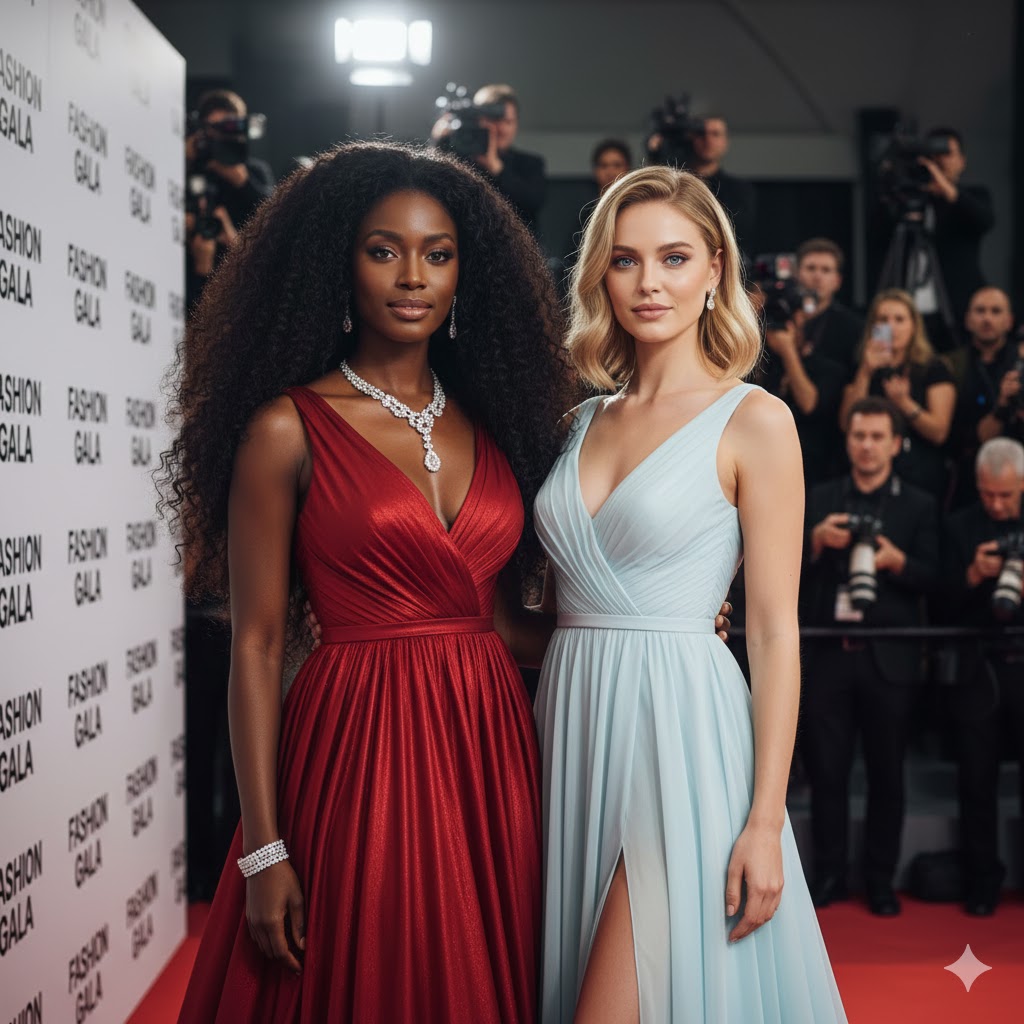
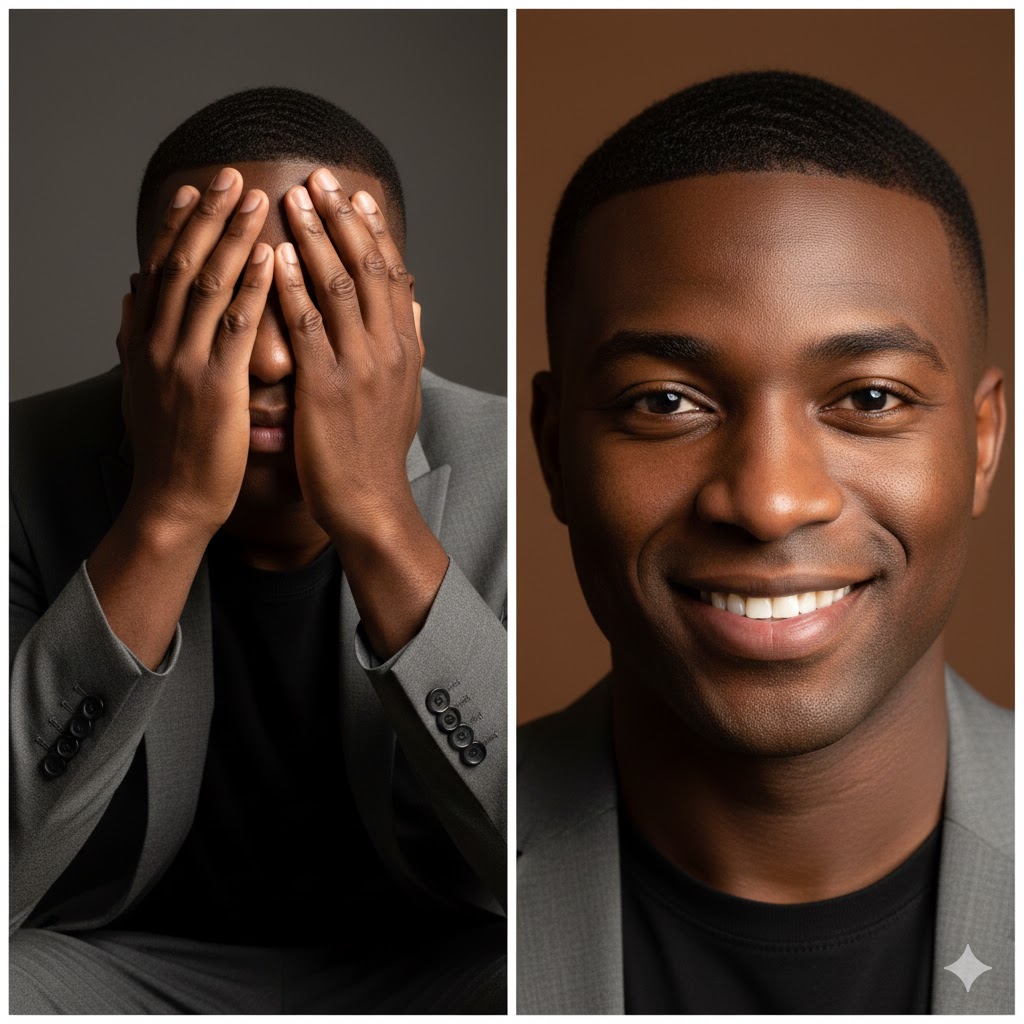
The Modern Muse

A muse is no longer confined to the marble halls of ancient mythology or the canvases of Renaissance painters. The modern muse transcends classical definitions, embodying creativity, influence, and inspiration in ways that resonate with today’s culture. She—or he—exists not merely as a passive object of admiration, but as an active participant in the creative process.

In contemporary society, the modern muse is often a symbol of empowerment. Artists, writers, and innovators seek inspiration in individuals who embody confidence, authenticity, and resilience. The muse is admired not for perfection alone, but for a unique presence that sparks imagination and drives artistic expression.

Social media has redefined the dynamics of inspiration. The modern muse can be anyone who inspires through storytelling, style, or digital content. Platforms like Instagram, TikTok, and YouTube allow creativity to circulate globally, turning everyday people into sources of inspiration and catalysts for cultural trends.

Fashion plays a crucial role in the identity of a modern muse. Style becomes a visual language through which personality, mood, and social commentary are communicated. Designers, photographers, and influencers often collaborate with muses to create imagery that captures contemporary aesthetics and cultural resonance.

Artistic muses are no longer passive figures; they are collaborators. Musicians, choreographers, and visual artists often co-create with their inspirations, recognizing that creative synergy produces richer outcomes. This shift emphasizes respect, agency, and mutual influence in modern artistic endeavors.

Representation and diversity shape the modern muse. Beauty standards are expanding to include all skin tones, body types, and identities. Cultural heritage, personal stories, and lived experiences add depth to the muse’s influence, making inspiration more inclusive and reflective of contemporary society.

In literature, the modern muse inspires narratives that are complex, multi-dimensional, and socially conscious. Writers often draw from muses whose courage, intelligence, and resilience challenge societal norms, giving rise to characters and stories that resonate with modern readers.

The concept of a muse extends beyond human forms. Cities, landscapes, social movements, and even technology can act as muses. The modern artist finds inspiration in the rhythm of urban life, the colors of a city skyline, or the innovation within artificial intelligence, demonstrating that musehood is dynamic and expansive.

Emotional depth is central to modern muses. Vulnerability, strength, and authenticity captivate artists and audiences alike. A muse who demonstrates raw honesty in thought, expression, or emotion encourages art that speaks to the heart, creating work that resonates across cultural and emotional boundaries.

Creativity today thrives on collaboration and feedback. The modern muse is often a community of influences rather than a singular figure. Social movements, online collectives, and peer networks act as catalysts for inspiration, reflecting the interconnectedness of contemporary creativity.

The modern muse also challenges norms and provokes thought. Political activists, cultural icons, and boundary-pushing performers inspire not only through beauty or talent but through courage and conviction. Inspiration becomes a tool for social commentary and transformative art.

Technology allows the modern muse to transcend physical presence. Virtual muses, digital avatars, and AI-generated personas offer new ways to inspire, allowing artists to experiment with form, interaction, and narrative in ways previously unimaginable. The digital age expands the definition of influence and inspiration.

Fashion icons are classic examples of modern muses. Figures like Rihanna, Zendaya, and Timothée Chalamet not only set trends but also inspire conversations about culture, identity, and self-expression. They embody aesthetic innovation while challenging expectations of traditional beauty and style.

In film and theater, modern muses inspire performances that explore complex human experiences. Directors and actors often draw inspiration from muses whose depth and charisma allow for nuanced storytelling, creating art that resonates across global audiences.

The modern muse’s power lies in authenticity. Audiences are drawn to individuals who remain true to themselves, regardless of trends or societal pressure. Authenticity generates trust, admiration, and emotional connection, amplifying the muse’s influence on creativity and culture.

Social consciousness has become integral to modern musehood. Individuals who combine talent with advocacy inspire art that is meaningful and purposeful. From environmentalism to civil rights, the muse engages artists in works that reflect the urgent narratives of our times.

The modern muse is also a mentor, guiding emerging artists and creators. By sharing knowledge, experiences, and perspectives, the muse fosters growth, collaboration, and innovation, ensuring that inspiration perpetuates and evolves within communities.

Personal stories enhance the allure of the modern muse. Overcoming adversity, embracing cultural roots, or pursuing unconventional paths adds layers of meaning to their influence. Art inspired by such muses resonates deeply, creating work that is both intimate and universal.

In music, the modern muse often blurs the line between subject and collaborator. Songwriters and performers draw from muses whose creativity, rhythm, and passion shape melodies, lyrics, and performances, demonstrating the fluidity of inspiration in contemporary culture.

Ultimately, the modern muse embodies the intersection of presence, authenticity, and impact. They inspire creativity that is reflective, transformative, and inclusive. Unlike classical muses, whose influence was often idealized and passive, today’s muses actively shape the art, culture, and narratives of the world, leaving an indelible mark on society.

References

  1. Gabora, L. (2016). Honing theory: A complex systems framework for creativity. Retrieved from arXiv. arXiv
  2. Jordanous, A., & Keller, B. (2016). Modelling creativity: Identifying key components through a corpus‑based approach. Retrieved from arXiv. arXiv
  3. Thoben, B., & et al. (2020). The artist as innovation muse: Findings from a residence program in the fuzzy front end. Business, 10(4), 88. MDPI. MDPI
  4. Tutter, A. (Ed.). (2003). The Muse: Psychoanalytic explorations of creative inspiration. Routledge. Barnes & Noble+1
  5. Mathäs, A. (2011). The Self as Muse: Narcissism and Creativity in the German Imagination, 1750–1830. Bloomsbury Academic. Bloomsbury Publishing
  6. Goldie, P., & Schellekens, E. (Eds.). (2011). The Aesthetic Mind: Philosophy and Psychology. Oxford University Press. Wikipedia
  7. Murray, P. (2008). Reclaiming the Muse. In Laughing with Medusa: Classical Myth and Feminist Thought (pp. 327–354). Oxford University Press. OUP Academic
  8. Weiser, M. E. (2018). Crafting a Poetic Museology. In ICOFOM Study Series, 46, 215–229. OpenEdition Journals
  9. Moszumańska-Nazar, J., & Miklaszewska, J. (2019). Literature and visual arts as a source of inspiration. Musicology Today, 16(1), 113–121. Paradigm
  10. Malraux, A. (1948/1953). La Psychologie de l’Art (The Imaginary Museum; The Artistic Creation; Aftermath of the Absolute). (S. Gilbert, Trans.) Princeton University Press. Wikipedia
  11. Jung, C. G. (1966). Spirit in Man, Art, and Literature (Vol. 15 of The Collected Works of C. G. Jung). Princeton University Press. Wikipedia
  12. Doss, E. (2023). Spiritual Moderns: Twentieth‐Century American Artists & Religion. University of Chicago Press. Wikipedia
  13. Epstein, Z., Hertzmann, A., Herman, L., Mahari, R., Frank, M. R., Groh, M., Schroeder, H., Smith, A., Akten, M., Fjeld, J., Farid, H., Leach, N., Pentland, A., & Russakovsky, O. (2023). Art and the science of generative AI: A deeper dive. arXiv. arXiv
  14. Weiser, M. E. (2018). Crafting a Poetic Museology: A poetics of museology. ICOFOM Study Series, 46, 215–229. OpenEdition Journals (Note: This is similar to #8 but listed to emphasize museology in both creative and institutional contexts.)

The Visual Identity

Visual identity is more than aesthetics; it is the deliberate curation of appearance to communicate who we are to the world. It encompasses fashion, grooming, posture, and symbolic choices that together create a cohesive personal or professional presence.

In a society that often emphasizes first impressions, visual identity becomes a language of its own. Every choice—from clothing colors to hairstyle—speaks before words are exchanged. It is a silent introduction that conveys confidence, values, and creativity.

Fashion is a core element of visual identity. The garments we choose reflect personal taste, cultural affiliation, and aspirational values. A tailored suit, a flowing dress, or casual streetwear signals social cues and communicates the wearer’s intention, mood, and personality.

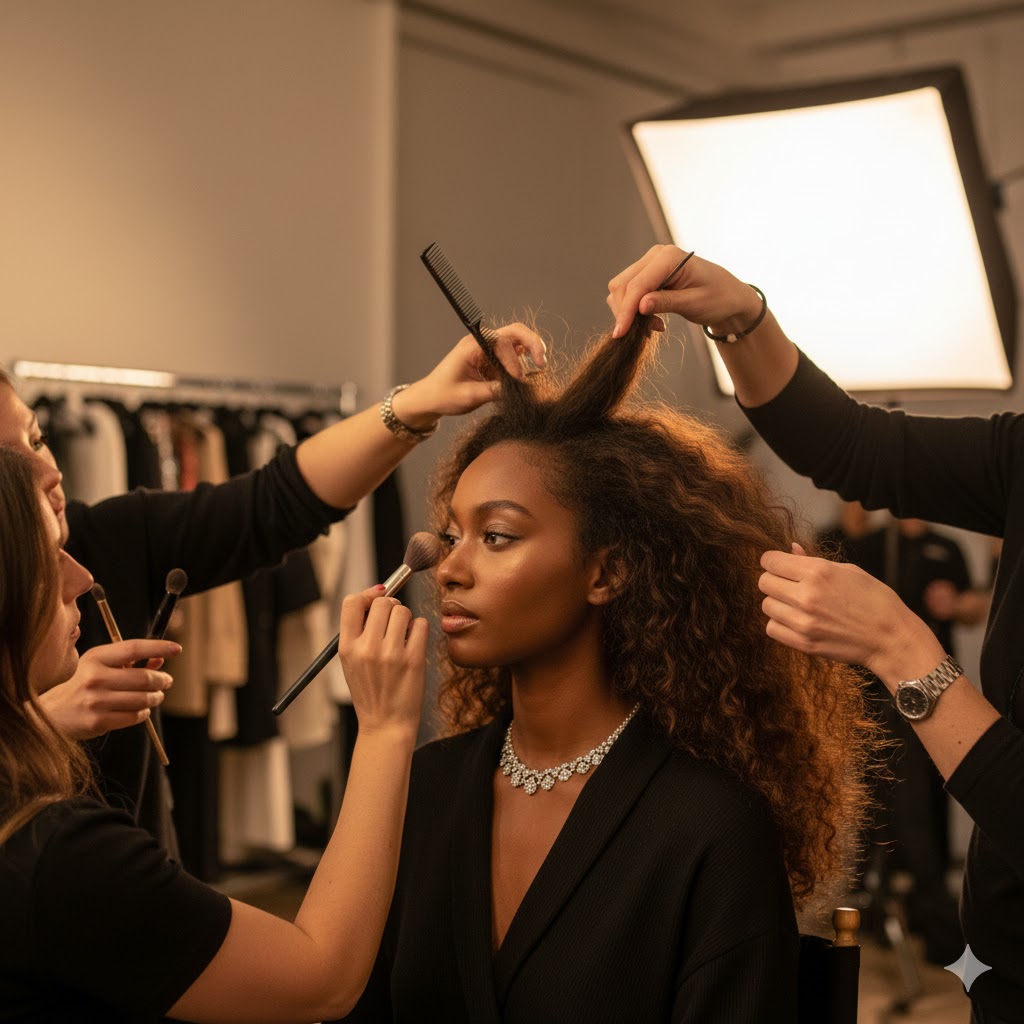
Hairstyle and grooming complement clothing as part of an integrated visual presentation. Hair, skin, and posture reflect discipline, self-respect, and attention to detail. These elements shape perception and can reinforce authenticity and credibility.

Accessories and adornments add nuance to visual identity. Jewelry, watches, bags, or scarves provide additional layers of meaning, allowing individuals to express subtle facets of personality and status. Each accessory can amplify the story of the self.

Color plays a psychological role in shaping perception. Warm tones may convey approachability, cool tones professionalism, and bold hues creativity. Understanding the impact of color allows one to craft an identity that aligns with intention and desired reception.

Cultural and historical influences inform visual identity. Traditional garments, hairstyles, and symbolic motifs connect individuals to heritage and ancestry, allowing expression of pride and belonging while maintaining modern relevance.

Visual identity extends beyond the individual. Brands, institutions, and movements employ visual elements—logos, colors, typography, and imagery—to project ethos and narrative. Consistency strengthens recognition and conveys authority or innovation.

In professional environments, visual identity shapes opportunities. Leaders, presenters, and public figures use visual cues strategically to inspire trust, convey expertise, and reinforce personal or organizational narratives. The visual self often precedes spoken communication.

Photography and digital media amplify visual identity. Social media, professional profiles, and creative portfolios allow curation of image and story. Online presentation now shapes reputation and perception as much as in-person interaction.

Visual identity communicates emotional tone. Subtle gestures, posture, and facial expression enhance or contradict clothing and style, adding complexity to the message. Alignment of these elements signals authenticity and intentionality.

Fashion cycles and trends intersect with personal identity. While trends provide inspiration, true visual identity is consistent, reflecting personal taste rather than mere conformity. Individuality emerges through selective adoption of trends that resonate with self-perception.

Lighting and environment influence the impact of visual identity. A well-lit room, natural sunlight, or carefully staged backdrop enhances colors, textures, and posture, ensuring the intended message is communicated effectively.

Visual identity can convey power and influence. Strategic choices in appearance, posture, and demeanor assert authority and inspire respect. Individuals who master these elements project presence that commands attention and engagement.

Subtlety and minimalism are powerful aspects of visual identity. Restraint in design, accessories, and expression communicates sophistication, thoughtfulness, and confidence. Sometimes less is more when crafting a compelling visual narrative.

Visual identity evolves with experience and context. Life stages, career shifts, and personal growth influence stylistic choices, reflecting changing priorities and self-perception. Adaptability demonstrates awareness and intentional self-presentation.

Art and performance often explore visual identity as a form of expression. Costume, makeup, and stage presence contribute to character development and storytelling, revealing layers of meaning that words alone cannot convey.

Psychology and perception studies underscore the importance of visual identity. Humans naturally assess trustworthiness, competence, and attractiveness based on appearance. Understanding these mechanisms enables intentional and effective self-presentation.

Personal branding is an extension of visual identity in professional spheres. Entrepreneurs, creatives, and public figures cultivate visual consistency to reinforce values, mission, and influence, ensuring alignment between appearance and message.

Ultimately, visual identity is the intersection of art, psychology, and self-expression. It communicates who we are, what we value, and how we wish to be perceived. A thoughtfully crafted visual presence is a powerful tool for connection, influence, and self-realization.

References

  • Andrade, B., Morais, R., & Soares de Lima, E. (2024). The Personality of Visual Elements: A Framework for the Development of Visual Identity Based on Brand Personality Dimensions. The International Journal of Visual Design, 18(1), 67–98. edirlei.com
  • Kim, Y.-K., & Sullivan, P. (2019). Emotional branding speaks to consumers’ heart: the case of fashion brands. Fashion and Textiles, 6, Article 2. https://doi.org/10.1186/s40691‑018‑0164‑y SpringerOpen
  • Gorbatov, S., Khapova, S. N., & Lysova, E. I. (2018). Personal branding: Interdisciplinary systematic review and research agenda. Frontiers in Psychology, 9, 2238. https://doi.org/10.3389/fpsyg.2018.02238 PMC+1
  • Lieven, T. (2022). How behavioral branding affects brand equity. Frontiers in Psychology, 13. https://doi.org/10.3389/fpsyg.2022.904736 Frontiers
  • Sollerhed, A.-C., & Bringsén, Å. (2023). Appearance between professionalism and work‑related stress among marketing employees. Work, 75(4), 1231–1242. https://doi.org/10.3233/WOR-220307 PMC
  • Zhang, L. (Year). Doctor of Business Administration Dissertation: Visual Identity for Personal Branding. Nottingham Trent University. (Doctoral dissertation). IRep
  • Sirgy, M. J. (in How Does Self‑concept and Brand Personality Affect Luxury Consumers’ Purchasing Decisions, Springer). In Self-congruity and luxury brand choice. In Luxury Brand Management (pp. …). https://doi.org/10.1007/978‑981‑10‑2976‑9_3 SpringerLink

The Look that Speaks

A look can say more than words ever could. Eyes, facial expressions, and subtle gestures communicate emotion, intent, and personality in ways that language often cannot. The power of a look lies in its immediacy and universality, transcending barriers of culture, language, and time.

From a smile that radiates warmth to a gaze that commands attention, the look is a form of silent storytelling. It conveys mood, confidence, and vulnerability simultaneously, allowing others to perceive the depth of one’s inner world without uttering a single word.

In human interaction, the eyes are central. Eye contact fosters trust, connection, and engagement. A sustained gaze can signal interest or intimacy, while avoidance may indicate discomfort or disinterest. The subtle dynamics of eye movement reveal emotional nuance and psychological state.

Facial microexpressions—brief, involuntary facial movements—reveal emotions that words may attempt to mask. A fleeting frown, raised eyebrow, or tightened lip communicates unspoken feelings, offering insight into sincerity, tension, or curiosity. The observant can “read” these silent signals to understand deeper truths.

The look can be a weapon or a shield. In social settings, it can intimidate, assert dominance, or deflect attention. The confident glance of a leader or performer projects authority and poise, commanding respect before a word is spoken. Conversely, a guarded gaze can maintain privacy, revealing little while still engaging others.

Cultural differences shape the interpretation of looks. In some societies, direct eye contact conveys honesty and confidence; in others, it may be considered disrespectful. Understanding these nuances is critical, as the meaning of a look is both biological and socially constructed.

In art and photography, the gaze is a powerful tool. A subject’s look toward or away from the camera can evoke emotion, tell a story, or create intimacy. Portraits such as those by Dorothea Lange or Annie Leibovitz capture the essence of human experience through the eyes, transcending context and time.

Fashion and styling amplify the message of a look. A striking outfit, carefully chosen colors, and deliberate posture complement the face, enhancing the visual story conveyed through expression. The ensemble becomes an extension of the gaze, giving it context and personality.

The power of the look extends to romantic connection. A glance can ignite attraction, communicate desire, or deepen intimacy. Shared eye contact in a moment of silence creates connection that words could dilute, establishing trust and emotional resonance between individuals.

Nonverbal communication is not limited to humans. Animals also convey emotion and intent through gaze and posture. Observing this behavior enhances understanding of instinctive communication, empathy, and shared emotional experience across species.

Confidence transforms a look. Individuals who carry themselves with assurance project clarity and presence through subtle expressions. The confident look conveys self-awareness and purpose, attracting attention naturally and commanding respect without explicit assertion.

A look can convey storytelling. Writers and filmmakers use characters’ expressions to reveal inner thoughts, tension, or narrative progression. A fleeting glance, a frown, or a soft smile can speak volumes about character, motivation, and relational dynamics.

In professional environments, the look is strategic. Negotiators, leaders, and educators use gaze and expression to influence, motivate, or calm. Understanding and controlling one’s nonverbal cues is as crucial as mastering spoken language, offering insight into influence and persuasion.

Emotional intelligence enhances the effectiveness of a look. Recognizing the signals of others’ expressions allows empathetic responses, deepening connection and understanding. The look becomes a dialogue, silent yet potent, between observer and observed.

The power of a look is amplified by context. Lighting, background, posture, and environment shape perception. A glance in a dimly lit room carries different weight than the same look under harsh lighting, demonstrating that expression interacts dynamically with setting.

Social media has redefined the way looks are displayed and interpreted. Selfies, videos, and curated images allow for deliberate expression of emotion and personality. The digital gaze invites engagement, interpretation, and feedback from a global audience.

Historical portraiture demonstrates that the look has always been a form of communication. From Renaissance paintings to royal photography, artists captured the essence of individuals through expression, revealing character, status, and emotional depth for posterity.

The subtlety of a look requires attention. Observers attuned to nuances perceive sincerity, deception, or passion that may elude casual notice. Cultivating this attentiveness enriches interpersonal relationships and deepens appreciation for the expressive power of the human face.

Beauty enhances but does not define the power of a look. While aesthetics can draw attention, it is the combination of authenticity, emotion, and intent that communicates meaning. A genuine glance carries more resonance than one crafted solely for appearance.

Ultimately, the look that speaks is a bridge between inner experience and outward expression. It conveys emotion, intention, and identity, transcending language while inviting connection. Mastering the art of expressive gaze is an enduring human skill, essential for communication, creativity, and intimacy.

References

  • Graham, R., & LaBar, K. S. (2012). Neurocognitive mechanisms of gaze‑expression interactions in face processing and social attention. Neuropsychologia, 50(5), 553–566. https://doi.org/10.1016/j.neuropsychologia.2012.01.019 PMC
  • Hietanen, J. K. (2018). Affective eye contact: An integrative review. Frontiers in Psychology, 9, Article 1587. https://doi.org/10.3389/fpsyg.2018.01587 PMC
  • Cañigueral, R., & Hamilton, A. F. de C. (2019). The role of eye gaze during natural social interactions in typical and autistic people. Frontiers in Psychology, 10, Article 560. https://doi.org/10.3389/fpsyg.2019.00560 Frontiers
  • Kleinke, C. L. (1986). Gaze and eye contact: A research review. Psychological Bulletin, 100(1), 78–100. https://doi.org/10.1037/0033-2909.100.1.78 Scinito
  • Adams, R. B., & Kleck, R. E. (2005). Effects of direct and averted gaze on the perception of facially expressed emotion. Emotion, 5(1), 3–11. (Discussed / built on in newer work.)
  • Liu, Y., Teng, F., Zhou, Z., & Fu, G. (2021). Emotional gaze: The effects of gaze direction on the perception of facial emotions. Frontiers in Psychology, 12, Article 684357. https://doi.org/10.3389/fpsyg.2021.684357 Frontiers
  • Conty, L., & Grèzes, J. (2017). Eye contact effects on social preference and face recognition in normal ageing and in Alzheimer’s disease. Psychological Research. https://doi.org/10.1007/s00426-017-0955-6 SpringerLink
  • Manusov, V., & (Ed.). (2016). APA Handbook of Nonverbal Communication. American Psychological Association. WorldCat
  • Argyle, M., & Cook, M. (1976). Gaze and mutual gaze. Cambridge University Press. (Classic work on gaze and social interaction — related to cultural studies.)
  • Matsumoto, D., & Hwang, H. C. (2017). Cultural bases of nonverbal communication. In APA Handbook of Nonverbal Communication (pp. …). American Psychological Association. WorldCat

The Outside Edit

The Outside Edit is the process of consciously refining and curating one’s external appearance to project identity, confidence, and intention. It is an intersection of fashion, grooming, posture, and nonverbal cues, communicating messages that words alone cannot.

Appearance is a silent language. The choices we make about clothing, accessories, and hairstyle speak volumes about our personality, mood, and social status (Andrade, Morais, & Soares de Lima, 2024). These visual cues shape first impressions and influence how others perceive competence and trustworthiness.

Grooming and hygiene are foundational to the Outside Edit. Clean, well-maintained hair, skin, and nails signal self-respect and discipline. Even minor details, like polished shoes or neat attire, can alter perceptions of credibility and professionalism (Sollerhed & Bringsén, 2023).

Color psychology plays a vital role in external presentation. Warm colors often convey approachability and energy, while cool colors suggest calm and professionalism. Understanding these subtle influences allows for strategic self-presentation (Kim & Sullivan, 2019).

Accessories and embellishments enhance personality expression. Jewelry, watches, handbags, and eyewear provide additional layers to a visual narrative, reinforcing individuality while complementing broader style choices.

Posture and body language are integral components of the Outside Edit. A confident stance, open gestures, and deliberate movement communicate self-assurance and engagement, while slouching or fidgeting can diminish perceived authority (Gorbatov, Khapova, & Lysova, 2018).

Fashion trends intersect with personal style, but the Outside Edit prioritizes individuality. Incorporating trends selectively ensures that presentation aligns with authentic identity rather than conformity to external pressures.

Cultural identity is expressed through clothing, accessories, and hairstyles. Traditional garments and symbolic motifs communicate heritage, values, and personal narrative, creating a bridge between ancestral roots and contemporary expression (Lieven, 2022).

Professional environments demand a calibrated Outside Edit. Leaders, educators, and public figures carefully curate visual cues to inspire trust, credibility, and influence. Their appearance often precedes verbal communication, reinforcing authority (Gorbatov et al., 2018).

Social media amplifies the reach and impact of visual presentation. Curated profiles, photographs, and videos allow individuals to control their image and convey intentional narratives to global audiences (Kim & Sullivan, 2019).

The Outside Edit extends beyond fashion; it encompasses nonverbal expression. Facial expression, eye contact, and microexpressions complement attire, creating a holistic impression of authenticity and emotional intelligence (Hietanen, 2018).

Lighting, setting, and environment influence how the Outside Edit is perceived. Subtle changes in illumination or backdrop can enhance or diminish colors, textures, and overall presence, affecting first impressions (Sollerhed & Bringsén, 2023).

Confidence is a key multiplier of the Outside Edit. Individuals who embody self-assurance convey competence and charisma, drawing attention naturally and creating a sense of presence that transcends appearance alone (Gorbatov et al., 2018).

Minimalism and restraint are powerful tools. Strategic simplicity in clothing, accessories, and styling communicates elegance, thoughtfulness, and sophistication, allowing the observer to focus on the essence of the individual (Andrade et al., 2024).

Facial grooming, skincare, and makeup are tools to highlight unique features rather than mask identity. Thoughtful presentation enhances natural beauty and communicates intentionality, reinforcing authenticity (Kim & Sullivan, 2019).

Visual storytelling is central to the Outside Edit. Each element of appearance—from color to texture to proportion—contributes to the narrative one presents to the world, creating a coherent, intentional persona (Lieven, 2022).

Adaptability allows the Outside Edit to respond to context. Social events, professional settings, and creative spaces require nuanced variations in presentation, demonstrating awareness and versatility (Gorbatov et al., 2018).

Art, photography, and media celebrate the Outside Edit as a form of expression. Iconic portraits and fashion editorials showcase how style, poise, and visual curation convey narrative, emotion, and identity (Kim & Sullivan, 2019).

Psychological research underscores the impact of appearance on perception. People make rapid judgments about competence, warmth, and status based on visual cues, highlighting the strategic importance of self-presentation (Andrade et al., 2024).

Ultimately, the Outside Edit is a deliberate, mindful practice. It integrates style, grooming, posture, and expression to communicate authenticity, creativity, and intention, shaping both perception and self-confidence in meaningful ways (Sollerhed & Bringsén, 2023).


References

  • Andrade, B., Morais, R., & Soares de Lima, E. (2024). The personality of visual elements: A framework for the development of visual identity based on brand personality dimensions. The International Journal of Visual Design, 18(1), 67–98.
  • Gorbatov, S., Khapova, S. N., & Lysova, E. I. (2018). Personal branding: Interdisciplinary systematic review and research agenda. Frontiers in Psychology, 9, 2238. https://doi.org/10.3389/fpsyg.2018.02238
  • Hietanen, J. K. (2018). Affective eye contact: An integrative review. Frontiers in Psychology, 9, 1587. https://doi.org/10.3389/fpsyg.2018.01587
  • Kim, Y.-K., & Sullivan, P. (2019). Emotional branding speaks to consumers’ heart: The case of fashion brands. Fashion and Textiles, 6, Article 2. https://doi.org/10.1186/s40691‑018‑0164‑y
  • Lieven, T. (2022). How behavioral branding affects brand equity. Frontiers in Psychology, 13. https://doi.org/10.3389/fpsyg.2022.904736
  • Sollerhed, A.-C., & Bringsén, Å. (2023). Appearance between professionalism and work‑related stress among marketing employees. Work, 75(4), 1231–1242. https://doi.org/10.3233/WOR-220307

The Power of Pretty & Ugly

Beauty and perceived unattractiveness carry profound psychological, social, and cultural weight. Society often equates “pretty” with influence, privilege, and opportunity, while “ugly” is associated with invisibility, rejection, or undervaluation. Yet the power inherent in both concepts is more complex than surface appearances. True understanding of attractiveness requires examining self-perception, societal expectations, and spiritual truths.

Being “pretty” often opens doors. Research shows that physically attractive individuals are perceived as more competent, sociable, and persuasive—a phenomenon known as the “halo effect” (Dion, Berscheid, & Walster, 1972). Pretty faces and polished appearances can yield advantages in personal relationships, careers, and social networks. Confidence and self-esteem often accompany beauty when nurtured properly, further amplifying influence.

Yet beauty also comes with burdens. Societal fixation on appearance can create pressure, anxiety, and comparison. Being “pretty” does not guarantee happiness or moral virtue. Those who are aesthetically admired may face jealousy, unrealistic expectations, or superficial relationships. In this way, pretty individuals can experience limitations despite the social privileges beauty provides.

“Ugly,” or being perceived as unattractive, carries its own power. It fosters resilience, creativity, and depth of character. Individuals judged as less conventionally attractive often develop skills, intelligence, and interpersonal sensitivity that compensate for societal bias. Ugly, in this context, becomes a crucible for inner strength and authentic self-expression.

Self-perception mediates the power of appearance. Confidence, poise, and self-acceptance can elevate someone beyond conventional standards of beauty. A person deemed “ugly” who carries themselves with dignity may inspire, lead, and captivate others more than someone labeled “pretty” who lacks authenticity. True power is often rooted in inner qualities rather than outer appearance.

Beauty and spirituality intersect profoundly. Scripture teaches that external appearance is transient and that the condition of the heart carries eternal significance: “But the Lord said unto Samuel, Look not on his countenance, or on the height of his stature; because I have refused him: for the Lord seeth not as man seeth; for man looketh on the outward appearance, but the Lord looketh on the heart” (1 Samuel 16:7, KJV). God’s perspective elevates the unseen qualities above fleeting beauty.

Society’s obsession with pretty versus ugly shapes identity. Media, advertising, and social networks amplify standards that are often unattainable or culturally narrow. Young people, especially, internalize these ideals, impacting self-esteem, mental health, and interpersonal dynamics. Awareness of this influence is critical for developing self-worth independent of external validation.

Psychology provides insights into how perceptions of attractiveness affect behavior. Attractive individuals often experience more social opportunities, while those deemed less attractive may encounter discrimination. However, studies also show that confidence, charisma, and competence frequently outweigh physical appearance in long-term influence and relationship success (Langlois et al., 2000).

The power of “ugly” is also social. It challenges norms, creates opportunities for originality, and encourages authenticity. Those who embrace their unique looks often cultivate boldness, resilience, and creativity, carving spaces for leadership and influence where conformity fails. Embracing perceived imperfections can be revolutionary in societies that overvalue appearance.

Pretty and ugly both carry relational implications. Pretty individuals may experience envy, competition, or objectification, while those considered unattractive may develop deeper empathy, listening skills, and emotional intelligence. These qualities can foster authentic connections, mentorship, and impactful influence.

Self-expression mediates the power of appearance. Clothing, hairstyle, posture, and demeanor allow individuals to amplify strengths or challenge stereotypes. A person deemed conventionally unattractive may appear striking when style, confidence, and attitude align. Conversely, a pretty person may lose impact if the presentation lacks authenticity or purpose.

Culture shapes the definitions of pretty and ugly. Standards of beauty vary across geography, history, and subcultures. What is considered attractive in one era may be dismissed in another. Awareness of this relativity encourages humility and creativity, allowing individuals to define beauty on their own terms rather than bowing to narrow societal ideals.

Spirituality reframes the conversation. Emphasizing virtues such as kindness, humility, generosity, and faith shifts focus from surface appearance to enduring impact. Inner beauty produces lasting influence, while outer beauty without character is transient. Proverbs 31 exemplifies this balance: “Favor is deceitful, and beauty is vain: but a woman that feareth the LORD, she shall be praised” (Proverbs 31:30, KJV).

Psychological research supports the value of cultivating internal attributes. Emotional intelligence, resilience, and self-efficacy often predict long-term life satisfaction and social influence more than physical attractiveness (Goleman, 1995). Inner growth allows both “pretty” and “ugly” individuals to maximize personal and professional potential.

Pretty and ugly both possess narrative power. Stories of transformation, resilience, and authenticity inspire communities. Individuals who challenge assumptions about beauty redefine influence, demonstrating that perception can be leveraged to inspire, teach, or lead. Appearance becomes a starting point rather than a determinant.

The power of pretty and ugly extends to communication. Confidence, tone, and presence communicate authority and credibility beyond appearance. Charisma, style, and verbal skill enhance social capital, allowing individuals to assert influence regardless of conventional beauty standards.

Social media magnifies both the power and pitfalls of pretty and ugly. Filters, editing, and algorithmic emphasis on appearance intensify beauty standards while also offering platforms for unique, unconventional aesthetics to thrive. Navigating this landscape requires self-awareness, discernment, and resilience.

Personal choice determines how one wields the power of appearance. Pretty and ugly alike can cultivate humility, empathy, and generosity to positively impact others. How one carries their appearance—through character, behavior, and service—ultimately defines influence more than physical attributes alone.

Finally, the ultimate power is found in aligning identity with purpose and values. Outer beauty may open doors, while inner beauty sustains influence. Embracing self-knowledge, spirituality, and authenticity allows all individuals to convert societal perceptions—whether pretty or ugly—into tools for personal empowerment, leadership, and lasting impact.


References

Dion, K., Berscheid, E., & Walster, E. (1972). What is beautiful is good. Journal of Personality and Social Psychology, 24(3), 285–290.

Goleman, D. (1995). Emotional intelligence: Why it can matter more than IQ. Bantam Books.

Langlois, J. H., Kalakanis, L., Rubenstein, A. J., Larson, A., Hallam, M., & Smoot, M. (2000). Maxims or myths of beauty? A meta-analytic and theoretical review. Psychological Bulletin, 126(3), 390–423.

1 Samuel 16:7, KJV. Holy Bible, King James Version. (2017). Thomas Nelson. (Original work published 1611)

Proverbs 31:30, KJV. Holy Bible, King James Version. (2017). Thomas Nelson. (Original work published 1611)

Fredrickson, B. L., & Roberts, T. (1997). Objectification theory: Toward understanding women’s lived experiences and mental health risks. Psychology of Women Quarterly, 21(2), 173–206.

Csikszentmihalyi, M. (1990). Flow: The psychology of optimal experience. Harper & Row.

The Beauty and Complexity of Black Identity

Black identity is a tapestry woven from centuries of history, culture, and resilience. It is not reducible to skin color; it is a multidimensional phenomenon encompassing heritage, creativity, spirituality, and self-definition.

The beauty of Black identity lies in its endurance. Despite centuries of enslavement, colonization, and systemic oppression, Black people preserved cultural knowledge, language, and traditions that continue to thrive today.

Historically, African kingdoms cultivated rich civilizations marked by art, scholarship, and governance. Figures such as Mansa Musa of Mali exemplify the wealth, intellect, and sophistication that were the foundation of Black cultural identity long before European interference.

The transatlantic slave trade attempted to erase identity, but Black people transformed oppression into cultural preservation. Spirituals, folktales, and oral histories became vessels for memory and hope, connecting generations across oceans and centuries.

Black identity expresses itself through art. From the Harlem Renaissance to contemporary visual arts, Black creativity reflects both struggle and triumph. Pain and resilience coexist in these works, creating a unique aesthetic language.

Music has been a cornerstone of Black identity. Jazz, blues, gospel, hip-hop, and R&B articulate joy, sorrow, and social critique. Each genre serves as a historical record and a tool of spiritual survival.

Language is a powerful marker of identity. African American Vernacular English (AAVE), Creole languages, and preserved African languages carry cultural meaning, community solidarity, and resistance to assimilation.

Fashion and style are also expressions of Black identity. From Kente cloth and African-inspired garments to modern streetwear, Black people assert individuality, creativity, and pride through dress and adornment.

Black identity is spiritual as well as cultural. Enslaved Africans integrated Christianity with African traditions, creating vibrant spiritual practices. Churches became spaces of education, community organizing, and cultural preservation.

Physical beauty is an integral part of Black identity. Hair, skin, and features have historically been politicized, yet Black people have reclaimed and celebrated these traits as symbols of pride and self-love.

Black identity is intellectual. Thinkers, scientists, and writers such as W.E.B. Du Bois, Zora Neale Hurston, and Katherine Johnson illustrate the intellectual legacy of Black communities that has challenged stereotypes and contributed globally.

Colorism complicates Black identity. The preference for lighter skin in certain societies stems from colonial hierarchies, but Black communities continue to resist these constructs, emphasizing that identity is spiritual, cultural, and personal, not merely visual.

Black identity is resilient in the face of systemic oppression. Black communities have developed institutions, businesses, and networks that sustain culture, foster economic empowerment, and create spaces for artistic and intellectual flourishing.

Family and community are central to Black identity. Extended families, churches, and community networks provide support, mentoring, and intergenerational transmission of cultural knowledge and values.

Black identity is global. The African diaspora connects Black communities across the Americas, Europe, and Africa. Shared histories of struggle and triumph create solidarity that transcends borders.

Black identity is expressed in literature. Writers like James Baldwin, Toni Morrison, and Chimamanda Ngozi Adichie explore the nuances of race, culture, and personal identity, revealing the complexity and richness of Black experience.

The intersection of Blackness and spirituality adds depth to identity. Faith traditions provide frameworks for ethics, social justice, and personal resilience, shaping both individual character and communal life.

Black identity is dynamic. Migration, globalization, and digital communication continue to expand its forms of expression, allowing younger generations to engage with heritage while innovating culturally and socially.

The beauty of Black identity also lies in joy. Music, dance, storytelling, and celebrations manifest resilience, hope, and communal connection, showing that Blackness encompasses both survival and flourishing.

Ultimately, Black identity is complex, multifaceted, and sacred. It embodies history, art, spirituality, intellect, and resilience. To honor Black identity is to recognize the profound contributions, enduring struggles, and eternal beauty of a people who have persevered against every attempt at erasure.


References

Diop, C. A. (1989). The African origin of civilization: Myth or reality. Lawrence Hill Books.

Gates, H. L. (2011). In search of our roots: How 19 extraordinary African Americans reclaimed their past. Crown.

Graves, J. L. (2017). The emperor’s new clothes: Biological theories of race at the millennium. Rutgers University Press.

Hine, D. C., McCluskey, A. T., & McDaniel, A. (2012). The African American odyssey. Pearson.

Woodson, C. G. (2021). The mis-education of the Negro. Dover.

Tutu, D., & Tutu, M. (2014). The book of forgiving: The fourfold path for healing ourselves and our world. HarperOne.

The Black Woman: The Force of Nature

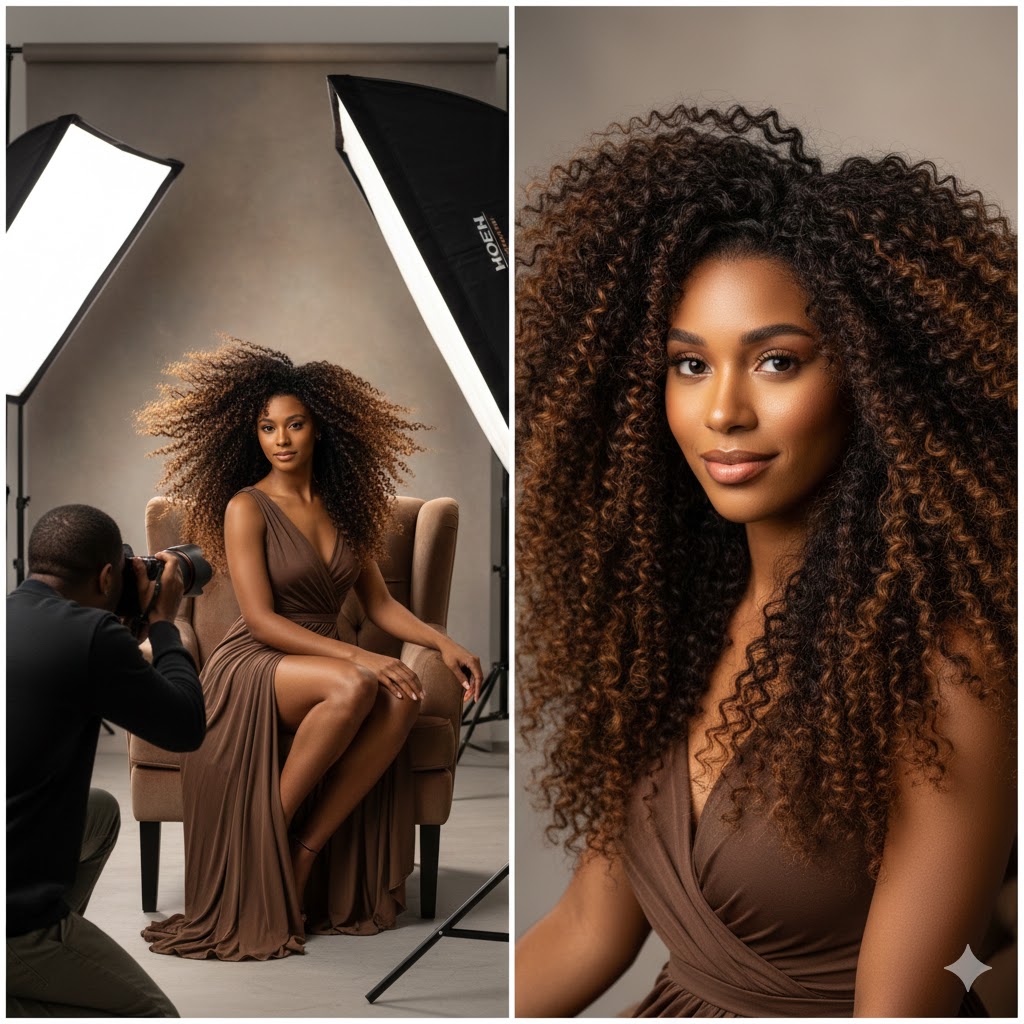
The Black woman is a force of nature—powerful, unbreakable, and extraordinary. She carries a presence that cannot be imitated or minimized. Her soul holds a depth that comes from surviving centuries of oppression while still producing brilliance, culture, and generational resilience. The Most High has gifted her with a spirit that stands tall in storms and shines even in darkness. She is not merely strong—she is strength itself.

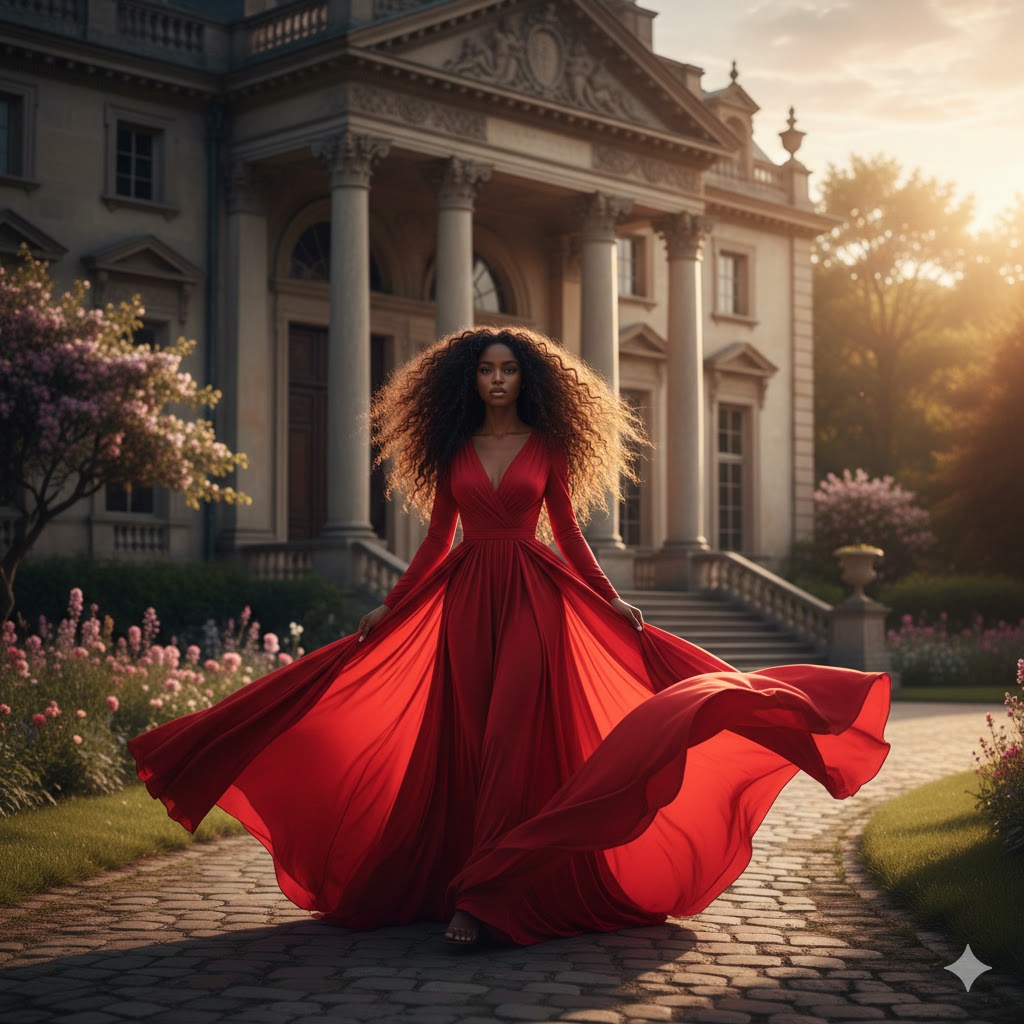
Her beauty is unparalleled. From the richness of her melanin to the depth of her features, the Black woman embodies divine artistry. Her skin, kissed by the sun, radiates warmth and royalty. Her hair, in all its textures and forms, is a crown of glory that speaks of identity, culture, and heritage. She is beauty beyond measure—beauty that the world often tries to imitate but can never fully replicate.

The Black woman’s heart is expansive. She loves deeply, often beyond her own capacity, because she understands sacrifice. She loves with intention, commitment, and soul. She shows up for others even when her own heart is weary. Her compassion is not weakness—it is spiritual strength that transforms families, communities, and nations.

Black women are the backbone of their households. They nurture, teach, build, discipline, and uplift. Many have raised generations with limited resources yet produced kings, queens, scholars, and leaders. Their motherhood is a sacred duty, executed with grace and power. Proverbs 31:25 describes her perfectly: “Strength and honour are her clothing; and she shall rejoice in time to come.”

The Black woman carries a unique spiritual intuition. She discerns danger, reads emotion, and senses the unseen. Her prayers cover entire families. Her intercession has saved countless lives. She is a warrior in the spiritual realm, fighting battles that others may never know about.

Her strength is unmatched. Not only does she endure trials, but she transforms them into triumph. History proves this—from surviving slavery, segregation, and systemic injustice, to rising as leaders, educators, innovators, and cultural icons. The Black woman embodies resilience that cannot be taught; it is inherited, divine, and ancestral.

Black women hold up Black men with loyalty, encouragement, and unwavering belief. Even when society tears Black men down, the Black woman often stands beside them as a pillar of support. She speaks life into her husband, her father, her sons, and her brothers. She sees their greatness even when the world tries to blind them.

For Black sons, she is the first love, the first teacher, the first safe place. She nurtures them into men, instilling courage and identity. For Black daughters, she is the blueprint. She models strength, elegance, intelligence, and survival. Her daughters learn womanhood by watching her endure with dignity.

Her intellect is sharp and expansive. Black women are scholars, scientists, theologians, mothers, CEOs, creators, and innovators. Despite being doubted and underestimated, they continue to excel in every field imaginable. They shatter ceilings that were never designed to include them.

The Black woman’s creativity breathes life into culture. Music, fashion, language, dance, and art—Black women have shaped global culture with little credit and even less recognition. Their ingenuity inspires the world, even when the world refuses to honor its source.

Her emotional strength is both beautiful and misunderstood. She feels deeply yet carries herself with composure. Her pain becomes poetry. Her wounds become wisdom. Her journey becomes testimony. Through heartbreak, she rebuilds; through betrayal, she forgives; through loss, she rises again.

Black women are natural leaders. Their presence commands respect not because they demand it, but because they embody it. They lead with compassion, strategy, intuition, and power. Their leadership has sustained movements, communities, and families throughout generations.

She carries cultural memory. Within her is the story of her ancestors—their survival, their songs, their traditions. She subconsciously preserves history through her cooking, her storytelling, her faith, and her rituals. She is a living heritage.

She is a healer. From herbal knowledge to emotional nurturing, the Black woman restores what is broken. Her hands comfort, her words soothe, and her presence brings peace. Her resilience heals generations that come after her.

The Black woman is loyal. She stands when others walk away. She believes when others doubt. She gives when others take. Her loyalty is not naive—it is rooted in her spiritual calling to uplift those she loves.

She is fierce when necessary. Her fire is sacred. She defends her children, her family, her purpose, and her identity with unwavering determination. She does not fear challenges because she has faced greater battles and conquered them.

Her faith is powerful. Through every trial, she calls on the Most High. Her relationship with God sustains her in ways the world cannot understand. She is a woman of prayer, a woman of scripture, a woman of faith. As Psalm 46:5 affirms, “God is in the midst of her; she shall not be moved.”

Her presence elevates spaces. When a Black woman walks into a room, the atmosphere shifts. Her confidence, her elegance, her energy—these things are felt, not just seen. She is a force, a storm, a sunrise.

The Black woman is worthy of honor. Worthy of rest. Worthy of celebration. Worthy of love. Her contribution to the world is immeasurable and irreplaceable. She is the heartbeat of her community, the anchor of her family, and the embodiment of God’s creativity.

The Black woman is a force of nature—powerful, breathtaking, essential, and divine. The world is better because she exists.


References

  • Proverbs 31:25 (KJV)
  • Psalm 46:5 (KJV)
  • Collins, P. H. (2000). Black Feminist Thought.
  • hooks, bell. (1981). Ain’t I a Woman: Black Women and Feminism.
  • Martin, D. (2017). Black Women in the United States: Progress and Pitfalls.

Black Men and Broken Systems: Reclaiming Purpose Through Pain

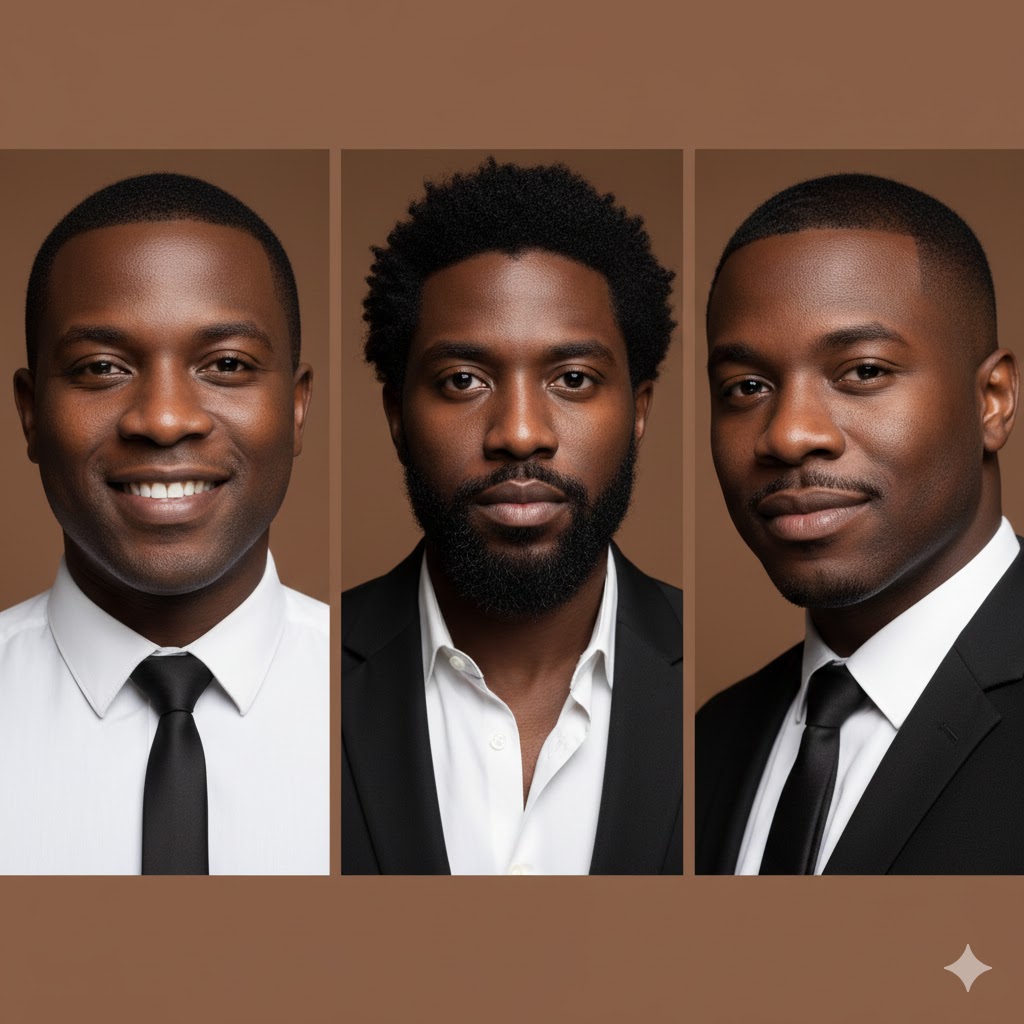
For centuries, Black men have been positioned at the intersection of systemic oppression, cultural misunderstanding, and social vulnerability. Their struggles cannot be viewed in isolation; they are the result of deeply rooted systems that were never built with their flourishing in mind. Yet, in the midst of these structures, Black men continue to pursue purpose, identity, and restoration.

The legacy of slavery established the earliest disruptions to Black male identity. Enslaved men were stripped of autonomy, dignity, and family stability, creating generational wounds that still echo through modern society (Alexander, 2010).

Jim Crow laws further entrenched barriers that limited employment, education, and political participation. Even after these laws were dismantled, their psychological and economic impacts endured, shaping the environments in which many Black men grew up (Du Bois, 1903).

Mass incarceration, often labeled the “New Jim Crow,” disproportionately targets Black men, removing them from communities, families, and careers. This system creates cycles of trauma that are passed on to younger generations (Alexander, 2010).

Educational inequality also plays a major role in the brokenness many Black men navigate. Underfunded schools, biased disciplinary practices, and the school-to-prison pipeline disrupt potential before it has a chance to fully form (Ferguson, 2000).

Economically, Black men face higher unemployment rates, wage discrimination, and limited access to generational wealth. These hardships often lead to feelings of inadequacy, frustration, and loss of purpose (Pager, 2003).

Media portrayals deepen these wounds by depicting Black men as dangerous, irresponsible, or emotionally detached. Such stereotypes influence everything from hiring decisions to policing practices, reinforcing a distorted narrative of Black masculinity (hooks, 2004).

Yet despite these systemic pressures, Black men continue to demonstrate extraordinary resilience. Many find healing in faith, spirituality, and the belief that suffering can birth strength and transformation.

Purpose is often forged in pain, and Black men who confront their challenges with transparency and courage discover a deeper sense of identity. Their resilience becomes not only personal but generational, influencing sons, brothers, and communities.

The role of fatherhood is profoundly important. Even with societal attempts to erase the presence of Black fathers, research shows that involved Black men are among the most engaged and nurturing parental figures in the nation (Cabrera et al., 2018).

Brotherhood and mentorship are also vital. When Black men pour into one another—through conversation, guidance, accountability, and shared experience—they create powerful networks of healing and empowerment.

Therapy and mental health awareness have become essential tools. Breaking the stigma around emotional vulnerability allows Black men to reclaim their humanity and confront trauma with honesty rather than silence (Ward, 2005).

Faith communities also provide grounding spaces where Black men reconnect with identity and divine purpose. Scripture reminds them that suffering can refine rather than destroy, and that purpose is often revealed through endurance.

Creativity is another medium of reclamation. Music, poetry, storytelling, and art allow Black men to express what society often refuses to hear. These forms of expression turn pain into legacy.

Black entrepreneurs and leaders are rewriting narratives by building businesses, influencing culture, and creating opportunities where systems have failed. Their success challenges the myth of inferiority and proves the power of reclaimed purpose.

Communities thrive when Black men heal. Their emotional, spiritual, and economic restoration strengthens families, reduces violence, and reshapes entire neighborhoods.

Healing is not an individual journey; it is communal and generational. When one Black man breaks a cycle, he shifts the trajectory for everyone connected to him.

Reclaiming purpose requires confronting truth—about broken systems, personal trauma, and internalized beliefs. It is difficult work, but transformative work.

In the end, the story of Black men is not defined by the systems that tried to break them. It is defined by their relentless pursuit of dignity, identity, and purpose—even when the world attempts to deny them both. Their resilience is not only a testament to survival but a blueprint for liberation.


References

  • Alexander, M. (2010). The new Jim Crow: Mass incarceration in the age of colorblindness. The New Press.
  • Cabrera, N., Fagan, J., & Farrie, D. (2018). Explaining the father involvement gap: Race, class, and caregiving in the U.S. Journal of Marriage and Family, 80(3), 691–712.
  • Du Bois, W. E. B. (1903). The souls of Black folk. A.C. McClurg.
  • Ferguson, A. A. (2000). Bad boys: Public schools in the making of Black masculinity. University of Michigan Press.
  • hooks, bell. (2004). We real cool: Black men and masculinity. Routledge.
  • Pager, D. (2003). The mark of a criminal record. American Journal of Sociology, 108(5), 937–975.
  • Ward, E. (2005). Keeping it real: A grounded theory study of Black men’s lived experience and mental health. American Journal of Men’s Health, 1(1), 19–29.

What Is Refinement in Beauty?

Refinement in beauty is more than elegance, symmetry, or polished presentation—it is the intentional shaping of one’s appearance, character, and presence to reflect depth, maturity, and inner harmony. While physical beauty may capture attention, refinement elevates beauty into something thoughtful, cultivated, and enduring.

Historically, refinement referred to the process of purifying something—gold, silver, or even language. When applied to beauty, refinement becomes the act of removing distractions so the essence can shine. It is beauty distilled, clarified, and made meaningful (Eco, 2004).

Refined beauty is not about perfection; it is about balance. It values moderation, subtlety, and intentionality. Rather than exaggeration, refinement emphasizes proportion, coherence, and purposeful choices.

Culturally, refined beauty carries different expressions. In some traditions, refinement emphasizes grace and softness; in others, intellect, modesty, or craftsmanship. Despite these differences, refinement universally signals attentiveness and thoughtfulness in self-presentation (Bourdieu, 1984).

Refinement begins with self-awareness. A person who understands their features, personality, and presence can refine their beauty in a way that feels authentic rather than imitative. It is not about fitting into a standard—it is about highlighting one’s unique strengths.

Refinement also includes emotional discipline. A refined presence is calm rather than chaotic, thoughtful rather than impulsive. The emotional steadiness one carries becomes a form of beauty in itself, communicating maturity and inner peace (Goleman, 1995).

A refined aesthetic embraces quality over excess. Whether in clothing, hair, or makeup, refinement values intentional choices that elevate rather than overwhelm. This simplicity enhances natural beauty rather than hiding it.

Grace is an essential component of refined beauty. Grace manifests in posture, tone, movement, and expression. It is the quiet confidence that draws attention not through loudness but through presence.

Refinement also involves intellectual beauty. The way a person speaks, listens, and engages with ideas contributes to how they are perceived. Intelligence paired with kindness becomes a powerful form of beauty (hooks, 2000).

Spiritual grounding influences refinement as well. Many cultures associate refinement with virtue—patience, humility, discernment. This inner richness radiates outward, affecting how others experience one’s presence (Lewis, 2013).

Beauty refined is not boastful. It does not seek validation through comparison. Instead, it rests in self-assurance, knowing that true beauty is recognized by those with perception and depth.

In fashion, refinement favors timeless silhouettes, clean lines, and well-chosen accents. These choices convey discipline and intentionality, suggesting that beauty is curated rather than accidental.

Refinement enhances natural features rather than transforming them. Instead of altering identity, it reveals identity. This approach encourages authenticity in a world often dominated by filters and artificial enhancements (Jones, 2011).

Social media has challenged and reshaped notions of refined beauty. While trends encourage exaggeration—extreme contouring, bold aesthetics—refinement resists by promoting understatement and elegance.

Refinement is also tied to etiquette. Kindness, respect, and consideration for others elevate beauty by reflecting inner character. A person’s behavior can reinforce or undermine their external refinement (Martin, 2016).

In relationships, refinement shows in how one communicates—thoughtfully, respectfully, and with emotional intelligence. This interpersonal beauty strengthens bonds and fosters trust.

Refined beauty values growth. It evolves as a person matures, shedding youthful insecurity for a more rooted, stable expression of self. It becomes not just how one looks, but how one lives.

Refinement recognizes that beauty is experienced through the senses—how a person smells, speaks, moves, and carries themselves. These subtle cues create a holistic aesthetic that goes beyond surface appearance.

Ultimately, refinement in beauty is the marriage of inner and outer harmony. It is the art of presenting oneself with intention, elegance, and authenticity. It is beauty that whispers rather than shouts, yet leaves a lasting impression.

Refinement teaches us that true beauty is not found in excess but in clarity—clarity of self, purpose, values, and expression. In this way, refinement transforms beauty into a deeper, more soulful encounter.


References

  • Bourdieu, P. (1984). Distinction: A social critique of the judgement of taste. Harvard University Press.
  • Eco, U. (2004). On beauty: A history of a western idea. Secker & Warburg.
  • Goleman, D. (1995). Emotional intelligence. Bantam Books.
  • hooks, bell. (2000). All about love: New visions. William Morrow.
  • Jones, M. (2011). Beauty imagined: A history of the global beauty industry. Oxford University Press.
  • Lewis, C. S. (2013). The weight of glory. HarperOne.
  • Martin, J. (2016). The power of etiquette: How manners shape identity. Social Behavior Review, 12(3), 220–234.