Tag Archives: 12 Tribes of Israel

Why Do God’s Chosen Ones Walk Alone?

Biblical and Psychological Reflections

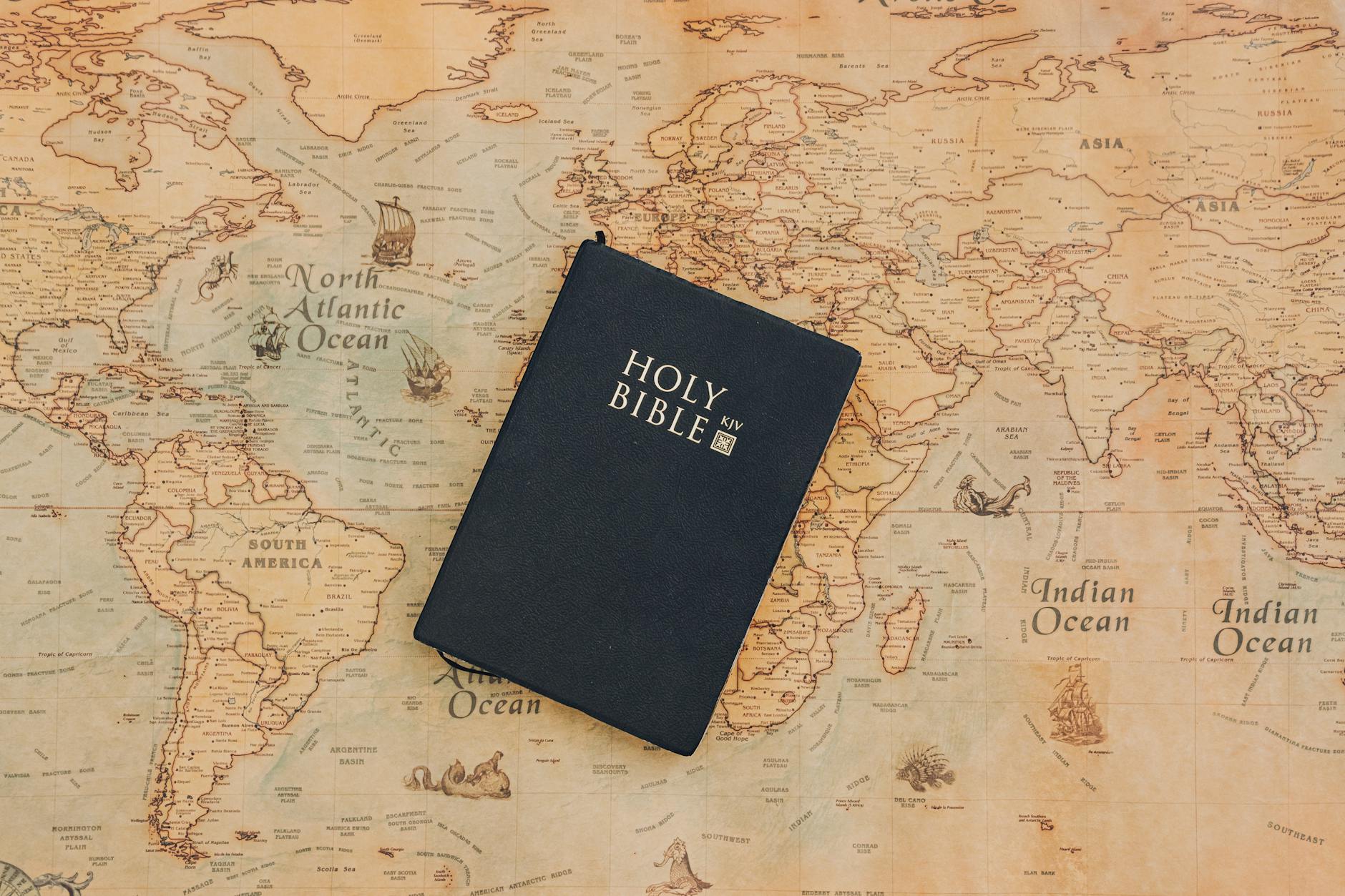
Photo by Aidi Tanndy on Pexels.com

Throughout Scripture, God’s chosen ones often endured seasons of solitude. Abraham left his country and kin at God’s command (Genesis 12:1, KJV). Joseph was betrayed by his brothers and isolated in Egypt before being exalted (Genesis 37–41). Even Christ Himself withdrew to lonely places to pray (Luke 5:16, KJV) and endured Gethsemane’s solitude before the cross. This recurring theme suggests that aloneness is not abandonment, but a sacred space where God develops His chosen vessels.

One reason God’s chosen ones walk alone is preparation for divine assignment. Separation from the crowd allows for spiritual formation, free from distractions and competing voices. In psychology, solitude is associated with self-reflection, emotional regulation, and identity development (Long & Averill, 2003). Spiritually, it allows God’s voice to become clearer, as illustrated when Elijah heard not the earthquake or fire but the “still small voice” (1 Kings 19:12, KJV).

Another reason is that destiny often isolates. The path of the chosen is narrow and cannot be walked by everyone. Jesus taught, “Enter ye in at the strait gate… narrow is the way, which leadeth unto life, and few there be that find it” (Matthew 7:13–14, KJV). Psychology similarly affirms that individuals pursuing uncommon goals or higher callings often experience loneliness, as their values and direction diverge from the majority.

Walking alone also functions as a test of faith and endurance. God uses seasons of isolation to strengthen resilience and dependence on Him. Joseph’s prison years, David’s wilderness hiding from Saul, and Job’s losses all reflect this refining process. Psychologically, enduring solitude can foster resilience and autonomy, teaching individuals to derive self-worth from God and internal strength rather than constant external validation.

Moreover, walking alone guards the chosen against corruption and compromise. When separated, they are less susceptible to the pressures of conformity and worldliness. “Be ye not unequally yoked together with unbelievers” (2 Corinthians 6:14, KJV). Healthy solitude preserves purity of purpose. Psychology supports this principle through the concept of boundary-setting, where distance from toxic influences is necessary for personal growth and emotional well-being.

7 Reasons God’s Chosen Ones Walk Alone

Scripture + Psychology

  1. Preparation for Purpose
  • Genesis 12:1 (KJV): God called Abraham to leave his kin.
  • Psychology: Solitude promotes self-reflection and identity development.
  1. Clarity of God’s Voice
  • 1 Kings 19:12 (KJV): Elijah heard God in the “still small voice.”
  • Being alone quiets distractions so God’s direction becomes clear.
  1. Destiny Requires Separation
  • Matthew 7:14 (KJV): The narrow way is found by few.
  • Psychology: Those pursuing unique callings often experience isolation.
  1. Strength Through Testing
  • Job 23:10 (KJV): “When he hath tried me, I shall come forth as gold.”
  • Trials in solitude refine faith and resilience.
  1. Protection from Corruption
  • 2 Corinthians 6:14 (KJV): “Be ye not unequally yoked…”
  • Healthy solitude guards against negative influence and compromise.
  1. Spiritual Growth and Dependence on God
  • Psalm 62:5 (KJV): “My soul, wait thou only upon God.”
  • Psychology: Solitude develops autonomy and inner strength.
  1. Set Apart for Greatness
  • Jeremiah 1:5 (KJV): “Before I formed thee… I sanctified thee.”
  • God sets apart His chosen to prepare them for higher assignments.

In conclusion, God’s chosen ones walk alone because solitude is the crucible of calling. It is where vision is clarified, faith is tested, character is refined, and destiny is secured. While loneliness may feel like abandonment, Scripture reveals it as preparation: “Lo, I am with you alway, even unto the end of the world” (Matthew 28:20, KJV). To walk alone with God is never truly to be alone; rather, it is to be set apart for greatness.


📚 References

  • The Holy Bible, King James Version.
  • Long, C. R., & Averill, J. R. (2003). Solitude: An exploration of benefits of being alone. Journal for the Theory of Social Behaviour, 33(1), 21–44.
  • Weiss, R. S. (1973). Loneliness: The experience of emotional and social isolation. MIT Press.

The Bible’s Secrets About Black People That Were Hidden.

These photographs are the property of their respective owners. No copyright infringement intended.

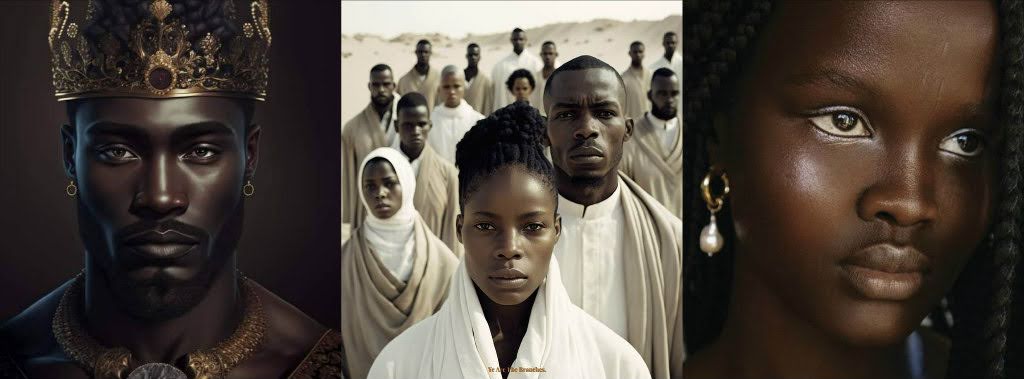
For centuries, the presence of Black people in the Bible has been minimized or obscured through Eurocentric interpretations of Scripture. Yet, the King James Version (KJV) and the Apocrypha contain numerous references to African nations, dark-skinned peoples, and the true identity of the children of Israel. These connections reveal that Black people were not only present but central to the biblical narrative.


Cush, Ham, and the African Lineage

The Bible traces much of the African world back to Ham, the son of Noah. Genesis 10 (the Table of Nations) records: “And the sons of Ham; Cush, and Mizraim, and Phut, and Canaan” (Genesis 10:6, KJV).

  • Cush refers to Ethiopia (modern Sudan/Ethiopia).
  • Mizraim refers to Egypt (Kemet).
  • Phut refers to Libya/North Africa.
  • Canaan refers to the land that Israel later inhabited.

This genealogy directly places Africans at the root of early civilization, showing that people of dark skin were present in the earliest biblical times.


The Israelites and Their Appearance

Many hidden scriptures reveal the physical appearance of Israel. Contrary to the Eurocentric depictions, the Bible describes Israel as a people of dark skin.

  • Jeremiah 8:21 (KJV): “For the hurt of the daughter of my people am I hurt; I am black; astonishment hath taken hold on me.”
  • Lamentations 5:10 (KJV): “Our skin was black like an oven because of the terrible famine.”
  • Song of Solomon 1:5-6 (KJV): “I am black, but comely, O ye daughters of Jerusalem, as the tents of Kedar, as the curtains of Solomon. Look not upon me, because I am black…”

These passages show that Israelite figures, including prophets and kings, were described with dark skin, connecting them to African and Afro-Asiatic peoples.


Egypt, Ethiopia, and Black Royalty

The Bible honors Ethiopia and Egypt as powerful nations:

  • Amos 9:7 (KJV): “Are ye not as children of the Ethiopians unto me, O children of Israel?” – God directly compares Israel to Ethiopians, emphasizing their shared heritage.
  • Jeremiah 13:23 (KJV): “Can the Ethiopian change his skin, or the leopard his spots?” – highlighting the natural dark complexion of Africans.
  • Acts 8:27 (KJV): The Ethiopian eunuch, a royal servant of Candace, queen of Ethiopia, was one of the first Gentiles baptized, showing Africa’s early role in the spread of the Gospel.

The Apocrypha and Hidden Identity

The Apocrypha, often removed from modern Bibles, holds more insight into the suffering and scattering of Israel.

  • 2 Esdras 6:54-56 (Apocrypha): Describes Israel as God’s chosen people above all nations, though later scattered.
  • 2 Esdras 13:40-45 (Apocrypha): Describes the migration of the ten tribes of Israel into distant lands—interpreted by many as part of the scattering into Africa and eventually the Americas during slavery.
  • Baruch 2:29-30 (Apocrypha): “If ye will not hear my voice, surely this very great multitude shall be turned into a small number among the nations, where I will scatter them.”

This aligns with Deuteronomy 28, where curses were placed upon Israel for disobedience, including being taken on ships into slavery:

  • “And the LORD shall bring thee into Egypt again with ships… and there ye shall be sold unto your enemies for bondmen and bondwomen, and no man shall buy you” (Deuteronomy 28:68, KJV).

This prophecy eerily parallels the Transatlantic Slave Trade, where millions of Africans—descendants of Israel—were sold into bondage.


The Revelation of Christ’s Image

One of the most concealed truths involves the description of Christ Himself:

  • Revelation 1:14-15 (KJV):“His head and his hairs were white like wool, as white as snow; and his eyes were as a flame of fire; and his feet like unto fine brass, as if they burned in a furnace.”
    • Hair like wool = texture associated with Black people.
    • Feet like burned brass = a dark, brown/black complexion.

This description directly challenges Eurocentric images of a pale-skinned Christ.


Conclusion

The Bible contains profound truths about Black people that were long hidden through translation bias, colonialism, and Eurocentric theology. From the line of Ham and Cush to the descriptions of Israel’s skin color, from the curses of Deuteronomy 28 to the Apocryphal accounts of scattering, the evidence shows that Black people are deeply woven into the story of Scripture. The hidden truth is that the people of the Bible were not European, but Afro-Asiatic—people of color, many of whom would be recognized today as Black.


References

  • Holy Bible, King James Version.
  • The Apocrypha (2 Esdras, Baruch, Ecclesiasticus).
  • Ben-Jochannan, Y. (1993). African Origins of the Major Western Religions. Baltimore: Black Classic Press.
  • Windsor, R. (1969). From Babylon to Timbuktu: A History of Ancient Black Races Including the Black Hebrews. Atlanta: Windsor’s Golden Series.

Dilemma: By-Words

The History, Psychology, and Biblical Prophecy of Names Forced Upon Black People

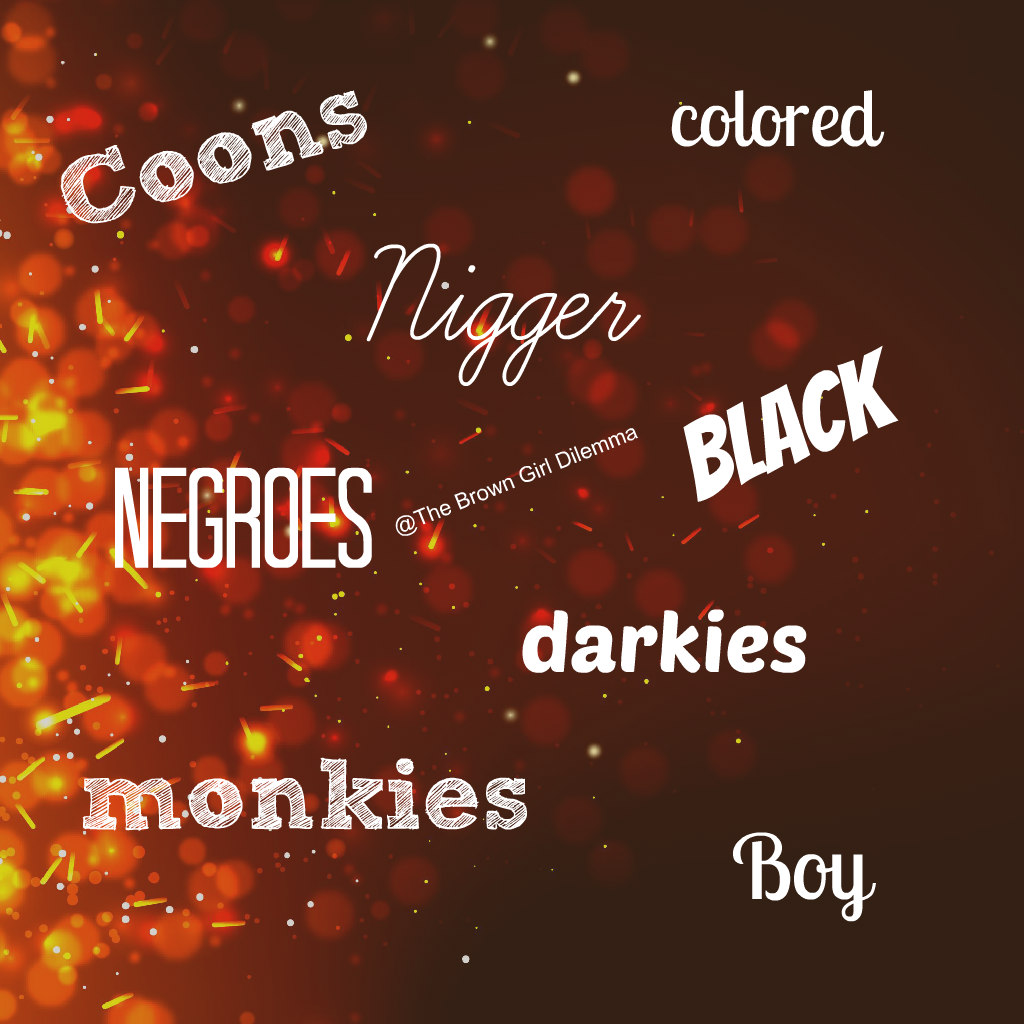
Words carry power. They shape identity, influence perception, and preserve history. Yet words can also wound, distort, and dehumanize. Throughout history, Black people across the diaspora have been branded with derogatory labels—negro, n****, coon, black, colored,* and many more—terms that did not emerge from neutrality but from systems of slavery, colonization, and racial subjugation. The Bible calls these humiliating labels “by-words”—a prophetic sign of oppression and displacement (Deuteronomy 28:37, KJV). To understand the psychology and history of by-words, one must look at the intersection of language, power, slavery, and identity.


What Are By-Words?

The term by-word is defined as a word or phrase used to mock, ridicule, or demean a people or individual. In Scripture, by-words are linked with curses upon nations or peoples who fall under oppression.

  • Deuteronomy 28:37 (KJV): “And thou shalt become an astonishment, a proverb, and a byword, among all nations whither the Lord shall lead thee.”
  • 1 Kings 9:7 (KJV): “Then will I cut off Israel out of the land which I have given them… and Israel shall be a proverb and a byword among all people.”

Biblically, being reduced to a by-word is more than an insult—it signifies loss of sovereignty, dignity, and divine identity.

he Meaning and History of the Word “Nigger”

Origin of the Word

The word nigger is one of the most notorious racial slurs in history. It traces back to the Latin word niger (meaning “black”), which passed into Spanish and Portuguese as negro. When Europeans began enslaving Africans during the transatlantic slave trade (1500s–1800s), the term negro became a racial descriptor.

Over time, particularly in English-speaking countries, negro was corrupted in spelling and pronunciation into n**r—a derogatory term. By the 1700s, it was entrenched in slave societies like the United States as the ultimate label of dehumanization.


Purpose of the Word

The purpose of calling Black people “n****r” was not just insult but domination. It functioned as a psychological weapon in several ways:

  1. Dehumanization:
    • Reduced Black people to something less than human, justifying slavery and racism.
    • Equated Africans with animals, objects, or commodities.
  2. Control and Social Order:
    • Whites used the word to constantly remind enslaved people of their “place” in society.
    • It reinforced racial hierarchy: white = superior, Black = inferior.
  3. Cultural Shaming:
    • Denied African names and identities, replacing them with a word rooted in contempt.
    • Made Blackness itself synonymous with worthlessness or evil.

In short, the word was never neutral. It was created and weaponized to wound, degrade, and keep Black people submissive.


Historical Use in America

  • Slavery Era (1600s–1865): The word was common in plantation speech, laws, and slave advertisements. It was how enslavers referred to Africans as property.
  • Jim Crow (1877–1950s): White people used it as a daily insult to enforce segregation and white supremacy. It became paired with violence—lynching, beatings, and systemic humiliation.
  • Civil Rights Movement (1950s–1970s): The slur was hurled at marchers, students, and leaders fighting for justice. Signs like “Go home n****rs” were common.
  • Modern Era (1980s–Present): The word remains a lightning rod. It is still used by racists as hate speech but also controversially re-appropriated within some Black communities (e.g., in hip-hop, as a term of brotherhood).

How Black People Feel About It

Reactions vary, but the word remains one of the deepest wounds in the Black collective memory:

  1. Pain and Trauma:
    • Many associate it with slavery, Jim Crow, lynching, and racist violence. Hearing it can trigger anger, shame, or grief.
  2. Rage and Resistance:
    • Black leaders like Malcolm X, James Baldwin, and Maya Angelou condemned the word as an instrument of oppression. Baldwin once said: “What you say about somebody else reveals you.”
  3. Division Over Re-appropriation:
    • Some Black people reject the word entirely, seeing it as irredeemable.
    • Others, especially in music and street culture, have attempted to strip it of its power by reclaiming it (e.g., turning it into “n***a” as a casual or friendly address).
    • This re-use, however, is controversial—many feel that no amount of “reclaiming” erases its bloody history.

Biblical & Psychological Perspective

From a biblical standpoint, being called a by-word (Deuteronomy 28:37) is part of a curse—a stripping of honor and identity. Psychologically, constant exposure to the slur can lead to internalized racism: self-doubt, reduced self-worth, and generational trauma.


The word n**r is not just an insult—it is a historical weapon of white supremacy. Born from slavery, cemented during Jim Crow, and still alive today, it carries centuries of blood, pain, and oppression. While some attempt to neutralize it, for most Black people it remains a raw reminder of what their ancestors endured. It is a word heavy with history, one that symbolizes not only racism but also the resilience of a people who refuse to be defined by it.

Timeline: The Evolution of By-Words

1. African Names Before Slavery (Pre-1500s)

Before European colonization, Africans bore names tied to ancestry, geography, spirituality, and meaning: Kwame (born on Saturday, Akan), Makeda (Ethiopian queen), Oluwaseun (God has done this, Yoruba). Names carried memory, culture, and lineage.


2. The Transatlantic Slave Trade (1500s–1800s)

  • Africans kidnapped into slavery were renamed with European surnames (Smith, Johnson, Williams, Brown).
  • By-words such as Negro (from Portuguese/Spanish for “black”) became a racial classification.
  • Slurs like n****,* sambo, and coon emerged on plantations to dehumanize enslaved Africans, comparing them to animals or buffoons.

This was the era of identity erasure: Africans became “property,” marked not by heritage but by by-words.


3. Reconstruction & Jim Crow (1865–1950s)

  • After emancipation, Black people were still denied full humanity. Terms like Negro and Colored became official in laws, schools, and public signs.
  • The Jim Crow system used language to reinforce racial hierarchy: calling Black men “boy” denied manhood, while calling women “mammies” denied femininity.
  • Racist caricatures—coon songs, minstrel shows, Zip Coon, Uncle Tom—spread by-words into mass culture.

By-words became institutionalized, shaping how whites saw Black people and how Black people sometimes internalized those labels.


4. Civil Rights Era (1950s–1970s)

  • The term Negro was challenged, as leaders like Malcolm X urged African Americans to reclaim Black as a badge of pride.
  • The phrase Black is Beautiful emerged as resistance to centuries of being told “black” meant evil or shameful.
  • The name shift to African-American in the late 1980s (championed by Jesse Jackson) reflected a demand for heritage, identity, and cultural recognition.

By-words in this era were confronted with counter-language: affirmations of dignity and identity.


5. Modern Times (1980s–Present)

  • Slurs like n****,* coon, and monkey still circulate, especially online and in extremist circles.
  • The N-word has been re-appropriated in some Black communities as a term of endearment or solidarity—though its use remains deeply divisive.
  • The term Black has been embraced as an ethnic identity marker, while African-American underscores historical and diasporic roots.
  • Psychological studies show that derogatory labeling still impacts self-esteem, racial perception, and systemic bias.

By-words have not disappeared; they have shifted, adapted, and remain central to ongoing struggles over language and identity.


Racism and the Weaponization of By-Words

Racism explains why by-words persisted. These terms justified inequality by painting Black people as inferior, dangerous, or less civilized. By-words reinforced stereotypes in:

  • Law: segregation signs labeled “Colored” vs. “White.”
  • Media: cartoons and films normalized caricatures (Amos ‘n’ Andy, minstrel shows).
  • Society: casual insults reduced Black people to slurs even outside slavery.

By-words were not simply products of ignorance; they were deliberate strategies of domination.


The Psychology of By-Words

From a psychological perspective, by-words operate as verbal shackles.

  1. Identity Erasure: Replacing African names with slave surnames broke ancestral continuity.
  2. Internalized Racism: Constant exposure to insults produced self-doubt and sometimes self-hatred.
  3. Generational Trauma: By-words passed down through history embedded racial inferiority into the subconscious.
  4. Resistance & Reclamation: Language also became a battlefield—turning Black from insult to empowerment, or challenging derogatory names with affirmations.

As psychologist Na’im Akbar (1996) argues, the greatest chains of slavery are not physical but mental—reinforced through language.


Biblical Parallels

The use of by-words against Black people echoes Israel’s fate in exile. Losing names, mocked by nations, and scattered across the earth, they became living fulfillments of Deuteronomy 28. Just as Israel became “a byword among nations,” the descendants of Africa in the diaspora bear the marks of a name-stripping oppression.


Historical Roots of By-Words in Slavery

The transatlantic slave trade, spanning the 16th to 19th centuries, uprooted millions of Africans from their homelands. In the process, enslavers deliberately stripped them of their ethnic names, languages, and tribal lineages. African names like Kwame, Amina, Oluwaseun, Kofi, or Makeda were replaced with European surnames—Smith, Johnson, Williams, Washington—marking forced assimilation into a white supremacist order.

Enslaved Africans were not merely chained physically; they were renamed into invisibility. The imposition of white surnames erased genealogical connections, making it nearly impossible for descendants to trace their ancestral lineage back to their original African nations. This renaming process was a tool of control: to own someone’s name is to own their identity.

At the same time, enslaved Africans became subjects of derogatory by-words. Slave masters, traders, and colonial authorities popularized racial slurs that defined Blackness not by heritage but by supposed inferiority. Terms such as n****,* coon, boy, and Negro reduced a diverse people into a caricature of servitude and subjugation.


The Catalog of By-Words Used Against Black People

Over centuries, Black people have been labeled with words that belittled, animalized, and mocked them:

  • Negro – Derived from the Spanish/Portuguese word for “black,” it became a racial classification imposed by European colonizers.
  • N*** – A perversion of Negro, weaponized as one of the most dehumanizing insults in modern history.
  • Coon – A derogatory word portraying Black people as lazy and buffoonish, rooted in racist minstrel shows of the 19th century.
  • Boy – Used particularly in the Jim Crow South to deny Black men adult dignity and manhood.
  • Colored – Institutionalized through organizations like the NAACP (“National Association for the Advancement of Colored People”), reflecting segregationist terminology.
  • Black – Once synonymous with evil, dirt, or shame in European etymology, rebranded as an identity marker but originally imposed as a contrast to “white purity.”

Each of these terms is a linguistic scar, born of systems that sought to strip away humanity and replace it with inferiority.


Was Racism to Blame?

Yes. The proliferation of by-words was not incidental but systemic, tied directly to racism. By-words allowed dominant groups to control narratives, reinforcing hierarchies of superiority. Racism justified slavery, segregation, colonization, and social exclusion by codifying these by-words into cultural, legal, and political systems.

  • Social Control: Language ensured that Black people were seen not as equals but as perpetual outsiders.
  • Psychological Warfare: By-words internalized shame, often producing generational trauma and fractured self-esteem.
  • Legal Segregation: In the U.S., terms like “colored” and “Negro” were legally inscribed in Jim Crow laws, embedding racism into governance.

The Psychology of By-Words

Psychologists argue that repeated exposure to derogatory labels can produce internalized racism and identity conflict. When a people are constantly described as inferior or less than, the message penetrates deep into the collective psyche.

  • Internalized Oppression: Some Black people began to reject African heritage, aspiring toward whiteness as a form of survival.
  • Group Identity Crisis: By-words created confusion over racial identity—was one “Negro,” “Colored,” “Black,” or “African-American”? This constant renaming fragmented collective identity.
  • Reclamation and Resistance: Over time, Black communities also resisted by re-appropriating terms like “Black” and “N*****” as symbols of empowerment—though still contested.

Biblical Parallels: Israel as a By-Word

The plight of Black people in slavery and colonization parallels biblical Israel’s experience. Just as the Israelites were scattered and mocked with by-words, enslaved Africans endured a loss of name, land, and identity. Deuteronomy 28 not only describes economic curses and enslavement but the stripping away of cultural dignity.

Thus, many Black theologians and scholars interpret the condition of the African diaspora as prophetic: a people renamed, scorned, and marginalized, fulfilling the biblical imagery of becoming “a by-word among nations.”


Conclusion

By-words are more than insults; they are historical markers of oppression. They tell the story of a people kidnapped, enslaved, renamed, and linguistically reshaped to fit the mold of subjugation. From biblical prophecy to the auction blocks of slavery, from Jim Crow to today, the history of by-words reveals how language has been wielded as a weapon against Black identity.

Yet, history also shows resistance. Just as names were stripped, they were reclaimed. Just as by-words mocked, voices rose to redefine them. Understanding the psychology and history of by-words helps restore dignity, while the biblical lens reminds us that identity is ultimately God-given, not man-imposed.

By-words are more than words; they are historical monuments of oppression. They trace a journey from stolen African names to the plantation, from Jim Crow insults to modern re-appropriation. They demonstrate how racism weaponizes language, reshaping identity and memory.

Yet, within that history lies resilience. Every reclaiming of Black as beautiful, every embrace of African names, every refusal to be defined by slurs is a declaration of freedom. In the end, names carry divine weight: not what the oppressor calls us, but what God calls us.


📖 Key Scripture References:

  • Deuteronomy 28:37
  • 1 Kings 9:7
  • Jeremiah 24:9
  • Psalm 44:14

📚 References for Further Reading:

  • Du Bois, W. E. B. (1903). The Souls of Black Folk.
  • Akbar, N. (1996). Breaking the Chains of Psychological Slavery.
  • Davis, A. (1981). Women, Race, and Class.
  • Patterson, O. (1982). Slavery and Social Death.

Kennedy, R. (2002). Nigger: The Strange Career of a Troublesome Word.

Baldwin, J. (1963). The Fire Next Time.

The Lost Kings and Queens: Reclaiming African Royal Lineage in the Diaspora.

“A people without the knowledge of their past history, origin, and culture is like a tree without roots.” — Marcus Garvey


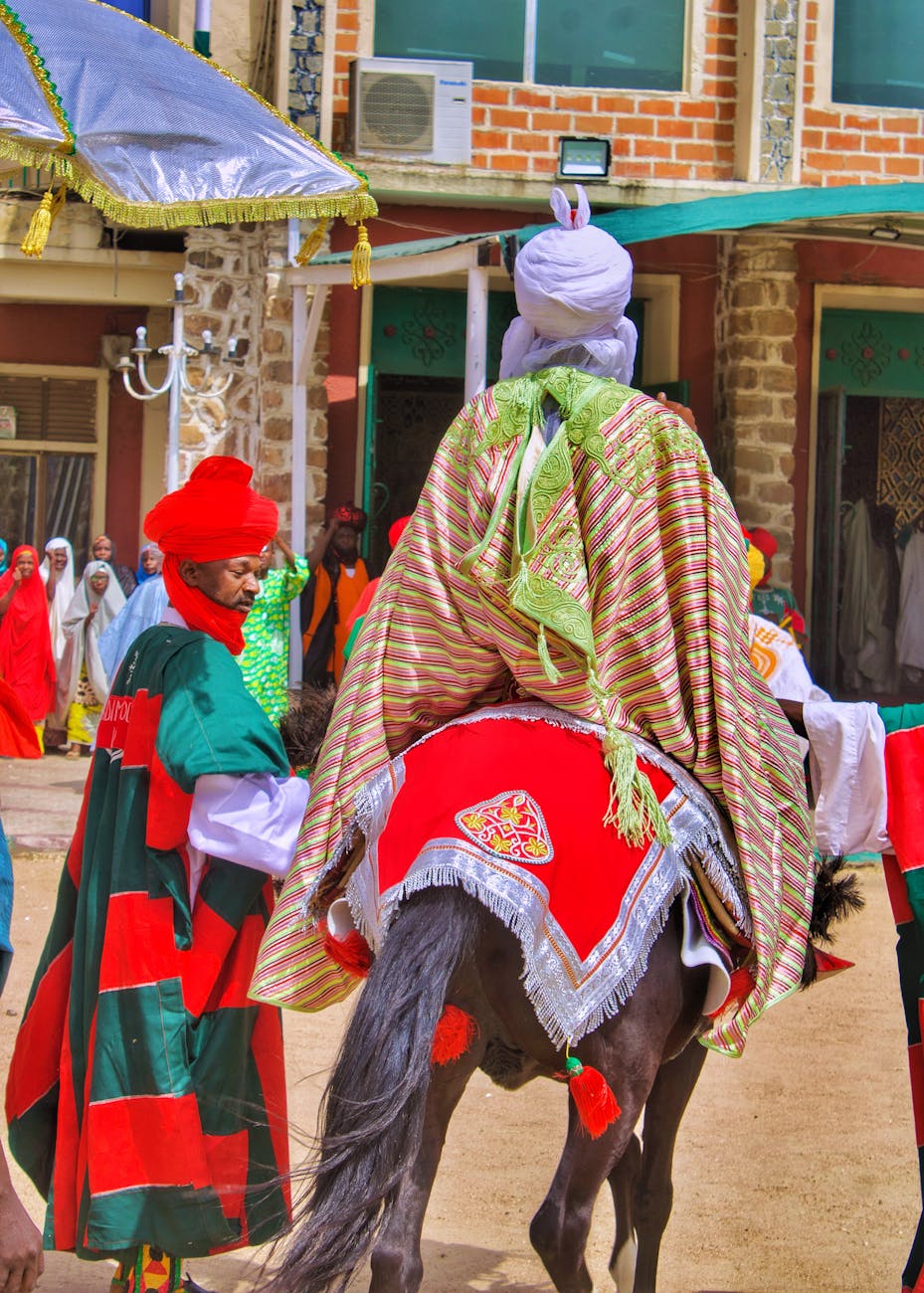
Photo by Daggash Farhan on Pexels.com

African history is rich with kingdoms, dynasties, and monarchies that predate many Western empires. Yet much of this history has been obscured, diminished, or erased due to the transatlantic slave trade, colonization, and the cultural manipulation of dominant powers. The “lost kings and queens” of Africa represent not only individuals but entire lineages of leadership, wisdom, and cultural stewardship. These rulers were custodians of knowledge, justice, and spiritual guidance, linking African peoples to God’s covenant and the biblical narrative of the twelve tribes of Israel. Reclaiming this royal lineage is a task of historical restoration, genealogical tracing, and spiritual awakening for the African diaspora.


Historical Context and Lost Lineages

The height of African civilization between 1000 BCE and 1600 CE produced kingdoms renowned for governance, culture, and wealth. Among these were the Kingdoms of Kush, Axum, Mali, Songhai, Benin, and Great Zimbabwe. Monarchs like Mansa Musa of Mali (14th century) and Queen Amanirenas of Kush exemplify the sophistication and authority of African royalty. The loss of these royal lineages was accelerated by European colonial conquest, internal warfare, and the forced displacement of Africans during the slave trade. These events fractured communities and obscured connections to ancestral leadership, creating a cultural amnesia that continues to affect African descendants globally.


Biblical Connections: The Kingdom of God and the 12 Tribes

The Bible provides a spiritual framework for understanding African royalty. The twelve tribes of Israel, as described in Genesis and the historical books of the KJV Bible, were originally led by patriarchs who exemplified godly leadership, wisdom, and covenantal responsibility. Scholars argue that Africans, particularly through the lineage of Cush and Ham (Genesis 10:6–8, KJV), share a spiritual and genealogical connection to these tribes. The “fall from grace” described in scripture—through disobedience, idolatry, and exile—mirrors the historical subjugation of African kingdoms, where colonial and imperial forces usurped authority and disrupted the governance and culture of African peoples.


The Original Black Royalty

Original African royalty was both political and spiritual. Kings and queens were custodians of law, morality, and religious practice. Pharaohs of Kemet, the monarchs of Kush, and the emperors of Axum exercised centralized authority while upholding societal and spiritual order. These leaders were often scholars, priests, and strategists, ensuring the prosperity and continuity of their people. Their legacy is reflected in architecture, oral traditions, and historical texts, but centuries of suppression have obscured their stories. Today, the remnants of these lineages are visible in royal families in Ethiopia, Morocco, and Nigeria, as well as through the cultural traditions that survived the diaspora.


The African Royal Diaspora

The African royal diaspora refers to descendants of African nobility and leadership displaced through slavery and colonialism. These “lost kings and queens” include both documented heirs and those whose genealogical ties were erased by systemic oppression. The diaspora’s disconnection from ancestral authority contributed to the cultural, social, and psychological challenges faced by African descendants. Reclaiming this royal identity involves education, genealogical research, and cultural restoration. Understanding one’s heritage is crucial for restoring dignity and spiritual continuity.


Reclaiming Royal Lineage

Reclamation of African royal lineage involves multiple strategies:

  1. Genealogical Research: Tracing family histories through oral tradition, DNA analysis (including Y-chromosome haplogroups like E1B1A), and archival records.
  2. Cultural Revival: Reviving languages, rituals, and governance practices that honor ancestral traditions.
  3. Education and Scholarship: Promoting African-centered curricula and research that document the accomplishments of African royalty and leadership.
  4. Spiritual Reconnection: Integrating biblical principles and ancestral teachings to restore the moral and spiritual authority once exercised by African monarchs.

Modern-Day Examples of African Royalty

Several modern African monarchs and traditional leaders continue to embody the legacy of African kingship:

  • King Mohammed VI of Morocco maintains the Alaouite dynasty, a lineage dating back to the 17th century.
  • Emperor of Ethiopia, Haile Selassie I (recently deceased) symbolized the Solomonic dynasty, tracing descent from King Solomon and the Queen of Sheba.
  • Oba of Benin, Ewuare II preserves the heritage of the Benin Kingdom and cultural traditions of governance and spirituality.
    These figures exemplify continuity, resilience, and the living presence of African royalty.

Evidence and Sources

Historical, archaeological, and genealogical evidence supports the existence and continuity of African royalty. Primary sources include inscriptions, royal decrees, architecture, oral histories, and lineage records maintained by traditional authorities. Scholarly works such as Ivan Van Sertima’s They Came Before Columbus and Cheikh Anta Diop’s The African Origin of Civilization provide detailed analysis of African monarchies and their contributions to global civilization. Combined with biblical texts (KJV) referencing Cush, Ham, and the covenantal tribes, these sources form a robust foundation for understanding African royal lineage.


Conclusion

The lost kings and queens of Africa represent a lineage of governance, spirituality, and cultural mastery that has been obscured by slavery, colonization, and systemic oppression. Reclaiming this heritage requires historical scholarship, genealogical research, cultural restoration, and spiritual reconnection. For the African diaspora, rediscovering royal ancestry is not merely an academic exercise—it is an act of identity reclamation, empowerment, and continuity with God’s covenantal people as described in the scriptures. As Marcus Garvey reminds us, knowledge of one’s roots is essential for strength, purpose, and collective destiny. By restoring awareness of African kings and queens, we reclaim a narrative of dignity, wisdom, and divine legacy that has endured despite centuries of erasure.


References

  • Diop, C. A. (1974). The African Origin of Civilization: Myth or Reality. Chicago Review Press.
  • Franklin, J. H., & Moss, A. A. (2000). From Slavery to Freedom: A History of African Americans (8th ed.). McGraw-Hill.
  • Van Sertima, I. (1976). They Came Before Columbus: The African Presence in Ancient America. Random House.
  • Garvey, M. (1920). Philosophy and Opinions of Marcus Garvey. Universal Negro Improvement Association.
  • The Holy Bible, King James Version.
  • Egharevba, J. U. (1968). A Short History of Benin. Ibadan University Press.
  • Shillington, K. (2005). History of Africa (2nd ed.). Palgrave Macmillan.

THE 12 TRIBES OF ISRAEL

Who Are the 12 Tribes of Israel? A Biblical and Historical Perspective

Photo by cottonbro studio on Pexels.com

1. Who Are the 12 Tribes of Israel?

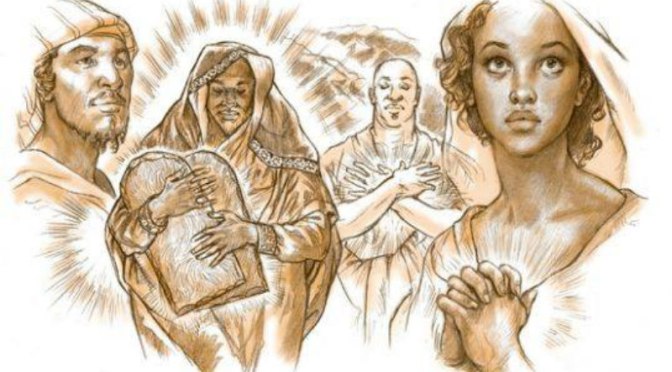
The 12 tribes of Israel are the descendants of the 12 sons of Jacob, whose name was changed to Israel (Genesis 32:28). These sons became the patriarchs of the tribes:

  • Reuben
  • Simeon
  • Levi
  • Judah
  • Dan
  • Naphtali
  • Gad
  • Asher
  • Issachar
  • Zebulun
  • Joseph (divided into Ephraim and Manasseh)
  • Benjamin

Although Levi was set apart as the priestly tribe, Joseph’s portion was split between his two sons, Ephraim and Manasseh, making up the full 12.

📖 Genesis 49 gives prophetic insight into the future of each tribe.

2. Are the 12 Tribes of Israel Black?

There is strong historical and scriptural support for the belief among many that the original Israelites were people of color, particularly of Afro-Asiatic descent.

  • Lamentations 5:10 (KJV): “Our skin was black like an oven because of the terrible famine.”
  • Jeremiah 14:2 (KJV): “Judah mourneth… they are black unto the ground.”
  • Songs of Solomon 1:5 (KJV): “I am black, but comely, O ye daughters of Jerusalem…”

Many scholars and Hebrew Israelite groups argue that the modern-day African diaspora (descendants of slaves scattered during the transatlantic slave trade) may be part of the lost tribes of Israel (Deuteronomy 28).

📖 2 Esdras 13:40–46 (Apocrypha): Describes how the northern tribes were carried away and migrated to a new land—often believed to be the Americas.

3. What Are the Ten Commandments?

The Ten Commandments were given by God to Moses on Mount Sinai. They form the foundation of biblical law and morality:

📖 Exodus 20:1–17 (KJV) and Deuteronomy 5:6–21

  1. Thou shalt have no other gods before me.
  2. Thou shalt not make unto thee any graven image.
  3. Thou shalt not take the name of the Lord thy God in vain.
  4. Remember the sabbath day, to keep it holy.
  5. Honour thy father and thy mother.
  6. Thou shalt not kill.
  7. Thou shalt not commit adultery.
  8. Thou shalt not steal.
  9. Thou shalt not bear false witness.
  10. Thou shalt not covet.

Applying the Ten Commandments to Life:

These commandments teach us to:

  • Worship God alone
  • Keep our speech and actions holy
  • Respect others’ lives, marriages, and property
  • Uphold truth, justice, and contentment
  • Keep the Sabbath day (Saturday) as a day of rest

4. What Is Sin?

📖 1 John 3:4 (KJV): “Whosoever committeth sin transgresseth also the law: for sin is the transgression of the law.”

Sin is breaking God’s commandments. It separates us from God and leads to spiritual death.

📖 Romans 6:23 (KJV): “For the wages of sin is death; but the gift of God is eternal life through Jesus Christ our Lord.”

5. How Do We Resist Sin?

  • Through the Word of God:
    📖 Psalms 119:11: “Thy word have I hid in mine heart, that I might not sin against thee.”
  • Through Prayer and Fasting:
    📖 Matthew 17:21: “Howbeit this kind goeth not out but by prayer and fasting.”
  • By Following the Spirit, Not the Flesh:
    📖 Galatians 5:16: “Walk in the Spirit, and ye shall not fulfil the lust of the flesh.”

6. What Color Is Jesus?

The Bible gives a physical description of Christ that challenges the common Western image:

📖 Revelation 1:14–15 (KJV):
“His head and his hairs were white like wool, as white as snow; and his eyes were as a flame of fire;
And his feet like unto fine brass, as if they burned in a furnace.”

  • Wooly hair (texture often associated with people of African descent)
  • Burned brass feet (dark skin tone)

📖 Daniel 10:5–6 also gives a similar description.

7. Who Is the Devil?

The devil, also known as Satan, is the adversary of God and mankind. He tempts, accuses, and seeks to destroy the righteous.

📖 1 Peter 5:8 (KJV):
“Be sober, be vigilant; because your adversary the devil, as a roaring lion, walketh about, seeking whom he may devour.”

📖 Revelation 12:9 (KJV):
“And the great dragon was cast out, that old serpent, called the Devil, and Satan, which deceiveth the whole world…”

The devil often uses temptation, deception, and sin to separate people from God.

8. When Did the Country Name “Israel” Change?

The land was historically known as Canaan, then Israel, later Judah (southern kingdom), and over time came under various empires (Babylonian, Roman, Ottoman). After 70 A.D., Jerusalem was destroyed by the Romans, and the Israelites were scattered (the diaspora).

In 1948, the modern State of Israel was established in Palestine, fulfilling political prophecy and sparking much debate about who the true Israelites are.

📖 Luke 21:24: “Jerusalem shall be trodden down of the Gentiles, until the times of the Gentiles be fulfilled.”

9. Who Are the Chosen People?

📖 Deuteronomy 7:6 (KJV):
“For thou art an holy people unto the LORD thy God… a special people unto himself, above all people that are upon the face of the earth.”

📖 2 Esdras 6:54–56 (Apocrypha):
“And after these, Adam also… of him come we all, and the people also whom thou hast chosen… but we thy people, whom thou hast called thy firstborn, thy only begotten, and thy fervent lover, are given into their hands.”

The Israelites—specifically the 12 tribes—are considered God’s chosen people, with a covenant to keep His laws.

Final Thoughts

Understanding the identity of the 12 Tribes, the nature of sin, the commandments, and Christ’s true image helps believers return to biblical truth and resist modern deception. God calls His people to righteousness, not just in identity, but in obedience.

📖 Ecclesiastes 12:13 (KJV): “Let us hear the conclusion of the whole matter: Fear God, and keep his commandments: for this is the whole duty of man.”


References (KJV & Apocrypha)

  • Genesis 32, 49
  • Exodus 20
  • Deuteronomy 5, 7, 28
  • Psalms 119
  • Isaiah 1:3
  • Jeremiah 14:2
  • Daniel 10
  • Matthew 17
  • Revelation 1, 12
  • 1 John 3
  • 2 Esdras 6, 13 (Apocrypha)
  • Ecclesiasticus/Sirach (Apocrypha)

The SABBATH

The True Sabbath: A Divine Covenant from Sunset to Sunset

Photo by Nothing Ahead on Pexels.com

What Is the Sabbath According to the KJV Bible?

The Sabbath—from the Hebrew word Shabbat, meaning “to cease” or “to rest”—is the seventh day of the week, a sacred time set apart by the Most High for rest and spiritual renewal. It is not merely a day of physical inactivity, but a holy convocation, a divine appointment (Leviticus 23:3 KJV) wherein the people of Yahuah (God) are called to pause from labor and delight in His presence.

According to Genesis 2:2-3 (KJV):

“And on the seventh day God ended his work which he had made; and he rested on the seventh day… And God blessed the seventh day, and sanctified it.”

This divine ordinance was later codified in the Ten Commandments:
Exodus 20:8-11 (KJV):

“Remember the sabbath day, to keep it holy… the seventh day is the sabbath of the LORD thy God: in it thou shalt not do any work…”

The biblical reckoning of a day begins at evening (sundown)—not at midnight or sunrise—based on Genesis 1:5:

“And the evening and the morning were the first day.”

Thus, the true Sabbath begins at Friday sundown and ends at Saturday sundown, encompassing the seventh day in its entirety.

When Is the Sabbath According to the Bible?

According to the King James Version (KJV) of the Bible, the Sabbath is the seventh day of the week, which begins at sundown on Friday and ends at sundown on Saturday. This is based on Hebraic timekeeping, where a biblical “day” starts in the evening, not at midnight.


🔹 Biblical Proof the Sabbath Is the Seventh Day

Genesis 1:5 (KJV):

“And the evening and the morning were the first day.”
This verse shows that a day begins at evening (sundown) and ends the next evening.

Exodus 20:8–11 (KJV):

“Remember the sabbath day, to keep it holy… But the seventh day is the sabbath of the LORD thy God…”
The Sabbath is explicitly identified as the seventh day, not the first.

Leviticus 23:32 (KJV):

“From even unto even, shall ye celebrate your sabbath.”
This confirms that Sabbaths are to be observed from evening to evening, meaning from sundown to sundown.


🔹 Modern Understanding: Friday Sundown to Saturday Sundown

Based on the biblical calendar:

  • The Sabbath begins at sunset on Friday (usually around 6:00–7:00 PM depending on your location and time of year)
  • It ends at sunset on Saturday

This 24-hour period is the seventh day of the biblical week.


🔹 Is Sunday the Sabbath?

No. Sunday is the first day of the week, not the seventh. Nowhere in the Bible is Sunday called the Sabbath. The shift from Saturday to Sunday observance came centuries later, starting with Emperor Constantine in 321 CE, who legalized Sunday worship for political and pagan reasons—not biblical authority (see Daniel 7:25).


🔹 Sabbath Summary

  • Day: The seventh day (Saturday)
  • Timing: From Friday evening (sundown) to Saturday evening (sundown)
  • Commanded: In the Ten Commandments (Exodus 20)
  • Established: At Creation (Genesis 2:2–3)
  • Not Sunday (the first day of the week)

Misplaced Sabbath: Sunday Worship and Historical Manipulation

The observance of Sunday, the first day of the week, as the Sabbath has no scriptural foundation. Nowhere in the KJV Bible are believers commanded to sanctify the first day. The early assembly of believers (Hebrews 4:9, Acts 13:42-44) continued to observe the Sabbath until political and ecclesiastical forces imposed change.

In 321 CE, Emperor Constantine, a known sun-worshipper, enacted a law mandating Sunday as the day of rest:

“On the venerable day of the sun let the magistrates and people residing in cities rest…”

This decree was later enforced by the Roman Catholic Church, culminating in laws forbidding Sabbath observance on Saturday under penalty of death. Many faithful who chose obedience to Yahuah were martyred, burned, or exiled for resisting what Scripture calls the “traditions of men” (Mark 7:7-9 KJV).


Catholic Admissions: Changing the Day Without Biblical Authority

The Catholic Church has historically admitted this unauthorized change:

“The Pope has power to change times, to abrogate laws…”
Decretal De Translat. Episcop. Cap.

“The Church is above the Bible, and this transference of Sabbath observance from Saturday to Sunday is proof positive of the fact.”
Catholic Record, London, Ontario, Sept. 1, 1923

“Nowhere in the Bible is Sunday sanctified… the Scriptures enforce the religious observance of Saturday, a day which we [Catholics] never sanctify.”
James Cardinal Gibbons, The Faith of Our Fathers, p. 89

“The holy day, the Sabbath, was changed from Saturday to Sunday… not from any directions noted in the Scriptures, but from the church’s sense of its own power.”
St. Catherine Catholic Church Sentinel, May 21, 1995

These admissions confirm that Sunday worship is an institutional tradition, not a biblical mandate.


A Sign Between Yah and His People

The Sabbath is more than a day—it is a sign of covenant between Yahawahshi and His chosen people.

Ezekiel 20:20 (KJV):
“And hallow my sabbaths; and they shall be a sign between me and you, that ye may know that I am the LORD your God.”

To keep the Sabbath is to identify with the Most High, to walk in His commandments, and to separate from worldly customs.

Constantine and the Sabbath: How Pagan Politics Replaced a Divine Commandment

Who Was Constantine?

Flavius Valerius Constantinus, known as Constantine the Great, was the Roman Emperor from 306 to 337 CE. He is widely remembered for being the first Roman emperor to profess Christianity and for his pivotal role in shaping the political and religious structure of what would become Roman Catholic Christianity.

Though often hailed as a Christian reformer, Constantine’s policies were driven as much by political expediency as religious conviction. He sought unity in a fractured empire, and in doing so, he blended pagan traditions with elements of the early Messianic faith (followers of Yahusha/Jesus), fundamentally altering the course of religious history.


Constantine and the Sunday Law

In the year 321 CE, Constantine issued a civil decree declaring:

“On the venerable day of the sun let the magistrates and people residing in cities rest, and let all workshops be closed.”
Codex Justinianus, Book 3, Title 12, Law 3

This was the first official law mandating Sunday observance across the Roman Empire—not as a biblical Sabbath, but as a continuation of pagan sun worship, specifically honoring the Roman sun-god Sol Invictus (“the unconquered sun”).

Constantine’s Religious Values and Motives

Though Constantine claimed to have converted to Christianity after a vision before the Battle of the Milvian Bridge in 312 CE, he retained many pagan practices throughout his life. He continued to:

  • Mint coins bearing the image of Sol Invictus
  • Hold the title Pontifex Maximus, the high priest of Roman paganism
  • Worship at pagan temples
  • Blend Roman deities with Christian symbols for political unity

Constantine’s value for the Sabbath was non-existent in its original Hebraic form. Rather than sanctifying the seventh day (Saturday), as commanded in Exodus 20:8–11 (KJV), Constantine sought to displace it with Sunday, the traditional day of sun-god worship. This move:

  • Appealed to the pagan majority, who already honored the sun
  • Distanced the Christian sect from its Jewish roots, which were being persecuted
  • Unified religious practices under one empire-wide schedule

The Impact on Sabbath Observance

Although many early believers (including Gentile converts) continued to keep the Saturday Sabbath well into the 4th and 5th centuries, Constantine’s decree became the foundation for institutional Sunday worship.

Following Constantine’s precedent, the Council of Laodicea (circa 364 CE) officially forbade believers from observing the Sabbath, stating:

“Christians must not Judaize by resting on the Sabbath, but must work on that day, honoring rather the Lord’s Day [Sunday]… if any be found to be Judaizers, let them be anathema from Christ.”

This marked the transition from biblical Sabbath observance to the enforced observance of Sunday, a man-made tradition devoid of scriptural support.


Constantine’s Legacy: Replacing Commandments with Tradition

Constantine’s decisions fundamentally altered the commandments given by Yahuah, fulfilling the warning found in Daniel 7:25 (KJV):

“And he shall speak great words against the most High, and shall wear out the saints of the most High, and think to change times and laws…”

This prophecy aligns precisely with Constantine’s actions: changing the time of the Sabbath and replacing the law of Yahuah with imperial decree.

By aligning Christianity with state power and pagan custom, Constantine:

  • Institutionalized Sunday worship
  • Set the stage for the Roman Catholic Church’s dominance
  • Led millions into unwitting disobedience of the Fourth Commandment

A Call Back to the Ancient Path

Constantine’s legacy serves as a sober reminder that human authority can never override the eternal law of Yahuah. The true Sabbath—from Friday sundown to Saturday sundown—remains unchanged, blessed, and sanctified since the foundation of the world (Genesis 2:3 KJV).

Isaiah 58:13-14 (KJV):
“If thou turn away thy foot from the sabbath, from doing thy pleasure on my holy day… Then shalt thou delight thyself in the Lord…”

The distortion of the Sabbath is not merely a historical footnote; it is a matter of spiritual fidelity. In returning to the seventh-day Sabbath, believers reject the traditions of men and embrace the covenant of the Most High, walking in obedience and truth.


Would you like this turned into a PDF lesson, a teaching slide deck, or an annotated sermon outline with scripture breakdowns and historical references?

Ask ChatGPT

Final Reflection: Returning to the Ancient Paths

Today, millions gather on Sunday believing they are honoring the Most High, yet they have forsaken His commanded rest. As they leave their sanctuaries, unchanged and disconnected from truth, their souls remain empty, and their sins unrepented.

Jeremiah 6:16 (KJV):
“Thus saith the LORD, Stand ye in the ways, and see, and ask for the old paths… and ye shall find rest for your souls.”

Keeping the true Sabbath, from Friday sundown to Saturday sundown, is a revolutionary act of faith, a return to divine order in an age of confusion.

Let the people of Yahuah rise, not in rebellion against man, but in obedience to the Most High, keeping His Sabbath holy, walking in truth, and forsaking the commandments of men.