

Tag Archives: 12 Tribes

Dilemma: Brother Against Brother

The crisis of “brother against brother” has become one of the most painful and complex truths within the Black community. It reflects a deep wound shaped by centuries of trauma, broken family structures, systemic oppression, and internalized self-hatred. Black men—once kings, protectors, innovators, and spiritual pillars of ancient civilizations—now often find themselves positioned as enemies to one another. Instead of building together, many are trapped in cycles of competition, conflict, and destruction. This tragedy is not born from nature but from historical engineering, social influence, and unresolved generational pain.

The issue of Black men killing other Black men continues to devastate families and communities across America. Although crime exists in every racial group, the concentrated violence within predominantly Black neighborhoods stems from systemic disenfranchisement, redlining, poverty, and the deliberate flooding of drugs and guns into urban communities. When resources are scarce and hope feels distant, men begin to see one another not as brothers but as threats. What should be unity becomes rivalry. What should be communal responsibility becomes survival warfare shaped by external design.

Gang culture emerged partly from these conditions. Although some early gangs were formed for protection, many evolved into organizations that perpetuate cycles of retaliation and territorial conflict. The desire to belong—to claim identity, power, or respect—becomes distorted into violence. Instead of competing against the systems that oppress them, young Black men too often compete against each other, losing years of potential to incarceration, injury, or death. This is not a moral failing but the outcome of generational instability and targeted neglect.

The internal conflict is not only physical but also psychological. The media often magnifies images of Black men as hyper-aggressive, criminal, or emotionally unavailable. These portrayals condition society and Black men themselves to see each other through a lens of suspicion rather than solidarity. The result is mistrust, emotional distance, and the belief that vulnerability is weakness. Without emotional literacy or safe spaces for healing, anger becomes the language many men know best.

Adding to this, modern culture pressures Black men to “one-up” each other—financially, socially, and sometimes violently. Masculinity becomes defined by domination rather than compassion, competition rather than collaboration. Whether through bravado, materialism, or street credibility, envy, worth is measured by comparison rather than character. This competitive mindset fractures relationships, weakens unity, and fuels an environment where brotherhood struggles to thrive.

Another layer of this crisis lies in the public rhetoric of some Black male celebrities and influencers who speak harshly against Black women. Instead of uplifting their sisters, they often demean them publicly, reinforcing stereotypes birthed during slavery when Black families were torn apart. This divisive speech harms the community by creating gender wars—brother against sister—and diverting attention from the real systems that undermine Black families. When Black men publicly dishonor Black women, it fractures the very foundation of the community.

Many of these behaviors stem from unresolved trauma. Generations of Black men have carried burdens of discrimination, economic instability, police brutality, and lack of emotional support. Without healthy mentorship or mental health access, pain can easily transform into aggression. Hurt men hurt other men. The cycle continues because healing is rarely prioritized or taught, especially in spaces where survival takes precedence over self-reflection.

There is also the crisis of absent or strained fatherhood, not by choice but because of mass incarceration, economic challenges, and systemic separation of Black families. When young boys do not see healthy examples of love, leadership, and conflict resolution, they mimic what they are exposed to—chaos, hyper-masculinity, or antisocial behavior. Brotherhood cannot flourish when foundational guidance is interrupted.

Educational inequality contributes as well. Underfunded schools, low expectations, and lack of representation limit opportunities for young Black men. When society signals that success is unattainable, alternative paths—often dangerous ones—become appealing. The lack of academic and vocational support creates breeding grounds for conflict, resentment, and hopelessness.

Music and entertainment industries also play a role. While many Black artists use music for storytelling and healing, corporations often elevate content that glorifies violence, rivalry, and disrespect. Young men absorb these messages and normalize them, believing that masculinity is proven through aggression. This corporate exploitation of Black male identity fuels division and devalues life itself.

Moreover, societal institutions consistently pit Black men against one another. Whether through limited job opportunities, biased criminal justice systems, or exploitative sports industries, the message is clear: only one can win. Only one can succeed. Only one can shine. This scarcity mindset erodes unity and fosters envy.

Yet, despite these challenges, many Black men are actively choosing a different path. Across the country, mentors, pastors, coaches, and community leaders are working to restore brotherhood. Programs focused on emotional intelligence, conflict resolution, and empowerment are helping young men unlearn destructive patterns. Healing spaces are emerging where men can be vulnerable without shame, reclaim their identity, and reconnect with each other.

Black men are also reshaping the narrative by celebrating one another’s success instead of competing. Social media movements like #BlackMenSmile and #BlackBoyJoy highlight the beauty, softness, brilliance, and strength of Black manhood beyond stereotypes. These images promote unity and challenge the belief that Black men must perform masculinity through violence or domination.

Reconciliation between Black men and Black women is also essential. Brotherhood cannot thrive when the relationship with Black women is fractured. Both sides must heal the wounds caused by patriarchy, colorism, and internalized racism. True healing requires accountability, empathy, and partnership—not blame.

Spiritual restoration remains a critical component. Many Black men are returning to faith, prayer, and community fellowship as grounding forces. Scripture emphasizes unity: “Behold, how good and how pleasant it is for brethren to dwell together in unity!” (Psalm 133:1, KJV). Reconnecting with God and identity helps to break cycles of destruction and renew purpose.

Additionally, economic empowerment is strengthening brotherhood. Entrepreneurship, cooperative economics, and financial literacy programs are teaching Black men to build together rather than tear each other down. Shared success creates shared loyalty.

Healing also requires emotional honesty. Black men must confront their pain—grief, abandonment, rejection, societal pressure—rather than hiding behind aggression. Vulnerability is not weakness but liberation. When men heal individually, they strengthen the collective.

To end the epidemic of “brother against brother,” society must address the systemic roots while Black men commit to rebuilding each other with accountability and love. The future of Black families, culture, and generations depends on restored unity, emotional healing, and community transformation. Brotherhood can rise again when men recognize that their brothers are not their enemies but their reflections.

References

Alexander, M. (2010). The new Jim Crow: Mass incarceration in the age of colorblindness. The New Press.
Anderson, E. (1999). Code of the street: Decency, violence, and the moral life of the inner city. W.W. Norton.
hooks, b. (2004). We real cool: Black men and masculinity. Routledge.
Majors, R., & Billson, J. (1992). Cool pose: The dilemmas of Black manhood in America. Simon & Schuster.
Staples, R. (1982). Black masculinity. Black Scholar Press.

Being Spiritually Bankrupt

Spiritual bankruptcy describes a condition in which the soul is impoverished despite outward activity, knowledge, or religious affiliation. It is the quiet emptiness that persists even when one attends services, recites prayers, or possesses intellectual familiarity with Scripture. In biblical terms, it reflects a separation between form and power, where the heart is distant from the Most High though the lips may still speak His name.

In the King James Version, this condition is hinted at when Christ says, “This people draweth nigh unto me with their mouth, and honoureth me with their lips; but their heart is far from me” (Matthew 15:8, KJV). Spiritual bankruptcy is not merely the absence of belief, but the erosion of intimacy with God. It is the soul running on religious fumes rather than living faith.

The spiritually bankrupt individual often experiences dryness, confusion, and fatigue in prayer and reading. Scripture may feel distant or unreadable, and spiritual disciplines become obligations rather than lifelines. This mirrors the Laodicean condition described in Revelation, where believers believed themselves rich, yet were declared “wretched, and miserable, and poor, and blind, and naked” (Revelation 3:17, KJV).

Biblically, spiritual poverty is not always condemned; in fact, it can be the doorway to restoration. Christ declares, “Blessed are the poor in spirit: for theirs is the kingdom of heaven” (Matthew 5:3, KJV). To be poor in spirit is to recognize one’s need, to admit spiritual insolvency without God’s sustaining presence.

Spiritual bankruptcy often develops through neglect rather than rebellion. Slowly, prayer becomes rushed, Scripture reading becomes sporadic, and worldly pressures crowd out sacred space. As Proverbs warns, “He that trusteth in his own heart is a fool” (Proverbs 28:26, KJV). Self-reliance replaces God-dependence, leading to spiritual depletion.

Another cause is unrepented sin, which creates distance between the soul and the Most High. Isaiah declares plainly, “Your iniquities have separated between you and your God” (Isaiah 59:2, KJV). Sin dulls spiritual sensitivity and interrupts communion, leaving the believer spiritually impoverished even while maintaining outward morality.

The first step toward recovery is honest self-examination before God. David models this posture when he prays, “Search me, O God, and know my heart: try me, and know my thoughts” (Psalm 139:23, KJV). Spiritual healing begins when one stops pretending to be full and admits emptiness before the Most High.

Repentance follows recognition. Biblical repentance is not merely sorrow, but a turning of the heart and direction. “If we confess our sins, he is faithful and just to forgive us our sins, and to cleanse us from all unrighteousness” (1 John 1:9, KJV). Confession restores access to divine fellowship and breaks the cycle of spiritual debt.

Prayer must then be rebuilt as relationship rather than ritual. Christ instructed His disciples to pray beginning with reverence and submission: “Our Father which art in heaven, Hallowed be thy name. Thy kingdom come. Thy will be done” (Matthew 6:9–10, KJV). Prayer reconnects the soul to its Source when approached with humility and sincerity.

Effective prayer includes thanksgiving, confession, petition, and listening. The Psalms repeatedly model honest conversation with God, including lament and praise. “The LORD is nigh unto all them that call upon him, to all that call upon him in truth” (Psalm 145:18, KJV). Consistency, not eloquence, restores spiritual vitality.

Reading the Bible is essential to overcoming spiritual bankruptcy, for Scripture is spiritual nourishment. Christ declares, “Man shall not live by bread alone, but by every word that proceedeth out of the mouth of God” (Matthew 4:4, KJV). Without regular intake of the Word, the spirit weakens just as the body would without food.

Scripture reading should be approached prayerfully, asking for understanding and application. “Open thou mine eyes, that I may behold wondrous things out of thy law” (Psalm 119:18, KJV). The goal is not speed or volume, but communion and transformation through divine truth.

Meditation on Scripture deepens this process. Joshua was instructed to meditate on the law day and night to prosper spiritually and practically (Joshua 1:8, KJV). Meditation allows the Word to move from the page into the heart, rebuilding spiritual wealth over time.

Developing a relationship with the Most High requires obedience born from love. Christ states plainly, “If ye love me, keep my commandments” (John 14:15, KJV). Obedience is not legalism but alignment, restoring harmony between God’s will and human conduct.

Trust is another cornerstone of spiritual restoration. “Trust in the LORD with all thine heart; and lean not unto thine own understanding” (Proverbs 3:5, KJV). Spiritual bankruptcy often thrives where trust has been transferred from God to self, systems, or society.

Fellowship with other believers also strengthens spiritual health. Scripture teaches that believers sharpen one another (Proverbs 27:17, KJV). Isolation can deepen spiritual poverty, while righteous community provides encouragement, accountability, and shared wisdom.

Fasting may also play a role in spiritual renewal. Biblically, fasting humbles the soul and reorients desire toward God (Psalm 35:13, KJV). When practiced correctly, it strips away distractions and exposes areas of dependency that must be surrendered.

Ultimately, spiritual wealth is measured by closeness to God, not emotional highs or material success. Paul declares, “I count all things but loss for the excellency of the knowledge of Christ Jesus my Lord” (Philippians 3:8, KJV). True abundance is found in divine intimacy.

The spiritually bankrupt soul is not beyond repair. God promises restoration to those who return to Him wholeheartedly. “Draw nigh to God, and he will draw nigh to you” (James 4:8, KJV). The Most High is not withholding; He is waiting.

Spiritual bankruptcy, when acknowledged, becomes the soil in which renewal grows. Through repentance, prayer, Scripture, obedience, and trust, the soul is rebuilt and restored. The same God who exposes emptiness also supplies fullness, for “the LORD is my shepherd; I shall not want” (Psalm 23:1, KJV).


References (KJV)

The Holy Bible, King James Version.
Matthew 4:4; Matthew 5:3; Matthew 6:9–10; Matthew 15:8
Psalm 23:1; Psalm 35:13; Psalm 119:18; Psalm 139:23; Psalm 145:18
Proverbs 3:5; Proverbs 27:17; Proverbs 28:26
Isaiah 59:2
Joshua 1:8
John 14:15
Philippians 3:8
Revelation 3:17
James 4:8
1 John 1:9

Girl Talk Series: High Value Man

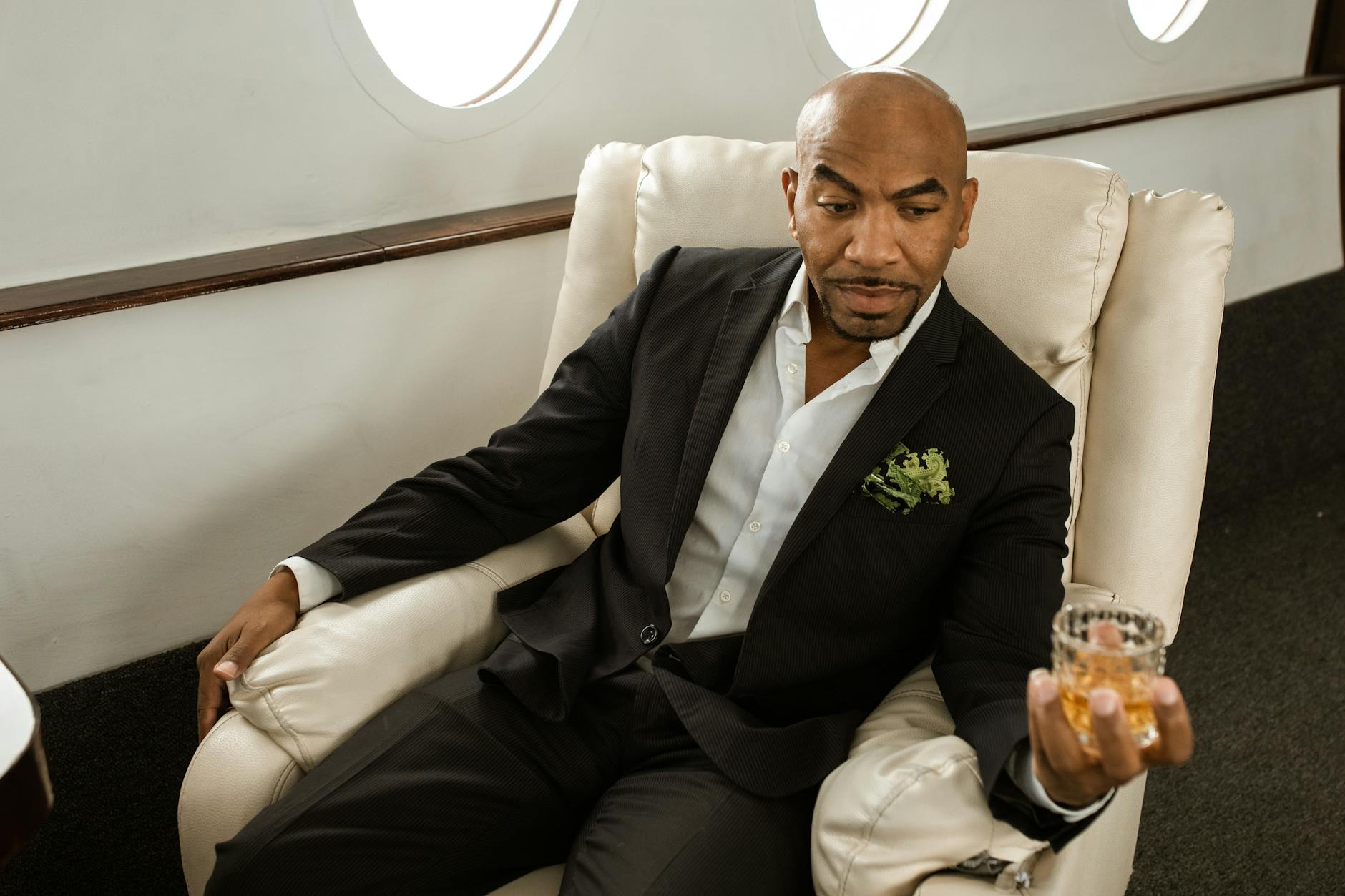
Photo by RDNE Stock project on Pexels.com

A high-value man is not defined by what he has, but by who he is when no one is watching.”

The concept of a high-value man has become increasingly relevant in modern discourse on masculinity, relationships, and leadership. A high-value man is not measured merely by his financial worth, but by the totality of his character, principles, discipline, and integrity. He is an individual who demonstrates maturity, emotional intelligence, and spiritual depth. In essence, he is the type of man whose presence uplifts not only his partner but also his community. To understand what constitutes a high-value man, one must consider biblical foundations, psychological insights, and social expectations that together form a holistic picture of manhood.

Spiritual & Moral Traits

  • God-fearing and prayerful (Proverbs 9:10)
  • Faithful and loyal in all commitments
  • Honest and transparent
  • Humble yet confident
  • Repentant and able to admit mistakes
  • Integrity-driven (does the right thing even when no one is watching)

Relational & Emotional Traits

  • Loves his wife/partner sacrificially (Ephesians 5:25)
  • Encouraging and uplifting
  • Emotionally intelligent (can express and manage emotions)
  • Gentle yet firm in leadership
  • Patient and forgiving
  • Secure attachment style (trustworthy, dependable, non-manipulative)
  • Protects and nurtures his family

Leadership & Provider Traits

  • Responsible and dependable (1 Timothy 5:8)
  • Visionary (knows his purpose and sets long-term goals)
  • Financially literate and disciplined
  • Servant-leadership mindset (leads by example, not control)
  • Protector of home, family, and community
  • Mentor to others, especially younger men

Personal Discipline & Lifestyle Traits

  • Exercises regularly and maintains good health (1 Corinthians 6:19–20)
  • Practices good hygiene and grooming
  • Self-controlled, practices delayed gratification
  • Avoids addictions and destructive habits
  • Organized and wise with his time
  • Lifelong learner, open-minded and teachable
  • Cultivates hobbies and skills for growth

Sexual & Relational Integrity

  • Practices chastity before marriage (Hebrews 13:4)
  • Values intimacy as sacred, not casual
  • Respects women and avoids exploitation
  • Loyal and faithful to his spouse
  • Disciplined in thought life (does not entertain lustful habits)

Generosity & Community Traits

  • Generous with resources (Proverbs 11:25)
  • Gives back to the community
  • Openhearted and empathetic
  • Defends the vulnerable and stands for justice
  • Inspires others through words and actions
  • Leaves a legacy of service and love

A high-value man is godly, disciplined, loving, loyal, purposeful, generous, and wise. He balances strength with humility, discipline with compassion, and leadership with service.

A defining feature of a high-value man is his role as a provider and leader. Biblically, men are instructed to care for their households: “But if any provide not for his own, and specially for those of his own house, he hath denied the faith, and is worse than an infidel” (1 Timothy 5:8, KJV). This means that provision extends beyond material wealth; it encompasses emotional security, vision, and moral guidance. Psychology supports this notion by emphasizing the importance of men developing responsibility and conscientiousness, two traits identified in the Five-Factor Model of personality as markers of maturity (Costa & McCrae, 1992). A high-value man, therefore, exemplifies responsibility, not as an oppressive burden, but as an honorable duty.

Beyond provision, a high-value man is disciplined in lifestyle, health, and purpose. He maintains his body through exercise and diet, demonstrating self-respect and foresight regarding longevity and vitality. Scientific studies confirm that physical health correlates strongly with mental health, self-esteem, and life satisfaction (Penedo & Dahn, 2005). He is not reckless with his body but sees it as a temple of the Holy Spirit (1 Corinthians 6:19–20). Such discipline is not confined to the physical realm but extends to finances, emotions, and time management. This man is purposeful, knowing why he was created, and striving toward goals aligned with divine calling and personal fulfillment.

In relationships, the high-value man embodies loyalty, faithfulness, and encouragement. He treats his partner with honor, reflecting the biblical mandate: “Husbands, love your wives, even as Christ also loved the church, and gave himself for it” (Ephesians 5:25, KJV). This sacrificial love is characterized by patience, kindness, and forgiveness. Psychology echoes this by underscoring the value of secure attachment styles in men, which foster trust, emotional safety, and stability in relationships (Mikulincer & Shaver, 2016). He is not manipulative or deceitful but cultivates transparency, knowing that truth sustains intimacy.

Equally significant, a high-value man is generous and openhearted. He shares his resources, time, and wisdom without arrogance. Proverbs 11:25 affirms, “The liberal soul shall be made fat: and he that watereth shall be watered also himself” (KJV). Generosity reflects an abundance mindset, which psychology associates with gratitude and higher well-being (Emmons & McCullough, 2003). His open-mindedness allows him to learn from others, while his openheartedness allows him to empathize, comfort, and encourage. Such qualities position him as a mentor, a pillar in his family, and a blessing to his community.

A key marker of high value is sexual discipline. Unlike the culture of instant gratification, a man of value understands the sanctity of sex and reserves it for the covenant of marriage. This aligns with Hebrews 13:4: “Marriage is honourable in all, and the bed undefiled: but whoremongers and adulterers God will judge” (KJV). From a psychological standpoint, men who delay gratification exhibit higher self-control, which predicts success in relationships, careers, and personal health (Mischel, 2014). Sexual discipline is not repression, but rather mastery over impulses, enabling him to direct his energy toward building and sustaining purpose.

Historically and culturally, examples of high-value men abound. One such example is Nelson Mandela, who exhibited resilience, forgiveness, leadership, and a strong moral compass during and after his imprisonment. Though not perfect, Mandela embodied discipline, generosity, courage, and an enduring vision that transformed his nation. His life illustrates that high value is not derived from material wealth alone but from perseverance, integrity, and the ability to serve others. Mandela’s character parallels biblical leadership, echoing Christlike humility and endurance. Throughout history and scripture, many men have exemplified high value. Joseph, son of Jacob, provides a biblical example. Despite betrayal and enslavement, Joseph demonstrated sexual discipline when he resisted Potiphar’s wife, integrity when he managed resources during famine, and forgiveness when he reconciled with his brothers (Genesis 39–45). King David, though flawed, embodied courage, leadership, and repentance, showing that high value is not perfection but humility before God. The Apostle Paul likewise exemplified discipline, resilience, and purpose as he spread the gospel despite persecution. In modern times, Nelson Mandela represents a high-value man through his resilience, forgiveness, and leadership in dismantling apartheid. He possesses many high-value traits such as intellectual discipline, leadership, and devotion to family, which demonstrates that high value transcends time, culture, and circumstance.

In conclusion, a high-value man is not defined by shallow markers such as wealth, status, or popularity, but by spiritual integrity, psychological maturity, and social responsibility. He is a provider, protector, leader, and encourager who exemplifies loyalty, generosity, discipline, and faith. Both scripture and psychology agree that such a man creates stability, inspires growth, and cultivates love in all his relationships. Ultimately, he is a man who seeks alignment with God’s purpose, honors his commitments, and leaves a lasting legacy of righteousness and influence. His value is not in what he possesses but in the lives he touches and the character he sustains.


References

  • Costa, P. T., & McCrae, R. R. (1992). Revised NEO Personality Inventory (NEO-PI-R) and NEO Five-Factor Inventory (NEO-FFI). Psychological Assessment Resources.
  • Emmons, R. A., & McCullough, M. E. (2003). Counting blessings versus burdens: An experimental investigation of gratitude and subjective well-being. Journal of Personality and Social Psychology, 84(2), 377–389.
  • Mikulincer, M., & Shaver, P. R. (2016). Attachment in adulthood: Structure, dynamics, and change. Guilford Press.
  • Mischel, W. (2014). The Marshmallow Test: Mastering self-control. Little, Brown and Company.
  • Penedo, F. J., & Dahn, J. R. (2005). Exercise and well-being: A review of mental and physical health benefits associated with physical activity. Current Opinion in Psychiatry, 18(2), 189–193.
  • The Holy Bible, King James Version.