Dilemma: SUGAR DADDIES

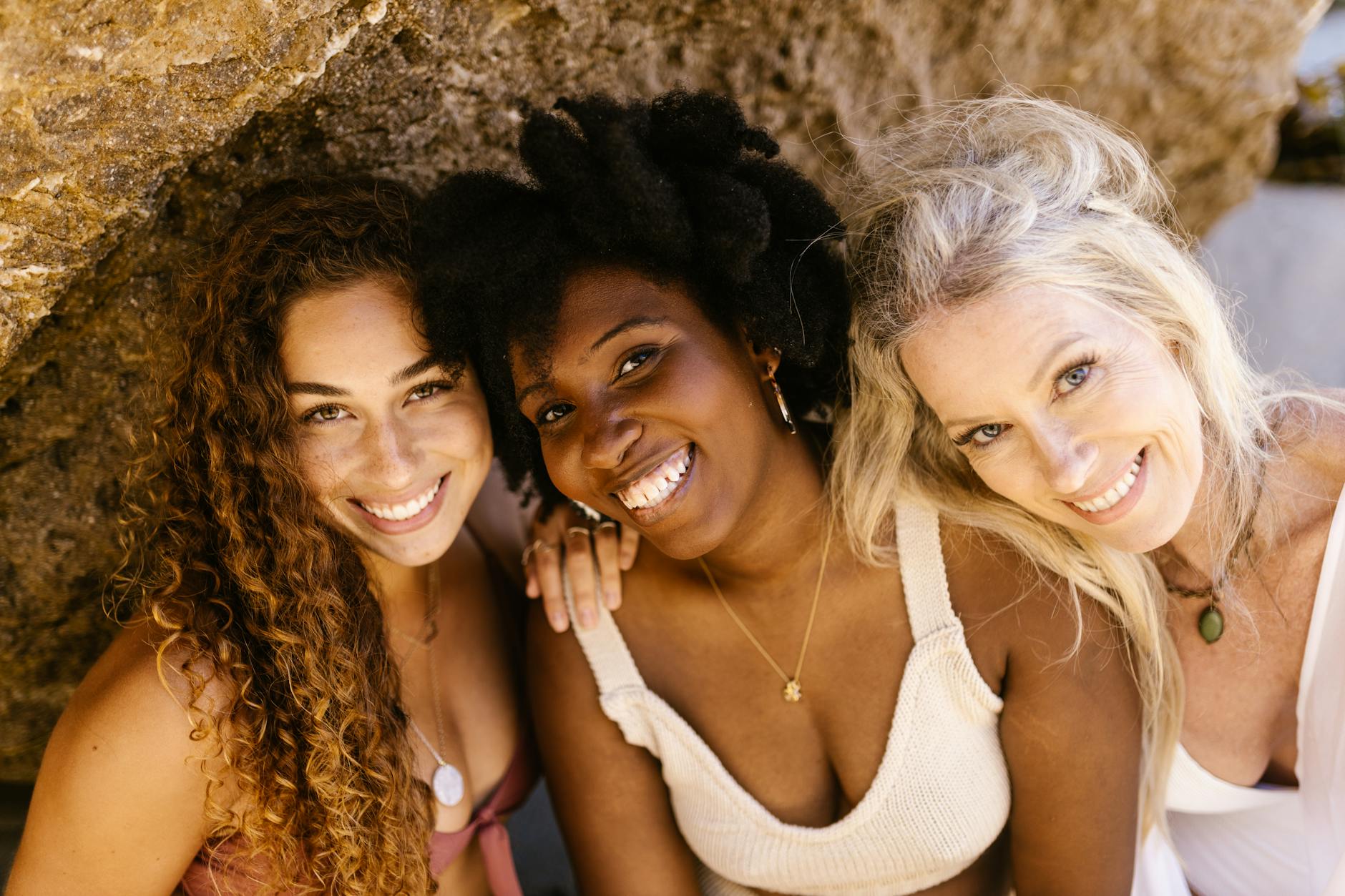
Photo by MART PRODUCTION on Pexels.com

Sugar Daddies and Sugar Babies: The Allure, the Risks, and the Reality

In today’s digital age, the concept of “sugar dating” has become a popular—and often controversial—phenomenon. Sugar dating refers to a relationship dynamic where typically an older, wealthier individual (the “sugar daddy” or “sugar mommy”) provides financial or material support to a younger partner (the “sugar baby”) in exchange for companionship, intimacy, or a romantic relationship.

What Is a Sugar Daddy?

A sugar daddy is usually a financially well-off man, often in his 40s or older, who seeks a relationship with a younger woman or man. His goals may vary—from mentorship and companionship to intimacy and emotional connection. Unlike traditional dating, sugar daddies tend to be upfront about the transactional nature of the relationship.

Common Characteristics:

  • Typically aged 40 to 65+
  • Financially stable or wealthy
  • May be divorced, widowed, or single
  • Often busy professionals (executives, business owners)
  • Seeking companionship without the emotional demands of traditional relationships

What Is a Sugar Baby?

A sugar baby is usually a younger woman or man, often in their late teens to mid-20s, although some are older. They seek relationships that offer financial support, mentorship, or a lavish lifestyle in exchange for time, attention, and sometimes affection.

Common Characteristics:

  • Aged 18–26 on average, though can be older
  • Students or early-career professionals
  • Looking for financial help with tuition, bills, or lifestyle upgrades
  • Attracted to older, more experienced partners
  • Varying motivations: some seek stability, others luxury or emotional security

Popular Sugar Daddy/Sugar Baby Websites

Sugar dating platforms connect sugar daddies with sugar babies. Some of the most well-known include:

  • Seeking.com (formerly SeekingArrangement) – One of the largest and most recognized
  • SugarDaddyMeet.com – Focuses on older men and younger women
  • What’s Your Price – Offers upfront negotiation for dates
  • MissTravel.com – Combines travel with sugar dating
  • RichMeetBeautiful – Popular in Europe for elite sugar dating

These platforms require users to create detailed profiles, and many offer verification services to prevent scams and improve safety.

The Appeal in a Struggling Economy

I know a lot of women who have found themselves a sugar daddy in today’s economy due to a lack of money, stable income, or access to resources. For some, the idea of being supported by a wealthy man seems far more manageable than juggling multiple jobs or struggling through financial hardship. Some have said that sugaring is a pleasure—a way to live comfortably, enjoy luxury experiences, and maintain independence while being pampered.

However, others speak of the pitfalls and dangers. Not every sugar arrangement is glamorous. Some women have faced emotional manipulation, exploitation, or had their safety compromised when boundaries were not respected. It’s a world that demands thick skin, emotional intelligence, and constant awareness of red flags.

Pros of Sugar Dating

For Sugar Daddies:

  • Companionship without traditional commitments
  • Opportunity to mentor and provide support
  • Flexibility in relationship dynamics

For Sugar Babies:

  • Financial assistance (tuition, rent, luxury items)
  • Exposure to elite social circles
  • Mentorship and life guidance
  • Freedom to set boundaries and terms

Cons and Dangers

Emotional Risks:

  • Unequal power dynamics can lead to exploitation
  • Sugar babies may develop feelings that aren’t reciprocated
  • Sugar daddies may feel used if affection isn’t genuine

Legal & Ethical Concerns:

  • Blurry line between sugar dating and prostitution in some cases
  • Age-gap relationships may invite social judgment or familial conflict
  • Some arrangements may violate laws depending on local jurisdiction

Safety Risks:

  • Scams are common—especially financial fraud and identity theft
  • Emotional abuse or coercion if boundaries aren’t respected
  • Physical safety risks if proper vetting and precautions aren’t taken

Many sites urge users to meet in public, avoid sending money upfront, and keep personal information private until trust is established.

What Do Sugar Daddies Look For?

  • Discretion and confidentiality
  • Physical attraction and youth
  • Emotional maturity and communication
  • Flexibility and companionship
  • Clear expectations – honesty about desires and limits

What Do Sugar Babies Look For?

  • Financial support
  • Stability and mentorship
  • Safety and respect
  • Generosity and consistency
  • Mutual understanding of relationship terms

Final Thoughts

Sugar dating is not inherently wrong or illegal, but it walks a fine ethical line that depends on consent, honesty, and mutual benefit. While it can offer rewards—financial, emotional, or experiential—it also carries significant risks. Whether someone is considering becoming a sugar daddy or sugar baby, it’s important to approach these relationships with transparency, caution, and realistic expectations.

In today’s economy, it’s easy to understand why some women (and men) turn to sugar dating. For a few, it’s empowering and even enjoyable. For others, it’s a dangerous path that can come with emotional or physical cost. Like any relationship, it’s essential to be informed, stay safe, and never compromise your values or well-being.


References:

  1. Wade, L. (2019). American Hookup: The New Culture of Sex on Campus. W. W. Norton & Company.
  2. Motyl, M. (2022). “The Psychology Behind Sugar Dating.” Psychology Today.
  3. Seeking.com. (2024). “About Us.” https://www.seeking.com
  4. Weitzer, R. (2015). “The Social Construction of Sex Trafficking.” Annual Review of Sociology, 41, 223-239.
  5. Smith, C. (2023). “Inside the World of Sugar Dating.” Vice News

Dilemma: Online Dating

“He Who Finds a Wife”: Navigating Online Dating Through a Biblical and Real-World Lens

Photo by Antoni Shkraba Studio on Pexels.com

Introduction

In the age of swipes and algorithms, many people are seeking love through apps like Tinder, Plenty of Fish (POF), Bumble, and Hinge. But for Christian women—those striving for godly relationships—this question arises:

“If ‘he who finds a wife findeth a good thing,’ are we supposed to be on dating sites actively searching?”

This article explores the biblical principles, benefits and drawbacks of online dating, the dangers of hookup culture, and the psychological and spiritual consequences of seeking love in the digital age.


📖 Biblical Perspective: Should Women Be Looking or Waiting?

Proverbs 18:22 (KJV)
“Whoso findeth a wife findeth a good thing, and obtaineth favour of the Lord.”

This verse has long been interpreted to mean that a man is to pursue and a woman is to be found—not hidden, but positioned wisely and modestly, aligning her life with purpose so that a godly man recognizes her worth.

The Bible does not forbid technology or meeting people outside of traditional settings, but it emphasizes wisdom, purity, discernment, and the roles of pursuit and preparation in relationships.


💬 Should Christian Women Be on Dating Apps?

There is no one-size-fits-all answer. Some have met godly spouses through online platforms. Others have encountered manipulation, heartbreak, or spiritual compromise.

Online dating can be a tool, but like all tools, it must be used with prayer, discernment, and boundaries. The key question isn’t just “Am I looking?” but “Why am I here, and who am I becoming while I wait?”


🌐 The Good and the Bad of Online Dating

Potential Benefits

  • Wider pool of people—especially for those in small towns or with limited social circles
  • Faith-based platforms like Christian Mingle or Upward cater to spiritual alignment
  • Can lead to real, lasting relationships if approached with caution and intention

⚠️ Setbacks and Dangers

  1. False representation – Many users lie about their age, intentions, or relationship status.
  2. Delayed red flags – It’s easier to hide manipulation or abuse online.
  3. Hookup culture pressure – Even on serious apps, many users expect sex early on.
  4. Disconnection from reality – Chemistry in text rarely reflects real-life compatibility.
  5. Emotional burnout – Constant rejection or ghosting can lower self-worth.

🔥 What Is Hookup Culture?

Hookup culture refers to a social norm where casual sex and minimal emotional connection are encouraged, often without commitment. It is driven by:

  • Apps like Tinder promoting “matches” based on physical appeal
  • Cultural media celebrating no-strings-attached relationships
  • Fear of vulnerability or deep emotional connection

Hookup culture contradicts biblical views on intimacy, which are rooted in covenant (Hebrews 13:4) and purpose—not temporary pleasure.


👥 Desperation and Digital Dating

Desperation online often shows through:

  • Over-sharing personal trauma early
  • Ignoring red flags for fear of being alone
  • Accepting disrespect or manipulation
  • Chasing validation instead of seeking alignment

Proverbs warns us about haste:

Proverbs 19:2 (KJV):
“He that hasteth with his feet sinneth.”

Moving too quickly in romance, especially under pressure, can lead to pain that takes years to heal.


🍭 What Is a Sugar Daddy/Sugar Baby Relationship?

A sugar daddy is typically an older man who provides money, gifts, or financial support in exchange for companionship—often sexual—with a younger “sugar baby.”

Dangers Include:

  • Emotional and financial dependency
  • Exploitation or coercion
  • Legal and moral consequences
  • Disconnection from biblical values of love, mutual respect, and covenant

These arrangements mimic prostitution under the guise of “mutual benefit.” Scripture clearly warns against using the body for profit or manipulation (1 Corinthians 6:18-20).


👀 What Should We Look for Biblically in a Relationship?

Character Over Charm

“Favour is deceitful, and beauty is vain: but a woman that feareth the Lord, she shall be praised.” — Proverbs 31:30

Fruit of the Spirit (Galatians 5:22-23)

Does the person show love, joy, peace, patience, kindness, faithfulness?

Mutual purpose and spiritual leadership

2 Corinthians 6:14 reminds us:

“Be ye not unequally yoked together with unbelievers.”

A godly relationship is not just romantic—it is spiritually aligned and mission-focused.


🛡️ Red Flags and Safety Tips for Online Dating

  • Profiles with no pictures or vague descriptions
  • Pressuring for quick intimacy or financial help
  • Avoids meeting in person or always has excuses
  • Doesn’t respect boundaries or spiritual beliefs
  • Love-bombing early on (excessive flattery + fast attachment)

Protect Yourself:

  • Meet in public places
  • Tell someone your location
  • Do not share financial or personal information early
  • Pray and trust your discernment
  • Final Thought
    Online dating isn’t inherently wrong—but it’s dangerous when pursued without discernment. Ask yourself:
    “Does this relationship align with God’s will for my life, or is it feeding my fear of being alone?”
    A godly relationship is built—not on convenience or charm—but on character, covenant, and Christ.

📚 References & Further Reading

  1. Proverbs 18:22, 31:30, 19:2; 2 Corinthians 6:14; Hebrews 13:4; 1 Corinthians 6:18-20 — King James Bible
  2. Wilkins, A. (2022). Hookup Culture: The Unspoken Rules of Sex and Dating. Oxford University Press.
  3. Rhoades, G. K., Stanley, S. M., & Markman, H. J. (2011). “The impact of the transition into cohabitation on relationship functioning: Cross-sectional and longitudinal findings.” Journal of Family Psychology.
  4. Finkel, E. J., et al. (2012). “Online Dating: A Critical Analysis from the Perspective of Psychological Science.” Psychological Science in the Public Interest, 13(1), 3–66.
  5. The National Center on Sexual Exploitation (NCOSE): https://endsexualexploitation.org – Covers the risks and exploitative nature of “sugar dating.”

Dilemma: Narcissism

Recognizing, Surviving, and Healing from Toxic Relationships

Photo by Markus Winkler on Pexels.com

What Is Narcissism?

Narcissism is a personality trait characterized by an inflated sense of self-importance, a deep need for admiration, and a lack of empathy for others. In more extreme cases, it may be classified as Narcissistic Personality Disorder (NPD)—a diagnosable mental health condition described in the DSM-5 (Diagnostic and Statistical Manual of Mental Disorders).

There are different types of narcissism, including:

  • Grandiose Narcissism: Arrogant, dominant, and attention-seeking. These individuals often believe they are superior.
  • Vulnerable (Covert) Narcissism: Appears shy or sensitive but is still deeply self-absorbed and manipulative in subtle ways.
  • Malignant Narcissism: Includes features of antisocial behavior, manipulation, aggression, and sometimes sadism.

Living with a Narcissistic Relative: The Deep Hurt

Having a narcissistic parent, sibling, or other close relative can cause long-term emotional trauma. You may have experienced:

  • Constant invalidation of your feelings
  • Being blamed for things that weren’t your fault
  • Walking on eggshells to avoid triggering their rage or withdrawal
  • Confusion and self-doubt from years of manipulation and gaslighting
  • A lack of emotional support, especially during times of need

Narcissistic relatives often see others—especially family—not as individuals but as extensions of themselves, meant to serve their emotional needs, status, or control.


Key Tactics Narcissists Use

Gaslighting

Gaslighting is a psychological manipulation tactic where the narcissist denies reality to make you question your memory, perception, or sanity.

Example: “That never happened, you’re just too sensitive.”

Deflection & Blame-Shifting

When confronted, narcissists rarely take accountability. They’ll blame others, bring up unrelated issues, or play the victim.

Shame & Guilt

Narcissists use shame to keep control. You might feel guilty for setting boundaries or expressing your needs.

Flying Monkeys

“Flying monkeys” are people (often family or friends) manipulated by the narcissist to do their bidding. They may pressure you to reconcile, doubt your truth, or deliver the narcissist’s messages.

Love-Bombing and Devaluation

At first, narcissists may idealize you—praise, charm, and love-bomb. But when you no longer serve their ego, you are devalued—criticized, ignored, or discarded.


Warning Signs of Narcissism

  • Excessive need for admiration
  • Sense of entitlement
  • Lack of empathy
  • Superiority complex
  • Envious of others, or belief others envy them
  • Manipulative or controlling behavior
  • Gaslighting or distorting facts
  • Poor boundaries and disregard for your autonomy
  • Plays victim while being the aggressor

Initial signs in new relationships may include:

  • Intense flattery early on (“You’re the only one who gets me.”)
  • Quick attempts to become emotionally or physically close
  • Disregard for your boundaries under the guise of love or urgency
  • Subtle digs masked as “jokes”

Do Narcissistic Relationships Last?

Typically, no—at least not in a healthy way. Narcissistic relationships often follow a cycle of idealization, devaluation, and discard. Even if they “last,” they are usually draining, unstable, and emotionally abusive.

A narcissist struggles with true emotional intimacy, accountability, or compromise—essentials of any lasting relationship.


Breaking Free from a Narcissist

  1. Acknowledge the truth – Stop minimizing or excusing their behavior. Abuse doesn’t need to be physical to be real.
  2. Set and enforce boundaries – Be firm, even if they retaliate or play victim.
  3. Limit or cut contact – Especially if the relationship is consistently abusive. “No contact” may be necessary for healing.
  4. Don’t engage in power struggles – Narcissists thrive on conflict. Starve the cycle.
  5. Seek therapy or support – Validation and guidance are vital to unlearning the shame they instilled.
  6. Educate yourself – Knowledge is power. Understanding narcissism helps you detach emotionally.
  7. Find your voice again – Reconnect with your needs, dreams, and identity outside the narcissist’s control.

Biblical Perspective: A Warning Against Narcissism

The Bible addresses pride and self-exaltation multiple times.

Romans 12:3 (KJV):
“For I say, through the grace given unto me, to every man that is among you, not to think of himself more highly than he ought to think; but to think soberly, according as God hath dealt to every man the measure of faith.”

This verse directly speaks to the narcissistic mindset—exalting oneself over others. Scripture emphasizes humility, empathy, and servant leadership—values narcissists often reject.

Also, in 2 Timothy 3:2-5 (KJV):

“For men shall be lovers of their own selves, covetous, boasters, proud… Having a form of godliness, but denying the power thereof: from such turn away.”

This passage warns of people with traits closely resembling narcissists and instructs us to distance ourselves from them.


The Path to Healing

Healing from narcissistic abuse is not instant—it is a process of grieving, rebuilding, and rediscovering your worth. You may need to rewire your beliefs around love, trust, and identity. But know this:

  • You are not crazy.
  • You are not too sensitive.
  • You were manipulated, not loved.
  • You deserve peace.

Further Resources & References

  • American Psychiatric Association. (2013). Diagnostic and Statistical Manual of Mental Disorders (DSM-5)
  • Dr. Ramani Durvasula – Clinical psychologist and expert on narcissistic abuse
  • Brown, N. (2008). Children of the Self-Absorbed: A Grown-Up’s Guide to Getting Over Narcissistic Parents
  • Herman, J. L. (1997). Trauma and Recovery
  • KJV Bible: Romans 12:3, 2 Timothy 3:2-5

Would you like this article formatted as a handout, self-help guide, or for a support group resource? I can adapt it however you need.

You said:

references

ChatGPT said:

Here are the full references used or cited in the article on narcissism, including clinical sources, books, scripture, and expert commentary:


📘 Psychological and Clinical Sources

  1. American Psychiatric Association. (2013). Diagnostic and Statistical Manual of Mental Disorders (5th ed.; DSM-5). Washington, DC: American Psychiatric Publishing.
    • Source for the clinical definition of Narcissistic Personality Disorder (NPD).
  2. Dion, K. K., Berscheid, E., & Walster, E. (1972). What is beautiful is good.Journal of Personality and Social Psychology, 24(3), 285–290.
    • Cited for the “halo effect,” which contributes to the perception of attractive or charming narcissists.
  3. Herman, J. L. (1997). Trauma and Recovery: The Aftermath of Violence—From Domestic Abuse to Political Terror. Basic Books.
    • A foundational text on the trauma survivors face, including those in abusive relationships.
  4. Brown, N. (2008). Children of the Self-Absorbed: A Grown-Up’s Guide to Getting Over Narcissistic Parents (2nd ed.). New Harbinger Publications.
    • A practical guide for adult children of narcissists to heal and set boundaries.
  5. Durvasula, R. (2019). Don’t You Know Who I Am?: How to Stay Sane in an Era of Narcissism, Entitlement, and Incivility. Post Hill Press.
    • Dr. Ramani Durvasula is a prominent clinical psychologist and narcissism expert.

📖 Biblical Scripture (King James Version)

  1. Romans 12:3 (KJV):
    “For I say, through the grace given unto me, to every man that is among you, not to think of himself more highly than he ought to think…”
  2. 2 Timothy 3:2-5 (KJV):
    “For men shall be lovers of their own selves, covetous, boasters, proud… Having a form of godliness, but denying the power thereof: from such turn away.”
    • Both verses are frequently cited in Christian counseling on pride, self-exaltation, and toxic relationships.

🧠 Additional Educational/Popular Resources

  1. Malkin, C. (2015). Rethinking Narcissism: The Secret to Recognizing and Coping with Narcissists. HarperWave.
    • Explores the narcissism spectrum and how to recognize harmful patterns early.
  2. Karyl McBride, Ph.D. (2008). Will I Ever Be Good Enough? Healing the Daughters of Narcissistic Mothers. Atria Books.
    • A well-known resource for understanding narcissistic family dynamics and mother-daughter trauma.
  3. Websites & Articles:

Pretty Privilege Series: Beauty, Brains, and the Power They Hold.


Photo by Nicholas Githiri on Pexels.com

What Is Pretty Privilege?

Pretty privilege refers to the societal advantage given to people who are considered conventionally attractive. Those who benefit from this unspoken bias are often treated more favorably in areas such as employment, dating, customer service, and social interaction, simply because of their appearance.

This form of privilege stems from what psychologists call the “halo effect”—a cognitive bias where we assume that attractive people possess other positive traits like intelligence, kindness, or competence (Dion, Berscheid & Walster, 1972). In essence, beauty becomes a currency that opens doors.


Where Does Pretty Privilege Come From?

The roots of pretty privilege are deeply embedded in Western beauty standards, often tied to Eurocentric features: light skin, thinness, symmetry, straight hair, and youth. These standards have been exported globally through colonialism, media, advertising, and Hollywood.

In many cultures—including communities of color—these ideals have been internalized. As a result, light skin, certain facial features, and body types are often associated with higher status, desirability, and even intelligence, reinforcing colorism and body shaming (Russell et al., 1992; Craig, 2002).


Pretty Privilege in Culture and Work

Workplace: Attractive people tend to earn more money and are perceived as more capable. A study by Hamermesh & Biddle (1994) found that better-looking people earn 5% to 10% more than their average-looking peers. Attractive candidates are more likely to be hired, promoted, and trusted in leadership roles—even when qualifications are equal.

Culture: In media, “pretty” people dominate film, television, and social platforms. The more attractive you are by mainstream standards, the more likely you are to gain followers, brand deals, and admiration. This is especially prominent on platforms like Instagram and TikTok.

Dating: In online dating, attractiveness determines initial contact, and women deemed attractive receive up to 4x more messages than average (Finkel et al., 2012). Men, too, benefit, but to a lesser degree.

Social Treatment: Studies show that attractive people are judged less harshly, receive better customer service, and are more likely to be believed or forgiven (Langlois et al., 2000).


Does Pretty Privilege Apply Equally Across Cultures?

Not exactly. While attractiveness is valued globally, what is considered beautiful differs across cultures. However, colonialism and globalization have caused a dominant Western beauty standard to permeate much of the world, leading to widespread issues like skin bleaching (Africa, Asia, the Caribbean), cosmetic surgery, and eating disorders.

In Black and brown communities, pretty privilege is deeply tied to colorism, texturism (hair bias), and facial feature hierarchies. Lighter-skinned women with Eurocentric features often receive more attention, professional opportunities, and romantic interest—even within their own racial groups.


Is It Better to Be Beautiful or Smart?

This depends on the context:

  • In the long run, intelligence and competence often lead to more sustainable success.
  • In the short term, beauty may offer faster access to opportunities—but they may be more superficial.

📊 Statistics: Beauty vs. Intelligence

  • IQ vs. Income: According to the American Psychological Association, IQ correlates with income (~0.23 correlation), meaning intelligence has a consistent but moderate impact on earnings (Strenze, 2007).
  • Beauty vs. Income: Hamermesh (2011) found that people rated as attractive earn $230,000 more over a lifetime than unattractive peers.
  • Job Performance: Intelligence is one of the strongest predictors of job performance across professions (Schmidt & Hunter, 1998), while beauty is more relevant in jobs requiring visibility (e.g., sales, entertainment).
  • Marriage: Men with higher education are more likely to marry, but for women, appearance still heavily influences marital outcomes (Qian, 2017).

Criticisms and Limitations of Pretty Privilege

  • It’s unstable: Beauty fades or changes with age, weight, or health.
  • It reinforces harmful standards: Societies that idolize beauty often marginalize those who are disabled, older, or outside the norm.
  • It can mask incompetence: Attractive people may be overestimated in roles requiring skill or leadership, leading to flawed decisions.
  • It often ignores intersectionality: Beauty is racialized, gendered, and classed. A light-skinned woman may benefit from beauty privilege, while a dark-skinned woman may be penalized—even if equally attractive by objective measures.

Can We Change It?

We can’t eliminate pretty privilege overnight, but we can:

  1. Broaden definitions of beauty to be more inclusive across races, body types, ages, and genders.
  2. Value merit and integrity over superficial qualities in hiring and leadership.
  3. Teach media literacy to help young people understand how beauty standards are constructed and weaponized.
  4. Challenge ourselves: Ask whether our preferences in dating, hiring, or friendships are shaped by bias or real connection.

Conclusion

Pretty privilege is real, and it influences everything from careers to courtships. While being beautiful may open doors, intelligence, character, and resilience determine how long you stay in the room. We must recognize the power of both beauty and brains—but work to ensure that value isn’t limited to the surface.


References

  • Dion, K. K., Berscheid, E., & Walster, E. (1972). “What is beautiful is good.” Journal of Personality and Social Psychology, 24(3), 285–290.
  • Hamermesh, D. S., & Biddle, J. E. (1994). “Beauty and the Labor Market.” The American Economic Review, 84(5), 1174–1194.
  • Hamermesh, D. S. (2011). Beauty Pays: Why Attractive People Are More Successful. Princeton University Press.
  • Langlois, J. H., et al. (2000). “Maxims or Myths of Beauty? A Meta-Analytic and Theoretical Review.” Psychological Bulletin, 126(3), 390–423.
  • Finkel, E. J., et al. (2012). “Online Dating: A Critical Analysis from the Perspective of Psychological Science.” Psychological Science in the Public Interest, 13(1), 3–66.
  • Strenze, T. (2007). “Intelligence and socioeconomic success: A meta-analytic review of longitudinal research.” Intelligence, 35(5), 401–426.
  • Russell, K., Wilson, M., & Hall, R. (1992). The Color Complex. Anchor Books.
  • Craig, M. L. (2002). Ain’t I a Beauty Queen? Oxford University Press.
  • Schmidt, F. L., & Hunter, J. E. (1998). “The Validity and Utility of Selection Methods in Personnel Psychology.” Psychological Bulletin, 124(2), 262–274.
  • Qian, Y. (2017). “Gender Asymmetry in Educational and Income Assortative Marriage.” Journal of Marriage and Family, 79(2), 318–336

Dilemma: Colorism

Title: The Roots and Reality of Colorism: Beauty Standards and the Black Community

Photo by RDNE Stock project on Pexels.com

Introduction

Colorism — the prejudicial or preferential treatment of individuals based on the lightness or darkness of their skin — is a deeply rooted issue within the Black community and American society at large. Unlike racism, which operates between races, colorism functions within them, favoring lighter-skinned individuals while marginalizing those with darker complexions. This systemic bias has been perpetuated through media, beauty standards, and cultural practices dating back to slavery and colonialism. The lingering impact affects identity, self-worth, relationships, and social mobility.


A Historical Foundation: Slavery and Post-Emancipation Color Hierarchies

The origins of colorism within the Black community can be traced to slavery in the Americas. Enslaved Africans were categorized based on skin tone. Lighter-skinned Black people—often the offspring of white slave owners and Black women—were sometimes given preferential treatment. Many were allowed to work indoors as house slaves, while darker-skinned individuals were relegated to harsher labor in the fields (Hunter, 2007).

After emancipation, colorism continued to shape social stratification. The “paper bag test” and “blue vein societies” were social clubs that only accepted Black individuals with lighter complexions, illustrating internalized standards of proximity to whiteness (Russell, Wilson, & Hall, 1992).


“Good Hair”: Textures, Tensions, and Eurocentric Norms

“Good hair” is a term that emerged in the Black community to describe hair that is straight, wavy, or loosely curled—textured more like European hair. It implied that natural Black hair, especially tightly coiled or “kinky” textures, was inferior or unkempt (Byrd & Tharps, 2001).

This notion has led to generations of Black women chemically straightening their hair or wearing weaves and wigs to conform to mainstream beauty ideals. While these choices can be empowering when made freely, they have historically been rooted in survival, assimilation, or professional advancement.


Beauty Stereotypes and the Black Male Gaze

Black men have not been immune to the influence of Eurocentric beauty standards. Due to internalized racism and media influence, many have historically preferred women who align with mainstream ideals—lighter skin, softer features, and straighter hair.

This preference is evident in music videos, movies, and celebrity culture, where the women often cast as “ideal” are those who fit this mold. Sociologist Patricia Hill Collins (2000) calls this the “controlling image” that reinforces narrow definitions of beauty.


Icons of Acceptability: Halle Berry, Jayne Kennedy, and the Politics of Representation

Halle Berry and Jayne Kennedy are often celebrated as trailblazing Black beauties in mainstream entertainment. However, their widespread acceptance is tied to their lighter skin tones, Eurocentric features, and “good hair.” Their success raises questions: Were they embraced for their talent, or because their looks were less threatening to white beauty norms?

Their rise parallels a pattern in which Black women who more closely resemble white women are more likely to be praised, while darker-skinned actresses with Afrocentric features struggle for visibility or are typecast (Craig, 2002).


Modern Manifestations: Social Media, Dating Apps, and Internalized Bias

Colorism remains prevalent in the digital age. Studies show that lighter-skinned individuals are more likely to be perceived as attractive on dating apps (Monk, 2014). In rap lyrics, phrases like “redbone” or “yellow bone” celebrate light skin, reinforcing outdated hierarchies.

Young Black girls often internalize these messages, leading to lower self-esteem and body image issues. The documentary “Dark Girls” (2011) highlights the pain and psychological trauma many Black women experience due to colorism.


Breaking the Cycle: What Is the Answer?

Addressing colorism requires both personal and systemic efforts:

  1. Education & Awareness: Teaching the history of colorism and its effects through schools, media, and community organizations can help change perceptions.
  2. Representation: Amplifying the beauty of darker-skinned Black individuals with natural hair and diverse features in media, fashion, and advertising helps normalize all expressions of Black beauty.
  3. Challenging Preferences: Black men and women must reflect on how their dating and beauty preferences may be shaped by internalized racism.
  4. Legislation & Policy: Laws like the CROWN Act, which bans discrimination against natural hairstyles, are a step toward dismantling systemic bias in schools and workplaces.
  5. Cultural Healing: Embracing African ancestry, traditions, and aesthetics can help foster a more inclusive understanding of beauty and identity.

Conclusion

Colorism is not just about skin tone—it’s about power, privilege, and proximity to whiteness. Its influence pervades the way Black people view themselves and each other. From the plantation fields to Instagram feeds, the legacy of colorism continues to shape the Black experience. But through conscious effort, self-love, and collective activism, the community can redefine beauty on its own terms.


References

  • Byrd, A., & Tharps, L. (2001). Hair Story: Untangling the Roots of Black Hair in America. St. Martin’s Press.
  • Collins, P. H. (2000). Black Feminist Thought: Knowledge, Consciousness, and the Politics of Empowerment. Routledge.
  • Craig, M. L. (2002). Ain’t I a Beauty Queen? Black Women, Beauty, and the Politics of Race. Oxford University Press.
  • Hunter, M. (2007). “The Persistent Problem of Colorism: Skin Tone, Status, and Inequality.” Sociology Compass, 1(1), 237-254.
  • Monk, E. P. Jr. (2014). “Skin Tone Stratification among Black Americans, 2001–2003.” Social Forces, 92(4), 1313–1337.
  • Russell, K., Wilson, M., & Hall, R. (1992). The Color Complex: The Politics of Skin Color Among African Americans. Anchor Books.
  • Dark Girls (2011). Directed by D. Thomas and B. Duke. OWN Network.
  • The CROWN Act: https://www.thecrownact.com

The “It Girl” Series: Meagan Good

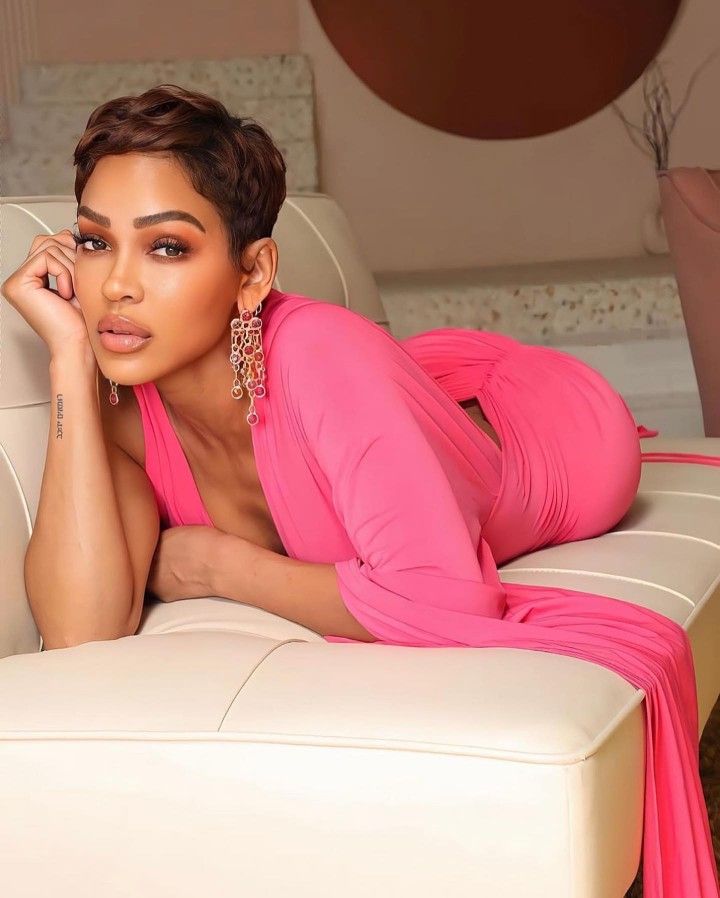
With luminous eyes and fearless range, Meagan Good is the It Girl who grew up before our eyes — and never stopped evolving.

This photograph is the property of its respective owner.

Meagan Good has been a visible presence in Hollywood for more than three decades — a rare feat for a woman who began as a child actor and matured into a leading lady without losing cultural relevance. From precocious talent to romantic lead, from cult-classic ingénue to executive producer, Good’s career reflects longevity, reinvention, and enduring fascination within the Black community.


Early Life & Hollywood Beginnings

Born August 8, 1981, in Panorama City, California, Meagan Monique Good began acting at the age of four, appearing in commercials before transitioning into television. Raised in a supportive household with a mother who served as a manager, Good navigated child stardom with unusual stability.

Her early television credits included appearances on Doogie Howser, M.D., Amen, and Moesha. However, her breakthrough came with the critically acclaimed Southern Gothic drama Eve’s Bayou, directed by Kasi Lemmons. As Cisely Batiste, Good delivered a haunting, emotionally layered performance that showcased maturity beyond her teenage years. The film has since become a staple in Black cinema studies, frequently cited for its exploration of memory, colorism, and generational trauma.


Transition to Leading Lady

The early 2000s positioned Good as one of Hollywood’s emerging Black ingénues. She appeared in films such as Deliver Us from Eva (2003) and later in Stomp the Yard, where she played April Palmer, the poised love interest opposite Columbus Short. The film was commercially successful and cemented her place in mainstream Black romantic drama.

She also appeared in genre films like The Unborn (2009) and action projects such as Think Like a Man (2012), expanding her audience beyond primarily Black cinema. This crossover ability — balancing culturally rooted films with broader commercial projects — contributed to her sustained popularity.


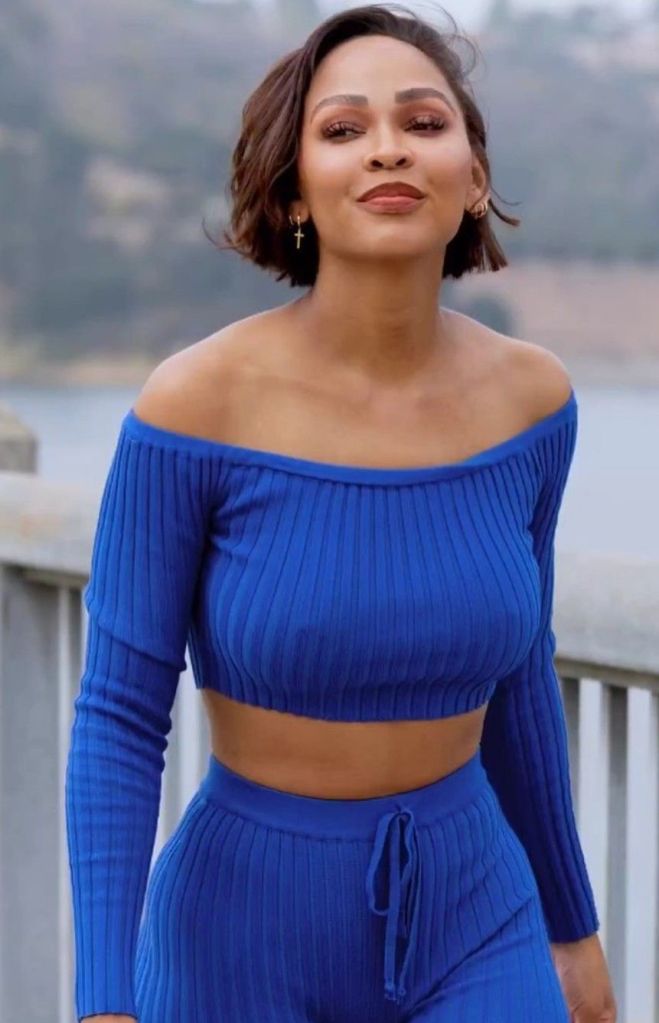
This photograph is the property of its respective owner.

Exotic Beauty & Public Perception

Within the Black community, Meagan Good is often described as possessing “exotic beauty” — a term historically layered with complexity. Of African American and Puerto Rican descent, her light brown complexion, almond-shaped eyes, and soft yet striking features have frequently positioned her within conversations about Hollywood colorism and desirability politics.

Yet Good has spoken openly about embracing her natural identity without conforming to industry pressures. Her beauty is often paired with vulnerability and spiritual openness — qualities that resonate strongly with Black female audiences who have watched her mature publicly.

Critics and fans alike often describe her as:

  • Magnetic
  • Sultry yet soft-spoken
  • Spiritually grounded
  • Emotionally transparent

Her image balances sensual confidence with girl-next-door relatability — a rare duality that has sustained her “It Girl” appeal.


Marriage, Faith & Public Evolution

In 2012, Good married producer and pastor DeVon Franklin. Their marriage was highly visible within Christian and Black entertainment circles, symbolizing a union of faith and Hollywood ambition. They co-authored, held public discussions about their relationship, and were often regarded as a modern faith-based power couple.

However, in 2021, the couple announced their divorce. Good addressed the separation with grace, emphasizing personal growth rather than scandal. The public response within the Black community was mixed — some mourned the symbolic loss, while others applauded her transparency and resilience.

In 2023, she married actor Jonathan Majors in a private ceremony. Their relationship drew media attention due to the Majors’ legal controversies, again placing Good under intense public scrutiny. Through it all, she has maintained composure, choosing loyalty and privacy over public commentary.

As of 2026, Good does not have biological children but has expressed openness to motherhood and family expansion.


Awards & Recognition

While not an Academy Award recipient, Good has received several nominations and wins, including:

  • NAACP Image Award nominations
  • Teen Choice Award recognition
  • YoungStar Award (early career)

Her influence, however, extends beyond trophies. She represents a generation of Black actresses who sustained careers through transitional industry eras — from the 1990s Black cinema resurgence to modern streaming dominance.


Recent & Latest Projects

Good has remained active in both film and television. She starred in the Amazon Prime series Harlem (2021–2025), portraying Camille Parks, an ambitious anthropology professor navigating love and career in New York City. The show became culturally resonant for its portrayal of modern Black female friendship and professional life.

She also appeared in Shazam! Fury of the Gods, expanding her presence within blockbuster franchises.

Additionally, she has ventured into producing, signaling a strategic shift toward creative control — a hallmark of actresses who intend to build a legacy, not just visibility.


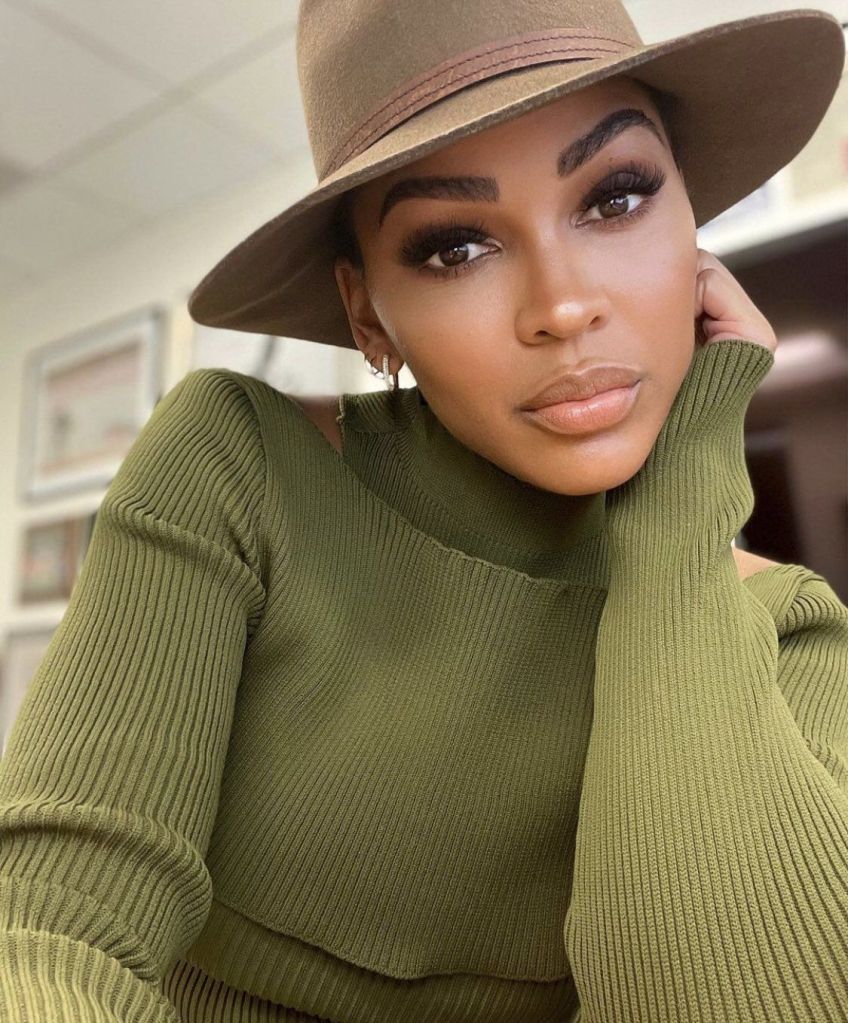
This photograph is the property of its respective owner.

Why She Is an “It Girl”

Meagan Good is an It Girl because audiences have grown up with her. She is not a fleeting trend — she is a familiar presence woven into multiple eras of Black popular culture.

She represents:

  • Early Black millennial stardom
  • Romantic drama nostalgia
  • Spiritual transparency
  • Beauty conversations within the Black community
  • Longevity without disappearance

Her popularity persists because she feels accessible. Fans see her as talented but human — glamorous but spiritually searching.

In a Hollywood ecosystem that often discards young actresses once novelty fades, Meagan Good reinvented herself repeatedly. She matured publicly, navigated marriage and divorce under scrutiny, and maintained consistent employment in an industry notorious for instability.

Her It Girl status is not based solely on fashion or virality. It rests on endurance.

She is the girl from Eve’s Bayou.
The love interest from Stomp the Yard.
The professor in Harlem.
The woman who kept evolving.

And in the gallery of It Girls, Meagan Good stands as proof that beauty may open doors — but resilience keeps them open.


References

Franklin, D., & Good, M. (2016). The wait: A powerful practice for finding the love of your life and the life you love. Howard Books.

IMDb. (n.d.). Meagan Good filmography. Retrieved from https://www.imdb.com

Lemmons, K. (Director). (1997). Eve’s Bayou [Film]. Trimark Pictures.

Sylvain White, S. (Director). (2007). Stomp the Yard [Film]. Screen Gems.

F. Gary Gray, F. G. (Director). (2003). Deliver Us from Eva [Film]. Focus Features.

Sandberg, D. F. (Director). (2023). Shazam! Fury of the Gods [Film]. Warner Bros.

Amazon Prime Video. (2021–2025). Harlem [Television series].

NAACP Image Awards. (n.d.). Nominee archives. Retrieved from https://naacpimageawards.net

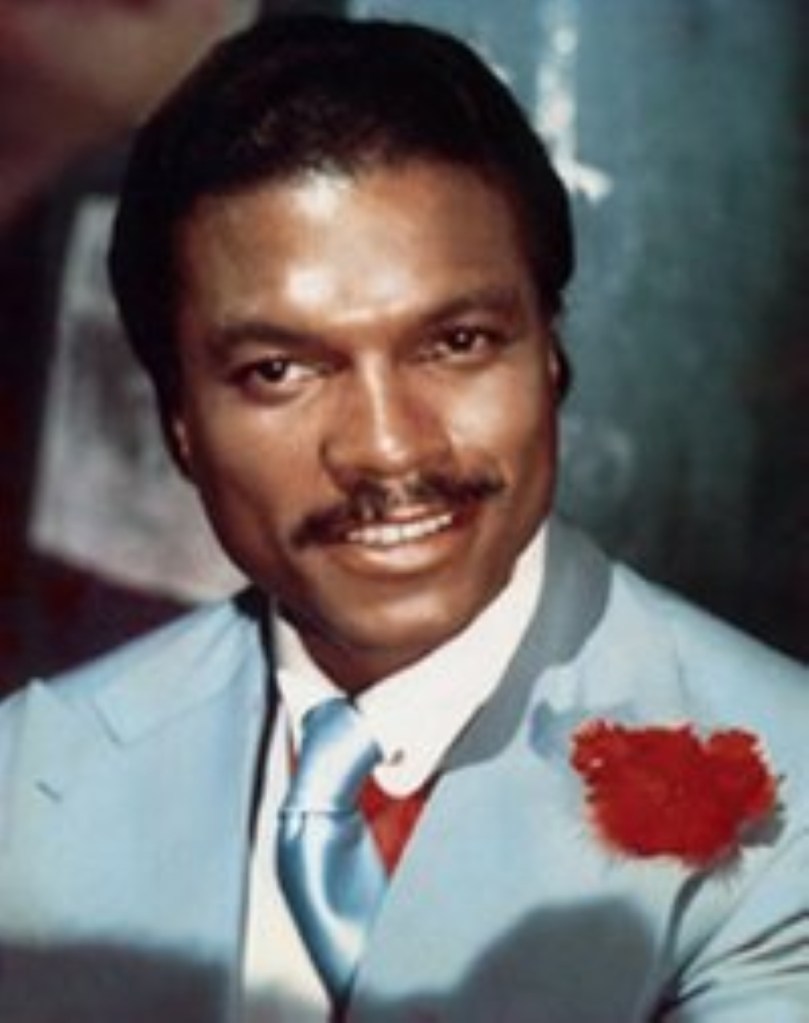
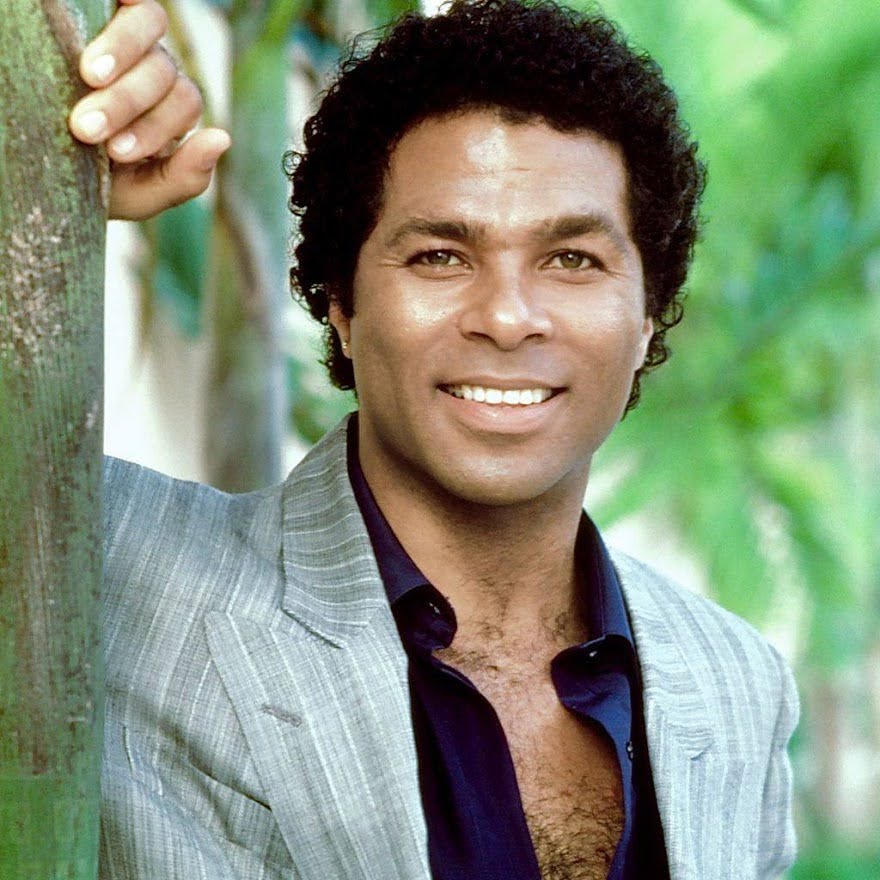
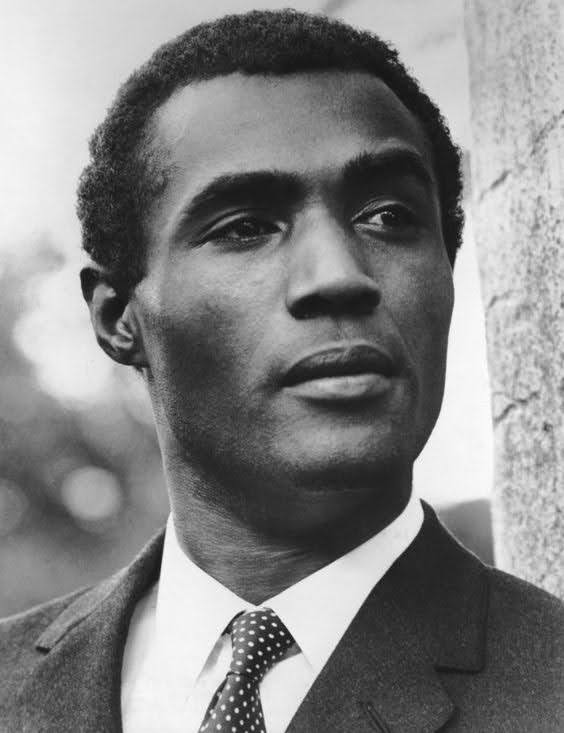
Masculine Perfection Series: Billy Dee Williams, Phillip Michael Thomas, and Calvin Lockhart.

In the pantheon of cinematic elegance, few men have defined the standard of suave sophistication and masculine beauty like Billy Dee Williams, Phillip Michael Thomas, and Calvin Lockhart. These three gentlemen embody a timeless allure — a fusion of confidence, grace, and refinement that transcends generations. Each of them became more than actors; they became cultural symbols of style, poise, and the Black man’s regal presence in Hollywood. With perfectly tailored charm, smoldering good looks, and commanding screen presence, Williams, Thomas, and Lockhart remain eternal icons of masculine perfection.


Billy Dee Williams: The Cinematic Visual Phenomenon

This photograph is the property of its respective owners. No copyright infringement intended

William December “Billy Dee” Williams Jr., born April 6, 1937, in New York City, is the blueprint of cinematic sophistication. With his honey-brown skin, velvety deep voice, and elegant demeanor, Williams became the embodiment of the suave Black leading man during the 1970s and 1980s. His refined style and irresistible charm made him Hollywood’s original “smooth operator.”

Billy Dee Williams was not just handsome — one of the most suave handsome men in the world. His screen presence was like no other; when he walked into a room, everyone would take notice as he flashed that grand piano we call a smile. Whether on-screen or off, Williams carried an aura that commanded admiration. His every movement, smile, and word reflected an effortless blend of confidence and class that few could ever replicate.

Williams began his career on Broadway before transitioning to film, earning early acclaim in Brian’s Song (1971), where he portrayed football legend Gale Sayers. His performance earned him an Emmy nomination and opened the doors to a series of major film roles. He rose to superstardom through Lady Sings the Blues (1972) and Mahogany (1975), opposite Diana Ross — films that cemented his image as the romantic heartthrob of Black cinema.

However, it was his portrayal of Lando Calrissian in Star Wars: The Empire Strikes Back (1980) and Return of the Jedi (1983) that made him a global icon. Williams became one of the first Black actors to enter a major science fiction franchise, blending charm, intelligence, and heroism with effortless flair.

Beyond acting, Williams is a talented painter and author. His art has been exhibited in major galleries, reflecting the same elegance that defines his screen persona. Married to Teruko Nakagami since 1972, he continues to represent grace and longevity both personally and professionally. To this day, Billy Dee Williams remains the very definition of cool — a man whose name evokes timeless class and cinematic royalty.


Phillip Michael Thomas: The Exotic Vision of Television’s Golden Era

This photograph is the property of its respective owners. No copyright infringement intended

Phillip Michael Thomas, born May 26, 1949, in Columbus, Ohio, is one of the most uniquely handsome men to grace the television screen. His tan complexion, luscious curly hair, and mesmerizing green eyes gave him an exotic, almost ethereal beauty that captivated audiences worldwide. Beyond his looks, Thomas possessed a deep artistic vision, blending charisma, intelligence, and soul into every performance.

He began his career on stage before moving into film roles such as Sparkle (1976) and Coonskin (1975). His star truly rose when he became Detective Ricardo Tubbs in the 1980s television phenomenon Miami Vice (1984–1990). Alongside Don Johnson, Thomas brought passion, depth, and style to the small screen, helping redefine television fashion and music culture. His portrayal of Tubbs — suave, soulful, and effortlessly cool — earned him international fame and solidified his place as a pop culture icon.

Thomas was also a musician and producer. He released the album Living the Book of My Life (1985), showcasing his expressive voice and poetic sensibilities. Known for his visionary spirit, he coined the term “EGOT” (Emmy, Grammy, Oscar, Tony) as his personal aspiration — a phrase that has since become part of Hollywood’s vocabulary.

Though he largely stepped back from acting in later years, Phillip Michael Thomas remains an enduring figure of 1980s excellence — a man whose exotic beauty, creative ambition, and soulful artistry made him unforgettable.


Calvin Lockhart: The Bahamian Adonis of Screen and Stage

This photograph is the property of its respective owners. No copyright infringement intended

Calvin Lockhart, born Bert McClossy Cooper on March 18, 1934, in Nassau, Bahamas, was one of the most strikingly handsome men of his era. With perfectly symmetrical features, rich mahogany skin, and a regal presence, Lockhart had the kind of face sculpted for the silver screen. He exuded elegance and strength, moving with the precision of a model and the authority of a king.

Lockhart’s acting career began in New York, where he performed in theater before transitioning to film. His breakout role came with Joanna (1968), followed by memorable appearances in Cotton Comes to Harlem (1970), Uptown Saturday Night (1974), and The Big Score (1983). His performances were magnetic — blending intellect, charm, and sensuality.

Unlike many actors of his time, Lockhart carried himself with European sophistication, speaking with eloquence and dressing with flair. He worked internationally, starring in films and theater productions in England and Italy, earning the admiration of both audiences and critics.

Later, he appeared in Coming to America (1988) as the father of Imani Izzi, showcasing his ageless poise and rich baritone voice. His life reflected artistic passion and dignity, and his image — smooth skin, sharp features, and kind eyes — remains etched in the memory of classic cinema.

Calvin Lockhart passed away in 2007, leaving behind a legacy of refinement and excellence. He represented the elite class of Black men who broke barriers in Hollywood with their grace, intelligence, and incomparable good looks.


Conclusion

Billy Dee Williams, Phillip Michael Thomas, and Calvin Lockhart each defined masculine beauty for their generation — and together, they created a legacy of cinematic excellence that continues to inspire. Williams embodied timeless charm, Thomas represented exotic brilliance, and Lockhart personified aristocratic perfection. Their artistry transcended color lines and continents, proving that the Black man’s beauty is both eternal and divine. These three kings of charisma didn’t just act — they glowed, shaping how the world saw elegance, confidence, and manhood.


References (APA Style)

Variety. (2023). The enduring influence of Billy Dee Williams on Black masculinity in film.

IMDb. (2024). Billy Dee Williams biography. https://www.imdb.com/name/nm0001850/

IMDb. (2024). Phillip Michael Thomas biography. https://www.imdb.com/name/nm0859374/

IMDb. (2024). Calvin Lockhart biography. https://www.imdb.com/name/nm0516660/

Lucasfilm. (1980). Star Wars: The Empire Strikes Back [Film]. 20th Century Fox.

NBC. (1984–1990). Miami Vice [Television series]. Universal Television.

United Artists. (1970). Cotton Comes to Harlem [Film]. United Artists.

NAACP Image Awards. (1972). Billy Dee Williams: Outstanding Actor Nominee. NAACP.

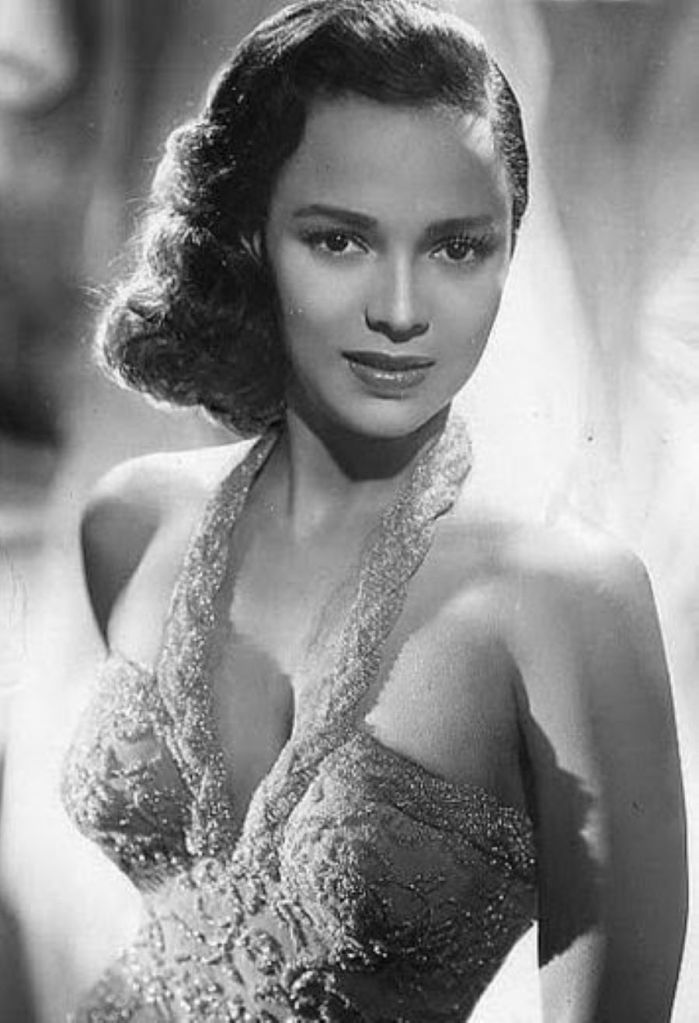
The Ebony Dolls: Dorothy Dandridge

Otherworldly black muse of Cinema

This photograph is the property of its respective owner.

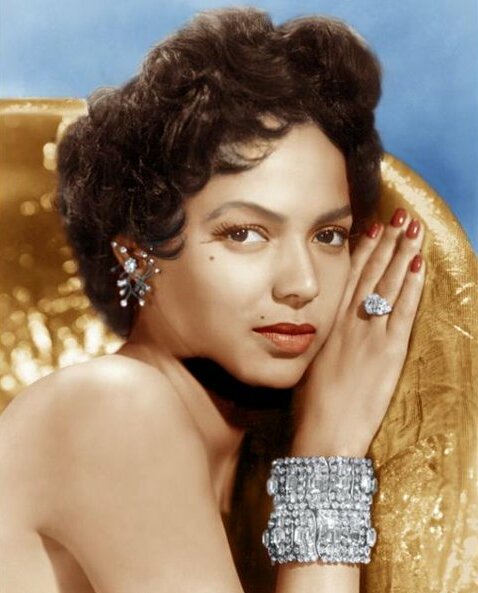
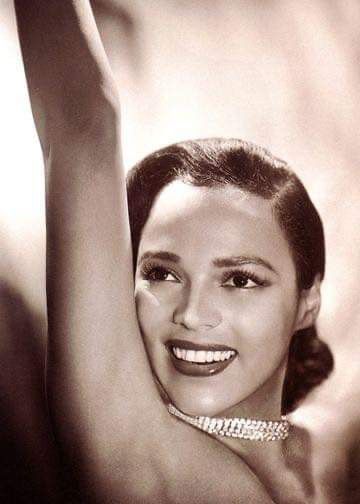
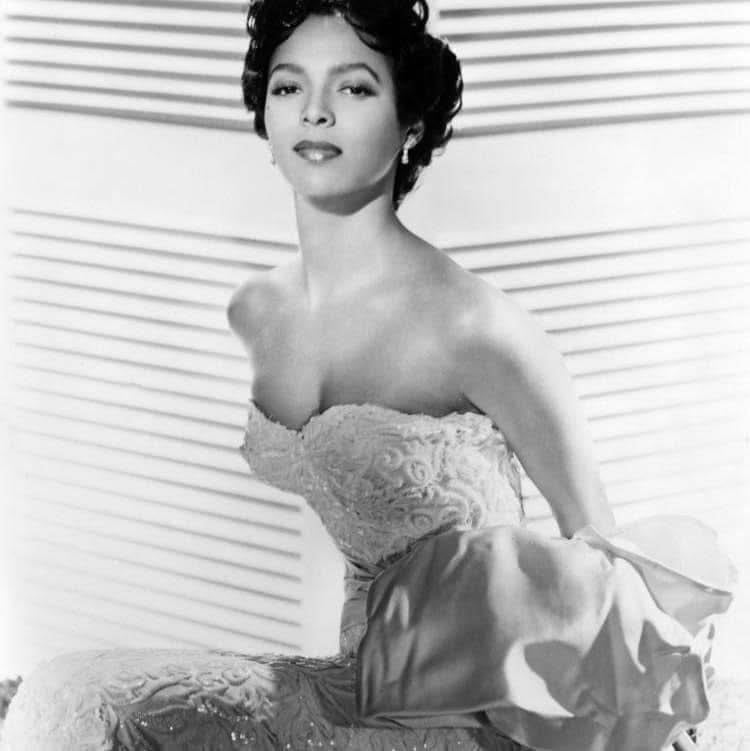
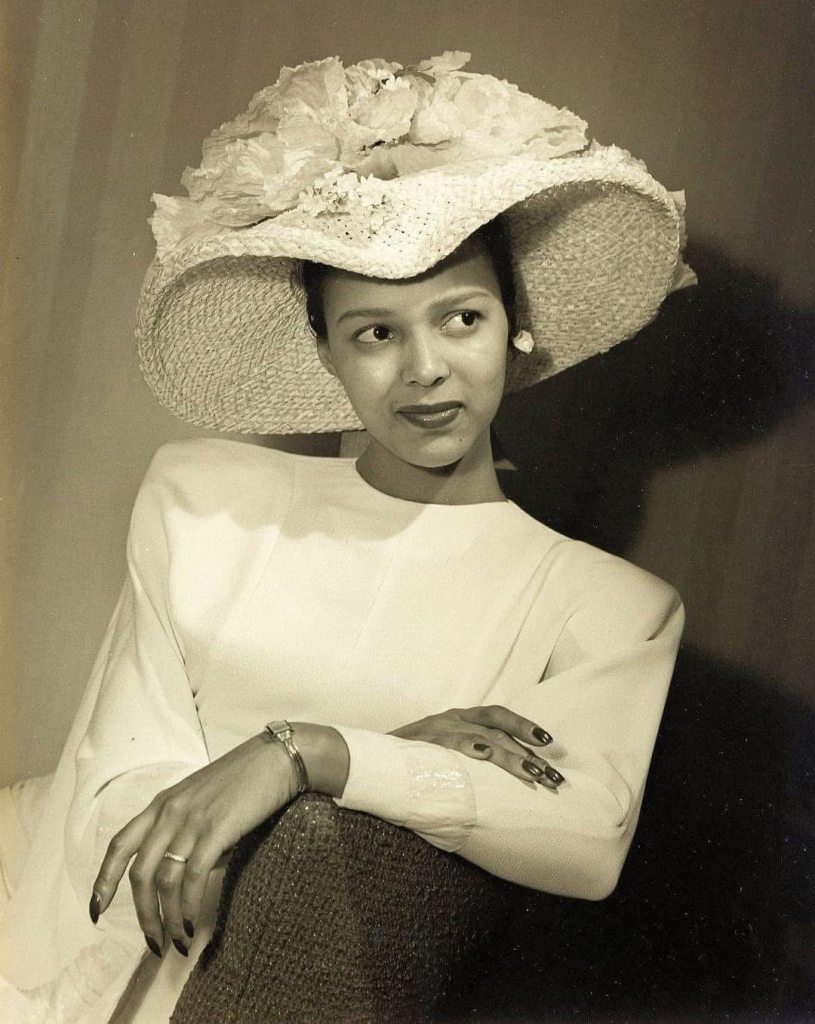
Dorothy Jean Dandridge remains one of the most luminous figures in the history of American cinema—a woman of breathtaking beauty, extraordinary talent, and profound courage who broke barriers for generations of Black actresses. Born on November 9, 1922, in Cleveland, Ohio, she emerged from humble beginnings to become the first African American woman nominated for an Academy Award for Best Actress. Her life was both a triumph and a tragedy, defined by grace, resilience, and the painful realities of racism and colorism in Hollywood’s golden age. With her flawless caramel complexion, delicate features, full lips, and almond-shaped eyes, she became the archetype of cinematic beauty—the original “Black Marilyn Monroe,” yet far deeper and more soulful.

Dorothy’s early life was marked by struggle and instability. Her parents separated before her birth, and she and her sister Vivian were raised by their mother, Ruby Dandridge, a stage performer who recognized her daughters’ natural talent. Ruby was determined that her children would escape poverty through performance. She created an act called “The Wonder Children,” in which Dorothy and Vivian sang and danced in churches throughout the South during the Great Depression. It was a tough childhood filled with long hours and racial discrimination, but it gave Dorothy a foundation in showmanship that would shape her later stardom.

As she grew older, Dorothy’s passion for performance evolved into a desire to act. Her beauty caught the attention of filmmakers, but Hollywood was not ready to embrace a Black actress in leading roles. Her earliest film appearances were minor, often uncredited, and she was typecast as a maid, chorus girl, or “exotic” background beauty. Despite the limited opportunities, her undeniable screen presence shone through. She soon realized that she would need to fight harder than most to be seen not just as a singer or a dancer, but as a serious actress.

This photograph is the property of its respective owner.

In the 1940s, Dorothy performed with the musical trio “The Dandridge Sisters,” alongside her sister Vivian and their friend Etta Jones. The group performed at the Cotton Club and other prestigious venues, dazzling audiences with their harmonies and elegance. These performances brought Dorothy into the orbit of Hollywood elites and introduced her to industry power players. Yet even as her popularity grew, she was often subjected to the cruelty of racism—barred from staying in the very hotels she performed in and forced to use side entrances to glamorous clubs that showcased her talent.

Her breakthrough came in 1954 when she starred as the seductive and complex Carmen Jones in Otto Preminger’s adaptation of Bizet’s opera Carmen. Her portrayal of Carmen was electrifying—sensual, intelligent, and layered with vulnerability. It was a defining performance that earned her an Academy Award nomination for Best Actress, making her the first Black woman in history to receive such an honor. Her role in Carmen Jones shattered Hollywood’s color barrier and proved that Black women could carry major motion pictures with the same magnetism and skill as their white counterparts.

Dorothy’s beauty was both her blessing and her curse. She was often described as “too beautiful for a Black actress” by studio executives who struggled to fit her into the narrow roles Hollywood reserved for women of color. Colorism played a cruel role in her career—she was considered light enough to be “acceptable” to white audiences but still Black enough to face discrimination from the industry. Directors and producers often fetishized her appearance, exoticizing her rather than recognizing her as a woman of depth and intellect.

This photograph is the property of its respective owner.

Her personal life reflected the same turbulence she faced professionally. Dorothy married dancer Harold Nicholas of the famed Nicholas Brothers in 1942. The marriage produced one child, Harolyn Suzanne Nicholas, who was born with brain damage and required lifelong care. The emotional and financial strain of caring for her daughter deeply affected Dorothy, contributing to the collapse of her marriage. She later had a relationship with director Otto Preminger, who cast her in Carmen Jones and later Porgy and Bess (1959), but their affair was marred by the racial politics of the time and his refusal to publicly acknowledge their relationship.

Her portrayal in Porgy and Bess alongside Sidney Poitier and Sammy Davis Jr. was another milestone in her career, though it was overshadowed by behind-the-scenes tension and the studio’s handling of the film. Despite the challenges, her performance once again displayed her remarkable ability to infuse complex emotion into her roles. She was not merely acting—she was expressing the frustrations, desires, and dreams of an entire generation of Black women who longed to be seen and respected.

Dorothy’s journey in Hollywood was marked by systemic racism and sexism. She was denied the roles her talent deserved, often replaced by white actresses in films she had been promised. She was invited to glamorous parties but forbidden to swim in hotel pools. Hollywood, while dazzled by her beauty, refused to offer her the humanity it extended to her white peers. She became a tragic symbol of a racist system that could idolize a Black woman’s image while destroying her spirit.

Behind the glamour, Dorothy struggled with loneliness and depression. Her finances suffered due to poor management, and her once-promising career began to fade in the 1960s. Yet even as her circumstances worsened, she continued to fight for her dignity and her art. She performed in nightclubs and continued to act in smaller roles, holding onto her dream that Hollywood would one day recognize her true worth.

Dorothy Dandridge’s untimely death in 1965 at the age of 42 shocked the world. Officially ruled an accidental overdose of antidepressants, many believed her death was a result of exhaustion and despair. She was buried in Los Angeles’ Forest Lawn Cemetery, leaving behind a legacy that was only fully appreciated decades later.

This photograph is the property of its respective owner.

Her influence, however, endured. In 1999, Halle Berry portrayed Dorothy Dandridge in the HBO film Introducing Dorothy Dandridge, a performance that earned Berry both an Emmy and a Golden Globe Award. Halle Berry credited Dorothy as a personal inspiration, saying that her own success as the first Black woman to win an Oscar for Best Actress in 2002 was possible because Dorothy had walked that difficult path first. In many ways, Halle’s triumph was the completion of Dorothy’s interrupted dream.

Dorothy Dandridge contributed to the world not just through her artistry but through her courage. She challenged Hollywood’s racist boundaries, bringing dignity, sensuality, and sophistication to roles previously denied to Black women. She paved the way for actresses like Diahann Carroll, Cicely Tyson, Halle Berry, and countless others who followed in her footsteps.

She also redefined Black beauty on the global stage, making her one of the epitomes of the Ebony Dolls series. Her elegance, grace, and poise influenced fashion, music, and film aesthetics, introducing a new archetype of the Black leading lady—refined, sensual, and complex. Her beauty was not just physical; it was spiritual and artistic, a reflection of her intelligence and emotional depth.

In her lifetime, Dorothy received numerous accolades, including a historic Academy Award nomination, a Golden Globe nomination, and multiple posthumous honors recognizing her contributions to cinema. In 1962, she was awarded a Hollywood Walk of Fame star, ensuring her name would remain immortalized among the legends of film.

Today, Dorothy Dandridge is remembered as more than an actress—she is a symbol of perseverance, artistry, and grace under oppression. Her story is one of triumph over systemic injustice, of beauty and brilliance in a world that often sought to dim her light.

This photograph is the property of its respective owner.

Through her voice, her movement, and her gaze, Dorothy gave dignity to desire, humanity to glamour, and truth to the illusion of Hollywood. She opened doors that others would one day walk through freely. Her beauty was never merely skin deep—it was the radiance of a soul that refused to be silenced.

Dorothy Dandridge’s legacy remains a beacon for artists and dreamers worldwide. She proved that even in a world built to deny her light, she could still shine—and in doing so, she illuminated the path for every Black woman who dared to dream after her.

References

  • Donald Bogle. (2006). Dorothy Dandridge: A Biography. Amistad Press.
  • Berry, H. (Producer). (1999). Introducing Dorothy Dandridge [Film]. HBO Films.
  • Encyclopedia Britannica. (2024). Dorothy Dandridge. Retrieved from https://www.britannica.com
  • IMDB. (2024). Dorothy Dandridge Biography. Retrieved from https://www.imdb.com
  • Bogle, D. (2017). Toms, Coons, Mulattoes, Mammies, and Bucks: An Interpretive History of Blacks in American Films. Bloomsbury Publishing.

The Indian Dolls: Priyanka Chopra Jonas, Deepika Padukone, and Aishwarya Rai Bachchan.

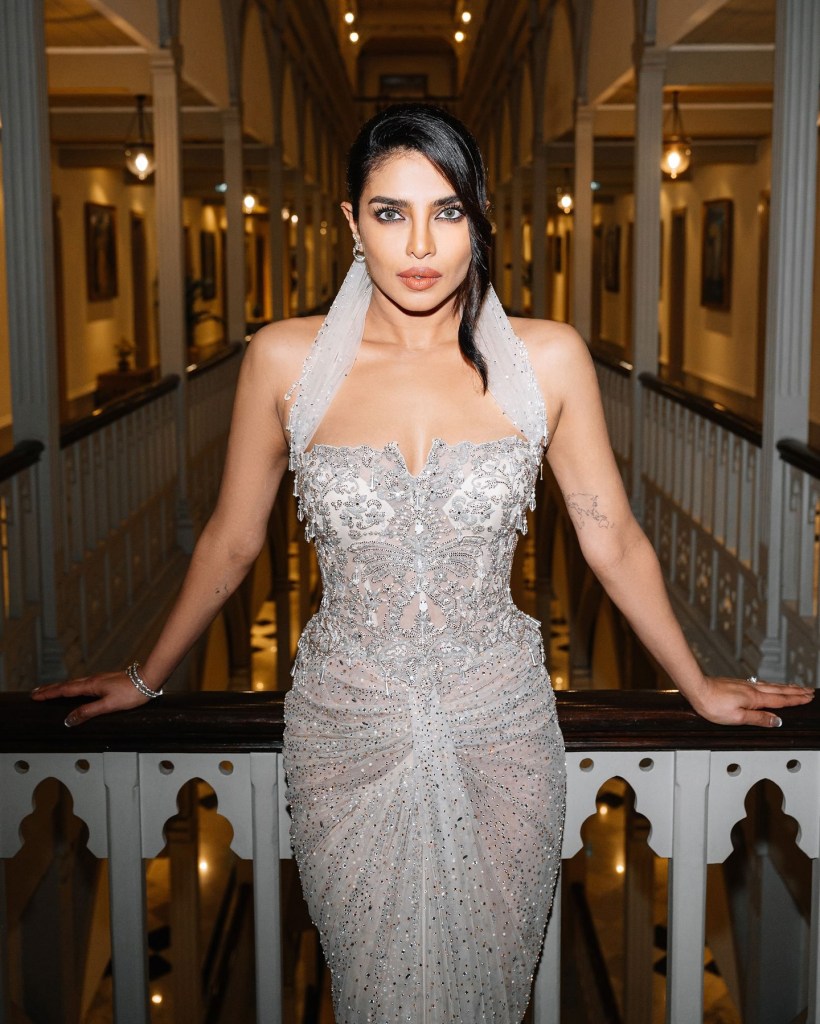
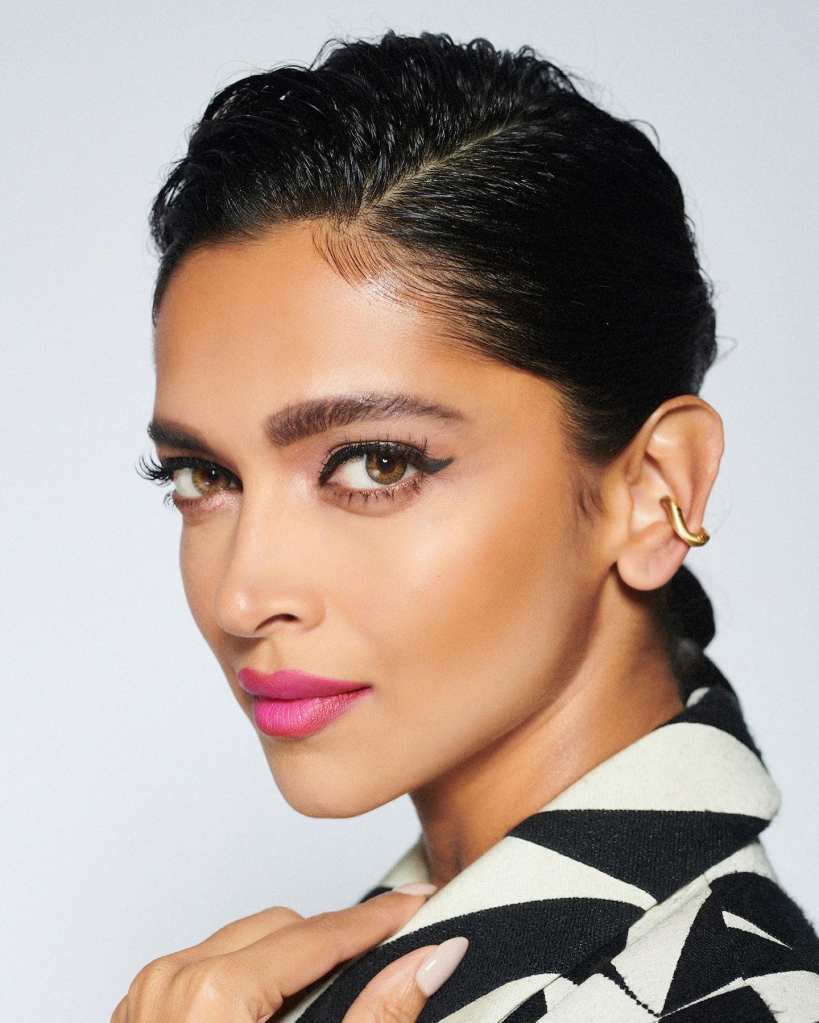
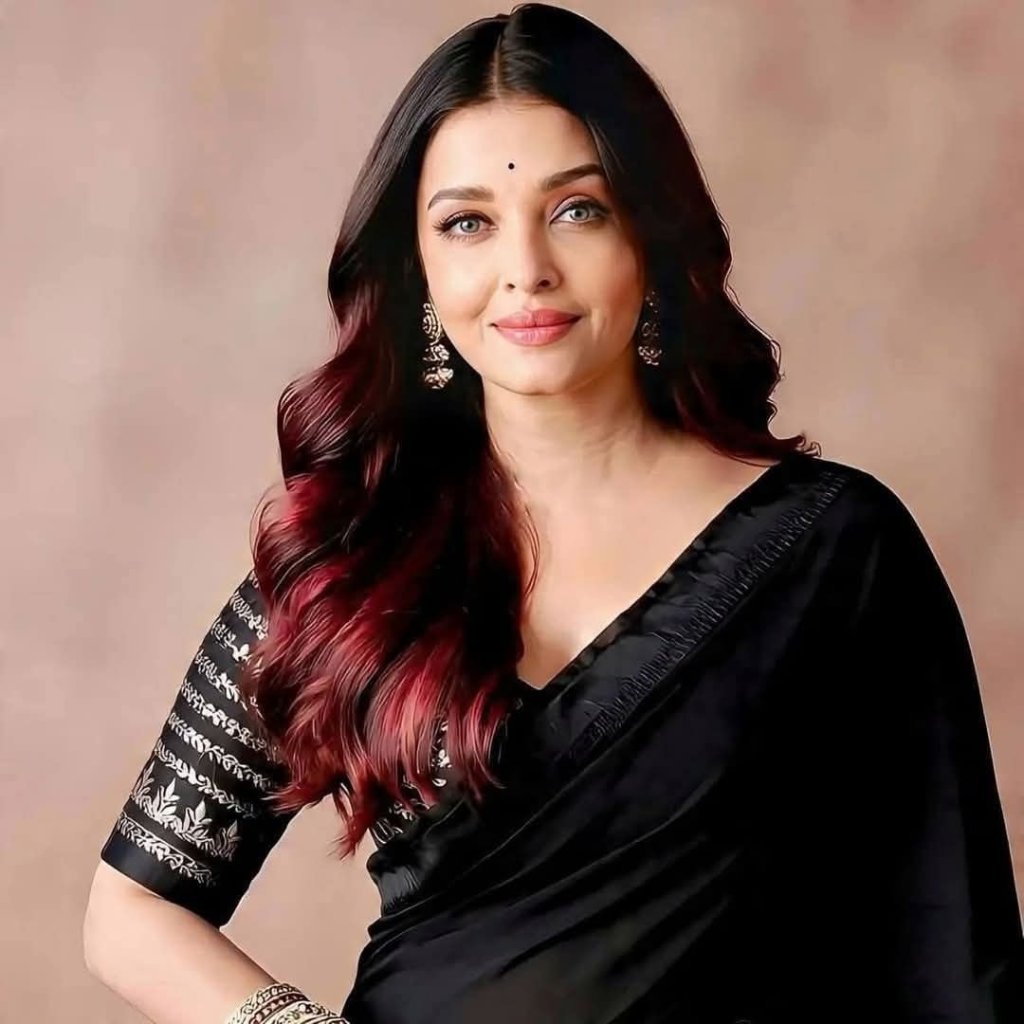
South Asian women have long occupied a complicated space in global beauty culture—simultaneously admired, stereotyped, and under-represented. The idea of the “Indian doll” does not symbolize artificial imitation, but rather a woman whose aesthetics appear richly crafted, emotionally expressive, culturally rooted, and globally captivating. Priyanka Chopra Jonas embodies radiant, healthy skin and facial sculpting that reads as cinematic perfection. Deepika Padukone brings a commanding, statuesque elegance—runway poise blended with emotional vulnerability and strength. Aishwarya Rai Bachchan’s green-blue colored eyes make her instantly recognizable in the Indian community. Together, these women represent cultural range, ancestral depth, family stability, global success, and physical beauty that still feels human and warm, a spectrum that modern South Asian girls can both aspire to and see themselves in.

They are a powerful representation of Indian “doll” imagery because:

  • Their beauty is distinct, not uniform
  • They reflect mixed influences from colonization, migration, and heritage without losing their Indianness
  • They succeeded in global media without abandoning marriage, motherhood, or cultural identity
  • They entered Hollywood and international cinema as fully formed stars, not novelties
  • They shifted the lens from “exotic stereotype” to “global admiration.”


Priyanka Chopra Jonas — The Exotic Global Doll with Glowing Skin

Early Life & Family

  • Born July 18, 1982, in Jamshedpur, Jharkhand, India
  • Parents: Dr. Ashok Chopra and Dr. Madhu Chopra, both physicians in the Indian Army
  • Frequent relocation during childhood due to military assignments gave her exposure to multilingual and multicultural environments
  • Attended school in India and the United States
  • At age 13, she lived in the U.S. for studies before returning to India to complete her education

Ethnicity / Race

  • She is Indian (South Asian), primarily of Punjabi descent
  • Identifies culturally as Desi and maintains a strong affiliation with Indian identity despite a global career trajectory

Marriage & Children

  • Married American singer/actor Nick Jonas in December 2018
  • Child: Malti Marie Chopra Jonas (born January 2022 via surrogate)
  • Priyanka and Nick have displayed a public narrative of cross-cultural admiration, blended tradition, and committed partnership, including a Hindu and Christian wedding celebration

Career Beginnings & Hollywood Entry

  • Crowned Miss World 2000, which launched her national visibility
  • Bollywood film debut: The Hero: Love Story of a Spy (2003)
  • Rose rapidly through Hindi cinema with a commercial and dramatic range
  • U.S. breakthrough: TV series Quantico (2015–2018), making her the first South Asian woman to lead an American network drama
  • Hollywood films include Baywatch (2017) and The Matrix Resurrections (2021)

Awards & Honors

  • National Film Award for Best Actress (India, 2008)
  • 5 Filmfare Awards
  • Padma Shri (Government of India, 2016)
  • Serves as UNICEF Goodwill Ambassador
  • Featured in Time 100 Most Influential People

Beauty Representation

Priyanka represents the modern Indian doll archetype—her golden-bronze complexion, healthy, glowing skin, and beauty rooted in self-care rituals offer representation for Indian girls who seldom saw their natural skin tone elevated in global media before her.


Deepika Padukone — The piercing-eyed Statuesque beauty, the Runway-Doll

Early Life & Family

  • Born January 5, 1986 in Copenhagen, Denmark
  • Raised in Bangalore, India
  • Father: Prakash Padukone, one of India’s greatest badminton champions
  • Mother: Ujjala Padukone, travel agent
  • Younger sister: Anisha Padukone, professional golfer
  • Originally trained in sports before transitioning into modeling

Ethnicity / Race

  • Indian (South Asian), of Konkani ancestry
  • Her upbringing merges Nordic birth geography with a deeply Indian childhood cultural imprint

Marriage & Children

  • Married Bollywood actor Ranveer Singh in November 2018
  • Child: Dua Padukone Singh, born 2024

Career Beginnings & Hollywood Entry

  • Started career in professional modeling and fashion campaigns
  • Bollywood debut: Om Shanti Om (2007), which transformed her into a national sensation
  • Hollywood debut: xXx: Return of Xander Cage (2017)
  • Regular presence at the Cannes Film Festival
  • Built a parallel career as a mental health advocate, founding the Live Love Laugh Foundation

Major Awards & Honors

  • 3 Filmfare Best Actress Awards
  • Cannes 2022 Jury Member
  • Time 100 Impact Award
  • Multiple global honors for fashion and influence

Beauty Representation

Her towering height, flawless beauty, sculpted bone structure, and bronzed, warm skin give her the presence of a living couture doll. She reflects beauty that is bold, visible, and undeniable, inspiring Indian girls to see power in presence, not just prettiness.


Aishwarya Rai Bachchan — The Iconic Bollywood Doll

  • Born November 1, 1973 in Mangalore, Karnataka, India
  • Raised in Mumbai
  • Father: Krishnaraj Rai, marine biologist
  • Mother: Brindya Rai, writer/author
  • Fluent in Tulu, Hindi, English, Tamil, and Bengali
  • Academically gifted; originally studied architecture before pivoting to modeling and film

Ethnicity / Race

  • Indian (South Asian), from a Tulu-speaking community
  • Represents intelligence and cultural rootedness underneath global beauty admiration

Marriage & Children

  • Married Bollywood actor Abhishek Bachchan in April 2007
  • Daughter: Aaradhya Bachchan (born 2011)

Career Beginnings & Hollywood Entry

  • Won Miss World 1994
  • Bollywood debut: Aur Pyaar Ho Gaya (1997)
  • International film visibility early, making her India’s first major crossover global film star
  • Major English-language roles:
    • Bride & Prejudice (2004)
    • The Last Legion (2007)
    • The Pink Panther 2 (2009)
  • Longstanding Cannes red carpet presence since 2002

Major Awards & Honors

  • 2 Filmfare Awards
  • Padma Shri
  • Ordre des Arts et des Lettres (France, 2012)
  • Numerous global beauty and cinema honors

Beauty Representation

Her eyes are her signature—not common in India. She became the blueprint for success in Bollywood – unforgettable and delicate-fierce.


Why They Represent the “Indian Doll” Legacy Well

They are not a monolith. They represent a trinity of Hispanic-style inspiration in South Asian form:

WomanDoll EssenceRepresentation Value
Priyankaglowing skin, sculpted face, golden toneModern global Desi woman + cross-cultural beauty
Deepikastatuesque runway statue brought to lifeTall South Asian beauty + mental health voice
Aishwaryagreen-blue eyesIndia’s first global beauty

Their representation matters because:

  • They reflect the true multiracial and multi-textural harmony of South Asian populations
  • They preserve long-term marriage and motherhood narratives, resisting Hollywood instability tropes
  • They carried their languages, traditions, and ancestry onto global screens
  • They embody beauty that is ornamental, aspirational, emotional, political, cultural, and personal

They are a good representation of the idea of Indian dolls because they show the world that South Asian beauty is not factory-made—it is lineage-made, climate-born, grace-carried, and culturally embodied.


References

Chopra Jonas, P. (2019). Unfinished: A Memoir. Ballantine Books.

Live Love Laugh Foundation. (2021). Mental health advocacy research and campaigns.

Cannes Film Festival Archives. (2003, 2022). Jury member and red carpet documentation.

Nayar, P. K. (2014). The Indian Cinematic Imagination. Routledge.

Dudrah, R. (2006). Bollywood and Globalization: The Global Power of Popular Hindi Cinema. Manchester University Press.

ChatGPT can make mistakes. Check important info.

The Bible Series: The Queen of Sheba

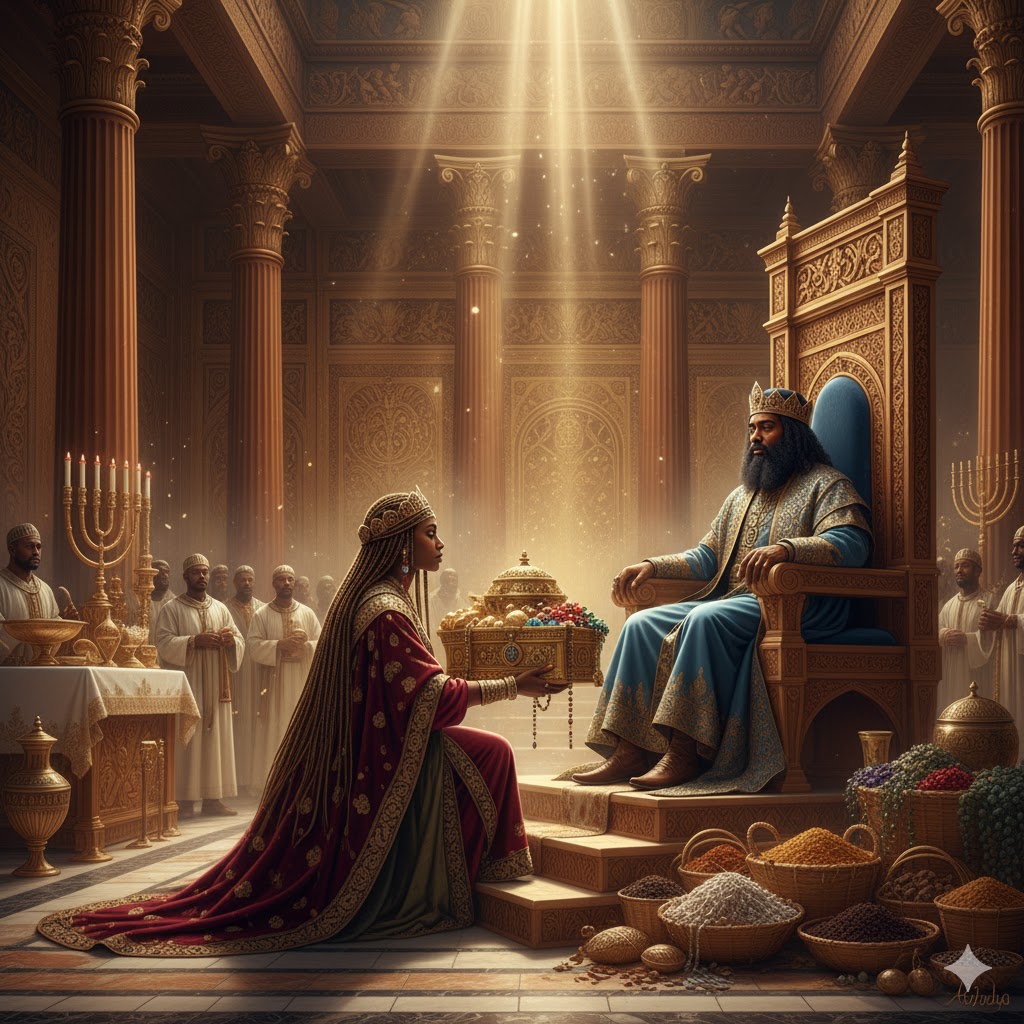
The Queen of Sheba is one of the most fascinating figures in biblical history, embodying wisdom, wealth, and diplomacy. She is renowned for her visit to King Solomon, a journey that has captivated scholars, theologians, and historians for centuries. While the Bible provides limited information about her personal background, her story has had a lasting impact on biblical narrative, African and Arabian history, and cultural lore.

Her exact lineage is not explicitly detailed in Scripture, but she is traditionally associated with the kingdom of Sheba, believed by most scholars to have been located in the region that is now modern-day Yemen and parts of Ethiopia (1 Kings 10:1; 2 Chronicles 9:1, KJV). The kingdom of Sheba was noted for its wealth, trade networks, and prosperity, making the Queen a figure of considerable influence and authority. Some traditions suggest she was of noble or royal descent, entrusted with the governance and diplomatic affairs of her people.

The Queen of Sheba is most famously known for her journey to Jerusalem to meet King Solomon. According to 1 Kings 10:1–2 (KJV), she came “to prove him with hard questions,” bringing with her spices, gold, and precious stones. Her visit demonstrates her curiosity, intelligence, and political acumen. She sought to test Solomon’s renowned wisdom, which God had granted him in abundance, and her arrival reflects the diplomatic interactions between kingdoms during this era.

Her impact on King Solomon and the biblical narrative was profound. Solomon’s wisdom impressed her greatly, and she praised the God of Israel, acknowledging the divine source of his understanding. 1 Kings 10:3–4 (KJV) records that she spoke of “all that was in thine heart; nothing was too hard for thee,” highlighting the mutual respect and admiration between the two rulers. Her recognition of Solomon’s God underscores her spiritual insight and capacity for acknowledging divine authority.

The Queen’s gifts to Solomon were equally significant. Gold, spices, and precious stones symbolized the wealth of her kingdom and the esteem in which she held Solomon. In turn, Solomon gave her “all her desire, whatsoever she asked” (1 Kings 10:13, KJV). This exchange illustrates the ancient practice of gift-giving as a means of diplomacy, alliance-building, and recognition of wisdom and power.

Her story reflects the significance of female leadership in the ancient world. The Queen of Sheba demonstrates that women held power, influence, and diplomatic authority even in male-dominated societies. Her ability to negotiate, question, and engage with the wisest king of Israel illustrates that wisdom and leadership are not confined by gender.

From a biblical perspective, her recognition of Solomon’s God and her worshipful response (1 Kings 10:5, KJV) highlight a spiritual dimension of her character. She was open to truth and divine wisdom, demonstrating humility despite her own wealth and power. This interaction emphasizes that spiritual discernment often transcends nationality, culture, and personal status.

Her visit also had economic and cultural implications. The trade of gold, spices, and rare commodities between Sheba and Israel strengthened regional alliances and established patterns of wealth exchange in the ancient Near East. These exchanges contributed to the prosperity of Solomon’s reign and the international renown of Israel as a center of wisdom and trade.

In Scripture, the Queen of Sheba serves as a symbol of inquisitiveness, courage, and reverence for divine wisdom. Her willingness to travel great distances, to test knowledge, and to offer gifts reflects a proactive and discerning spirit, illustrating how nations could engage with Israel respectfully and meaningfully.

1 Kings 10:6–7 (KJV) describes her astonishment at Solomon’s palace, his table, and the wealth of Israel. Her visit therefore highlights not only spiritual and intellectual admiration but also a recognition of material abundance and strategic governance. Shebeans and Israelites alike could witness the blessings of God manifesting in tangible prosperity.

The Queen of Sheba’s narrative also underscores the universal reach of God’s wisdom. Her recognition of the Lord’s power and Solomon’s God-given wisdom signals that divine truth transcends boundaries. She exemplifies how individuals outside of Israel could encounter God’s glory and acknowledge His sovereignty.

Her story inspired later biblical and historical interpretations. Jewish, Christian, and Islamic traditions expand upon her narrative, portraying her as a wise and discerning monarch whose life was intertwined with divine providence. While extra-biblical sources offer embellishments, the biblical account remains concise, focusing on wisdom, gifts, and worship as hallmarks of her visit.

2 Chronicles 9:1–12 (KJV) parallels the account in 1 Kings 10, affirming the Queen’s journey, her questions, and the treasures exchanged. This repetition in Scripture emphasizes the significance of her visit, reinforcing her role as a notable historical and spiritual figure in Israel’s story.

The Queen of Sheba is also a figure of inspiration in African and Arabian cultural history. Her legacy transcends Scripture, influencing art, literature, and folklore. Her visit to Solomon symbolizes intercultural dialogue, the pursuit of wisdom, and the bridging of nations through mutual respect and recognition of divine guidance.

Biblical scholars often note that her engagement with Solomon exemplifies the virtue of humility in the pursuit of wisdom. Despite her own prominence and resources, she approached Solomon as a seeker, acknowledging that human understanding is enriched by divine insight.

Her impact on Solomon’s reign cannot be understated. The encounter reaffirmed Israel’s international stature and showcased the appeal of Godly wisdom to foreign nations. She validated the importance of Israel’s covenant relationship with God, offering a tangible example of how divine favor attracts recognition from afar.

Finally, the Queen of Sheba reminds us of the integration of wealth, power, and spiritual discernment. Her story teaches that material prosperity is best guided by wisdom, reverence, and humility. She remains a timeless model for leadership, diplomacy, and the recognition of God’s hand in human affairs.

In conclusion, the Queen of Sheba is a remarkable biblical figure whose influence resonates in history, culture, and faith. Her lineage, wisdom, and diplomatic engagement with Solomon reveal a woman of insight, courage, and reverence. She embodies the beauty of intellect, leadership, and spiritual discernment, leaving a legacy that continues to inspire scholars, theologians, and believers across generations.


KJV Bible References

  • 1 Kings 10:1–13, KJV
  • 2 Chronicles 9:1–12, KJV
  • Genesis 12:1, KJV (contextual reference on divine calling and journey)
  • Psalm 139:14, KJV (on being “fearfully and wonderfully made”)

Where faith, history, and truth illuminate the Black experience.