The popular phrase “I don’t need a man” echoes through modern culture, often touted as a badge of strength, independence, and self-reliance. While independence has its virtues, the sentiment frequently masks deep cultural wounds, spiritual misalignment, and historical shifts that have led to the breakdown of the biblical model of love, marriage, and mutual support. From the Genesis account of Adam and Eve to the apostolic teachings of Christ and the Church, Scripture consistently affirms that it is not good for man—or woman—to be alone.
I Need a Man: To My Black Brother By Paper Doll (with love and truth)
I need a man— Not just any man, but my brother, my king, A soul forged in the fire of trials, A lion with purpose, A priest of his home, A warrior of the Most High.
I need a man— Not to complete me, but to stand beside me, To speak life into dry places, To cover me in prayer when the night grows cold, To hold my hand as we walk this narrow road, Both flawed, but chosen.
I need a man— Not to dominate, but to lead, With love as his language and wisdom as his seed. I need the thunder in your voice to silence fear, The strength of your arms to draw me near. I need your presence, your covering, your gaze, Your commitment, not just your praise.
To my Black brother— We need you. Not the world’s version of you, But the real you: Head bowed in prayer, Hands lifted in praise, Feet firm in faith.
I want you— Your mind, your spirit, your legacy. I want your protection, your counsel, Your vision that sees beyond the storm, Your heart that beats in rhythm with heaven.
We were never meant to do this alone. Even Eden knew no joy until Eve had Adam— Flesh of his flesh, bone of his bone. I am your rib, and you are my frame. We are not enemies. We are flame.
I need a man— One who will stand when others fall, Who loves hard, forgives deep, and fears God above all. A man who will teach sons how to be just, And daughters how to trust.
I need a man— To laugh with, pray with, build with, grow with, To cry with, dream with, raise nations with. To love me like Christ loves His bride— Not as property, but in power. Not as servant, but with honor.
To my Black king, Come home. We need you. I need you. And I will wait—not for perfection, But for your return to purpose.
Genesis: God’s Blueprint for Companionship
In Genesis 2:18 (KJV), God declared, “It is not good that the man should be alone; I will make him an help meet for him.” This foundational statement affirms that man was never intended to live in isolation. The woman was not an afterthought, but a divine counterpart—a reflection of man’s need for relational, emotional, and spiritual partnership. Eve was taken from Adam’s side—not his head, to rule over him, nor his feet, to be trampled—but from his rib, to walk beside him in purpose and covenant (Genesis 2:21-24).
Marriage, in its purest form, is not just a social contract but a living testament of divine love. Ephesians 5:25 (KJV) declares, “Husbands, love your wives, even as Christ also loved the church, and gave himself for it.” Here, Paul equates the sacrificial love of Christ with the love a man must show his wife—protective, selfless, and enduring. This relationship is not built on domination or servitude but mutual honor and spiritual reflection.
The Dangers of Radical Independence and Isolation
While independence in women has its place—particularly in resilience, wisdom, and strength—it becomes spiritually and emotionally dangerous when it fosters isolation, pride, or rebellion against God’s order. Proverbs 14:12 reminds us, “There is a way which seemeth right unto a man, but the end thereof are the ways of death.” The idea that one does not need a man, often born out of trauma or disappointment, may seem empowering but ultimately undermines the divine need for interdependence.
In Ecclesiastes 4:9-10 (KJV), the Word declares: “Two are better than one… For if they fall, the one will lift up his fellow: but woe to him that is alone when he falleth.” Emotional, spiritual, and physical support is best found in companionship and community. When women believe they can “do it all,” they often face burnout, loneliness, and spiritual disconnection, especially if they are raising children or managing households without godly support.
Lesbianism: A Symptom of Rebellion and Woundedness
The rise of lesbianism in modern society is not just a cultural shift but a spiritual misalignment with God’s design for human relationships. Romans 1:26-27 (KJV) speaks directly to this: “For this cause God gave them up unto vile affections: for even their women did change the natural use into that which is against nature.” While society affirms same-sex unions, Scripture warns of the spiritual consequences of rejecting God’s established order.
In many cases, lesbianism arises from deep wounds—neglect, abuse, betrayal by men, or unresolved trauma. Instead of turning to God for healing, some women turn to one another in an effort to escape the hurt men have caused. Yet, counterfeit love cannot fill the void that only God’s truth can satisfy.
Black Love: A Sacred Partnership in Need of Restoration
In the Black community, centuries of slavery, systemic racism, and generational trauma have torn apart the image of strong, unified Black families. From being sold apart on plantations to the government policies of the 20th century that incentivized fatherless homes, the erosion of the Black family has been strategic. Now more than ever, Black men and women must reject the culture of division and embrace one another in truth, healing, and covenant love.
Ephesians 4:2-3 encourages believers to walk “with all lowliness and meekness, with longsuffering, forbearing one another in love; Endeavouring to keep the unity of the Spirit in the bond of peace.” Black love must not be based on transactional convenience but on godly servanthood and mutual respect.
The Working Woman vs. The Stay-at-Home Mother: Honoring Both Roles
A woman who works outside the home brings financial support, creativity, and independence to the family. Proverbs 31:16 describes the virtuous woman: “She considereth a field, and buyeth it.” However, the same passage also honors her role within the home: “She looketh well to the ways of her household” (v. 27). A stay-at-home mother nurtures, educates, and spiritually molds the next generation—a full-time calling that should not be belittled.
Both paths require balance, grace, and godly alignment, and neither is superior if done in submission to God’s will. The danger lies in comparison, pride, or the belief that motherhood or homemaking is lesser in value.
The Fall of Feminism and the Illusion of Superiority
Modern feminism, while originally rooted in the pursuit of equal rights, has gradually evolved into a movement of superiority, not equality. The second and third waves of feminism especially encouraged women to reject traditional gender roles, marriage, and male leadership, positioning men as inherently oppressive. This ideology has led to division, confusion, and a deep identity crisis in many women.
Isaiah 3:12 (KJV) warns, “As for my people, children are their oppressors, and women rule over them.” The breakdown of order, where men are devalued and women exalt themselves above them, creates societal instability. God’s order is not patriarchal oppression—it is divine harmony.
Conclusion: We Need Each Other
God never intended for men or women to be alone or independent from one another. We were created for covenant—for marriage, family, and divine partnership. Hebrews 13:4 (KJV) declares: “Marriage is honourable in all, and the bed undefiled: but whoremongers and adulterers God will judge.” Marriage mirrors the heart of God, His love for His people, and the unity of the body of Christ.
It is not weakness to need a man—it is wisdom. And for men, it is not weakness to need a woman—it is God’s design. As Black men and women, the healing of our community depends on us choosing love, honor, and unity over pride, pain, and division.
A Needle in the Haystack: Honoring the Rare Man After God’s Own Heart
In a world of shifting values and shallow definitions of masculinity, the Godly man stands out—not for his noise, but for his depth. He is not easily found, nor is he loudly celebrated. He is rare—a needle in the haystack, a living testimony to what it means to be a man after God’s own heart.
The Quiet Strength of a Godly Man
He does not lead with arrogance or ego. His strength is measured in silence, in discipline, in the weight he bears for those he loves. He is not shaped by culture, but by covenant. He walks with quiet fire, with vision that reaches generations. This man lives beneath the surface of trends and hype, rooted instead in biblical truth and eternal values.
“A needle in the haystack’s maze, A rare gem in a reckless age.”
A Lover of God, First and Foremost
Above all else, this man is devoted to God. His intimacy with the Father defines every other role he plays. He does not seek approval from men, but walks humbly before the throne of grace. Like King David, he is not perfect—but he is penitent, pursuing God with a whole heart.
“A lover of the Lord Most High, With tear-stained prayers and lifted eyes. He bends his knee before the throne, Before he leads, he’s led alone.”
Priest, Provider, and Protector of the Home
He embraces his God-ordained role as priest of the home, standing in spiritual authority while washing his family in love and wisdom. He provides—not just materially, but emotionally, mentally, and spiritually. He is a safe place and a strong tower for his wife and children.
“He is a priest, he is a shield, A man whose heart has been revealed. Through trials fierce and battles deep, He sows the Word, his children reap.”
“A provider, not by wealth alone, But through the seeds of love he’s sown. He leads with action, not with talk— His life, a sermon when he walks.”
A Husband Who Honors and Cherishes
To his wife, he is gentle yet strong, a man who knows how to cover and nurture. His love is not performance-based; it is rooted in covenant. He honors her role, values her voice, and builds her up with his words and actions.
“He is a husband, strong yet kind, Who cherishes his bride’s design. Not just in touch, but in his tone— He makes her feel safe, seen, and known.”
A Father Who Shapes Destiny
This man understands the weight of fatherhood. He doesn’t just father children—he fathers futures. He teaches, corrects, affirms, and protects. His children rise blessed because he walks in integrity (Proverbs 20:7, KJV).
“He is a father, wise and true, Who builds with faith and labors too. He trains his sons, he lifts his girls, He guides with grace in a shaking world.”
A Man of Integrity, Not Image
Unlike the “dusty” man—who refuses to provide, demands 50/50, and dodges responsibility—this man shows his love through action. He doesn’t just speak of loyalty and vision—he lives it. He leads not to be served, but to serve. He chooses legacy over lust, and covenant over convenience.
“He doesn’t just command respect—he earns it.”
Conclusion: Blessed is She Who Finds Him
Men like this are not found every day. They are formed in fire, refined by grace, and led by Spirit. They are the exception, not the rule. For the woman who finds such a man, she has found more than a husband—she has found a reflection of God’s own heart.
“So rare he is, so few remain— A remnant in a world profane. A man of covenant, not charm— Whose life is shelter, truth, and calm.”
“A needle in the haystack’s depth, A holy flame, a living breath. A Godly man, so few will find— But blessed is she who calls him mine.”
A Godly man is not defined by charm, charisma, or credentials—but by his commitment to righteousness, his faithfulness to God’s Word, and his unwavering love for his family. He is the anchor of the home, the pillar of wisdom, and the guardian of legacy. He is a rare find—a needle in a haystack—whose presence reflects the strength and spirit of the Most High.
The Divine Duty: Man as Provider and Priest
God created man to lead, provide, and protect. From the beginning, Adam was placed in the garden to “dress it and keep it” (Genesis 2:15, KJV)—a calling of labor, stewardship, and responsibility. The New Testament echoes this eternal charge: “But if any provide not for his own, and specially for those of his own house, he hath denied the faith, and is worse than an infidel” (1 Timothy 5:8, KJV).
Provision is not merely financial. A Godly man provides security, vision, wisdom, and love. He covers his wife in prayer, counsels his children in truth, and builds a legacy rooted in faith. Like Joshua, he declares, “But as for me and my house, we will serve the Lord” (Joshua 24:15, KJV). He is the priest of the home, walking in integrity, standing in the gap, and leading his household in righteousness.
The Dusty Man: A Counterfeit Masculinity
In stark contrast stands the dusty man—a modern byword for the irresponsible, entitled, and unprincipled male. He is not just poor in finances—he is poor in character. He demands 50/50 from a woman while offering nothing in spiritual leadership, monetary, or covering. He wants partnership without sacrifice, intimacy without commitment, benefits without burden. He is like the man described in Proverbs: “As a bird that wandereth from her nest, so is a man that wandereth from his place” (Proverbs 27:8, KJV).
The dusty man wants a Proverbs 31 woman but fails to be an Ephesians 5 husband. He speaks of love but shows no action. Yet the Word is clear: “My little children, let us not love in word, neither in tongue; but in deed and in truth” (1 John 3:18, KJV). Love is an action word. It is not proven by gifts or words alone, but by consistent self-sacrifice and the pursuit of the other’s good.
He lies in wait for women to build with him, only to later abandon them. He fathers children but forsakes the role of fatherhood. The Word warns: “He that troubleth his own house shall inherit the wind” (Proverbs 11:29, KJV). This man builds nothing because he invests in nothing but himself.
Faithful Men vs. The Unfaithful: Fruit vs. Failure
A faithful man is not ruled by lust but led by love. He is a man who resists temptation and honors covenant. “The just man walketh in his integrity: his children are blessed after him” (Proverbs 20:7, KJV). He builds trust over time and leads his home with dignity and strength. His love is patient, long-suffering, kind, and consistent (1 Corinthians 13:4–7).
In contrast, the unfaithful man is unstable in all his ways. He may charm with his words, but his actions betray him. He leaves broken homes, broken hearts, and broken children behind. The Bible is clear that “A double minded man is unstable in all his ways” (James 1:8, KJV). A man that does not take care of his family, in heart or in hand, has rejected the very image of the Father—for our heavenly Father never abandons His children.
Strength Over the Flesh: Becoming a Man of Discipline
A strong man is not one who dominates others—but one who governs himself. “He that is slow to anger is better than the mighty; and he that ruleth his spirit than he that taketh a city” (Proverbs 16:32, KJV). Overcoming the flesh is not easy, but it is essential. The Godly man crucifies his desires daily (Galatians 5:24), submits his mind to Christ (Romans 12:2), and disciplines his eyes, thoughts, and body for the glory of God.
He knows the price of obedience, and he pays it—because eternity is more valuable than momentary pleasure.
What a Godly Man Looks for in a Godly Woman
A man of the Most High does not seek vanity but virtue. He desires a woman with modesty of heart, not just modesty of dress. A woman who fears the Lord (Proverbs 31:30), whose speech is seasoned with grace, and whose spirit is clothed in humility (1 Peter 3:4). She is not loud and clamorous, but wise and peaceable. She edifies, she uplifts, and she understands that submission is strength, not slavery.
He does not fear a strong woman—but he honors one who knows when to lead and when to follow. He seeks a helpmeet, not a hindrance—a partner in purpose, a warrior in prayer, and a queen who walks in the fear of the Lord.
The True Leader: A Man After God’s Own Heart
The Godly man is open-hearted, yet discerning. Open-minded, yet grounded in Scripture. He is a student of truth, a lover of wisdom, and a man who leads with clarity and conviction. He is faithful, generous, and honest—even when it costs him. He is a shepherd to his family, not a tyrant; a servant-leader who lays down his life, just as Christ did for the Church (Ephesians 5:25).
He doesn’t just command respect—he earns it.
Final Word: The Legacy of a Righteous Man
The Godly man is a rare jewel in a generation of dust and deceit. He builds, he prays, he stays. He doesn’t run from responsibility—he embraces it. He is a father to the fatherless, a husband of honor, and a man after God’s own heart (Acts 13:22).
Final Thoughts
In a time where masculinity is often misunderstood or misrepresented, the world desperately needs fathers, husbands, and leaders who reflect the love, discipline, and courage of Christ. These men may not trend online—but they will transform families, strengthen communities, and shake generations.
They are the few. They are the faithful. They are the rare
Let men rise to the calling. Let them walk as kings and priests in their homes (Revelation 1:6). Let them forsake childish ways, overcome the flesh, and love not in word only, but in deed and truth.
Because real men don’t just say they love—they show it.
“A man once told me, after seeing me at the opera, ‘The moment you entered the room, I was paralyzed by your presence—your extraordinary beauty captivated me so completely, it was as if time stopped. The delicate way your dress embraced your hourglass form, the elegance of your silhouette, and the radiance in your big bedroom eyes made it impossible to look away. I silently vowed, in that moment, to honor your very footstep.’”
This experience is more than poetic admiration; it is a powerful display of what lust can awaken in the human mind and heart. The emotional and physical reaction of the man may seem romantic, but it is also a spiritual battleground—a war between appreciation and temptation, desire and self-control.
Sexual Sin: A Sacred Design Twisted
Sex was designed by the Most High as a holy covenant act within marriage, a physical and spiritual union between husband and wife. It is more than pleasure—it is worship, connection, and a symbol of divine intimacy.
📖 Hebrews 13:4 (KJV): “Marriage is honourable in all, and the bed undefiled: but whoremongers and adulterers God will judge.”
When misused, this sacred act becomes spiritually unlawful. All sex outside of marriage—whether fornication, adultery, or pornography—is considered sin and invites spiritual bondage.
The Origin and Nature of Sexual Sin
Sexual sin entered the world through the fall of Adam and Eve. Before sin, there was nakedness without shame (Genesis 2:25). Afterward, shame, secrecy, and lust corrupted the purity of sexual connection.
📖 1 Corinthians 6:18 (KJV): “Flee fornication. Every sin that a man doeth is without the body; but he that committeth fornication sinneth against his own body.”
What Is Fornication and Lust?
Fornication (Greek: porneia) is any sexual activity outside of marriage (1 Corinthians 6:9).
Lust is a desire that goes beyond admiration; it is coveting with the intent to possess, even if only in the mind.
📖 Matthew 5:28 (KJV): “But I say unto you, That whosoever looketh on a woman to lust after her hath committed adultery with her already in his heart.”
Men, Attraction, and the Brain
When a man sees a physically attractive woman, dopamine is released in the brain—a chemical associated with reward and pleasure. This activates areas tied to sexual arousal and fantasy. Without spiritual discipline, these desires can evolve from admiration into sinful lust and even addiction.
📖 Proverbs 6:25: “Lust not after her beauty in thine heart; neither let her take thee with her eyelids.”
Are Women More Prone to Sexual Sin or Addiction?
Sexual sin affects both men and women, but often in different ways:
🔹 Men are more visually stimulated, often falling into pornography, lust, or physical encounters.
🔹 Women, though traditionally thought more emotionally driven, are increasingly exposed to emotional and physical sexual temptations, especially through media, novels, and online platforms.
According to psychological studies:
Women today are almost equally vulnerable to pornography and sexual compulsions.
Many women report struggles with masturbation, fantasy, and emotional infidelity.
📖 Romans 3:23 (KJV): “For all have sinned, and come short of the glory of God.”
No gender is exempt from temptation. Sin is an equal-opportunity enslaver.
What Is Porn Addiction and Masturbation Spiritually?
🔹 Porn Addiction
Trains the brain to crave unrealistic sexual images
Leads to desensitization, broken relationships, and spiritual numbness
📖 Ephesians 5:12: “For it is a shame even to speak of those things which are done of them in secret.”
🔹 Masturbation
Involves lust and fantasy, often leading to guilt and isolation
Spiritually opens a door to demonic influence when fueled by unclean imagery
📖 1 Corinthians 10:8: “Neither let us commit fornication, as some of them committed, and fell in one day three and twenty thousand.”
🧠 Psychologically, this behavior releases high levels of dopamine, creating a cycle of dependency.
Lust: A Gateway to the Spirit Realm
Lust is more than a fleeting emotion. It is a spiritual doorway—a one-way invitation into your soul.
Lust does not remain in the mind. It is a spiritual transaction. When you lust, you give permission for spirits of lust, addiction, and perversion to enter your life. These unclean spirits enslave the mind and body, leading to shame, brokenness, and spiritual death.
📖 James 1:14–15: “Every man is tempted, when he is drawn away of his own lust… then when lust hath conceived, it bringeth forth sin.”
Sex Within Marriage: Divine Worship
Sex in marriage is not only a physical act—it is a form of worship, a spiritual celebration of covenant love. The Most High intended sex to build intimacy, unity, and joy between husband and wife. Outside of marriage, that same act becomes a tool for destruction.
📖 Genesis 2:24: “Therefore shall a man leave his father and his mother, and shall cleave unto his wife: and they shall be one flesh.”
Common Sexual Sins in Scripture
Fornication (1 Corinthians 6:18)
Adultery (Exodus 20:14)
Homosexual acts (Leviticus 18:22)
Incest (Leviticus 18)
Bestiality (Leviticus 18:23)
Lust (Matthew 5:28)
Prostitution (Proverbs 6:26)
Pornography/Fantasy (Implied in Matthew 5:28)
How to Overcome Sexual Lust
🔹 Biblical Methods
Flee temptation (2 Timothy 2:22)
Renew your mind daily (Romans 12:2)
Pray and fast (Matthew 17:21)
Confess and repent (1 John 1:9)
Walk in the Spirit (Galatians 5:16)
🔹 Mental and Practical Methods
Avoid triggers (movies, social media, music)
Seek accountability partners or counselors
Replace temptation with purpose (exercise, service, worship)
Use CBT (Cognitive Behavioral Therapy) to reframe destructive patterns
Conclusion: Choose Holiness Over Compromise
Sexual sin is a powerful force—but it is not more powerful than God’s grace. While the enemy uses lust to destroy, God offers purity, redemption, and strength.
📖 1 Thessalonians 4:3–5 (KJV): “For this is the will of God, even your sanctification, that ye should abstain from fornication… not in the lust of concupiscence, even as the Gentiles which know not God.”
You are not alone in this fight. Through Christ, you can walk in freedom, holiness, and peace—restoring the sacredness of your body and mind as a vessel of the Most High.
References:
The Holy Bible, King James Version (KJV)
Struthers, W. (2009). Wired for Intimacy: How Pornography Hijacks the Male Brain
Laaser, M. (2004). Healing the Wounds of Sexual Addiction
Patrick Carnes (2011). Out of the Shadows: Understanding Sexual Addiction
American Psychological Association (2020): “Sexual Behavior and the Brain”
Book Review: Why I Love Black Women by Michael Eric Dyson ⭐️⭐️⭐️⭐️⭐️ (5/5)
All photographs are the property of their respective owners.
In a society where Eurocentric standards of beauty often dominate the media, fashion, and even romantic ideals, Why I Love Black Women by Dr. Michael Eric Dyson is a deeply affirming and poetic tribute to the strength, beauty, and soul of Black women. With eloquence, reverence, and a heartfelt sense of gratitude, Dyson reclaims the narrative, elevating the Black woman from the margins to the center—where she has always belonged.
This book is more than just a love letter. It is a cultural, intellectual, and emotional reckoning. Dyson weaves personal experiences, historical insight, and cultural commentary to portray Black women as both divine and real—complex, resilient, sensual, brilliant, and beautiful in ways that are too often overlooked or dismissed.
A Breathtaking Portrait of Black Womanhood
Dyson’s words flow with a kind of gospel rhythm, offering both testimony and tribute. From his mother to his mentors, lovers, icons, and even strangers, each chapter is devoted to a different Black woman or type of Black woman who shaped his worldview. He reflects on women like Rosa Parks, Toni Morrison, his own grandmother, and everyday sisters who, as he says, “walked through the fire and made it out smelling like cocoa butter and victory.”
In his own words:
“Black women have helped me to learn how to love. They have taught me about courage. They have fed my soul with their passion and intelligence and joy.” —Michael Eric Dyson, Why I Love Black Women (2003)
His appreciation extends beyond the physical: he honors the intellect, dignity, spiritual power, and emotional depth of Black women. Dyson does not offer empty praise—he uplifts with intellectual rigor and heartfelt sincerity. His admiration is not rooted in idealization but in lived truth and deep respect.
A Voice of Authority and Empathy
Michael Eric Dyson, born in Detroit, Michigan, is one of the most respected public intellectuals and cultural critics of our time. A former Baptist minister, he combines scholarship with soul, and his work spans race, politics, religion, and pop culture. He earned his Ph.D. in religion from Princeton University and has taught at institutions such as the University of Pennsylvania, Georgetown University, and currently, Vanderbilt University, where he holds the position of Distinguished University Professor of African American and Diaspora Studies.
Dyson is also a prolific author, having written more than 20 books, including Tears We Cannot Stop: A Sermon to White America and The Black Presidency: Barack Obama and the Politics of Race in America. His voice is trusted, his insight sharp, and his compassion unmatched.
He is married to Marcia L. Dyson, a writer, minister, and activist in her own right—making them a powerhouse couple in both love and advocacy.
Why It Matters
Why I Love Black Women is not just a personal narrative—it is a cultural intervention. In an era where Black women are often devalued or fetishized, Dyson dares to speak truth to their power, to celebrate their beauty inside and out, and to give them the flowers they so rightfully deserve.
His writing leaves you breathless not because it flatters, but because it affirms. It reminds readers—especially Black women—that they are seen, valued, and deeply loved.
Final Thoughts
This book is a must-read for anyone who wishes to better understand the heart of a Black intellectual and the unshakable importance of Black women in shaping families, communities, and the cultural landscape. Dyson offers more than admiration—he offers reverence. And in doing so, he challenges us all to love Black women out loud.
In modern discourse, the term “-isms” refers to a collection of belief systems rooted in prejudice, discrimination, and social hierarchy. These ideologies—racism, sexism, colorism, lookism, featurism, ableism, ageism, classism, and others—are not merely isolated biases; they are embedded in the structures of society, influencing everything from policy to personal interactions. Understanding these “-isms” requires an examination of their definitions, psychological roots, real-world implications, and the pathway toward liberation.
1. Defining the “-Isms” and Their Prejudicial Nature
Racism
Racism is the belief that one race is inherently superior to others. It manifests in systemic inequality, police brutality, housing discrimination, and educational disparities. Example: The over-policing and incarceration of Black men in America reflect institutional racism.
Sexism
Sexism involves discrimination based on gender, particularly against women and gender-nonconforming individuals. Example: Women being paid less than men for the same work or being underrepresented in leadership roles.
Colorism
Colorism refers to the preferential treatment of lighter skin over darker skin, often within the same racial group. Example: Lighter-skinned Black individuals may be perceived as more “professional” or “attractive” than darker-skinned individuals.
Lookism
Lookism is the bias against individuals based on physical appearance, especially when they do not conform to societal standards of beauty. Example: Attractive people are often more likely to be hired, promoted, or favored socially.
Featurism
Featurism involves discrimination based on facial or bodily features, often tied to Eurocentric beauty standards. Example: Natural Black hairstyles or broader noses being considered “unprofessional” in workplaces.
Ableism
Ableism is prejudice against people with disabilities, whether physical, mental, or neurological. Example: Buildings lacking ramps or employers assuming individuals with disabilities are less competent.
Ageism
Ageism includes biases against individuals based on age, whether young or elderly. Example: Older adults being overlooked for jobs or leadership positions due to assumptions about technological incompetence.
Classism
Classism is discrimination based on socioeconomic status. It creates unjust barriers for low-income individuals in education, healthcare, and justice. Example: Poor students attending underfunded schools, or being stereotyped as lazy or unmotivated.
2. Bias Behind the -Isms: Psychological Foundations
Psychologically, the “isms” stem from implicit bias, social conditioning, and in-group favoritism. According to social identity theory (Tajfel & Turner, 1979), individuals tend to categorize themselves and others into groups, favoring those like themselves. These biases are often unconscious and reinforced by media, culture, and family norms. Cognitive shortcuts (heuristics) also cause people to make rapid judgments, which can be tainted by stereotypes.
3. Impact on the Workforce, Decision-Making, and Society
The “isms” shape everything from hiring practices to healthcare access. For instance:
Hiring Bias: A study by Bertrand & Mullainathan (2004) found that résumés with White-sounding names received 50% more callbacks than those with African American names.
Healthcare Disparities: Black women are three to four times more likely to die from pregnancy-related complications than White women (CDC, 2021).
Decision-Making: Boards, leadership teams, and policymakers often reflect majority cultures, perpetuating exclusion through unconscious bias and systemic design.
The result is structural inequality, where marginalized groups—especially Black communities—face barriers not due to individual lack of ability, but because of systemic oppression.
4. The “Isms” and the Black Community
The Black community bears a disproportionate burden of these intersecting prejudices:
Racism leads to police violence, economic marginalization, and mass incarceration.
Colorism and featurism create internalized self-hatred and divisions within the community.
Classism affects access to wealth-building opportunities.
Sexism and misogynoir (a term coined by Moya Bailey) harm Black women through unique forms of racialized sexism.
Ableism and ageism leave vulnerable members of the community without support or representation.
The cumulative effect is intergenerational trauma, identity fragmentation, and a survival-based rather than thriving-based existence.
5. Deliverance and Rising Above the “Isms”
Liberation begins with conscious awareness, critical education, and spiritual transformation. Here are strategies to dismantle internal and external systems of prejudice:
1. Self-Education and Unlearning
Read literature on race, gender, and equity (e.g., bell hooks, Audre Lorde, James Baldwin).
Examine personal biases and deconstruct internalized oppression.
2. Community Empowerment
Support community organizations that challenge systemic injustice.
Create spaces for healing, mentorship, and economic growth.
3. Biblical Perspective on Liberation
The Bible calls for justice and equity:
“He has shown you, O man, what is good; and what does the Lord require of you but to do justly, to love mercy, and to walk humbly with your God?” — Micah 6:8 (KJV)
Scripture affirms the dignity of every person, regardless of status or appearance. In Christ, “there is neither Jew nor Greek… male nor female… for you are all one” (Galatians 3:28). This does not erase identity but calls for unity in justice and love.
4. Role Models and Representation
Men and women with strong moral leadership—mentors, fathers, elders, and educators—play a crucial role in reestablishing values. Black male role models are especially vital to reframe narratives around fatherhood, manhood, and provision. As author and activist Hill Harper said:
“Being a provider is not just about money. It’s about being emotionally, spiritually, and physically present.”
Conclusion: From Oppression to Empowerment
The “-isms” are not merely concepts—they are lived realities with devastating consequences. They shape how we see ourselves, how we treat others, and how systems operate. For the Black community, overcoming these barriers is not only a matter of survival but of revival. Through education, spiritual grounding, collective action, and love for self and community, it is possible to rise above the weight of prejudice and reclaim dignity, purpose, and liberation.
References:
Bertrand, M., & Mullainathan, S. (2004). Are Emily and Greg More Employable than Lakisha and Jamal? American Economic Review.
Fame has long been romanticized as the pinnacle of success—a shining city on a hill where one’s name is known, celebrated, and remembered. Yet beneath the glitz and glamour lies a deeper, often darker truth. What is the true cost of fame? Is it merely the surrender of privacy, or is it something more profound—the slow erosion of identity, purpose, and even one’s soul?
As a young girl growing up in Germany, I was often told that I was astonishingly beautiful. Strangers referred to me as a “living doll,” and suggestions to pursue modeling came early. I did not desire to be a celebrity; I was content with a quiet existence. Yet as the opportunities mounted, I yielded. My image graced billboards and magazine spreads, and lucrative contracts poured in. Even in school, I was nicknamed “Paper Doll” and hailed as “the most beautiful girl in the world.” But over time, the lights dimmed. I began to see that attention and admiration were not the same as love, and validation from the world was fleeting at best. So, I walked away.
In today’s culture, however, many continue to worship at the altar of fame. The desire to “see one’s name in lights” has become, for some, a form of modern idolatry. People now equate visibility with value, believing that being famous is synonymous with being worthy. This yearning, magnified by social media, has driven countless individuals to sacrifice integrity, mental health, and even their spirituality for a shot at recognition.
As the Bible so poignantly illustrates, even Jesus was tempted by this very notion. In Matthew 4:8–10 in the bible, Satan offered Him “all the kingdoms of the world and their splendor” in exchange for worship. Christ refused, reminding us that worldly power and glory are hollow rewards if they come at the expense of truth and obedience to God. This temptation aligns with the warning found in 1 John 2:16 (KJV): “For all that is in the world—the lust of the flesh, and the lust of the eyes, and the pride of life—is not of the Father, but is of the world.”
Fame, in this context, is not simply a career path—it is a test of character.
The psychological impact of fame has been well-documented. Research by psychologist Donna Rockwell (2012) found that celebrities often experience disconnection, loss of privacy, and a distorted sense of self. Fame can foster a chronic need for validation, leading to anxiety, depression, and addiction. It creates an artificial world where one’s public persona is constantly managed, often at the expense of authentic living.
Many celebrities have spoken candidly about this internal war:
“I think everybody should get rich and famous and do everything they ever dreamed of so they can see that it’s not the answer.” — Jim Carrey
“Fame is a prison.” — Lady Gaga
“Fame doesn’t fulfill you. It warms you a bit, but that warmth is temporary.” — Marilyn Monroe
“I had everything and I was still unhappy.” — Justin Bieber
“Fame is like a drug. But what happens when it doesn’t fix anything?” — Kanye West
“I thought fame would give me everything I wanted, but it took everything I had.” — Russell Brand
These confessions reveal a painful irony: fame, while promising fulfillment, often delivers emptiness. Robin Williams, a beloved actor who brought joy to millions, once joked, “The thing about being famous is that you get a lot of free stuff. Mostly therapy.” Beneath the laughter was an acknowledgment of his own struggles, which tragically ended in suicide.
This paradox—that fame is both glorified and devastating—reflects a deeper spiritual battle. When identity is rooted in the applause of man rather than the truth of one’s inner worth, the soul becomes vulnerable to exploitation. The “lust of the eyes,” the desire to be seen, and the “pride of life,” the hunger for status, can lure even the strongest into dangerous territory.
In the final analysis, fame is a form of illusion—an image without substance, a performance without rest. While it may offer temporary rewards, it often demands long-term sacrifices. It can rob a person of their peace, privacy, and, most tragically, their purpose.
So we must ask ourselves: What are we willing to give up to be seen, and at what cost? Is the price of fame worth the loss of authenticity, wholeness, and divine calling?
In a world obsessed with the external, the ultimate act of rebellion may be to walk away from the spotlight—and return to the quiet truth of who we are when no one is watching. Living a life that is pleasing to the Most High because in the end you will have to answer to God.
References:
Rockwell, D., & Giles, D. (2009). Being a Celebrity: A Phenomenology of Fame. Journal of Phenomenological Psychology, 40(2), 178–210.
Giles, D. (2017). Psychology of Fame: Explorations in Identity, Culture, and Celebrity. Palgrave Macmillan.
The Holy Bible, King James Version. 1 John 2:16.
Carrey, J., Gaga, L., Monroe, M., Bieber, J., West, K., Brand, R., & Williams, R. – various interviews and public statements.
The Ten Commandments – A Detailed Biblical Study Guide
(Exodus 20:1–17, KJV)
1. “Thou shalt have no other gods before me.”(Exodus 20:3)
Original Hebrew Meaning: The Hebrew phrase “לֹא־יִהְיֶה לְךָ אֱלֹהִים אֲחֵרִים עַל־פָּנָיַ” (Lo yiheye lekha elohim acherim al panay) literally means, “You shall not have other gods before My face.” It implies exclusive loyalty and devotion, rejecting all forms of polytheism and spiritual competition.
Modern Application: God must be first in every area—relationships, ambitions, finances, and decisions. Worship is not just religious ritual but placing trust, love, and obedience in Him above all.
Common Modern Violations:
Prioritizing career, money, fame, or relationships over God.
Seeking identity in culture, politics, or personal achievements before God’s truth.
Following spiritual movements (New Age, occult) instead of God’s Word.
2. “Thou shalt not make unto thee any graven image…”(Exodus 20:4–5)
Original Hebrew Meaning: The Hebrew term for “graven image” is pesel (פֶסֶל), meaning a carved, sculpted, or manufactured idol. God forbids making physical representations for worship because no image can capture His essence (Deuteronomy 4:15–16).
Modern Application: Worship God as Spirit (John 4:24), not through objects, symbols, or traditions. Avoid giving human-made things the reverence only God deserves.
Common Modern Violations:
Treating religious statues, crosses, or paintings as magical.
Idolizing technology, possessions, or even a church leader.
Allowing objects to take emotional/spiritual priority over God’s truth.
3. “Thou shalt not take the name of the LORD thy God in vain.”(Exodus 20:7)
Original Hebrew Meaning: The Hebrew phrase “לֹא תִשָּׂא אֶת־שֵׁם־יְהוָה אֱלֹהֶיךָ לַשָּׁוְא” means “You shall not lift up/carry the name of Yahweh your God for emptiness/falseness.” It includes speech, oaths, and actions that dishonor His name.
Modern Application: Speak of God with respect, integrity, and truth. Represent His character accurately in word and deed.
Common Modern Violations:
Using God’s name as a curse or casual exclamation.
Swearing false oaths “in God’s name.”
Claiming to follow God while living in open hypocrisy.
4. “Remember the sabbath day, to keep it holy.”(Exodus 20:8–11)
Original Hebrew Meaning: “Sabbath” comes from shabbat (שַׁבָּת), meaning “rest” or “cease.” God’s command was to set apart the seventh day as sacred—resting from work and dedicating it to Him.
Modern Application: Set aside time each week for worship, spiritual renewal, and rest. Trust God’s provision instead of working endlessly.
Common Modern Violations:
Neglecting worship to pursue business or entertainment.
Treating God’s day as just another workday.
Using rest days selfishly with no focus on God.
5. “Honour thy father and thy mother…”(Exodus 20:12)
Original Hebrew Meaning: The Hebrew word kabed (כַּבֵּד) means “to give weight to” or “treat as important.” This is about valuing parents with respect, obedience, and care.
Modern Application: Speak respectfully, listen to godly guidance, and care for parents in their needs. This commandment includes showing honor to all God-ordained authority structures.
Common Modern Violations:
Speaking rudely to parents.
Ignoring parents in old age.
Rejecting authority simply out of pride.
6. “Thou shalt not kill.”(Exodus 20:13)
Original Hebrew Meaning: The word ratsach (רָצַח) refers specifically to murder—the unlawful taking of innocent life, not self-defense or war in certain biblical contexts.
Modern Application: Value and protect human life from hatred, violence, and destruction. Jesus expanded this to include anger and contempt (Matthew 5:21–22).
Common Modern Violations:
Murder and violence.
Harboring hatred and bitterness.
Devaluing human life through neglect or abuse.
7. “Thou shalt not commit adultery.”(Exodus 20:14)
Original Hebrew Meaning: The word na’aph (נָאַף) means breaking a marriage covenant by sexual relations with someone other than your spouse.
Modern Application: Remain faithful in thought, word, and action. Protect purity before and within marriage.
Common Modern Violations:
Physical or emotional affairs.
Pornography and lustful fantasies.
Flirting with others while committed.
8. “Thou shalt not steal.”(Exodus 20:15)
Original Hebrew Meaning: The term ganav (גָּנַב) means taking something without right or permission, whether tangible or intangible.
Modern Application: Respect others’ property, ideas, and time. Work honestly and give fairly.
Common Modern Violations:
Shoplifting, fraud, identity theft.
Taking credit for someone’s work.
Wasting an employer’s time while on the clock.
9. “Thou shalt not bear false witness against thy neighbour.”(Exodus 20:16)
Original Hebrew Meaning: The Hebrew ed shaker (עֵד שָׁקֶר) means “false testimony” in legal contexts, but applies to all lying that harms others.
Modern Application: Speak truthfully and protect others’ reputations. Avoid twisting facts or spreading unverified claims.
Common Modern Violations:
Gossip and slander.
False accusations.
Misrepresenting someone to gain an advantage.
10. “Thou shalt not covet…”(Exodus 20:17)
Original Hebrew Meaning: The Hebrew chamad (חָמַד) means an intense, selfish desire for something belonging to another, driven by discontent.
Modern Application: Be content with what God has given, trusting Him for needs and desires. Celebrate others’ blessings without envy.
Common Modern Violations:
Envying someone’s house, spouse, success, or lifestyle.
Comparing yourself constantly on social media.
Obsessing over “keeping up” with others materially.
Introduction: Love God, Love Others
In Luke 10:27, Jesus says:
“Thou shalt love the Lord thy God with all thy heart, and with all thy soul, and with all thy strength, and with all thy mind; and thy neighbour as thyself.”
This verse captures the spirit of the Ten Commandments.
The first four commandments teach us how to honor and love God.
The last six commandments teach us how to respect and love others.
Now, let’s explore each commandment:
🌟 The First Four: How to Love and Honor God
1. “Thou shalt have no other gods before me.” (Exodus 20:3)
Meaning: God must come first—no idols, false religions, or distractions should take His place.
How to keep it: Place God above everything—money, fame, relationships, or self. Worship Him alone.
2. “Thou shalt not make unto thee any graven image…” (Exodus 20:4-6)
Meaning: Don’t worship idols or physical representations of God.
How to keep it: Worship God in spirit and truth—not through statues or rituals, but with reverence and obedience.
3. “Thou shalt not take the name of the Lord thy God in vain…” (Exodus 20:7)
Meaning: God’s name is holy—don’t misuse it with profanity, false promises, or disrespect.
How to keep it: Speak God’s name with reverence. Represent Him with integrity.
4. “Remember the sabbath day, to keep it holy.” (Exodus 20:8-11)
Meaning: Set aside one day a week to rest and focus on God.
How to keep it: Dedicate time each week for worship, rest, and reflection—avoiding unnecessary work or worldly distractions.
❤️ The Last Six: How to Love and Treat Others
5. “Honor thy father and thy mother…” (Exodus 20:12)
Meaning: Respect and obey your parents and elders.
How to keep it: Show gratitude, care, and honor to your parents, even when it’s difficult.
6. “Thou shalt not kill.” (Exodus 20:13)
Meaning: Respect life—physically and emotionally.
How to keep it: Avoid hate, violence, or bitterness. Value human life and practice peace.
7. “Thou shalt not commit adultery.” (Exodus 20:14)
Meaning: Be faithful in marriage and keep your body and thoughts pure.
How to keep it: Honor your spouse, avoid lust, and stay committed in love and truth.
8. “Thou shalt not steal.” (Exodus 20:15)
Meaning: Don’t take what isn’t yours.
How to keep it: Be honest and content. Work hard and respect the property of others.
9. “Thou shalt not bear false witness…” (Exodus 20:16)
Meaning: Don’t lie or slander others.
How to keep it: Speak truthfully. Avoid gossip and protect others’ reputations.
10. “Thou shalt not covet…” (Exodus 20:17)
Meaning: Don’t be envious of others’ possessions, relationships, or status.
How to keep it: Practice gratitude and contentment. Trust that God provides what you need.
💬 Summary:
Commandments
What They Teach
How to Keep Them
1–4
Love and worship God above all
Prioritize God, worship in truth, honor His name, set time aside for Him
5–10
Treat others with love, respect, and honesty
Respect parents, protect life, honor marriage, be honest, content, and kind
💡 Living Out the Commandments Today
To truly keep the Ten Commandments, we must:
Seek a heart transformation—not just outward obedience.
Let love be the motive—just as Jesus taught.
Walk in faith—relying on the Holy Spirit for guidance.
📜 The Ten Commandments Explained with Examples and Scriptures
Exodus Chapter 20 (KJV) Divided into Loving God (Commandments 1–4) and Loving Others (Commandments 5–10) Reference to Luke 10:27 – “Love the Lord thy God… and thy neighbour as thyself.”
✝️ The First Four: Commandments About Loving and Honoring God
1. “Thou shalt have no other gods before me.”
📖 Exodus 20:3
Meaning: The Most High God of Israel demands exclusive worship—no other deities, spirits, or beliefs should rival Him.
Modern Examples:
Putting careers, money, celebrities, or self before God.
Trusting in horoscopes, astrology, or ancestors instead of God.
How to Keep It:
Worship the one true God (YHWH), pray only to Him, and follow His commandments.
2. “Thou shalt not make unto thee any graven image…”
📖 Exodus 20:4–6
Meaning: Do not create or worship idols—physical objects meant to represent God or other deities.
Modern Examples:
Statues of Jesus, Mary, saints, or angels used in worship.
Crosses, images of “white Jesus,” or “sacred” objects believed to carry divine power.
Religious icons in churches or homes that are bowed to, kissed, or prayed to.
How to Keep It:
Worship God in spirit and truth (John 4:24).
Avoid using or venerating religious images as tools of worship.
3. “Thou shalt not take the name of the LORD thy God in vain…”
📖 Exodus 20:7
Meaning: Don’t misuse or disrespect God’s holy name (YHWH).
Modern Examples:
Saying “Oh my God!” casually or in anger.
Swearing falsely “I swear to God…” or cursing using God’s name.
Using His name in jokes, lies, or profanity.
How to Keep It:
Speak His name with reverence.
Represent Him truthfully in word and action.
4. “Remember the sabbath day, to keep it holy.”
📖 Exodus 20:8–11
Meaning: The Sabbath is the seventh day—Saturday, not Sunday. It is a sacred day of rest and worship.
Biblical Sabbath:
Begins Friday at sunset and ends Saturday at sunset (Genesis 1:5, Leviticus 23:32).
Jesus kept the Sabbath (Luke 4:16), and so did the apostles (Acts 17:2).
Modern Misunderstanding:
Sunday worship originated from Roman tradition (Constantine, 321 AD), not Scripture.
How to Keep It:
Avoid work, business, and distractions.
Rest, study Scripture, pray, gather with believers (if possible), and honor God.
❤️ The Last Six: Commandments About Loving Others
5. “Honor thy father and thy mother…”
📖 Exodus 20:12
Meaning: Respect your parents and elders; obey them and care for them.
Modern Examples:
Ignoring or yelling at parents.
Neglecting them in old age.
Disrespecting their wisdom or guidance.
How to Keep It:
Speak kindly, listen, care for them, and uphold their dignity.
6. “Thou shalt not kill.”
📖 Exodus 20:13
Meaning: Do not unlawfully take human life.
Expanded Meaning (Matthew 5:21–22):
Jesus said hating or being angry without cause is murder in the heart.
Modern Examples:
Abortion, gang violence, domestic abuse.
Character assassination or driving someone to emotional harm.
How to Keep It:
Promote peace, forgiveness, and reconciliation.
Value life and protect it.
7. “Thou shalt not commit adultery.”
📖 Exodus 20:14
Meaning: Remain faithful in marriage. Adultery includes physical and emotional betrayal.
Jesus Expands (Matthew 5:27–28):
“Whosoever looketh on a woman to lust after her hath committed adultery with her already in his heart.”
Modern Examples:
Cheating on a spouse.
Watching pornography or lusting after someone else.
Flirting with someone while in a committed relationship.
How to Keep It:
Be faithful emotionally and physically.
Stay pure in thought, action, and intention.
8. “Thou shalt not steal.”
📖 Exodus 20:15
Meaning: Do not take what isn’t yours.
Modern Examples:
Shoplifting, tax fraud, embezzlement.
Downloading pirated content.
Taking credit for someone else’s work.
How to Keep It:
Work honestly.
Be generous and respectful of others’ property.
9. “Thou shalt not bear false witness…”
📖 Exodus 20:16
Meaning: Do not lie, especially to harm someone else.
Modern Examples:
Spreading rumors or gossip.
Lying on job applications or in court.
Twisting facts to manipulate or protect yourself.
How to Keep It:
Always speak the truth, even when it’s hard.
Build others up, not tear them down with lies.
10. “Thou shalt not covet…”
📖 Exodus 20:17
Meaning: Don’t envy what others have—homes, spouses, jobs, cars, etc.
Modern Examples:
Scrolling social media and feeling bitter or jealous.
Desiring someone else’s partner, life, or success.
Obsessing over what others have instead of being grateful.
How to Keep It:
Practice contentment (Philippians 4:11).
Thank God for what you have and pray for others to be blessed.
🧭 Summary Table
Commandment
Focus
Modern Example
Scripture
1
Worship God alone
Making money or fame your idol
Exodus 20:3
2
No graven images
Statues used in worship
Exodus 20:4–6
3
Honor God’s name
Using His name in vain
Exodus 20:7
4
Keep Sabbath holy
Saturday, not Sunday worship
Exodus 20:8–11
5
Honor parents
Neglecting elders
Exodus 20:12
6
Do not kill
Hate, abortion, violence
Exodus 20:13
7
No adultery
Cheating, lust, porn
Exodus 20:14
8
Don’t steal
Fraud, theft, pirated media
Exodus 20:15
9
Don’t lie
Gossip, perjury
Exodus 20:16
10
Don’t covet
Jealousy, envy
Exodus 20:17
📖 Final Thoughts
The Ten Commandments are not just ancient laws—they are eternal principles for righteous living. They show us how to:
Honor God (first 4)
Love others (last 6)
Live holy and free from sin (Romans 7:12)
Jesus fulfilled the law (Matthew 5:17), but didn’t abolish it. He made it deeper—showing it applies not only to actions but to the heart.
The Intellectual Force of Nature, Dr. Cornel West: A Modern-Day Philosopher Rooted in Black Excellence, The Black Einstein.
This photograph is the property of its respective owner; no copyright infringement intended.
With his signature three-piece suit, wild, halo-like hair, and untamed beard, Dr. Cornel West is more than a scholar—he’s a cultural force. When he speaks, a poetic style of conversing emerges, equal parts preacher, philosopher, and jazz musician. His gapped tooth flashes as he weaves complex thoughts with the ease of a griot and the rhythm of the blues. Whether in academia, activism, or the arts, West mesmerizes the world with his brilliance and moral fire.
From Tulsa to the World Stage
Born on June 2, 1953, in Tulsa, Oklahoma—a city steeped in Black resilience and the memory of the 1921 massacre—Cornel West emerged from the Bible Belt with a calling: to pursue truth and justice at all costs. He graduated magna cum laude from Harvard in just three years, and later earned his Ph.D. in philosophy from Princeton, becoming the first Black person to do so.
His academic reach includes professorships at Harvard, Yale, Princeton, and Union Theological Seminary. But West doesn’t dwell solely in ivory towers. He meets people where they are—on the streets, in churches, in protests, and through screens.
Race Matters—and So Does West
In 1993, West published Race Matters, a seismic work that shattered illusions about a “post-racial” America. The collection of essays, confronting issues like Black nihilism, identity politics, and systemic injustice, became an intellectual touchstone. It’s required reading in both university syllabi and grassroots organizing circles, forever reshaping how America talks about race.
The book’s impact on the Black community was both emotional and intellectual—it gave language to the pain, hope, and righteous anger simmering under decades of systemic neglect. West didn’t just analyze injustice; he bore witness to it, making him a pillar of Black excellence alongside figures like James Baldwin, Angela Davis, and bell hooks.
Philosopher, Prophet, President?
In a bold political move, Dr. West ran for President of the United States as an independent candidate, challenging both major parties and offering a vision rooted in truth, justice, and love. His campaign was less about power and more about principle—calling for universal healthcare, demilitarization, workers’ rights, and the spiritual revival of a morally decaying society.
Though he faced an uphill battle in a deeply polarized political landscape, West’s campaign was a philosophical journey that placed the poor, the working class, and the oppressed at the center of the conversation. “I’m running for truth and justice,” he declared, echoing the same prophetic tradition that guided Martin Luther King Jr.
The Matrix and the Message
Dr. West’s impact extends beyond the pulpit and podium. His role as Councilor West in The Matrix Reloaded and The Matrix Revolutions introduced him to a new generation. With philosophical insight, even in a sci-fi blockbuster, he played a compelling figure of wisdom and resistance. In fact, he also contributed commentary on The Matrix DVD alongside philosopher Ken Wilber, offering deep metaphysical analysis that blurred the lines between Hollywood and the Hegelian dialectic.
A Mind Like Einstein, A Voice Like No Other
Albert Einstein’s intelligence reshaped the scientific world, but Cornel West’s intellect confronts the moral fabric of society. Both men used their brilliance to challenge injustice—Einstein was outspoken against American segregation, while West has spent a lifetime battling the evils of racism, greed, and militarism.
To call Cornel West a “Black Einstein” is not a statement of comparison in field, but one of intellectual gravity and world-changing potential. If one were to compile a list of the greatest speakers the world has ever known—Martin Luther King Jr., Malcolm X, Winston Churchill, Maya Angelou—Dr. West would be in their midst. His ability to turn academic theory into poetic truth makes him one of the most compelling orators of our time.
Conclusion: A Living Legacy
Cornel West is a rare soul—a philosopher who walks with the people, a scholar who sings the blues of the oppressed, and a revolutionary who believes in radical love. His fusion of faith, intellect, and activism places him not just in the pages of history, but in the hearts of those still fighting for a just world.
As West often reminds us, “Justice is what love looks like in public.” And whether he’s delivering a lecture, marching for peace, or offering commentary in a science fiction epic, Cornel West embodies that public love in every word, every gesture, and every idea.
References:
West, C. (1993). Race Matters. Beacon Press.
Union Theological Seminary. Faculty Page: Dr. Cornel West – utsnyc.edu
Dyson, M. E. (2001). Holler if You Hear Me: Searching for Tupac Shakur.
Taylor, K.-Y. (2016). From #BlackLivesMatter to Black Liberation. Haymarket Books.
The Matrix Reloaded & Revolutions (2003), Warner Bros.
Einstein, A. (1946). “The Negro Question.” Pageant Magazine.
Despite widespread awareness of the toxic ingredients—especially mercury and hydroquinone—in many skin whitening creams, millions continue to use these products globally. This practice raises the question: What is the real obsession with light skin? To answer this, one must revisit history, colonial influence, media representation, and socioeconomic power structures that have long equated whiteness with beauty, status, and success.
A Historical and Colonial Inheritance
The global preference for lighter skin is not innate, but rather deeply rooted in colonialism and Eurocentric ideals. During the European colonization of Africa, Asia, and the Americas, white Europeans imposed their language, culture, and beauty standards on the colonized populations. Skin color became a social marker of class and power: the lighter one’s skin, the closer they were perceived to be to the colonizer—and thus, to power.
During the Renaissance period in Europe, white skin was also considered a marker of nobility and purity. Aristocratic women often powdered their skin to appear pale, using lead-based cosmetics that were toxic but symbolized high status and delicacy. These ideals were immortalized through art, literature, and sculpture, and later exported globally through colonization.
📖 Fanon, Frantz (1952). Black Skin, White Masks – Discusses the psychological effects of colonialism on Black identity, especially the internalized desire to emulate the colonizer’s physical traits.
Media and Modern-Day Messaging
In the 20th and 21st centuries, this historical legacy was amplified by global media, advertising, and entertainment. From magazine covers and beauty campaigns to social media influencers and K-pop stars, light-skinned models and celebrities dominate the beauty landscape. This repetitive imagery reinforces the idea that “fair is beautiful,” leaving darker-skinned individuals feeling invisible or unattractive.
📖 Hunter, M. (2007). “The Persistent Problem of Colorism: Skin Tone, Status, and Inequality.” Sociology Compass – Explains how lighter skin is often associated with higher economic and social mobility in non-white communities.
Skin Lightening: Practices and Products
Skin whitening, lightening, or bleaching refers to the use of chemical substances—such as mercury, hydroquinone, corticosteroids, and glutathione—to reduce melanin production and achieve a lighter skin tone. These products are often sold as creams, pills, injections, and even IV drips in some countries.
⚠️ Health Effects:
Kidney damage and neurological disorders from mercury exposure
Skin thinning, acne, and permanent discoloration from corticosteroids
Ochronosis (bluish-black skin patches) from long-term hydroquinone use
Increased risk of skin cancer due to the removal of natural melanin protection
📖 World Health Organization (WHO, 2011): “Mercury in Skin Lightening Products” – Describes the toxic effects and global regulations related to mercury use in cosmetics.
Global Prevalence and Economic Scale
Skin lightening is most prevalent in parts of:
Africa – Countries like Nigeria, Ghana, South Africa, and Kenya report high usage.
Asia – India, Pakistan, the Philippines, Thailand, South Korea, and China have massive markets for skin whitening.
The Caribbean and Latin America – Where lighter skin is often tied to colonial legacies and social mobility.
Middle East – Light skin is frequently idealized in beauty culture.
According to a report by Global Industry Analysts Inc., the global skin lightening market was valued at USD $8.6 billion in 2020, and is projected to reach over $12.3 billion by 2027.
📖 Statista (2022): “Skin Whitening Products Market Value Worldwide” 📖 WHO, 2019: Up to 77% of Nigerian women use skin lightening products, one of the highest rates globally.
The Psychology Behind Skin Lightening: Internalized Colorism
Skin bleaching is not merely a cosmetic choice; it reflects a deep-seated psychological and social dilemma. The practice is fueled by internalized racism and colorism, where individuals believe lighter skin increases their chances of being perceived as beautiful, professional, or worthy.
📖 Apiah, K. A. (1992). In My Father’s House: Africa in the Philosophy of Culture – Discusses identity struggles among Africans and the influence of European ideals.
📖 Jones, T. (2000). “Shades of Brown: The Law of Skin Color.” Duke Law Journal – Explores how colorism affects legal and social outcomes.
Conclusion: A Call for Change
The global obsession with light skin is a socially constructed preference that traces back to colonial domination, cultural imperialism, and modern capitalism. It is sustained by global beauty industries and media that glorify whiteness while marginalizing darker tones.
Combating this phenomenon requires:
Media reform that embraces diversity in all shades
Education about the dangers of skin bleaching
Cultural movements that redefine beauty standards from within communities
Policy enforcement to ban harmful chemicals in cosmetics
It is time to unlearn inherited biases and recognize the beauty, dignity, and health risks tied to this often-destructive pursuit of light skin.
References
Fanon, F. (1952). Black Skin, White Masks. Grove Press.
Hunter, M. (2007). “The Persistent Problem of Colorism.” Sociology Compass, 1(1), 237-254.
World Health Organization (2011). “Mercury in Skin Lightening Products.” WHO.int
Statista (2022). “Market value of skin whitening products worldwide.”
Global Industry Analysts Inc. (2021). “Global Skin Lighteners Market Report.”
Jones, T. (2000). “Shades of Brown.” Duke Law Journal.
Apiah, K. A. (1992). In My Father’s House: Africa in the Philosophy of Culture.
The Global Obsession with Light Skin: A The Global Obsession with Light Skin: A Legacy of Colonialism, Media, and Market Forces
Despite widespread awareness of the toxic ingredients—especially mercury and hydroquinone—in many skin whitening creams, millions continue to use these products globally. This practice raises the question: What is the real obsession with light skin? To answer this, one must revisit history, colonial influence, media representation, and socioeconomic power structures that have long equated whiteness with beauty, status, and success.
A Historical and Colonial Inheritance
The global preference for lighter skin is not innate, but rather deeply rooted in colonialism and Eurocentric ideals. During the European colonization of Africa, Asia, and the Americas, white Europeans imposed their language, culture, and beauty standards on the colonized populations. Skin color became a social marker of class and power: the lighter one’s skin, the closer they were perceived to be to the colonizer—and thus, to power.
During the Renaissance period in Europe, white skin was also considered a marker of nobility and purity. Aristocratic women often powdered their skin to appear pale, using lead-based cosmetics that were toxic but symbolized high status and delicacy. These ideals were immortalized through art, literature, and sculpture, and later exported globally through colonization.
📖 Fanon, Frantz (1952). Black Skin, White Masks – Discusses the psychological effects of colonialism on Black identity, especially the internalized desire to emulate the colonizer’s physical traits.
Media and Modern-Day Messaging
In the 20th and 21st centuries, this historical legacy was amplified by global media, advertising, and entertainment. From magazine covers and beauty campaigns to social media influencers and K-pop stars, light-skinned models and celebrities dominate the beauty landscape. This repetitive imagery reinforces the idea that “fair is beautiful,” leaving darker-skinned individuals feeling invisible or unattractive.
📖 Hunter, M. (2007). “The Persistent Problem of Colorism: Skin Tone, Status, and Inequality.” Sociology Compass – Explains how lighter skin is often associated with higher economic and social mobility in non-white communities.
Skin Lightening: Practices and Products
Skin whitening, lightening, or bleaching refers to the use of chemical substances—such as mercury, hydroquinone, corticosteroids, and glutathione—to reduce melanin production and achieve a lighter skin tone. These products are often sold as creams, pills, injections, and even IV drips in some countries.
⚠️ Health Effects:
Kidney damage and neurological disorders from mercury exposure
Skin thinning, acne, and permanent discoloration from corticosteroids
Ochronosis (bluish-black skin patches) from long-term hydroquinone use
Increased risk of skin cancer due to the removal of natural melanin protection
📖 World Health Organization (WHO, 2011): “Mercury in Skin Lightening Products” – Describes the toxic effects and global regulations related to mercury use in cosmetics.
Global Prevalence and Economic Scale
Skin lightening is most prevalent in parts of:
Africa – Countries like Nigeria, Ghana, South Africa, and Kenya report high usage.
Asia – India, Pakistan, the Philippines, Thailand, South Korea, and China have massive markets for skin whitening.
The Caribbean and Latin America – Where lighter skin is often tied to colonial legacies and social mobility.
Middle East – Light skin is frequently idealized in beauty culture.
According to a report by Global Industry Analysts Inc., the global skin lightening market was valued at USD $8.6 billion in 2020, and is projected to reach over $12.3 billion by 2027.
📖 Statista (2022): “Skin Whitening Products Market Value Worldwide” 📖 WHO, 2019: Up to 77% of Nigerian women use skin lightening products, one of the highest rates globally.
The Psychology Behind Skin Lightening: Internalized Colorism
Skin bleaching is not merely a cosmetic choice; it reflects a deep-seated psychological and social dilemma. The practice is fueled by internalized racism and colorism, where individuals believe lighter skin increases their chances of being perceived as beautiful, professional, or worthy.
📖 Apiah, K. A. (1992). In My Father’s House: Africa in the Philosophy of Culture – Discusses identity struggles among Africans and the influence of European ideals.
📖 Jones, T. (2000). “Shades of Brown: The Law of Skin Color.” Duke Law Journal – Explores how colorism affects legal and social outcomes.
Conclusion: A Call for Change
The global obsession with light skin is a socially constructed preference that traces back to colonial domination, cultural imperialism, and modern capitalism. It is sustained by global beauty industries and media that glorify whiteness while marginalizing darker tones.
Combating this phenomenon requires:
Media reform that embraces diversity in all shades
Education about the dangers of skin bleaching
Cultural movements that redefine beauty standards from within communities
Policy enforcement to ban harmful chemicals in cosmetics
It is time to unlearn inherited biases and recognize the beauty, dignity, and health risks tied to this often-destructive pursuit of light skin.
References
Apiah, K. A. (1992). In My Father’s House: Africa in the Philosophy of Culture.
Fanon, F. (1952). Black Skin, White Masks. Grove Press.
Hunter, M. (2007). “The Persistent Problem of Colorism.” Sociology Compass, 1(1), 237-254.
World Health Organization (2011). “Mercury in Skin Lightening Products.” WHO.int
Statista (2022). “Market value of skin whitening products worldwide.”
Global Industry Analysts Inc. (2021). “Global Skin Lighteners Market Report.”
Jones, T. (2000). “Shades of Brown.” Duke Law Journal.
Despite widespread awareness of the toxic ingredients—especially mercury and hydroquinone—in many skin whitening creams, millions continue to use these products globally. This practice raises the question: What is the real obsession with light skin? To answer this, one must revisit history, colonial influence, media representation, and socioeconomic power structures that have long equated whiteness with beauty, status, and success.
A Historical and Colonial Inheritance
The global preference for lighter skin is not innate, but rather deeply rooted in colonialism and Eurocentric ideals. During the European colonization of Africa, Asia, and the Americas, white Europeans imposed their language, culture, and beauty standards on the colonized populations. Skin color became a social marker of class and power: the lighter one’s skin, the closer they were perceived to be to the colonizer—and thus, to power.
During the Renaissance period in Europe, white skin was also considered a marker of nobility and purity. Aristocratic women often powdered their skin to appear pale, using lead-based cosmetics that were toxic but symbolized high status and delicacy. These ideals were immortalized through art, literature, and sculpture, and later exported globally through colonization.
📖 Fanon, Frantz (1952). Black Skin, White Masks – Discusses the psychological effects of colonialism on Black identity, especially the internalized desire to emulate the colonizer’s physical traits.
Media and Modern-Day Messaging
In the 20th and 21st centuries, this historical legacy was amplified by global media, advertising, and entertainment. From magazine covers and beauty campaigns to social media influencers and K-pop stars, light-skinned models and celebrities dominate the beauty landscape. This repetitive imagery reinforces the idea that “fair is beautiful,” leaving darker-skinned individuals feeling invisible or unattractive.
📖 Hunter, M. (2007). “The Persistent Problem of Colorism: Skin Tone, Status, and Inequality.” Sociology Compass – Explains how lighter skin is often associated with higher economic and social mobility in non-white communities.
Skin Lightening: Practices and Products
Skin whitening, lightening, or bleaching refers to the use of chemical substances—such as mercury, hydroquinone, corticosteroids, and glutathione—to reduce melanin production and achieve a lighter skin tone. These products are often sold as creams, pills, injections, and even IV drips in some countries.
⚠️ Health Effects:
Kidney damage and neurological disorders from mercury exposure
Skin thinning, acne, and permanent discoloration from corticosteroids
Ochronosis (bluish-black skin patches) from long-term hydroquinone use
Increased risk of skin cancer due to the removal of natural melanin protection
📖 World Health Organization (WHO, 2011): “Mercury in Skin Lightening Products” – Describes the toxic effects and global regulations related to mercury use in cosmetics.
Global Prevalence and Economic Scale
Skin lightening is most prevalent in parts of:
Africa – Countries like Nigeria, Ghana, South Africa, and Kenya report high usage.
Asia – India, Pakistan, the Philippines, Thailand, South Korea, and China have massive markets for skin whitening.
The Caribbean and Latin America – Where lighter skin is often tied to colonial legacies and social mobility.
Middle East – Light skin is frequently idealized in beauty culture.
According to a report by Global Industry Analysts Inc., the global skin lightening market was valued at USD $8.6 billion in 2020, and is projected to reach over $12.3 billion by 2027.
📖 Statista (2022): “Skin Whitening Products Market Value Worldwide” 📖 WHO, 2019: Up to 77% of Nigerian women use skin lightening products, one of the highest rates globally.
The Psychology Behind Skin Lightening: Internalized Colorism
Skin bleaching is not merely a cosmetic choice; it reflects a deep-seated psychological and social dilemma. The practice is fueled by internalized racism and colorism, where individuals believe lighter skin increases their chances of being perceived as beautiful, professional, or worthy.
📖 Apiah, K. A. (1992). In My Father’s House: Africa in the Philosophy of Culture – Discusses identity struggles among Africans and the influence of European ideals.
📖 Jones, T. (2000). “Shades of Brown: The Law of Skin Color.” Duke Law Journal – Explores how colorism affects legal and social outcomes.
Conclusion: A Call for Change
The global obsession with light skin is a socially constructed preference that traces back to colonial domination, cultural imperialism, and modern capitalism. It is sustained by global beauty industries and media that glorify whiteness while marginalizing darker tones.
Combating this phenomenon requires:
Media reform that embraces diversity in all shades
Education about the dangers of skin bleaching
Cultural movements that redefine beauty standards from within communities
Policy enforcement to ban harmful chemicals in cosmetics
It is time to unlearn inherited biases and recognize the beauty, dignity, and health risks tied to this often-destructive pursuit of light skin.
References
Fanon, F. (1952). Black Skin, White Masks. Grove Press.
Hunter, M. (2007). “The Persistent Problem of Colorism.” Sociology Compass, 1(1), 237-254.
World Health Organization (2011). “Mercury in Skin Lightening Products.” WHO.int
Statista (2022). “Market value of skin whitening products worldwide.”
Global Industry Analysts Inc. (2021). “Global Skin Lighteners Market Report.”
Jones, T. (2000). “Shades of Brown.” Duke Law Journal.
Apiah, K. A. (1992). In My Father’s House: Africa in the Philosophy of Culture.
The 12 tribes of Israel are the descendants of the 12 sons of Jacob, whose name was changed to Israel (Genesis 32:28). These sons became the patriarchs of the tribes:
Reuben
Simeon
Levi
Judah
Dan
Naphtali
Gad
Asher
Issachar
Zebulun
Joseph (divided into Ephraim and Manasseh)
Benjamin
Although Levi was set apart as the priestly tribe, Joseph’s portion was split between his two sons, Ephraim and Manasseh, making up the full 12.
📖 Genesis 49 gives prophetic insight into the future of each tribe.
2. Are the 12 Tribes of Israel Black?
There is strong historical and scriptural support for the belief among many that the original Israelites were people of color, particularly of Afro-Asiatic descent.
Lamentations 5:10 (KJV):“Our skin was black like an oven because of the terrible famine.”
Jeremiah 14:2 (KJV):“Judah mourneth… they are black unto the ground.”
Songs of Solomon 1:5 (KJV):“I am black, but comely, O ye daughters of Jerusalem…”
Many scholars and Hebrew Israelite groups argue that the modern-day African diaspora (descendants of slaves scattered during the transatlantic slave trade) may be part of the lost tribes of Israel (Deuteronomy 28).
📖 2 Esdras 13:40–46 (Apocrypha): Describes how the northern tribes were carried away and migrated to a new land—often believed to be the Americas.
3. What Are the Ten Commandments?
The Ten Commandments were given by God to Moses on Mount Sinai. They form the foundation of biblical law and morality:
📖 Exodus 20:1–17 (KJV) and Deuteronomy 5:6–21
Thou shalt have no other gods before me.
Thou shalt not make unto thee any graven image.
Thou shalt not take the name of the Lord thy God in vain.
Remember the sabbath day, to keep it holy.
Honour thy father and thy mother.
Thou shalt not kill.
Thou shalt not commit adultery.
Thou shalt not steal.
Thou shalt not bear false witness.
Thou shalt not covet.
Applying the Ten Commandments to Life:
These commandments teach us to:
Worship God alone
Keep our speech and actions holy
Respect others’ lives, marriages, and property
Uphold truth, justice, and contentment
Keep the Sabbath day (Saturday) as a day of rest
4. What Is Sin?
📖 1 John 3:4 (KJV):“Whosoever committeth sin transgresseth also the law: for sin is the transgression of the law.”
Sin is breaking God’s commandments. It separates us from God and leads to spiritual death.
📖 Romans 6:23 (KJV):“For the wages of sin is death; but the gift of God is eternal life through Jesus Christ our Lord.”
5. How Do We Resist Sin?
Through the Word of God: 📖 Psalms 119:11:“Thy word have I hid in mine heart, that I might not sin against thee.”
Through Prayer and Fasting: 📖 Matthew 17:21:“Howbeit this kind goeth not out but by prayer and fasting.”
By Following the Spirit, Not the Flesh: 📖 Galatians 5:16:“Walk in the Spirit, and ye shall not fulfil the lust of the flesh.”
6. What Color Is Jesus?
The Bible gives a physical description of Christ that challenges the common Western image:
📖 Revelation 1:14–15 (KJV): “His head and his hairs were white like wool, as white as snow; and his eyes were as a flame of fire; And his feet like unto fine brass, as if they burned in a furnace.”
Wooly hair (texture often associated with people of African descent)
Burned brass feet (dark skin tone)
📖 Daniel 10:5–6 also gives a similar description.
7. Who Is the Devil?
The devil, also known as Satan, is the adversary of God and mankind. He tempts, accuses, and seeks to destroy the righteous.
📖 1 Peter 5:8 (KJV): “Be sober, be vigilant; because your adversary the devil, as a roaring lion, walketh about, seeking whom he may devour.”
📖 Revelation 12:9 (KJV): “And the great dragon was cast out, that old serpent, called the Devil, and Satan, which deceiveth the whole world…”
The devil often uses temptation, deception, and sin to separate people from God.
8. When Did the Country Name “Israel” Change?
The land was historically known as Canaan, then Israel, later Judah (southern kingdom), and over time came under various empires (Babylonian, Roman, Ottoman). After 70 A.D., Jerusalem was destroyed by the Romans, and the Israelites were scattered (the diaspora).
In 1948, the modern State of Israel was established in Palestine, fulfilling political prophecy and sparking much debate about who the true Israelites are.
📖 Luke 21:24:“Jerusalem shall be trodden down of the Gentiles, until the times of the Gentiles be fulfilled.”
9. Who Are the Chosen People?
📖 Deuteronomy 7:6 (KJV): “For thou art an holy people unto the LORD thy God… a special people unto himself, above all people that are upon the face of the earth.”
📖 2 Esdras 6:54–56 (Apocrypha): “And after these, Adam also… of him come we all, and the people also whom thou hast chosen… but we thy people, whom thou hast called thy firstborn, thy only begotten, and thy fervent lover, are given into their hands.”
The Israelites—specifically the 12 tribes—are considered God’s chosen people, with a covenant to keep His laws.
Final Thoughts
Understanding the identity of the 12 Tribes, the nature of sin, the commandments, and Christ’s true image helps believers return to biblical truth and resist modern deception. God calls His people to righteousness, not just in identity, but in obedience.
📖 Ecclesiastes 12:13 (KJV):“Let us hear the conclusion of the whole matter: Fear God, and keep his commandments: for this is the whole duty of man.”
References (KJV & Apocrypha)
Genesis 32, 49
Exodus 20
Deuteronomy 5, 7, 28
Psalms 119
Isaiah 1:3
Jeremiah 14:2
Daniel 10
Matthew 17
Revelation 1, 12
1 John 3
2 Esdras 6, 13 (Apocrypha)
Ecclesiasticus/Sirach (Apocrypha)
Where faith, history, and truth illuminate the Black experience.





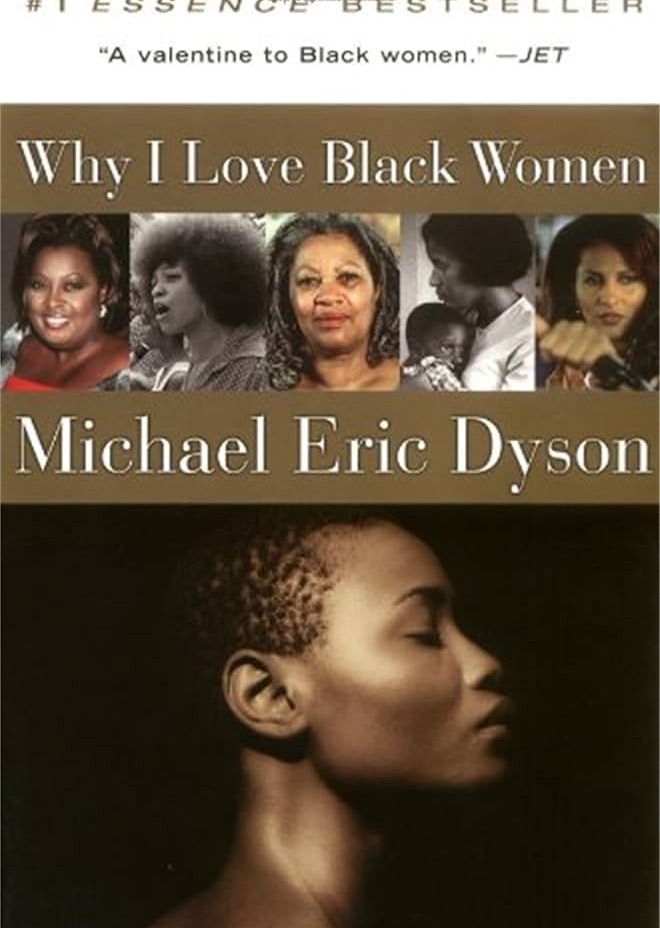






 THE BROWN GIRL DILEMMA