“From Jim Crow to Justice: THE CIVIL RIGHTS MOVEMENT and the Long Road to Equality”


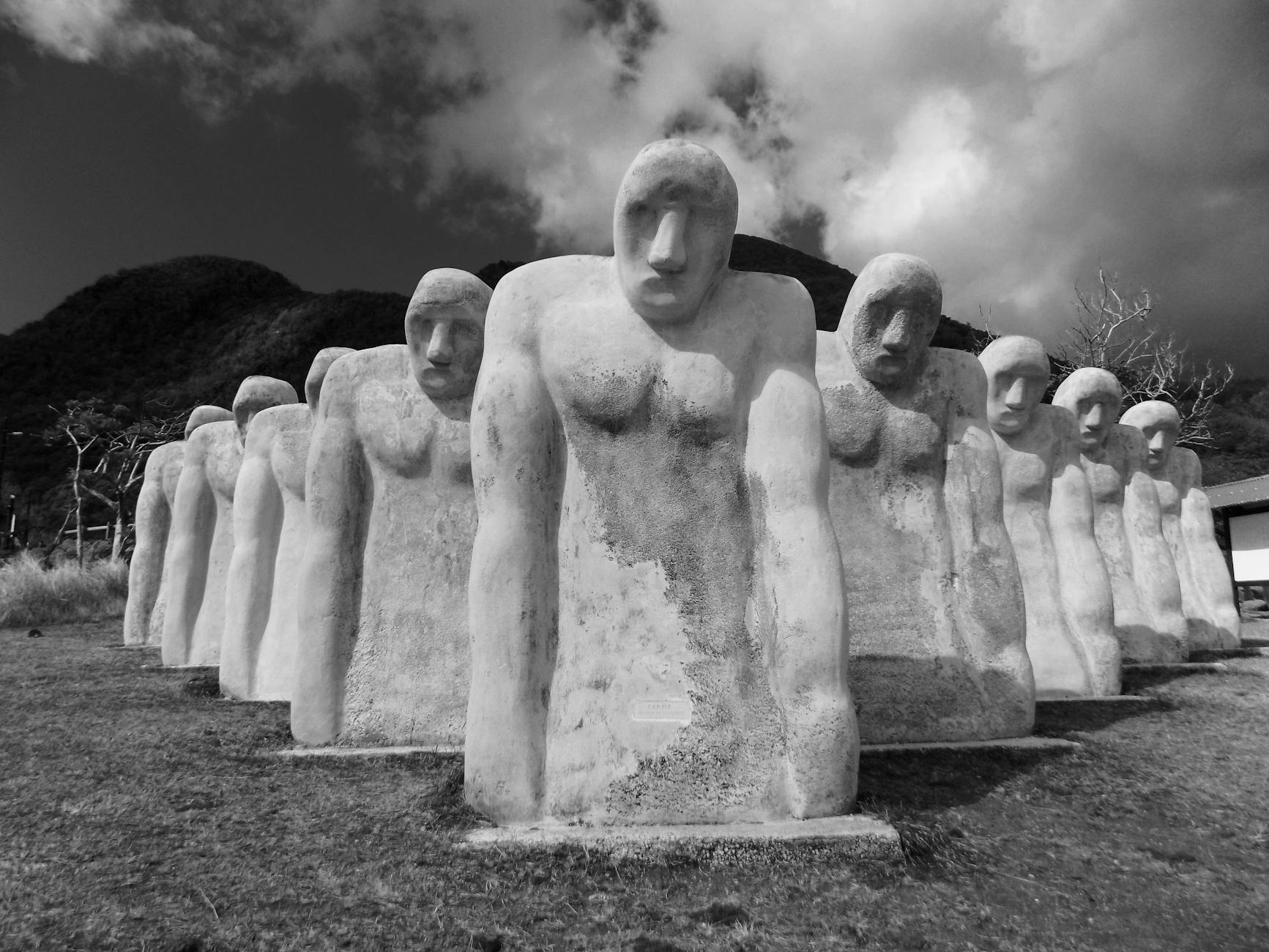
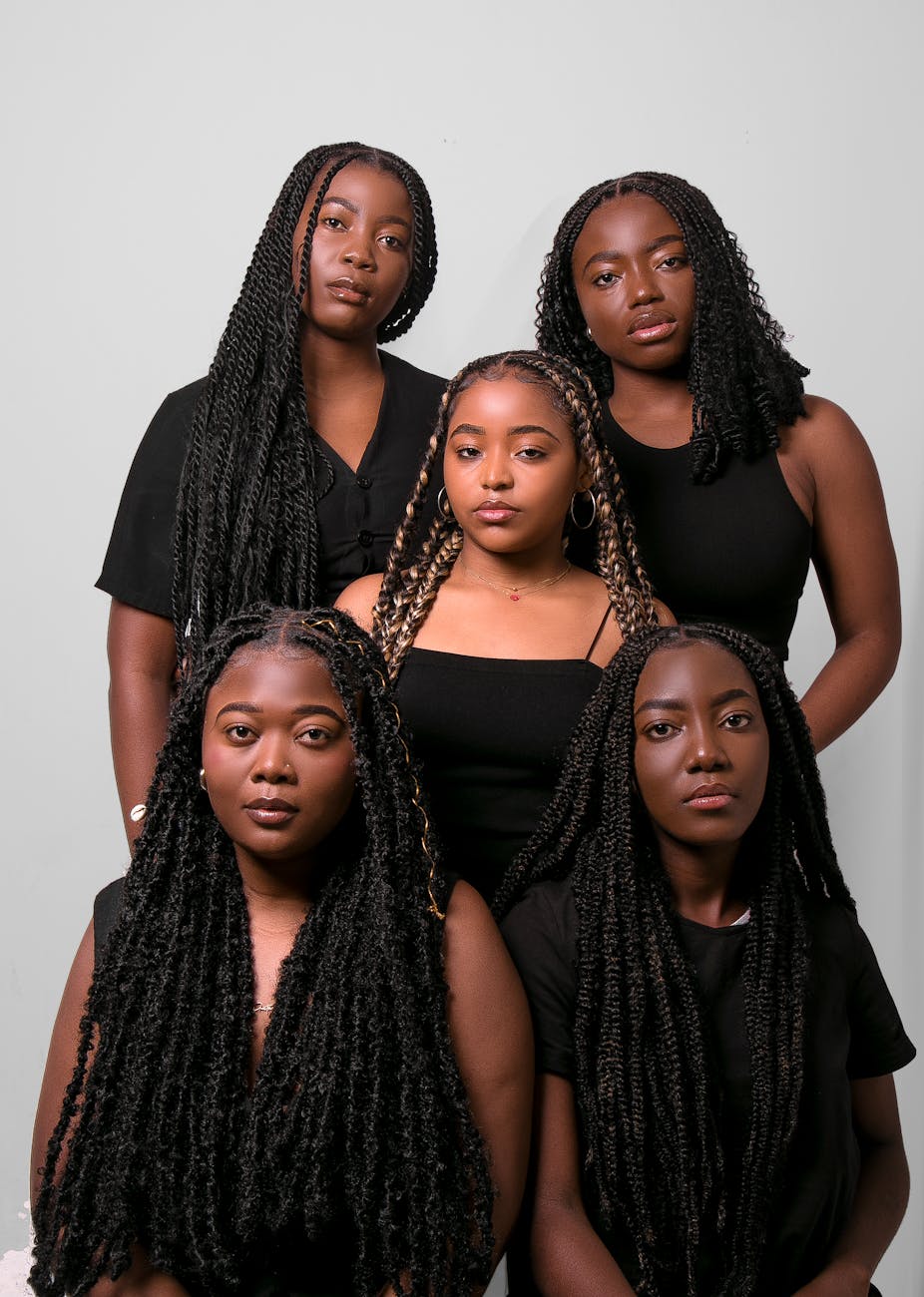
Photo by Chris on Pexels.com

Introduction

The Civil Rights Movement was one of the most transformative periods in American history. Spanning from 1954 to 1968, it represented a moral and legal battle for racial equality, dignity, and justice for Black Americans long oppressed under the shadow of slavery, segregation, and systemic racism. With grassroots courage, spiritual leadership, and national reckoning, the movement dismantled Jim Crow laws, challenged white supremacy, and redefined the conscience of a nation.


Origins of the Movement

The modern Civil Rights Movement began in earnest with the 1954 Brown v. Board of Education decision, in which the U.S. Supreme Court declared segregation in public schools unconstitutional. Yet resistance in the South was fierce, with white politicians, police, and citizens clinging to Jim Crow customs that banned Black people from using the same restrooms, water fountains, buses, restaurants, and schools as white people.

This apartheid-like system was enforced through humiliation, economic retaliation, and police brutality.


Key Leaders and Organizations

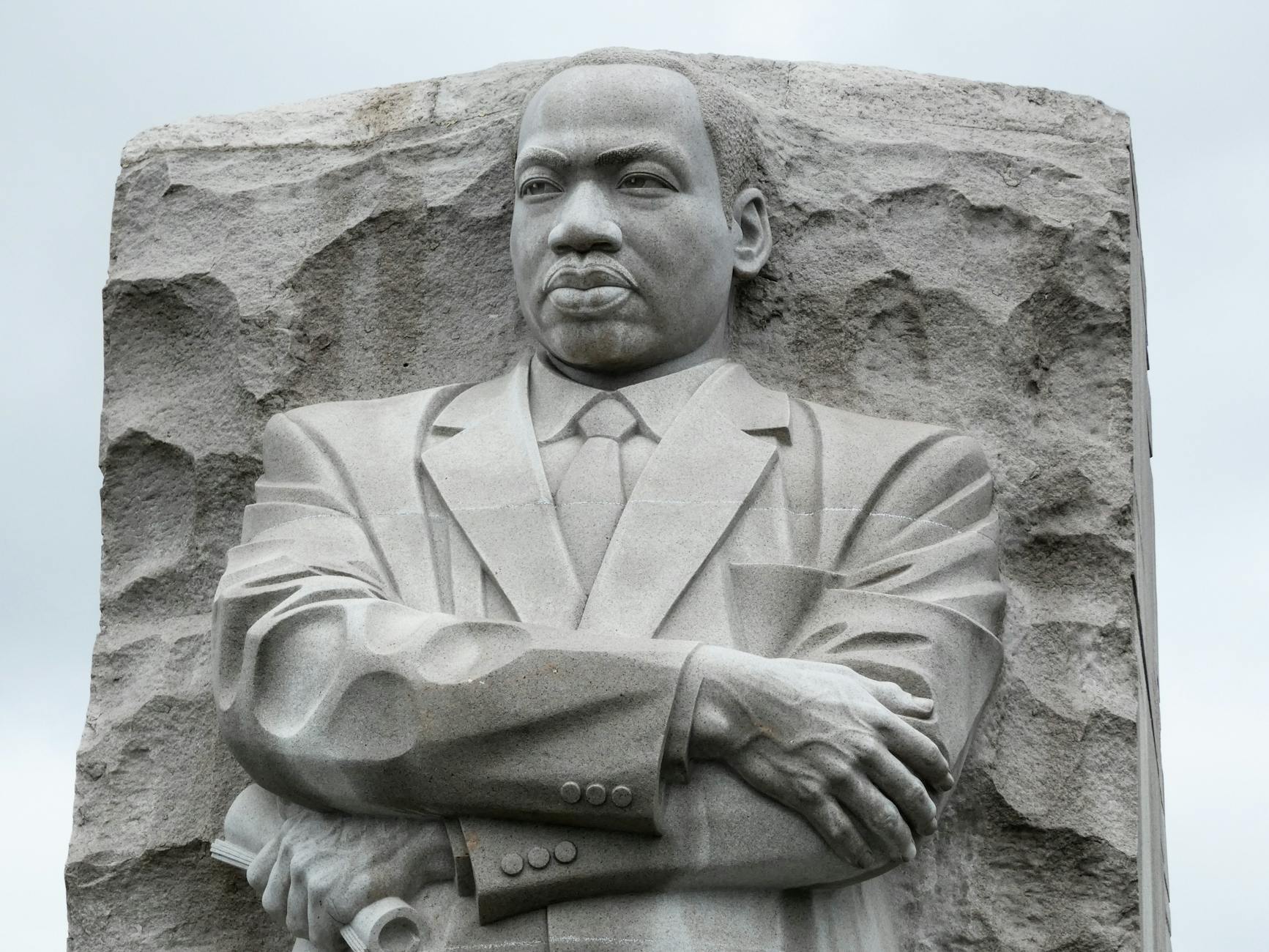
Dr. Martin Luther King Jr.

Dr. Martin Luther King Jr. emerged as the moral compass of the movement. A Baptist minister from Atlanta, Georgia, King rose to national prominence during the Montgomery Bus Boycott (1955–56), which followed the arrest of Rosa Parks, a Black woman who refused to give up her seat to a white passenger. King later founded the Southern Christian Leadership Conference (SCLC) and led nonviolent campaigns across the South—including in Birmingham, Selma, and Washington, D.C.

In his iconic “I Have a Dream” speech (1963), King called for a nation where people would not be judged by the color of their skin but by the content of their character. His philosophy of nonviolence, inspired by Jesus and Gandhi, stood in stark contrast to the brutality Black Americans faced.

Rosa Parks

Often called “the mother of the civil rights movement,” Rosa Parks’ simple act of defiance became a catalyst for mass protest. Her arrest sparked the 381-day Montgomery Bus Boycott, which crippled the city’s economy and led to the desegregation of its bus system.

Medgar Evers

Medgar Evers, a World War II veteran and NAACP field secretary in Mississippi, worked tirelessly to investigate lynchings and push for school integration. He was assassinated outside his home in 1963 by white supremacist Byron De La Beckwith, becoming a martyr for the movement.

Jesse Jackson

Jesse Jackson, a young activist and close associate of King, founded Operation PUSH and later the Rainbow Coalition, focusing on economic empowerment and political inclusion. He marched with King and continued advocating for civil rights and racial justice for decades.

White Allies

Not all white Americans opposed the movement. Many, including Jewish activists and Christian clergy, joined protests, marches, and even lost their lives—such as Viola Liuzzo, murdered by the Klan after Selma, and Andrew Goodman and Michael Schwerner, killed with James Chaney in Mississippi during Freedom Summer.


Other Influential Groups

Malcolm X

Though not part of the mainstream civil rights leadership, Malcolm X of the Nation of Islam was a vital voice. He criticized the passive approach of nonviolence, advocating for Black self-defense, racial pride, and liberation by any means necessary. His evolution toward Pan-African unity and human rights broadened the scope of the Black struggle.

The Black Panther Party

Founded in 1966 by Huey Newton and Bobby Seale, the Black Panther Party combined militant resistance with community programs—like free breakfasts and medical clinics. They stood against police brutality, which in the 1960s often included attacks with dogs, water hoses, and nightsticks, particularly during protests in Birmingham and Selma.


Police Brutality and Resistance

Black protesters often faced militarized repression. Peaceful marchers in Birmingham (1963) were attacked with police dogs and high-pressure fire hoses, scenes that shocked the world. In Selma (1965), on “Bloody Sunday,” marchers were beaten on the Edmund Pettus Bridge by Alabama state troopers. Police routinely abused, jailed, and sometimes murdered activists. The justice system largely protected white aggressors.


Major Legislative Achievements

The movement forced monumental legal changes:

  • Civil Rights Act of 1964 – outlawed segregation and workplace discrimination.
  • Voting Rights Act of 1965 – banned literacy tests and protected Black voting rights.
  • Fair Housing Act of 1968 – outlawed housing discrimination.

These victories were hard-won through protest, litigation, and bloodshed.


Assassinations and Political Turmoil

Dr. King was assassinated on April 4, 1968, in Memphis, Tennessee, by James Earl Ray. His death sparked nationwide riots and mourning. President John F. Kennedy, who had cautiously supported civil rights and proposed legislation before his assassination in 1963, was killed by Lee Harvey Oswald (officially). His successor, Lyndon B. Johnson, signed many civil rights laws into action.


Controversies and Legacy

FBI files later revealed that J. Edgar Hoover’s COINTELPRO sought to discredit King and other Black leaders. Allegations surfaced of King’s infidelity, possibly manipulated through illegal surveillance. Though claims exist that he was involved with prostitutes, these remain contested and ethically questionable due to FBI tampering. King’s wife, Coretta Scott King, a dignified civil rights leader in her own right, continued his legacy with grace. They had four children and maintained close ties with the gospel community, including Aretha Franklin’s father, Rev. C.L. Franklin, who was a friend of King.


Did It Make a Difference?

Yes—and no. The Civil Rights Movement ended legal segregation and created frameworks for equality. Black voter registration soared, Black elected officials increased, and legal protections were codified. But racism did not end. Today, systemic inequality persists through mass incarceration, housing discrimination, economic disparity, and police violence.

Yet the movement planted seeds of resistance, dignity, and unity that endure in modern movements like Black Lives Matter, and in the resilience of Black communities across America.


Conclusion

The Civil Rights Movement was a righteous uprising against injustice, born of centuries of suffering and sanctified by the blood of martyrs. Led by both preachers and Panthers, men and women, Black and white allies, the movement shattered chains both literal and psychological. It did not end racism—but it changed the law, awakened a nation, and inspired the world.

As King once said, “The arc of the moral universe is long, but it bends toward justice.” The bending continues.


References

  • Branch, T. (1988). Parting the Waters: America in the King Years 1954–63. Simon & Schuster.
  • Carson, C. (1998). The Autobiography of Martin Luther King, Jr. Warner Books.
  • Fairclough, A. (2001). Better Day Coming: Blacks and Equality, 1890-2000. Penguin.
  • Garrow, D. J. (1986). Bearing the Cross: Martin Luther King Jr. and the Southern Christian Leadership Conference. Harper Perennial.
  • Malcolm X & Haley, A. (1965). The Autobiography of Malcolm X. Grove Press.
  • Tyson, T. B. (2004). Blood Done Sign My Name. Crown.
  • Williams, J. (2013). Eyes on the Prize: America’s Civil Rights Years, 1954-1965. Penguin Books.
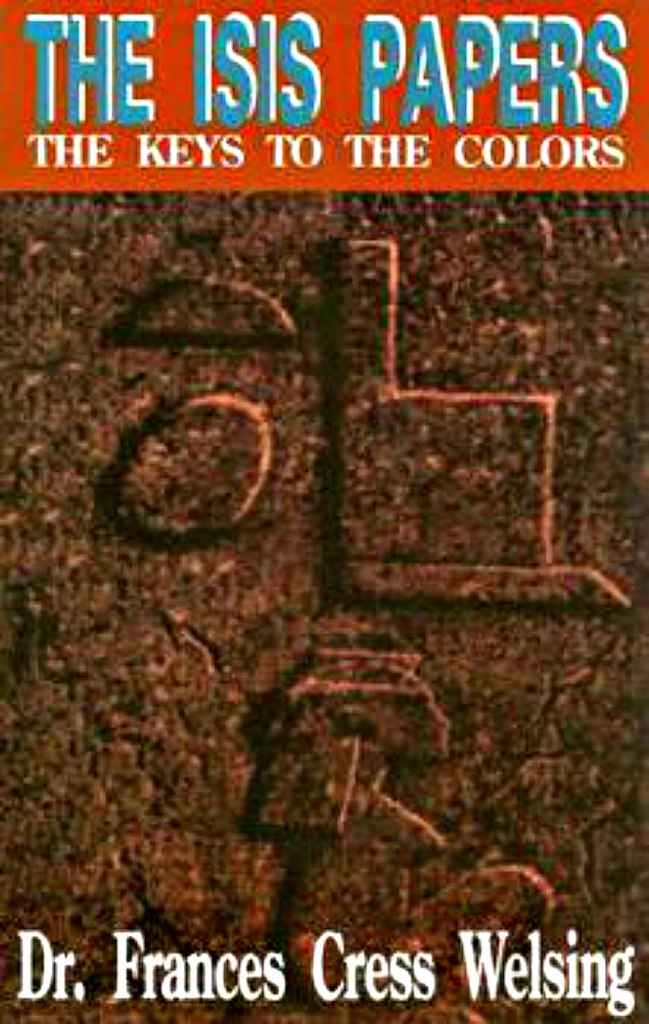
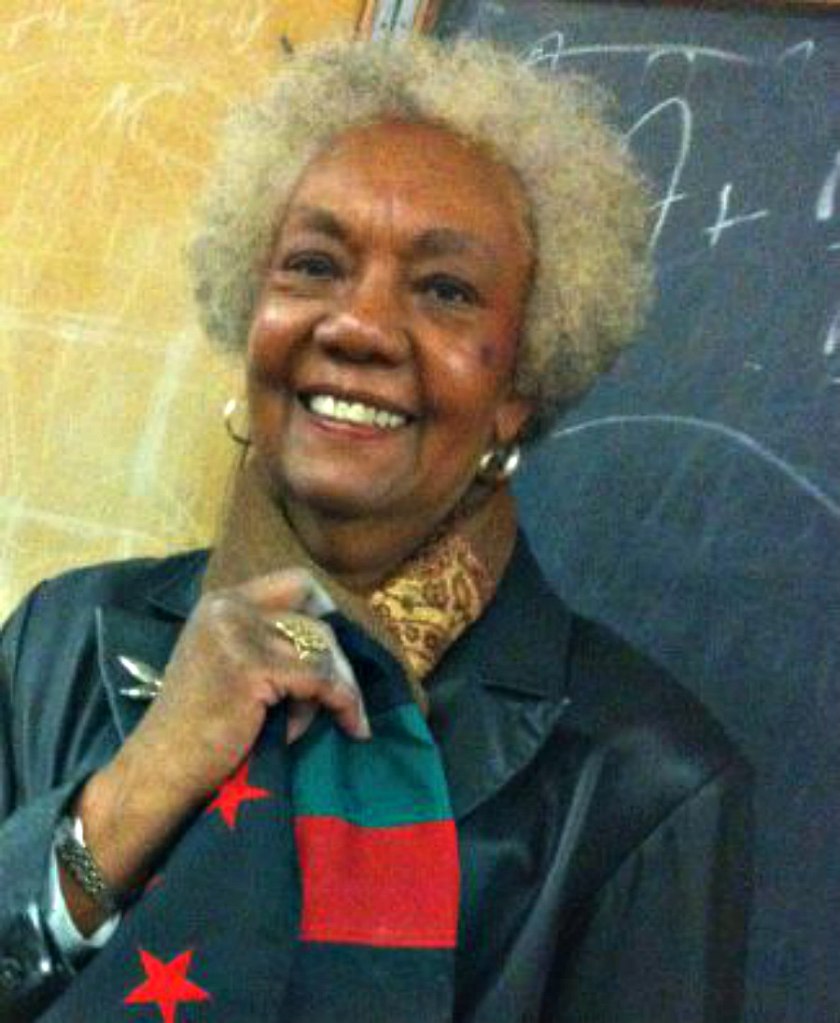
Book Review: “The Isis Papers: The Keys to the Colors.” by Dr. Frances Cress Welsing

🌟🌟🌟🌟🌟 5/5

Book Review & Tribute: The Isis Papers by Dr. Frances Cress Welsing
A Five-Star Masterpiece of Black Consciousness and Psychological Liberation


About the Author: Who Was Dr. Frances Cress Welsing?

Dr. Frances Cress Welsing was a woman of extraordinary depth, towering intellect, and unwavering moral clarity—whose life and work reshaped the landscape of Black consciousness and psychological liberation. With the precision of a trained psychiatrist and the soul of a revolutionary, she confronted the global system of white supremacy with fearless analysis and compassionate truth-telling. Her book, The Isis Papers: The Keys to the Colors, stands as a timeless masterpiece that examines racism not merely as a social problem, but as a psychological imperative rooted in genetic fear. Welsing’s activism, deeply grounded in scholarship and service, transformed countless lives and awakened a generation to the psychological warfare waged against people of African descent. Through her unshakable modesty, disciplined intellect, and spiritual courage, she became one of the most consequential Black women of the 20th and 21st centuries—a seer, healer, and teacher whose legacy continues to reverberate in the hearts and minds of all who seek liberation.

Dr. Frances Cress Welsing (1935–2016) was an esteemed psychiatrist, scholar, and public intellectual who made an indelible mark on the field of Black psychology and social analysis. Born in Chicago, Illinois, Welsing came from a lineage of educated and socially conscious Black professionals. She earned her bachelor’s degree from Antioch College and went on to receive her M.D. from Howard University College of Medicine, where she later served as a professor.

Though she never married and did not have children, she became a mother to the minds of a generation—a guiding figure in the intellectual liberation of African-descended people worldwide. Her work combined clinical psychiatry with Afrocentric theory, crafting a new framework through which Black people could analyze their oppression with clarity, dignity, and strategy.


Her Life’s Work and Philosophy

Dr. Welsing dedicated her career to understanding and addressing the psychological effects of racism, particularly on Black communities. She believed that the root of global white supremacy was a deep-seated fear of Black genetic dominance, a thesis that she introduced in her groundbreaking 1974 paper, The Cress Theory of Color-Confrontation. This theory became the foundational framework for her most influential book, The Isis Papers: The Keys to the Colors (1991).

Her unique contribution was the use of psychoanalysis and medical science to explain the hidden motivations behind racism, aggression, and systemic oppression. She frequently argued that white supremacy is a system driven by survival anxiety, stemming from the biological inability of white people to produce melanin-dominant (Black) offspring.


Quote from Dr. Welsing

“Black people are the only people who can genetically annihilate white people… and this is the fear that informs the system of racism.”
—Dr. Frances Cress Welsing, The Isis Papers

This quote captures the essence of her central argument—that racism is not merely prejudice or ignorance, but a biogenetic strategy for white survival in a world where Black genetic dominance is inevitable.


The Premise and True Meaning of The Isis Papers

Named after the ancient African goddess Isis, a symbol of divine Black womanhood, wisdom, and regeneration, The Isis Papers is a compilation of essays that analyze racism through symbols, sports, language, media, religion, and even the subconscious drives of Western culture.

Welsing argued that everything from ball games to military strategy, from consumer marketing to television programming, is saturated with subconscious white fear of Black power and Black fertility. She interpreted items such as guns, balls, and cigars as phallic symbols representing white anxiety about genetic survival and impotence.

Her approach was both clinical and cultural, unapologetically Afrocentric, and deeply rooted in ancient African spirituality and psychology. She urged Black people to understand themselves not as victims, but as the targets of a fear-based global system—and then to rise with knowledge, unity, and self-control.


Her Activism and Service to the Community

Though not affiliated with political movements in the traditional sense, Dr. Welsing was an activist of the mind. She gave countless lectures at Black colleges, community centers, and national conferences, challenging audiences to think critically about race, power, and self-worth. She also appeared on major television programs such as The Phil Donahue Show and was a regular on Black media platforms.

At Howard University Hospital, she served the D.C. community as a psychiatrist, particularly focusing on Black youth, and was known for her compassionate but bold truth-telling. She mentored generations of Black scholars, including in the field of Afrocentric psychiatry and Pan-African analysis.


Why White America Hated Her

Dr. Welsing’s work was controversial and deeply unsettling to mainstream academia and white society. She unapologetically exposed the psychological underpinnings of white supremacy, going beyond polite liberalism or reform-based rhetoric. She accused white supremacy of being a survival-based system of genetic warfare, and she did so with academic rigor and prophetic boldness.

Her refusal to back down, even under criticism and intellectual exile, made her a pariah to some, and a prophet to others. The truth she revealed—layered, uncomfortable, and piercing—challenged the very identity of whiteness itself.


Why She Was Respected

Despite opposition, Dr. Frances Cress Welsing was deeply revered in the global African community for her intellectual courage, clarity, and service. She gave language to the rage and confusion many Black people felt about systemic oppression. She empowered Black minds to see beyond the surface of racism and into its biological, economic, and spiritual roots.

She is considered a pioneer in Black psychology, alongside scholars like Dr. Na’im Akbar and Dr. Amos Wilson, and continues to influence activists, psychologists, and scholars worldwide. Her work remains central to discussions around Afrocentric mental health, systemic racism, and Black cultural empowerment.


Final Verdict: A Timeless Masterwork

The Isis Papers is a five-star masterpiece of revolutionary thought. It is essential reading for anyone seeking to understand the system of white supremacy and how it functions globally. Dr. Frances Cress Welsing was not only a writer but a healer, teacher, and warrior of the mind. Her legacy lives on in every Black person awakened to truth, dignity, and purpose.


References

  • Welsing, F. C. (1991). The Isis Papers: The Keys to the Colors. Third World Press.
  • Welsing, F. C. (1974). The Cress Theory of Color-Confrontation. Black Scholar.
  • Horne, G. (2015). Race War! New York: NYU Press.
  • Karenga, M. (1993). Introduction to Black Studies. Los Angeles: University of Sankore Press.

PIGMENTOCRACY: The Politics of Skin Tone and the Global Hierarchy of Color.

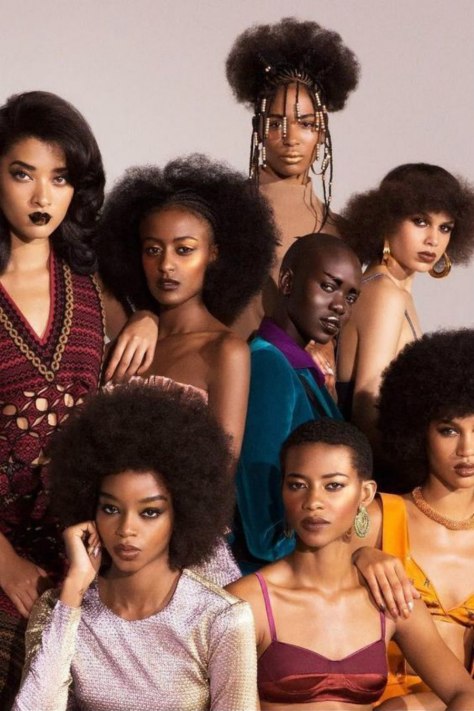
This photograph is the property of its respective owner.

Throughout history and across continents, skin tone has functioned as more than a biological trait—it has been weaponized as a social currency. Pigmentocracy, a term used to describe a social system in which status and privilege are distributed according to skin color, persists as a subtle yet powerful force that governs the lives of people of color across the globe. Rooted in colonial conquest and racial ideology, pigmentocracy maintains a stratified racial order in which lighter-skinned individuals occupy higher social positions, while those with darker skin tones are systematically marginalized. This essay explores the origins, manifestations, and consequences of pigmentocracy—especially within Black communities—and examines its relationship to colorism, media representation, social mobility, and global racial hierarchies.

“Pigmentocracy is the silent architect of racial division—a hierarchy built not just on color, but on the invisible weight of colonial trauma.”
—Dr. Margaret Hunter, Sociologist


Origins and Definition of Pigmentocracy

Pigmentocracy derives from the Latin pigmentum (color) and the Greek kratos (rule or power), meaning “rule by skin color.” Though the term was popularized in the 20th century by scholars like Venezuelan sociologist Fernando Henríquez and further developed by researchers such as Dr. Edward Telles, the ideology behind pigmentocracy dates back centuries. During colonial rule in the Americas, Europe established caste systems that ranked people according to racial mixing and skin tone, with lighter, European features correlating with higher status. The Spanish casta system, for example, created over a dozen racial categories, elevating whiteness and subjugating those with darker skin.

This system became entrenched not only in law but also in psychology and economics. Slavery, apartheid, Jim Crow, and segregation all functioned on the premise that whiteness was supreme and blackness inferior. Within this structure, pigmentocracy served to divide enslaved and colonized peoples by elevating those with lighter complexions—often the result of rape or mixed heritage—as overseers, house servants, or social intermediaries. The legacy of this system continues to influence the sociopolitical landscapes of nations today.


Pigmentocracy and Colorism

Pigmentocracy is intimately linked to colorism, which refers to discrimination based on skin tone within the same racial or ethnic group. While racism targets individuals across racial categories, colorism reinforces hierarchies within those groups, granting unearned privilege to individuals who possess lighter skin or Eurocentric features. These phenomena reinforce one another: pigmentocracy creates the structure, while colorism sustains it through interpersonal and cultural bias.

In Black communities, colorism often surfaces in beauty standards, educational access, and romantic desirability. Lighter-skinned individuals may be perceived as more attractive, employable, or intelligent, while darker-skinned people face heightened criminalization, poverty, and exclusion. The consequences are both material and psychological—impacting self-worth, identity formation, and economic opportunity.


Stages of Pigmentocratic Impact

The effects of pigmentocracy unfold in four critical stages:

  1. Colonial Codification: European colonists used skin tone to divide and rule, embedding color-based hierarchies into legal systems.
  2. Institutional Reproduction: Post-slavery societies reinforced skin tone hierarchies through employment, education, and housing discrimination.
  3. Cultural Internalization: Within communities of color, lighter skin becomes a subconscious standard of beauty and success.
  4. Modern Globalization: Skin-lightening industries, Western media dominance, and globalized beauty norms continue to uphold the supremacy of light skin across continents.

Global and Cultural Examples

In the United States, sociologist Ellis Monk (2015) found that darker-skinned African Americans face greater economic disadvantage, harsher criminal sentencing, and more health disparities than their lighter-skinned peers. In Brazil, often hailed for its racial “mixing,” skin tone still dictates access to jobs, education, and social networks. India’s deeply entrenched caste system and obsession with fair skin has fueled a billion-dollar skin-lightening industry, while in the Philippines, colonial legacies have left a preference for Eurocentric beauty that permeates advertising and cinema.


Celebrities and the Visibility of Pigmentocracy

In the world of entertainment and media, pigmentocracy is glaringly apparent:

  • Zendaya, a light-skinned Black actress, has acknowledged the privilege her complexion affords her in casting opportunities, often referred to as “acceptable Blackness” in Hollywood.
  • Beyoncé, with her lighter skin and blonde hair, has become a global icon, but some critics argue her image conforms to Eurocentric standards that marginalize darker-skinned artists.
  • Lupita Nyong’o, a dark-skinned actress and activist, has spoken openly about being teased for her skin tone and how she did not see herself represented in media growing up.
  • In Latin American telenovelas, white or light-skinned actors are consistently cast in leading roles, while darker-skinned Afro-Latinos are relegated to comedic or servant parts.

These examples reflect a system that not only limits opportunities for those with darker skin but actively shapes societal ideals and expectations.


Social Mobility and Racial Hierarchy

Pigmentocracy directly influences social mobility. Lighter-skinned individuals often experience:

  • Greater access to higher education and employment opportunities
  • Increased wealth accumulation and professional advancement
  • Better treatment by law enforcement and healthcare providers

Meanwhile, darker-skinned individuals are frequently relegated to the lowest rungs of the social order. Research has consistently shown that employers favor lighter-skinned candidates, even when qualifications are identical (Hunter, 2007).

Globally, white Europeans occupy the top of the racial hierarchy, with groups perceived as closer to whiteness—such as light-skinned Asians or Latinos—ranking above Black, Indigenous, or dark-skinned populations. This racial ordering maintains white supremacy under the guise of color-neutral meritocracy.


The Psychological Toll and the Call for Change

The psychological toll of pigmentocracy includes internalized racism, self-hatred, and generational trauma. Many Black and Brown children grow up without seeing themselves as beautiful, worthy, or powerful. This invisibility fosters feelings of inferiority and perpetuates cycles of poverty and marginalization.

The solution lies in education, representation, and cultural reprogramming. Schools must teach the true history of colonialism and racism, including the nuances of colorism. Media must expand representation to include diverse shades and features. Communities must affirm the value of dark skin, reframe standards of beauty, and dismantle internalized bias.

Dr. Yaba Blay, a leading scholar on skin tone and identity, insists:

“Until we address the internalized white supremacy that is colorism, we will continue to see ourselves through the gaze of our oppressors.”


Conclusion

Pigmentocracy is not a relic of the past; it is a living, evolving system of inequality that continues to shape the destinies of millions. Its roots in colonialism, its entanglement with colorism, and its reach across cultures and continents make it one of the most insidious social hierarchies in modern history. Addressing this issue requires not only systemic reforms but a radical reimagining of identity, beauty, and worth. Until every shade is seen as equally human and divine, the architecture of pigmentocracy will remain intact—and its silent rule will continue to divide, diminish, and oppress.


References

Blay, Y. (2021). One Drop: Shifting the Lens on Race. Beacon Press.

Hunter, M. (2007). The persistent problem of colorism: Skin tone, status, and inequality. Sociology Compass, 1(1), 237–254. https://doi.org/10.1111/j.1751-9020.2007.00006.x

Monk, E. P., Jr. (2015). The cost of color: Skin color, discrimination, and health among African-Americans. American Journal of Sociology, 121(2), 396–444. https://doi.org/10.1086/682162

Russell, K., Wilson, M., & Hall, R. E. (1992). The color complex: The politics of skin color among African Americans. Anchor Books.

Telles, E. E. (2014). Pigmentocracies: Ethnicity, race, and color in Latin America. University of North Carolina Press.

TEXTURISM and Hairism: The Politics of Black Hair, Beauty Hierarchies, and Racial Identity

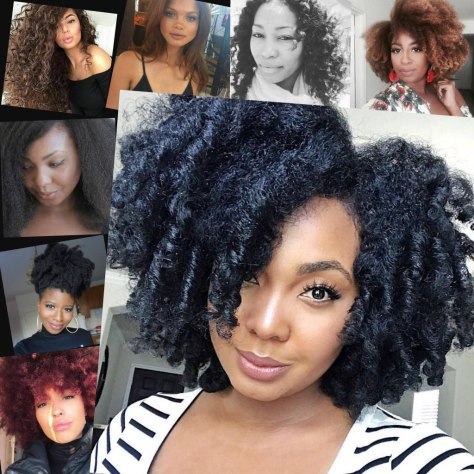
These photographs are the property of their respective owners.

Hair is more than an aesthetic expression; it is an emblem of identity, culture, power, and resistance. In racialized societies, however, the natural hair textures of African-descended peoples have long been devalued and stigmatized. One of the most insidious manifestations of this stigma is texturism—a form of discrimination based on hair texture that prioritizes looser, straighter, or more “manageable” hair over tightly coiled, kinkier hair. Closely linked to hairism, which broadly encompasses prejudice based on hair type and style, texturism reflects internalized racism and the lingering colonial legacies that shape beauty standards globally. This essay explores the roots, meanings, and consequences of texturism and hairism, tracing their origins through enslavement, Eurocentric aesthetics, and media representation, while also examining pathways toward hair acceptance and reclamation.


Defining Texturism and Hairism

Texturism is the preferential treatment of individuals with loosely curled or straight hair textures over those with tightly coiled or kinky hair. The term was coined by natural hair advocate Chassity Jones in the early 2010s, though the concept existed long before. Hairism, a broader term, refers to discrimination based on hair—whether through texture, length, or perceived neatness. Both terms expose a hierarchy that privileges proximity to Eurocentric beauty ideals, reflecting deeply entrenched social and racial structures.

Historically, hairism and texturism are legacies of colonialism and slavery. Enslaved Africans in the Americas were mocked and punished for their hair, which was seen as wild, untamed, or inferior to the smooth, straight hair of Europeans. Over time, this bias became internalized within Black communities, creating harmful classifications like “good hair” (straight or loosely curled) and “bad hair” (kinky or tightly coiled). These distinctions perpetuated social divisions, reinforcing white supremacist ideologies under the guise of grooming and professionalism.


Hair Texture Types and Their Racial Associations

Hair texture is commonly categorized using the Andre Walker Hair Typing System, developed by Oprah Winfrey’s stylist in the 1990s. It breaks down hair types into four major categories:

  • Type 1: Straight hair (most commonly found among East Asians and Europeans).
  • Type 2: Wavy hair
    • 2A-2C: Light waves to coarse, frizzy waves (found in some Latinx, Middle Eastern, and European populations).
  • Type 3: Curly hair
    • 3A-3C: Loose, springy curls to tight corkscrews (common among mixed-race individuals and some Black and Latinx people).
  • Type 4: Coily or kinky hair
    • 4A-4C: Soft, tight coils to densely packed Z-shaped kinks (predominantly found in people of African descent).

Type 4 hair, particularly 4B and 4C, is often mislabeled as “nappy,” “unkempt,” or “unprofessional,” despite its remarkable versatility and strength. This classification system, while useful in describing curl patterns, has also unintentionally contributed to a hierarchy in which looser curls are perceived as more attractive and acceptable than tighter coils.


“Good Hair” vs. “Bad Hair”: Origins and Impact

The phrase “good hair” emerged during the antebellum era in the United States, when lighter-skinned enslaved people with straighter hair—often the children of white slave owners—were granted preferential treatment. “Good hair” was hair that mimicked the European aesthetic: straight, smooth, and easily tamed. Conversely, “bad hair” referred to the coarser, kinkier textures of African people, which were labeled undesirable.

The legacy of these terms endures today. Black children still experience discrimination in schools for wearing their natural hair. Black professionals are pressured to straighten their hair or wear wigs and weaves to conform to Eurocentric corporate standards. The CROWN Act (Creating a Respectful and Open World for Natural Hair), first passed in California in 2019, had to be introduced precisely because hair-based discrimination remains legal in many parts of the U.S.

“I had to learn that my hair is not the problem—the world’s refusal to see my beauty is.”
—Lupita Nyong’o

“Our hair is political, spiritual, historical, and beautiful. It tells the story of who we are.”
—Dr. Yaba Blay

These quotes reflect a growing cultural movement toward reclaiming natural hair and affirming Black identity on its own terms, rather than through the gaze of whiteness.


The Origins of the Term “Nappy”

The term “nappy” is believed to have originated during slavery, used derogatorily to describe the tightly coiled hair of Africans, likening it to the coarse texture of cotton or the naps in sheep’s wool. Its use was designed to dehumanize and shame enslaved Africans, stripping their hair—and by extension, their identity—of any value or beauty. While some have sought to reclaim “nappy” as a term of empowerment, its historical weight continues to stir deep emotions and debate within Black communities.

Kinky Hair / Tightly Coiled Hair

Kinky or coily hair refers to hair textures that form tight curls or zig-zag patterns, often classified as Type 4. This hair type is rich in cultural and genetic heritage, yet is frequently misunderstood. Contrary to myths of unmanageability, kinky hair is incredibly versatile and can be styled in braids, locs, afros, twists, and bantu knots. However, due to its tendency to shrink and its fragility, it requires specific care and moisture retention.

Why is this hair type stigmatized? The answer lies in colonial aesthetics: beauty standards were built around whiteness. Kinky hair was demonized as evidence of racial inferiority and disorder—ideas perpetuated by pseudo-scientific racism. As a result, even within Black communities, looser curls or silkier textures have been idealized, creating a painful hierarchy of desirability.


Why Do Some Black People Struggle to Love Their Hair?

Centuries of anti-Blackness have conditioned many Black individuals to see their natural hair as burdensome or ugly. The media, education, and even family dynamics have reinforced these messages. Hair relaxers, hot combs, and weaves became tools of survival—ways to assimilate and escape ridicule. These practices, while empowering for some, also reflect a historical pressure to conform.

This struggle is not due to self-hate in isolation but to systemic programming. As author Chimamanda Ngozi Adichie once said:

“The problem with stereotypes is not that they are untrue, but that they are incomplete. They make one story become the only story.”

The dominant story about Black hair has been one of shame. It is time to replace that narrative with one of pride, knowledge, and celebration.


Toward Hair Liberation: Learning to Appreciate All Hair

Appreciating all hair types begins with education, representation, and liberation from Eurocentric norms. Schools and workplaces must eliminate discriminatory policies and embrace cultural diversity. Media outlets should highlight a broader spectrum of beauty. Families must unlearn generational biases and uplift natural beauty from early childhood.

Hair appreciation means understanding that no one texture is inherently better than another. Each type has unique needs, characteristics, and histories. Straight hair is not superior—just different. Looser curls are not more professional—just more familiar to a colonized eye.

When we affirm all hair textures, we affirm the humanity, dignity, and worth of all people.


Conclusion

Texturism and hairism are not simply issues of personal preference—they are extensions of colonial legacies, white supremacy, and internalized racism. They operate through language, beauty standards, school policies, and job opportunities, creating tiers of acceptance based on proximity to whiteness. But within this struggle lies opportunity: to reclaim, redefine, and rejoice in the beauty of all textures. Black hair is not “bad hair”; it is cultural memory made visible, it is resistance in every coil, it is ancestral glory written in strands. The journey to dismantle texturism begins not with hair products, but with truth—and with a collective commitment to healing.


References

Blay, Y. (2021). One Drop: Shifting the Lens on Race. Beacon Press.

Byrd, A. D., & Tharps, L. L. (2014). Hair Story: Untangling the Roots of Black Hair in America (Revised Edition). St. Martin’s Press.

Craig, M. L. (2002). Ain’t I a Beauty Queen? Black Women, Beauty, and the Politics of Race. Oxford University Press.

Hunter, M. (2011). Buying racial capital: Skin-bleaching and cosmetic surgery in a globalized world. The Journal of Pan African Studies, 4(4), 142–164.

Opie, T. (2019). The CROWN Act and the fight against hair discrimination. Harvard Business Review. Retrieved from https://hbr.org

Tate, S. A. (2007). Black beauty: Shade, hair and anti-racist aesthetics. Ethnic and Racial Studies, 30(2), 300–319. https://doi.org/10.1080/01419870601143927

Diemma: Psychonegrosis

Psychonegrosis: A Cultural-Psychological Disorder Rooted in Historical Trauma

Photo by Ana Stroffek on Pexels.com

Psychonegrosis (from: psyche = mind, negro = Black identity, -osis = condition) is a coined term describing a psychological and spiritual condition affecting some individuals of African descent. It is characterized by deep-seated identity distortion, internalized oppression, and a disoriented sense of cultural loyalty. This condition is a byproduct of prolonged racial trauma, beginning with slavery and colonialism, and sustained by systemic racism and Eurocentric social conditioning.


Psychonegrosis is a cultural-psychological disorder marked by disruptions in identity, values, and behavior among people of African descent who have internalized ideologies imposed by dominant foreign cultures. It manifests in:

  • Distorted self-perception
  • Idealization of non-Black cultures, especially Anglo-European norms (xenophilia)
  • Rejection or devaluation of one’s own heritage
  • Conflicted loyalties between their identity and the imposed dominant culture
  • Behavioral and emotional dissonance, including escapism, self-hate, and contradictory thinking

This disorder varies in severity and expression, often presenting as:

  • Adoption of non-African religious systems without cultural grounding
  • Self-deprecation or anti-Black rhetoric
  • Hyper-identification with Eurocentric aesthetics, ideologies, and moral frameworks
  • Sexual and social preferences rooted in racial self-denial
  • Dependence on or excessive regard for validation from non-Black institutions or communities

Historical Origins

The roots of psychonegrosis trace back to chattel slavery, colonial indoctrination, and the forced erasure of African identity.

📖 Willie Lynch Letter (alleged, 1712) — While debated for its authenticity, it outlines a system of psychological conditioning that encouraged division and dependency among enslaved Africans to ensure long-term control.

📖 Frantz Fanon, Black Skin, White Masks (1952): Fanon described the internal conflict experienced by colonized people who unconsciously adopt the worldview of their oppressors, leading to a fractured identity.

📖 W.E.B. Du Bois’ concept of “Double Consciousness” (1903): Describes the struggle of African Americans who see themselves through both their own cultural lens and the eyes of a racist society, creating internal conflict and social paralysis.

Enslaved Africans were not only forced to work, but also subjected to psychological warfare: taught to hate their features, languages, religions, and each other. This multi-generational trauma was not healed but passed down—unconsciously replicated through institutions, media, and educational systems designed to uphold white superiority and devalue Black identity.


Modern Manifestations

Today, psychonegrosis continues to show up in subtle and overt ways:

  • Deprecating one’s own racial group while celebrating others
  • Spiritual disconnection, especially when abandoning ancestral traditions for alienating religious ideologies
  • Sexual preferences shaped by racialized self-hate or colonized beauty standards
  • Cognitive dissonance—praising Black excellence while participating in systems or ideas that dismantle it
  • Dependency on white-led institutions for validation, success, or rescue
  • Liberal tokenism that seeks inclusion over liberation, appeasement over transformation

Cultural Implications and Healing

The effects of psychonegrosis are not limited to individuals—they ripple through communities. When left unaddressed, this condition perpetuates cycles of invisibility, inferiority, and inaction.

🔹 Steps Toward Healing Include:

  1. Reclamation of identity – Studying and embracing African history, traditions, and spirituality
  2. Critical consciousness – Recognizing and rejecting Eurocentric programming
  3. Therapy and cultural counseling – Especially trauma-informed care for historical wounds
  4. Collective upliftment – Building institutions, families, and communities centered in Black values
  5. Spiritual restoration – Reconnecting with ancestral roots, divine purpose, and communal healing

📖 Hosea 4:6 (KJV): “My people are destroyed for lack of knowledge.”


Conclusion

Psychonegrosis is not a clinical diagnosis, but rather a cultural critique and symbolic framework for understanding the deep psychological scars left by colonization and racism. Recognizing it is the first step to liberating the mind. It calls on people of African descent to redefine beauty, reclaim their history, and reconnect with their divine identity.

📖 Romans 12:2 (KJV): “Be not conformed to this world: but be ye transformed by the renewing of your mind.”


Further Reading & References

  • Du Bois, W.E.B. (1903). The Souls of Black Folk
  • Fanon, Frantz (1952). Black Skin, White Masks
  • Akbar, Na’im (1984). Chains and Images of Psychological Slavery
  • Woodson, Carter G. (1933). The Mis-Education of the Negro
  • Ani, Marimba (1994). Yurugu: An African-Centered Critique of European Cultural Thought and Behavior
  • Myers, Linda James (1993). Understanding an Afrocentric Worldview
  • Washington, Booker T. (1901). Up from Slavery

FEATURISM and the Politics of Beauty: Deconstructing the Colonial Gaze in the Black Community.

Photo by Admar Kamosso Oficial on Pexels.com

What Is Featurism?

Featurism is a form of discrimination based on the preference for certain facial features over others, often rooted in Eurocentric beauty standards. Coined by author and scholar Dr. Chika Okeke-Agulu, featurism refers specifically to how people—especially within racially marginalized communities—are treated based on how closely their features align with dominant ideals of attractiveness. In the context of the Black community, this means that features like smaller noses, lighter eyes, finer bone structures, and looser hair textures are often favored over broader noses, tightly coiled hair, and darker skin tones.

Featurism overlaps with colorism and texturism, but it is distinct in its focus on facial characteristics. This discrimination often occurs intraracially, meaning that Black people themselves may prefer, praise, or uplift individuals who embody more “European” features while subtly or overtly devaluing others who possess typically African traits.


How Featurism Affects the Black Community

Featurism reinforces internalized racism and perpetuates low self-esteem, especially in Black children and women. The media, family, school, and even dating preferences often communicate the message that “certain Black looks” are more desirable than others. For example, a Black woman with a slim nose and curly, looser-textured hair may be seen as more attractive or “marketable” than one with a wide nose, fuller cheeks, or tightly coiled hair.

This hierarchical valuing of features can:

  • Impact mental health, leading to anxiety, shame, and body dysmorphia.
  • Influence economic opportunities, especially in entertainment, modeling, and corporate environments.
  • Undermine community solidarity, creating divisions between those who “look more African” and those who are perceived as “closer to white.”

The Universal Standard of Beauty

Historically, the so-called universal standard of beauty has been built on Eurocentric ideals: light skin, straight or loosely curled hair, small noses, large eyes, and symmetrical facial structure. This standard was exported globally through colonialism, media imperialism, and Western consumerism.

As a result, features such as:

  • Big eyes
  • Small or narrow noses
  • Full but controlled lips
  • Smooth, light or olive-toned skin

…have become globally preferred. Even in non-European cultures, beauty standards have been shaped to reflect these traits. For example, in Asia and Latin America, skin-lightening and nose-narrowing are multi-billion-dollar industries.


Quotes on Featurism and Beauty

  • Audre Lorde: “If I didn’t define myself for myself, I would be crunched into other people’s fantasies for me and eaten alive.”
  • Lupita Nyong’o: “I remember a time when I too felt unbeautiful. I put on the TV and only saw pale skin. I got teased and taunted about my night-shaded skin… And my one prayer to God was that I would wake up lighter-skinned.”
  • Dr. Yaba Blay: “We have internalized these standards of beauty to the point that we police each other and ourselves. That’s the tragedy of featurism and colorism.”

When Was the Term Featurism Introduced?

The term featurism gained popularity through cultural critics and writers in the early 2000s, although it had been discussed implicitly in literature and sociology for decades. Scholar Chika Okeke-Agulu and writer Michaela Angela Davis were among the early voices to articulate it explicitly in relation to Black identity and intraracial discrimination. More recently, featurism has been analyzed alongside terms like “texturism” and “colorism” as part of a broader critique of anti-Black beauty hierarchies.


Are Wider Noses and Fuller Lips Undesirable?

While wider noses and fuller lips are traditionally African features and should be celebrated, they have been historically stigmatized in Western and colonial societies. Black people were often caricatured in minstrel shows, cartoons, and racist scientific journals as having “animalistic” or “primitive” traits, particularly wide noses and big lips.

Yet, ironically, in the modern beauty market, these features have been appropriated and commercialized. Full lips, for instance, are now in high demand—thanks in part to cosmetic enhancements and social media trends. However, when these features appear on Black people, they are still frequently subjected to ridicule, while the same traits on non-Black individuals are praised.

This double standard further illustrates the power dynamics of race and beauty: it’s not the feature itself, but who is wearing it.


How Were Black People Conditioned to Think White Features Are Superior?

The belief in the superiority of white features is a byproduct of colonialism, slavery, and white supremacy. Enslaved Africans were taught—through violence, religion, and visual culture—that whiteness was synonymous with purity, intelligence, and power, while Blackness symbolized sin, ugliness, and inferiority.

In post-slavery society, these beliefs were perpetuated by:

  • European beauty ads and magazines
  • Hollywood and media portrayals of beauty
  • Intergenerational trauma and colorist family dynamics
  • Colonial education systems that promoted Eurocentric aesthetics and erased African identities

Conclusion: Toward a Reclamation of African Beauty

Featurism is not just about beauty—it’s about power. The ability to define what is “beautiful” is inseparable from cultural dominance. As the Black community continues to reclaim its voice, hair, skin, and heritage, it must also decolonize its ideas about what features are beautiful. African features are not a curse to be erased, but a legacy to be honored.

Celebrating broad noses, full lips, tightly coiled hair, and rich melanin is not just an act of self-love—it is an act of resistance against a system that once tried to erase us.


References

  • Blay, Y. (2011). (1)ne Drop: Shifting the Lens on Race. BLACKprint Press.
  • Lorde, A. (1984). Sister Outsider: Essays and Speeches. Crossing Press.
  • Nyong’o, L. (2014). Speech at the Essence Black Women in Hollywood Luncheon.
  • Pilgrim, D. (2012). The Brute Caricature. Jim Crow Museum of Racist Memorabilia. Ferris State University.
  • Tate, S. A. (2009). Black Beauty: Aesthetics, Stylization, Politics. Ashgate.
  • Okeke-Agulu, C. (2005). Postcolonial Modernism: Art and Decolonization in Twentieth-Century Nigeria. Duke University Press.

From Vanity to Victory: The Redemption Story of Denise Katrina Matthews

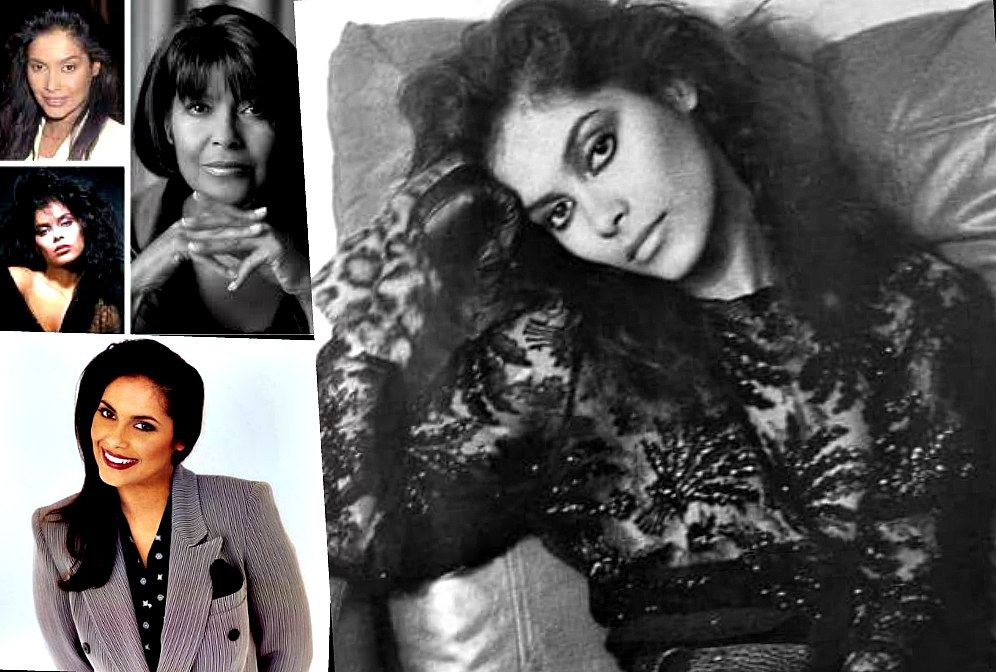
Photo courtesy of Steve Landis, the photographer used with his permission.

“When you’re empty on the inside, it doesn’t matter how beautiful you are on the outside.” – Denise Matthews (Vanity)


Introduction: Beauty, Fame, and the Battle Within

Denise Katrina Matthews—widely known by her stage name Vanity—was a striking beauty, a singer, actress, and model who captivated the world in the 1980s. With an exotic allure and a voice that blended sensuality and soul, Vanity became a pop culture icon during the height of Prince’s musical empire. Yet, beneath the surface of stardom and seduction, Denise battled addiction, identity confusion, and spiritual emptiness. Her journey from sex symbol to servant of Christ is one of profound transformation and testimony.

All photographs are the property of their respective owners. No infringement intended.

Early Life and Mixed Heritage

Denise Matthews was born on January 4, 1959, in Niagara Falls, Ontario, Canada. Of African-American, German-Jewish, and Polynesian descent, her mixed-race heritage contributed to her “exotic” beauty that would later become her ticket to the entertainment industry—and, paradoxically, her curse. Standing at about 5’6”, she was admired for her radiant skin, bone structure, and seductive onstage presence. Her early experiences, however, were not glamorous; Denise came from a turbulent household marked by abuse and instability. These early wounds left deep scars that influenced many of her later choices.


Rise to Fame: Vanity 6 and Prince

In the early 1980s, Denise moved to the United States to pursue a career in modeling and acting. She participated in beauty pageants and was even crowned Miss Niagara Hospitality. Her path shifted dramatically when she met Prince, the enigmatic musical genius. He renamed her “Vanity,” claiming she was the female version of himself—a reflection of his own vanity.

Together, they created the girl group Vanity 6, which became famous for their hit “Nasty Girl” in 1982. Clad in lingerie, the group embodied Prince’s provocative style, and Vanity became the face of erotic empowerment in pop culture. Though their chemistry was palpable, Vanity and Prince’s relationship was tumultuous, complicated by control issues and emotional turmoil. Vanity once said:

“Prince and I lived together. We were in love. But I had to walk away to find myself.”

Their relationship ended before the release of Purple Rain, a role Prince had initially written for her but gave to Apollonia Kotero after Vanity’s departure. Many fans speculated rivalry between Vanity and Apollonia, but Vanity later denied ill will, stating that she had outgrown that world.


Hollywood Fame and Drug Addiction

Vanity transitioned to acting, starring in films such as The Last Dragon (1985), Action Jackson (1988), and 52 Pick-Up (1986). Her sultry image became her brand, and she was often featured on “Most Beautiful Women” lists in magazines. She dated Rick James, a fellow icon of funk and excess, whose wild lifestyle mirrored her own. Their relationship was destructive, filled with drugs, sex, and volatility. Rick James later admitted that their bond was fueled by cocaine and chaos.

Fame, however, could not fill the void Denise felt. By the late 1980s, her drug use escalated, and her health began to decline. She overdosed in 1994, suffering near-fatal kidney failure. Doctors gave her three days to live.


A Radical Transformation: From Vanity to Denise Matthews

Facing death, Denise cried out to God. That moment of desperation became her spiritual awakening. She renounced her stage name and identity as Vanity and gave her life to Jesus Christ. Her conversion was not superficial; she walked away from Hollywood, cut ties with former friends and lovers, and devoted herself fully to evangelism. She once declared:

“Vanity is dead. Denise lives for Christ now.”

Denise became a preacher, Christian speaker, and evangelist, traveling across the U.S. and Canada to share her testimony of deliverance from drugs, sexual sin, and vanity. She described her fame as a form of idolatry and warned others about the traps of fame and seduction.


Her Book: Blame It On Vanity

In 2010, Denise published her memoir “Blame It On Vanity”, a raw, honest, and spiritual account of her life. The book detailed her early trauma, rise to stardom, abuse, overdose, and spiritual rebirth. She was vulnerable about her failures, yet triumphant in describing how God saved her. She emphasized the emptiness of fame, saying:

“Fame is like a drug—it makes you feel high, important, untouchable. But it’s all a lie.”


Personal Life: Marriage and Ministry

In 1995, Denise married former NFL player Anthony Smith, though the marriage ended in divorce. She had no children but often referred to the youth and young women she mentored as her spiritual children. She battled with kidney issues for the rest of her life and was on dialysis.

Despite her physical decline, Denise remained bold in her faith, never compromising her beliefs. She lived modestly and refused to return to the entertainment industry, despite offers.


Death and Tributes

Denise Matthews passed away on February 15, 2016, at age 57, from kidney failure caused by years of drug abuse. Just two months later, Prince also died. Upon hearing of her death, Prince paid tribute to her during a concert in Australia, dedicating “Little Red Corvette” to her and reportedly mourning deeply. He stated:

“She loved the Lord, and now she’s home.”

Other celebrities also expressed admiration and sadness. Apollonia Kotero wrote on social media:

“You were my sister. Your light will never dim.”


Conclusion: Beauty Redeemed by Grace

Denise Matthews’ life is a modern parable—a stunning woman who had it all in the world’s eyes but found true life in surrendering to Christ. Her journey from Vanity to virtuous womanhood serves as a powerful reminder that external beauty, fame, and riches are fleeting. The only glory that lasts is the one rooted in the eternal.


References

Matthews, D. (2010). Blame It On Vanity. CreateSpace Independent Publishing.

James, R. (2007). Memoirs of a Super Freak. Amber Books.

Holy Bible. (1611). King James Version.

George, N. (2004). The Life and Times of Prince. Da Capo Press.

Kotero, A. (2016). [Social Media Tribute]. Twitter.

The Golden Legacy of MANSA MUSA: Africa’s Emperor of Wealth and Wisdom

Throughout world history, few figures have embodied the fusion of wealth, wisdom, and spiritual devotion like Mansa Musa, the 14th-century emperor of the Mali Empire. Revered as the richest man to have ever lived, Mansa Musa’s legacy goes far beyond gold and grandeur—it encompasses a transformative reign that elevated West Africa to global prominence through trade, scholarship, and religious devotion. His life is not only a celebration of African excellence but a benchmark for leadership that still inspires Africa’s billionaires today.

The Life and Rise of a Golden Monarch

Musa Keita I, known as Mansa Musa, ascended to the throne of Mali in 1312 AD. He inherited power from his predecessor, Abu Bakr II, who is believed to have set sail on an ambitious voyage across the Atlantic Ocean in search of new lands. Musa, a devout Muslim, ruled over an empire that stretched over 2,000 miles, encompassing parts of present-day Mali, Senegal, Gambia, Niger, Nigeria, Guinea, and Mauritania. He was the 10th Mansa, or “King of Kings,” of the Mali Empire and quickly set out to establish a reign that would be remembered for centuries.

Mansa Musa was married to Queen Inari Kunate, and though historical records do not provide exact details of his family, it is known that he had children, including a son named Magha who succeeded him briefly. As a ruler, Musa exemplified not only administrative excellence but a commitment to faith, justice, and community prosperity.

His wealth is legendary. Scholars estimate that, adjusted for inflation, Musa’s personal fortune could have reached as much as $400–500 billion. This would make him richer than today’s tech moguls like Elon Musk or Jeff Bezos. Unlike modern billionaires whose assets are often tied to stock markets, Mansa Musa’s wealth was tangible—gold, land, and control over critical trade routes that moved salt, ivory, slaves, and knowledge across the Sahara.

Mali Under Mansa Musa: The Empire of Learning and Wealth

The Mali Empire thrived under Musa’s leadership, becoming one of the most sophisticated and wealthy civilizations in world history. Its strength was rooted in control of the trans-Saharan trade network, particularly the gold and salt trades. Mali was so rich in gold that the commodity became central to its international image.

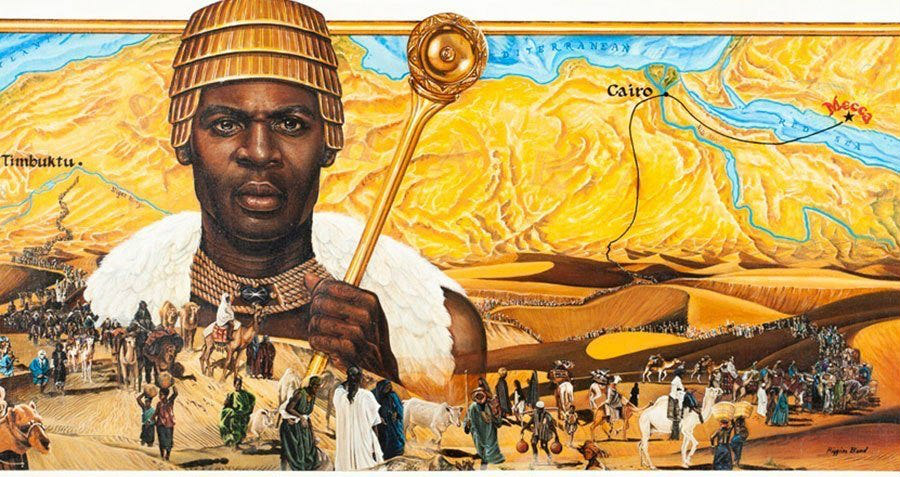
One of Mansa Musa’s most remarkable accomplishments was his 1324 pilgrimage to Mecca, known as the Hajj. This journey was not only a religious obligation but a political statement. He traveled with a caravan reportedly consisting of 60,000 men, including 12,000 slaves and 100 camels each carrying hundreds of pounds of gold. His generosity was so overwhelming in places like Cairo and Medina that he caused significant inflation, devaluing gold for a decade in some regions. This pilgrimage placed Mali on the map for European and Arab chroniclers, and Mansa Musa’s name began appearing in global records, including the Catalan Atlas of 1375.

Upon returning to Mali, Musa commissioned the construction of mosques, madrasas (Islamic schools), and libraries. Timbuktu, under his guidance, blossomed into a world-renowned center of Islamic scholarship and trade. The University of Sankoré in Timbuktu attracted scholars from across Africa and the Middle East. Mansa Musa also hired Andalusian architects, such as Abu Ishaq Es Saheli, who introduced new architectural designs, including the Djinguereber Mosque, still standing today.

The Legacy of Wealth and Spirituality

Mansa Musa’s legacy is not simply one of wealth but one of moral and cultural responsibility. He utilized his riches to invest in education, infrastructure, and religious institutions. His reign exemplified the African tradition of communal wealth—what benefits the king must benefit the people. He modeled the ideal that leadership is stewardship.

Although no direct quotes from Mansa Musa survive, the 14th-century historian Al-Umari described him as “a young man of black complexion with a pleasant face and good figure…he spoke rarely, and always with mildness.” This suggests a man of humility and discipline, despite his immense riches. His image—an African king holding a nugget of gold—became an icon in European maps, redefining Western ideas of African civilization and prosperity.

Ancient African Kingdoms of Wealth and Power

Mali was not alone in its splendor. Ancient Africa was home to several other prosperous kingdoms, such as:

  • Ghana Empire – Preceding Mali, rich in gold and trade.
  • Songhai Empire – Successor to Mali, known for military might and scholarship.
  • Benin Kingdom – Famous for bronze artwork and diplomatic relations with Europeans.
  • Great Zimbabwe – A southern African kingdom renowned for its stone cities and cattle wealth.
  • Axum (Ethiopia) – A powerful Christian empire with vast trade routes.
  • Kongo Kingdom – Central African monarchy known for its diplomacy and Catholic conversion.
  • Kanem-Bornu – Islamic empire with military power and trade.
  • Nubia/Kush – Ancient civilization that rivaled Egypt.

These kingdoms were centers of commerce, technology, military strategy, and cultural identity—dispelling the colonial myth of a dark and stagnant precolonial Africa.

Modern Billionaires: Today’s African Kings

In today’s world, African billionaires carry the legacy of wealth and leadership, though in modern industries:

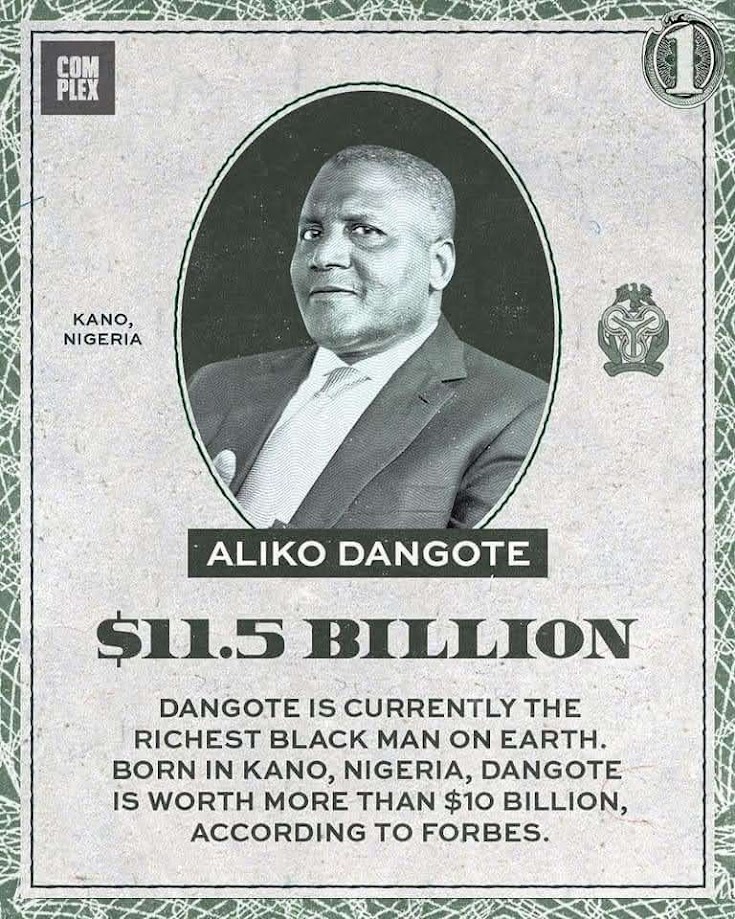
  • Aliko Dangote of Nigeria is Africa’s richest man (net worth ~$13.5 billion). His conglomerate dominates the cement, sugar, and oil industries. His foundation supports education, health, and disaster relief across the continent.
  • Nassef Sawiris of Egypt (net worth ~$9.5 billion) has interests in construction and sports. He represents North African industrial influence.
  • Patrice Motsepe of South Africa, a mining tycoon, was the first Black African on Forbes’ billionaire list. He has pledged much of his wealth to philanthropy through the Motsepe Foundation.

These modern magnates embody a mission to uplift their communities through investment, innovation, and infrastructure—principles that echo the communal values of kings like Mansa Musa.

Comparing Mansa Musa and Elon Musk

Elon Musk, the 21st-century industrialist, has a net worth fluctuating between $230–$250 billion, depending on stock market conditions. His wealth is rooted in futuristic technologies: electric cars, space exploration, and AI. Mansa Musa’s wealth, by contrast, was more immediate and liquid—gold, territory, and people. Economists suggest Musa’s adjusted fortune may have doubled or even tripled Musk’s, making him arguably the wealthiest individual in human history.

However, the true contrast lies in how their wealth was used. Mansa Musa’s riches fueled religious, intellectual, and social development, whereas modern billionaires often focus on innovation and privatized enterprise.

Conclusion: The Sovereign of Sovereigns

Mansa Musa’s name resounds through history not merely as a wealthy king, but as a beacon of divine kingship, cultural enlightenment, and Pan-African pride. He ruled with a blend of Islamic piety and African rootedness, proving that African civilizations were not only rich in gold but in governance, faith, and vision. His story reminds us that Africa’s greatness is not a myth—it is a memory, and a mandate to reclaim.

In honoring Mansa Musa today, we celebrate not only a king of gold, but a king of purpose. His reign challenges contemporary Africans and the diaspora to return to a model of leadership that centers wealth around wisdom and prosperity around people.


References

Gates Jr., H. L. (2011). The African Americans: Many Rivers to Cross. SmileyBooks.
Hunwick, J. O. (1999). Timbuktu and the Songhay Empire: Al-Sa’dī’s Taʾrīkh al-Sūdān down to 1613 and other contemporary documents. Brill.
Levtzion, N., & Hopkins, J. F. P. (2000). Corpus of early Arabic sources for West African history. Markus Wiener Publishers.
Forbes. (2025). World’s Billionaires List. Retrieved from https://www.forbes.com
World History Encyclopedia. (2023). Mansa Musa. Retrieved from https://www.worldhistory.org/Mansa_Musa_I/

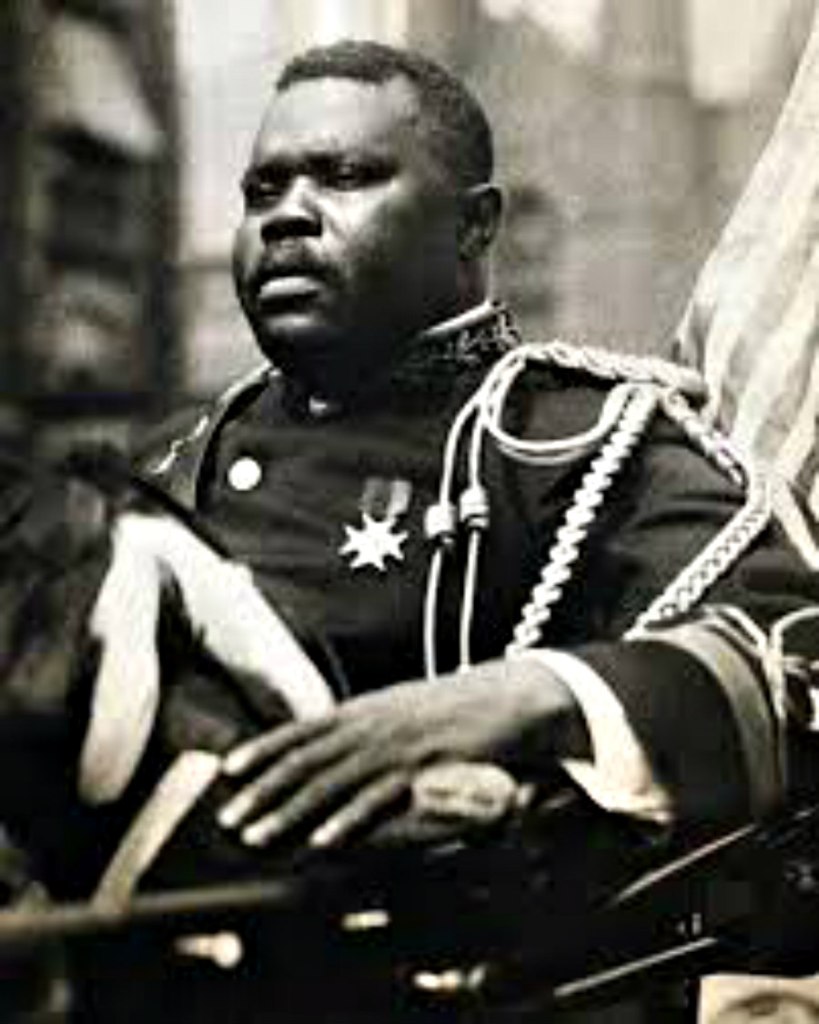
MARCUS GARVEY: The Prophet of Pan-African Power and Black Dignity

Few figures in the annals of Black history have left as indelible a mark as Marcus Mosiah Garvey. A towering icon of Pan-Africanism, Garvey was a visionary whose mission to uplift, unify, and empower people of African descent reverberates even today. Born on August 17, 1887, in St. Ann’s Bay, Jamaica, Garvey would go on to found the Universal Negro Improvement Association and African Communities League (UNIA-ACL), sparking one of the most significant global movements for Black self-reliance, racial pride, and economic empowerment.


🔥 A Visionary Born to Liberate

Garvey grew up in a modest household in colonial Jamaica, the youngest of eleven children. His father, a stonemason with a vast personal library, inspired Marcus to become a voracious reader and thinker. By age 14, Garvey had become a printer’s apprentice and began observing the economic and racial disparities around him. His travels to Central America, the Caribbean, and Europe would further shape his pan-African ideology as he witnessed the shared oppression of Black people across the globe.

In 1914, he founded the UNIA-ACL in Jamaica, but it was in the United States—specifically Harlem, New York—where the movement flourished. By the early 1920s, Garvey had amassed over six million followers worldwide. His message was simple yet profound: Black people must unite, reclaim their African heritage, and build institutions that reflect their greatness.


🏴 The Black Star Line and Economic Empowerment

Central to Garvey’s mission was the concept of Black economic autonomy. He established the Black Star Line, a shipping company meant to facilitate trade and transport between Africa and the African diaspora. He also launched businesses such as the Negro Factories Corporation to provide jobs and foster financial independence for Black communities.

A people without the knowledge of their past history, origin and culture is like a tree without roots,” Garvey famously declared, urging African descendants to rediscover their identities and reclaim their destinies.

Garvey’s work was revolutionary. He preached Black pride when doing so was dangerous. He wore regal military uniforms, orchestrated mass parades, and encouraged Black people to see themselves as kings and queens descended from African royalty. His newspaper, The Negro World, served as a platform for Black consciousness and Pan-African politics across the diaspora.


💔 Resistance, Persecution, and Imprisonment

Despite the enormous popularity of his movement, Garvey faced fierce resistance. White institutions and governments viewed his ideology as a direct threat to colonial and capitalist systems. In America, J. Edgar Hoover and the FBI targeted him, eventually convicting Garvey on dubious charges of mail fraud in 1923. He was sentenced to five years in prison and later deported to Jamaica in 1927.

Even within the Black community, Garvey faced criticism, particularly from integrationists like W.E.B. Du Bois, who disagreed with Garvey’s separatist approach. Nevertheless, Garvey never wavered in his conviction that Black people needed their own institutions, economy, and land.


❤️ Family Life and Later Years

In 1919, Garvey married Amy Jacques, a dedicated activist and editor who continued his legacy after his death. Together they had two sons. Amy was instrumental in editing and publishing The Philosophy and Opinions of Marcus Garvey, a text that preserves his speeches and writings for future generations.

Garvey passed away on June 10, 1940, in London, largely forgotten by the mainstream world but revered by millions. Decades later, his legacy would experience a powerful revival. Leaders such as Kwame Nkrumah of Ghana, Malcolm X, and Dr. Martin Luther King Jr. cited Garvey as an inspiration.


🌍 The Legacy of a Liberator

Garvey’s teachings still echo in modern movements like Afrocentrism, Black Lives Matter, and reparations advocacy. The Rastafarian movement, born in Jamaica, regards Garvey as a prophet who foretold the rise of an African messiah. His philosophy of Black self-determination continues to influence Pan-Africanists and Afro-descendant communities across the world.

From his 1921 address, Garvey thundered:

“We are going to emancipate ourselves from mental slavery because whilst others might free the body, none but ourselves can free the mind.”
(Garvey, 1983, p. 76)

He was clear in his message: Black people are not inferior, lost, or broken—they are the builders of civilizations.

“Look for me in the whirlwind or the storm, look for me all around you, for with God’s grace, I shall come back with countless millions of Black men and women who have died in America and the West Indies and Africa to aid you in the fight for liberty, freedom and life.” (Garvey, 1983)


🗣️ Words from Those Who Knew Him

Author and activist Amy Jacques Garvey, his wife, wrote:

“Marcus Garvey was a man ahead of his time—visionary, prophetic, relentless. He believed that if Black people knew who they were, they would rise to rule the world.”


🧭 Final Reflections

Garvey’s influence remains undeniable. His ideas laid the foundation for nearly every major Black liberation movement of the 20th and 21st centuries. He did not live to see Africa freed from colonial rule, or African Americans gain civil rights, but his vision made those victories possible. His spirit lives on in every call for justice, every Pan-African flag waved, and every young Black child taught that their heritage is royal.


📚 References

Garvey, M. (1983). Selected Writings and Speeches of Marcus Garvey (B. Martin, Ed.). Dover Publications.
Lewis, R. (1987). Marcus Garvey: Anti-Colonial Champion. Africa World Press.
Martin, T. (1976). Race First: The Ideological and Organizational Struggles of Marcus Garvey and the Universal Negro Improvement Association. Greenwood Press.
Jacques-Garvey, A. (1963). Garvey and Garveyism. Collier Books.
Hill, R. A. (1983). The Marcus Garvey and Universal Negro Improvement Association Papers. University of California Press.

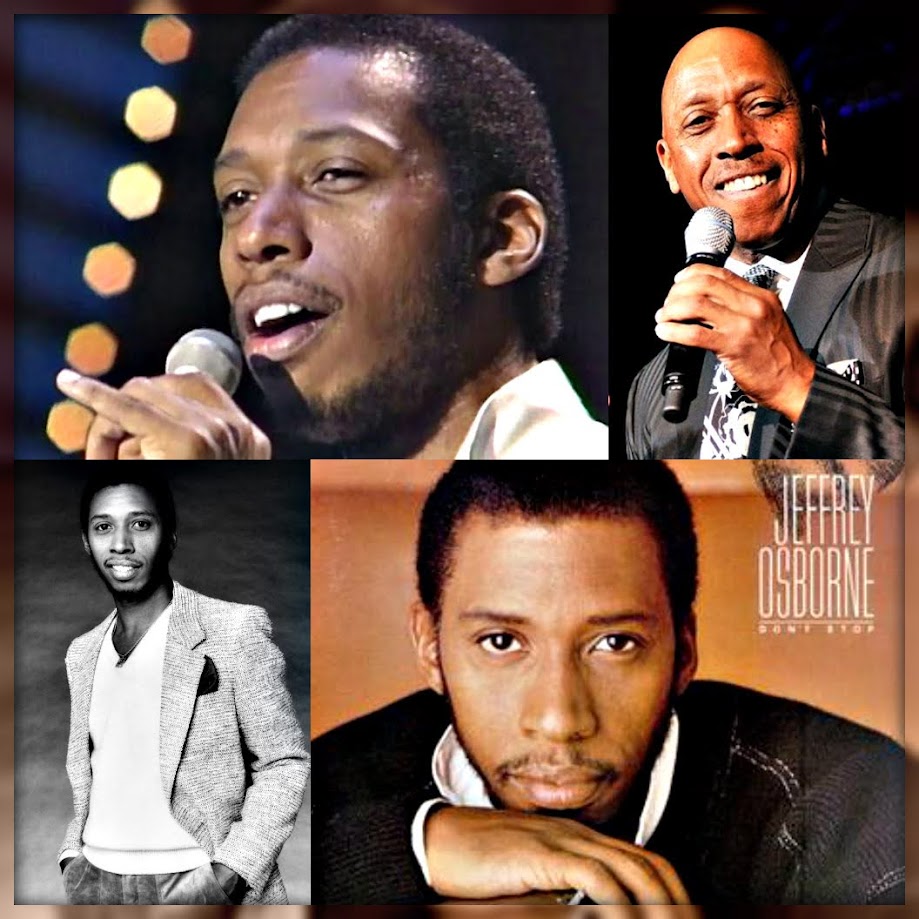
Celebrity Spotlight: Jeffrey Osborne

The Euphonious Astonishing Baritone with the height of a perfect Tenor Voice of JEFFREY OSBORNE hits it out of the park every time he sings, not to mention his clarity of diction with power to each word and in my estimation, what he is most noted for – an extraordinary voice with tenor to baritone variations, sensational feelings he gives to the eargate, and steadfast control. He is undeniably one of the greatest singers of all time. 

🎤 “The Velvet Powerhouse: The Timeless Voice of Jeffrey Osborne”

There are singers—and then there is Jeffrey Osborne, a vocal phenomenon whose voice doesn’t just perform a song, it embodies it. With a tenor-baritone range rich in depth and soul, Osborne delivers melodies that soar with intensity and descend with warmth. Whether expressing devotion in “On the Wings of Love” or pouring vulnerability into “Let Me Know”, his voice is unforgettable—saturated with sincerity, technical brilliance, and emotional nuance. Simply put, Jeffrey Osborne is one of the most gifted vocalists of his generation.


🎶 A Voice That Transcends Time and Genre

Osborne’s voice blends the richness of a baritone with the emotional clarity of a tenor. His range spans nearly three octaves, effortlessly transitioning from soft falsetto to resonant mid-tones. Music critics often describe his voice as “liquid velvet” and “soulful thunder,” while fellow artists recognize his phrasing and tone as peerless.

“When Jeffrey sings, you don’t just hear the song—you live it,” said Quincy Jones, praising Osborne’s unique ability to merge technical mastery with heartfelt emotion.

His voice is not only an instrument—it is an experience. Whether with LTD or as a solo artist, Osborne’s sound carries the richness of classic soul with the finesse of modern R&B.


📜 Early Life and Musical Roots

Born March 9, 1948, in Providence, Rhode Island, Jeffrey Linton Osborne was the youngest of twelve children. His father, Clarence Osborne, was a noted trumpeter who performed with jazz legend Lionel Hampton, setting the stage for Jeffrey’s musical destiny.

Osborne began his career as a drummer for the band Love Men Ltd., which later became the acclaimed R&B group L.T.D. In 1976, he stepped forward as lead vocalist and helped catapult the group to national fame with hits like “Love Ballad” and “(Every Time I Turn Around) Back in Love Again.”

After nearly a decade with the band, he launched a successful solo career in 1982, releasing gold-certified albums and a string of hit singles, including “Stay with Me Tonight” and “On the Wings of Love,” a song that became a global love anthem.


💍 Family Life and Personal Journey

Jeffrey Osborne is a devoted husband and father. He and his wife, Sheri Osborne, have built a strong and enduring marriage, raising four children together. Though he has lived a life of fame and artistic success, Osborne has always prioritized family, faith, and community. He remains grounded, gracious, and deeply committed to uplifting the next generation of musicians.

“My wife is my rock, my peace. Family keeps me balanced in this world of music,” he shared in an interview with Jet Magazine.


🏆 Awards and Industry Recognition

Although Osborne has earned multiple Grammy nominations, American Music Award nods, and NAACP Image Awards, many fans and critics believe he never received the widespread accolades he truly deserved.

“I wasn’t out chasing headlines or controversy. I just sang from the heart,” Osborne said in a 2017 interview. “That may be why the industry overlooked me, but the people never did.”

His music continues to resonate in weddings, soul radio, and R&B playlists worldwide. His legacy is evident in the voices of countless artists who credit him as an influence—from Babyface and Brian McKnight to contemporary crooners who revere his vocal storytelling.


🎧 Legacy Songs and Fan Favorites

Some of Osborne’s most celebrated performances—“Love Ballad,” “Let Me Know,” “My Heart Can Wait Forever”—remain beloved anthems that transcend generations. These ballads reflect a profound ability to communicate vulnerability, romance, and strength, all within a few melodic phrases.

“When he sings ‘Let Me Know,’ I melt. No one can deliver a love song like Jeffrey Osborne,” wrote a fan on social media.

His ability to connect with listeners on such a deeply emotional level is what makes his music timeless.


🏌️ Life Beyond the Stage

Off-stage, Osborne enjoys golf, supporting youth music education, and mentoring emerging artists. He also participates in philanthropic initiatives, including his annual Jeffrey Osborne Celebrity Classic, which raises funds for charities in Rhode Island.

“Music is my gift, but giving back is my purpose,” he once told a crowd at a community fundraiser.


🎶 The Songwriter’s Favorite

When asked what his favorite song is to perform, Osborne often cites “On the Wings of Love”—a song that reflects his passion for melodies that uplift and inspire. It remains a staple in his live shows, always met with standing ovations.


💎 Final Reflections: A Legend in Our Midst

Jeffrey Osborne’s voice is more than exceptional—it’s iconic. His career has spanned over five decades, filled with hits, heart, and humility. Though the industry may not have fully recognized his greatness with awards, his impact is undeniable and enduring. For those who truly listen, Jeffrey Osborne is not only one of the greatest R&B singers of all time—he is a legend whose voice continues to move hearts and transcend time.


🏆 Highlights & Accomplishments

  • Grammy-nominated solo artist
  • Former lead singer of L.T.D.
  • Over 10 Top 10 R&B hits
  • Multiple gold and platinum albums
  • NAACP Image Award honoree
  • Founder of annual charity golf event in Rhode Island
  • 5+ decades of continuous musical contribution

📚 References

Baraka, B. (2020). Soul singers of the 20th century. Harlem Arts Press.
Billboard Staff. (1982, July 10). Jeffrey Osborne scores solo success after L.T.D. split. Billboard Magazine. Retrieved from https://www.billboard.com/
Grammy Awards. (n.d.). Jeffrey Osborne. Grammy.com. Retrieved July 28, 2025, from https://www.grammy.com/artists/jeffrey-osborne
Jet Magazine. (1996, June 3). Jeffrey Osborne: The family man behind the music. Jet, 89(25), 34–36.
Larkin, C. (1992). The Guinness Encyclopedia of Popular Music (Vol. 3). Guinness Publishing.
Osborne, J. (2017). Interview with NPR’s Michel Martin. NPR Music. Retrieved from https://www.npr.org
SoulTracks Staff. (2015). Jeffrey Osborne: Artist biography and discography. SoulTracks: Soul Music Biographies. Retrieved from https://www.soultracks.com/jeffrey-osborne
Whitburn, J. (2004). Top R&B/Hip-Hop Singles: 1942–2004. Record Research Inc.

Where faith, history, and truth illuminate the Black experience.