Category Archives: white supremacy

The Cost of Being Black: How Systemic Racism Drains Wealth, Health, and Hope.

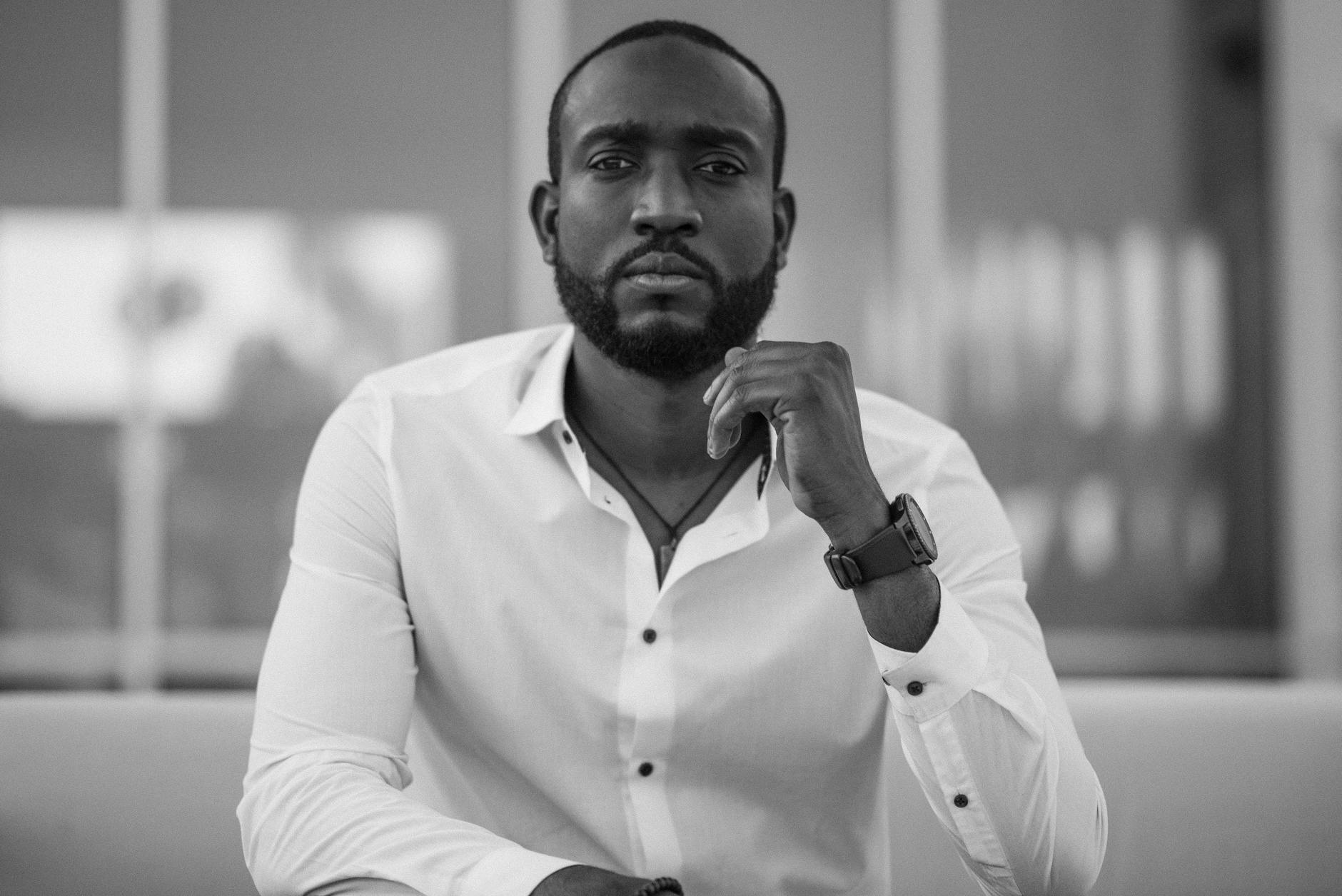
Photo by Zack Jarosz on Pexels.com

“Priced in Shadows”

Black skin, a crown the world can’t see,
Yet measured in chains of false decree.
We pay in blood for each small breath,
Our wealth denied, our dreams met death.
Health stolen by the weight of stress,
Hope rationed in the wilderness.
Still we rise, though markets cheat,
And march with fire in tired feet.
The cost is high, but worth it

For the seeds we plant will one day grow.


The Hidden Ledger of Oppression

The cost of being Black is not solely an economic figure—it is a compounded debt extracted from the soul, body, and spirit across generations. Systemic racism functions as both an economic apparatus and a psychological weapon, strategically designed to maintain social stratification (Feagin, 2013). From slavery to Jim Crow, and from redlining to mass incarceration, the financial, health, and emotional toll has been incalculable. The King James Bible acknowledges the burden of oppression, stating, “Woe unto them that decree unrighteous decrees, and that write grievousness which they have prescribed” (Isaiah 10:1, KJV). This divine warning frames systemic racism not as an accidental byproduct, but as an intentional social construct that exacts a tangible cost for simply existing while Black.


Wealth: Economic Theft as a System of Control

The economic cost of being Black is rooted in the generational theft of wealth. Slavery extracted centuries of unpaid labor, creating an economic deficit that remains largely unrepaired (Coates, 2014). Post-emancipation, policies such as sharecropping, discriminatory banking practices, and exclusion from the GI Bill perpetuated disparities. Today, the median wealth of Black families is roughly one-tenth that of white families in the United States (Federal Reserve, 2019). Wealth, in this context, is not merely financial but encompasses access to quality education, home ownership, and intergenerational security. Systemic racism has ensured that economic upward mobility for Black communities is statistically hindered, keeping many in a cycle of debt and economic vulnerability.


Health: The Biological Toll of Racial Inequity

The physical cost of being Black manifests in disproportionately high rates of hypertension, diabetes, maternal mortality, and chronic illness. Research in health psychology identifies “weathering”—the cumulative effect of chronic racial stress on the body—as a primary cause for the accelerated aging and higher disease burden among Black populations (Geronimus, 1992). Environmental racism compounds these effects through disproportionate exposure to pollutants and lack of access to quality healthcare. The Bible affirms that the body is sacred, “Know ye not that ye are the temple of God, and that the Spirit of God dwelleth in you?” (1 Corinthians 3:16, KJV). Yet, systemic racism desecrates this temple by denying Black communities the resources needed to thrive physically.


Hope: Psychological Warfare and Emotional Fatigue

Hope is one of the most fragile yet essential currencies for survival. Systemic racism drains hope through persistent discrimination, underrepresentation in leadership, and the erasure of Black narratives from history. The psychological toll includes racial battle fatigue, depression, and diminished self-worth, often reinforced by mass media portrayals that devalue Black life. Cornel West notes, “Never forget that justice is what love looks like in public.” Without justice, the capacity to hope is eroded, leading to cycles of despair. Psychology identifies hope as a critical factor in resilience, yet systemic oppression targets this very resource to ensure compliance and subjugation.


The Ringleaders: Power, Privilege, and Profit

Systemic racism is upheld by entrenched power structures composed of political elites, corporate monopolies, and institutional gatekeepers who profit from racial inequity. These ringleaders operate through legislation, economic policies, and cultural propaganda to maintain dominance. The Bible warns, “For the love of money is the root of all evil” (1 Timothy 6:10, KJV), highlighting the profit motive behind oppression. White supremacy functions not only as a racial ideology but as an economic strategy, ensuring that wealth and resources remain concentrated in the hands of a few while extracting value from the marginalized.


Breaking the Cost: Restitution, Resistance, and Renewal

Addressing the cost of being Black requires multi-layered solutions: reparations to address the economic gap, healthcare reforms to reduce racial disparities, and educational overhauls to restore accurate Black history. Culturally, restoring dignity and self-love through affirmations of Black beauty, excellence, and achievement is vital. Faith and scripture remain powerful tools of survival, as reflected in Psalm 68:31 (KJV), “Princes shall come out of Egypt; Ethiopia shall soon stretch out her hands unto God.” The chains of systemic racism can only be broken when economic justice, health equity, and psychological restoration are pursued simultaneously, creating a future where Blackness is no longer a liability but a celebrated inheritance.


References

  • Coates, T. (2014). The Case for Reparations. The Atlantic.
  • Feagin, J. R. (2013). Systemic Racism: A Theory of Oppression. Routledge.
  • Federal Reserve. (2019). Survey of Consumer Finances.
  • Geronimus, A. T. (1992). The weathering hypothesis and the health of African-American women and infants: Evidence and speculations. Ethnicity & Disease, 2(3), 207–221.
  • Holy Bible, King James Version.

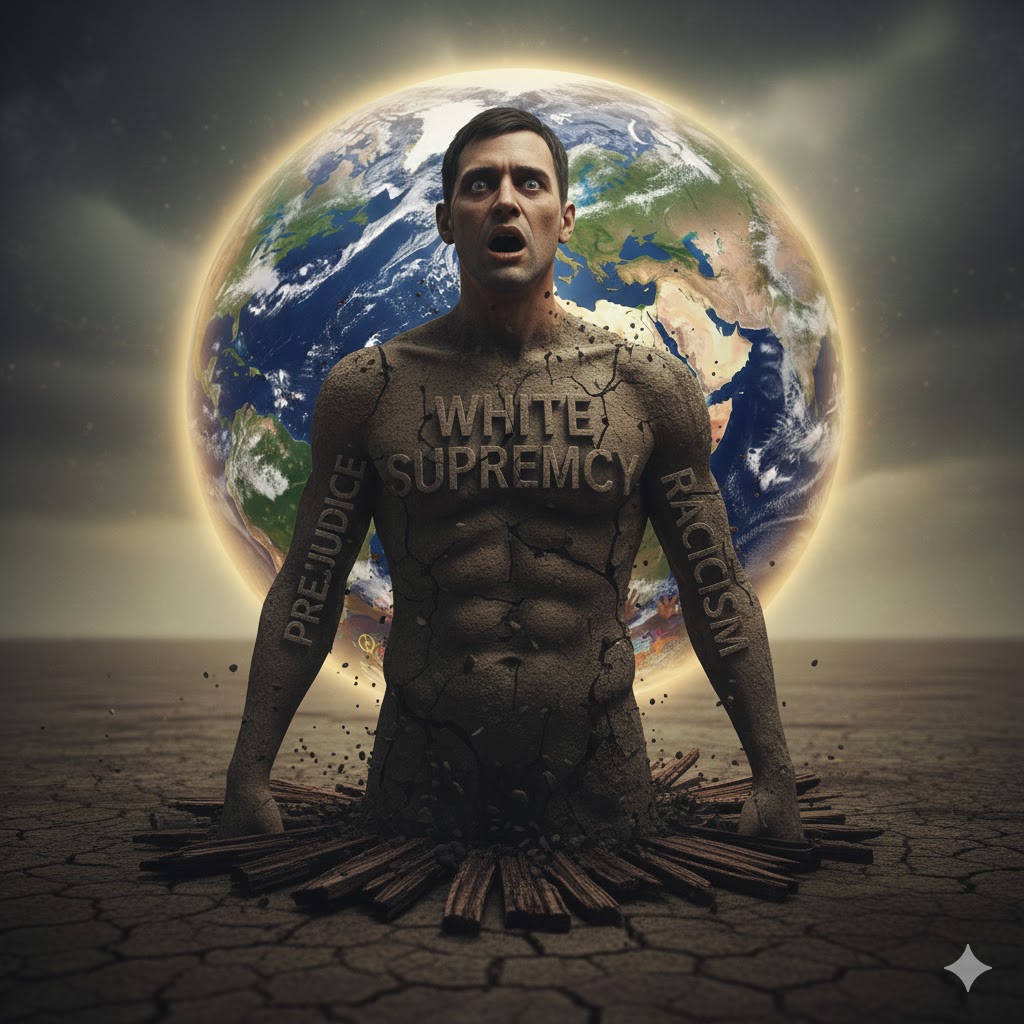
WHlTE Supremacy is crumbling across the globe.

White supremacy, long considered a dominant social and political force, is showing clear signs of decay across the globe. Once entrenched in colonial empires, economic systems, and cultural narratives, its structures are increasingly being challenged by movements for justice, equality, and truth. The ideology that once justified the subjugation of entire populations is now under scrutiny, as history, evidence, and activism expose the falsehoods it relied upon. Across nations, societies are awakening to the moral and ethical failures of racial hierarchy, revealing that supremacy built on fear and deception cannot endure indefinitely.

Historically, white supremacy was reinforced through law, religion, and education. Colonial powers justified slavery, land theft, and systemic oppression by promoting narratives of European superiority. Pseudo-science, distorted biblical interpretation, and manipulated history textbooks all served to normalize racial hierarchy. These systems were not natural; they were constructed to concentrate wealth, power, and control in the hands of a few while dehumanizing others. Today, this constructed system faces resistance at every level, from academic scholarship to grassroots activism.

The civil rights movements of the twentieth century marked an early wave of resistance. In the United States, South Africa, and other nations, oppressed populations began reclaiming their rights, asserting their humanity, and demanding systemic change. Leaders such as Martin Luther King Jr., Nelson Mandela, and countless others challenged both the laws and the ideologies that sustained racial oppression. These movements demonstrated that white supremacy relies on silence, ignorance, and fear, all of which are being steadily dismantled.

Globalization and access to information have accelerated the collapse of white supremacist narratives. The internet, social media, and independent media platforms allow oppressed and marginalized communities to share their truths widely. Historical injustices—slavery, colonialism, apartheid, and indigenous dispossession—can no longer be hidden or misrepresented. When truth spreads, the moral authority of supremacy erodes, revealing the system as an artificial construct maintained through propaganda and institutional control.

Education is another arena where white supremacy is being challenged. Curricula that once glorified European conquest and minimized the experiences of colonized peoples are being rewritten. African, Indigenous, Asian, and Latin American histories are increasingly taught with accuracy, highlighting the contributions, resilience, and humanity of non-European peoples. Knowledge empowers people to recognize that racial hierarchies are neither natural nor divinely ordained, challenging centuries of indoctrination.

Economic structures, too, are under scrutiny. Institutions that perpetuated systemic inequality are facing calls for reform and accountability. Wealth disparities rooted in centuries of exploitation are increasingly highlighted by scholars, journalists, and activists. Efforts to implement reparative justice, equitable access to resources, and anti-discrimination policies challenge the economic pillars that have historically sustained white dominance.

Cultural representation has also shifted. Media, film, literature, and art increasingly amplify the voices of historically marginalized communities. Stories of Black, Indigenous, and people of color challenge stereotypes, humanize lived experiences, and reclaim narratives previously controlled by dominant groups. Representation dismantles the psychological underpinnings of supremacy, proving that humanity cannot be defined by skin color.

Religious institutions are confronting the misuse of faith to justify racial oppression. Historically, distorted interpretations of Scripture and theology were used to validate slavery, colonialism, and apartheid. Modern theologians and faith leaders are rejecting these corrupt narratives, emphasizing equality, justice, and human dignity. Biblical truths, when correctly interpreted, expose the lies upon which white supremacy rests.

Political systems built to enforce racial hierarchy are also facing pressure. Voting rights movements, anti-discrimination legislation, and judicial scrutiny are challenging the legal mechanisms that preserved supremacy. Even in countries where inequality persists, public awareness and activism are creating conditions for reform. The principle that all humans are created in God’s image, as emphasized in Scripture, underpins many of these movements for justice.

Social consciousness is rising globally. Movements such as Black Lives Matter, Indigenous rights campaigns, and anti-apartheid organizations demonstrate collective resistance to systemic oppression. Awareness of historical injustices informs modern advocacy, fostering solidarity across racial and national lines. White supremacy thrives on isolation and ignorance; interconnected activism erodes its foundation.

White supremacy is also crumbling internally. The ideology depends on fear, competition, and the dehumanization of others. As societies evolve, its psychological and social control weakens. Younger generations, educated and globally connected, are less likely to accept racial hierarchies as truth. Moral and intellectual critique exposes its contradictions and immorality, accelerating its decline.

The arts and literature play a critical role in dismantling supremacy. Writers, musicians, filmmakers, and visual artists expose oppression, reclaim history, and celebrate the beauty and resilience of marginalized communities. Cultural production creates shared narratives that challenge the assumptions of supremacy, fostering empathy and social transformation.

Media exposure and investigative journalism have further undermined white supremacy. Exposing systemic racism, corruption, and oppression holds institutions accountable. Public awareness campaigns challenge normalized inequities, demanding transparency and reform. In an era where information is widely accessible, attempts to maintain supremacy through ignorance are failing.

Global collaboration is another factor. International human rights organizations, treaties, and advocacy groups challenge racial oppression worldwide. Nations are being held accountable for injustices through global scrutiny. The interconnected world makes isolationist supremacy impossible, as the truth of oppression spreads across borders.

Technology has also shifted power dynamics. Digital platforms allow communities to organize, educate, and resist in ways previously impossible. Supremacist ideologies, once reinforced locally and nationally, now face global critique. The democratization of information undermines traditional structures that perpetuated racial dominance.

Education, activism, and awareness are complemented by historical reckoning. Truth-telling about slavery, colonialism, and indigenous genocide creates accountability. Museums, documentaries, and scholarly research provide evidence that cannot be ignored. White supremacy’s historical foundations are exposed as morally corrupt and factually unsound.

The collapse of white supremacy is evident in demographic and political changes. Multicultural societies, increased immigration, and shifts in population dynamics challenge notions of racial hierarchy. As diversity becomes normalized, the old narratives of supremacy lose credibility and social relevance.

Legal challenges continue to dismantle systemic structures. Civil rights laws, anti-discrimination policies, and judicial interventions restrict the ability of supremacy to operate openly. Legal frameworks that were once complicit in oppression are now tools of accountability, signaling systemic transformation.

Psychologically, white supremacy loses influence as people internalize equality. Recognition of shared humanity diminishes fear, hate, and the belief in racial superiority. Education, social interaction, and media exposure cultivate empathy and understanding, directly opposing the ideology of supremacy.

White supremacy’s decline is also spiritual. Biblical principles affirm the equality of all humanity before God, emphasizing justice, mercy, and humility. James 2:1–4 warns against favoritism based on wealth or appearance, teaching that partiality is inconsistent with faith. Revelation 7:9 envisions a multitude from every nation worshiping God together, symbolizing the ultimate rejection of racial hierarchy.

The global dismantling of white supremacy is a reminder of God’s justice. While oppressive systems once seemed invincible, truth, righteousness, and divine order prevail. Societies are increasingly recognizing the immorality of supremacy, embracing equality, and restoring dignity to those who were dehumanized. The fall of white supremacy, though uneven, is already underway.

The assertion is bold, yet the evidence is mounting: the decaying structures of White Supremacy are crumbling across the globe. This is not merely a political or sociological observation, but a profound spiritual truth. For decades and centuries, this hateful ideology has operated as a destructive force, attempting to enforce a false hierarchy and deny the intrinsic dignity of countless millions. Today, however, the deep fissures and cracks are visible everywhere, indicating that a fundamental shift is underway—a shift driven by an immutable moral law that ultimately defeats oppression.

We hold fast to this central, unwavering thesis: The steady, irreversible decline of supremacist power is not an accident of history but the active manifestation of divine justice. Our God, the Creator of all humanity, the One who demands righteousness and equity, is engaged in this fight alongside those who seek liberation. The unraveling of this oppressive system is the inevitable consequence of a universe designed for truth and a divine will that is eternally committed to justice for the marginalized and the creation of a world where all bear the imago Dei.

To understand why this system is failing, we must first define the lie: White Supremacy is fundamentally an ideology of fear, exclusion, and power, rooted in historical oppression. It systematically denies the full personhood of those who do not fit its prescribed racial profile, seeking to justify theft, enslavement, and violence through corrupt theological and philosophical reasoning. This manufactured doctrine stands in direct opposition to the core tenets of faith—love of neighbor, humility, and the universal brotherhood of humankind.

Therefore, the struggle against this injustice is more than a socio-political contest; it is a spiritual warfare against the forces of division and hatred. When we observe activists marching, policymakers reforming, and communities unifying across racial lines, we are witnessing the hands of believers and people of conscience aligning with the divine purpose. We take courage, knowing that every act of resistance, every call for justice, and every tear shed for the oppressed is heard by a God who champions the cause of the poor and the prisoner, fighting for us in ways seen and unseen.


Historical Roots and Inevitable Cracks

The inevitability of this decline is rooted in the fact that supremacy is built upon a fundamental and unsustainable lie. No system of power that requires the constant degradation and dehumanization of others can ever truly endure. Historically, its maintenance has required continuous violence and denial of reality. But as education spreads, global connections deepen, and the voices of the oppressed grow louder, the fragility of the entire structure is exposed, leading to a steady erosion of its institutional power and moral authority.

The history of the fight for equality is, in essence, a chronicle of divine intervention against injustice. From the struggle of the Israelites against Pharaoh to the American Abolitionist Movement and the monumental Civil Rights era, every major victory against oppression serves as a testament to God’s alignment with the oppressed. These movements were not merely political skirmishes; they were spiritual earthquakes, cracking the foundations of institutionalized sin and demonstrating that no human system, however entrenched, can ultimately thwart the divine will for human freedom and dignity.

Today, the erosion of supremacy is being accelerated by global interconnectedness and demographic reality. The internet has dismantled the narrative control that once shielded oppressive systems, allowing stories of injustice to travel worldwide and galvanize international solidarity. Furthermore, the changing face of nations refutes the myth of a homogeneous racial ideal. As power shifts and diversity becomes the undeniable norm, the antiquated structure of White Supremacy finds itself increasingly isolated and irrelevant on the world stage.

This structural failure is accompanied by a profound shift in global consciousness. Younger generations, often raised with greater exposure to diverse cultures and histories, are showing a decreasing tolerance for bigotry. Social media movements and public discourse have accelerated accountability, making it far more difficult for racist attitudes and actions to hide in the shadows. This moral awakening signals that the human heart, guided by the innate sense of right and wrong instilled by the Creator, is actively rejecting the poison of hate.

The ideology of White Supremacy is further cursed by its internal fatal flaws: fear, division, and exclusion. It is a system built on perpetual anxiety—the fear of “the other” and the constant dread of losing perceived privilege. This internal poison denies its adherents true community, joy, and peace. By definition, a system that thrives on making enemies cannot build a sustainable future; it is inherently self-destructive and destined to crumble under the weight of its own paranoia and moral bankruptcy.

The Christian faith provides the clearest blueprint for this victory, because we worship a God of absolute Justice. When God declares, “Let justice roll down like waters, and righteousness like an ever-flowing stream,” He establishes the moral standard for all of creation. He is not neutral; He is eternally, unequivocally on the side of the marginalized. Our faith provides the foundational certainty that the fight against oppression is not just noble—it is guaranteed to succeed because the very character of the Almighty is fighting for us.


The Role of Faith and Divine Justice

Throughout history, the most effective movements against oppression have been led by prophets and activists who speak God’s truth to earthly power. Much like the ancient prophets who stood before kings to denounce injustice and idolatry, modern faith leaders and social justice advocates are fulfilling a divine mandate. They are the instruments through which the call for repentance and radical change is delivered, reminding society that systemic sin—like racism—must be dismantled from the ground up, not merely managed or contained.

This understanding places an urgent imperative on the faith community itself. The Church cannot be a passive observer; it must actively dismantle the vestiges of racism within its own walls and in the wider world. True discipleship demands seeing every human being as a full reflection of the imago Dei (the Image of God), rendering all forms of racial hierarchy utterly blasphemous. Our houses of worship must become training grounds for equity and reconciliation, living proof that unity in diversity is not a political aspiration but a spiritual reality.

From a spiritual perspective, divine judgment is the inevitable harvest of injustice. The biblical principle of “reaping what is sown” applies not just to individuals but to nations and systems. When power structures are built on the exploitation of the weak, the universe itself begins to correct the imbalance. The current crumbling of supremacist institutions—their loss of moral legitimacy, their internal fracturing, and their economic decline—is a manifestation of this profound, inescapable truth: systems rooted in lies cannot thrive indefinitely under the watchful eye of a just God.

Yet, the knowledge that God is fighting for us is the ultimate source of hope and endurance in the struggle. This commitment allows activists and advocates to press on, even when the work feels exhausting or the resistance seems overwhelming. Hope is not passive wishing; it is the active certainty that the arc of the moral universe bends toward justice, because a divine hand is guiding it. This sustained faith is the spiritual fuel that ensures the fight will continue until liberation is complete.

Today, the resurgence of extremist rhetoric and public hate groups should be understood as the final, desperate lashing out of a dying ideology. When a system loses its broad institutional power, it often retreats into noisy, violent extremism. These acts are not signs of renewed strength, but rather the frantic efforts of a minority unwilling to accept its imminent failure. This final, ugly phase is the death rattle of White Supremacy, confirming that the mainstream culture, informed by a growing moral consensus, has moved past its destructive logic.


The Path Forward and Conclusion

Our purpose now is not just to witness the decline of the old system, but to be the active architects of the new—building the beloved community, the new Kingdom of God on Earth. This involves intentionally crafting inclusive spaces, restructuring economic systems to ensure equitable access, and cultivating institutions that celebrate the worth of every person regardless of their heritage. We must move beyond simply reacting to hate and begin creating a positive, vibrant, multi-ethnic future that reflects the full, glorious diversity intended by the Creator.

The final phase of this spiritual war requires a call to personal action and profound self-examination. We must confront the subtle ways that systems of superiority may still reside within our own hearts and communities. This is the work of repentance and internal transformation, where we actively dismantle the unconscious biases and learned prejudices that are relics of the dying age. The most effective warriors for justice are those who have first found moral clarity and humility within themselves.

Furthermore, we are called to communal action through advocacy, policy, and unwavering solidarity. True faith demands that we lobby for laws that protect the vulnerable, support organizations that champion civil rights, and stand shoulder-to-shoulder with our neighbors who are targeted by hate. Our prayer is action, and our devotion is demonstrated by the fierce commitment to ensuring justice is done in the courts, on the streets, and in the halls of power.

Let this be our unshakeable affirmation of ultimate victory: The triumph of justice over oppression is not a utopian dream but a divine guarantee. The God who liberated slaves from bondage and raised the defeated from the dust is the same God who fights for us today. The ideology of White Supremacy is a spiritual corpse, sustained only by the breath of fear and inertia. Its end is certain, because its existence is incompatible with the character of the Almighty.

Therefore, we press on with unconquerable hope and boundless strength. Let the truth resonate in every corner of the world: The fight is hard, but the outcome is not in doubt. We are on the side of creation, love, and righteousness. Be encouraged, remain steadfast, and know that every step you take toward justice is a step taken with the Spirit of God marching right alongside you. Our God is fighting for us, and the victory is already assured.

📖 References

Cone, J. H. (2011). The cross and the lynching tree. Orbis Books.

Fredrickson, G. M. (2002). Racism: A short history. Princeton University Press.

Fanon, F. (1963). The wretched of the earth. Grove Press.

Finkelstein, N. G. (2003). Image and reality of the Israel–Palestine conflict (2nd ed.). Verso.

Khalidi, R. (2020). The hundred years’ war on Palestine: A history of settler colonialism and resistance, 1917–2017. Metropolitan Books.

Mamdani, M. (2001). When victims become killers: Colonialism, nativism, and the genocide in Rwanda. Princeton University Press.

Pappe, I. (2010). The ethnic cleansing of Palestine (2nd ed.). Oneworld Publications.

Said, E. W. (1979). The question of Palestine. Vintage Books.

Holy Bible, King James Version. (1611/2017). Cambridge University Press.

  • The Holy Bible. (2011). New International Version. Biblica. (Original work published 1978).
  • Branch, T. (1988). Parting the waters: America in the King years 1954-63. Simon & Schuster.
  • Cone, J. H. (1990). A black theology of liberation (2nd ed.). Orbis Books.
  • Kendi, I. X. (2016). Stamped from the beginning: The definitive history of racist ideas in America. Nation Books.
  • King, M. L., Jr. (1963). Letter from Birmingham jail.
  • King, M. L., Jr. (1968). Where do we go from here: Chaos or community? Harper & Row.
  • Pew Research Center. (n.d.). Demographics and population trends. [Various reports would be cited depending on the specific data used].
  • Southern Poverty Law Center. (n.d.). Hate map and extremism reports. [Specific reports would be cited depending on the data used].
  • Wallis, J. (2005). God’s politics: A new vision for faith and family in America. HarperOne.

Modern Zionism is built on a false claim

Modern Zionism, as a political ideology, emerged in the late nineteenth century as a movement seeking to establish a Jewish homeland in the ancient land of Palestine. While its cultural and religious motivations often point to biblical narratives, the modern political project was shaped far more by European nationalism, colonial power structures, and the trauma of antisemitism than by any verifiable lineage-linked claim to ancient Israelites. The idea that European Jews, particularly Ashkenazim, are the direct descendants of the biblical Hebrews has been widely debated by historians, geneticists, and sociologists, raising serious questions about the authenticity of the core claim that modern Zionism rests upon.

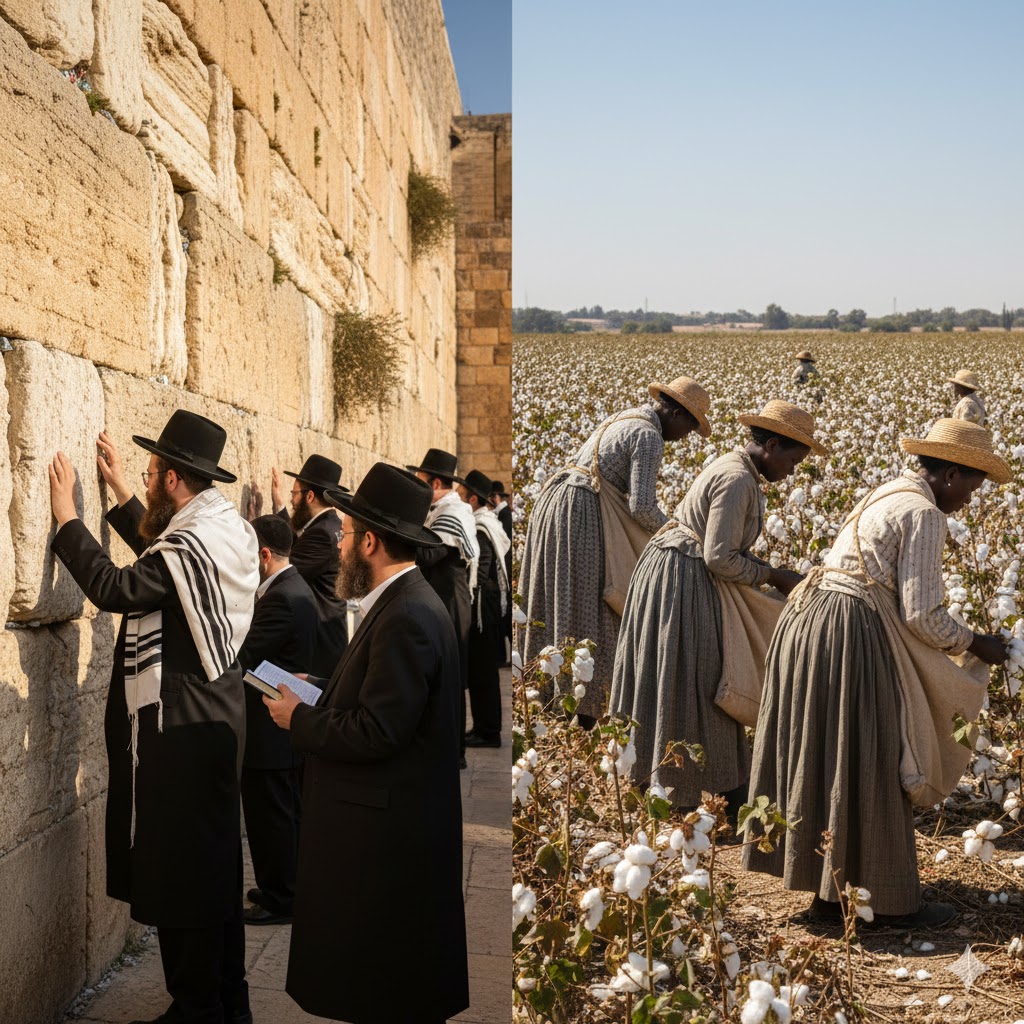
White supremacy and modern Zionism intersect where racial hierarchy, colonial power, and political domination converge. Modern Zionism emerged in a European colonial era, shaped by Western racial ideologies that positioned European identity—whether Christian or Jewish—as superior to non-European peoples. Although Zionism presented itself as a liberation movement, it often adopted the logic and structures of white supremacy: land seizure, racial stratification, and the belief that a European-descended population had a divine or historical right to rule over an indigenous non-European population. This framing aligned Zionism with broader colonial projects, treating Palestinians as inferior, primitive, or expendable, thereby justifying displacement, segregation, and militarized control.

White supremacy also reinforces modern Zionism through geopolitical alliances. Western nations—rooted in histories of racial hierarchy—have long supported Israel as a strategic extension of their own political power, often valuing a European-aligned state over the rights of Middle Eastern or African populations. In this dynamic, Palestinians are racialized as threats, savages, or terrorists, while Israeli identity—particularly Ashkenazi identity—is coded as Western, civilized, and deserving of protection. Thus, white supremacy operates not merely as personal prejudice but as a global structure that elevates one group’s claim to land and power while systematically dehumanizing and dispossessing another.

Biblically: Zion is a Place, Not a People

In Scripture, Zion first referred to a location:

  • Originally: The ancient fortress David captured (2 Samuel 5:7).
  • Later: Jerusalem as a whole.
  • Symbolically: The dwelling place of God, the seat of His rule, and the future center of His restored kingdom.

Zion was never originally an ethnic label—it was the sacred mountain-city where God chose to place His name.


Spiritually: Zion = God’s Chosen People Who Keep His Covenant

While Zion is a place, Scripture also uses it symbolically to describe:

  • The people who obey God.
  • The remnant who remain faithful.
  • Those who keep His covenant and walk in His statutes.

Examples:
These people have I formed for myself” (Isaiah 43:21).
Out of Zion shall go forth the law” (Isaiah 2:3).
The Lord loveth the gates of Zion more than all the dwellings of Jacob” (Psalm 87:2).

This means Zion is both a location and a covenant community.


Historically: Zion Referred to the Israelites, Not Europeans

Before the modern political movement of Zionism:

  • Zion = the land of Israel
  • Zion = the ancient Israelites, a Semitic Afro-Asiatic people
  • Zion = Jerusalem’s holy center

Zion was intimately tied to the original Hebrew people, not to converts, settlers, or later European identities.


In Hebraic Black Scholarship: Zion Refers to the Scattered True Israelites

Many scholars, theologians, and researchers argue that:

  • The true descendants of ancient Israel are predominantly found among the peoples who endured the transatlantic slave trade.
  • Zion, therefore, symbolizes the scattered, oppressed, covenant people described in Deuteronomy 28.
  • These communities often maintained spiritual memory, oral tradition, and cultural markers that align with biblical Israel.

Thus, in this theological worldview:

  • Zion = the children of Israel scattered to the four corners of the earth.
  • Zion = the people God will gather again (Isaiah 11:11–12).
  • Zion = those who bear the covenant signs, not political claims.

Politically: Modern Zionism Redefined “Zion”

Modern political Zionism (late 1800s) shifted the meaning:

  • It turned Zion into a European nationalist project.
  • It claimed Ashkenazi Jews—often of mixed or European origin—were the rightful “Zion.”
  • It used ancient biblical language to justify a modern state-building effort.

This political redefinition does not match biblical, genetic, or historical lineage.


So—Who Is the Real Zion?

Biblically

Zion = The holy mountain and the people who keep God’s covenant.

Historically

Zion = The original Israelites of the ancient Near East.

Spiritually

Zion = God’s faithful remnant.

Prophetically (Isaiah, Jeremiah, Revelation)

Zion = The scattered children of Israel, whom God will regather at the end.

According to many Black Hebraic scholars

Zion = The descendants of the lost tribes found in the African diaspora, especially those taken into slavery—those whose history matches the curses and prophecies of Deuteronomy 28.


The real Zion is not a political state, a modern ideology, or a European nationalist project.
The real Zion is the covenant people of God—those descended from ancient Israel and those who remain faithful to His commandments.

One of the primary arguments supporting Zionism is the belief in a continuous, unbroken ethnic and genealogical connection between today’s Jewish populations and ancient Israelites. However, numerous scholars argue that Jewish identity across history has not been a single, pure genetic line, but an evolving, diverse, and often converted population. Groups such as the Ashkenazi, Sephardi, Mizrahi, Ethiopian Beta Israel, and others have distinct origins, many of which do not trace exclusively to ancient Judea.

Ashkenazi populations, who form the majority of global Jewry and historically shaped Zionist leadership, have been shown in many genetic studies to possess strong European admixture. Some research posits that a significant portion of their ancestry is linked to the Khazar Empire, a medieval Turkic people who converted to Judaism between the 8th and 10th centuries. This possibility undermines the idea that all modern Jews are “returning” to a land to which they share direct bloodline ties.

Furthermore, the cultural Judaism practiced across Europe evolved separately from the Hebraic practices of the ancient Israelites. The Yiddish language, for example, developed from Middle High German, Slavic, and Hebrew elements—demonstrating an identity shaped by Europe rather than the Middle East. The constructed narrative of a singular Jewish lineage has been used politically to justify territorial claims, often overshadowing the nuanced and diverse history of Jewish communities.

Modern Zionism also relies on the interpretation that biblical promises apply directly to modern political entities. This conflation of ancient religious texts with contemporary geopolitics is highly contested. Many theologians and scholars argue that biblical covenants were spiritual in nature and never intended to justify political conquest or displacement. The attempt to merge scripture with nationalism turns a theological dialogue into a political weapon.

A major critique of Zionism is its reliance on selective historical memory. While the movement highlights episodes of Jewish presence in ancient Israel, it minimizes or erases the continuous presence of Palestinian Arabs—Muslims, Christians, and Jews—who lived in the region for centuries. Prior to Zionist settlement, Palestine was a multiethnic and multireligious society with its own traditions, governance, and identity.

The claim of “a land without a people for a people without a land,” widely circulated by early Zionists, has been thoroughly discredited. Palestine was far from empty; it was home to thriving agricultural villages, bustling towns, and established families who traced their lineage in the land for generations. To claim otherwise is to rewrite history.

European powers played a major role in shaping and validating Zionism, not because of ancestral truths, but because of colonial interests. The Balfour Declaration of 1917 promised a “national home for the Jewish people” in Palestine without consulting its indigenous Arab population, revealing how Zionism functioned within British imperial strategy rather than ancient heritage.

The displacement of over 700,000 Palestinians in 1948—known as the Nakba—demonstrates the real-world consequences of building a nation-state on a contested historical claim. Entire villages were depopulated or destroyed to make room for a modern Zionist state. For Palestinians, the narrative of ancestral return became, in practice, an instrument of dispossession.

Many Jewish scholars have also criticized the racialized ideology embedded in Zionism. The notion of a chosen lineage returning to its promissory homeland can inadvertently elevate one ethnic identity over others. Such exclusionary nationalism clashes with Jewish ethical teachings that emphasize justice, compassion, and the protection of the oppressed.

Additionally, modern genetic research on Middle Eastern populations shows that Palestinians, Bedouins, Samaritans, and other Levantine groups share strong genetic ties to the ancient Israelites. Ironically, many Palestinians may be more genetically linked to the people of the Bible than some populations claiming ancestral return.

Modern Zionism’s most controversial claim is that ancient biblical texts justify contemporary political borders. Sacred texts, however, are theological documents—not land deeds. Many religious scholars argue that Zionism’s use of scripture is a misinterpretation that conflates divine promise with political entitlement.

The belief that all Jewish people originated from a single geographic and ethnic source has been rejected by numerous anthropologists. Jewish identity historically spread through conversion, intermarriage, and cultural assimilation, forming what scholars call a “religio-ethnic tapestry” rather than a singular bloodline.

The modern State of Israel’s identity politics also raise questions about who qualifies as a Jew and who does not. The constant debates over conversion standards, matrilineal descent, and “who is Jewish enough” reveal internal recognition that lineage claims are not as straightforward as political rhetoric suggests.

For many critics, the foundational claim of Zionism functions less as a historical truth and more as a political myth—one that legitimizes land acquisition and nation-building at the expense of another people’s ancestral rights. In this way, Zionism resembles other nationalist movements that reframe or romanticize history to construct a unified ethnic identity.

This does not negate the real suffering of Jewish communities throughout history, nor does it diminish their right to safety. But it does raise critical questions about how historical narratives are used to justify territorial claims, warfare, settlement expansion, and apartheid-like conditions for the Palestinian population.

The ongoing conflict in the region is inseparable from the foundational narrative that modern Zionism promotes. When a political ideology depends on a singular interpretation of ancient identity, it becomes resistant to dialogue, compromise, and historical truth. Critical examination is necessary to understand how mistaken historical claims have shaped decades of violence and displacement.

Many Jewish voices, including rabbis, historians, and activists, have warned that the misuse of ancestry risks corrupting Jewish values and causing harm in the name of heritage. They argue that the true essence of Jewish identity lies in ethics, community, and spirituality—not in territorial entitlement rooted in questionable genealogy.

Ultimately, the claim that modern Zionism is built on ancient, exclusive bloodline ties to the land of Palestine is not supported by the weight of historical, genetic, or anthropological evidence. Rather, modern Zionism is a political project shaped by European nationalism, colonial alliances, and collective trauma.

Understanding this distinction is essential for meaningful dialogue, justice, and reconciliation. When we separate myth from historical reality, we gain clarity about the roots of the conflict and the paths toward a future not driven by racialized claims, but by human dignity and mutual recognition.

References

Belfer, E. (2018). Nationalism and the politics of ancient claims. Oxford University Press.
Elhaik, E. (2013). The missing link of Jewish European ancestry: Investigating the Khazar hypothesis. Genome Biology and Evolution, 5(1), 61–74.
Khalidi, R. (2020). The hundred years’ war on Palestine. Metropolitan Books.
Pappé, I. (2006). The ethnic cleansing of Palestine. Oneworld.
Sand, S. (2009). The invention of the Jewish people. Verso Books.
Tolan, S. (2020). The biblical claim and the politics of memory. Cambridge University Press.

Dilemma: Reparations

“Reparations are not about a handout—they are about restoring justice, repairing wounds, and reconciling with the truth of our shared history.” — Dr. Cornel West

Reparations have long stood at the center of Black America’s moral, historical, and spiritual struggle for justice. They represent not merely financial compensation but a public acknowledgment of the harm inflicted upon millions of African-descended people who endured chattel slavery, racial terrorism, legal segregation, and generational dispossession. Yet despite the magnitude of these injustices, the United States has continually resisted granting African Americans what has been afforded to other groups. This dilemma reflects the nation’s unresolved relationship with truth, accountability, and its own historical narrative.

Reparations remain a contentious issue because they force America to confront its past without euphemism. They require the nation to admit that slavery was not an accidental blemish but a deliberate economic system built on inhumanity. The refusal to offer reparations stems from the denial of responsibility—an unwillingness to accept that the wealth of the nation was constructed through Black suffering. While some argue that time has healed old wounds, generational inequality remains a living consequence that can be traced through the socioeconomic conditions of Black communities today.

Black people deserve reparations because the injustices committed against them were unique in scale, duration, and brutality. Enslaved Africans were legally defined as property, denied humanity, and subjected to violence, rape, forced family separations, and the destruction of cultural identity. Even after emancipation, racist laws such as Black Codes, Jim Crow legislation, redlining, and discriminatory policing reinforced the conditions of inequality. Reparations acknowledge that the effects of slavery did not end in 1865; they echo across generations.

America’s lies to Black people have been vast and intentional. The promise of “forty acres and a mule” never materialized. The idea that freedom would naturally lead to equality proved untrue as the nation constructed new systems of oppression. Meanwhile, myths were created to distort history: that slavery was benevolent, that Black people were inferior, and that racial disparities were due to cultural failings rather than structural inequities. These lies became embedded in school curricula, political rhetoric, and national identity.

Responsibility for this legacy lies not only with the enslavers but also with the federal government, religious institutions, financial corporations, and those who profited from Black labor. Each played a role in perpetuating harm. The U.S. Constitution protected slavery, banks insured enslavers’ “property,” and churches often misused Scripture to justify bondage. Collectively, these institutions built wealth by extracting the life force of an entire people, while simultaneously shaping a narrative that minimized their culpability.

One of the most insidious aspects of American slavery was its misuse of the Bible. Passages were selectively cited to suggest divine approval for slavery, while the liberating themes of the Exodus, justice, and human dignity were ignored. Enslavers weaponized religion to control enslaved people, teaching obedience while forbidding them from reading Scripture in full. Yet Black people found in the Bible—especially the King James Version—promises of deliverance, justice, and divine retribution against oppressors. They recognized that true biblical teaching contradicted the slaveholder’s theology.

The torture inflicted on Black people was systematic and state-sanctioned. Whippings, brandings, mutilation, forced breeding, sexual assault, medical experimentation, and psychological terror were common tools of control. Enslaved children were sold away from their parents; women were violated for profit; men were dehumanized to break their spirit. After slavery, brutality continued through lynching, convict leasing, and racial massacres such as Tulsa in 1921 and Rosewood in 1923. These acts were not isolated incidents but expressions of a national ideology that devalued Black life.

Native Americans also endured genocide, land theft, cultural destruction, and forced assimilation. In some cases, the U.S. government offered financial settlements, land returns, and federal recognition—imperfect but tangible forms of reparative justice. Their experience demonstrates that reparations are not unprecedented; America has the capacity to compensate groups it has harmed. The contrast raises the question: why were African Americans excluded?

The purpose of slavery was economic exploitation and racial domination. The outcome was the creation of a racial caste system where whiteness became associated with power and Blackness with subjugation. The legacy includes wealth disparities, underfunded schools, mass incarceration, health inequalities, and cultural erasure. Generations of Black families have been denied the opportunity to accumulate wealth, resulting in the deep socioeconomic chasm we observe today.

The answer to the dilemma lies in truth-telling, repair, and systemic transformation. Reparations are not merely about money but about addressing the structural conditions that slavery created. They involve formal apologies, financial restitution, educational investments, land returns, business grants, policy reforms, and national remembrance. They require acknowledging the ongoing nature of racial inequality.

Reparations are defined as compensation given to a group for past harms, typically by the government responsible for those harms. They may include monetary payments, community investments, or institutional reforms. Historically, reparations have been provided to Holocaust survivors, Japanese Americans interned during World War II, Native American tribes, and victims of certain state injustices. The absence of reparations for African Americans reveals a contradiction in American values.

Many ethnic groups have received reparations because their suffering was publicly acknowledged as unjust and undeserved. Yet Black suffering was normalized, rationalized, or erased. The failure to grant reparations to Black people is not due to logistical difficulty but to a societal unwillingness to confront racism’s foundational role in American identity. This reluctance is reinforced by political rhetoric that portrays reparations as divisive rather than healing.

Efforts to remove Black history from schools, libraries, and public discourse represent a modern continuation of historical erasure. By censoring slavery, Jim Crow, and systemic racism, America seeks to avoid accountability. This suppression not only distorts national memory but also undermines progress toward justice. When a nation refuses to teach its children the truth, it ensures that oppression will repeat itself in new forms.

The solution begins with acknowledging historical facts without dilution. Reparations commissions should gather documentation, hear testimonies, and formulate actionable plans. Churches and corporations should be required to confess their roles in slavery and contribute to repair. Educational institutions must restore truthful curricula. Policies should address wealth gaps through homeownership grants, student loan forgiveness, and investments in Black-owned businesses and schools.

Spiritually, the Bible affirms reparations. In Exodus, God commands Egypt to compensate the Israelites for their forced labor. In Luke 19:8 (KJV), Zacchaeus pledges to restore fourfold what he has taken unjustly. These passages demonstrate that repentance requires both confession and restitution. Justice is incomplete without repair.

A national program of reparations would not erase the past, but it would create a foundation for healing and reconciliation. It would honor the resilience of Black people whose ancestors endured the unthinkable. It would affirm that America is capable of truth, justice, and transformation.

Reparations are not charity—they are the moral debt owed to a people whose contributions built the nation while their humanity was denied. They represent not only compensation but also dignity restored. For Black America, reparations are not merely a request—they are a rightful claim grounded in history, faith, and justice.

Only through honesty, restitution, and a commitment to systemic change can America move beyond its broken legacy. Reparations are not the end of the story, but they are the beginning of a new chapter where truth prevails over denial and justice triumphs over inequality.

References
Alexander, M. (2012). The new Jim Crow: Mass incarceration in the age of colorblindness. The New Press.
Coates, T.-N. (2014). The case for reparations. The Atlantic.
Du Bois, W. E. B. (1903). The souls of Black folk. A.C. McClurg.
Horne, G. (2018). The apocalypse of settler colonialism. Monthly Review Press.
King James Bible. (1769/2021). King James Version.
West, C. (1993). Race matters. Beacon Press.
Zinn, H. (2005). A people’s history of the United States. Harper Perennial.

The Most Hated People: Black People

Photo by nappy on Pexels.com

Throughout history, Black people have endured hatred, oppression, and marginalization on a global scale. This phenomenon is not merely social or political; it has deep spiritual and psychological roots. The Bible, particularly the King James Version, offers insight into why Black people have been hated, how God allows this suffering, and how the forces of darkness exploit it. Understanding these dynamics is essential for empowerment, resilience, and spiritual victory.


Biblical Foundations: Why Black People Are Hated

The hatred toward Black people is hinted at in Scripture as a form of prophetic suffering. Deuteronomy 28:37 states, “And thou shalt become an astonishment, a proverb, and a byword among all nations whither the LORD shall lead thee” (KJV). The Israelites, often linked biblically to Black Africans through E1b1a haplogroups and historical migrations, were marked for suffering as a consequence of God’s covenant and the lessons of obedience. This hatred, though painful, serves as a tool in God’s providential plan to teach, refine, and ultimately elevate His people spiritually.

Scripture also warns of the spiritual adversary behind oppression: “Be sober, be vigilant; because your adversary the devil, as a roaring lion, walketh about, seeking whom he may devour” (1 Peter 5:8, KJV). The devil manipulates human sin and societal prejudice to sow division, hatred, and despair, targeting Black people as part of a larger plan to weaken God’s chosen people.


Psychological Dimensions of Hatred

From a psychological perspective, the hatred of Black people is rooted in fear, envy, and the need for domination. Social psychology explains this as in-group/out-group bias, scapegoating, and internalized superiority complexes. Historical trauma, such as slavery and colonization, reinforced narratives that dehumanized Black people, creating generational cycles of oppression. Modern psychology identifies implicit bias, colorism, and structural racism as extensions of these long-standing prejudices, perpetuated unconsciously in societies worldwide.

The psychological impact of being hated manifests as internalized oppression, lowered self-esteem, and hyper-vigilance. Yet the Bible offers resilience strategies: “Fear thou not; for I am with thee: be not dismayed; for I am thy God” (Isaiah 41:10, KJV). Faith, identity in God, and historical consciousness serve as buffers against the toxic effects of hatred.


The Role of the Devil

Satan’s involvement in the hatred of Black people cannot be understated. He works to divide, oppress, and distort identity. As John 10:10 warns, “The thief cometh not, but for to steal, and to kill, and to destroy” (KJV). By promoting false narratives, enslavement, and systemic oppression, the devil aims to suppress Black excellence, spiritual awareness, and societal influence. Recognizing this spiritual warfare is critical to understanding that hatred is not merely human sin but also a tool of darkness.


The Meaning of Blackness

Blackness is more than skin color; it represents resilience, divine heritage, and a reflection of God’s creative diversity. Psalm 139:14 states, “I will praise thee; for I am fearfully and wonderfully made” (KJV). Black identity, therefore, is sacred and intentional. Historically, Black people have been leaders, prophets, and nation-builders, and their cultural and spiritual contributions reflect God’s favor and purpose, even when society hates them.


How to Overcome Hatred

Overcoming hatred requires a combination of spiritual, psychological, and practical strategies:

  1. Faith in God’s Sovereignty: Trusting that God can turn suffering into blessing (Genesis 50:20).
  2. Community and Mentorship: Strengthening ties within Black communities to resist isolation and despair.
  3. Education and Awareness: Learning history, understanding systemic oppression, and reclaiming identity.
  4. Spiritual Warfare: Prayer, fasting, and studying Scripture to resist the devil’s schemes (Ephesians 6:11-12).

How Black People Can Deal with Hatred

Dealing with hatred requires resilience, wisdom, and spiritual discernment:

  • Identity Affirmation: Embrace biblical and historical truths about heritage.
  • Psychological Healing: Engage in therapy, counseling, or group support to process generational trauma.
  • Advocacy and Leadership: Transform experiences of hatred into activism, mentorship, and leadership.
  • Forgiveness and Wisdom: Maintain a biblical posture of righteousness without compromising self-respect (Romans 12:17-21).

Conclusion

The hatred of Black people is both a historical and spiritual reality, sanctioned at times in Scripture for refinement, exploited by human sin, and magnified by Satan’s schemes. Yet Blackness carries divine meaning, and God equips His people to overcome hatred through faith, resilience, and wisdom. Understanding the interplay of biblical principles, psychological realities, and spiritual warfare empowers Black individuals and communities to thrive despite oppression. The journey from suffering to victory is both personal and communal, guided by Scripture, history, and divine purpose.


References

Biblical References (KJV)

  • Deuteronomy 28:37
  • 1 Peter 5:8
  • Isaiah 41:10
  • John 10:10
  • Psalm 139:14
  • Genesis 50:20
  • Ephesians 6:11-12
  • Romans 12:17-21

Secondary Sources
Fanon, F. (1967). Black Skin, White Masks. Grove Press.

Grier, W. H., & Cobbs, P. M. (1968). Black Rage. Basic Books.

Harris, S. (2015). The Psychological Effects of Racism on African Americans. American Psychological Association.

West, C. (1993). Race Matters. Beacon Press.

The Strategic Plots Against Black Women

Biblical Warnings and Psychological Realities

Photo by TRIPLE LENS PHOTOGRAPHY on Pexels.com

Throughout history, Black women have faced systemic plots designed to diminish their worth, distort their identity, and weaken their families. These strategies are not new; they echo the biblical pattern of oppression against God’s chosen people. Psalm 83:3 (KJV) declares, “They have taken crafty counsel against thy people, and consulted against thy hidden ones.” Black women, as the backbone of their families and communities, have often been targeted in these “crafty counsels” through slavery, media portrayals, institutional racism, and cultural stereotypes. Psychology reveals that such constant attacks on identity create long-term generational trauma, eroding self-worth while forcing resilience.

One of the most persistent plots against Black women is the distortion of beauty and femininity. Western society has historically elevated Eurocentric beauty standards, pressuring Black women to alter their natural hair, skin, or bodies to fit into systems of acceptance. 1 Peter 3:3–4 (KJV) reminds women that true beauty is “not that outward adorning…but the hidden man of the heart.” Yet psychologically, being excluded from dominant standards of beauty leads to internalized racism, body dysmorphia, and feelings of inferiority. By undervaluing natural Black beauty, society strategically undermines confidence and creates divisions within the community.

Another plot is the economic and familial destabilization of Black women. During slavery and Jim Crow, systemic efforts separated families and denied Black men the ability to provide, leaving women overburdened. Today, mass incarceration and discriminatory job markets continue this cycle. Scripture acknowledges the weight placed on women, noting in Lamentations 5:3 (KJV), “We are orphans and fatherless, our mothers are as widows.” Psychologically, this creates stress disorders, burnout, and the “strong Black woman” stereotype, where Black women are expected to endure excessive hardship without support. While resilience is admirable, the expectation of endless sacrifice without healing is itself a form of oppression.

Media representation forms another powerful plot, shaping how the world perceives Black women. The Jezebel stereotype hypersexualizes them, the Sapphire caricature portrays them as angry, and the Mammy image reduces them to servitude. These portrayals, rooted in slavery, persist in modern entertainment and social media. Proverbs 11:22 (KJV) warns, “As a jewel of gold in a swine’s snout, so is a fair woman which is without discretion.” These stereotypes strip away the dignity of Black women, making them objects of ridicule or desire rather than full human beings. Psychologically, constant negative imagery fosters stereotype threat, where Black women feel pressured to disprove false narratives at the expense of authenticity and peace.

Furthermore, the educational and health care systems reveal systemic neglect. Black women experience higher maternal mortality rates, are often dismissed in medical settings, and face biased disciplinary practices in schools. Hosea 4:6 (KJV) laments, “My people are destroyed for lack of knowledge.” Denial of proper care and knowledge is a modern-day plot that not only harms Black women physically but also perpetuates mistrust in institutions. From a psychological lens, such neglect leads to chronic stress, mistrust of authority, and intergenerational health disparities.

Quick Guide: 10 Strategic Plots Against Black Women

Biblical Truths and Psychological Insights

  1. Distortion of Beauty Standards
  • 1 Peter 3:3–4 (KJV) – True beauty is inward, not outward.
  • Eurocentric ideals pressure Black women to alter hair, skin, and body, leading to internalized racism and body-image struggles.
  1. Hypersexualization (Jezebel Stereotype)
  • Proverbs 11:22 (KJV) – Beauty without discretion is devalued.
  • Media reduces Black women to sexual objects, fostering harmful stereotypes and damaging self-worth.
  1. Angry Black Woman (Sapphire Stereotype)
  • James 1:19 (KJV) – Be “slow to wrath.”
  • Stereotyping Black women as hostile discourages authentic emotional expression and silences their voices.
  1. The Mammy Narrative
  • Ecclesiastes 3:7 (KJV) – There is a time to serve, and a time to keep silence.
  • Black women are reduced to caretakers for others, neglecting their own well-being.
  1. Economic Oppression
  • Lamentations 5:3 (KJV) – Families broken, mothers burdened.
  • Wage gaps, job discrimination, and economic instability place undue weight on Black women.
  1. Family Destabilization
  • Malachi 4:6 (KJV) – Turning hearts of fathers to children is key.
  • Mass incarceration and systemic barriers remove fathers, forcing women into overextended roles.
  1. Medical Neglect
  • Hosea 4:6 (KJV) – Lack of knowledge destroys.
  • Black women face high maternal mortality and medical dismissal, creating mistrust in healthcare systems.
  1. Educational Bias
  • Proverbs 4:7 (KJV) – Wisdom is the principal thing.
  • Black girls are disproportionately disciplined, stunting academic confidence and opportunity.
  1. Psychological Burden of “Strong Black Woman” Myth
  • Matthew 11:28 (KJV) – “Come unto me… and I will give you rest.”
  • Society expects Black women to endure without rest, leading to burnout, stress, and mental health struggles.
  1. Erasure of Spiritual and Cultural Identity
  • Psalm 83:3 (KJV) – Enemies take “crafty counsel against thy hidden ones.”
  • Black women’s Hebraic, African, and cultural roots are suppressed, disconnecting them from identity and heritage.

In conclusion, the strategic plots against Black women are both historical and ongoing, rooted in systemic oppression, distorted imagery, and institutional neglect. Yet, the Bible affirms their worth, resilience, and divine role in God’s plan. Proverbs 31:25 (KJV) declares, “Strength and honour are her clothing; and she shall rejoice in time to come.” Psychology confirms that reclaiming identity, healing trauma, and nurturing self-worth are essential strategies of resistance. Recognizing these plots equips Black women and their communities to resist deception, reclaim beauty, and walk in the power and dignity given by God.


📚 References

  • The Holy Bible, King James Version.
  • Collins, P. H. (2000). Black feminist thought: Knowledge, consciousness, and the politics of empowerment. Routledge.
  • hooks, b. (1992). Black looks: Race and representation. South End Press.
  • Steele, C. M. (1997). A threat in the air: How stereotypes shape intellectual identity and performance. American Psychologist, 52(6), 613–629.

Dilemma: White Supremacy

Photo by David Henry on Pexels.com

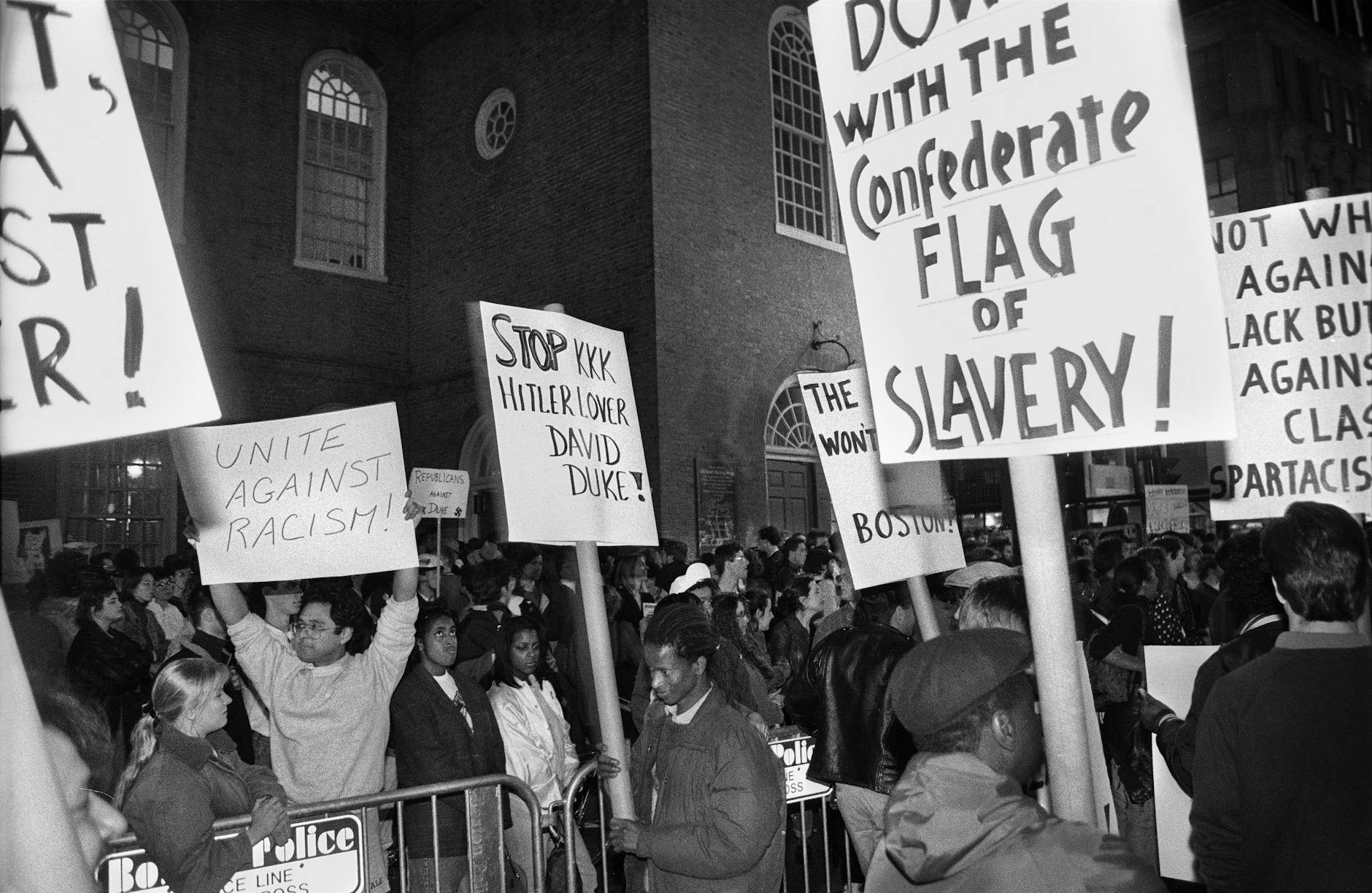
“The white race is the dominant race in America, and the black race is inferior.” — David Duke, former Grand Wizard of the Ku Klux Klan .Southern Poverty Law Center

White supremacy is a deeply ingrained ideology asserting the inherent superiority of white people over all other races. This belief system has been central to the social, political, and economic structures of many societies, particularly in the United States. Its origins can be traced back to the colonial era, where European powers justified the enslavement and subjugation of African peoples through pseudo-scientific and theological rationales.


Historical Origins and the Role of the Ku Klux Klan

The formalization of white supremacy in the United States was significantly influenced by the founding of the Ku Klux Klan (KKK) in 1865. Established by six Confederate veterans in Pulaski, Tennessee, the Klan aimed to restore white dominance in the post-Civil War South through terror and intimidation. The KKK’s activities included lynchings, arson, and other forms of violence directed at Black individuals and their allies.TIMEWikipedia+1

While the Klan was officially disbanded in the 1870s, its ideology persisted and resurfaced in various forms throughout American history, including during the Civil Rights Movement of the 1960s and in contemporary white nationalist groups.


The Premise of White Supremacy

At its core, white supremacy posits that white people are inherently superior to people of all other races and therefore should dominate society. This belief has been perpetuated through various means, including legislation, cultural norms, and institutional practices that privilege white individuals while marginalizing others.

The premise of white supremacy is often supported by distorted interpretations of religious texts and pseudo-scientific theories that dehumanize non-white populations. For instance, the “Curse of Ham” narrative was historically used to justify the enslavement of Black people by misinterpreting biblical passages .The Banner


Manifestations in Contemporary Society

In modern times, white supremacy manifests in various aspects of life, including employment, education, housing, and criminal justice. Black individuals often face systemic barriers such as discriminatory hiring practices, unequal educational opportunities, and over-policing, which hinder their ability to achieve economic stability and social mobility.

Psychologically, the pervasive nature of white supremacy can lead to internalized racism among Black individuals, affecting their self-esteem and mental health. Studies have shown that exposure to racial discrimination is associated with increased stress and adverse health outcomes .American Psychological Association


Biblical Perspectives and Misinterpretations

The Bible does not support the notion of racial superiority. In fact, passages such as Galatians 3:28 emphasize the equality of all people in Christ: “There is neither Jew nor Greek, slave nor free, male nor female, for you are all one in Christ Jesus.” However, throughout history, certain groups have misused scripture to justify racial hierarchies, citing misinterpretations like the “Curse of Ham” to rationalize the enslavement and oppression of Black people .GotQuestions.blogThe Banner


Psychological Impact on Black Americans

The psychological effects of white supremacy on Black Americans are profound and multifaceted. Chronic exposure to racism can lead to mental health issues such as anxiety, depression, and post-traumatic stress disorder (PTSD). Moreover, the constant need to navigate a society that devalues their existence can result in a diminished sense of self-worth and identity .


Global Perspectives on White Supremacy

While white supremacy is most prominently associated with the United States, it is not confined to its borders. Countries like Israel, Myanmar, and South Korea have faced criticism for racial discrimination and human rights violations against minority groups . These global instances highlight the pervasive nature of racial hierarchies and the need for international efforts to combat them.U.S. News & World Report


Steps of White Supremacy

White supremacy operates through several key mechanisms:

  1. Ideological Justification: Promoting beliefs and narratives that dehumanize non-white populations.
  2. Institutionalization: Embedding discriminatory practices within societal institutions such as schools, workplaces, and the legal system.
  3. Cultural Reinforcement: Perpetuating stereotypes and biases through media and cultural representations.
  4. Violence and Intimidation: Employing physical force and threats to maintain dominance and suppress resistance.

Accountability and Responsibility

Responsibility for perpetuating white supremacy lies not only with overt hate groups but also with institutions and individuals who uphold and benefit from systemic racism. This includes policymakers, educators, and media figures who perpetuate or fail to challenge discriminatory practices and narratives.


Personal Narratives and Experiences

Individuals who have experienced white supremacy often recount stories of exclusion, discrimination, and violence. For example, during the Civil Rights Movement, activists like Rosa Parks and Martin Luther King Jr. faced systemic oppression and personal threats as they challenged racial injustices. Their resilience underscores the profound impact of white supremacy on personal lives and the collective struggle for equality.


The Esteem of Whiteness

The elevation of whiteness can be attributed to historical power dynamics where white individuals established and maintained control over resources, institutions, and narratives. This dominance was reinforced through laws, social norms, and economic systems that privileged white people and marginalized others.


Global Impact and Worst Offenders

Globally, white supremacy manifests in various forms, including colonialism, apartheid, and neo-imperialism. Countries with histories of colonial exploitation, such as Belgium in the Congo and the United Kingdom in India, have legacies of racial hierarchies that continue to affect post-colonial societies.


Conclusion

White supremacy is a pervasive ideology with deep historical roots and widespread contemporary implications. Its impact on Black Americans is profound, affecting their psychological well-being, social mobility, and sense of identity. Addressing white supremacy requires a concerted effort to dismantle systemic racism, promote equity, and foster a culture of inclusion and respect for all individuals, regardless of race.

References

  • Southern Poverty Law Center. (n.d.). David Duke. Retrieved from
  • History.com Editors. (2020, June 25). Ku Klux Klan: Origin, Members & Facts. HISTORY. Retrieved from
  • American Psychological Association. (n.d.). Racism and Mental Health. Retrieved from
  • Bible Odyssey. (n.d.). The Legacy of the Bible in Justifying Slavery. Retrieved from
  • Boston Review. (2019, November 14). Toward a Global History of White Supremacy. Retrieved from
  • Southern Poverty Law Center. (2018, August 14). White Shadow: David Duke’s Lasting Influence on American White Supremacy. Retrieved from
  • Wikipedia contributors. (2023, December 24). Ku Klux Klan. In Wikipedia, The Free Encyclopedia. Retrieved from
  • Wikipedia contributors. (2023, December 24). White supremacy. In Wikipedia, The Free Encyclopedia. Retrieved from

“Rosewood: A Massacre Fueled by Lies and White Supremacy in 1923 Florida”


Photo by Alexander Zvir on Pexels.com

Introduction

The story of Rosewood, Florida is one of prosperity, racial pride, and horrifying destruction. Once a thriving Black town in Levy County, Rosewood was obliterated in January 1923 due to a racially charged lie that incited white mob violence. Like the tragedies of Tulsa’s Black Wall Street and the Devil’s Punchbowl, Rosewood exemplifies how Black success in early 20th-century America was often met with white rage, systemic racism, and historical erasure.


The Founding and Prosperity of Rosewood

Founded in the late 1800s, Rosewood was a small, self-sufficient, predominantly African American town. Located near the Gulf Coast of Florida, the town was originally established as a timber and turpentine community. Over time, the Black residents of Rosewood built homes, churches, a school, and several successful businesses. By the early 1920s, Rosewood had become a symbol of Black independence.

The town was made up of about 25 Black families, most of whom were landowners—a rarity in the Jim Crow South. Occupations included blacksmiths, carpenters, midwives, and educators. One notable figure was Sarah Carrier, a well-known midwife and one of the community’s matriarchs.

Rosewood residents lived peacefully—until a white woman in a nearby town falsely accused a Black man of assault, setting off a chain of racial terror.


The Incident: Lies and Racial Violence

On January 1, 1923, Fannie Taylor, a white woman from the neighboring town of Sumner, claimed she had been beaten and assaulted by a Black man while her husband was at work. In truth, she had been injured by her white lover, but to hide her infidelity, she blamed an anonymous Black man. This lie sparked a mob of angry white residents, who began scouring the area for any Black man they could find.

The first victim was Sam Carter, a Black craftsman tortured and lynched when he refused to divulge the whereabouts of the alleged assailant. Soon after, white mobs, some from as far as Gainesville and Jacksonville, stormed Rosewood with rifles, torches, and a thirst for vengeance.


The Massacre and Destruction

Between January 1 and January 7, 1923, the town of Rosewood was burned to the ground. Homes, churches, and schools were set ablaze. Eyewitnesses described the scene as a hellish blaze with smoke rising above the pine trees. At least six Black residents were killed, including Sarah Carrier, who died protecting children hiding in her home. Others were shot as they fled or tortured for information.

The number of deaths is still debated. While official records confirm around six to eight, survivors and descendants estimate that dozens were killed, with bodies either burned in the fires or dumped in mass graves.

Most of the survivors hid in the swamps for days without food, before being evacuated by a few courageous white allies, including John and William Bryce, local train conductors who secretly transported Black families to safety.


Why Did It Happen?

The massacre was rooted in racism, economic envy, and the fear of Black advancement. Rosewood’s prosperity challenged the status quo of white supremacy. Many white residents were resentful that Black citizens owned land, ran businesses, and lived independently.

The lie told by Fannie Taylor was simply a spark that ignited deep-seated hatred. As journalist Gary Moore, who helped revive the story in the 1980s, said:

“It was not just a lynching. It was ethnic cleansing.”


The Aftermath and Silence

After the massacre, Rosewood ceased to exist. Survivors never returned, and many were too traumatized or afraid to speak about what happened. For decades, the story of Rosewood remained buried.

Law enforcement never prosecuted any of the perpetrators, and state officials did nothing to investigate or compensate the victims. The fear of retribution or being labeled a “troublemaker” kept survivors silent.

It wasn’t until the 1990s that survivors came forward with their stories. In 1994, the state of Florida passed the Rosewood Compensation Bill, awarding $2.1 million in reparations to nine survivors and establishing scholarships for descendants. This was one of the first instances of reparations in U.S. history for racial violence (D’Orso, 1996).


Personal Testimonies and Survivors

One of the most vocal survivors was Minnie Lee Langley, who was 7 years old at the time of the massacre. In later interviews, she recalled:

“They burned everything. Everything. We hid in the woods. My mama told me to keep quiet so the white folks wouldn’t hear us.”

Another survivor, Arnett Doctor, helped spearhead the movement for recognition and reparations. He later became known as the “father of the Rosewood legislation.”


Economic Impact and Racial Injustice

The destruction of Rosewood devastated families economically and emotionally. Land that once belonged to Black residents was never returned. This contributed to the racial wealth gap that persists today.

The massacre also underscored the legal impunity enjoyed by white mobs. Local sheriffs did nothing to intervene. White silence and complicity made justice impossible.


Legacy and Rebuilding

Though Rosewood was never rebuilt, its legacy lives on in books, documentaries, and even film. The 1997 movie Rosewood, directed by John Singleton and starring Ving Rhames and Don Cheadle, brought national attention to the tragedy.

In recent years, efforts have been made to preserve the memory of Rosewood:

  • A historical marker was erected in 2004
  • Descendants meet annually to commemorate the lost town
  • Florida’s education system has slowly integrated the story into its curriculum

Still, many argue that true justice has not been served.


Conclusion

The Rosewood Massacre was a deliberate act of racial terrorism, rooted in lies, jealousy, and the desire to uphold white supremacy at the cost of Black lives. It represents more than just a violent episode—it exemplifies how racism, unchecked by law or conscience, destroyed Black progress and stole generational wealth.

The tragedy of Rosewood must be remembered, not only to honor the victims and survivors, but to understand how systemic racism shaped American history and continues to shape the Black experience today.


References

  • D’Orso, M. (1996). Like Judgment Day: The Ruin and Redemption of a Town Called Rosewood. Putnam Publishing Group.
  • Moore, G. (1982, July). “Rosewood Massacre.” St. Petersburg Times.
  • U.S. House of Representatives. (1994). Rosewood Compensation Act. Florida State Archives.
  • Singleton, J. (Director). (1997). Rosewood [Film]. Warner Bros.

The ONE-DROP Rule: Origins, Biblical Lineage, and the Psychology of Racial Classification.

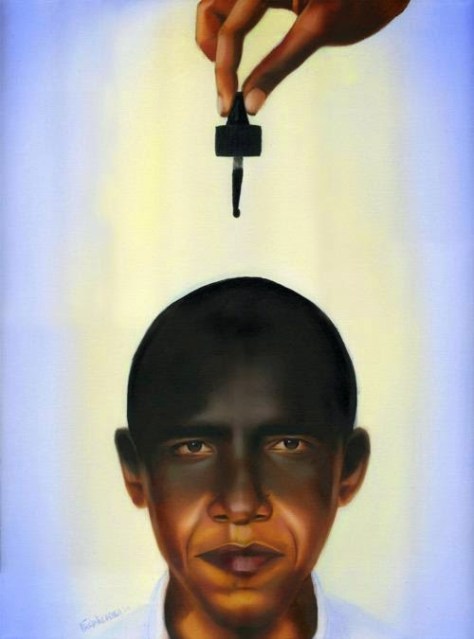
This artwork/photograph is the property or its respective owner.

The concept of the “one-drop rule” is one of the most insidious legal and psychological tools used in the history of racial oppression in the United States. It declared that any person with even one drop of African ancestry was considered Black, regardless of their appearance or the heritage of their other parent. Rooted in white supremacy and the preservation of a racially stratified society, this rule carried severe social, legal, and psychological implications that are still felt today. While unbiblical in origin, the practice is often at odds with the ancient scriptural understanding that identity, especially tribal or ethnic lineage, is determined through the father’s seed—not the mother.


Origins of the One-Drop Rule

The one-drop rule emerged in the American South during the late 17th and early 18th centuries. While not officially named at the time, colonial slave societies began developing legal statutes that defined the status of individuals with mixed ancestry. The first legal precedent was set in Virginia’s 1662 law: “Partus sequitur ventrem”—a Latin phrase meaning “that which is born follows the womb.” This law ensured that children born to enslaved women, even if fathered by white men, would inherit the status of the mother—remaining enslaved (Higginbotham, 1978). This policy contradicted both biblical and patriarchal norms, where identity typically follows the paternal line.

By the 20th century, particularly with the passage of laws in states like Louisiana (1908) and Tennessee (1910), the idea was codified: any person with any African ancestry, no matter how minimal, was legally Black. This was not science—it was sociology engineered to reinforce segregation, deny land and inheritance, and eliminate ambiguity around racial classification. In 1924, Virginia’s Racial Integrity Act legally enforced the one-drop rule and defined a “white person” as someone with “no trace whatsoever of any blood other than Caucasian.”


The Biblical Law of Lineage Through the Father

Contrary to these racial laws, the Bible teaches that a person’s lineage is determined through the father’s seed. According to the King James Version with Apocrypha, tribal and national identity among the Israelites came from the male line:

“And they assembled all the congregation together on the first day of the second month, and they declared their pedigrees after their families, by the house of their fathers, according to the number of the names, from twenty years old and upward, by their polls.”
Numbers 1:18 (KJV)

This shows that Israelite identity was inherited from the father. The same principle is echoed in several other instances, such as:

  • Nehemiah 7:61-64: Where priesthood and national identity were denied to those who could not trace their lineage through their father’s house.
  • Ezra 2:59: Individuals who could not prove their paternal heritage were considered polluted and excluded from certain offices.

In this context, if a man’s father is from another nation (like Esau, Ishmael, or the Gentiles), the child would inherit that man’s identity—even if the mother is Israelite. Hence, by biblical standards, individuals like Princess Meghan Markle (whose father is white) or Barack Obama (whose father was a Black Kenyan, not an Israelite of the West African diaspora) would not fall under the biblical definition of an Israelite.


Barack Obama and Meghan Markle: Case Studies in Racial Perception

Barack Obama, born to a white American mother and a Black Kenyan father, was consistently identified by society as the first Black U.S. president. This classification followed the one-drop rule logic, even though his lineage was not linked to American slavery or the transatlantic slave trade. Obama’s presidency stirred pride and also complex racial discussions: Was he truly representative of the African American struggle if he was not a descendant of slaves?

Similarly, Meghan Markle, born to a Black mother and a white father, has been racially profiled and discriminated against—especially by British tabloids—despite having Eurocentric features and a light complexion. According to biblical lineage law, her father’s lineage (Gentile, non-Israelite) is what defines her bloodline. Yet under the one-drop rule, she is still considered Black—illustrating how race in the West is often defined not through scripture or science, but through oppressive legal and social constructs.


The Psychology of the One-Drop Rule

The one-drop rule functioned as a psychological weapon to maintain white racial purity and control the growing mixed-race population that resulted from white slave owners raping Black women. This imposed identity robbed many mixed-race children of their right to inherit from their white fathers, and simultaneously denied them access to white privilege.

The idea that one drop of Black blood “taints” a person reflects a belief in the superiority of whiteness and the contamination of Blackness. This psychology persists today, as lighter-skinned Black individuals are often socially pressured to “pick a side,” and multiracial identity is oversimplified.

Psychologists have noted that this binary racial system causes identity confusion, self-hatred, and intra-racial bias. Light-skinned Black individuals are sometimes distrusted within the Black community and marginalized in white spaces—an enduring legacy of forced classification.


Written Into Law

Here are a few major laws that codified the one-drop rule in the U.S.:

  • Virginia Racial Integrity Act (1924): Made it illegal for whites to marry anyone with even 1/16th Black ancestry.
  • Louisiana Act 46 (1908): Defined a “Negro” as anyone with one-thirty-second or more Black ancestry.
  • Tennessee Law (1910): Defined a person as Black if they had any trace of African ancestry.

These laws helped maintain segregation and denied equal rights to mixed-race individuals. Though many of these laws have been repealed or ruled unconstitutional (notably in Loving v. Virginia, 1967), their cultural influence lingers in America’s racial categorization system.


Conclusion

The one-drop rule is not a biblical principle but a man-made policy of racial control and white supremacist ideology. Its legacy persists through cultural perceptions and psychological conditioning that still affect racial identity in 2025. In contrast, the Bible teaches that one’s lineage is determined through the father’s seed, as seen in the Israelites’ tribal identification.

Figures like Barack Obama and Meghan Markle highlight the contradictions between scriptural lineage and Western racial constructs. By understanding these distinctions, we can begin to undo centuries of misinformation and restore a more truthful, biblically-aligned understanding of identity and heritage.


References

  • Higginbotham, A. L. (1978). In the Matter of Color: Race and the American Legal Process: The Colonial Period. Oxford University Press.
  • Williamson, J. (1980). New People: Miscegenation and Mulattoes in the United States. Free Press.
  • Numbers 1:18, Ezra 2:59, Nehemiah 7:61-64 — King James Bible with Apocrypha.
  • Davis, A. (2007). Race and Criminal Justice: One Drop, One Crime, and Racial Boundaries. Harvard Law Review.
  • Loving v. Virginia, 388 U.S. 1 (1967)

Dilemma: Generational Trauma

Pain as an Inheritance

Photo by Mensah Shot on Pexels.com

Generational trauma is not merely a poetic metaphor—it is a psychological and physiological reality. For Black people, the wounds of the past are not confined to history books; they live within our bodies, our minds, and our cultural memory. The transatlantic slave trade, Jim Crow laws, lynchings, segregation, mass incarceration, and systemic racism have left indelible marks on the collective psyche of African-descended peoples. According to trauma theory, unhealed pain can be transmitted across generations through learned behaviors, family dynamics, and even epigenetic changes that alter stress responses (Yehuda et al., 2016). Dr. Joy DeGruy (2005) calls this Post Traumatic Slave Syndrome, where the legacy of slavery manifests in self-doubt, internalized racism, and fractured community trust. The Bible affirms the reality of inherited struggle, stating, “The fathers have eaten sour grapes, and the children’s teeth are set on edge” (Jeremiah 31:29, KJV), illustrating how the consequences of one generation’s suffering can shape the lives of those yet unborn.

Our ancestors endured unimaginable cruelty—chains cutting into their wrists, the lash of the whip, the ripping apart of families, the erasure of native languages, and the stripping away of names, culture, and heritage. They survived slave ships where human beings were packed like cargo, brutal plantation labor from sunrise to sundown, and laws that declared them three-fifths of a person. These experiences did not vanish when emancipation came; instead, they morphed into racial terror, voter suppression, economic exclusion, and the daily indignities of being treated as “less than.” Such trauma imprinted a deep sense of hypervigilance, mistrust of institutions, and generational patterns of resilience and caution. Maya Angelou once said, “You may not control all the events that happen to you, but you can decide not to be reduced by them.” This speaks to the dual reality of our inheritance: the pain that seeks to bind us and the strength that pushes us to overcome.

Psychologically, generational trauma manifests in patterns of parenting, communication styles, and survival strategies that were essential in hostile environments but may become maladaptive in modern contexts. The legacy of white supremacy perpetuates this cycle by embedding inequality into laws, housing policies, education systems, and media narratives. Microaggressions, racial profiling, wage gaps, and health disparities are not isolated incidents; they are the aftershocks of centuries of oppression. According to the American Psychological Association (2019), chronic exposure to racism creates toxic stress, increasing risks for depression, anxiety, hypertension, and shortened life expectancy among Black Americans. As Exodus 3:7 (KJV) records, “I have surely seen the affliction of my people…and have heard their cry by reason of their taskmasters; for I know their sorrows.” God’s acknowledgment of suffering affirms the depth of our pain while offering hope for deliverance.

The pain we face today—police brutality, mass incarceration, economic inequality, and cultural erasure—is both the shadow of our history and the continuation of an oppressive system. White supremacy’s greatest cruelty is that it not only inflicts harm in the present but also manipulates the past, making it harder for us to heal. Yet healing is possible. Breaking the cycle requires collective acknowledgment, truth-telling, cultural restoration, and both psychological and spiritual liberation. As Galatians 5:1 (KJV) declares, “Stand fast therefore in the liberty wherewith Christ hath made us free, and be not entangled again with the yoke of bondage.” To reject the inheritance of pain is not to forget our ancestors’ suffering, but to honor them by reclaiming our wholeness, our joy, and our future.


References

  • American Psychological Association. (2019). Stress effects on the body. https://www.apa.org
  • DeGruy, J. (2005). Post Traumatic Slave Syndrome: America’s Legacy of Enduring Injury and Healing. Uptone Press.
  • Yehuda, R., et al. (2016). Holocaust exposure induced intergenerational effects on FKBP5 methylation. Biological Psychiatry, 80(5), 372–380.
  • The Holy Bible, King James Version.