Category Archives: vanity

The Vanity Trap: When Outer Beauty Hides Inner Emptiness.

Photo by Gustavo Almeida on Pexels.com

In contemporary society, the pursuit of physical beauty has become a dominant cultural preoccupation. Yet, behind the allure of aesthetic perfection lies a pervasive emptiness, as individuals often equate outward appearance with personal worth, neglecting the cultivation of inner life.

Vanity, defined as excessive pride in or concern with one’s appearance, can function as both a protective and performative mechanism. Individuals may invest in beauty to gain social approval, masking insecurity, trauma, or unmet emotional needs (Cash & Pruzinsky, 2002).

Media perpetuates the myth that beauty equals success, happiness, and moral virtue. From advertising to social media, the constant display of idealized bodies encourages the internalization of unrealistic standards, fostering dissatisfaction and superficial self-evaluation (Tiggemann & Slater, 2014).

Psychologically, this focus on appearance can contribute to body dysmorphic disorders, low self-esteem, and anxiety. When self-worth is tethered to external validation, individuals may experience perpetual inadequacy, regardless of how closely they meet cultural beauty norms (Grogan, 2016).

The vanity trap is particularly pronounced in cultures that equate youthfulness and symmetry with moral or social value. Such frameworks obscure the importance of character, wisdom, and relational depth, leading to a distorted sense of identity (Etcoff, 1999).

Historically, beauty has been leveraged as a form of social capital. Women and men with “desirable” features were often granted privileges, while those who diverged from these norms faced marginalization. This reinforces the notion that beauty is not only aesthetic but also transactional (Wolf, 1991).

Social comparison intensifies the vanity trap. In environments saturated with images of curated perfection, individuals measure themselves against often unattainable ideals, reinforcing feelings of inadequacy and fostering envy (Fardouly et al., 2015).

The psychological effects of vanity extend to relationships. When outward appearance becomes the primary measure of worth, individuals may struggle with intimacy, emotional vulnerability, and authentic connection, as relational bonds are predicated on superficial criteria (Fredrickson & Roberts, 1997).

Beauty obsession can also distract from personal growth. Time, energy, and resources invested in achieving aesthetic ideals may eclipse pursuits of intellectual, spiritual, and emotional development, leaving a hollow sense of accomplishment (Cash & Pruzinsky, 2002).

The cultural reinforcement of vanity intersects with gendered expectations. Women historically bear disproportionate pressure to maintain appearance, while men increasingly face expectations to cultivate physical fitness and style. Both groups risk internalizing external validation as self-definition (Grogan, 2016).

Social media magnifies these pressures. Platforms that prioritize visual content encourage performative beauty, where likes, comments, and followers become proxies for self-worth, often obscuring authentic personal identity (Fardouly et al., 2015).

Vanity can serve as a coping mechanism for deeper emotional wounds. Individuals may pursue perfection in appearance to compensate for rejection, neglect, or trauma, using beauty as a shield to avoid confronting inner pain (Cash & Pruzinsky, 2002).

Religious and spiritual traditions emphasize the primacy of inner virtue over external appearance. Scriptures, such as 1 Samuel 16:7, highlight that God values the condition of the heart, not outward appearances, challenging societal obsessions with beauty. This perspective offers a pathway to reconcile identity with moral and spiritual integrity.

Therapeutic interventions can address the inner emptiness associated with vanity. Cognitive-behavioral therapy, mindfulness, and narrative therapy help individuals disentangle self-worth from appearance, fostering internal validation and emotional resilience (Cash & Pruzinsky, 2002).

Community and relational contexts are crucial. Mentorship, authentic friendships, and supportive family structures provide mirrors for self-worth based on character and action, rather than appearance, reducing the compulsion toward superficial validation (Ward & Brown, 2015).

Art and creative expression can redirect focus from appearance to inner life. Through writing, painting, music, and performance, individuals can explore identity, emotions, and purpose, cultivating fulfillment that transcends external aesthetics (Etcoff, 1999).

The vanity trap is cyclical, often reinforced across generations. Children observing parental preoccupation with appearance may internalize similar values, perpetuating an endless pursuit of external approval at the expense of emotional and spiritual depth (Danieli, 1998).

Cultural critique highlights the intersection of consumerism and vanity. Beauty industries capitalize on insecurities, creating demand for products and services that promise perfection but rarely deliver lasting satisfaction, commodifying self-esteem (Wolf, 1991).

Reclaiming self-worth requires deliberate introspection. Recognizing the limits of beauty, embracing imperfection, and investing in internal growth can counter the emptiness produced by vanity. True confidence stems from alignment of values, purpose, and character with lived experience.

Ultimately, confronting the vanity trap entails a paradigm shift: valuing inner beauty, moral integrity, emotional depth, and relational authenticity over transient physical ideals. This reorientation fosters holistic well-being, resilient self-esteem, and meaningful human connection.


References

  • Cash, T. F., & Pruzinsky, T. (2002). Body image: A handbook of theory, research, and clinical practice. Guilford Press.
  • Danieli, Y. (1998). International handbook of multigenerational legacies of trauma. Plenum Press.
  • Etcoff, N. (1999). Survival of the prettiest: The science of beauty. Doubleday.
  • Fardouly, J., Diedrichs, P. C., Vartanian, L. R., & Halliwell, E. (2015). Social comparisons on social media: The impact of Facebook on young women’s body image concerns and mood. Body Image, 13, 38–45.
  • Fredrickson, B. L., & Roberts, T.-A. (1997). Objectification theory: Toward understanding women’s lived experiences and mental health risks. Psychology of Women Quarterly, 21(2), 173–206.
  • Grogan, S. (2016). Body image: Understanding body dissatisfaction in men, women, and children. Routledge.
  • Tiggemann, M., & Slater, A. (2014). NetGirls: The Internet, Facebook, and body image concern in adolescent girls. International Journal of Eating Disorders, 47(6), 630–643.
  • Ward, E., & Brown, R. L. (2015). Mental health stigma and African Americans. Journal of African American Studies, 19(2), 137–152.
  • Wolf, N. (1991). The beauty myth: How images of beauty are used against women. HarperCollins.

The Material Girls

In a world overflowing with luxury brands, diamond-studded fantasies, and social media illusions, many women are pressured to measure their worth by what they own rather than who they are. Yet the Most High calls His daughters to a higher understanding of value—one rooted in righteousness, purpose, and inner beauty. Scripture reminds us, “For a man’s life consisteth not in the abundance of the things which he possesseth” (Luke 12:15, KJV). True worth is never defined by handbags, clothes, or labels—it is defined by God.

Material things can glitter, but they cannot satisfy the soul. Many women discover that the more they acquire, the emptier they feel. Money can pay for comfort, but it cannot purchase peace, loyalty, or God’s love. Designer logos can elevate your outfit, but they cannot elevate your spirit. Happiness rooted in possessions is fragile because it depends on something temporary, not eternal.

The Most High repeatedly warns His people about placing too much value on worldly treasures. “Lay not up for yourselves treasures upon earth, where moth and rust doth corrupt, and where thieves break through and steal” (Matthew 6:19, KJV). Everything you buy can be taken, damaged, stolen, or forgotten. Even the most luxurious items fade with time. Nothing in your closet can follow you into the next life.

Most truly wealthy and secure women understand this. Contrary to popular belief, they are often the ones wearing the simplest bags—no logos, no loud prints, no need for validation. Confidence does not need branding. Their wealth speaks in silence because true financial maturity recognizes the difference between value and vanity.

Many times, the people you are trying to impress with designer goods do not even care for you. Some do not like you. Some envy you. Some are not thinking of you at all. When your worth depends on the approval of others, you become enslaved to their opinions. But Scripture declares, “The fear of man bringeth a snare” (Proverbs 29:25, KJV). Chasing validation becomes a trap.

Materialism easily becomes an idol. Whatever you love, trust, or depend on more than the Most High becomes your god. “Little children, keep yourselves from idols” (1 John 5:21, KJV). When your heart becomes attached to status symbols, your spirituality grows weak. Designer worship is a modern form of idolatry, and many do not realize they are bowing to the altar of consumerism.

True beauty is not bought—it is cultivated. A woman of God carries grace, wisdom, and strength that cannot be purchased in boutiques or displayed on runways. The Most High values the hidden beauty of the heart, not the outward show. “Whose adorning… let it be the hidden man of the heart… of great price” (1 Peter 3:4, KJV). Spiritual richness lasts; material richness fades.

When women pursue validation through possessions, they unknowingly teach others that they are only valuable when decorated. But your worth was already established by your Creator. He formed you, chose you, and anointed you before a single luxury brand existed. You are priceless because God said so—not because your outfit said so.

Materialism also blinds many women to the deeper blessings in their lives. Instead of appreciating what they already have—family, health, purpose, peace—they chase what they lack. But Scripture teaches, “Godliness with contentment is great gain” (1 Timothy 6:6, KJV). Peace is wealth. Joy is wealth. Wisdom is wealth.

The Most High wants His daughters free—not trapped in the endless pursuit of more. The “Material Girl” lifestyle leaves many financially strained, emotionally drained, and spiritually empty. They chase the illusion of abundance while spiritually starving. “For the love of money is the root of all evil” (1 Timothy 6:10, KJV). Money itself is not a sin—worshiping it is.

A woman who builds her life on purpose rather than possessions becomes unshakeable. When storms come, her foundation stands firm. But a woman who builds her identity on material things discovers that her foundation crumbles under pressure. A handbag cannot comfort you. A shoe cannot pray for you. A brand cannot heal you.

Even in relationships, materialism complicates love. A man may admire your beauty, but it is your heart that will make him stay. Fake lifestyles attract shallow love. But authenticity draws a genuine connection. A godly man seeks a virtuous woman, not a materialistic one. “Favour is deceitful, and beauty is vain: but a woman that feareth the LORD, she shall be praised” (Proverbs 31:30, KJV).

The enemy often uses materialism to distract the daughters of Zion from their true calling. When your eyes are fixed on earthly prizes, your hands cannot hold heavenly purpose. You cannot chase the Kingdom and clout at the same time. Something must be surrendered.

The Most High has no issue with you having nice things—He simply does not want those things to have you. Wealth is a tool, not an identity. Luxury is optional, not essential. Holiness, however, is mandatory for those who walk with Him.

The real “Material Girl” is the woman who prioritizes spiritual materials: faith, wisdom, virtue, love, and obedience. These cannot be bought, stolen, or destroyed. These treasures will follow you into eternity. “Set your affection on things above, not on things on the earth” (Colossians 3:2, KJV).

When you realize you cannot take any earthly treasure with you when you die, your perspective shifts. What matters most becomes clear—your soul, your relationship with God, your purpose, and your character. Everything else is decoration.

A daughter of Zion understands that she is the treasure. Not the bag. Not the shoes. Not the brand. She is the masterpiece created by the Most High. When she embraces this truth, she walks with a quiet confidence that no designer logo can ever provide.

Do not let the world pressure you into becoming a character instead of a queen. Walk with dignity. Walk with purpose. Walk with the understanding that you are more valuable than anything you could ever buy. You are fearfully and wonderfully made—divinely crafted, spiritually wealthy, and eternally loved.


References (KJV):
Luke 12:15; Matthew 6:19; Proverbs 29:25; 1 John 5:21; 1 Peter 3:4; 1 Timothy 6:6; 1 Timothy 6:10; Proverbs 31:30; Colossians 3:2.

Megalomaniac: Understanding Arrogance and the Rise of Vanity in Modern Society

The term megalomaniac originates from the Greek words megas (great) and mania (madness), describing an individual with an obsessive desire for power, recognition, or superiority. In modern psychology, megalomania is often linked to narcissistic personality traits, where self-importance becomes exaggerated and detached from reality (Millon, 2011).

Arrogance, vanity, and conceit are closely related to megalomania, reflecting a pattern of self-centered behavior. Such traits are evident when individuals prioritize their own image, desires, or status over the well-being of others (Twenge & Campbell, 2009).

People often develop vanity or pride due to both environmental and psychological factors. For example, consistent praise without accountability in childhood can create an inflated sense of self-worth (Kernberg, 2016). This early reinforcement fosters a belief that one is inherently superior.

Social comparison also plays a pivotal role in fostering arrogance. Humans naturally evaluate themselves against others, and when comparison emphasizes status, wealth, or appearance, it can lead to vanity-driven behavior (Festinger, 1954).

Social media platforms amplify narcissistic tendencies. Carefully curated posts, filtered images, and constant validation through likes or comments encourage self-absorption and a focus on external approval (Andreassen et al., 2017).

Megalomania is often fueled by insecurity. Ironically, individuals who appear self-confident may actually harbor deep self-doubt, using arrogance as a shield to protect their fragile self-esteem (Cain, 2012).

Cultural and societal influences further promote self-importance. Modern society frequently rewards individual achievement, wealth accumulation, and physical appearance, reinforcing conceited attitudes and self-centered values (Twenge, 2014).

Religious and moral perspectives caution against pride and arrogance. The Bible, for example, states in Proverbs 16:18 (KJV), “Pride goeth before destruction, and an haughty spirit before a fall,” highlighting the dangers of vanity and self-exaltation.

Arrogance can also emerge from positions of power. Authority may inflate an individual’s sense of entitlement and superiority, a phenomenon documented in both organizational and political psychology (Galinsky et al., 2006).

The megalomaniac personality often seeks admiration and external validation, rather than internal fulfillment. Such individuals frequently manipulate others’ perceptions to maintain their sense of importance.

Social media, celebrity culture, and influencer dynamics exacerbate these tendencies. The pursuit of followers, sponsorships, or viral attention creates an environment where vanity becomes normalized and celebrated (Kross et al., 2013).

Psychologically, narcissism is not purely a moral failing but a maladaptive trait. Studies suggest that certain genetic and developmental factors can predispose individuals to narcissistic behavior (Livesley et al., 2002).

Arrogance manifests in subtle and overt ways: interrupting others, dismissing opposing viewpoints, or exaggerating personal achievements are common behavioral markers of a megalomaniac personality.

The Bible also addresses conceit and arrogance in James 4:6 (KJV): “God resisteth the proud, but giveth grace unto the humble.” This verse reinforces the virtue of humility as a counter to vanity-driven self-importance.

Social environments, including schools and workplaces, can inadvertently encourage narcissism. Reward systems based solely on performance or public recognition may teach individuals to value self-promotion over collective growth (Campbell et al., 2004).

Megalomania can have destructive consequences in relationships. Excessive self-focus undermines empathy, fosters manipulation, and can lead to emotional exploitation of others (Miller et al., 2011).

Addressing arrogance requires self-reflection and accountability. Encouraging humility, gratitude, and service-oriented behaviors can mitigate vanity and promote emotional intelligence (Emmons, 2007).

Religious and philosophical traditions consistently emphasize the importance of humility as a corrective to megalomania. Philippians 2:3 (KJV) instructs: “Let nothing be done through strife or vainglory; but in lowliness of mind let each esteem other better than themselves.”

Modern society’s obsession with self-presentation, fueled by social media and celebrity culture, continues to blur the line between confidence and narcissism. Recognizing these influences is essential to fostering healthier self-perception and interpersonal relationships.

Ultimately, understanding megalomania, arrogance, and vanity is not just a psychological pursuit but a moral and spiritual one. Awareness, humility, and intentional cultivation of empathy offer the most effective antidotes to the pervasive culture of self-importance.


References:

  • Andreassen, C. S., Pallesen, S., & Griffiths, M. D. (2017). The relationship between addictive use of social media, narcissism, and self-esteem: Findings from a large national survey. Addictive Behaviors, 64, 287–293.
  • Cain, N. M. (2012). Narcissism: What it is, and why it matters. Harvard Review of Psychiatry, 20(2), 93–100.
  • Campbell, W. K., Rudich, E. A., & Sedikides, C. (2002). Narcissism, self-esteem, and the positivity of self-views: Two portraits of self-love. Personality and Social Psychology Bulletin, 28(3), 358–368.
  • Emmons, R. A. (2007). Thanks! How the new science of gratitude can make you happier. Houghton Mifflin Harcourt.
  • Festinger, L. (1954). A theory of social comparison processes. Human Relations, 7(2), 117–140.
  • Galinsky, A. D., Gruenfeld, D. H., & Magee, J. C. (2003). From power to action. Journal of Personality and Social Psychology, 85(3), 453–466.
  • Kernberg, O. F. (2016). Narcissistic personality disorder: Diagnostic and clinical features. American Psychiatric Publishing.
  • Kross, E., et al. (2013). Facebook use predicts declines in subjective well-being in young adults. PLOS ONE, 8(8), e69841.
  • Livesley, W. J., Jang, K. L., Jackson, D. N., & Vernon, P. A. (2002). Genetic and environmental contributions to dimensions of personality disorder. American Journal of Psychiatry, 159(12), 2114–2123.
  • Miller, J. D., Dir, A. L., Gentile, B., Wilson, L., Pryor, L. R., & Campbell, W. K. (2011). Searching for a vulnerable dark side: Comparing self-report and informant ratings of narcissism and psychopathy. Personality and Individual Differences, 50(5), 659–664.
  • Millon, T. (2011). Disorders of personality: DSM–IV and beyond. John Wiley & Sons.
  • Twenge, J. M., & Campbell, W. K. (2009). The narcissism epidemic: Living in the age of entitlement. Free Press.

Altars of Vanity

Photo by RDNE Stock project on Pexels.com

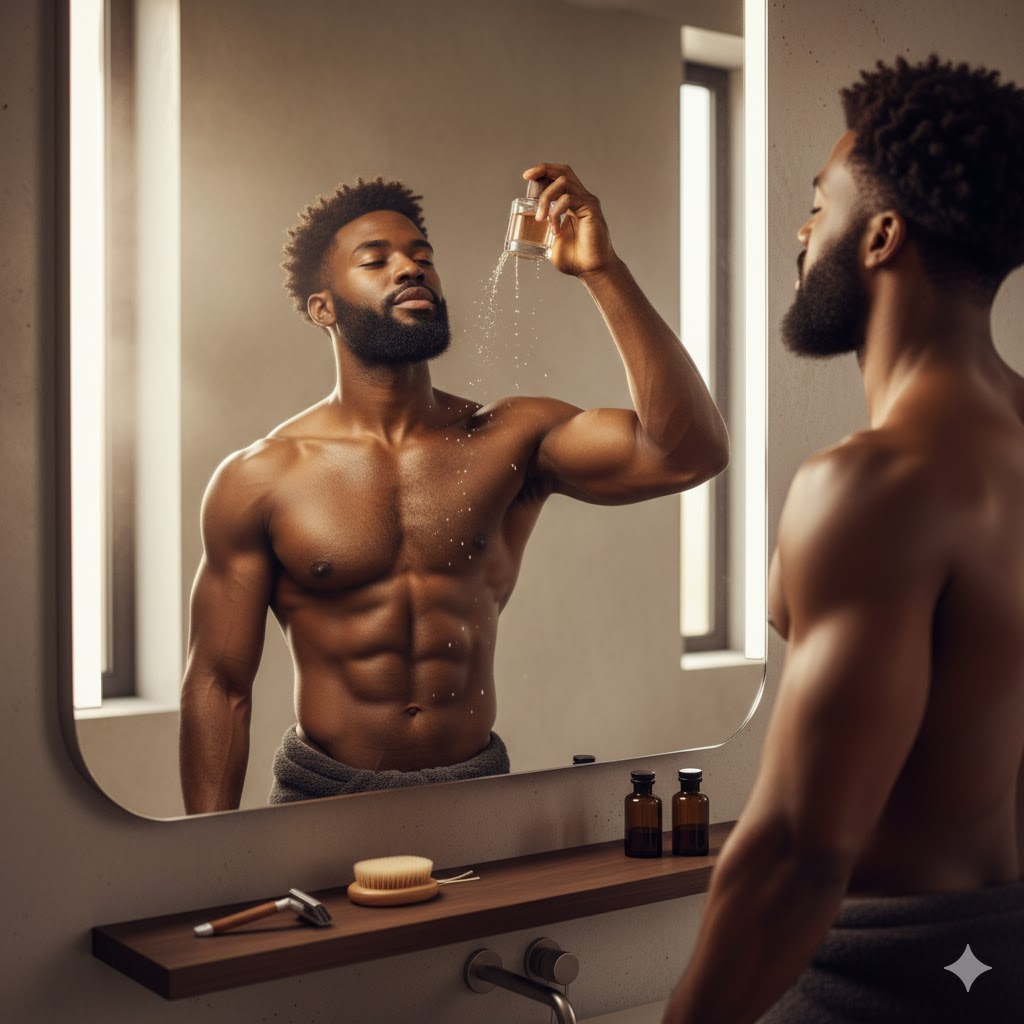
In today’s world, beauty and self-image have become a form of worship. Society has constructed modern “altars of vanity,” where women and men alike sacrifice time, money, and self-worth to the false gods of appearance, status, and attention. Social media has become the temple, the mirror the priest, and the self the idol. Yet, Scripture warns us in Exodus 20:3 (KJV), “Thou shalt have no other gods before me.” When our reflection becomes our obsession, we step into idolatry disguised as self-love.

The altar of vanity demands constant offerings—new outfits, flawless photos, and endless validation. It whispers that you are only as valuable as your last post or compliment. But this altar is deceptive, feeding insecurity while pretending to heal it. Vanity is a cruel master that promises fulfillment but delivers emptiness. Proverbs 31:30 (KJV) reminds us, “Favour is deceitful, and beauty is vain: but a woman that feareth the Lord, she shall be praised.”

The Most High never designed beauty to be worshiped. He created it to reflect His glory. When we turn beauty inward, we distort its purpose. The heart that once desired to please God begins to crave the applause of men. Like Lucifer, who fell because of pride in his own splendor (Ezekiel 28:17 KJV), we too fall when we exalt our image above our Creator.

Modern culture celebrates vanity as empowerment, but it’s a spiritual trap. The endless pursuit of perfection breeds discontentment, comparison, and pride. Women are taught to flaunt rather than to flourish; men are conditioned to lust rather than to lead. In this cycle, the soul becomes starved, while the flesh is endlessly fed. The Apostle John warned, “For all that is in the world, the lust of the flesh, and the lust of the eyes, and the pride of life, is not of the Father” (1 John 2:16 KJV).

When we seek validation through likes, followers, or compliments, we unknowingly build altars to ourselves. We sacrifice authenticity for attention and peace for popularity. But the Word of God calls us to crucify the flesh, not glorify it. Galatians 5:24 (KJV) declares, “And they that are Christ’s have crucified the flesh with the affections and lusts.”

True beauty is not found in how much skin you show, but in how much love and humility your spirit reveals. The woman of God carries herself with quiet dignity; her confidence comes not from approval but from anointing. Her altar is one of prayer, not pride. Her mirror is the Word, not the world.

At the altar of vanity, many have traded modesty for attention, wisdom for trendiness, and holiness for applause. Yet, every idol eventually demands more than it gives. The more you feed vanity, the more it consumes your peace. The Most High calls His daughters to come away from these false altars and return to the sacred space of purity and purpose.

In ancient times, Israel fell because they worshiped idols made of gold, silver, and stone. Today, those idols have screens and filters. But the sin is the same—self-exaltation. Romans 1:25 (KJV) speaks of those “Who changed the truth of God into a lie, and worshipped and served the creature more than the Creator.” The creature—ourselves—has become the new idol.

The altar of vanity also breeds competition and envy. Women tear each other down to be seen as more desirable, while men chase illusions of perfection. But true beauty doesn’t compare—it complements. The Kingdom woman knows her reflection is sacred because it carries divine purpose. She understands that the glory of man is temporary, but the glory of God is eternal.

The seductive power of vanity is subtle. It begins with self-care and morphs into self-obsession. The heart becomes enslaved to mirrors and metrics. The Most High calls us to examine where our devotion lies. Is your reflection an idol, or is it a vessel for His light? The heart of a true worshiper bows to God alone.

Breaking free from the altar of vanity requires repentance and renewal. Romans 12:2 (KJV) urges, “And be not conformed to this world: but be ye transformed by the renewing of your mind.” Transformation begins when you no longer see yourself through the eyes of society but through the eyes of your Creator.

The woman who destroys her altar of vanity rebuilds an altar of virtue. She adorns herself with grace, not garments; with peace, not pride. Her beauty reflects the fruit of the Spirit—love, joy, and gentleness. She does not need the validation of men because she walks in the approval of God.

Vanity is temporary; holiness is eternal. Outer beauty fades, but a pure heart remains radiant forever. The Most High beautifies the humble and resists the proud. He replaces pride with peace, self-idolatry with sanctity, and insecurity with divine confidence.

We must teach the next generation of young women that their worth is not in their reflection but in their righteousness. Let them know that modesty is not oppression—it is divine expression. To be clothed in humility is to be robed in strength.

When you stand before the altar of vanity, remember that every idol demands sacrifice. Ask yourself—what are you giving up for beauty? Your peace? Your purity? Your purpose? The Most High calls you to tear down that altar and rebuild one that honors Him.

To worship God in spirit and truth means surrendering vanity for virtue, flesh for faith, and pride for purpose. Your true reflection is not in glass but in grace. When the Most High is at the center of your heart, you no longer need validation—the Creator Himself calls you beautiful.

Let every woman remember that beauty without righteousness is hollow. But righteousness wrapped in humility is eternal glory. Psalm 29:2 (KJV) says, “Give unto the Lord the glory due unto his name; worship the Lord in the beauty of holiness.” That is the only altar worth bowing before.

The Most High is restoring His daughters from the deception of vanity. He is calling them to rise, not as idols of beauty, but as instruments of His light. The ashes of pride will be replaced with crowns of purpose. The vanity will fade, but virtue will remain.

So, sisters, step away from the altar of vanity and kneel before the throne of grace. For in His presence, you will find a beauty that never fades, a peace that never wavers, and a love that never ends.

References
Holy Bible, King James Version. (1611). Exodus 20:3; Proverbs 31:30; Ezekiel 28:17; 1 John 2:16; Galatians 5:24; Romans 1:25; Romans 12:2; Psalm 29:2.

How Luxury Brands Brainwash You to Buy.

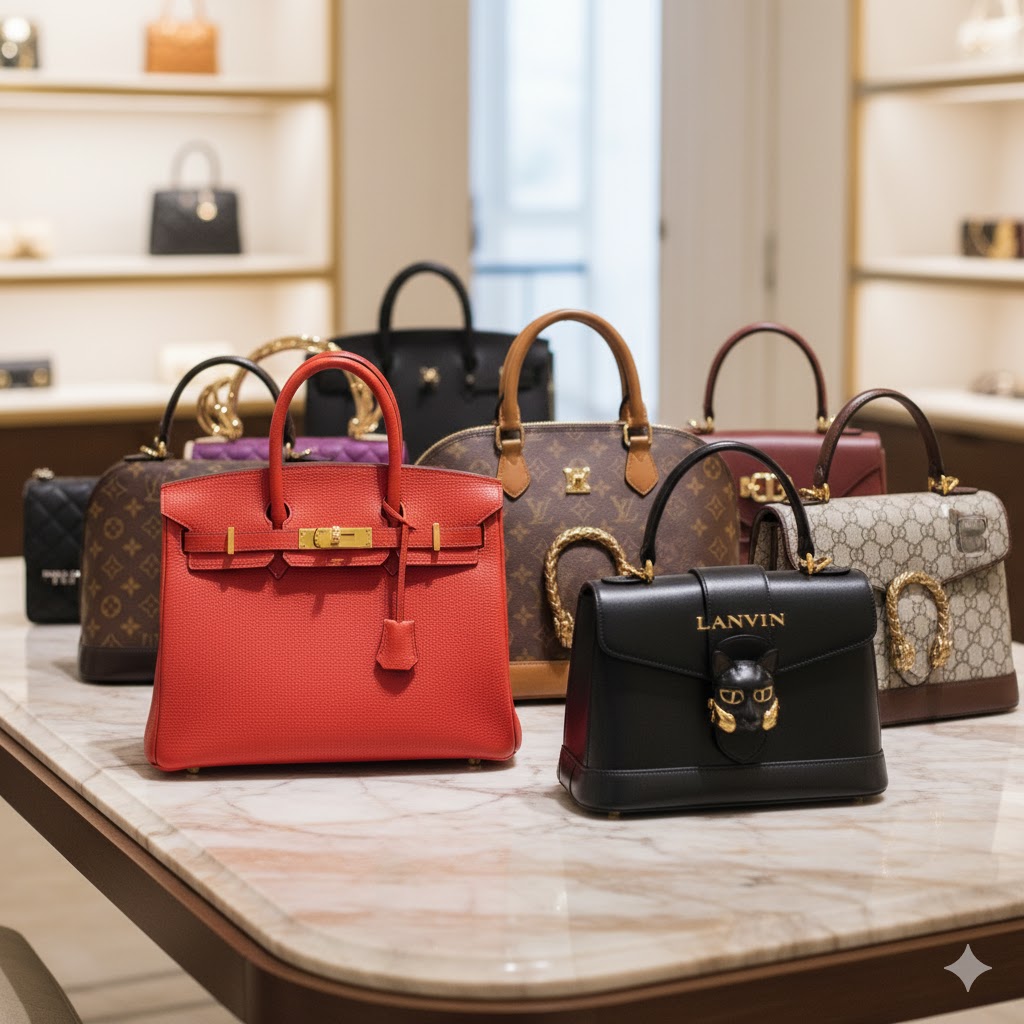
In today’s consumer-driven culture, luxury brands like Hermès, Louis Vuitton, and Gucci have mastered the art of psychological manipulation. The Hermès Birkin bag, in particular, has become an emblem of exclusivity and desire, symbolizing far more than craftsmanship—it represents power, wealth, and social validation. Yet behind the allure of luxury lies a calculated strategy designed to condition consumers to equate material possessions with self-worth. This psychological phenomenon is deeply intertwined with human pride, vanity, and the biblical warnings against idolizing worldly riches (1 John 2:16, KJV).

Luxury marketing exploits the psychology of scarcity and exclusivity. The Birkin bag, for instance, is intentionally made difficult to purchase, creating a sense of privilege among those who can obtain one. This taps into FOMO—the fear of missing out—a powerful psychological motivator. Social psychologist Robert Cialdini (2007) identified scarcity as a principle that increases desire: people want what they cannot easily have. This concept aligns with Ecclesiastes 5:10 (KJV), which warns, “He that loveth silver shall not be satisfied with silver; nor he that loveth abundance with increase.”

Consumers are subtly indoctrinated into believing luxury equals success. Advertising imagery and celebrity endorsements cultivate emotional connections, creating the illusion that luxury ownership can fill psychological voids such as insecurity, loneliness, or inadequacy. These desires often stem from early conditioning where self-esteem is tied to external validation. In biblical terms, this is the “lust of the eyes” and “the pride of life” (1 John 2:16, KJV)—the craving for possessions to affirm one’s identity.

Hermès and similar brands design their stores and marketing to evoke emotional responses. The minimalist interiors, warm lighting, and personal service experience create a sense of belonging to an elite community. This sensory manipulation mirrors the tactics of cult-like systems where psychological conditioning leads individuals to conform. Through repeated exposure, the consumer’s brain links luxury items with feelings of superiority and fulfillment, a form of cognitive conditioning identified by Pavlovian psychology.

Social status also plays a major role in the brainwashing process. Thorstein Veblen (1899) coined the term conspicuous consumption to describe buying luxury goods to publicly display wealth and prestige. This behavior is not about utility but identity construction. Similarly, Proverbs 16:18 (KJV) warns, “Pride goeth before destruction, and an haughty spirit before a fall.” Luxury brands weaponize this pride, turning human weakness into profit.

Hermès intentionally limits supply to maintain a psychological illusion of rarity. This artificial scarcity drives irrational consumer behavior, causing people to spend tens of thousands of dollars or even get on waiting lists. Studies in behavioral economics show that scarcity triggers the brain’s reward system, increasing dopamine production (Tversky & Kahneman, 1974). The same neural circuits involved in addiction are activated, turning shopping into a cycle of desire and temporary satisfaction.

Social media has intensified this luxury obsession. Platforms like Instagram and TikTok amplify the visibility of elite lifestyles, perpetuating envy and imitation. Influencers flaunting Birkin bags or Cartier bracelets create subconscious cues that link luxury with happiness and importance. Psychologists refer to this as social proof, another of Cialdini’s (2007) persuasion principles, where people assume that if others value something, it must be worthwhile. The Bible, however, cautions against comparing oneself to others (Galatians 6:4-5, KJV).

This brainwashing extends into the realm of emotional manipulation. Luxury brands associate their products with love, beauty, and success—concepts deeply rooted in human desire. When consumers buy a Birkin, they are not merely purchasing leather; they are buying into a story, an identity. Jesus warned in Matthew 6:19-21 (KJV), “Lay not up for yourselves treasures upon earth… For where your treasure is, there will your heart be also.” The heart becomes enslaved to possessions, and possessions become idols.

In psychological terms, this form of material worship reflects symbolic self-completion theory (Wicklund & Gollwitzer, 1982), where individuals use possessions to complete their sense of identity. A Birkin bag, then, is not just a status symbol—it’s a psychological prosthetic for insecurity. The luxury industry exploits this need for self-completion by linking products to personal worth.

Moreover, the high price of luxury goods triggers what psychologists call the price-quality heuristic—the assumption that expensive items are superior. This cognitive bias leads consumers to believe that exclusivity equals excellence. Yet often, the true value lies in perception, not production. Isaiah 55:2 (KJV) questions this deception: “Wherefore do ye spend money for that which is not bread? and your labour for that which satisfieth not?”

Luxury branding also manipulates gender psychology. Women are often targeted with emotional narratives connecting femininity and desirability to luxury items. A Hermès Birkin becomes a symbol of womanhood achieved—a mark of status and validation in a patriarchal society. This form of marketing feeds on psychological vulnerability, reinforcing the notion that value lies in appearance rather than substance.

Men, too, are not exempt from the luxury illusion. Male consumers are targeted through brands like Rolex, Bentley, or tailored suits that promise dominance and prestige. These messages mirror the worldly concept of masculinity defined by possessions, contrasting sharply with biblical manhood grounded in humility and service (Philippians 2:3-4, KJV). Luxury’s gospel is one of self-exaltation, not self-denial.

The luxury industry also thrives on delayed gratification. The “Birkin waiting list” creates a ritualistic experience, making ownership feel like a reward for perseverance. This psychological manipulation strengthens emotional attachment to the product. The Bible, however, teaches contentment rather than covetousness: “Be content with such things as ye have” (Hebrews 13:5, KJV).

Even the resale market plays into the illusion of investment. By framing luxury goods as “assets,” consumers justify excessive spending as financial wisdom. Yet in truth, the emotional satisfaction fades quickly, leading to an endless cycle of consumption—a psychological treadmill known as the hedonic adaptation effect (Brickman & Campbell, 1971).

Luxury branding transforms materialism into identity worship. People are conditioned to see their possessions as extensions of themselves. This aligns with what Paul warned against in Romans 12:2 (KJV): “Be not conformed to this world: but be ye transformed by the renewing of your mind.” Renewing the mind means breaking free from the world’s hypnotic materialism.

The Hermès phenomenon reveals how luxury can enslave the soul under the guise of freedom. What begins as admiration becomes obsession, and what once seemed aspirational becomes idolatrous. Jesus cautioned that “No man can serve two masters… Ye cannot serve God and mammon” (Matthew 6:24, KJV). The worship of wealth is spiritual bondage disguised as sophistication.

At its core, luxury brainwashing is a modern form of sorcery—manipulating perception, emotion, and desire through illusion. Revelation 18:11-13 (KJV) foretells merchants mourning over Babylon’s fall, lamenting the loss of luxury and excess. It is a prophetic mirror to today’s luxury-driven culture, built on pride, envy, and exploitation.

Breaking free from luxury’s psychological spell requires mindfulness and spiritual awareness. Recognizing how brands manipulate emotions through scarcity, beauty, and status allows one to reclaim autonomy. The renewing of the mind (Romans 12:2) is not just spiritual but psychological liberation from material conditioning.

In conclusion, luxury brands like Hermès have perfected the art of psychological and spiritual seduction. They exploit human insecurities, pride, and the innate longing for significance. Yet the Bible teaches that true worth comes not from possessions but from purpose and faith. As Proverbs 11:28 (KJV) reminds, “He that trusteth in his riches shall fall: but the righteous shall flourish as a branch.” Luxury may promise elevation, but only wisdom and humility bring peace to the soul.


References

  • Brickman, P., & Campbell, D. T. (1971). Hedonic relativism and planning the good society. In M. H. Appley (Ed.), Adaptation-level theory (pp. 287–305). Academic Press.
  • Cialdini, R. B. (2007). Influence: The Psychology of Persuasion. Harper Business.
  • Tversky, A., & Kahneman, D. (1974). Judgment under uncertainty: Heuristics and biases. Science, 185(4157), 1124–1131.
  • Veblen, T. (1899). The Theory of the Leisure Class. Macmillan.
  • Wicklund, R. A., & Gollwitzer, P. M. (1982). Symbolic self-completion. Lawrence Erlbaum.
  • Holy Bible, King James Version (KJV).

The Glory of Self: Spirit of Vanity.

Photo by Pavel Danilyuk on Pexels.com

A woman once said to me, “If I had your face and body, I would look at myself all the time. I would be a total narcissist.” Her words struck me deeply. I thought to myself: what is it about fleshly beauty that makes people willing to sell their soul to obtain it? Beauty is an opinion, shaped by culture and time, yet so many live and die by it. True beauty is not measured by the opinions of others or by trends that change with every generation. Scripture reminds us that “man looketh on the outward appearance, but the Lord looketh on the heart” (1 Samuel 16:7, KJV). Yet, we live in a world consumed by the lust of the eyes, the lust of the flesh, and the pride of life (1 John 2:16, KJV).

To be beautiful, by worldly standards, is often to be admired for physical traits, symmetry, or style. Looking into a mirror and admiring what you see is not inherently sinful—after all, God made humans in His image (Genesis 1:27). But when admiration becomes obsession, when self-focus turns into idolatry, it crosses into vanity. Vanity is excessive pride in or admiration of one’s appearance or achievements, a trait warned against in Ecclesiastes 1:2, which declares, “Vanity of vanities, saith the Preacher, vanity of vanities; all is vanity.”

Social media has amplified this spirit of vanity to a global scale. Platforms like Instagram, TikTok, and Snapchat encourage people to curate a perfect image of themselves, leading to comparison, competition, and envy. Psychologists call this phenomenon “self-objectification,” where individuals begin to view themselves primarily as objects to be looked at, rather than as whole persons with intrinsic worth (Fredrickson & Roberts, 1997). The result is often anxiety, depression, and low self-esteem—ironically the opposite of what many seek through validation online.

Self-worship is the elevation of the self to a position of ultimate importance. It is idolatry of the highest order, replacing God with the image in the mirror. Paul warned about this in 2 Timothy 3:2-4, describing the last days as a time when people would be “lovers of their own selves… proud, blasphemers… lovers of pleasures more than lovers of God.” The spirit of self-worship is seductive, whispering that we are enough without God, that we can glorify ourselves rather than glorifying Him.

Narcissism, conceit, arrogance, and haughtiness are related but distinct expressions of this spirit. Narcissism, as defined in psychology, is characterized by grandiosity, a need for admiration, and a lack of empathy (American Psychiatric Association, 2013). Conceit is excessive pride in oneself, arrogance is an overbearing sense of superiority, and haughtiness is a disdainful pride that looks down on others. All four are condemned in Scripture: “A man’s pride shall bring him low: but honour shall uphold the humble in spirit” (Proverbs 29:23, KJV).

This “neon demon” of self-glorification is often born out of deep wounds. Childhood neglect, rejection, or lack of affirmation can create a desperate hunger to be seen and validated. When this hunger goes unchecked, it may evolve into an insatiable desire for attention—manifesting as vanity, narcissism, or arrogance. Psychology notes that many narcissistic tendencies stem from fragile self-esteem and attempts to overcompensate (Miller et al., 2011).

The origin of this self-obsession can be traced back to Lucifer, who was cast out of heaven because of pride. Ezekiel 28:17 (KJV) declares, “Thine heart was lifted up because of thy beauty, thou hast corrupted thy wisdom by reason of thy brightness.” The devil was the first being to be consumed by self-worship, and humanity has followed suit ever since.

The danger of glorifying oneself is that it displaces God. Isaiah 42:8 reminds us that God will not share His glory with another. When humans exalt themselves, they place themselves in competition with their Creator, leading to spiritual downfall. Pride was the first sin and remains one of the most destructive forces in human relationships, leading to envy, strife, and brokenness.

Body worship is a modern form of idolatry where physical appearance, fitness, or sexual allure becomes the ultimate pursuit. This can be seen in the booming industries of plastic surgery, cosmetic enhancements, and influencer culture. Psychology research shows that body image dissatisfaction is linked to disordered eating, anxiety, and depression (Neumark-Sztainer et al., 2006). Spiritually, body worship shifts our focus from presenting our bodies as “a living sacrifice, holy, acceptable unto God” (Romans 12:1, KJV) to presenting them as trophies for human applause.

The psychology of self-worship reveals that behind the polished selfies and staged perfection often lies deep insecurity. Many who crave validation online are actually longing for love, acceptance, and belonging. This is why likes and comments can become addictive, stimulating dopamine release in the brain (Sherman et al., 2016). The danger is that this creates a cycle of dependency on external affirmation, which can never truly satisfy.

The deep insecurity of wanting others to think you are something you are not can be emotionally exhausting. It fosters a false self that must be maintained at all costs, leaving little room for authenticity. Jesus warned against this performative living in Matthew 23:28 (KJV): “Even so ye also outwardly appear righteous unto men, but within ye are full of hypocrisy and iniquity.”

Both men and women are affected by this spirit of vanity, though it manifests differently. Women may feel pressured to achieve physical perfection, while men may focus on status, wealth, or dominance as measures of worth. Both genders can fall into the trap of living for human approval rather than divine purpose, forgetting that “the fear of man bringeth a snare” (Proverbs 29:25, KJV).

An example of this worship can be seen in celebrity culture. Stars who are idolized often become prisoners of their own image, resorting to extreme measures to maintain their looks and relevance. Their lives are meticulously curated, yet many report profound loneliness and depression. This is a sobering reminder that glorying in the flesh leads to emptiness.

Social media influencers, fitness models, and beauty icons have become modern idols, with millions seeking to emulate them. The danger is not merely in admiring beauty but in prioritizing it above character, integrity, and faith. This creates a generation of people chasing a standard they can never fully attain.

Scripture consistently warns that pride goes before destruction (Proverbs 16:18). Those who worship themselves risk eternal separation from God because they refuse to bow to Him. The call of the believer is to deny oneself, take up the cross, and follow Christ (Luke 9:23).

Vanity not only destroys individuals but also relationships. When a person is consumed with self-image, they may neglect the needs of others, becoming emotionally unavailable or demanding. This leads to relational breakdowns, resentment, and isolation.

Psychologically, living for self-glory can create anxiety and burnout. Constant comparison and competition keep the nervous system in a heightened state, contributing to stress-related illnesses. Spiritually, it can dull one’s ability to hear God’s voice, because the noise of self is so loud.

The antidote to vanity is humility and gratitude. Gratitude allows us to appreciate beauty as a gift from God rather than a tool for self-exaltation. Humility allows us to place others before ourselves, reflecting the attitude of Christ who “made himself of no reputation” (Philippians 2:7, KJV).

Practically, believers can combat vanity by limiting social media use, focusing on acts of service, and cultivating inner character through prayer and fasting. This shifts the focus from outward appearance to inward transformation.

We must remember that beauty fades (Proverbs 31:30) but a heart surrendered to God grows more radiant with time. This is why Peter exhorts women to focus on “the hidden man of the heart… even the ornament of a meek and quiet spirit, which is in the sight of God of great price” (1 Peter 3:4, KJV).

Ultimately, the glory belongs to God alone. When we live to glorify Him rather than ourselves, we find true joy and fulfillment. Our worth is not in the mirror, not in likes, not in followers, but in being children of the Most High.


References

  • American Psychiatric Association. (2013). Diagnostic and statistical manual of mental disorders (5th ed.). APA.
  • Fredrickson, B. L., & Roberts, T. A. (1997). Objectification theory. Psychology of Women Quarterly, 21(2), 173–206.
  • Miller, J. D., et al. (2011). Narcissistic personality disorder and self-esteem. Journal of Abnormal Psychology, 120(2), 343–354.
  • Neumark-Sztainer, D., et al. (2006). Body dissatisfaction and unhealthy weight control behaviors. Journal of Adolescent Health, 39(2), 244–251.
  • Sherman, L. E., et al. (2016). The power of the like. Psychological Science, 27(7), 1027–1035.

Key KJV Scriptures: 1 Samuel 16:7; 1 John 2:16; Ecclesiastes 1:2; 2 Timothy 3:2-4; Ezekiel 28:17; Isaiah 42:8; Romans 12:1; Proverbs 29:25; Proverbs 31:30; 1 Peter 3:4; Philippians 2:7; Luke 9:23; Proverbs 16:18; Matthew 23:28.