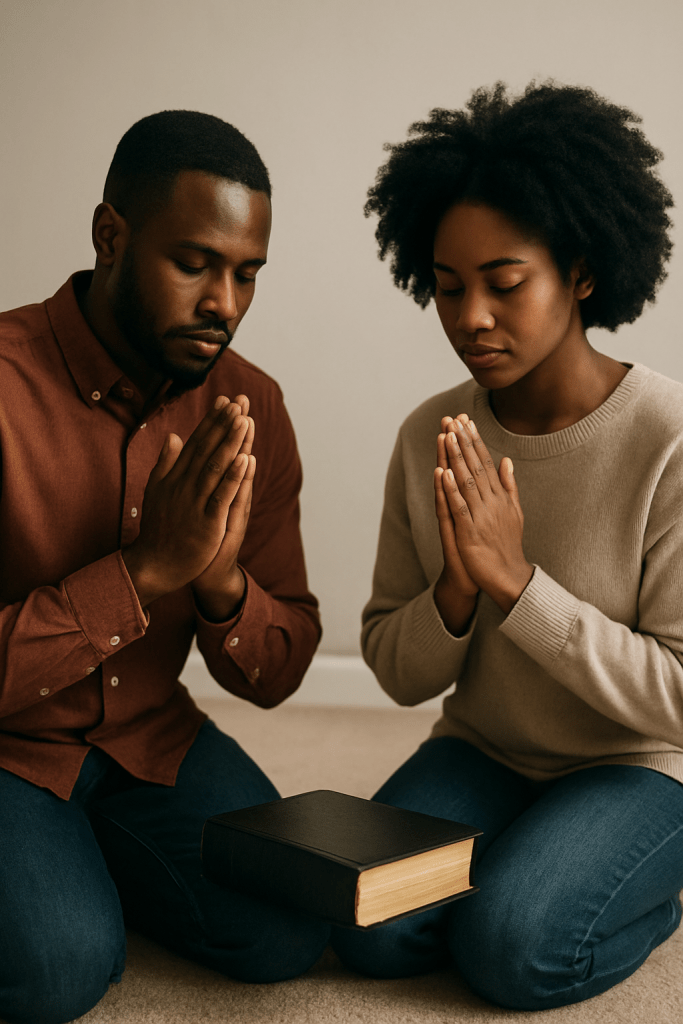
Category Archives: Trials and Tribulations

Are You Tired of Struggling and Waiting?

Life often feels like a series of obstacles, disappointments, and delays. Struggling and waiting can wear down even the strongest among us. You may ask, “How long, Lord?” or “Why am I still here, still praying, still hoping?” The Bible acknowledges the reality of struggle and the frustration of waiting, yet it also provides answers for those who persevere in faith.

1. God Sees Your Struggle

Psalm 34:17–18 (KJV) declares: “The righteous cry, and the Lord heareth, and delivereth them out of all their troubles. The Lord is nigh unto them that are of a broken heart; and saveth such as be of a contrite spirit.”
Even when life feels overwhelming, God is present. Your pain is not ignored, your tears are not unnoticed. The Lord sees the travail of your soul and is preparing a way to deliver you.

2. Waiting Has a Purpose

Ecclesiastes 3:1 (KJV) reminds us: “To everything there is a season, and a time to every purpose under the heaven.”
Waiting is not wasted time. Every delay carries divine instruction, character development, or preparation for the next season. The seed planted in the dark soil of waiting will bear fruit in God’s appointed time.

3. Strength Is Formed Through Trials

James 1:2–4 (KJV) says: “My brethren, count it all joy when ye fall into divers temptations; Knowing this, that the trying of your faith worketh patience. But let patience have her perfect work, that ye may be perfect and entire, wanting nothing.”
Struggles are not signs of failure; they are opportunities for spiritual refinement. Patience and perseverance strengthen faith and produce completeness.

4. God’s Timing Is Perfect

Habakkuk 2:3 (KJV) instructs: “For the vision is yet for an appointed time, but at the end it shall speak, and not lie: though it tarry, wait for it; because it will surely come, it will not tarry.”
Your breakthrough may not arrive when you expect, but God’s timing is flawless. Faith requires trusting the process, even when the waiting feels indefinite.

5. Prayer Opens the Way

Psalm 37:7–9 (KJV) says: “Rest in the Lord, and wait patiently for him: fret not thyself because of him who prospereth in his way…for evildoers shall be cut off: but those that wait upon the Lord, they shall inherit the earth.”
Consistent prayer aligns your heart with God’s will. It cultivates peace amidst uncertainty and prepares your spirit to receive what God has promised.

6. Perseverance Produces Reward

Galatians 6:9 (KJV) encourages: “And let us not be weary in well doing: for in due season we shall reap, if we faint not.”
Faithfulness and perseverance are key to experiencing God’s promises. The harvest comes in God’s timing—never too early, never too late.

7. Seek God’s Perspective

Isaiah 55:8–9 (KJV) reminds us: “For my thoughts are not your thoughts, neither are your ways my ways, saith the Lord. For as the heavens are higher than the earth, so are my ways higher than your ways, and my thoughts than your thoughts.”
Your understanding is limited; God’s plan encompasses eternity. Struggling and waiting often prepare you for blessings you cannot yet see.


Revealed Answers for the Weary

  1. Rest in God’s Presence – Your struggles are not unnoticed; He is near.
  2. Understand the Season – Every wait has purpose; your life is being shaped.
  3. Grow in Patience and Faith – Trials refine your character.
  4. Trust God’s Timing – He is never late; your season will come.
  5. Pray Continuously – Prayer strengthens hope and aligns you with God.
  6. Persevere Without Fainting – Rewards are promised to the faithful.
  7. Seek God’s Perspective – His ways surpass human understanding; wait in trust.

Conclusion

Struggling and waiting are not signs of failure—they are part of God’s divine process of preparation. Scripture provides assurance that patience, perseverance, and faith will be rewarded. The key is to remain steadfast, trust in His timing, and align your heart with His purpose. The answers are already revealed in the Word: God sees, God prepares, and God delivers.


References

The Holy Bible, King James Version. (1769/2017). Cambridge University Press.

Oswald, R. (2016). Waiting on God: The secret of trusting in His timing. Moody Publishers.

Stanley, A. (2013). The principles of waiting on God. Thomas Nelson.

Johnson, S. M. (2019). Faith through trials: Biblical lessons for perseverance. Zondervan.

Difficulties Are Necessary for Life

Difficulties are not proof that life has failed—rather, they testify that life is working according to God’s refining process, for affliction enlarges the soul and tutors the spirit (Smith, 2020).

Scripture reveals that trials serve a divine purpose. Paul declares that tribulations produce patience, shaping believers through progressive sufferings that build spiritual stamina, not destruction (Romans 5:3-4, KJV).

Life’s challenges are God’s crucible. Proverbs teaches that just as silver is tried in the furnace, human hearts are tested by the Lord Himself (Proverbs 17:3, KJV).

Hardship marches beside every calling. Christ warns that in the world, believers shall have tribulation—not may, but will, affirming that difficulty is stitched into earthly existence (John 16:33, KJV).

Suffering awakens prayer. Distress becomes the spiritual trumpet that calls men and women to cry toward God, who promises to hear them and deliver them out of all troubles (Psalm 34:17, KJV).

The wilderness is necessary for maturity. Deuteronomy reveals that God led Israel into hard places to humble them, prove them, and reveal what was truly in their heart (Deuteronomy 8:2, KJV).

Struggles expose spiritual hunger. When earthly strength collapses, dependence on God rises, for man lives by every Word of God, not bread alone (Deuteronomy 8:3, KJV).

Affliction produces obedience. Psalm 119 teaches that suffering teaches statutes—pain becomes the unwilling teacher of righteousness (Psalm 119:71, KJV).

Trials extract faith from theory into reality. James echoes this truth, proving that faith matures through testing, though Job lived it long before it was written (James 1:2-3, KJV).

Difficulty births endurance. Hebrews reminds believers that chastening corrects and proves sonship, for God disciplines those He loves (Hebrews 12:6-7, KJV).

Storms test spiritual roots. Christ teaches that houses built on sand collapse under trouble, while those founded on rock survive—it is not the absence of storm, but the foundation that matters (Matthew 7:24-27, KJV).

Hardship develops courage. Joshua was commanded to be strong because the assignment ahead was heavy, not easy (Joshua 1:9, KJV).

Suffering silences pride. Paul described being given a thorn to keep him from self-exaltation—pain became a shield against arrogance (2 Corinthians 12:7-9, KJV).

Adversity expands compassion. Those wounded by life often become vessels of gentleness, for God comforts us so we may comfort others (2 Corinthians 1:3-4, KJV).

Hard seasons cultivate spiritual perception. Elijah heard God’s voice after fire, wind, and earthquake—difficulty cleared his hearing (1 Kings 19:11-12, KJV).

Affliction proves calling. Joseph’s pit and prison preceded his palace—pain processed a dream before privilege manifested (Genesis 37-41, KJV).

Trials reveal loyalty. Ruth clung tighter when loss grew heavier, showing that difficulties do not break the faithful, they anchor them (Ruth 1:16-17, KJV).

Suffering produces hope, not despair. Biblical hope is not optimism—it is expectation grown in suffering, rooted in God’s faithfulness (Romans 8:18, KJV).

Hardship is spiritually proportional. The greater the impact, the heavier the pressure, for glory outweighs suffering when purpose is understood (Romans 8:28;18, KJV).

Thus, difficulties are not evidence of God’s absence—often they are the evidence of His involvement, molding believers into instruments able to survive what the untested self could never carry (Romans 5:3-5, KJV).


References

Beck, A. T. (1976). Cognitive therapy and emotional disorders. International Universities Press.

Frankl, V. E. (2006). Man’s search for meaning. Beacon Press. (Original work published 1946)

Masten, A. (2014). Ordinary magic: Resilience in development. Guilford Press.

Smith, J. (2020). Resilience and faith under pressure. Journal of Psychology & Spirituality, 12(4), 201-219.

Taleb, N. N. (2012). Antifragile: Things that gain from disorder. Random House.

The King James Version Bible. (Authorized, 1611/1769).

Trials Passed Down: Generational Pain in Brown Families.

Photo by Tony Meyers on Pexels.com

Generational pain within Brown families is not simply a matter of personal hardship but a legacy of systemic oppression, historical trauma, and cultural survival. From slavery to segregation, from mass incarceration to economic inequities, the scars of history manifest themselves in the lives of today’s families. These trials are often carried silently, shaping parenting practices, emotional resilience, and the way love is expressed—or withheld—across generations.

The concept of intergenerational trauma explains how unresolved suffering can be transmitted through both behavior and biology. Research suggests that trauma alters stress responses, even at the genetic level, creating a predisposition for anxiety, depression, and distrust in future generations (Yehuda & McFarlane, 1995). Within Brown families, the history of displacement, forced labor, and social exclusion forms the backdrop against which children grow. The very DNA of the community has been marked by a cycle of survival strategies, sometimes appearing as toughness, guardedness, or silence.

Psychologically, these trials are reinforced by family narratives and coping mechanisms. For instance, parents who endured racial humiliation or poverty may teach their children to be cautious, mistrustful, or overachieving as a means of protection. While these strategies can build resilience, they can also reproduce fear and emotional distance. The Brown girl or boy raised in such an environment may feel simultaneously loved and constrained, nurtured but also burdened by the unspoken weight of their ancestors’ pain.

The Bible speaks directly to the persistence of generational struggles. Exodus 20:5 describes “the iniquity of the fathers upon the children unto the third and fourth generation” (KJV), acknowledging that sin, pain, and brokenness can ripple through family lines. Yet scripture also offers hope: Deuteronomy 7:9 reminds us that God shows mercy “unto a thousand generations of them that love him and keep his commandments.” Thus, while generational pain is real, it is not inescapable; faith and obedience can break cycles and transform legacies.

The dynamics of generational pain often show up in Brown families through fractured fatherhood, strained mother-daughter relationships, and sibling rivalries rooted in favoritism or colorism. These patterns are not simply personal failings but reflections of systemic pressures. Enslaved fathers were often separated from their children; mothers were forced to shield or even discipline harshly to keep children safe; siblings sometimes witnessed unequal treatment based on complexion or ability. Each of these realities planted seeds of conflict that continue to sprout today (Billingsley, 1992).

At the same time, the resilience of Brown families must not be overlooked. Despite centuries of generational trials, these families have cultivated strong kinship networks, spiritual faith, and cultural traditions that preserve identity and hope. Grandmothers who hold families together, fathers who mentor beyond their households, and mothers who instill spiritual strength embody the triumph of survival. This balance of pain and resilience defines the Brown family’s history and underscores its capacity for transformation.

Breaking cycles of generational pain requires intentional healing. Psychologists emphasize the need for therapy, open dialogue, and emotional literacy to dismantle inherited trauma (Danieli, 1998). Spiritually, healing requires surrendering to God’s restorative power, recognizing Him as the ultimate Father and healer. Psalm 147:3 affirms that God “healeth the broken in heart, and bindeth up their wounds” (KJV). Communities that integrate both psychological tools and biblical wisdom stand the greatest chance of fostering renewal.

Ultimately, the trials passed down in Brown families are both a burden and a call to action. They remind us of the deep costs of oppression but also of the resilience of a people who continue to rise. Each generation holds the power to either perpetuate cycles or break them, turning pain into purpose and trauma into testimony. The challenge, then, is to honor the past while refusing to be bound by it, so that future generations of Brown families inherit not just wounds, but wisdom.


References

  • Billingsley, A. (1992). Climbing Jacob’s ladder: The enduring legacy of African-American families. Touchstone.
  • Danieli, Y. (1998). International handbook of multigenerational legacies of trauma. Springer.
  • Yehuda, R., & McFarlane, A. C. (1995). Conflict between current knowledge about posttraumatic stress disorder and its original conceptual basis. American Journal of Psychiatry, 152(12), 1705–1713.
  • The Holy Bible, King James Version.

Dilemma: Spiritual Dissonance

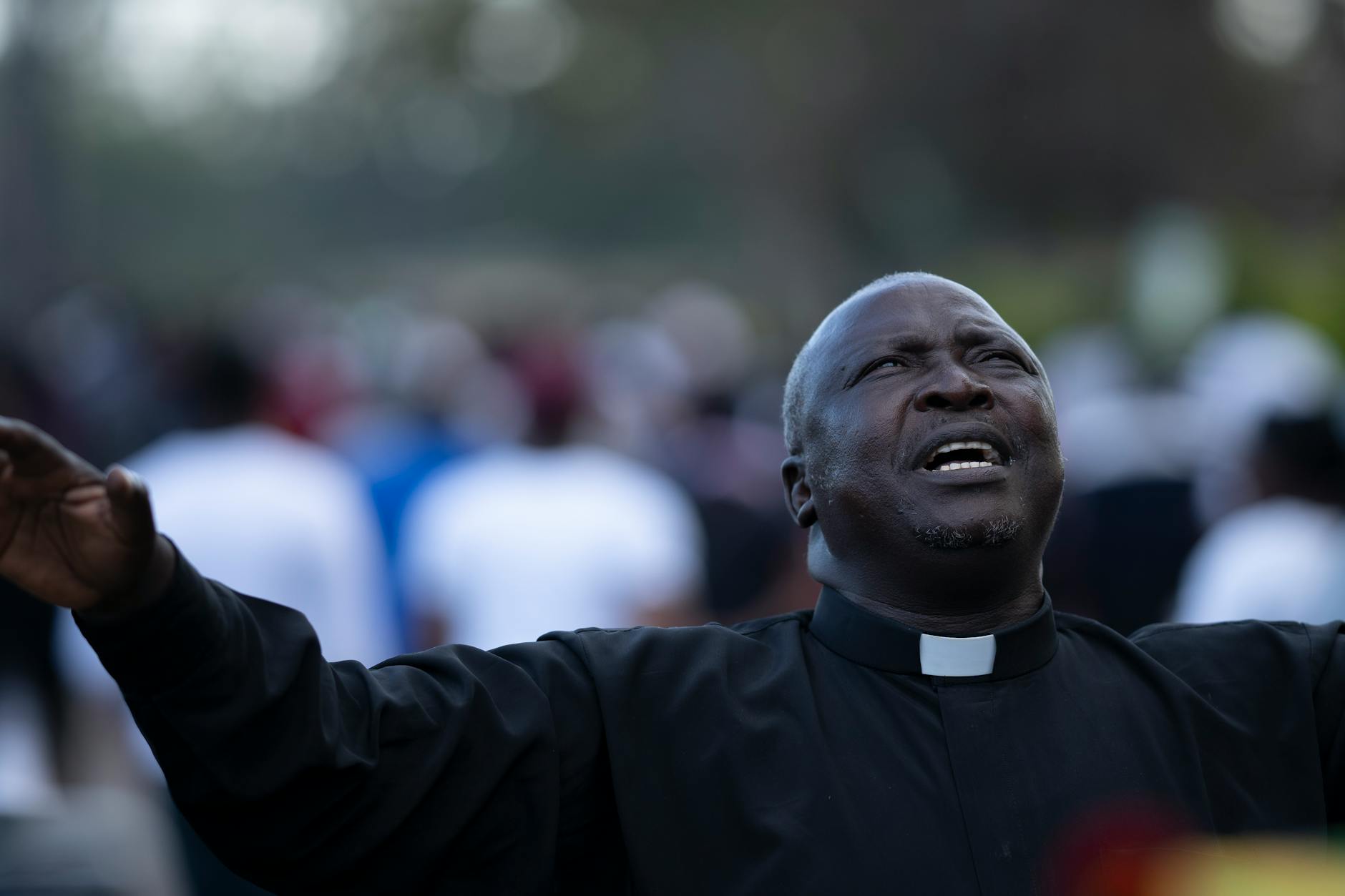
Photo by Kureng Workx on Pexels.com

Spiritual dissonance is one of the most profound inner conflicts a believer can endure. It arises when the faith one has been taught begins to feel at odds with the reality one experiences. For many, this creates a soul-deep tension: the church proclaims one truth, life reveals another; the preacher preaches patience, but the system requires resistance; the scripture declares freedom, yet oppression remains constant. In this way, spiritual dissonance becomes not only a personal struggle but a communal and historical phenomenon.


The Psychological Roots of Spiritual Dissonance
Psychologist Leon Festinger (1957) defined cognitive dissonance as the discomfort people feel when holding conflicting beliefs, values, or attitudes. Applied to the spiritual realm, this discomfort becomes spiritual dissonance—when doctrine, religious community, or cultural interpretation does not align with the believer’s lived reality. A person may believe in a just God, but daily encounters with injustice create a psychological rift that requires resolution.

Historical Foundations in Black Faith
For African-descended people, spiritual dissonance has been a constant companion since slavery. Enslaved Africans were forced to adopt a distorted Christianity that justified bondage, yet in secret they reinterpreted scripture to emphasize liberation. The enslavers preached, “Servants, obey your masters” (Ephesians 6:5, KJV), while the oppressed clung to Exodus: “Let my people go.” This duality produced dissonance but also resilience, birthing a liberating faith that survived even the harshest conditions.

The Golden Example of Exodus
The children of Israel serve as a biblical mirror to the African American experience. Just as the Israelites cried out in Egypt, Black people in America have cried out against centuries of bondage and systemic oppression. The Israelites’ struggle to reconcile God’s promises with their suffering reflects the same dissonance that African Americans wrestle with today. Faith says deliverance will come; history reveals delay.

The Prophets and the Pain of Contradiction
Biblical prophets like Jeremiah and Habakkuk embodied spiritual dissonance. Jeremiah lamented, “Why doth the way of the wicked prosper?” (Jeremiah 12:1, KJV). Habakkuk cried, “O Lord, how long shall I cry, and thou wilt not hear!” (Habakkuk 1:2, KJV). These questions echo in the modern believer’s heart when faced with systemic racism, poverty, or violence. Spiritual dissonance is therefore not new; it is embedded in the history of faith itself.

Faith Weaponized vs. Faith Liberating
One of the deepest sources of spiritual dissonance is the weaponization of religion. Faith has been used to justify colonization, slavery, and segregation, even while also being the source of songs of hope, civil rights movements, and liberation theology. The contradiction between faith as oppression and faith as liberation forces the believer to sift truth from distortion, separating God’s voice from man’s manipulation.

Spiritual Dissonance in Daily Survival
The dissonance does not remain abstract—it impacts daily life. A Black man told to “trust God” while he cannot find work due to systemic discrimination experiences a tearing within his spirit. A young woman taught that beauty is “purity” struggles when society devalues her dark skin. A mother praying for her son’s safety confronts the contradiction of believing in divine protection while watching police violence claim lives.

The Emotional Toll
The weight of unresolved spiritual dissonance can lead to guilt, depression, and feelings of abandonment. Believers may question their worthiness, assuming that their doubts signify a lack of faith. Others suppress their questions out of fear of rejection by their community. Yet silence often deepens the wound, creating a cycle of internal unrest that can persist for years.

Strategies of Suppression
To cope, many believers adopt strategies of suppression. Some avoid asking hard questions, clinging to rituals for comfort rather than transformation. Others compartmentalize—acting pious in public but wrestling with doubt in private. While these strategies may provide temporary relief, they rarely resolve the root tension, leaving spiritual dissonance unresolved.

The Potential for Growth
Yet within dissonance lies the seed of transformation. Just as a dissonant chord in music eventually resolves to harmony, spiritual dissonance can push believers toward deeper truth. By wrestling with contradictions, individuals often emerge with a stronger, more authentic faith. Jacob, who wrestled with the angel, declared, “I will not let thee go, except thou bless me” (Genesis 32:26, KJV). Likewise, the believer who wrestles with spiritual contradictions may emerge with a renewed identity and a more resilient faith.

Modern Expressions of Resolution
Today, many resolve spiritual dissonance by reinterpreting scripture through the lens of justice and liberation. Black liberation theology, articulated by James H. Cone (1970), reframed Christianity not as a tool of oppression but as a gospel of freedom for the oppressed. Others turn to community-based worship spaces that reflect inclusivity, cultural pride, and healing. These modern expressions demonstrate that resolution is not abandonment but reclamation.

The Role of Community in Healing
Spiritual dissonance often isolates, but healing requires community. Testimonies, shared struggles, and collective worship can remind believers that their doubts are not unique. When communities allow room for honest questions, they create space for reconciliation rather than repression. The Black church at its best embodies this model, serving as both a site of lament and a source of empowerment.

Spiritual Dissonance and Cultural Identity
At its core, spiritual dissonance is also tied to identity. A faith that denies one’s cultural reality becomes unlivable. For African Americans, reclaiming African heritage alongside Christian belief is one way to bridge the gap. By recognizing that spiritual identity includes culture, history, and ancestry, believers create a holistic faith that reflects both God’s image and their lived experience.

The Cross as a Symbol of Dissonance
Perhaps the greatest biblical image of spiritual dissonance is the cross. Jesus himself cried, “My God, my God, why hast thou forsaken me?” (Matthew 27:46, KJV). The Son of God experienced abandonment at the very moment of sacrifice. Yet, from that dissonance emerged resurrection and new life. In this way, spiritual dissonance does not negate faith; it refines it.

Conclusion
Spiritual dissonance is not a sign of weak faith but a mark of honest faith. It reflects the courage to question, wrestle, and seek alignment between belief and reality. For African-descended people, it has been both burden and blessing, shaping a theology of liberation in the face of oppression. As Paul reminds us, “work out your own salvation with fear and trembling” (Philippians 2:12, KJV). It is in the trembling, in the questioning, in the dissonance, that faith becomes authentic and transformative.

Trials, Tribulations, and the Journey Back to God

The Bible reminds us that life is not without suffering. Trials and tribulations are not accidents, nor are they meaningless. Instead, they are the fire through which faith is refined. Jesus Himself warned His disciples: “In the world ye shall have tribulation: but be of good cheer; I have overcome the world” (John 16:33, KJV). These words anchor us in the truth that adversity is not a sign of abandonment but a tool for shaping the believer’s soul.

The Testing of Faith
Every trial tests the depth of our faith. James 1:2–3 tells us to “count it all joy when ye fall into divers temptations; Knowing this, that the trying of your faith worketh patience.” Trials expose what lies within us—the hidden doubts, fears, and even sinful attachments we cling to. Without tests, we might never recognize how deeply we depend on God’s mercy and strength.

The Pain of Sin
Sin itself creates wounds that often become trials in our lives. Scripture says, “the wages of sin is death” (Romans 6:23), not just physical death, but also separation from God, broken relationships, guilt, and shame. Our sins hurt us because they distort our identity, cloud our judgment, and invite consequences that linger long after the act itself. Yet even in that pain, God’s discipline is redemptive: “For whom the Lord loveth he chasteneth” (Hebrews 12:6). He allows us to feel the sting of sin not to destroy us, but to drive us back into His presence.

Why God Allows Tribulations
Trials are permitted because they produce spiritual maturity. Just as gold is purified through fire, believers are refined through hardship. Job’s life illustrates this truth. Though stripped of wealth, children, and health, Job declared, “When he hath tried me, I shall come forth as gold” (Job 23:10). Suffering, when endured with faith, cleanses us of pride, deepens our humility, and makes us vessels more prepared for God’s purpose.

Getting Closer to God in Hardship
The path back to God begins with repentance. Acts 3:19 instructs us: “Repent ye therefore, and be converted, that your sins may be blotted out, when the times of refreshing shall come from the presence of the Lord.” Repentance is not merely regret—it is a turning of the heart and the will, away from sin and toward obedience.

Second, we must seek God through prayer and scripture. In moments of trial, David cried out, “Create in me a clean heart, O God; and renew a right spirit within me” (Psalm 51:10). Scripture study and prayer reorient us when the world feels unsteady.

Third, believers must embrace obedience and discipline. Jesus said, “If ye love me, keep my commandments” (John 14:15). Obedience turns faith from words into action. It is through aligning our lives with God’s Word that we draw near to Him.

The Promise of Restoration
Though trials are painful, God promises restoration. Peter assures us: “But the God of all grace, who hath called us unto his eternal glory by Christ Jesus, after that ye have suffered a while, make you perfect, stablish, strengthen, settle you” (1 Peter 5:10). The suffering is temporary, but the growth and closeness to God it produces are eternal.


In Summary:

  • We will face trials and tribulations—they are tests of faith.
  • Our sins hurt us, but God allows conviction so that we turn back to Him.
  • Repentance, prayer, scripture, and obedience are the steps that bring us closer to God.
  • The end result of trials is not destruction, but restoration and strength in Him.

📚 References

  • Cone, J. H. (1970). A Black Theology of Liberation. Orbis Books.
  • Festinger, L. (1957). A Theory of Cognitive Dissonance. Stanford University Press.
  • Lincoln, C. E., & Mamiya, L. H. (1990). The Black Church in the African American Experience. Duke University Press.
  • Williams, D. S. (1993). Sisters in the Wilderness: The Challenge of Womanist God-Talk. Orbis Books.
  • King James Bible

Brown Girl VS Brown Boy: The Trials That Both Black Women and Men Share.

Photo by Alexandre Canteiro on Pexels.com

The narrative of the Brown Girl and the Brown Boy is a testimony of shared endurance and resilience across centuries of oppression. While each carries unique burdens shaped by gender, their struggles intertwine within the same framework of racism, systemic inequality, and cultural misrepresentation. The Brown Boy carries the burden of criminalization. From childhood, he is labeled as a threat, his innocence quickly stripped away by the gaze of a society that fears his melanin. He is often over-policed, over-disciplined, and prematurely marked as deviant. This early criminalization sets the stage for a life in which opportunity is constrained, where his existence is seen as something to be managed rather than celebrated. The Brown Girl, in turn, bears the weight of invisibility and hypervisibility at once. Her body is policed, her skin tone scrutinized, and her hair politicized. She is told she must work twice as hard to be seen, yet when she asserts herself, she is cast as angry or difficult. Her womanhood is too often undervalued, her femininity questioned, and her contributions overlooked. Invisibility denies her credit, while hypervisibility subjects her to surveillance.

Historical Roots of Struggle
The struggles of the Brown Girl and Brown Boy are rooted in slavery, where African men and women were simultaneously dehumanized, exploited, and stripped of their personhood. Enslaved men were depicted as dangerous brutes, while enslaved women were hypersexualized or forced into maternal roles without agency. This legacy persists today in stereotypes that continue to shape societal perceptions. The plantation created a blueprint for systemic oppression that both Black men and women still resist.

The Brown Boy is burdened by criminalization. From his youth, society sees him not as a child but as a potential threat. He is over-policed, over-disciplined, and prematurely marked as deviant. This reflects Deuteronomy 28:50 (KJV): “A nation of fierce countenance, which shall not regard the person of the old, nor shew favour to the young.” His innocence is stolen by systemic suspicion, his manhood molded in the shadow of fear.

The Brown Girl’s struggle is invisibility and hypervisibility at once. She is unseen in her brilliance yet overexposed in her body. Her skin, hair, and tone are politicized, making her both target and spectacle. The scriptures foretell this devaluation: “Thy sons and thy daughters shall be given unto another people, and thine eyes shall look, and fail with longing for them all the day long” (Deuteronomy 28:32, KJV). The world covets her beauty but denies her humanity.

Representation and Misrepresentation
Representation has always been a double-edged sword. For the Brown Boy, media often frames him as a criminal or athlete, denying the full spectrum of his humanity. For the Brown Girl, the media either erases her altogether or confines her to caricatures such as the “mammy,” “jezebel,” or “angry Black woman.” Both experience the suffocation of misrepresentation, where society refuses to see them as complex individuals.

Educational Barriers and Discipline
Education becomes a battlefield. Research shows that Black boys are disproportionately suspended and criminalized in classrooms, labeled as “problematic” rather than nurtured (Ferguson, 2000). Black girls, while often excelling academically, face their own policing: their natural hair is deemed “unprofessional,” their assertiveness mistaken for defiance, and their bodies sexualized even in youth. Both genders wrestle with an education system that undermines their potential.

Economic Inequalities
The Brown Boy often confronts systemic barriers to employment and financial stability, including discriminatory hiring practices and wage gaps. Meanwhile, the Brown Girl—despite being the most educated demographic in the U.S.—earns less than both her Black male counterparts and white women. This intersection of racism and sexism is a double bind, yet both find themselves navigating economic structures designed to exploit rather than uplift.

Colorism’s Dividing Line
Colorism deepens the trials of both. Brown Boys may be perceived as more threatening the darker their complexion, while Brown Girls may be considered less desirable. This internalized bias stems from colonial legacies that equated light skin with superiority. Both men and women endure the psychological scars of a hierarchy that measures their worth through proximity to whiteness.

Psychological Weathering
The term “weathering” describes the cumulative effect of systemic oppression on Black bodies, leading to premature aging and health decline (Geronimus, 1992). The Brown Boy often carries the weight of being seen as a target, leading to chronic stress. The Brown Girl shoulders the burden of caretaking, respectability politics, and constant scrutiny. Together, they endure the slow erosion of health by racism’s daily toll.

Police Violence and State Control
For Brown Boys, encounters with police often turn deadly. Mass incarceration and racial profiling remain defining realities. For Brown Girls, vulnerability takes other forms—sexual violence, neglect in medical care, and dismissal in the justice system. Both genders are ensnared in different arms of the same carceral state, one that polices their existence.

Body Politics
The body becomes a site of battle. Black men are hyper-masculinized, their physiques fetishized yet criminalized. Black women’s bodies are policed, objectified, and appropriated—praised when on non-Black women yet ridiculed when naturally theirs. Both genders face dehumanization through the gaze of others.

Faith and Resilience
Despite these struggles, faith traditions have long served as a refuge. From the hush harbors of slavery to today’s Black churches, scripture reminds the Brown Girl and Brown Boy of their worth: “I will praise thee; for I am fearfully and wonderfully made” (Psalm 139:14, KJV). Both draw strength from a spiritual lineage that affirms beauty, dignity, and resilience against a world that denies them.

Love and Partnership
Romantic and communal relationships are also affected by oppression. The stressors of unemployment, incarceration, and societal division often strain bonds between Black men and women. Yet, when the Brown Girl and Brown Boy commit to healing together, their love becomes an act of resistance, a sanctuary in a hostile world.

Cultural Expression
Music, art, and literature serve as outlets of survival. From jazz and hip-hop to spoken word and Afrofuturism, the Brown Girl and Brown Boy reclaim narratives and create new worlds. Through cultural production, they not only resist but also affirm their brilliance.

Generational Trauma
Trauma is not only personal but generational. Children inherit the burdens of systemic oppression, witnessing the struggles of their parents. The Brown Girl and Brown Boy often carry wounds passed down from ancestors who endured slavery, Jim Crow, and structural racism. Healing requires breaking these cycles while honoring ancestral resilience.

The Burden of Exceptionalism
Both genders often feel the pressure to be “twice as good” in order to be deemed worthy. This burden of exceptionalism leaves little room for error or rest. The Brown Boy is expected to defy the odds and avoid stereotypes, while the Brown Girl must embody strength without vulnerability. Both pay the psychological cost of being denied simple humanity.

Resistance in Activism
Black women and men have stood side by side in movements for freedom, from abolition to civil rights to Black Lives Matter. The Brown Girl and Brown Boy recognize that liberation is bound together, for one cannot be free without the other. Their shared activism is a testimony of collective endurance and vision.

Beauty and Affirmation
In a world that tells them otherwise, both must learn to see their beauty. The Brown Girl reclaims her natural hair, dark skin, and full features as symbols of pride. The Brown Boy embraces his strength, his melanin, and his presence as affirmations of worth. Beauty, once defined against them, becomes theirs to define.

Mental Health Struggles
The stigma of mental health persists in Black communities, where seeking therapy is sometimes discouraged. Yet, both men and women battle depression, anxiety, and PTSD from systemic oppression. The Brown Girl and Brown Boy must learn to embrace healing spaces without shame.

Solidarity and Division
Oppression sometimes pits them against each other, but solidarity is essential. The Brown Girl and Brown Boy must recognize that patriarchy and sexism wound as deeply as racism, and healing requires accountability, empathy, and mutual uplift. Their strength lies in unity, not division.

The Role of Media and Social Platforms
In the digital era, social media becomes both a battleground and a platform for empowerment. Hashtags like #BlackGirlMagic and #BlackBoyJoy counter negative narratives. Yet, both also endure online harassment and colorist commentary. The virtual space mirrors the real-world struggle for validation.

Conclusion: Trials, Triumphs, and Togetherness
The story of the Brown Girl and Brown Boy is not a story of defeat but of resilience. Though their trials differ in form, they intersect in meaning. Both endure systemic oppression, cultural erasure, and personal struggles—but both also embody brilliance, creativity, and faith. Their shared journey calls for solidarity, healing, and love. Together, the Brown Girl and Brown Boy prove that resilience runs deep in their skin, their spirit, and their story.


📚 References

  • Ferguson, A. A. (2000). Bad Boys: Public Schools in the Making of Black Masculinity. University of Michigan Press.
  • Geronimus, A. T. (1992). The weathering hypothesis and the health of African-American women and men: Implications for reproductive strategies and policy analysis. Milbank Quarterly, 70(2), 335–365.
  • hooks, b. (1981). Ain’t I a Woman: Black Women and Feminism. South End Press.
  • Du Bois, W. E. B. (1903). The Souls of Black Folk. Chicago: A. C. McClurg & Co.