Category Archives: the science of black beauty

The Golden Ratio of Melanin: The Science of Black Beauty. #thescienceofblackbeauty

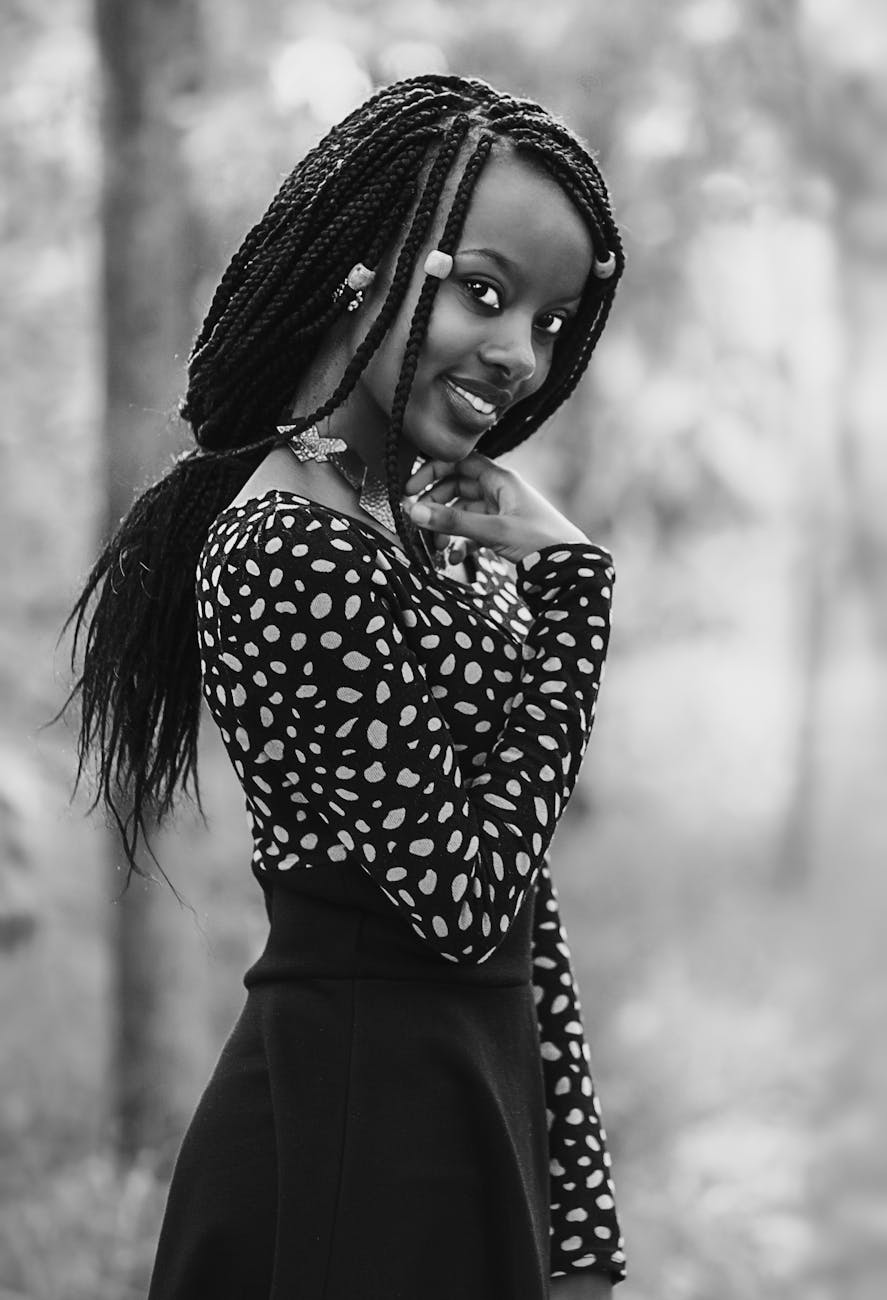
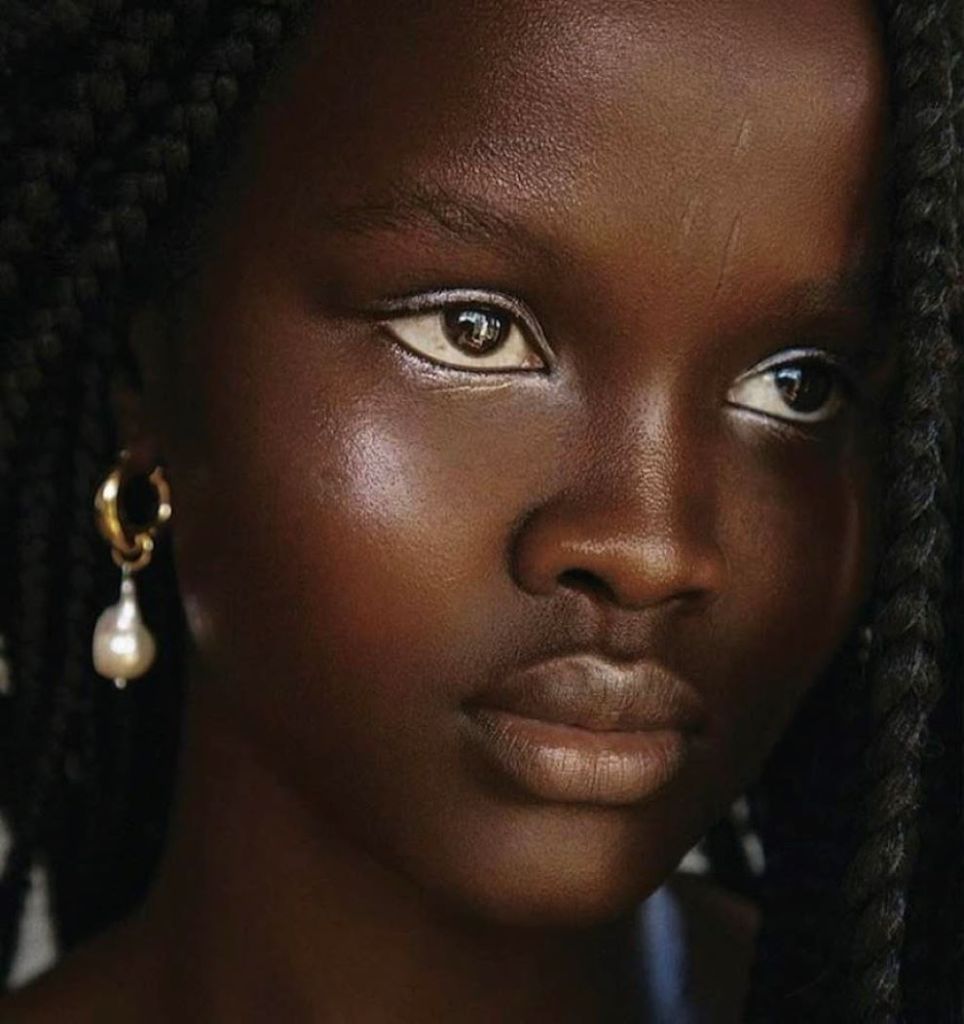
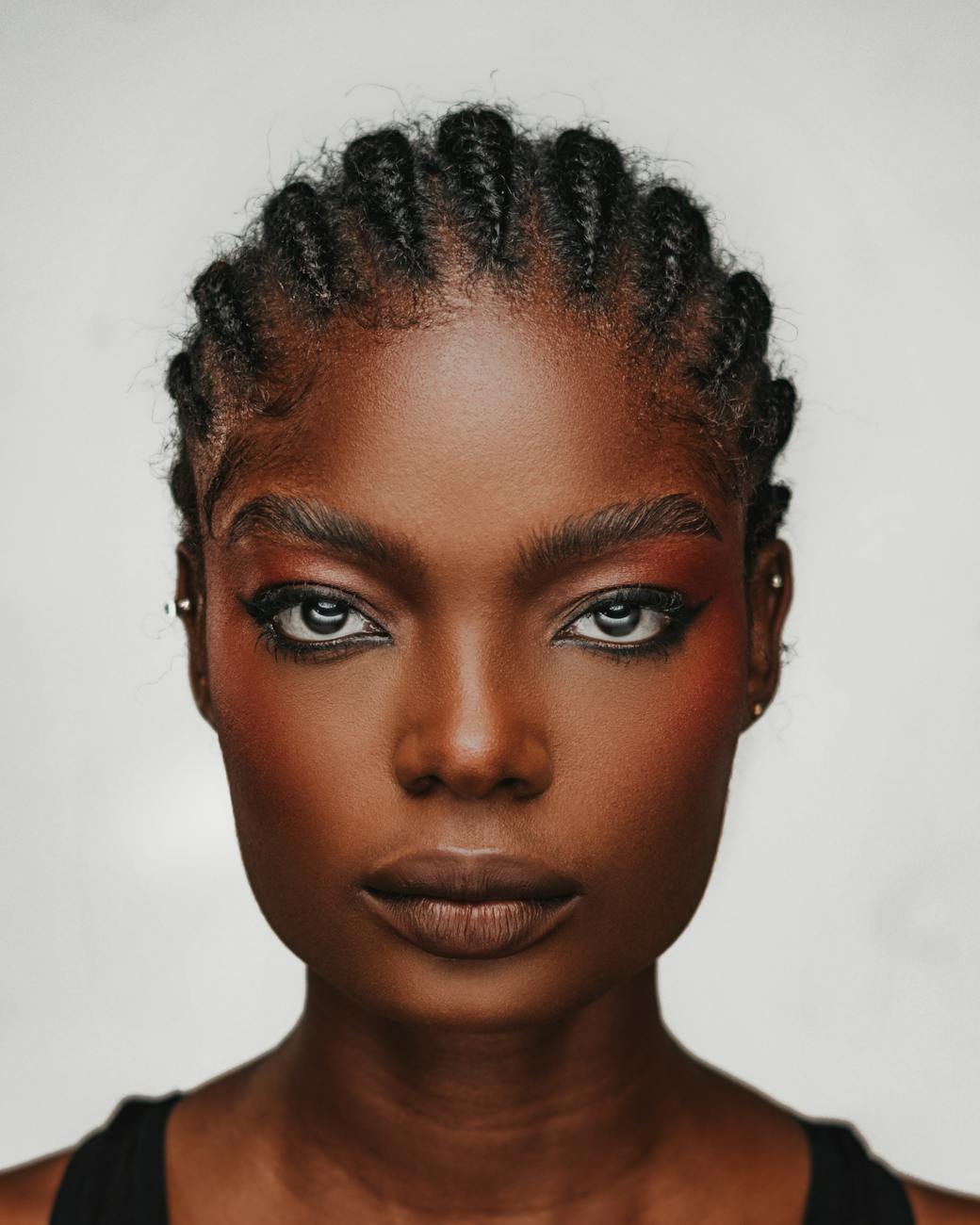
Photo by Iyke Ibeh on Pexels.com

Black beauty is a concept far deeper than surface appearance. It is the convergence of science, history, and spirit, revealing how genetics, cultural expression, and aesthetic principles work together to create radiance. To speak of the “golden ratio of melanin” is to acknowledge that Black beauty embodies symmetry, biological adaptation, and cultural meaning. This essay explores the anatomy of Black beauty through genetics, symmetry, cultural aesthetics, and identity, uncovering the scientific and symbolic foundations of its radiance.

Evolutionary Foundations of Black Beauty

The human body is a record of adaptation, and African-descended peoples carry evolutionary traits that reflect millennia of survival in diverse climates. Deeply pigmented skin, rich in eumelanin, developed as protection against ultraviolet radiation, safeguarding folate and reproductive health while allowing adequate vitamin D synthesis (Jablonski & Chaplin, 2010). This evolutionary brilliance demonstrates that beauty is inseparable from function and survival.

The Science of Melanin

Melanin, the pigment responsible for skin, hair, and eye color, holds both biological and symbolic power. Biologically, it provides a shield against UV damage and oxidative stress. Symbolically, it has become a marker of identity and pride, as phrases such as “melanin magic” reclaim the beauty once devalued by colonial systems. The “golden ratio of melanin” metaphorically expresses the balance between biological adaptation and aesthetic radiance embedded in Black bodies.

Facial Symmetry and Aesthetics

Scientific studies show that facial symmetry often influences perceptions of beauty (Little et al., 2011). Yet Black beauty complicates this narrative. While symmetry is biologically associated with health and reproductive fitness, the diversity of African facial structures—from high cheekbones to broad noses—illustrates that beauty cannot be reduced to symmetry alone. The unique harmony of features within African-descended populations reflects both genetic depth and aesthetic variety beyond Eurocentric measures.

Genetics and Diversity

Africa is the most genetically diverse continent, containing the origins of humanity itself (Tishkoff et al., 2009). This genetic variation produces an extraordinary range of phenotypes: skin tones from deep ebony to golden bronze, hair textures from tightly coiled to wavy, and eye colors that include rare shades of amber or green. Such diversity underscores that Black beauty is not singular but multifaceted, shaped by genetic inheritance and expressed across continents and diasporas.

The Psychology of Black Beauty

The psychology of beauty is inseparable from systems of power. For centuries, Eurocentric ideals defined beauty in ways that excluded African features, leading to internalized racism and colorism within Black communities (Hunter, 2007). Yet psychological resilience emerged through cultural movements that reframed beauty. From the “Black is Beautiful” movement to today’s natural hair renaissance, psychology demonstrates that Black beauty is not merely seen but also consciously reclaimed as self-affirmation.

The Cultural Expression of Beauty

Culture shapes how beauty is performed and perceived. Hairstyles, adornment, and fashion within African and diasporic traditions are more than aesthetic—they are carriers of memory, resistance, and identity. Cornrows, locs, and Afro hairstyles, once stigmatized, now stand as global fashion statements while retaining cultural significance (Byrd & Tharps, 2014). Thus, Black beauty is not static but evolves with cultural shifts, asserting both individuality and community.

Historical Erasure and Resistance

Colonialism and slavery systematically devalued Black beauty, portraying African features as inferior while elevating Eurocentric standards. Enslaved Africans were stripped of adornments yet found ways to preserve identity, such as braiding hair with hidden codes for survival. This history demonstrates that beauty was never trivial but a form of cultural survival and resistance against dehumanization.

Representation and Media

Representation in media profoundly influences global perceptions of beauty. For much of history, darker skin and African features were either excluded or caricatured. Yet figures like Cicely Tyson, Naomi Campbell, and Lupita Nyong’o have redefined representation, bringing diverse expressions of Black beauty to global platforms (Craig, 2006). Rihanna’s Fenty Beauty further revolutionized the cosmetics industry by centering inclusivity, making darker shades visible and celebrated in ways previously unseen.

The Aesthetics of Proportion

The “golden ratio,” a mathematical principle often associated with ideal beauty, raises questions about universal aesthetics. While some studies suggest that facial proportions linked to the golden ratio are perceived as attractive, such measures often privilege European features (Pallett et al., 2010). Black beauty challenges and expands this framework, demonstrating that harmony and proportion can be expressed in multiple ways that transcend narrow mathematical formulas.

Identity and Self-Perception

Beauty is inseparable from identity. For Black people, affirming beauty has long been an act of self-definition against imposed inferiority. Identity formation involves embracing melanin, natural features, and cultural aesthetics as sources of pride rather than shame. This reclamation is both personal and collective, as communities cultivate beauty standards that reflect African heritage rather than colonial imposition.

Spiritual Dimensions of Beauty

Scripture affirms that true beauty is rooted in spirit rather than external adornment: “Whose adorning let it not be that outward adorning… but the hidden man of the heart” (1 Peter 3:3–4, KJV). For Black communities, whose external beauty was historically denied, spiritual beauty became a foundation of dignity and resilience. Thus, Black beauty radiates not only through skin and hair but through faith, endurance, and inner strength.

Global Influence of Black Aesthetics

Today, Black aesthetics shape global culture in profound ways. From hip-hop fashion to Afrocentric hairstyles on runways, African-descended styles influence mainstream trends worldwide. Yet appropriation remains a challenge, as Black cultural expression is often commodified without honoring its origins (Patton, 2006). Despite this, the global admiration of Black beauty underscores its undeniable power to shape aesthetics on a universal scale.

Resilience as Radiance

At its core, Black beauty is radiant because it has endured. It has survived slavery, colonialism, and systemic erasure, yet continues to redefine standards on its own terms. This resilience transforms beauty from mere appearance into testimony. Black beauty is not fragile—it is forged in fire, radiant because it resisted dehumanization and emerged with power intact.

Conclusion

The anatomy of Black beauty encompasses genetics, symmetry, and identity, but extends beyond science into culture, psychology, and spirit. It is the golden ratio of melanin: a perfect balance of biological brilliance, cultural resistance, and aesthetic radiance. To study the science of Black beauty is to affirm that it is foundational to humanity, diverse in expression, and sacred in meaning. Black beauty is not just seen—it is lived, survived, and celebrated as resilience made radiant.


References

  • Byrd, A., & Tharps, L. (2014). Hair story: Untangling the roots of Black hair in America. St. Martin’s Press.
  • Craig, M. L. (2006). Race, beauty, and the tangled knot of a guilty pleasure. Feminist Theory, 7(2), 159–177.
  • Hunter, M. (2007). The persistent problem of colorism: Skin tone, status, and inequality. Sociology Compass, 1(1), 237–254.
  • Jablonski, N. G., & Chaplin, G. (2010). Human skin pigmentation as an adaptation to UV radiation. Proceedings of the National Academy of Sciences, 107(Suppl 2), 8962–8968.
  • Little, A. C., Jones, B. C., & DeBruine, L. M. (2011). Facial attractiveness: Evolutionary based research. Philosophical Transactions of the Royal Society B: Biological Sciences, 366(1571), 1638–1659.
  • Pallett, P. M., Link, S., & Lee, K. (2010). New “golden” ratios for facial beauty. Vision Research, 50(2), 149–154.
  • Patton, T. O. (2006). Hey girl, am I more than my hair? African American women and their struggles with beauty, body image, and hair. NWSA Journal, 18(2), 24–51.
  • Robins, A. H. (2009). Biological perspectives on human pigmentation. Cambridge University Press.
  • Tishkoff, S. A., et al. (2009). The genetic structure and history of Africans and African Americans. Science, 324(5930), 1035–1044.
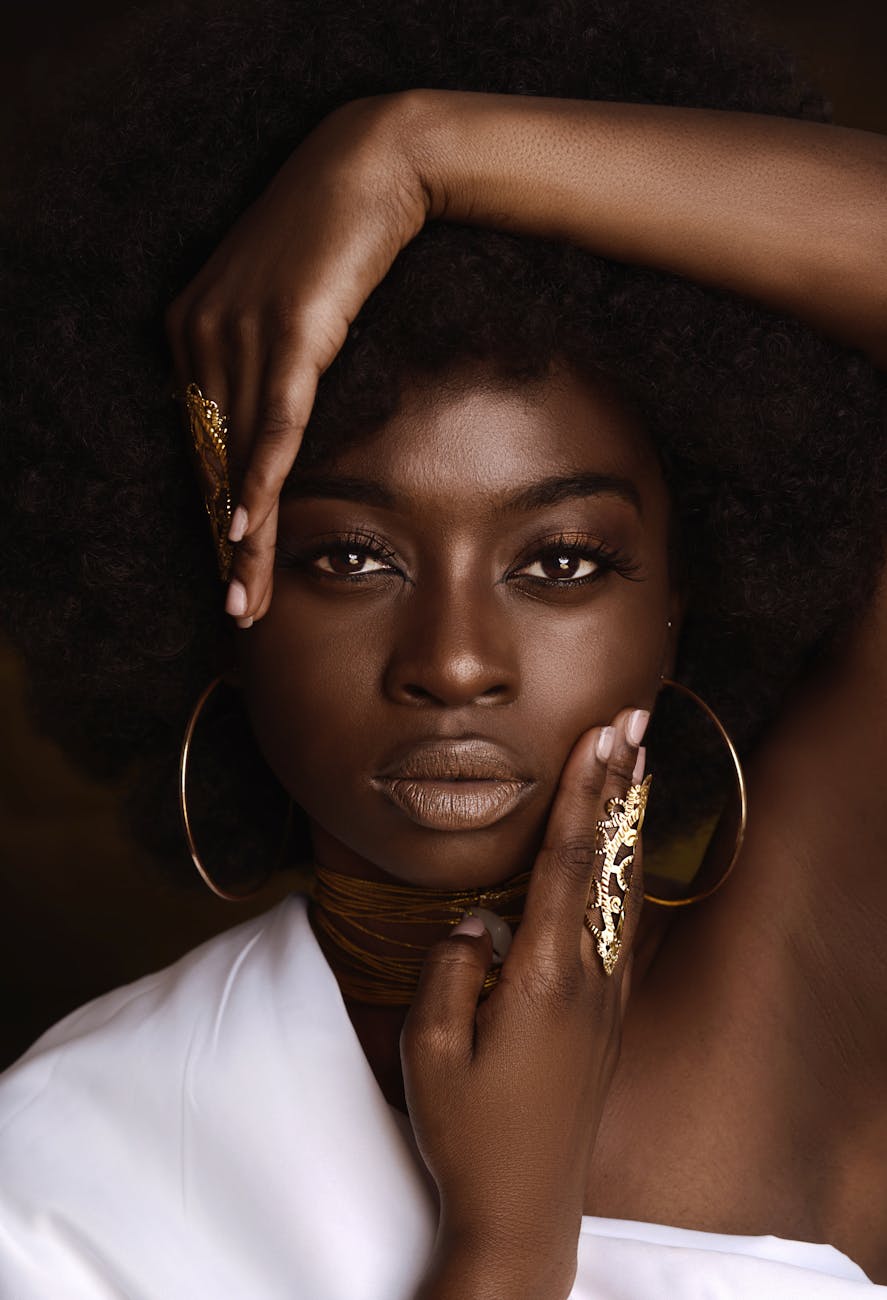
Unveiling Radiance: The Science Behind Black Beauty. #thescienccofblackbeauty

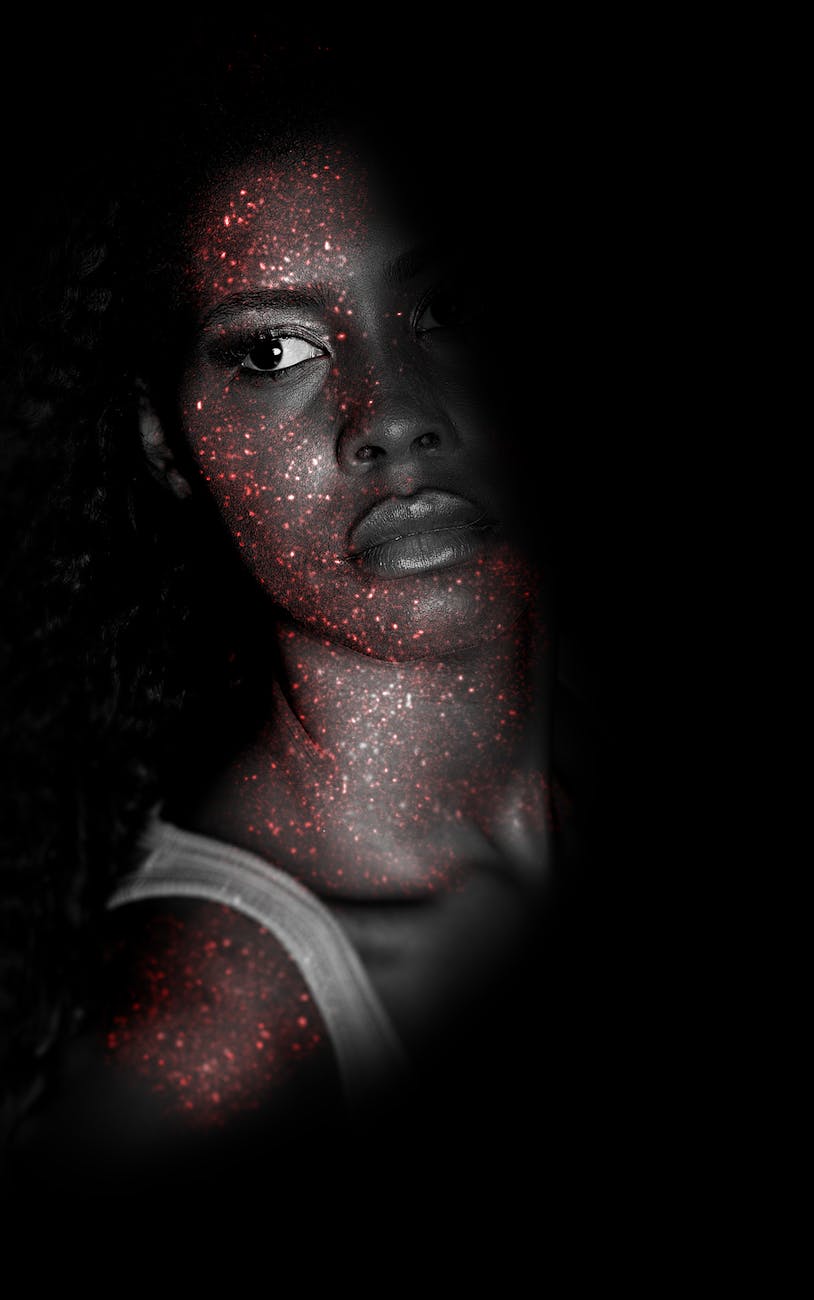
Photo by 3Motional Studio on Pexels.com

Black beauty is a phenomenon that transcends aesthetics, reaching into the realms of biology, psychology, culture, and spirituality. To unveil its radiance is to uncover the evolutionary genius of African traits, the resilience of a people who have endured systemic oppression, and the redefinition of beauty as an act of resistance. Far from being superficial, Black beauty embodies survival, identity, and the sacred dignity of heritage.

From a biological perspective, the features most associated with Black beauty—melanin-rich skin, coiled hair textures, and distinctive facial structures—carry deep evolutionary significance. Dark skin, rich in eumelanin, evolved as protection against harmful ultraviolet rays, while preserving vital nutrients like folate necessary for reproduction (Jablonski & Chaplin, 2010). Similarly, coiled hair functions as a natural insulator, protecting the scalp from heat while aiding in cooling, a design of resilience rooted in Africa’s climate (Robins, 2009). These features reveal that beauty is more than appearance—it is a story of adaptation and survival.

Psychology offers another lens into Black beauty. For centuries, Eurocentric ideals distorted global standards, leading to colorism and the devaluation of African features (Hunter, 2007). Internalized racism caused many to struggle with self-esteem, as seen in studies where Black children favored white dolls over Black dolls. Yet resilience emerged through movements such as “Black is Beautiful,” which reshaped psychological frameworks by affirming melanin, natural hair, and cultural aesthetics (Byrd & Tharps, 2014). In this way, beauty became a psychological anchor of identity and empowerment.

Culturally, representation plays a powerful role in shaping perceptions of beauty. Historically, Black women and men were excluded from mainstream imagery or reduced to stereotypes. However, pioneers like Cicely Tyson and Angela Davis disrupted these patterns by embracing natural styles that carried political meaning. In the modern era, global icons such as Lupita Nyong’o and Rihanna’s Fenty Beauty have expanded definitions of beauty, affirming darker complexions and diverse aesthetics as not only acceptable but aspirational (Tate, 2009). Representation thus transforms beauty from exclusion to celebration.

Black beauty is also inseparable from the politics of survival. During slavery, African women braided hair not only for style but also as cultural memory and, at times, as coded maps for escape (Byrd & Tharps, 2014). Beauty, in this context, was not frivolous but functional, a tool of survival and cultural preservation. This historical resilience underscores that beauty for Black communities is never just cosmetic—it is intertwined with dignity, memory, and liberation.

Spiritually, beauty is rooted in values deeper than appearance. The Bible teaches that true beauty lies within: “Whose adorning let it not be that outward adorning…but the hidden man of the heart” (1 Peter 3:3–4, KJV). For Black people, whose external beauty was often devalued by oppressive systems, inner radiance and spiritual strength became central to survival. Thus, Black beauty is not only seen in skin and hair, but also in character, resilience, and unwavering faith.

In contemporary society, Black aesthetics influence global fashion, music, and art. From natural hairstyles to melanin-positive campaigns, African-descended communities are reclaiming and redefining beauty on their own terms. Yet challenges remain, as colorism and Eurocentric bias persist in media and industries (Patton, 2006). Still, the global celebration of melanin and the mainstreaming of diverse beauty standards signal progress toward broader acceptance.

Ultimately, the science behind Black beauty reveals a truth greater than aesthetics: beauty is resilience, adaptation, and radiance born of struggle and survival. It is biological brilliance, psychological strength, cultural memory, and spiritual dignity combined. To unveil this radiance is to affirm that Black beauty is not only valid—it is foundational to humanity, a sacred testimony to the power of survival, identity, and divine design.


References

  • Byrd, A., & Tharps, L. (2014). Hair story: Untangling the roots of Black hair in America. St. Martin’s Press.
  • Hunter, M. (2007). The persistent problem of colorism: Skin tone, status, and inequality. Sociology Compass, 1(1), 237–254.
  • Jablonski, N. G., & Chaplin, G. (2010). Human skin pigmentation as an adaptation to UV radiation. Proceedings of the National Academy of Sciences, 107(Suppl 2), 8962–8968.
  • Patton, T. O. (2006). Hey girl, am I more than my hair? African American women and their struggles with beauty, body image, and hair. NWSA Journal, 18(2), 24–51.
  • Robins, A. H. (2009). Biological perspectives on human pigmentation. Cambridge University Press.
  • Tate, S. A. (2009). Black beauty: Aesthetics, stylization, politics. Ashgate.

Resilience and Radiance: The Science of Black Beauty. #thescienceofblackbeauty

Photo by jim nyamao on Pexels.com

The beauty of people of African descent has long been both celebrated and contested, occupying a complex intersection of biology, culture, and politics. Black beauty is not simply a matter of outward appearance, but a profound embodiment of resilience, history, and spiritual depth. It reflects evolutionary intelligence, psychological endurance, and cultural resistance. Understanding the “science of Black beauty” requires examining its genetic foundations, the psychology of beauty perception, the historical weight of colonialism and slavery, and the spiritual dimension that has sustained Black people across centuries. In this sense, Black beauty radiates not only from the body, but also from the survival of a people who have redefined beauty against all odds.


Evolutionary and Biological Foundations of Black Beauty

Human variation is shaped by adaptation, and the physical features commonly associated with African ancestry bear witness to millennia of survival in diverse ecological environments. Skin pigmentation is one of the most visible markers. Deeply pigmented skin, rich in eumelanin, developed as an evolutionary shield against ultraviolet (UV) radiation. This adaptation protected folate—essential for reproduction and fetal development—while still permitting sufficient vitamin D synthesis near the equator (Jablonski & Chaplin, 2010). Thus, the very darkness of African skin is not only an aesthetic trait but also a marker of evolutionary fitness and resilience.

Hair texture provides another example of adaptation. Afro-textured hair, with its tightly coiled structure, plays a thermoregulatory role, shielding the scalp from intense sunlight while allowing airflow to cool the head (Robins, 2009). This unique adaptation highlights the functionality and beauty embedded within African biology. Similarly, fuller lips, broader noses, and other phenotypic features often stigmatized under Eurocentric ideals were evolutionary responses to environment and climate, rather than biological deficiencies.

Genetics further demonstrates the diversity within African-descended populations. Africa possesses the greatest genetic variation of any continent, meaning that Black beauty cannot be reduced to a monolith but must be understood as a spectrum of phenotypes, from ebony to bronze skin tones, from tightly coiled to loosely curled hair textures (Tishkoff et al., 2009). This genetic diversity underscores that Black beauty is vast, multifaceted, and scientifically foundational to humanity itself.


The Psychology of Black Beauty and Self-Perception

While biology provides the framework, psychology reveals how beauty is experienced and valued. For centuries, Eurocentric beauty standards have dominated the global imagination, leading to colorism and internalized oppression within Black communities (Hunter, 2007). Skin tone hierarchies, hair texture bias, and the devaluation of African features created psychological scars that persist today.

Psychological studies show that exposure to Eurocentric ideals negatively impacts self-esteem among Black girls and women, often leading to increased anxiety, depression, and identity struggles (Thompson & Keith, 2001). The infamous “doll test” conducted by Kenneth and Mamie Clark in the 1940s revealed that Black children preferred white dolls over Black dolls, associating whiteness with goodness and beauty while internalizing negative views of their own Blackness.

Yet psychology also highlights resilience. The “Black is Beautiful” movement of the 1960s was a revolutionary act of cognitive reframing, challenging dominant standards and affirming Black self-worth (Byrd & Tharps, 2014). Today, the natural hair movement, the rise of melanin pride campaigns, and the increasing visibility of dark-skinned models and actresses reflect an ongoing psychological resistance to internalized colonial narratives. These cultural shifts affirm that Black beauty is not fragile—it is resilient, continuously redefining itself in ways that nurture self-love and communal pride.


Cultural Representation and the Politics of Beauty

Beauty is never neutral; it is political. For centuries, the exclusion of Black women and men from mainstream beauty standards reinforced structures of racial hierarchy. Dark skin was demonized, kinky hair was stigmatized, and African facial features were caricatured or erased from media representation. When Black bodies did appear in art, literature, or film, they were often exoticized, fetishized, or portrayed as subhuman.

This exclusion was not accidental but deeply rooted in colonial projects that sought to dehumanize African people while upholding whiteness as the pinnacle of beauty and civilization (Craig, 2006). In this context, to affirm Black beauty was to resist systemic erasure. Icons such as Nina Simone, Angela Davis, and Cicely Tyson redefined beauty through their unapologetic embrace of natural hair and African aesthetics, disrupting dominant cultural narratives.

In contemporary culture, representation has expanded. Lupita Nyong’o’s global influence as a dark-skinned actress and advocate for young Black girls challenges colorism. Rihanna’s Fenty Beauty brand revolutionized the cosmetics industry by offering foundation shades across the spectrum of skin tones, addressing the long-standing exclusion of darker complexions (Tate, 2009). These shifts reveal that beauty is not just personal—it is structural, reshaping industries and social perceptions.


Spiritual and Historical Dimensions of Black Beauty

Beyond biology and psychology, Black beauty possesses a spiritual and historical dimension. The transatlantic slave trade, colonialism, and systemic racism sought to strip African people of dignity, yet inner beauty and resilience endured. Enslaved women, denied adornments or agency, still braided hair in intricate styles that carried cultural meaning and even mapped escape routes (Byrd & Tharps, 2014). Beauty became an act of survival, a hidden language of strength.

The Bible, too, speaks of beauty in terms deeper than physical appearance. “Whose adorning let it not be that outward adorning of plaiting the hair, and of wearing of gold… but let it be the hidden man of the heart” (1 Peter 3:3–4, KJV). This verse affirms that true beauty is rooted in spirit, dignity, and virtue rather than external adornment. For Black communities, beauty has always transcended surface features—it is found in resilience, faith, and the radiance of survival through centuries of oppression.


Resilience and Radiance in the Modern Era

Today, Black beauty radiates globally, shaping fashion, music, film, and art. Afrocentric hairstyles influence global trends, African skin tones are celebrated on runways, and hip-hop culture redefines aesthetics worldwide. Yet challenges remain: colorism, Eurocentric bias in corporate beauty industries, and the commodification of Black aesthetics without proper respect for Black creators (Patton, 2006).

Nevertheless, Black beauty continues to redefine itself as a site of resistance and radiance. It is a reminder that beauty is not static but evolving, deeply intertwined with survival and identity. In both science and spirit, Black beauty testifies to the resilience of a people who refused to be erased, radiating strength that shines across generations.


Conclusion

The science of Black beauty demonstrates that it is both biological and transcendent. Evolutionary biology reveals its brilliance in adaptation. Psychology uncovers both the wounds of imposed Eurocentric standards and the resilience of self-love movements. Culture illustrates the politics of representation and the revolutionary act of embracing melanin and natural aesthetics. Spiritually, Black beauty is inseparable from dignity, survival, and divine worth.

In this light, Black beauty is not fragile—it is radiant because it endured. It is resilience written into skin, hair, and spirit. It is science fused with history, and history fused with faith. Black beauty is not merely seen; it is survived, celebrated, and sacred.


References

  • Byrd, A., & Tharps, L. (2014). Hair story: Untangling the roots of Black hair in America. St. Martin’s Press.
  • Craig, M. L. (2006). Race, beauty, and the tangled knot of a guilty pleasure. Feminist Theory, 7(2), 159–177.
  • Hunter, M. (2007). The persistent problem of colorism: Skin tone, status, and inequality. Sociology Compass, 1(1), 237–254.
  • Jablonski, N. G., & Chaplin, G. (2010). Human skin pigmentation as an adaptation to UV radiation. Proceedings of the National Academy of Sciences, 107(Suppl 2), 8962–8968.
  • Patton, T. O. (2006). Hey girl, am I more than my hair? African American women and their struggles with beauty, body image, and hair. NWSA Journal, 18(2), 24–51.
  • Robins, A. H. (2009). Biological perspectives on human pigmentation. Cambridge University Press.
  • Tate, S. A. (2009). Black beauty: Aesthetics, stylization, politics. Ashgate.
  • Thompson, M. S., & Keith, V. M. (2001). The Blacker the berry: Gender, skin tone, self-esteem, and self-efficacy. Gender & Society, 15(3), 336–357.
  • Tishkoff, S. A., et al. (2009). The genetic structure and history of Africans and African Americans. Science, 324(5930), 1035–1044.
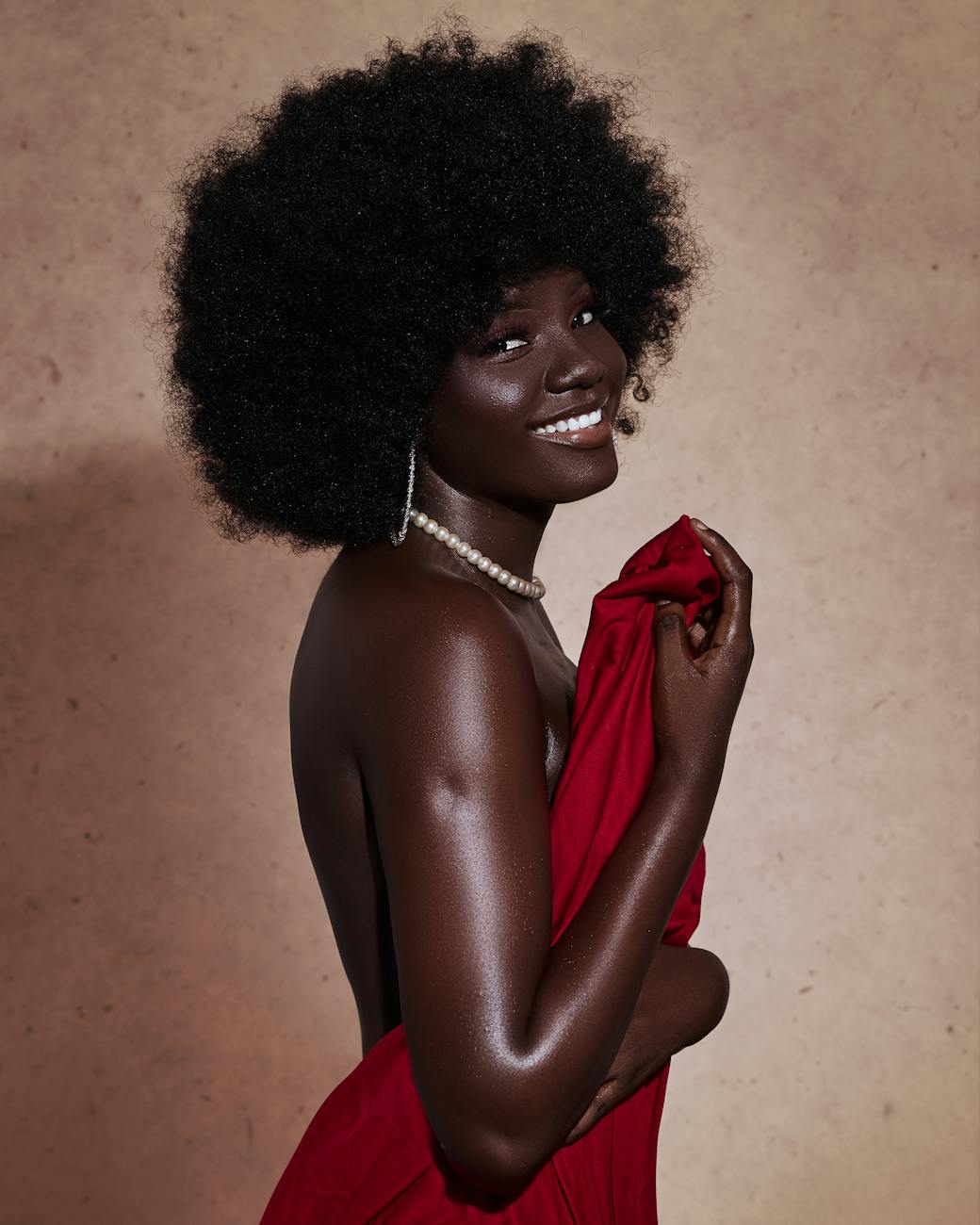
The Science of Black Beauty: Evolution, Psychology, and Representation.

Photo by Abel Kayode on Pexels.com

Black beauty is a multidimensional construct shaped by biology, cultural history, and sociopolitical forces. Unlike mainstream Eurocentric beauty standards, which often reduce attractiveness to narrow features, Black beauty encompasses genetic diversity, evolutionary resilience, and cultural expression. To understand it requires an interdisciplinary lens—examining the evolutionary science of melanin, the psychological impacts of beauty ideals, and the representation of Black aesthetics in society.

Evolutionary Foundations of Black Beauty

From an evolutionary perspective, darker skin pigmentation is a result of natural selection. Melanin, particularly eumelanin, provides protection against ultraviolet (UV) radiation while preserving folate reserves essential for reproduction (Jablonski & Chaplin, 2010). Features common within populations of African descent, such as fuller lips, broader noses, and tightly coiled hair, are not merely aesthetic traits but adaptive markers designed for survival in hot and variable climates (Robins, 2009). These traits, once stigmatized under colonial rule, reflect a scientific truth: Black beauty is evolutionarily advantageous, biologically diverse, and deeply tied to human survival.

Psychological Dimensions of Black Beauty

Psychology reveals how beauty standards affect identity and self-esteem. Eurocentric ideals historically marginalized Black features, creating internalized biases and what Fanon (1967) described as a “racial epidermal schema.” The preference for lighter skin—colorism—illustrates how systemic racism infiltrates concepts of beauty (Hunter, 2007). Conversely, the natural hair movement and celebration of melanin-rich skin highlight the psychological liberation that comes from embracing authentic Black beauty. Self-acceptance, in this context, becomes both a personal act of healing and a political statement.

Representation and Cultural Visibility

Representation of Black beauty in media has historically oscillated between invisibility and exoticization. Early depictions often reinforced stereotypes, while mainstream fashion and entertainment industries celebrated only a limited spectrum of Black aesthetics (Craig, 2006). Today, however, global icons like Lupita Nyong’o, Viola Davis, and Naomi Campbell expand representation by embodying diverse shades, textures, and body types. Social media platforms also empower everyday voices, allowing new narratives to challenge Eurocentric dominance and redefine beauty on global terms.

Intersection of Science and Culture

The study of Black beauty requires bridging scientific objectivity with cultural subjectivity. Facial symmetry, the golden ratio, and evolutionary psychology offer biological explanations for attractiveness (Little et al., 2011). Yet, beauty is also socially constructed, shaped by history, politics, and resistance. For Black communities, beauty is more than appearance—it is identity, resilience, and cultural pride.

Conclusion

The science of Black beauty cannot be divorced from its history of misrepresentation and resistance. Evolutionary biology highlights its adaptive strength; psychology reveals its role in identity formation; and representation underscores its sociopolitical weight. To honor Black beauty is to affirm both its scientific roots and its cultural power, recognizing it as central to human diversity and dignity.


References

  • Craig, M. L. (2006). Race, beauty, and the tangled knot of a guilty pleasure. Feminist Theory, 7(2), 159–177.
  • Fanon, F. (1967). Black skin, white masks. Grove Press.
  • Hunter, M. (2007). The persistent problem of colorism: Skin tone, status, and inequality. Sociology Compass, 1(1), 237–254.
  • Jablonski, N. G., & Chaplin, G. (2010). Human skin pigmentation as an adaptation to UV radiation. Proceedings of the National Academy of Sciences, 107(Supplement 2), 8962–8968.
  • Little, A. C., Jones, B. C., & DeBruine, L. M. (2011). Facial attractiveness: Evolutionary based research. Philosophical Transactions of the Royal Society B: Biological Sciences, 366(1571), 1638–1659.
  • Robins, A. H. (2009). Biological perspectives on human pigmentation. Cambridge University Press.

Pretty Privilege Series: Beauty, Brains, and the Power They Hold.


Photo by Nicholas Githiri on Pexels.com

What Is Pretty Privilege?

Pretty privilege refers to the societal advantage given to people who are considered conventionally attractive. Those who benefit from this unspoken bias are often treated more favorably in areas such as employment, dating, customer service, and social interaction, simply because of their appearance.

This form of privilege stems from what psychologists call the “halo effect”—a cognitive bias where we assume that attractive people possess other positive traits like intelligence, kindness, or competence (Dion, Berscheid & Walster, 1972). In essence, beauty becomes a currency that opens doors.


Where Does Pretty Privilege Come From?

The roots of pretty privilege are deeply embedded in Western beauty standards, often tied to Eurocentric features: light skin, thinness, symmetry, straight hair, and youth. These standards have been exported globally through colonialism, media, advertising, and Hollywood.

In many cultures—including communities of color—these ideals have been internalized. As a result, light skin, certain facial features, and body types are often associated with higher status, desirability, and even intelligence, reinforcing colorism and body shaming (Russell et al., 1992; Craig, 2002).


Pretty Privilege in Culture and Work

Workplace: Attractive people tend to earn more money and are perceived as more capable. A study by Hamermesh & Biddle (1994) found that better-looking people earn 5% to 10% more than their average-looking peers. Attractive candidates are more likely to be hired, promoted, and trusted in leadership roles—even when qualifications are equal.

Culture: In media, “pretty” people dominate film, television, and social platforms. The more attractive you are by mainstream standards, the more likely you are to gain followers, brand deals, and admiration. This is especially prominent on platforms like Instagram and TikTok.

Dating: In online dating, attractiveness determines initial contact, and women deemed attractive receive up to 4x more messages than average (Finkel et al., 2012). Men, too, benefit, but to a lesser degree.

Social Treatment: Studies show that attractive people are judged less harshly, receive better customer service, and are more likely to be believed or forgiven (Langlois et al., 2000).


Does Pretty Privilege Apply Equally Across Cultures?

Not exactly. While attractiveness is valued globally, what is considered beautiful differs across cultures. However, colonialism and globalization have caused a dominant Western beauty standard to permeate much of the world, leading to widespread issues like skin bleaching (Africa, Asia, the Caribbean), cosmetic surgery, and eating disorders.

In Black and brown communities, pretty privilege is deeply tied to colorism, texturism (hair bias), and facial feature hierarchies. Lighter-skinned women with Eurocentric features often receive more attention, professional opportunities, and romantic interest—even within their own racial groups.


Is It Better to Be Beautiful or Smart?

This depends on the context:

  • In the long run, intelligence and competence often lead to more sustainable success.
  • In the short term, beauty may offer faster access to opportunities—but they may be more superficial.

📊 Statistics: Beauty vs. Intelligence

  • IQ vs. Income: According to the American Psychological Association, IQ correlates with income (~0.23 correlation), meaning intelligence has a consistent but moderate impact on earnings (Strenze, 2007).
  • Beauty vs. Income: Hamermesh (2011) found that people rated as attractive earn $230,000 more over a lifetime than unattractive peers.
  • Job Performance: Intelligence is one of the strongest predictors of job performance across professions (Schmidt & Hunter, 1998), while beauty is more relevant in jobs requiring visibility (e.g., sales, entertainment).
  • Marriage: Men with higher education are more likely to marry, but for women, appearance still heavily influences marital outcomes (Qian, 2017).

Criticisms and Limitations of Pretty Privilege

  • It’s unstable: Beauty fades or changes with age, weight, or health.
  • It reinforces harmful standards: Societies that idolize beauty often marginalize those who are disabled, older, or outside the norm.
  • It can mask incompetence: Attractive people may be overestimated in roles requiring skill or leadership, leading to flawed decisions.
  • It often ignores intersectionality: Beauty is racialized, gendered, and classed. A light-skinned woman may benefit from beauty privilege, while a dark-skinned woman may be penalized—even if equally attractive by objective measures.

Can We Change It?

We can’t eliminate pretty privilege overnight, but we can:

  1. Broaden definitions of beauty to be more inclusive across races, body types, ages, and genders.
  2. Value merit and integrity over superficial qualities in hiring and leadership.
  3. Teach media literacy to help young people understand how beauty standards are constructed and weaponized.
  4. Challenge ourselves: Ask whether our preferences in dating, hiring, or friendships are shaped by bias or real connection.

Conclusion

Pretty privilege is real, and it influences everything from careers to courtships. While being beautiful may open doors, intelligence, character, and resilience determine how long you stay in the room. We must recognize the power of both beauty and brains—but work to ensure that value isn’t limited to the surface.


References

  • Dion, K. K., Berscheid, E., & Walster, E. (1972). “What is beautiful is good.” Journal of Personality and Social Psychology, 24(3), 285–290.
  • Hamermesh, D. S., & Biddle, J. E. (1994). “Beauty and the Labor Market.” The American Economic Review, 84(5), 1174–1194.
  • Hamermesh, D. S. (2011). Beauty Pays: Why Attractive People Are More Successful. Princeton University Press.
  • Langlois, J. H., et al. (2000). “Maxims or Myths of Beauty? A Meta-Analytic and Theoretical Review.” Psychological Bulletin, 126(3), 390–423.
  • Finkel, E. J., et al. (2012). “Online Dating: A Critical Analysis from the Perspective of Psychological Science.” Psychological Science in the Public Interest, 13(1), 3–66.
  • Strenze, T. (2007). “Intelligence and socioeconomic success: A meta-analytic review of longitudinal research.” Intelligence, 35(5), 401–426.
  • Russell, K., Wilson, M., & Hall, R. (1992). The Color Complex. Anchor Books.
  • Craig, M. L. (2002). Ain’t I a Beauty Queen? Oxford University Press.
  • Schmidt, F. L., & Hunter, J. E. (1998). “The Validity and Utility of Selection Methods in Personnel Psychology.” Psychological Bulletin, 124(2), 262–274.
  • Qian, Y. (2017). “Gender Asymmetry in Educational and Income Assortative Marriage.” Journal of Marriage and Family, 79(2), 318–336

🌑 The Ebony Dolls: Introduction -The History of Melanated Beauty 🌑

The Ebony Dolls series celebrates the extraordinary beauty, brilliance, and timeless femininity of Black women across generations. This collection honors the women whose presence reshapes standards, whose elegance defies shallow stereotypes, and whose radiance reflects both royal ancestry and divine craftsmanship. Each profile explores not only physical beauty but the depth behind it — resilience, artistry, heritage, intellect, and the unique glow that only melanin can produce.

This series highlights the royalty, actresses, models, musicians, public figures, entrepreneurs, and cultural icons who embody the full spectrum of Black womanhood. From deep chocolate to light warm caramel, from soft curls to sculpted coils, from statuesque silhouettes to girl-next-door sweetness, The Ebony Dolls pays homage to the diversity and glory of Black feminine identity. Their lives tell stories of triumph, discipline, creativity, spiritual rootedness, and the unbreakable grace passed down from African queens to modern-day trailblazers.

With each installment, readers will encounter a stunning profile — a blend of biography, cultural commentary, beauty analysis, career achievements, and personal reflections. Every woman will be honored in her own right: her skin, her features, her accomplishments, her family, her growth, her legacy. The Ebony Dolls is more than a beauty series; it is a celebration of sacred womanhood, Black excellence, and the divine imprint upon every daughter of the diaspora.

The story of melanated beauty is one of power, grace, and divine design. Melanin, the pigment that gives skin its rich and radiant tone, is not merely biology — it is a cultural and spiritual emblem. The Bible captures this truth beautifully when the Shulamite woman proclaims, “I am black, but comely” (Song of Solomon 1:5, KJV). In this statement, dark skin is affirmed as beautiful and desirable, worthy of admiration and dignity.

🌑 What is Melanin and Why It Matters

Melanin is a complex polymer produced by melanocytes, responsible for the pigmentation of skin, hair, and eyes. People with higher levels of eumelanin (brown/black melanin) not only possess deeper skin tones but also benefit from natural UV protection, reduced visible aging, and a lower risk of sun-related skin cancers (Taylor, 2020). This unique biological gift is part of the reason why melanated women are often noted for their youthful glow well into middle and later life.

Beyond biology, melanin carries cultural symbolism. African traditions often link dark skin to vitality, fertility, and divine connection. Psychologists note that embracing skin tone can be an act of resistance against colorism, boosting self-esteem and promoting psychological resilience (Hunter, 2011).

🌑 The Beauty of Queen Nefertiti

Queen Nefertiti of Ancient Egypt is perhaps the earliest celebrated icon of melanated beauty. Her name literally means “the beautiful one has come,” and her iconic limestone bust — with its regal posture, almond-shaped eyes, and perfect symmetry — continues to mesmerize the world thousands of years later. Nefertiti was more than a queen; she was a leader who helped guide Egypt through a religious revolution alongside Pharaoh Akhenaten. Her image remains a symbol of grace, authority, and divine femininity.

🌑 Naomi Campbell: The Supermodel Pioneer

Naomi Campbell redefined fashion. Born in 1970 in London, she became the first Black model to appear on the covers of French Vogue and TIME magazine. Known for her fierce walk and striking cheekbones, Campbell’s career opened doors for future melanated models. She turned the runway into a global stage, proving that Black women’s beauty is universal.

🌑 Lupita Nyong’o: Dark Skin as Royalty

Oscar-winning actress Lupita Nyong’o uses her platform to uplift girls with dark skin, urging them to love themselves. Her natural hair, deep complexion, and regal red-carpet presence challenged industries that favored lighter-skinned women. Lupita is living proof that Blackness is not just beautiful — it is royal.

🌑 Skai Jackson: The New Generation

Young doll-like actress Skai Jackson has become a role model for Gen Z, using her voice against bullying and injustice. She represents a generation of melanated girls embracing natural hair, deep skin tones, and self-confidence at an early age. Her presence in the media encourages young girls to see their beauty reflected on screen.

🌑 Halle Berry: Hollywood’s Trailblazer

Halle Berry shattered barriers by becoming the first Black woman to win an Academy Award for Best Actress. Known for her delicate facial features, big eyes, and magnetic screen presence, Berry opened doors for other actresses of color in leading roles.

🌑 Yara Shahidi: Beauty Meets Brilliance

Actress and activist Yara Shahidi combines intelligence with elegance. Known for her curls, poise, and thoughtful activism, Yara exemplifies a new standard for melanated beauty — one that prizes intellect, social justice, and self-expression.

🌑 Josephine Baker: The Bronze Venus

Josephine Baker, born in 1906, became one of the most famous entertainers in the world during the Jazz Age. Known as the “Bronze Venus,” she captivated Paris with her performances, bringing African and African American beauty to international stages. She was not just a performer — she was also a spy for the French Resistance during World War II and a civil rights activist. Her elegance, short hair, and magnetic stage presence made her one of the first global Black beauty icons.

🌑 Diana Ross: The Supreme Star

Diana Ross, lead singer of The Supremes, defined glamour in the Motown era. Her big hair, dazzling gowns, and signature voice helped elevate Black beauty into mainstream America. Ross inspired generations with her confidence, proving that Black women could be both elegant and unapologetically bold in their style.

🌑 Eartha Kitt: The Catwoman of Class

Eartha Kitt, with her sultry voice and feline grace, became one of Hollywood’s most distinctive stars. Known for her role as Catwoman in the 1960s Batman series, she embodied mystery and sensuality. Kitt was also outspoken against injustice, famously criticizing the Vietnam War during a White House luncheon — a testament that beauty and courage often walk hand in hand.

🌑 Ebony Dolls of the Past: Fashion Pioneers

Donyale Luna, the first Black model on the cover of Vogue (1966), and Beverly Johnson, the first on American Vogue (1974), broke racial barriers in fashion. They made it possible for Naomi Campbell and countless others to dominate runways decades later.

🌑 African Queens: The Divine Legacy of Melanated Beauty

The history of melanated beauty is inseparable from the power, wisdom, and elegance of African queens and goddesses. These figures not only defined aesthetic standards but also embodied leadership, courage, and spiritual authority, reminding the world that beauty and power coexist.

Queen Makeda (The Queen of Sheba) — Celebrated in Ethiopian and biblical history, Makeda is renowned for her wisdom, diplomacy, and regal presence. According to tradition, she visited King Solomon in Jerusalem, bearing gifts and profound questions, demonstrating intellect matched by beauty (1 Kings 10:1–13, KJV). Makeda represents the archetype of the melanated queen whose beauty is inseparable from intelligence and influence.

Cleopatra VII — Perhaps the most famous African queen in Western history, Cleopatra combined political genius with striking beauty. Although her lineage was Macedonian, historical records suggest her Egyptian identity and cultural integration contributed to her iconic appearance and persona. Cleopatra’s charm, eloquence, and strategic acumen make her an enduring symbol of melanated allure and leadership.

Queen Nzinga Mbande — The 17th-century warrior queen of Ndongo and Matamba (modern-day Angola) fought Portuguese colonizers to protect her people. Nzinga’s beauty was legendary, but it was her courage, tactical brilliance, and diplomacy that cemented her legacy. She embodies the idea that melanated beauty is inseparable from power and resilience.

Queen Hatshepsut — One of Ancient Egypt’s most successful female pharaohs, Hatshepsut ruled with wisdom and stability. Often depicted in statues and reliefs with the regalia of kings, her beauty was paired with authority, showing that melanated women could command both respect and admiration in societies dominated by men.

🌑 Psychology of Beauty and the Melanated Woman

Research shows that symmetrical faces and certain waist-to-hip ratios are universally attractive, but culture plays a major role in determining beauty standards (Rhodes, 2006; Singh, 1993). In Western media, melanated women were historically excluded from beauty narratives, leading to internalized biases. The recent resurgence of celebrating natural hair, full lips, and dark skin has created a cultural shift that affirms mental wellness and positive identity development for Black girls (Awad et al., 2015).

🌑 Spiritual Dimensions of Melanated Beauty

Biblically, beauty is connected to character and purpose. 1 Peter 3:3–4 (KJV) reminds us that inner beauty — the “ornament of a meek and quiet spirit” — is of great value in God’s sight. Proverbs 31:30 (KJV) warns, “Favor is deceitful, and beauty is vain: but a woman that feareth the Lord, she shall be praised.” This frames melanated beauty not just as physical adornment but as spiritual power.

🌑 Legacy and Future

From Queen Nefertiti to Josephine Baker, from Naomi Campbell to Lupita Nyong’o, from Diana Ross to Yara Shahidi, melanated beauty has defined eras and inspired the world. These women — past and present — are more than muses. They are leaders, visionaries, and cultural architects. They remind us that Black beauty is not a passing trend but an eternal standard, a reflection of divine creativity and human brilliance.


References

  • Awad, G. H., Norwood, C., Taylor, D. S., et al. (2015). Beauty and body image concerns among African American college women. Journal of Black Psychology, 41(6), 540–564.
  • Hunter, M. (2011). Buying racial capital: Skin-bleaching and cosmetic surgery in a globalized world. The Journal of Pan African Studies, 4(4), 142–164.
  • Rhodes, G. (2006). The evolutionary psychology of facial beauty. Annual Review of Psychology, 57, 199–226.
  • Singh, D. (1993). Adaptive significance of waist-to-hip ratio and female physical attractiveness. Journal of Personality and Social Psychology, 65(2), 293–307.
  • Taylor, S. (2020). Advances in understanding of skin of color. Journal of the American Academy of Dermatology, 82(1), 157–166.
  • The Holy Bible, King James Version.