Humility is the doorway to divine favor. It is not weakness—it is strength under control. In a world obsessed with self-promotion, God still honors those who choose submission over self-glory. Scripture clearly teaches that elevation comes through humility. James 4:10 (KJV) says, “Humble yourselves in the sight of the Lord, and he shall lift you up.” When you bow low before God, He raises you up in His timing and for His purpose.
Humility is not thinking less of yourself—it’s thinking of yourself less. It’s recognizing that all power, wisdom, and success come from God alone. Philippians 2:5–8 reminds us that even Christ, being equal with God, “made himself of no reputation, and took upon him the form of a servant.” Because of that humility, God exalted Him above every name (Philippians 2:9–11). The Son of God chose the path of service before glory.
The humble heart draws Heaven’s attention. Isaiah 66:2 (KJV) declares, “To this man will I look, even to him that is poor and of a contrite spirit, and trembleth at my word.” God’s eyes are not on the proud who boast, but on the humble who bow. He takes delight in the one who honors His voice more than human applause.
Moses is one of the greatest examples of divine elevation through humility. Numbers 12:3 describes him as “very meek, above all the men which were upon the face of the earth.” Because of his meekness, God trusted him to lead Israel out of bondage and speak with Him face to face. The more Moses depended on God, the more power God released through him.
Joseph’s story also reveals the rise of the humble. Betrayed by his brothers, sold into slavery, and imprisoned unjustly—he never turned bitter or prideful. When God finally elevated him to Pharaoh’s right hand, Joseph didn’t boast; he credited God: “It is not in me: God shall give Pharaoh an answer of peace” (Genesis 41:16, KJV). His humility opened doors no man could close.
David’s rise from shepherd to king also began with humility. He wasn’t chasing thrones; he was tending sheep. God saw his heart, not his appearance (1 Samuel 16:7). When David defeated Goliath, he gave glory to God, saying, “The battle is the Lord’s” (1 Samuel 17:47, KJV). That humility kept him favored, even when others sought to destroy him.
Esther’s story is another example of quiet humility that led to elevation. She didn’t demand a crown—she walked in grace and obedience. When it was her time to go before the king, she found favor because she carried herself with wisdom and meekness (Esther 2:17). Her humility saved a nation.
Ruth, a Moabite widow, also rose through humility and faithfulness. She chose to serve Naomi and follow the God of Israel. Ruth didn’t chase Boaz; she simply worked in her purpose. Her humility and work ethic caught Boaz’s attention, and God used her lineage to bring forth King David—and eventually Christ Himself.
Daniel’s rise in Babylon was rooted in humility. Despite being a captive, he remained faithful, respectful, and prayerful. When God gave him wisdom to interpret dreams, he said, “There is a God in heaven that revealeth secrets” (Daniel 2:28, KJV). He never took credit for divine revelation. Because of that humility, kings honored him, and God preserved him through every trial.
The apostle Paul, once proud and persecuting Christians, became a humble servant of Christ. After encountering Jesus on the road to Damascus, Paul said in Philippians 3:8 that he counted all things as loss for the knowledge of Christ. His humility birthed one of the most powerful ministries in history.
Humility always precedes promotion. Proverbs 18:12 (KJV) teaches, “Before destruction the heart of man is haughty, and before honour is humility.” The proud try to climb ladders of fame; the humble let God lift them when the foundation is ready. God never forgets a bowed heart.
Even in hardship, humility sustains peace. When Job lost everything, he fell to the ground and worshiped, saying, “The Lord gave, and the Lord hath taken away; blessed be the name of the Lord” (Job 1:21, KJV). Because he remained humble under pressure, God restored him double for his trouble. Humility never loses—it multiplies.
Mary, the mother of Jesus, is another shining example. When the angel told her she would bear the Son of God, she didn’t boast—she said, “Behold the handmaid of the Lord; be it unto me according to thy word” (Luke 1:38, KJV). Because of her humility, she was chosen to carry the Messiah.
The humble also rise spiritually. James 4:6 says, “God resisteth the proud, but giveth grace unto the humble.” Grace is divine enablement—the power to endure, to overcome, and to walk in purpose. Every elevation in God’s kingdom is powered by grace, and grace flows through humility.
In modern times, humility is countercultural. The world teaches self-promotion, but the Kingdom teaches surrender. True greatness is not measured by how many follow you but by how many you serve. Jesus said, “Whosoever will be chief among you, let him be your servant” (Matthew 20:27, KJV). Servanthood is the pathway to glory.
Humility also strengthens relationships. When spouses, leaders, or friends choose humility over pride, peace flourishes. Colossians 3:12–13 calls believers to “put on bowels of mercies, kindness, humbleness of mind, meekness, longsuffering.” The humble choose healing over hostility.
God promotes the humble at the appointed time. 1 Peter 5:6 (KJV) affirms, “Humble yourselves therefore under the mighty hand of God, that he may exalt you in due time.” Waiting doesn’t mean denial; it means development. God will elevate you when your heart is ready to handle the weight of glory.
The rise of the humble also has eternal rewards. Matthew 23:12 promises that “whosoever shall exalt himself shall be abased; and he that shall humble himself shall be exalted.” The humble will not only be lifted in this life but will also reign with Christ in eternity.
In the end, humility is the key that unlocks God’s favor. It attracts blessing, preserves character, and ensures that success doesn’t destroy the soul. The rise of the humble is not sudden—it is sustained by obedience, prayer, and gratitude.
So walk humbly, even when you succeed. Stay low so God can take you higher. Let every victory reflect His glory, not your own. As Micah 6:8 (KJV) declares, “What doth the Lord require of thee, but to do justly, and to love mercy, and to walk humbly with thy God?” When you walk humbly, you walk powerfully, and Heaven itself walks with you.
Prayer is the lifeline of a believer, the direct channel of communication with God. It is through prayer that one expresses faith, seeks guidance, and finds comfort in times of distress. The Bible encourages persistent prayer, assuring believers that God hears and responds to those who earnestly seek Him. As stated in 1 Thessalonians 5:17, “Pray without ceasing,” which reminds us that prayer should be an ongoing, steadfast practice, not a mere occasional act.
Many believers face moments when the weight of life feels unbearable. In these moments, prayer becomes a refuge, providing peace beyond human understanding. Philippians 4:6-7 exhorts, “Be careful for nothing; but in every thing by prayer and supplication with thanksgiving let your requests be made known unto God. And the peace of God, which passeth all understanding, shall keep your hearts and minds through Christ Jesus.” Here, prayer is not only a plea for help but also a conduit for divine tranquility.
Prayer is powerful because it aligns our will with God’s will. Often, humans desire immediate solutions or worldly comforts, but prayer refocuses our hearts on divine purpose. Jesus taught in Matthew 6:10, “Thy kingdom come, Thy will be done in earth, as it is in heaven.” By praying in alignment with God’s plan, we invite His guidance into our decisions and actions, ensuring that our paths are blessed and purposeful.
Persistence in prayer demonstrates faith. Luke 18:1 recounts Jesus teaching a parable of a widow who continually sought justice from an unjust judge. Jesus concludes, “And shall not God avenge his own elect, which cry day and night unto him, though he bear long with them?” Persistent prayer is a testimony of trust in God’s timing, reinforcing that He works for the benefit of those who wait on Him.
Prayer is also a weapon against spiritual adversity. Ephesians 6:18 instructs believers, “Praying always with all prayer and supplication in the Spirit, and watching thereunto with all perseverance and supplication for all saints.” In the face of trials, prayer fortifies the soul against fear, doubt, and temptation. It is a shield that strengthens believers to stand firm in faith despite worldly opposition.
Many biblical figures illustrate the power of prayer in transforming circumstances. Daniel, in captivity, prayed fervently three times a day (Daniel 6:10). Despite facing the threat of the lions’ den, his steadfast prayer invoked God’s protection, demonstrating that unwavering faith in prayer can produce miraculous deliverance even in dire situations.
Prayer fosters intimacy with God. Through it, believers share their innermost thoughts, fears, and desires, cultivating a relationship rooted in trust and love. Psalm 145:18 affirms, “The LORD is nigh unto all them that call upon him, to all that call upon him in truth.” This nearness is not merely physical but relational, creating a profound spiritual connection that empowers, sustains, and consoles.
The effectiveness of prayer is not measured by immediate answers but by the transformation it brings within the believer. Romans 12:12 advises, “Rejoicing in hope; patient in tribulation; continuing instant in prayer.” Even when solutions seem delayed, prayer shapes patience, hope, and endurance, molding character in alignment with God’s divine purposes.
Prayer is a source of guidance in confusion. When facing difficult decisions, believers often turn to prayer for clarity and direction. Proverbs 3:5-6 instructs, “Trust in the LORD with all thine heart; and lean not unto thine own understanding. In all thy ways acknowledge him, and he shall direct thy paths.” Through prayer, we receive divine wisdom that transcends human reasoning.
The power of communal prayer is significant. When believers unite in prayer, the spiritual impact is amplified. Matthew 18:19-20 assures, “Again I say unto you, That if two of you shall agree on earth as touching any thing that they shall ask, it shall be done for them of my Father which is in heaven. For where two or three are gathered together in my name, there am I in the midst of them.” Corporate prayer strengthens faith, unity, and spiritual resolve.
Prayer also acts as a medium for gratitude. By thanking God for His blessings, believers cultivate a heart of appreciation and humility. 1 Thessalonians 5:18 instructs, “In every thing give thanks: for this is the will of God in Christ Jesus concerning you.” Gratitude in prayer nurtures spiritual resilience and invites more of God’s favor into one’s life.
Suffering often prompts the most fervent prayers. Job’s unwavering dialogue with God amidst profound loss exemplifies this truth. Job 1:21 declares, “The LORD gave, and the LORD hath taken away; blessed be the name of the LORD.” Even in grief, prayer sustains hope and reinforces trust in God’s sovereignty.
Prayer is a balm for anxiety and fear. When overwhelmed by life’s uncertainties, believers find solace in casting their burdens on God. 1 Peter 5:7 encourages, “Casting all your care upon him; for he careth for you.” Through prayer, anxiety is transformed into trust, and fear gives way to divine assurance.
Intercessory prayer demonstrates love and compassion. By praying for others, believers participate in God’s work of mercy. James 5:16 states, “The effectual fervent prayer of a righteous man availeth much.” Intercession extends God’s grace to those in need, reflecting Christ’s heart of care and concern.
Prayer is also an exercise in spiritual discipline. Regular devotion shapes the believer’s mind, aligning thoughts, emotions, and actions with godliness. Acts 1:14 highlights the early church, “These all continued with one accord in prayer and supplication, with the women, and Mary the mother of Jesus, and with his brethren.” Consistent prayer fosters unity and spiritual strength.
Through prayer, believers experience deliverance from temptation. Jesus’ instruction in Matthew 26:41 emphasizes, “Watch and pray, that ye enter not into temptation: the spirit indeed is willing, but the flesh is weak.” Prayer equips the believer to resist sin and maintain spiritual integrity amidst challenges.
Even unanswered prayers carry lessons. They teach patience, deepen faith, and cultivate reliance on God’s wisdom. Isaiah 55:8-9 reminds, “For my thoughts are not your thoughts, neither are your ways my ways, saith the LORD. For as the heavens are higher than the earth, so are my ways higher than your ways, and my thoughts than your thoughts.” Persistence in prayer nurtures trust in God’s perfect plan.
Prayer encourages humility. By acknowledging dependence on God, believers confront pride and self-sufficiency. Psalm 34:17 asserts, “The righteous cry, and the LORD heareth, and delivereth them out of all their troubles.” Humility through prayer positions the believer to receive divine intervention.
Prayer transcends circumstance. Whether in joy or sorrow, abundance or lack, believers are called to maintain a life of prayer. Nehemiah 1:4 demonstrates, “And it came to pass, when I heard these words, that I sat down and wept, and mourned certain days, and fasted, and prayed before the God of heaven.” Prayer is the constant companion through every season of life.
Finally, prayer is the ultimate expression of hope. It affirms that God is present, active, and listening. Romans 8:26 teaches, “Likewise the Spirit also helpeth our infirmities: for we know not what we should pray for as we ought: but the Spirit itself maketh intercession for us with groanings which cannot be uttered.” Even when words fail, prayer bridges the gap between human weakness and divine strength.
In conclusion, prayer is the believer’s anchor, shield, and source of strength. It transforms hearts, shapes character, and opens the door for God’s miraculous intervention. By not giving up, by praying without ceasing, believers experience the power of prayer, a power that moves mountains, comforts the weary, and fulfills God’s will in lives devoted to Him. Persistent prayer is not only a spiritual duty but a lifeline, a testament to faith, and a declaration that no matter the circumstance, one should never give up.
Biblical References (KJV)
Bible. (2000). The Holy Bible: King James Version. Thomas Nelson.
Matthew 7:7–8 – Asking, seeking, knocking in prayer.
Philippians 4:6–7 – Prayer and supplication with thanksgiving.
James 5:16 – The effectual fervent prayer of a righteous man availeth much.
1 Thessalonians 5:17 – Pray without ceasing.
Luke 18:1–8 – Parable of the persistent widow.
Mark 11:24 – Believing in what we pray for.
Psalm 34:17 – The Lord hears the righteous when they cry.
Jeremiah 33:3 – Call unto Me, and I will answer thee.
Romans 12:12 – Continuing instant in prayer.
Scholarly & Theological References
Alexander, T. D. (2017). Prayer in the Bible: A theological and pastoral approach. Grand Rapids, MI: Baker Academic.
Foster, R. J. (1992). Celebration of discipline: The path to spiritual growth. San Francisco, CA: HarperSanFrancisco.
Packer, J. I. (2001). Knowing God. Downers Grove, IL: InterVarsity Press.
Blackaby, H., & Blackaby, R. (2001). Spiritual leadership: Moving people on to God’s agenda. Nashville, TN: B&H Publishing.
Grudem, W. (1994). Systematic theology: An introduction to biblical doctrine. Grand Rapids, MI: Inter-Varsity Press. (See chapters on prayer and providence.)
The story of Black people is a story of survival, resilience, and faith. It is a narrative that begins long before the transatlantic slave trade, rooted in the ancient civilizations of Africa. From the Nile Valley kingdoms to the bustling empires of West Africa, Black history is marked by contributions to science, governance, art, and spirituality. The chronicles of Black people must be told with both historical precision and spiritual reverence, for this is not merely a sociological story but a testament to God’s providence.
The Dispersion of the Israelites: From Jerusalem to Africa to the Americas
The destruction of Jerusalem in 70 AD marked a decisive turning point in the history of the descendants of Abraham, Isaac, and Jacob. The city’s fall under the Roman general Titus was catastrophic, shattering the center of Jewish religious and cultural life. The event is well documented by the first-century historian Flavius Josephus in The Wars of the Jews, where he recounts the siege, famine, and mass slaughter that befell the city. Over a million Jews perished, and tens of thousands were taken captive and sold into slavery across the Roman Empire.
Jesus had foretold this tragedy decades earlier. In Luke 21:20–24 (KJV), He warned: “And when ye shall see Jerusalem compassed with armies, then know that the desolation thereof is nigh… and they shall fall by the edge of the sword, and shall be led away captive into all nations.” This prophecy described both the violent fall of Jerusalem and the global scattering of the Hebrew people.
While some captives were sold into Roman markets and forced into gladiatorial games, others fled southward to escape the bloodshed. Historical and anthropological evidence suggests that many of these refugees crossed into Egypt and migrated further into the African interior, seeking refuge in areas beyond Roman control. This migration connected them to pre-existing Jewish communities in Africa, some of which dated back to the Babylonian exile (Ben-Jochannan, 1974).
Egypt became one of the first major destinations for fleeing Israelites. It was geographically close, and Egypt already had a significant Jewish population dating back to the time of Jeremiah (Jeremiah 43:7, KJV). From there, many continued their journey into regions like Nubia, Ethiopia, and eventually West Africa. This southward migration is critical to understanding the later presence of Hebrew communities in West and Central Africa by the time of European colonization.
Scholars of African history have traced the presence of Israelite-descended tribes among groups such as the Yoruba, Igbo, and Ashanti, noting parallels in circumcision practices, dietary laws, and names of God similar to Hebrew (Williams, 1930). Oral traditions among the Igbo, for instance, claim descent from “Eri,” a name associated with a son of Gad, one of the twelve tribes of Israel (1 Chronicles 7:7, KJV).
Deuteronomy 28:64 (KJV) foretold that disobedience to God’s covenant would result in scattering “from the one end of the earth even unto the other.” This scattering, or diaspora, became visible not only in the Middle East but across Africa. By the late medieval period, sizable populations of Israelite-descended people were living along the West African coast — precisely the regions where the transatlantic slave trade would later strike the hardest.
The transatlantic slave trade, beginning in the 15th century, represented the fulfillment of another sobering prophecy: Deuteronomy 28:68 (KJV): “And the LORD shall bring thee into Egypt again with ships… and there ye shall be sold unto your enemies for bondmen and bondwomen, and no man shall buy you.” The reference to ships is striking because the original enslavement in Egypt required no sea voyage. This indicated a new, future captivity involving maritime transport — which history now recognizes as the Middle Passage.
The Middle Passage was one of the most brutal chapters in human history. Africans — including descendants of those Israelite migrants — were shackled, crammed into ships, and subjected to horrific conditions. Mortality rates were staggering. Yet even in this, biblical prophecy was echoed: “Thy sons and thy daughters shall be given unto another people, and thine eyes shall look, and fail with longing for them all the day long” (Deuteronomy 28:32, KJV).
Once in the Americas, enslaved Africans were stripped of language, culture, and names. The erasure of identity fulfilled Psalm 83:4 (KJV): “They have said, Come, and let us cut them off from being a nation; that the name of Israel may be no more in remembrance.” The loss of cultural memory was intentional, designed to sever the people from their heritage and prevent rebellion.
Despite the oppression, faith survived. Many Africans retained fragments of Hebrew traditions, which fused with Christianity under enslavement. Spirituals like “Go Down, Moses” reflected the enslaved people’s identification with Israel in Egypt and their hope for divine deliverance.
Modern genetics has added another layer to this chronicle. Y-DNA haplogroup E1B1A, dominant among West and Central African men, has been linked by geneticists to lineages that originated in the Levant and Northeast Africa thousands of years ago (Chiaroni et al., 2009). This genetic marker supports the idea that many African-descended people in the Americas share ancestry with ancient Hebrew populations.
Psychologically, this historical trajectory inflicted deep trauma. Dr. Joy DeGruy (2005) describes this as Post-Traumatic Slave Syndrome, noting how the legacy of slavery has shaped family structures, identity, and mental health among descendants. Yet she also highlights resilience — the capacity to endure and rebuild despite generational wounds.
Biblically, the oppression of God’s people has never been the end of their story. Prophets foretold a regathering of Israel. Isaiah 11:11–12 (KJV) declares: “And it shall come to pass in that day, that the Lord shall set his hand again the second time to recover the remnant of his people… from Egypt, and from Pathros, and from Cush.” This points to a future restoration of those scattered into Africa.
Many scholars and theologians believe that the present-day awakening of African-descended people to their Hebraic identity is part of this prophetic fulfillment. This rediscovery is not merely academic — it is spiritual, calling descendants back to covenant faithfulness.
The cultural memory of Africa also remains important. Reconnecting to African languages, music, and traditions is a form of healing. It reclaims what colonization attempted to erase and reaffirms the dignity of a people made in God’s image (Genesis 1:27, KJV).
The Black church has historically been a space where this restoration work could take place. It has served as a vessel for memory, a hub for civil rights activism, and a platform for preaching hope. The church kept alive the dream of liberation when society denied it.
Economically, the descendants of these scattered Israelites continue to face systemic inequalities. Yet building generational wealth, pursuing education, and reclaiming land ownership align with biblical principles of restoration (Leviticus 25:10, KJV).
This chronicle also has a global dimension. Descendants of the transatlantic slave trade exist not only in the United States but in Brazil, the Caribbean, Central America, and beyond. Each community preserves pieces of the ancestral puzzle that, when put together, reveal a shared heritage.
Spiritually, there is a call to return to the God of Abraham, Isaac, and Jacob — to seek Him with all the heart. Deuteronomy 30:3–4 (KJV) promises that if Israel returns, “the LORD thy God will turn thy captivity, and have compassion upon thee… and will return and gather thee from all the nations.”
The story is therefore not one of perpetual despair but of divine restoration. God has preserved a remnant through centuries of scattering and oppression. Today’s rediscovery of identity is a signpost that the prophetic timeline is moving toward completion.
In conclusion, the journey of the descendants of Abraham, Isaac, and Jacob from Jerusalem to Africa to the Americas is one of tragedy, endurance, and hope. It fulfills both biblical prophecy and historical record. The same God who allowed the scattering also promises the gathering. The chronicles of this people are not finished — they continue to unfold as a testimony of divine faithfulness.
Africa is widely regarded as the cradle of civilization. Archaeological and genetic evidence point to early human development on the African continent (Stringer, 2016). The great kingdoms of Egypt, Kush, Mali, Ghana, and Songhai demonstrate that Africa was not a passive participant in history but a leader in early advancements. The Bible itself situates Africa within the redemptive story. Egypt (Mizraim), Ethiopia (Cush), and Libya (Put) are mentioned throughout Scripture, affirming that Africa was never on the periphery of God’s plan (Genesis 10:6-7, KJV).
The Hebrew Scriptures frequently reference Cush and its people with honor. The prophet Amos asks, “Are ye not as children of the Ethiopians unto me, O children of Israel?” (Amos 9:7, KJV). This verse reminds us that Blackness was never a mark of inferiority in the biblical narrative but part of God’s diverse creation. Moses married a Cushite woman (Numbers 12:1, KJV), and when Miriam spoke against her, God punished Miriam with leprosy — a divine rebuke against prejudice.
Despite this rich heritage, the colonization of Africa disrupted cultural memory. European imperial powers divided Africa’s resources and enslaved millions of its people, initiating one of the most devastating forced migrations in history. The transatlantic slave trade ripped families apart and subjected African men, women, and children to centuries of dehumanization (Thornton, 1998). Yet even in the holds of slave ships, faith survived. Spiritual songs and oral traditions became a way to encode hope and resistance.
The Middle Passage was one of the most horrific chapters in human history. Enslaved Africans endured overcrowded, disease-ridden ships where death was common. Yet many sang songs to God, cried out for deliverance, and clung to ancestral prayers. Psalm 137:1-4 (KJV) captures this sentiment: “By the rivers of Babylon, there we sat down, yea, we wept, when we remembered Zion.” For many, Africa became their Zion — a lost homeland.
On the plantations of the Americas, Black people forged a theology of survival. They identified with Israel in Egypt, believing that God would one day send a Moses to deliver them. The spiritual “Go Down, Moses” was not merely a song but a coded declaration of faith and hope. This is the birth of the Black church — the first autonomous institution for African Americans and a cornerstone of cultural preservation and liberation theology (Raboteau, 2004).
The Black church became a center of education, community organizing, and political mobilization. It taught enslaved and freed people to read, often beginning with the Bible. It was here that enslaved Africans learned that the God of Scripture heard the cry of the oppressed (Exodus 3:7, KJV). This knowledge empowered them to resist oppression and to fight for freedom.
The Emancipation Proclamation of 1863 did not end the struggle but opened a new chapter. Reconstruction was a period of rebuilding, yet white supremacist terror sought to erase Black progress through lynchings, Jim Crow laws, and systemic disenfranchisement (Litwack, 1998). Despite this, Black people built schools, businesses, and thriving communities such as Tulsa’s Greenwood District — known as “Black Wall Street.”
The destruction of Black Wall Street in the 1921 Tulsa Massacre illustrates the lengths to which white supremacy would go to crush Black economic independence. But even after this devastation, the spirit of Black entrepreneurship persisted. The chronicles of Black people show that each time they were pushed down, they rose again.
The Harlem Renaissance of the 1920s and 1930s represented a cultural reawakening. Writers like Langston Hughes, Zora Neale Hurston, and Claude McKay celebrated Black life, art, and identity. Jazz and blues became global art forms, showcasing the genius of Black creativity. This was a time of reclaiming dignity and rewriting the narrative of Black existence.
Psychologists argue that this reclaiming of cultural pride is vital for collective healing (Cross, 1991). Internalized racism and generational trauma can only be countered by affirming the value and beauty of Black identity. This is why movements such as “Black is Beautiful” in the 1960s were so revolutionary — they directly challenged centuries of psychological conditioning that taught Black people to despise themselves.
The Civil Rights Movement of the 1950s and 1960s was a modern-day Exodus. Leaders such as Dr. Martin Luther King Jr. drew explicitly from Scripture, declaring that justice would “roll down like waters” (Amos 5:24, KJV). Rosa Parks’ quiet defiance sparked a movement that changed the course of American history. Freedom was not handed over — it was fought for with blood, sweat, and prayer.
Globally, the chronicles of Black people include the fight against apartheid in South Africa, led by Nelson Mandela and Desmond Tutu. Their vision of reconciliation reminds us that liberation is not just about political freedom but about healing the soul of a nation. This mirrors Christ’s teaching on forgiveness and peacemaking (Matthew 5:9, KJV).
Today, Black people continue to face systemic racism, police brutality, and economic inequality. Movements like Black Lives Matter have emerged as a modern prophetic voice, declaring that Black life is sacred and must be protected. These movements echo the biblical cry for justice: “Learn to do well; seek judgment, relieve the oppressed” (Isaiah 1:17, KJV).
The chronicles of Black people also celebrate contributions to science, medicine, and technology. Figures like Dr. Charles Drew (blood banking pioneer), Katherine Johnson (NASA mathematician), and George Washington Carver (agricultural innovator) remind the world that Black brilliance is boundless.
The psychological toll of oppression cannot be ignored. Intergenerational trauma affects mental health, creating cycles of poverty and pain (DeGruy, 2005). Yet faith remains a powerful coping mechanism. Prayer, church fellowship, and cultural rituals provide a framework for resilience and post-traumatic growth.
One of the most beautiful elements of the Black chronicle is the music. Spirituals, gospel, blues, hip-hop, and Afrobeats all carry a spiritual and cultural memory. These art forms express lament, hope, joy, and resistance — much like the Psalms of David. They remind us that joy is an act of defiance in the face of suffering (Psalm 30:5, KJV).
Another vital thread is the restoration of African history and genealogy. DNA testing has allowed many to trace their roots back to specific tribes and regions in Africa, reestablishing a sense of belonging. This mirrors the biblical importance of genealogy in affirming identity (Matthew 1:1-17, KJV).
Education remains a battleground. Efforts to suppress Black history in schools are attempts to silence the chronicles of Black people. But God commands His people to remember and teach future generations (Deuteronomy 6:7, KJV). Preserving history is an act of obedience and survival.
Economically, supporting Black businesses and practicing financial literacy are modern forms of resistance. Proverbs 13:22 (KJV) declares, “A good man leaveth an inheritance to his children’s children.” Building generational wealth is a way to break the cycles of systemic poverty.
Spiritually, the chronicle calls for faithfulness. It is not enough to remember the past; there must be a commitment to living in righteousness and seeking God’s kingdom (Matthew 6:33, KJV). Black people have always been a deeply spiritual people, and this must remain central to the path forward.
Ultimately, the chronicles of Black people testify to a God who sustains His children. Through slavery, segregation, and suffering, He has preserved a remnant who continue to sing, create, build, and resist. The story is not over — it is still being written by a new generation determined to walk in freedom.
The final chapter will be one of restoration. Revelation 7:9 (KJV) envisions a great multitude “of all nations, and kindreds, and people, and tongues” standing before the throne. In that day, Blackness will no longer be despised but celebrated as part of the redeemed tapestry of humanity.
References
Cross, W. E. (1991). Shades of Black: Diversity in African-American Identity. Temple University Press.
DeGruy, J. (2005). Post Traumatic Slave Syndrome: America’s Legacy of Enduring Injury and Healing. Joy DeGruy Publications.
Litwack, L. F. (1998). Trouble in Mind: Black Southerners in the Age of Jim Crow. Vintage.
Raboteau, A. J. (2004). Slave Religion: The “Invisible Institution” in the Antebellum South. Oxford University Press.
Stringer, C. (2016). The origin and evolution of Homo sapiens. Philosophical Transactions of the Royal Society B, 371(1698).
Thornton, J. (1998). Africa and Africans in the Making of the Atlantic World, 1400-1800. Cambridge University Press.
Ben-Jochannan, Y. A. A. (1974). Africa: Mother of Western Civilization. Alkebu-Lan Books.
Chiaroni, J., Underhill, P. A., & Cavalli-Sforza, L. L. (2009). Y chromosome diversity, human expansion, drift, and cultural evolution. PNAS, 106(48), 20174–20179.
Josephus, Flavius. (75 AD). The Wars of the Jews.
Williams, J. (1930). Hebrewisms of West Africa. Lushena Books.
Trust is the foundation of all meaningful human relationships. It provides stability, fosters intimacy, and allows communities to flourish. Yet trust, when misplaced, becomes a source of pain, betrayal, and disillusionment. Misplaced trust occurs when we invest our confidence, loyalty, or faith in people, systems, or ideas that cannot sustain or honor it. Scripture repeatedly warns against placing ultimate trust in humans rather than God, highlighting the spiritual and emotional dangers of trusting in the wrong sources (Jeremiah 17:5, KJV).
2. Defining Misplaced Trust
Misplaced trust can be defined as the act of relying on something or someone unworthy of our confidence. It is not simply a matter of being deceived, but of allowing our hope or dependence to rest where it does not belong. Proverbs 3:5 (KJV) instructs believers to “trust in the LORD with all thine heart; and lean not unto thine own understanding.” To misplace trust is to direct that trust toward fallible human wisdom or unreliable foundations.
3. The Psychological Impact
Psychologically, misplaced trust can lead to heartbreak, trauma, and a loss of self-confidence. Betrayal from trusted individuals creates what psychologists call a “violation of core assumptions,” shaking our belief in safety and predictability (Janoff-Bulman, 1992). This can result in anxiety, depression, or hypervigilance in future relationships.
4. Trusting in People Over God
One of the clearest biblical warnings is found in Jeremiah 17:5 (KJV): “Thus saith the LORD; Cursed be the man that trusteth in man, and maketh flesh his arm, and whose heart departeth from the LORD.” Placing ultimate faith in human beings leads to disappointment because all people are limited and prone to failure. Even well-intentioned individuals can break trust due to weakness, sin, or changing circumstances.
5. Trusting in Wealth
Another form of misplaced trust is reliance on riches. Proverbs 11:28 (KJV) declares, “He that trusteth in his riches shall fall: but the righteous shall flourish as a branch.” When people trust in material wealth for security, they discover how fragile money can be. Economic collapse, job loss, or unexpected disaster can strip away what once seemed secure.
6. Trusting in Governments and Systems
Human governments, while necessary, cannot be the ultimate source of salvation or justice. Psalm 146:3 (KJV) warns, “Put not your trust in princes, nor in the son of man, in whom there is no help.” History is filled with examples of governments oppressing rather than protecting their people, from the enslavement of the Israelites in Egypt to modern instances of systemic injustice.
7. Trusting in False Teachers
Spiritual leaders can be a blessing, but Scripture warns against placing blind trust in any man without discernment. Jesus cautioned against false prophets, saying, “Beware of false prophets, which come to you in sheep’s clothing, but inwardly they are ravening wolves” (Matthew 7:15, KJV). Misplaced trust in corrupt spiritual leaders can lead to spiritual abuse, heresy, and disillusionment with faith itself.
8. Trusting in Our Own Strength
Another danger is trusting in our own abilities rather than God’s power. Proverbs 28:26 (KJV) says, “He that trusteth in his own heart is a fool: but whoso walketh wisely, he shall be delivered.” Human understanding is limited and subject to error. Misplaced self-confidence can lead to pride, poor decision-making, and spiritual downfall.
9. Personal Relationships
On a personal level, misplaced trust may appear in friendships or romantic relationships where loyalty is given too quickly or to someone with proven dishonesty. For example, Samson placed trust in Delilah despite her repeated betrayals (Judges 16). His failure to discern her true motives led to his capture and humiliation.
10. Family Betrayal
Misplaced trust can also occur within families. Joseph’s brothers betrayed him, selling him into slavery despite being his own blood (Genesis 37). Joseph’s story illustrates that even those closest to us can misuse our trust, teaching the need for discernment even in family dynamics.
11. Political and Social Examples
Many people misplace trust in political leaders, believing they will bring ultimate justice or salvation. History shows countless examples where such trust led to devastation, including oppressive regimes and corrupt rulers. This reinforces the biblical principle that only God’s kingdom can bring perfect justice (Isaiah 9:7).
12. Trust in False Promises
People often trust in empty promises because they sound appealing. This is why Scripture warns about flattery and deceitful words (Proverbs 26:28). Misplaced trust in charming but dishonest individuals can lead to financial scams, emotional manipulation, or exploitation.
13. The Cost of Misplaced Trust
The emotional cost of misplaced trust is high. Broken trust creates pain, sometimes leading to bitterness or cynicism. Hebrews 12:15 (KJV) warns against allowing “any root of bitterness” to spring up, as it can trouble the soul and defile many.
14. Restoring Trust After Betrayal
While misplaced trust can wound deeply, healing is possible through forgiveness and God’s restoration. Joseph forgave his brothers, saying, “Ye thought evil against me; but God meant it unto good” (Genesis 50:20, KJV). Forgiveness allows believers to release bitterness and find peace, even when trust cannot be fully restored.
15. Developing Discernment
The solution to misplaced trust is not cynicism but discernment. Believers are called to “try the spirits whether they are of God” (1 John 4:1, KJV). This means testing words, actions, and character against Scripture before investing trust.
16. Balancing Trust and Caution
Healthy trust involves both openness and wisdom. Jesus taught His followers to be “wise as serpents, and harmless as doves” (Matthew 10:16, KJV). This balance prevents naivety while keeping the heart free from paranoia.
17. Placing Ultimate Trust in God
The Bible repeatedly urges believers to place their ultimate confidence in God. Psalm 37:3 (KJV) instructs, “Trust in the LORD, and do good; so shalt thou dwell in the land, and verily thou shalt be fed.” Trusting in God provides a firm foundation that cannot be shaken by human failure.
18. Psychological Resilience
When trust is grounded in God, psychological resilience grows. Research shows that faith can buffer against the negative effects of betrayal by providing a sense of meaning and hope (Pargament, 1997). Spiritually rooted trust allows believers to endure human disappointment without collapsing emotionally.
19. Practical Steps to Avoid Misplaced Trust
Practically, believers can avoid misplaced trust by seeking wise counsel (Proverbs 11:14), setting healthy boundaries, and waiting for consistent character to be proven before granting deep trust. Prayerful reflection helps align decisions with God’s will.
✅ List of Misplaced Trusts People Commonly Have
1. Trusting in People More Than God
Believing others have the answers to life’s problems rather than seeking God first (Jeremiah 17:5).
Example: Relying on friends or mentors for direction before praying about decisions.
2. Trusting in Wealth and Material Possessions
Finding security in money, savings, or status instead of the Lord (Proverbs 11:28).
Example: Believing financial success can solve every problem.
3. Trusting in Governments and Political Leaders
Expecting political figures to bring ultimate peace and justice (Psalm 146:3).
Example: Believing a new leader or policy will fix all societal issues.
4. Trusting in Relationships for Fulfillment
Looking to a spouse, partner, or friend to fill emotional or spiritual emptiness instead of God.
Example: Becoming co-dependent and devastated when that person fails.
5. Trusting in Ourselves (Self-Reliance)
Depending solely on personal strength, intellect, or feelings (Proverbs 28:26).
Example: Ignoring prayer or godly counsel because you think you “know best.”
6. Trusting in Charm or Flattery
Being swayed by smooth words and appearances instead of proven character (Proverbs 26:28).
Example: Falling for empty promises in business deals or relationships.
7. Trusting in False Teachers or Leaders
Following spiritual leaders blindly without testing their doctrine (Matthew 7:15).
Example: Joining a religious movement that leads people away from biblical truth.
8. Trusting in Cultural Norms or Society’s Approval
Allowing the world’s standards to define right and wrong rather than Scripture (Romans 12:2).
Example: Compromising moral convictions to “fit in.”
9. Trusting in Technology and Science as Ultimate Saviors
Believing human innovation can fix every spiritual or moral problem.
Example: Placing hope in AI, medicine, or new inventions instead of seeking God’s wisdom.
10. Trusting in Luck, Horoscopes, or Superstition
Seeking guidance from fortune tellers, astrology, or rituals (Deuteronomy 18:10-12).
Example: Checking zodiac signs before making life decisions.
11. Trusting in Revenge or Human Justice Alone
Believing personal retaliation will bring peace (Romans 12:19).
Example: Taking vengeance into your own hands instead of trusting God’s justice.
12. Trusting in Fame, Popularity, or Human Praise
Finding worth in likes, followers, or human validation (John 12:43).
Example: Compromising values to gain approval from others.
13. Trusting in Physical Strength, Beauty, or Youth
Building identity on outward appearance rather than inner character (Proverbs 31:30).
Example: Obsessing over looks, thinking they guarantee happiness or success.
14. Trusting in Past Experiences or Traditions Over Truth
Relying on “how things have always been done” instead of asking God for fresh direction (Mark 7:8).
Example: Holding onto harmful family traditions because they are familiar.
15. Trusting in Addiction or Coping Mechanisms
Using substances, pornography, or entertainment as a source of comfort instead of prayer (Psalm 46:1).
Example: Turning to alcohol when stressed instead of turning to God.
16. Trusting in Human Justice Systems Alone
Believing courts, police, or institutions will always deliver perfect justice.
Example: Losing faith when corruption or bias is exposed.
17. Trusting in False Hope or Empty Promises
Believing that “quick fixes” or get-rich-quick schemes will solve deep issues.
Example: Falling for scams or shady business deals because they seem promising.
18. Trusting in Military Power or Weapons for Security
Believing armies or weapons guarantee peace (Psalm 20:7).
Example: Thinking a nation’s military strength ensures its safety.
19. Trusting in Emotions as Ultimate Truth
Making decisions based solely on feelings without discernment (Jeremiah 17:9).
Example: Justifying sinful choices because they “feel right.”
20. Trusting in False Gods or Idols
Placing faith in anything that takes God’s rightful place—careers, money, celebrities, or even self (Exodus 20:3-4).
Example: Worshipping success or fame as the highest goal in life.
Conclusion
Misplaced trust is a universal human struggle that can lead to pain, betrayal, and disillusionment. Yet Scripture provides guidance to redirect trust toward God, who never fails. By cultivating discernment, practicing forgiveness, and grounding hope in the Lord, believers can experience relationships with both wisdom and peace, avoiding the devastating consequences of misplaced loyalty.
References
Janoff-Bulman, R. (1992). Shattered assumptions: Towards a new psychology of trauma. Free Press.
Pargament, K. I. (1997). The psychology of religion and coping: Theory, research, practice. Guilford Press.
When Jesus said, “Give not that which is holy unto the dogs, neither cast ye your pearls before swine, lest they trample them under their feet, and turn again and rend you” (Matthew 7:6, KJV), He was using a powerful metaphor. Pearls represent things of great value — wisdom, truth, spiritual insight, and even your heart and purity. Swine, on the other hand, were considered unclean animals in Jewish culture, symbolizing those who reject or despise holy things. Jesus was warning believers not to waste what is precious on people who are unwilling to value it.
Biblically, pearls symbolize the kingdom of God and spiritual truth. In Matthew 13:45-46, Jesus compares the kingdom of heaven to a merchant seeking beautiful pearls, who sold everything to obtain one of great price. This shows that God’s truth and wisdom are treasures that should be guarded and given to those who appreciate them. Sharing godly counsel or sacred things with someone who mocks, ridicules, or disregards them is like tossing precious jewels into the mud.
Practically, this applies to relationships, conversations, and even ministry. For example, if a person continuously rejects correction, ridicules your faith, or seeks to manipulate you, giving them deeper access to your heart or spiritual life can leave you wounded. Proverbs 9:7-8 says, “He that reproveth a scorner getteth to himself shame… Reprove not a scorner, lest he hate thee.” Some people are not ready for what you carry, and it is wisdom to withdraw rather than force truth upon them.
Psychologically, “casting pearls before swine” can also be seen as oversharing or investing emotional energy into people who are unsafe or unwilling to reciprocate. Boundaries are crucial for mental health. When you repeatedly share your deepest struggles with someone who dismisses, belittles, or uses your vulnerability against you, it can lead to emotional harm. This creates cycles of shame and resentment, leaving you spiritually and mentally drained.
Another example is when believers try to argue endlessly with those who mock the gospel. Jesus sent His disciples out with authority but instructed them that if a house or city would not receive them, they should “shake off the dust of your feet” (Matthew 10:14, KJV). Persisting in such debates only hardens the other person’s heart and exhausts yours. Psychology calls this emotional labor — continually giving energy to someone who refuses to engage respectfully.
In relationships, this principle applies to purity and dignity. Your body, time, and emotional energy are pearls that should not be trampled by those who do not honor them. Entertaining someone who disregards your boundaries or treats you disrespectfully is allowing swine to handle what God calls holy. Protecting your worth is not pride — it is obedience to Jesus’ command to steward your pearls wisely.
💎 Your Pearls to Guard (Spiritually & Practically)
🕊 Your Faith
Your relationship with God is your most valuable pearl.
Guard it from mockers or those who try to shake your belief.
Reference: 1 Peter 3:15 – Be ready to give an answer, but with gentleness and respect.
💬 Your Words
Your testimony, wisdom, and spiritual insights are precious.
Avoid oversharing with people who ridicule or twist your words.
Reference: Proverbs 13:3 – “He that keepeth his mouth keepeth his life.”
❤️ Your Heart & Emotions
Don’t let unsafe people trample on your vulnerability.
Emotional boundaries protect you from manipulation and abuse.
Reference: Proverbs 4:23 – “Keep thy heart with all diligence; for out of it are the issues of life.”
🌸 Your Purity & Dignity
Your body and holiness belong to God.
Don’t give them to someone who refuses to honor covenant or commitment.
Reference: 1 Corinthians 6:19-20 – Your body is the temple of the Holy Ghost.
🕰 Your Time & Energy
Be wise about who you invest in.
Constantly giving to ungrateful or toxic people will drain you spiritually and emotionally.
Reference: Ephesians 5:15-16 – Redeem the time because the days are evil.
🤝 Your Trust
Trust is a pearl. Test people before giving them access to your inner circle.
Reference: Proverbs 14:15 – “The simple believeth every word: but the prudent man looketh well to his going.”
🎯 Your Calling & Purpose
Not everyone is meant to know your plans or vision.
Guard them from critics who may discourage or sabotage you.
Reference: Nehemiah 6:3 – Nehemiah refused to come down from his work to deal with his enemies’ distractions.
Ultimately, Jesus’ warning is about discernment. Believers are called to love others, but love also includes wisdom and boundaries. Guarding your pearls means discerning who is ready for deeper truth, who is safe to share with, and when to walk away. This does not mean judging harshly but recognizing that not everyone values what God has entrusted to you. By preserving your pearls for those who honor them, you protect your heart and avoid unnecessary spiritual and emotional harm.
References
Holy Bible, King James Version. (1769/2023). Cambridge University Press.
Cloud, H., & Townsend, J. (2017). Boundaries: When to say yes, how to say no to take control of your life. Zondervan.
Keller, T. (2013). Walking with God through pain and suffering. Penguin Random House.
Miller, M. J., & Cuttler, C. (2023). Cognitive distortions and their relationship to anxiety and emotional harm: A meta-analytic review. Clinical Psychology Review, 102, 102156. https://doi.org/10.1016/j.cpr.2023.102156
Powlison, D. (2019). Safe and sound: Standing firm in spiritual battles. New Growth Press.
Rebellion against the Most High Yah is not always the same in degree, motive, or manifestation. Scripture shows that sin, transgression, and iniquity represent different layers of disobedience, each carrying its own weight and consequence. Understanding the distinctions between them is crucial for spiritual growth, repentance, and restoration. These terms are not interchangeable, and a deeper understanding can help believers identify hidden patterns of rebellion in their own lives.
Sin is the most general of the three terms. It is commonly defined as “missing the mark” of God’s standard. Sin is falling short of the glory of God (Romans 3:23). It is any thought, action, or omission that violates God’s law or His perfect will. Sin can be intentional or unintentional, and it is part of the fallen nature inherited from Adam.
Transgression goes a step further. It refers to the willful crossing of a known boundary. When one transgresses, one knowingly steps over the line that Yah has drawn. It is a more deliberate form of disobedience than general sin because it involves awareness of the law and a conscious choice to break it.
Iniquity is in the heart (dangerous), the deepest layer of rebellion. Iniquity is not just an act but a twisted or perverse condition of the heart. It is the bent toward sin, the moral distortion that drives people to repeat sinful patterns without repentance. Iniquity can be generational, passing from one generation to another if not confessed and broken through prayer and obedience.
Sin can manifest in many forms. For example, lying, gossiping, overeating, and failing to do what one knows is right all fall under sin. James 4:17 reminds us, “Therefore to him that knoweth to do good, and doeth it not, to him it is sin.” Even neglecting prayer, ignoring the poor, or withholding forgiveness are sins of omission that separate believers from Yah’s presence.
Transgression might look like someone knowingly violating the Sabbath rest, stealing despite understanding the commandment, or continuing in sexual immorality after hearing the truth of God’s Word. David prayed in Psalm 32:1, “Blessed is he whose transgression is forgiven, whose sin is covered.” This shows that transgressions need acknowledgment and forgiveness to be removed.
Iniquity digs deeper, revealing what is wrong at the heart level. It could manifest as a person with a hidden pattern of pride, lust, or manipulation that continues even after outward repentance. Isaiah 53:5 says of Yahusha (Jesus), “the LORD hath laid on him the iniquity of us all.” This demonstrates that iniquity is heavy, deep-rooted, and must be atoned for by divine intervention.
A real-life example of sin might be a person losing their temper and yelling at a coworker in the heat of the moment. They did not plan to do it, but they still missed the mark of patience and kindness.
A real-life example of transgression would be a believer who knows adultery is forbidden but continues an affair despite conviction. This is stepping across a clear boundary with full awareness.
A real-life example of iniquity would be generational addiction or idolatry that continues through a family line because no one repents and turns from it. For instance, a lineage where father, son, and grandson are all involved in alcoholism or sexual perversion reflects iniquity that needs deliverance and cleansing.
Sin can be repented of quickly through confession and turning back to God. Transgression requires a deeper repentance, acknowledging the willful nature of the act and asking for cleansing. Iniquity may require fasting, prayer, deliverance, and breaking generational curses, because it affects both the present and the future.
Sin categories can be divided into sins of omission (not doing what is right), sins of commission (doing what is wrong), and heart sins (pride, envy, covetousness). Each of these damages the believer’s relationship with Yah and requires confession and renewal.
Transgression categories include rebellion against divine authority, trespassing on what is holy, and knowingly violating the conscience. These require humility to admit fault and turn back to obedience.
Iniquity categories include hidden motives, perversions of justice, long-standing habits of wickedness, and generational sin patterns. These go beyond individual acts and speak to a corrupted inner condition that must be restored by the blood of Yahusha and the work of the Holy Spirit.
Recognizing the layers of rebellion allows a believer to pray more specifically. Confession becomes targeted: “Father, forgive me for my sin,” “Father, forgive my transgression,” or “Father, cleanse me from iniquity.” Each prayer addresses a different depth of spiritual need.
King David understood these layers when he cried, “Wash me throughly from mine iniquity, and cleanse me from my sin” (Psalm 51:2). He was not only asking forgiveness for what he had done but asking Yah to cleanse his inner nature from the perverse inclination that led to adultery and murder.
Yah is merciful and ready to forgive all three levels. Exodus 34:7 declares that He “forgiveth iniquity and transgression and sin,” showing that His grace is sufficient to restore the repentant heart completely.
Believers should take care not to minimize sin, excuse transgression, or hide iniquity. The Most High calls His people to holiness. 1 Peter 1:16 reminds us, “Be ye holy; for I am holy.” Holiness is not possible without recognizing and removing the different layers of rebellion from one’s life.
Walking in righteousness requires constant self-examination. Psalm 139:23–24 says, “Search me, O God, and know my heart: try me, and know my thoughts: And see if there be any wicked way in me, and lead me in the way everlasting.” This prayer is a safeguard against hidden iniquity.
Sin
Definition: Missing the mark of God’s standard; falling short of His glory (Romans 3:23).
Examples: Losing temper, gossiping, failing to pray, ignoring the needy, not doing what you know is right (James 4:17).
Biblical References (KJV): Romans 3:23, James 4:17.
Transgression
Definition: Willful rebellion or knowingly crossing a boundary set by God (Psalm 32:1).
Examples: Adultery despite knowing it is wrong, stealing knowingly, lying under oath, breaking the Sabbath after understanding its holiness.
Ultimately, understanding sin, transgression, and iniquity is not about condemnation but about freedom. The Most High Yah wants His children to walk in light, healed from hidden cycles of rebellion. Through repentance, renewal, and the power of the Spirit, believers can live lives that please the Most High and reflect His righteousness.
References
The Holy Bible, King James Version (KJV): Exodus 20:14, Exodus 34:7, Psalm 32:1, Psalm 51:2, Psalm 139:23–24, Isaiah 53:5, Romans 3:23, James 4:17, 1 Peter 1:16.
Strong, J. (1890). Strong’s Exhaustive Concordance of the Bible. Abingdon Press.
Vine, W. E. (1940). Vine’s Expository Dictionary of Biblical Words. Thomas Nelson Publishers.
Henry, M. (1991). Matthew Henry’s Commentary on the Whole Bible. Hendrickson Publishers.
Seasons of isolation often feel uncomfortable, lonely, and confusing. Many people question why the Most High would pull them away from familiar people, places, and routines. Yet, when we look to Scripture, we see a pattern: before every great blessing or elevation, God separates His chosen ones. The purpose is not punishment, but preparation.
God isolates you so you can hear His voice without distraction. In 1 Kings 19:11-12 (KJV), Elijah discovered that the Lord was not in the wind, earthquake, or fire, but in a “still small voice.” It is in solitude that our ears become attuned to His whispers. Too much noise, too many opinions, and too many influences can drown out divine direction.
Isolation also builds intimacy with God. Jesus Himself often withdrew to pray alone. Luke 5:16 (KJV) says, “And he withdrew himself into the wilderness, and prayed.” Before major miracles and decisions, Christ retreated to secret places to commune with the Father. If the Son of God required moments of solitude, how much more do we?
Another reason for isolation is pruning. John 15:2 (KJV) declares, “Every branch that beareth fruit, he purgeth it, that it may bring forth more fruit.” God removes certain people and situations not because they are evil, but because they are hindrances to your growth. What feels like loss is often divine pruning, preparing you to bear greater fruit.
✨ 10 Biblical Reasons God Isolates You ✨
To help you hear His voice clearly “And after the fire a still small voice” (1 Kings 19:12, KJV).
To draw you closer in intimacy with Him “And he withdrew himself into the wilderness, and prayed” (Luke 5:16, KJV).
To prune and prepare you for greater fruitfulness “Every branch that beareth fruit, he purgeth it” (John 15:2, KJV).
To separate you from unhealthy attachments “Come out from among them, and be ye separate” (2 Corinthians 6:17, KJV).
To strengthen your faith Abraham was called away from his homeland to trust God (Genesis 12:1-2, KJV).
To prepare you for greater responsibility Moses was trained in the wilderness before leading Israel (Exodus 3:1-10, KJV).
To test your obedience “The Lord thy God led thee these forty years in the wilderness, to humble thee, and to prove thee” (Deuteronomy 8:2, KJV).
To protect and hide you “He that dwelleth in the secret place of the most High shall abide under the shadow of the Almighty” (Psalm 91:1, KJV).
To transform your character Paul was hidden in Arabia before stepping into ministry (Galatians 1:15-18, KJV).
To position and elevate you Joseph’s pit and prison prepared him for the palace (Genesis 41:41, KJV).
🌿 Takeaway: Isolation is not abandonment—it is preparation for elevation.
Isolation also breaks unhealthy attachments. Sometimes, relationships and environments shape us more than we realize. God must strip away influences that compete for your loyalty. In 2 Corinthians 6:17 (KJV), the Lord commands, “Wherefore come out from among them, and be ye separate.” Separation refines your identity so that your purpose is no longer entangled with those who cannot go where God is taking you.
In solitude, God strengthens your faith. Abraham was called away from his family and homeland before God made him the father of many nations (Genesis 12:1-2, KJV). Without the familiar voices of doubt, he had to rely completely on God’s promises. Faith matures in isolation because dependence shifts from people to the Almighty.
Another reason God isolates is to prepare you for greater responsibility. Moses spent forty years in the wilderness before leading Israel out of Egypt (Exodus 3:1-10, KJV). His isolation was training ground. What seems like delay is often God’s classroom, equipping you with wisdom and humility for the blessing ahead.
Psychology also supports this process. Research shows that solitude enhances self-reflection, focus, and emotional regulation. When distractions are removed, individuals gain clarity of thought and direction. Spiritually, this aligns with Lamentations 3:28 (KJV): “He sitteth alone and keepeth silence, because he hath borne it upon him.”
God isolates to test obedience. Israel wandered in the wilderness for forty years, not because God abandoned them, but to test their faithfulness (Deuteronomy 8:2, KJV). Isolation reveals what is truly in your heart—whether you will trust Him or complain, whether you will worship Him or chase idols.
Isolation also protects you. Sometimes God hides you to keep you from dangers you cannot see. Psalm 91:1 (KJV) promises, “He that dwelleth in the secret place of the most High shall abide under the shadow of the Almighty.” His shadow becomes your shield while He prepares your blessing in secret.
Another blessing of isolation is transformation. Paul spent years in obscurity after his conversion before stepping fully into ministry (Galatians 1:15-18, KJV). In solitude, he was transformed from persecutor to preacher. Likewise, isolation reshapes your character so that you are fit for the calling ahead.
The period of being set apart also teaches contentment. Philippians 4:11-12 (KJV) records Paul saying, “I have learned, in whatsoever state I am, therewith to be content.” Learning to find peace in God alone ensures that when the blessing comes, you worship the Giver and not the gift.
Isolation creates clarity of purpose. Without outside noise, you can discern what truly matters. Habakkuk 2:2 (KJV) instructs, “Write the vision, and make it plain upon tables.” Vision is sharpened in stillness. Blessings often require strategy, and God imparts that in the quiet place.
God isolates to humble you. Deuteronomy 8:3 (KJV) reminds us, “And he humbled thee, and suffered thee to hunger, and fed thee with manna.” Isolation strips away pride and self-sufficiency, replacing it with humility and dependence on God’s provision.
Finally, God isolates you to elevate you. Joseph was thrown into a pit and then imprisoned before being promoted to Pharaoh’s right hand (Genesis 41:41, KJV). What looked like abandonment was actually positioning. Your isolation may feel like a setback, but in God’s timing, it becomes the stage for your blessing.
In conclusion, isolation is not rejection—it is redirection. It is not God pushing you away, but pulling you closer. The next time you find yourself alone, remember that solitude is preparation for elevation. In that quiet place, you will hear His voice, grow in faith, and be made ready for the blessing that is on the way.
References
The Holy Bible, King James Version (KJV)
Foster, R. J. (2018). Celebration of Discipline: The Path to Spiritual Growth. HarperOne.
Cloud, H., & Townsend, J. (2017). Boundaries. Zondervan.
Lane, J. D., & McRae, K. (2011). “The Benefits of Solitude.” Psychological Science, 22(3), 219-223.
Willard, D. (1998). The Spirit of the Disciplines. HarperCollins.
Prayer is the act of communicating with God, expressing praise, thanksgiving, confession, and supplication. Biblically, prayer is both a privilege and a spiritual weapon: “Pray without ceasing” (1 Thessalonians 5:17, KJV). It is a direct channel to the Most High, allowing believers to align their hearts with His will, seek guidance, and intercede for others. Psychologically, prayer can reduce stress, enhance emotional regulation, and foster resilience by providing a sense of control and connection to a higher purpose (Pargament, 2007).
How God Receives Prayer
The Most High receives prayer based on the heart and righteousness of the believer. James 5:16 states, “The effectual fervent prayer of a righteous man availeth much” (KJV). God listens attentively when our hearts are aligned with His commands and when we approach Him with humility and faith. Even in imperfection, sincere prayer is heard, but unrepented sin can hinder effectiveness (Psalm 66:18, KJV).
How to Pray
Prayer can take many forms: adoration, confession, thanksgiving, and supplication (ACTS model). Jesus provided a template: “After this manner therefore pray ye: Our Father which art in heaven, Hallowed be thy name. Thy kingdom come. Thy will be done in earth, as it is in heaven” (Matthew 6:9-10, KJV). Effective prayer is consistent, heartfelt, and specific. Psychologically, structured prayer fosters focus and intentionality, strengthening mental clarity and spiritual discipline.
When to Pray and the Role of Fasting
Prayer is not limited by time; it can be done morning, evening, and throughout the day (Psalm 5:3, KJV). Fasting intensifies prayer by humbling the body and heightening spiritual sensitivity. Daniel exemplified this: “And when he had spoken unto me, I set my face unto the Lord God, to seek by prayer and supplications, with fasting” (Daniel 9:3, KJV). Prayer and fasting together unlock spiritual breakthroughs, discipline the flesh, and magnify faith.
Prayers That Hit the Walls
Some prayers encounter resistance when the believer is not in right standing. Sin, unforgiveness, or idolatry can act as barriers: “If I regard iniquity in my heart, the Lord will not hear me” (Psalm 66:18, KJV). Persistent, repentant, and righteous prayer, however, can penetrate spiritual walls and bring deliverance. Examples include Elijah praying for rain (1 Kings 18:41-45) and Hezekiah interceding for Jerusalem (Isaiah 38:1-5).
Praying Over Your Home and Spiritual Warfare
Prayer affects not only individuals but also spaces and demonic influences. Praying over one’s home involves dedicating it to God, reading Scripture aloud, and commanding evil spirits to depart (Joshua 24:15, KJV). Demonic forces are disrupted by prayer, as it invokes God’s authority: “Submit yourselves therefore to God. Resist the devil, and he will flee from you” (James 4:7, KJV). Consistent intercession fortifies households, communities, and personal lives.
Biblical Examples of Prayer
Hannah prayed fervently for a child and received Samuel (1 Samuel 1:10-20).
Daniel prayed three times daily despite decree forbidding it (Daniel 6:10-22).
Jesus prayed in Gethsemane for guidance and submission to the Father (Luke 22:41-44). These examples highlight prayer’s power, persistence, and alignment with God’s will.
Practical Prayer Guide: Unlocking the Secret Weapon of Faith
1. Daily Prayer Routine
Morning Prayer: Begin the day thanking God and dedicating your actions to Him (Psalm 5:3, KJV).
Evening Prayer: Reflect on the day, confess sins, and ask for guidance (Psalm 66:18, KJV).
Throughout the Day: Short prayers of gratitude, protection, and intercession.
Tip: Use the ACTS method—Adoration, Confession, Thanksgiving, Supplication—to structure prayers.
2. How to Pray Effectively
Align Your Heart: Approach God with humility and sincerity (James 5:16, KJV).
Be Specific: Pray for clear needs and outcomes, not just general desires.
Persistence: Don’t give up after one prayer; consistent prayer demonstrates faith (Luke 18:1-8).
Meditate on Scripture: Integrate verses into your prayers to strengthen faith and focus.
3. Prayer and Fasting
Purpose: Fasting humbles the body and heightens spiritual sensitivity (Daniel 9:3, KJV).
Timing: Fast during critical decisions, spiritual battles, or when seeking breakthroughs.
Integration: Combine fasting with focused prayer for specific outcomes or intercession.
4. Praying Over Your Home
Walk through each room while reading Scriptures aloud (Joshua 24:15, KJV).
Declare God’s protection, peace, and blessing over the home.
Command any demonic influence to leave in Jesus’ name (James 4:7, KJV).
Maintain a routine of prayer, praise, and Scripture reading to keep the space spiritually strong.
5. Spiritual Warfare Through Prayer
Recognize that prayer disrupts demonic forces: “Resist the devil, and he will flee from you” (James 4:7, KJV).
Use authority in Christ to bind evil spirits and release blessing.
Pray for protection, discernment, and deliverance over yourself, family, and community.
6. Prayers That Hit the Walls
Sin, unforgiveness, or hidden motives can hinder prayer (Psalm 66:18, KJV).
Confess and repent regularly to maintain alignment with God’s will.
Intercede with righteousness, faith, and persistence to break through spiritual barriers.
7. Biblical Examples
Hannah: Persisted in prayer for a child; God answered (1 Samuel 1:10-20).
Daniel: Prayed three times daily despite persecution (Daniel 6:10-22).
Elijah: Prayed for rain; his persistence caused a spiritual breakthrough (1 Kings 18:41-45).
Jesus: Prayed for God’s will to be done in Gethsemane (Luke 22:41-44).
8. Psychology of Prayer
Prayer reduces stress, promotes emotional regulation, and fosters resilience.
Structured prayer improves mental clarity and decision-making (Pargament, 2007).
Spiritual connection enhances purpose, optimism, and coping strategies.
9. Tips for Righteous and Effective Prayer
Confess sins and forgive others before praying (Matthew 6:14-15, KJV).
Keep a prayer journal to track requests and God’s answers.
Pray in faith, believing God hears and answers according to His will (Mark 11:24, KJV).
Use corporate prayer with community or church to strengthen spiritual authority.
Conclusion
Prayer is a secret weapon of faith, blending spiritual authority, discipline, and psychological fortitude. Approached with righteousness, consistency, and humility, it brings guidance, protection, and breakthroughs. Through fasting, intercession, and praying over spaces and individuals, believers engage in spiritual warfare, resist demonic forces, and strengthen their connection to the Most High. Prayer is both a divine privilege and a practical tool for navigating life’s challenges with faith and purpose.
References
Biblical References (KJV)
1 Thessalonians 5:17
James 5:16
Psalm 66:18
Matthew 6:9-10
Psalm 5:3
Daniel 9:3
1 Kings 18:41-45
Isaiah 38:1-5
Joshua 24:15
James 4:7
1 Samuel 1:10-20
Daniel 6:10-22
Luke 22:41-44
Secondary Sources Pargament, K. I. (2007). Spiritually Integrated Psychotherapy: Understanding and Addressing the Sacred. Guilford Press.
These photographs are the property of their respective owners. No copyright infringement intended.
For centuries, the presence of Black people in the Bible has been minimized or obscured through Eurocentric interpretations of Scripture. Yet, the King James Version (KJV) and the Apocrypha contain numerous references to African nations, dark-skinned peoples, and the true identity of the children of Israel. These connections reveal that Black people were not only present but central to the biblical narrative.
Cush, Ham, and the African Lineage
The Bible traces much of the African world back to Ham, the son of Noah. Genesis 10 (the Table of Nations) records: “And the sons of Ham; Cush, and Mizraim, and Phut, and Canaan” (Genesis 10:6, KJV).
Cush refers to Ethiopia (modern Sudan/Ethiopia).
Mizraim refers to Egypt (Kemet).
Phut refers to Libya/North Africa.
Canaan refers to the land that Israel later inhabited.
This genealogy directly places Africans at the root of early civilization, showing that people of dark skin were present in the earliest biblical times.
The Israelites and Their Appearance
Many hidden scriptures reveal the physical appearance of Israel. Contrary to the Eurocentric depictions, the Bible describes Israel as a people of dark skin.
Jeremiah 8:21 (KJV):“For the hurt of the daughter of my people am I hurt; I am black; astonishment hath taken hold on me.”
Lamentations 5:10 (KJV):“Our skin was black like an oven because of the terrible famine.”
Song of Solomon 1:5-6 (KJV):“I am black, but comely, O ye daughters of Jerusalem, as the tents of Kedar, as the curtains of Solomon. Look not upon me, because I am black…”
These passages show that Israelite figures, including prophets and kings, were described with dark skin, connecting them to African and Afro-Asiatic peoples.
Egypt, Ethiopia, and Black Royalty
The Bible honors Ethiopia and Egypt as powerful nations:
Amos 9:7 (KJV):“Are ye not as children of the Ethiopians unto me, O children of Israel?” – God directly compares Israel to Ethiopians, emphasizing their shared heritage.
Jeremiah 13:23 (KJV):“Can the Ethiopian change his skin, or the leopard his spots?” – highlighting the natural dark complexion of Africans.
Acts 8:27 (KJV): The Ethiopian eunuch, a royal servant of Candace, queen of Ethiopia, was one of the first Gentiles baptized, showing Africa’s early role in the spread of the Gospel.
The Apocrypha and Hidden Identity
The Apocrypha, often removed from modern Bibles, holds more insight into the suffering and scattering of Israel.
2 Esdras 6:54-56 (Apocrypha): Describes Israel as God’s chosen people above all nations, though later scattered.
2 Esdras 13:40-45 (Apocrypha): Describes the migration of the ten tribes of Israel into distant lands—interpreted by many as part of the scattering into Africa and eventually the Americas during slavery.
Baruch 2:29-30 (Apocrypha):“If ye will not hear my voice, surely this very great multitude shall be turned into a small number among the nations, where I will scatter them.”
This aligns with Deuteronomy 28, where curses were placed upon Israel for disobedience, including being taken on ships into slavery:
“And the LORD shall bring thee into Egypt again with ships… and there ye shall be sold unto your enemies for bondmen and bondwomen, and no man shall buy you” (Deuteronomy 28:68, KJV).
This prophecy eerily parallels the Transatlantic Slave Trade, where millions of Africans—descendants of Israel—were sold into bondage.
The Revelation of Christ’s Image
One of the most concealed truths involves the description of Christ Himself:
Revelation 1:14-15 (KJV):“His head and his hairs were white like wool, as white as snow; and his eyes were as a flame of fire; and his feet like unto fine brass, as if they burned in a furnace.”
Hair like wool = texture associated with Black people.
Feet like burned brass = a dark, brown/black complexion.
This description directly challenges Eurocentric images of a pale-skinned Christ.
Conclusion
The Bible contains profound truths about Black people that were long hidden through translation bias, colonialism, and Eurocentric theology. From the line of Ham and Cush to the descriptions of Israel’s skin color, from the curses of Deuteronomy 28 to the Apocryphal accounts of scattering, the evidence shows that Black people are deeply woven into the story of Scripture. The hidden truth is that the people of the Bible were not European, but Afro-Asiatic—people of color, many of whom would be recognized today as Black.
References
Holy Bible, King James Version.
The Apocrypha (2 Esdras, Baruch, Ecclesiasticus).
Ben-Jochannan, Y. (1993). African Origins of the Major Western Religions. Baltimore: Black Classic Press.
Windsor, R. (1969). From Babylon to Timbuktu: A History of Ancient Black Races Including the Black Hebrews. Atlanta: Windsor’s Golden Series.
African history is rich with kingdoms, dynasties, and monarchies that predate many Western empires. Yet much of this history has been obscured, diminished, or erased due to the transatlantic slave trade, colonization, and the cultural manipulation of dominant powers. The “lost kings and queens” of Africa represent not only individuals but entire lineages of leadership, wisdom, and cultural stewardship. These rulers were custodians of knowledge, justice, and spiritual guidance, linking African peoples to God’s covenant and the biblical narrative of the twelve tribes of Israel. Reclaiming this royal lineage is a task of historical restoration, genealogical tracing, and spiritual awakening for the African diaspora.
Historical Context and Lost Lineages
The height of African civilization between 1000 BCE and 1600 CE produced kingdoms renowned for governance, culture, and wealth. Among these were the Kingdoms of Kush, Axum, Mali, Songhai, Benin, and Great Zimbabwe. Monarchs like Mansa Musa of Mali (14th century) and Queen Amanirenas of Kush exemplify the sophistication and authority of African royalty. The loss of these royal lineages was accelerated by European colonial conquest, internal warfare, and the forced displacement of Africans during the slave trade. These events fractured communities and obscured connections to ancestral leadership, creating a cultural amnesia that continues to affect African descendants globally.
Biblical Connections: The Kingdom of God and the 12 Tribes
The Bible provides a spiritual framework for understanding African royalty. The twelve tribes of Israel, as described in Genesis and the historical books of the KJV Bible, were originally led by patriarchs who exemplified godly leadership, wisdom, and covenantal responsibility. Scholars argue that Africans, particularly through the lineage of Cush and Ham (Genesis 10:6–8, KJV), share a spiritual and genealogical connection to these tribes. The “fall from grace” described in scripture—through disobedience, idolatry, and exile—mirrors the historical subjugation of African kingdoms, where colonial and imperial forces usurped authority and disrupted the governance and culture of African peoples.
The Original Black Royalty
Original African royalty was both political and spiritual. Kings and queens were custodians of law, morality, and religious practice. Pharaohs of Kemet, the monarchs of Kush, and the emperors of Axum exercised centralized authority while upholding societal and spiritual order. These leaders were often scholars, priests, and strategists, ensuring the prosperity and continuity of their people. Their legacy is reflected in architecture, oral traditions, and historical texts, but centuries of suppression have obscured their stories. Today, the remnants of these lineages are visible in royal families in Ethiopia, Morocco, and Nigeria, as well as through the cultural traditions that survived the diaspora.
The African Royal Diaspora
The African royal diaspora refers to descendants of African nobility and leadership displaced through slavery and colonialism. These “lost kings and queens” include both documented heirs and those whose genealogical ties were erased by systemic oppression. The diaspora’s disconnection from ancestral authority contributed to the cultural, social, and psychological challenges faced by African descendants. Reclaiming this royal identity involves education, genealogical research, and cultural restoration. Understanding one’s heritage is crucial for restoring dignity and spiritual continuity.
Reclaiming Royal Lineage
Reclamation of African royal lineage involves multiple strategies:
Genealogical Research: Tracing family histories through oral tradition, DNA analysis (including Y-chromosome haplogroups like E1B1A), and archival records.
Cultural Revival: Reviving languages, rituals, and governance practices that honor ancestral traditions.
Education and Scholarship: Promoting African-centered curricula and research that document the accomplishments of African royalty and leadership.
Spiritual Reconnection: Integrating biblical principles and ancestral teachings to restore the moral and spiritual authority once exercised by African monarchs.
Modern-Day Examples of African Royalty
Several modern African monarchs and traditional leaders continue to embody the legacy of African kingship:
King Mohammed VI of Morocco maintains the Alaouite dynasty, a lineage dating back to the 17th century.
Emperor of Ethiopia, Haile Selassie I (recently deceased) symbolized the Solomonic dynasty, tracing descent from King Solomon and the Queen of Sheba.
Oba of Benin, Ewuare II preserves the heritage of the Benin Kingdom and cultural traditions of governance and spirituality. These figures exemplify continuity, resilience, and the living presence of African royalty.
Evidence and Sources
Historical, archaeological, and genealogical evidence supports the existence and continuity of African royalty. Primary sources include inscriptions, royal decrees, architecture, oral histories, and lineage records maintained by traditional authorities. Scholarly works such as Ivan Van Sertima’s They Came Before Columbus and Cheikh Anta Diop’s The African Origin of Civilization provide detailed analysis of African monarchies and their contributions to global civilization. Combined with biblical texts (KJV) referencing Cush, Ham, and the covenantal tribes, these sources form a robust foundation for understanding African royal lineage.
Conclusion
The lost kings and queens of Africa represent a lineage of governance, spirituality, and cultural mastery that has been obscured by slavery, colonization, and systemic oppression. Reclaiming this heritage requires historical scholarship, genealogical research, cultural restoration, and spiritual reconnection. For the African diaspora, rediscovering royal ancestry is not merely an academic exercise—it is an act of identity reclamation, empowerment, and continuity with God’s covenantal people as described in the scriptures. As Marcus Garvey reminds us, knowledge of one’s roots is essential for strength, purpose, and collective destiny. By restoring awareness of African kings and queens, we reclaim a narrative of dignity, wisdom, and divine legacy that has endured despite centuries of erasure.
References
Diop, C. A. (1974). The African Origin of Civilization: Myth or Reality. Chicago Review Press.
Franklin, J. H., & Moss, A. A. (2000). From Slavery to Freedom: A History of African Americans (8th ed.). McGraw-Hill.
Van Sertima, I. (1976). They Came Before Columbus: The African Presence in Ancient America. Random House.
Garvey, M. (1920). Philosophy and Opinions of Marcus Garvey. Universal Negro Improvement Association.
The Holy Bible, King James Version.
Egharevba, J. U. (1968). A Short History of Benin. Ibadan University Press.
Shillington, K. (2005). History of Africa (2nd ed.). Palgrave Macmillan.
Where faith, history, and truth illuminate the Black experience.




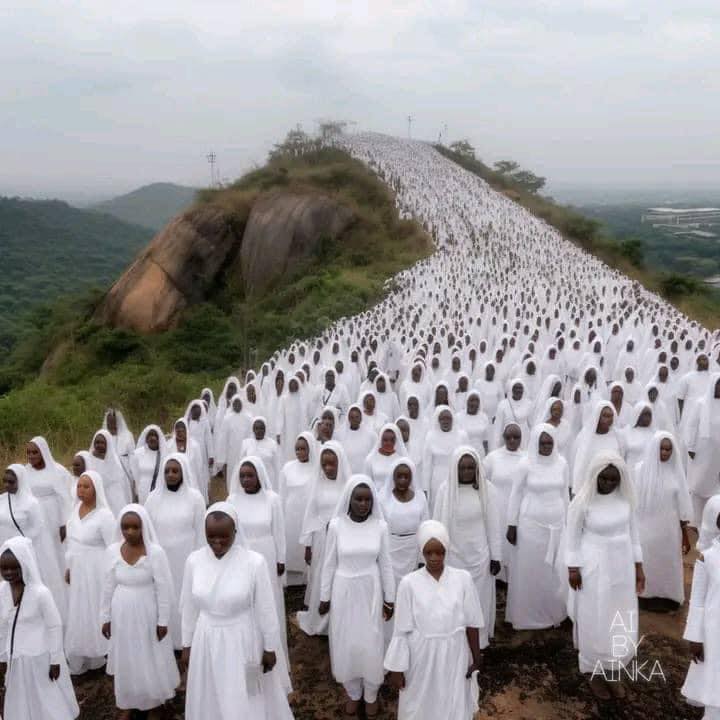






 THE BROWN GIRL DILEMMA