Category Archives: The Most High

The Chosen Ones Series: The Battles That The Most High God told You to Avoid.

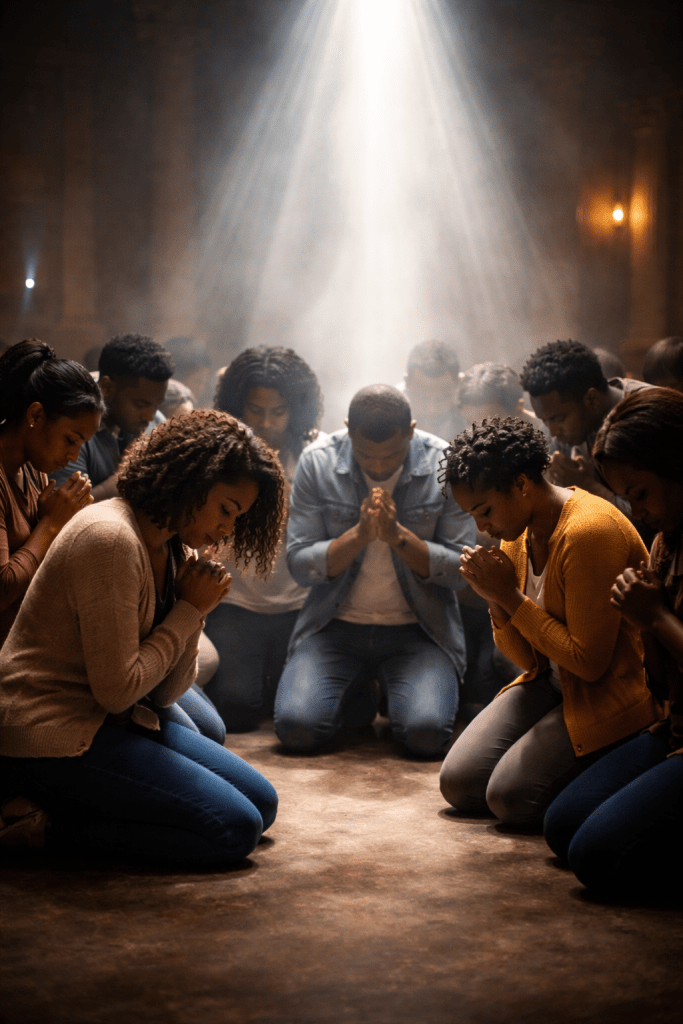
For those who believe they are called, appointed, or set apart by God, life often comes with a heightened awareness of spiritual responsibility. Many individuals who walk a faith-centered path feel compelled to intervene in every conflict, defend every injustice, and solve every problem they encounter. Yet scripture repeatedly teaches that not every battle belongs to us. Some conflicts are spiritual tests of restraint, humility, and trust in divine justice.

The Bible reminds believers that God Himself is the ultimate judge and avenger. In a world filled with offense, betrayal, and misunderstanding, the temptation to retaliate or defend one’s honor can be powerful. However, spiritual maturity requires the discipline to release personal revenge and allow God to act according to His perfect will and timing.

Personal revenge may feel justified when someone has been wronged, but scripture clearly warns against it. The human desire to settle scores can easily lead to bitterness, anger, and destructive cycles of retaliation. The Apostle Paul instructed believers to resist this urge and instead trust that God sees every injustice.

In Romans 12:19, the Apostle Paul writes, “Dearly beloved, avenge not yourselves, but rather give place unto wrath: for it is written, Vengeance is mine; I will repay, saith the Lord.” This passage reminds believers that retaliation is not their responsibility. Divine justice operates beyond human perception, and God ultimately restores balance in ways people cannot.

Many spiritual people exhaust themselves trying to prove their worth to others. Seeking approval, admiration, or validation from people can become a quiet spiritual trap. When individuals base their identity on the opinions of others, they become emotionally dependent on external affirmation.

The desire for admiration often stems from a deeper need for acceptance and belonging. Social media culture, public recognition, and societal pressures encourage people to measure their value through applause and popularity. Yet spiritual identity is not determined by human approval but by divine purpose.

Jesus Himself warned against living for public admiration. In Matthew 6:1, He cautioned His followers to avoid performing acts of righteousness merely to be seen by others. Faith, according to Christ, is meant to be genuine and sincere, not a performance for applause.

People pleasing can quietly drain the spirit. When a person constantly adjusts their behavior to keep everyone happy, they sacrifice their own emotional and spiritual well-being. This cycle creates exhaustion because no human being can satisfy every expectation placed upon them.

Those who feel spiritually chosen often believe they must carry everyone’s burdens. They feel responsible for fixing every broken situation, mediating every conflict, and rescuing others from their problems. While compassion is a noble quality, assuming the role of savior for everyone is neither healthy nor biblical.

Scripture teaches that God alone is the ultimate burden bearer. Believers are called to help others, but they are not responsible for solving every problem. Attempting to carry burdens that belong to God often leads to burnout, anxiety, and spiritual fatigue.

Jesus invites believers to release their burdens in Matthew 11:28 when He says, “Come unto me, all ye that labour and are heavy laden, and I will give you rest.” This invitation reflects a central principle of faith: God does not expect His followers to carry the weight of the world alone.

The battle of self often proves more difficult than conflicts with others. Internal struggles such as pride, insecurity, and the need for validation can become spiritual obstacles. These inner battles require humility and self-reflection rather than confrontation with others.

Many conflicts that people engage in are rooted in ego rather than righteousness. The need to prove oneself right, defend reputation, or win arguments often disguises itself as moral courage. In reality, these battles can distract believers from their spiritual calling.

Wisdom involves discerning which battles are worth fighting. The Book of Proverbs frequently emphasizes restraint, teaching that wise individuals avoid unnecessary conflict. Silence, patience, and humility can often be more powerful than confrontation.

In Proverbs 20:3, scripture declares, “It is an honour for a man to cease from strife: but every fool will be meddling.” This verse highlights the virtue of restraint. Walking away from certain conflicts is not weakness but wisdom.

Another draining battle is the constant need to explain oneself. People often feel pressured to justify their decisions, beliefs, or boundaries to everyone around them. Yet spiritually grounded individuals understand that not everyone will understand their path.

Jesus Himself faced misunderstanding and criticism throughout His ministry. Despite this, He did not spend His time trying to win over every skeptic or satisfy every critic. Instead, He remained focused on His mission.

When individuals attempt to gain universal approval, they often lose sight of their purpose. The Apostle Paul acknowledged this tension in Galatians 1:10 when he wrote that seeking the approval of people rather than God would make him a servant of men rather than a servant of Christ.

Another hidden battle is the pressure to always be strong for others. People who are viewed as spiritually mature or emotionally resilient are often expected to carry the emotional weight of everyone around them. This expectation can become overwhelming.

Even the strongest spiritual leaders needed rest and solitude. Throughout the Gospels, Jesus frequently withdrew from crowds to pray and restore His strength. These moments reveal that spiritual renewal requires intentional withdrawal from constant demands.

Trying to fight battles that do not belong to you can drain both emotional energy and spiritual clarity. When individuals become entangled in every conflict around them, they lose the ability to focus on their own spiritual growth.

Boundaries are essential for spiritual health. Recognizing which battles belong to you and which belong to God requires discernment and humility. Not every injustice requires your intervention.

There are moments when silence is more powerful than argument. Walking away from conflict allows God to intervene in ways that human confrontation cannot achieve.

Spiritual wisdom involves trusting God’s timing. Immediate retaliation may feel satisfying, but divine justice often unfolds in ways that require patience and faith.

When believers release the need for revenge, validation, and approval, they experience freedom. Their identity becomes rooted in God rather than the shifting opinions of others.

Learning to surrender battles to God requires faith. It involves trusting that God sees every injustice, hears every prayer, and understands every hidden struggle.

The process of surrender is not passive; it is an act of spiritual discipline. It requires resisting the urge to intervene where God has instructed patience.

When individuals stop fighting unnecessary battles, they conserve their strength for the battles that truly matter—those involving justice, truth, faith, and righteousness.

Peace often arrives when people release the need to control outcomes. By allowing God to carry burdens that were never meant for human shoulders, believers experience spiritual clarity and emotional relief.

Ultimately, the chosen path is not about fighting every battle but about discerning the ones God has called you to face. Some battles are meant to be fought with courage, while others are meant to be surrendered in faith.

The wisdom of the faithful lies in knowing the difference.


References

The Holy Bible, King James Version.

Cloud, H., & Townsend, J. (2017). Boundaries: When to Say Yes, How to Say No to Take Control of Your Life. Zondervan.

Peterson, E. H. (2002). The Message: The Bible in Contemporary Language. NavPress.

Willard, D. (1998). The Divine Conspiracy: Rediscovering Our Hidden Life in God. HarperOne.

Smedes, L. B. (1996). Forgive and Forget: Healing the Hurts We Don’t Deserve. HarperOne.
An Introduction to Biblical Doctrine

Biblical doctrine refers to the organized teaching of the essential truths found in Scripture. The word doctrine simply means “teaching,” and in a biblical sense, it represents what God has revealed about Himself, humanity, sin, salvation, and righteous living. Doctrine is not meant to be abstract theology for scholars only, but practical truth meant to shape belief, character, and daily life.

At the center of biblical doctrine is the authority of Scripture. The Bible presents itself as divinely inspired and profitable for teaching, correction, and instruction in righteousness (2 Timothy 3:16, KJV). This establishes doctrine not as human opinion, but as divine revelation. Without Scripture as the foundation, doctrine becomes subjective and disconnected from God’s will.

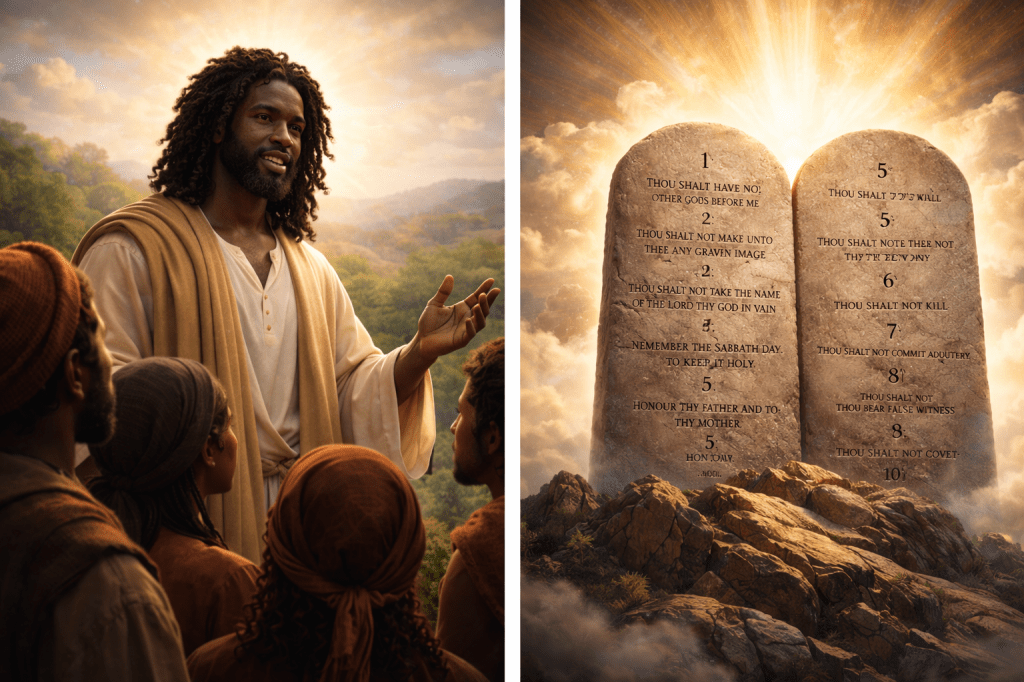
One of the most foundational elements of biblical doctrine is the Law, particularly the Ten Commandments given to Moses. These commandments reveal God’s moral standard and define righteousness in practical terms. They address humanity’s relationship with God (the first four commandments) and humanity’s relationship with others (the remaining six), forming the ethical backbone of biblical faith (Exodus 20, KJV).

However, the commandments were never meant to function as a means of salvation. Rather, they expose sin and reveal humanity’s need for grace. Paul explains in Romans 3:20 (KJV) that by the law comes the knowledge of sin. The law diagnoses the condition, but it cannot cure it. This prepares the theological stage for the role of Jesus Christ.

Jesus did not abolish the commandments but fulfilled them. In Matthew 5:17 (KJV), He states clearly that He came not to destroy the law, but to fulfill it. This fulfillment was not merely legal but spiritual. Jesus internalized the law, moving righteousness from external obedience to internal transformation of the heart.

This internalization is most clearly seen in Jesus’ teachings known as the Beatitudes. Found in Matthew 5:3–12 (KJV), the Beatitudes describe the spiritual attitudes that characterize true followers of Christ: humility, meekness, mercy, purity of heart, hunger for righteousness, and peacemaking. Unlike the commandments, which are framed as prohibitions, the Beatitudes are framed as blessings.

The commandments define what righteousness looks like in action, while the Beatitudes define what righteousness looks like in spirit. The law says, “Do not murder,” but Jesus says anger in the heart is also sin. The law says, “Do not commit adultery,” but Jesus says lustful thoughts are equally condemnable (Matthew 5, KJV). This demonstrates that biblical doctrine is not about behavior management but heart transformation.

In biblical theology, Jesus is the embodiment of doctrine. He is not only the teacher of truth but the truth itself (John 14:6, KJV). Doctrine is therefore not merely a system of beliefs but a person-centered reality. To know doctrine is to know Christ, and to follow doctrine is to imitate His character.

The commandments reveal God’s holiness, while the Beatitudes reveal God’s nature. Together, they form a complete picture of biblical righteousness: external obedience grounded in internal humility. The law governs actions, while the Beatitudes govern attitudes. One addresses what we do; the other addresses who we are.

Biblical doctrine ultimately leads to transformation, not information. James warns that hearing the word without doing it produces self-deception (James 1:22, KJV). True doctrine produces repentance, obedience, love, and spiritual maturity. It is not designed to inflate knowledge, but to conform believers into the image of Christ.

In conclusion, biblical doctrine is the theological framework through which God reveals truth, defines righteousness, and restores humanity. The commandments establish moral law, while the Beatitudes establish spiritual character. Together, they show that God desires not only righteous behavior, but righteous hearts. Doctrine, therefore, is not about religion—it is about transformation into divine likeness.


References

Holy Bible (King James Version). (2017). Thomas Nelson.

Grudem, W. (1994). Systematic theology: An introduction to biblical doctrine. Zondervan.

Erickson, M. J. (2013). Christian theology (3rd ed.). Baker Academic.

Stott, J. (2012). The message of the Sermon on the Mount. InterVarsity Press.

Wright, N. T. (2010). After you believe: Why Christian character matters. HarperOne.

The Journey to God: Spiritual Habits that Transform Your Life.

Developing a deep and meaningful relationship with God requires intentionality, discipline, and spiritual focus. The Christian life is often described as a journey—a process of growth, transformation, and alignment with divine purpose (Philippians 3:12–14, KJV). Spiritual habits, when practiced consistently, form the foundation of this journey, shaping character, strengthening faith, and fostering intimacy with the Lord.

Prayer is one of the most fundamental habits for spiritual transformation. Through prayer, believers communicate with God, express gratitude, seek guidance, and intercede for others (1 Thessalonians 5:16–18). Consistent prayer cultivates dependence on God and trains the heart to align with His will. The practice of private, uninterrupted prayer develops patience, self-discipline, and sensitivity to the Holy Spirit (Matthew 6:6).

Scripture study is another essential habit. The Bible is described as “the sword of the Spirit” and a lamp to guide the believer’s path (Ephesians 6:17; Psalm 119:105). Daily engagement with Scripture allows the mind to be renewed (Romans 12:2), equips believers for spiritual battles, and teaches wisdom, discernment, and godly living. Meditating on God’s Word fosters internal transformation by embedding divine truth in thought patterns and behavior.

Worship and praise—both private and corporate—help believers experience God’s presence and cultivate gratitude. Worship is not limited to music but includes acts of obedience, service, and thanksgiving (Psalm 100:2; Colossians 3:16). Regular praise reorients the heart away from self-reliance and toward recognition of God’s sovereignty. It strengthens faith, increases joy, and fosters a sense of spiritual community.

Fasting and self-discipline play a critical role in focusing the believer’s spiritual energy. Fasting is a biblical practice for humbling oneself, seeking clarity, and deepening reliance on God (Matthew 4:1–2; Isaiah 58:6). By denying the flesh, believers cultivate spiritual sensitivity, patience, and resilience. Self-discipline in other areas, such as controlling speech, thoughts, and desires, reinforces obedience to God and encourages a Christ-centered life (1 Corinthians 9:27).

Service and acts of love are practical habits that transform the believer’s heart while honoring God. Serving others reflects Christ’s love and fulfills the command to love one’s neighbor (Matthew 22:37–39; James 1:27). Regular acts of service cultivate humility, empathy, and a broader perspective that transcends self-interest. Spiritual growth is inseparable from outward expressions of God’s love in action.

Fellowship and accountability with other believers are also crucial. The Bible emphasizes the importance of mutual encouragement and correction in spiritual communities (Hebrews 10:24–25; Proverbs 27:17). Consistent fellowship helps believers stay steadfast, gain wisdom, and receive guidance from mature Christians. Accountability encourages integrity, reduces spiritual drift, and reinforces the application of spiritual habits in daily life.

Finally, gratitude and reflection are habits that nurture a continuous awareness of God’s presence. Reflecting on His faithfulness and recording answered prayers or spiritual lessons can strengthen faith during trials and maintain perspective in success (1 Thessalonians 5:18; Psalm 77:11–12). Gratitude reorients the heart toward God and fosters joy, peace, and contentment.

In essence, the journey to God is not a single event but a lifelong process of intentional spiritual practice. By cultivating prayer, Scripture study, worship, fasting, service, fellowship, and gratitude, believers align their hearts and minds with God’s will. These spiritual habits transform character, deepen intimacy with the Lord, and empower the believer to navigate life’s challenges with wisdom, faith, and perseverance. The Christian journey is a sacred rhythm of learning, growing, and reflecting God’s love in every aspect of life.


References

Alexander, T. D. (2001). 1 & 2 Timothy and Titus: An exegetical and theological exposition of Holy Scripture. B&H Publishing.

Dever, M. (2012). A display of God’s glory: The beauty of living the gospel. Crossway.

Foster, R. (1998). Celebration of discipline: The path to spiritual growth. HarperCollins.

Keller, T. (2012). Every good endeavor: Connecting your work to God’s work. Dutton.

Willard, D. (2002). Renovation of the heart: Putting on the character of Christ. NavPress.

The Holy Bible, King James Version. (1611/2017). Cambridge University Press.

We are Dust with his Breath

In the beginning of creation, humanity is introduced not as an accident of nature but as a deliberate act of divine intention. Scripture teaches that God formed man from the dust of the ground and breathed into his nostrils the breath of life, and man became a living soul (Genesis 2:7, KJV). This verse establishes a foundational theological truth: without the breath of God, humanity remains lifeless matter, no different from the soil beneath our feet.

The imagery of dust is deeply symbolic. Dust represents human fragility, limitation, and mortality. It reminds us that no matter how advanced civilization becomes, humanity remains dependent on divine power for existence. The breath of God transforms dust into life, meaning that human dignity does not originate from intellect, wealth, or status, but from divine impartation (Psalm 103:14).

The breath of life is not merely biological respiration; it is spiritual animation. In Hebrew, the word for breath, ruach, also means spirit or wind, indicating that life itself is sustained by the Spirit of God. This suggests that humanity is not self-sustaining but continuously upheld by divine presence (Ezekiel 37:5).

Without God’s breath, human existence loses its sacred meaning. Modern society often elevates human autonomy and self-sufficiency, yet scripture consistently reminds us that life is borrowed, not owned. Every heartbeat and breath testifies to divine mercy rather than human control (Acts 17:25).

The Most High God of Israel is portrayed throughout scripture as the giver and sustainer of life. He is not distant from creation but intimately involved in its continuation. Job acknowledges this truth when he declares that the Spirit of God has made him and the breath of the Almighty gives him life (Job 33:4).

To cherish the Creator is to recognize the source of one’s existence. Gratitude becomes a spiritual posture when one understands that life is a divine gift rather than a human achievement. Worship, therefore, is not ritualistic obligation but an acknowledgment of existential dependence (Psalm 150:6).

Human pride often blinds people to this reality. Scientific advancement has led many to believe that life can be explained without God, yet even science cannot produce consciousness from nothing. The mystery of life still points back to divine origin rather than mechanical causation (Collins, 2006).

In biblical theology, breath is also associated with renewal and restoration. In the valley of dry bones, God commands breath to enter lifeless bodies, and they rise again, symbolizing spiritual revival and national restoration (Ezekiel 37:9–10). This narrative reinforces that without divine breath, there is no resurrection, no hope, and no future.

The breath of God also signifies moral responsibility. If life comes from God, then life belongs to God. Humanity is therefore accountable to divine standards, not self-created ethics. This challenges modern individualism, which promotes self-definition without divine authority (Romans 14:7–8).

To say “we are dust without His breath” is to affirm human humility. It dismantles the illusion of self-made identity and replaces it with sacred dependency. Even kings and empires return to dust, but God’s breath remains eternal (Ecclesiastes 12:7).

The Most High is not merely a creator but a sustainer. He does not abandon what He forms. Scripture portrays God as continually involved in the world, sustaining all things by His word and power (Hebrews 1:3). Life is not a past miracle but an ongoing one.

Cherishing the Creator involves living in awareness of divine presence. It transforms daily life into a sacred experience. Eating, breathing, thinking, and loving become acts of worship when viewed through the lens of divine origin (Colossians 3:17).

The concept of breath also connects to divine communication. God’s breath produces His word, and His word produces life. The same God who breathed into Adam later breathed scripture into prophets and apostles, making His word living and powerful (2 Timothy 3:16).

From a theological perspective, denying God as the source of life leads to spiritual alienation. When humanity forgets its Creator, it begins to worship creation, self, and materialism. This reversal of order results in moral decay and existential emptiness (Romans 1:21–25).

The breath of God also represents divine intimacy. Unlike other creatures, humanity receives life through direct divine interaction. God does not speak humans into existence; He breathes into them, suggesting relational closeness rather than distant creation (Brueggemann, 2010).

Life therefore carries sacred responsibility. If God’s breath animates humanity, then every human life possesses inherent worth, regardless of race, class, or ability. This foundation supports biblical human dignity and justice (Genesis 1:27).

The Most High God of Israel reveals Himself not only as powerful but as compassionate. He breathes life into fragile dust and remains patient with human failure. His mercy sustains those who constantly fall short of divine perfection (Lamentations 3:22–23).

Even death in scripture does not represent divine abandonment. The return of breath to God signifies transition, not annihilation. The soul returns to its source, awaiting divine judgment and restoration (Ecclesiastes 12:7).

In this sense, breath becomes eschatological. It points beyond physical life to eternal reality. God’s breath does not merely create time-bound existence but prepares humanity for everlasting communion (John 20:22).

Ultimately, the statement “we are dust without His breath” is not a message of despair but of sacred truth. It reminds humanity that life is not meaningless, accidental, or random. Life is divine, purposeful, and sustained by the Most High God of Israel.

To cherish the Creator is to live in reverence, humility, and gratitude. Every breath becomes a testimony of divine mercy, and every moment becomes an opportunity to acknowledge the One who turns dust into living souls.


References

Brueggemann, W. (2010). Genesis: Interpretation: A Bible commentary for teaching and preaching. Westminster John Knox Press.

Collins, F. S. (2006). The language of God: A scientist presents evidence for belief. Free Press.

The Holy Bible, King James Version. (1611/2017). Cambridge University Press.

Wright, N. T. (2012). How God became king: The forgotten story of the Gospels. HarperOne.

Walton, J. H. (2009). The lost world of Genesis one: Ancient cosmology and the origins debate. InterVarsity Press.

She is Light: A Celebration of the Beauty God Gave Black Women

She is light. Not because the world crowned her, but because God placed radiance in her before her first breath. The beauty of a Black woman is not an accident, not an afterthought, not an alternate version of anything else. It is intentional, divine, and woven with the fingerprints of a Creator who makes no mistakes. Her melanin is not simply a pigment; it is a reflection of God’s artistry, absorbing light, reflecting warmth, and telling a story thousands of years old.

Her beauty was never meant to be measured by the standards of societies that once denied her humanity. Her light predates oppression, predates Western ideals, predates any system designed to diminish her. Long before colorism or colonialism, the Black woman was already crowned with dignity, already adorned with strength, already declared “good” by God in Eden. She was never created to compete—only to shine.

Her skin, rich with depth and dimension, testifies of resilience and royalty. Melanin is protective, powerful, and majestic—evidence of survival, adaptation, and divine engineering. It glows under the sun, holds warmth in winter, and remains a symbol of strength across generations. When Scripture says, “I am black, but comely” (Song of Solomon 1:5, KJV), it is not a concession—it is a declaration. Beautiful and Black have always belonged in the same sentence.

Her hair, coiled like the rivers of Eden, holds its own testimony. Whether tightly curled, loosely waved, loc’d, braided, pressed, or natural, her hair defies gravity and rules. It stretches when pulled and shrinks when free—it expands and contracts like creation itself. Every curl is a fingerprint of identity, a crown that changes form but never loses its glory. God designed her hair to hold history, culture, versatility, and pride all at once.

Her features—full lips, broad nose, high cheekbones, deep eyes—were crafted with intention, artistry, and balance. These traits have traveled from ancient kingdoms, adorned queens, and birthed nations. What some once mocked, the world now imitates. What was dismissed as “too much” is now desired globally. The features of a Black woman are a reminder that nothing about her needs shrinking, altering, or apologizing for. She is already enough.

Psychologically, Black women have endured centuries of messages suggesting their beauty is conditional, rare, or negotiable. Yet despite that, they rise with a knowing that cannot be erased. The internal strength it takes to love oneself in a world that profits from insecurity is itself a testimony of divine resilience. She learns to heal from inherited pain, to reject generational comparisons, and to embrace the full truth of who she is.

Her beauty is not merely external—it is spiritual. Scripture calls her “fearfully and wonderfully made” (Psalm 139:14, KJV), meaning she is constructed with reverence and awe. She carries light not only in her appearance but in her spirit, compassion, intuition, wisdom, and emotional depth. Her beauty radiates in her ability to nurture, lead, feel, empathize, and discern. She is a vessel of both softness and fire.

Society has often feared the Black woman’s light because it cannot be contained. It is too powerful, too rich, too ancient. Attempts to dilute that light—through colorism, misogynoir, erasure, and standards that were never made with her in mind—were never successful. She is still here. Still glowing. Still redefining beauty on her own terms.

Her walk carries confidence that comes from ancestors who survived storms. Her smile carries joy that cannot be taken. Her presence shifts atmospheres because her essence carries history, promise, and creativity. She is not simply seen—she is felt. Whole rooms brighten when she embraces who she is.

In relationships, families, friendships, and sisterhood, her light offers refuge. She encourages, uplifts, and heals with a word, a touch, a look. Her beauty is not vain; it is functional. It restores. It nourishes. It inspires. It teaches the world what divine femininity looks like in motion. Her spirit mirrors the Proverbs 31 woman in strength, wisdom, and dignity.

Even in adversity, she shines. She turns pain into purpose, obstacles into innovations, and wounds into wisdom. Her beauty is seen in her survival, her laughter, her voice, and her refusal to let darkness dim her brilliance. She is a living reflection of Isaiah 61:3—the one who brings forth “beauty for ashes.”

When she loves herself, she becomes magnetic. When she embraces her identity, she becomes unstoppable. When she honors her body, her skin, her hair, her voice, her story—she becomes a force too powerful to erase. Her beauty becomes a declaration of victory over everything meant to silence her.

Spiritually, her beauty has always been connected to purpose. God never designed beauty without intention. The Black woman’s beauty speaks of strength, spiritual discernment, nurturing, leadership, and sacred femininity. She carries the reflection of African matriarchs, biblical mothers, and modern queens who shaped nations with their presence.

She is light when she walks into a room. She is light when she prays. She is light when she dreams. She is light when she speaks truth. She is light when she heals. She is light because God said she is, and no culture, system, or opinion can override divine affirmation.

Healing from comparison and colorism is the beginning of awakening. She learns that her complexion is not a ranking, but a revelation. Her beauty does not exist in shades, but in essence. Every shade of Black skin is sacred. Every curl pattern is divine. Every feature is intentional. She is not a trend—she is a blueprint.

The world may try to rewrite definitions, but God’s original design stands. When she looks in the mirror, she looks into history, divinity, and promise. She carries the brilliance of galaxies in her skin, the depth of oceans in her eyes, and the artistry of creation in her form. She is not ordinary—she is extraordinary.

The celebration of Black beauty is more than affirmation—it is restoration. It breathes life into what society tried to suppress. It unravels lies and replaces them with truth. It teaches daughters to celebrate themselves long before the world tries to teach them to shrink. It reminds mothers and aunties that they are still beautiful, still chosen, still radiant.

She is light because she was born with light. She is radiant because God called her radiant. She shines not because she tries, but because she is. Her beauty is eternal, spiritual, ancestral, and divine. She is light—and the world is brighter because she is in it.


References

Boylorn, R. M. (2013). Sweetwater: Black women and narratives of resilience. Peter Lang.

Hunter, M. (2007). The persistent problem of colorism: Skin tone, status, and inequality. Sociology Compass, 1(1), 237–254.

Jones, C., & Shorter-Gooden, K. (2003). Shifting: The double lives of Black women in America. HarperCollins.

Robinson-Moore, C. L. (2008). Beauty standards reflect Eurocentric paradigms—A Black female perspective. Journal of Black Studies, 39(2), 326–344.

White, L. (2020). Melanin and the biological benefits of pigmentation. Journal of Dermatological Science, 98(3), 241–250.

The Holy Bible, King James Version. (1769/2023). Cambridge University Press.

Divine Court: The Laws of Heaven and the Judgments of Earth.

Photo by Summer Stock on Pexels.com

In every realm of existence—visible and invisible—there is order. The universe itself is not governed by chaos, but by a hierarchy of divine authority. Scripture reveals that God sits as the Supreme Judge, presiding over a heavenly court that governs all creation. “God standeth in the congregation of the mighty; he judgeth among the gods” (Psalm 82:1, KJV). While humanity debates justice in earthly courts, heaven operates on eternal law, where truth cannot be bribed, hidden, or manipulated.

The Divine Court is not metaphorical; it is a spiritual reality. Every act, word, and thought carries spiritual weight, recorded as testimony in the unseen realm. “For God shall bring every work into judgment, with every secret thing, whether it be good, or whether it be evil” (Ecclesiastes 12:14, KJV). Unlike human courts, where corruption and partiality prevail, divine justice is pure and absolute.

Heaven’s courtroom operates through divine order: the Father as Judge, Christ as Advocate, the Holy Spirit as Witness, and angels as ministering officers of the law. Satan, whose name literally means “the accuser,” functions as the prosecutor, presenting charges against humanity. Job’s trial offers one of the clearest depictions of this heavenly process—Satan appearing before God to question the righteousness of a man (Job 1:6–12). This court was not held on earth, but in the spiritual realm, revealing that every life is subject to divine review.

In this celestial tribunal, righteousness serves as the legal currency. Faith, obedience, and repentance are admissible evidence of justification. When Jesus died on the cross, He became both substitute and attorney—our Advocate before the Father. “If any man sin, we have an advocate with the Father, Jesus Christ the righteous” (1 John 2:1, KJV). The blood of Christ serves as eternal testimony that the debt of sin has been paid in full.

Human courts deal with evidence and argument; divine court deals with truth and intention. God does not merely judge what we do, but why we do it. “Man looketh on the outward appearance, but the Lord looketh on the heart” (1 Samuel 16:7, KJV). This truth is both comforting and convicting, for while the world may misjudge our motives, heaven sees them clearly.

The laws of heaven transcend the temporal codes of men. While civil law regulates behavior, divine law reforms character. Earthly systems punish outward crime, but God’s justice transforms inward nature. “For the word of God is quick, and powerful, and sharper than any two-edged sword… and is a discerner of the thoughts and intents of the heart” (Hebrews 4:12, KJV).

Every soul will one day stand before the Great White Throne, where the ultimate judgment will occur. “And I saw the dead, small and great, stand before God; and the books were opened” (Revelation 20:12, KJV). These “books” are spiritual records—documents of deeds, decisions, and destinies. Nothing escapes divine documentation. Heaven’s justice is comprehensive and eternal.

Psychologically, this awareness corresponds to the human conscience—the inner court of moral awareness where guilt, repentance, and restoration take place. The conscience is not self-created; it is the echo of the divine courtroom within the human soul. When we experience conviction, it is the Holy Spirit testifying to the truth. “When he is come, he will reprove the world of sin, and of righteousness, and of judgment” (John 16:8, KJV).

Divine justice is restorative, not merely punitive. God’s goal is not condemnation but correction. “For whom the Lord loveth he chasteneth, and scourgeth every son whom he receiveth” (Hebrews 12:6, KJV). Discipline is divine mercy in motion—a verdict meant to restore alignment, not destroy relationship. When heaven convicts, it is always for redemption.

The courts of Earth often fail because they lack moral purity. But the divine court operates without flaw. It is not swayed by wealth, influence, or race. “He shall judge the world with righteousness, and the people with his truth” (Psalm 96:13, KJV). Every injustice ignored by men will eventually face divine arbitration. History’s silence will be shattered by heaven’s gavel.

In the realm of intercession, prayer operates as legal petition. Jesus instructed, “What things soever ye desire, when ye pray, believe that ye receive them, and ye shall have them” (Mark 11:24, KJV). Prayer is not mere speech—it is a legal presentation before heaven’s court. When prayers align with divine statutes, heaven enforces them. Faith becomes evidence; Scripture becomes precedent.

Spiritual warfare is often a courtroom battle, not just a battlefield struggle. The adversary accuses, presenting claims of sin or disobedience to deny blessings or delay destinies. Yet repentance vacates those charges. “If we confess our sins, he is faithful and just to forgive us our sins” (1 John 1:9, KJV). Confession clears the legal ground, allowing divine favor to flow unhindered.

Heavenly verdicts manifest on earth through divine timing. Justice may seem delayed, but it is never denied. “Though it tarry, wait for it; because it will surely come, it will not tarry” (Habakkuk 2:3, KJV). The divine court does not move on human schedules; it operates according to eternal wisdom. Every decision is perfectly timed for both justice and mercy to be revealed.

The Psalms are filled with courtroom language—appeals, judgments, and vindications. David frequently petitioned God as Judge, crying out, “Judge me, O Lord, for I have walked in mine integrity” (Psalm 26:1, KJV). Such prayers were not complaints but legal declarations of innocence and calls for divine intervention. David understood that vindication belongs to God alone.

Every believer has spiritual standing in heaven’s court. “Let us therefore come boldly unto the throne of grace” (Hebrews 4:16, KJV). This boldness is not arrogance—it’s legal confidence. When aligned with Christ, we approach not as defendants but as redeemed heirs. Through His blood, our record is expunged, and our case eternally settled.

The laws of heaven also operate in the collective dimension. Nations, churches, and families stand before divine review. When systems oppress, when leaders exploit, when people forsake truth, divine court intervenes. God told Israel, “I will plead with you face to face” (Ezekiel 20:35, KJV). Spiritual legislation ensures that no structure—however powerful—can escape divine audit.

In psychology, moral accountability brings healing through acknowledgment. In theology, divine accountability brings salvation through repentance. The courtroom imagery of heaven teaches that confession is not humiliation—it is liberation. To admit guilt before God is to invoke grace.

Justice, in its truest form, is the revelation of divine balance. Mercy and judgment are not enemies; they are co-laborers. The cross is where they kissed. “Mercy and truth are met together; righteousness and peace have kissed each other” (Psalm 85:10, KJV). At Calvary, the gavel of judgment struck the heart of mercy, and salvation was legislated forever.

The Divine Court reminds us that justice, though delayed on earth, is guaranteed in heaven. Every wrong shall be righted, every tear accounted for, and every truth vindicated. The Judge of all the earth will indeed do right (Genesis 18:25). To live in awareness of this court is to walk in reverence, righteousness, and rest—knowing that the final verdict belongs to God alone.

References

  • The Holy Bible, King James Version (KJV)
  • Wright, N. T. (2010). After You Believe: Why Christian Character Matters. HarperOne.
  • McMinn, M. R. (2011). Psychology, Theology, and Spirituality in Christian Counseling. Tyndale House.
  • Lewis, C. S. (1943). The Abolition of Man. HarperOne.
  • Frangipane, F. (1992). The Three Battlegrounds: An In-Depth View of the Three Arenas of Spiritual Warfare. Arrow Publications.

The Bible Series: “”Joseph”” The Faithful Dreamer and His Eternal Legacy.

This photograph is the property of its respective owner. No copyright infringement intended.

Joseph, the eleventh son of Jacob, was born to Rachel, Jacob’s beloved wife, and immediately marked as a child of promise (Genesis 30:22–24, KJV). From his earliest years, he demonstrated a spirit favored by God and recognized by his father, who bestowed upon him the coat of many colors, a garment symbolizing both love and divine favor (Genesis 37:3, KJV). Yet this symbol of distinction also stirred deep envy among his brothers, planting seeds of rivalry that would shape Joseph’s early trials.

Each of the twelve sons of Jacob, founders of Israel’s tribes, had a corresponding precious stone on the High Priest’s breastplate, representing God’s covenant with them. Joseph’s stone was onyx, described in Exodus 28:20: “And the fourth row a beryl, and an onyx, and a jasper: they shall be set in gold in their inclosings” (KJV). Onyx symbolizes resilience, layered strength, and divine protection, foreshadowing Joseph’s ability to endure hardship while preserving his faith and integrity. The stone’s complex beauty reflects his life: layered with trials yet polished by God’s providence.

Joseph’s early life was defined by extraordinary dreams, foretelling that he would rise above his family: “Behold, I have dreamed a dream more; and, behold, the sun and the moon and the eleven stars made obeisance to me” (Genesis 37:9, KJV). These dreams fueled his brothers’ jealousy, motivating them to betray him. They initially plotted to kill him, but ultimately sold him into slavery to Midianite traders, demonstrating the destructive power of envy (Genesis 37:18–28, KJV).

Sold to Potiphar, an officer of Pharaoh, Joseph’s character quickly distinguished him. Despite being a foreigner and a slave, he found favor in Potiphar’s sight, “and the Lord was with Joseph, and he was a prosperous man” (Genesis 39:2, KJV). Joseph’s diligence and faithfulness exemplify how God’s presence can elevate and sustain His servants even in adversity.

Potiphar’s wife tested Joseph’s moral integrity, attempting to seduce him. Joseph resisted, declaring, “How then can I do this great wickedness, and sin against God?” (Genesis 39:9, KJV). His refusal highlights the principle that consecration is not only about obedience but also about protecting the sanctity of the body and the soul from defilement.

False accusations led to Joseph’s imprisonment, yet even there God’s favor remained. “But the Lord was with Joseph, and shewed him mercy, and gave him favour in the sight of the keeper of the prison” (Genesis 39:21–23, KJV). Joseph’s life demonstrates that God’s providence can operate through trials, shaping character, wisdom, and resilience.

Joseph’s God-given gift of dream interpretation became central to his rise. He accurately interpreted the dreams of Pharaoh’s servants in prison (Genesis 40:8, KJV), and later Pharaoh’s troubling dreams of seven years of plenty followed by seven years of famine (Genesis 41:15–32, KJV). This prophetic insight elevated him to second-in-command over Egypt, entrusted with the nation’s resources during a time of impending crisis.

His administration during the famine revealed extraordinary wisdom, foresight, and humility. “Thou shalt be over my house, and according unto thy word shall all my people be ruled” (Genesis 41:40, KJV). Joseph’s leadership saved Egypt and positioned him to fulfill God’s covenant promises to his family, demonstrating that consecrated service benefits both the individual and God’s broader plan.

The famine brought Joseph’s brothers to Egypt seeking sustenance. Initially unrecognized, Joseph tested their hearts to discern repentance (Genesis 42–44, KJV). His careful discernment, mercy, and wisdom underscore the spiritual maturity cultivated through suffering.

Ultimately, Joseph revealed his identity, saying, “I am Joseph; doth my father yet live?” (Genesis 45:3, KJV). His forgiveness reconciled his family, turning their envy and betrayal into instruments of divine providence. Joseph exemplified how God can transform human malice into salvation and blessing.

Joseph’s personal gifts—wisdom, discernment, humility, and prophetic insight—were manifestations of God’s Spirit (Genesis 41:16, KJV). These gifts allowed him to preserve nations, restore his family, and serve as a model of faithfulness. His consecrated life demonstrates that spiritual gifts function best when aligned with obedience and trust in God.

His marriage to Asenath and the birth of Ephraim and Manasseh ensured his lineage and the continuation of God’s covenant through his descendants (Genesis 41:45; 41:50–52, KJV). The tribes of Ephraim and Manasseh inherited prominence in Israel, reflecting the enduring blessing of Joseph’s faithfulness and the symbolic double portion often associated with the firstborn.

Joseph’s onyx stone reflects his layered resilience. Like the stone, his life endured pressures of betrayal, slavery, and false accusation, emerging strengthened and polished. Onyx symbolizes moral fortitude, protection, and divine favor, qualities that Joseph embodied throughout his trials.

The tribes of Ephraim and Manasseh illustrate Joseph’s enduring legacy. Ephraim, often a leading tribe, and Manasseh, settled east of the Jordan, both carried forward Joseph’s influence, demonstrating how God multiplies the faithfulness of one servant into blessings for generations.

Spiritually, Joseph’s life reveals the principle of refinement through adversity. God used suffering to cultivate patience, wisdom, and discernment in him. His faithfulness in small matters, like serving in Potiphar’s house and prison, prepared him for enormous responsibilities, showing that consecration is a process shaped by trials.

Forgiveness and reconciliation were central to Joseph’s legacy. By forgiving his brothers, he preserved covenantal unity, demonstrating that divine leadership is rooted not only in authority but in mercy and relational wisdom (Genesis 50:17, KJV).

Joseph’s prophetic dreams, from youth through adulthood, symbolized God’s sovereign plan. While initially misunderstood and resented, these dreams guided him toward his destiny, revealing that God’s guidance often unfolds gradually and through trials (Genesis 37:5–11, KJV).

The onyx stone, embedded in the High Priest’s breastplate, represents the visible presence of God’s covenant, mirrored in Joseph’s life as a conduit of divine providence. Just as the stone endures layers of pressure and emerges brilliant, Joseph’s integrity and faithfulness shone through adversity, blessing nations and securing his family’s survival.

Joseph’s trials and triumphs exemplify God’s providential care. Romans 8:28 parallels his story: “And we know that all things work together for good to them that love God, to them who are the called according to his purpose” (KJV). Every betrayal and hardship in Joseph’s life served a higher purpose, demonstrating God’s sovereignty.

In conclusion, Joseph’s life, marked by divine favor, prophetic insight, moral integrity, and leadership, serves as a model of faithfulness and consecration. His onyx stone symbolizes resilience, divine protection, and layered beauty revealed through trials. Through his sons, Ephraim and Manasseh, his legacy endured, blessing Israel for generations. Joseph exemplifies how God transforms adversity into purpose, and how consecrated obedience produces enduring spiritual fruit.

Wisdom Alert! Say YES to GOD.

Wisdom begins with a response. Throughout Scripture, the call of God is clear, but the outcome depends on whether His voice is answered with obedience or ignored through pride and fear. Saying yes to God is not merely a spiritual concept; it is a life-altering decision that aligns the soul with divine order and eternal purpose.

The Bible teaches that wisdom originates with reverence toward God, not human intellect. When a person says yes to God, they acknowledge His authority and submit their understanding to His higher ways. This posture of humility opens the door to clarity, protection, and direction that human reasoning alone cannot provide. “The fear of the LORD is the beginning of wisdom” (Proverbs 9:10, KJV).

God’s invitations often come quietly, requiring discernment rather than emotion. Many miss divine opportunities because they are waiting for signs that appeal to comfort instead of conviction. Yet Scripture reminds us that God’s voice leads to life, even when it challenges our desires. “There is a way which seemeth right unto a man, but the end thereof are the ways of death” (Proverbs 14:12, KJV).

Saying yes to God requires trust beyond sight. Faith is demonstrated not by words but by action, especially when the path ahead is unclear. Abraham’s obedience exemplifies this principle, as he moved without full knowledge of the destination. “By faith Abraham obeyed; and he went out, not knowing whither he went” (Hebrews 11:8, KJV).

God’s wisdom often contradicts worldly logic. The world promotes self-exaltation, while God calls for surrender. The world encourages control, but God demands dependence. True wisdom recognizes that God’s ways, though sometimes difficult, lead to peace and stability. “Trust in the LORD with all thine heart; and lean not unto thine own understanding” (Proverbs 3:5, KJV).

Obedience to God brings divine alignment. When a person says yes to God, their steps are ordered, even when circumstances appear chaotic. God is faithful to guide those who submit to Him. “The steps of a good man are ordered by the LORD: and he delighteth in his way” (Psalm 37:23, KJV).

Saying yes to God also involves resisting compromise. Wisdom guards the heart against temptation and distraction. Many fall not because they lack knowledge, but because they ignore God’s instruction. “Be not wise in thine own eyes: fear the LORD, and depart from evil” (Proverbs 3:7, KJV).

God’s wisdom protects from destruction. Scripture repeatedly warns that rejection of divine counsel leads to sorrow and loss. The consequences of ignoring God are not arbitrary; they are the natural result of stepping outside His design. “Because I have called, and ye refused… I also will laugh at your calamity” (Proverbs 1:24–26, KJV).

Saying yes to God produces spiritual fruit. Obedience refines character, strengthens faith, and cultivates patience. Over time, the believer begins to reflect God’s nature through their choices and conduct. “If ye be willing and obedient, ye shall eat the good of the land” (Isaiah 1:19, KJV).

Wisdom is proven through endurance. Saying yes to God does not remove trials, but it provides strength to overcome them. God uses adversity to mature those who trust Him. “My son, despise not the chastening of the LORD… for whom the LORD loveth he correcteth” (Proverbs 3:11–12, KJV).

God honors obedience even when it goes unseen by others. He is not moved by appearances but by faithfulness. Those who consistently say yes to God are rewarded in due time. “Humble yourselves therefore under the mighty hand of God, that he may exalt you in due time” (1 Peter 5:6, KJV).

Saying yes to God requires denying self. Jesus made it clear that discipleship demands surrender of personal will. Wisdom understands that losing one’s life for God’s sake leads to true life. “If any man will come after me, let him deny himself” (Matthew 16:24, KJV).

God’s wisdom brings peace, not confusion. When choices align with His will, even difficult decisions carry inner assurance. “For God is not the author of confusion, but of peace” (1 Corinthians 14:33, KJV).

Saying yes to God positions a person for divine favor. Obedience places the believer under God’s covering, guidance, and provision. Favor follows faithfulness, not convenience. “Seek ye first the kingdom of God, and his righteousness; and all these things shall be added unto you” (Matthew 6:33, KJV).

Wisdom also teaches patience in waiting for God’s timing. Saying yes does not mean rushing ahead of Him. Those who wait on the Lord are strengthened rather than delayed. “They that wait upon the LORD shall renew their strength” (Isaiah 40:31, KJV).

God’s wisdom corrects pride and self-reliance. He resists those who exalt themselves but gives grace to the humble. Saying yes is an act of humility that invites divine assistance. “God resisteth the proud, but giveth grace unto the humble” (James 4:6, KJV).

Saying yes to God shapes legacy. Choices rooted in obedience affect future generations. Wisdom understands that obedience today builds blessing tomorrow. “The just man walketh in his integrity: his children are blessed after him” (Proverbs 20:7, KJV).

God’s wisdom preserves the soul. Obedience guards against spiritual drift and moral compromise. Those who heed God’s instruction remain anchored in truth. “Thy word is a lamp unto my feet, and a light unto my path” (Psalm 119:105, KJV).

Saying yes to God is an act of courage. It often requires standing alone, choosing righteousness over popularity. Wisdom values God’s approval above human praise. “Fear ye not the reproach of men… for the LORD God will help me” (Isaiah 51:7–9, KJV).

Ultimately, wisdom is proven by obedience. Knowledge without submission leads to pride, but wisdom produces transformation. Saying yes to God is the pathway to life, peace, and eternal reward. “Blessed are they that hear the word of God, and keep it” (Luke 11:28, KJV).

Wisdom alerts the soul before danger appears. The call to say yes to God is a call to life itself. Those who heed His voice walk in truth, stability, and divine purpose. “Choose you this day whom ye will serve” (Joshua 24:15, KJV).

Sarah: The Most Beautiful Woman in the Bible.

Beauty, Faith, and Historical Context

Photo by Classiq pixel on Pexels.com

Sarah, originally named Sarai, is one of the most prominent women in the Hebrew Bible and is celebrated not only for her role as the matriarch of Israel but also for her exceptional beauty. Her story appears primarily in Genesis 11–23, where she is introduced as the wife of Abraham (then Abram) and mother of Isaac. The Bible emphasizes that her beauty was striking and influential, affecting the decisions and actions of powerful men, including Pharaoh in Egypt.

In Genesis 12:10–20 (KJV), Abraham and Sarah travel to Egypt due to a famine in Canaan. Fearing for his life because of Sarah’s beauty, Abraham instructs her to say she is his sister rather than his wife. Pharaoh takes Sarah into his palace, intending her for himself, but God intervenes, sending plagues upon Pharaoh’s household and revealing the truth. Pharaoh, realizing the deception and God’s hand, returns Sarah to Abraham unharmed. This episode underscores not only Sarah’s physical beauty but also the spiritual protection surrounding her and Abraham.

Sarah, originally Sarai, is celebrated in the Bible as one of the most beautiful women ever recorded. Her story appears in Genesis 12–23 (KJV), where her beauty plays a pivotal role in both her life and the unfolding of God’s covenant with Abraham. The Scriptures describe her as “fair to look upon” (Genesis 12:11), a phrase indicating extraordinary physical attractiveness that drew attention from kings and rulers.

One of the most striking examples of her beauty’s impact is the episode with Pharaoh in Egypt. During a famine, Abraham feared for his life because of Sarah’s appearance and told Pharaoh that she was his sister. Pharaoh took her into his palace, intending to marry her (Genesis 12:14–15, KJV). However, God intervened, sending plagues upon Pharaoh’s household, and ultimately, Sarah was returned safely to Abraham. This story illustrates that Sarah’s beauty could attract danger, yet God’s protection preserved her and the promise He had made to Abraham.

Sarah’s beauty was not only physical but symbolic of God’s favor. Her attractiveness reflected divine blessing and reinforced her role as the matriarch of the Hebrew people. In the ancient Near East, a woman’s beauty could influence social and political circumstances, as seen with Pharaoh’s interest. Yet Sarah’s story demonstrates that true security comes not from appearances alone but from faith and obedience to God.

Beyond physical allure, Sarah’s faith and character reveal the depth of her beauty. At age 90, she bore Isaac, fulfilling God’s promise despite her initial skepticism: “Therefore Sarah laughed within herself” (Genesis 18:12, KJV). Her life shows that inner beauty—faith, patience, and trust in God—is inseparable from outward grace. Sarah’s story encourages believers to cultivate integrity and trust in God alongside any gifts or talents they possess.

In practical terms, Sarah’s experience teaches several lessons: beauty can attract attention and even danger, yet God’s favor protects and sustains those who are faithful. Spiritual and moral qualities—obedience, faith, and patience—enhance and preserve true beauty. Her story encourages believers to seek God’s guidance in every situation and to trust Him even when circumstances seem threatening.

In conclusion, Sarah stands as a timeless example of how beauty, faith, and divine protection intersect. Her life reminds us that God’s favor can elevate and safeguard those He calls, and that outward attractiveness, when combined with inner virtue, becomes a powerful testimony of God’s blessing. Sarah’s legacy endures not only as the mother of nations but as a model of grace, trust, and beauty in both form and spirit.

The Bible consistently highlights Sarah’s beauty. Genesis 12:11 describes her as “fair to look upon,” which in Hebrew denotes exceptional physical attractiveness that commanded attention. This beauty is further linked to divine favor, as God’s blessing extends to Sarah and Abraham, promising descendants and the fulfillment of His covenant. Her beauty, therefore, is both literal and symbolic, reflecting the favor of God and her role in God’s plan.

Historically, Sarah’s beauty had significant social and political implications. In the ancient Near East, women’s beauty often influenced family alliances and power dynamics. Pharaoh’s interest in Sarah demonstrates how physical attractiveness could attract attention from rulers and affect the safety and status of families. Abraham’s fear of losing Sarah reveals the precarious nature of women’s roles in that era, where beauty could be both a blessing and a source of danger.

Beyond physical beauty, Sarah is celebrated for her spiritual and inner qualities. She demonstrated faith in God’s promises, particularly regarding her miraculous conception at the age of 90. “Therefore Sarah laughed within herself, saying, After I am waxed old shall I have pleasure, my lord being old also?” (Genesis 18:12, KJV). Her laughter, while initially skeptical, eventually becomes a testimony to God’s power and faithfulness. Her beauty, both outward and inward, represents the union of physical attractiveness and virtuous character.

In summary, Sarah is remembered in Scripture as a woman of extraordinary beauty whose life was intertwined with faith, covenant promises, and divine protection. Her story illustrates how beauty can attract attention and provoke danger but also how God’s favor preserves and elevates those who trust in Him. Sarah’s legacy as the matriarch of the Hebrew people and the mother of nations reflects a holistic view of beauty—physical allure, moral integrity, and unwavering faith.


References

  • The Holy Bible, King James Version.
  • Archer, G. L. (1996). A Survey of Old Testament Introduction. Moody Publishers.
  • Hamilton, V. P. (1990). The Book of Genesis, Chapters 1–17. Eerdmans.
  • Wenham, G. J. (1987). Genesis 1–15. Word Biblical Commentary.

E1B1A: The DNA of Greatness — Tracing the Seed of Israel.

Photo by Muhammad-Taha Ibrahim on Pexels.com

The Y-DNA haplogroup E1B1A is one of the most significant genetic markers in the study of human ancestry, particularly among African populations. Its prevalence in sub-Saharan Africa, especially among West and Central Africans, points to deep historical roots that connect modern descendants to ancient African civilizations. Understanding E1B1A provides insight into the lineage often associated with the biblical Seed of Israel.

Genetic studies indicate that E1B1A likely originated in East Africa and spread westward thousands of years ago. This haplogroup is notably dominant among people of the African diaspora, particularly those whose ancestors were forcibly brought to the Americas during the transatlantic slave trade (Henn et al., 2008). Its prevalence underscores the continuity of African ancestry across continents and centuries.

From a biblical perspective, the Seed of Israel carries promises of covenant, blessing, and nationhood. Scriptures emphasize that God’s covenantal blessings were passed down through the lineages of Abraham, Isaac, and Jacob (Genesis 17:7). Genetic markers like E1B1A offer a modern framework for tracing this lineage in historical and contemporary populations.

The dispersion of E1B1A aligns with historical accounts of migration and conquest. African kingdoms such as Ghana, Mali, and Songhai housed populations with high frequencies of this haplogroup. Their social, economic, and cultural achievements demonstrate a continuity of intelligence, leadership, and resilience—qualities associated biblically with the Israelites (Deuteronomy 28:1–14).

The biblical narrative situates the Israelites as a chosen people, set apart for divine purpose. The connection of E1B1A to African populations reinforces the argument that the original Israelites were of African descent. Psalm 105:6–11 recounts God’s covenant with Abraham and his seed, highlighting the enduring lineage that extends into modern African-descended populations (KJV).

Historically, the transatlantic slave trade severed cultural and genealogical continuity, obscuring the direct lineage of African descendants in the Americas. Despite this disruption, genetic markers like E1B1A provide scientific evidence of enduring heritage and ancestral connection, affirming the biblical promise of the preservation of Israel’s seed (Jeremiah 31:35–37).

Anthropological studies of E1B1A reveal patterns of societal structure, migration, and adaptation. Populations with this haplogroup historically established powerful kingdoms, engaged in sophisticated trade networks, and developed rich cultural traditions. These accomplishments reflect the divine favor and resilience described in Deuteronomy 28:12–13.

The association between E1B1A and leadership traits is notable. Historically, men with this lineage often held positions of authority, governance, and military command. This aligns with the biblical depiction of Israelite men as leaders, judges, and warriors chosen to uphold God’s law and protect their communities (Joshua 1:6–9).

E1B1A also connects to spiritual heritage. The Israelites were entrusted with God’s laws, ethical codes, and covenantal responsibilities. The resilience of African-descended populations, despite centuries of oppression, slavery, and displacement, mirrors the biblical narrative of enduring faith and divine preservation (Psalm 105:8).

Culturally, E1B1A populations have preserved elements of African identity, including language, music, and communal structures, even across diasporic contexts. These cultural continuities serve as living testimony to the endurance of the Seed of Israel, reflecting values emphasized in biblical instruction (Exodus 12:14).

Genetics and scripture intersect in demonstrating continuity and purpose. While DNA provides biological evidence, the Bible provides spiritual and moral context, framing the lineage as not only preserved but chosen and blessed by God (Genesis 28:13–15). Together, these perspectives illuminate the depth of African heritage.

The study of E1B1A challenges Eurocentric historical narratives that have often obscured African achievements. Recognizing the genetic, cultural, and spiritual legacies of E1B1A populations restores historical truth and affirms the presence of the Israelites in Africa (Deuteronomy 28:68).

The distribution of E1B1A among diasporic populations underscores the persistence of identity despite adversity. African-descended people in the Americas, Caribbean, and Europe carry markers of ancient lineage, testifying to the survival of Israel’s seed against historical forces of erasure (Isaiah 49:15–16).

Spiritual reflection on E1B1A emphasizes responsibility and calling. Those who carry this lineage are encouraged to embody principles of justice, wisdom, and leadership, reflecting the covenantal blessings promised to Israel (Proverbs 4:7). The DNA serves not merely as inheritance but as a blueprint for purpose.

Education and awareness of genetic heritage foster empowerment. Understanding the connection between E1B1A and biblical Israel allows African-descended populations to reclaim narratives of dignity, history, and destiny, reinforcing self-worth and communal pride (Jeremiah 33:3).

Modern research on E1B1A includes advanced genetic mapping and population studies. These studies reveal migration patterns, admixture, and historical continuity, providing scientific validation for long-held ancestral knowledge and oral traditions (Henn et al., 2012).

The resilience of E1B1A populations in the face of slavery, colonialism, and systemic oppression demonstrates a living manifestation of biblical promises. Their endurance exemplifies faithfulness and divine protection, echoing Deuteronomy 31:6.

Understanding E1B1A also highlights the intersection of biology, history, and theology. DNA does not exist in isolation—it interacts with culture, belief, and community. Recognizing this interplay enriches both scientific and spiritual understanding of human identity.

Mentorship and intergenerational transmission of knowledge are vital. Passing down awareness of lineage, cultural heritage, and spiritual responsibility ensures that the lessons embedded in E1B1A continue to guide descendants of Israel (Proverbs 22:6).

In conclusion, E1B1A is more than a genetic marker; it is a testament to endurance, heritage, and divine purpose. Tracing this lineage illuminates the biblical Seed of Israel, connecting modern African-descended populations to their ancestral covenant. Recognizing and embracing this inheritance empowers individuals and communities to embody the greatness, resilience, and responsibility embedded in their DNA.


References

Henn, B. M., Botigué, L. R., Gravel, S., Wang, W., Brisbin, A., Byrnes, J. K., … & Bustamante, C. D. (2012). Genomic ancestry of North Africans supports back-to-Africa migrations. PLOS Genetics, 8(1), e1002397. https://doi.org/10.1371/journal.pgen.1002397

Henn, B. M., Cavalli-Sforza, L. L., & Feldman, M. W. (2008). The great human expansion. Proceedings of the National Academy of Sciences, 105(36), 13471–13476. https://doi.org/10.1073/pnas.0805312105

Hunter, M. (2007). The persistent problem of colorism: Skin tone, status, and inequality. Sociology Compass, 1(1), 237–254. https://doi.org/10.1111/j.1751-9020.2007.00014.x

The Holy Bible, King James Version. (n.d.). Genesis 17:7; 28:13–15; Exodus 12:14; Deuteronomy 28:1–14, 28:68, 31:6; Psalm 105:6–11; Isaiah 49:15–16; Proverbs 4:7; 22:6. King James Bible Online. https://www.kingjamesbibleonline.org