Category Archives: The Brown Girl Experience

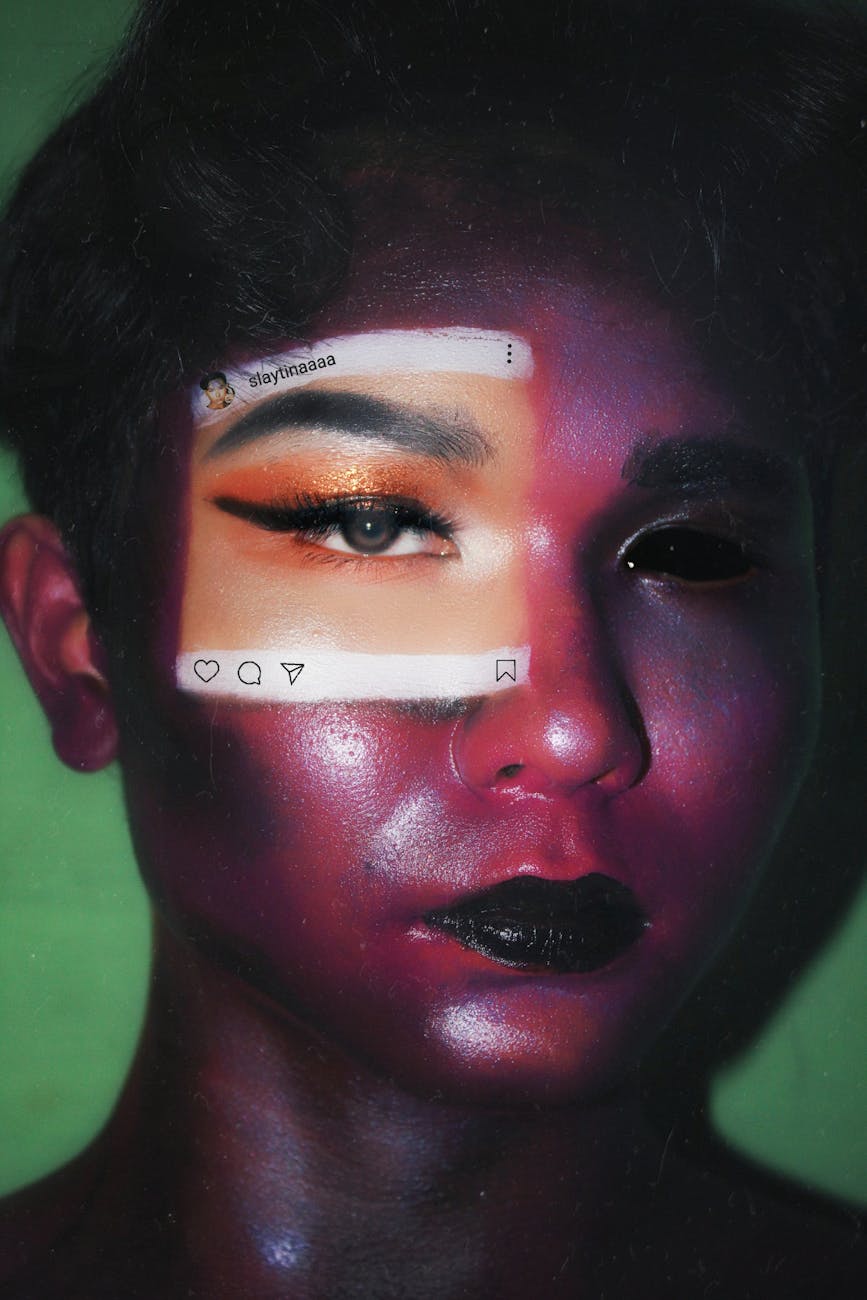
Beneath the Brown: Secrets and Self-Love

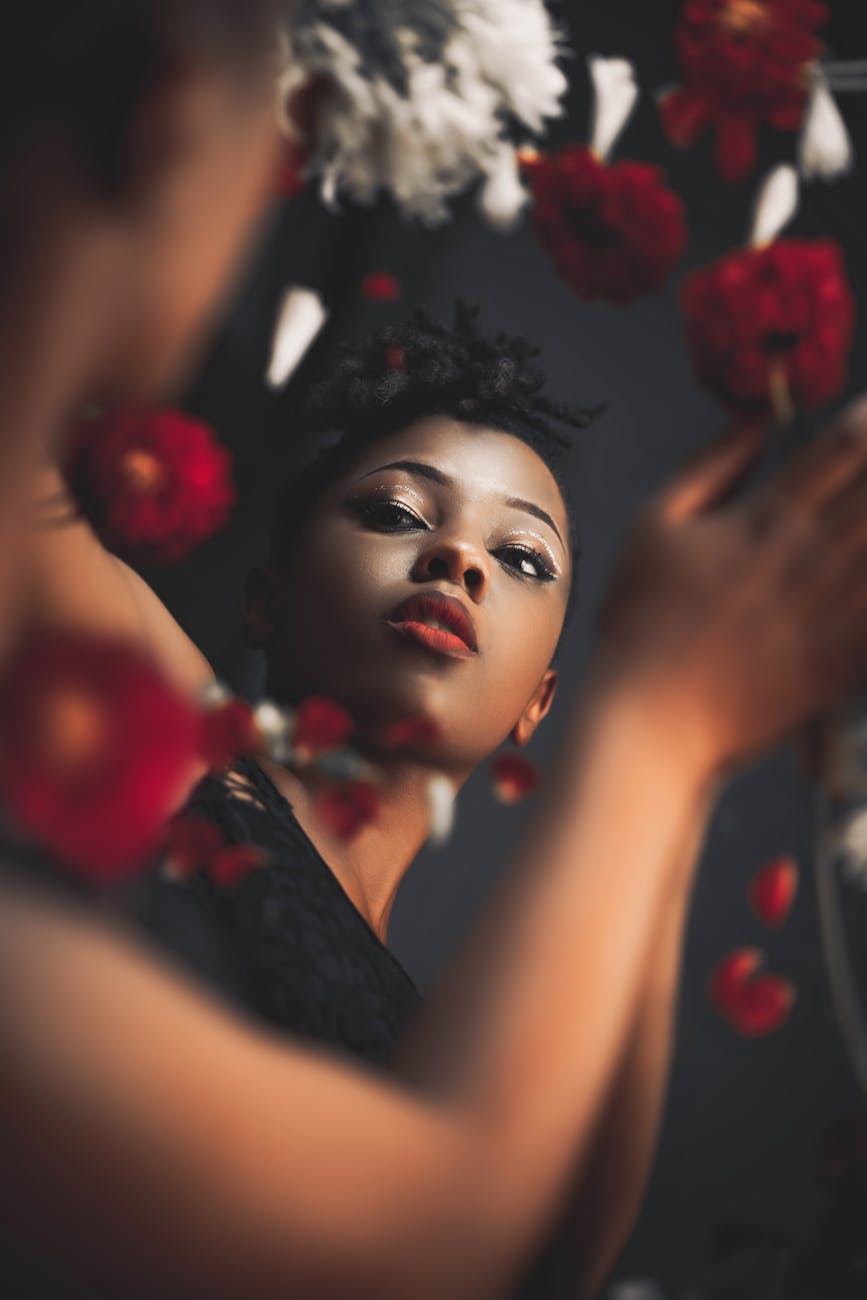
Photo by SLAYTINA on Pexels.com

Beneath the smooth surface of brown skin lies a world of stories untold—pain, pride, shame, resilience, and divine reflection. For centuries, people of African descent have carried not only the richness of their melanin but the weight of a world that often refuses to see its beauty. “Beneath the Brown” is not simply about color—it is about the sacred and psychological journey toward self-love in a society that profits from self-rejection.

To be brown or Black in a color-coded world is to inherit both beauty and burden. From the moment of birth, many are taught that their skin is a symbol of survival rather than celebration. The narratives of inferiority—constructed through slavery, colonialism, and media—whisper lies into young minds before they even speak. To peel back these lies is to uncover the trauma embedded in the flesh, and to begin the healing that self-love demands.

Historically, the body of the Black person has been treated as both spectacle and property. Enslaved Africans were displayed, dissected, and dehumanized to justify economic greed and white supremacy (Fanon, 1952; Davis, 1981). The very skin that now inspires fashion trends and cultural envy was once deemed evidence of subhuman status. This contradiction still lingers in modern beauty culture, where brown skin is fetishized but not fully valued.

Within the African diaspora, colorism has perpetuated this violence from within. The colonial system created hierarchies based on proximity to whiteness—privileging light skin while marginalizing darker tones. Families passed down this bias like an inheritance, often unconsciously. Many learned early that “pretty for a dark girl” was a backhanded compliment, a reminder that beauty was conditional. The internalization of such lies created generations of hidden wounds beneath the brown.

Beneath those wounds, however, is survival. Black and brown bodies have resisted centuries of erasure through art, faith, and self-definition. The skin that endured the lash now shines as a symbol of divine craftsmanship. To love brown skin is therefore an act of rebellion—a refusal to believe the colonial mirror. As bell hooks (1992) wrote, self-love among the oppressed is a political act. It is the reclamation of a truth that systems of power sought to destroy.

The secrets beneath the brown often begin in childhood. Many recall the sting of teasing, the denial of dolls that looked like them, or the subtle ways teachers favored lighter peers. Such moments shape the subconscious, teaching self-doubt before self-knowledge. Healing begins when those memories are named, grieved, and reframed through truth. One cannot heal what one refuses to confront.

For women, particularly, the politics of color intersect with the politics of desirability. The world often celebrates the features of Black women only when detached from Blackness—curves, lips, and hairstyles are glorified on non-Black bodies. This theft of aesthetic without acknowledgment perpetuates the lie that brownness is beautiful only by imitation. Beneath this injustice lies the call to affirm that Black beauty is not a trend but a testimony.

Men, too, carry their own secrets beneath the brown. They are often objectified as symbols of physicality but denied emotional depth. Their darkness is read as threat instead of tenderness. Many learn to mask pain with pride, to armor vulnerability with silence. Yet authentic self-love for Black men requires dismantling this emotional armor and allowing softness to coexist with strength.

Religion and spirituality play complex roles in this journey. For many in the diaspora, Christianity was both a tool of oppression and a source of liberation. Yet within the same Bible once used to justify slavery lies a truth that dismantles all inferiority: “I am fearfully and wonderfully made” (Psalm 139:14, KJV). To believe this as a brown-skinned person is to reclaim divine authorship over one’s body and story.

The struggle for self-love is not vanity—it is restoration. It is about seeing God’s fingerprint in every shade, curl, and contour. The hue of the skin is not a mark of curse but of covenant. The sun does not burn the brown; it blesses it. In a spiritual sense, melanin becomes metaphor—absorbing light, transforming it into strength, echoing the Creator’s power to turn pain into purpose.

Cultural movements like “Black is Beautiful,” “My Black is Bold,” and “Melanin Poppin’” represent modern rituals of reclamation. They are public declarations against centuries of psychological colonization. Each natural hair twist, each unfiltered selfie, each affirmation whispered in the mirror is a small revolution. These acts rewire the mind to see beauty not as comparison, but as confirmation of divine design.

Still, beneath the celebration remains a quieter truth—healing is not instant. Many who proclaim self-love still wrestle with internalized doubt. The mirror can be both friend and foe, reflecting what society once told us to hate. Real self-love is not about always feeling beautiful; it is about choosing truth over deception, grace over guilt, and faith over fear.

Self-love for the brown body also means confronting how systems profit from insecurity. The beauty, fashion, and cosmetic industries thrive by turning self-doubt into sales (Wolf, 1991; Kilbourne, 1999). The darker the skin, the more the market tempts with “lightening,” “brightening,” or “correcting” products. These linguistic traps are reminders that capitalism depends on colorism’s endurance. Awareness is resistance.

Healing the secrets beneath the brown requires both individual reflection and collective transformation. Families must unlearn inherited biases; media must reflect true diversity; faith leaders must affirm that Blackness is sacred, not sinful. This reclamation is not about excluding others but about restoring balance to a narrative long distorted by whiteness.

The beauty of brownness lies not just in pigment, but in history, creativity, and endurance. The same skin that endured chains also birthed jazz, gospel, hip-hop, and liberation theology. It carries the memory of ancestors who loved themselves even when the world refused to. That legacy lives in every melanin-rich face that dares to smile unapologetically.

In the end, the greatest secret beneath the brown is not pain, but power. It is the quiet knowledge that to be Black, to be brown, to be full of melanin is to embody sunlight made flesh. The world may deny it, distort it, or desire it—but it cannot destroy it. Self-love becomes not an act of ego, but an act of worship.

To love oneself beneath the brown is to say: I am enough. I am seen. I am divine. That is not arrogance—it is alignment. It is the restoration of the imago Dei that was always there, hidden beneath history’s lies, waiting to be remembered. And once remembered, that love radiates outward, transforming not only the self but the world that once taught us to hide.


References

Blay, Y. (2017). Pretty. Period.: The politics of being Black and beautiful. Blackprint Press.
Davis, A. Y. (1981). Women, race, & class. Random House.
Fanon, F. (1952). Black skin, white masks. Grove Press.
hooks, b. (1992). Black looks: Race and representation. South End Press.
Kilbourne, J. (1999). Can’t buy my love: How advertising changes the way we think and feel. Touchstone.
Walker, A. (1983). In search of our mothers’ gardens: Womanist prose. Harcourt Brace Jovanovich.
Tate, S. (2016). Black beauty: Aesthetics, stylization, politics. Routledge.
Wilkerson, I. (2020). Caste: The origins of our discontents. Random House.
Wolf, N. (1991). The beauty myth: How images of beauty are used against women. HarperCollins.
The Holy Bible, King James Version. (1611). Thomas Nelson.
West, C. (1993). Race matters. Beacon Press.
Wynter, S. (2003). Unsettling the coloniality of being/power/truth/freedom. The New Centennial Review, 3(3), 257–337.
Johnson, K. (2021). Beauty in resistance: Black aesthetics and cultural power. Duke University Press.

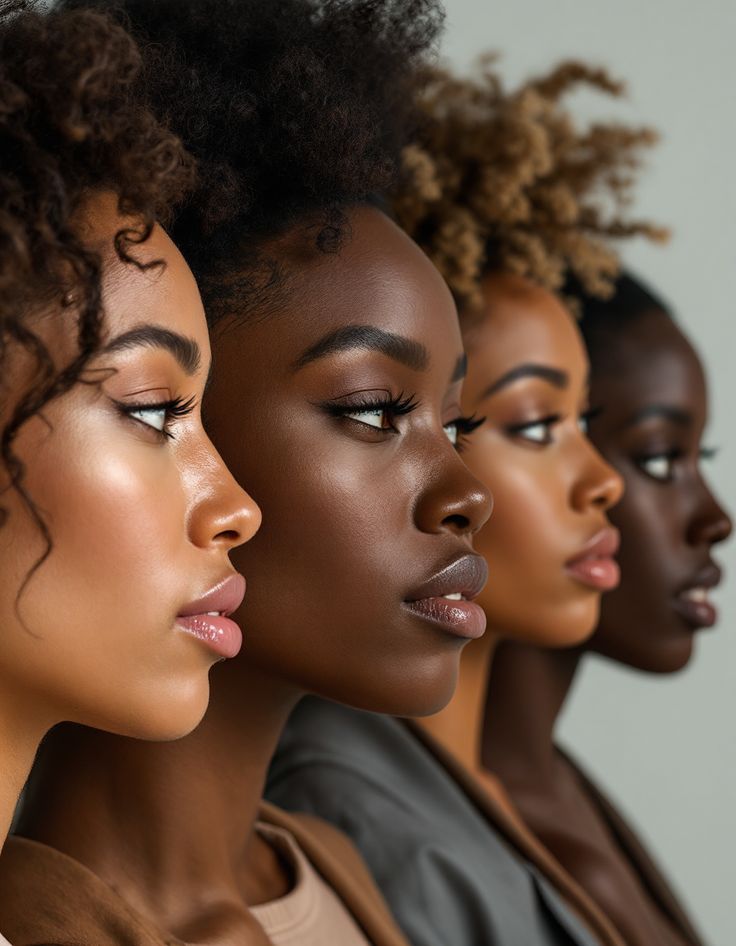
Reclaiming the Mirror: Beauty, Identity, and Resistance in the African Diaspora.

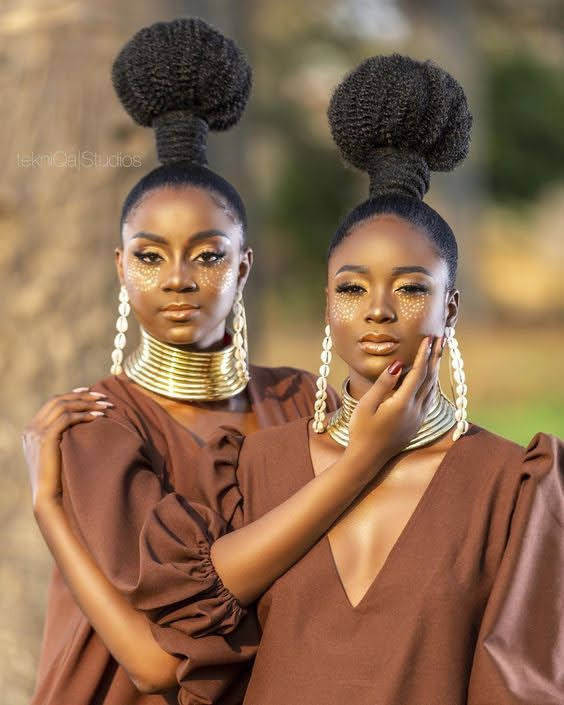
Photo by Godisable Jacob on Pexels.com

The concept of beauty has long been weaponized as a tool of domination and exclusion. For people of African descent, beauty has been historically defined through Eurocentric lenses that sought to invalidate African features, skin tones, and hair textures. This distortion of aesthetics served colonial and psychological purposes—reinforcing systems of white supremacy and dehumanization. Yet, amid this oppression, the African diaspora has continuously resisted, reclaimed, and redefined beauty through self-love, creativity, and cultural expression.

From the transatlantic slave trade to modern globalization, the manipulation of Black beauty has been integral to controlling identity. European colonizers constructed racial hierarchies that associated whiteness with purity and civilization, while blackness was linked to savagery and inferiority. These narratives became embedded in social, political, and religious ideologies, influencing how the world viewed—and how Black people came to view—themselves. This internalized oppression still manifests today in colorism, hair discrimination, and beauty bias within and outside the Black community.

Resistance to these narratives began as early as slavery itself. Enslaved Africans braided maps into their hair, wore headwraps as acts of pride, and sang spirituals affirming divine identity. These practices were not mere survival mechanisms but subtle assertions of self-worth. By reclaiming control over their bodies and appearances, Africans in the diaspora asserted, “We are still human.” This quiet defiance evolved into a cultural aesthetic that would later inspire entire movements of liberation.

The Harlem Renaissance marked a turning point in redefining Black beauty and identity. Figures like Zora Neale Hurston, Langston Hughes, and Josephine Baker challenged the notion that Black culture needed white validation. Their art celebrated dark skin, natural hair, and sensual expression, reclaiming the very traits society had demeaned. The phrase “Black is Beautiful,” born from this era and later popularized in the 1960s, became both a political slogan and a spiritual affirmation.

The Black Power movement of the 1960s and 1970s elevated aesthetics into activism. The afro became a crown of resistance, symbolizing freedom from assimilation. Black models like Beverly Johnson and Naomi Sims graced magazine covers once closed to women of their complexion, forcing the fashion world to confront its biases. Through photography, music, and protest, Black people around the world began to reassert the value of their image.

In the African diaspora, beauty and identity are deeply intertwined with spirituality. Ancient African civilizations revered the human form as divine art—sculptures from Nok, Benin, and Kemet celebrated symmetry, strength, and melanin as reflections of the Creator. This spiritual understanding of beauty counters the Western tendency to commodify and sexualize. The African aesthetic is holistic, connecting inner virtue with outer form—a principle still visible in African diasporic faiths like Yoruba and Rastafari.

Media representation remains one of the battlegrounds for beauty reclamation. For decades, film and advertising industries portrayed Eurocentric features as universal ideals. However, with the rise of digital media, Black creators began shaping new narratives. Platforms like YouTube and Instagram became spaces for natural hair tutorials, melanin-positive campaigns, and discussions about shadeism. This digital renaissance democratized visibility and dismantled the monopoly of Western beauty standards.

In contemporary times, artists like Lupita Nyong’o, Viola Davis, and Michaela Coel have redefined what global beauty looks like. They embody confidence rooted in authenticity rather than conformity. Their visibility challenges centuries of erasure, reminding the world that African beauty is not a trend—it is foundational. Each image, each role, becomes a mirror through which the diaspora can see itself with dignity and love.

Colorism, however, continues to plague the diaspora, a lingering scar of colonialism and slavery. Light skin often remains associated with privilege, while darker complexions are marginalized. This phenomenon fractures communities and perpetuates hierarchies of desirability. Yet, new generations are confronting these wounds head-on through documentaries, essays, and online activism—demanding that every shade of melanin be honored equally.

The reclamation of African aesthetics extends beyond physical features—it encompasses fashion, language, and ritual. African print clothing, protective hairstyles, and ancestral jewelry have become emblems of identity. What was once mocked or banned in workplaces is now worn proudly on global runways. The diaspora’s embrace of traditional aesthetics is not merely nostalgic—it is revolutionary, asserting that African heritage is modern, relevant, and eternal.

Psychologically, reclaiming beauty is an act of healing. Centuries of racial trauma have distorted self-perception, leading to generational insecurities. Scholars like bell hooks and Frantz Fanon have discussed the colonization of the mind and the struggle to love oneself under oppressive gaze. To look in the mirror and find beauty in one’s reflection is therefore a radical act of resistance, one that dismantles the psychological remnants of enslavement.

Black beauty movements have also intersected with gender liberation. Black women, historically hypersexualized or desexualized, have reclaimed agency over their image. Movements like #MelaninMagic and #BlackGirlMagic celebrate diverse forms of femininity—powerful, intellectual, sensual, and sacred. Similarly, Black men are confronting toxic stereotypes that equate masculinity with aggression, finding beauty in vulnerability and self-expression.

The global spread of African aesthetics—from music videos to fashion weeks—illustrates how the diaspora has transformed pain into power. Afrobeats, hip-hop, and soul music have carried messages of pride, resilience, and beauty to every corner of the world. The rhythm of resistance lives in every hairstyle, every dance, every melody that celebrates Blackness unapologetically.

Educational institutions and media organizations are beginning to recognize the importance of diverse representation. Curriculums now explore African art history, and museums exhibit African beauty traditions once labeled “primitive.” This reclamation of space in academia and culture is crucial—it ensures that future generations inherit a fuller, truer reflection of themselves.

In theology, the reclamation of beauty challenges centuries of Eurocentric religious imagery. Depictions of a white Messiah and angels have been replaced in many circles with images that reflect the original people of the Bible. The rise of Afrocentric theology reaffirms that divinity does not belong to one race or culture. The beauty of the Creator is reflected in the diversity of creation itself.

Art remains one of the most powerful vehicles for this transformation. Painters, photographers, and filmmakers across the diaspora are crafting new visual languages that honor melanin, texture, and form. Fine art portraiture—like the works of Kehinde Wiley or Awol Erizku—reimagines classical European iconography through an African lens, restoring Black presence to the historical canvas.

Beauty, in its truest sense, is more than aesthetics—it is liberation. When Black people embrace their natural selves, they reject the lie that they must change to be worthy. This acceptance becomes an act of spiritual sovereignty, echoing the biblical declaration that we are “fearfully and wonderfully made” (Psalm 139:14, KJV).

The mirror, once a symbol of distortion, now becomes a site of truth. It reflects not the colonizer’s image, but the Creator’s craftsmanship. To reclaim the mirror is to reclaim narrative power—to define beauty not by borrowed standards, but by ancestral wisdom. Every curl, curve, and hue tells a story of endurance, divinity, and rebirth.

Ultimately, the reclamation of beauty in the African diaspora is about freedom—the freedom to exist without apology, to see oneself as whole and holy. It is about transforming generations of shame into songs of pride and turning reflection into revolution. Through art, faith, and community, the descendants of Africa continue to rise, reminding the world that the most powerful form of beauty is self-acceptance rooted in truth.


References

Baker, J. (2017). The politics of Black beauty. Oxford University Press.
Davis, A. Y. (1981). Women, race, & class. Random House.
Fanon, F. (1952). Black skin, white masks. Grove Press.
hooks, b. (1992). Black looks: Race and representation. South End Press.
Hunter, M. (2007). The persistent problem of colorism: Skin tone, status, and inequality. Sociology Compass, 1(1), 237–254.
Mercer, K. (1994). Welcome to the jungle: New positions in Black cultural studies. Routledge.
Mills, C. W. (1997). The racial contract. Cornell University Press.
Nyong’o, L. (2014). Lupita Nyong’o’s speech on beauty and self-love [Video]. Essence Black Women in Hollywood.
Walker, A. (1983). In search of our mothers’ gardens: Womanist prose. Harcourt Brace Jovanovich.
Wiley, K. (2018). Reclaiming beauty: African aesthetics in modern art. Yale University Press.
Wilkerson, I. (2020). Caste: The origins of our discontents. Random House.
Wynter, S. (2003). Unsettling the coloniality of being/power/truth/freedom. The New Centennial Review, 3(3), 257–337.
Yaba Blay, Y. (2017). Pretty. Period.: The politics of being Black and beautiful. Blackprint Press.
Bryant-Davis, T. (2007). Healing requires recognition: The case for race-based traumatic stress. The Counseling Psychologist, 35(1), 135–143.
Johnson, K. (2021). Beauty in resistance: Black aesthetics and cultural power. Duke University Press.
Lewis, R. (2011). Afrocentric identity and the politics of beauty. Routledge.
Morrison, T. (1992). Playing in the dark: Whiteness and the literary imagination. Vintage Books.
Nash, J. C. (2019). Black feminism reimagined: After intersectionality. Duke University Press.
Tate, S. (2016). Black beauty: Aesthetics, stylization, politics. Routledge.
Thompson, C. (2009). Black women, beauty, and hair as resistance. Journal of Pan African Studies, 3(2), 97–108.

The Middle Shade Myth: When You’re Not Light Enough or Dark Enough.

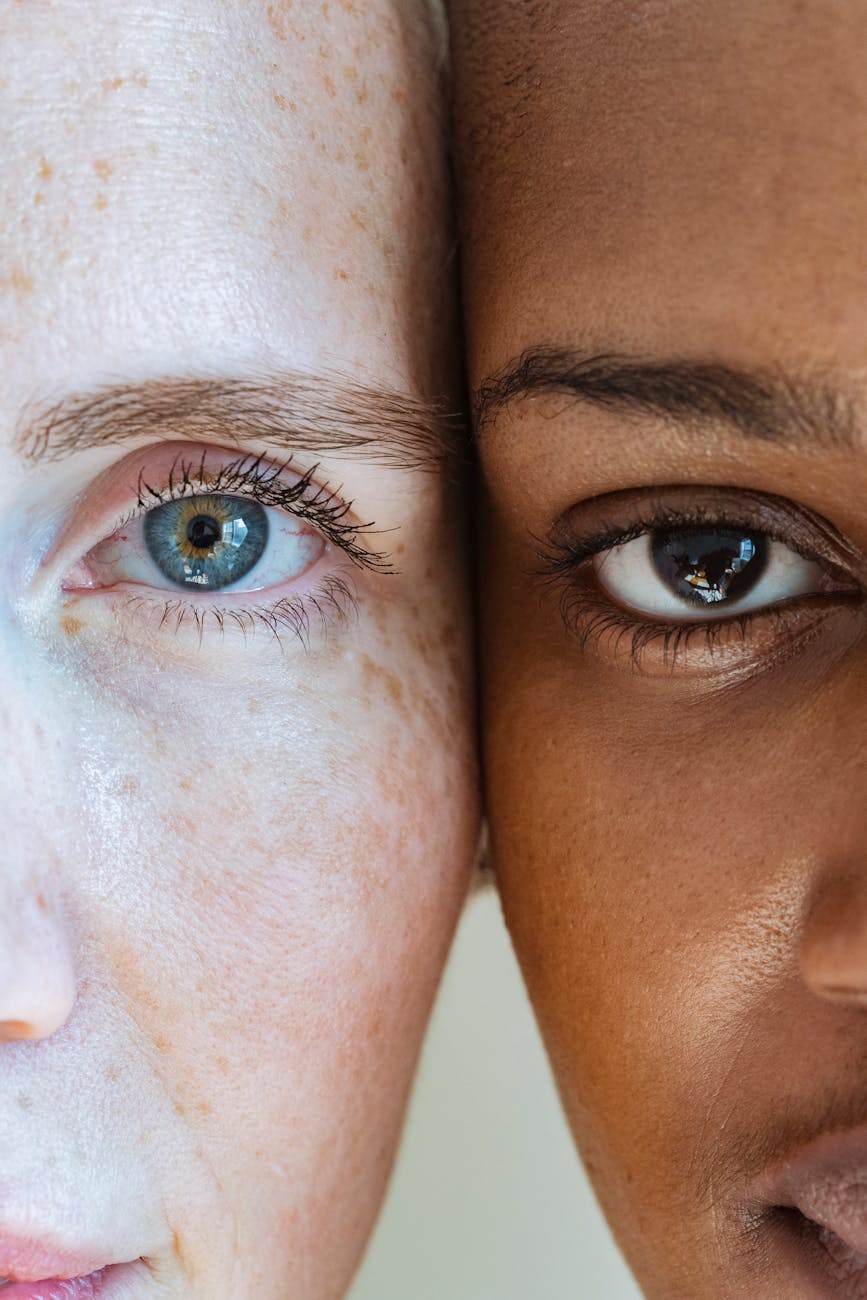
This photograph is the property of its respective owner. No copyright infringement intended.

In the complex spectrum of Black identity, there exists an often-overlooked struggle—the experience of those who occupy the middle shades of brown. Neither deemed “light enough” to receive societal privilege nor “dark enough” to be fully embraced in the movement of color pride, these individuals often live in a liminal space of identity. This is the middle shade myth: the illusion that existing between extremes should grant acceptance, when in truth, it often yields invisibility.

Colorism, a byproduct of colonialism, created hierarchies that divided the Black community by hue. Historically, lightness was rewarded for its proximity to whiteness, while darkness was punished as the visual mark of servitude. Yet those in the middle—honey, chestnut, bronze, caramel—found themselves in a paradoxical position. Their skin became a canvas of contradiction: sometimes praised, sometimes overlooked, but rarely celebrated in full context.

On the plantation, skin tone determined labor and treatment. Light-skinned enslaved people were often placed in domestic roles, while darker-skinned ones toiled in the fields. Those in between were shifted as needed, their value determined by convenience rather than identity. This created generations of individuals who learned to navigate acceptance as a matter of adaptability, not authenticity.

Post-slavery, the same dynamics lingered within Black society. The “Blue Vein Societies” and other elite groups of the 19th and early 20th centuries enforced color hierarchies that excluded darker tones but also imposed unspoken boundaries on those in the middle. Middle-toned individuals could sometimes “pass” in certain spaces, but their belonging was conditional—always dependent on how others perceived them.

In modern times, the middle shade myth manifests through subtle biases in media, beauty, and relationships. Hollywood frequently casts actors of medium complexion as “safe Black”—palatable enough to appeal to white audiences, yet brown enough to signify diversity. From Halle Berry to Zendaya, these roles symbolize representation filtered through comfort, not authenticity. The middle shade becomes the compromise between extremes, rather than the celebration of self.

In the realm of beauty, those in the middle often face dual scrutiny. They are sometimes told they are “lucky” to have a certain tone—“not too light, not too dark”—as though their worth lies in being digestible. Yet within their own communities, they may be deemed “not dark enough” to fully relate to darker-skinned struggles or “not light enough” to benefit from privilege. This tension breeds quiet confusion and emotional isolation.

Psychologically, this middle-ground experience can lead to identity fatigue. Constantly being compared to others’ shades creates an environment of self-surveillance—an internal questioning of where one fits in the racial mosaic. The middle shade myth teaches that belonging must be earned, not inherent. Such conditioning perpetuates insecurity even among the most self-assured.

Social media has amplified these dynamics. Online debates about “color preference” often reduce complex experiences to competition, forcing individuals to defend their shade as either oppressed or advantaged. In these spaces, middle-shade individuals may find themselves without a clear narrative—too light to claim darkness, too dark to claim lightness. Their stories fall between hashtags and headlines.

Spiritually, this liminality echoes a biblical truth: that identity confusion is the enemy of divine purpose. The Bible says, “A double-minded man is unstable in all his ways” (James 1:8, KJV). The middle shade myth thrives on double-mindedness—it divides individuals internally before society can divide them externally. Healing, therefore, begins with reclaiming wholeness beyond complexion.

Historically, colonial and Eurocentric systems defined value through binary oppositions—good versus bad, light versus dark, pure versus impure. The middle shade defies these categories; it represents fluidity, nuance, and intersection. That is precisely why it was destabilized. Systems of control thrive on division, not complexity. The middle, by nature, threatens those systems with ambiguity—and ambiguity is power.

From a sociological lens, middle-shade individuals embody the crossroads of cultural expectation. In Latin America, the term “mestizo” became synonymous with mixed heritage and middle hue—celebrated for diversity but marginalized for impurity. Similarly, in the United States, terms like “redbone” or “high yellow” were used to rank people along a color ladder, turning the middle into a balancing act between privilege and prejudice.

Culturally, the music industry has reflected this tension. Many R&B and soul artists have had their images molded to appeal to both Black and white audiences—skin tone subtly curated through lighting, makeup, and album art. Their sound and look had to straddle the color line to remain profitable. In this way, the middle shade became commodified as crossover currency.

Emotionally, those who live in this in-between space often develop acute racial empathy. They understand privilege and prejudice simultaneously, embodying the contradictions of color politics. This duality, though heavy, grants a unique sensitivity—an awareness of how race and complexion operate in layered ways. The challenge is transforming that sensitivity from burden into bridge.

The middle shade myth also has gendered dimensions. Middle-toned women are often fetishized as “exotic,” a label rooted in colonial fantasies. Middle-toned men, meanwhile, are alternately praised as “ideal” or overlooked in favor of lighter or darker extremes. Both experiences reinforce that complexion, rather than character, continues to shape desirability.

Breaking free from the middle shade myth requires confronting internalized colorism. Healing starts when we stop measuring beauty through contrast and begin celebrating it through connection. Every shade of brown exists on the same spectrum of divine design. There is no hierarchy in hue—only harmony.

Education plays a crucial role. Teaching children the historical roots of color bias empowers them to resist its modern manifestations. When we show them that colonial structures created the shade divide, they learn that these myths can—and must—be dismantled. Understanding history liberates identity.

Culturally, artists are leading the way toward healing. Painters, filmmakers, and photographers are capturing the full spectrum of Blackness with intentional diversity. By illuminating middle shades with the same reverence as deep or light tones, they reclaim what the colonial lens distorted. The visual narrative becomes whole again.

Theologically, the Creator’s palette has no hierarchy. Genesis declares, “And God saw everything that He had made, and, behold, it was very good” (Genesis 1:31, KJV). Every shade of melanin is a divine brushstroke—intentional, sacred, complete. The middle is not a mistake; it is the meeting point of balance and beauty.

Ultimately, the middle shade myth reveals how deeply society fears ambiguity. Yet in that ambiguity lies freedom—the power to transcend categories designed to divide. To be “not light enough” or “not dark enough” is to stand in the place of transformation. The middle shade is not the absence of identity; it is the bridge between worlds, carrying the truth that every tone, from ivory to ebony, reflects the same eternal light.

References

  • The Holy Bible, King James Version (James 1:8; Genesis 1:31).
  • hooks, b. (1992). Black Looks: Race and Representation. South End Press.
  • Russell, K., Wilson, M., & Hall, R. (1992). The Color Complex: The Politics of Skin Color Among African Americans. Doubleday.
  • Tate, S. (2009). Black Beauty: Aesthetics, Stylization, Politics. Routledge.
  • Hunter, M. (2007). The Persistent Problem of Colorism: Skin Tone, Status, and Inequality. Sociology Compass, 1(1), 237–254.
  • Hall, S. (1997). Representation: Cultural Representations and Signifying Practices. Sage.
  • Craig, M. L. (2002). Ain’t I a Beauty Queen?: Black Women, Beauty, and the Politics of Race. Oxford University Press.
  • Morrison, T. (1992). Playing in the Dark: Whiteness and the Literary Imagination. Vintage.
  • Hill Collins, P. (2000). Black Feminist Thought. Routledge.
  • hooks, b. (2000). All About Love: New Visions. William Morrow.

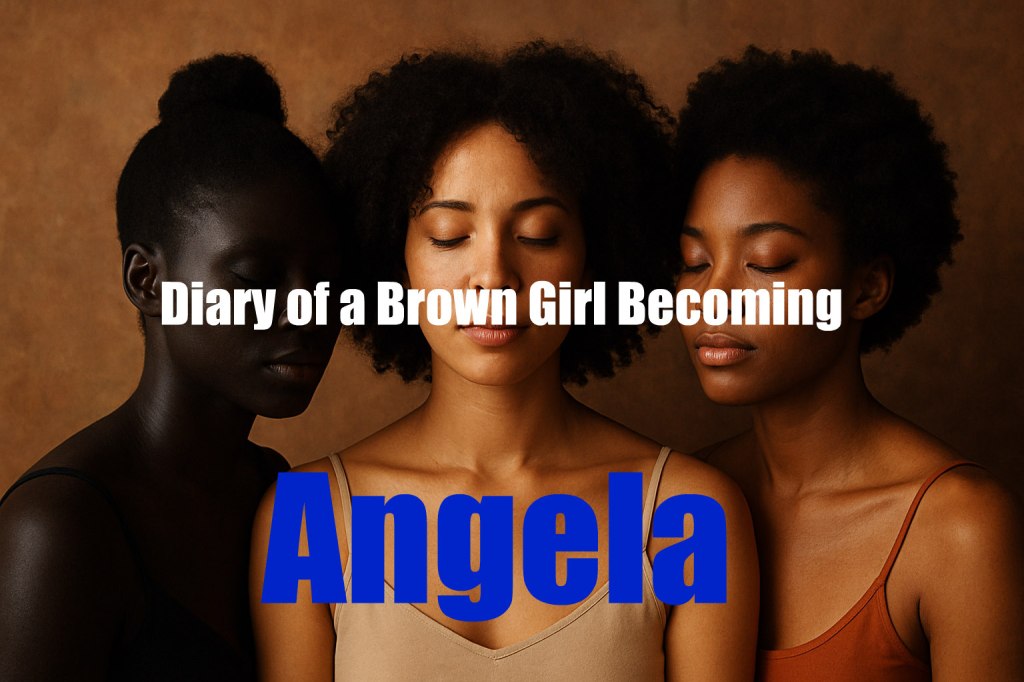
Diary of a Brown Girl Becoming: Angela’s Story.

Angela grew up in a world that measured beauty with a narrow ruler, one that often excluded the richness of her brown skin. From an early age, she noticed how lighter faces were praised while hers seemed to absorb shadows in spaces that celebrated whiteness. The mirror became both friend and foe, reflecting the contradictions of pride and self-doubt.

Her childhood was filled with stories of her ancestors, tales of resilience whispered between the cracks of slavery and colonization. They were strong, courageous, and unapologetically beautiful in ways society often refused to acknowledge. Angela clung to these narratives, even when the world outside questioned the worth of her hue.

School became a battleground for identity. Angela learned to navigate the subtle hierarchy of complexion and the unspoken preference for European features. Teachers, peers, and media reinforced these ideals. The pain of comparison gnawed at her, but it also planted seeds of resistance.

She remembers the first time someone called her “exotic.” Though meant as a compliment, it made her feel like a specimen rather than a person. She began to dissect her features, questioning which were assets and which were liabilities. Angela started a silent dialogue with herself, seeking the beauty that history seemed intent on denying her.

Television screens and magazine covers rarely reflected faces like hers. She noticed the patterns: brownness was either fetishized, caricatured, or erased altogether. Yet in her family, brown skin was celebrated for its depth, its connection to roots, and its story of survival. These dual narratives shaped Angela’s understanding of the world.

Adolescence brought a heightened awareness of colorism within her community. The unspoken hierarchy of light versus dark created tensions and insecurities among peers. Angela observed how her lighter-skinned friends often received attention and opportunities more easily, while girls with darker skin had to fight harder for recognition.

Despite these challenges, she cultivated a sense of pride. Angela immersed herself in literature, history, and art that celebrated brownness. From Toni Morrison to Zora Neale Hurston, from the Harlem Renaissance to contemporary Black artists, she discovered that her skin tone carried a lineage of creativity, power, and beauty.

Her relationship with hair mirrored her journey with skin. Angela learned to appreciate the versatility of her texture, experimenting with styles that honored her heritage rather than conforming to Eurocentric standards. Every braid, twist, and coil became an assertion of identity, a declaration of belonging to a legacy that endured despite oppression.

She began keeping a diary, writing candidly about her experiences, fears, and triumphs. It became a space to explore the contradictions of desire and self-acceptance. In its pages, Angela could reconcile the tension between wanting to fit in and yearning to stand out authentically.

Love and relationships complicated her understanding of self. Angela noticed how society and culture influenced attraction, favoring lighter complexions and certain features. These patterns were not universal, but they shaped how she viewed herself in the mirror and how others perceived her.

Social media became a double-edged sword. On one hand, it allowed Angela to see faces like hers celebrated globally. On the other, it highlighted the persistent bias toward light skin and European features. She learned to curate her feed, choosing inspiration over comparison, empowerment over envy.

College opened new horizons. Angela met brown girls from diverse backgrounds who embraced their skin with courage. Their shared experiences created bonds rooted in understanding and affirmation. They spoke openly about colorism, representation, and the politics of identity, reinforcing the notion that brownness was a spectrum, each shade deserving celebration.

Professional life brought its own set of challenges. Bias and microaggressions tested Angela’s confidence. At times, her capabilities were underestimated or overlooked because of the color of her skin. Yet she discovered that excellence could be a form of resistance, a way to redefine the narrative about brown girls in historically unwelcoming spaces.

She embraced spirituality as a grounding force. Scripture, meditation, and ancestral wisdom reminded Angela that her worth was not dictated by societal standards but by a divine design. Her skin became a canvas of history, a symbol of endurance and hope that transcended mere appearance.

Travel allowed Angela to witness the global diaspora of brownness. From African cities to Caribbean islands, she saw beauty celebrated in its natural state. These encounters expanded her vision, teaching her that brown skin carries stories of migration, adaptation, and resilience that are both universal and profoundly personal.

Motherhood—real or symbolic in her nurturing of community—taught Angela the importance of modeling self-love. She wanted the next generation of brown girls to see themselves reflected not as anomalies but as embodiments of strength, intelligence, and grace. This responsibility shaped her daily choices and interactions.

Art and creative expression became sanctuaries. Painting, photography, and poetry allowed Angela to externalize her journey, to give form to the invisible struggles of growing up brown in a world obsessed with lighter shades. Each creation was a testament to survival, pride, and the beauty of becoming.

Friendship revealed mirrors of self-acceptance. Surrounding herself with brown girls who celebrated authenticity helped Angela dismantle lingering insecurities. Their laughter, shared stories, and communal validation created a counter-narrative to societal rejection, affirming that beauty and value are inherent, not granted.

As she reflects on this journey, Angela recognizes the power of narrative. Writing her diary has been an act of reclamation—transforming shame into pride, doubt into confidence, and invisibility into presence. Each entry affirms that becoming is not linear but a layered, ongoing process.

Now, as a brown woman fully embracing her skin, features, and heritage, Angela understands that her story is both personal and collective. It is the story of countless girls who came before her and those who will follow. Her skin, her features, her history are not deficits to overcome but treasures to honor.

In becoming, Angela has learned that brownness is not a limitation but a lens—a way to see the world, understand its complexities, and assert a presence that is unapologetic, radiant, and transformative. Her diary will continue as long as there is growth, reflection, and the beauty of embracing the journey.

Redefining Radiance: Brown Girls Claiming Their Narrative + Shade, Strength, and Self-Love: Tools for the Brown Girl Experience.

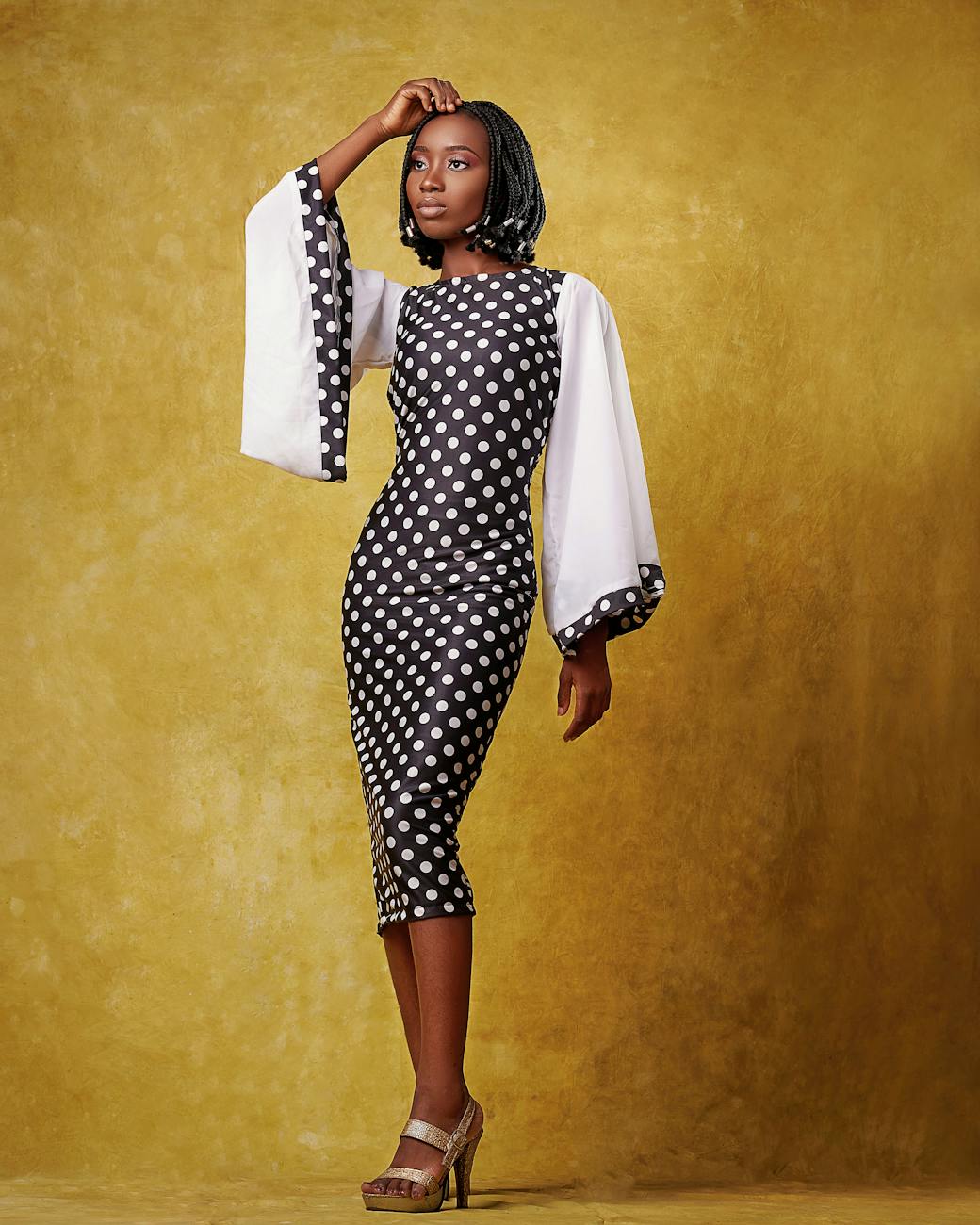
Photo by Brett Sayles on Pexels.com

Brown girls have historically been subjected to cultural narratives that devalue their natural beauty, heritage, and potential. From colonialism to modern media, societal standards have often privileged lighter skin, Eurocentric features, and conformity to Western ideals. Redefining radiance requires Brown girls to reclaim their narratives, celebrate melanin-rich skin, natural hair textures, and culturally distinctive features, and assert agency over how they are seen and valued in society (Hunter, 2007).

Media representation plays a pivotal role in shaping perceptions. While light-skinned women like Yara Shahidi, Salli Richardson, and Mari Morrow frequently dominate visibility, dark-skinned women such as Lupita Nyong’o, Issa Rae, and Kenya Moore are redefining what beauty, talent, and influence look like on a global stage. Their prominence challenges Eurocentric beauty norms, providing young Brown girls with relatable role models who validate their identity and aesthetics (Byrd & Tharps, 2014).

Education and mentorship serve as critical tools for narrative reclamation. Programs like Black Girls CODE, Girls Who Code, and culturally responsive curricula equip Brown girls with skills, confidence, and networks to thrive academically and professionally. These initiatives foster critical thinking, resilience, and self-efficacy, allowing girls to navigate societal biases while asserting their value and potential (Banks, 2015).

Cultural affirmation strengthens the reclaiming of narratives. Celebrating heritage, history, and art rooted in African and diasporic traditions cultivates pride and counters internalized bias. Workshops, storytelling sessions, and community events provide platforms for Brown girls to explore identity, share experiences, and amplify their voices in spaces that have historically marginalized them (Hunter, 2007).

Psychologically, embracing one’s narrative promotes self-esteem and resilience. Internalizing societal preference for lighter skin can erode confidence, but representation, mentorship, and cultural affirmation foster pride and authenticity. Social comparison theory illustrates how exposure to positive role models reduces the negative impact of biased media, empowering girls to redefine beauty and success on their own terms (Festinger, 1954; Fardouly et al., 2015).

Faith and spiritual grounding offer an enduring framework. Proverbs 31:30 (KJV) teaches, “Favour is deceitful, and beauty is vain: but a woman that feareth the LORD, she shall be praised.” Anchoring identity in character, integrity, and divine purpose empowers Brown girls to value themselves beyond societal or media-driven hierarchies, embracing both talent and aesthetics with confidence.

Redefining radiance requires a multi-dimensional approach that integrates media literacy, mentorship, cultural affirmation, education, and spiritual grounding. By claiming their narrative, Brown girls challenge historical biases, assert agency over representation, and inspire future generations to embrace melanin-rich beauty, talent, and identity with pride. Through this reclamation, true radiance emerges—not merely as a reflection of physical appearance, but as a manifestation of confidence, resilience, and authenticity.

The Brown girl experience is shaped by the dual forces of cultural celebration and systemic bias. Colorism, media representation, and societal expectations have historically devalued darker complexions, creating barriers to self-esteem, visibility, and opportunity. Yet empowerment is possible when girls cultivate shade-conscious pride, personal strength, and intentional self-love, supported by practical tools, mentorship, and cultural affirmation (Hunter, 2007).

Self-love begins with recognizing inherent worth beyond external validation. Darker-skinned girls often internalize biases from media, peer comparison, and societal preference for lighter skin. Affirming one’s beauty, intellect, and capability counters these pressures, fostering psychological resilience and positive identity formation. Techniques such as journaling, affirmations, and self-reflection encourage internalization of these values (Festinger, 1954).

Mentorship is a powerful tool for growth. Connecting with successful role models like Lupita Nyong’o, Issa Rae, and Kenya Moore provides guidance, inspiration, and a tangible example of achievement and visibility. Mentors can teach skills, navigate systemic challenges, and model confidence, reinforcing that self-worth is not determined by skin tone but by talent, resilience, and authenticity (Banks, 2015).

Cultural literacy and affirmation cultivate pride in heritage. Brown girls benefit from learning about African and diasporic history, art, and achievements, fostering identity rooted in context rather than imposed narratives. Community programs, storytelling sessions, and cultural workshops validate experiences and features historically marginalized, reinforcing pride in melanin-rich skin, hair textures, and features (Byrd & Tharps, 2014).

Media literacy equips Brown girls to critically navigate biased content. Social media and mainstream media often reinforce Eurocentric ideals, but teaching girls to deconstruct these messages promotes agency. Recognizing algorithmic biases, challenging stereotypical representations, and seeking diverse role models allow girls to embrace authentic beauty and reject internalized colorism (Fardouly et al., 2015).

Spiritual grounding enhances both resilience and ethical self-conception. Proverbs 31:30 (KJV) reminds, “Favour is deceitful, and beauty is vain: but a woman that feareth the LORD, she shall be praised.” Faith emphasizes character and virtue over superficial metrics, enabling Brown girls to navigate societal pressures with confidence, integrity, and grounded self-worth. Spiritual practices, prayer, and scriptural study provide reinforcement of identity beyond appearance.

Finally, practical lifestyle strategies reinforce self-love. Skincare routines, embracing natural hair, personal style, and physical wellness practices allow Brown girls to celebrate their bodies while enhancing confidence. These tangible expressions of self-care reinforce internal affirmation and act as outward markers of pride in identity, heritage, and aesthetic beauty.

In conclusion, tools for the Brown girl experience encompass self-love, mentorship, cultural affirmation, media literacy, spiritual grounding, and practical self-care. By integrating these strategies, Brown girls can navigate systemic bias, reclaim narratives of beauty and worth, and cultivate resilience, pride, and authenticity. Shade, strength, and self-love become interconnected pillars, ensuring that identity, talent, and melanin-rich beauty are celebrated fully and unapologetically.


References

Banks, J. A. (2015). Cultural diversity and education: Foundations, curriculum, and teaching. Routledge.

Byrd, A. D., & Tharps, L. L. (2014). Hair Story: Untangling the Roots of Black Hair in America. St. Martin’s Press.

Fardouly, J., Diedrichs, P. C., Vartanian, L. R., & Halliwell, E. (2015). Social comparisons on social media: The impact of Facebook on young women’s body image concerns and mood. Body Image, 13, 38–45.

Festinger, L. (1954). A theory of social comparison processes. Human Relations, 7(2), 117–140.

Hunter, M. (2007). The persistent problem of colorism: Skin tone, status, and inequality. Sociology Compass, 1(1), 237–254.

Girl Talk Series: No Ring. No Rush. Just Purpose.

Photo by Bave Pictures on Pexels.com

Ladies, let’s have some real talk. I know waiting isn’t easy. You’ve prayed, cried, fasted, and wondered when your Boaz—your king—will come. You’ve watched others walk down the aisle, and sometimes that quiet ache whispers, “When will it be my turn?” But hear me when I say this: your wait is not wasted. The Most High is not ignoring you; He’s preparing you. While you’re waiting for him, God is shaping you into the woman who will be ready to stand beside the man He has chosen for you.

This season is not punishment—it’s preparation. Every prayer, every tear, every moment of solitude is building your spiritual strength, emotional stability, and godly wisdom. Ruth didn’t chase Boaz; she was found walking purposefully, faithful in her field. And in due time, the right man noticed the right woman, because divine timing always reveals divine pairing.

You don’t have to rush what God is still writing. Let Him be the Author of your love story. A real king doesn’t need to be chased—he’ll recognize a queen when he sees one who walks with grace, humility, and holiness. So use this time to fall deeper in love with the Most High. Strengthen your relationship with Him first, because the more you know your Creator, the clearer you’ll see your destiny.

So to every woman waiting on her Boaz: keep serving, keep praying, keep becoming. Your purpose will prepare you for the promise. And when the time is right, the man God designed for you will find you—not because you were looking, but because you were ready.

There’s a quiet strength in a woman who refuses to settle. Society often pressures women to define their worth by marital status—whether she’s single, engaged, or married—but God’s Word paints a much broader, richer picture of purpose. The phrase “No Ring. No Rush. Just Purpose.” is not an anthem of bitterness or independence detached from faith; it’s a declaration of alignment with divine timing. Proverbs 18:22 reminds us, “Whoso findeth a wife findeth a good thing, and obtaineth favour of the Lord” (KJV). Notice the verse doesn’t say a woman finds a husband—it says he finds her. That distinction matters because God designed the pursuit of marriage to be purposeful, not pressured.

Marriage, in God’s plan, was never meant to be a social achievement or a cure for loneliness. It was created as a covenant that reflects His relationship with His people (Ephesians 5:25–32). Adam did not go searching for Eve; God presented her at the right moment. The Lord saw that “it is not good that the man should be alone” (Genesis 2:18, KJV) and then fashioned Eve with intent and timing. She didn’t rush the process; she was formed in purpose.

When a woman understands this divine order, she learns that her season of singleness is not a punishment but preparation. Too many rush into relationships to fill emotional voids that only God can heal. Scripture teaches, “But seek ye first the kingdom of God, and his righteousness; and all these things shall be added unto you” (Matthew 6:33, KJV). Seeking purpose before partnership ensures that love becomes a ministry, not merely a moment.

A man who truly seeks God will also seek a wife according to divine principles. He’s not looking for perfection but for purpose alignment. A “wife” in Proverbs 18:22 is not just a woman with a title; she is a woman already walking in her calling. When she is discovered, she becomes a “good thing” because her presence adds favor, balance, and spiritual partnership to a man’s life.

Many women feel the ticking clock of time and the sting of comparison, especially when friends marry or family members ask, “When is it your turn?” Yet, Scripture gently reminds us, “To every thing there is a season, and a time to every purpose under the heaven” (Ecclesiastes 3:1, KJV). Purpose-driven waiting produces wisdom, patience, and discernment—qualities necessary for sustaining a godly marriage.

God’s plan for marriage is rooted in covenant, not convenience. It’s a sacred union meant to glorify Him, reproduce godly offspring, and model unconditional love (Malachi 2:15). When people marry for reasons other than purpose—lust, status, fear, or loneliness—they often reap turmoil instead of peace. Marriage is a mirror of Christ’s love for the Church, demanding sacrifice, forgiveness, and endurance.

Waiting in purpose also means understanding identity. Before Eve was given to Adam, she knew who she was—a creation made in God’s image. Modern women must reclaim that same confidence. Knowing your worth in Christ eliminates the need to chase validation through romance. As Psalm 139:14 says, “I will praise thee; for I am fearfully and wonderfully made.”

A woman rooted in purpose attracts a man who values purpose. The one God sends will not be confused or inconsistent; he will recognize divine favor when he sees it. Ruth didn’t chase Boaz—she simply worked faithfully in the field God placed her in. When Boaz saw her diligence and character, he moved intentionally. Purpose positioned her for partnership.

For men, the call to find a wife is not about possession but stewardship. To “find” means to discern what God has already ordained. A husband’s role is to love as Christ loved the Church (Ephesians 5:25), leading with humility and honor. A godly woman doesn’t need to rush into submission to the wrong man; she waits for one who follows Christ first.

Marriage under God’s design carries three primary purposes: companionship, reproduction, and reflection of His image. Genesis 1:27–28 confirms that humanity was created male and female to be fruitful and multiply—not just physically, but spiritually and emotionally. Their union was to reflect divine oneness and harmony.

When purpose governs your love life, desperation diminishes. Many failed marriages today result from skipping the season of spiritual preparation. Just as a house built on sand cannot withstand storms, a relationship built without God’s foundation will eventually collapse (Matthew 7:24–27). Purpose ensures your house stands firm.

Women of faith must learn to see singleness as sacred space. It’s the season where God refines your patience, strengthens your faith, and shapes your discernment. Proverbs 31 describes a virtuous woman as one who is clothed in strength and honor—not anxiety or fear. Her virtue shines long before her vows.

The purpose of marriage is not to complete you but to complement you. God never intended for two broken people to fix each other; He designed for two whole people to fulfill a shared mission. Wholeness before union ensures that love flows from overflow, not emptiness.

Purpose-driven love also brings clarity. It teaches that attraction alone cannot sustain a marriage—character does. Physical beauty fades, but integrity, kindness, and spiritual maturity endure. As Proverbs 31:30 (KJV) says, “Favour is deceitful, and beauty is vain: but a woman that feareth the Lord, she shall be praised.”

In God’s time, waiting transforms into witnessing. When you surrender your timeline to Him, He orchestrates divine introductions. Every disappointment, delay, and detour becomes a stepping stone toward destiny. Romans 8:28 promises that “all things work together for good to them that love God.”

A man that findeth a wife finds purpose alongside her. Together, they walk in unity, reflecting God’s covenant love. Their marriage becomes ministry—a living testimony of faith, endurance, and obedience. Marriage is not the goal; purpose is. The goal is to glorify God through whatever season you’re in.

For the woman still waiting, remember: no ring can validate what God already ordained. Rings represent covenant, but purpose represents calling. When you walk in calling, covenant will follow. God doesn’t delay; He prepares.

To rush ahead of purpose is to risk pain that could have been avoided. True love doesn’t fear waiting—it embraces it. Love rooted in Christ is patient, kind, and enduring (1 Corinthians 13:4–8). A purposeful woman knows that the right man won’t rush her—he’ll recognize her as part of God’s plan.

In conclusion, “No Ring. No Rush. Just Purpose.” is not just a phrase; it’s a lifestyle of faith, focus, and fulfillment. Let God write your love story. Wait with wisdom, walk in purpose, and watch Him exceed your expectations. As Isaiah 60:22 reminds us, “When the time is right, I, the Lord, will make it happen.”


References (KJV):

  • Proverbs 18:22
  • Genesis 2:18–24
  • Ephesians 5:25–32
  • Matthew 6:33
  • Ecclesiastes 3:1
  • Malachi 2:15
  • Psalm 139:14
  • Proverbs 31:10–31
  • Romans 8:28
  • 1 Corinthians 13:4–8
  • Isaiah 60:22

Inheritance of Pain, Legacy of Power: Brown Girls Rising. #thebrowngirldilemma

Photo by Godisable Jacob on Pexels.com

The story of the brown girl begins in the shadow of inherited pain. Her skin carries the memories of slavery, colonization, and systemic colorism. Each shade is a living archive of oppression, a record of what was endured and survived. For generations, brown girls have been taught—explicitly and implicitly—that their bodies are battlegrounds, their beauty conditional, and their voices disposable. This inheritance of pain is heavy, but within it also lies the seed of a profound legacy: the power to rise, redefine, and reclaim.

Inheritance of pain is not merely historical; it is psychological. Trauma is passed through families not just by stories but by silence, body language, and internalized biases (DeGruy, 2005). Brown girls often inherit the whispered warnings: “Don’t stay in the sun too long,” “Light skin is more desirable,” or “You have to work twice as hard.” These messages carry both survival wisdom and insidious shame, training young women to measure their worth by standards they did not create. Yet, what is inherited can also be reinterpreted. Pain, when acknowledged, becomes the soil for resilience.

The legacy of power emerges when brown girls refuse to be confined by narratives of inferiority. Across history, women of color have carried revolutions in their wombs and resistance in their hands. From Sojourner Truth’s proclamation, “Ain’t I a Woman?”, to the modern voices of Chimamanda Ngozi Adichie and Issa Rae, brown girls have transformed their marginalization into platforms of influence. This rising is not accidental—it is the fulfillment of a legacy that insists on survival and brilliance despite systemic silencing.

Spiritually, the brown girl rising is a biblical archetype. The daughters of Zion were often portrayed as oppressed, mocked for their skin tone (Song of Solomon 1:5, KJV: “I am black, but comely”), yet chosen by God to birth nations, preserve wisdom, and lead in times of crisis. The inheritance of pain mirrors Israel’s exile, while the legacy of power mirrors the promise of restoration. God’s pattern is consistent: those the world marginalizes, He elevates.

In today’s cultural landscape, brown girls continue to rise as leaders, innovators, and truth-tellers. They are reshaping industries that once excluded them—whether in entertainment, politics, technology, or theology. Each accomplishment chips away at centuries-old lies, rewriting what beauty, authority, and intelligence look like. The brown girl rising is no longer asking permission to belong; she is establishing spaces where her presence is undeniable and her leadership indispensable.

Psychologically, this rising is rooted in the practice of self-affirmation and collective healing. When brown girls honor their histories without being chained to them, they embody what scholars call post-traumatic growth—the ability to harness adversity for empowerment (Tedeschi & Calhoun, 2004). Instead of perpetuating silence, they speak. Instead of internalizing shame, they cultivate pride. Instead of shrinking, they expand, standing tall as embodiments of survival and grace.

Yet rising does not mean forgetting. The inheritance of pain must be remembered to preserve the legacy of power. Just as gold is tested by fire, the strength of the brown girl shines brightest when her past is not erased but transformed. Each scar, each rejection, and each overlooked moment becomes proof of endurance. And in this endurance, there is glory.

To say brown girls are rising is to recognize a global movement: one that transcends borders and languages. It is the reality of daughters who refuse to bow, women who refuse to be silenced, and generations who refuse to believe they are cursed. It is the testimony of Psalm 118:22 (KJV): “The stone which the builders refused is become the head stone of the corner.” What was rejected becomes foundational. What was dismissed becomes central. What was oppressed becomes unstoppable.

The inheritance of pain is undeniable, but the legacy of power is unbreakable. Brown girls are rising—not just for themselves, but for the daughters yet to come. Their ascent is not only survival; it is prophecy.


References

  • DeGruy, J. (2005). Post Traumatic Slave Syndrome: America’s Legacy of Enduring Injury and Healing. Uptone Press.
  • Tedeschi, R. G., & Calhoun, L. G. (2004). Posttraumatic growth: Conceptual foundations and empirical evidence. Psychological Inquiry, 15(1), 1–18.
  • The Holy Bible, King James Version.

The White Gaze, the Black Gaze, and Healing & Unity.

The white gaze is a historical and sociological concept that refers to the way white society observes, defines, and judges Black identity. From the transatlantic slave trade to modern mass media, the white gaze has consistently imposed labels and expectations on Black people that serve to uphold systems of power and control. In this view, Black identity is not self-determined, but rather constructed as “the other,” existing in opposition to whiteness.

Photo by Angela Roma on Pexels.com

The Black gaze, however, is a complicated internalization of both pride and pain. On one hand, it represents the self-awareness and affirmation of Blackness in defiance of systemic oppression. On the other, it can mirror internalized racism and colorism, as members of the Black community sometimes measure one another by proximity to white standards. The tension between the white gaze and the Black gaze creates an ongoing struggle for authenticity and wholeness.

Under the white gaze, all Black people are lumped into one category regardless of complexion, culture, or background. From slavery’s “one-drop rule” to Jim Crow’s “separate but equal,” whiteness has historically reduced Black identity to an object of suspicion, inferiority, or exoticism. This dehumanization was designed to rationalize inequality and maintain white dominance.

The Black gaze developed in resistance but also in fragmentation. Within Black communities, hierarchies of skin tone, hair texture, and cultural expression have often reproduced divisions. While these divisions are rooted in historical oppression, they nevertheless create cycles of mistrust and judgment. The “brown skin paradox” of being not light enough and not dark enough reflects this painful reality.

To understand the white gaze, one must acknowledge its function as surveillance and control. The white gaze is not neutral—it polices how Black people dress, speak, and behave. Even today, racial profiling, biased policing, and workplace discrimination reflect the persistence of the white gaze in shaping opportunities and consequences.

In contrast, the Black gaze, when rooted in empowerment, serves as a mirror of resilience. Black communities have created beauty, culture, and art that redefine standards outside of whiteness. Music, literature, and fashion have all been tools of resistance, reclaiming dignity from the distortions of the white gaze. Yet, the challenge remains: how to cultivate a gaze that unifies rather than divides.

Colorism complicates the Black gaze. Preference for lighter skin or “good hair” reflects the lingering influence of slavery, when proximity to whiteness often meant access to privilege. These divisions persist in families, dating preferences, and media representation. Such internal hierarchies weaken collective strength and hinder healing.

The Bible speaks directly to division and partiality. James 2:9 (KJV) declares, “But if ye have respect to persons, ye commit sin, and are convinced of the law as transgressors.” Favoritism based on appearance, whether by white supremacy or internal colorism, stands against God’s standard of justice. In Christ, identity is not measured by skin but by spirit.

Healing begins when the lies of both gazes are rejected. For Black people, this means no longer seeking validation through whiteness or competing for approval based on complexion. It requires embracing the truth of Psalm 139:14 (KJV): “I will praise thee; for I am fearfully and wonderfully made: marvellous are thy works; and that my soul knoweth right well.” Every shade is a reflection of divine craftsmanship.

Unity cannot come without truth. John 8:32 (KJV) proclaims, “And ye shall know the truth, and the truth shall make you free.” The truth is that white supremacy has always sought to divide and weaken, and that internalized division only strengthens the oppressor. Recognizing this truth is the first step to dismantling false gazes.

Healing also requires forgiveness, though not in the sense of forgetting history or ignoring injustice. Forgiveness, in this context, means refusing to allow bitterness to define identity. As Ephesians 4:31-32 (KJV) teaches, believers are called to “put away all bitterness, and wrath, and anger” and to “forgive one another, even as God for Christ’s sake hath forgiven you.” Unity comes when past wounds do not dictate future relationships.

Education is a tool for liberation. By learning the history of the white gaze and its impact, Black communities can understand the roots of division and resist repeating them. Teaching children the beauty of all shades and the worth of all features is a radical act of healing. Representation matters, but affirmation within families and communities matters even more.

Economics and justice are also part of healing. Unity requires advocating for equity in schools, workplaces, and the justice system. To confront the white gaze is to challenge systemic racism. To reform the Black gaze is to dismantle intra-community prejudices. Both are necessary for collective progress.

The role of the church is critical. Too often, churches have ignored or even perpetuated colorism and division. Yet the church is uniquely positioned to proclaim Galatians 3:28 (KJV): “There is neither Jew nor Greek, there is neither bond nor free, there is neither male nor female: for ye are all one in Christ Jesus.” The gospel calls for a unity that transcends race and shade without denying the realities of oppression.

Art, music, and storytelling play a role in reshaping the gaze. From gospel music to hip hop, Black creativity has always been a means of healing and protest. These cultural expressions disrupt the white gaze and provide spaces where Black identity is celebrated authentically. They remind the world that Blackness is not a monolith but a mosaic.

Unity requires humility. Healing cannot come if individuals cling to pride or superiority based on shade or proximity to whiteness. Philippians 2:3 (KJV) instructs, “Let nothing be done through strife or vainglory; but in lowliness of mind let each esteem other better than themselves.” This humility is the foundation of reconciliation within the community.

Healing also requires love. 1 Peter 4:8 (KJV) declares, “And above all things have fervent charity among yourselves: for charity shall cover the multitude of sins.” Love must be the lens through which the Black gaze is redefined—not as a competition of shades, but as a celebration of shared struggle, heritage, and destiny.

When the white gaze is dismantled and the Black gaze is purified, unity becomes possible. This unity is not uniformity but strength in diversity. It acknowledges pain but refuses to be imprisoned by it. It reclaims agency and affirms that every shade is essential to the collective story.

Ultimately, healing and unity require centering identity in God rather than in human gazes. To be seen by God, rather than to live under the gaze of man, is true freedom. 2 Corinthians 5:17 (KJV) reminds us: “Therefore if any man be in Christ, he is a new creature: old things are passed away; behold, all things are become new.” A new gaze emerges—God’s gaze—where worth is immeasurable, and unity is divine.


References

  • Hunter, M. (2007). The persistent problem of colorism: Skin tone, status, and inequality. Sociology Compass, 1(1), 237–254.
  • hooks, b. (1992). Black looks: Race and representation. South End Press.
  • Fanon, F. (1967). Black skin, white masks. Grove Press.
  • The Holy Bible, King James Version (KJV).

Not Light Enough, Not Dark Enough

This photograph is the property of its respective owners. No copyright infringement intended.

The struggle of identity within the Black community is a painful and persistent issue. One of the most overlooked dimensions of racial identity is the tension that exists between light skin and dark skin among people of African descent. While white supremacy has historically grouped all Black people together as one inferior category, within the Black community itself, a separate hierarchy has emerged—one that privileges certain shades of Blackness while marginalizing others. This creates the paradoxical reality of being “not light enough, not dark enough.”

For centuries, white colonial powers and enslavers classified Black people according to skin shade, hair texture, and physical features. Terms like “mulatto,” “quadroon,” and “octoroon” were not only derogatory but used as social markers to divide people of African descent. The “paper bag test” and other discriminatory practices reinforced the belief that lighter skin granted access to privilege, while darker skin meant rejection and hardship. White society, however, saw no nuance: regardless of tone, Blackness was stigmatized.

From the perspective of white supremacy, “all Black is Black.” The infamous “one-drop rule” in American history defined anyone with any African ancestry as Black. This erasure of diversity among Black people was designed to maintain control and strip away individuality. White America, by and large, treated Black people as a monolithic group—criminalized, marginalized, and dehumanized. Thus, while colorism was weaponized within the Black community, the larger society did not care whether a person was caramel, mahogany, or ebony—they were all subject to racism.

Within the Black community, however, a more complicated story unfolds. Here, color became not just a descriptor but a social currency. Lighter-skinned individuals often received preferential treatment in employment, education, entertainment, and even in dating. Darker-skinned individuals were unfairly stereotyped as more aggressive, less attractive, or less intelligent. This has led to deep wounds of mistrust, resentment, and division that persist to this day.

The painful truth is that Black people, who should be united in solidarity against systemic oppression, sometimes internalize the very biases created by white supremacy. This is evident in beauty standards that favor European features, in families where children of different shades are treated unequally, and in media portrayals that elevate lighter-skinned actors, singers, and models. The oppression from without has been compounded by discrimination from within.

At the heart of the dilemma lies the question: Who gets to define beauty, worth, and identity? The Bible reminds us that true value comes not from outward appearance but from the inward spirit. “But the LORD said unto Samuel, Look not on his countenance, or on the height of his stature; because I have refused him: for the LORD seeth not as man seeth; for man looketh on the outward appearance, but the LORD looketh on the heart” (1 Samuel 16:7, KJV). This verse reminds us that the very measuring sticks of color, shade, and tone are human constructions, not divine truths.

However, despite this spiritual truth, the earthly reality of colorism causes tangible pain. Many brown-skinned women, for example, express feeling invisible—too dark to be considered exotic or glamorous, yet not dark enough to be celebrated for “deep melanin beauty.” Men in similar positions may find themselves caught between stereotypes, never fitting cleanly into societal expectations of attractiveness or masculinity.

This sense of being “in between” breeds confusion in identity formation. Adolescents and young adults often internalize these messages, leading to low self-esteem, identity crises, and even depression. Social psychology research shows that constant invalidation of one’s identity leads to both intrapersonal and interpersonal struggles (Hunter, 2007). Thus, the “not light enough, not dark enough” paradox becomes not just a matter of aesthetics, but of psychological survival.

From the white gaze, Black people are subjected to stereotypes that lump them together: lazy, criminal, hypersexual, or less intelligent. These false narratives have been historically perpetuated through pseudo-science, racist media, and discriminatory policies. From the Black gaze, however, the nuances of complexion become battlegrounds of belonging. This dual oppression creates a unique burden where one can feel simultaneously over-visible to white society and under-valued within their own community.

One of the most tragic consequences of colorism is its impact on family dynamics. In many Black households, siblings of varying shades may be treated differently. A lighter child may be praised for “good hair” while a darker child may be chastised or teased. Such wounds cut deeply and last for generations. This dysfunction reflects the scripture: “Every kingdom divided against itself is brought to desolation; and every city or house divided against itself shall not stand” (Matthew 12:25, KJV). The Black community’s division over shade is one of the tools the enemy uses to weaken unity.

Another issue that arises is how Black men and women perceive each other through the lens of colorism. Research has shown that men often demonstrate preference toward lighter-skinned women in dating and marriage, while women may assume lighter-skinned men are more successful or less threatening (Burke, 2008). These biases play into centuries of social conditioning. Yet, these preferences reinforce division, leaving many feeling unloved and unwanted simply because of their shade.

The entertainment industry has perpetuated these biases. From the casting of actresses in leading roles to the glorification of certain musicians, there is a noticeable pattern: lighter skin is often framed as more marketable. This has left countless talented darker-skinned artists struggling to gain recognition, despite their abilities. Brown-skinned individuals find themselves marginalized as well, rarely fitting the archetype of “beautiful enough” or “authentic enough.”

Education and economics also reflect color bias. Studies have shown that darker-skinned individuals often receive harsher sentences in the criminal justice system, fewer job opportunities, and less pay than their lighter-skinned counterparts (Villarreal, 2010). Brown-skinned individuals again fall into the paradox of invisibility, overlooked in favor of those deemed closer to whiteness or those visibly marked as “other.”

In addition to external discrimination, there are internal struggles of self-love. Many people spend years unlearning negative messages about their hair, their nose, their lips, or their skin. Products like bleaching creams and hair straighteners continue to profit from these insecurities. The Bible warns against this self-hatred: “Thou art all fair, my love; there is no spot in thee” (Song of Solomon 4:7, KJV). To deny one’s natural beauty is to deny the Creator’s design.

Colorism also intersects with class. Historically, lighter-skinned Black people were more likely to be freed from slavery, receive education, or own property. This created a lasting generational wealth gap even within the Black community. Today, economic mobility is still influenced by shade in subtle ways, compounding the cycle of inequality.

Spiritual solutions are necessary to heal these wounds. The Church should play a leading role in dismantling colorism, teaching that all shades of Black are fearfully and wonderfully made (Psalm 139:14, KJV). Yet, churches have not always been free from these biases. It is vital for Christian communities to confront these divisions openly and to re-center identity in Christ rather than complexion.

Another issue worth mentioning is representation in relationships and family. Children raised in homes where one parent is lighter and the other darker may internalize confusion about their own identity. If not guided with love and affirmation, these children can grow up feeling as though they do not belong fully to either side. The danger is raising another generation caught in the cycle of shade hierarchy.

Healing begins with awareness. To break free from the “not light enough, not dark enough” dilemma, the Black community must address the historical roots of colorism and confront the ways it manifests today. This requires honest conversations, re-education, and intentional celebration of all shades of Blackness.

It also requires rejecting the false narratives imposed by white supremacy. The fact remains: whether light, brown, or dark, Black people share the same struggles under systemic racism. Police brutality, mass incarceration, voter suppression, and economic disenfranchisement do not discriminate by shade. To the oppressor, all are Black. Therefore, unity is essential.

At the same time, individuals must commit to personal healing. This means rejecting colorist preferences, affirming the beauty of all shades, and speaking life rather than perpetuating stereotypes. “Death and life are in the power of the tongue: and they that love it shall eat the fruit thereof” (Proverbs 18:21, KJV). Words spoken in families, schools, and communities can either heal or harm.

Ultimately, the dilemma of being “not light enough, not dark enough” is one born out of oppression and sustained by division. Yet, the truth of God’s Word offers freedom: “And ye shall know the truth, and the truth shall make you free” (John 8:32, KJV). The truth is that all shades of melanin are gifts from the Creator, carrying history, resilience, and beauty.

In order for Black people to thrive, there must be a rejection of hierarchies that serve no purpose but to divide. Healing requires a commitment to love, unity, and equality, rooted in both cultural pride and biblical truth. Only then can the scars of colorism begin to fade.


References

  • Burke, M. (2008). Colorism and African American women in the United States. Journal of Black Studies, 39(3), 348–367.
  • Hunter, M. (2007). The persistent problem of colorism: Skin tone, status, and inequality. Sociology Compass, 1(1), 237–254.
  • Villarreal, A. (2010). Stratification by skin color in contemporary Mexico. American Sociological Review, 75(5), 652–678.
  • The Holy Bible, King James Version (KJV).

Girl Talk Series: What are High Value, High Quality Women?

Photo by Elias Momoh on Pexels.com

In an age where superficial beauty, social media status, and materialism are often mistaken for worth, the Bible reminds us that true value in a woman comes from her character and godliness. Proverbs 31:30 declares, “Favour is deceitful, and beauty is vain: but a woman that feareth the LORD, she shall be praised” (KJV). A high-value, high-quality woman is not defined by fleeting externalities but by eternal virtues that please God and enrich the lives of those around her.

The foundation of a high-value woman is her relationship with God. Proverbs 31:10 asks, “Who can find a virtuous woman? for her price is far above rubies” (KJV). Her worth cannot be measured by material standards because her character is grounded in spiritual devotion, prayer, and obedience to God (Keller, 2011).

A high-quality woman embodies wisdom. Proverbs 14:1 declares, “Every wise woman buildeth her house: but the foolish plucketh it down with her hands” (KJV). Her wisdom enables her to nurture stability, resolve conflicts with discernment, and guide her family with godly insight (Ortberg, 2014).

Faithfulness is central to her value. Proverbs 31:11 states, “The heart of her husband doth safely trust in her, so that he shall have no need of spoil” (KJV). She honors her commitments, whether in marriage, friendships, or ministry. High-quality women build trust and loyalty in all relationships (Larson & Holman, 2013).

High-value women are also industrious and resourceful. Proverbs 31:13 affirms, “She seeketh wool, and flax, and worketh willingly with her hands” (KJV). Such women are not idle but productive, turning their talents and efforts into blessings for their households and communities (Ramsey, 2011).

She is a nurturer by nature. Isaiah 66:13 compares God’s comfort to a mother’s love: “As one whom his mother comforteth, so will I comfort you” (KJV). A high-quality woman provides emotional support, encouragement, and strength to those around her, reflecting God’s tender heart (Gilligan, 1993).

High-value women practice self-control and modesty. 1 Timothy 2:9 instructs, “In like manner also, that women adorn themselves in modest apparel, with shamefacedness and sobriety” (KJV). Their dignity is expressed through humility, not through attention-seeking vanity (Cloud, 2009).

A high-quality woman exhibits compassion and kindness. Proverbs 31:20 says, “She stretcheth out her hand to the poor; yea, she reacheth forth her hands to the needy” (KJV). Her generosity makes her valuable, for she embodies Christlike service (Keller & Keller, 2015).

Patience defines her strength. Proverbs 31:25 declares, “Strength and honour are her clothing; and she shall rejoice in time to come” (KJV). She does not crumble under pressure but endures with grace, trusting God’s timing in all things (Schnitker & Emmons, 2013).

High-value women are peacemakers. Matthew 5:9 states, “Blessed are the peacemakers: for they shall be called the children of God” (KJV). Instead of sowing division, they cultivate harmony in relationships, communities, and homes (Gottman & Silver, 2015).

She is disciplined in speech. Proverbs 31:26 says, “She openeth her mouth with wisdom; and in her tongue is the law of kindness” (KJV). A high-quality woman does not gossip or slander but uses her words to heal, uplift, and guide others (Tannen, 1990).

A woman of high value is supportive of her husband or future husband’s vision. Genesis 2:18 affirms, “It is not good that the man should be alone; I will make him an help meet for him” (KJV). Her strength complements his, and together they build a godly partnership (Eldredge, 2001).

High-quality women also value stewardship. Proverbs 31:27 testifies, “She looketh well to the ways of her household, and eateth not the bread of idleness” (KJV). She manages resources wisely, balancing frugality with generosity (Ramsey, 2011).

Discipline in lifestyle is a marker of her worth. Titus 2:4–5 calls older women to teach younger women to be “sober, to love their husbands, to love their children, to be discreet, chaste, keepers at home” (KJV). Such qualities reveal that high-value women live intentionally, shaping the next generation (Cloud & Townsend, 2010).

A high-quality woman also embodies resilience. Ruth exemplifies this by remaining faithful even after loss, declaring, “Where thou goest, I will go; and where thou lodgest, I will lodge” (Ruth 1:16, KJV). Her resilience allows her to overcome trials with unwavering faith (Bonanno, 2004).

Joy and gratitude are trademarks of valuable women. Philippians 4:4 teaches, “Rejoice in the Lord alway: and again I say, Rejoice” (KJV). High-quality women radiate positivity, inspiring those around them by their grateful hearts and hopeful spirits (Schnitker & Emmons, 2013).

They are also women of prayer. Hannah’s faith in 1 Samuel 1:27 exemplifies how prayer shapes destiny: “For this child I prayed; and the LORD hath given me my petition which I asked of him” (KJV). A praying woman is powerful, for her prayers invite God’s intervention in family and community life (Stanley, 2008).

Her humility makes her shine brighter than external beauty. 1 Peter 3:4 exhorts women to cultivate “the ornament of a meek and quiet spirit, which is in the sight of God of great price” (KJV). High-value women walk in humility, allowing their inner beauty to glorify God (Lewis, 2018).

In conclusion, high-value, high-quality women are defined not by superficial beauty or wealth but by their godliness, wisdom, character, and influence. They are women of prayer, compassion, patience, and strength—virtues that make them priceless in God’s eyes. As Proverbs 31:28 declares, “Her children arise up, and call her blessed; her husband also, and he praiseth her” (KJV). She is truly a crown of glory, a reflection of Christ, and a blessing to all.


References

  • Bonanno, G. A. (2004). Loss, trauma, and human resilience. American Psychologist, 59(1), 20–28.
  • Cloud, H. (2009). Integrity: The courage to meet the demands of reality. HarperCollins.
  • Cloud, H., & Townsend, J. (2010). Boundaries in dating. Zondervan.
  • Eldredge, J. (2001). Captivating: Unveiling the mystery of a woman’s soul. Thomas Nelson.
  • Gilligan, C. (1993). In a different voice: Psychological theory and women’s development. Harvard University Press.
  • Gottman, J., & Silver, N. (2015). The seven principles for making marriage work. Harmony Books.
  • Keller, T. (2011). The meaning of marriage. Dutton.
  • Keller, T., & Keller, K. (2015). God’s wisdom for navigating life. Viking.
  • Larson, J. H., & Holman, T. B. (2013). Premarital predictors of marital quality and stability. Routledge.
  • Lewis, R. (2018). The beauty of humility. Harvest House.
  • Ortberg, J. (2014). The life you’ve always wanted: Spiritual disciplines for ordinary people. Zondervan.
  • Ramsey, D. (2011). The total money makeover. Thomas Nelson.
  • Schnitker, S. A., & Emmons, R. A. (2013). Patience as a virtue. Journal of Positive Psychology, 8(4), 247–256.
  • Stanley, C. (2008). Living the extraordinary life: Nine principles to discover it. Thomas Nelson.
  • Tannen, D. (1990). You just don’t understand: Women and men in conversation. Ballantine.