Category Archives: the brown girl dilemma

Soulful Sister Talks…. Episode 1 (Understanding Men, Love, and Godly Relationships)

The journey of understanding men, relationships, and desire is often filled with questions, curiosity, and at times, confusion. Soulful Sister Talks is designed to provide clarity, spiritual guidance, and practical wisdom for women seeking to navigate the complexities of love, attraction, and intimacy. These conversations honor the experiences of women while grounding discussions in faith and discernment.

One common question is: Why do some men seem to prefer light-skinned women? Colorism is deeply rooted in societal and historical constructs. Studies have shown that media representation, colonial legacies, and cultural conditioning influence perceptions of beauty, often favoring lighter skin tones. Men, like women, are affected by societal messages. Understanding this helps women recognize that such preferences are often superficial and culturally driven, not a reflection of personal worth or value.

Another reality is that men often think about sex. Sexual desire is a natural human impulse, and men tend to experience visual and physical stimulation more frequently. However, understanding biology does not excuse immoral behavior. Scripture reminds us in 1 Corinthians 6:18 (KJV): “Flee fornication. Every sin that a man doeth is without the body; but he that committeth fornication sinneth against his own body.” God calls men to self-control and women to discernment in navigating relationships.

Ghosting, or suddenly withdrawing from communication, is a phenomenon many women experience. Men may ghost for reasons ranging from fear of confrontation to emotional immaturity. While painful, recognizing patterns and protecting emotional well-being is essential. A woman must cultivate self-respect, patience, and discernment, trusting God to bring clarity and intentional relationships. Proverbs 4:23 (KJV) instructs, “Keep thy heart with all diligence; for out of it are the issues of life.” Guarding your heart is spiritual as well as emotional.

Recognizing a good or godly man is central to soulful sister talks. A godly man is patient, faithful, responsible, and spiritually aligned. 1 Timothy 3:2-7 (KJV) outlines qualities such as self-control, hospitality, and integrity. Signs of a godly man include consistency in character, devotion to God, accountability, and the ability to honor, respect, and protect women without coercion or selfish motives.

Lust is another topic many women question: Do all men struggle with it? The short answer is that men, like all humans, experience temptation, but struggle does not define character. Spiritual maturity, accountability, and self-discipline determine how a man manages desire. James 1:14-15 (KJV) reminds us that temptation, when yielded to, leads to sin, but resisting it with wisdom, prayer, and counsel strengthens character.

Soulful sister talks also address discernment in relationships. Women are encouraged to seek men whose actions align with words, whose faith mirrors values, and whose intentions are pure. Proverbs 31:30 (KJV) reinforces that beauty is vain, but the fear of the Lord produces lasting value. Aligning with a man of God ensures that love, attraction, and companionship are rooted in purpose and mutual respect.

Healthy communication is essential. Discussing boundaries, desires, and expectations helps prevent misunderstandings and promotes emotional intimacy. Women are empowered to voice needs clearly and to recognize red flags, including inconsistency, dishonesty, or a lack of spiritual alignment.

Soulful sister talks also encourage reflection on personal patterns. Understanding what attracts one to certain types of men, and how to cultivate self-worth, can prevent cycles of disappointment. Women are reminded that self-love, prayer, and spiritual discernment are prerequisites for attracting the right partner.

Ultimately, understanding men is part of understanding relationships and oneself. Soulful Sister Talks emphasizes grace, wisdom, and patience. By combining spiritual insight with practical advice, women learn to navigate attraction, desire, and love with discernment, protection, and purpose.


Discussion Table: Understanding Men and Godly Relationships

TopicInsight / Scripture Reference (KJV)Reflection / Guidance
Preference for light-skinned womenCultural conditioning and colorism influence perception; value is not determined by skin toneHow do societal standards impact my view of myself and men’s attraction?
Men and sexual desire1 Corinthians 6:18 – sexual impulses are natural but require self-controlHow can I protect my heart while understanding men’s biology?
Ghosting and withdrawalProverbs 4:23 – guard your heart with diligenceHow do I respond to emotional unavailability without compromising self-worth?
Recognizing a godly man1 Timothy 3:2-7 – integrity, faith, accountability, self-controlWhat qualities in a man reflect godliness and alignment with my values?
Do all men deal with lust?James 1:14-15 – temptation is universal; discipline and accountability matterHow can I discern a man’s maturity in handling desire?
Signs of a healthy relationshipProverbs 31:30 – character over appearance; mutual respect and spiritual alignmentAre my relationships purposeful, respectful, and spiritually grounded?

Soulful Sister Talks Guide: Understanding Men, Love, and Godly Relationships

Purpose:
This guide is designed to help women navigate relationships, attraction, and understanding men with wisdom, spiritual discernment, and self-respect. Each section includes reflection prompts, practical exercises, and scripture-based insights.


1. Understanding Attraction: Why Some Men Prefer Light-Skinned Women

  • Insight: Preferences for lighter skin are often influenced by societal and cultural conditioning, not personal worth. Colorism has deep historical roots that affect perceptions of beauty.
  • Scripture: Psalm 139:14 – “I will praise thee; for I am fearfully and wonderfully made.”
  • Reflection Prompt: How do societal beauty standards influence my view of myself and others?
  • Exercise: List three qualities in yourself that you value most. Meditate on these attributes daily.

2. Men and Sexual Desire

  • Insight: Sexual thoughts are natural, but men are called to self-control. Understanding this helps navigate intimacy without compromising spiritual or emotional integrity.
  • Scripture: 1 Corinthians 6:18 – “Flee fornication. Every sin that a man doeth is without the body; but he that committeth fornication sinneth against his own body.”
  • Reflection Prompt: How can I protect my heart while understanding male desire?
  • Exercise: Set personal boundaries in dating or friendships. Write them down and practice communicating them clearly.

3. Ghosting and Emotional Withdrawal

  • Insight: Ghosting often reflects emotional immaturity or fear of confrontation. Women should protect their hearts and recognize red flags.
  • Scripture: Proverbs 4:23 – “Keep thy heart with all diligence; for out of it are the issues of life.”
  • Reflection Prompt: How do I respond to emotional unavailability without compromising my self-worth?
  • Exercise: Reflect on past experiences. Identify patterns where your boundaries were ignored and write ways to reinforce them in future relationships.

4. Recognizing a Godly Man

  • Insight: A godly man demonstrates faith, integrity, accountability, patience, and respect. Actions reveal character more than words.
  • Scripture: 1 Timothy 3:2-7 – qualities of a man of God.
  • Reflection Prompt: What qualities in a man are non-negotiable for me?
  • Exercise: Make a “Godly Man Checklist” of traits you desire, ensuring alignment with biblical principles.

5. Understanding Lust and Temptation

  • Insight: Men, like all humans, experience temptation. Spiritual maturity and self-discipline determine how they handle desire.
  • Scripture: James 1:14-15 – temptation, when acted on, leads to sin.
  • Reflection Prompt: How can I discern whether a man is spiritually disciplined and trustworthy?
  • Exercise: Observe actions over time. Are words and deeds consistent in resisting temptation and honoring relationships?

6. Signs of a Healthy Relationship

  • Insight: Healthy relationships are built on respect, communication, shared values, and spiritual alignment, not solely attraction or convenience.
  • Scripture: Proverbs 31:30 – “Favor is deceitful, and beauty is vain: but a woman that feareth the LORD, she shall be praised.”
  • Reflection Prompt: Are my relationships purposeful, respectful, and spiritually grounded?
  • Exercise: Journal a list of qualities and behaviors in your current or past relationships. Highlight which align with Godly principles.

7. Conversation Prompts for Sisterhood Circles

  • Share a time when societal standards influenced your self-perception. How did you overcome it?
  • How do you define a godly man in your life today?
  • Discuss strategies for maintaining boundaries while dating or forming friendships.
  • Reflect on moments of temptation—how did prayer or faith guide your decisions?

8. Practical Daily Exercises

  • Morning Affirmations: Speak your worth and God-given value aloud.
  • Boundaries Journal: Daily note of emotional or spiritual boundaries you maintained or need to reinforce.
  • Scripture Meditation: Select a verse each week (e.g., Proverbs 31:30, Psalm 139:14) and write personal reflections on how it applies to your relationships.
  • Accountability Partner: Pair with a trusted sister to discuss challenges, prayer, and progress in discernment.

Conclusion:
Soulful Sister Talks empowers women to navigate love, attraction, and relationships with wisdom, discernment, and grace. By combining spiritual guidance, practical exercises, and reflection, women cultivate self-respect, clarity, and alignment with God’s plan for relationships. Each conversation and reflection strengthens emotional intelligence, faith, and relational discernment—helping women walk boldly as chosen daughters of God.
Proverbs 31 Woman

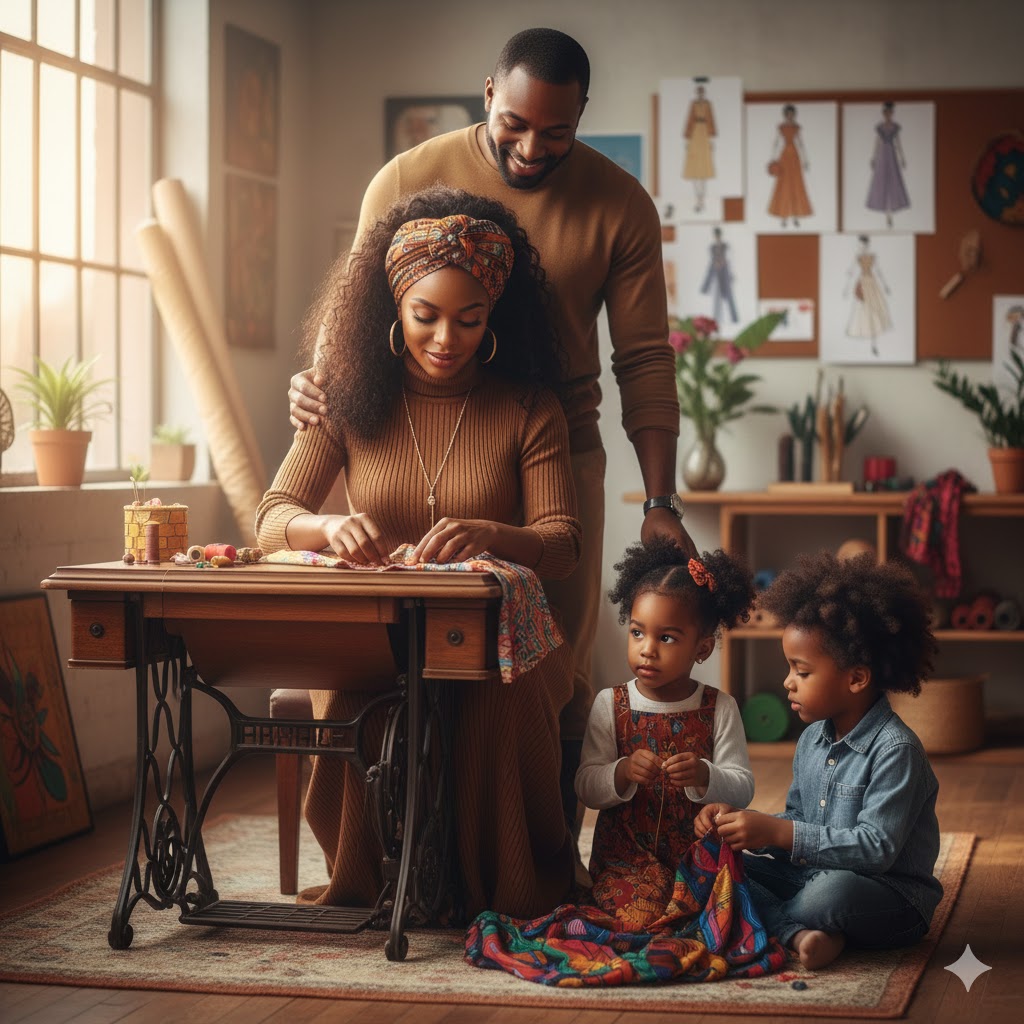
The Proverbs 31 woman is an enduring biblical archetype of strength, wisdom, and godly character. Her influence extends beyond her household into her community, reflecting the integration of faith, diligence, and compassion in everyday life. She embodies what it means to be a woman after God’s heart.

She is virtuous and capable. “Who can find a virtuous woman? for her price is far above rubies” (Proverbs 31:10, KJV). Her value is not measured by beauty alone but by integrity, wisdom, and the impact she has on those around her.

Hard work defines her character. She rises early and labors diligently to care for her household, manage resources, and contribute to her family’s well-being. “She riseth also while it is yet night, and giveth meat to her household” (Proverbs 31:15, KJV).

The Proverbs 31 woman is financially wise. She invests thoughtfully, engages in trade or business, and ensures stability and provision. “She considereth a field, and buyeth it: with the fruit of her hands she planteth a vineyard” (Proverbs 31:16, KJV).

Strength and honor are her clothing. She faces challenges with courage and confidence, embodying dignity and resilience. “Strength and honour are her clothing; and she shall rejoice in time to come” (Proverbs 31:25, KJV).

Her wisdom guides her household. She instructs her children in faith and morality, and she manages her home with discernment and order. “She openeth her mouth with wisdom; and in her tongue is the law of kindness” (Proverbs 31:26, KJV).

She is compassionate and generous. The Proverbs 31 woman extends care to the poor, the marginalized, and those in need, reflecting God’s heart through action. “She stretcheth out her hand to the poor; yea, she reacheth forth her hands to the needy” (Proverbs 31:20, KJV).

Faith anchors her life. Her trust in God shapes her decisions, her interactions, and her priorities. She fears the Lord above all else, understanding that reverence is the foundation of her strength. “The heart of her husband doth safely trust in her” (Proverbs 31:11, KJV).

She exemplifies dignity in speech. Her words uplift, guide, and encourage. She does not engage in gossip or empty talk but speaks with purpose and grace. “She openeth her mouth with wisdom; and in her tongue is the law of kindness” (Proverbs 31:26, KJV).

Time management and diligence are her allies. She balances responsibilities with precision, ensuring her household, work, and spiritual life are aligned. “She looketh well to the ways of her household, and eateth not the bread of idleness” (Proverbs 31:27, KJV).

Her beauty is both internal and external. While she takes care of her appearance, her inner strength, humility, and godliness shine brighter than jewels. “Her price is far above rubies” (Proverbs 31:10, KJV).

She earns respect from her family and community. Her consistent character, reliability, and integrity make her a role model for younger women and an anchor for her household.

Her husband benefits from her wisdom and partnership. He can trust her guidance, counsel, and judgment in managing household and financial matters. “The heart of her husband doth safely trust in her” (Proverbs 31:11, KJV).

She demonstrates courage in business and decision-making. She is proactive, discerning, and bold when investing in resources or taking steps to grow her household.

Her faith inspires joy. Even in trials, she maintains hope, laughter, and optimism, influencing her family and community positively.

She is adaptable. Life’s challenges do not overwhelm her; she adjusts strategies, manages crises, and continues forward with resilience.

The Proverbs 31 woman practices humility. Though capable and accomplished, she acknowledges God as the source of her strength and success. “She is not afraid of the snow for her household: for all her household are clothed with scarlet” (Proverbs 31:21, KJV).

She nurtures relationships. Family, friends, and community members experience her care, wisdom, and generosity. Her life demonstrates the balance between ambition and empathy.

She leaves a lasting legacy. Her children and community witness a model of virtue, strength, and faith that continues through generations. “Many daughters have done virtuously, but thou excellest them all” (Proverbs 31:29, KJV).

Ultimately, the Proverbs 31 woman embodies the ideal of godly womanhood. She is strong, compassionate, wise, and diligent, with faith guiding her every decision. Modern women can aspire to this standard, not for perfection, but to walk faithfully, serve others, and honor God in every area of life.


References

The Holy Bible, King James Version. (1769/2017). Cambridge University Press.

Collins, P. H. (2000). Black feminist thought: Knowledge, consciousness, and the politics of empowerment. Routledge.

Brown, T. N., & Taylor, S. (2019). Faith and feminine strength: Applying Proverbs 31 in contemporary life. Journal of Biblical Studies, 23(2), 145–162.

Hobbs, R. (2018). Women of virtue: Lessons from Proverbs 31. HarperCollins.

The Dark History of Being Light-Skinned and Dark-Skinned Black Person Around the World.

The history of light-skinned Black people in the Atlantic world is inseparable from the violence of slavery, colonialism, and racial domination. Lighter complexions did not emerge as a neutral genetic variation but, in many cases, as the direct result of coercion, sexual violence, and unequal power relations between enslaved African women and European men. To discuss light skin in Black history honestly requires confronting this brutal origin story and the enduring psychological and social consequences that followed.

During chattel slavery, rape was not an aberration but a systemic feature of the institution. Enslaved women had no legal right to consent, and white slaveholders exercised near-absolute power over their bodies. The children born from these assaults often inherited lighter skin, straighter hair textures, or other Eurocentric features, marking their very existence as living evidence of sexual violence and domination.

These mixed-ancestry children were frequently labeled “mulatto,” a term rooted in dehumanization and animalization. The classification was not simply descriptive; it functioned as a legal and social category that helped slave societies manage hierarchy within Blackness. Skin tone became a tool of division, reinforcing white supremacy while fracturing solidarity among the enslaved.

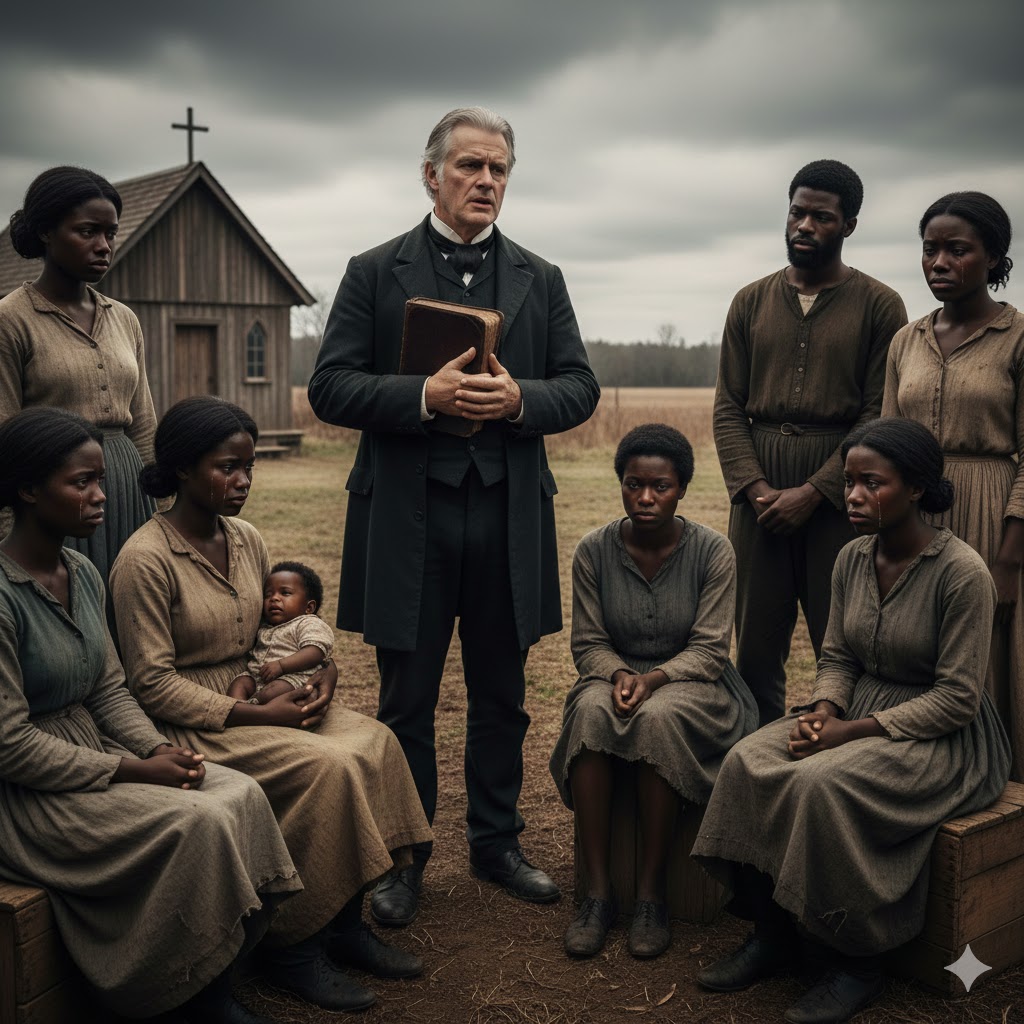
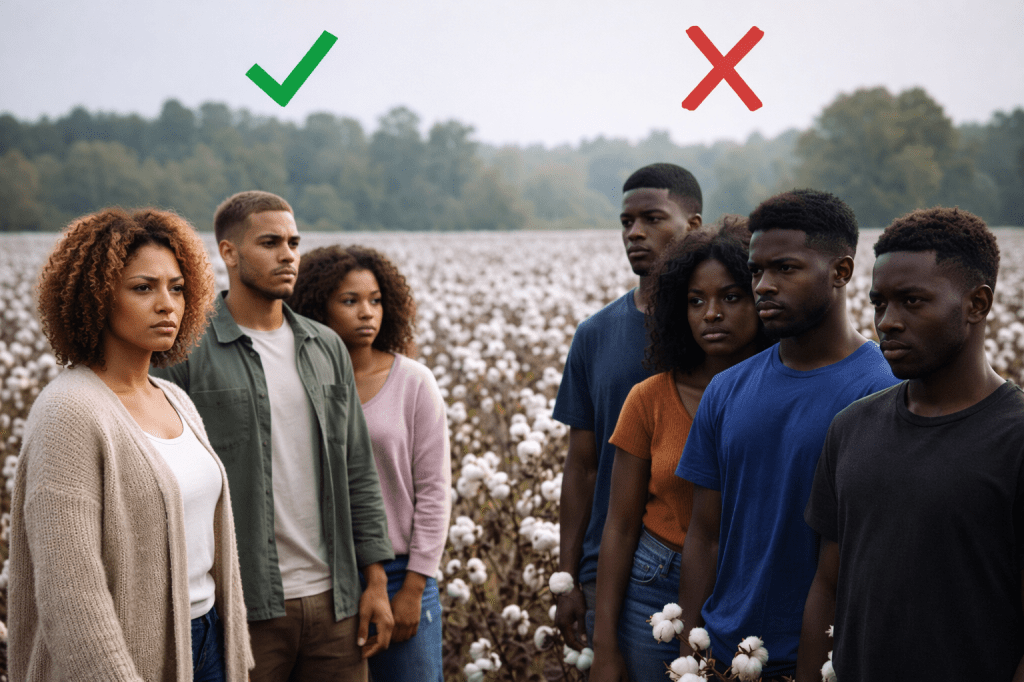
Light-skinned enslaved people were often assigned domestic labor rather than field work. This distinction produced the infamous dichotomy between the “house negro” and the field slave, a hierarchy that was imposed, not chosen. Domestic labor sometimes spared individuals from the harshest physical toil, but it exposed them to constant surveillance, sexual exploitation, and proximity to white power.

Being inside the slaveholder’s home did not equate to safety or privilege in any meaningful sense. House servants were more accessible targets for abuse, especially young girls and women. The home was often the site of repeated assaults, emotional manipulation, and forced compliance masquerading as favor.

Incest further complicates this history. Because slavery followed the legal principle of partus sequitur ventrem, children inherited the status of the enslaved mother regardless of the father’s identity. This meant white men could rape their own enslaved daughters and grandchildren without legal consequence, creating generational cycles of abuse that literally lightened the complexion of the enslaved population over time.

Light-skinned children were sometimes recognized as the biological offspring of white men, yet this recognition rarely translated into protection or freedom. More often, it produced resentment, secrecy, or further exploitation. These children occupied a liminal space—never white, yet treated differently within Black communities because of their appearance.

Colorism did not end with emancipation. After slavery, lighter skin continued to carry social currency within Black communities, a legacy of plantation hierarchies and white aesthetic standards. Access to education, employment, social clubs, and marriage prospects was often influenced by complexion, reinforcing divisions rooted in trauma rather than choice.

The psychological burden placed on light-skinned Black people is rarely discussed with nuance. Many carried the stigma of being perceived as products of rape or favoritism, while simultaneously being resented for “privileges” they neither requested nor controlled. This double bind created identity conflicts that reverberate across generations.

At the same time, darker-skinned Black people bore the brunt of systemic violence and exclusion, creating a false narrative that light skin equaled safety or advantage. This obscured the reality that all Black people, regardless of shade, remained subject to racial terror, disenfranchisement, and economic exploitation.

White supremacy strategically used color hierarchies to weaken collective resistance. By elevating lighter skin as closer to whiteness, slave societies encouraged internalized racism and competition. This divide-and-conquer strategy proved effective, leaving lasting scars in Black social relations long after formal slavery ended.

The myth of the “favored” light-skinned enslaved person ignores the constant precarity of their position. Favor could be revoked at any moment, and proximity to power often meant proximity to punishment. Psychological violence—humiliation, erasure, and forced loyalty—was as real as physical brutality.

In religious and moral discourse, enslaved women were blamed for their own assaults, reinforcing misogynoir and sexual shame. Light-skinned children became symbols onto which communities projected unresolved grief, anger, and confusion about sexual violence that was never acknowledged or healed.

Post-slavery societies institutionalized colorism through laws, media, and social norms. Paper bag tests, “blue vein” societies, and caste-like systems in the Caribbean and Americas continued to privilege lighter skin while stigmatizing darker tones. These practices reflected colonial logic rather than African worldviews.

Light skin thus became a paradoxical inheritance: a marker of survival through violence, yet also a source of alienation. Many light-skinned Black people struggled with belonging, questioned their legitimacy within Blackness, or felt compelled to overperform loyalty to counter suspicions of superiority.

Modern conversations about colorism often flatten this history, framing light skin solely as advantage without acknowledging its traumatic origins. This simplification risks reproducing harm by ignoring how sexual violence, incest, and coercion shaped Black bodies and identities.

Healing requires truth-telling. Acknowledging that many light-skinned Black people exist because of rape does not indict them; it indicts the system that produced them. It reframes colorism as a legacy of white supremacy rather than a natural preference within Black communities.

Reclaiming Black unity demands rejecting plantation hierarchies in all forms. Skin tone must be understood as a consequence of history, not a measure of worth, purity, or authenticity. Both light- and dark-skinned Black people inherit trauma from the same system, expressed differently but rooted in the same violence.

To confront the dark history of being light-skinned is to confront slavery honestly. It requires resisting romanticized narratives of privilege and instead centering the realities of rape, incest, coercion, and psychological harm. Only then can colorism be dismantled at its root.

True liberation lies in dismantling the myths that slavery created about skin, beauty, and value. When Black people collectively reject these imposed hierarchies, they reclaim the dignity that was denied to their ancestors—regardless of shade.

The history of dark-skinned Black people is inseparable from the foundations of global white supremacy and the transatlantic slave system. Darkness of skin was deliberately constructed as a marker of inferiority, danger, and disposability, used to justify enslavement, colonization, and dehumanization on a massive scale. From the earliest encounters between Africa and Europe, dark skin became a visual shorthand for domination.

During chattel slavery, darker skin was closely associated with field labor, brutality, and physical exhaustion. Enslaved Africans with the darkest complexions were often assigned the harshest work under the most violent conditions, reinforcing an imposed hierarchy where darkness equaled expendability. This association was not natural but engineered to align Blackness with suffering.

Slaveholders and overseers frequently treated darker-skinned enslaved people with heightened cruelty. Punishments were more public and severe, intended to terrorize others into submission. Darkness of skin was read as strength and resistance, which paradoxically made dark-skinned bodies targets for extreme violence meant to break both body and spirit.

European racial ideology framed dark skin as evidence of savagery, hypersexuality, and moral inferiority. Pseudoscientific racism used skin color to rank humanity, placing the darkest Africans at the bottom of fabricated racial hierarchies. These ideas were embedded in law, religion, and education, ensuring their persistence beyond slavery.

Dark-skinned women endured a unique intersection of racial and gendered violence. They were depicted as unfeminine, animalistic, and unrapeable, narratives that excused sexual assault while denying their victimhood. Their pain was minimized, and their bodies were exploited without acknowledgment or protection.

Unlike their lighter-skinned counterparts, dark-skinned enslaved women were less likely to be brought into the slaveholder’s home. Instead, they were forced into grueling labor while remaining vulnerable to sexual violence without the contradictory myths of “favor” or proximity to power. Their suffering was both hypervisible and ignored.

After emancipation, the devaluation of dark skin did not disappear. Reconstruction and Jim Crow regimes continued to associate darkness with criminality, poverty, and intellectual inferiority. Dark-skinned Black people were more likely to face harsher sentencing, economic exclusion, and social ostracism.

Within Black communities, colorism took root as an internalized inheritance of slavery. Dark-skinned individuals were often subjected to ridicule, diminished marriage prospects, and limited social mobility. These biases reflected plantation hierarchies rather than African cultural values, yet they became normalized through repetition.

Dark-skinned children frequently absorbed messages that their appearance was something to overcome rather than celebrate. Insults, teasing, and media representation taught them early that beauty, intelligence, and desirability were linked to lighter skin. This psychological conditioning produced long-term effects on self-worth and identity.

In education and employment, studies have shown that darker-skinned Black people often face greater discrimination than lighter-skinned peers. Teachers, employers, and institutions unconsciously reproduce racial hierarchies by associating darkness with incompetence or threat, reinforcing inequality under the guise of neutrality.

The criminal justice system has disproportionately punished dark-skinned Black people, who are more likely to be perceived as dangerous or aggressive. Skin tone bias affects policing, sentencing, and jury decisions, revealing how deeply colorism is embedded in modern systems of control.

Media representations have historically erased or caricatured dark-skinned people. When present, they were cast as villains, servants, or comic relief, rarely afforded complexity or humanity. This absence of dignified representation reinforced societal disdain for dark skin.

Dark-skinned men have often been portrayed as inherently violent or hypermasculine, narratives used to justify surveillance, incarceration, and extrajudicial violence. These stereotypes trace directly back to slavery-era fears of rebellion and resistance.

Despite these conditions, dark-skinned Black people have consistently embodied resilience and leadership. Many of the most vocal resisters, abolitionists, and freedom fighters bore the brunt of racial hatred precisely because their appearance symbolized unapologetic Blackness.

The global preference for lighter skin, seen in bleaching practices and beauty standards, reflects unresolved trauma rather than truth. Dark skin became a site of shame not because it lacked value, but because white supremacy taught the world to fear and reject it.

Healing requires confronting how darkness was weaponized against Black people. It demands rejecting the lie that proximity to whiteness equals humanity and acknowledging that the most violently oppressed bodies were often the darkest.

Reclaiming dark skin as beautiful and sacred is an act of resistance. It challenges centuries of conditioning that equated darkness with evil and lightness with virtue. This reclamation restores dignity stolen by slavery and colonialism.

True racial justice cannot exist without addressing colorism. Ignoring skin tone hierarchies allows slavery’s legacy to persist under new names. Justice requires naming how dark-skinned people have been uniquely targeted and harmed.

The dark history of being dark-skinned is not merely a story of suffering but of survival. Against overwhelming forces designed to erase them, dark-skinned Black people endured, resisted, and shaped the world.

Honoring this history means dismantling the systems that still punish darkness today. Only by confronting the truth of how dark skin was treated can society move toward genuine liberation, healing, and collective Black unity.

The histories of being light-skinned and dark-skinned are not opposing narratives, but parallel wounds carved by the same violent system. Color hierarchies were never born within Black communities; they were engineered by slavery and colonialism to rank, divide, and control. Whether through the sexual violence that produced lighter complexions or the intensified brutality directed at darker bodies, skin tone became a tool of domination rather than a reflection of worth.

Both histories reveal how white supremacy manipulated Black bodies into symbols—of proximity or distance, favor or punishment—while denying all Black people full humanity. These imposed distinctions fractured families, distorted identity, and seeded internalized bias that continues to echo across generations. The pain attached to skin tone is not accidental; it is historical, intentional, and unresolved.

True healing requires rejecting plantation logic in every form. It demands that Black communities confront colorism honestly, without competition or denial, and recognize it as inherited trauma rather than personal failure. Light skin and dark skin alike carry the memory of survival under oppression, not moral ranking or superiority.

Liberation begins when Black people refuse to measure themselves by standards forged in violence. When the false hierarchy of shade is dismantled, space is created for collective dignity, restoration, and unity. In reclaiming the fullness of Blackness—across every tone—we reject the lies of the past and affirm a future rooted in truth, justice, and wholeness.

References

Berlin, I. (1998). Many thousands gone: The first two centuries of slavery in North America. Harvard University Press.

Davis, A. Y. (1981). Women, race, & class. Random House.

Douglass, F. (1845). Narrative of the life of Frederick Douglass, an American slave. Anti-Slavery Office.

hooks, b. (1992). Black looks: Race and representation. South End Press.

Hunter, M. (2007). The persistent problem of colorism: Skin tone, status, and inequality. Sociology Compass, 1(1), 237–254. https://doi.org/10.1111/j.1751-9020.2007.00006.x

Morgan, J. L. (2004). Laboring women: Reproduction and gender in New World slavery. University of Pennsylvania Press.

Painter, N. I. (2010). The history of white people. W. W. Norton & Company.

Smallwood, S. (2007). Saltwater slavery: A middle passage from Africa to American diaspora. Harvard University Press.

Spillers, H. J. (1987). Mama’s baby, papa’s maybe: An American grammar book. Diacritics, 17(2), 65–81.

Wood, B. (2003). Women’s work, men’s work: The informal slave economies of lowcountry Georgia. University of Georgia Press.

Davis, A. Y. (1981). Women, race, & class. Random House.

Du Bois, W. E. B. (1903). The souls of Black folk. A. C. McClurg & Co.

Fanon, F. (1952). Black skin, white masks. Éditions du Seuil.

Hall, R. E. (1995). The bleaching syndrome: African Americans’ response to cultural domination vis-à-vis skin color. Journal of Black Studies, 26(2), 172–184.

Hunter, M. (2007). The persistent problem of colorism: Skin tone, status, and inequality. Sociology Compass, 1(1), 237–254. https://doi.org/10.1111/j.1751-9020.2007.00006.x

Jordan, W. D. (1968). White over Black: American attitudes toward the Negro, 1550–1812. University of North Carolina Press.

Spillers, H. J. (1987). Mama’s baby, papa’s maybe: An American grammar book. Diacritics, 17(2), 65–81.

Thompson, C. (2009). Black women, beauty, and hair as a matter of being. Women’s Studies, 38(8), 831–856.

Wilson, M., Hugenberg, K., & Rule, N. O. (2017). Racial bias in judgments of physical size and formidability. Psychological Science, 28(8), 1136–1144.

Wood, B. (2003). Women’s work, men’s work: The informal slave economies of lowcountry Georgia. University of Georgia Press.

Africa’s Central Role in Biblical Prophecy

Africa holds a central and indispensable role in biblical prophecy, not as a peripheral landmass, but as a divinely positioned continent woven throughout Scripture from Genesis to Revelation. The Bible consistently presents Africa as a place of refuge, judgment, preservation, and future redemption. When read carefully through a prophetic lens, Africa emerges as a key stage upon which God’s purposes for humanity and Israel unfold.

From the earliest chapters of Genesis, Africa is present in sacred geography. The land associated with Cush, Mizraim, Put, and Ethiopia traces directly to the sons of Ham, whose descendants populated much of the African continent. Genesis records that one of the four rivers flowing from Eden, Gihon, compassed the whole land of Ethiopia, establishing Africa’s presence at the dawn of human history (Genesis 2:13, KJV). This placement signals Africa’s foundational role in God’s original creation narrative.

Africa also serves as a place of divine preservation. Egypt, located in northeast Africa, became the refuge for Joseph and later the entire family of Jacob during famine. God used Africa to sustain the covenant line through which Israel would emerge, demonstrating that African lands were instrumental in preserving the people of promise (Genesis 47:11–12, KJV).

The prophetic significance of Africa intensifies in the Exodus narrative. Egypt stands as both a place of refuge and bondage, illustrating how African territories function in God’s redemptive plan as spaces of testing, judgment, and eventual deliverance. The plagues upon Egypt were not random acts, but prophetic demonstrations of God’s supremacy over nations and false gods (Exodus 12:12, KJV).

Africa’s role extends beyond ancient Israel into messianic prophecy. The Gospel of Matthew records that Jesus Christ was taken into Egypt as a child to escape Herod’s massacre, fulfilling the prophecy, “Out of Egypt have I called my son” (Matthew 2:15, KJV). This moment affirms Africa as a protector of the Messiah and a fulfillment point of prophetic Scripture.

The prophets repeatedly reference African nations in end-time contexts. Isaiah speaks of Ethiopia as a land “shadowing with wings,” sending ambassadors by the sea, indicating geopolitical and prophetic relevance in global affairs (Isaiah 18:1–2, KJV). These passages suggest Africa’s involvement in international movements that precede divine intervention.

Psalm 68 explicitly foretells Africa’s future spiritual awakening, declaring, “Princes shall come out of Egypt; Ethiopia shall soon stretch out her hands unto God” (Psalm 68:31, KJV). This verse is widely understood as a prophetic declaration of Africa’s role in worship, restoration, and alignment with God’s kingdom purposes in the last days.

Africa also appears in prophetic judgments. Ezekiel prophesies against Egypt and its allies, including Cush and Put, demonstrating that African nations are not exempt from divine accountability (Ezekiel 30:4–5, KJV). These judgments align Africa with the broader prophetic pattern of nations being weighed according to righteousness and obedience to God.

The book of Daniel includes Africa in visions of global power shifts. The “king of the north” is said to have authority over “the precious things of Egypt,” along with the Libyans and Ethiopians following at his steps (Daniel 11:43, KJV). This prophecy places African nations within end-time geopolitical alignments.

Africa’s prophetic relevance is also seen in the spread of the gospel. Acts records the conversion of the Ethiopian eunuch, a high official who carried the message of Christ back to Africa, signaling the continent’s early and enduring connection to Christian faith (Acts 8:27–39, KJV). This event foreshadows Africa’s role in global evangelism.

The Bible repeatedly challenges Eurocentric interpretations that marginalize Africa. Scripture itself affirms Africa’s proximity to God’s redemptive acts, revealing that African lands and peoples were never spiritually distant or insignificant within biblical history or prophecy.

Africa’s suffering through colonization, enslavement, and exploitation mirrors biblical patterns of oppression followed by divine reckoning. Just as Egypt was judged for its cruelty toward Israel, Scripture warns that nations will be judged for injustice and bloodshed (Genesis 15:14, KJV). This principle reinforces Africa’s prophetic role as both witness and participant in God’s justice.

The prophetic scriptures also emphasize restoration. Isaiah foretells a time when scattered peoples will be brought back to worship the Lord from distant lands, including Africa (Isaiah 11:11, KJV). This regathering theme resonates strongly with African and diasporic histories.

Africa’s inclusion in prophecy demonstrates God’s global sovereignty. Biblical prophecy does not center exclusively on one region, but reveals a God who governs all nations, including those often overlooked or dismissed by human power structures (Acts 17:26, KJV).

The Book of Revelation depicts all nations and peoples standing before God’s throne, which necessarily includes Africa (Revelation 7:9, KJV). This vision affirms Africa’s presence in the culmination of prophetic history, not as a footnote, but as a redeemed participant in God’s eternal kingdom.

Africa’s prophetic significance also lies in its spiritual resilience. Despite centuries of trauma, African spirituality, worship, and biblical literacy remain deeply rooted, aligning with prophecies of endurance and faith under persecution (Matthew 24:13, KJV).

The repeated biblical mention of African lands underscores that prophecy is inseparable from geography. God acts in real places, among real people, and Africa consistently appears as one of those divinely appointed locations.

Understanding Africa’s role in biblical prophecy challenges distorted narratives that separate faith from Black history. Scripture affirms Africa as central to God’s plan, restoring dignity and biblical identity to African peoples worldwide.

Africa’s place in prophecy ultimately points to hope. The same God who used African lands for preservation, judgment, and refuge promises restoration, worship, and inclusion in His kingdom. This assures that Africa’s story is not marginal, but prophetic.

In the unfolding of biblical prophecy, Africa stands as a witness to God’s faithfulness across generations. From Eden to the Exodus, from the Messiah’s refuge to the final gathering of nations, Africa remains essential to the divine narrative, confirming that God’s promises encompass all lands and all peoples according to His sovereign will.

References

The Holy Bible, King James Version. (1769/2017). Cambridge University Press.

Genesis 2:13 (King James Version).

Genesis 47:11–12 (King James Version).

Exodus 12:12 (King James Version).

Genesis 15:14 (King James Version).

Psalm 68:31 (King James Version).

Isaiah 11:11 (King James Version).

Isaiah 18:1–2 (King James Version).

Ezekiel 30:4–5 (King James Version).

Daniel 11:43 (King James Version).

Matthew 2:15 (King James Version).

Matthew 24:13 (King James Version).

Acts 8:27–39 (King James Version).

Acts 17:26 (King James Version).

Revelation 7:9 (King James Version).

Dilemma: Renewing the Mind

Photo by Na Urchin on Pexels.com

The mind is a battlefield. Every day, thoughts vie for dominance, shaping emotions, decisions, and behaviors. For many, particularly in communities burdened by systemic oppression, trauma, and cultural pressures, renewing the mind is not optional—it is essential for spiritual, emotional, and psychological health. Romans 12:2 instructs, “And be not conformed to this world: but be ye transformed by the renewing of your mind, that ye may prove what is that good, and acceptable, and perfect, will of God.”

Renewing the mind begins with awareness. The first step is recognizing thought patterns that limit, harm, or deceive. Negative self-talk, internalized oppression, and unexamined assumptions often dictate behavior subconsciously. Awareness creates the possibility of intentional transformation.

Cultural conditioning heavily influences the mind. From media representation to educational bias, society transmits messages about worth, beauty, and possibility. For Black individuals, these messages can perpetuate internalized racism, colorism, and inferiority complexes (Hunter, 2007). Renewal requires discerning these external lies from divine truth.

Trauma complicates mental renewal. Historical oppression, family dysfunction, and personal experiences can create deeply embedded cognitive patterns. Therapy, journaling, and prayer are vital tools to unearth these patterns and replace them with healthier perspectives (Van der Kolk, 2014).

Scripture is central to the process. Biblical meditation on God’s Word reshapes thought. Philippians 4:8 exhorts believers to think on “whatsoever things are true, whatsoever things are honest, whatsoever things are just…pure, lovely, of good report.” Filling the mind with truth displaces toxic thinking.

Self-reflection is a spiritual discipline. Daily evaluation of thoughts, motivations, and reactions helps identify areas of conformity to worldly patterns versus alignment with God’s will. This practice cultivates discernment and intentional living.

Mind renewal is also psychological. Cognitive-behavioral strategies, such as challenging distorted thinking and reframing negative beliefs, complement spiritual practices. Science shows that thought patterns can physically reshape neural pathways over time (Siegel, 2012).

Community plays a role. Mentorship, accountability partners, and support groups reinforce positive thinking. Sharing struggles, insights, and victories prevents isolation and encourages consistency in mental transformation.

Renewal requires deliberate replacement. Thoughts rooted in fear, resentment, or envy must be replaced with gratitude, faith, and hope. Practicing affirmations grounded in Scripture empowers the mind to internalize divine perspectives.

Meditation and prayer are essential tools. Quiet reflection allows individuals to discern between worldly pressures and God’s voice. Listening attentively to the Spirit fosters clarity and wisdom, helping the mind align with divine purpose.

Education informs renewal. Understanding psychology, history, and personal ancestry contextualizes challenges and combats internalized lies. Knowledge about the self and the world strengthens resilience against external conditioning.

Forgiveness frees the mind. Holding grudges, shame, or resentment sustains toxic thinking. Colossians 3:13 instructs believers to forgive as God forgave, liberating the mind from bondage and opening space for renewal.

Creative expression aids transformation. Writing, art, music, and movement help externalize internal conflicts, providing perspective and emotional release. This process reinforces new, constructive thought patterns. 🎨🖋️

Consistency is key. Renewing the mind is ongoing, not a one-time act. Daily disciplines—prayer, Scripture, reflection, therapy, and community engagement—maintain the transformation and prevent regression into old patterns.

Ultimately, renewing the mind is liberation. It restores identity, cultivates wisdom, and aligns the believer with God’s design. By intentionally reshaping thought patterns, individuals rise above societal lies, generational trauma, and personal limitations, living fully in purpose and truth.


References

  • Hunter, M. (2007). The persistent problem of colorism: Skin tone, status, and inequality. Sociology Compass, 1(1), 237–254.
  • Siegel, D. J. (2012). The developing mind: How relationships and the brain interact to shape who we are. Guilford Press.
  • Van der Kolk, B. (2014). The body keeps the score: Brain, mind, and body in the healing of trauma. Penguin Books.
  • The Holy Bible, King James Version.

Dilemma: Slavery, Colonialism, and Racial Hierarchy

Slavery and colonialism did not emerge as isolated historical accidents but as deliberate systems engineered to extract labor, land, and life from subordinated peoples. At the center of these systems stood the construction of racial hierarchy, a framework that transformed domination into ideology and violence into normalcy.

The transatlantic slave trade marked a pivotal rupture in human history. Africans were captured, commodified, and transported across oceans under conditions designed to erase personhood. This was not merely economic exploitation; it was an ontological assault on humanity itself.

Colonialism expanded this logic globally. European empires occupied territories across Africa, the Americas, Asia, and the Caribbean, imposing foreign rule while dismantling indigenous governance, economies, and epistemologies. Control of land was accompanied by control of meaning.

Racial hierarchy emerged as the moral justification for these practices. Europeans increasingly defined themselves as fully human, rational, and civilized, while Africans and other colonized peoples were cast as primitive, inferior, or subhuman. This hierarchy was not natural; it was manufactured.

Theological distortion played a central role in legitimizing oppression. Biblical texts were selectively interpreted to sanctify slavery and empire, while passages emphasizing justice, liberation, and divine judgment against oppressors were muted or ignored.

One of the most egregious examples was the misuse of the so-called “Curse of Ham.” Though the Genesis narrative never mentions skin color or Africa as justification for enslavement, European theologians weaponized this passage to racialize bondage and claim divine approval for Black subjugation.

At the same time, enslaved Africans encountered the Bible through contradiction. The same text used to justify their chains also spoke of Exodus, covenant, judgment, and liberation. Enslaved readers discerned truths their oppressors refused to see.

The plantation economy reveals the intimate link between slavery and modern capitalism. Sugar, cotton, tobacco, and rice generated immense wealth for European nations and American colonies, laying the financial foundation of global modernity.

Colonial powers did not merely exploit labor; they extracted knowledge. African technologies, agricultural practices, metallurgy, and governance systems were appropriated, while African peoples were denied authorship of their own civilizations.

Colonial education systems reinforced inferiority by teaching colonized subjects to admire Europe and despise themselves. Language suppression, cultural erasure, and religious coercion produced psychological captivity alongside political domination.

Racial hierarchy was further codified through law. Slave codes, colonial ordinances, and later segregationist policies transformed racial inequality into legal structure, ensuring that injustice persisted beyond individual prejudice.

Even after formal abolition, slavery mutated rather than disappeared. Sharecropping, convict leasing, forced labor camps, and colonial labor systems continued extraction under new names, maintaining racial stratification.

The Bible’s prophetic tradition stands in direct opposition to such systems. Prophets repeatedly condemned societies that enriched themselves through exploitation, warning that injustice invites divine judgment regardless of national power.

Deuteronomy, Isaiah, Amos, and Jeremiah articulate a theology in which God sides with the oppressed and holds nations accountable for how they treat the vulnerable, the captive, and the poor.

Colonial Christianity often severed salvation from justice, emphasizing heaven while tolerating hell on earth. This theological bifurcation enabled believers to pray while profiting from suffering.

Black and African theology rejected this split. Faith became inseparable from survival, resistance, and hope. Worship functioned not as escapism but as protest against a world out of alignment with divine order.

Resistance to slavery and colonialism took multiple forms: revolts, maroon communities, abolitionist movements, pan-Africanism, and decolonization struggles. These movements testified that domination was never fully total.

The twentieth century witnessed formal decolonization, yet political independence did not erase economic dependency. Former colonies inherited borders, debts, and institutions designed for extraction, not flourishing.

Racial hierarchy adapted to new global arrangements. Development discourse replaced overt racism, yet inequality persisted through trade imbalances, resource exploitation, and global financial systems.

Within Western societies, the descendants of the enslaved continued to face exclusion through housing discrimination, educational inequity, mass incarceration, and economic marginalization—echoes of the original hierarchy.

Psychological consequences remain profound. Internalized inferiority, historical amnesia, and fractured identity are among the most enduring legacies of racial domination.

Scripture speaks to these realities not through denial but through remembrance. Biblical faith insists that history matters, that suffering is seen, and that injustice leaves a moral residue demanding response.

Divine justice in the biblical vision is neither rushed nor forgetful. It unfolds across generations, confronting systems rather than merely individuals.

The dilemma of slavery, colonialism, and racial hierarchy therefore confronts both history and theology. It demands honest reckoning rather than selective memory.

Healing requires truth, accountability, and restoration. Justice is not achieved through symbolic gestures alone but through material repair and transformed relationships.

The Bible ultimately refuses the permanence of oppression. Empires rise and fall, but divine justice endures beyond human power.

The continued struggle for racial justice is not a deviation from faith but a fulfillment of its ethical demand. To pursue justice is to align human action with divine intent.

Slavery and colonialism reveal the depths of human cruelty, but they also reveal the resilience of those who survived them. Survival itself stands as testimony against the lie of inferiority.

The racial hierarchy constructed to justify domination is historically contingent and morally bankrupt. It cannot withstand sustained truth.

This dilemma remains unresolved not because justice is absent, but because humanity continues to resist its demands.

Yet Scripture insists that injustice is unsustainable. The arc of history bends not by accident, but by moral weight.

The work of dismantling racial hierarchy is therefore sacred labor—historical, ethical, and spiritual—calling this generation to choose truth over comfort and justice over denial.


References

The Holy Bible, King James Version. (1611/1769).

Cone, J. H. (1997). God of the oppressed. Orbis Books.

Fanon, F. (1963). The wretched of the earth. Grove Press.

Rodney, W. (1972). How Europe underdeveloped Africa. Howard University Press.

Williams, E. (1944). Capitalism and slavery. University of North Carolina Press.

Du Bois, W. E. B. (1903). The souls of Black folk. A. C. McClurg & Co.

Heschel, A. J. (2001). The prophets. Harper Perennial.

Hair Glory: The History of Black Hair

This photograph is the property of its respective owner. No copyright infringement intended.

Black hair has always held profound significance, serving as a marker of identity, spirituality, and cultural heritage. In Africa, long before colonialism and slavery, hair was a crown of glory, symbolizing lineage, social status, and community belonging (Byrd & Tharps, 2014). For Black people, hair has never been merely aesthetic—it carries history, resistance, and sacred meaning.

In pre-colonial African societies, hair was a living language. Intricate braids, cornrows, and twists conveyed age, marital status, tribal affiliation, and even wealth (Banks, 2000). Hairstyling was often a communal ritual, strengthening social bonds and passing down ancestral knowledge from one generation to the next.

Biblical references further elevate the significance of hair. 1 Corinthians 11:15 (KJV) states, “If a woman have long hair, it is a glory to her: for her hair is given her for a covering.” For Black women, this verse resonates as a recognition of God’s gift, linking hair to divine identity and dignity.

The transatlantic slave trade violently disrupted African hair culture. Enslaved Africans were forced to shave their heads upon arrival in the Americas to erase tribal identities and assert control (Roach, 2018). Hair, once a source of pride, was weaponized as a tool of oppression.

During slavery, hair texture and style were stigmatized. Terms like “kinky” or “woolly” carried derogatory weight, while straightened textures were celebrated. This created layers of internalized racism and colorism that persist in the African diaspora (Thompson, 2009).

Despite oppression, Black hair became a form of resistance. Enslaved women braided escape routes into cornrows, transforming hairstyles into literal maps for freedom (Painter, 2006). Hair thus became a silent yet potent tool of survival and ingenuity.

In the post-slavery era, hair care emerged as a site of entrepreneurship and empowerment. Madam C.J. Walker, often cited as America’s first Black female millionaire, revolutionized hair care for Black women, blending beauty with economic independence (Walker, 1910). While some methods promoted straightening, the enterprise symbolized self-determination.

The 1960s and 1970s saw a radical reclamation of natural hair. The Afro emerged not just as a style but as a political statement aligned with the Civil Rights and Black Power movements. Wearing natural hair boldly rejected Eurocentric standards and asserted African heritage (Craig, 2002).

The natural hair movement also underscored self-love and cultural pride. Public figures and artists embraced their textures as a counter-narrative to centuries of discrimination, emphasizing that Black beauty is not defined by whiteness but by heritage and authenticity.

Black men’s hair has historically carried symbolic weight as well. Styles such as dreadlocks connected spiritual identity with biblical Nazarite traditions, as exemplified in Samson’s story (Judges 16:17, KJV). Hairstyle became a reflection of spiritual and cultural consciousness.

Despite progress, Black hair remains a contested space. Discrimination persists in workplaces and schools, with natural hairstyles often deemed “unprofessional.” The CROWN Act, legislated in several U.S. states, combats this hair-based discrimination, affirming that hair is not only cultural but also legal terrain (CROWN Act, 2019).

Social media has amplified cultural reclamation, providing platforms for tutorials, education, and storytelling. Sites like YouTube and TikTok have created virtual salons, where younger generations can learn protective styling, hair care, and embrace natural textures (Banks, 2000).

Culturally, Black hair has influenced music, film, and fashion, from the Afros of the 1970s to contemporary locs and twists. Icons such as Cicely Tyson, Erykah Badu, and Lupita Nyong’o have reshaped societal notions of beauty, making Black hair a visible emblem of pride (Thompson, 2009).

Hair is intertwined with spiritual symbolism. Isaiah 61:3 (KJV) promises beauty for ashes, suggesting that reclaiming one’s hair after oppression is a reflection of God’s restorative power. For many, embracing natural hair is an act of faith and spiritual resilience.

Throughout history, Black hair has navigated multiple pressures: assimilation, Eurocentric beauty standards, and societal prejudice. Yet it has remained a central marker of Black identity, resilience, and artistic expression.

Today, the diversity of Black hair textures and styles—from twists, braids, locs, and afros—represents freedom, creativity, and cultural continuity. Hair care practices have evolved, but the symbolism endures: hair is power, pride, and self-expression.

Black hair also plays a role in community and mentorship. Stylists pass down ancestral techniques, creating spaces where history, skill, and storytelling converge. Hair salons have historically functioned as cultural hubs for connection, resistance, and affirmation (Banks, 2000).

The history of Black hair reflects the broader African diaspora’s struggle and triumph. From forced shaving during slavery to today’s celebration of curls and locs, hair chronicles a journey from erasure to reclamation, from shame to glory.

In essence, Black hair is sacred, political, and cultural. It embodies resilience, identity, spirituality, and creativity. Hair is glory restored, a living testament to survival and divine beauty.


References

  • Banks, I. (2000). Hair matters: Beauty, power, and Black women’s consciousness. NYU Press.
  • Byrd, A., & Tharps, L. (2014). Hair story: Untangling the roots of Black hair in America. St. Martin’s Press.
  • Craig, M. L. (2002). Ain’t I a beauty queen?: Black women, beauty, and the politics of race. Oxford University Press.
  • CROWN Act. (2019). Creating a Respectful and Open World for Natural Hair. California State Legislature.
  • Painter, N. I. (2006). Exodusters: Black migration to Kansas after Reconstruction. Knopf.
  • Roach, M. (2018). Hair and identity in the African diaspora. Journal of Black Studies, 49(5), 435–456.
  • Thompson, C. (2009). Black women, beauty, and hair: How hair matters in identity formation. Women’s Studies Quarterly, 37(3/4), 101–123.
  • Walker, M. C. J. (1910). Secrets of success. Independent Business Publisher.

From Colorism to Confidence: Redefining the Brown Girl Dilemma. #TheBrownGirlDilemma

Photo by Sherman Trotz on Pexels.com

The “brown girl dilemma” is rooted in centuries of systemic bias, historical oppression, and cultural preference for lighter skin tones. Colorism—the discrimination based on skin tone within a racial or ethnic group—has shaped the lives of brown-skinned women across the globe. From social exclusion to media misrepresentation, these biases have influenced not only self-perception but opportunities for education, career advancement, and personal relationships. Yet, amidst these challenges, brown girls are reclaiming confidence, redefining beauty standards, and embracing identity in its full spectrum.

Historical Foundations of Colorism

Colorism is not a modern phenomenon. Its roots trace back to slavery, colonization, and hierarchical caste systems. During slavery in the Americas, lighter-skinned enslaved women often received preferential treatment in domestic roles, while darker-skinned women were relegated to field labor (Hunter, 2007). Similarly, European colonization imposed racial hierarchies that prized European features and lighter skin. These historical practices laid the foundation for intergenerational bias that continues to affect brown girls today.

Internalized Bias and Self-Perception

Internalized colorism manifests as a distorted sense of beauty and self-worth. Brown girls often grow up absorbing messages that equate fairness with success, desirability, and intelligence. This internalization leads to self-doubt and a desire to conform to Eurocentric ideals. Psychology research indicates that repeated exposure to biased media and societal standards contributes to low self-esteem and body dissatisfaction among girls of color (Thompson, 1996).

Media Representation and Its Limits

Media has long been complicit in perpetuating colorism. Television, film, and advertising have historically favored lighter-skinned actresses, models, and influencers, relegating darker-skinned women to supporting roles or caricatured stereotypes. While representation of darker-skinned women is increasing, tokenism remains a problem. Brown girls often feel that their presence is conditional upon fitting narrowly defined ideals of beauty and behavior.

Cultural Expectations and Marriage Markets

In many societies, skin tone continues to dictate social and romantic opportunities. In South Asia, India, and Latin America, fairness remains a highly prized attribute in marriage markets, reinforcing a hierarchy that disadvantages darker-skinned women. The perpetuation of these standards teaches brown girls from a young age that their natural complexion may be less valued—a lesson that must be unlearned for confidence to flourish.

Hair, Features, and Policing of Identity

Colorism intersects with other aspects of appearance, including hair texture and facial features. Brown girls often face pressure to straighten hair, contour facial features, or lighten skin to conform to dominant standards. These pressures reinforce the notion that natural features are inadequate, perpetuating cycles of self-alteration and identity policing. Recognizing and rejecting these pressures is a vital step toward confidence.

Psychological Toll of Bias

The brown girl dilemma affects mental health. Studies link colorism to higher levels of anxiety, depression, and social withdrawal in women of color (Monk, 2014). Living under constant scrutiny and comparison erodes confidence, making the path toward self-acceptance challenging. Addressing these effects requires both individual resilience and structural changes in media, education, and workplace representation.

The Role of Faith

Faith provides a foundation for reframing beauty and self-worth. Biblical texts such as Song of Solomon 1:5—“I am black, but comely”—affirm the inherent beauty of darker skin tones. Psalm 139:14 reminds believers that they are “fearfully and wonderfully made.” For brown girls, spiritual affirmation can counter cultural messages of inferiority, offering a source of confidence rooted in divine design rather than societal approval.

Representation as Empowerment

Positive representation plays a critical role in redefining the brown girl dilemma. Figures like Lupita Nyong’o, Viola Davis, and Issa Rae have publicly embraced their melanin-rich skin and natural features. Their visibility challenges entrenched beauty hierarchies, creating spaces where brown girls can see themselves as worthy, beautiful, and powerful. Representation, when authentic, shifts the cultural narrative from scarcity to abundance.

Intersectionality and the Dilemma

The brown girl dilemma cannot be separated from broader systems of oppression. Gender, race, and class intersect with skin tone to compound discrimination. Darker-skinned women often face limited access to education and employment, increased policing, and marginalization within both majority and minority communities. Understanding these intersections allows for holistic approaches to empowerment and confidence-building.

Community and Collective Affirmation

Building confidence requires collective affirmation. Peer groups, mentorship programs, and social networks that celebrate brown skin provide crucial reinforcement against societal bias. Through storytelling, mentorship, and representation, communities can normalize brown beauty and challenge internalized colorism. Collective affirmation transforms confidence from a personal achievement into a shared cultural value.

Education and Conscious Awareness

Education about colorism and its historical roots empowers brown girls to critically analyze societal messages. Awareness fosters resilience, enabling girls to reject harmful comparisons and embrace their unique beauty. Curricula that include diverse histories and cultural contributions help dismantle Eurocentric standards, cultivating a sense of pride and belonging.

Reclaiming Beauty Standards

Redefining the brown girl dilemma involves reclaiming beauty on one’s own terms. By celebrating melanin-rich skin, natural hair, and diverse features, brown girls reject narrow societal definitions. Beauty is reframed as holistic, encompassing strength, intelligence, character, and cultural heritage—not merely conformity to whiteness.

Social Media as a Tool

While social media can perpetuate colorism, it has also become a tool for empowerment. Hashtags like #MelaninPoppin, #BrownSkinGirlMagic, and #BlackGirlJoy create virtual spaces that celebrate brown beauty. These digital movements allow girls to connect, share experiences, and redefine standards collectively, fostering a sense of pride and belonging.

Mentorship and Role Models

Mentorship is essential in building confidence. Brown girls benefit from seeing older women navigate spaces of visibility and authority while embracing their natural features. Role models provide practical guidance, emotional support, and inspiration, showing that brown skin is not a limitation but a source of strength.

Spiritual Practice and Identity Formation

Spiritual practice reinforces confidence by aligning identity with divine purpose. Prayer, meditation, and scriptural study cultivate resilience and self-worth. When brown girls internalize spiritual truths affirming their inherent value, they are better equipped to withstand societal pressures and redefine their place in a world that often marginalizes them.

Breaking Cycles of Internalized Bias

Addressing internalized colorism is crucial. Families and communities play a role in either perpetuating or dismantling bias. Encouraging positive affirmation, rejecting discriminatory comments, and celebrating diverse shades within families ensures that confidence is nurtured across generations. Breaking cycles of internalized bias transforms personal identity and collective culture.

Fashion, Style, and Self-Expression

Fashion and personal style offer brown girls avenues for self-expression and empowerment. Choosing clothing, hairstyles, and beauty routines that reflect personal identity—rather than conforming to narrow societal expectations—becomes a form of resistance. Confidence grows when self-expression is celebrated as a declaration of individuality and pride.

Activism and Advocacy

Empowerment extends beyond personal confidence to advocacy. Brown girls who challenge colorism, engage in media representation campaigns, or educate peers about historical biases embody proactive resistance. Activism transforms confidence into agency, ensuring that the brown girl dilemma is addressed at systemic levels, not just personal ones.

Toward Holistic Confidence

Confidence for brown girls is multifaceted, combining psychological resilience, spiritual grounding, community support, and cultural pride. Holistic approaches ensure that empowerment is sustainable, addressing both internalized messages and external biases. By embracing all aspects of identity, brown girls can thrive authentically.

Conclusion: Redefining the Dilemma

The journey from colorism to confidence is ongoing but achievable. By understanding the historical, psychological, and spiritual dimensions of bias, brown girls can reclaim their narratives and redefine beauty. Representation, mentorship, community affirmation, and spiritual grounding equip them to stand boldly in their melanin-rich skin. The brown girl dilemma is no longer a limitation—it is an opportunity to assert identity, pride, and resilience in a world that once sought to diminish them.


References

  • Collins, P. H. (2000). Black feminist thought: Knowledge, consciousness, and the politics of empowerment. Routledge.
  • Hunter, M. (2007). The persistent problem of colorism: Skin tone, status, and inequality. Sociology Compass, 1(1), 237–254.
  • Monk, E. P. (2014). Skin tone stratification among Black Americans, 2001–2003. Social Forces, 92(4), 1313–1337.
  • Thompson, C. (1996). Black women, beauty, and hair as a matter of being. Women’s Studies, 25(6), 667–678.
  • The Holy Bible, King James Version.

The Genesis of Colorism

Colorism is a deeply rooted social phenomenon that continues to shape perceptions of beauty, worth, and opportunity within racial and ethnic communities. Unlike racism, which primarily operates across racial lines, colorism is the preferential treatment of lighter-skinned individuals over darker-skinned individuals within the same racial or ethnic group. It is a subtle yet pervasive force that influences personal identity, social mobility, and cultural norms.

The term “colorism” was popularized by Alice Walker in the 1980s, though the phenomenon existed long before it had a name. Walker defined it as a form of prejudice or discrimination in which people are treated differently based on the social meanings attached to skin color. Her work drew attention to the complex ways in which intra-racial discrimination intersects with historical oppression.

Colorism is sometimes referred to by other names, including “shadeism,” “toneism,” and “skin tone bias.” Each term highlights the focus on skin color rather than racial categorization, emphasizing the internalized hierarchies that exist within communities. These labels help distinguish colorism from broader racial prejudice.

While racism involves power dynamics between different racial groups, colorism operates primarily within racial communities, privileging lighter skin over darker skin. It often aligns with Eurocentric standards of beauty and social value, elevating those whose appearance more closely resembles the historically dominant group. This intra-racial discrimination can lead to unequal treatment in employment, relationships, and media representation.

The origins of colorism are deeply intertwined with colonialism, slavery, and the historical imposition of European standards. In the Americas, enslaved Africans were often subjected to differential treatment based on skin tone, with lighter-skinned individuals sometimes receiving preferential roles or treatment due to mixed ancestry with white enslavers. This historical precedent laid the groundwork for modern color hierarchies.

Colorism is reinforced by media and cultural representation. Television, film, advertising, and beauty industries often prioritize lighter-skinned models and actors, equating light skin with beauty, success, and desirability. This reinforces the perception that darker skin is less valuable, perpetuating social and psychological inequality.

Within families, colorism can manifest in preferential treatment of lighter-skinned children. Praise, attention, and expectations may be skewed toward those with lighter complexions, while darker-skinned siblings are subtly or overtly marginalized. These patterns of bias create internalized hierarchies from an early age.

Economic and professional opportunities are also affected by colorism. Studies show that lighter-skinned individuals often earn higher wages, experience fewer workplace biases, and receive more favorable treatment in professional settings than darker-skinned peers. This economic disparity illustrates how colorism extends beyond aesthetics to tangible social consequences.

Colorism intersects with gender, often compounding disadvantage for darker-skinned women. Historically, European beauty ideals equated lighter skin with femininity and desirability, marginalizing women whose appearance did not align with these norms. The pressure to conform to Eurocentric beauty standards has long-lasting social and psychological implications.

Educational opportunities have historically been influenced by colorism. In some communities, lighter-skinned individuals were prioritized for schooling or professional training, reflecting entrenched societal hierarchies that valorized proximity to whiteness. These disparities contributed to cycles of privilege and marginalization.

The perpetuation of colorism is often subtle and implicit, making it difficult to challenge. Compliments, social preferences, and assumptions about intelligence or behavior can all be influenced by skin tone. While often framed as benign or accidental, these biases accumulate over a lifetime to reinforce social inequality.

Colorism also shapes interpersonal relationships, influencing dating and marriage preferences. Lighter-skinned individuals are often deemed more desirable partners, while darker-skinned individuals may face stigma or reduced romantic opportunities. These biases reinforce the notion that worth and attractiveness are correlated with skin tone.

Global perspectives reveal that colorism is not confined to the United States or the African diaspora. Across Asia, Latin America, and the Caribbean, lighter skin is often associated with higher social status, wealth, and beauty. The global nature of colorism underscores its roots in historical power dynamics and colonization.

Education and awareness are critical in addressing colorism. Scholars, activists, and cultural commentators work to expose the ways color hierarchies are maintained and internalized. By naming and examining the phenomenon, communities can begin to challenge ingrained biases and foster more equitable social norms.

Toni Morrison, the acclaimed novelist, addressed colorism in her works, particularly in The Bluest Eye. Morrison explored how internalized racism and the valorization of Eurocentric beauty standards inflicted emotional and psychological harm on dark-skinned children. Her writings continue to illuminate the personal and societal consequences of colorism.

Media representation plays a dual role, both reinforcing and challenging colorism. While mainstream media often privileges lighter skin, contemporary Black media and cultural productions increasingly celebrate diverse shades of beauty. These shifts help challenge long-standing biases and expand cultural narratives around beauty and worth.

Colorism often affects self-esteem and identity formation. Darker-skinned individuals may internalize negative perceptions, experiencing shame or diminished confidence. Conversely, lighter-skinned individuals may experience privilege but also pressure to conform to external expectations, creating complex psychological dynamics.

The beauty industry has historically capitalized on colorism. Skin-lightening products, hair straightening, and other treatments marketed toward darker-skinned individuals reinforce the notion that lighter skin is superior. This commercialization both exploits and perpetuates color-based hierarchies.

Colorism can influence social mobility. Lighter-skinned individuals may gain access to elite social networks or higher-status opportunities more readily than darker-skinned peers. These advantages often accumulate across generations, reinforcing systemic disparities within communities.

Educational curricula and historical narratives can obscure the origins of colorism, leaving many unaware of its systemic roots. Understanding colorism as part of a larger history of colonialism, slavery, and European cultural dominance is crucial to dismantling it. Awareness fosters empathy and challenges internalized biases.

Colorism also affects leadership and representation. Lighter-skinned individuals are often more visible in political, cultural, and business leadership positions, creating role models who may not fully reflect the diversity of their communities. This disparity reinforces societal hierarchies and perpetuates bias.

Colorism influences fashion, music, and art, shaping aesthetic norms and cultural production. Historically, lighter-skinned performers were favored for commercial exposure, while darker-skinned artists faced barriers to mainstream acceptance. This dynamic both reflects and perpetuates cultural hierarchies based on skin tone.

Addressing colorism requires both individual and collective action. Self-awareness, open dialogue, and community initiatives can challenge bias. Encouraging inclusive representation and celebrating all shades fosters equity and cultural pride. Confronting colorism is an act of both social justice and personal liberation.

Ultimately, colorism reflects society’s struggle with internalized hierarchies, historical oppression, and beauty standards rooted in power. Recognizing the origins and effects of colorism is the first step toward equity, healing, and cultural transformation. By examining privilege, dismantling bias, and celebrating diversity, communities can move toward a future where skin tone does not dictate worth or opportunity.


References

Walker, A. (1983). In Search of Our Mothers’ Gardens: Womanist Prose. Harcourt Brace Jovanovich.

Morrison, T. (1970). The Bluest Eye. Holt, Rinehart & Winston.

Hunter, M. L. (2007). The Persistent Problem of Colorism: Skin Tone, Status, and Inequality. Sociology Compass, 1(1), 237–254.

Russell-Cole, K., Wilson, M., & Hall, R. E. (2013). The Color Complex: The Politics of Skin Color in a New Millennium. Anchor Books.

Bennett, L. (2020). Shadeism and Colorism: Historical Origins and Contemporary Effects. Journal of African American Studies, 24(2), 145–163.

Dilemma: Anxiety

Anxiety is one of the most common yet misunderstood human experiences, often existing at the intersection of biology, psychology, culture, and spirituality. It can appear as a quiet restlessness or as an overwhelming force that disrupts daily life. While anxiety has adaptive roots meant to protect humans from danger, in modern society it frequently becomes chronic, disproportionate, and debilitating. This dilemma raises profound questions about how fear, uncertainty, and meaning are navigated in a world marked by constant pressure.

At its core, anxiety is a response to perceived threat, whether real or imagined. The human nervous system is designed to detect danger and mobilize the body for survival. However, when this system remains activated without resolution, the body and mind pay a heavy price. Persistent anxiety alters sleep, concentration, and emotional regulation, gradually eroding a person’s sense of stability and control.

Modern life has intensified the conditions under which anxiety thrives. Economic insecurity, social comparison through digital media, political instability, and relentless productivity demands create an environment of continuous vigilance. The mind is rarely allowed to rest, and uncertainty becomes a permanent backdrop rather than a temporary condition. Anxiety, in this sense, is not merely an individual problem but a societal symptom.

Culturally, anxiety is often stigmatized or minimized. Individuals are encouraged to “push through,” “stay positive,” or “pray it away,” responses that may unintentionally deepen shame. When anxiety is treated as a moral failure or weakness, sufferers are less likely to seek help. This silence reinforces isolation, one of anxiety’s most destructive companions.

From a psychological perspective, anxiety disorders involve patterns of distorted thinking, heightened physiological arousal, and avoidance behaviors. Catastrophic thinking and hypervigilance train the brain to expect danger even in safe environments. Over time, the fear of anxiety itself becomes a trigger, creating a self-perpetuating cycle that feels impossible to escape.

Biologically, anxiety is associated with dysregulation in neurotransmitters such as serotonin, norepinephrine, and gamma-aminobutyric acid. Chronic stress also affects the hypothalamic-pituitary-adrenal axis, keeping cortisol levels elevated. These physiological changes demonstrate that anxiety is not imagined but embodied, rooted in measurable neurochemical processes.

Trauma plays a significant role in the development of anxiety. Early childhood adversity, abuse, neglect, and chronic exposure to stress can shape the nervous system toward hyperarousal. For many individuals, anxiety is the echo of unresolved pain rather than an irrational fear. Understanding this context fosters compassion and reframes anxiety as a survival adaptation rather than a flaw.

Social inequalities further complicate the anxiety dilemma. Marginalized communities often face compounded stressors, including discrimination, financial precarity, and limited access to mental health care. These structural pressures increase vulnerability to anxiety while simultaneously reducing pathways to healing. Anxiety, therefore, cannot be separated from broader questions of justice and equity.

Spiritually, anxiety raises questions about trust, control, and human limitation. Many faith traditions acknowledge fear as a universal human condition while calling believers toward surrender and hope. Anxiety often intensifies when individuals attempt to control outcomes beyond their capacity, revealing the tension between human agency and dependence on something greater than oneself.

Scriptural Encouragement for Anxiety (KJV)

Scripture consistently acknowledges human fear while directing the heart toward divine refuge rather than self-reliance. Anxiety is not condemned in the Bible; instead, believers are instructed on where to place their burdens.

“Cast thy burden upon the LORD, and he shall sustain thee: he shall never suffer the righteous to be moved” (Psalm 55:22, KJV). This verse reframes anxiety as a weight not meant to be carried alone, emphasizing divine support rather than human endurance.

“Be careful for nothing; but in every thing by prayer and supplication with thanksgiving let your requests be made known unto God” (Philippians 4:6, KJV). Here, anxiety is countered through intentional prayer, gratitude, and communication with God, offering a disciplined response to mental unrest.

“And the peace of God, which passeth all understanding, shall keep your hearts and minds through Christ Jesus” (Philippians 4:7, KJV). This peace is described as protective, guarding both emotion and thought when anxiety threatens stability.

“Fear thou not; for I am with thee: be not dismayed; for I am thy God: I will strengthen thee; yea, I will help thee” (Isaiah 41:10, KJV). This passage addresses fear directly, grounding reassurance in God’s presence rather than changing circumstances.

“When my heart is overwhelmed: lead me to the rock that is higher than I” (Psalm 61:2, KJV). Anxiety often emerges when internal resources are exhausted, and this verse acknowledges emotional overwhelm while pointing toward transcendence and refuge.

“Peace I leave with you, my peace I give unto you: not as the world giveth, give I unto you. Let not your heart be troubled, neither let it be afraid” (John 14:27, KJV). Christ distinguishes divine peace from worldly reassurance, highlighting a peace that is not dependent on external stability.

“Thou wilt keep him in perfect peace, whose mind is stayed on thee: because he trusteth in thee” (Isaiah 26:3, KJV). This verse emphasizes mental focus and trust as anchors against anxious thought patterns.

In biblical literature, anxiety is addressed not as a denial of fear but as an invitation to reorient the heart. Scriptures emphasize casting cares, seeking wisdom, and resting in divine provision. These teachings do not negate psychological reality but offer a framework for meaning, resilience, and inner peace amid uncertainty.

The mind-body connection is critical in understanding anxiety. Practices such as controlled breathing, physical movement, and mindfulness activate the parasympathetic nervous system, counteracting chronic stress responses. These embodied practices remind individuals that healing is not solely cognitive but somatic.

Therapeutic interventions provide evidence-based pathways toward recovery. Cognitive-behavioral therapy helps individuals identify and challenge maladaptive thought patterns. Acceptance and commitment therapy encourages individuals to coexist with anxious thoughts without being dominated by them. Medication, when appropriate, can stabilize neurochemical imbalances and support therapeutic progress.

Community support is another essential dimension of healing. Anxiety thrives in isolation but weakens in environments of empathy and understanding. Safe relationships provide reassurance, perspective, and accountability. Shared vulnerability transforms anxiety from a private burden into a collective concern.

Rest is a neglected yet powerful antidote to anxiety. In cultures that equate worth with productivity, rest is often viewed as indulgent rather than necessary. Chronic exhaustion amplifies anxiety by reducing emotional resilience and cognitive clarity. Reclaiming rest is both a psychological and ethical act.

Anxiety also carries a paradoxical message. It often signals that something in one’s life requires attention, change, or realignment. When listened to carefully, anxiety can reveal misaligned values, unresolved grief, or unrealistic expectations. The dilemma lies in discerning when anxiety is a warning to heed and when it is a distortion to challenge.

Faith-based coping strategies, when integrated responsibly, can complement clinical approaches. Prayer, meditation, scripture reading, and communal worship may reduce stress and foster hope. However, spiritual practices should not replace professional care when anxiety becomes overwhelming or disabling.

Children and adolescents face unique anxiety challenges in an increasingly digital and competitive world. Academic pressure, social media exposure, and global crises shape developing nervous systems. Early intervention, emotional education, and supportive environments are critical in preventing lifelong patterns of anxiety.

The language used to describe anxiety matters. When individuals are labeled as “anxious people” rather than people experiencing anxiety, identity becomes fused with the condition. Reframing anxiety as an experience rather than a defining trait opens space for growth and recovery.

Ultimately, the dilemma of anxiety reflects the fragility and resilience of the human condition. Anxiety reveals humanity’s deep desire for safety, certainty, and meaning. Addressing it requires humility, compassion, and a willingness to integrate science, community, and spirituality.

Healing from anxiety is rarely linear. It involves setbacks, insight, patience, and grace. By acknowledging anxiety as a complex and multifaceted experience, individuals and societies can move beyond stigma toward understanding. In doing so, anxiety becomes not a life sentence, but a passage toward deeper awareness and wholeness.


References

American Psychiatric Association. (2022). DSM-5-TR: Diagnostic and statistical manual of mental disorders (5th ed., text rev.). American Psychiatric Publishing.

Beck, J. S. (2020). Cognitive behavior therapy: Basics and beyond (3rd ed.). Guilford Press.

Bessel van der Kolk. (2014). The body keeps the score: Brain, mind, and body in the healing of trauma. Viking.

Hofmann, S. G., Asnaani, A., Vonk, I. J. J., Sawyer, A. T., & Fang, A. (2012). The efficacy of cognitive behavioral therapy: A review of meta-analyses. Cognitive Therapy and Research, 36(5), 427–440. https://doi.org/10.1007/s10608-012-9476-1

McEwen, B. S. (2017). Neurobiological and systemic effects of chronic stress. Chronic Stress, 1, 1–11. https://doi.org/10.1177/2470547017692328

Smith, J. C. (2019). Managing stress: Principles and strategies for health and well-being (5th ed.). Pearson.

The Holy Bible, King James Version. (1611/2017). Cambridge University Press.