Category Archives: the brown girl dilemma

The Cost of Beauty in a Brown Body. #TheBrownGirlDilemma

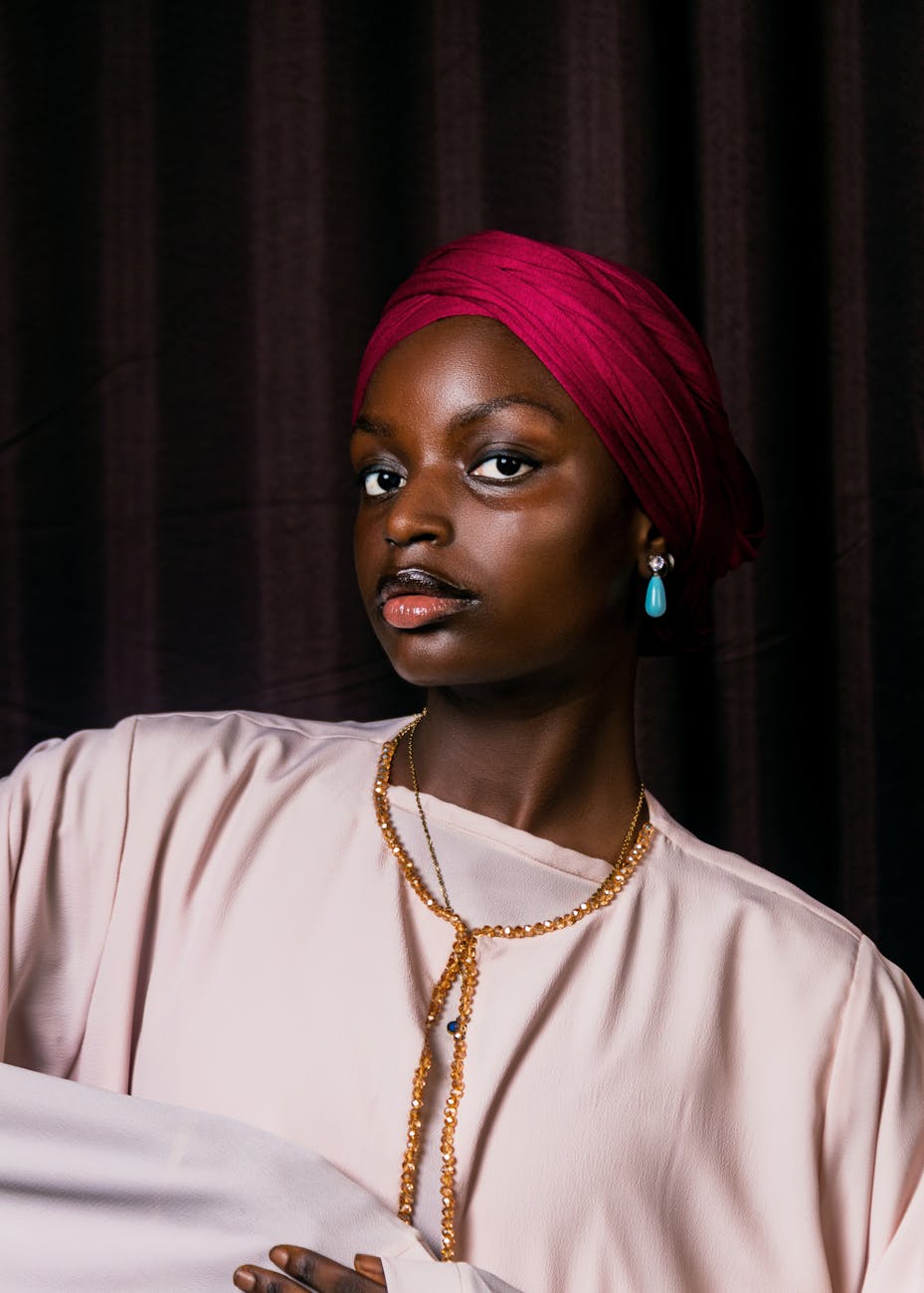
Photo by Ray Kamena on Pexels.com

For Brown girls, beauty is a double-edged sword. While admired for its uniqueness, it often comes with a price—a cost dictated by society’s biased standards, historical oppression, and internalized hierarchies of skin tone. To inhabit a Brown body is to navigate admiration and marginalization simultaneously. Beauty becomes not only a source of pride but also a measure by which judgment, expectation, and limitation are applied.

Historically, the beauty of Black and Brown women has been shaped and constrained by colonialism, slavery, and colorism. Lighter-skinned women were often privileged, both socially and economically, while darker-skinned women were devalued or overlooked (Hunter, 2007). Even today, media representation favors fairer skin tones, subtly signaling that beauty is conditional. Brown girls inherit these standards and are taught, often unconsciously, that their worth is tied to their ability to conform to narrow ideals of attractiveness.

Psychologically, this burden manifests in multiple ways. Colorism and appearance-based discrimination can lower self-esteem, foster anxiety, and contribute to body dissatisfaction (Keith & Herring, 1991). Brown girls may internalize the notion that their natural features—curly hair, darker skin, fuller lips—are obstacles to acceptance, causing them to expend time, money, and energy attempting to align with socially sanctioned beauty ideals. The cost of beauty, therefore, is not simply cosmetic; it is emotional, mental, and relational.

The Bible, however, offers a radical redefinition of beauty. “Charm is deceitful, and beauty is vain: but a woman that feareth the Lord, she shall be praised” (Proverbs 31:30, KJV). True beauty, scripture asserts, is measured by character, virtue, and godly fear—not complexion or features. For Brown girls, embracing this biblical standard becomes a form of resistance against society’s shallow metrics. Their worth is divinely ordained, independent of external validation.

Yet, navigating the social cost of beauty is unavoidable. Brown girls often encounter fetishization, exoticization, or sexualized attention that commodifies their bodies. They may face scrutiny in professional spaces where their appearance is judged more harshly than competence. In relationships, they can confront bias or preference that favors lighter skin, reflecting lingering legacies of racism and colonialism. In every context, the Brown body becomes both celebrated and policed.

Despite these challenges, Brown girls are cultivating empowerment. Movements like natural hair pride, melanin positivity campaigns, and cultural affirmation initiatives teach girls to reclaim their bodies as sources of strength rather than shame. Psychologists note that embracing one’s authentic appearance strengthens self-esteem, fosters resilience, and reduces vulnerability to external biases (Neff, 2011). By redefining beauty on their own terms, Brown girls resist societal prescriptions while creating new norms of acceptance.

Families and communities play a pivotal role in mitigating the cost of beauty. When parents, mentors, and churches affirm the value of natural features and melanin-rich skin, they help Brown girls internalize messages of self-worth. Psalm 139:14 (KJV) reminds us, “I will praise thee; for I am fearfully and wonderfully made: marvellous are thy works; and that my soul knoweth right well.” Spiritual and cultural affirmation provides protection against the subtle violence of societal standards.

Tips for Beauty in a Brown Body

  1. Embrace Your Skin Tone
    • Celebrate your melanin. Know that your skin is beautiful, radiant, and historically significant. Affirm yourself daily with positive statements.
  2. Care for Your Hair Naturally
    • Learn to love and maintain your natural hair texture. Protective styles, natural oils, and gentle care honor your roots and cultural heritage.
  3. Practice Self-Love and Confidence
    • Stand tall in your body. Confidence is magnetic. Avoid comparing yourself to Eurocentric beauty standards.
  4. Set Healthy Boundaries
    • Protect your energy in relationships, social media, and environments where your worth might be questioned or undermined.
  5. Educate Yourself on Colorism
    • Understand historical and modern colorism. Awareness empowers you to challenge biases and make informed choices.
  6. Choose Affirming Communities
    • Surround yourself with people who celebrate you—friends, mentors, and spaces that uplift rather than criticize your natural beauty.
  7. Wear What Makes You Feel Powerful
    • Fashion and style are forms of self-expression. Choose clothing, accessories, and makeup that reflect your personality and culture.
  8. Prioritize Mental Health
    • Seek therapy, journaling, or spiritual guidance to process colorism, trauma, or societal pressures. Emotional wellness strengthens your resilience.
  9. Celebrate Your Cultural Heritage
    • Learn your history, traditions, and ancestry. Cultural pride reinforces self-worth and connects you to a legacy of resilience.
  10. Use Your Voice
    • Speak out against discrimination, colorism, or microaggressions. Advocacy and dialogue can empower you and others around you.
  11. Focus on Spiritual Growth
    • For faith-centered Brown girls, prayer, scripture, and spiritual reflection provide grounding, purpose, and confidence in your identity.
  12. Practice Gratitude for Your Body
    • Your body is a vessel for life, creativity, and experience. Honor it through healthy food, exercise, rest, and positive affirmations.

Ultimately, the cost of beauty in a Brown body is high, but it is not insurmountable. Brown girls learn to navigate admiration and bias, to protect their hearts while embracing their appearance, and to define beauty on their own terms. Through psychological resilience, spiritual grounding, and community support, the Brown body becomes not a burden to bear but a crown to celebrate—a testament to survival, legacy, and divine design.


References

  • Hunter, M. (2007). The persistent problem of colorism: Skin tone, status, and inequality. Sociology Compass, 1(1), 237–254.
  • Keith, V., & Herring, C. (1991). Skin tone and stratification in the Black community. American Journal of Sociology, 97(3), 760–778.
  • Neff, K. D. (2011). Self-compassion: The proven power of being kind to yourself. HarperCollins.
  • The Holy Bible, King James Version.

Fathers, Daughters, and the Brown Girl Dilemma. #thebrowngirldilemma

Photo by cottonbro studio on Pexels.com

The relationship between fathers and daughters is one of the most formative in shaping identity, self-worth, and relational expectations. For the Brown girl—navigating the intersection of race, gender, and societal bias—this relationship carries unique weight. The presence, absence, or brokenness of fatherhood not only affects the daughter personally but also speaks to larger historical and cultural forces that have impacted Black families across generations.

Historically, the transatlantic slave trade and systemic racism disrupted the structure of Black families, creating patterns of father absence that extended far beyond individual choices (Billingsley, 1992). Enslaved men were often sold away or denied the role of protector and provider, leaving women and children to endure the trauma of fractured households. This legacy echoes into modern times, where socioeconomic oppression, mass incarceration, and economic inequality continue to weaken father-daughter bonds in Black communities (Alexander, 2010). For the Brown girl, these ruptures are not just personal but cultural, creating what some call the “father wound.”

From a psychological perspective, the absence of a father often leaves daughters vulnerable to issues of self-esteem, attachment, and relationship instability. Attachment theory suggests that children who lack consistent paternal support may struggle with trust and emotional security (Bowlby, 1988). For the Brown girl, this struggle is compounded by colorism, beauty hierarchies, and media images that frequently marginalize darker-skinned women. Without affirming fathers who speak value and worth into their daughters, many Brown girls find themselves internalizing rejection, seeking validation in unhealthy relationships, or battling a sense of invisibility.

The Bible emphasizes the role of fathers as protectors, providers, and spiritual leaders. Ephesians 6:4 instructs fathers, “provoke not your children to wrath: but bring them up in the nurture and admonition of the Lord” (KJV). Likewise, Proverbs 17:6 reminds us that “children’s children are the crown of old men; and the glory of children are their fathers.” When fathers are absent or fail to nurture, daughters are deprived of this God-ordained foundation. Yet, scripture also reveals God as the ultimate Father to the fatherless (Psalm 68:5), providing healing and identity even when earthly fathers fall short.

For those daughters who do have present and loving fathers, the Brown girl dilemma shifts. Instead of navigating absence, she wrestles with how her father’s presence prepares her to face a society that devalues her beauty, voice, and experiences. A strong father figure can help his daughter resist the narratives of inferiority, encouraging her to embrace her melanin, intellect, and worth as divinely given. Research has shown that girls with supportive fathers are more confident, perform better academically, and form healthier romantic relationships later in life (Lamb, 2010). For Brown girls, this guidance is not just beneficial but protective in a society riddled with bias.

Yet, the tension remains: how do Brown daughters reconcile love for fathers who may also perpetuate colorist standards or patriarchal views? Some fathers, influenced by the same systemic biases, may unintentionally reinforce harmful ideals by praising lighter skin, straighter hair, or Eurocentric beauty features in their daughters. This contradiction deepens the Brown girl dilemma, as daughters must discern which affirmations are rooted in genuine love and which stem from inherited prejudice. These moments reveal how personal family dynamics often mirror broader societal injustices.

The trials of Brown girls within the context of fatherhood reflect both individual wounds and collective struggles. Healing requires not only personal reconciliation but also cultural repair. Churches, communities, and families must invest in restoring the role of fatherhood, addressing systemic barriers, and teaching fathers how to affirm the full spectrum of Black beauty and womanhood. Mentorship programs, therapy, and intergenerational dialogue can also help bridge these gaps, allowing Brown girls to thrive despite the challenges they inherit.

Ultimately, the relationship between fathers and daughters holds redemptive potential. For every story of absence, there is the possibility of restoration through God’s design for family. For every moment of silence or rejection, there is the voice of the heavenly Father declaring worth and beauty. And for every Brown girl navigating this dilemma, there lies resilience, faith, and the chance to break cycles for the generations to come.


References

  • Alexander, M. (2010). The new Jim Crow: Mass incarceration in the age of colorblindness. The New Press.
  • Billingsley, A. (1992). Climbing Jacob’s ladder: The enduring legacy of African-American families. Touchstone.
  • Bowlby, J. (1988). A secure base: Parent-child attachment and healthy human development. Basic Books.
  • Lamb, M. E. (2010). The role of the father in child development. John Wiley & Sons.
  • The Holy Bible, King James Version.

The Psychology of Shade: Self-Worth in the Brown Girl Journey. #thebrowngirldilemma

Photo by Anchau on Pexels.com

Shade is more than a color on the spectrum of skin—it is a lived experience that shapes identity, opportunity, and self-worth. For the brown girl, navigating her journey often means negotiating the psychological weight of how her shade is read by the world. Colorism, both within and outside of the Black community, functions as a hierarchy of value, where lighter shades are privileged and darker shades are dismissed or devalued (Hunter, 2007). This creates a paradox of belonging: the brown girl is simultaneously celebrated for her uniqueness yet pressured to alter or deny her shade to gain acceptance.

Psychologically, this manifests in what scholars call internalized colorism, where individuals measure their self-worth against Eurocentric standards of beauty and success (Keith & Herring, 1991). Brown girls may wrestle with questions of desirability—Am I too dark to be beautiful? Too brown to be chosen?—echoing wounds that stem from centuries of colonial trauma. Such questions erode self-esteem, linking complexion to perceived social status and opportunity. This is evident in studies showing that darker-skinned women often earn less, face higher discrimination in dating markets, and experience greater stigmatization in professional spaces (Hersch, 2008).

Yet, the psychology of shade is not solely one of burden. It is also one of resilience. Brown girls develop what psychologists call racial socialization—strategies passed down through family and community that affirm their identity, instill cultural pride, and resist internalized oppression (Hughes et al., 2006). For example, Black mothers often teach their daughters affirmations of melanin beauty, linking shade to cultural strength and divine uniqueness. This nurtures resilience, allowing brown girls to push back against narratives of inferiority.

Faith also plays a crucial role in shaping the psychology of shade. The biblical reminder that “I am fearfully and wonderfully made” (Psalm 139:14, KJV) serves as a spiritual antidote to colorist lies. In the Song of Solomon, the Shulamite woman boldly declares, “I am black, but comely” (Song of Solomon 1:5, KJV), a verse that directly challenges the stigma attached to darker complexion. By rooting self-worth in divine creation rather than societal validation, the brown girl journey becomes one of liberation rather than limitation.

Media representation also influences the psychology of shade. Historically, darker-skinned women were cast in roles that reinforced stereotypes of servitude, aggression, or invisibility. Today, increasing visibility of brown-skinned actresses, models, and influencers signals a shift in cultural narratives. When Lupita Nyong’o won an Academy Award, she used her platform to speak directly to young girls with darker skin, affirming their beauty and worth. Such moments have a profound psychological impact, expanding the mirror of possibility for future generations.

Still, the scars of colorism persist. In global contexts, from South Asia to Latin America, skin-lightening creams remain billion-dollar industries (Tate, 2016), underscoring how shade continues to dictate perceived value. For the brown girl, resisting this global obsession with lightness is a radical act of self-love. It is choosing to see her shade not as a deficit but as a divine inheritance.

Ultimately, the psychology of shade reveals both the wounds and the wisdom of the brown girl journey. The struggle with self-worth is real, shaped by centuries of systemic bias. Yet, through faith, cultural pride, and resistance, brown girls transform shade from a site of shame into a source of strength. In embracing her skin, the brown girl affirms not only herself but also generations before her who were told to hide their brilliance.

Her journey declares that shade is not something to overcome but something to honor. The psychology of shade, therefore, becomes a psychology of sovereignty—choosing to define beauty, worth, and identity on her own terms.


References

  • Hersch, J. (2008). Profiling the new immigrant worker: The effects of skin color and height. Journal of Labor Economics, 26(2), 345–386.
  • Hughes, D., Rodriguez, J., Smith, E. P., Johnson, D. J., Stevenson, H. C., & Spicer, P. (2006). Parents’ ethnic-racial socialization practices: A review of research and directions for future study. Developmental Psychology, 42(5), 747–770.
  • Hunter, M. (2007). The persistent problem of colorism: Skin tone, status, and inequality. Sociology Compass, 1(1), 237–254.
  • Keith, V. M., & Herring, C. (1991). Skin tone and stratification in the Black community. American Journal of Sociology, 97(3), 760–778.
  • Tate, S. (2016). Skin Bleaching in Black and Brown Communities: Connected to Colorism and Colonialism. Palgrave Macmillan.
  • The Holy Bible, King James Version.

Between Loyalty and Liberation: Family Ties in the Brown Girl Journey.

Photo by August de Richelieu on Pexels.com

For many Brown girls, family is both a source of strength and a site of struggle. The tension between loyalty to one’s family and the yearning for liberation defines much of the Brown girl’s journey. Loyalty demands respect for elders, preservation of tradition, and protection of family reputation. Liberation, however, calls for self-discovery, freedom from oppressive patterns, and the courage to break generational cycles. This tension, while deeply personal, is also cultural and historical, rooted in centuries of survival strategies passed down in Brown families.

From a psychological perspective, this conflict can be understood through family systems theory, which explains how family dynamics shape individual behavior (Bowen, 1978). A Brown girl raised in a home where obedience is highly valued may internalize guilt when seeking independence, even in healthy forms. She may fear that pursuing her own path—whether in education, relationships, or faith—signals betrayal of her family. Such dynamics often leave her torn between self-sacrifice and self-fulfillment, making the process of individuation more emotionally taxing than for those not burdened with cultural and historical trauma.

Biblically, this struggle is not unfamiliar. Jesus Himself acknowledged the cost of discipleship in relation to family loyalty: “He that loveth father or mother more than me is not worthy of me” (Matthew 10:37, KJV). This verse illustrates that ultimate allegiance belongs to God, not human bonds. Yet the Bible also commands honor for parents (Exodus 20:12). Thus, the Brown girl’s journey reflects a spiritual paradox: to be loyal without being bound, to honor without being hindered, and to love family while still prioritizing her divine calling.

In many Brown families, loyalty is often intertwined with silence. Children are taught to “protect the family” by not disclosing internal struggles, even when facing abuse, dysfunction, or generational cycles of pain. Psychology labels this as enmeshment, where boundaries between individuals are blurred and family identity overshadows personal identity (Minuchin, 1974). While intended to preserve unity, enmeshment stifles growth and can prevent healing. For the Brown girl, liberation means learning to break silence without dishonor—naming pain, seeking help, and choosing transparency as a form of truth-telling.

This struggle is compounded by cultural expectations. Brown daughters are often expected to carry more responsibility, from caring for younger siblings to supporting aging parents. Such roles, while noble, can breed resentment when they eclipse personal aspirations. Many Brown girls internalize the belief that self-care is selfish, a mindset reinforced by intergenerational survival narratives. Yet psychology affirms that self-care is essential for breaking cycles of burnout and dysfunction. Scripture echoes this principle: “Love thy neighbour as thyself” (Mark 12:31, KJV). Self-love is not rebellion but a biblical requirement.

At the same time, loyalty is not without its power. Family ties have historically been a foundation of resilience for Brown communities. Enslaved and oppressed people relied on kinship bonds for survival, protection, and cultural preservation. Grandmothers passing down oral traditions, fathers mentoring sons and daughters, and siblings sharing burdens demonstrate the strength found in loyalty. The challenge, however, lies in ensuring that this loyalty nurtures rather than confines, liberates rather than imprisons.

Breaking free from destructive family patterns does not mean abandoning family. Instead, it means redefining loyalty in a way that honors both heritage and healing. Psychology emphasizes the importance of differentiation—the ability to maintain connection while asserting individuality (Bowen, 1978). Spiritually, liberation is found in Christ, who came “to set at liberty them that are bruised” (Luke 4:18, KJV). For the Brown girl, this liberation is not merely personal but generational, creating new legacies of wholeness.

Ultimately, the Brown girl journey between loyalty and liberation is a sacred balancing act. It requires courage to resist unhealthy cycles while still cherishing family bonds. It demands wisdom to know when silence protects and when it harms. And it calls for faith to believe that loyalty to God first will enable her to walk in true liberation. By holding both loyalty and liberation together, the Brown girl creates a testimony of resilience, honoring her roots while spreading her wings.


References

  • Bowen, M. (1978). Family therapy in clinical practice. Jason Aronson.
  • Minuchin, S. (1974). Families and family therapy. Harvard University Press.
  • The Holy Bible, King James Version.
Silenced, Twisted, and Lost: The Biblical Roles of Husbands and Wives.

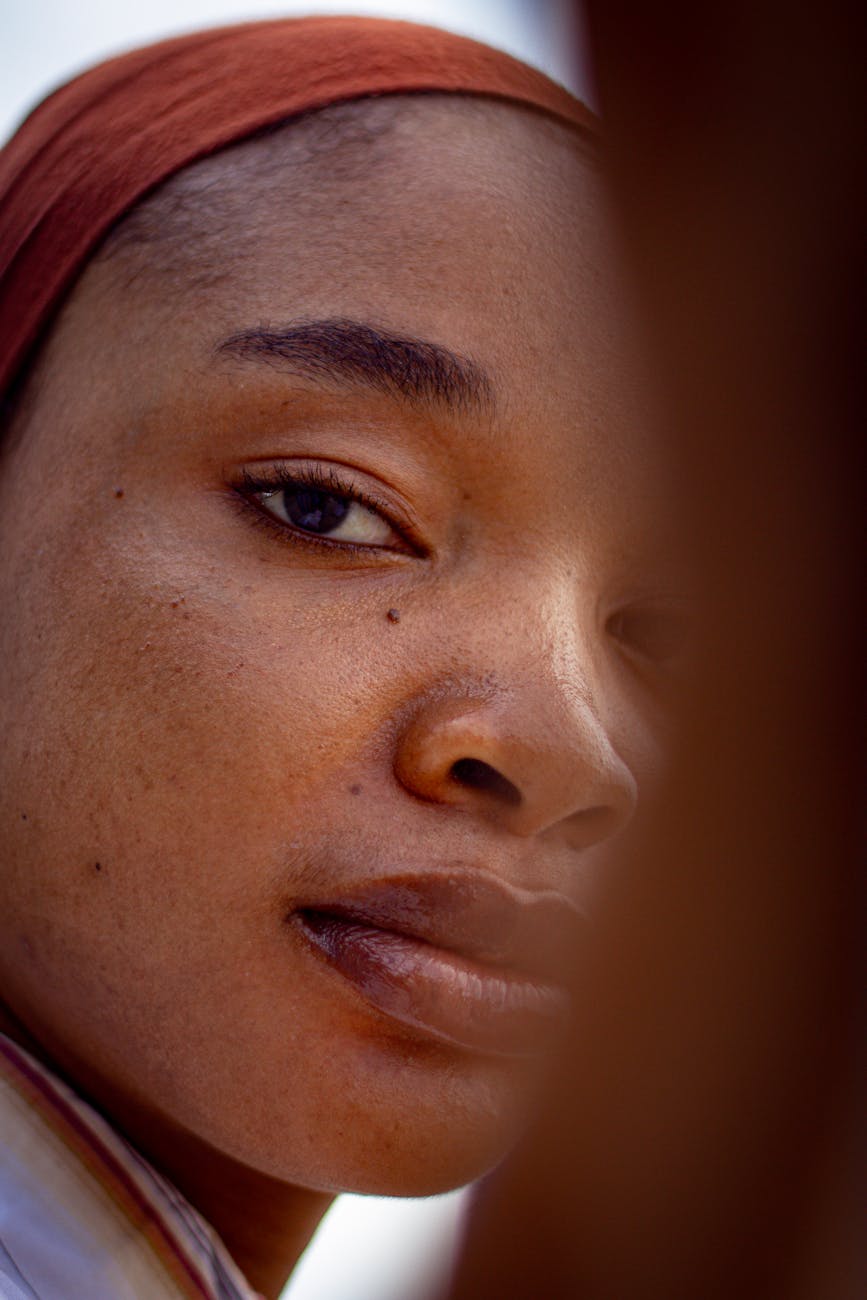
Photo by nappy on Pexels.com

Marriage, as designed by God, is a sacred covenant between a man and a woman, meant to reflect Christ’s relationship with His Church. The King James Bible presents clear guidance for the roles of husbands and wives—roles that are complementary, balanced, and divinely ordained. Yet in modern society, these roles have been silenced, twisted, and in many cases, lost. Misinterpretation of Scripture, societal pressures, and cultural shifts have obscured God’s design, leaving marriages unstable and families vulnerable.


I. The Role of the Husband

Silenced: The Muting of Biblical Headship

The husband’s role as head of the household is foundational. Paul writes, “For the husband is the head of the wife, even as Christ is the head of the church: and he is the saviour of the body” (Ephesians 5:23, KJV). This leadership is not intended as domination but as sacrificial guidance. Modern narratives often silence this biblical truth, reducing the husband’s role to mere provider or companion, leaving households without spiritual and moral direction.

Twisted: Misuse of Authority

Where Scripture calls husbands to love and serve, some have twisted headship into authoritarianism or neglect. Paul instructs, “Husbands, love your wives, even as Christ also loved the church, and gave himself for it” (Ephesians 5:25, KJV). True leadership mirrors Christ’s sacrificial love, nurturing, and protection. Distorting this role harms wives, children, and the integrity of marriage itself.

Lost: The Absence of Godly Leadership

In many homes today, the husband’s biblical role is lost, resulting in instability and fatherlessness. Malachi warns of covenant unfaithfulness, which often begins with men abandoning their divine assignment: “For the LORD, the God of Israel, saith that he hateth putting away… take heed to your spirit, that ye deal not treacherously” (Malachi 2:16, KJV). Without godly husbands, families struggle to maintain spiritual and relational balance.

Restoration of the Husband’s Role

A biblical husband is:

  • A spiritual leader – guiding his household in righteousness (Joshua 24:15).
  • A sacrificial lover – cherishing his wife (Ephesians 5:28-29).
  • A faithful provider – sustaining his family (1 Timothy 5:8).
  • A protector of covenant – upholding marriage as sacred (Hebrews 13:4).

II. The Role of the Wife

Silenced: The Neglect of Influence

Wives are indispensable to the harmony and spiritual health of the family. Proverbs affirms, “Who can find a virtuous woman? for her price is far above rubies” (Proverbs 31:10, KJV). Yet cultural narratives often silence the wife’s voice, undervaluing her wisdom, counsel, and spiritual influence in the household.

Twisted: Misrepresentation and Pressure

Scripture instructs wives, “Submit yourselves unto your own husbands, as unto the Lord” (Ephesians 5:22, KJV), a mandate frequently misunderstood as oppression. True submission reflects respect, cooperation, and alignment with God’s order, not weakness. Modern distortions either push women toward dominance or silence, both of which contradict God’s design and disrupt marital harmony.

Lost: The Erosion of Biblical Womanhood

Feminism, secular ideologies, and cultural miseducation have led many women to abandon biblical womanhood. Peter exhorts: “Let it be the hidden man of the heart, in that which is not corruptible, even the ornament of a meek and quiet spirit, which is in the sight of God of great price” (1 Peter 3:3-4, KJV). When the role of the wife is lost, families lack spiritual balance, children lack a godly model of femininity, and marriages suffer relational discord.

Restoration of the Wife’s Role

A biblical wife is:

  • A supportive partner – honoring and respecting her husband (Ephesians 5:33).
  • A nurturer of home and family – fostering spiritual, emotional, and moral growth (Titus 2:4-5).
  • A keeper of virtue – embracing modesty, holiness, and integrity (Proverbs 31:30).
  • A spiritual influencer – guiding, praying, and strengthening her household (1 Peter 3:6).

III. Conclusion: A Call to Restoration

The silencing, twisting, and loss of biblical roles for husbands and wives have led to broken marriages, unstable homes, and generational struggles. Restoration requires a return to Scripture, a rejection of cultural distortions, and a recommitment to God’s divine order.

When husbands and wives embrace their God-given roles:

  • Marriages reflect the love and unity of Christ and the Church (Ephesians 5:32).
  • Families experience spiritual, emotional, and relational stability.
  • Children grow with clear examples of godly manhood and womanhood.

God’s design for marriage is perfect, complementary, and life-giving. Rediscovering and embracing these roles restores the sanctity of marriage and the flourishing of families according to His Word.

Biblical References (KJV)

Ephesians 5:22-25, 28-29, 32, 33. King James Version.

Proverbs 31:10, 30. King James Version.

1 Peter 3:3-4, 6. King James Version.

Titus 2:4-5. King James Version.

Malachi 2:16. King James Version.

Joshua 24:15. King James Version.

1 Timothy 5:8. King James Version.

Hebrews 13:4. King James Version.


Suggested Secondary Sources for Scholarly Context

Collins, A. (2018). Biblical Marriage and Gender Roles: A Historical Perspective. Zondervan Academic.

Piper, J., & Grudem, W. (2006). Recovering Biblical Manhood and Womanhood. Crossway.

Keller, T. (2011). The Meaning of Marriage: Facing the Complexities of Commitment with the Wisdom of God. Dutton.

Barclay, W. (2004). The Letters to the Ephesians, Colossians, and Thessalonians. Westminster John Knox Press.

Fitzmyer, J. A. (2008). Romans: A New Translation with Introduction and Commentary. Yale University Press.

Dilemma: Mental Slavery

Understanding, Overcoming, and Renewing the Mind.

Photo by Ketut Subiyanto on Pexels.com

Mental slavery refers to the psychological condition in which individuals internalize beliefs of inferiority, limitation, or subservience imposed by external systems of oppression. Unlike physical slavery, which confines the body, mental slavery confines the mind, influencing behavior, self-worth, and worldview. It perpetuates cycles of disempowerment, even long after the end of legal slavery. Psychologists describe mental slavery as a form of internalized oppression, where the oppressed adopt the value system of the oppressor (Welsing, 1991). Biblically, this is akin to captivity of the mind: “And be not conformed to this world: but be ye transformed by the renewing of your mind, that ye may prove what is that good, and acceptable, and perfect, will of God” (Romans 12:2, KJV).

Origins of Mental Slavery

Mental slavery originated during the transatlantic slave trade, where Africans were forcibly removed from their homelands and subjected to dehumanization, brutality, and cultural erasure. Enslavers imposed narratives of inferiority, instilling in enslaved people the belief that they were subhuman, incapable of self-determination, and dependent on their oppressors. This psychological conditioning was reinforced through generations via systemic oppression, segregation, and institutionalized racism.

Impact on Ancestors

Our ancestors endured extreme physical, emotional, and psychological trauma. They were denied education, cultural expression, family integrity, and autonomy. Beyond physical exploitation, slavery instilled fear, dependency, and internalized inferiority, affecting generational mindset. Even in freedom, descendants inherit remnants of these beliefs, manifesting as self-doubt, colorism, and acceptance of societal hierarchies that devalue Black life.

Psychological Impact Today

Mental slavery continues to affect Black communities through low self-esteem, internalized racism, identity conflicts, and susceptibility to societal conditioning. Psychologists observe that it contributes to cycles of poverty, educational disparities, and social marginalization. The mental burden often results in anxiety, depression, and diminished motivation, creating barriers to realizing full potential (Hunter, 2007).

Understanding Mental Slavery Through the Bible

The KJV Bible provides principles for overcoming mental slavery by emphasizing spiritual freedom and mind renewal. Jesus declared: “If the Son therefore shall make you free, ye shall be free indeed” (John 8:36, KJV). Freedom begins in the mind, aligning thoughts and beliefs with God’s truth rather than the lies imposed by oppression. Scripture repeatedly emphasizes that the mind and heart are central to liberation (Romans 12:2; 2 Corinthians 10:5, KJV).

Renewing the Mind

Renewal of the mind involves rejecting false narratives, embracing God’s Word, and cultivating a spiritual, moral, and intellectual identity rooted in truth. Daily practices include prayer, meditation on Scripture, affirmations, education, and exposure to empowering narratives. “Casting down imaginations, and every high thing that exalteth itself against the knowledge of God, and bringing into captivity every thought to the obedience of Christ” (2 Corinthians 10:5, KJV). Renewal requires discipline, community, and conscious effort.

Overcoming Mental Slavery

Overcoming mental slavery entails both individual and collective strategies:

  • Education: Learning history, culture, and personal heritage restores identity and pride.
  • Therapy & Counseling: Addressing generational trauma and internalized beliefs.
  • Faith & Spiritual Practice: Grounding identity in God’s truth rather than societal lies.
  • Community & Mentorship: Engaging with supportive networks that model empowerment and resilience.

Mental Slavery Healing Guide: Breaking Generational Mind Chains


1. Daily Affirmations and Spiritual Alignment

  • “If the Son therefore shall make you free, ye shall be free indeed” (John 8:36, KJV).
  • “I reject every lie of inferiority and embrace my God-given worth.”
  • “My mind is renewed by God’s Word, not the world’s standards” (Romans 12:2, KJV).

Practice: Repeat affirmations morning and evening, or write them in a journal. Pair with prayer to internalize truth.


2. Scripture Meditation and Mind Renewal

  • Meditate on verses that affirm identity, freedom, and power in Christ:
    • 2 Corinthians 10:5: “Casting down imaginations, and every high thing that exalteth itself against the knowledge of God.”
    • Romans 12:2: Emphasizes transformation through mind renewal.
  • Visualize each thought and belief aligning with God’s truth rather than oppressive narratives.

3. Education and Historical Awareness

  • Study the history of slavery, colonialism, and colorism to understand the roots of mental slavery.
  • Read biographies of Black leaders, scholars, and revolutionaries who resisted oppression.
  • Teaching history accurately restores pride, identity, and resilience.

4. Psychological Tools

  • Journaling: Record experiences of internalized bias and victories over negative thoughts.
  • Cognitive Restructuring: Identify and challenge thoughts of inferiority, replacing them with affirming truths.
  • Therapy or Counseling: Seek professionals trained in racial trauma, intergenerational oppression, and self-esteem issues.

5. Faith-Based Practices

  • Daily prayer for clarity, courage, and mental freedom.
  • Fasting and extended prayer sessions can strengthen spiritual discipline and focus.
  • Attend Bible study groups that emphasize spiritual empowerment and mental renewal.

6. Community and Mentorship

  • Surround yourself with mentors and peers who embody empowerment and pride in Black identity.
  • Participate in community programs that focus on leadership, entrepreneurship, and cultural affirmation.
  • Engage in dialogue about mental slavery to normalize experiences and foster collective healing.

7. Cultural Affirmation and Personal Expression

  • Celebrate natural hair, skin, and features; avoid conforming to Eurocentric standards for approval.
  • Explore cultural arts, music, and literature to strengthen identity and counter societal conditioning.
  • Represent Black beauty, achievement, and intellect publicly to inspire others.

8. Action Steps for Daily Freedom

  1. Begin each day with Scripture, prayer, and affirmations.
  2. Educate yourself on history and cultural identity.
  3. Practice cognitive and emotional strategies to reject internalized oppression.
  4. Engage in faith communities and mentorship programs.
  5. Express identity authentically through personal appearance, creativity, and leadership.

Conclusion

Mental slavery is a profound, generational challenge, rooted in the dehumanization of our ancestors and perpetuated by societal systems. Its psychological impact is pervasive, influencing identity, self-perception, and social outcomes. However, the KJV Bible provides a framework for liberation through the renewal of the mind, spiritual alignment, and embracing God-given worth. By understanding its origins, acknowledging its effects, and actively pursuing mental and spiritual freedom, Black individuals and communities can break the chains of mental slavery and reclaim empowerment, dignity, and purpose.


References

Biblical References (KJV)

  • Romans 12:2
  • 2 Corinthians 10:5
  • John 8:36

Psychology & Sociology References

  • Welsing, F. C. (1991). The Isis Papers: The Keys to the Colors. Third World Press.
  • Hunter, M. L. (2007). The Persistent Problem of Colorism: Skin Tone, Status, and Inequality. Sociology Compass, 1(1), 237–254.
  • Clark, R., & Clark, K. (1947). Racial Identification and Preference in Negro Children. Journal of Negro Education, 16(3), 169–176.

The Most Hated People: Black People

Photo by nappy on Pexels.com

Throughout history, Black people have endured hatred, oppression, and marginalization on a global scale. This phenomenon is not merely social or political; it has deep spiritual and psychological roots. The Bible, particularly the King James Version, offers insight into why Black people have been hated, how God allows this suffering, and how the forces of darkness exploit it. Understanding these dynamics is essential for empowerment, resilience, and spiritual victory.


Biblical Foundations: Why Black People Are Hated

The hatred toward Black people is hinted at in Scripture as a form of prophetic suffering. Deuteronomy 28:37 states, “And thou shalt become an astonishment, a proverb, and a byword among all nations whither the LORD shall lead thee” (KJV). The Israelites, often linked biblically to Black Africans through E1b1a haplogroups and historical migrations, were marked for suffering as a consequence of God’s covenant and the lessons of obedience. This hatred, though painful, serves as a tool in God’s providential plan to teach, refine, and ultimately elevate His people spiritually.

Scripture also warns of the spiritual adversary behind oppression: “Be sober, be vigilant; because your adversary the devil, as a roaring lion, walketh about, seeking whom he may devour” (1 Peter 5:8, KJV). The devil manipulates human sin and societal prejudice to sow division, hatred, and despair, targeting Black people as part of a larger plan to weaken God’s chosen people.


Psychological Dimensions of Hatred

From a psychological perspective, the hatred of Black people is rooted in fear, envy, and the need for domination. Social psychology explains this as in-group/out-group bias, scapegoating, and internalized superiority complexes. Historical trauma, such as slavery and colonization, reinforced narratives that dehumanized Black people, creating generational cycles of oppression. Modern psychology identifies implicit bias, colorism, and structural racism as extensions of these long-standing prejudices, perpetuated unconsciously in societies worldwide.

The psychological impact of being hated manifests as internalized oppression, lowered self-esteem, and hyper-vigilance. Yet the Bible offers resilience strategies: “Fear thou not; for I am with thee: be not dismayed; for I am thy God” (Isaiah 41:10, KJV). Faith, identity in God, and historical consciousness serve as buffers against the toxic effects of hatred.


The Role of the Devil

Satan’s involvement in the hatred of Black people cannot be understated. He works to divide, oppress, and distort identity. As John 10:10 warns, “The thief cometh not, but for to steal, and to kill, and to destroy” (KJV). By promoting false narratives, enslavement, and systemic oppression, the devil aims to suppress Black excellence, spiritual awareness, and societal influence. Recognizing this spiritual warfare is critical to understanding that hatred is not merely human sin but also a tool of darkness.


The Meaning of Blackness

Blackness is more than skin color; it represents resilience, divine heritage, and a reflection of God’s creative diversity. Psalm 139:14 states, “I will praise thee; for I am fearfully and wonderfully made” (KJV). Black identity, therefore, is sacred and intentional. Historically, Black people have been leaders, prophets, and nation-builders, and their cultural and spiritual contributions reflect God’s favor and purpose, even when society hates them.


How to Overcome Hatred

Overcoming hatred requires a combination of spiritual, psychological, and practical strategies:

  1. Faith in God’s Sovereignty: Trusting that God can turn suffering into blessing (Genesis 50:20).
  2. Community and Mentorship: Strengthening ties within Black communities to resist isolation and despair.
  3. Education and Awareness: Learning history, understanding systemic oppression, and reclaiming identity.
  4. Spiritual Warfare: Prayer, fasting, and studying Scripture to resist the devil’s schemes (Ephesians 6:11-12).

How Black People Can Deal with Hatred

Dealing with hatred requires resilience, wisdom, and spiritual discernment:

  • Identity Affirmation: Embrace biblical and historical truths about heritage.
  • Psychological Healing: Engage in therapy, counseling, or group support to process generational trauma.
  • Advocacy and Leadership: Transform experiences of hatred into activism, mentorship, and leadership.
  • Forgiveness and Wisdom: Maintain a biblical posture of righteousness without compromising self-respect (Romans 12:17-21).

Conclusion

The hatred of Black people is both a historical and spiritual reality, sanctioned at times in Scripture for refinement, exploited by human sin, and magnified by Satan’s schemes. Yet Blackness carries divine meaning, and God equips His people to overcome hatred through faith, resilience, and wisdom. Understanding the interplay of biblical principles, psychological realities, and spiritual warfare empowers Black individuals and communities to thrive despite oppression. The journey from suffering to victory is both personal and communal, guided by Scripture, history, and divine purpose.


References

Biblical References (KJV)

  • Deuteronomy 28:37
  • 1 Peter 5:8
  • Isaiah 41:10
  • John 10:10
  • Psalm 139:14
  • Genesis 50:20
  • Ephesians 6:11-12
  • Romans 12:17-21

Secondary Sources
Fanon, F. (1967). Black Skin, White Masks. Grove Press.

Grier, W. H., & Cobbs, P. M. (1968). Black Rage. Basic Books.

Harris, S. (2015). The Psychological Effects of Racism on African Americans. American Psychological Association.

West, C. (1993). Race Matters. Beacon Press.

The Strategic Plots Against Black Women

Biblical Warnings and Psychological Realities

Photo by TRIPLE LENS PHOTOGRAPHY on Pexels.com

Throughout history, Black women have faced systemic plots designed to diminish their worth, distort their identity, and weaken their families. These strategies are not new; they echo the biblical pattern of oppression against God’s chosen people. Psalm 83:3 (KJV) declares, “They have taken crafty counsel against thy people, and consulted against thy hidden ones.” Black women, as the backbone of their families and communities, have often been targeted in these “crafty counsels” through slavery, media portrayals, institutional racism, and cultural stereotypes. Psychology reveals that such constant attacks on identity create long-term generational trauma, eroding self-worth while forcing resilience.

One of the most persistent plots against Black women is the distortion of beauty and femininity. Western society has historically elevated Eurocentric beauty standards, pressuring Black women to alter their natural hair, skin, or bodies to fit into systems of acceptance. 1 Peter 3:3–4 (KJV) reminds women that true beauty is “not that outward adorning…but the hidden man of the heart.” Yet psychologically, being excluded from dominant standards of beauty leads to internalized racism, body dysmorphia, and feelings of inferiority. By undervaluing natural Black beauty, society strategically undermines confidence and creates divisions within the community.

Another plot is the economic and familial destabilization of Black women. During slavery and Jim Crow, systemic efforts separated families and denied Black men the ability to provide, leaving women overburdened. Today, mass incarceration and discriminatory job markets continue this cycle. Scripture acknowledges the weight placed on women, noting in Lamentations 5:3 (KJV), “We are orphans and fatherless, our mothers are as widows.” Psychologically, this creates stress disorders, burnout, and the “strong Black woman” stereotype, where Black women are expected to endure excessive hardship without support. While resilience is admirable, the expectation of endless sacrifice without healing is itself a form of oppression.

Media representation forms another powerful plot, shaping how the world perceives Black women. The Jezebel stereotype hypersexualizes them, the Sapphire caricature portrays them as angry, and the Mammy image reduces them to servitude. These portrayals, rooted in slavery, persist in modern entertainment and social media. Proverbs 11:22 (KJV) warns, “As a jewel of gold in a swine’s snout, so is a fair woman which is without discretion.” These stereotypes strip away the dignity of Black women, making them objects of ridicule or desire rather than full human beings. Psychologically, constant negative imagery fosters stereotype threat, where Black women feel pressured to disprove false narratives at the expense of authenticity and peace.

Furthermore, the educational and health care systems reveal systemic neglect. Black women experience higher maternal mortality rates, are often dismissed in medical settings, and face biased disciplinary practices in schools. Hosea 4:6 (KJV) laments, “My people are destroyed for lack of knowledge.” Denial of proper care and knowledge is a modern-day plot that not only harms Black women physically but also perpetuates mistrust in institutions. From a psychological lens, such neglect leads to chronic stress, mistrust of authority, and intergenerational health disparities.

Quick Guide: 10 Strategic Plots Against Black Women

Biblical Truths and Psychological Insights

  1. Distortion of Beauty Standards
  • 1 Peter 3:3–4 (KJV) – True beauty is inward, not outward.
  • Eurocentric ideals pressure Black women to alter hair, skin, and body, leading to internalized racism and body-image struggles.
  1. Hypersexualization (Jezebel Stereotype)
  • Proverbs 11:22 (KJV) – Beauty without discretion is devalued.
  • Media reduces Black women to sexual objects, fostering harmful stereotypes and damaging self-worth.
  1. Angry Black Woman (Sapphire Stereotype)
  • James 1:19 (KJV) – Be “slow to wrath.”
  • Stereotyping Black women as hostile discourages authentic emotional expression and silences their voices.
  1. The Mammy Narrative
  • Ecclesiastes 3:7 (KJV) – There is a time to serve, and a time to keep silence.
  • Black women are reduced to caretakers for others, neglecting their own well-being.
  1. Economic Oppression
  • Lamentations 5:3 (KJV) – Families broken, mothers burdened.
  • Wage gaps, job discrimination, and economic instability place undue weight on Black women.
  1. Family Destabilization
  • Malachi 4:6 (KJV) – Turning hearts of fathers to children is key.
  • Mass incarceration and systemic barriers remove fathers, forcing women into overextended roles.
  1. Medical Neglect
  • Hosea 4:6 (KJV) – Lack of knowledge destroys.
  • Black women face high maternal mortality and medical dismissal, creating mistrust in healthcare systems.
  1. Educational Bias
  • Proverbs 4:7 (KJV) – Wisdom is the principal thing.
  • Black girls are disproportionately disciplined, stunting academic confidence and opportunity.
  1. Psychological Burden of “Strong Black Woman” Myth
  • Matthew 11:28 (KJV) – “Come unto me… and I will give you rest.”
  • Society expects Black women to endure without rest, leading to burnout, stress, and mental health struggles.
  1. Erasure of Spiritual and Cultural Identity
  • Psalm 83:3 (KJV) – Enemies take “crafty counsel against thy hidden ones.”
  • Black women’s Hebraic, African, and cultural roots are suppressed, disconnecting them from identity and heritage.

In conclusion, the strategic plots against Black women are both historical and ongoing, rooted in systemic oppression, distorted imagery, and institutional neglect. Yet, the Bible affirms their worth, resilience, and divine role in God’s plan. Proverbs 31:25 (KJV) declares, “Strength and honour are her clothing; and she shall rejoice in time to come.” Psychology confirms that reclaiming identity, healing trauma, and nurturing self-worth are essential strategies of resistance. Recognizing these plots equips Black women and their communities to resist deception, reclaim beauty, and walk in the power and dignity given by God.


📚 References

  • The Holy Bible, King James Version.

  • Collins, P. H. (2000). Black feminist thought: Knowledge, consciousness, and the politics of empowerment. Routledge.
  • hooks, b. (1992). Black looks: Race and representation. South End Press.
  • Steele, C. M. (1997). A threat in the air: How stereotypes shape intellectual identity and performance. American Psychologist, 52(6), 613–629.

Beauty, Bias, and the Brown Girl Battle. #thebrowngirldilemma

Photo by Norma Mortenson on Pexels.com

The battle for beauty is one of the most enduring struggles for brown-skinned women. It is not simply about cosmetics or fashion, but about history, identity, and survival in a society that has long privileged Eurocentric standards. The phrase “brown girl battle” encapsulates this conflict—where beauty and bias intersect, shaping not only how women are seen but also how they see themselves. To understand this battle is to understand the interplay of race, gender, and culture across centuries.

Beauty as a Social Construction

Beauty is not universal; it is constructed through cultural norms and political power. The idea that lighter skin, straighter hair, or thinner noses are inherently more attractive was not born naturally but manufactured through colonialism, slavery, and racial ideology (Painter, 2010). These constructions continue to influence who is deemed beautiful, desirable, and worthy of opportunities. For brown girls, beauty is not simply about preference but about systems of validation and exclusion.

The Colonial Legacy of Bias

The roots of this bias reach into the colonial era, when European conquerors imposed hierarchies that equated whiteness with superiority and Blackness with degradation. Colonized peoples were taught to despise their own features and strive toward European ideals. The scars of this indoctrination remain visible in societies where light skin continues to be prized in marriage markets, media, and labor economies. The brown girl battle is thus not a personal insecurity but a historical inheritance.

Slavery and the Politics of Shade

During slavery in the Americas, skin tone often determined one’s labor and treatment. Lighter-skinned enslaved women, often the result of sexual violence, were more likely to be placed in domestic roles, while darker-skinned women were forced into backbreaking fieldwork (Hunter, 2007). These practices entrenched colorism within communities of African descent, reinforcing the association of lighter skin with privilege. This historical stratification still shapes perceptions of beauty today.

Colorism Within Communities

One of the most painful aspects of the brown girl battle is that it exists not only between races but within racial groups. Families, schools, and social spaces often reinforce the preference for lighter skin, creating divisions among women who share the same heritage. This intra-community bias can be more wounding than external prejudice, as it corrodes solidarity and deepens insecurities.

Media Representation and Erasure

The media has long been complicit in the brown girl battle. For decades, television and film rarely showcased brown-skinned women as romantic leads or beauty icons. Instead, roles often relegated them to the margins—maids, aggressors, or comic relief. When women of color were celebrated for their beauty, they were frequently of lighter complexion or racially ambiguous. This “brown girl gap” in representation reinforced the bias that brownness was less desirable.

The Rare Visibility of Brown Beauty

When figures like Viola Davis, Lupita Nyong’o, and Gabrielle Union gained visibility, they disrupted these narratives. Lupita’s 2014 Oscar win, paired with her grace and elegance, represented a cultural breakthrough. She openly acknowledged the pain of growing up unseen and the healing power of representation for younger girls who looked like her. Their visibility did not erase the bias, but it began to shift the cultural imagination of beauty.

The Psychological Toll of Bias

Psychological research has shown that repeated exposure to biased standards of beauty can harm self-esteem, body image, and mental health (Thompson, 1996). For brown women, the battle is internal as much as external. The mirror becomes a contested space, reflecting not only their features but also the societal rejection attached to those features. Many grow up questioning their worth, wondering if they will ever be deemed beautiful without modification.

Hair as a Battleground

Hair has become one of the most politicized aspects of the brown girl battle. Eurocentric norms often pressure women to straighten or chemically alter their natural hair to be seen as professional or attractive. Natural hair movements resist this bias, affirming that curls, kinks, and coils are not defects but crowns. Yet, the need for legislation such as the CROWN Act in the United States shows that the policing of Black hair remains a structural problem.

Features Under Scrutiny

Beyond hair and skin, facial features are often judged against Eurocentric standards. Broader noses, fuller lips, and darker eyes were historically devalued, even as cosmetic industries later profited from imitating these same features. The irony of brown women being shamed for their natural features while those features are celebrated when surgically acquired by white women reflects the depth of bias in beauty culture.

Faith as Liberation from Bias

Spiritual traditions provide a counter-narrative to beauty bias. The Bible affirms the worth of women regardless of skin tone or appearance. Song of Solomon 1:5 proclaims, “I am black, but comely” (KJV), boldly affirming beauty in blackness. 1 Peter 3:3–4 reminds women that true beauty lies not in adornment but in “the hidden man of the heart.” Faith, therefore, provides brown women with a spiritual foundation to resist external lies and embrace divine affirmation.

Ancestral Pride and Heritage

For centuries, African societies celebrated brown and dark skin as symbols of strength, wisdom, and fertility. Sculptures, rituals, and traditions affirmed melanin-rich bodies as divine gifts. Reclaiming this ancestral pride allows modern brown women to combat internalized inferiority. By embracing the beauty once honored by their ancestors, they resist colonial erasure and affirm their sacred heritage.

Intersections of Gender and Race

The brown girl battle is intensified by the intersection of gender and race. While all women face pressures from beauty standards, brown women contend with racialized expectations layered on top of gender roles. They are often expected to embody strength without softness, competence without femininity, and beauty without visibility. These contradictions make their battle uniquely complex.

Global Dimensions of the Battle

Around the world, brown women confront the same biases in different forms. In India, the skin-lightening industry thrives on the message that lighter is better. In the Caribbean and Latin America, color hierarchies determine social mobility. In Africa itself, colonial legacies persist in beauty marketing and media representation. The brown girl battle is thus not confined to one geography but is global in scope.

Social Media and Reclamation

Social media has become both a battlefield and a tool of liberation. On one hand, filters and algorithms often reinforce Eurocentric beauty ideals. On the other, movements like #BlackGirlMagic and #MelaninPoppin create digital spaces where brown women affirm their beauty on their own terms. Online, they build communities that counter mainstream bias and celebrate diversity of shade, hair, and features.

Representation as Revolution

Representation is not cosmetic; it is political. When brown women are centered in media, politics, and fashion, it challenges centuries of bias. Michelle Obama’s visibility as First Lady, for instance, offered an unprecedented redefinition of elegance and grace in brown skin. Each act of representation is a strike against erasure, proving that beauty cannot be monopolized by one standard.

Intergenerational Cycles of Bias

The battle is also fought across generations. Mothers who were told they were “too dark” may unintentionally pass insecurities to their daughters. Breaking these cycles requires intentional affirmation, teaching brown girls to see themselves as beautiful and worthy from a young age. This intergenerational healing is vital to dismantling the deep roots of bias.

Collective Resistance and Healing

Healing requires more than individual self-love; it requires collective resistance. Communities must challenge colorism, expand representations, and dismantle systems that perpetuate inequality. Schools, media, and workplaces must normalize beauty in every shade. Collective affirmation ensures that no girl grows up questioning her worth because of her skin.

Beyond Beauty: Full Humanity

Ultimately, the brown girl battle is not only about being recognized as beautiful. It is about being seen as fully human. Beauty bias is a symptom of deeper racial inequality. When society affirms the beauty of brown women, it is also affirming their dignity, intelligence, and value. The battle for beauty is therefore inseparable from the broader struggle for justice.

Conclusion: Winning the Battle

The battle is ongoing, but it is not unwinnable. Brown women continue to resist bias through faith, heritage, representation, and community. By naming and confronting the structures that create the bias, they reclaim power over the narrative of beauty. To declare that brown is beautiful is not vanity—it is an act of survival, defiance, and liberation. The brown girl battle, though forged in oppression, is ultimately a story of victory, where beauty becomes not just reflection but revolution.


References

  • Hunter, M. (2007). The persistent problem of colorism: Skin tone, status, and inequality. Sociology Compass, 1(1), 237–254.
  • Monk, E. P. (2014). Skin tone stratification among Black Americans, 2001–2003. Social Forces, 92(4), 1313–1337.
  • Painter, N. I. (2010). The history of White people. W.W. Norton & Company.
  • Thompson, C. (1996). Black women, beauty, and hair as a matter of being. Women’s Studies, 25(6), 667–678.
  • The Holy Bible, King James Version.

Suicide: Understanding, Prevention, and Hope.

Psychology, Biblical Perspective, and Practical Guidance

Photo by Thought Catalog on Pexels.com

Suicide is the act of intentionally ending one’s own life, often resulting from overwhelming emotional pain, hopelessness, or mental illness. Psychology identifies suicide as a complex phenomenon influenced by depression, anxiety, trauma, and feelings of isolation (Joiner, 2005). Biblically, life is sacred: “Thou shalt not kill” (Exodus 20:13, KJV), which includes oneself. Understanding the root causes of suicidal thoughts and offering support can save lives.

Those considering suicide often feel hopeless and trapped. They may perceive their problems as insurmountable and believe that death is the only escape. Psychologists emphasize that suicidal ideation is frequently a sign of treatable mental health conditions, including depression, bipolar disorder, or severe anxiety (American Psychiatric Association, 2013). Scripture provides hope and encouragement: “Why art thou cast down, O my soul? and why art thou disquieted within me? hope thou in God” (Psalm 42:11, KJV). Loss of hope can be addressed through counseling, spiritual guidance, and community support.

If someone expresses suicidal thoughts, it is critical to act immediately. Encourage them to speak openly, listen without judgment, and validate their feelings. Professional help should be sought urgently. In the United States, individuals can call or text 988, the Suicide and Crisis Lifeline, available 24/7. Internationally, hotlines vary, but local mental health services or hospitals can provide immediate support.

Talking someone out of suicide involves empathy, presence, and reassurance. Avoid minimizing their feelings or giving simplistic solutions. Ask questions like, “Would you tell me what’s causing you to feel this way?” or “Can we find help together?” Show them that they are valued and not alone. Psychological research demonstrates that active listening, emotional validation, and connecting individuals to professional care significantly reduce risk (Gould et al., 2012).

Suicide carries severe emotional, social, and spiritual consequences for the individual and those left behind. Survivors often experience guilt, grief, and trauma. Even temporary thoughts of suicide are dangerous and require immediate attention. Biblical encouragement reminds us: “The LORD is nigh unto them that are of a broken heart; and saveth such as be of a contrite spirit” (Psalm 34:18, KJV). Life is precious, and hope can be restored.

Tragically, suicide affects people across all walks of life, including celebrities. Examples include Robin Williams, an acclaimed actor and comedian, who died by suicide in 2014, reportedly after battling depression and Lewy body dementia. Their deaths highlight that fame and success do not prevent despair and underline the urgency of awareness, intervention, and mental health care. Their stories can serve as a reminder to watch for warning signs in ourselves and others.

The solution to preventing suicide involves support, counseling, medical care, and spiritual encouragement. Encourage therapy, psychiatric evaluation, or support groups. Cognitive-behavioral therapy (CBT) and dialectical behavioral therapy (DBT) are evidence-based approaches that reduce suicidal ideation (Linehan, 1993). Spiritual guidance through prayer, mentorship, and faith communities can also restore hope. Scriptures such as Jeremiah 29:11 (KJV): “For I know the thoughts that I think toward you, saith the LORD, thoughts of peace, and not of evil, to give you an expected end” affirm that life has purpose and hope.

How to Help Someone Considering Suicide

1. Recognize the Warning Signs

  • Talking about wanting to die or kill oneself.
  • Expressing hopelessness or feeling trapped.
  • Withdrawing from friends, family, or activities.
  • Extreme mood swings or reckless behavior.
  • Psalm 34:18 (KJV): “The LORD is nigh unto them that are of a broken heart; and saveth such as be of a contrite spirit.”

2. Take It Seriously

  • Never dismiss their feelings or assume they’re seeking attention.
  • Acknowledge their pain and validate their emotions.
  • James 1:19 (KJV): “Let every man be swift to hear, slow to speak, slow to wrath.”

3. Ask Directly

  • Questions like: “Are you thinking about killing yourself?” or “Do you have a plan?”
  • Research shows asking about suicide does not increase risk and opens dialogue (Gould et al., 2012).

4. Listen Without Judgment

  • Offer empathy, patience, and understanding.
  • Avoid criticism or offering simplistic solutions.
  • Romans 12:15 (KJV): “Rejoice with them that do rejoice, and weep with them that weep.”

5. Encourage Professional Help

  • Connect them with trained counselors, therapists, or psychiatrists.
  • Evidence-based therapies like CBT and DBT reduce suicidal ideation (Linehan, 1993).

6. Provide Crisis Resources

  • U.S. National Suicide & Crisis Lifeline: Call or text 988 (24/7).
  • Encourage immediate help if danger is imminent.
  • For international numbers, consult local mental health services or hotlines.

7. Remove Immediate Means of Harm

  • Safely secure medications, firearms, or sharp objects.
  • Reducing access can prevent impulsive attempts and save lives.

8. Offer Hope and Spiritual Encouragement

  • Remind them that life has purpose and that help exists.
  • Jeremiah 29:11 (KJV): “For I know the thoughts that I think toward you, saith the LORD, thoughts of peace, and not of evil, to give you an expected end.”
  • Prayer, fellowship, and consistent support reinforce hope.

9. Follow Up and Stay Connected

  • Check in regularly, maintain contact, and continue support.
  • Consistent presence reduces isolation and strengthens coping.

10. Take Care of Yourself

  • Supporting someone in crisis can be emotionally challenging.
  • Seek guidance from professionals, mentors, or faith leaders to maintain your own well-being.

In conclusion, suicide is preventable. Awareness of the signs, compassionate intervention, professional support, and faith-based encouragement are crucial. If you or someone you know is considering suicide, call 988 in the U.S. or reach out to local mental health services immediately. Life is sacred, hope is real, and help is available. Encouraging words, listening ears, and professional care can save lives and restore purpose even in the darkest moments.


References

  • American Psychiatric Association. (2013). Diagnostic and statistical manual of mental disorders (5th ed.). Arlington, VA: APA.
  • Gould, M. S., Greenberg, T., Velting, D. M., & Shaffer, D. (2012). Youth suicide risk and preventive interventions: A review of the past 10 years. Journal of the American Academy of Child & Adolescent Psychiatry, 51(1), 11–31.
  • Joiner, T. (2005). Why people die by suicide. Harvard University Press.
  • Linehan, M. M. (1993). Cognitive-behavioral treatment of borderline personality disorder. Guilford Press.
  • The Holy Bible, King James Version.
  • Suicide & Crisis Lifeline. (n.d.). Call or text 988 (U.S.) for immediate assistance.