Category Archives: the brown girl dilemma

Fearfully and Wonderfully Made: The Brown Girl’s Psalm.

This photograph is the property of its respective owner. No copyright infringement intended.

The story of the Brown girl is a sacred hymn written not in ink, but in the richness of melanin and the quiet endurance of her soul. She walks through the world as a living psalm — a testimony of divine craftsmanship and unbroken lineage. In her reflection, we see God’s artistry, not merely in the hue of her skin but in the rhythm of her spirit. “I will praise thee; for I am fearfully and wonderfully made” (Psalm 139:14, KJV) is not just a verse—it is her anthem, one that echoes against centuries of rejection and redefinition.

For generations, the Brown girl has been taught to question her worth, to compare her glow against a false light. But the Creator never designed her to mimic another’s reflection. Her shade, like the soil of Eden, carries the very breath of life. From her crown of coiled glory to the curve of her hips, every part of her was formed with intention and reverence. Her beauty does not seek validation—it speaks of divine origin.

History tried to dim her brilliance through the politics of color and the hierarchy of skin. Yet, even in bondage, she remained radiant. The same sun that darkened her skin also kissed her strength. From the plantations to the pulpits, from the cotton fields to classrooms, she became a bearer of wisdom, resistance, and grace. She survived, not by accident, but by divine decree.

Her skin tells the story of her ancestors’ resilience—those who toiled in chains but dreamed of freedom. Each melanin cell is a monument to survival, each curl a scripture of identity. The Brown girl’s body is not a battleground of beauty standards; it is sacred architecture built by the hands of a Holy God. Her existence itself refutes every lie told by colonial mirrors.

In a world where Eurocentric beauty was exalted, the Brown girl was forced to unlearn self-hate disguised as admiration. She was told that to be lighter was to be lovelier, that proximity to whiteness meant worthiness. Yet the Spirit whispered truth: you were never meant to blend in with those who were never meant to define you. Her beauty, like a psalm, was meant to stand apart and lift the hearts of those who forgot that the Creator does not make mistakes.

The Brown girl’s psalm is also a declaration of liberation. It reminds her that she does not have to bleach her blessings, straighten her identity, or silence her power to be accepted. She can rest in the truth that her image was shaped in the likeness of divinity. When she walks, heaven recognizes her gait, for she carries the DNA of queens, prophets, and poets who have spoken life over deserts of despair.

In her eyes shines the reflection of generations—of Sarah’s faith, Hagar’s endurance, Esther’s courage, and Mary’s devotion. Her story, though rewritten by men, is restored by God. The Brown girl’s psalm teaches her that her scars are not shame but sacred ink—proof that she has survived what was meant to erase her.

This psalm also calls her to rise in purpose. Her voice was not meant to be background harmony but a solo of strength. She must reclaim the narrative that her foremothers were forced to whisper. Each time she affirms, I am fearfully and wonderfully made, she restores what history tried to erase—her identity as both divine creation and divine reflection.

The Brown girl’s confidence does not rest in external admiration but in internal revelation. She understands that self-love is not vanity but victory. When she adores her reflection, she honors the God who shaped her. When she embraces her hair, her nose, her skin, she offers praise not to herself but to the One who called her good from the beginning.

Psalm 139 becomes her mirror, not as a verse recited but as a truth embodied. It reminds her that she was known before she was born, loved before she was named, and chosen before she was celebrated. The Brown girl is not an afterthought—she is the first light after a long night of erasure.

The Brown girl’s psalm is also a lament. It grieves for the little girls who once hated their skin, who longed for lighter shades and looser curls, who never saw themselves in dolls or dreams. But the lament transforms into healing as she learns to sing again, her melody now one of restoration and self-acceptance.

Through time, her presence has always symbolized the sacred balance between beauty and strength. She can nurture nations and lead revolutions, pray with power and walk in poise. Her softness is not weakness—it is divine wisdom wrapped in compassion. Her resilience is not hardness—it is the evidence of God’s sustaining hand.

Her psalm also speaks to men, children, and generations yet unborn. It calls the world to see her not as an object of desire or envy but as an image of God’s glory. The world must unlearn its gaze and see her not as a symbol of struggle but of sacredness. She is the divine feminine in her purest form, clothed in majesty, kissed by creation.

The Brown girl’s existence is a prayer fulfilled. Her laughter is a hymn, her tears are baptisms, her dreams are prophecies. When she walks in truth, she resurrects the legacy of those who died never knowing they were beautiful. She becomes both the psalmist and the psalm.

In this psalm, love becomes her language. She learns to love the reflection that was once foreign to her. Her body becomes a temple of gratitude, her mind a sanctuary of peace. The beauty she carries is not confined to appearance—it is a moral, spiritual, and ancestral inheritance.

Every Brown girl who reads this psalm is invited to rewrite her story with grace. To forgive herself for believing lies. To anoint herself with truth. To declare, “I am my ancestors’ answered prayer.” For in her smile is the dawn, and in her voice, the echo of freedom.

She is not defined by society’s metrics but by heaven’s masterpiece. When she embraces her reflection, she sees more than beauty—she sees purpose. The Brown girl’s psalm teaches her to stand unapologetically in the fullness of her creation, unbothered by comparison, anchored in divine affirmation.

Her life is an offering. Each day she awakens, she adds another verse to the sacred song of womanhood. And as she learns to walk in love, justice, and truth, she becomes the melody of hope for those still finding their way to the mirror.

The Brown girl is fearfully and wonderfully made—an everlasting psalm written by the hand of God and sung through the ages. Her beauty is not a trend but a testimony. Her existence is not accidental—it is divine poetry in motion.

References

  • The Holy Bible, King James Version. (Psalm 139:14).
  • hooks, b. (1992). Black Looks: Race and Representation. South End Press.
  • Morrison, T. (1970). The Bluest Eye. Holt, Rinehart and Winston.
  • Lorde, A. (1984). Sister Outsider: Essays and Speeches. Crossing Press.
  • Davis, A. (1981). Women, Race, & Class. Random House.
  • Hill Collins, P. (2000). Black Feminist Thought: Knowledge, Consciousness, and the Politics of Empowerment. Routledge.
  • Cooper, B. (2018). Eloquent Rage: A Black Feminist Discovers Her Superpower. St. Martin’s Press.

Dilemma: Forced Diaspora

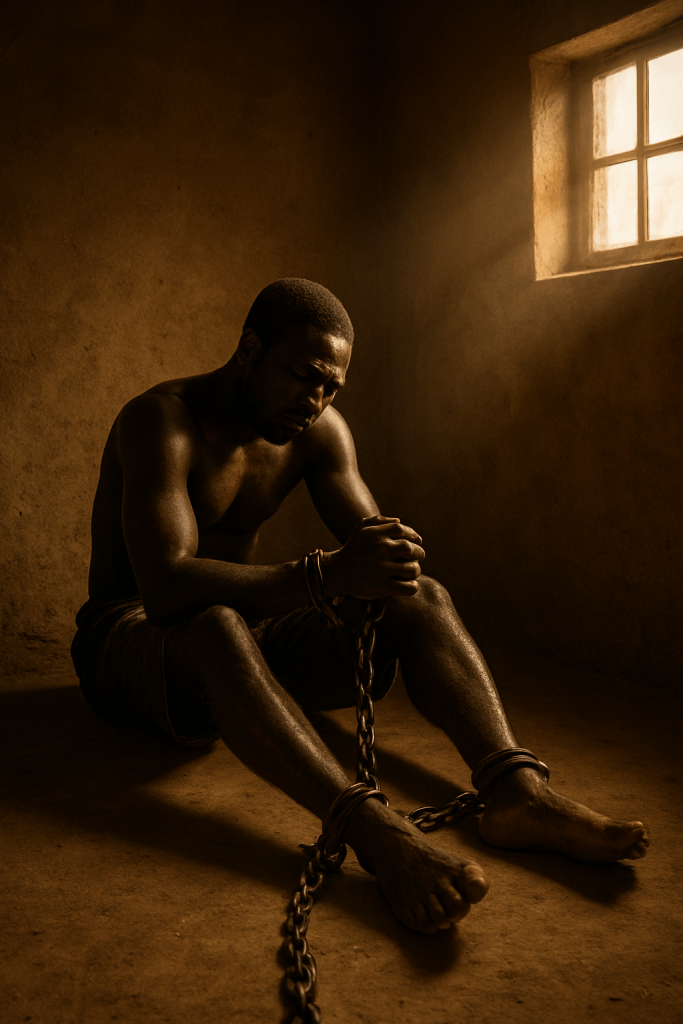
The dilemma of forced diaspora stands as one of the most defining and devastating realities in human history, particularly for African-descended peoples whose displacement reshaped the modern world. This rupture was not merely geographic but spiritual, psychological, and generational, severing people from land, language, kinship systems, and sacred memory.

Diaspora, in its truest sense, implies scattering. Forced diaspora, however, denotes violent expulsion—movement without consent, carried out through domination, coercion, and terror. The transatlantic slave trade exemplifies this condition, transforming human beings into cargo and redefining captivity as commerce.

Within the Hebrew Bible, displacement functions as both a consequence and a warning. Deuteronomy 28 in the King James Version presents blessings for obedience and curses for disobedience, culminating in exile, captivity, and foreign domination. The chapter is not abstract theology; it is historically grounded prophecy rooted in covenantal law.

Deuteronomy 28 begins with prosperity and national elevation, but the latter portion details systematic collapse. Hunger, poverty, loss of sovereignty, and enslavement emerge as consequences when a people fall under divine judgment. These themes recur throughout biblical history, particularly in the experiences of Israel.

Verse 48 declares that the people would serve enemies “in hunger, and in thirst, and in nakedness, and in want of all things,” while verse 68 foretells transportation into bondage by ships. This specific imagery has drawn sustained attention in diasporic biblical interpretation.

The reference to ships in Deuteronomy 28:68 is striking, as captivity in the ancient Near East was typically overland. The verse’s maritime language suggests a future mode of enslavement distinct from earlier Assyrian or Babylonian exiles, intensifying its interpretive gravity.

The Middle Passage, spanning the fifteenth through nineteenth centuries, involved the forced shipment of millions of Africans across the Atlantic Ocean. Conditions aboard slave ships included extreme overcrowding, disease, starvation, and death, reflecting the dehumanization described in Deuteronomy’s curses.

Men, women, and children were chained in holds, stripped of identity, and reduced to inventory. The loss of names, languages, and familial ties parallels the biblical language of becoming “a byword and a proverb” among nations, as stated in Deuteronomy 28:37.

The Middle Passage was not an isolated event but the center of a global economic system dependent upon forced labor. European empires extracted wealth through plantations, mines, and infrastructure built upon the backs of enslaved Africans.

Forced labor in the Americas mirrored the biblical description of unrelenting servitude. Enslaved people labored without rest, legal protection, or compensation, echoing Deuteronomy 28:65, which describes no ease, trembling hearts, and failing eyes.

The plantation system institutionalized violence, sexual exploitation, and family separation. Children were sold away from parents, marriages were unrecognized, and kinship networks were deliberately destroyed to prevent resistance.

This systematic breaking of family structures resonates with Deuteronomy 28:32, which warns that sons and daughters would be given to another people, with no power to rescue them. The verse reflects a loss of agency that defined chattel slavery.

Forced diaspora also produced cultural amnesia. African cosmologies, languages, and governance systems were suppressed, replaced by imposed identities rooted in racial hierarchy. Yet fragments survived through music, oral tradition, and spiritual practice.

The introduction of Christianity to enslaved Africans occurred within contradiction. While Scripture was used to justify bondage, enslaved people discerned liberation themes within the text, identifying with Israel’s suffering and hope for deliverance.

Biblical narratives of exile—from Egypt to Babylon—offered frameworks for understanding suffering without surrendering dignity. The God who judged also promised restoration, a tension deeply embedded in Deuteronomy 30’s assurance of return.

Forced diaspora produced a transnational Black identity forged through shared trauma. Though stripped of homeland, African-descended peoples formed new cultures across the Caribbean, South America, and North America.

Resistance took many forms, including revolts, maroon societies, work slowdowns, and spiritual endurance. These acts challenged the totalizing power of forced labor systems and affirmed retained humanity.

Economic exploitation under slavery laid the foundation for modern global capitalism. Wealth extracted from forced labor financed industrialization, universities, banks, and nation-states, while the enslaved inherited poverty.

The end of legal slavery did not end the conditions described in Deuteronomy 28. Sharecropping, convict leasing, segregation, and mass incarceration functioned as continuations of forced labor under new legal frameworks.

Psychological captivity followed physical captivity. Generations internalized narratives of inferiority imposed to rationalize enslavement, fulfilling Deuteronomy 28:34, which speaks of madness for the sight of one’s eyes.

The forced diaspora fractured identity, producing questions of origin, belonging, and purpose. Many descendants of the enslaved continue to search archives, DNA, and Scripture for an ancestral connection.

Theological interpretations linking Deuteronomy 28 to the African diaspora remain contested, yet their persistence reflects an attempt to reconcile history with sacred text. For many, Scripture becomes a map through trauma.

The curse language of Deuteronomy is inseparable from covenant responsibility. In biblical theology, judgment is never arbitrary; it functions as correction rather than annihilation.

Importantly, Deuteronomy 28 does not conclude Israel’s story. Later prophets promise regathering, healing, and restoration, emphasizing divine faithfulness beyond punishment.

Forced diaspora, while devastating, did not erase African-descended peoples. Survival itself stands as testimony to resilience under conditions designed to destroy.

Cultural contributions born from displacement—music, language, theology, and political thought—have reshaped global civilization, often without acknowledgment of their origins.

Memory remains central to healing. To remember the Middle Passage is to resist erasure and affirm the humanity of those who endured it.

Scripture, when read with historical awareness, becomes a site of reckoning rather than oppression. Deuteronomy 28 challenges readers to confront how power, obedience, and justice intersect.

The dilemma of forced diaspora persists in contemporary inequalities, reminding the world that history is not past. The echoes of ships, chains, and fields remain embedded in modern systems.

Yet the biblical narrative insists that captivity is not the final word. Justice, restoration, and truth remain integral to divine order.

Forced diaspora stands as both a warning and a witness—a warning against unchecked power and a witness to the enduring strength of a people who survived the unthinkable.


References

The Holy Bible, King James Version. (1611/1769). Deuteronomy 28–30.

Curtin, P. D. (1969). The Atlantic slave trade: A census. University of Wisconsin Press.

Gomez, M. A. (2005). Reversing sail: A history of the African diaspora. Cambridge University Press.

Smallwood, S. E. (2007). Saltwater slavery: A middle passage from Africa to American diaspora. Harvard University Press.

Williams, E. (1944). Capitalism and slavery. University of North Carolina Press.

Dilemma: The Architecture of Anti-Blackness: How White Supremacy Manufactured Inferiority

The dilemma of how white supremacy, the racial hierarchy in the Western world, did not emerge spontaneously; it was intentionally crafted, narrated, and repeated until it became a cultural reflex. The idea that Black people were inferior was never rooted in fact, science, or scripture. Rather, it was a constructed narrative, projected outward by white societies to justify domination, economic exploitation, and colonial expansion. This false narrative became a psychological weapon—one that shaped nations, policies, and personal identities.

Anti-Blackness did not emerge by accident. It was deliberately engineered, brick by brick, to justify conquest, theft, and domination. White supremacy constructed a worldview that framed Black humanity as deficient so that European power structures could expand without moral restraint. This architecture was not simply ideological; it was legal, economic, religious, and cultural—a total system designed to redefine an entire people as less than human.

The earliest foundations were laid during the transatlantic slave trade, when European empires required a moral rationale for kidnapping, trafficking, and exploiting millions of African people. To soothe their consciences and maintain social order, they developed narratives portraying Africans as uncivilized, chaotic, or cursed. These ideas became the ideological scaffolding for slavery, turning brutality into “civilization,” and oppression into “progress.”

Religion was an essential tool in this construction. European theologians and clergy misused scripture to claim divine sanction for racial hierarchy, weaponizing biblical texts to portray Africans as descendants of the cursed. This manipulation reframed slavery as benevolence—a “civilizing mission” rather than a system of terror. The lie of inferiority became sacred doctrine in the minds of many, giving theological legitimacy to violence.

Law was the second load-bearing wall in this system. Slave codes, Black codes, and Jim Crow laws formalized a racial caste system in which whiteness meant citizenship and Blackness meant subjugation. The legal architecture enforced the belief that Black people were incapable of autonomy, intellect, or moral agency. Inferiority was not only an idea; it became a legal identity.

Science, too, was recruited to reinforce racial dominance. Enlightenment-era thinkers authored treatises classifying African people as biologically inferior—a distortion now known as scientific racism. Phrenology, craniometry, and fabricated racial taxonomies were presented as objective truth. These pseudosciences spread globally, embedding the myth of Black inferiority into academic and medical institutions.

Culture played a critical role in turning these narratives into everyday common sense. Literature, art, theater, and later film depicted Black people as caricatures—brutes, savages, servants, or comic relief. These images were not accidental misrepresentations; they were strategic distortions reflecting and reinforcing white anxieties about power, purity, and control. Culture became propaganda, shaping emotions as effectively as laws shaped behavior.

Economic interests further cemented anti-Black ideology. The wealth of Europe and the Americas was built on African labor, and maintaining this economic engine required the perpetual devaluation of Black life. The more inferior Black people were perceived to be, the more justifiable their exploitation became. Thus, racial ideology functioned as a financial instrument as much as a social one.

Psychologically, white supremacy fostered a collective identity rooted in superiority. To maintain this fragile sense of dominance, whiteness required an “other” to contrast itself against. Anti-Blackness became the foundation of that identity—the stabilizing force of white self-conception. Without a myth of inferiority, the myth of white superiority could not survive.

Education became a mechanism for transmitting these narratives across generations. Curricula erased African civilizations, downplayed the horrors of slavery, and glorified European expansion. By controlling what children learned, white supremacy ensured its own reproduction, making anti-Black narratives appear natural and inevitable.

Media institutions amplified these messages, creating feedback loops where stereotypes justified discrimination and discrimination reinforced stereotypes. Newspapers portrayed Black communities as violent or unfit for citizenship. Early Hollywood films like Birth of a Nation mythologized Black criminality and celebrated white vigilantism. These representations shaped national consciousness in ways more powerful than policy.

During Reconstruction and the Civil Rights Movement, white resistance intensified as Black progress challenged the architecture of inferiority. Every advancement by Black communities—land acquisition, education, political participation—was met with backlash, violence, or policy reversals. White supremacy adapted, evolving from slavery to segregation, from segregation to mass incarceration, and from overt racism to coded language.

The criminal legal system emerged as a modern extension of earlier racial regimes. Stereotypes created during slavery—Black people as dangerous, impulsive, or criminal—were used to justify policing, surveillance, and disproportionate punishment. The prison system became a new economic mechanism for exploiting Black labor while maintaining racial control.

Housing policies like redlining institutionalized racial inequality on geographic lines. Black communities were systematically denied homeownership, wealth accumulation, and access to quality schools. Inferiority became spatial, built into neighborhoods, resources, and opportunities. These disparities were later interpreted as natural “community problems,” reinforcing stereotypes that justified their existence.

Anti-Blackness also infiltrated interpersonal relations. Microaggressions, racial biases, and assumptions about intelligence or professionalism stem from centuries of propaganda. These everyday interactions reflect the deeper structural architecture that taught society how to see—and not see—Black humanity.

Globally, anti-Black narratives spread through colonialism. European empires exported their racial ideologies across Africa, Asia, and the Caribbean, shaping local hierarchies and perceptions of Blackness. The myth of inferiority became a global lingua franca that served imperial expansion.

The psychological impact on Black communities has been profound. Internalized oppression, colorism, and cultural trauma are legacies of a world constructed to diminish Black worth. Yet despite these forces, Black resistance has continually exposed the lie of inferiority and affirmed the truth of Black resilience, intellect, and brilliance.

The architecture of anti-Blackness is not static; it evolves with each generation. New technologies, political rhetoric, and economic systems mold old ideas into new forms. But the foundation remains the same: a lie constructed for the benefit of the powerful.

Dismantling this architecture requires truth-telling and historical reckoning. It demands that society confront the origins of its racial hierarchies and acknowledge the deliberate engineering behind them. Inferiority was manufactured; it was never real.

Black humanity, dignity, and brilliance have always existed independent of white imagination. What must be destroyed is not Black identity, but the false architecture built to oppress it. Only then can justice become more than a dream—it can become a structure of its own.

The origins of this racial myth can be traced to early European encounters with Africa. When European empires entered the African continent, they encountered civilizations with rich cultures, kingdoms, and intellectual traditions. But to enslave, extract, and colonize, they needed a worldview that placed Africans beneath them. And so the lie was born. The apostle Paul warned against such strategies of deception, reminding believers that “Satan himself is transformed into an angel of light” (2 Corinthians 11:14, KJV). Lies that appear logical, profitable, or convenient often masquerade as truth.

This narrative of inferiority became institutionalized during the transatlantic slave trade. Enslaved Africans were portrayed as subhuman, needing “civilization,” and devoid of intellect or morality. These portrayals served economic interests, allowing slaveholders to reconcile inhumane actions with their professed Christian identities. Yet the Bible had long declared the opposite: that all nations of the earth were made “of one blood” (Acts 17:26, KJV). In other words, the foundation of racial hierarchy was in direct contradiction to divine truth.

Over time, white societies refined these narratives into scientific-sounding theories. Pseudoscience emerged—phrenology, eugenics, and social Darwinism—each cloaked in academic language that gave validity to bigotry. The Bible warns that “professing themselves to be wise, they became fools” (Romans 1:22, KJV). These theories did not illuminate human diversity; rather, they darkened human compassion.

The narrative of Black inferiority was further reinforced by media, textbooks, and political speeches. Early depictions of Black people in Western literature and news portrayed them as threats, savages, or burdens. These images formed an ecosystem of propaganda that shaped public fear and public policy. Proverbs 6:16–19 speaks of those who sow discord among brethren—indeed, the manufacturing of racial hierarchy was a deliberate sowing of discord on a global scale.

Colonial missionaries also played a role, often using distorted interpretations of scripture to endorse oppression. Passages like the story of Noah’s sons were twisted to justify enslavement, even though the Bible never says anything about race-based servitude. Jesus Himself declared that loving one’s neighbor is the fulfillment of the law (Matthew 22:39, KJV), exposing the hypocrisy of those who claimed Christianity while practicing cruelty.

Over centuries, white societies began to internalize their own myth-making. What started as a political tool became a social identity. Whiteness became associated with superiority, purity, beauty, intelligence, and divine favor. Meanwhile, Blackness was framed as the opposite. This reinforced a dilemma not only for the oppressed, but also for the oppressor—how to maintain a false sense of superiority in a world where evidence repeatedly disproved it.

Black people, too, were impacted psychologically. Generations grew up in societies that undervalued their existence, distorted their history, and denied their humanity. Yet even in these conditions, African-descended people consistently demonstrated brilliance, resilience, and spiritual depth. The Bible affirms the strength of the oppressed, declaring that “the last shall be first” (Matthew 20:16, KJV). Oppression may wound, but it also reveals character and endurance.

White societies often used fear as the root justification for maintaining these narratives. Fear of Black intelligence, fear of retribution, fear of equality, and fear of losing power all contributed to the reinforcement of harmful stereotypes. King Solomon wrote that “the wicked flee when no man pursueth” (Proverbs 28:1, KJV). Fear—especially irrational fear—creates enemies where there are none.

One of the most damaging elements of this narrative was the portrayal of Black identity as needing validation from white institutions. Education, employment, beauty standards, and social acceptance became filtered through whiteness as the reference point. This contradicted scripture, for God alone defines worth: “For ye are fearfully and wonderfully made” (Psalm 139:14, KJV).

The dilemma also lies in the fact that white supremacy was never just a personal belief; it was a system. It permeated laws, housing policies, policing, and economic structures. These systems were designed to maintain the illusion of superiority through material advantage. Ecclesiastes 4:1 speaks of those who “have no comforter” under systems of oppression—an ancient truth that echoed through plantations, courtrooms, and schoolhouses.

Yet, throughout history, Black communities resisted this narrative through literacy, faith, artistry, and collective unity. The African American church became a center of truth-telling, reminding congregations that “the truth shall make you free” (John 8:32, KJV). Spiritual fortitude challenged societal lies and affirmed divine identity.

The civil rights movement exposed the moral contradiction of a nation claiming liberty while denying it to millions. As cameras captured violence against peaceful protestors, much of the world began to recognize the lie behind the narrative of Black inferiority. Darkness was brought into the light, fulfilling the scripture: “For nothing is secret, that shall not be made manifest” (Luke 8:17, KJV).

Still, remnants of this narrative persist today. Media bias, educational erasure, and structural inequities continue the old mythology in contemporary forms. The oppressor’s dilemma now becomes how to reconcile modern ideals of equality with centuries of racial conditioning. Many wrestle with guilt, denial, or fragility because the truth disrupts the comfort of inherited narratives.

For Black people, modern challenges include healing from the psychological residue of that false identity. Learning one’s history, celebrating one’s heritage, and embracing faith become acts of restoration. Isaiah 61:7 declares, “For your shame ye shall have double.” God promises divine compensation for historical dishonor.

The narrative of inferiority also fractures relationships between ethnic groups, creating suspicion and distance. True reconciliation requires more than silence—it requires repentance, acknowledgment, and structural transformation. Scripture teaches, “Confess your faults one to another” (James 5:16, KJV), suggesting that healing is communal, not individual.

The truth is that racial hierarchy has always been incompatible with God’s design. No group is ordained to dominance, nor is any group inherently inferior. The lies of the past may linger, but they cannot stand against the weight of truth. As Jesus said, “Every plant, which my heavenly Father hath not planted, shall be rooted up” (Matthew 15:13, KJV). White supremacy is one such plant.

Today, we stand at a crossroads where societies must choose honesty over tradition, truth over myth, and justice over comfort. The dismantling of the false narrative of Black inferiority is not merely a political act—it is a spiritual one. It aligns humanity with God’s vision of dignity for all His creation.

Ultimately, the dilemma is not whether Black people are inferior—they are not and never were. The true dilemma is whether societies built on lies are willing to confront the truth. And the truth, according to the Word, is unyielding: God shows no partiality, and neither should humanity. “For there is no respect of persons with God” (Romans 2:11, KJV).


References (KJV Bible):
Acts 17:26; 2 Corinthians 11:14; Romans 1:22; Proverbs 6:16–19; Matthew 22:39; Matthew 20:16; Proverbs 28:1; Psalm 139:14; Ecclesiastes 4:1; John 8:32; Luke 8:17; Isaiah 61:7; James 5:16; Matthew 15:13; Romans 2:11.

Bonilla-Silva, E. (2018). Racism without racists: Color-blind racism and the persistence of racial inequality in the United States. Rowman & Littlefield.
Du Bois, W. E. B. (1903). The souls of Black folk. A. C. McClurg.
Feagin, J. R. (2014). Racist America: Roots, current realities, and future reparations (3rd ed.). Routledge.
Fields, K., & Fields, B. (2012). Racecraft: The soul of inequality in American life. Verso.
Fredrickson, G. M. (2002). Racism: A short history. Princeton University Press.
Muhammad, K. G. (2010). The condemnation of Blackness: Race, crime, and the making of modern urban America. Harvard University Press.
Painter, N. I. (2010). The history of White people. W. W. Norton.
Williams, E. (1944). Capitalism and slavery. University of North Carolina Press.

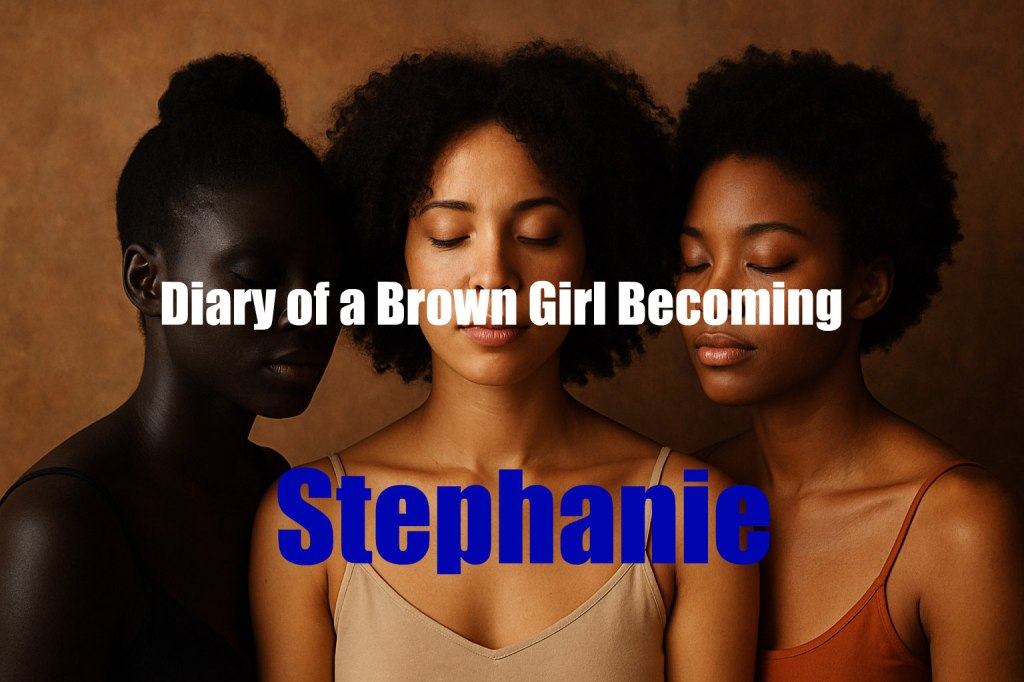
Diary of a Brown Girl Becoming: Stephanie’s Story

Stephanie had always known that her skin was dark. The mirror told her, the sunlight confirmed it, and the world never let her forget it. In school, she was the girl the boys didn’t pick first, the one whispered about when conversations turned to “pretty.” She learned early that beauty came in shades the world found easier to love.

But Stephanie’s story is not one of pity—it is one of awakening. For years, she tried to make herself smaller, quieter, less noticeable, as if fading into the background would protect her from comparison. When lighter-skinned girls were called beautiful, she smiled politely, swallowing the ache. When men overlooked her, choosing others with the kind of adoration she longed for, she convinced herself that maybe she wasn’t meant to be desired—only admired from a safe distance.

The pain was quiet but deep, built from the small cuts of colorism that society disguised as “preference.” She noticed how dark-skinned girls were praised for their strength but rarely for their softness. Their beauty was called “unique,” as if it were an exception to the rule.

Stephanie’s turning point came not through validation from others, but through reclamation of self. She began to see that the problem was never her complexion—it was the lens through which the world viewed her. She started to adorn her melanin with pride: bright gold earrings that gleamed against her skin, bold lipstick that spoke before she did. Her confidence became a revolution, a quiet defiance against a culture that had long tried to silence her shine.

She learned to love her reflection not because others did, but because she finally saw what God had made. Every shade of brown in her was a story of survival, every curve and contour a testimony of her ancestry. She realized she carried the glow of her foremothers—the women who bore the sun in their skin and refused to be dimmed.

One day, when she looked in the mirror, she didn’t see “too dark.” She saw the divine. And with that revelation, Stephanie stopped waiting to be chosen. She chose herself.

Now, when people tell her she’s beautiful, she smiles—not because she needs to hear it, but because she already knows. Her beauty is not a surprise; it’s a fact.

Stephanie’s story is every dark-skinned girl’s anthem: a journey from invisibility to illumination. From being overlooked to being unshakable. From hiding to becoming.

Simply Brown, Simply Beautiful

Brown is a color, a heritage, a story, and a statement. To be simply brown is to embrace one’s skin with pride, acknowledging the legacy, resilience, and beauty woven into every shade. It is an affirmation that identity is sacred and worth celebrating without apology.

Beauty is not just physical; it is layered with culture, intelligence, creativity, and spirit. Psalm 139:14 (KJV) proclaims, “I will praise thee; for I am fearfully and wonderfully made: marvellous are thy works; and that my soul knoweth right well.” Every brown face is a testament to divine artistry, crafted with intention and purpose.

Historically, brown communities have contributed immeasurably to human knowledge, art, and leadership. African kingdoms, Caribbean leaders, and diasporic innovators exemplify brilliance, reminding us that brownness and beauty are inseparable from achievement and intellect (Asante, 2007).

Simply brown is a rejection of imposed standards that seek to diminish worth. Colorism and Eurocentric ideals often undermine confidence, yet embracing natural beauty strengthens self-esteem and affirms heritage (Hunter, 2007).

Brown beauty is diverse. It is in every tone, texture, and feature, ranging from deep mahogany to honeyed gold. Each expression of brownness tells a unique story of ancestry, resilience, and creativity.

Confidence grows when beauty is recognized as holistic. Proverbs 31:30 (KJV) observes, “Favor is deceitful, and beauty is vain: but a woman that feareth the LORD, she shall be praised.” True beauty emerges from character, wisdom, and spiritual grounding, complementing physical radiance.

Simply beautiful extends beyond appearance. It encompasses intelligence, emotional maturity, compassion, and resilience. Brown individuals radiate beauty when they embody integrity, love, and authenticity.

Self-love is fundamental. 1 John 4:19 (KJV) reminds, “We love him, because he first loved us.” Recognizing God’s love provides a foundation for affirming one’s value, nurturing confidence, and embracing identity fully.

Brown hair, eyes, and skin are markers of heritage and culture. Wearing them proudly resists societal pressures to conform and affirms that natural identity is inherently beautiful.

Art and literature reflect brown beauty. From classical African artistry to contemporary works, brown creators celebrate identity, challenge stereotypes, and inspire pride across generations.

Cultural expression enhances beauty. Music, dance, dress, and language serve as vessels for self-expression and affirmation, demonstrating that beauty thrives when heritage is honored and celebrated.

Brilliance complements beauty. Brown individuals excel intellectually, creatively, and professionally, proving that beauty is multidimensional and inclusive of mind, spirit, and culture. Proverbs 4:7 (KJV) instructs, “Wisdom is the principal thing; therefore get wisdom: and with all thy getting get understanding.”

Simply brown, simply beautiful is also spiritual. Faith provides purpose, grounding, and confidence. Jeremiah 29:11 (KJV) declares, “For I know the thoughts that I think toward you, saith the LORD, thoughts of peace, and not of evil, to give you an expected end.” Divine intention underscores value and worth.

Community strengthens affirmation. Mentorship, family, and cultural networks nurture confidence and help individuals recognize beauty in themselves and others. Proverbs 27:17 (KJV) emphasizes, “Iron sharpeneth iron; so a man sharpeneth the countenance of his friend.”

Resilience enhances beauty. Overcoming adversity, systemic bias, and societal challenges shapes character and fortifies confidence. Brown beauty shines brighter when tested by life and adversity.

Physical health contributes to beauty, but so does emotional and spiritual well-being. Self-care, mental health, and faith nurture holistic beauty, reflecting inner strength outwardly. 1 Corinthians 6:19-20 (KJV) reminds, “Ye are not your own; for ye are bought with a price: therefore glorify God in your body, and in your spirit, which are God’s.”

Representation matters. Visibility of brown beauty in media, education, and leadership inspires future generations to embrace identity, demonstrating that beauty is valid and powerful across contexts.

Confidence grows when achievements are celebrated alongside heritage. Brown’s excellence in science, art, politics, and education proves that beauty and intellect are not mutually exclusive but mutually enhancing.

Simply brown, simply beautiful is revolutionary. It challenges societal standards, redefines norms, and empowers individuals to embrace identity fully without compromise.

Ultimately, to be simply brown and simply beautiful is to live authentically, honoring ancestry, embracing brilliance, and radiating self-love. It is a holistic celebration of heritage, intellect, spirit, and aesthetic, embodying the fullness of divine creation.


References

Psalm 139:14, KJV.
Proverbs 31:30, KJV.
1 John 4:19, KJV.
Proverbs 4:7, KJV.
Jeremiah 29:11, KJV.
Proverbs 27:17, KJV.
1 Corinthians 6:19-20, KJV.
Asante, M. K. (2007). The History of Africa: The Quest for Eternal Harmony. Routledge.
Hunter, M. L. (2007). The Persistent Problem of Colorism: Skin Tone, Status, and Inequality. Sociology Compass, 1(1), 237–254.
Gates, H. L. (2019). The Black Experience in America: Identity, Culture, and Achievement. Vintage Press.

The Male Files: Beating Women — Understanding Abuse, Seeking Help, and Finding Hope

The Silent Epidemic

Photo by cottonbro studio on Pexels.com

Domestic violence is a pervasive issue that affects millions of women worldwide. In the United States alone, nearly 5.3 million incidents of intimate partner violence (IPV) occur annually among women aged 18 and older Emory School of Medicine. This violence manifests in various forms, including physical, emotional, and psychological abuse, often leading to severe consequences for the victims.


Why Does Domestic Violence Happen?

The reasons behind domestic violence are complex and multifaceted. Factors contributing to abusive behavior include:

  • Power and Control: Abusers often seek to dominate their partners, using violence as a means to maintain control.
  • Psychological Factors: Some individuals may have witnessed or experienced abuse in their own childhoods, perpetuating a cycle of violence.
  • Cultural Norms: Societal attitudes that condone aggression or view women as subordinates can foster environments where abuse is tolerated.
  • Substance Abuse: Alcohol and drugs can exacerbate violent tendencies, though they do not cause abuse CAWC.

The Psychology of Abusers

Abusers often exhibit certain psychological traits and behaviors:

  • Narcissism: A sense of entitlement and lack of empathy for others.
  • Jealousy and Possessiveness: Viewing partners as property rather than equals.
  • Manipulation: Using guilt, threats, or gaslighting to control the victim.
  • Emotional Instability: Rapid mood swings that can escalate into violence Psychology Today.

Understanding these traits can help in identifying abusive patterns and seeking appropriate interventions.


The Devastating Impact on Women

Domestic violence has profound effects on women, including:

  • Physical Injuries: Bruises, broken bones, and in severe cases, death.
  • Mental Health Issues: Depression, anxiety, and post-traumatic stress disorder (PTSD).
  • Social Isolation: Abusers often cut off victims from friends and family, making it difficult to seek help.
  • Economic Hardship: Victims may be financially dependent on their abusers, limiting their ability to escape Emory School of Medicine.

Age Groups Most Affected

While domestic violence can affect women of all ages, certain groups are at higher risk:

  • Young Women (18–24): This age group experiences the highest rates of intimate partner violence.
  • Older Women (Over 70): Increasingly, older women are becoming victims of domestic abuse, often facing unique challenges in seeking help The Guardian.

Global Statistics on Femicide

Femicide—the killing of women because of their gender—is a tragic outcome of domestic violence. In 2023, an average of 140 women and girls were killed daily by an intimate partner or family member, totaling approximately 51,100 deaths globally AP News.


Understanding the Cycle of Abuse

Domestic violence often follows a predictable pattern:

  • Tension Building: Minor incidents escalate.
  • Incident: The abuser lashes out.
  • Reconciliation: The abuser apologizes, promising change.
  • Calm: A period of peace before the cycle repeats GotQuestions.org.

Recognizing this cycle is crucial for victims and those supporting them.


The Question: Why Does Love Hurt?

Victims often grapple with conflicting emotions. They may love their abuser and hope for change, but love should never cause pain. Abuse is not a manifestation of love but a distortion of it, rooted in control and manipulation.


Biblical Perspective on Domestic Violence

The Bible condemns violence and oppression. Scriptures such as Malachi 2:16 and Psalm 11:5 affirm that God despises injustice and calls for the protection of the vulnerable. While the Bible does not explicitly address modern domestic violence, it upholds principles of love, respect, and justice Anglican Families & Culture Commission.


What Should a Woman Do?

If you are experiencing domestic violence:

  • Acknowledge the Abuse: Recognize that you deserve respect and safety.
  • Seek Support: Reach out to trusted friends, family, or professionals.
  • Create a Safety Plan: Know where to go and who to contact in case of emergency.
  • Contact Authorities: Report the abuse to law enforcement and seek legal protection.

Where Can a Battered Woman Go for Help?

Numerous resources are available for victims of domestic violence:

  • National Domestic Violence Hotline: Call 1-800-799-SAFE (7233) for confidential support.
  • Local Shelters: Many communities offer safe housing and services.
  • Legal Aid: Seek assistance for restraining orders and custody issues.
  • Counseling Services: Professional therapy can aid in recovery.

The Role of the Church

Faith communities can play a pivotal role in supporting victims:

  • Provide Safe Spaces: Offer counseling and refuge.
  • Educate Congregations: Raise awareness about domestic violence.
  • Advocate for Justice: Stand against abuse and support legal reforms Assemblies of God.

Breaking the Cycle

Ending domestic violence requires:

  • Education: Teaching about healthy relationships and respect.
  • Intervention: Addressing abusive behavior early.
  • Support Systems: Providing resources for victims and rehabilitation for abusers.

The Importance of Empowerment

Empowering women involves:

  • Building Self-Esteem: Encouraging confidence and independence.
  • Providing Resources: Access to education, employment, and legal aid.
  • Creating Support Networks: Connecting with others who understand and support.

Legal Protections

Laws exist to protect victims:

  • Restraining Orders: Legal orders that prevent abusers from contacting victims.
  • Domestic Violence Laws: Legislation that criminalizes abuse and provides penalties.
  • Custody Laws: Protecting children from exposure to violence.

The Role of Men

Men can be allies by:

  • Challenging Misogyny: Rejecting attitudes that condone abuse.
  • Supporting Victims: Listening and offering assistance.
  • Educating Peers: Promoting respect and equality in relationships.

The Impact on Children

Children who witness domestic violence may experience:

  • Emotional Distress: Anxiety, depression, and behavioral issues.
  • Risk of Abuse: Increased likelihood of becoming victims or perpetrators in the future.
  • Disrupted Development: Challenges in forming healthy relationships.

The Need for Societal Change

Addressing domestic violence requires:

  • Cultural Shifts: Changing attitudes that tolerate abuse.
  • Community Engagement: Involving all sectors in prevention and support.
  • Policy Reforms: Strengthening laws and services for victims.

The Path to Healing

Healing from domestic violence involves:

  • Acknowledgment: Recognizing the trauma and its effects.
  • Therapy: Engaging in counseling to process experiences.
  • Support: Building a network of trusted individuals and resources.

20. Conclusion

Domestic violence is a serious issue that requires collective action. By understanding the causes, recognizing the signs, and providing support, we can work towards a society where women are safe and valued. Remember, no one deserves to be abused, and help is always available.


References

Finding Your Shade: Identity and Belonging for Brown Girls. #thebrowngirldilemma

For Brown girls, finding identity and belonging is a journey often complicated by colorism, societal bias, and media misrepresentation. From childhood, many experience messages—both overt and subtle—that lighter skin, Eurocentric features, and assimilation to Western ideals are preferable. These messages can create tension between personal heritage and societal expectations, prompting questions of self-worth, identity, and place within both community and broader society (Hunter, 2007).

Media representation plays a central role in shaping perceptions of belonging. Television, film, and social media often celebrate lighter-skinned women while marginalizing darker complexions. Celebrities like Yara Shahidi, Salli Richardson, and Mari Morrow illustrate the social preference for light skin, while Lupita Nyong’o, Issa Rae, and Kenya Moore offer counter-narratives that embrace melanin-rich beauty and authentic identity. Seeing women who reflect their shade and heritage allows Brown girls to internalize self-worth and recognize their rightful place in society (Byrd & Tharps, 2014).

Education and mentorship foster both identity formation and belonging. Programs such as Black Girls CODE, Girls Who Code, and leadership development initiatives for young women of color provide practical skills, guidance, and community networks. Mentors serve as mirrors of potential, showing that talent, intellect, and character—not skin tone—determine opportunity and success. These programs cultivate confidence, resilience, and a sense of belonging in spaces historically limited by bias and exclusion (Banks, 2015).

Cultural affirmation strengthens the journey toward identity. Engaging with African and diasporic history, art, and traditions nurtures pride in heritage, features, and natural hair textures. Community programs, storytelling workshops, and cultural events allow Brown girls to explore identity and connect with others who share similar experiences, fostering solidarity and belonging. This collective affirmation reinforces the value of their shade and heritage in shaping personal identity (Hunter, 2007).

Psychological resilience is essential in navigating colorism and societal preference. Social comparison theory explains how exposure to biased beauty standards can negatively impact self-esteem, yet intentional reflection, journaling, and affirmations help Brown girls develop a secure sense of self. Embracing uniqueness and celebrating personal features allows them to resist internalized bias and claim authentic identity (Festinger, 1954; Fardouly et al., 2015).

Faith offers another anchor for belonging and identity. Proverbs 31:30 (KJV) reminds, “Favour is deceitful, and beauty is vain: but a woman that feareth the LORD, she shall be praised.” Spiritual grounding encourages Brown girls to measure self-worth through character, integrity, and divine purpose rather than societal metrics. Faith provides reassurance that belonging is not contingent on appearance but on living authentically and purposefully.

Practical strategies complement these approaches. Brown girls can cultivate self-expression through personal style, skincare, natural hair care, creative arts, and wellness practices. These tangible forms of self-affirmation reinforce internal confidence while celebrating heritage and shade. By intentionally reflecting pride in their identity and aesthetics, Brown girls nurture a sense of belonging in spaces that may not always validate their natural beauty.

In conclusion, finding one’s shade is a holistic process encompassing identity, belonging, culture, education, mentorship, and spiritual grounding. Brown girls navigate a world shaped by colorism and bias, yet through representation, community, and self-affirmation, they can embrace their heritage, cultivate resilience, and claim their rightful place in society. Recognizing the value of their shade allows them to redefine beauty, identity, and belonging on their own terms.


References

Banks, J. A. (2015). Cultural diversity and education: Foundations, curriculum, and teaching. Routledge.

Byrd, A. D., & Tharps, L. L. (2014). Hair Story: Untangling the Roots of Black Hair in America. St. Martin’s Press.

Fardouly, J., Diedrichs, P. C., Vartanian, L. R., & Halliwell, E. (2015). Social comparisons on social media: The impact of Facebook on young women’s body image concerns and mood. Body Image, 13, 38–45.

Festinger, L. (1954). A theory of social comparison processes. Human Relations, 7(2), 117–140.

Hunter, M. (2007). The persistent problem of colorism: Skin tone, status, and inequality. Sociology Compass, 1(1), 237–254.

Dilemma: Incest

Photo by Mu00e1rcio Filho on Pexels.com

The Hidden Wounds of Incest: A Biblical, Psychological, and Cultural Examination

Incest—an act of sexual relations between close family members—has existed since ancient times, often cloaked in silence, shame, and generational trauma. The Bible itself does not shy away from exposing such sins, not to glorify them, but to warn against their devastating consequences. From the story of Tamar’s violation by her half-brother Amnon (2 Samuel 13), to the manipulation of Lot by his daughters (Genesis 19:30–38), Scripture records these acts as moral cautionary tales. Incest represents a corruption of familial love and trust, turning what should be protection into predation.

In 2 Samuel 13, Tamar, the daughter of King David, was raped by her half-brother Amnon under the guise of feigned illness. This act of incest shattered Tamar’s dignity and brought a spirit of division into David’s household. Afterward, Amnon’s “love” turned into hatred, illustrating how lust masquerading as affection quickly turns destructive (2 Samuel 13:15). The psychological trauma Tamar endured is reflective of what modern survivors face—shame, identity confusion, and lifelong emotional scars.

Similarly, in Genesis 19, after the destruction of Sodom and Gomorrah, Lot’s daughters, believing all men were gone, intoxicated their father and lay with him to preserve his lineage. Though their motives were rooted in fear and survival, the result was a lineage of conflict through the Moabites and Ammonites. The Bible shows that even when sin seems “rationalized,” its impact ripples through generations.

The law of Moses clearly forbids incest: “None of you shall approach to any that is near of kin to him, to uncover their nakedness: I am the Lord” (Leviticus 18:6, KJV). These laws served both moral and biological purposes, protecting families from genetic deformities and emotional destruction. Violating this boundary is a form of spiritual defilement that corrupts the divine structure of family and intimacy.

Psychologically, incest is one of the most damaging forms of sexual abuse. It creates what clinicians call trauma bonding, where the victim feels both affection and fear toward their abuser. According to the American Psychological Association (APA, 2020), survivors often experience post-traumatic stress disorder (PTSD), dissociation, sexual dysfunction, and self-blame. The confusion between love and abuse distorts their future relationships and trust in authority figures.

The case of R. Kelly, the R&B singer who revealed he was molested by his older sister, demonstrates how cycles of incestuous abuse can manifest in adulthood. Studies suggest that many perpetrators of sexual exploitation were once victims themselves (Lisak & Miller, 2002). Kelly’s later predatory behavior toward young girls can be seen as a tragic example of unhealed trauma turning into a weapon.

Likewise, Mackenzie Phillips, daughter of musician John Phillips of The Mamas & the Papas, publicly disclosed her ten-year incestuous relationship with her father. Her confession shocked the entertainment world but illuminated a dark truth about power, addiction, and denial in families of fame. Phillips described feeling both “trapped and brainwashed,” a psychological state akin to Stockholm Syndrome, where victims internalize the abuser’s control.

Such confessions highlight the need for trauma-informed intervention. According to Judith Herman (1992) in Trauma and Recovery, healing from incest requires breaking secrecy, reclaiming autonomy, and re-establishing safe connections. Silence protects the perpetrator; truth frees the survivor. Tamar’s cry, “And whither shall I cause my shame to go?” (2 Samuel 13:13, KJV), still echoes in the hearts of countless survivors seeking justice and restoration.

Incest destroys the foundation of trust within families. The parent, sibling, or relative—meant to shield the vulnerable—becomes the violator. The victim learns to associate intimacy with pain, affection with danger. Over time, this leads to emotional numbness or hypersexuality as coping mechanisms. Researchers Finkelhor and Browne (1985) identified four key dynamics of child sexual abuse—traumatic sexualization, betrayal, powerlessness, and stigmatization—all of which are intensified in incestuous situations.

Biblically, incest carries spiritual consequences beyond the physical act. When David’s son Amnon raped Tamar, it triggered a chain of revenge, hatred, and death in the royal household. Absalom, Tamar’s full brother, killed Amnon in retaliation, fulfilling the prophetic word that “the sword shall never depart from thy house” (2 Samuel 12:10). Sexual sin within the family invites generational turmoil and emotional dysfunction.

Even in modern times, incest remains a hidden epidemic. The World Health Organization (WHO, 2022) reports that one in five women and one in thirteen men worldwide experience sexual abuse during childhood—often by relatives. Shame, manipulation, and threats silence many victims, making it one of the least reported crimes. Religious and cultural pressures can compound the trauma when communities protect the abuser to avoid scandal.

From a spiritual warfare perspective, incest is a manifestation of demonic influence that targets the sanctity of the family. In the KJV Bible, sexual immorality is often linked to uncleanness and idolatry (1 Corinthians 6:18–20). When sexual sin enters a household, it opens spiritual doors to confusion, depression, and generational bondage. Deliverance requires repentance, confession, and God’s restoring power.

Celebrities and public figures who come forward about incest break the veil of secrecy that enables predators. Their transparency helps dismantle the cultural myth that wealth, beauty, or fame can shield one from abuse. When Mackenzie Phillips spoke, countless survivors found courage to share their own stories, echoing Revelation 12:11: “And they overcame him by the blood of the Lamb, and by the word of their testimony.”

Healing from incest involves rebuilding identity. Survivors must learn that their worth is not defined by what was done to them but by who they are in God. Psalm 147:3 promises, “He healeth the broken in heart, and bindeth up their wounds.” Therapy, prayer, and community support play vital roles in restoring emotional and spiritual wholeness.

The psychological impact extends into adulthood, often manifesting as depression, addiction, and difficulty in forming healthy sexual boundaries. Survivors may fear intimacy, struggle with guilt, or reenact trauma in their relationships. Psychologist Bessel van der Kolk (2014) notes in The Body Keeps the Score that trauma literally reshapes the brain, altering the way individuals process safety, love, and touch.

In the church and community, education and accountability are essential. Clergy and counselors must recognize signs of abuse and respond with compassion, not condemnation. Misinterpreting forgiveness as silence enables continued harm. Jesus said, “It must needs be that offences come; but woe to that man by whom the offence cometh!” (Matthew 18:7, KJV). Justice and mercy are not opposites—they are partners in healing.

The effects of incest are both personal and generational. Just as Lot’s descendants through Moab and Ammon became nations at odds with Israel, unresolved sexual trauma can produce cycles of dysfunction within families. Breaking the cycle requires truth-telling, therapy, spiritual deliverance, and community restoration.

In popular culture, we see a shift toward awareness and advocacy. Documentaries, survivor memoirs, and therapeutic ministries now give voice to the voiceless. What was once hidden in shame is now being confronted under the light of truth. As Ephesians 5:11 instructs, “And have no fellowship with the unfruitful works of darkness, but rather reprove them.”

Ultimately, incest is not merely a physical act but a spiritual and psychological wound that distorts God’s original design for family. It replaces love with control, safety with fear, and holiness with perversion. But healing is possible. Through repentance, therapy, and faith, survivors can rise from the ashes of their pain and reclaim their God-given identity.

Generational Trauma and Incest in the Black Community: Breaking the Cycle

Incest is not only a personal violation but also a social and generational wound, particularly within African American communities where historical trauma, systemic oppression, and cultural silence intersect. The legacy of slavery disrupted family structures, separating children from parents, and normalizing environments where abuse could flourish unnoticed. These historical ruptures set the stage for patterns of sexual abuse, including incest, that can persist across generations.

African American families often contend with the compounded effects of racism, poverty, and mass incarceration, which can exacerbate vulnerabilities to abuse. Research by Hill (2006) suggests that stressors such as parental absence, economic strain, and neighborhood instability increase the risk of intergenerational trauma, including sexual exploitation within families. When combined with cultural taboos around discussing sexuality and abuse, survivors are left isolated and silenced.

In the Bible, generational trauma is a recurring theme. The curse on Canaan after Ham’s transgression (Genesis 9:25) illustrates how the actions of one generation can shape the lives of descendants. Similarly, incestuous acts, like those of Lot’s daughters (Genesis 19), produced long-lasting consequences for their descendants. In African American communities, generational trauma often manifests in cycles of abuse, distrust, and distorted sexual norms.

Historically, the forced separation of enslaved families created environments where sexual abuse, often by those in power, became normalized. Enslaved children were vulnerable to predation by overseers, and familial bonds could be legally and violently disrupted. This normalization of sexual violation has parallels in modern incest cases, as survivors often struggle with internalized shame and confusion about boundaries.

Psychological research emphasizes the concept of intergenerational trauma, where the emotional scars of one generation influence parenting styles, attachment, and family dynamics in the next. According to Danieli (1998), unresolved trauma can be transmitted through behaviors, neglect, and emotional dysregulation, creating environments where incest or sexual abuse can recur.

Incest survivors within Black communities face unique barriers to disclosure. Fear of family shame, distrust of law enforcement, and cultural emphasis on protecting the family’s reputation often prevent victims from seeking help. This silence mirrors Tamar’s plight in 2 Samuel 13, where fear of dishonor constrained her ability to find justice. The shame imposed by community perception can compound the trauma.

Celebrity testimonies, like Mackenzie Phillips or R. Kelly, highlight how abuse can transcend social strata. Within the Black entertainment industry, the pattern is mirrored in cases where family or authority figures exploit young women under the guise of mentorship or protection. These examples underscore that incest is not limited by class, fame, or intellect—it is a societal and familial disease.

The psychological impact on African American incest survivors often includes PTSD, depression, anxiety, and difficulties with trust and intimacy. Bryant-Davis and Ocampo (2005) found that Black women survivors frequently report compounded trauma due to racialized oppression, systemic injustice, and community minimization of abuse. This intersectionality intensifies the effects of incest.

Sexual abuse within families can distort the perception of love and authority. Children learn to associate attachment with violation, leading to hypervigilance or emotional withdrawal. In the Black community, where extended family networks are often relied upon for support, betrayal by a trusted relative can have profound consequences for identity formation and emotional security.

Tamar’s story provides a biblical archetype for understanding these dynamics. Amnon’s abuse was both sexual and emotional, violating familial trust and creating a household torn by vengeance. Similarly, incest in African American families can destabilize relationships, erode trust, and create cycles of retaliation, neglect, or emotional estrangement.

Education and awareness are critical tools in prevention. Programs that teach children about boundaries, consent, and body autonomy are essential. The National Sexual Violence Resource Center (NSVRC, 2021) emphasizes culturally competent education, acknowledging historical trauma and the unique pressures faced by marginalized communities, including Black families.

Therapeutic intervention for survivors is multifaceted. Cognitive-behavioral therapy (CBT), trauma-focused therapy, and spiritually integrated counseling have proven effective in addressing both psychological and spiritual wounds. Psalm 34:18 reminds survivors, “The Lord is nigh unto them that are of a broken heart; and saveth such as be of a contrite spirit.” Healing requires a holistic approach addressing mind, body, and spirit.

Faith-based communities play a crucial role in either perpetuating silence or promoting healing. Clergy must be trained to respond appropriately to disclosures of incest, balancing spiritual guidance with trauma-informed care. Failure to act can reinforce cycles of secrecy and shame, while responsible pastoral intervention can model justice and restoration.

Breaking generational cycles also involves confronting the systemic factors that enable abuse. Poverty, lack of access to mental health care, and community neglect often exacerbate familial dysfunction. Advocates argue for increased funding for mental health services, child protection programs, and survivor-centered initiatives in historically marginalized communities.

Psychologically, survivors must reconstruct boundaries and redefine intimacy. Judith Herman (1992) emphasizes that recovery involves creating safe relational environments, processing trauma narratives, and reclaiming agency. For Black survivors, this may also involve addressing racialized trauma and intergenerational family expectations.

Family systems therapy is often effective in addressing incest, especially when generational patterns exist. By identifying roles, boundaries, and communication patterns, families can disrupt cycles of abuse and model healthier interactions. The goal is not only individual healing but systemic restoration.

Scripturally, God calls for protection of the vulnerable and accountability for transgressors. Ezekiel 22:12–13 condemns the oppression of the helpless and abuse of trust. African American faith communities can draw from these passages to affirm the rights of survivors and reject cultural norms that perpetuate silence.

Cultural acknowledgment of the problem is a first step. Public discourse, survivor advocacy, and media representation help dismantle stigma and normalize reporting. The openness of celebrities, combined with grassroots activism, provides a platform for generational healing and community education.

In conclusion, incest in the Black community is a multifaceted issue rooted in historical, psychological, and familial trauma. Breaking the cycle requires acknowledgment, education, faith-based and therapeutic intervention, and systemic reform. Tamar’s story, alongside modern survivors’ testimonies, serves as both a warning and a guidepost for healing.

Ultimately, restoration is possible. Through therapy, prayer, community support, and spiritual reflection, survivors can reclaim identity, trust, and relational health. Proverbs 22:6 reminds us, “Train up a child in the way he should go: and when he is old, he will not depart from it.” By addressing incest and generational trauma head-on, African American communities can protect future generations and honor God’s design for family.

In closing, the story of Tamar, and countless others like her, calls us to confront incest with both compassion and conviction. Silence is complicity. To protect the next generation, families and faith communities must dismantle secrecy and shame, allowing truth, justice, and divine healing to prevail.


References

  • American Psychological Association. (2020). APA Dictionary of Psychology. APA Publishing.
  • Finkelhor, D., & Browne, A. (1985). The traumatic impact of child sexual abuse: A conceptualization. American Journal of Orthopsychiatry, 55(4), 530–541.
  • Herman, J. L. (1992). Trauma and recovery. Basic Books.
  • Lisak, D., & Miller, P. M. (2002). Repeat rape and multiple offending among undetected rapists. Violence and Victims, 17(1), 73–84.
  • van der Kolk, B. A. (2014). The body keeps the score: Brain, mind, and body in the healing of trauma. Viking.
  • World Health Organization. (2022). Global status report on violence prevention. WHO.
  • The Holy Bible, King James Version (KJV).Bryant-Davis, T., & Ocampo, C. (2005). Racist-incident–based trauma. The Counseling Psychologist, 33(4), 479–500.
  • Danieli, Y. (1998). International handbook of multigenerational legacies of trauma. Springer.
  • Finkelhor, D., & Browne, A. (1985). The traumatic impact of child sexual abuse: A conceptualization. American Journal of Orthopsychiatry, 55(4), 530–541.
  • Hill, R. B. (2006). The strengths of African American families: Twenty-five years later. University Press of America.
  • Judith Herman, 1992. Trauma and Recovery: The Aftermath of Violence—From Domestic Abuse to Political Terror.
  • National Sexual Violence Resource Center (NSVRC). (2021). Child sexual abuse prevention: Cultural considerations.


Unapologetically Brown

To be unapologetically brown is to embrace a lineage of strength, beauty, and resilience. It is a declaration that the skin one inhabits is not a limitation but a testament to survival, creativity, and divine design. In a society that often marginalizes or misrepresents brownness, asserting identity without apology becomes both an act of self-love and resistance.

Brownness carries history. From African kingdoms to the diasporic experiences shaped by colonization and slavery, the brown individual is connected to a legacy of leadership, innovation, and cultural richness. Recognizing this heritage strengthens identity and fosters pride, counteracting narratives of inferiority.

Psychologically, embracing brownness combats the internalized biases imposed by colorism and societal hierarchy. Hunter (2007) notes that internalized colorism can affect self-esteem, emotional health, and social interactions. To live unapologetically brown is to reject these limiting perceptions and affirm inherent worth.

Scripture affirms the value of every individual. Psalm 139:14 (KJV) states, “I will praise thee; for I am fearfully and wonderfully made: marvellous are thy works; and that my soul knoweth right well.” Brown skin is part of God’s deliberate creation, a mark of intentionality and beauty.

Celebrating brownness is an act of courage. Society often privileges lighter skin, Eurocentric features, and Western standards of beauty. Standing firm in brown identity challenges these hierarchies and affirms the dignity of one’s natural self.

Unapologetic brownness is intersectional. It encompasses culture, hair, features, language, and heritage. Each aspect is a thread in the tapestry of identity, deserving of affirmation and respect. It is a refusal to conform to external expectations at the expense of authenticity.

Historical awareness strengthens unapologetic brown identity. Understanding the contributions of African civilizations, Caribbean resistance, and Black excellence in America provides context for pride. Knowledge of history transforms marginalization into empowerment, validating existence and achievement.

The Bible speaks to embracing identity and purpose. Jeremiah 1:5 (KJV) declares, “Before I formed thee in the belly I knew thee; and before thou camest forth out of the womb I sanctified thee, and I ordained thee a prophet unto the nations.” God’s intentionality in creation extends to skin, culture, and personal gifts.

Psychologically, embracing brownness correlates with higher self-esteem and resilience. Studies indicate that racial pride mediates stress and enhances mental well-being, particularly in contexts of discrimination or systemic bias (Sellers et al., 2003).

Unapologetic brownness is also expressed through aesthetics. Hair, fashion, and style become forms of self-expression and cultural affirmation. Whether in natural hairstyles, traditional dress, or contemporary fashion, these choices celebrate heritage and individuality.

The arts have long been a vehicle for unapologetic brown expression. Literature, music, visual art, and performance highlight narratives of brown lives, affirming identity and challenging societal misrepresentation. Figures like Toni Morrison, Chimamanda Ngozi Adichie, and Maya Angelou exemplify this power.

Faith and spirituality reinforce unapologetic brownness. Believing in one’s worth as divinely created provides confidence and purpose. Proverbs 31:25 (KJV) states, “Strength and honour are her clothing; and she shall rejoice in time to come.” Spiritual grounding fortifies resilience against societal marginalization.

Community support enhances the experience of living unapologetically brown. Mentorship, family, and cultural networks reinforce pride, provide guidance, and offer affirmation, ensuring that identity is nurtured rather than suppressed.

Rejecting negative stereotypes is essential. Media often portrays brownness through narrow or pejorative lenses. Critical media literacy allows individuals to engage with representation thoughtfully, asserting their own narrative instead of internalizing harmful imagery.

Education empowers unapologetic brown identity. Knowledge of history, literature, science, and social dynamics strengthens self-concept and equips individuals to challenge systemic inequities with informed confidence.

Unapologetic brownness is inherently political. In a world that seeks to marginalize or erase, asserting presence, voice, and value becomes a form of activism. Every act of self-affirmation challenges structures of oppression and asserts dignity.

Mental and emotional well-being is nurtured through affirmation. Daily practices of self-love, gratitude, and reflection reinforce the choice to live authentically, honoring both ancestry and personal journey.

Unapologetically brown individuals inspire future generations. By modeling pride, achievement, and resilience, they teach youth to embrace identity fully, countering generational trauma and societal discouragement.

Brownness is dynamic, multifaceted, and resilient. To live unapologetically is to reject shame, embrace heritage, and move confidently in the world with authenticity and grace.

Ultimately, unapologetic brownness celebrates life, history, and divine intention. It integrates self-love, cultural pride, and spiritual affirmation into an empowered existence. It is not a momentary stance but a lifelong declaration: that to be brown is to be whole, worthy, and beloved.


References

Psalm 139:14, KJV.
Jeremiah 1:5, KJV.
Proverbs 31:25, KJV.
Hunter, M. L. (2007). The Persistent Problem of Colorism: Skin Tone, Status, and Inequality. Sociology Compass, 1(1), 237–254.
Sellers, R. M., Smith, M. A., Shelton, J. N., Rowley, S. A., & Chavous, T. M. (2003). Multidimensional model of racial identity: A reconceptualization of African American racial identity. Personality and Social Psychology Review, 7(3), 210–224.
Asante, M. K. (2007). The History of Africa: The Quest for Eternal Harmony. Routledge.
Gates, H. L. (2019). The Black Experience in America: Identity, Culture, and Achievement. Vintage Press.

Brown Girl Rising

Brown Girl Rising is the story of awakening, resilience, and transformation. It is the journey from self-doubt shaped by societal bias to a confident embrace of identity, heritage, and purpose. For brown girls everywhere, rising is both personal and collective, a declaration that history, circumstance, or prejudice cannot define their worth or potential.

From childhood, brown girls encounter narratives that seek to diminish their value. Colorism, media misrepresentation, and systemic inequities often shape perception and self-esteem. Hunter (2007) highlights how internalized bias can negatively impact identity formation and confidence. Rising begins with recognizing and rejecting these false narratives.

Education is a key pillar in the ascent of the brown girl. Knowledge empowers critical thinking, cultural awareness, and leadership. When a brown girl learns her history, studies her potential, and cultivates her skills, she builds a foundation of confidence and independence. Proverbs 4:7 (KJV) affirms, “Wisdom is the principal thing; therefore get wisdom: and with all thy getting get understanding.”

Faith fortifies resilience. Brown Girl Rising understands that divine purpose is embedded within her being. Jeremiah 29:11 (KJV) declares, “For I know the thoughts that I think toward you, saith the LORD, thoughts of peace, and not of evil, to give you an expected end.” Trusting in God’s plan encourages perseverance through adversity.

Rising also requires community and mentorship. Surrounding oneself with supportive peers, role models, and leaders fosters growth, accountability, and inspiration. Proverbs 27:17 (KJV) states, “Iron sharpeneth iron; so a man sharpeneth the countenance of his friend.” Community becomes both a mirror and a catalyst for elevation.

Brown girls possess a unique brilliance, often overlooked or underestimated. Historical and contemporary examples—from scientists to artists to leaders—illustrate that talent, creativity, and leadership flourish when nurtured and affirmed. Asante (2007) emphasizes the rich intellectual legacy of African civilizations, demonstrating that brilliance is both inherited and cultivated.

Self-love is central to the rising journey. 1 John 4:19 (KJV) notes, “We love him, because he first loved us.” Recognizing God’s love provides a template for self-respect, affirmation, and boundaries, allowing brown girls to assert value in all aspects of life.

Rising is not linear. Challenges, setbacks, and opposition test resilience. Yet every trial strengthens character, sharpens focus, and deepens understanding of self. Romans 5:3-4 (KJV) teaches, “…we glory in tribulations also: knowing that tribulation worketh patience; And patience, experience; and experience, hope.”

Expression through art, literature, and culture amplifies the voice of the brown girl. Poetry, music, visual art, and storytelling communicate identity, resistance, and aspiration. These mediums allow her to rise visibly and inspire others.

Physical presence and aesthetic pride are also acts of rising. Hair, fashion, and beauty practices are expressions of culture and self-respect. Celebrating natural features affirms identity and challenges oppressive beauty standards.

Leadership is a natural extension of rising. By taking initiative, advocating for others, and influencing change, brown girls demonstrate that rising is not only personal but communal. Proverbs 31:8-9 (KJV) exhorts, “Open thy mouth for the dumb in the cause of all such as are appointed to destruction. Open thy mouth, judge righteously, and plead the cause of the poor and needy.”

Health—physical, emotional, and spiritual—is essential for sustaining upward movement. Self-care is not indulgence but a strategy for resilience, ensuring that the brown girl has energy and clarity to pursue purpose. 1 Corinthians 6:19-20 (KJV) reminds us that our bodies are temples of the Holy Spirit.

Rising also involves breaking cycles of generational trauma. By confronting inherited wounds and seeking healing, brown girls create space for empowerment and possibility. The journey becomes both personal transformation and societal impact.

Courage is fundamental. Speaking truth, pursuing dreams, and challenging injustice often require bravery. Joshua 1:9 (KJV) affirms, “Be strong and of a good courage; be not afraid, neither be thou dismayed: for the LORD thy God is with thee whithersoever thou goest.”

Brown Girl Rising understands the power of visibility. Representation in media, academia, business, and politics counters stereotypes, inspiring the next generation to rise without apology. Seeing oneself reflected validates dreams and normalizes achievement.

Advocacy is integral to rising. Elevating voices, addressing inequity, and mentoring others extends personal ascent into societal transformation. Acts of advocacy demonstrate that rising is both a personal and communal endeavor.

Patience and persistence distinguish lasting rise from fleeting success. Galatians 6:9 (KJV) reminds, “And let us not be weary in well doing: for in due season we shall reap, if we faint not.” Persistence ensures that efforts bear fruit over time.

Rising requires authenticity. Embracing individuality, culture, and values fosters self-respect and influence. Brown girls who honor their heritage and uniqueness inspire confidence and respect in others.

Celebration marks milestones of rising. Rejoicing in accomplishments, whether large or small, reinforces identity and motivates continued growth. Psalm 118:24 (KJV) declares, “This is the day which the LORD hath made; we will rejoice and be glad in it.”

Finally, Brown Girl Rising embodies hope, resilience, and purpose. It is a declaration of presence, power, and potential. Each step upward reflects ancestral strength, divine design, and personal agency. Rising is not only survival—it is flourishing.


References

Psalm 139:14, KJV.
Jeremiah 29:11, KJV.
Proverbs 4:7, KJV.
Proverbs 27:17, KJV.
1 John 4:19, KJV.
Romans 5:3-4, KJV.
Proverbs 31:8-9, KJV.
1 Corinthians 6:19-20, KJV.
Joshua 1:9, KJV.
Galatians 6:9, KJV.
Psalm 118:24, KJV.
Hunter, M. L. (2007). The Persistent Problem of Colorism: Skin Tone, Status, and Inequality. Sociology Compass, 1(1), 237–254.
Asante, M. K. (2007). The History of Africa: The Quest for Eternal Harmony. Routledge.
Gates, H. L. (2019). The Black Experience in America: Identity, Culture, and Achievement. Vintage Press.