Category Archives: The Bible Series

The Flesh wars after the Spirit

In every believer’s journey, there lies a hidden battlefield—the war between the flesh and the spirit. It is a conflict as old as humanity itself, one that Paul described vividly when he declared, “For the flesh lusteth against the Spirit, and the Spirit against the flesh” (Galatians 5:17, KJV). This war is not fought with swords or spears but within the chambers of the soul, where desires, thoughts, and willpower contend for dominance. The flesh seeks comfort and indulgence, while the spirit seeks holiness and eternal purpose.

When Adam and Eve fell in the Garden, the harmony between flesh and spirit was broken. The flesh became a vessel of weakness, bound to sin’s cravings, while the spirit longed to reconnect with its divine Source. This separation made mankind susceptible to every temptation that appealed to the senses—the lust of the eyes, the lust of the flesh, and the pride of life (1 John 2:16). The war began there and continues within every son and daughter of Adam.

To walk in the Spirit means to live according to God’s truth, resisting the impulses that draw us away from righteousness. Yet, this is easier said than done. The Apostle Paul confessed his struggle, saying, “For I know that in me (that is, in my flesh,) dwelleth no good thing” (Romans 7:18, KJV). Even the most faithful among us feel the tug-of-war between doing what is right and yielding to weakness.

The flesh wars by deception, whispering lies of pleasure, ease, and satisfaction. It convinces the heart that temporary gratification outweighs eternal gain. However, the spirit discerns the cost, reminding the believer that “to be carnally minded is death; but to be spiritually minded is life and peace” (Romans 8:6, KJV).

Each day presents a new skirmish. The mind becomes the battleground, and thoughts are the weapons. The flesh plants seeds of doubt, jealousy, and lust, while the spirit counters with truth, patience, and love. Victory belongs to the one who surrenders—not to the flesh, but to the will of God.

Fasting and prayer strengthen the spirit’s voice. When the body is denied indulgence, the spirit grows louder. Christ Himself modeled this discipline, fasting forty days in the wilderness while resisting the devil’s temptations (Matthew 4:1–11, KJV). He proved that obedience to God conquers every carnal desire.

But modern believers face new forms of fleshly warfare—materialism, vanity, lust, and the idolization of pleasure. The flesh now disguises itself in convenience, social media validation, and the pursuit of worldly success. Yet the spiritual principles remain unchanged: “They that are Christ’s have crucified the flesh with the affections and lusts” (Galatians 5:24, KJV).

To crucify the flesh is not a one-time act; it is a lifelong discipline. Every temptation is a nail, every denial a hammer. The believer must daily take up their cross, just as Christ commanded (Luke 9:23). Through this continual surrender, the spirit gains ascendancy.

The flesh seeks to enslave, but the spirit seeks to liberate. When we yield to the flesh, sin becomes our master. When we walk in the spirit, we are empowered by grace. This is the divine paradox: surrender brings freedom, and death to self brings life eternal.

Satan, the great manipulator, knows how to exploit the flesh. He tempted Eve through the senses, tempted David through lust, and tempted Christ through hunger and pride. His strategies never change because they still work. That is why the armor of God (Ephesians 6:11–18) is vital—to guard the spirit from the assaults of the flesh and the lies of the enemy.

Yet victory is not by human effort alone. The Spirit of God enables us to overcome. “Walk in the Spirit, and ye shall not fulfil the lust of the flesh” (Galatians 5:16, KJV). This means total dependence on divine strength rather than human willpower.

The fruit of the Spirit—love, joy, peace, longsuffering, gentleness, goodness, faith, meekness, and temperance—are not merely virtues but weapons of war (Galatians 5:22–23). Each one defeats a corresponding sin of the flesh. Love overcomes hatred, peace disarms anxiety, and temperance conquers gluttony.

The flesh wars through impatience and pride, but the spirit waits on the Lord. The mature believer learns to discern these internal battles, recognizing when the flesh is loud and when the spirit is whispering. Spiritual maturity comes when the spirit’s whisper becomes the soul’s command.

The war of flesh versus spirit also manifests in relationships. The flesh seeks dominance, control, and validation, while the spirit seeks humility, forgiveness, and truth. This is why marriages, friendships, and ministries fail—because one or both parties allow the flesh to lead.

Black believers, in particular, face a layered warfare: not only spiritual but social. The systems of racism, colorism, and materialism exploit fleshly divisions, weakening unity and peace. Yet, when the spirit governs, a people once broken can rise in righteousness, dignity, and divine strength.

Victory in the flesh wars demands awareness. The believer must daily examine motives, desires, and actions through the Word of God. Scripture is the mirror that reveals whether the spirit or flesh is winning. As James wrote, “Be ye doers of the word, and not hearers only” (James 1:22, KJV).

Even in moments of failure, grace remains. The blood of Christ cleanses, renews, and restores. God’s Spirit never abandons the repentant heart, for “a broken and a contrite heart, O God, thou wilt not despise” (Psalm 51:17, KJV). The war may continue, but victory is assured through Christ.

Ultimately, the flesh will perish, but the spirit endures forever. What we feed today—flesh or spirit—determines our eternal destiny. To invest in the spirit is to build treasure in heaven (Matthew 6:19–21).

The war may rage, but the outcome is already written. “Nay, in all these things we are more than conquerors through him that loved us” (Romans 8:37, KJV). The believer who walks by faith and not by sight will emerge victorious, clothed in righteousness, crowned with glory, and freed from the bondage of the flesh forevermore.

References

  • The Holy Bible, King James Version (Galatians 5:16–24; Romans 7:18–25; Romans 8:6–13; Matthew 4:1–11; Luke 9:23; Ephesians 6:11–18; James 1:22; Psalm 51:17).
  • Augustine, St. (398). Confessions. Oxford University Press.
  • Lewis, C. S. (1942). The Screwtape Letters. HarperCollins.
  • Tozer, A. W. (1948). The Pursuit of God. Christian Publications.
  • Wright, N. T. (2010). After You Believe: Why Christian Character Matters. HarperOne.
The Bible Series: The Rise and Fall of Nimrod

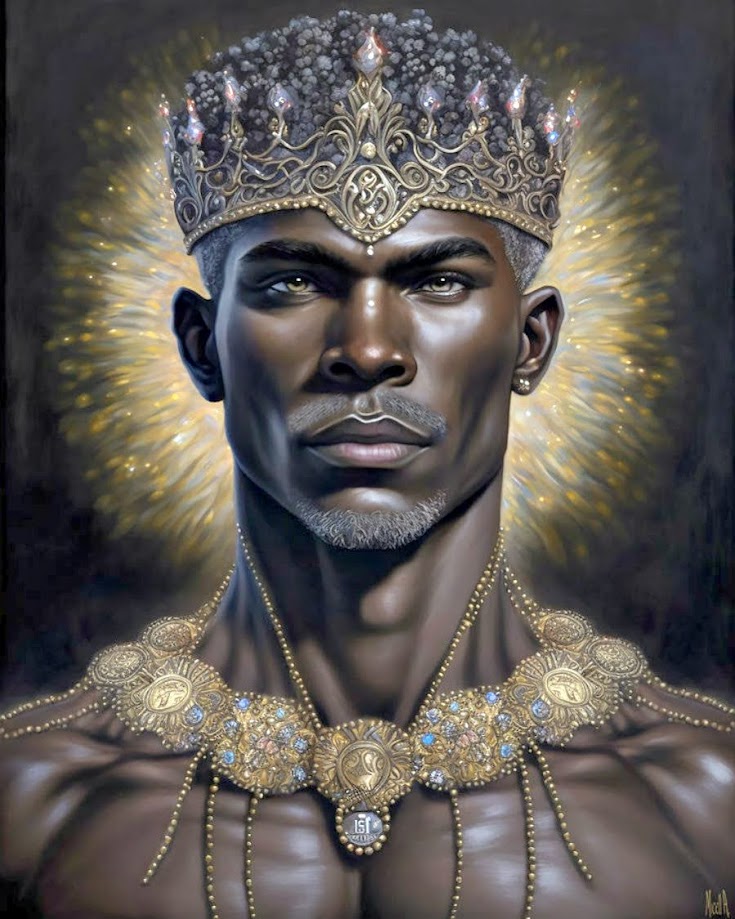
Nimrod is one of the most enigmatic figures in biblical history, mentioned briefly yet powerfully in the Book of Genesis. His story is veiled in mystery, layered with symbolism, and carries theological and historical weight. According to Genesis 10:8–10 (KJV), Nimrod was “a mighty one in the earth” and “a mighty hunter before the LORD.” These few words have inspired centuries of interpretation about who Nimrod was, what he represented, and how his legacy has shaped human civilization and rebellion against God.

The genealogy of Nimrod traces him to Cush, the son of Ham, who was one of Noah’s sons. Genesis 10:6 identifies Cush as Nimrod’s father, making Nimrod a great-grandson of Noah. This familial connection places him in the post-flood world—a time when humanity was beginning to rebuild, multiply, and spread across the earth. His lineage is significant because the descendants of Ham are often associated with the founding of great early civilizations, particularly in Mesopotamia and Africa.

Nimrod’s name itself carries deep meaning. Some scholars suggest it derives from the Hebrew root marad, meaning “to rebel.” Thus, Nimrod’s name can be interpreted as “The Rebel” or “We Shall Rebel.” This etymology aligns with his portrayal as a figure who defied divine authority and established his own rule. He is often regarded as the world’s first monarch, a man who sought dominion through power rather than through submission to God’s will.

The Bible records that the beginning of Nimrod’s kingdom was Babel, Erech, Accad, and Calneh in the land of Shinar (Genesis 10:10). These cities form the cradle of what would later become Babylon, one of the most infamous centers of idolatry and human pride. Nimrod is therefore credited with founding the first world empire—a symbol of human unity that turned into rebellion against the Creator. His rule marked the dawn of organized kingdoms and centralized power, which contrasted with God’s original design for human stewardship under divine authority.

Nimrod’s most notorious act is linked to the Tower of Babel, recounted in Genesis 11. Though his name is not explicitly mentioned in that passage, ancient Jewish and Christian traditions connect him to the building of the tower. Humanity, united under one language, sought to build a city and a tower “whose top may reach unto heaven” (Genesis 11:4, KJV). This act represented defiance—an attempt to achieve godlike status and independence from divine rule. Nimrod is thought to have been the mastermind or leader behind this movement, embodying the spirit of human pride and rebellion.

The fall of Nimrod’s empire came through divine intervention. God confounded the language of the people, scattering them across the earth and halting the construction of the tower. This act of confusion preserved divine order and prevented the complete corruption of humanity through unified arrogance. The fall of Babel is symbolic of the fall of all kingdoms that exalt themselves above God. In this way, Nimrod becomes a timeless archetype of human pride, representing the rise and fall of man-made empires that defy divine will.

Historically, Nimrod has been linked to several ancient rulers and deities. Some historians equate him with Sargon of Akkad, one of the earliest known empire builders. Others associate him with Gilgamesh, the legendary king of Uruk, or with the god Marduk, the chief deity of Babylon. These associations underscore his lasting influence in Mesopotamian mythology and demonstrate how his legend merged with the broader story of humanity’s attempt to rule apart from God.

In extra-biblical literature, particularly in the Book of Jasher and Josephus’s Antiquities of the Jews, Nimrod is portrayed as a tyrant who sought to rule over all men and turn them against God. Josephus writes that Nimrod “persuaded them not to ascribe [their strength] to God, as if it were through His means they were happy, but to believe that it was their own courage which procured that happiness” (Antiquities 1.4.2). This interpretation reinforces the notion that Nimrod was not merely a political leader but a spiritual rebel who introduced idolatry and the worship of self.

The spirit of Nimrod has been interpreted throughout history as symbolic of Babylonian influence—the tendency for societies to centralize power, glorify human achievement, and turn away from divine truth. Babylon itself became the prophetic symbol of rebellion and moral decay throughout Scripture. In Revelation, Babylon is portrayed as the mother of harlots and abominations, a continuation of the same defiant spirit that began with Nimrod’s empire (Revelation 17:5).

Nimrod’s fall was inevitable, as all who oppose divine authority must eventually submit to it. His story teaches that no matter how powerful human rulers or civilizations become, they cannot overthrow the sovereignty of God. The scattering at Babel serves as both judgment and mercy—it prevented humanity from destroying itself through total rebellion and preserved God’s plan for diversity among nations.

Theologically, Nimrod’s legacy can be understood as the first organized attempt to establish a kingdom independent of God’s governance. This rebellion echoes through time in every empire that exalts human glory over divine truth. From Babylon to Rome, from Egypt to modern systems of human pride, the “spirit of Nimrod” persists as a warning of what happens when humanity seeks to dethrone the Creator.

Nimrod’s family line also holds historical significance. As a descendant of Cush, he was part of the Hamitic lineage that gave rise to many ancient nations, including Ethiopia, Egypt, and parts of Canaan. The Cushite connection indicates that his empire may have extended influence into Africa as well as Mesopotamia, blending cultures and establishing the earliest forms of imperialism. His genetic and cultural legacy would thus contribute to the rise of civilizations known for their architectural and scientific achievements—but also for their spiritual corruption.

Archaeological evidence from ancient Mesopotamia reveals powerful city-states that align with the biblical description of Nimrod’s kingdom. The ziggurats, large step-pyramids used for worship, resemble the Tower of Babel in form and function. These structures were meant to connect heaven and earth, serving as symbols of human power and divine imitation. In this light, Nimrod’s influence extends beyond politics into religion—ushering in systems of false worship that mimicked but distorted divine order.

The prophetic implications of Nimrod’s story continue into modern theology. Many scholars see him as a prototype of the Antichrist—a ruler who exalts himself and unites humanity under rebellion against God. Just as Nimrod built Babel, the end-times leader will seek to establish a global system that opposes divine authority. The parallels are striking: centralized control, human pride, idolatry, and defiance of heaven.

Yet amid this darkness, the fall of Nimrod reminds believers that God’s purposes prevail. The dispersion at Babel set the stage for Abraham’s calling, through whom God would establish a covenant people. In this sense, Nimrod’s downfall opened the way for divine redemption and the unfolding of God’s plan for salvation. What man built in pride, God replaced with a promise rooted in faith.

Nimrod’s rise and fall also serve as a reflection of human psychology and leadership. He was charismatic, ambitious, and visionary—qualities often admired—but when severed from spiritual humility, such traits breed tyranny. His life warns against the dangers of unchecked power and the seduction of self-worship.

In later Jewish and Christian interpretation, Nimrod’s name became synonymous with rebellion and oppression. The “mighty hunter” became not just a hunter of animals but a hunter of men—subduing others through force. His strength, meant to serve creation, was instead used to dominate it.

Ultimately, the story of Nimrod stands as a microcosm of human history: the rise of ambition, the temptation of power, and the inevitable downfall of pride. It reminds us that all human kingdoms fade, but the kingdom of God endures forever.

In summary, Nimrod was more than a man—he was a symbol of humanity’s capacity for greatness and corruption. His rise marked the dawn of civilization, but his fall warned of the cost of rebellion. The biblical narrative closes on this truth: those who build without God build in vain.

References

Josephus, F. (1981). Antiquities of the Jews. (W. Whiston, Trans.). Hendrickson Publishers.
King James Bible. (1611). The Holy Bible. Oxford University Press.
Matthews, V. H. (2004). The Cultural World of the Bible: An Illustrated Guide to Manners and Customs. Hendrickson Publishers.
Sarna, N. M. (1989). Genesis: The Traditional Hebrew Text with the New JPS Translation. Jewish Publication Society.
Wenham, G. J. (1987). Genesis 1–15. Word Biblical Commentary. Word Books.
Tigay, J. H. (1982). The Evolution of the Gilgamesh Epic. University of Pennsylvania Press.
Heiser, M. S. (2015). The Unseen Realm: Recovering the Supernatural Worldview of the Bible. Lexham Press.

The Bible Series: The Temple of the Holy Spirit

The Temple of the Holy Spirit

(1 Corinthians 6:19–20 KJV)

“What? know ye not that your body is the temple of the Holy Ghost which is in you, which ye have of God, and ye are not your own?”

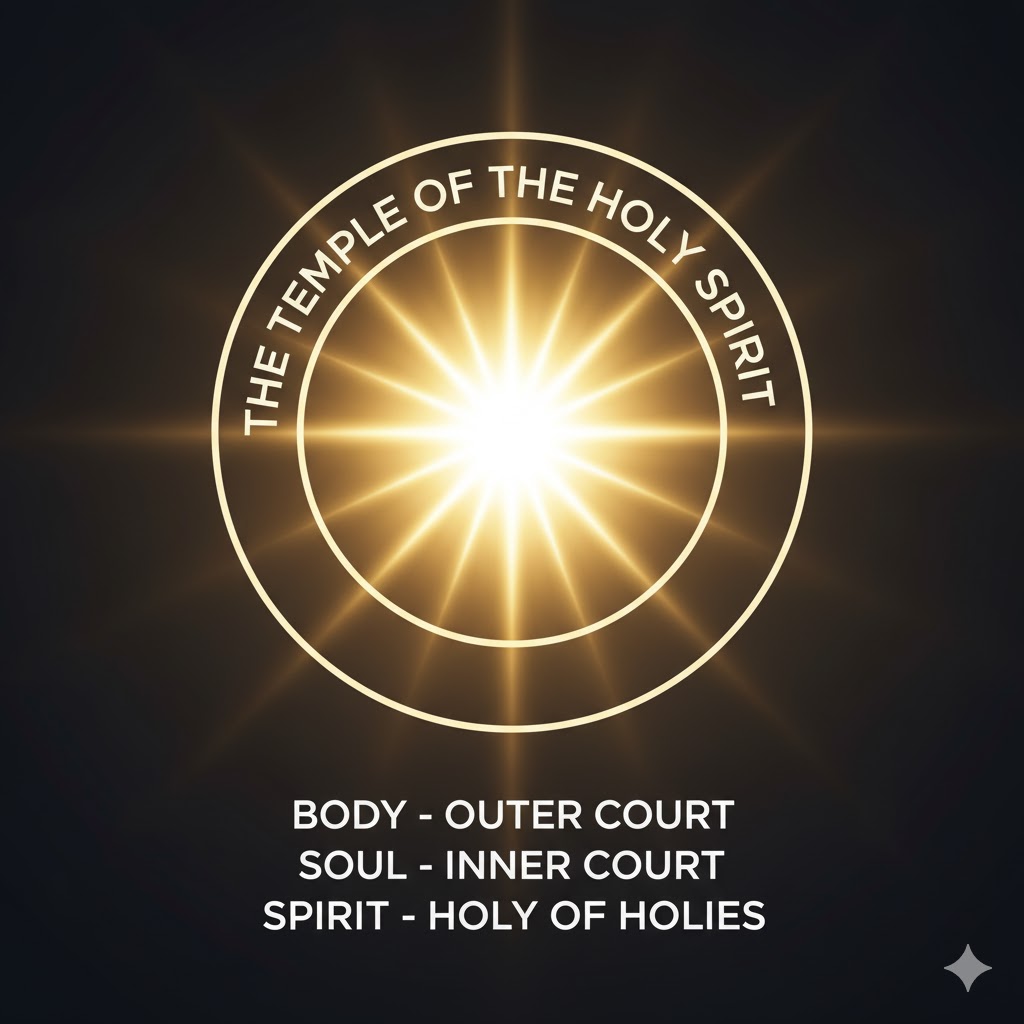
The human being is a sacred temple composed of three divine courtsthe body (outer court), the soul (inner court), and the spirit (Holy of Holies). Each has spiritual “gates” that must be guarded, purified, and dedicated to God.


🕊 Holy Spirit Gates (The Holy of Holies)

The dwelling place of the presence of God; where communion, revelation, and transformation occur.

  1. Truth Gate – The Spirit of truth guides believers into all understanding.
    • John 16:13: “When he, the Spirit of truth, is come, he will guide you into all truth.”
    • This gate opens discernment and alignment with God’s Word, rejecting deception.
  2. Revelation Gate – Unlocks divine mysteries and heavenly insight.
    • Ephesians 1:17: “That the God of our Lord Jesus Christ… may give unto you the spirit of wisdom and revelation in the knowledge of him.”
    • When open, this gate allows divine secrets to be revealed to the heart.
  3. Intuition Gate – The inner knowing that transcends logic.
    • 1 John 2:27: “Ye need not that any man teach you… the same anointing teacheth you of all things.”
    • The Spirit communicates through an inner sense or divine impression.
  4. Prayer Gate – Connects heaven and earth through constant communion.
    • 1 Thessalonians 5:17: “Pray without ceasing.”
    • This gate fuels spiritual life, keeping the fire of the altar burning within.
  5. Reverence Gate – Produces humility and awe before God’s holiness.
    • Psalm 111:10: “The fear of the LORD is the beginning of wisdom.”
    • Reverence guards against pride, keeping the temple pure and submissive.
  6. Faith Gate – The doorway to the supernatural.
    • Hebrews 11:6: “Without faith it is impossible to please him.”
    • Faith activates miracles and allows the believer to walk in divine authority.
  7. Hope Gate – Sustains endurance through trials.
    • Romans 15:13: “Now the God of hope fill you with all joy and peace in believing.”
    • Hope keeps the spirit alive and focused on God’s promises.
  8. Worship Gate – The highest expression of divine intimacy.
    • John 4:24: “God is a Spirit: and they that worship him must worship him in spirit and in truth.”
    • Worship sanctifies the atmosphere of the spirit, aligning the believer with heaven.
  9. Fear of God Gate – Protects from sin and awakens holiness.
    • Proverbs 14:27: “The fear of the LORD is a fountain of life, to depart from the snares of death.”
    • This gate anchors reverence, obedience, and purity in the believer’s spirit.

💠 Soul Gates (The Inner Court)

The seat of the mind, will, and emotions—where choices are made and spiritual warfare often occurs.

  1. Conscience Gate – The moral compass of the soul.
    • Romans 9:1: “My conscience also bearing me witness in the Holy Ghost.”
    • When pure, it warns against sin; when seared, it allows moral confusion.
  2. Reason Gate – The faculty of understanding and interpretation.
    • Proverbs 3:5–6: “Trust in the LORD… and lean not unto thine own understanding.”
    • This gate must be submitted to divine wisdom rather than worldly logic.
  3. Imagination Gate – The creative and visionary center of the soul.
    • Genesis 6:5: “Every imagination of the thoughts of his heart was only evil continually.”
    • When sanctified, imagination allows believers to visualize God’s glory and promises.
  4. Mind Gate – Governs thoughts, memory, and meditation.
    • Romans 12:2: “Be ye transformed by the renewing of your mind.”
    • A renewed mind brings the soul into harmony with the will of God.
  5. Will Gate – The power of choice and surrender.
    • Deuteronomy 30:19: “Choose life, that both thou and thy seed may live.”
    • This gate determines whether one obeys God or yields to the flesh.
  6. Emotions Gate – The realm of feelings and affections.
    • Proverbs 4:23: “Keep thy heart with all diligence; for out of it are the issues of life.”
    • Emotions must be ruled by the Spirit, not by circumstance.
  7. Choices Gate – Where decisions shape destiny.
    • Joshua 24:15: “Choose you this day whom ye will serve.”
    • Every choice opens or closes access to spiritual blessings.
  8. Will (as Dominion Gate) – Represents alignment of human will with divine purpose.
    • Luke 22:42: “Not my will, but thine, be done.”
    • This final gate in the soul ensures complete surrender to God’s plan.

🕯 Body Gates (The Outer Court)

The physical realm that interacts with the world—where obedience, discipline, and holiness must govern.

  1. Flesh Gate – Represents the fallen nature that seeks its own desires.
    • Galatians 5:17: “The flesh lusteth against the Spirit.”
    • The believer must crucify the flesh daily to keep the temple pure.
  2. Touch Gate – The sense of contact and intimacy.
    • 2 Corinthians 6:17: “Touch not the unclean thing; and I will receive you.”
    • This gate calls for purity and discernment in physical and spiritual connections.
  3. Taste Gate – Governs appetite, both physical and spiritual.
    • Psalm 34:8: “O taste and see that the LORD is good.”
    • Discipline in what one consumes symbolizes satisfaction in God, not excess.
  4. Smell Gate – Symbolic of spiritual discernment and worship.
    • Ephesians 5:2: “A sweet smelling savour.”
    • The anointing oil and incense of worship in the Old Testament mirror this gate’s holiness.
  5. Sight Gate – Controls vision and perception.
    • Job 31:1: “I made a covenant with mine eyes.”
    • What one watches or observes either sanctifies or corrupts the heart.
  6. Hearing Gate – Governs what influences faith and belief.
    • Romans 10:17: “Faith cometh by hearing, and hearing by the word of God.”
    • The ears determine what teachings, music, or words shape the soul.

When the Holy Spirit Gates are active, the believer walks in revelation and divine connection.
When the Soul Gates are renewed, the believer’s emotions, mind, and will align with truth.
When the Body Gates are disciplined, the believer’s actions reflect holiness.

Together, these gates form the Temple of the Holy Spirit—a living, breathing sanctuary through which God manifests His glory.

1 Thessalonians 5:23 (KJV): “And the very God of peace sanctify you wholly; and I pray God your whole spirit and soul and body be preserved blameless unto the coming of our Lord Jesus Christ.”

The human being is a divine masterpiece crafted in the image of God, designed to be a dwelling place for His presence. According to 1 Corinthians 6:19 (KJV), “What? know ye not that your body is the temple of the Holy Ghost which is in you, which ye have of God, and ye are not your own?” This scripture establishes a sacred truth: the human body, soul, and spirit are not merely biological or emotional structures, but holy vessels that mirror the very order of God’s tabernacle.

In the Old Testament, the temple of God had three parts: the outer court, the inner court, and the Holy of Holies. Each part symbolically represents a dimension of our being—the body, the soul, and the spirit. The outer court corresponds to the body, the inner court to the soul, and the Holy of Holies to the spirit. This divine structure reveals that true worship begins within, from the spirit, moving outward to influence the soul and body.

The body is the outer court, the physical representation of the inner life. It interacts with the world through five gates—touch, taste, smell, sight, and hearing. These gates determine what enters and exits, affecting the purity of the temple. 1 Corinthians 9:27 (KJV) says, “But I keep under my body, and bring it into subjection,” reminding believers that the flesh must be disciplined so it does not corrupt what is sacred.

The gate of sight determines vision—what one allows the eyes to behold. Job made a covenant with his eyes (Job 31:1), understanding that the eyes can either glorify God or lead one into temptation. Similarly, the gate of hearing must be guarded, for “faith cometh by hearing” (Romans 10:17), and what we listen to shapes belief and action.

The gate of taste influences appetite and desire. Proverbs 23:2 warns against overindulgence, teaching self-control in what one consumes. The touch gate represents intimacy and connection, reminding believers to “touch not the unclean thing” (2 Corinthians 6:17). Finally, the gate of smell connects to discernment—sensing what is holy versus profane, for in Exodus 30, God gave Moses instructions for the holy anointing oil, a sweet fragrance representing divine worship.

Beyond the body lies the soul, the inner court of human existence. The soul is where thoughts, emotions, and decisions are born. It is the seat of the mind, will, and emotions—the realm where spiritual battles occur. In Luke 21:19, Christ declares, “In your patience possess ye your souls.” This means the believer must govern the soul with divine wisdom and endurance.

The mind gate processes reasoning, imagination, and memory. Romans 12:2 instructs, “Be ye transformed by the renewing of your mind,” because the mind must be renewed daily through Scripture and prayer. The imagination gate, when sanctified, allows believers to envision God’s promises; but when corrupted, it becomes a tool of deception (Genesis 6:5).

The will gate represents choice—the power to obey or disobey. Deuteronomy 30:19 declares, “I have set before you life and death… therefore choose life.” The will determines which voice—God’s or the flesh’s—governs the temple. The emotion gate is deeply tied to worship, for God desires hearts that love Him sincerely. Proverbs 4:23 (KJV) says, “Keep thy heart with all diligence; for out of it are the issues of life.”

The conscience acts as a moral compass, bearing witness with the Spirit to what is right or wrong (Romans 9:1). When the conscience is purified by the blood of Christ, the soul becomes a place of peace and discernment. But if defiled, it leads to confusion and spiritual blindness (Titus 1:15).

The reason gate is where understanding is formed. Proverbs 3:5-6 (KJV) teaches, “Trust in the LORD with all thine heart; and lean not unto thine own understanding.” Reason must be submitted to revelation; for human wisdom alone cannot grasp divine truth.

The deepest part of the human temple is the spirit, the Holy of Holies. Here, communion with God occurs through the indwelling of the Holy Spirit. The spirit has its own gates—faith, reverence, prayer, revelation, intuition, worship, and the fear of God—each essential for divine connection.

The faith gate activates the believer’s trust in God. Hebrews 11:6 declares, “Without faith it is impossible to please Him.” The prayer gate keeps communication open between heaven and earth (1 Thessalonians 5:17). Prayer maintains the fire of the altar within the Holy of Holies, where God’s glory abides.

The revelation gate opens divine mysteries to those who seek truth. Ephesians 1:17 speaks of “the spirit of wisdom and revelation in the knowledge of Him.” The intuition gate allows one to perceive spiritual truths without human logic; it is the inner knowing that comes from the Spirit of God (1 John 2:27).

The reverence gate reflects holy respect and submission before the Lord. Psalm 111:10 declares, “The fear of the LORD is the beginning of wisdom.” Reverence keeps the spirit humble and the heart tender toward God.

The worship gate is the ultimate purpose of the temple—to glorify the Creator. John 4:24 reminds, “God is a Spirit: and they that worship him must worship him in spirit and in truth.” Worship purifies the temple and aligns every gate with heaven’s harmony.

Finally, the fear of God gate establishes holiness. Proverbs 14:27 declares, “The fear of the LORD is a fountain of life.” When this gate is open, sin cannot dominate, and the believer becomes a living sanctuary of divine power.

Thus, the temple of the Holy Spirit is a complete structure—body, soul, and spirit working together in divine order. When every gate is consecrated, the believer lives in alignment with heaven, walking as a vessel of light in a dark world.

The restoration of this temple begins with repentance and ends with transformation. Romans 8:11 declares that the Spirit that raised Jesus from the dead will quicken our mortal bodies. This quickening power renews the entire being, sanctifying each court and gate for God’s use.

Ultimately, the believer’s goal is not mere moral purity, but divine habitation. When the body, soul, and spirit operate in harmony under the authority of the Holy Spirit, heaven finds expression on earth. As Paul writes in 1 Thessalonians 5:23, “And the very God of peace sanctify you wholly; and I pray God your whole spirit and soul and body be preserved blameless unto the coming of our Lord Jesus Christ.”

References
1 Corinthians 6:19–20; Romans 12:1–2; Proverbs 4:23; 1 Thessalonians 5:23; John 4:24; Hebrews 11:6; Deuteronomy 30:19; Psalm 111:10; Ephesians 1:17; Romans 8:11 (KJV).

The Bible Series: Led by His Spirit

Photo by Oladimeji Ajegbile on Pexels.com

Key Scripture: Romans 8:14 – “For as many as are led by the Spirit of God, they are the sons of God.”

Introduction

Walking with Christ is not just about following rules or attending church; it’s about being led by the Holy Spirit. When the Spirit guides you, your life aligns with God’s will, your decisions are sanctified, and your heart reflects His love.


1. Understanding Spirit-Led Living

Being led by the Spirit means surrendering personal control and letting God guide your steps. It requires listening, discernment, and obedience.

  • Galatians 5:16 – “Walk in the Spirit, and ye shall not fulfil the lust of the flesh.”

2. The Evidence of Spirit-Led Life

A Spirit-led life produces fruit in character, decisions, and relationships.

  • Galatians 5:22-23 – “But the fruit of the Spirit is love, joy, peace, longsuffering, gentleness, goodness, faith, meekness, temperance.”

3. Daily Surrender

Spirit-led living requires daily submission: letting go of pride, self-will, and worldly desires. Prayer, meditation, and scripture study are key.

  • Proverbs 3:5-6 – “Trust in the LORD with all thine heart; and lean not unto thine own understanding. In all thy ways acknowledge him, and he shall direct thy paths.”

4. Discernment Through the Spirit

The Holy Spirit guides you in making godly decisions, discerning truth, and avoiding deception.

  • John 16:13 – “Howbeit when he, the Spirit of truth, is come, he will guide you into all truth…”

5. Spirit-Led Relationships

Being led by the Spirit transforms how you interact with others. Love, patience, forgiveness, and humility flow naturally.


6. Overcoming Challenges

Even in trials, the Spirit empowers you to persevere, resist temptation, and remain faithful.

  • Romans 8:26-27 – The Spirit helps us in our weaknesses, interceding when we cannot pray.

7. Living as a Child of God

Romans 8:14 reminds us that those who are led by the Spirit are God’s children. This identity brings peace, confidence, and purpose.


Conclusion

To be led by His Spirit is to walk daily in God’s guidance, let His truth shape your thoughts, and allow His love to flow through your actions. It is the ultimate expression of sonship and an intimate relationship with the Father.

The Bible Series: Adam & Eve

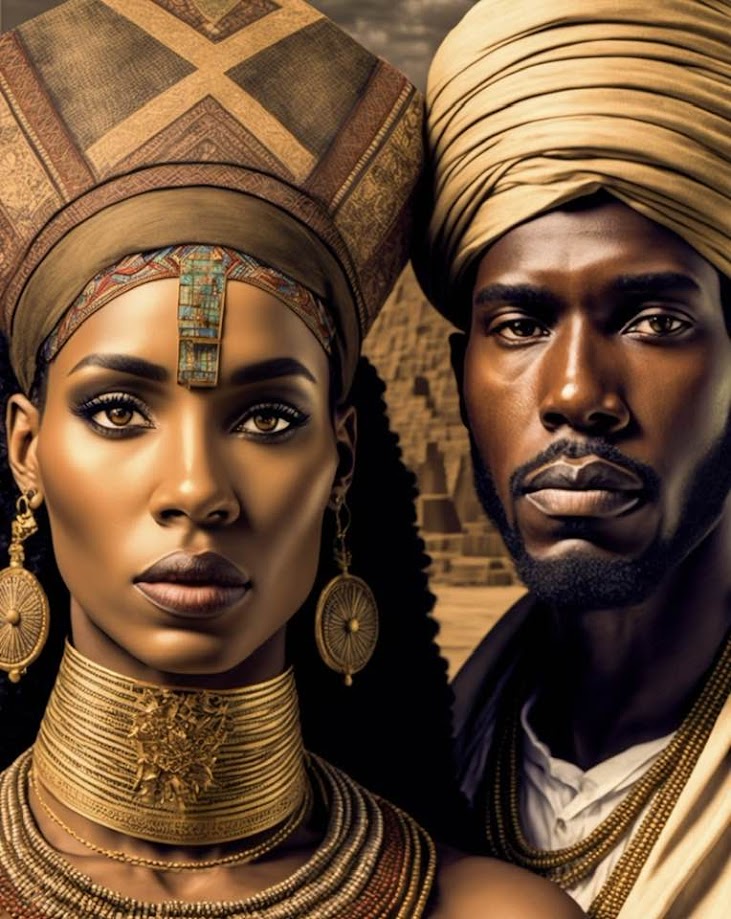
In the beginning, the Most High created the heavens and the earth, forming man from the dust and breathing into him the breath of life. Adam was created in the image of God, molded from the rich soil of the earth (Genesis 2:7, KJV). The Hebrew word for “Adam” means ruddy or of the ground, symbolizing the deep brown hue of the fertile soil. This suggests that Adam and Eve were people of color, their skin reflecting the richness of the earth from which they were formed. Their beauty was natural and divine, representing the perfection of humanity before sin entered the world.

Eve, the first woman, was taken from Adam’s rib—a profound act showing unity, love, and equality. She was not made from his head to rule over him, nor from his feet to be trampled by him, but from his side to walk with him (Genesis 2:21–22, KJV). Together, they embodied harmony, holiness, and purity in the Garden of Eden, a place untouched by corruption. The Most High gave them dominion over creation and one simple command—to abstain from eating from the Tree of the Knowledge of Good and Evil (Genesis 2:16–17, KJV).

The serpent, more subtle than any beast of the field, entered the garden with deception in his heart. This serpent, influenced by Satan, twisted the Most High’s words, planting doubt and rebellion in Eve’s mind. He said, “Ye shall not surely die: For God doth know that in the day ye eat thereof, then your eyes shall be opened” (Genesis 3:4–5, KJV). This manipulation was the seed of sin—the desire to know more than what God allowed, the craving for power and independence from divine authority.

Eve, captivated by what she saw, took the fruit and ate it, then gave it to Adam. The sin was not merely eating forbidden fruit but disobedience—the rejection of divine wisdom for self-gratification. Their eyes were opened, but instead of enlightenment, they found shame. They realized their nakedness and tried to cover themselves with fig leaves, symbolizing the birth of human guilt and fear.

Sin entered the world that day, not through the act itself, but through the spirit of rebellion against the Most High. Humanity was no longer innocent. What was once pure became tainted by pride, lust, and self-will. Their decision shifted the course of history, separating humanity from God and introducing death, pain, and corruption into the world.

The trees in the garden carried deep symbolism. In ancient Hebraic understanding, trees often represented elders or sources of knowledge. To eat from a tree was to partake in wisdom or counsel. Adam and Eve’s choice to eat from the forbidden tree meant seeking counsel apart from the Most High. They exchanged divine guidance for worldly wisdom—a mistake humanity continues to repeat.

The serpent’s deception exposed his true nature as the accuser and destroyer. His goal was to corrupt the image of God within man by appealing to desire and pride. He presented sin as enlightenment and rebellion as freedom. But true freedom comes only through obedience to the Creator, not rebellion against Him.

Adam and Eve’s fall did not only affect them but all of creation. Romans 5:12 (KJV) explains, “Wherefore, as by one man sin entered into the world, and death by sin; and so death passed upon all men.” This marked the beginning of a fallen world where toil, sorrow, and mortality replaced peace and eternal life.

Before the fall, Adam and Eve enjoyed direct fellowship with the Most High. Afterward, they hid among the trees, afraid to face Him. This separation reflected the spiritual death that accompanied their physical existence. Humanity’s bond with God was broken, requiring redemption that would only be fulfilled through Yahusha HaMashiach (Jesus Christ).

Even in judgment, the Most High showed mercy. He clothed them with coats of skins (Genesis 3:21, KJV), foreshadowing the sacrificial system and the ultimate covering through the Messiah’s blood. Though they were cast out of Eden, His love and plan for restoration never ceased.

The color of Adam and Eve, formed from the dust, connects deeply to Africa—the cradle of civilization. The fertile brown and red soils of the East are a reflection of the divine artistry that shaped the first humans. Science and scripture align in this, confirming that humanity’s origins are rooted in a melanated people from the rich lands of the East.

The sin of Adam and Eve also represents the human struggle between spirit and flesh. Their story is not simply about fruit but about the nature of temptation—how desire can cloud obedience, and how curiosity can lead to destruction. The devil still whispers the same lie today: that fulfillment can be found apart from the Most High.

Eve’s vulnerability was not weakness; it was human emotion exploited by deception. Adam’s failure was not ignorance; it was willful disobedience. Together, they symbolize the dual nature of humanity—the intellect and the emotion—both capable of leading astray without divine order.

The Most High’s question, “Where art thou?” (Genesis 3:9, KJV), was not one of location but relationship. Humanity had drifted from its Creator. That question still echoes through time, calling each generation back to repentance and restoration.

From their disobedience came pain in childbirth, toil in labor, and conflict between good and evil. Yet from their lineage came redemption. Eve was called the mother of all living, and through her seed came the promise of salvation. The Most High declared that the seed of the woman would bruise the serpent’s head (Genesis 3:15, KJV), a prophecy fulfilled in Yahusha’s victory over sin and death.

The devil’s act in Eden was the beginning of his war against mankind, but the Most High’s love has always been greater than the serpent’s lies. Though humanity fell, grace arose. The story of Adam and Eve is a mirror to our own lives—every choice we make is a step toward obedience or rebellion.

Their sin introduced death, but it also introduced grace. Through their fall, the Most High revealed His mercy, teaching that even when we fail, He provides a way back. The curse became a path to redemption, and the garden became a memory of what will one day be restored.

Adam and Eve’s story teaches that sin always promises elevation but delivers shame. The devil’s lies have not changed—they simply wear modern faces. But the same God who clothed Adam and Eve still covers us today with His righteousness.

In the end, Adam and Eve’s journey is humanity’s story: created in divine image, tested by temptation, fallen by choice, yet redeemed by grace. The Most High looked beyond their sin and saw their potential for repentance. Through their story, we learn that though sin changed humanity, God’s love never changed. He still calls us to return, to walk in righteousness, and to live by the Spirit rather than the flesh. For in Him alone is true life restored.

The Bible Series: “”Ruth and Boaz”” : A Covenant Love That Endures.

This artwork is the property of its respective owner. No copyright infringement intended.

“Two souls divinely woven in time,
One from sorrow, one steadfast and kind.
She gleaned in the fields with faith as her guide,
He opened his heart, with honor as pride.
Their love was not sudden, but rooted in grace,
A story eternal no culture can replace.
Ruth and Boaz, a union so pure,
A testament of love that forever endures.”

The love story of Ruth and Boaz is among the most beautiful narratives of covenant faith, devotion, and divine providence in the Bible. Ruth was a Moabite woman, widowed after her marriage to Mahlon, the son of Elimelech and Naomi (Ruth 1:2-5, KJV). After her husband’s death, Ruth chose to remain faithful to Naomi, declaring, “whither thou goest, I will go; and where thou lodgest, I will lodge: thy people shall be my people, and thy God my God” (Ruth 1:16, KJV). Boaz, on the other hand, was a wealthy landowner of Bethlehem, a kinsman of Elimelech, known for his honor, kindness, and godly character.

From the beginning of the account, Ruth’s loyalty sets her apart. Though she could have returned to her own family and gods, she committed herself to Naomi and to the God of Israel. This choice was more than a gesture of affection—it was a declaration of faith and identity. In leaving Moab, she symbolically left behind idolatry and embraced the covenant people of God. This shows how love and faith intertwine; Ruth’s devotion was not just emotional, but deeply spiritual.

When Ruth and Naomi returned to Bethlehem during barley harvest, Ruth went to glean in the fields, an act permitted by Mosaic law for the poor and strangers (Leviticus 19:9-10, KJV). Providence guided her steps to the field of Boaz, where she would not only find provision, but also destiny. Boaz immediately noticed her diligence, humility, and grace, even before knowing her full story. His first words to her were words of protection and kindness, instructing her to remain in his fields and assuring her safety (Ruth 2:8-9, KJV).

Boaz’s actions reflected a man of noble character. He was a protector, provider, and a man sensitive to God’s law. Unlike many who could have ignored Ruth’s plight as a poor foreigner, Boaz went beyond obligation and showed compassion. He even commanded his reapers to leave extra grain for her (Ruth 2:15-16, KJV). His treatment of Ruth demonstrates that true love is not predatory or self-seeking, but nurturing, honorable, and rooted in respect.

Ruth, in turn, demonstrated her humility and gratitude. She asked Boaz why he would show her such kindness as a stranger, to which he responded that he had heard of her loyalty to Naomi and her faithfulness after her husband’s death (Ruth 2:11-12, KJV). This exchange highlights how character and reputation play a role in forming godly unions. Ruth’s heart and actions preceded her, and Boaz valued her inner beauty as much as her outward grace.

Naomi, recognizing the favor Ruth had found, instructed her in the custom of the kinsman-redeemer (Leviticus 25:25, KJV). A close relative of a deceased man could redeem the widow, securing lineage and inheritance. Naomi guided Ruth to approach Boaz at the threshing floor, a symbolic and delicate act of trust. Ruth obeyed, laying herself at Boaz’s feet, a gesture of humility and request for covering (Ruth 3:7-9, KJV). Her request was not one of seduction, but of covenant—seeking the shelter of his role as redeemer.

Boaz, again proving his integrity, did not take advantage of her vulnerability. Instead, he blessed her for her kindness and noble character. He promised to fulfill his duty, yet also acknowledged there was a nearer kinsman who had first right (Ruth 3:12-13, KJV). This shows his righteousness in following the law of God rather than rushing into desire. Even in love, he placed honor and God’s order above personal inclination.

The next day, Boaz presented the matter before the elders at the gate. The nearer kinsman declined, unwilling to jeopardize his own inheritance, thereby leaving the right to Boaz. In the presence of witnesses, Boaz formally redeemed Ruth, securing her as his wife and perpetuating the name of her late husband (Ruth 4:9-10, KJV). This moment marked the union of love, law, and legacy.

Their marriage was blessed not only by the community but by God. Ruth bore Obed, who became the father of Jesse, and the grandfather of King David (Ruth 4:17, KJV). This makes Ruth a part of the direct lineage of Christ, underscoring the divine significance of her love story. A Moabite widow, once an outsider, became central in God’s redemptive plan.

The love story of Ruth and Boaz teaches many timeless lessons. First, it shows the beauty of faithfulness and loyalty, as Ruth’s devotion positioned her for blessings beyond imagination. Second, it highlights the importance of character, as Boaz’s integrity and compassion made him a man worthy of trust. Third, it demonstrates that true love is grounded in covenant, not just emotion—it is about responsibility, faith, and legacy.

For modern relationships, Ruth and Boaz serve as the ultimate example. They remind us that love should be God-centered, respectful, and marked by patience. Boaz did not rush the process, and Ruth did not manipulate the outcome. Instead, both walked in faith, and God orchestrated their union at the right time. Their story assures us that when love is aligned with God’s will, it leads not just to romance, but to generational blessings.

The poetic beauty of Ruth and Boaz is that their love was never just about themselves. It was about God’s larger plan of redemption. What began as sorrow and loss for Ruth became the pathway to hope and restoration. Her story teaches that God can turn grief into joy, emptiness into fullness, and ordinary faithfulness into extraordinary legacy.

Ruth and Boaz’s story also elevates the dignity of women. Ruth was not seen as a mere possession or burden, but as a woman of virtue. Boaz acknowledged her worth and honored her as such. This narrative challenges cultures that devalue women and instead celebrates the woman of strength and loyalty as precious in God’s sight.

The legacy of their love continues to inspire because it was rooted not in superficial attraction but in covenant. Unlike many modern relationships that emphasize fleeting passion, their union stood on respect, faith, and divine timing. Theirs is not only a love story—it is a God story.

In the end, Ruth and Boaz show us what happens when faith and love meet in obedience. It is a reminder that love, when consecrated by God, becomes more than personal satisfaction—it becomes part of divine history. Their union produced not only joy for themselves but hope for the world, culminating in the birth of Christ centuries later.

As the book of Ruth concludes, the once-bitter Naomi rejoiced, the widowed Ruth was restored, and the honorable Boaz was blessed. Their story reminds us of the words of 1 Corinthians 13:13 (KJV): “And now abideth faith, hope, charity, these three; but the greatest of these is charity.” Their love was charity in action—faithful, enduring, and eternal.


📖 KJV Bible References

  • Ruth 1:2-5, 16
  • Ruth 2:8-12, 15-16
  • Ruth 3:7-13
  • Ruth 4:9-10, 17
  • Leviticus 19:9-10
  • Leviticus 25:25
  • 1 Corinthians 13:13

The Bible Series: The Queen of Sheba

The Queen of Sheba is one of the most fascinating figures in biblical history, embodying wisdom, wealth, and diplomacy. She is renowned for her visit to King Solomon, a journey that has captivated scholars, theologians, and historians for centuries. While the Bible provides limited information about her personal background, her story has had a lasting impact on biblical narrative, African and Arabian history, and cultural lore.

Her exact lineage is not explicitly detailed in Scripture, but she is traditionally associated with the kingdom of Sheba, believed by most scholars to have been located in the region that is now modern-day Yemen and parts of Ethiopia (1 Kings 10:1; 2 Chronicles 9:1, KJV). The kingdom of Sheba was noted for its wealth, trade networks, and prosperity, making the Queen a figure of considerable influence and authority. Some traditions suggest she was of noble or royal descent, entrusted with the governance and diplomatic affairs of her people.

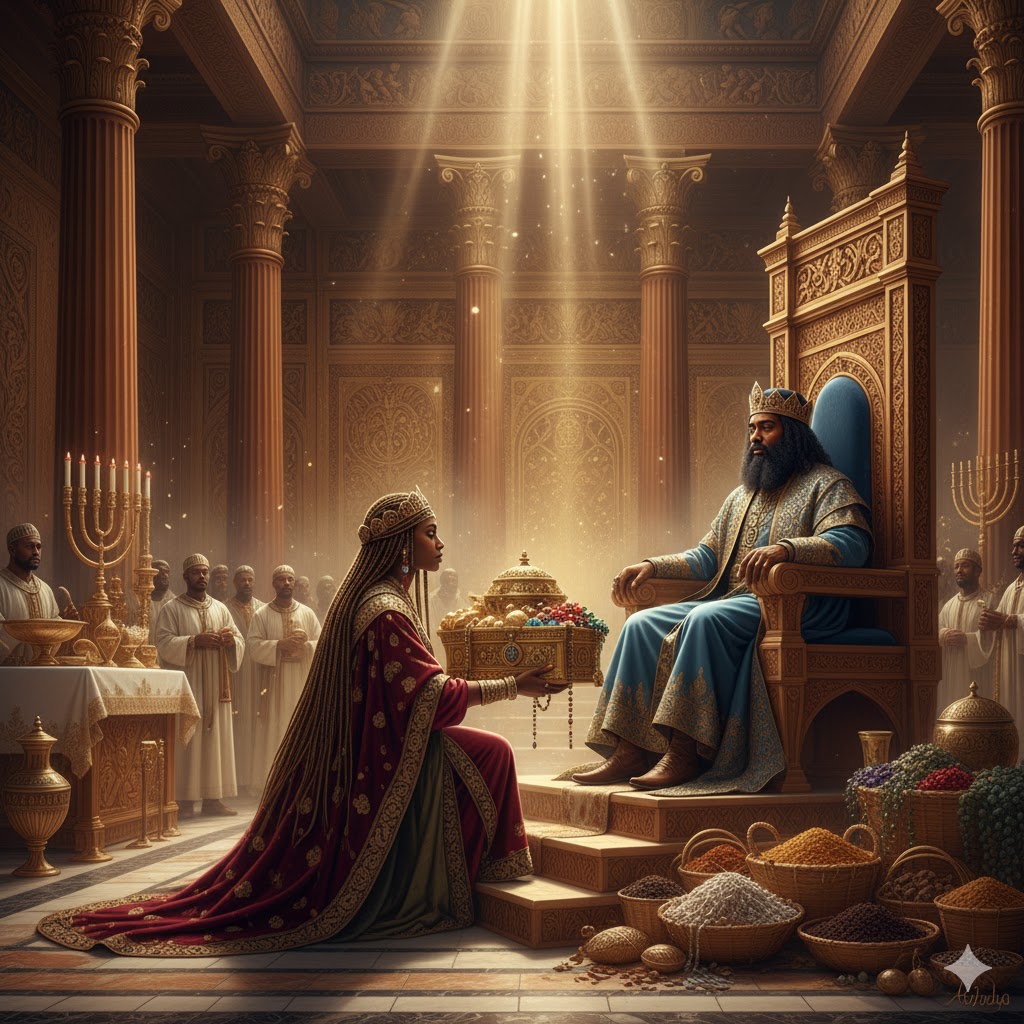
The Queen of Sheba is most famously known for her journey to Jerusalem to meet King Solomon. According to 1 Kings 10:1–2 (KJV), she came “to prove him with hard questions,” bringing with her spices, gold, and precious stones. Her visit demonstrates her curiosity, intelligence, and political acumen. She sought to test Solomon’s renowned wisdom, which God had granted him in abundance, and her arrival reflects the diplomatic interactions between kingdoms during this era.

Her impact on King Solomon and the biblical narrative was profound. Solomon’s wisdom impressed her greatly, and she praised the God of Israel, acknowledging the divine source of his understanding. 1 Kings 10:3–4 (KJV) records that she spoke of “all that was in thine heart; nothing was too hard for thee,” highlighting the mutual respect and admiration between the two rulers. Her recognition of Solomon’s God underscores her spiritual insight and capacity for acknowledging divine authority.

The Queen’s gifts to Solomon were equally significant. Gold, spices, and precious stones symbolized the wealth of her kingdom and the esteem in which she held Solomon. In turn, Solomon gave her “all her desire, whatsoever she asked” (1 Kings 10:13, KJV). This exchange illustrates the ancient practice of gift-giving as a means of diplomacy, alliance-building, and recognition of wisdom and power.

Her story reflects the significance of female leadership in the ancient world. The Queen of Sheba demonstrates that women held power, influence, and diplomatic authority even in male-dominated societies. Her ability to negotiate, question, and engage with the wisest king of Israel illustrates that wisdom and leadership are not confined by gender.

From a biblical perspective, her recognition of Solomon’s God and her worshipful response (1 Kings 10:5, KJV) highlight a spiritual dimension of her character. She was open to truth and divine wisdom, demonstrating humility despite her own wealth and power. This interaction emphasizes that spiritual discernment often transcends nationality, culture, and personal status.

Her visit also had economic and cultural implications. The trade of gold, spices, and rare commodities between Sheba and Israel strengthened regional alliances and established patterns of wealth exchange in the ancient Near East. These exchanges contributed to the prosperity of Solomon’s reign and the international renown of Israel as a center of wisdom and trade.

In Scripture, the Queen of Sheba serves as a symbol of inquisitiveness, courage, and reverence for divine wisdom. Her willingness to travel great distances, to test knowledge, and to offer gifts reflects a proactive and discerning spirit, illustrating how nations could engage with Israel respectfully and meaningfully.

1 Kings 10:6–7 (KJV) describes her astonishment at Solomon’s palace, his table, and the wealth of Israel. Her visit therefore highlights not only spiritual and intellectual admiration but also a recognition of material abundance and strategic governance. Shebeans and Israelites alike could witness the blessings of God manifesting in tangible prosperity.

The Queen of Sheba’s narrative also underscores the universal reach of God’s wisdom. Her recognition of the Lord’s power and Solomon’s God-given wisdom signals that divine truth transcends boundaries. She exemplifies how individuals outside of Israel could encounter God’s glory and acknowledge His sovereignty.

Her story inspired later biblical and historical interpretations. Jewish, Christian, and Islamic traditions expand upon her narrative, portraying her as a wise and discerning monarch whose life was intertwined with divine providence. While extra-biblical sources offer embellishments, the biblical account remains concise, focusing on wisdom, gifts, and worship as hallmarks of her visit.

2 Chronicles 9:1–12 (KJV) parallels the account in 1 Kings 10, affirming the Queen’s journey, her questions, and the treasures exchanged. This repetition in Scripture emphasizes the significance of her visit, reinforcing her role as a notable historical and spiritual figure in Israel’s story.

The Queen of Sheba is also a figure of inspiration in African and Arabian cultural history. Her legacy transcends Scripture, influencing art, literature, and folklore. Her visit to Solomon symbolizes intercultural dialogue, the pursuit of wisdom, and the bridging of nations through mutual respect and recognition of divine guidance.

Biblical scholars often note that her engagement with Solomon exemplifies the virtue of humility in the pursuit of wisdom. Despite her own prominence and resources, she approached Solomon as a seeker, acknowledging that human understanding is enriched by divine insight.

Her impact on Solomon’s reign cannot be understated. The encounter reaffirmed Israel’s international stature and showcased the appeal of Godly wisdom to foreign nations. She validated the importance of Israel’s covenant relationship with God, offering a tangible example of how divine favor attracts recognition from afar.

Finally, the Queen of Sheba reminds us of the integration of wealth, power, and spiritual discernment. Her story teaches that material prosperity is best guided by wisdom, reverence, and humility. She remains a timeless model for leadership, diplomacy, and the recognition of God’s hand in human affairs.

In conclusion, the Queen of Sheba is a remarkable biblical figure whose influence resonates in history, culture, and faith. Her lineage, wisdom, and diplomatic engagement with Solomon reveal a woman of insight, courage, and reverence. She embodies the beauty of intellect, leadership, and spiritual discernment, leaving a legacy that continues to inspire scholars, theologians, and believers across generations.


KJV Bible References

  • 1 Kings 10:1–13, KJV
  • 2 Chronicles 9:1–12, KJV
  • Genesis 12:1, KJV (contextual reference on divine calling and journey)
  • Psalm 139:14, KJV (on being “fearfully and wonderfully made”)