Category Archives: soul

Realms of the Afterlife: A Biblical Exploration of Sheol, the Abyss, Tartarus, Gehenna, and the Lake of Fire.

The concept of the afterlife stands as one of the most profound and layered themes within biblical theology, revealing a structured spiritual reality beyond physical death. Scripture does not present a singular destination for the dead, but rather multiple realms, each with distinct purposes, meanings, and theological implications rooted in both Hebrew and Greek traditions.

Within the Old Testament, the earliest and most foundational understanding of the afterlife is expressed through the term Sheol. Derived from Hebrew, Sheol refers broadly to the grave or the realm of the dead, encompassing all who have departed from the land of the living.

Sheol is best understood as the first level or realm of the afterlife, a neutral domain where both the righteous and the wicked reside after death. It is not portrayed as a place of torment, but rather as a shadowy existence removed from the activities of the living world.

Ecclesiastes 9:10 (KJV) affirms this understanding, stating that there is no work, knowledge, or wisdom in Sheol. This suggests a state of stillness and inactivity rather than conscious suffering or reward.

Similarly, Psalm 6:5 (KJV) declares that in death there is no remembrance of God, reinforcing the idea that Sheol is a place devoid of active worship or awareness.

The patriarch Jacob references Sheol in Genesis 37:35 (KJV), expressing his expectation to descend there in mourning. This passage further confirms that Sheol was not viewed as a place of punishment, but as the inevitable destination of all humanity.

As biblical revelation progresses, particularly into the New Testament, a more detailed and differentiated understanding of the afterlife begins to emerge, introducing additional realms beyond Sheol.

One such realm is the Abyss, often translated as the “bottomless pit.” Unlike Sheol, the Abyss is not associated with human souls, but with spiritual confinement and judgment.

In Luke 8:31 (KJV), demons plead with Christ not to be cast into the Abyss, revealing their fear of this place as one of imprisonment and restriction.

Revelation 20:1–3 (KJV) describes Satan being bound and cast into the Abyss for a thousand years, indicating that this realm serves as a temporary prison for rebellious spiritual beings.

This distinction highlights an important theological principle: different realms exist for different types of beings, reflecting divine order and justice within the unseen world.

Another significant term found in the New Testament is Tartarus, which appears in 2 Peter 2:4 (KJV). This passage explains that God cast certain fallen angels into chains of darkness, delivering them into a place of judgment.

Tartarus is understood as a deeper and more severe realm of confinement than the Abyss, specifically reserved for angels who committed grave transgressions, often associated with the events described in Genesis 6.

This realm is characterised by darkness and restraint, emphasising the seriousness of rebellion against divine authority and the certainty of judgment.

The use of the term Tartarus, though rooted in the Greek language, is adapted within Scripture to communicate a distinctly biblical concept of divine punishment for fallen angels.

Moving further into the teachings of Christ, the term Gehenna emerges as a central concept related to judgment and destruction. Unlike Sheol, Gehenna is not neutral, but is explicitly associated with punishment.

Gehenna derives from the Valley of Hinnom, a location historically linked to idolatry and child sacrifice, as recorded in Jeremiah 7:31 (KJV). Over time, it became a symbol of divine wrath.

In Matthew 10:28 (KJV), Christ warns that God has the authority to destroy both soul and body in Gehenna, underscoring its role as a place of judgment.

Mark 9:43 (KJV) further describes Gehenna as a place of unquenchable fire, reinforcing its association with destruction and irreversible consequence.

Gehenna represents a transition in biblical theology from the neutral concept of Sheol to a more defined understanding of moral accountability and divine justice.

The final and most ultimate realm described in Scripture is the Lake of Fire, which represents the culmination of divine judgment.

Revelation 20:14–15 (KJV) declares that death and hell are cast into the Lake of Fire, identifying it as the “second death.” This signifies the complete and final end of all that opposes God.

Unlike Sheol, the Abyss, or Tartarus, which function as temporary or intermediate states, the Lake of Fire is eternal and irreversible.

Matthew 25:41 (KJV) reveals that this place was prepared for the devil and his angels, yet it also becomes the final destination for those not found written in the Book of Life.

This ultimate realm reflects the full expression of divine justice, where all rebellion is permanently judged and removed.

When examined together, these realms reveal a structured progression within biblical eschatology. Sheol serves as the initial realm of the dead, followed by places of confinement such as the Abyss and Tartarus, leading to judgment in Gehenna, and culminating in the eternal reality of the Lake of Fire.

This layered understanding challenges simplified interpretations of the afterlife and calls for a deeper engagement with Scripture in its original linguistic and cultural context.

It also reflects the nature of God as both just and orderly, assigning different realms according to the nature and actions of both human beings and spiritual entities.

The distinctions between these realms emphasise the seriousness of moral accountability and the reality of divine judgment throughout the biblical narrative.

At the same time, the New Testament message offers hope through redemption, emphasising that deliverance from judgment is made possible through faith and obedience.

Ultimately, the study of these realms is not merely an exploration of death, but a theological reflection on justice, mercy, and the eternal destiny of creation.


References

The Holy Bible, King James Version. (1611).

Bauckham, R. (1993). The Theology of the Book of Revelation. Cambridge University Press.

Brueggemann, W. (2002). Theology of the Old Testament. Fortress Press.

Charles, R. H. (1913). A Critical and Exegetical Commentary on the Revelation of St. John. T&T Clark.

France, R. T. (2007). The Gospel of Matthew. Eerdmans.

Green, J. B. (2008). Body, Soul, and Human Life: The Nature of Humanity in the Bible. Baker Academic.

Heiser, M. S. (2015). The Unseen Realm. Lexham Press.

Wright, N. T. (2008). Surprised by Hope. HarperOne.

Divine Court: The Laws of Heaven and the Judgments of Earth.

Photo by Summer Stock on Pexels.com

In every realm of existence—visible and invisible—there is order. The universe itself is not governed by chaos, but by a hierarchy of divine authority. Scripture reveals that God sits as the Supreme Judge, presiding over a heavenly court that governs all creation. “God standeth in the congregation of the mighty; he judgeth among the gods” (Psalm 82:1, KJV). While humanity debates justice in earthly courts, heaven operates on eternal law, where truth cannot be bribed, hidden, or manipulated.

The Divine Court is not metaphorical; it is a spiritual reality. Every act, word, and thought carries spiritual weight, recorded as testimony in the unseen realm. “For God shall bring every work into judgment, with every secret thing, whether it be good, or whether it be evil” (Ecclesiastes 12:14, KJV). Unlike human courts, where corruption and partiality prevail, divine justice is pure and absolute.

Heaven’s courtroom operates through divine order: the Father as Judge, Christ as Advocate, the Holy Spirit as Witness, and angels as ministering officers of the law. Satan, whose name literally means “the accuser,” functions as the prosecutor, presenting charges against humanity. Job’s trial offers one of the clearest depictions of this heavenly process—Satan appearing before God to question the righteousness of a man (Job 1:6–12). This court was not held on earth, but in the spiritual realm, revealing that every life is subject to divine review.

In this celestial tribunal, righteousness serves as the legal currency. Faith, obedience, and repentance are admissible evidence of justification. When Jesus died on the cross, He became both substitute and attorney—our Advocate before the Father. “If any man sin, we have an advocate with the Father, Jesus Christ the righteous” (1 John 2:1, KJV). The blood of Christ serves as eternal testimony that the debt of sin has been paid in full.

Human courts deal with evidence and argument; divine court deals with truth and intention. God does not merely judge what we do, but why we do it. “Man looketh on the outward appearance, but the Lord looketh on the heart” (1 Samuel 16:7, KJV). This truth is both comforting and convicting, for while the world may misjudge our motives, heaven sees them clearly.

The laws of heaven transcend the temporal codes of men. While civil law regulates behavior, divine law reforms character. Earthly systems punish outward crime, but God’s justice transforms inward nature. “For the word of God is quick, and powerful, and sharper than any two-edged sword… and is a discerner of the thoughts and intents of the heart” (Hebrews 4:12, KJV).

Every soul will one day stand before the Great White Throne, where the ultimate judgment will occur. “And I saw the dead, small and great, stand before God; and the books were opened” (Revelation 20:12, KJV). These “books” are spiritual records—documents of deeds, decisions, and destinies. Nothing escapes divine documentation. Heaven’s justice is comprehensive and eternal.

Psychologically, this awareness corresponds to the human conscience—the inner court of moral awareness where guilt, repentance, and restoration take place. The conscience is not self-created; it is the echo of the divine courtroom within the human soul. When we experience conviction, it is the Holy Spirit testifying to the truth. “When he is come, he will reprove the world of sin, and of righteousness, and of judgment” (John 16:8, KJV).

Divine justice is restorative, not merely punitive. God’s goal is not condemnation but correction. “For whom the Lord loveth he chasteneth, and scourgeth every son whom he receiveth” (Hebrews 12:6, KJV). Discipline is divine mercy in motion—a verdict meant to restore alignment, not destroy relationship. When heaven convicts, it is always for redemption.

The courts of Earth often fail because they lack moral purity. But the divine court operates without flaw. It is not swayed by wealth, influence, or race. “He shall judge the world with righteousness, and the people with his truth” (Psalm 96:13, KJV). Every injustice ignored by men will eventually face divine arbitration. History’s silence will be shattered by heaven’s gavel.

In the realm of intercession, prayer operates as legal petition. Jesus instructed, “What things soever ye desire, when ye pray, believe that ye receive them, and ye shall have them” (Mark 11:24, KJV). Prayer is not mere speech—it is a legal presentation before heaven’s court. When prayers align with divine statutes, heaven enforces them. Faith becomes evidence; Scripture becomes precedent.

Spiritual warfare is often a courtroom battle, not just a battlefield struggle. The adversary accuses, presenting claims of sin or disobedience to deny blessings or delay destinies. Yet repentance vacates those charges. “If we confess our sins, he is faithful and just to forgive us our sins” (1 John 1:9, KJV). Confession clears the legal ground, allowing divine favor to flow unhindered.

Heavenly verdicts manifest on earth through divine timing. Justice may seem delayed, but it is never denied. “Though it tarry, wait for it; because it will surely come, it will not tarry” (Habakkuk 2:3, KJV). The divine court does not move on human schedules; it operates according to eternal wisdom. Every decision is perfectly timed for both justice and mercy to be revealed.

The Psalms are filled with courtroom language—appeals, judgments, and vindications. David frequently petitioned God as Judge, crying out, “Judge me, O Lord, for I have walked in mine integrity” (Psalm 26:1, KJV). Such prayers were not complaints but legal declarations of innocence and calls for divine intervention. David understood that vindication belongs to God alone.

Every believer has spiritual standing in heaven’s court. “Let us therefore come boldly unto the throne of grace” (Hebrews 4:16, KJV). This boldness is not arrogance—it’s legal confidence. When aligned with Christ, we approach not as defendants but as redeemed heirs. Through His blood, our record is expunged, and our case eternally settled.

The laws of heaven also operate in the collective dimension. Nations, churches, and families stand before divine review. When systems oppress, when leaders exploit, when people forsake truth, divine court intervenes. God told Israel, “I will plead with you face to face” (Ezekiel 20:35, KJV). Spiritual legislation ensures that no structure—however powerful—can escape divine audit.

In psychology, moral accountability brings healing through acknowledgment. In theology, divine accountability brings salvation through repentance. The courtroom imagery of heaven teaches that confession is not humiliation—it is liberation. To admit guilt before God is to invoke grace.

Justice, in its truest form, is the revelation of divine balance. Mercy and judgment are not enemies; they are co-laborers. The cross is where they kissed. “Mercy and truth are met together; righteousness and peace have kissed each other” (Psalm 85:10, KJV). At Calvary, the gavel of judgment struck the heart of mercy, and salvation was legislated forever.

The Divine Court reminds us that justice, though delayed on earth, is guaranteed in heaven. Every wrong shall be righted, every tear accounted for, and every truth vindicated. The Judge of all the earth will indeed do right (Genesis 18:25). To live in awareness of this court is to walk in reverence, righteousness, and rest—knowing that the final verdict belongs to God alone.

References

  • The Holy Bible, King James Version (KJV)
  • Wright, N. T. (2010). After You Believe: Why Christian Character Matters. HarperOne.
  • McMinn, M. R. (2011). Psychology, Theology, and Spirituality in Christian Counseling. Tyndale House.
  • Lewis, C. S. (1943). The Abolition of Man. HarperOne.
  • Frangipane, F. (1992). The Three Battlegrounds: An In-Depth View of the Three Arenas of Spiritual Warfare. Arrow Publications.

Spiritual Legislation: The Invisible Laws That Govern the Soul.

Photo by Mikhail Nilov on Pexels.com

In every age, laws have governed the conduct of humanity—some written by men, others ordained by God. Yet beneath human statutes lies a higher code: spiritual legislation. This divine framework, woven into the fabric of creation, transcends politics and philosophy. Spiritual law operates invisibly yet undeniably, shaping blessings, consequences, and the rhythm of justice that no earthly court can override. As Scripture declares, “For the Lord is our judge, the Lord is our lawgiver, the Lord is our king; he will save us” (Isaiah 33:22, KJV).

Spiritual legislation is not limited to religion; it is the moral architecture of existence. Just as gravity governs the physical world, divine law governs the spiritual. These unseen decrees are not imposed arbitrarily but rooted in divine wisdom, guiding human behavior toward righteousness, accountability, and harmony. Violating them doesn’t provoke God’s wrath so much as it activates spiritual consequence—a form of justice that restores balance.

The Mosaic Law, given on Mount Sinai, exemplified spiritual legislation manifest in human history. Yet even before Sinai, divine law existed. Cain knew murder was wrong without ever reading a commandment (Genesis 4:8–10). This reveals an eternal truth: the moral compass of man is written on the heart. Paul reaffirmed this when he wrote, “Which shew the work of the law written in their hearts, their conscience also bearing witness” (Romans 2:15, KJV). Spiritual law is thus internal, not institutional.

In modern times, humanity often mistakes legality for morality. What man legalizes, heaven may still condemn. This disconnect between civil law and divine order explains much of the world’s confusion. Spiritual legislation is not subject to revision by culture or court; it is eternal, impartial, and incorruptible. “Forever, O Lord, thy word is settled in heaven” (Psalm 119:89, KJV).

Every thought, word, and action carries legislative weight in the spirit realm. “Be not deceived; God is not mocked: for whatsoever a man soweth, that shall he also reap” (Galatians 6:7, KJV). This principle—often called the law of sowing and reaping—is divine cause and effect. It reveals that spiritual justice is not delayed; it is deliberate. Seeds of righteousness produce peace; seeds of deceit yield destruction.

Spiritual legislation governs blessings just as it governs judgment. Deuteronomy 28 outlines both the rewards for obedience and the curses for disobedience, showing that divine law is both promise and warning. These are not mere religious codes; they are cosmic contracts, binding heaven and earth in accountability. When God speaks, His word becomes law.

Psychologically, this aligns with the law of moral consequence. Every choice shapes the soul. When we act outside divine principle, we experience internal dissonance—what psychologists call cognitive dissonance, but Scripture calls conviction. The mind may justify sin, but the spirit bears witness to truth. Spiritual law holds both our conscience and character accountable.

Spiritual legislation also extends into speech. Words carry legislative power. “Death and life are in the power of the tongue” (Proverbs 18:21, KJV). When we speak, we decree realities into motion—blessings, curses, agreements, or covenants. The spoken word operates like a spiritual signature, authorizing outcomes in the unseen realm.

Authority in the Kingdom is not granted through position but through alignment with divine law. Even prayer, when detached from righteousness, loses its effectiveness. “If I regard iniquity in my heart, the Lord will not hear me” (Psalm 66:18, KJV). Spiritual legislation ensures that access to divine authority requires obedience, not titles.

Divine justice is not reactionary—it is regulatory. God’s law doesn’t seek revenge; it restores equilibrium. “Justice and judgment are the habitation of thy throne” (Psalm 89:14, KJV). When oppression and corruption seem to thrive unchecked, it is not that divine law has failed, but that its full sentence has yet to manifest. Every hidden act will eventually stand trial before eternal law.

Spiritual legislation also governs nations. Proverbs 14:34 declares, “Righteousness exalteth a nation: but sin is a reproach to any people.” Empires rise and fall not merely by military might or political policy, but by moral integrity. History bears witness: every civilization that legislated against God’s order eventually decayed from within. Spiritual law determines the destiny of nations as surely as it does individuals.

The New Covenant did not abolish spiritual law—it fulfilled and internalized it. Jesus declared, “Think not that I am come to destroy the law, or the prophets: I am not come to destroy, but to fulfil” (Matthew 5:17, KJV). The fulfillment of the law through Christ transformed written ordinances into living principles, written not on tablets of stone, but on the hearts of believers.

Yet grace does not exempt us from accountability. Grace changes our position, not the principle. Paul warned, “Shall we continue in sin, that grace may abound? God forbid” (Romans 6:1–2, KJV). Spiritual law still governs consequence. Grace offers mercy within the law, not escape from it.

In psychology, similar dynamics appear in the concept of moral law—where guilt and moral injury arise when personal actions conflict with internalized ethical codes. In theology, this is known as conviction, the Holy Spirit’s witness of wrongdoing. Both confirm that law, written or unseen, cannot be silenced in the human soul.

When believers understand spiritual legislation, they begin to operate in divine authority. Declarations, prayers, and faith align with heaven’s decrees. Christ taught, “Whatsoever ye shall bind on earth shall be bound in heaven” (Matthew 18:18, KJV). This was not symbolic—it was legislative language. Heaven’s legal system responds to earthly agreement with divine truth.

Disobedience, however, enacts spiritual penalties. Many face invisible warfare not from demons alone but from violated laws. When forgiveness is withheld, the soul becomes imprisoned by its own decree. When pride replaces humility, spiritual authority is revoked. Spiritual legislation ensures that every action carries consequence and covenant alike.

Understanding divine law invites reverence, not fear. It reminds us that the universe is morally ordered and that justice—though unseen—is certain. “For the wages of sin is death; but the gift of God is eternal life through Jesus Christ our Lord” (Romans 6:23, KJV). Every law broken requires redemption, and every transgression finds remedy in grace.

The cross itself was the greatest act of spiritual legislation ever executed. Justice demanded death; mercy fulfilled it through sacrifice. In that divine courtroom, sin was sentenced, and salvation legislated for all who believe. The law was not destroyed—it was satisfied.

Spiritual legislation, therefore, is not bondage but blessing. It assures us that righteousness is rewarded, injustice will be corrected, and divine order cannot be overthrown. “The law of the Lord is perfect, converting the soul” (Psalm 19:7, KJV). To walk in divine law is to walk in harmony with heaven’s constitution—a citizenship that no earthly kingdom can revoke.

References

  • The Holy Bible, King James Version (KJV)
  • McMinn, M. R. (2011). Psychology, Theology, and Spirituality in Christian Counseling. Tyndale House.
  • Lewis, C. S. (1943). The Abolition of Man. HarperOne.
  • Wright, N. T. (2010). After You Believe: Why Christian Character Matters. HarperOne.
  • Tillich, P. (1951). Systematic Theology, Vol. 1. University of Chicago Press.

The Soul Journal of a Black Man and Woman Around the World.

The soul journal of a Black man and woman around the world is not written with ink alone, but with memory, blood, prayer, and survival. It is a living record of a people who have traversed continents, oceans, and empires while carrying culture, faith, and identity within their bodies. Across Africa, the Americas, Europe, the Caribbean, and the Middle East, Black existence has been shaped by displacement and resilience, loss and continuity.

At the center of this journal is the soul—what Scripture calls the inner being. The Bible teaches that the soul bears witness to suffering and joy alike: “All my bones shall say, Lord, who is like unto thee” (Psalm 35:10, KJV). For Black men and women, the soul has often been the final refuge when the body was owned, policed, or violated by systems of domination.

The Black man’s global journey has been marked by labor without rest and strength without recognition. From plantations to ports, from mines to factories, his physicality was exploited while his humanity was denied. Yet Scripture affirms that manhood is not defined by chains or caricatures but by divine purpose: “Be watchful, stand firm in the faith, act like men, be strong” (1 Corinthians 16:13, KJV).

The Black woman’s soul journal bears a distinct weight. She has carried nations in her womb while being denied protection for her own body. Her labor—both visible and invisible—built households, economies, and cultures across the world. Proverbs declares, “Strength and honour are her clothing; and she shall rejoice in time to come” (Proverbs 31:25, KJV), a truth often delayed but never erased.

Across the African continent, the soul journal begins with memory—languages, names, spiritual systems, and kinship structures that predate colonization. These roots testify that Black identity did not begin in slavery but in civilization. Archaeology and history confirm advanced African societies long before European contact (Diop, 1974).

The transatlantic slave trade violently interrupted this continuity, scattering Black men and women across the globe. Families were torn apart, yet culture survived in fragments—songs, rhythms, proverbs, and prayers. The Bible’s lament echoes this experience: “By the rivers of Babylon, there we sat down, yea, we wept, when we remembered Zion” (Psalm 137:1, KJV).

In the Americas, the soul journal records a theology forged under oppression. Enslaved Africans encountered Christianity through the lens of white supremacy, yet reinterpreted Scripture through lived suffering. The Exodus story became a mirror, and the God who heard Israel’s cry was recognized as the same God who heard theirs (Cone, 1975).

In the Caribbean and Latin America, Black men and women blended African spirituality with imposed European religion, creating syncretic expressions that preserved ancestral memory. These practices were often demonized, reflecting fear of Black autonomy rather than theological concern. The soul journal notes resistance disguised as worship.

In Europe, Black existence has often been rendered invisible, yet the soul journal persists through migration, art, and intellectual contribution. From Moorish Spain to modern Britain and France, Black men and women have shaped culture while being excluded from national narratives (Olusoga, 2016).

The psychological dimension of the soul journal reveals trauma carried across generations. Studies on intergenerational trauma align with biblical understanding that wounds can echo beyond one lifetime (Yehuda et al., 2016; Exodus 20:5). Yet the same Scripture affirms that healing can also be inherited through righteousness.

For Black men, the soul journal often records the struggle between vulnerability and survival. Societies that criminalize Black masculinity discourage emotional expression, yet Scripture calls men to wisdom, gentleness, and discipline of the heart (Micah 6:8, KJV).

For Black women, the journal documents a tension between strength and exhaustion. The “strong Black woman” trope conceals pain while demanding endless resilience. Christ’s invitation—“Come unto me, all ye that labour and are heavy laden, and I will give you rest” (Matthew 11:28, KJV)—speaks directly to this burden.

Love and partnership appear throughout the journal as acts of defiance. Black love has survived forced breeding, family separation, and economic sabotage. Song of Solomon’s celebration of Blackness—“I am black, but comely” (Song of Solomon 1:5, KJV)—stands as a biblical affirmation of beauty long denied.

Faith remains a central entry in the soul journal. Prayer circles, hush harbors, mosques, churches, and ancestral rituals all reflect a longing for divine justice. Hebrews affirms that faith is evidence of things unseen, a truth embraced by people forced to hope beyond visible circumstances (Hebrews 11:1, KJV).

The journal also records anger—righteous anger born of injustice. Scripture does not silence this emotion but warns against its corruption into bitterness (Ephesians 4:26–27, KJV). Protest, art, and scholarship have become vessels through which anger is refined into purpose.

Across the diaspora, creativity serves as both memory and medicine. Music, literature, dance, and visual art document experiences history often omits. Du Bois described this as “double consciousness,” a constant negotiation between self-perception and imposed identity (Du Bois, 1903).

Healing emerges in the journal as a collective task. Community, storytelling, and truth-telling become sacred acts. Psychology affirms what Scripture already taught—that confession, lament, and restoration are essential to wholeness (Psalm 34:18, KJV).

The soul journal ultimately resists erasure. Despite colonization, racism, and global displacement, Black men and women continue to name themselves, love one another, and seek God. Revelation’s vision of every nation and people before the throne affirms that Black souls were never peripheral to divine history (Revelation 7:9, KJV).

This journal is unfinished. Each generation adds pages through endurance and hope. What binds its entries together is not merely suffering, but a sacred insistence on life. As Scripture declares, “We are troubled on every side, yet not distressed… cast down, but not destroyed” (2 Corinthians 4:8–9, KJV).


References

The Holy Bible, King James Version. (1611). Various passages.

Cone, J. H. (1975). God of the oppressed. Orbis Books.

Diop, C. A. (1974). The African origin of civilization: Myth or reality. Lawrence Hill Books.

Du Bois, W. E. B. (1903). The souls of Black folk. A. C. McClurg & Co.

Fanon, F. (1952). Black skin, white masks. Grove Press.

Olusoga, D. (2016). Black and British: A forgotten history. Pan Macmillan.

Wilkerson, I. (2020). Caste: The origins of our discontents. Random House.

Yehuda, R., et al. (2016). “Holocaust exposure induced intergenerational effects on FKBP5 methylation.” Biological Psychiatry, 80(5), 372–380.

Unveiling the Soul: The Masks We Wear

This photograph is the property of its respective owner. No copyright infringement intended

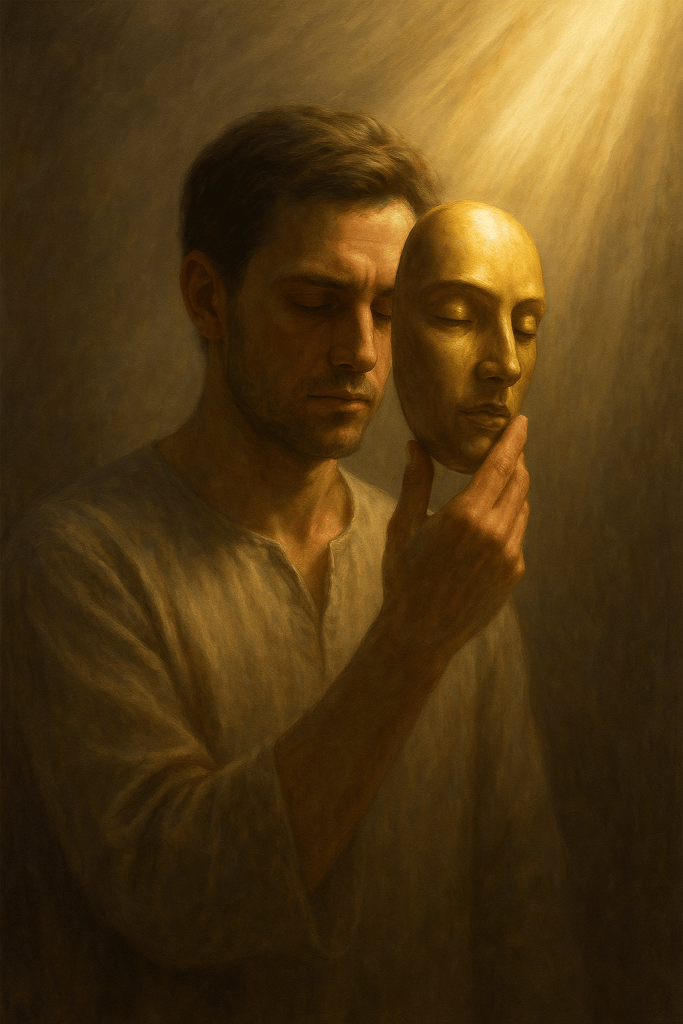
Humanity has long mastered the art of concealment. Beneath polished smiles and carefully curated identities lie the masks we wear to survive, to belong, and to be loved. These masks are not always physical but psychological—crafted through years of conditioning, trauma, and fear. The Bible reminds us in 1 Samuel 16:7 (KJV), “for man looketh on the outward appearance, but the LORD looketh on the heart.” This divine truth reveals that while we can deceive others with appearances, God alone sees the soul behind the mask.

The concept of wearing masks has deep roots in psychology. Carl Jung’s theory of the persona describes the social face an individual presents to the world, a mask designed to make a particular impression on others while concealing the true self. This persona is a necessary adaptation, yet when it becomes our identity, it separates us from authenticity. We begin to live not as who we are, but as who we think others need us to be. This fragmentation of self creates emotional dissonance, anxiety, and spiritual emptiness.

Scripture exposes this duplicity in human nature. Jesus warns in Matthew 23:27 (KJV), “Woe unto you, scribes and Pharisees, hypocrites! for ye are like unto whited sepulchres, which indeed appear beautiful outward, but are within full of dead men’s bones.” The term “hypocrite” in Greek literally means “actor”—one who wears a mask. Christ’s rebuke was not merely moral but psychological, exposing the destructive power of living a lie and confusing external virtue with internal truth.

The masks we wear vary with context: the mask of confidence hiding insecurity, the mask of kindness concealing resentment, or the mask of holiness veiling secret sin. These disguises form as defense mechanisms against pain and rejection. Sigmund Freud described such mechanisms as ways the ego protects itself from anxiety. While they serve a temporary purpose, prolonged use leads to spiritual decay. When we hide behind facades, we forfeit intimacy with others and with God.

In relationships, masks can become prisons. Many people fall in love not with each other but with each other’s illusions. The psychological toll of maintaining appearances leads to exhaustion and disconnection. The Apostle Paul speaks to this struggle, urging believers to “put off concerning the former conversation the old man, which is corrupt according to the deceitful lusts” (Ephesians 4:22, KJV). In essence, Paul calls for the removal of masks and the embrace of renewed identity in Christ.

Our masks are often born of fear—fear of rejection, failure, exposure, or inadequacy. Yet fear itself is a deceptive teacher. It tells us that we must perform to be accepted. God’s Word contradicts this notion by assuring us that divine love is unconditional. Romans 8:38–39 (KJV) declares that nothing “shall be able to separate us from the love of God.” When we understand this truth, the need for deception begins to crumble, and the soul can breathe again.

The psychology of authenticity emphasizes congruence between the inner self and outward behavior. Psychologist Carl Rogers believed that authenticity is the foundation of psychological health, a state where a person’s real feelings and experiences align with their actions. This echoes the biblical principle found in James 1:8 (KJV): “A double minded man is unstable in all his ways.” To live authentically before God is to live undivided—to let truth govern both heart and behavior.

The danger of masks lies in their comfort. They protect us from vulnerability, but they also imprison us in falsehood. Over time, we can forget who we are beneath the mask. This self-alienation leads to depression and spiritual numbness. In Revelation 3:17 (KJV), the church of Laodicea is chastised for self-deception: “Thou sayest, I am rich… and knowest not that thou art wretched, and miserable, and poor, and blind, and naked.” When the soul believes its own illusion, repentance becomes distant and healing impossible.

Authenticity requires courage—the courage to confront one’s inner contradictions. It is a process of stripping away illusions, a spiritual unveiling that exposes the heart’s hidden wounds. The Psalmist pleads in Psalm 139:23–24 (KJV), “Search me, O God, and know my heart: try me, and know my thoughts.” This prayer is the cry of the unmasked soul, willing to be examined by divine light. True healing begins when we invite God into our hidden places.

Modern psychology recognizes the therapeutic value of self-disclosure. When individuals speak truthfully about their emotions and experiences, the burden of secrecy is lifted, and shame loses its power. Likewise, 1 John 1:9 (KJV) promises, “If we confess our sins, he is faithful and just to forgive us our sins.” Both psychology and Scripture affirm that confession—whether in therapy or prayer—transforms concealment into freedom.

The masks we wear are also cultural. Society rewards image over integrity, performance over purity. In an age dominated by social media, many curate digital personas that distort reality. Likes and followers become measures of worth, while the soul quietly starves. Romans 12:2 (KJV) warns believers, “Be not conformed to this world: but be ye transformed by the renewing of your mind.” Spiritual transformation begins when we reject the false standards of visibility and embrace the unseen virtue of sincerity.

Even within religious spaces, masks can thrive. The mask of piety can disguise spiritual pride; the mask of humility can conceal envy or ambition. Jesus saw through such pretense in His encounters with the Pharisees. His call remains timeless: “Take heed that ye do not your alms before men, to be seen of them” (Matthew 6:1, KJV). True worship arises not from performance but from purity of heart.

The process of unmasking is rarely easy. It involves confession, forgiveness, and grace. It requires facing parts of ourselves we’d rather deny. Yet the reward of authenticity is peace. Isaiah 26:3 (KJV) affirms, “Thou wilt keep him in perfect peace, whose mind is stayed on thee.” When we align our inner life with divine truth, the chaos of duplicity dissolves.

The mask often symbolizes control—a way to manage how others perceive us. However, the need to control perception reveals a lack of trust in God’s design. The Creator who fashioned us in His image (Genesis 1:27) did not make mistakes. To live unmasked is to honor the divine artistry within us. The acceptance we crave from others already exists in the eyes of God.

Psychologically, removing the mask allows for genuine connection. Vulnerability invites empathy. When we present our true selves, we give others permission to do the same. This mutual authenticity fosters community and healing. In the words of Proverbs 27:17 (KJV), “Iron sharpeneth iron; so a man sharpeneth the countenance of his friend.” Only unmasked souls can sharpen one another in truth.

The journey toward authenticity is both spiritual and psychological. It is a return to Eden, to the moment before humanity hid from God among the trees (Genesis 3:8–10). Since that first act of concealment, humanity has been sewing fig leaves of self-protection. But the gospel invites us to lay them down. Christ’s sacrifice tore the veil of separation, granting us access to God without pretense.

To unveil the soul is to embrace vulnerability as strength. It is to recognize that the light of God exposes not to shame but to heal. John 3:21 (KJV) teaches, “He that doeth truth cometh to the light, that his deeds may be made manifest.” The light of truth does not condemn; it clarifies. It restores us to wholeness by aligning appearance with essence.

In psychological healing and spiritual renewal alike, authenticity becomes the foundation of transformation. The unmasked life is not about perfection but honesty—an honest walk with God and others. It is living without duplicity, without the heavy burden of pretending to be more or less than what we are.

The Masks We Wear

The Mask of Deception
Used to hide truth and manipulate perception; a mask that thrives on illusion, lies, and self-deceit. It creates distance from both God and others, severing intimacy and trust.

The Mask of Morality
Appears righteous and upright, but often hides self-righteousness and pride. Worn by those who want to appear holy before men rather than pure before God.

The Mask of Strength
Conceals vulnerability and pain behind bravado or toughness. It says “I’m fine” while the soul quietly bleeds beneath the armor.

The Mask of Confidence
A polished exterior that hides deep insecurity. This mask seeks validation and affirmation from others while masking self-doubt.

The Mask of Perfection
Driven by fear of failure and rejection, it portrays flawlessness while denying human weakness. It exhausts the soul in pursuit of an impossible ideal.

The Mask of Control
Used by those who fear chaos or abandonment. It micromanages, dictates, and manipulates outcomes to maintain emotional safety.

The Mask of People-Pleasing
Rooted in fear of disapproval, it seeks acceptance at any cost. It silences the true voice to keep peace, even when peace means self-betrayal.

The Mask of Success
Adorns the face of ambition and achievement while concealing inner emptiness. It thrives on applause but dreads stillness.

The Mask of Humor
Covers pain with laughter. The smiling face becomes a shield against vulnerability and exposure of deep emotional wounds.

The Mask of Victimhood
A self-protective identity that clings to hurt and injustice, using past pain as a justification for inaction or bitterness.

The Mask of Independence
Rejects help and intimacy to avoid rejection. It shouts, “I don’t need anyone,” while inwardly longing for connection.

The Mask of Religion
Appears pious but hides spiritual pride and hypocrisy. It follows form without faith, rules without relationship, and rituals without repentance.

The Mask of Seduction
Uses charm and allure to manipulate affection or power. It disguises insecurity with sensual confidence.

The Mask of Anger
Deflects pain by projecting aggression. It conceals grief, fear, or rejection under a hard, defensive exterior.

The Mask of Silence
Withdraws and hides emotions, avoiding confrontation or truth. This mask is worn by those afraid to speak or be misunderstood.

The Mask of Busyness
Keeps the mind occupied to avoid introspection or conviction. It thrives on productivity as a substitute for peace.

The Mask of Spiritual Superiority
Cloaks ego in the language of enlightenment. It compares faith, wisdom, or revelation to elevate self above others.

The Mask of Suffering
Finds identity in pain and martyrdom. It uses struggle to gain sympathy or moral superiority rather than growth.

The Mask of False Humility
Pretends to be modest while secretly desiring praise. It hides ambition behind self-deprecation.

The Mask of Loyalty
Pretends devotion while harboring resentment or divided motives. This mask is common in toxic relationships built on pretense.

The Mask of Indifference
Covers caring with apathy. It numbs the soul to avoid feeling rejected or hurt again.

The Mask of Self-Righteousness
Justifies judgment of others by moral or religious standards, often to hide personal flaws or guilt.

The Mask of Forgiveness
Claims to have forgiven while secretly holding grudges. It smiles in peace but remembers every wound.

The Mask of Intelligence
Uses intellect or academic achievement to mask emotional insecurity or fear of being seen as vulnerable or weak.

The Mask of Beauty
Seeks validation through physical appearance, fashion, or admiration. It hides deep feelings of inadequacy and self-worth issues.

The Mask of Fearlessness
Pretends courage while internally trembling. It refuses to show weakness, often leading to emotional burnout.

The Mask of Identity
Assumes cultural, social, or racial stereotypes to fit in, losing the divine individuality crafted by God.

Ultimately, to unveil the soul is to return to the truth of divine identity. God does not bless the mask; He blesses the man or woman behind it. When we stand before Him unmasked, we rediscover the beauty of being fully known and yet fully loved. In the stillness of divine presence, the masks fall away, and the soul breathes again in freedom and light.

References

American Psychological Association. (2020). Publication manual of the American Psychological Association (7th ed.).
Freud, S. (1961). The ego and the id. W. W. Norton & Company.
Jung, C. G. (1953). Two essays on analytical psychology. Princeton University Press.
King James Bible. (1611). The Holy Bible. Oxford University Press.
Rogers, C. (1961). On becoming a person: A therapist’s view of psychotherapy. Houghton Mifflin.
Scott, S. (2017). The masks we wear: Psychology of self-presentation and authenticity. Routledge.
Tournier, P. (1954). The Meaning of Persons. Harper & Brothers.
Van der Kolk, B. (2014). The body keeps the score: Brain, mind, and body in the healing of trauma. Viking Press.

Psychology Series: The Psychology of Masks – When the Soul Hides from Itself

Human beings have always been masters of disguise—not merely in form, but in spirit. We craft illusions to conceal the truth within us, wrapping our wounds in polished behavior and perfect smiles. These masks become our silent companions, sculpted by fear, pride, and the deep desire to belong. Yet beneath the costume, the soul yearns to be seen. The Apostle Paul warns, “For if a man think himself to be something, when he is nothing, he deceiveth himself” (Galatians 6:3, KJV). Psychology calls it the persona; Scripture calls it hypocrisy. Either way, it is the barrier between who we pretend to be and who we are.

Carl Jung, the father of analytical psychology, described the persona as the social mask we wear to adapt to society’s expectations. It is not inherently evil—at times, it protects us—but when we become the mask, authenticity withers. In the spiritual realm, this transformation marks the beginning of deception. The soul begins to perform for acceptance, forgetting that God’s love was never conditional. As Jesus declared, “And ye shall know the truth, and the truth shall make you free” (John 8:32, KJV).

The mask of deception is among the oldest in human history. Adam and Eve wore it in Eden when they hid from God after eating the forbidden fruit. Their fig leaves were the first fashion of fear—a desperate attempt to appear whole while broken. Every human since has learned this same art of concealment. We call it composure, dignity, or professionalism, but in truth, it is avoidance. We fear exposure more than sin itself.

There is also the mask of morality, carefully constructed to appear virtuous while the heart festers with pride. It recites Scripture, performs kindness, and serves from a place of self-importance. Jesus exposed such falsehood among the Pharisees, calling them “whited sepulchres” (Matthew 23:27, KJV)—beautiful on the outside but spiritually decayed within. This mask thrives in religious spaces where performance replaces purity and image eclipses intimacy with God.

The mask of strength is another common disguise, often worn by those who fear weakness. It walks tall, speaks boldly, and hides tears beneath a hard gaze. In truth, it is not strength but self-preservation. Psychology identifies this as reaction formation, where individuals act the opposite of what they feel. Yet God reminds us, “My grace is sufficient for thee: for my strength is made perfect in weakness” (2 Corinthians 12:9, KJV). The unmasked soul understands that vulnerability is not defeat but divine connection.

The mask of confidence presents a perfect posture to the world—assertive, fearless, radiant—while trembling in secret. It is often fueled by imposter syndrome and internalized rejection. This mask whispers, “If I don’t seem sure of myself, no one will believe in me.” Yet Scripture answers with quiet assurance: “In quietness and in confidence shall be your strength” (Isaiah 30:15, KJV). True confidence is not a pose; it is the peace of knowing who you are in God.

The mask of perfection enslaves many. It obsesses over image, order, and success, chasing approval that never satisfies. It hides behind excellence to avoid the truth of imperfection. Psychology names this compulsion neurotic perfectionism; Scripture calls it vanity. Ecclesiastes 1:2 (KJV) laments, “Vanity of vanities… all is vanity.” God does not demand perfection of performance, only purity of heart.

The mask of people-pleasing is soft and smiling, eager to help, yet driven by the terror of rejection. It trades authenticity for acceptance, hiding discomfort behind constant compliance. This behavior reflects what psychologists call codependency—a cycle of external validation rooted in unhealed childhood wounds. The Bible calls us to a different posture: “We ought to obey God rather than men” (Acts 5:29, KJV). The soul must first learn to please heaven before it can find peace among men.

Some masks are loud, others silent. The mask of busyness, for example, hides emptiness through constant motion. Productivity becomes a sanctuary from pain. Yet even God rested. The psalmist urges, “Be still, and know that I am God” (Psalm 46:10, KJV). Stillness terrifies the masked soul because silence reveals the voice it has tried so hard to ignore.

In the digital age, the mask of beauty and success reigns supreme. Social media has become a gallery of illusions—filters of perfection concealing insecurity and self-doubt. The performance of happiness replaces the pursuit of healing. Psychologically, this is self-objectification, where one’s worth is measured by appearance rather than essence. Spiritually, it is idolatry: the worship of image over identity.

The mask of anger often hides a wounded heart. It roars to protect the inner child who once cried unheard. This mask convinces us that rage equals power, but in truth, it is a shield for sorrow. “Be ye angry, and sin not” (Ephesians 4:26, KJV). Anger, when unmasked, becomes grief seeking acknowledgment, not vengeance.

The mask of religion may be the most deceptive. It memorizes prayers but forgets mercy, quotes scripture but avoids transformation. It loves appearances but resists surrender. James 1:27 (KJV) reminds us, “Pure religion and undefiled before God… is this, To visit the fatherless and widows in their affliction, and to keep himself unspotted from the world.” True faith has no need for masks because it is lived, not performed.

Then there is the mask of silence, worn by those afraid to speak truth. It hides pain behind passivity and calls it peace. Yet unspoken truth poisons the heart. Jeremiah confessed, “His word was in mine heart as a burning fire shut up in my bones” (Jeremiah 20:9, KJV). To be silent when God calls for truth is to betray the soul’s purpose.

Some wear the mask of loyalty, pretending devotion while harboring bitterness. Others wear the mask of forgiveness, claiming to have let go while secretly rehearsing old wounds. Psychology calls this emotional suppression; the Bible calls it hypocrisy. Real forgiveness does not erase memory but transforms it. It releases judgment to God, freeing the soul from the bondage of resentment.

The mask of independence proudly proclaims self-sufficiency. It needs no help, no love, no God. Yet this is the mask of the orphaned spirit, terrified of dependence. In truth, God created us for connection. “It is not good that the man should be alone” (Genesis 2:18, KJV). Authentic independence flows from secure dependence on the divine.

The mask of intellect shines brightly in academic and spiritual circles alike. It uses knowledge to shield vulnerability, turning wisdom into armor. Yet “knowledge puffeth up, but charity edifieth” (1 Corinthians 8:1, KJV). Intellectual pride prevents revelation; humility invites it. True wisdom knows when to be silent and when to weep.

Each mask serves a purpose but exacts a cost. They protect us from pain but distance us from love. They create an illusion of safety while suffocating authenticity. In psychological terms, masks are defense mechanisms; in spiritual terms, they are barriers between the heart and God. Healing begins when we dare to remove them—not in front of the world, but before the One who already sees.

To unmask is an act of courage and surrender. It is to stand spiritually naked before God, as Adam once did, and say, “Here I am.” The unmasked soul is not perfect, but it is free. It no longer performs to be loved—it lives because it is loved. This is the essence of redemption: the recovery of the self that God created before fear and pride built the masquerade.

When the masks fall away, truth takes its rightful place. The heart begins to align with heaven’s rhythm again. “And ye shall put on the new man, which after God is created in righteousness and true holiness” (Ephesians 4:24, KJV). To unveil the soul is to return to that divine image—to live not as actors on a stage but as sons and daughters in the light of truth.


References

American Psychological Association. (2020). Publication manual of the American Psychological Association (7th ed.).
Freud, S. (1961). The ego and the id. W. W. Norton & Company.
Jung, C. G. (1953). Two essays on analytical psychology. Princeton University Press.
King James Bible. (1611). The Holy Bible. Oxford University Press.
Rogers, C. (1961). On becoming a person: A therapist’s view of psychotherapy. Houghton Mifflin.
Scott, S. (2017). The masks we wear: Psychology of self-presentation and authenticity. Routledge.
Tournier, P. (1954). The Meaning of Persons. Harper & Brothers.
Van der Kolk, B. (2014). The body keeps the score: Brain, mind, and body in the healing of trauma. Viking Press.

The Price of Pleasure

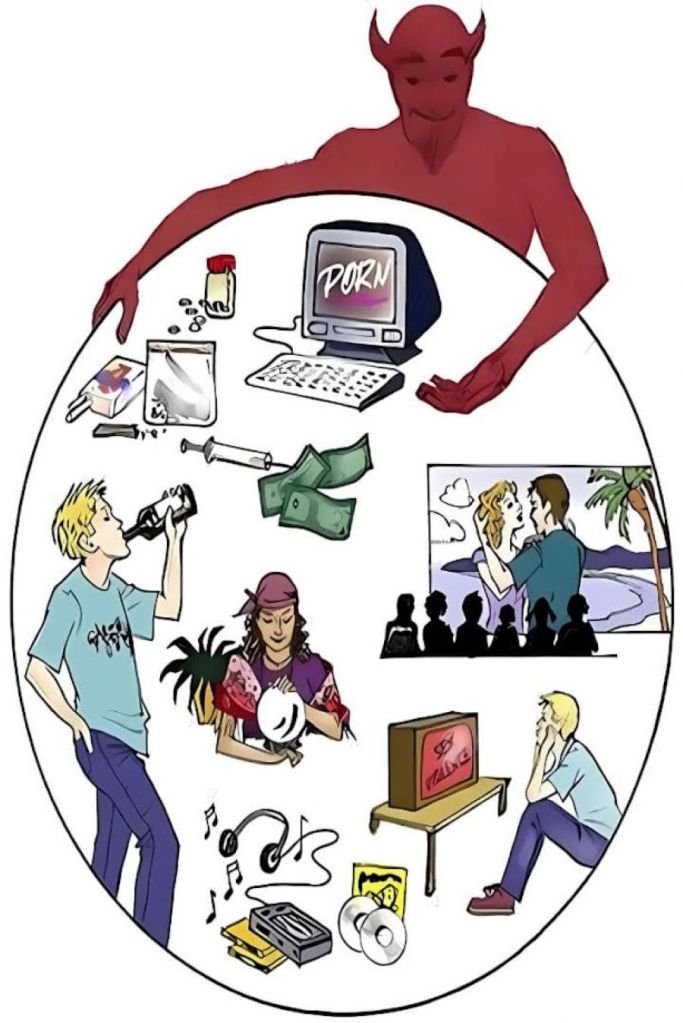
Pleasure, in its many forms, has long been both a gift and a snare. Humanity’s pursuit of delight — whether in wealth, lust, status, or indulgence — often reveals the tension between desire and discipline, between freedom and bondage. The price of pleasure, as Scripture and history attest, is seldom advertised at the moment of temptation. It is paid later, in the currency of consequence.

From the Garden of Eden to modern society, the story of humanity’s downfall is tied to the allure of pleasure without restraint. Eve’s bite of the forbidden fruit was not born of hunger, but of curiosity and promise — the seductive voice of the serpent whispering that fulfillment lay beyond obedience. This moment established an eternal pattern: sin disguises itself as satisfaction.

The human heart is wired to seek joy and satisfaction; however, when this longing detaches from divine purpose, it mutates into idolatry. The Apostle Paul warned that people would become “lovers of pleasures more than lovers of God” (2 Timothy 3:4, KJV). This prophecy finds its fulfillment in a world obsessed with comfort, entertainment, and sensuality — a culture that trades holiness for hedonism.

Pleasure itself is not evil; it is a creation of God meant to refresh the soul. Yet when pleasure becomes the master rather than the servant, it corrupts. What begins as harmless enjoyment can evolve into addiction, greed, and spiritual decay. The moment pleasure becomes the goal rather than the byproduct of righteousness, it demands payment — often through guilt, loss, or spiritual emptiness.

In modern times, the worship of pleasure manifests through consumerism, sexuality, and digital gratification. Social media platforms and entertainment industries exploit the human craving for validation and dopamine. We scroll endlessly, seeking stimulation, only to find ourselves more restless than before. The pleasure is temporary, but the dependence lingers.

The ancient book of Proverbs warns, “There is a way which seemeth right unto a man, but the end thereof are the ways of death” (Proverbs 14:12, KJV). This verse captures the deceptive nature of worldly pleasure. It promises satisfaction but delivers sorrow. It glitters like gold but corrodes the spirit like rust.

History, too, offers countless lessons. Entire civilizations have fallen under the weight of indulgence. Rome, once mighty, decayed from within as moral restraint gave way to luxury and lust. The same pattern repeats in every era where pleasure becomes the highest pursuit — the soul grows weak while the senses grow wild.

The psychology of temptation reveals that pleasure is not merely physical; it is deeply emotional and spiritual. Sin appeals to unmet needs — for love, security, or recognition — offering false fulfillment. The enemy does not tempt us with ugliness but with beauty misused. The serpent does not hiss; it flatters.

The price of pleasure is often hidden in the fine print. It can cost one’s integrity, peace, or purpose. A fleeting thrill may lead to years of regret, while a single compromise can birth a lifetime of bondage. Pleasure’s most dangerous lie is that there will be no consequences.

In relationships, this deception manifests as infidelity, lust, or manipulation disguised as passion. Many pursue the thrill of romance without the covenant of commitment, forgetting that true love is not a feeling but a choice rooted in sacrifice. What begins in excitement often ends in emptiness when built outside God’s order.

Financially, the same principle applies. The lust for wealth and material pleasure drives many into debt, dishonesty, or despair. Christ’s warning, “For what shall it profit a man, if he shall gain the whole world, and lose his own soul?” (Mark 8:36, KJV), reminds us that pleasure purchased at the cost of character is too expensive.

Spiritually, unchecked pleasure dulls the conscience. When the heart grows accustomed to indulgence, sin no longer feels sinful — it feels normal. This is the most dangerous stage, where conviction fades and comfort replaces repentance. The pleasure that once thrilled begins to enslave.

However, redemption is always possible. God’s grace restores even those who have squandered their peace chasing pleasure. King David, who knew both sin and sorrow, wrote, “In thy presence is fulness of joy; at thy right hand there are pleasures for evermore” (Psalm 16:11, KJV). This verse reveals that divine pleasure — not carnal indulgence — is the only satisfaction that does not destroy the soul.

To find lasting joy, one must exchange counterfeit pleasure for divine purpose. This requires discipline, discernment, and a heart anchored in truth. It means saying no to fleeting sensations in order to say yes to eternal fulfillment. Pleasure is sweetest when it flows from purity.

In the modern world, true rebellion is self-control. In a society that glorifies indulgence, restraint becomes revolutionary. Those who refuse to be mastered by their appetites rediscover freedom — not the freedom to do whatever feels good, but the freedom to choose what is right.

The price of pleasure is not always immediate; sometimes it accumulates quietly in the soul. Yet those who heed wisdom learn that God’s boundaries are not barriers but blessings — guardrails protecting us from destruction disguised as delight.

Every believer must confront this truth: what the world calls pleasure often leads to pain, but what God calls obedience leads to peace. Pleasure without purpose is poison; purpose filled with joy is divine.

Ultimately, the story of pleasure and pain teaches a timeless lesson — that everything beautiful outside of God’s timing becomes destructive. The fruit may look good to the eyes, but its sweetness can sour the soul. The truest pleasure is found not in rebellion, but in reconciliation with the One who created joy itself.

References

Foster, R. (1998). Celebration of discipline: The path to spiritual growth. HarperCollins.
Lewis, C. S. (1942). The Screwtape letters. HarperOne.
Piper, J. (1986). Desiring God: Meditations of a Christian hedonist. Multnomah.
Tozer, A. W. (1991). The pursuit of God. Christian Publications.
The Holy Bible, King James Version. (1611). London: Oxford University Press.

Beauty Beyond the Flesh: A Divine Reflection of the Soul.

Beauty is often mistaken for the surface—the contours of the face, the symmetry of features, the glow of skin, the grace of movement. Yet true beauty is not born in the flesh; it is breathed by God into the interior chambers of the soul. Flesh fades, features wither, youth passes like morning dew, but the soul endures. In Scripture, beauty is not cosmetic but covenantal—rooted in righteousness, humility, and spiritual light. “Man looketh on the outward appearance, but the Lord looketh on the heart” (1 Samuel 16:7, KJV).

The world trains eyes to worship form, but Heaven honors heart. Beauty becomes divine when aligned with purpose, sanctified by purity, and illuminated by character. A soul submitted to God radiates beyond physical skin; it carries a fragrance of eternity. This is why the righteous can be radiant without ornament, and the proud can be adorned yet hollow. Flesh may glitter, but glory shines. Physical charm attracts attention; spiritual beauty transforms environments.

In biblical thought, beauty is evidence of God’s craftsmanship—visible in both body and spirit. Yet Scripture consistently prioritizes inward radiance. A gentle and obedient spirit, a courageous heart, a compassionate disposition—these are divine ornaments, priceless in the courts of Heaven. “The ornament of a meek and quiet spirit… is in the sight of God of great price” (1 Peter 3:4, KJV). Holiness beautifies more than cosmetics; humility crowns more than jewels.

When a soul is aligned with the Most High, beauty manifests as peace resting on the face, joy dancing in the eyes, purpose strengthening the posture, and love softening speech. Even silence becomes eloquent, and presence becomes healing. This is beauty that cannot be envied or stolen; it is bestowed and cultivated. For God Himself clothes the faithful with favor and dignity. “He will beautify the meek with salvation” (Psalm 149:4, KJV).

True beauty is moral, not material. It is revealed through choices, not cosmetics—through patience in suffering, integrity under pressure, kindness without applause. It is seen in a man who protects without pride, in a woman who nurtures without seeking praise, in elders who walk in wisdom and prayer. Such souls mirror the divine light. Their beauty is not seen only in youth; it matures into majesty. They carry the calm of eternity in earthly form.

When love is pure, beauty deepens; when pride rules, beauty decays. Spiritual decay eventually reaches the face just as spiritual radiance beautifies even the weary. The Scriptures warn that outward beauty without righteousness is dangerous, seductive, and empty (Proverbs 31:30, KJV). A beautiful face with an unsubmitted soul becomes like a temple without God—impressive in structure yet void of glory.

Christ Himself—fairest above all creation—did not draw followers by facial symmetry or earthly glamour. “He hath no form nor comeliness… no beauty that we should desire him” (Isaiah 53:2, KJV). His beauty was transcendent—rooted in love, truth, sacrifice, authority, compassion, and holiness. His presence healed the broken, lifted the weary, and awakened the dead. The true Messiah radiates salvation, not superficial charm.

Beauty in its highest form is worship. A life surrendered, a will purified, a heart softened by mercy—these reflect Heaven more than sculpted bodies or polished faces. To behold one who walks with God is to see beauty unfold in patience, prayer, discipline, gentleness, righteous conviction, and unwavering faith. A soul anchored in God shines with eternal brilliance.

In a world intoxicated with surface-level aesthetics, the righteous are invited to ascend—to cultivate beauty that cannot wrinkle or expire. The eternal soul outlives the temporal body. Divine beauty is never trapped in bone structure; it breathes through virtue. Flesh is the garment; spirit is the glory. When we pursue the beauty Heaven values, we become living reflections of the One who created beauty itself.

For true beauty is not seen. It is felt. It is not touched. It is experienced. It is not possessed. It is lived. And when the soul shines, the face follows—because the deepest beauty begins where the world cannot see, yet where God always looks.

The Soul

The nature of the soul has long stood at the center of theological inquiry, philosophical debate, and human reflection. Within Scripture, the soul transcends mere biological function; it is the immaterial essence of life, identity, consciousness, and eternal destiny. The soul animates the body, distinguishes humanity from animals, and connects mankind to the divine breath of the Most High (Genesis 2:7, KJV).

The Hebrew word for soul, nephesh, denotes a living, breathing being — a life force. In the New Testament, the Greek term psuchē carries similar implications, referring to the inner life and eternal self. Thus, the soul is not an abstract concept but the very seat of human existence, emotion, will, and spiritual continuity (Matthew 10:28, KJV).

The origin of the soul is divine. Humanity did not evolve into spiritual beings; we were formed intentionally and given life through the breath of God Himself. This divine impartation marks the soul as sacred and eternal, unlike the flesh which returns to dust (Ecclesiastes 12:7, KJV). The soul is our essence, while the body serves merely as temporary housing.

The soul experiences life beyond the physical realm. While earthly circumstances affect the body, the soul operates on an eternal timeline, destined to exist beyond death. Death does not extinguish life; it separates the soul from its earthly vessel (2 Corinthians 5:8, KJV). Therefore, death is not cessation but transition.

Human identity is rooted in the soul. It encompasses intellect, emotion, and will — the faculties that define personhood. The body expresses what the soul commands, illustrating that flesh is servant while soul is sovereign. Scripture affirms this hierarchy when emphasizing that outward beauty fades while inner life must be cultivated (1 Peter 3:3–4, KJV).

The vulnerability of the soul lies in its susceptibility to moral and spiritual corruption. Sin does not merely affect behavior; it stains the soul, distorting desire and redirecting purpose (Ezekiel 18:4, KJV). Thus, the battle of life is not against flesh alone but against spiritual forces vying for the soul’s allegiance (Ephesians 6:12, KJV).

The purpose of life, then, is to guard the soul and align it with righteousness. Christ warns that gaining the world at the cost of one’s soul is ultimate folly (Mark 8:36, KJV). Material pursuits perish with the body, but the state of the soul influences eternal destiny.

The soul longs for divine communion. Its truest fulfillment comes not from earthly pleasures but from alignment with the Creator. This is why David speaks of his soul thirsting for God as a deer thirsts for water (Psalm 42:1, KJV). The unrest many feel in life often stems not from lack but from spiritual disconnection.

Free will plays a decisive role in the destiny of the soul. God created humanity with the capacity to choose obedience or rebellion, blessing or destruction (Deuteronomy 30:19, KJV). The soul chooses pathways that either nurture spiritual life or accelerate decay. Choice is privilege and responsibility alike.

The flesh, however, wars against the soul. It desires comfort, pleasure, pride, and autonomy, while the soul yearns for holiness, obedience, and truth. Scriptural admonition to crucify the flesh speaks to this internal conflict (Galatians 5:17, KJV). Spiritual discipline is essential for soul preservation.

Sin enslaves the soul. When unchecked, it traps the spirit in cycles of bondage, distancing humanity from divine purpose. Deliverance and repentance restore the soul’s purity and orientation toward God (Psalm 51:10, KJV). Redemption is the divine solution for corrupted souls.

The soul is nourished not by physical food but by spiritual truth. Christ declares that man lives not by bread alone but by every word from God (Matthew 4:4, KJV). Scripture, prayer, worship, and obedience form the diet of a healthy soul.

Eternal judgment affirms the soul’s enduring nature. When earthly life ends, souls stand accountable before God (Hebrews 9:27, KJV). Heaven and hell are not metaphors but destinations shaped by earthly spiritual allegiance and submission to divine law.

Christ is the shepherd and redeemer of souls. His sacrifice restores what sin corrupts and grants eternal life to all who believe (John 3:16, KJV). Salvation is not merely rescue from death but transformation of the soul into the likeness of Christ.

Holiness beautifies the soul. While physical beauty fades and strength decays, spiritual refinement increases in radiance, becoming a reflection of divine glory (Psalm 34:5, KJV). True greatness is spiritual, not physical.

The soul is strengthened through trials. Suffering refines faith, produces endurance, and detaches the spirit from carnal dependence (James 1:2–4, KJV). Trials, therefore, are not punishment but purification.

Love is a mark of a transformed soul. It is patient, enduring, and self-sacrificing (1 John 4:7, KJV). Love flows from the Spirit and reveals the health and maturity of one’s inner life.

The destiny of the soul is eternal communion with God, yet this blessing is reserved for those who choose righteousness. Holiness is not optional but a requirement for seeing the Lord (Hebrews 12:14, KJV). The way of salvation is open, but the path must be walked.

In the end, the soul testifies to divine origin, eternal purpose, and spiritual accountability. This truth demands reverence, obedience, and conscious pursuit of the Most High. Life is temporary. Flesh fades. But the soul endures forever. To choose God is to choose life; to neglect the soul is to forfeit eternity (Joshua 24:15, KJV).


References (KJV)
Genesis 2:7; Ecclesiastes 12:7; Psalm 42:1; Psalm 51:10; Psalm 34:5; Deuteronomy 30:19; Ezekiel 18:4; Joshua 24:15; Matthew 4:4; Matthew 10:28; Mark 8:36; John 3:16; 1 Corinthians 3:16; 2 Corinthians 5:8; Galatians 5:17; Ephesians 6:12; Hebrews 9:27; Hebrews 12:14; James 1:2–4; 1 Peter 3:3–4; 1 John 4:7.