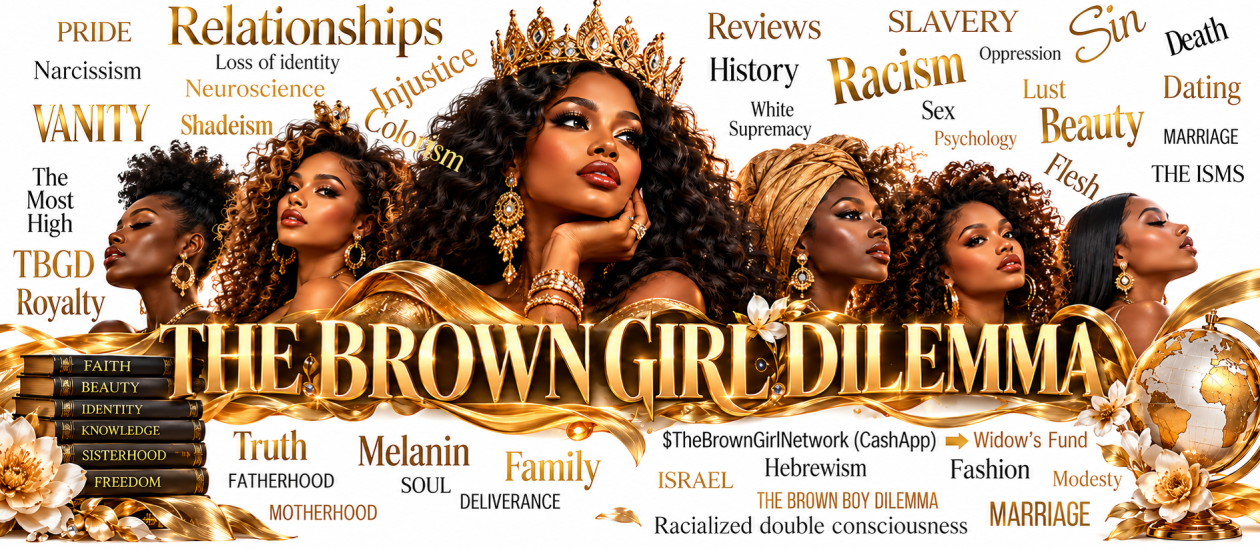

The Psychological Struggle for Freedom, Identity, and Empowerment

The concept of mental slavery represents one of humanity’s most profound psychological and cultural dilemmas: the struggle between external oppression and internal liberation. While physical forms of domination can be visible through laws, violence, and economic systems, psychological forms of oppression often operate through beliefs, values, and perceptions that individuals and communities develop over time. The study of mental slavery requires examining history, psychology, sociology, and cultural identity to understand how ideas influence human behavior.
Throughout history, systems of oppression have often attempted to control not only the bodies of people but also their minds. Enslavement, colonialism, and other forms of domination frequently involved efforts to suppress language, culture, history, and self-worth. The enslaved were often denied access to education and personal autonomy because knowledge and self-awareness were viewed as sources of power (Fanon, 1963).
The psychological consequences of oppression can continue beyond the end of formal systems of domination. Scholars have examined how historical trauma, discrimination, and social inequality can influence identity formation and community experiences. The effects of oppression may appear through internalized beliefs, social behaviors, and perceptions of one’s own value (Williams, 2018).
The term “mental slavery” is often associated with the idea that people can remain psychologically constrained even after physical barriers are removed. This concept does not suggest that individuals are responsible for historical oppression; rather, it examines how powerful social conditions can shape consciousness, beliefs, and opportunities. Understanding these processes can help communities recognize barriers and develop strategies for empowerment.
Education is one of the most important tools in overcoming psychological limitations. Throughout history, literacy and knowledge have been connected with liberation movements because education allows individuals to critically examine information, challenge false narratives, and understand their own histories. Freire (1970) argued that critical consciousness enables people to recognize and transform oppressive conditions.
History plays a significant role in psychological liberation because people’s understanding of the past influences their understanding of themselves. When communities lose connection to their historical narratives, they may struggle with identity and cultural confidence. Preserving historical memory allows individuals to recognize resilience, achievement, and contributions that may have been overlooked or intentionally minimized.
Media and representation also influence perceptions of identity. Images, stories, and cultural messages communicate ideas about beauty, intelligence, success, and human worth. When certain groups are consistently represented through negative stereotypes, these messages can affect self-perception and social relationships (Hall, 1997).
The psychology of self-image is closely connected to mental freedom. People who develop a strong sense of identity and self-worth are often better equipped to resist harmful stereotypes and external judgments. Psychologists have studied how self-esteem, identity, and belonging influence emotional well-being and personal development.
Economic systems can also contribute to psychological challenges when people are taught to define their value only through material success. A society focused solely on consumption and status may encourage individuals to measure themselves through possessions rather than character, knowledge, relationships, or purpose.
Mental liberation requires examining beliefs that limit personal growth. These beliefs may come from social conditioning, family experiences, cultural messages, or historical circumstances. The process of liberation involves questioning assumptions and developing a more accurate understanding of oneself and the world.
The struggle against mental slavery is also connected to the preservation of culture. Language, music, art, traditions, and storytelling allow communities to maintain identity across generations. Cultural expression becomes a form of resistance because it preserves memories and values that oppression attempts to erase.
Faith and spirituality have historically played an important role in liberation movements. Many individuals and communities have drawn strength from religious traditions, believing that human dignity and purpose come from a source greater than social systems. Spiritual frameworks have often provided hope during periods of suffering and uncertainty.
Psychology teaches that human beings are influenced by both their environment and their interpretations of that environment. While people cannot always control the circumstances they inherit, they can work toward developing awareness, resilience, and healthier perspectives. This process requires honesty about historical realities while also recognizing human potential.
A major challenge in discussing mental slavery is avoiding oversimplification. Psychological struggles connected to oppression are complex and involve history, economics, culture, institutions, and individual experiences. Meaningful analysis requires recognizing both personal agency and the impact of broader social forces.
The pursuit of mental freedom involves developing critical thinking skills. Critical thinkers evaluate information, question assumptions, and seek evidence rather than accepting ideas without examination. In an age of misinformation, the ability to think independently is essential for personal and collective empowerment.
Communities that overcome psychological barriers often invest in education, entrepreneurship, cultural preservation, and positive representation. Empowerment occurs when individuals recognize their abilities, develop skills, and create opportunities for future generations.
The mental slavery dilemma is ultimately a question about human consciousness: How do people move from inherited limitations toward greater awareness and possibility? The answer involves education, reflection, community support, historical understanding, and the courage to challenge harmful ideas.
True freedom requires both external and internal transformation. Societies must address injustice and inequality, while individuals and communities must also cultivate knowledge, confidence, and purpose. These two forms of transformation work together to create meaningful progress.
The study of mental slavery reminds humanity that freedom is not only a political or economic condition but also a psychological and cultural experience. The ability to think, create, remember, and define oneself is among the most powerful expressions of human dignity.
Ultimately, the Mental Slavery Dilemma is a call for awareness and empowerment. It challenges individuals to examine the beliefs they inherit, the stories they accept, and the possibilities they imagine. Through knowledge, reflection, and collective action, people can move toward greater understanding and freedom.
References
Fanon, F. (1963). The wretched of the earth. Grove Press.
Freire, P. (1970). Pedagogy of the oppressed. Continuum.
Hall, S. (1997). Representation: Cultural representations and signifying practices. Sage Publications.
Williams, D. R. (2018). Stress and the mental health of populations of color: Advancing our understanding of the causes and consequences of disparities. Journal of Health and Social Behavior, 59(4), 489–501.
Baldwin, J. (1963). The fire next time. Dial Press.
hooks, b. (1994). Teaching to transgress: Education as the practice of freedom. Routledge.
