Category Archives: Skintone

Chromatic Hierarchy: The Social Order of Skin Tone.

Chromatic hierarchy refers to a system of social stratification in which individuals are ranked or valued based on variations in skin tone. Within this framework, lighter complexions are often privileged while darker complexions are marginalized. Although the concept is closely related to colorism, chromatic hierarchy emphasizes the broader structural and historical patterns that create and sustain these inequalities. This hierarchy can exist both between racial groups and within them, shaping perceptions of beauty, intelligence, social status, and economic opportunity.

The roots of chromatic hierarchy can be traced to the historical processes of colonialism, slavery, and racial classification. European colonial powers constructed racial hierarchies that placed whiteness at the top as a symbol of civilization and superiority. These ideas were reinforced through pseudoscientific racial theories that attempted to rank human populations according to physical characteristics such as skin color, facial features, and hair texture. Over time, these ideologies became embedded in social institutions and cultural norms.

In the context of the transatlantic slave trade, chromatic hierarchy became particularly pronounced. Enslaved Africans were often categorized and treated differently depending on their complexion. Lighter-skinned individuals, many of whom were the mixed-race children of enslavers, were sometimes given different labor assignments or allowed limited privileges within plantation systems. While these distinctions did not erase the brutality of slavery, they created internal divisions that would influence later social dynamics within Black communities.

Following emancipation in the United States, chromatic hierarchy continued to shape social life. During the late nineteenth and early twentieth centuries, lighter-skinned African Americans were sometimes perceived as having greater access to education, employment, and social mobility. Elite organizations and social clubs occasionally used informal complexion tests—such as the infamous “paper bag test”—to determine who could participate in certain institutions. These practices reinforced the idea that proximity to whiteness conferred social advantage.

Chromatic hierarchy also intersected with economic opportunity. Research has shown that lighter-skinned individuals in many societies have historically received higher wages, more favorable treatment in hiring, and increased representation in leadership roles. These patterns illustrate how color-based stratification operates not only at the interpersonal level but also within broader economic systems.

The concept is deeply tied to the legacy of racial ideology in Western societies. In the United States, racial categories were constructed during slavery and codified through laws that reinforced segregation and discrimination. The association of lightness with privilege and darkness with marginalization became embedded in cultural narratives, influencing how people interpret identity and status.

Within Black communities, chromatic hierarchy has often produced complex social dynamics. While the shared experience of racial discrimination fosters solidarity, differences in complexion can still shape perceptions of beauty, desirability, and social standing. Media representation, historical social structures, and colonial legacies have contributed to these internal hierarchies.

Beauty standards provide one of the most visible examples of chromatic hierarchy. For decades, mainstream media and fashion industries have often favored lighter skin tones and Eurocentric features. This preference has influenced advertising, film casting, and beauty industries, shaping cultural perceptions of attractiveness and worth. As a result, darker-skinned individuals—particularly women—have frequently been underrepresented or stereotyped in media portrayals.

These patterns can have psychological consequences. Studies in social psychology suggest that exposure to hierarchical beauty standards can affect self-esteem, identity formation, and perceptions of belonging. When individuals repeatedly encounter messages that privilege certain physical characteristics, those messages can shape internal beliefs about value and desirability.

Education and socialization also play important roles in maintaining or challenging chromatic hierarchy. Children often learn cultural preferences regarding complexion through family conversations, media exposure, and peer interactions. These early experiences can influence how individuals perceive themselves and others throughout their lives.

The relationship between chromatic hierarchy and socioeconomic mobility has been widely studied. Sociologists have found correlations between skin tone and outcomes such as educational attainment, income, and occupational status in certain contexts. These findings suggest that the legacy of color-based stratification continues to influence opportunities in contemporary society.

At the same time, many scholars emphasize that chromatic hierarchy is not a universal or static phenomenon. Its effects vary across regions, cultures, and historical periods. In some societies, different forms of color-based stratification exist that are not directly tied to racial categories but instead relate to class or colonial history.

Within the African diaspora, discussions about chromatic hierarchy often intersect with broader conversations about identity, representation, and empowerment. Activists, artists, and scholars have increasingly called attention to the ways in which skin tone bias affects social experiences. These discussions aim to promote awareness and encourage more inclusive representations of beauty and identity.

The media has begun to reflect these conversations. In recent years, film, television, and fashion industries have made efforts to showcase a broader range of complexions and features. While progress remains uneven, these shifts illustrate how cultural institutions can influence public perceptions and challenge long-standing hierarchies.

Scholars often emphasize that dismantling chromatic hierarchy requires both cultural and structural change. Addressing bias involves examining historical narratives, expanding representation, and promoting equitable opportunities across institutions. Education and critical discussion play crucial roles in helping individuals recognize how historical systems continue to shape present realities.

Within Black communities, confronting chromatic hierarchy also involves fostering dialogue about shared history and internal diversity. Recognizing the influence of historical color-based divisions allows communities to address them with honesty and compassion, promoting solidarity rather than division.

Theological and ethical perspectives have also contributed to critiques of chromatic hierarchy. Many religious traditions emphasize the intrinsic value and dignity of every human being. From this perspective, hierarchies based on skin tone contradict moral teachings that affirm equality and justice.

Ultimately, chromatic hierarchy reflects the enduring influence of historical racial ideologies. Although societies have made progress toward greater equality, the legacy of color-based stratification continues to shape social interactions and institutional outcomes. Understanding this history is essential for recognizing how past structures influence present conditions.

By examining the origins and consequences of chromatic hierarchy, scholars and communities can better understand the complexities of identity and inequality. Awareness of these dynamics encourages a broader commitment to justice, representation, and respect for the full diversity of human experience.


References

Hunter, M. L. (2007). The persistent problem of colorism: Skin tone, status, and inequality. Sociology Compass, 1(1), 237–254.

Keith, V. M., & Herring, C. (1991). Skin tone and stratification in the Black community. American Journal of Sociology, 97(3), 760–778.

Hall, R. E. (2010). The bleaching syndrome: African Americans’ response to cultural domination vis-à-vis skin color. Journal of Black Studies, 26(2), 172–184.

Glenn, E. N. (2009). Shades of difference: Why skin color matters. Stanford University Press.

Wilder, J. (2015). Color stories: Black women and colorism in the 21st century. Temple University Press.

Russell, K., Wilson, M., & Hall, R. (1992). The color complex: The politics of skin color among African Americans. Harcourt Brace Jovanovich.
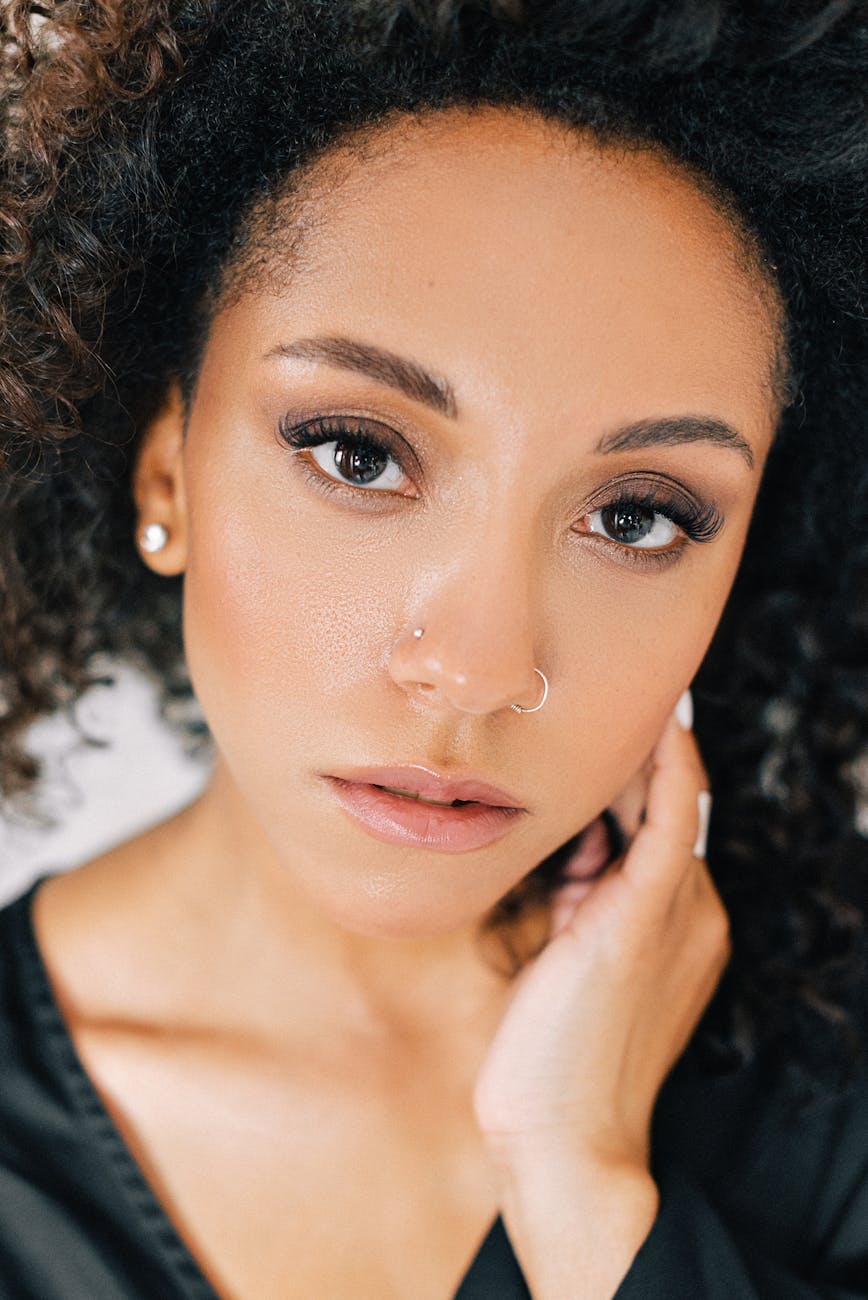
A Shade Too Much: Surviving Prejudice on Both Sides #thebrowngirldilemma

Photo by Mikhail Nilov on Pexels.com

To be “a shade too much” is to live in a world where skin becomes a battleground. It is to experience prejudice from both sides—discrimination from the larger society for being Black and rejection from one’s own community for not fitting an unspoken standard of acceptability. This is the painful duality of existing in a society obsessed with measuring worth by skin tone.

Colorism, the preference for lighter skin over darker skin within communities of color, has its roots in slavery and colonialism. Enslaved Africans with lighter complexions were sometimes given privileges, such as working in the house rather than the fields, which created a hierarchy that persists today (Hunter, 2007). This has left many dark-skinned individuals feeling stigmatized, while lighter-skinned people are accused of being privileged, “not Black enough,” or disconnected from the struggles of the Black experience.

For a brown-skinned or light-skinned woman, this can mean enduring a lifetime of suspicion, jealousy, or accusations of arrogance. Darker-skinned women often endure microaggressions that suggest they are less feminine or attractive (Hill, 2002). Lighter-skinned women, on the other hand, are sometimes ostracized, accused of thinking they are “better” or of benefiting from color-based favoritism. Both wounds are real, and both are deep.

The pain intensifies when the rejection comes from one’s own community. Internalized racism manifests as horizontal hostility, where oppressed people turn their pain inward and against each other rather than at the system that created the hierarchy in the first place (hooks, 1992). This creates an environment where those who are already targeted by racism must also navigate intra-community competition for validation.

Psychologically, this constant negotiation of identity can lead to identity confusion and lower self-esteem. Research has found that intraracial discrimination can have similar mental health effects as external racism, contributing to anxiety, depressive symptoms, and social withdrawal (Keith et al., 2017). It can also create a hyperawareness of one’s appearance—skin tone, hair texture, and features—making self-acceptance an ongoing battle.

Men are not exempt from this dilemma. Light-skinned men may be stereotyped as weak or “soft,” while dark-skinned men are stereotyped as threatening or aggressive (Monk, 2015). These biases affect dating dynamics, employment opportunities, and how Black men are perceived by law enforcement and media. Thus, “a shade too much” becomes not just a personal issue but a sociopolitical one with life-altering consequences.

The church should have been a refuge, but historically, colorism found its way even into pews and pulpits. During slavery, some congregations separated worshippers by complexion, privileging mixed-race members over darker-skinned members (Cone, 1997). Healing must therefore include a theological reclamation: affirming that all shades are equally made in the image of God (Genesis 1:27) and equally loved by Him.

Surviving prejudice on both sides requires a strong sense of identity. This means decoupling self-worth from shade hierarchies and rejecting the false dichotomy of “too light” versus “too dark.” It means affirming, “I am enough,” whether one is honey, caramel, chocolate, or mahogany. As Psalm 139:14 reminds us, we are “fearfully and wonderfully made.”

Community healing is crucial. Honest conversations about colorism must take place in families, schools, and churches. Mothers and fathers must be careful with the language they use around children, resisting the temptation to praise or shame one shade over another. Representation matters—children must see beautiful, intelligent, successful people across the entire spectrum of Blackness.

Media also plays a role. Dark-skinned women must be cast as heroines, CEOs, and romantic leads. Light-skinned women must be portrayed without always being reduced to exotic love interests or “pretty but empty” stereotypes. Stories must reflect the complexity of Black life beyond color-based tropes.

Spiritually, healing comes from seeing oneself as God sees us. God does not measure beauty by shade but by heart (1 Samuel 16:7). The gospel dismantles hierarchies of worth and declares every person equally valuable. In Christ, there is no “less Black” or “too Black”—there is only beloved humanity.

Surviving prejudice on both sides also requires empathy. Dark-skinned women must understand the privilege lighter-skinned women may carry, while lighter-skinned women must understand the pain and systemic disadvantage darker-skinned women often endure. Solidarity grows when both acknowledge the wound yet refuse to deepen it.

To be “a shade too much” is to reclaim one’s power and refuse to shrink for the comfort of others. It is to stand proudly, saying, “My shade is not too much—it is exactly what God intended.” In this way, survival becomes victory, and the struggle becomes a testimony.

When we heal, we break the cycle for the next generation. Children grow up free to love their skin and each other. The burden of proving one’s worth fades, replaced by collective pride. Then we will no longer ask, “Am I too light?” or “Am I too dark?” Instead, we will declare together: We are enough.


References

  • Cone, J. H. (1997). God of the oppressed. Orbis Books.
  • Hill, M. (2002). Skin color and the perception of attractiveness among African Americans: Does gender make a difference? Social Psychology Quarterly, 65(1), 77–91.
  • hooks, b. (1992). Black looks: Race and representation. South End Press.
  • Hunter, M. (2007). The persistent problem of colorism: Skin tone, status, and inequality. Sociology Compass, 1(1), 237–254.
  • Keith, V. M., Lincoln, K. D., Taylor, R. J., & Jackson, J. S. (2017). Discrimination, racial identity, and psychological well-being among African Americans. Cultural Diversity and Ethnic Minority Psychology, 23(2), 165–175.
  • Monk, E. P. (2015). The cost of color: Skin color, discrimination, and health among African-Americans. American Journal of Sociology, 121(2), 396–444.

Pretty Privilege Series: The Weight of Hue — How Skin Tone Still Shapes Our Lives.

Photo by cottonbro studio on Pexels.com

Colorism continues to shape the lives of Black people across the globe, creating a hierarchy where lighter skin is often valued above darker skin. This hierarchy influences perceptions of beauty, social status, economic opportunity, and even self-worth (Hunter, 2007).

The roots of colorism are deeply historical. During slavery and colonization, lighter-skinned Africans were often given preferential treatment, assigned domestic roles, and sometimes even granted freedom, while darker-skinned Africans labored in the fields and were systematically dehumanized. These practices embedded the association of lightness with privilege (Williams, 1987).

The media has perpetuated this bias for generations. Hollywood films, advertisements, and television shows historically cast lighter-skinned Black actors in leading, romantic, and heroic roles, while darker-skinned actors were relegated to secondary or villainous roles. Such representation shapes public perception and influences the self-esteem of viewers (Bogle, 2016).

The psychological effects of colorism are profound. Darker-skinned individuals often report higher rates of depression, lower self-esteem, and feelings of inadequacy compared to their lighter-skinned peers. Internalized messages about beauty and desirability can create lifelong struggles with identity and confidence (Hill, 2002).

Colorism also affects romantic relationships. Studies indicate that lighter-skinned women and men are often preferred as partners, while darker-skinned individuals face marginalization. These biases are rooted in historical hierarchies that equate proximity to whiteness with social desirability (Wilder, 2010).

In the workplace, colorism manifests in income and promotion disparities. Research shows that darker-skinned Black men and women often earn less than their lighter-skinned counterparts, even with equivalent qualifications and experience. This shade-based wage gap highlights ongoing systemic inequities (Goldsmith, Hamilton, & Darity, 2006).

Schools are microcosms where colorism begins early. Dark-skinned children are more likely to face teasing, social exclusion, or harsher disciplinary measures. These early experiences shape their academic performance and social confidence (Monk, 2014).

Family and community attitudes play a significant role in either perpetuating or challenging colorism. Compliments that favor lighter skin, such as “You’re pretty for a dark-skinned girl,” reinforce hierarchy, while affirmations of all shades foster resilience and self-love (Russell, Wilson, & Hall, 2013).

Language and terminology also reinforce hierarchy. Terms like “high yellow,” “redbone,” and “chocolate” often carry implicit judgments. Changing this language is a necessary step in dismantling social biases and cultivating inclusive beauty standards (Charles, 2003).

Social media has become a double-edged sword. While it can perpetuate light-skinned beauty ideals, movements such as #MelaninPoppin and #DarkSkinIsBeautiful celebrate deep-skinned beauty and provide visibility to those historically marginalized. These campaigns foster community pride and affirmation.

Religious and spiritual frameworks can help counteract internalized bias. Scriptures like Song of Solomon 1:5 — “I am black, but comely” — affirm that dark skin is beautiful and worthy of celebration. Churches can encourage young women and men to see all shades as reflections of God’s design (James 2:1-4).

Media literacy programs are essential tools for combating the weight of hue. Teaching children and adults to critically evaluate film, television, and advertising helps them resist internalizing harmful colorist norms and fosters appreciation for a wider range of beauty standards.

Empowerment programs targeting youth help counteract the negative effects of colorism. Workshops, mentorship, and historical education about African ancestry instill pride in melanin-rich skin and encourage healthy self-perception (Hall, 1992).

Feminist scholars argue that colorism intersects with sexism and racism, amplifying the oppression of dark-skinned women. Addressing this intersectionality is crucial for holistic liberation and equity within the Black community (Hunter, 2007).

Representation matters not only for women but for men as well. Dark-skinned Black men face societal prejudice that can affect perceptions of attractiveness, trustworthiness, and professional capability. Affirming men of all shades helps dismantle hierarchical standards that harm the entire community.

Black fathers and male mentors have a critical role. By affirming dark-skinned daughters, nieces, and younger women in their communities, men can actively challenge societal preferences for lighter skin and foster confidence in the next generation (Harris, 2015).

Economic and professional equity initiatives are equally important. Organizations must address unconscious bias in hiring, promotions, and pay scales to ensure that darker-skinned individuals are not disadvantaged due to complexion. Equitable policies disrupt systemic inequalities rooted in colorism.

Education about the historical and cultural origins of colorism provides tools for resistance. Teaching children about African leaders, inventors, and cultural figures with dark skin fosters pride and counters centuries of negative messaging (Smedley, 1999).

Therapeutic interventions, including counseling and support groups, can help individuals address internalized colorism. Healing requires acknowledging past trauma, challenging negative beliefs, and embracing one’s natural complexion.

Breaking the shade hierarchy is a lifelong process that requires conscious effort, education, and representation. By affirming beauty across all skin tones, fostering inclusive media, and challenging biases, the Black community can reduce the weight of hue and empower future generations.


References

  • Bogle, D. (2016). Toms, Coons, Mulattoes, Mammies, and Bucks: An Interpretive History of Blacks in American Films. Bloomsbury.
  • Charles, C. (2003). Skin Bleaching, Self-Hate, and Black Identity in Jamaica. Journal of Black Studies, 33(6), 711–728.
  • Goldsmith, A., Hamilton, D., & Darity, W. (2006). Shades of Discrimination: Skin Tone and Wages. American Economic Review, 96(2), 242–245.
  • Hall, R. E. (1992). Bias Among African Americans Regarding Skin Color: Implications for Social Work Practice. Research on Social Work Practice, 2(4), 479–486.
  • Harris, A. (2015). The Influence of Fathers on the Self-Esteem of African American Daughters. Journal of Black Psychology, 41(3), 257–276.
  • Hill, M. (2002). Skin Color and the Perception of Attractiveness Among African Americans. Social Psychology Quarterly, 65(1), 77–91.
  • Hunter, M. (2007). The Persistent Problem of Colorism: Skin Tone, Status, and Inequality. Sociology Compass, 1(1), 237–254.
  • Monk, E. P. (2014). Skin Tone Stratification among Black Americans, 2001–2003. Social Forces, 92(4), 1313–1337.
  • Russell, K., Wilson, M., & Hall, R. (2013). The Color Complex: The Politics of Skin Color Among African Americans. Anchor Books.
  • Smedley, A. (1999). Race in North America: Origin and Evolution of a Worldview. Westview Press.
  • Williams, E. (1987). Capitalism and Slavery. UNC Press.
  • Wilder, J. (2010). Revisiting “Color Names and Color Notions”: A Contemporary Examination of the Language and Attitudes of Skin Color among Young Black Women. Journal of Black Studies, 41(1), 184–206.

Complexion Confessions: Secrets Beneath the Surface of Skin.

Photo by Gabriel Santos on Pexels.com

Beneath the surface of skin lies a history written in hue—a silent testimony to survival, beauty, and bondage. Complexion has always been more than a biological trait; it is a social code, a passport or a prison depending on the eyes that behold it. In the Black experience, the color of one’s skin has shaped destiny, determining how the world perceives and how one learns to perceive oneself. What lies beneath the surface of skin is not merely pigment—it is memory, trauma, and transcendence woven together in the tapestry of human identity.

The story of complexion begins not in the mirror but in the marketplace. During slavery, skin tone was commodified; lighter skin often brought proximity to the master’s house, while darker skin bore the sun’s scars from the field. The hierarchy of hue became a social order within the Black community itself, planting seeds of internalized bias that still sprout centuries later. What was once a system of oppression became an inherited language of preference, silently dictating beauty, worth, and desirability.

Colorism, a term coined by Alice Walker (1983), remains the unspoken offspring of racism—a form of discrimination within one’s own race. It masquerades as personal taste, yet it echoes centuries of colonial propaganda that idolized whiteness and demonized darkness. These hierarchies not only fractured collective unity but distorted the perception of God’s image within melanin-rich bodies. The complexion became not just a covering but a contested terrain of identity, spirituality, and social survival.

The “paper bag test,” once used by fraternities, sororities, and Black churches, was an open wound disguised as tradition. It revealed how deeply internalized self-rejection had taken root. Acceptance depended on passing for something closer to white. In those subtle rituals of exclusion, Blackness was fragmented, and community bonds were tested against the standards of the oppressor. This legacy still lingers in entertainment, media, and even dating preferences, proving that the colonization of complexion did not end with emancipation.

In the beauty industry, skin tone remains currency. Advertising and social media perpetuate an illusion that lighter equals lovelier, fairer equals favored. The billion-dollar skin-lightening market thrives on this insecurity, particularly in nations with colonial pasts—Africa, the Caribbean, and South Asia. The secret beneath the surface of skin is that capitalism has learned to profit from the psychological residue of oppression. When beauty is filtered through Eurocentric ideals, complexion becomes both a battlefield and a brand.

However, the skin tells a deeper story than beauty alone—it is a shield, a sensor, a record. In every freckle, scar, and undertone lies the imprint of ancestry. Melanin is not a mistake; it is a masterpiece of divine design. It protects against ultraviolet radiation, adapts to geography, and symbolizes survival. Science confirms what the scriptures declared long ago: humanity was formed from the dust of the earth—rich, brown, and sacred (Genesis 2:7, KJV). The soil of Eden shares its color with the sons and daughters of Africa.

Yet for many, the skin has become a source of spiritual warfare. To love one’s complexion in a world that has despised it requires faith and resistance. The psychological toll of colorism manifests in subtle ways: self-doubt, relational tensions, and media-driven inferiority complexes. Beneath the surface lies the quiet ache of those who were told they were too dark to be beautiful or too light to be authentic. The war between shades has left emotional scars deeper than any visible blemish.

Within Black communities, complexion often intersects with privilege. Studies reveal that lighter-skinned individuals are statistically more likely to receive leniency in court, higher wages, and greater visibility in media (Hunter, 2007). This phenomenon—sometimes called “the light-skin advantage”—is not accidental; it is the residue of colonial favor embedded into modern systems. Beneath the surface of skin is a sociological script that continues to play out even when the world pretends not to see.

Artists, activists, and scholars have long sought to unmask these silent hierarchies. Poets like Audre Lorde and Toni Morrison wrote about color as both inheritance and weapon. Lorde’s call for self-definition and Morrison’s portrayal of Pecola Breedlove in The Bluest Eye expose how racialized beauty standards fracture the psyche. Their works serve as confessions—truth-telling about how skin becomes both a site of oppression and revelation.

But amid these confessions lies transformation. The reclamation of melanin as divine, regal, and powerful challenges centuries of degradation. Social media movements like #MelaninMagic and #BlackGirlMagic celebrate the radiance once ridiculed. Photographers, fashion designers, and theologians are redefining the narrative—revealing that the secret beneath the surface is not shame but sacredness. Each shade carries its own rhythm, its own reflection of creation’s spectrum.

The spiritual dimension of complexion invites a reawakening. When one realizes that melanin absorbs light, one sees a metaphor for resilience—the ability to take in the harshness of the world and still shine. The body itself testifies of divine intention. Psalms 139:14 reminds, “I will praise thee; for I am fearfully and wonderfully made.” To internalize this truth is to confess that beauty is not dictated by pigment but by purpose.

Education and cultural awareness are essential to dismantling color hierarchies. Schools, media, and churches must address how the legacy of slavery and colonialism still informs standards of attractiveness and identity. When children learn that beauty is broad, deep, and diverse, they begin to unlearn centuries of bias. Healing begins when history is acknowledged, not erased.

The media bears responsibility in this transformation. Representation matters not as tokenism but as restoration. When darker-skinned women like Lupita Nyong’o, Viola Davis, and Danai Gurira are celebrated for their authenticity, it disrupts the monopoly of Eurocentric ideals. These images are not mere aesthetics—they are acts of revolution. The screen becomes a sanctuary where melanin is no longer muted but magnified.

Yet, the healing process must reach beyond visibility. It must touch the heart. True liberation occurs when individuals reconcile with their reflection. The confession beneath the surface is not simply about skin—it is about self-love resurrected after centuries of rejection. To stand unapologetically in one’s own hue is a form of spiritual warfare, a declaration of identity against the powers of conformity.

The church, too, must engage in this dialogue. Historically complicit in color hierarchies through depictions of a white Christ, the church now faces the opportunity for correction. A theology of melanin—a recognition that the Creator delights in diversity—can reframe the faith experience. Revelation 1:15 describes Christ’s feet as “like unto fine brass, as if they burned in a furnace,” affirming a complexion that mirrors the people of the sun.

In relationships, complexion still shapes perceptions of attraction and status. Media perpetuates the idea that certain shades are more desirable, influencing dating preferences and marriage patterns. Yet, when love is purified of prejudice, it reflects divine order. The confession beneath the surface is that healing must also happen between us—between brothers and sisters divided by shades of the same ancestry.

Psychologists argue that overcoming colorism requires self-awareness and community re-education. Therapy, literature, and art all serve as tools of restoration. When individuals confront their biases, they begin to dismantle the system from within. Healing is a collective act; it requires truth-telling, forgiveness, and courage.

The “confessions” of complexion are, ultimately, sacred testimonies. They are the whispers of generations who survived despite being misjudged by their melanin. Each story, each face, carries ancestral wisdom. When we peel back the layers of bias and shame, we uncover something eternal—a reminder that beneath the surface of skin lies the spirit, unbreakable and divine.

The secret beneath the surface of skin, then, is not pain but power. It is the revelation that every shade of brown, bronze, and black carries the fingerprint of the Creator. To love one’s complexion is to honor God’s artistry, to recognize that beauty is not found in imitation but in embodiment. The true confession of complexion is this: we are more than the surface—we are the story, the soil, and the light.


References

Hunter, M. (2007). The persistent problem of colorism: Skin tone, status, and inequality. Sociology Compass, 1(1), 237–254. https://doi.org/10.1111/j.1751-9020.2007.00006.x

Lorde, A. (1984). Sister outsider: Essays and speeches. Crossing Press.

Morrison, T. (1970). The bluest eye. Holt, Rinehart, and Winston.

Walker, A. (1983). In search of our mothers’ gardens: Womanist prose. Harcourt Brace Jovanovich.

Wilkerson, I. (2020). Caste: The origins of our discontents. Random House.

Wyatt, J. (2022). Colorism in the Black community: Historical trauma and the path to healing. Journal of Black Studies, 53(2), 175–194. https://doi.org/10.1177/00219347211051844

The Color of Success: Melanin, Skin Tone, and Social Perception in Black Communities.

This photograph is the property of its respective owner. No copyright infringement intended.

Skin tone has long been a significant factor in shaping social dynamics within Black communities. The phenomenon of colorism—discrimination based on skin tone—has profound implications for individuals’ experiences and opportunities. This paper explores how melanin levels influence social perceptions, opportunities, and interpersonal relationships among Black individuals.Verywell Mind


Historical Context of Colorism

Colorism has roots in colonial and slavery-era ideologies that privileged lighter skin as a marker of European ancestry and higher social status. Practices like the “brown paper bag test” in Black social institutions exemplify how these biases were institutionalized within the community. Such historical precedents have perpetuated a hierarchy of skin tones, influencing societal perceptions and interactions.Verywell Mind+1Wikipedia


Skin Tone and Social Perception

Research indicates that lighter-skinned Black individuals often receive preferential treatment in various social contexts. For instance, studies have shown that lighter-skinned Black women tend to have advantages in employment and educational settings. Conversely, darker-skinned individuals may face biases that affect their social mobility and access to resources.


Psychosocial Impact of Colorism

The internalization of colorist ideals can lead to significant psychological effects. Darker-skinned individuals may experience lower self-esteem and increased susceptibility to mental health issues due to societal devaluation. Conversely, lighter-skinned individuals might grapple with identity conflicts and the pressure to conform to Eurocentric beauty standards.


Colorism in Media and Representation

Media portrayals often reinforce colorist biases by favoring lighter-skinned actors and models, thereby marginalizing darker-skinned individuals. This lack of representation can perpetuate stereotypes and limit opportunities for darker-skinned Black individuals in the entertainment industry.


Case Studies:

Colorism, the preferential treatment of lighter skin within Black communities, impacts both public figures and everyday individuals, shaping perceptions, opportunities, and self-esteem. A powerful example is Academy Award-winning actress Lupita Nyong’o, who has openly discussed her experiences growing up in Kenya with dark skin. From a young age, Nyong’o internalized societal and community biases, praying for lighter skin and believing that it would make her more beautiful and accepted. Her perspective began to shift when she encountered role models such as supermodel Alek Wek, whose prominence in the fashion industry challenged Eurocentric beauty standards. Nyong’o’s rise to global acclaim through films like 12 Years a Slave (2013) and Black Panther (2018) not only validated her personal worth but also sent a powerful message to dark-skinned individuals worldwide. She further leveraged her platform to advocate against skin bleaching and promote self-acceptance through her children’s book Sulwe (2019), providing younger generations with tools to resist internalized colorism and embrace their natural beauty.

Similarly, colorism deeply affects the daily lives of non-celebrities, as illustrated by the experiences of Maya Thompson, a 27-year-old African American woman from Atlanta. Growing up in a predominantly Black neighborhood, Thompson observed that lighter-skinned peers often received praise and attention from teachers and community members, while darker-skinned students, including herself, faced stereotypes associating their complexion with negative traits. These early experiences contributed to self-consciousness and internalized bias. As an adult, Thompson encountered subtle forms of colorism in professional settings, noticing that lighter-skinned colleagues were more likely to be promoted and treated favorably by clients. The psychological toll of these biases led her to pursue therapy and participate in mentorship and community programs designed to combat colorism and build self-esteem. By engaging in cultural initiatives celebrating darker skin tones and advocating for inclusive representation, Thompson gradually reclaimed her sense of identity and confidence.

Together, the experiences of Nyong’o and Thompson demonstrate the pervasive and multifaceted nature of colorism. While Nyong’o’s celebrity status provides visibility that can inspire broad societal change, Thompson’s story highlights the everyday psychological, social, and professional challenges faced by countless dark-skinned individuals. Both narratives underscore the importance of representation, mentorship, community support, and self-acceptance in confronting colorist attitudes and fostering resilience within Black communities.

Economic Implications of Skin Tone

Skin tone can influence economic opportunities and outcomes. Lighter-skinned individuals may have better job prospects and higher salaries, while darker-skinned individuals might face discrimination that hinders their economic advancement. These disparities contribute to the broader socioeconomic inequalities within Black communities.


Combating Colorism: Strategies and Initiatives

Efforts to address colorism include promoting diverse representation in media, implementing anti-discrimination policies, and fostering community dialogues about the impact of skin tone biases. Educational programs that challenge colorist attitudes and celebrate all shades of Blackness are essential in dismantling these ingrained prejudices.Verywell Mind


Conclusion

Colorism remains a pervasive issue within Black communities, affecting various aspects of life, from personal relationships to professional opportunities. Addressing colorism requires a multifaceted approach that includes education, representation, and systemic change. By confronting these biases, society can move towards greater equity and inclusivity for all Black individuals, regardless of skin tone.


References

  1. Assari, S., & Caldwell, C. H. (2022). How Skin Tone Influences Relationships Between Discrimination and Health: A Study of Black Adolescents. PMC. Retrieved from https://pmc.ncbi.nlm.nih.gov/articles/PMC9683503/
  2. Maddox, K. B., & Gray, S. A. (2002). Cognitive Representations of Black Americans: Re-examining the Role of Skin Tone. Personality and Social Psychology Bulletin, 28(2), 250-259.
  3. Hall, R. E. (2010). An Historical Analysis of Skin Color Discrimination. Journal of Black Studies, 40(1), 5-24.
  4. Dixon, T. L. (2017). Racism in the United States: Implications for Media Representation. Journal of Social Issues, 73(1), 1-17.
  5. Hall, R. E. (1995). Dark Skin and the Cultural Ideal of Masculinity. Journal of African American Studies, 1(3), 37-62.
  6. Hall, R. E. (1992). Bias Among African Americans Regarding Skin Color: Implications for Social Work Practice. Research on Social Work Practice, 2(4), 479-486.
  7. Hall, R. E. (2010). An Historical Analysis of Skin Color Discrimination. Journal of Black Studies, 40(1), 5-24.
  8. Hall, R. E. (1995). Dark Skin and the Cultural Ideal of Masculinity. Journal of African American Studies, 1(3), 37-62.
  9. Hall, R. E. (1992). Bias Among African Americans Regarding Skin Color: Implications for Social Work Practice. Research on Social Work Practice, 2(4), 479-486.
  10. Hall, R. E. (2010). An Historical Analysis of Skin Color Discrimination. Journal of Black Studies, 40(1), 5-24.

Essence. (2014, March 4). Lupita Nyong’o’s inspiring speech on beauty that everyone should hear. Retrieved from https://www.essence.com

Nyong’o, L. (2019). Sulwe. New York: Simon & Schuster Books for Young Readers.

Hall, R. E. (2010). An historical analysis of skin color discrimination. Journal of Black Studies, 40(1), 5–24.

Hunter, M. (2007). The persistent problem of colorism: Skin tone, status, and inequality. Sociology Compass, 1(1), 237–254.

  • Essence. (2014, March 4). Lupita Nyong’o’s inspiring speech on beauty that everyone should hear. Retrieved from https://www.essence.com
  • Nyong’o, L. (2019). Sulwe. New York: Simon & Schuster Books for Young Readers.
  • Keith, V., & Herring, C. (1991). Skin tone and stratification in the Black community. American Journal of Sociology, 97(3), 760–778.
  • Glenn, E. N. (2009). Yearning for lightness: Transnational circuits in the marketing and consumption of skin lighteners. Gender & Society, 23(3), 281–302.

The Brown Girl Mirror: Reflecting Beyond Skin Tone. #thebrowngirldilemma

Photo by Jumos Imagery on Pexels.com

For Brown girls, the mirror often reflects more than mere physical appearance—it becomes a site where identity, culture, and societal bias converge. From childhood, many experience implicit and explicit messages that equate beauty, success, and value with lighter skin and Eurocentric features. These pressures can distort self-perception, creating internalized bias, low self-esteem, and a sense of invisibility. Reflecting beyond skin tone requires reframing identity, affirming cultural heritage, and cultivating resilience in the face of persistent colorism (Hunter, 2007).

Media representation significantly shapes how Brown girls see themselves. Television, film, fashion, and social media often privilege lighter-skinned women, marginalizing darker complexions and culturally distinct features. Celebrities like Yara Shahidi, Salli Richardson, and Mari Morrow illustrate the social preference for lighter skin, while Lupita Nyong’o, Issa Rae, and Kenya Moore challenge these norms by embracing melanin-rich beauty. Exposure to authentic representation reinforces self-worth and validates features historically underrepresented, allowing Brown girls to see the full spectrum of beauty as attainable and admirable (Byrd & Tharps, 2014).

Education and mentorship act as mirrors of potential rather than skin tone. Programs such as Black Girls CODE, Girls Who Code, and culturally responsive leadership initiatives provide tangible tools for academic, creative, and professional growth. Mentorship offers guidance, modeling resilience and achievement while validating identity beyond societal preference. By engaging in spaces where talent, intellect, and character are valued over complexion, Brown girls internalize a sense of worth that extends beyond visual aesthetics (Banks, 2015).

Cultural affirmation strengthens this reframing. Celebrating African and diasporic history, art, and heritage provides context for identity and instills pride in natural features, hair textures, and skin tone. Community programs, workshops, and storytelling sessions allow Brown girls to explore their ancestry, express creativity, and reclaim narratives that colonialism and colorism historically undermined. Such practices cultivate internal confidence and counteract negative social messaging (Hunter, 2007).

The psychological dimension of reflecting beyond skin tone is critical. Social comparison theory explains how exposure to biased societal standards can erode self-esteem, but conscious self-reflection, journaling, and affirmations help Brown girls develop resilience. Recognizing intrinsic value, talents, and unique contributions allows them to define beauty and success on personal and culturally affirming terms rather than external validation (Festinger, 1954; Fardouly et al., 2015).

Faith offers a transformative perspective in navigating these challenges. Proverbs 31:30 (KJV) emphasizes, “Favour is deceitful, and beauty is vain: but a woman that feareth the LORD, she shall be praised.” Spiritual grounding encourages Brown girls to measure self-worth by character, virtue, and divine purpose rather than societal metrics. Faith-based reflection provides a mirror for the soul, fostering enduring confidence and resilience that transcend external judgment.

Practical strategies complement spiritual and cultural reflection. Embracing personal style, skincare, natural hair, wellness routines, and creative expression empowers Brown girls to celebrate their bodies while reinforcing self-love. These actions serve as outward affirmations of pride in heritage and identity, integrating aesthetics with authenticity, self-respect, and personal agency.

In conclusion, the Brown girl mirror extends beyond skin tone to reflect identity, resilience, talent, and spirituality. By engaging media critically, participating in mentorship and educational programs, celebrating cultural heritage, and grounding self-worth in faith, Brown girls can navigate colorism and societal bias while cultivating holistic self-esteem. Reflecting beyond skin tone allows them to claim agency, embrace authentic beauty, and inspire future generations to define value and radiance on their own terms.


References

Banks, J. A. (2015). Cultural diversity and education: Foundations, curriculum, and teaching. Routledge.

Byrd, A. D., & Tharps, L. L. (2014). Hair Story: Untangling the Roots of Black Hair in America. St. Martin’s Press.

Fardouly, J., Diedrichs, P. C., Vartanian, L. R., & Halliwell, E. (2015). Social comparisons on social media: The impact of Facebook on young women’s body image concerns and mood. Body Image, 13, 38–45.

Festinger, L. (1954). A theory of social comparison processes. Human Relations, 7(2), 117–140.

Hunter, M. (2007). The persistent problem of colorism: Skin tone, status, and inequality. Sociology Compass, 1(1), 237–254.

Complexion Confessions: The Psychology of Skin and Self-Perception.

Photo by Thirdman on Pexels.com

The psychology of complexion is not only skin-deep—it is embedded in the consciousness of how individuals see themselves and how the world sees them. Skin color, often perceived as a biological characteristic, has become one of the most psychologically charged markers of identity. Within Black and brown communities, complexion functions as both a mirror and a memory, shaping self-esteem, belonging, and even spirituality. Beneath the melanin lies a narrative of struggle and survival that stretches across continents and centuries.

Self-perception begins with the gaze—the way others reflect our image back to us. For people of African descent, this gaze has historically been distorted by colonialism, slavery, and media representations that privilege whiteness. The colonized mind was taught to view dark skin as a deficiency rather than divinity. Consequently, psychological trauma became intertwined with beauty and identity. When one’s reflection is filtered through systems of racial bias, self-perception becomes an act of resistance rather than vanity.

From early childhood, messages about beauty and worth are absorbed subconsciously. Studies reveal that Black children often internalize negative associations with darker skin tones due to social conditioning and lack of positive representation (Clark & Clark, 1947). This phenomenon, known as internalized colorism, impacts not only how individuals feel about themselves but also how they navigate social hierarchies. The skin becomes a psychological boundary—one that dictates access to opportunity, love, and acceptance.

In the post-slavery era, the politics of pigmentation became an unspoken hierarchy. Lighter skin was associated with privilege, education, and refinement, while darker skin was unjustly linked to labor and inferiority. This psychological conditioning created divisions within Black communities that persist today. These hierarchies were reinforced through institutions, social clubs, and even churches that practiced exclusion based on complexion. The result was a fractured identity where one’s skin tone determined perceived value.

Modern psychology describes this phenomenon as “color-based identity threat”—a condition where individuals feel judged or limited by their skin tone. The internal dialogue that emerges is complex: “Am I enough?” “Am I too dark?” “Am I too light to belong?” This psychological tension erodes self-worth and feeds cycles of comparison and insecurity. The media amplifies this through Eurocentric beauty standards, subtly teaching that proximity to whiteness equals success.

Yet, the human psyche yearns for balance between external validation and internal truth. The journey toward self-acceptance begins when one acknowledges how deeply these biases have been ingrained. For many, healing requires unlearning centuries of propaganda. It means challenging the myth that beauty exists on a spectrum where darkness is deficiency. It is the rediscovery of divine design within melanin—the acceptance that God’s artistry is diverse, deliberate, and dignified.

The concept of the “color complex,” explored by Hall (1995), refers to the internal conflict experienced by individuals navigating the psychological effects of colorism. This conflict is often inherited through family dynamics, where elders unconsciously pass down preferences or prejudices about skin tone. Generations of children have grown up hearing phrases like “stay out of the sun” or “you’re pretty for a dark girl,” which reinforce conditional acceptance. These seemingly harmless comments plant seeds of lifelong insecurity.

Social media has both challenged and perpetuated these issues. Platforms like Instagram and TikTok have created new spaces for visibility, yet they often reward Eurocentric beauty algorithms—favoring lighter skin and straighter features. Filters, lighting, and editing tools have become digital manifestations of colorism, allowing users to “lighten” themselves subconsciously to meet online beauty expectations. In this sense, the psychology of complexion has evolved but not disappeared—it has been rebranded for the digital age.

Conversely, movements such as #MelaninMagic and #BlackIsBeautiful have helped counteract these damaging narratives. They provide communal validation for shades once deemed undesirable. When individuals post unfiltered photos celebrating their dark skin, they engage in a psychological rebellion. The act of self-celebration becomes a therapeutic ritual—a public affirmation that dismantles centuries of silent shame. Representation, therefore, becomes a psychological lifeline.

Faith and spirituality also play crucial roles in reshaping self-perception. When people rediscover themselves through the lens of divine creation, they transcend colonial beauty paradigms. The Bible declares, “I will praise thee; for I am fearfully and wonderfully made” (Psalm 139:14, KJV). For many, this scripture is not merely poetic—it is liberating. It restores the belief that their reflection mirrors God’s intention, not society’s distortion. Such theological validation heals both the heart and the mirror.

Psychologists argue that self-perception is inseparable from social context. The human brain seeks affirmation through patterns of belonging. When entire societies reward lighter skin with privilege, darker-skinned individuals must work twice as hard to maintain self-esteem. This creates a psychological paradox: the desire to belong to a world that often rejects one’s appearance. Overcoming this paradox requires redefining beauty not as conformity but as authenticity.

In educational environments, the psychology of complexion manifests in subtle ways. Teachers, peers, and institutions often display implicit bias—praising lighter-skinned students as “well-spoken” or “articulate,” while darker-skinned peers are unfairly labeled as aggressive or defiant. These microaggressions compound over time, shaping academic identity and confidence. Awareness training and representation within curricula can disrupt these biases, allowing students to see their reflection in both literature and leadership.

The entertainment industry remains a powerful force in shaping collective self-perception. When casting directors consistently favor light-skinned actors for romantic or heroic roles, they reinforce harmful hierarchies. Darker-skinned characters are too often relegated to secondary or suffering positions. Each image broadcast on screen becomes a psychological suggestion, subtly influencing what audiences—and even children—deem desirable. Representation, therefore, is not just cultural but clinical in its effect on the psyche.

In relationships, complexion can unconsciously influence attraction and compatibility. Psychological studies show that colorism affects dating patterns, with lighter skin often being perceived as more socially desirable (Burke, 2018). This reflects a deeper conditioning rather than genuine preference. True love requires deconstructing these inherited biases—learning to see beyond hue into the humanity of the heart. Healing from color-based attraction biases demands vulnerability, awareness, and spiritual renewal.

Therapeutic approaches to colorism emphasize self-compassion and cognitive reframing. Cognitive-behavioral therapy (CBT) helps individuals challenge distorted beliefs about their appearance. By replacing self-critical thoughts with affirming truths, people begin to detach their worth from external validation. Healing from colorism is not merely emotional—it is neurological. Each new thought of self-acceptance rewires the brain toward liberation.

Art, poetry, and storytelling remain powerful vehicles for healing the complexion psyche. When artists depict melanin as sacred and strong, they reconstruct cultural consciousness. Visual representations of dark beauty remind communities of their inherent value. This cultural reimagining is more than aesthetic—it is psychological warfare against centuries of whitewashed imagery. Beauty, in this sense, becomes a political and spiritual reclamation.

At the community level, intergenerational dialogues are vital. Grandmothers, mothers, and daughters must speak truth to the color narratives passed down. Conversations about self-worth and complexion must occur openly, replacing shame with understanding. When families affirm diverse shades within their lineage, they plant seeds of wholeness. Each word of affirmation dismantles a lie once whispered by oppression.

The psychology of skin is not only about individual healing but collective transformation. When communities reject colorism, they dismantle an invisible hierarchy that has long divided them. Education, art, faith, and activism converge to create a new psychological narrative—one that honors melanin as majesty, not margin. Beneath the surface of every shade lies a shared resilience, a history of divine endurance.

Ultimately, self-perception becomes the final frontier of freedom. When individuals look into the mirror and see not shame but strength, not comparison but creation, they fulfill the psychological prophecy of liberation. Skin becomes no longer a site of struggle but of sovereignty. The mind and the mirror align, revealing that true beauty is not in shade but in self-recognition.

To confess the truth of complexion is to reclaim the right to define oneself. The psychology of skin is the story of rebirth—of learning to see with healed eyes and love with healed hearts. When the spirit governs the perception of the flesh, the reflection becomes holy. Self-perception, then, is no longer a battleground but a blessing—a declaration that every hue of humanity is a reflection of divine artistry.


References

Burke, M. (2018). Colorism and romantic relationships: Perceptions of beauty and desirability. Journal of Black Psychology, 44(5), 399–417. https://doi.org/10.1177/0095798418763212

Clark, K. B., & Clark, M. P. (1947). Racial identification and preference in Negro children. In T. M. Newcomb & E. L. Hartley (Eds.), Readings in social psychology (pp. 169–178). Holt.

Hall, R. E. (1995). The bleaching syndrome: African Americans’ response to cultural domination vis-à-vis skin color. Journal of Black Studies, 26(2), 172–184. https://doi.org/10.1177/002193479502600203

Hunter, M. (2007). The persistent problem of colorism: Skin tone, status, and inequality. Sociology Compass, 1(1), 237–254. https://doi.org/10.1111/j.1751-9020.2007.00006.x

Thompson, C. (2019). Skin deep: The psychological impact of colorism in modern society. Cultural Psychology Review, 12(3), 214–231. https://doi.org/10.1080/21507619.2019.1678913

Wilkerson, I. (2020). Caste: The origins of our discontents. Random House.

Global Perspectives: How Different Cultures Value Brown Skin.

Photo by sirdik Imagery on Pexels.com

Skin color has long been a marker of identity, social status, and beauty across different societies. Brown skin, in particular, carries diverse meanings depending on cultural context, geography, and history. While some cultures celebrate it as a symbol of strength, resilience, and beauty, others have historically stigmatized it due to colonial legacies and colorism. Understanding how brown skin is valued globally requires examining the intersections of race, class, gender, and historical narratives.

Africa: A Celebration of Melanin

In many African cultures, brown and dark skin are celebrated as markers of ancestry, heritage, and vitality. Proverbs such as the Ghanaian saying, “The sun shines differently on every face, but melanin glows forever” highlight the cultural pride in darker skin tones. Within African aesthetics, melanin is associated with natural beauty, strength, and divine creation. Despite the presence of colorism influenced by colonialism, Pan-African movements and cultural pride campaigns—such as “Black is Beautiful”—have reaffirmed the inherent worth of brown skin.

South Asia: Colorism and Fairness Ideals

In South Asian cultures, particularly in India, Pakistan, and Bangladesh, colonialism and caste systems have contributed to a preference for lighter skin. Fair skin has often been associated with beauty, higher social class, and marriage prospects. The booming skin-lightening industry, led by products like “Fair & Lovely,” reflects these ideals. However, contemporary movements such as Dark Is Beautiful (renamed India’s Skin, I Am In) challenge these norms, reclaiming brown skin as beautiful and resisting Eurocentric standards.

The Middle East: Shades of Honor and Heritage

In the Middle East, skin tone has historically varied across regions due to trade, migration, and climate. Brown skin often signifies heritage connected to the desert sun and Bedouin ancestry. In Arab poetry and Islamic traditions, descriptions of “wheat-colored” or “bronze” skin are viewed as beautiful and natural. However, globalization has introduced Western media influences that sometimes favor lighter complexions, leading to similar struggles with colorism.

Latin America: Mestizaje and Identity

In Latin American societies, brown skin is linked to indigenous and African ancestry. The ideology of mestizaje (racial and cultural mixing) positions brownness as a common marker of national identity, yet also creates hierarchies privileging lighter mestizo or white-passing individuals. In countries like Brazil, where Afro-Brazilian identity is strong, movements such as Negra Linda and Orgulho Negro (Black Pride) celebrate brown and dark skin as symbols of cultural resistance and pride.

The Caribbean: Resistance and Reclamation

Caribbean cultures, shaped by African heritage and colonial histories, have a complex relationship with skin tone. Brown skin has often been viewed as the middle ground in colonial color hierarchies—lighter than African-descended slaves but darker than European colonizers. However, reggae music, Rastafarian culture, and Afro-Caribbean pride movements have redefined brown skin as a symbol of resistance against colonial oppression. Bob Marley’s global influence helped position brown and dark skin as powerful representations of dignity and freedom.

Western Societies: From Exoticism to Empowerment

In Western countries, particularly the United States and Europe, brown skin has historically been marginalized through racism and colorism. At the same time, tanned skin among white populations became fashionable in the 20th century, symbolizing leisure and wealth. This contradiction reveals the hypocrisy of valuing artificially darkened skin while discriminating against naturally brown and Black people. Today, cultural icons like Naomi Campbell, Lupita Nyong’o, and Adut Akech challenge Eurocentric beauty ideals by redefining global standards of beauty.

The Bible and Spiritual Perspectives

Biblical references also affirm brown and dark skin as part of divine creation. The Song of Solomon (1:5, KJV) declares: “I am black, but comely, O ye daughters of Jerusalem”—a verse that affirms the beauty of dark and brown skin. Throughout scripture, skin is not framed as a deficiency but as part of God’s diverse design of humanity, offering a spiritual affirmation against color-based discrimination.

Psychological Dimensions of Skin Tone

Psychologically, the way cultures perceive brown skin impacts self-esteem and social mobility. In societies where lighter skin is favored, individuals with brown skin often internalize feelings of inferiority, leading to skin-lightening practices and self-rejection. Conversely, in cultures where melanin is celebrated, brown skin fosters pride, resilience, and a sense of belonging. Scholars like Dr. Margaret Hunter (2007) argue that colorism operates as a “second-tier” form of racism, shaping opportunities based not just on race, but on gradations of skin tone.


References

  • Hunter, M. (2007). The persistent problem of colorism: Skin tone, status, and inequality. Sociology Compass, 1(1), 237–254.
  • Glenn, E. N. (2008). Yearning for lightness: Transnational circuits in the marketing and consumption of skin lighteners. Gender & Society, 22(3), 281–302.
  • Opie, T., & Phillips, K. W. (2015). Hair penalties: The negative influence of Afrocentric hair on ratings of Black women’s professionalism. Frontiers in Psychology, 6, 1311.
  • Rosette, A. S., & Dumas, T. L. (2007). The hair dilemma: Conform to mainstream expectations or emphasize racial identity? Duke Journal of Gender Law & Policy, 14(1), 407–421.
  • Song of Solomon 1:5, King James Version (KJV).
  • Telles, E. E. (2014). Race in another America: The significance of skin color in Brazil. Princeton University Press.