The human body was created by God as a vessel of His glory and a temple for His Spirit. Scripture declares, “Know ye not that your body is the temple of the Holy Ghost which is in you… and ye are not your own? For ye are bought with a price: therefore glorify God in your body, and in your spirit, which are God’s” (1 Corinthians 6:19–20, KJV). To consecrate the body means to set it apart for holiness, purity, and reverence before God. When people engage in sexual sin, they profane that which was meant to be sacred. The body is not common clay; it is divine workmanship, and as such, it must be treated with the dignity of consecration.
Sexual Addictions (behavioral/psychological patterns)
These often involve compulsive or unhealthy behaviors related to sex, where the person feels little control despite negative consequences:
- Pornography addiction – compulsive viewing of explicit material.
- Masturbation addiction – compulsive self-stimulation beyond healthy moderation.
- Compulsive promiscuity – seeking out multiple sexual partners to satisfy urges.
- Sexual fantasy obsession – constant preoccupation with sexual thoughts.
- Phone sex / cybersex addiction – compulsive engagement in online or phone-based sexual activity.
- Exhibitionism – compulsive need to expose oneself for arousal.
- Voyeurism – compulsively watching others without their consent.
- Fetishism / object-focused addiction – being controlled by specific sexual fetishes.
- Adultery/affairs driven by compulsion – repeatedly cheating despite emotional or spiritual consequences.
- Prostitution / transactional sex – compulsive engagement in sex-for-money or exchange dynamics.
Sexual Sins (Biblical / KJV perspective)
The Bible names sexual immorality as sin when it goes against God’s design for marriage, purity, and holiness. Some include:
- Fornication – sex outside of marriage (1 Corinthians 6:18).
- Adultery – sex with someone other than one’s spouse (Exodus 20:14).
- Homosexual acts – condemned in Leviticus 18:22, Romans 1:26–27.
- Lustful thoughts / looking with lust – Matthew 5:28 says lust is adultery in the heart.
- Incest – forbidden in Leviticus 18:6–18.
- Bestiality – condemned in Leviticus 18:23.
- Prostitution (whoredom / harlotry) – Proverbs 6:26; 1 Corinthians 6:15–16.
- Orgies / chambering and wantonness – Romans 13:13.
- Rape / sexual violence – condemned in Deuteronomy 22:25–27.
- Self-idolatry of the body / sexual pride – Romans 1:24.
Key KJV Scriptures
- “Flee fornication. Every sin that a man doeth is without the body; but he that committeth fornication sinneth against his own body.” (1 Corinthians 6:18)
- “Thou shalt not commit adultery.” (Exodus 20:14)
- “Marriage is honourable in all, and the bed undefiled: but whoremongers and adulterers God will judge.” (Hebrews 13:4)
- “But I say unto you, That whosoever looketh on a woman to lust after her hath committed adultery with her already in his heart.” (Matthew 5:28)
- “For this is the will of God, even your sanctification, that ye should abstain from fornication.” (1 Thessalonians 4:3)
⚖️ From a psychological standpoint, sexual addiction is often driven by dopamine reward loops in the brain, where sex or pornography is used as an escape from stress, loneliness, or trauma.
📖 From a biblical standpoint, sexual sins are not only harmful to the body but also to the soul, separating one from God’s holiness.
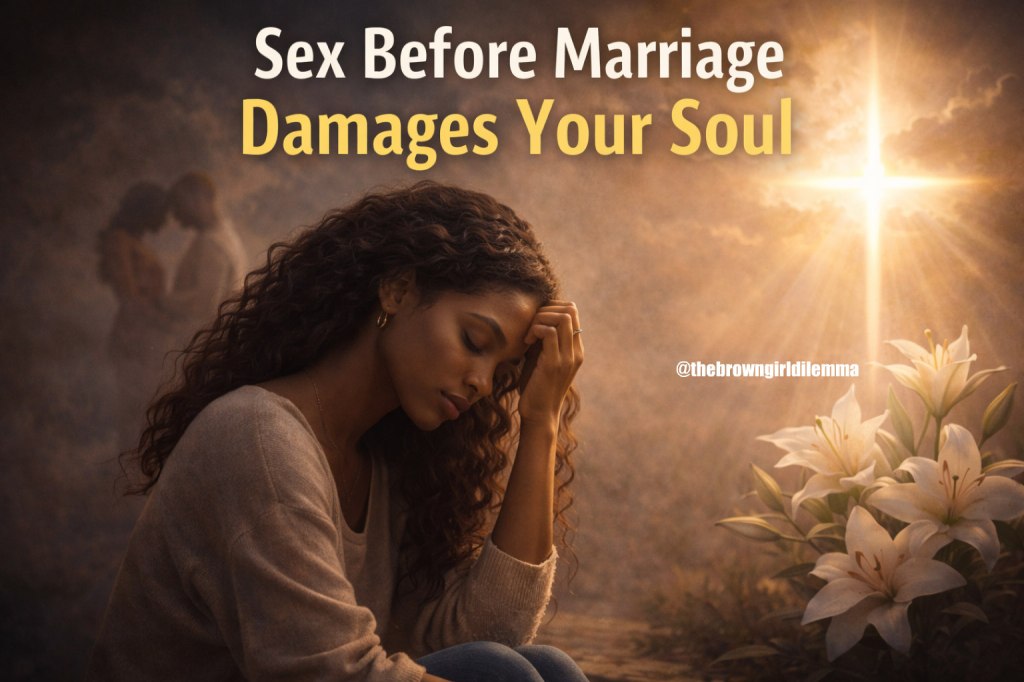
Fornication remains one of the most pervasive sexual sins, defiling the sanctity of marriage before it is even entered. The Apostle Paul warned, “Flee fornication. Every sin that a man doeth is without the body; but he that committeth fornication sinneth against his own body” (1 Corinthians 6:18, KJV). Fornication involves engaging in sexual activity outside of the covenant of marriage, reducing something holy into something transactional or recreational. Modern culture normalizes fornication under the guise of freedom and self-expression, but the truth remains that it entangles the soul and breaks down the spiritual fabric of holiness.
Adultery is another devastating corruption of consecrated flesh. The seventh commandment is clear: “Thou shalt not commit adultery” (Exodus 20:14, KJV). Adultery not only violates the covenant between husband and wife but also desecrates the sacred covenant between humanity and God. When a spouse betrays the vow of fidelity, trust is shattered, families are divided, and generations often suffer the ripple effects. The sacred body becomes a vessel of betrayal rather than a testimony of God’s covenantal love.
Masturbation, though not explicitly mentioned in the Bible, falls into the broader category of lust and self-idolatry. It often stems from unbridled imagination and indulgence in lustful thoughts, both of which Scripture warns against. Christ said, “But I say unto you, That whosoever looketh on a woman to lust after her hath committed adultery with her already in his heart” (Matthew 5:28, KJV). Masturbation trains the body and mind to crave satisfaction outside God’s design for intimacy within marriage, creating cycles of guilt, shame, and spiritual disconnection.
Bestiality is condemned with strong language in Scripture as one of the abominations of pagan nations. “Neither shalt thou lie with any beast to defile thyself therewith” (Leviticus 18:23, KJV). Such acts strip the human body of its dignity and degrade God’s design for sexuality. The body was created to reflect the image of God, not to be mingled with creatures. This perversion reveals the depths of depravity that humanity can sink into when separated from the sanctifying Spirit of God.
Incest is another perversion that Scripture repeatedly prohibits. The Lord warned Israel, “None of you shall approach to any that is near of kin to him, to uncover their nakedness: I am the Lord” (Leviticus 18:6, KJV). Incest distorts the natural boundaries established by God within families, leading to trauma, confusion, and shame. Families are designed to protect, nurture, and reflect God’s order—not to serve as arenas for forbidden desire. To violate those boundaries is to sin against the very structure of God’s creation.
Homosexual behavior is explicitly condemned in Scripture as contrary to God’s design for sexual intimacy, which He ordained to occur within the covenant of marriage between a man and a woman. Leviticus 18:22 declares, “Thou shalt not lie with mankind, as with womankind: it is abomination” (KJV), and Romans 1:26–27 further describes such acts as “against nature” and a consequence of turning away from God. From a biblical perspective, engaging in homosexual acts is considered sinful because it violates the created order and the sacred purpose of human sexuality, which is intended for procreation, intimacy, and covenantal fidelity. While the Bible calls all people to repentance and offers forgiveness through Christ (1 Corinthians 6:9–11), it maintains that sexual activity outside of God’s ordained boundaries—including homosexual behavior—is disobedience that distorts the sanctity of the body, which is a temple of the Holy Spirit. The call for believers is not to condone sin but to pursue holiness, consecrating their bodies to God and living in alignment with His commandments.
Pornography addiction is a modern plague that enslaves millions. While the Bible does not mention pornography explicitly, it condemns lust, idolatry, and whoredom—patterns that pornography perpetuates. Jesus’ words are piercing: “Whosoever looketh on a woman to lust after her hath committed adultery with her already in his heart” (Matthew 5:28, KJV). Pornography corrupts the imagination, fuels unrealistic expectations, and distorts the sacredness of sex. It replaces genuine intimacy with artificial fantasy, leaving the heart empty and bound in secrecy.
Sexual addiction is broader than pornography, manifesting as an uncontrollable compulsion for sexual encounters, imagery, or stimulation. This enslavement is a form of bondage, robbing individuals of peace and purity. Romans 6:16 reminds us, “Know ye not, that to whom ye yield yourselves servants to obey, his servants ye are to whom ye obey?” (KJV). Sexual addiction enslaves the will to sin, turning the body from a consecrated vessel into a slave of lust. Deliverance is possible, but it requires surrender to God and the renewing power of His Spirit.
Lustful thoughts, though they may appear hidden, are fully visible before God. They are the seeds from which many visible sexual sins grow. James wrote, “But every man is tempted, when he is drawn away of his own lust, and enticed. Then when lust hath conceived, it bringeth forth sin: and sin, when it is finished, bringeth forth death” (James 1:14–15, KJV). To consecrate the body is not only to avoid sinful acts but also to guard the mind and heart against lustful imaginations that corrupt purity.
The consecrated body demands not only abstinence from sinful acts but also intentional dedication to holiness. Romans 12:1 commands believers to present their bodies as “a living sacrifice, holy, acceptable unto God, which is your reasonable service” (KJV). This sacrificial offering requires self-discipline, prayer, and the pursuit of righteousness. Every act of obedience purifies the vessel, making it more fit for the indwelling presence of God.
Fornication may appear pleasurable for a season, but its fruit is bitterness. The consequences include broken relationships, unwanted pregnancies, sexually transmitted diseases, and spiritual distance from God. Hebrews 13:4 declares, “Marriage is honourable in all, and the bed undefiled: but whoremongers and adulterers God will judge” (KJV). Sexual union was meant to be holy within marriage, not trivialized outside of it.
Adultery destroys the sacred covenant of marriage, which is symbolic of Christ’s relationship with the Church. The prophet Malachi records God’s disdain for marital betrayal: “For the Lord, the God of Israel, saith that he hateth putting away” (Malachi 2:16, KJV). To break one’s marital vow through adultery is to misrepresent the covenantal love that God intended marriage to display to the world. The consecrated body cannot thrive in such deception.
Masturbation may appear harmless, but it often becomes a gateway to further sexual sin. It reinforces a habit of self-gratification that prioritizes pleasure over purity. Philippians 4:8 exhorts believers to fix their minds on things that are true, pure, and lovely, not on fantasies that corrupt the imagination. The consecrated body is called to discipline desires rather than indulge them unchecked.
Bestiality is not merely a physical sin; it is a spiritual corruption that severs one’s alignment with the Creator. Such acts reflect the moral decline of nations that rejected God’s laws. Leviticus 20:15 warns, “And if a man lie with a beast, he shall surely be put to death: and ye shall slay the beast” (KJV). This severity underscores the utter abomination of this act before God.
Incest carries multigenerational consequences, leaving scars on both victims and communities. It destroys trust within the family unit, leading to cycles of silence and shame. By prohibiting incest, God established safeguards to preserve the sanctity of family bonds. The consecrated body must honor these divine boundaries, recognizing that God’s laws are given for protection as well as holiness.
Pornography addiction robs the consecrated body of focus and vitality. Instead of being a temple of the Holy Ghost, the body becomes a theater for sinful images. The psalmist prayed, “I will set no wicked thing before mine eyes” (Psalm 101:3, KJV). This resolve to guard the eyes reminds us that consecration involves intentional choices to avoid images that pollute the soul.
Sexual addiction brings despair, shame, and secrecy. Yet Christ offers freedom: “If the Son therefore shall make you free, ye shall be free indeed” (John 8:36, KJV). Addiction is bondage, but consecration restores liberty. Healing requires confession, accountability, and the renewing work of the Holy Spirit, who sanctifies the believer’s body.
Lustful thoughts can be resisted by renewing the mind with God’s Word. Romans 12:2 urges, “Be not conformed to this world: but be ye transformed by the renewing of your mind” (KJV). The consecrated body does not yield to the impulses of lust but instead meditates on Scripture, prayer, and worship. By replacing lustful thoughts with holy ones, believers guard the sacredness of their flesh.
The consecrated body is a witness to the world. In an age where sexual sin is glorified, living in purity is a radical testimony of God’s transforming power. Believers who consecrate their bodies demonstrate that holiness is possible, even in a corrupt society. Their lives shine as lights in darkness, drawing others toward God’s standard of sanctity.
Fornication and adultery are not only sins against one’s body but also sins against God’s holiness. Joseph, when tempted by Potiphar’s wife, declared, “How then can I do this great wickedness, and sin against God?” (Genesis 39:9, KJV). His refusal shows that consecration requires both physical restraint and spiritual conviction. To resist temptation is to honor God with the body.
Masturbation and pornography often isolate individuals, leaving them consumed with guilt and shame. Yet God offers restoration. Psalm 51:10 is the prayer of the penitent: “Create in me a clean heart, O God; and renew a right spirit within me” (KJV). The consecrated body seeks cleansing, knowing that God is faithful to forgive and restore.
Bestiality and incest reveal how far sin can warp human desires. Both sins distort the image of God and bring communities under judgment. When Israel tolerated such abominations, God warned that the land itself would “spue you out also” (Leviticus 18:28, KJV). This shows that sexual sin has not only personal but also communal consequences. The consecrated body resists such corruption to preserve holiness within the community of faith.
Sexual addiction thrives in secrecy, but consecration thrives in accountability. James 5:16 encourages confession: “Confess your faults one to another, and pray one for another, that ye may be healed” (KJV). Healing from sexual sin often requires trusted fellowship and prayer, reminding believers that consecration is not lived out in isolation but in community.
Lustful thoughts can be quenched by walking in the Spirit. Galatians 5:16 declares, “This I say then, Walk in the Spirit, and ye shall not fulfil the lust of the flesh” (KJV). The consecrated body is surrendered daily to the Spirit’s guidance, learning to discipline desires and align them with God’s will. The battle for consecration is won by yielding moment by moment to the Spirit’s power.
The sacredness of flesh lies not in its physicality alone but in its divine purpose. Humanity was created in the image of God (Genesis 1:27, KJV), and to profane the body is to dishonor the Creator. The consecrated body reflects divine beauty and dignity, resisting corruption and striving for holiness.
Sexual sin diminishes the soul, but consecration restores the body to its original glory. Through repentance, renewal, and sanctification, believers reclaim their identity as temples of God. Paul’s exhortation in 1 Thessalonians 4:3 is timeless: “For this is the will of God, even your sanctification, that ye should abstain from fornication” (KJV). Consecration is not merely an option but the will of God for every believer.
Steps to Break Free from Sexual Sin
Recognize and Acknowledge the Sin
The first step is honesty before God. Denial allows sin to remain hidden, but confession brings it to light.
📖 “He that covereth his sins shall not prosper: but whoso confesseth and forsaketh them shall have mercy.” (Proverbs 28:13, KJV)
Repent and Turn Away
Repentance is more than sorrow—it is a deliberate turning away from sin and toward God.
📖 “Repent ye therefore, and be converted, that your sins may be blotted out.” (Acts 3:19, KJV)
Surrender to Christ’s Lordship
We cannot defeat sin in our own strength. Freedom comes through yielding to Jesus Christ as Lord.
📖 “If the Son therefore shall make you free, ye shall be free indeed.” (John 8:36, KJV)
Guard the Mind and Heart
Most sexual sin begins in the imagination. Guarding the eyes and thoughts is essential.
📖 “I will set no wicked thing before mine eyes.” (Psalm 101:3, KJV)
📖 “Keep thy heart with all diligence; for out of it are the issues of life.” (Proverbs 4:23, KJV)
Renew the Mind with Scripture
Replace lustful thoughts with God’s Word, filling the mind with truth and purity.
📖 “And be not conformed to this world: but be ye transformed by the renewing of your mind.” (Romans 12:2, KJV)
📖 “Wherewithal shall a young man cleanse his way? by taking heed thereto according to thy word.” (Psalm 119:9, KJV)
Pray and Fast for Deliverance
Persistent prayer and fasting strengthen the spirit and weaken the flesh.
📖 “Watch and pray, that ye enter not into temptation: the spirit indeed is willing, but the flesh is weak.” (Matthew 26:41, KJV)
Seek Accountability and Fellowship
Isolation keeps sin alive; accountability helps break its power. Trusted believers can provide prayer, encouragement, and correction.
📖 “Confess your faults one to another, and pray one for another, that ye may be healed.” (James 5:16, KJV)
Avoid Triggers and Remove Temptations
Practical steps include avoiding explicit media, cutting off unhealthy relationships, and replacing old habits with righteous ones.
📖 “Make not provision for the flesh, to fulfil the lusts thereof.” (Romans 13:14, KJV)
Walk in the Spirit Daily
Victory over sexual sin requires walking in the Spirit and not feeding the flesh.
📖 “This I say then, Walk in the Spirit, and ye shall not fulfil the lust of the flesh.” (Galatians 5:16, KJV)
Remember Your Identity in Christ
You are not defined by past sin, but by your new identity as a child of God.
📖 “Therefore if any man be in Christ, he is a new creature: old things are passed away; behold, all things are become new.” (2 Corinthians 5:17, KJV)
In conclusion, the consecrated body is a holy vessel, set apart for divine purposes. Fornication, adultery, masturbation, bestiality, incest, pornography, sexual addiction, and lustful thoughts all desecrate the temple of God. Yet Christ offers redemption, cleansing, and renewal. Through prayer, Scripture, accountability, and surrender, believers can live in the sacredness of flesh, glorifying God with their bodies. As Paul declared, “For ye are bought with a price: therefore glorify God in your body, and in your spirit, which are God’s” (1 Corinthians 6:20, KJV).
Biblical References (KJV)
- Proverbs 28:13 – “He that covereth his sins shall not prosper: but whoso confesseth and forsaketh them shall have mercy.”
- Acts 3:19 – “Repent ye therefore, and be converted, that your sins may be blotted out.”
- John 8:36 – “If the Son therefore shall make you free, ye shall be free indeed.”
- Psalm 101:3 – “I will set no wicked thing before mine eyes.”
- Proverbs 4:23 – “Keep thy heart with all diligence; for out of it are the issues of life.”
- Romans 12:2 – “And be not conformed to this world: but be ye transformed by the renewing of your mind.”
- Psalm 119:9 – “Wherewithal shall a young man cleanse his way? by taking heed thereto according to thy word.”
- Matthew 26:41 – “Watch and pray, that ye enter not into temptation: the spirit indeed is willing, but the flesh is weak.”
- James 5:16 – “Confess your faults one to another, and pray one for another, that ye may be healed.”
- Romans 13:14 – “Make not provision for the flesh, to fulfil the lusts thereof.”
- Galatians 5:16 – “This I say then, Walk in the Spirit, and ye shall not fulfil the lust of the flesh.”
- 2 Corinthians 5:17 – “Therefore if any man be in Christ, he is a new creature: old things are passed away; behold, all things are become new.”
Scholarly / Psychological References
- Carnes, P. (2001). Out of the Shadows: Understanding Sexual Addiction. Center City, MN: Hazelden.
- Delmonico, D. L., & Carnes, P. (1999). Pornography Addiction: A Treatable Disease. Sexual Addiction & Compulsivity, 6(1), 1–28.
- Grant, J. E., Potenza, M. N., & Weinstein, A. (2010). Sexual Addiction: Conceptualization, Assessment, and Treatment. Psychiatric Clinics of North America, 33(4), 701–717.
- Worthington, E. L., Jr., & Scherer, M. (2004). Forgiveness Is an Emotion-Focused Coping Strategy That Can Reduce Health Risks and Promote Health Resilience: Theory, Review, and Hypotheses. Review of General Psychology, 8(3), 213–229.
- McDowell, J. (2010). Right from Wrong: Biblical Ethics for Modern Life. Nashville, TN: Thomas Nelson.










 THE BROWN GIRL DILEMMA