Category Archives: Relationships

🤍A NEEDLE IN THE HAYSTACK🤍

The Measure of a Godly Man: Provider, Priest, and Protector


Photo by Luca Nardone on Pexels.com

A Needle in the Haystack: Honoring the Rare Man After God’s Own Heart

In a world of shifting values and shallow definitions of masculinity, the Godly man stands out—not for his noise, but for his depth. He is not easily found, nor is he loudly celebrated. He is rare—a needle in the haystack, a living testimony to what it means to be a man after God’s own heart.

The Quiet Strength of a Godly Man

He does not lead with arrogance or ego. His strength is measured in silence, in discipline, in the weight he bears for those he loves. He is not shaped by culture, but by covenant. He walks with quiet fire, with vision that reaches generations. This man lives beneath the surface of trends and hype, rooted instead in biblical truth and eternal values.

“A needle in the haystack’s maze,
A rare gem in a reckless age.”

A Lover of God, First and Foremost

Above all else, this man is devoted to God. His intimacy with the Father defines every other role he plays. He does not seek approval from men, but walks humbly before the throne of grace. Like King David, he is not perfect—but he is penitent, pursuing God with a whole heart.

“A lover of the Lord Most High,
With tear-stained prayers and lifted eyes.
He bends his knee before the throne,
Before he leads, he’s led alone.”

Priest, Provider, and Protector of the Home

He embraces his God-ordained role as priest of the home, standing in spiritual authority while washing his family in love and wisdom. He provides—not just materially, but emotionally, mentally, and spiritually. He is a safe place and a strong tower for his wife and children.

“He is a priest, he is a shield,
A man whose heart has been revealed.
Through trials fierce and battles deep,
He sows the Word, his children reap.”

“A provider, not by wealth alone,
But through the seeds of love he’s sown.
He leads with action, not with talk—
His life, a sermon when he walks.”

A Husband Who Honors and Cherishes

To his wife, he is gentle yet strong, a man who knows how to cover and nurture. His love is not performance-based; it is rooted in covenant. He honors her role, values her voice, and builds her up with his words and actions.

“He is a husband, strong yet kind,
Who cherishes his bride’s design.
Not just in touch, but in his tone—
He makes her feel safe, seen, and known.”

A Father Who Shapes Destiny

This man understands the weight of fatherhood. He doesn’t just father children—he fathers futures. He teaches, corrects, affirms, and protects. His children rise blessed because he walks in integrity (Proverbs 20:7, KJV).

“He is a father, wise and true,
Who builds with faith and labors too.
He trains his sons, he lifts his girls,
He guides with grace in a shaking world.”

A Man of Integrity, Not Image

Unlike the “dusty” man—who refuses to provide, demands 50/50, and dodges responsibility—this man shows his love through action. He doesn’t just speak of loyalty and vision—he lives it. He leads not to be served, but to serve. He chooses legacy over lust, and covenant over convenience.

“He doesn’t just command respect—he earns it.”

Conclusion: Blessed is She Who Finds Him

Men like this are not found every day. They are formed in fire, refined by grace, and led by Spirit. They are the exception, not the rule. For the woman who finds such a man, she has found more than a husband—she has found a reflection of God’s own heart.

“So rare he is, so few remain—
A remnant in a world profane.
A man of covenant, not charm—
Whose life is shelter, truth, and calm.”

“A needle in the haystack’s depth,
A holy flame, a living breath.
A Godly man, so few will find—
But blessed is she who calls him mine.”


A Godly man is not defined by charm, charisma, or credentials—but by his commitment to righteousness, his faithfulness to God’s Word, and his unwavering love for his family. He is the anchor of the home, the pillar of wisdom, and the guardian of legacy. He is a rare find—a needle in a haystack—whose presence reflects the strength and spirit of the Most High.


The Divine Duty: Man as Provider and Priest

God created man to lead, provide, and protect. From the beginning, Adam was placed in the garden to “dress it and keep it” (Genesis 2:15, KJV)—a calling of labor, stewardship, and responsibility. The New Testament echoes this eternal charge: “But if any provide not for his own, and specially for those of his own house, he hath denied the faith, and is worse than an infidel” (1 Timothy 5:8, KJV).

Provision is not merely financial. A Godly man provides security, vision, wisdom, and love. He covers his wife in prayer, counsels his children in truth, and builds a legacy rooted in faith. Like Joshua, he declares, “But as for me and my house, we will serve the Lord” (Joshua 24:15, KJV). He is the priest of the home, walking in integrity, standing in the gap, and leading his household in righteousness.


The Dusty Man: A Counterfeit Masculinity

In stark contrast stands the dusty man—a modern byword for the irresponsible, entitled, and unprincipled male. He is not just poor in finances—he is poor in character. He demands 50/50 from a woman while offering nothing in spiritual leadership, monetary, or covering. He wants partnership without sacrifice, intimacy without commitment, benefits without burden. He is like the man described in Proverbs: “As a bird that wandereth from her nest, so is a man that wandereth from his place” (Proverbs 27:8, KJV).

The dusty man wants a Proverbs 31 woman but fails to be an Ephesians 5 husband. He speaks of love but shows no action. Yet the Word is clear: “My little children, let us not love in word, neither in tongue; but in deed and in truth” (1 John 3:18, KJV). Love is an action word. It is not proven by gifts or words alone, but by consistent self-sacrifice and the pursuit of the other’s good.

He lies in wait for women to build with him, only to later abandon them. He fathers children but forsakes the role of fatherhood. The Word warns: “He that troubleth his own house shall inherit the wind” (Proverbs 11:29, KJV). This man builds nothing because he invests in nothing but himself.


Faithful Men vs. The Unfaithful: Fruit vs. Failure

A faithful man is not ruled by lust but led by love. He is a man who resists temptation and honors covenant. “The just man walketh in his integrity: his children are blessed after him” (Proverbs 20:7, KJV). He builds trust over time and leads his home with dignity and strength. His love is patient, long-suffering, kind, and consistent (1 Corinthians 13:4–7).

In contrast, the unfaithful man is unstable in all his ways. He may charm with his words, but his actions betray him. He leaves broken homes, broken hearts, and broken children behind. The Bible is clear that “A double minded man is unstable in all his ways” (James 1:8, KJV). A man that does not take care of his family, in heart or in hand, has rejected the very image of the Father—for our heavenly Father never abandons His children.


Strength Over the Flesh: Becoming a Man of Discipline

A strong man is not one who dominates others—but one who governs himself. “He that is slow to anger is better than the mighty; and he that ruleth his spirit than he that taketh a city” (Proverbs 16:32, KJV). Overcoming the flesh is not easy, but it is essential. The Godly man crucifies his desires daily (Galatians 5:24), submits his mind to Christ (Romans 12:2), and disciplines his eyes, thoughts, and body for the glory of God.

He knows the price of obedience, and he pays it—because eternity is more valuable than momentary pleasure.


What a Godly Man Looks for in a Godly Woman

A man of the Most High does not seek vanity but virtue. He desires a woman with modesty of heart, not just modesty of dress. A woman who fears the Lord (Proverbs 31:30), whose speech is seasoned with grace, and whose spirit is clothed in humility (1 Peter 3:4). She is not loud and clamorous, but wise and peaceable. She edifies, she uplifts, and she understands that submission is strength, not slavery.

He does not fear a strong woman—but he honors one who knows when to lead and when to follow. He seeks a helpmeet, not a hindrance—a partner in purpose, a warrior in prayer, and a queen who walks in the fear of the Lord.


The True Leader: A Man After God’s Own Heart

The Godly man is open-hearted, yet discerning. Open-minded, yet grounded in Scripture. He is a student of truth, a lover of wisdom, and a man who leads with clarity and conviction. He is faithful, generous, and honest—even when it costs him. He is a shepherd to his family, not a tyrant; a servant-leader who lays down his life, just as Christ did for the Church (Ephesians 5:25).

He doesn’t just command respect—he earns it.


Final Word: The Legacy of a Righteous Man

The Godly man is a rare jewel in a generation of dust and deceit. He builds, he prays, he stays. He doesn’t run from responsibility—he embraces it. He is a father to the fatherless, a husband of honor, and a man after God’s own heart (Acts 13:22).

Final Thoughts

In a time where masculinity is often misunderstood or misrepresented, the world desperately needs fathers, husbands, and leaders who reflect the love, discipline, and courage of Christ. These men may not trend online—but they will transform families, strengthen communities, and shake generations.

They are the few.
They are the faithful.
They are the rare

Let men rise to the calling. Let them walk as kings and priests in their homes (Revelation 1:6). Let them forsake childish ways, overcome the flesh, and love not in word only, but in deed and truth.

Because real men don’t just say they love—they show it.

Dilemma: Sexual Sins

The Power and Consequence of Sexual Sin: A Biblical and Psychological Study

Photo by Jasmine Carter on Pexels.com

“A man once told me, after seeing me at the opera, ‘The moment you entered the room, I was paralyzed by your presence—your extraordinary beauty captivated me so completely, it was as if time stopped. The delicate way your dress embraced your hourglass form, the elegance of your silhouette, and the radiance in your big bedroom eyes made it impossible to look away. I silently vowed, in that moment, to honor your very footstep.’”

This experience is more than poetic admiration; it is a powerful display of what lust can awaken in the human mind and heart. The emotional and physical reaction of the man may seem romantic, but it is also a spiritual battleground—a war between appreciation and temptation, desire and self-control.


Sexual Sin: A Sacred Design Twisted

Sex was designed by the Most High as a holy covenant act within marriage, a physical and spiritual union between husband and wife. It is more than pleasure—it is worship, connection, and a symbol of divine intimacy.

📖 Hebrews 13:4 (KJV): “Marriage is honourable in all, and the bed undefiled: but whoremongers and adulterers God will judge.”

When misused, this sacred act becomes spiritually unlawful. All sex outside of marriage—whether fornication, adultery, or pornography—is considered sin and invites spiritual bondage.


The Origin and Nature of Sexual Sin

Sexual sin entered the world through the fall of Adam and Eve. Before sin, there was nakedness without shame (Genesis 2:25). Afterward, shame, secrecy, and lust corrupted the purity of sexual connection.

📖 1 Corinthians 6:18 (KJV): “Flee fornication. Every sin that a man doeth is without the body; but he that committeth fornication sinneth against his own body.”


What Is Fornication and Lust?

  • Fornication (Greek: porneia) is any sexual activity outside of marriage (1 Corinthians 6:9).
  • Lust is a desire that goes beyond admiration; it is coveting with the intent to possess, even if only in the mind.

📖 Matthew 5:28 (KJV): “But I say unto you, That whosoever looketh on a woman to lust after her hath committed adultery with her already in his heart.”


Men, Attraction, and the Brain

When a man sees a physically attractive woman, dopamine is released in the brain—a chemical associated with reward and pleasure. This activates areas tied to sexual arousal and fantasy. Without spiritual discipline, these desires can evolve from admiration into sinful lust and even addiction.

📖 Proverbs 6:25: “Lust not after her beauty in thine heart; neither let her take thee with her eyelids.”


Are Women More Prone to Sexual Sin or Addiction?

Sexual sin affects both men and women, but often in different ways:

🔹 Men are more visually stimulated, often falling into pornography, lust, or physical encounters.

🔹 Women, though traditionally thought more emotionally driven, are increasingly exposed to emotional and physical sexual temptations, especially through media, novels, and online platforms.

According to psychological studies:

  • Women today are almost equally vulnerable to pornography and sexual compulsions.
  • Many women report struggles with masturbation, fantasy, and emotional infidelity.

📖 Romans 3:23 (KJV): “For all have sinned, and come short of the glory of God.”

No gender is exempt from temptation. Sin is an equal-opportunity enslaver.


What Is Porn Addiction and Masturbation Spiritually?

🔹 Porn Addiction

  • Trains the brain to crave unrealistic sexual images
  • Leads to desensitization, broken relationships, and spiritual numbness

📖 Ephesians 5:12: “For it is a shame even to speak of those things which are done of them in secret.”

🔹 Masturbation

  • Involves lust and fantasy, often leading to guilt and isolation
  • Spiritually opens a door to demonic influence when fueled by unclean imagery

📖 1 Corinthians 10:8: “Neither let us commit fornication, as some of them committed, and fell in one day three and twenty thousand.”

🧠 Psychologically, this behavior releases high levels of dopamine, creating a cycle of dependency.


Lust: A Gateway to the Spirit Realm

Lust is more than a fleeting emotion. It is a spiritual doorway—a one-way invitation into your soul.

Lust does not remain in the mind. It is a spiritual transaction. When you lust, you give permission for spirits of lust, addiction, and perversion to enter your life. These unclean spirits enslave the mind and body, leading to shame, brokenness, and spiritual death.

📖 James 1:14–15: “Every man is tempted, when he is drawn away of his own lust… then when lust hath conceived, it bringeth forth sin.”


Sex Within Marriage: Divine Worship


Sex in marriage is not only a physical act—it is a form of worship, a spiritual celebration of covenant love. The Most High intended sex to build intimacy, unity, and joy between husband and wife. Outside of marriage, that same act becomes a tool for destruction.

📖 Genesis 2:24: “Therefore shall a man leave his father and his mother, and shall cleave unto his wife: and they shall be one flesh.”


Common Sexual Sins in Scripture

  1. Fornication (1 Corinthians 6:18)
  2. Adultery (Exodus 20:14)
  3. Homosexual acts (Leviticus 18:22)
  4. Incest (Leviticus 18)
  5. Bestiality (Leviticus 18:23)
  6. Lust (Matthew 5:28)
  7. Prostitution (Proverbs 6:26)
  8. Pornography/Fantasy (Implied in Matthew 5:28)

How to Overcome Sexual Lust

🔹 Biblical Methods

  • Flee temptation (2 Timothy 2:22)
  • Renew your mind daily (Romans 12:2)
  • Pray and fast (Matthew 17:21)
  • Confess and repent (1 John 1:9)
  • Walk in the Spirit (Galatians 5:16)

🔹 Mental and Practical Methods

  • Avoid triggers (movies, social media, music)
  • Seek accountability partners or counselors
  • Replace temptation with purpose (exercise, service, worship)
  • Use CBT (Cognitive Behavioral Therapy) to reframe destructive patterns

Conclusion: Choose Holiness Over Compromise

Sexual sin is a powerful force—but it is not more powerful than God’s grace. While the enemy uses lust to destroy, God offers purity, redemption, and strength.

📖 1 Thessalonians 4:3–5 (KJV):
“For this is the will of God, even your sanctification, that ye should abstain from fornication… not in the lust of concupiscence, even as the Gentiles which know not God.”

You are not alone in this fight. Through Christ, you can walk in freedom, holiness, and peace—restoring the sacredness of your body and mind as a vessel of the Most High.


References:

  • The Holy Bible, King James Version (KJV)
  • Struthers, W. (2009). Wired for Intimacy: How Pornography Hijacks the Male Brain
  • Laaser, M. (2004). Healing the Wounds of Sexual Addiction
  • Patrick Carnes (2011). Out of the Shadows: Understanding Sexual Addiction
  • American Psychological Association (2020): “Sexual Behavior and the Brain”

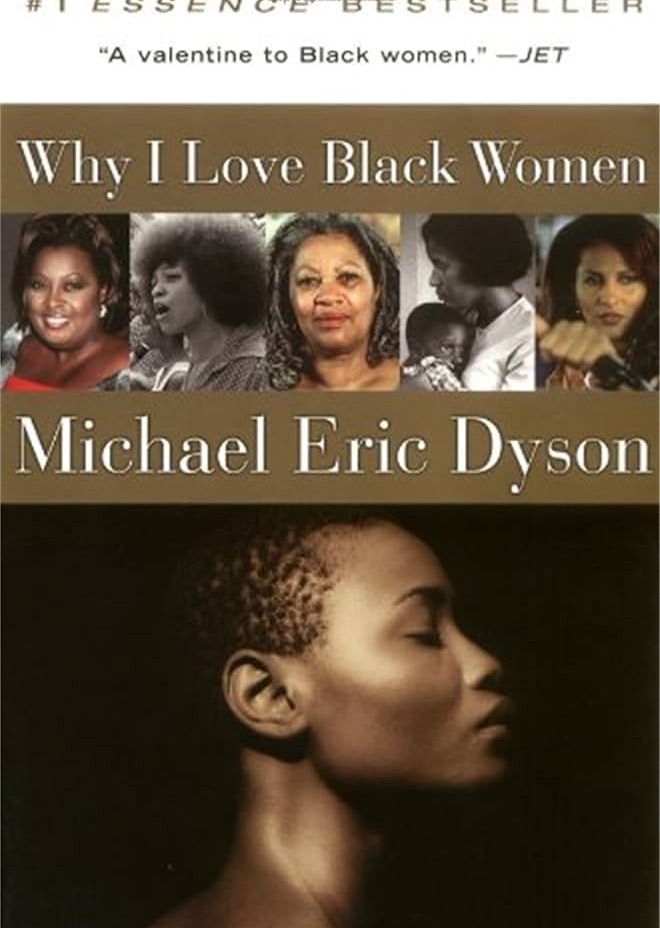
Book Review: Dr. Michael Eric Dyson’s Why I Love Black Women.

Book Review: Why I Love Black Women by Michael Eric Dyson
⭐️⭐️⭐️⭐️⭐️ (5/5)
All photographs are the property of their respective owners.

In a society where Eurocentric standards of beauty often dominate the media, fashion, and even romantic ideals, Why I Love Black Women by Dr. Michael Eric Dyson is a deeply affirming and poetic tribute to the strength, beauty, and soul of Black women. With eloquence, reverence, and a heartfelt sense of gratitude, Dyson reclaims the narrative, elevating the Black woman from the margins to the center—where she has always belonged.

This book is more than just a love letter. It is a cultural, intellectual, and emotional reckoning. Dyson weaves personal experiences, historical insight, and cultural commentary to portray Black women as both divine and real—complex, resilient, sensual, brilliant, and beautiful in ways that are too often overlooked or dismissed.

A Breathtaking Portrait of Black Womanhood

Dyson’s words flow with a kind of gospel rhythm, offering both testimony and tribute. From his mother to his mentors, lovers, icons, and even strangers, each chapter is devoted to a different Black woman or type of Black woman who shaped his worldview. He reflects on women like Rosa Parks, Toni Morrison, his own grandmother, and everyday sisters who, as he says, “walked through the fire and made it out smelling like cocoa butter and victory.”

In his own words:

“Black women have helped me to learn how to love. They have taught me about courage. They have fed my soul with their passion and intelligence and joy.”
—Michael Eric Dyson, Why I Love Black Women (2003)

His appreciation extends beyond the physical: he honors the intellect, dignity, spiritual power, and emotional depth of Black women. Dyson does not offer empty praise—he uplifts with intellectual rigor and heartfelt sincerity. His admiration is not rooted in idealization but in lived truth and deep respect.

A Voice of Authority and Empathy

Michael Eric Dyson, born in Detroit, Michigan, is one of the most respected public intellectuals and cultural critics of our time. A former Baptist minister, he combines scholarship with soul, and his work spans race, politics, religion, and pop culture. He earned his Ph.D. in religion from Princeton University and has taught at institutions such as the University of Pennsylvania, Georgetown University, and currently, Vanderbilt University, where he holds the position of Distinguished University Professor of African American and Diaspora Studies.

Dyson is also a prolific author, having written more than 20 books, including Tears We Cannot Stop: A Sermon to White America and The Black Presidency: Barack Obama and the Politics of Race in America. His voice is trusted, his insight sharp, and his compassion unmatched.

He is married to Marcia L. Dyson, a writer, minister, and activist in her own right—making them a powerhouse couple in both love and advocacy.

Why It Matters

Why I Love Black Women is not just a personal narrative—it is a cultural intervention. In an era where Black women are often devalued or fetishized, Dyson dares to speak truth to their power, to celebrate their beauty inside and out, and to give them the flowers they so rightfully deserve.

His writing leaves you breathless not because it flatters, but because it affirms. It reminds readers—especially Black women—that they are seen, valued, and deeply loved.

Final Thoughts

This book is a must-read for anyone who wishes to better understand the heart of a Black intellectual and the unshakable importance of Black women in shaping families, communities, and the cultural landscape. Dyson offers more than admiration—he offers reverence. And in doing so, he challenges us all to love Black women out loud.

Rating: ⭐️⭐️⭐️⭐️⭐️ (5/5)
Essential Reading. Soulful. Celebratory. Revolutionary.


References:

  • Dyson, M. E. (2003). Why I Love Black Women. Basic Civitas Books.
  • Dyson, M. E. (2017). Tears We Cannot Stop: A Sermon to White America. St. Martin’s Press.
  • Dyson, M. E. (2016). The Black Presidency: Barack Obama and the Politics of Race in America. Houghton Mifflin Harcourt.
  • Vanderbilt University Faculty Profile: Dr. Michael Eric Dyson – vanderbilt.edu
  • Marcia L. Dyson – marciadyson.com

The Marriage Series: The Sacred Roles of Husband and Wife.

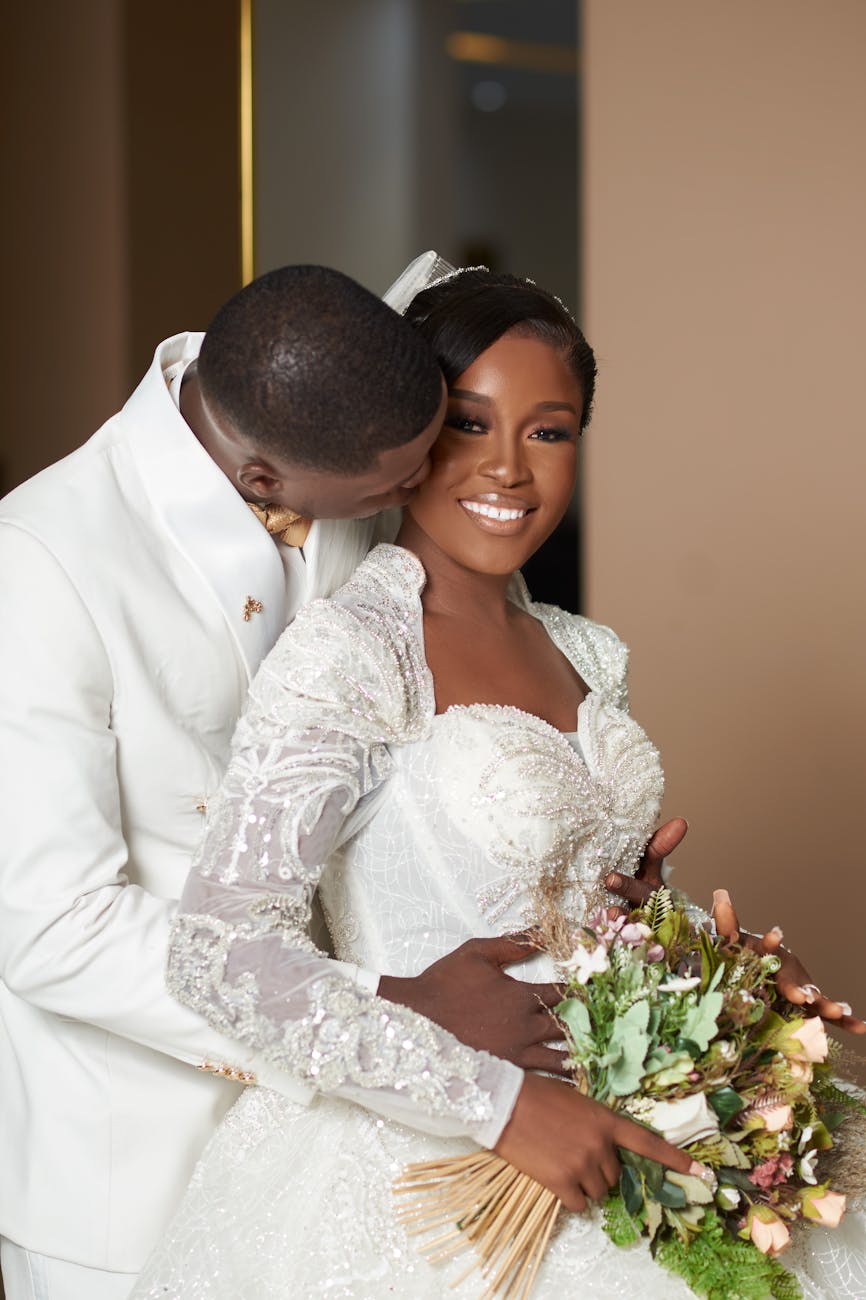
Photo by Aj Collins Artistry on Pexels.com


The Sacred Role of a Husband: A Biblical Perspective

A Husband is the head and the foundation of the family, he ungirds the family. 

Marriage, as designed by the Most High, is a sacred covenant modeled after the divine relationship between Christ and His Church. Within this spiritual union, the husband bears a significant role—one of leadership, love, provision, and spiritual guidance. According to the Apostle Paul, “For the husband is the head of the wife, even as Christ is the head of the church: and He is the savior of the body” (Ephesians 5:23, KJV). This headship, however, is not a position of domination, but of sacrificial leadership—rooted in love, service, and humility.

Headship and Leadership

The concept of male headship is reaffirmed in Paul’s epistle to the Corinthians: “But I would have you know, that the head of every man is Christ; and the head of the woman is the man; and the head of Christ is God” (1 Corinthians 11:3, KJV). Here, divine order is established, not to elevate man in pride, but to empower him in responsibility. The role of the husband is not to control, abuse, or neglect his wife, but to guide her spiritually and emotionally. As Dr. Peters notes, the Most High places the spiritual weight of the home upon the shoulders of the man, calling him to be priest, provider, and protector—not an authoritarian figure, but a servant-leader modeled after Christ (Peters, 2023).

Loving as Christ Loves

The command for husbands to love their wives is not optional—it is foundational. “Husbands, love your wives, even as Christ also loved the church, and gave himself for it” (Ephesians 5:25, KJV). This is not mere affection but a love that sanctifies, edifies, and protects. As Christ sacrificed Himself to present the Church “without spot, or wrinkle,” so too must a husband nurture his wife in holiness and honor (Ephesians 5:26-27). Loving one’s wife as one’s own body means nourishing her emotionally, spiritually, and physically (Ephesians 5:28-29).

Dr. Peters stresses that a godly husband affirms his wife continually, seeks to meet her unspoken needs, and washes her with the Word of God—just as Christ did for His disciples (John 13:4-5). Through acts of service, listening, prayer, and biblical instruction, a husband builds up the heart and soul of his wife, fulfilling his divine duty.

The Biblical Blueprint of a Husband

To walk in divine alignment, a godly husband must embody six core principles:

  1. Leadership (Priesthood of the Home): Initiating spiritual guidance, prayer, and biblical instruction (Deuteronomy 6:6-7).

  2. Provision: Financial responsibility rests on the husband, as Scripture states: “If any provide not for his own… he hath denied the faith, and is worse than an infidel” (1 Timothy 5:8, KJV).

  3. Discipline and Self-Control: God placed man in Eden “to dress it and to keep it” (Genesis 2:15, KJV), symbolizing responsibility and diligence.

  4. Servanthood: True leadership imitates Christ’s humility. “He that is greatest among you shall be your servant” (Matthew 23:11, KJV).

  5. Spiritual Instruction: Teaching one’s wife and children the commandments and ways of the Most High (Proverbs 22:6).

  6. Emotional and Physical Protection: “Giving honor unto the wife, as unto the weaker vessel… that your prayers be not hindered” (1 Peter 3:7, KJV).

A Godly Legacy

A man is called to leave behind a righteous inheritance—not merely in material wealth, but in spiritual impact. “A good man leaveth an inheritance to his children’s children” (Proverbs 13:22, KJV). Prioritizing the wife over all other human relationships reflects the command to “leave his father and his mother, and shall cleave unto his wife: and they shall be one flesh” (Genesis 2:24, KJV). In so doing, the husband models Christ’s commitment and becomes the cornerstone of generational blessings.

Furthermore, as fathers, men are instructed to raise their children in “the nurture and admonition of the Lord” (Ephesians 6:4, KJV), avoiding harshness but promoting spiritual growth (Colossians 3:21).

Conclusion: A Reflection of Divine Love

To be a godly husband is to be a reflection of divine love on earth. It means to “accommodate your life to the life of the gift God has given you—your wife,” as Dr. Peters wisely expresses. At the judgment seat of Christ, may husbands be found faithful—having led, loved, and served their families with holiness and humility. Let every husband declare as Adam did, “This is now bone of my bones, and flesh of my flesh” (Genesis 2:23, KJV), acknowledging his wife not as property, but as a partner in purpose and faith.


The Role of a Godly Wife: A Biblical Blueprint

A godly wife is one who fears the Lord, seeking His will over the approval of others. Proverbs 31:30 declares, “Favour is deceitful, and beauty is vain: but a woman that feareth the Lord, she shall be praised.” Her reverence for the Most High compels her to walk in wisdom, avoiding decisions that compromise her future purpose in God’s plan. Her day begins with prayer and often fasting, aligning herself with the will of the Most High. Her body is a temple of the Holy Spirit (1 Corinthians 6:19-20), and she lives with the awareness that she was bought with a price. Therefore, she honors the Lord in her conduct, speech, and motives.

Luke 12:31 reminds her to “seek ye the kingdom of God; and all these things shall be added unto you.” She is a woman who understands order and calls her husband “lord” as Sarah did, showing reverence and respect (1 Peter 3:6). When her husband is faithful, provides, and protects, she understands she is blessed and expresses gratitude, knowing that such a man is rare and highly favored. A virtuous woman is a crown to her husband (Proverbs 12:4) and contributes to a peaceful and joyful home.

The Help Meet

Genesis 2:18 states, “And the Lord God said, It is not good that the man should be alone; I will make him a help meet for him.” The wife is not a background character; she is central to God’s plan, made to complete her husband. When she sees areas of weakness in him, she steps in as the helper God designed her to be. If her husband falls short, her role is to uplift and assist him—not to criticize, but to build. This is the divine assignment of a help-meet.

Submission to Her Husband

Ephesians 5:22-23 commands, “Wives, submit yourselves unto your own husbands, as unto the Lord. For the husband is the head of the wife.” Submission is not agreement on every issue, but recognition of her husband’s divine position. She submits as unto the Lord, understanding that obedience to God includes reverencing her husband (Ephesians 5:33). This posture of submission brings harmony, ensuring that her prayers are not hindered and her home functions according to God’s design.

Attributes of a Virtuous Wife

A virtuous wife does good to her husband all the days of her life (Proverbs 31:12). She supports his ministry, prays with him, anoints him, and speaks life over him. She never belittles or embarrasses him but treats him with the dignity due to a fellow heir of the Kingdom. Her compliments uplift his spirit: “You are a mighty man of valor,” “my provider,” “my king.” Her praise, like incense, builds him up and encourages godly confidence.

Modesty and Appearance

1 Timothy 2:9 instructs women to “adorn themselves in modest apparel.” Her clothing and demeanor reflect a meek and quiet spirit, which is of great value in God’s eyes (1 Peter 3:4). She dresses for her husband and not the world, maintaining her physical health and cleanliness. Her modesty is not repression, but reverence—honoring God and her spouse.

Housekeeping and Hospitality

The home is a reflection of her stewardship. “Godliness is next to cleanliness,” and her diligence in keeping the house in order shows respect for her husband’s labor. A clean home fosters peace, and she prioritizes this as an act of love and honor.

Parenting

Titus 2:4-5 and 1 Timothy 5:14 instruct wives to love their husbands and children, be keepers at home, and guide the household. She is deeply involved in raising the next generation, not outsourcing this duty to others. She supports her husband in parenting, contributing to a godly legacy.

Feeding the Household

Proverbs 31:15 shows that a virtuous wife “giveth meat to her household.” She learns to cook and provides meals with love and diligence. Her commitment extends to ensuring her family is nourished, not only physically but spiritually.

Conclusion

There is no perfect marriage, but when both spouses fulfill their divine roles, the Most High brings increase. A godly wife is a powerful force in her husband’s life and in her home. She fasts, prays, submits, and nurtures with grace. She exemplifies biblical womanhood and stands as a beacon of holiness, love, and wisdom to the world.

References

King James Bible. (n.d.). Authorized King James Version. Retrieved from https://www.kingjamesbibleonline.org/


Dilemma: Singleness, Widowhood, and Purity.

Photo by Sherman Trotz on Pexels.com

Singleness, Widowhood, and Purity: A Hebraic Israelite Reflection on Divine Timing and Purpose

1. Singleness as a Sacred Gift

Singleness is not a curse—it is a consecrated gift from the Most High. It offers an undivided opportunity for devotion, clarity, and spiritual intimacy. As the Psalmist declares, “I will lift up mine eyes unto the hills, from whence cometh my help” (Psalm 121:1, KJV). In the stillness of singleness, the believer can focus wholeheartedly on the things of YAH without the distractions of earthly partnership.

Yahawahshi (Jesus) Himself affirmed the spiritual blessing of singleness when He said, “All men cannot receive this saying, save they to whom it is given” (Matthew 19:11, KJV). Similarly, Apostle Paul echoed this sentiment: “For I would that all men were even as I myself. But every man hath his proper gift of God” (1 Corinthians 7:7, KJV). This gift is not for everyone, but for those whom the Most High has graced with it, it becomes a sacred calling.

As Brother Emmanuel Sdi beautifully reflects:

“I love being single. I get to spend all my time with the Most High. No pressure, just sheer happiness.”

2. The Virtues of Singleness

Singleness offers a distinct advantage in fulfilling divine assignments. Apostle Paul articulates this in his epistle to the Corinthians, asserting that “he that is unmarried careth for the things that belong to the Lord, how he may please the Lord” (1 Corinthians 7:32, KJV). The absence of marital obligations allows one to be wholly available to the service and ministry of the Most High.

It is not merely about freedom from marital conflict, but about spiritual focus. The weight and responsibilities of marriage are significant, and not to be entered into lightly (Matthew 19:6). While the institution of marriage is honorable, it requires time, sacrifice, and energy that can divide a person’s focus. A single person, in contrast, may travel, serve, and worship with unburdened liberty.

Sister Lena Garth reflects this truth poignantly:

“I don’t envy those married people having to deal with each other’s problems… Doing my mission work is easier, and if I were married, it would be harder, I imagine.”

3. The Challenges of Singleness

Despite its benefits, singleness presents profound emotional and spiritual challenges. The Scripture affirms, “It is not good that the man should be alone; I will make him an help meet for him” (Genesis 2:18, KJV). Companionship, intimacy, and support are natural and necessary human desires, and the lack thereof can lead to emotional voids, sexual temptation, and spiritual fatigue.

Paul acknowledges the battle: “But if they cannot contain, let them marry: for it is better to marry than to burn” (1 Corinthians 7:9, KJV). Loneliness, if unchecked, may lead to destructive habits such as masturbation, pornography, and emotional despair. This requires vigilance: “Flee fornication” (1 Corinthians 6:18, KJV). Practical strategies such as accountability partners, prayer, fasting, and community engagement can fortify the soul in times of trial.

ZakaYah Banath Yasharahla shares an unfiltered, passionate testimony of the feminine struggle in modernity:

“To hell with this independent woman, I don’t need no man, do bad all by myself thing… I’m ready to be dependent on my king… I’m tired of having to defend myself from males outside my home… I want to be the feminine, soft, sweet, quiet, nurturing, skilled in home economics, family-oriented virtuous woman that Yah designed me to be.”

Her testimony underscores the deep yearning many women experience—not merely for marriage, but for alignment with their created role under divine order. It also illustrates the psychological, emotional, and spiritual cost of living outside that sacred design.

4. The Eternal View of Singleness

Not all singles will marry in this life—but no follower of YAH is alone for eternity. Earthly marriage is a temporary picture of a much greater reality: the marriage between the Messiah and His bride—the assembly of the faithful. Revelation 19:7 proclaims, “Let us be glad and rejoice… for the marriage of the Lamb is come, and his wife hath made herself ready.” This eschatological hope gives eternal meaning to the single life.

Brother Samuel Geitz, at age 40, reflects with both longing and hope:

“I look forward to getting married, but at 40 it seems so hard to find someone in the truth. I pray that I will experience marriage before I die. Pray for me to find my Sarah.”

His statement is a blend of realism and righteous hope. The wait may be long, but the reward is worth the wait when one’s desire aligns with divine timing.


The Six Commandments for the Set-Apart Woman

  1. Seek the Most High Above All
    • The Bible is your blueprint. Meditate on His Word day and night (Joshua 1:8).
  2. Remain Under Parental Covering (When Possible)
    • In ancient Israel, daughters remained with their families until betrothal (Exodus 22:16–17). This tradition offered protection and moral guidance.
  3. Beware of Spiritual Manipulation
    • Test every spirit (1 John 4:1). Not every man who claims, “The Most High told me you’re my wife,” is sent by YAH. Pray for discernment.
  4. Maintain Physical and Mental Health
    • Our bodies are temples of the Holy Spirit (1 Corinthians 6:19–20). Eat well, rest, exercise, and remain spiritually sober.
  5. Adorn Yourself in Modesty
    • Modesty is dignity (1 Timothy 2:9–10). It honors both YAH and your future husband.
  6. Preserve Your Purity Until Marriage
    • “Present your bodies a living sacrifice, holy, acceptable unto God” (Romans 12:1, KJV). Your body is not a bargaining chip—it is a sacred offering.

Final Word

Being single, widowed, or unmarried is not a mark of shame—it is a station ordained by the Most High for purpose, purification, and preparation. Whether waiting for a mate, recovering from loss, or walking a lifelong path of celibacy, know that you are not forgotten. As Isaiah 54:5 reminds us: “For thy Maker is thine husband; the Lord of hosts is his name.”

Wait with hope, walk in holiness, and serve with gladness.


References:

  • Holy Bible, King James Version. (1769). Thomas Nelson.
  • Apostle Paul. (ca. 55 AD). First Corinthians.
  • Isaiah. (ca. 740–681 BC). Book of Isaiah.
  • Revelation. (ca. 95 AD). Book of Revelation.
  • Harris, J. (2006). Sacred Singleness: The Set-Apart Life for Women. Multnomah.
  • Piper, J. (2011). This Momentary Marriage: A Parable of Permanence. Crossway.