Category Archives: racism

Dilemma: White Supremacy

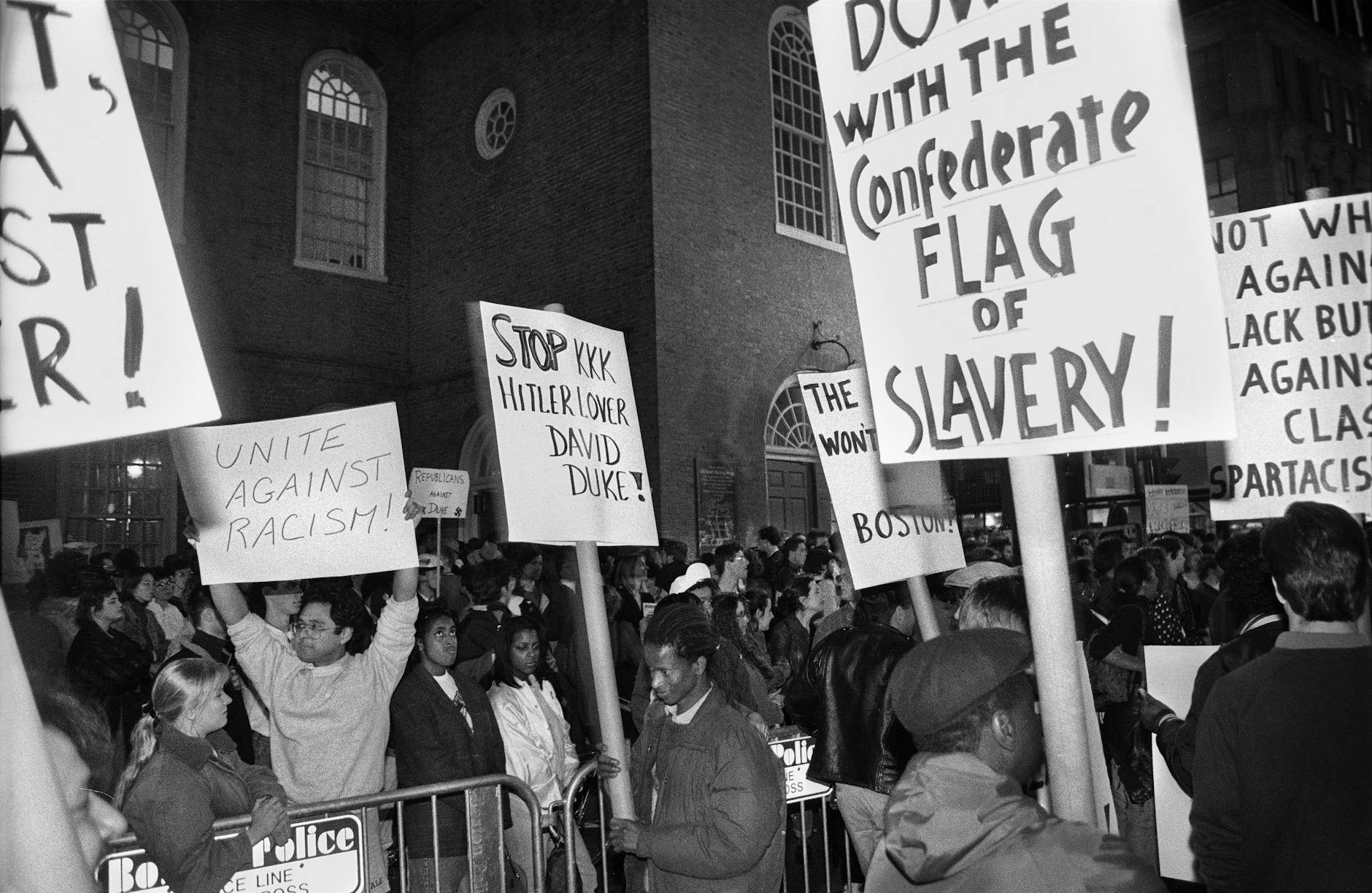
Photo by David Henry on Pexels.com

“The white race is the dominant race in America, and the black race is inferior.” — David Duke, former Grand Wizard of the Ku Klux Klan .Southern Poverty Law Center

White supremacy is a deeply ingrained ideology asserting the inherent superiority of white people over all other races. This belief system has been central to the social, political, and economic structures of many societies, particularly in the United States. Its origins can be traced back to the colonial era, where European powers justified the enslavement and subjugation of African peoples through pseudo-scientific and theological rationales.


Historical Origins and the Role of the Ku Klux Klan

The formalization of white supremacy in the United States was significantly influenced by the founding of the Ku Klux Klan (KKK) in 1865. Established by six Confederate veterans in Pulaski, Tennessee, the Klan aimed to restore white dominance in the post-Civil War South through terror and intimidation. The KKK’s activities included lynchings, arson, and other forms of violence directed at Black individuals and their allies.TIMEWikipedia+1

While the Klan was officially disbanded in the 1870s, its ideology persisted and resurfaced in various forms throughout American history, including during the Civil Rights Movement of the 1960s and in contemporary white nationalist groups.


The Premise of White Supremacy

At its core, white supremacy posits that white people are inherently superior to people of all other races and therefore should dominate society. This belief has been perpetuated through various means, including legislation, cultural norms, and institutional practices that privilege white individuals while marginalizing others.

The premise of white supremacy is often supported by distorted interpretations of religious texts and pseudo-scientific theories that dehumanize non-white populations. For instance, the “Curse of Ham” narrative was historically used to justify the enslavement of Black people by misinterpreting biblical passages .The Banner


Manifestations in Contemporary Society

In modern times, white supremacy manifests in various aspects of life, including employment, education, housing, and criminal justice. Black individuals often face systemic barriers such as discriminatory hiring practices, unequal educational opportunities, and over-policing, which hinder their ability to achieve economic stability and social mobility.

Psychologically, the pervasive nature of white supremacy can lead to internalized racism among Black individuals, affecting their self-esteem and mental health. Studies have shown that exposure to racial discrimination is associated with increased stress and adverse health outcomes .American Psychological Association


Biblical Perspectives and Misinterpretations

The Bible does not support the notion of racial superiority. In fact, passages such as Galatians 3:28 emphasize the equality of all people in Christ: “There is neither Jew nor Greek, slave nor free, male nor female, for you are all one in Christ Jesus.” However, throughout history, certain groups have misused scripture to justify racial hierarchies, citing misinterpretations like the “Curse of Ham” to rationalize the enslavement and oppression of Black people .GotQuestions.blogThe Banner


Psychological Impact on Black Americans

The psychological effects of white supremacy on Black Americans are profound and multifaceted. Chronic exposure to racism can lead to mental health issues such as anxiety, depression, and post-traumatic stress disorder (PTSD). Moreover, the constant need to navigate a society that devalues their existence can result in a diminished sense of self-worth and identity .


Global Perspectives on White Supremacy

While white supremacy is most prominently associated with the United States, it is not confined to its borders. Countries like Israel, Myanmar, and South Korea have faced criticism for racial discrimination and human rights violations against minority groups . These global instances highlight the pervasive nature of racial hierarchies and the need for international efforts to combat them.U.S. News & World Report


Steps of White Supremacy

White supremacy operates through several key mechanisms:

  1. Ideological Justification: Promoting beliefs and narratives that dehumanize non-white populations.
  2. Institutionalization: Embedding discriminatory practices within societal institutions such as schools, workplaces, and the legal system.
  3. Cultural Reinforcement: Perpetuating stereotypes and biases through media and cultural representations.
  4. Violence and Intimidation: Employing physical force and threats to maintain dominance and suppress resistance.

Accountability and Responsibility

Responsibility for perpetuating white supremacy lies not only with overt hate groups but also with institutions and individuals who uphold and benefit from systemic racism. This includes policymakers, educators, and media figures who perpetuate or fail to challenge discriminatory practices and narratives.


Personal Narratives and Experiences

Individuals who have experienced white supremacy often recount stories of exclusion, discrimination, and violence. For example, during the Civil Rights Movement, activists like Rosa Parks and Martin Luther King Jr. faced systemic oppression and personal threats as they challenged racial injustices. Their resilience underscores the profound impact of white supremacy on personal lives and the collective struggle for equality.


The Esteem of Whiteness

The elevation of whiteness can be attributed to historical power dynamics where white individuals established and maintained control over resources, institutions, and narratives. This dominance was reinforced through laws, social norms, and economic systems that privileged white people and marginalized others.


Global Impact and Worst Offenders

Globally, white supremacy manifests in various forms, including colonialism, apartheid, and neo-imperialism. Countries with histories of colonial exploitation, such as Belgium in the Congo and the United Kingdom in India, have legacies of racial hierarchies that continue to affect post-colonial societies.


Conclusion

White supremacy is a pervasive ideology with deep historical roots and widespread contemporary implications. Its impact on Black Americans is profound, affecting their psychological well-being, social mobility, and sense of identity. Addressing white supremacy requires a concerted effort to dismantle systemic racism, promote equity, and foster a culture of inclusion and respect for all individuals, regardless of race.

References

  • Southern Poverty Law Center. (n.d.). David Duke. Retrieved from
  • History.com Editors. (2020, June 25). Ku Klux Klan: Origin, Members & Facts. HISTORY. Retrieved from
  • American Psychological Association. (n.d.). Racism and Mental Health. Retrieved from
  • Bible Odyssey. (n.d.). The Legacy of the Bible in Justifying Slavery. Retrieved from
  • Boston Review. (2019, November 14). Toward a Global History of White Supremacy. Retrieved from
  • Southern Poverty Law Center. (2018, August 14). White Shadow: David Duke’s Lasting Influence on American White Supremacy. Retrieved from
  • Wikipedia contributors. (2023, December 24). Ku Klux Klan. In Wikipedia, The Free Encyclopedia. Retrieved from
  • Wikipedia contributors. (2023, December 24). White supremacy. In Wikipedia, The Free Encyclopedia. Retrieved from

School-to-Prison Pipeline: How the System Fails Black Youth Before They Start.

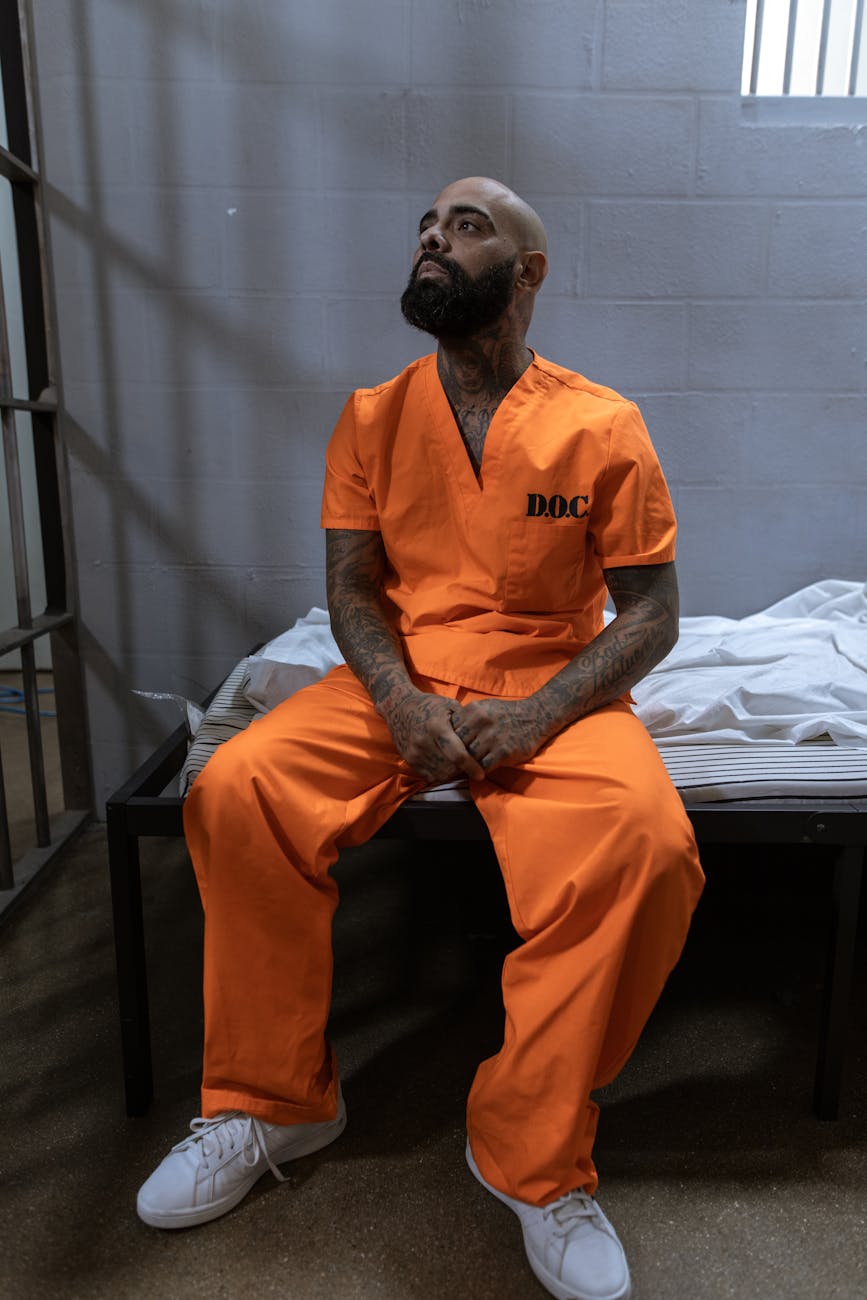
Photo by RDNE Stock project on Pexels.com

Psychologist Amos Wilson once observed, “Until our children are taught how to be Black, they will fail in school, because the schools were not designed to educate them in the first place.” This profound statement captures the structural failure of the American education system to nurture Black children. Instead of affirming identity and fostering opportunity, schools often serve as the first station along a pathway that leads Black youth toward incarceration. This phenomenon, widely known as the school-to-prison pipeline, is not a new development but the product of a long history of systemic inequality and institutional neglect.

Historically, education for African Americans was deliberately restricted. During slavery, teaching the enslaved to read was illegal in many states, as literacy threatened the institution of bondage. Following emancipation, segregated schools under Jim Crow laws ensured that Black children received inferior resources, curricula, and facilities. Though Brown v. Board of Education (1954) legally ended segregation, the persistence of de facto segregation, underfunded schools in Black neighborhoods, and discriminatory practices maintained inequities. This historical backdrop set the stage for the school-to-prison pipeline, where structural racism in education and law enforcement converges.

One of the primary mechanisms of this pipeline is disproportionate discipline. Research shows that Black students are suspended and expelled at much higher rates than their white peers for the same behaviors (Skiba et al., 2011). Zero-tolerance policies, adopted widely in the 1990s, criminalized minor misbehaviors such as tardiness, classroom disruptions, or dress code violations. Instead of counseling and restorative practices, schools resorted to suspensions, expulsions, and referrals to law enforcement. This exclusionary discipline pushes students out of classrooms and into contact with the criminal justice system.

Psychologically, such punitive environments stigmatize Black children early. Labeling theory suggests that when children are repeatedly categorized as “troublemakers,” they internalize these labels, which shapes self-perception and behavior (Becker, 1963). This creates a cycle where Black students, already navigating racial bias, are further burdened with psychological scars from being treated as criminals-in-waiting. The Bible echoes this concern in Ephesians 6:4, warning fathers and authority figures not to provoke children to wrath, but to nurture them. Yet the school system often provokes, rather than nurtures, Black children.

The failure extends beyond discipline to curriculum and pedagogy. Schools frequently erase or marginalize Black history, culture, and contributions. This invisibility diminishes self-worth and alienates Black youth from academic engagement. Amos Wilson argued that education must be rooted in the cultural and psychological needs of Black children; otherwise, it serves as a mechanism of control rather than liberation. Proverbs 22:6 (KJV) instructs, “Train up a child in the way he should go: and when he is old, he will not depart from it.” Yet Black children are too often trained into alienation, criminalization, and failure rather than purpose and possibility.

Socioeconomic inequality compounds the problem. Underfunded schools in predominantly Black neighborhoods lack qualified teachers, extracurricular opportunities, and adequate resources. These structural disadvantages feed directly into the school-to-prison pipeline. Psychologist Urie Bronfenbrenner’s ecological systems theory underscores that a child’s development is deeply influenced by the surrounding environment. When the environment is impoverished and punitive, children’s outcomes are shaped accordingly, not by personal failure but by systemic design.

The courts and law enforcement deepen this cycle. School-based arrests disproportionately affect Black youth, often for nonviolent infractions. Once ensnared in the juvenile justice system, young people face barriers to reentry into schools and future employment, effectively criminalizing childhood. Lamentations 3:27 reminds us, “It is good for a man that he bear the yoke in his youth.” Yet the yoke that many Black children bear is one of systemic injustice, imposed before they even have the chance to reach adulthood.

Ultimately, the school-to-prison pipeline reflects a betrayal of society’s moral and civic responsibility to its children. To dismantle it, reforms must address disciplinary practices, resource allocation, and culturally relevant curricula. Schools must transform from punitive institutions into nurturing environments that uplift Black youth. Both biblical wisdom and psychological research affirm that the flourishing of children depends on systems that nurture identity, support growth, and embody justice. Until such transformation occurs, justice will remain deferred, and the future of Black youth will continue to be unjustly stolen.


References

Alexander, M. (2010). The new Jim Crow: Mass incarceration in the age of colorblindness. The New Press.

Becker, H. S. (1963). Outsiders: Studies in the sociology of deviance. Free Press.

Bronfenbrenner, U. (1979). The ecology of human development: Experiments by nature and design. Harvard University Press.

King James Bible. (1769/2017). The Holy Bible, King James Version. Cambridge University Press. (Original work published 1611).

Skiba, R. J., Horner, R. H., Chung, C. G., Rausch, M. K., May, S. L., & Tobin, T. (2011). Race is not neutral: A national investigation of African American and Latino disproportionality in school discipline. School Psychology Review, 40(1), 85–107.

Wilson, A. (1998). Blueprint for Black power: A moral, political, and economic imperative for the twenty-first century. Afrikan World InfoSystems.

The Colorism Trap: When Skin Tone Becomes a Cage.

All photographs are the property of their respective owners.

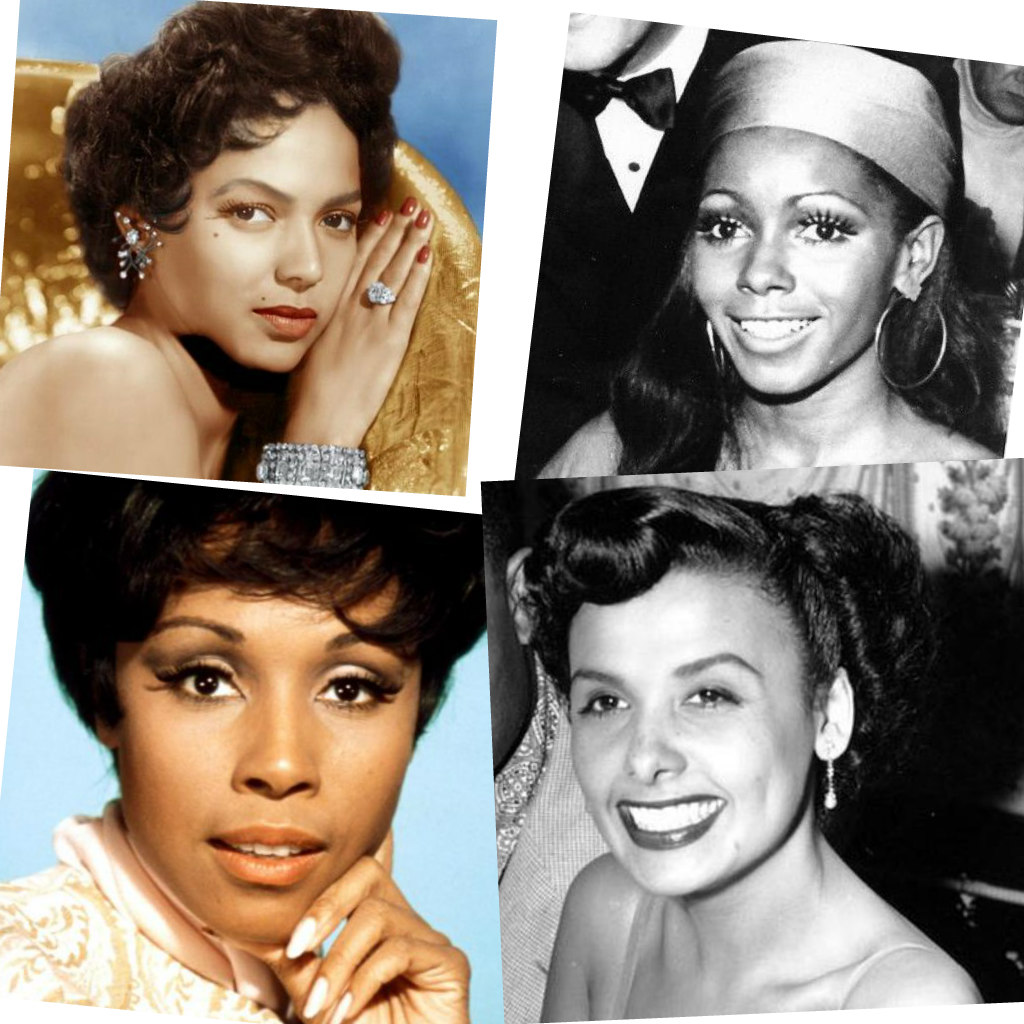
Colorism, the preferential treatment of lighter skin within communities of color and the entertainment industry, has long functioned as both a ladder and a cage for Black women. While it opened certain doors in Hollywood, it simultaneously confined actresses to narrow roles, stereotypes, and expectations. For legendary women such as Dorothy Dandridge, Lena Horne, and Diahann Carroll, their luminous beauty made them icons, but their careers were shaped and constrained by how closely their appearances aligned with Eurocentric ideals. At the same time, darker-skinned actresses like Judy Pace often faced underrepresentation and stereotyping, demonstrating how the “cage” of colorism traps women on both ends of the spectrum. Younger actresses like Nia Long and Sanaa Lathan inherited both the opportunities and burdens of this skin-tone hierarchy, proving that the cage still lingers today.

The Cage of Colorism: A Comparative View

Lighter-Skinned ActressesDarker-Skinned Actresses
Examples: Dorothy Dandridge, Lena Horne, Halle BerryExamples: Judy Pace, Viola Davis, Gabourey Sidibe 
Elevated as “acceptable” Black beauty by HollywoodOften excluded from leading roles altogether
Cast in glamorous or “palatable” rolesCast in stereotypical roles (sassy, tough, hypersexual)
Visibility increased, but freedom limited to narrow rolesVisibility decreased, opportunities scarce
They may win the awards but still face the same discrimination as their darker black peers. Used as symbols of progress for diversity, but only on Hollywood’s terms. They may win awards, but they still face racism in Hollywood
Trapped in an image of exoticized yet safe BlacknessTrapped in invisibility or typecasting
Their beauty opened doors, but they were rarely fully embraced as equals to white peersTheir talent often overlooked despite equal or greater ability

👉 This chart shows how colorism cages women on both sides of the spectrum:

  • Lighter-skinned actresses were celebrated but restricted.
  • Darker-skinned actresses were sidelined or stereotyped.

Dorothy Dandridge and Lena Horne: The “Acceptable” Faces of Black Beauty

Dorothy Dandridge, the first Black woman nominated for an Academy Award for Best Actress (Carmen Jones, 1954), embodied both progress and limitation. Hollywood celebrated her lighter complexion and Eurocentric features, casting her as the glamorous Black woman who could be exoticized yet palatable to white audiences (Levy, 2012). Lena Horne faced similar struggles. While MGM signed her to a long-term contract in the 1940s, the studio refused to cast her in leading roles opposite white actors. Instead, she was often placed in standalone musical numbers that could be cut from films when shown in segregated Southern theaters (Watkins, 1994). Their beauty allowed them entry, but their skin tone became a cage: they were “acceptable” but never fully embraced.

Diahann Carroll and Frieda Washington: Elegance in a Narrow Frame

Diahann Carroll, though groundbreaking as the first Black woman to star in a non-stereotypical television role (Julia, 1968), still found her career circumscribed by Hollywood’s narrow vision of Black femininity. Her elegance was celebrated, but darker-skinned actresses of equal talent were often excluded, revealing the industry’s entrenched bias (Hooks, 1992). Likewise, Frieda Washington, though talented and striking, was often overshadowed by Hollywood’s fixation on casting Black actresses who most resembled white ideals of beauty.

Judy Pace: The Other Side of the Cage

Unlike Dandridge and Horne, Judy Pace entered Hollywood in the late 1960s as a darker-skinned beauty. Best known for films like Cotton Comes to Harlem (1970) and for her role in the TV soap Peyton Place, Pace often found herself typecast in roles that leaned on stereotypes—the “sassy,” “dangerous,” or “seductive” Black woman. Her beauty was undeniable, but it did not grant her the same privileges as her lighter-skinned peers. Instead, colorism worked against her, limiting her access to leading romantic roles or “glamorous” portrayals reserved for actresses closer to Eurocentric standards. Her experience reveals how colorism cages darker-skinned women by reducing their range of opportunity, even as they carried immense talent and screen presence.

Nia Long, Sanaa Lathan, and the Modern Continuation of the Cage

In the 1990s and 2000s, actresses like Nia Long and Sanaa Lathan became household names, starring in films that defined Black romantic cinema (Love Jones, The Best Man). While they embodied a broader spectrum of beauty, colorism still influenced casting. These actresses were often positioned as “everywoman” love interests, while darker-skinned women were underrepresented or typecast into roles of hardship and struggle (Monk, 2014). Though progress has been made, the cage remains: opportunities are more accessible to women with complexions that fit within a certain range, while systemic bias continues to marginalize others.

How Did Skin Tone Become a Cage?

The origins of this cage lie not solely in Hollywood but in the long history of racial hierarchy in America. During slavery, lighter-skinned Black people were often granted preferential treatment as house slaves, while darker-skinned individuals were relegated to field labor (Hunter, 2007). This created a color-based caste system within the Black community, reinforced by white supremacy. Hollywood merely inherited and amplified this bias, shaping it into an industry-wide standard that continues to influence casting, beauty standards, and representation.

Racial Divide or Something Else?

While the racial divide rooted in white supremacy established the framework, it was internalized and perpetuated within the Black community through colorism. The divide was not just about race versus whiteness—it became intraracial, creating painful divisions based on shade. Colorism traps women in a paradox: lighter-skinned actresses were elevated but confined to roles that served Hollywood’s comfort with “palatable” Blackness, while darker-skinned actresses were sidelined, invisibilized, or limited to stereotypes. Thus, the cage was both racial and psychological, born of external oppression and internalized bias.

Conclusion: Breaking the Cage

The women named—Dandridge, Horne, Washington, Carroll, Pace, Long, and Lathan—demonstrate the painful duality of colorism. They were celebrated yet constrained, admired yet restricted, included yet never fully free. Their stories remind us that colorism is not just about aesthetics but about access, power, and systemic oppression. Breaking free from the cage requires both dismantling Eurocentric standards of beauty and celebrating the full spectrum of Blackness. Until then, the trap of colorism continues to shape how Black women are seen, cast, and valued in society.


References

  • Hooks, b. (1992). Black looks: Race and representation. South End Press.
  • Hunter, M. (2007). The persistent problem of colorism: Skin tone, status, and inequality. Sociology Compass, 1(1), 237–254.
  • Levy, P. (2012). Dorothy Dandridge: A biography. Amistad.
  • Monk, E. P. (2014). Skin tone stratification among Black Americans, 2001–2003. Social Forces, 92(4), 1313–1337.
  • Watkins, M. (1994). On the real side: Laughing, lying, and signifying. Simon & Schuster.

Dilemma: Misogynoir

The Unique Discrimination Against Black Women

Photo by Bave Pictures on Pexels.com

Misogynoir—a term coined by Moya Bailey (2010)—captures the specific intersection of racism and sexism that Black women face. Unlike generalized sexism or racism, misogynoir uniquely blends both to create social, cultural, and psychological burdens for Black women. It is manifested in harmful stereotypes that distort their humanity and confine them to demeaning roles. The “angry Black woman” trope frames Black women as hostile, aggressive, and perpetually dissatisfied, disregarding the legitimate roots of their frustration in systemic injustice. The hypersexualized “jezebel” stereotype objectifies Black women, reducing them to their bodies and marking them as sexually available. Meanwhile, the “mammy” archetype portrays Black women as self-sacrificing caretakers, expected to prioritize others’ needs at the expense of their own. These stereotypes have persisted from slavery into the present day, shaping workplace dynamics, media representation, and interpersonal relationships (Collins, 2000).

From a psychological standpoint, these stereotypes function as a form of “stereotype threat” (Steele, 1997), in which awareness of negative perceptions can hinder performance, increase stress, and damage self-concept. Black women often navigate “double consciousness” (Du Bois, 1903), a fractured identity where they see themselves through both their own cultural lens and the distorted gaze of a white, patriarchal society. This duality can lead to anxiety, depression, and diminished self-esteem (Watson-Singleton, 2017). Furthermore, the internalization of misogynoir reinforces cycles of silence, guilt, or perfectionism, where Black women feel compelled to “work twice as hard” to prove their worth. Psychology affirms that such sustained exposure to stress produces physical consequences, often termed “weathering” (Geronimus, 1992), leading to earlier onset of health disparities such as hypertension and heart disease.

The King James Bible reminds us that stereotypes and false witness are contrary to God’s commandments. Proverbs 31:10–31 exalts the virtuous woman, describing her as strong, wise, and industrious—not angry, oversexualized, or expendable. God calls women to be valued as His image-bearers (Genesis 1:27), not diminished by human prejudice. Ephesians 4:29 warns, “Let no corrupt communication proceed out of your mouth, but that which is good to the use of edifying.” Thus, speech and actions rooted in misogynoir are not only socially destructive but also spiritually sinful. The Bible underscores that all slander and demeaning words are falsehoods, and in God’s sight, women are honored creations with divine purpose.

Overcoming misogynoir requires both personal and collective strategies. Spiritually, Black women and communities are called to reclaim identity in God’s truth, remembering that liberation begins with obedience to His commandments and the refusal to internalize lies. As Romans 12:2 reminds, “Be not conformed to this world: but be ye transformed by the renewing of your mind.” Healing begins by rejecting false stereotypes and embracing God’s definition of worth. Psychologically, access to therapy, affirming spaces, and intergenerational support networks counter the damage of stereotype threat and provide avenues for resilience. Collective affirmation of beauty, intelligence, and dignity serves as a cultural shield against internalized oppression.

Socially, dismantling misogynoir means challenging media portrayals, workplace discrimination, and community dynamics that recycle harmful tropes. Black men in particular bear responsibility for rejecting narratives that demean Black women, while allies of all backgrounds must amplify voices that resist sexist-racist imagery. Policy reforms addressing wage gaps, healthcare disparities, and violence against Black women also play a crucial role in reducing the systemic roots of misogynoir. Building unity within the Black community, rooted in love and respect, strengthens collective resistance and ensures that oppressive frameworks are not perpetuated internally.

Ultimately, the dilemma of misogynoir is overcome by centering truth—biblical truth that affirms dignity, psychological truth that validates lived experiences, and social truth that reclaims narrative power. As Michelle Obama (2018) once said, “We need to do a better job of putting ourselves higher on our own ‘to-do list.’” Black women must be honored as full, complex beings, not limited by stereotypes. When society begins to see Black women through the lens of God’s truth and not historical lies, healing, restoration, and justice can emerge for future generations.


📚 References

  • Bailey, M. (2010). They aren’t talking about me… Misogynoir in hip-hop culture.
  • Collins, P. H. (2000). Black feminist thought. Routledge.
  • Du Bois, W. E. B. (1903). The Souls of Black Folk.
  • Geronimus, A. T. (1992). The weathering hypothesis. Ethnicity & Disease, 2(3), 207–221.
  • Steele, C. (1997). A threat in the air: How stereotypes shape intellectual identity. American Psychologist, 52(6), 613–629.
  • Watson-Singleton, N. (2017). Strong Black woman schema and mental health. Journal of Black Psychology, 43(8), 771–789.

Stereotypes and Survival: Breaking Free from Mammy, Jezebel, and Sapphire

Photo by Boko Shots on Pexels.com

For centuries, the image of Black women has been shaped less by their lived experiences and more by stereotypes designed to control, marginalize, and dehumanize them. Among the most pervasive are the Mammy, the Jezebel, and the Sapphire archetypes. These caricatures originated in slavery and Jim Crow culture, yet their influence persists in media, relationships, and social institutions. To survive and thrive, Black women have been forced to navigate, resist, and redefine themselves beyond these harmful tropes. The title Stereotypes and Survival: Breaking Free from Mammy, Jezebel, and Sapphire reflects both the historical weight of these labels and the ongoing struggle for liberation.

The Mammy: Caretaker Without Desire

The Mammy stereotype portrays Black women as nurturing, asexual, and devoted to serving white families. Popularized in literature and films like Gone with the Wind, the Mammy is imagined as overweight, dark-skinned, and self-sacrificing—valued only for her labor and loyalty. This image justified the exploitation of enslaved women as caretakers while denying them femininity, desirability, or independence. Even today, Black women in caretaking professions such as nursing or domestic work are often expected to “give more” emotionally and physically without recognition or reward (Collins, 2000). The Mammy myth erases Black women’s right to vulnerability, rest, and self-care. Mammy vs. Servanthood in Scripture: The Mammy stereotype portrays Black women as self-sacrificing caretakers without personal desire, existing only to serve others. The Bible affirms servanthood as a noble quality when it is voluntary and rooted in love (Mark 10:44–45), but it rejects exploitation and dehumanization. Enslavement and forced servitude are condemned as oppression (Exodus 3:7–9). Scripture also teaches that women are not defined solely by labor but by their worth as image-bearers of God (Genesis 1:27). The virtuous woman in Proverbs 31 is hardworking, but she is also a leader, entrepreneur, and respected member of her community—not reduced to servitude.

The Jezebel: Hypersexual Object

In contrast, the Jezebel stereotype casts Black women as sexually insatiable, manipulative, and morally corrupt. During slavery, this myth served to rationalize the sexual assault of enslaved women by white men, framing exploitation as “consensual.” Today, Jezebel imagery survives in media portrayals that sexualize Black women’s bodies disproportionately—whether through music videos, advertising, or reality television. The stereotype undermines Black women’s ability to control their sexual agency, branding them either as promiscuous or as unworthy of protection. This myth also affects legal outcomes, where Black women who are victims of sexual violence are less likely to be believed or granted justice (West, 2004). Jezebel vs. Sexual Purity and Agency: The stereotype of the Jezebel depicts Black women as hypersexualized and immoral. In the Bible, Jezebel is a real historical figure—a Phoenician queen married to King Ahab—who became synonymous with idolatry, manipulation, and immorality (1 Kings 21; 2 Kings 9:30–37). However, to equate her story with all women, especially Black women, is a distortion. Scripture does not label women by stereotype but calls for sexual integrity for both men and women (1 Corinthians 6:18–20). Moreover, women like Ruth and Esther show that God honors women not for sexualized caricatures but for faith, wisdom, and courage. The Bible condemns the exploitation of women’s bodies and instead uplifts their agency and dignity (Song of Solomon 4:7, Proverbs 31:30).

The Sapphire: Angry Black Woman

The Sapphire stereotype, also known as the “Angry Black Woman,” depicts Black women as loud, emasculating, and irrationally angry. Rooted in minstrel shows, Sapphire imagery has been recycled in sitcoms and films, where outspoken Black women are mocked as aggressive and domineering. This caricature discourages Black women from expressing legitimate anger about injustice, as their emotions are dismissed as hostility rather than humanity. It also places an unfair burden on Black women to appear “pleasant” or “non-threatening” in workplaces, relationships, and public spaces, suppressing their voices in order to avoid punishment or isolation. Sapphire vs. Righteous Anger: The Sapphire stereotype depicts Black women as angry, loud, and emasculating. Scripture acknowledges that anger is a real human emotion, but it distinguishes between sinful wrath and righteous anger. Ephesians 4:26 states, “Be ye angry, and sin not: let not the sun go down upon your wrath.” Jesus Himself displayed righteous anger when confronting injustice (John 2:13–16). For Black women, anger at injustice is not sinful—it can be holy when directed toward dismantling oppression. The danger lies not in having a strong voice but in allowing bitterness to consume the soul. The Bible affirms that women can speak truth boldly, like Deborah the judge (Judges 4:4–9) or Mary Magdalene, the first witness of the resurrection (John 20:16–18).

The Survival Strategies

To survive under these stereotypes, Black women have developed strategies of resilience. Many practice code-switching, adjusting speech, tone, and appearance to counteract negative assumptions in professional or social settings. Others have turned to cultural and artistic expression—poetry, music, film—to reclaim their narratives. The rise of movements like #BlackGirlMagic and natural hair campaigns signal a collective resistance, affirming that Black women’s beauty, intellect, and complexity cannot be reduced to harmful archetypes.

Breaking Free: Redefining Representation

Breaking free requires dismantling not only the stereotypes themselves but also the systems that sustain them. Media representation is critical: when Black women are shown as multidimensional—leaders, scholars, mothers, entrepreneurs—the grip of Mammy, Jezebel, and Sapphire weakens. Equally important is education, where curricula must unpack these archetypes as tools of oppression rather than cultural “norms.” Black women’s storytelling, from Audre Lorde to Chimamanda Ngozi Adichie, provides counter-narratives that highlight lived truth over caricature.

Psychological Costs of Stereotyping

Surviving under these stereotypes comes at a psychological cost. Research shows that stereotype threat—fear of confirming a negative stereotype—contributes to stress, anxiety, and identity conflict among Black women (Rosenthal & Lobel, 2011). Constantly navigating how one will be perceived, whether as too angry or too sexual, creates a burden that undermines well-being. Breaking free, therefore, is not only a cultural project but a mental health necessity.

Toward Liberation

Liberation means imagining a world where Black women are no longer filtered through distorted lenses but valued in the fullness of their humanity. It requires structural change in how media, law, and institutions portray and treat Black women. It also demands that Black women themselves—and their communities—continue affirming narratives of resilience, love, and joy. Mammy, Jezebel, and Sapphire may have been imposed as cages, but Black women have long been breaking the locks, redefining survival as thriving.

Conclusion

Stereotypes and Survival: Breaking Free from Mammy, Jezebel, and Sapphire is a call to recognize how these archetypes have shaped history and continue to influence society. Yet, it is also a testament to resilience—the ability of Black women to resist, survive, and ultimately transcend these distorted images. In the face of stereotypes meant to confine them, Black women continue to write new narratives of freedom, power, and truth. The Bible does not endorse Mammy, Jezebel, or Sapphire archetypes. Instead, it reveals that these stereotypes are tools of oppression, rooted in lies. God calls Black women—and all women—to freedom, dignity, and purpose. Breaking free means rejecting labels that demean and embracing the identity God gives: beloved, chosen, and powerful vessels of His truth.

Breaking Free Through Biblical Identity

Each of these stereotypes strips Black women of their God-given identity. The Bible, however, grounds identity not in cultural caricatures but in being children of God.

  • Mammy: You are more than your labor—your worth is intrinsic (Psalm 139:14).
  • Jezebel: You are not defined by lustful labels—your body is a temple of the Holy Spirit (1 Corinthians 6:19).
  • Sapphire: Your voice matters—like Esther, you are called “for such a time as this” (Esther 4:14).

The gospel dismantles these stereotypes by affirming that “there is neither Jew nor Greek, there is neither bond nor free, there is neither male nor female: for ye are all one in Christ Jesus” (Galatians 3:28).


References

  • Collins, P. H. (2000). Black feminist thought: Knowledge, consciousness, and the politics of empowerment. Routledge.
  • Rosenthal, L., & Lobel, M. (2011). Explaining racial disparities in adverse birth outcomes: Unique sources of stress for Black American women. Social Science & Medicine, 72(6), 977–983.
  • West, C. M. (2004). Black women and intimate partner violence: New directions for research. Journal of Interpersonal Violence, 19(12), 1487–1493.

Healing the Wounds of Colorism: Black Women vs. the Beauty Standard

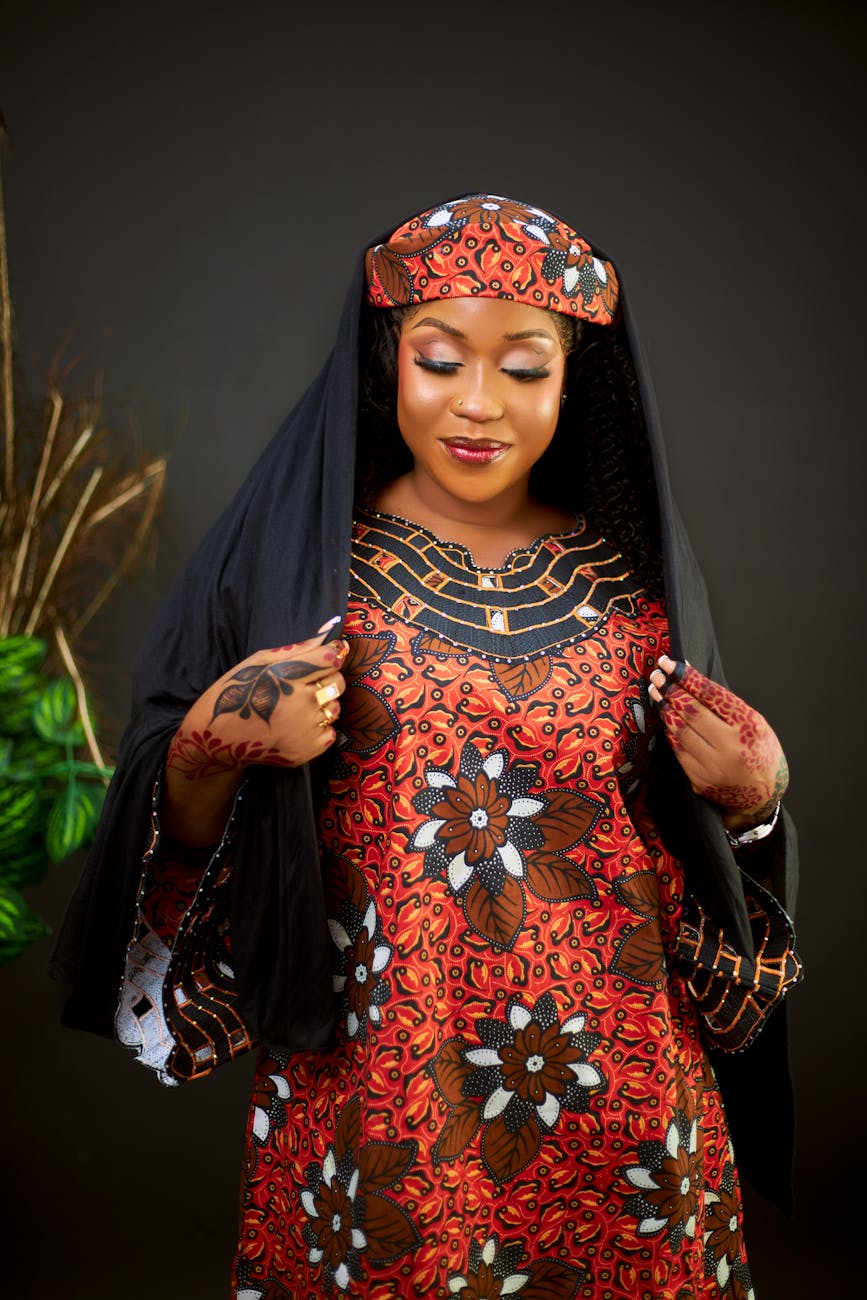
Photo by Gustavo Fring on Pexels.com

Colorism in the Black community cannot be understood without revisiting slavery in the Americas. Enslavers deliberately separated light-skinned and dark-skinned Black people to maintain social hierarchy. Those with lighter skin, often the mixed-race children of enslaved women and white masters, were sometimes placed in domestic work within the “big house,” while darker-skinned enslaved people were relegated to field labor (Hunter, 2007). This hierarchy reinforced the false notion that proximity to whiteness was preferable. This early wound became a generational trauma, setting the stage for how Black women would be divided, compared, and judged long after slavery’s abolition.

The term colorism itself was popularized by Alice Walker in 1983, who defined it as “prejudicial or preferential treatment of same-race people based solely on skin color” (In Search of Our Mothers’ Gardens). While racism placed all Black people at a disadvantage, colorism operated within the community as a painful internalization of Eurocentric ideals. It continues to shape representation in beauty industries, film, and popular culture. At its root, colorism is tied to the current global beauty standard, which overwhelmingly favors fair skin, straight hair, slim facial features, and light eyes — characteristics historically associated with white women (Wilder, 2015).

Dr. Frances Cress Welsing, in The Isis Papers (1991), argued that colorism reflects white supremacy’s psychological strategy of self-preservation. She theorized that whiteness seeks to maintain dominance by promoting its features as superior, while devaluing darker skin and Afrocentric traits. This belief system ensures that Black women, regardless of their natural beauty, are positioned as “other” in the global imagination. Thus, white women have long been upheld as the epitome of beauty in mainstream media — from Marilyn Monroe to modern icons like Scarlett Johansson.

The wounds of colorism for Black women are deep and multilayered. They include internalized shame, family divisions, lowered self-esteem, and unequal treatment in workplaces, schools, and dating markets. The comparison between Black women and the beauty standard can be mapped out clearly:

Black Women’s TraitsEurocentric Beauty Standard
Darker or richly melanated skinFair or light skin
Kinky, coily, or natural hairStraight, silky hair
Full lips and broad nosesThin lips and narrow noses
Curvier body typesSlimmer, less curvaceous figures (though often appropriated later)
Diversity of tones, textures, and featuresHomogenized white ideals

Celebrities across racial lines have commented on this imbalance. For instance, Lupita Nyong’o has spoken openly about her struggles with self-acceptance in a world that glorifies light skin (Nyong’o, 2014). Viola Davis, too, has highlighted how her darker skin limited her Hollywood opportunities. On the other hand, white celebrities such as Adele and even Kim Kardashian have acknowledged the ways Black women’s aesthetics are appropriated without acknowledgment or respect. This dynamic reinforces the reality: Black women are often celebrated when their features are borrowed but devalued when they appear naturally.

While Black women’s phenotypic traits, such as melanin-rich skin, fuller lips, natural hair textures, and curvier body types, have been pathologized, Eurocentric features—light skin, narrow noses, thin lips, and straight hair—have been uplifted as the global beauty standard. Research suggests this dynamic is rooted in the colonial and slaveholding eras, where lighter skin was equated with privilege and proximity to whiteness (Hunter, 2007; Russell, Wilson, & Hall, 2013). The persistence of these standards contributes to psychological distress, self-esteem challenges, and ongoing struggles with identity formation among Black women (Wilder, 2015).

Psychologically, the effects of colorism manifest as internalized racism, body dysmorphia, depression, and self-doubt. Studies in evolutionary psychology suggest that symmetry and certain ratios (e.g., the golden ratio) are universally associated with beauty (Little, Jones, & DeBruine, 2011). However, these scientific standards do not negate cultural bias. Western media elevates one aesthetic as “universal,” ignoring the truth that beauty is also culturally constructed. This erasure pressures Black women to conform or modify themselves — through skin-lightening, straightening hair, or cosmetic surgery — to gain validation in systems not designed for them.

The question remains: how can Black women heal? Healing begins with redefining the standard. Movements like #BlackGirlMagic, natural hair advocacy, and diverse media representation are shifting narratives. The Black community must actively dismantle colorist language, uplift darker-skinned women, and celebrate the full range of Black beauty. Scholars argue that collective affirmation, media literacy, and intergenerational dialogue are keys to undoing centuries of psychological conditioning (Walker, 1983; Wilder, 2015).

Ultimately, the Bible offers a radical counter-narrative to the lies of colorism. Scripture declares: “I will praise thee; for I am fearfully and wonderfully made” (Psalm 139:14, KJV). The Song of Solomon even uplifts dark beauty: “I am black, but comely, O ye daughters of Jerusalem” (Song of Solomon 1:5, KJV). These verses remind Black women that their worth and beauty come not from Eurocentric systems but from the Creator who made them. Healing the wounds of colorism means reclaiming identity, refusing false cages of comparison, and walking boldly in God-given beauty.


References

  • Hunter, M. (2007). The Persistent Problem of Colorism: Skin Tone, Status, and Inequality. Sociology Compass, 1(1), 237-254.
  • Little, A. C., Jones, B. C., & DeBruine, L. M. (2011). Facial attractiveness: Evolutionary based research. Philosophical Transactions of the Royal Society B: Biological Sciences, 366(1571), 1638-1659.
  • Walker, A. (1983). In Search of Our Mothers’ Gardens: Womanist Prose. Harcourt.
  • Wilder, J. (2015). Color Stories: Black Women and Colorism in the 21st Century. Praeger.
  • Welsing, F. C. (1991). The Isis Papers: The Keys to the Colors. C.W. Publishing.
  • Nyong’o, L. (2014). Speech at Essence Black Women in Hollywood Luncheon.

Pretty for a Black Girl: The Burden of Backhanded Compliments.

Black girl, rise, you are the dawn,
Your skin is sunlight, rich and strong.
With coils that crown like royal thrones,
You carry beauty all your own.
No measure made by foreign eyes,
Can shrink the truth your soul implies.
You are the art, the song, the pearl—
The blueprint of a brighter world.

Photo by RDNE Stock project on Pexels.com

For generations, Black women have been subjected to the backhanded compliment: “You’re pretty for a Black girl.” Though cloaked in admiration, these words reveal deep prejudice. From schoolyards to Hollywood casting rooms, Black women have heard variations of this phrase: “You’re cute for a dark-skinned girl,” “You’re attractive, but not like most Black girls,” or “I don’t usually like Black women, but you’re different.” These comments expose a painful truth—society has long devalued Black femininity, suggesting that beauty is an exception rather than the norm within Blackness.

Other Backhanded Compliments Black Women Have Heard

“You’re attractive for a dark-skinned girl.”

“You’re pretty… are you mixed?”

“You’re exotic looking.”

“You’re cute, but not like most Black girls.”

“I don’t usually like Black women, but you’re different.”

“You’re beautiful… for a natural hair girl.”

    The History and Motive Behind the Comment

    This backhanded compliment has roots in white supremacy and colorism. During slavery, lighter-skinned women were often positioned as “desirable” due to proximity to whiteness, while darker-skinned women were degraded and caricatured (Hunter, 2007). Mainstream media reinforced these ideas through films, magazines, and advertisements that excluded or exoticized Black women (Craig, 2006). The motive behind such statements is to uphold Eurocentric beauty standards—suggesting that Black women can only be beautiful when they resemble white ideals. Thus, “pretty for a Black girl” is not praise; it is an insult wrapped in condescension.

    Psychology of the Backhanded Compliment

    Psychologically, backhanded compliments operate as microaggressions, subtle forms of racism that undermine self-worth (Sue et al., 2007). They communicate that beauty is unusual among Black women, reinforcing stereotypes and internalized oppression. For the speaker, such comments often serve as a way to elevate themselves within racial hierarchies, consciously or unconsciously. For the recipient, the effect is cumulative, eroding confidence and perpetuating the false idea that Black beauty is inferior or rare.

    The Bible and the Black Community’s Response

    The Bible offers a powerful counter-narrative to these lies. In Song of Solomon, the Shulamite woman declares, “I am black, but comely, O ye daughters of Jerusalem” (Song of Solomon 1:5, KJV). This affirmation reminds us that Blackness and beauty are not opposites—they coexist by divine design. Within the Black community, responses to such backhanded compliments have ranged from frustration to defiance. Movements celebrating natural hair, melanin, and diverse body types testify to the resilience of Black women reclaiming their beauty.

    Racism and the Burden of Beauty

    The phrase “pretty for a Black girl” cannot be separated from systemic racism. It reveals how Black women are measured against white standards rather than appreciated within their own cultural aesthetics. Racism constructed a false hierarchy of beauty, portraying Black women as either hypersexual or unattractive (Collins, 2000). This has left Black women carrying a double burden: to resist these stereotypes while affirming their rightful place in the spectrum of human beauty. Changing this narrative requires dismantling racist ideologies in media, education, and daily interactions.

    Conclusion: Breaking the Cage of Backhanded Compliments

    Affirmations for the Black Girl Crown

    • I am not “pretty for a Black girl.”
    • I am pretty, period.
    • My skin is not a limitation; it is liberation.
    • My melanin is poetry written by God’s own hand.
    • My hair is not “too much” — it is a crown of glory.
    • I am not “different”; I am divine.
    • I am not an exception; I am the example.
    • My beauty does not need comparison; it is complete on its own.
    • I am fearfully and wonderfully made (Psalm 139:14, KJV).
    • My Blackness is not a burden; it is brilliance.
    • I am the standard, not the stereotype.
    • I am the dream and the proof that beauty is infinite.

    The burden of these comments has weighed heavily on Black women for generations, but the response has been powerful. From Dorothy Dandridge to Lupita Nyong’o, Black women continue to redefine beauty and challenge racist narratives. To change this, society must confront the racism and colorism behind these words and uplift Black women’s beauty in its full diversity. Silence in the face of these insults only continues the cycle; speaking truth, celebrating diversity, and rooting identity in God’s Word breaks the chains.


    References

    • Collins, P. H. (2000). Black feminist thought: Knowledge, consciousness, and the politics of empowerment. Routledge.
    • Craig, M. L. (2006). Race, beauty, and the tangled knot of a guilty pleasure. Feminist Theory, 7(2), 159–177.
    • Hunter, M. (2007). The persistent problem of colorism: Skin tone, status, and inequality. Sociology Compass, 1(1), 237–254.
    • Sue, D. W., Capodilupo, C. M., Torino, G. C., Bucceri, J. M., Holder, A. M., Nadal, K. L., & Esquilin, M. (2007). Racial microaggressions in everyday life: Implications for clinical practice. American Psychologist, 62(4), 271–286.

    Form Chains to Change: The Generational Impact of Slavery on Black Identity.

    “The most disrespected person in America is the Black woman. The most unprotected person in America is the Black woman. The most neglected person in America is the Black woman.” — Malcolm X
    (This quote underscores the systemic marginalization central to the shaping of Black identity, extended to men and the collective African American community.)


    Photo by Pavel Danilyuk on Pexels.com

    Black identity is a dynamic construct shaped by history, culture, resilience, and resistance. It encompasses heritage, spirituality, values, and communal bonds that define self-perception, social behavior, and relational understanding. The legacy of slavery has profoundly influenced this identity, leaving psychological, social, and cultural marks that persist across generations. Slavery was not merely the forced labor of Africans in the Americas; it was a system designed to strip individuals of lineage, dignity, and autonomy. The chains were physical, yes, but they were also mental, emotional, and spiritual, creating enduring trauma that shaped how Black people see themselves, their communities, and their place in society.


    The Generational Impact of Slavery

    Slavery systematically disrupted family structures, cultural transmission, and self-definition. Children were separated from parents, languages were suppressed, and cultural traditions were erased. As a result, Black identity was fragmented, and individuals were often forced to reconstruct their sense of self within an oppressive system. Intergenerational trauma, documented in Dr. Joy DeGruy’s Post-Traumatic Slave Syndrome (2005), demonstrates that behaviors such as hyper-vigilance, mistrust of authority, low self-esteem, and coping mechanisms like code-switching are inherited psychological patterns linked to slavery’s brutal legacy. These patterns continue to shape relationships, economic opportunities, and mental health outcomes within the African diaspora.


    Slavery and Its Psychological Effects

    From a psychological perspective, slavery inflicted both acute and chronic trauma. The denial of autonomy, physical punishment, and social dehumanization resulted in post-traumatic stress-like symptoms, internalized oppression, and the phenomenon of identity conflict. Scholars have compared some aspects of this to Stockholm Syndrome, wherein oppressed groups may internalize the perspectives or values of the oppressor to survive. Moreover, the consistent invalidation and marginalization by dominant society have led to cumulative psychological burdens, often manifesting as anxiety, depression, and intergenerational mistrust. These impacts are not confined to history; they influence educational attainment, community cohesion, and interpersonal relationships today.


    Systemic Denial and White Supremacy

    One reason white society has often refused to fully acknowledge Black contributions or humanity is the perpetuation of white supremacy. By minimizing African achievements, denying historical truths, and controlling narratives in media, education, and politics, dominant groups reinforced hierarchies and justified oppression. This intentional erasure disrupts the recognition of Black identity, contributing to internalized oppression and societal marginalization. The chains of slavery, therefore, were extended by ideology and policy, leaving psychological imprints that influence racial dynamics today.


    Biblical Perspective on Chains and Liberation

    The Bible offers insight into the spiritual and symbolic dimensions of bondage. In Exodus 6:6 (KJV), God declares: “Wherefore say unto the children of Israel, I am the LORD, and I will bring you out from under the burdens of the Egyptians, and I will rid you out of their bondage, and I will redeem you with a stretched out arm, and with great judgments.” Chains, in biblical terms, represent oppression, but they also reflect divine awareness and the promise of liberation. Similarly, Psalm 107:14 (KJV) states: “He brought them out of darkness and the shadow of death, and brake their bands in sunder.” These passages underscore that freedom is both physical and spiritual, resonating with the African American struggle to reclaim identity and agency across generations.


    The Reflection of the Past in the Present

    The generational impact of slavery continues to shape Black identity in the 21st century. Relationships within families, communities, and broader society often reflect inherited trauma: difficulties in trust, overcompensation in professional or social spaces, and complex responses to authority. Psychologists recognize that historical trauma affects not just individuals but entire populations. For instance, intergenerational transmission of trauma can manifest as collective stress, influencing patterns of parenting, community organization, and resilience-building. Yet, this recognition also presents an opportunity: by understanding the chains of history, the Black community can consciously break them and rebuild identity on foundations of knowledge, pride, and spiritual alignment.


    Reclaiming Identity and Breaking Chains

    Reclaiming Black identity requires multifaceted approaches:

    1. Education: Teaching accurate historical narratives that celebrate African contributions and highlight resistance to oppression.
    2. Psychological Intervention: Addressing intergenerational trauma through therapy, community support, and culturally sensitive mental health practices.
    3. Spiritual Reclamation: Embracing biblical and cultural narratives that affirm dignity, divine purpose, and collective identity.
    4. Community and Cultural Revival: Promoting arts, literature, and practices that reinforce heritage and self-definition.

    By addressing these domains, African descendants can transform the lingering impacts of slavery into sources of empowerment, resilience, and self-awareness.


    Conclusion

    The chains of slavery were both literal and metaphorical, shaping Black identity across generations in profound ways. Psychological scars, systemic marginalization, and cultural erasure are enduring legacies of bondage, yet they also reveal the resilience and strength of African descendants. By studying history, engaging in spiritual and psychological reclamation, and fostering cultural continuity, the Black community can transform generational trauma into conscious identity formation. As Malcolm X and Cornel West emphasize, the acknowledgment of past oppression is the first step toward liberation, self-determination, and collective progress. The future of Black identity depends on understanding the chains of the past and consciously forging paths toward freedom and self-realization.


    References

    • DeGruy, J. (2005). Post Traumatic Slave Syndrome: America’s Legacy of Enduring Injury and Healing. Uptone Press.
    • Franklin, J. H., & Moss, A. A. (2000). From Slavery to Freedom: A History of African Americans (8th ed.). McGraw-Hill.
    • West, C. (1993). Race Matters. Beacon Press.
    • Malcolm X. (1965). The Autobiography of Malcolm X. Ballantine Books.
    • Jones, R. (2010). Intergenerational Transmission of Trauma in African Americans. Journal of Black Psychology, 36(1), 1–25. https://doi.org/10.1177/0095798409353752
    • The Holy Bible, King James Version.

    Dilemma: By-Words

    The History, Psychology, and Biblical Prophecy of Names Forced Upon Black People

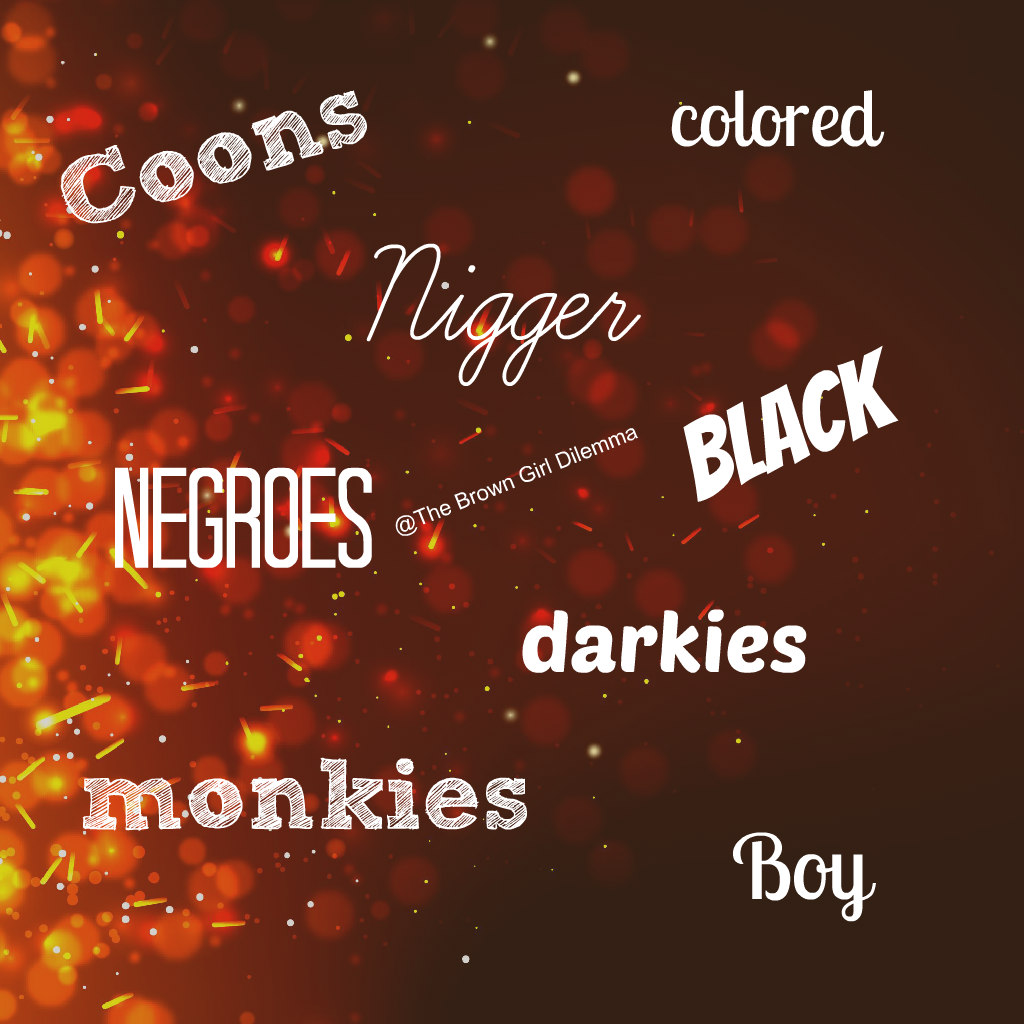
    Words carry power. They shape identity, influence perception, and preserve history. Yet words can also wound, distort, and dehumanize. Throughout history, Black people across the diaspora have been branded with derogatory labels—negro, n****, coon, black, colored,* and many more—terms that did not emerge from neutrality but from systems of slavery, colonization, and racial subjugation. The Bible calls these humiliating labels “by-words”—a prophetic sign of oppression and displacement (Deuteronomy 28:37, KJV). To understand the psychology and history of by-words, one must look at the intersection of language, power, slavery, and identity.


    What Are By-Words?

    The term by-word is defined as a word or phrase used to mock, ridicule, or demean a people or individual. In Scripture, by-words are linked with curses upon nations or peoples who fall under oppression.

    • Deuteronomy 28:37 (KJV): “And thou shalt become an astonishment, a proverb, and a byword, among all nations whither the Lord shall lead thee.”
    • 1 Kings 9:7 (KJV): “Then will I cut off Israel out of the land which I have given them… and Israel shall be a proverb and a byword among all people.”

    Biblically, being reduced to a by-word is more than an insult—it signifies loss of sovereignty, dignity, and divine identity.

    he Meaning and History of the Word “Nigger”

    Origin of the Word

    The word nigger is one of the most notorious racial slurs in history. It traces back to the Latin word niger (meaning “black”), which passed into Spanish and Portuguese as negro. When Europeans began enslaving Africans during the transatlantic slave trade (1500s–1800s), the term negro became a racial descriptor.

    Over time, particularly in English-speaking countries, negro was corrupted in spelling and pronunciation into n**r—a derogatory term. By the 1700s, it was entrenched in slave societies like the United States as the ultimate label of dehumanization.


    Purpose of the Word

    The purpose of calling Black people “n****r” was not just insult but domination. It functioned as a psychological weapon in several ways:

    1. Dehumanization:
      • Reduced Black people to something less than human, justifying slavery and racism.
      • Equated Africans with animals, objects, or commodities.
    2. Control and Social Order:
      • Whites used the word to constantly remind enslaved people of their “place” in society.
      • It reinforced racial hierarchy: white = superior, Black = inferior.
    3. Cultural Shaming:
      • Denied African names and identities, replacing them with a word rooted in contempt.
      • Made Blackness itself synonymous with worthlessness or evil.

    In short, the word was never neutral. It was created and weaponized to wound, degrade, and keep Black people submissive.


    Historical Use in America

    • Slavery Era (1600s–1865): The word was common in plantation speech, laws, and slave advertisements. It was how enslavers referred to Africans as property.
    • Jim Crow (1877–1950s): White people used it as a daily insult to enforce segregation and white supremacy. It became paired with violence—lynching, beatings, and systemic humiliation.
    • Civil Rights Movement (1950s–1970s): The slur was hurled at marchers, students, and leaders fighting for justice. Signs like “Go home n****rs” were common.
    • Modern Era (1980s–Present): The word remains a lightning rod. It is still used by racists as hate speech but also controversially re-appropriated within some Black communities (e.g., in hip-hop, as a term of brotherhood).

    How Black People Feel About It

    Reactions vary, but the word remains one of the deepest wounds in the Black collective memory:

    1. Pain and Trauma:
      • Many associate it with slavery, Jim Crow, lynching, and racist violence. Hearing it can trigger anger, shame, or grief.
    2. Rage and Resistance:
      • Black leaders like Malcolm X, James Baldwin, and Maya Angelou condemned the word as an instrument of oppression. Baldwin once said: “What you say about somebody else reveals you.”
    3. Division Over Re-appropriation:
      • Some Black people reject the word entirely, seeing it as irredeemable.
      • Others, especially in music and street culture, have attempted to strip it of its power by reclaiming it (e.g., turning it into “n***a” as a casual or friendly address).
      • This re-use, however, is controversial—many feel that no amount of “reclaiming” erases its bloody history.

    Biblical & Psychological Perspective

    From a biblical standpoint, being called a by-word (Deuteronomy 28:37) is part of a curse—a stripping of honor and identity. Psychologically, constant exposure to the slur can lead to internalized racism: self-doubt, reduced self-worth, and generational trauma.


    The word n**r is not just an insult—it is a historical weapon of white supremacy. Born from slavery, cemented during Jim Crow, and still alive today, it carries centuries of blood, pain, and oppression. While some attempt to neutralize it, for most Black people it remains a raw reminder of what their ancestors endured. It is a word heavy with history, one that symbolizes not only racism but also the resilience of a people who refuse to be defined by it.

    Timeline: The Evolution of By-Words

    1. African Names Before Slavery (Pre-1500s)

    Before European colonization, Africans bore names tied to ancestry, geography, spirituality, and meaning: Kwame (born on Saturday, Akan), Makeda (Ethiopian queen), Oluwaseun (God has done this, Yoruba). Names carried memory, culture, and lineage.


    2. The Transatlantic Slave Trade (1500s–1800s)

    • Africans kidnapped into slavery were renamed with European surnames (Smith, Johnson, Williams, Brown).
    • By-words such as Negro (from Portuguese/Spanish for “black”) became a racial classification.
    • Slurs like n****,* sambo, and coon emerged on plantations to dehumanize enslaved Africans, comparing them to animals or buffoons.

    This was the era of identity erasure: Africans became “property,” marked not by heritage but by by-words.


    3. Reconstruction & Jim Crow (1865–1950s)

    • After emancipation, Black people were still denied full humanity. Terms like Negro and Colored became official in laws, schools, and public signs.
    • The Jim Crow system used language to reinforce racial hierarchy: calling Black men “boy” denied manhood, while calling women “mammies” denied femininity.
    • Racist caricatures—coon songs, minstrel shows, Zip Coon, Uncle Tom—spread by-words into mass culture.

    By-words became institutionalized, shaping how whites saw Black people and how Black people sometimes internalized those labels.


    4. Civil Rights Era (1950s–1970s)

    • The term Negro was challenged, as leaders like Malcolm X urged African Americans to reclaim Black as a badge of pride.
    • The phrase Black is Beautiful emerged as resistance to centuries of being told “black” meant evil or shameful.
    • The name shift to African-American in the late 1980s (championed by Jesse Jackson) reflected a demand for heritage, identity, and cultural recognition.

    By-words in this era were confronted with counter-language: affirmations of dignity and identity.


    5. Modern Times (1980s–Present)

    • Slurs like n****,* coon, and monkey still circulate, especially online and in extremist circles.
    • The N-word has been re-appropriated in some Black communities as a term of endearment or solidarity—though its use remains deeply divisive.
    • The term Black has been embraced as an ethnic identity marker, while African-American underscores historical and diasporic roots.
    • Psychological studies show that derogatory labeling still impacts self-esteem, racial perception, and systemic bias.

    By-words have not disappeared; they have shifted, adapted, and remain central to ongoing struggles over language and identity.


    Racism and the Weaponization of By-Words

    Racism explains why by-words persisted. These terms justified inequality by painting Black people as inferior, dangerous, or less civilized. By-words reinforced stereotypes in:

    • Law: segregation signs labeled “Colored” vs. “White.”
    • Media: cartoons and films normalized caricatures (Amos ‘n’ Andy, minstrel shows).
    • Society: casual insults reduced Black people to slurs even outside slavery.

    By-words were not simply products of ignorance; they were deliberate strategies of domination.


    The Psychology of By-Words

    From a psychological perspective, by-words operate as verbal shackles.

    1. Identity Erasure: Replacing African names with slave surnames broke ancestral continuity.
    2. Internalized Racism: Constant exposure to insults produced self-doubt and sometimes self-hatred.
    3. Generational Trauma: By-words passed down through history embedded racial inferiority into the subconscious.
    4. Resistance & Reclamation: Language also became a battlefield—turning Black from insult to empowerment, or challenging derogatory names with affirmations.

    As psychologist Na’im Akbar (1996) argues, the greatest chains of slavery are not physical but mental—reinforced through language.


    Biblical Parallels

    The use of by-words against Black people echoes Israel’s fate in exile. Losing names, mocked by nations, and scattered across the earth, they became living fulfillments of Deuteronomy 28. Just as Israel became “a byword among nations,” the descendants of Africa in the diaspora bear the marks of a name-stripping oppression.


    Historical Roots of By-Words in Slavery

    The transatlantic slave trade, spanning the 16th to 19th centuries, uprooted millions of Africans from their homelands. In the process, enslavers deliberately stripped them of their ethnic names, languages, and tribal lineages. African names like Kwame, Amina, Oluwaseun, Kofi, or Makeda were replaced with European surnames—Smith, Johnson, Williams, Washington—marking forced assimilation into a white supremacist order.

    Enslaved Africans were not merely chained physically; they were renamed into invisibility. The imposition of white surnames erased genealogical connections, making it nearly impossible for descendants to trace their ancestral lineage back to their original African nations. This renaming process was a tool of control: to own someone’s name is to own their identity.

    At the same time, enslaved Africans became subjects of derogatory by-words. Slave masters, traders, and colonial authorities popularized racial slurs that defined Blackness not by heritage but by supposed inferiority. Terms such as n****,* coon, boy, and Negro reduced a diverse people into a caricature of servitude and subjugation.


    The Catalog of By-Words Used Against Black People

    Over centuries, Black people have been labeled with words that belittled, animalized, and mocked them:

    • Negro – Derived from the Spanish/Portuguese word for “black,” it became a racial classification imposed by European colonizers.
    • N*** – A perversion of Negro, weaponized as one of the most dehumanizing insults in modern history.
    • Coon – A derogatory word portraying Black people as lazy and buffoonish, rooted in racist minstrel shows of the 19th century.
    • Boy – Used particularly in the Jim Crow South to deny Black men adult dignity and manhood.
    • Colored – Institutionalized through organizations like the NAACP (“National Association for the Advancement of Colored People”), reflecting segregationist terminology.
    • Black – Once synonymous with evil, dirt, or shame in European etymology, rebranded as an identity marker but originally imposed as a contrast to “white purity.”

    Each of these terms is a linguistic scar, born of systems that sought to strip away humanity and replace it with inferiority.


    Was Racism to Blame?

    Yes. The proliferation of by-words was not incidental but systemic, tied directly to racism. By-words allowed dominant groups to control narratives, reinforcing hierarchies of superiority. Racism justified slavery, segregation, colonization, and social exclusion by codifying these by-words into cultural, legal, and political systems.

    • Social Control: Language ensured that Black people were seen not as equals but as perpetual outsiders.
    • Psychological Warfare: By-words internalized shame, often producing generational trauma and fractured self-esteem.
    • Legal Segregation: In the U.S., terms like “colored” and “Negro” were legally inscribed in Jim Crow laws, embedding racism into governance.

    The Psychology of By-Words

    Psychologists argue that repeated exposure to derogatory labels can produce internalized racism and identity conflict. When a people are constantly described as inferior or less than, the message penetrates deep into the collective psyche.

    • Internalized Oppression: Some Black people began to reject African heritage, aspiring toward whiteness as a form of survival.
    • Group Identity Crisis: By-words created confusion over racial identity—was one “Negro,” “Colored,” “Black,” or “African-American”? This constant renaming fragmented collective identity.
    • Reclamation and Resistance: Over time, Black communities also resisted by re-appropriating terms like “Black” and “N*****” as symbols of empowerment—though still contested.

    Biblical Parallels: Israel as a By-Word

    The plight of Black people in slavery and colonization parallels biblical Israel’s experience. Just as the Israelites were scattered and mocked with by-words, enslaved Africans endured a loss of name, land, and identity. Deuteronomy 28 not only describes economic curses and enslavement but the stripping away of cultural dignity.

    Thus, many Black theologians and scholars interpret the condition of the African diaspora as prophetic: a people renamed, scorned, and marginalized, fulfilling the biblical imagery of becoming “a by-word among nations.”


    Conclusion

    By-words are more than insults; they are historical markers of oppression. They tell the story of a people kidnapped, enslaved, renamed, and linguistically reshaped to fit the mold of subjugation. From biblical prophecy to the auction blocks of slavery, from Jim Crow to today, the history of by-words reveals how language has been wielded as a weapon against Black identity.

    Yet, history also shows resistance. Just as names were stripped, they were reclaimed. Just as by-words mocked, voices rose to redefine them. Understanding the psychology and history of by-words helps restore dignity, while the biblical lens reminds us that identity is ultimately God-given, not man-imposed.

    By-words are more than words; they are historical monuments of oppression. They trace a journey from stolen African names to the plantation, from Jim Crow insults to modern re-appropriation. They demonstrate how racism weaponizes language, reshaping identity and memory.

    Yet, within that history lies resilience. Every reclaiming of Black as beautiful, every embrace of African names, every refusal to be defined by slurs is a declaration of freedom. In the end, names carry divine weight: not what the oppressor calls us, but what God calls us.


    📖 Key Scripture References:

    • Deuteronomy 28:37
    • 1 Kings 9:7
    • Jeremiah 24:9
    • Psalm 44:14

    📚 References for Further Reading:

    • Du Bois, W. E. B. (1903). The Souls of Black Folk.
    • Akbar, N. (1996). Breaking the Chains of Psychological Slavery.
    • Davis, A. (1981). Women, Race, and Class.
    • Patterson, O. (1982). Slavery and Social Death.

    Kennedy, R. (2002). Nigger: The Strange Career of a Troublesome Word.

    Baldwin, J. (1963). The Fire Next Time.

    “Rosewood: A Massacre Fueled by Lies and White Supremacy in 1923 Florida”


    Photo by Alexander Zvir on Pexels.com

    Introduction

    The story of Rosewood, Florida is one of prosperity, racial pride, and horrifying destruction. Once a thriving Black town in Levy County, Rosewood was obliterated in January 1923 due to a racially charged lie that incited white mob violence. Like the tragedies of Tulsa’s Black Wall Street and the Devil’s Punchbowl, Rosewood exemplifies how Black success in early 20th-century America was often met with white rage, systemic racism, and historical erasure.


    The Founding and Prosperity of Rosewood

    Founded in the late 1800s, Rosewood was a small, self-sufficient, predominantly African American town. Located near the Gulf Coast of Florida, the town was originally established as a timber and turpentine community. Over time, the Black residents of Rosewood built homes, churches, a school, and several successful businesses. By the early 1920s, Rosewood had become a symbol of Black independence.

    The town was made up of about 25 Black families, most of whom were landowners—a rarity in the Jim Crow South. Occupations included blacksmiths, carpenters, midwives, and educators. One notable figure was Sarah Carrier, a well-known midwife and one of the community’s matriarchs.

    Rosewood residents lived peacefully—until a white woman in a nearby town falsely accused a Black man of assault, setting off a chain of racial terror.


    The Incident: Lies and Racial Violence

    On January 1, 1923, Fannie Taylor, a white woman from the neighboring town of Sumner, claimed she had been beaten and assaulted by a Black man while her husband was at work. In truth, she had been injured by her white lover, but to hide her infidelity, she blamed an anonymous Black man. This lie sparked a mob of angry white residents, who began scouring the area for any Black man they could find.

    The first victim was Sam Carter, a Black craftsman tortured and lynched when he refused to divulge the whereabouts of the alleged assailant. Soon after, white mobs, some from as far as Gainesville and Jacksonville, stormed Rosewood with rifles, torches, and a thirst for vengeance.


    The Massacre and Destruction

    Between January 1 and January 7, 1923, the town of Rosewood was burned to the ground. Homes, churches, and schools were set ablaze. Eyewitnesses described the scene as a hellish blaze with smoke rising above the pine trees. At least six Black residents were killed, including Sarah Carrier, who died protecting children hiding in her home. Others were shot as they fled or tortured for information.

    The number of deaths is still debated. While official records confirm around six to eight, survivors and descendants estimate that dozens were killed, with bodies either burned in the fires or dumped in mass graves.

    Most of the survivors hid in the swamps for days without food, before being evacuated by a few courageous white allies, including John and William Bryce, local train conductors who secretly transported Black families to safety.


    Why Did It Happen?

    The massacre was rooted in racism, economic envy, and the fear of Black advancement. Rosewood’s prosperity challenged the status quo of white supremacy. Many white residents were resentful that Black citizens owned land, ran businesses, and lived independently.

    The lie told by Fannie Taylor was simply a spark that ignited deep-seated hatred. As journalist Gary Moore, who helped revive the story in the 1980s, said:

    “It was not just a lynching. It was ethnic cleansing.”


    The Aftermath and Silence

    After the massacre, Rosewood ceased to exist. Survivors never returned, and many were too traumatized or afraid to speak about what happened. For decades, the story of Rosewood remained buried.

    Law enforcement never prosecuted any of the perpetrators, and state officials did nothing to investigate or compensate the victims. The fear of retribution or being labeled a “troublemaker” kept survivors silent.

    It wasn’t until the 1990s that survivors came forward with their stories. In 1994, the state of Florida passed the Rosewood Compensation Bill, awarding $2.1 million in reparations to nine survivors and establishing scholarships for descendants. This was one of the first instances of reparations in U.S. history for racial violence (D’Orso, 1996).


    Personal Testimonies and Survivors

    One of the most vocal survivors was Minnie Lee Langley, who was 7 years old at the time of the massacre. In later interviews, she recalled:

    “They burned everything. Everything. We hid in the woods. My mama told me to keep quiet so the white folks wouldn’t hear us.”

    Another survivor, Arnett Doctor, helped spearhead the movement for recognition and reparations. He later became known as the “father of the Rosewood legislation.”


    Economic Impact and Racial Injustice

    The destruction of Rosewood devastated families economically and emotionally. Land that once belonged to Black residents was never returned. This contributed to the racial wealth gap that persists today.

    The massacre also underscored the legal impunity enjoyed by white mobs. Local sheriffs did nothing to intervene. White silence and complicity made justice impossible.


    Legacy and Rebuilding

    Though Rosewood was never rebuilt, its legacy lives on in books, documentaries, and even film. The 1997 movie Rosewood, directed by John Singleton and starring Ving Rhames and Don Cheadle, brought national attention to the tragedy.

    In recent years, efforts have been made to preserve the memory of Rosewood:

    • A historical marker was erected in 2004
    • Descendants meet annually to commemorate the lost town
    • Florida’s education system has slowly integrated the story into its curriculum

    Still, many argue that true justice has not been served.


    Conclusion

    The Rosewood Massacre was a deliberate act of racial terrorism, rooted in lies, jealousy, and the desire to uphold white supremacy at the cost of Black lives. It represents more than just a violent episode—it exemplifies how racism, unchecked by law or conscience, destroyed Black progress and stole generational wealth.

    The tragedy of Rosewood must be remembered, not only to honor the victims and survivors, but to understand how systemic racism shaped American history and continues to shape the Black experience today.


    References

    • D’Orso, M. (1996). Like Judgment Day: The Ruin and Redemption of a Town Called Rosewood. Putnam Publishing Group.
    • Moore, G. (1982, July). “Rosewood Massacre.” St. Petersburg Times.
    • U.S. House of Representatives. (1994). Rosewood Compensation Act. Florida State Archives.
    • Singleton, J. (Director). (1997). Rosewood [Film]. Warner Bros.