Category Archives: psychology

10 Types of Family Members the Bible Tells Us to Avoid: Setting Boundaries for Faith and Peace.

Photo by August de Richelieu on Pexels.com

Family is one of God’s greatest gifts, yet Scripture warns that not every relative is a safe or godly influence. Jesus Himself taught that following Him may bring division even within a household (Luke 12:51–53), and Proverbs 13:20 cautions, “He that walketh with wise men shall be wise: but a companion of fools shall be destroyed.” The Bible calls believers to honor family (Exodus 20:12) but also to set wise boundaries when relatives abuse, oppress, or turn us away from God. This essay explores ten types of family members the Bible warns us to avoid, offering scriptural examples and psychological insight for preserving faith, mental health, and spiritual peace.

1. The Abusive Oppressor (Verbal or Physical)
Family members who verbally or physically harm others violate God’s command to love. Scripture condemns violence: “The Lord trieth the righteous: but the wicked and him that loveth violence his soul hateth” (Psalm 11:5). Abuse — whether physical, verbal, or emotional — damages trust and leaves lasting psychological scars. Modern psychology confirms that toxic, abusive family environments lead to trauma, anxiety, and depression. God does not call us to stay in harm’s way; creating physical distance and seeking safety is a biblical and healthy response.

2. The Blasphemer and Scoffer
Some relatives speak against God, mock faith, or belittle Christian values. Proverbs 14:9 states, “Fools make a mock at sin.” When family members ridicule faith, they attempt to weaken spiritual confidence. In psychology, such behavior can create cognitive dissonance and spiritual shame, undermining a person’s sense of belonging. Scripture advises, “Be not deceived: evil communications corrupt good manners” (1 Corinthians 15:33).

3. The Tempter Who Encourages Sin
Whether through substance abuse, sexual immorality, or gossip, some family members actively tempt others to sin. Proverbs 1:10 warns, “My son, if sinners entice thee, consent thou not.” Toxic relatives who celebrate sin invite judgment and spiritual compromise. Establishing boundaries and refusing participation is an act of obedience to God.

4. The Mocking Cynic
Some relatives laugh in your face or dismiss your convictions. In Genesis 19:14, Lot’s sons-in-law mocked his warning about God’s judgment, ultimately leading to their destruction. Mockery is often a defense mechanism — psychologically, it minimizes another person’s seriousness to avoid confronting one’s own guilt. The Bible instructs believers not to “cast your pearls before swine” (Matthew 7:6), meaning we should protect what is sacred from those who scorn it.

5. The Narcissistic Family Member
Narcissistic relatives use manipulation, guilt, and emotional abuse to control others. Scripture calls this prideful and destructive: “Pride goeth before destruction, and an haughty spirit before a fall” (Proverbs 16:18). Modern psychology links narcissism with exploitation and lack of empathy, which corrodes family bonds. Healthy distance, prayer, and godly counsel are crucial for emotional protection.

6. The Divider and Conflict-Stirrer
Some family members thrive on drama, gossip, or conflict. Proverbs 6:16–19 lists “he that soweth discord among brethren” as one of the seven abominations the Lord hates. Psychological studies show that constant exposure to conflict creates stress and damages mental health. Christians are called to pursue peace (Romans 12:18) and may need to withdraw from chronic troublemakers.

7. The Controller and Manipulator
Controlling relatives attempt to dominate decisions, limit freedom, or use emotional blackmail. The Bible condemns oppressive leadership: “Neither as being lords over God’s heritage” (1 Peter 5:3). Manipulation is a form of witchcraft (Galatians 5:20), because it seeks to override another’s free will. Setting boundaries is not rebellion — it is stewardship of one’s life and calling.

8. The Family Member Who Pulls You from God
Some relatives discourage church attendance, Bible reading, or prayer, subtly or directly pulling believers away from God. Deuteronomy 13:6–8 warns that if even a close relative entices you to serve other gods, you must not yield. Spiritually, such influence is dangerous because it competes with loyalty to Christ.

9. The Faith-Mocker and Bible-Doubter
These are relatives who openly challenge or ridicule Scripture, planting seeds of doubt. In 2 Peter 3:3–4, scoffers are foretold: “Knowing this first, that there shall come in the last days scoffers, walking after their own lusts.” While healthy discussion is allowed, constant ridicule can erode faith. Psychology shows that repeated negative messaging can rewire thought patterns, making it vital to limit exposure.

10. The Family Member Who Refuses Reconciliation
Finally, some relatives remain hostile and unrepentant despite multiple attempts at peace. Romans 16:17 instructs believers to “mark them which cause divisions and offences contrary to the doctrine which ye have learned; and avoid them.” For mental and spiritual health, forgiveness may still be extended, but reconciliation is not always possible without repentance.

In conclusion, the Bible recognizes that family relationships can be both life-giving and destructive. Christians are called to love relatives but not at the expense of their spiritual health. Setting boundaries with abusive, divisive, or faith-undermining relatives is not disobedience — it is walking in wisdom (Proverbs 4:23). Psychology affirms what Scripture teaches: that maintaining emotional and spiritual safety is essential for flourishing. When family members refuse to honor God, believers must choose obedience to Christ first, trusting that prayer and healthy distance can lead to peace and possibly repentance in the future.


References (APA Style)

  • American Psychological Association. (2023). Trauma and family abuse: Effects and coping strategies. APA.
  • Brown, B. (2015). Rising Strong: The Reckoning, the Rumble, the Revolution. Spiegel & Grau.
  • Cloud, H., & Townsend, J. (2017). Boundaries: When to Say Yes, How to Say No to Take Control of Your Life. Zondervan.
  • The Holy Bible, King James Version. (1769/2023). (Exodus 20:12; Proverbs 4:23; Proverbs 6:16–19; Proverbs 16:18; Deuteronomy 13:6–8; 1 Corinthians 15:33; Romans 12:18; Romans 16:17; Luke 12:51–53; Genesis 19:14; 2 Peter 3:3–4).

Are You an Empath? Understanding the Science, Psychology, and Spirituality of Empathy.

Photo by Ivan Samkov on Pexels.com

Empathy is a defining human capacity — the ability to feel, understand, and share the emotions of others. While compassion and kindness are universal virtues, some individuals are wired with an unusually heightened sensitivity to other people’s feelings. These individuals are commonly referred to as empaths. In psychology and neuroscience, empathy is not just a personality trait but also a complex interaction between emotional intelligence, brain function, and social learning. The concept of the “dark empath” and the personality profiles associated with empathy, grounding the discussion in science, psychology, and spirituality.

Defining Empathy
Empathy is classically defined as the ability to recognize, understand, and share the feelings of others (Decety & Cowell, 2014). In neuroscience, it is associated with activity in the anterior insula, anterior cingulate cortex, and mirror neuron system, which allows us to “mirror” others’ emotions as if they were our own. The Bible reflects this principle when it commands, “Rejoice with them that do rejoice, and weep with them that weep” (Romans 12:15, KJV). This ability to emotionally attune to others is foundational to compassion, healthy relationships, and moral behavior.

Signs of an Empath
An empath typically exhibits a range of signs: heightened emotional sensitivity, deep compassion, intuition about others’ feelings, and a tendency to absorb the emotional energy of a room. Empaths often feel overwhelmed in crowds, need time alone to recharge, and are drawn to helping professions. Psychology also notes that empaths may experience “emotional contagion” — the automatic sharing of emotions — more intensely than the average person.

Different Types of Empaths
Research and popular psychology identify several categories of empaths:

  • Emotional Empath – Feels others’ emotions deeply.
  • Physical Empath – Senses other people’s physical pain or discomfort.
  • Intuitive Empath – Has strong gut feelings or spiritual discernment about others.
  • Cognitive Empath – Understands others’ perspectives intellectually.
  • Animal Empath – Connects strongly with animals’ emotions and needs.
  • Plant/Nature Empath – Feels restored and connected to nature’s rhythms.
  • Dark Empath – Possesses high empathy but uses it manipulatively.

This classification demonstrates that empathy is not one-size-fits-all; it expresses itself differently depending on personality, environment, and moral orientation.

The Dark Empath and the Dark Triad
Psychologists have recently explored the concept of the “dark empath” — someone with high emotional intelligence who uses it for manipulation rather than compassion. This overlaps with the “Dark Triad” personality traits: narcissism, Machiavellianism, and psychopathy. A dark empath can exploit others’ vulnerabilities while appearing compassionate. This is why discernment is key — not all who appear empathetic have pure motives. Proverbs 26:23 warns, “Burning lips and a wicked heart are like a potsherd covered with silver dross.”

Empathy and Personality Types
Certain personality traits correlate with empathy. Individuals high in agreeableness (from the Big Five personality model) tend to have greater empathic concern. Highly sensitive persons (HSPs) also score higher on measures of emotional empathy. Conversely, those with antisocial traits show reduced empathic processing. Empaths may gravitate toward roles as counselors, mediators, or caregivers, embodying a nurturing and compassionate personality style.

Example of an Empathic Person
Mother Teresa is a well-known example of an empathic individual. She dedicated her life to caring for the poorest and most destitute, embodying compassion and sacrificial service. Her empathy was both emotional (sharing in the suffering of others) and active (motivating concrete acts of care). Neuroscientific studies suggest that acts of empathy release oxytocin, which reinforces feelings of connection and prosocial behavior.

Neuroscience of Empathy
Empathy is rooted in brain circuitry. Mirror neurons — first discovered in primates — allow humans to internally “simulate” the actions and feelings of others. Functional MRI studies show that empathic people display heightened activation in brain regions responsible for emotion regulation, perspective-taking, and compassion. This biological foundation highlights that empathy is both a learned and innate capacity, one that can be strengthened through mindfulness, prayer, and relational practice.

Psychological Benefits and Challenges
While empathy is essential for healthy relationships, it can also be burdensome. Empaths may suffer from compassion fatigue, emotional burnout, or difficulty distinguishing their own feelings from those of others. Boundaries are essential — even Jesus withdrew from the crowds to pray (Luke 5:16), modeling emotional rest and spiritual renewal. Learning to regulate empathy helps individuals avoid codependency and maintain mental health.

Spiritual Dimension of Empathy
Empathy reflects the heart of God, who is described as “touched with the feeling of our infirmities” (Hebrews 4:15). In the Christian life, empathy becomes a vehicle for Christlike love, encouraging believers to bear one another’s burdens (Galatians 6:2). Spiritually mature empathy moves beyond sentiment into action — advocating for justice, caring for the marginalized, and offering forgiveness. When guided by the Holy Spirit, empathy becomes not just emotional resonance but a force for kingdom transformation.


Conclusion
Empathy is a profound human capacity that integrates neuroscience, psychology, and spirituality. Whether expressed as emotional sensitivity, intuitive discernment, or compassionate action, empathy allows us to connect deeply with others. However, it must be balanced with wisdom, boundaries, and discernment to avoid manipulation or emotional exhaustion. The study of empaths — including the dark empath — reminds us that empathy is powerful, and like all power, it must be stewarded well.


References

  • Decety, J., & Cowell, J. M. (2014). The complex relation between morality and empathy. Trends in Cognitive Sciences, 18(7), 337–339.
  • Heym, N., Firth, J., Kibowski, F., Sumich, A., Egan, V., & Bowler, D. M. (2020). The dark empath: Characterising dark triad traits in empathy. Personality and Individual Differences, 167, 110261.
  • Neff, K. D. (2011). Self-Compassion: The Proven Power of Being Kind to Yourself. HarperCollins.
  • Siegel, D. J. (2010). Mindsight: The New Science of Personal Transformation. Bantam.
  • The Holy Bible, King James Version. (1769/2023). (Romans 12:15; Proverbs 26:23; Galatians 6:2; Hebrews 4:15; Luke 5:16).

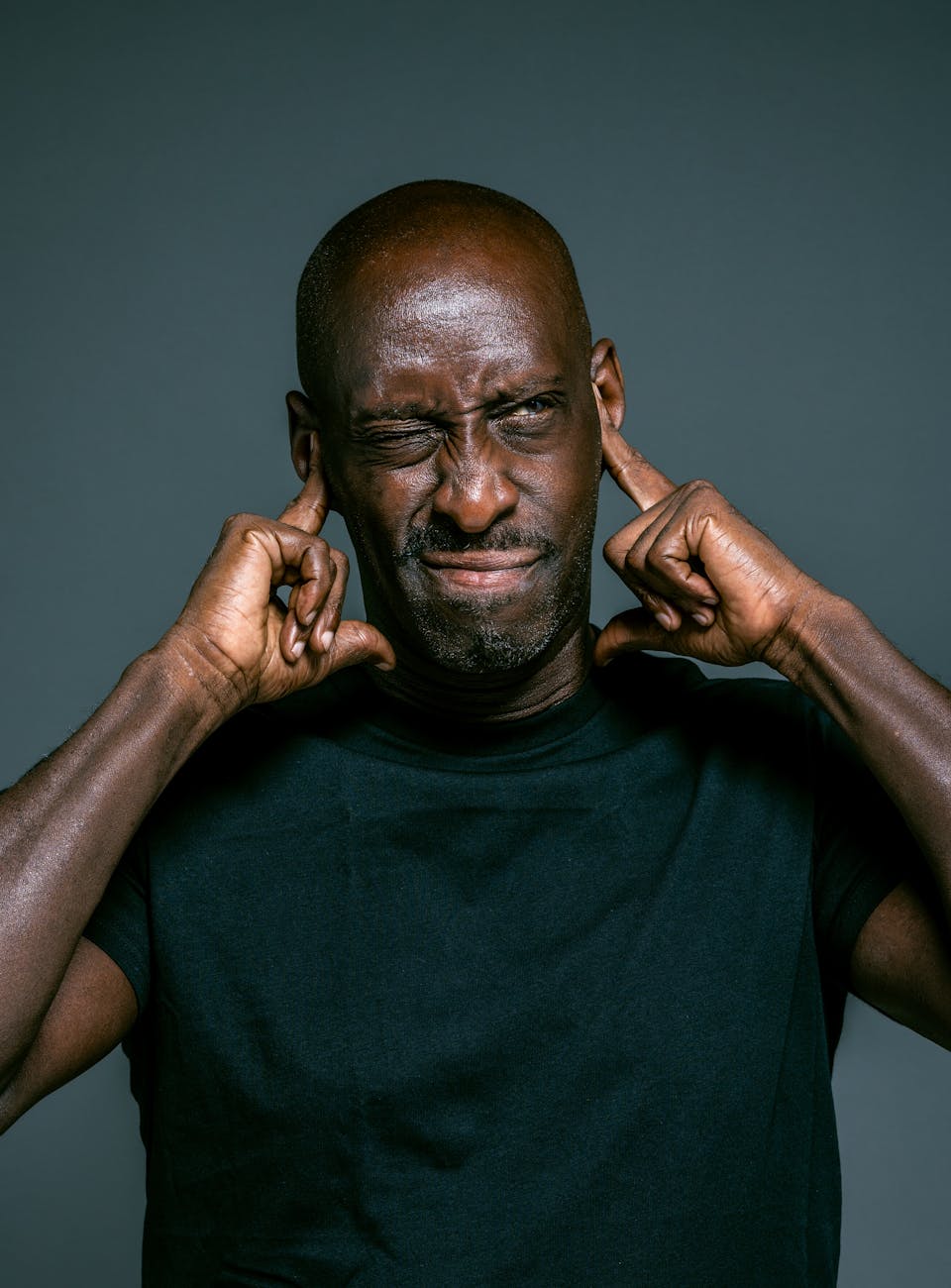
The Psychology of the Black Male.

Photo by Ketut Subiyanto on Pexels.com

The psychology of the Black male cannot be fully understood without examining the intersection of historical oppression, systemic inequality, social conditioning, and cultural identity. From the trauma of slavery to the pressures of modern society, Black men navigate a world that has historically sought to define, limit, and dehumanize them. Understanding these psychological dynamics requires a multidimensional approach, including historical, social, and spiritual perspectives.

Historical and Structural Influences

Historically, Black men have been subjected to the dehumanizing effects of slavery, segregation, and systemic racism. Enslaved African men were stripped of autonomy, forced into labor, and often separated from family, disrupting traditional social and familial roles. Post-emancipation, Jim Crow laws, discriminatory policing, and economic exclusion continued to restrict mobility and opportunity, embedding systemic barriers that impact psychological development. These historical injustices contribute to collective trauma, influencing identity formation and social behavior across generations (Wilson, 2012).

Stereotypes of Black men as inherently violent, hypersexual, or aggressive are rooted in historical attempts to justify oppression. Such representations, perpetuated in media, literature, and law, have created social pressures that affect self-perception, interpersonal relationships, and community dynamics. The psychological impact of these stereotypes includes heightened stress, internalized stigma, and the burden of disproving society’s assumptions.

Identity and Socialization

Socialization plays a critical role in shaping the psychology of Black males. From childhood, boys are taught to navigate a world where race influences expectations, interactions, and opportunities. They often face dual pressures: conforming to societal stereotypes while striving to embrace authentic self-expression. This tension can lead to identity conflicts, self-doubt, and hypervigilance in social contexts (Cross, 1991).

Family and community environments also shape resilience and coping strategies. Mentorship, positive role models, and community engagement provide protective factors that support psychological well-being. Conversely, the absence of stable male figures or exposure to systemic marginalization can exacerbate feelings of isolation, anger, or hopelessness.

Mental Health and Emotional Expression

Black men face unique challenges regarding mental health and emotional expression. Cultural norms, historical trauma, and societal expectations often discourage vulnerability, creating a stigma around seeking help. Depression, anxiety, and stress may manifest in externalizing behaviors such as aggression or withdrawal. Encouraging healthy emotional expression, access to culturally competent counseling, and community-based support systems are essential for psychological wellness.

The chronic stress associated with systemic racism—termed “racial battle fatigue” (Smith, 2004)—has tangible physical and mental health consequences. Experiencing discrimination, microaggressions, or bias consistently triggers psychological and physiological stress responses, leading to increased risks of cardiovascular disease, depression, and other health disparities.

Cultural and Spiritual Dimensions

Culture and spirituality are powerful sources of resilience for Black males. Strong connections to heritage, community, and faith traditions provide coping mechanisms and affirm identity. Religious institutions, music, and cultural rituals serve as spaces for psychological restoration, social support, and personal growth. Scripture reinforces dignity and purpose: “Be strong and of a good courage, fear not, nor be afraid of them: for the LORD thy God, he it is that doth go with thee” (Deuteronomy 31:6, KJV).

Afrocentric psychological frameworks emphasize the importance of collective identity, cultural pride, and historical consciousness. Recognizing the legacy of resilience in African and diasporic traditions can buffer against internalized oppression and foster a sense of purpose and belonging.

Contemporary Pressures

Modern Black men navigate a complex landscape of social, economic, and cultural pressures. Media representations, systemic inequities, and community expectations intersect with personal aspirations, shaping behavior, self-esteem, and relational dynamics. Economic challenges, disproportionate incarceration rates, and educational disparities amplify stress and affect life trajectories. Simultaneously, positive representations of Black men in business, politics, arts, and sports offer aspirational models that reinforce psychological resilience.

Toward Healing and Empowerment

Addressing the psychological needs of Black males requires holistic interventions. Community-based programs, culturally competent therapy, mentorship initiatives, and educational empowerment can mitigate historical and systemic challenges. Encouraging emotional literacy, healthy coping strategies, and spiritual grounding fosters well-being. Importantly, societal transformation to dismantle systemic racism and challenge harmful stereotypes is essential for long-term psychological health.

Understanding the psychology of the Black male is not solely about identifying challenges but also highlighting resilience, creativity, and leadership. Black men have historically navigated oppression while cultivating cultural richness, intellectual achievement, and spiritual depth. By examining both the pressures and the strengths, society can support healthier identities, relationships, and life outcomes.

Historical-Political Lens

The psychology of the Black male is deeply influenced by historical and political contexts. From the transatlantic slave trade to modern systemic oppression, Black men have faced dehumanization, exploitation, and marginalization. Enslaved African men were forcibly removed from their families, denied autonomy, and subjected to brutal labor, disrupting traditional social and familial roles. These historical conditions created intergenerational trauma, shaping the collective psychological experience of Black men in the diaspora (Wilson, 2012).

Colonialism and slavery were codified through political structures, laws, and economic systems designed to maintain control over Black populations. Jim Crow laws, segregation, and discriminatory policing limited opportunities for education, economic advancement, and social mobility. These systems not only constrained material success but also imposed psychological burdens, reinforcing feelings of inferiority and social invisibility.

Stereotypes of Black men as violent, hypersexual, or aggressive have roots in these historical systems. Such depictions served to justify oppression and criminalization while shaping public perception and policy. The internalization of these stereotypes has had lasting effects on self-identity, behavior, and community dynamics.

Despite these structural challenges, Black men have demonstrated resilience. Historically, they built communities, nurtured families under oppressive conditions, and preserved cultural heritage. The persistence of survival and creativity amid systemic adversity illustrates a psychological strength that transcends historical trauma.


Psychological-Social Lens

The psychological impact of systemic oppression manifests in identity formation, socialization, and mental health. Black males often navigate dual pressures: resisting stereotypes while striving to assert authentic selfhood. Internalized racism and societal expectations can create tension, self-doubt, and hypervigilance in both social and professional contexts (Cross, 1991).

Colorism compounds these pressures, influencing social hierarchies within Black communities. Darker-skinned men may experience marginalization, while lighter-skinned men might face pressure to conform to Eurocentric ideals. These dynamics affect self-esteem, social mobility, and relational patterns.

Mental health challenges among Black men are shaped by cultural and systemic factors. Stigma around vulnerability often discourages seeking therapy or support. Depression, anxiety, and stress may manifest in externalizing behaviors such as anger or withdrawal. Addressing these challenges requires culturally competent mental health care that acknowledges historical trauma and systemic inequities.

Peer, family, and community relationships serve as protective factors. Positive mentorship, role modeling, and social support help mitigate the negative effects of external and internalized pressures, fostering resilience, self-confidence, and a sense of belonging.


Faith-Based Lens

Spirituality has historically been central to the psychological well-being of Black men. Faith offers a framework for understanding suffering, resilience, and purpose. Biblical teachings affirm intrinsic worth and provide guidance for navigating oppression: “Be strong and of a good courage, fear not, nor be afraid of them: for the LORD thy God, he it is that doth go with thee” (Deuteronomy 31:6, KJV).

The church has historically functioned as both sanctuary and community center. Religious institutions provided education, mentorship, and leadership opportunities, serving as critical spaces for psychological and social development. Through faith, Black men cultivated hope, moral grounding, and resilience despite systemic marginalization.

Scripture emphasizes the importance of character over societal labels: “Ye are not in the flesh, but in the Spirit, if so be that the Spirit of God dwell in you” (Romans 8:9, KJV). By grounding identity in spiritual truths rather than external stereotypes, Black men can reclaim self-worth and purpose.

Faith also offers mechanisms for coping with historical trauma. Prayer, meditation, and community worship provide emotional regulation, social support, and affirmation of personal value, reinforcing psychological resilience and cultural continuity.


Contemporary Lens

Modern Black men navigate a landscape shaped by systemic inequities, social media, and cultural pressures. Disproportionate incarceration rates, educational disparities, and employment discrimination perpetuate historical patterns of oppression, impacting mental health and self-concept.

Media representations continue to shape public perception and internalized identity. Stereotypical depictions of Black men as criminals or hypermasculine reinforce societal bias, creating pressure to conform to or resist these narrow narratives. Conversely, positive portrayals in sports, business, arts, and media provide aspirational models that affirm identity and potential.

Social media is both empowering and challenging. Platforms can amplify voices, create networks of support, and promote cultural pride, yet they also perpetuate unrealistic standards of masculinity and success. The pressure to perform, achieve, or project a curated image can exacerbate stress, self-doubt, and competition.

Contemporary capitalism further complicates psychological experiences. Material success is often conflated with personal value, creating additional pressure to achieve in a system historically designed to limit access. The intersection of race, economics, and social perception remains a critical factor in understanding the modern psychology of Black men.


Restorative Lens

Healing and empowerment require holistic strategies that address historical, social, and personal dimensions. Community-based programs, mentorship initiatives, and culturally competent therapy are essential for fostering resilience and self-efficacy among Black men.

Education is a vital tool for liberation. Understanding the historical roots of oppression allows Black men to contextualize challenges, resist internalized narratives, and reclaim agency over identity. Knowledge of African heritage, diasporic history, and cultural contributions strengthens pride and belonging.

Spiritual grounding and faith-based support remain critical. By affirming intrinsic value and providing coping strategies for trauma, spirituality reinforces psychological health and resilience. Faith communities can serve as anchors for identity, leadership, and collective empowerment.

Restoration also involves confronting societal inequities. Advocacy, policy reform, and community mobilization address structural barriers, creating environments where Black men can thrive. Holistic approaches combine mental health, cultural affirmation, spiritual grounding, and social reform to nurture empowered, resilient individuals.

Ultimately, understanding the psychology of the Black male requires balancing acknowledgment of systemic oppression with recognition of resilience, creativity, and leadership. Black men have historically navigated adversity while cultivating cultural richness, moral depth, and personal strength. Supporting psychological well-being involves honoring this legacy, addressing contemporary challenges, and promoting environments that affirm identity, purpose, and potential.


📖 References

  • Cross, W. E. (1991). Shades of Black: Diversity in African-American identity. Temple University Press.
  • Smith, W. A. (2004). Racial battle fatigue: Psychology and the Black male experience. Journal of Negro Education, 73(3), 266–278.
  • Wilson, W. J. (2012). The truly disadvantaged: The inner city, the underclass, and public policy. University of Chicago Press.

Cross, W. E. (1991). Shades of Black: Diversity in African-American identity. Temple University Press.

  • Smith, W. A. (2004). Racial battle fatigue: Psychology and the Black male experience. Journal of Negro Education, 73(3), 266–278.
  • Wilson, W. J. (2012). The truly disadvantaged: The inner city, the underclass, and public policy. University of Chicago Press.
  • Holy Bible, King James Version.
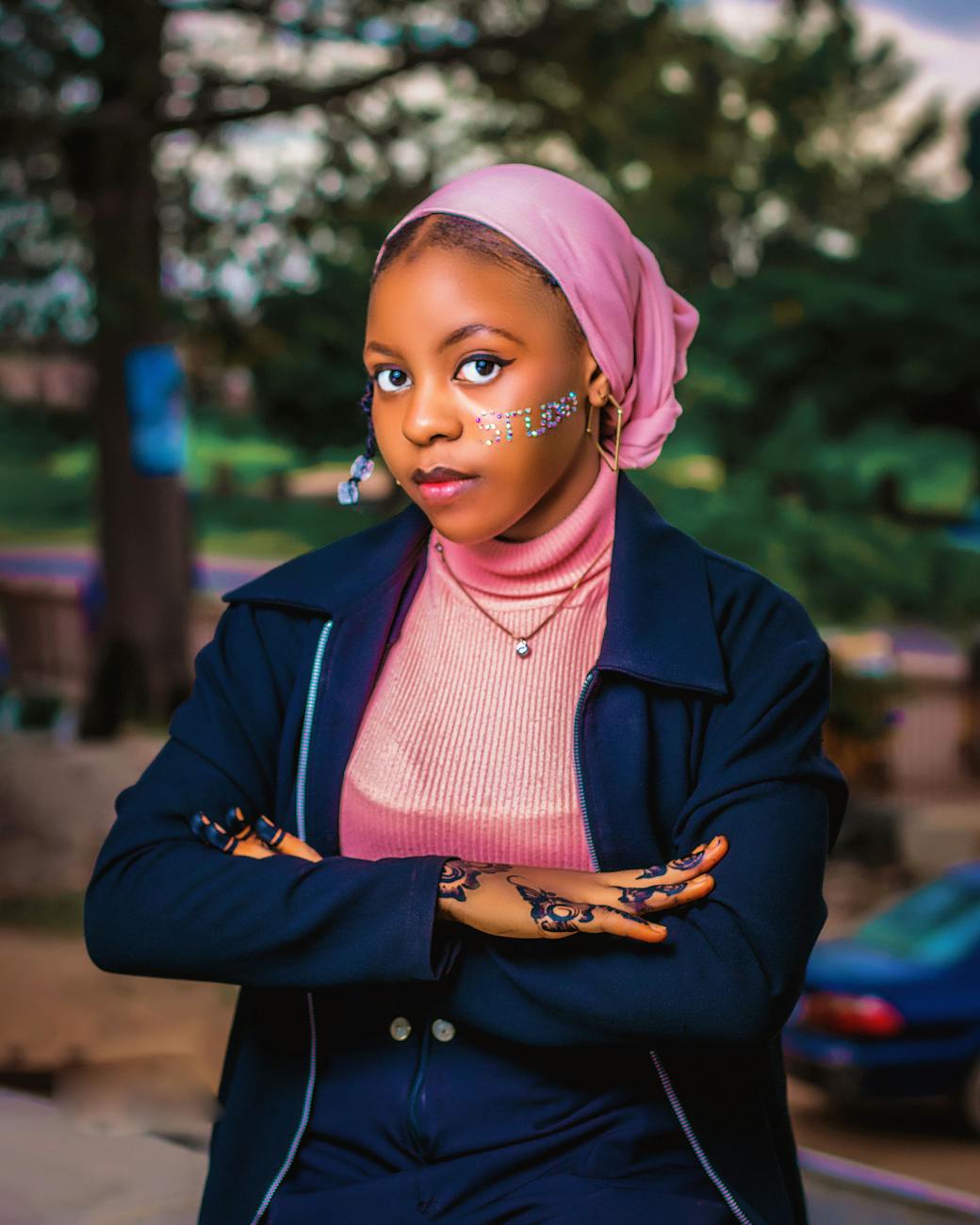
Resilience and Radiance: The Science of Black Beauty. #thescienceofblackbeauty

Photo by jim nyamao on Pexels.com

The beauty of people of African descent has long been both celebrated and contested, occupying a complex intersection of biology, culture, and politics. Black beauty is not simply a matter of outward appearance, but a profound embodiment of resilience, history, and spiritual depth. It reflects evolutionary intelligence, psychological endurance, and cultural resistance. Understanding the “science of Black beauty” requires examining its genetic foundations, the psychology of beauty perception, the historical weight of colonialism and slavery, and the spiritual dimension that has sustained Black people across centuries. In this sense, Black beauty radiates not only from the body, but also from the survival of a people who have redefined beauty against all odds.


Evolutionary and Biological Foundations of Black Beauty

Human variation is shaped by adaptation, and the physical features commonly associated with African ancestry bear witness to millennia of survival in diverse ecological environments. Skin pigmentation is one of the most visible markers. Deeply pigmented skin, rich in eumelanin, developed as an evolutionary shield against ultraviolet (UV) radiation. This adaptation protected folate—essential for reproduction and fetal development—while still permitting sufficient vitamin D synthesis near the equator (Jablonski & Chaplin, 2010). Thus, the very darkness of African skin is not only an aesthetic trait but also a marker of evolutionary fitness and resilience.

Hair texture provides another example of adaptation. Afro-textured hair, with its tightly coiled structure, plays a thermoregulatory role, shielding the scalp from intense sunlight while allowing airflow to cool the head (Robins, 2009). This unique adaptation highlights the functionality and beauty embedded within African biology. Similarly, fuller lips, broader noses, and other phenotypic features often stigmatized under Eurocentric ideals were evolutionary responses to environment and climate, rather than biological deficiencies.

Genetics further demonstrates the diversity within African-descended populations. Africa possesses the greatest genetic variation of any continent, meaning that Black beauty cannot be reduced to a monolith but must be understood as a spectrum of phenotypes, from ebony to bronze skin tones, from tightly coiled to loosely curled hair textures (Tishkoff et al., 2009). This genetic diversity underscores that Black beauty is vast, multifaceted, and scientifically foundational to humanity itself.


The Psychology of Black Beauty and Self-Perception

While biology provides the framework, psychology reveals how beauty is experienced and valued. For centuries, Eurocentric beauty standards have dominated the global imagination, leading to colorism and internalized oppression within Black communities (Hunter, 2007). Skin tone hierarchies, hair texture bias, and the devaluation of African features created psychological scars that persist today.

Psychological studies show that exposure to Eurocentric ideals negatively impacts self-esteem among Black girls and women, often leading to increased anxiety, depression, and identity struggles (Thompson & Keith, 2001). The infamous “doll test” conducted by Kenneth and Mamie Clark in the 1940s revealed that Black children preferred white dolls over Black dolls, associating whiteness with goodness and beauty while internalizing negative views of their own Blackness.

Yet psychology also highlights resilience. The “Black is Beautiful” movement of the 1960s was a revolutionary act of cognitive reframing, challenging dominant standards and affirming Black self-worth (Byrd & Tharps, 2014). Today, the natural hair movement, the rise of melanin pride campaigns, and the increasing visibility of dark-skinned models and actresses reflect an ongoing psychological resistance to internalized colonial narratives. These cultural shifts affirm that Black beauty is not fragile—it is resilient, continuously redefining itself in ways that nurture self-love and communal pride.


Cultural Representation and the Politics of Beauty

Beauty is never neutral; it is political. For centuries, the exclusion of Black women and men from mainstream beauty standards reinforced structures of racial hierarchy. Dark skin was demonized, kinky hair was stigmatized, and African facial features were caricatured or erased from media representation. When Black bodies did appear in art, literature, or film, they were often exoticized, fetishized, or portrayed as subhuman.

This exclusion was not accidental but deeply rooted in colonial projects that sought to dehumanize African people while upholding whiteness as the pinnacle of beauty and civilization (Craig, 2006). In this context, to affirm Black beauty was to resist systemic erasure. Icons such as Nina Simone, Angela Davis, and Cicely Tyson redefined beauty through their unapologetic embrace of natural hair and African aesthetics, disrupting dominant cultural narratives.

In contemporary culture, representation has expanded. Lupita Nyong’o’s global influence as a dark-skinned actress and advocate for young Black girls challenges colorism. Rihanna’s Fenty Beauty brand revolutionized the cosmetics industry by offering foundation shades across the spectrum of skin tones, addressing the long-standing exclusion of darker complexions (Tate, 2009). These shifts reveal that beauty is not just personal—it is structural, reshaping industries and social perceptions.


Spiritual and Historical Dimensions of Black Beauty

Beyond biology and psychology, Black beauty possesses a spiritual and historical dimension. The transatlantic slave trade, colonialism, and systemic racism sought to strip African people of dignity, yet inner beauty and resilience endured. Enslaved women, denied adornments or agency, still braided hair in intricate styles that carried cultural meaning and even mapped escape routes (Byrd & Tharps, 2014). Beauty became an act of survival, a hidden language of strength.

The Bible, too, speaks of beauty in terms deeper than physical appearance. “Whose adorning let it not be that outward adorning of plaiting the hair, and of wearing of gold… but let it be the hidden man of the heart” (1 Peter 3:3–4, KJV). This verse affirms that true beauty is rooted in spirit, dignity, and virtue rather than external adornment. For Black communities, beauty has always transcended surface features—it is found in resilience, faith, and the radiance of survival through centuries of oppression.


Resilience and Radiance in the Modern Era

Today, Black beauty radiates globally, shaping fashion, music, film, and art. Afrocentric hairstyles influence global trends, African skin tones are celebrated on runways, and hip-hop culture redefines aesthetics worldwide. Yet challenges remain: colorism, Eurocentric bias in corporate beauty industries, and the commodification of Black aesthetics without proper respect for Black creators (Patton, 2006).

Nevertheless, Black beauty continues to redefine itself as a site of resistance and radiance. It is a reminder that beauty is not static but evolving, deeply intertwined with survival and identity. In both science and spirit, Black beauty testifies to the resilience of a people who refused to be erased, radiating strength that shines across generations.


Conclusion

The science of Black beauty demonstrates that it is both biological and transcendent. Evolutionary biology reveals its brilliance in adaptation. Psychology uncovers both the wounds of imposed Eurocentric standards and the resilience of self-love movements. Culture illustrates the politics of representation and the revolutionary act of embracing melanin and natural aesthetics. Spiritually, Black beauty is inseparable from dignity, survival, and divine worth.

In this light, Black beauty is not fragile—it is radiant because it endured. It is resilience written into skin, hair, and spirit. It is science fused with history, and history fused with faith. Black beauty is not merely seen; it is survived, celebrated, and sacred.


References

  • Byrd, A., & Tharps, L. (2014). Hair story: Untangling the roots of Black hair in America. St. Martin’s Press.
  • Craig, M. L. (2006). Race, beauty, and the tangled knot of a guilty pleasure. Feminist Theory, 7(2), 159–177.
  • Hunter, M. (2007). The persistent problem of colorism: Skin tone, status, and inequality. Sociology Compass, 1(1), 237–254.
  • Jablonski, N. G., & Chaplin, G. (2010). Human skin pigmentation as an adaptation to UV radiation. Proceedings of the National Academy of Sciences, 107(Suppl 2), 8962–8968.
  • Patton, T. O. (2006). Hey girl, am I more than my hair? African American women and their struggles with beauty, body image, and hair. NWSA Journal, 18(2), 24–51.
  • Robins, A. H. (2009). Biological perspectives on human pigmentation. Cambridge University Press.
  • Tate, S. A. (2009). Black beauty: Aesthetics, stylization, politics. Ashgate.
  • Thompson, M. S., & Keith, V. M. (2001). The Blacker the berry: Gender, skin tone, self-esteem, and self-efficacy. Gender & Society, 15(3), 336–357.
  • Tishkoff, S. A., et al. (2009). The genetic structure and history of Africans and African Americans. Science, 324(5930), 1035–1044.

The Psychology of Shade: Self-Worth in the Brown Girl Journey. #thebrowngirldilemma

Photo by Anchau on Pexels.com

Shade is more than a color on the spectrum of skin—it is a lived experience that shapes identity, opportunity, and self-worth. For the brown girl, navigating her journey often means negotiating the psychological weight of how her shade is read by the world. Colorism, both within and outside of the Black community, functions as a hierarchy of value, where lighter shades are privileged and darker shades are dismissed or devalued (Hunter, 2007). This creates a paradox of belonging: the brown girl is simultaneously celebrated for her uniqueness yet pressured to alter or deny her shade to gain acceptance.

Psychologically, this manifests in what scholars call internalized colorism, where individuals measure their self-worth against Eurocentric standards of beauty and success (Keith & Herring, 1991). Brown girls may wrestle with questions of desirability—Am I too dark to be beautiful? Too brown to be chosen?—echoing wounds that stem from centuries of colonial trauma. Such questions erode self-esteem, linking complexion to perceived social status and opportunity. This is evident in studies showing that darker-skinned women often earn less, face higher discrimination in dating markets, and experience greater stigmatization in professional spaces (Hersch, 2008).

Yet, the psychology of shade is not solely one of burden. It is also one of resilience. Brown girls develop what psychologists call racial socialization—strategies passed down through family and community that affirm their identity, instill cultural pride, and resist internalized oppression (Hughes et al., 2006). For example, Black mothers often teach their daughters affirmations of melanin beauty, linking shade to cultural strength and divine uniqueness. This nurtures resilience, allowing brown girls to push back against narratives of inferiority.

Faith also plays a crucial role in shaping the psychology of shade. The biblical reminder that “I am fearfully and wonderfully made” (Psalm 139:14, KJV) serves as a spiritual antidote to colorist lies. In the Song of Solomon, the Shulamite woman boldly declares, “I am black, but comely” (Song of Solomon 1:5, KJV), a verse that directly challenges the stigma attached to darker complexion. By rooting self-worth in divine creation rather than societal validation, the brown girl journey becomes one of liberation rather than limitation.

Media representation also influences the psychology of shade. Historically, darker-skinned women were cast in roles that reinforced stereotypes of servitude, aggression, or invisibility. Today, increasing visibility of brown-skinned actresses, models, and influencers signals a shift in cultural narratives. When Lupita Nyong’o won an Academy Award, she used her platform to speak directly to young girls with darker skin, affirming their beauty and worth. Such moments have a profound psychological impact, expanding the mirror of possibility for future generations.

Still, the scars of colorism persist. In global contexts, from South Asia to Latin America, skin-lightening creams remain billion-dollar industries (Tate, 2016), underscoring how shade continues to dictate perceived value. For the brown girl, resisting this global obsession with lightness is a radical act of self-love. It is choosing to see her shade not as a deficit but as a divine inheritance.

Ultimately, the psychology of shade reveals both the wounds and the wisdom of the brown girl journey. The struggle with self-worth is real, shaped by centuries of systemic bias. Yet, through faith, cultural pride, and resistance, brown girls transform shade from a site of shame into a source of strength. In embracing her skin, the brown girl affirms not only herself but also generations before her who were told to hide their brilliance.

Her journey declares that shade is not something to overcome but something to honor. The psychology of shade, therefore, becomes a psychology of sovereignty—choosing to define beauty, worth, and identity on her own terms.


References

  • Hersch, J. (2008). Profiling the new immigrant worker: The effects of skin color and height. Journal of Labor Economics, 26(2), 345–386.
  • Hughes, D., Rodriguez, J., Smith, E. P., Johnson, D. J., Stevenson, H. C., & Spicer, P. (2006). Parents’ ethnic-racial socialization practices: A review of research and directions for future study. Developmental Psychology, 42(5), 747–770.
  • Hunter, M. (2007). The persistent problem of colorism: Skin tone, status, and inequality. Sociology Compass, 1(1), 237–254.
  • Keith, V. M., & Herring, C. (1991). Skin tone and stratification in the Black community. American Journal of Sociology, 97(3), 760–778.
  • Tate, S. (2016). Skin Bleaching in Black and Brown Communities: Connected to Colorism and Colonialism. Palgrave Macmillan.
  • The Holy Bible, King James Version.

Things You Never Do for a Narcissist

Photo by thorl5 on Pexels.com

Narcissism is one of the most damaging personality traits a person can encounter, both in personal relationships and in spiritual life. Psychology defines narcissism as an inflated sense of self-importance and a deep need for admiration, often accompanied by a lack of empathy (APA, 2013). The Bible, however, warns of the same spirit long before psychology named it: “For men shall be lovers of their own selves, covetous, boasters, proud…” (2 Timothy 3:2, KJV). This essay will explore what narcissism is, the types identified by psychology, biblical parallels, and why boundaries are essential when dealing with narcissistic individuals.


What is Narcissism?

Narcissism originates from the Greek myth of Narcissus, who became so obsessed with his reflection that he wasted away by the water’s edge. Psychologically, this reflects an excessive preoccupation with the self. Spiritually, it represents pride, vanity, and rebellion against humility. The Bible speaks clearly: “God resisteth the proud, but giveth grace unto the humble” (James 4:6, KJV).

Modern psychology considers narcissism to exist on a spectrum, from healthy self-esteem to pathological narcissism. While a measure of self-confidence is necessary for functioning, narcissistic personality disorder (NPD) is destructive, leaving behind broken relationships, emotional abuse, and cycles of manipulation (Campbell & Miller, 2011).


Types of Narcissism

  1. Grandiose (Overt) Narcissism
    • Traits: arrogance, entitlement, exploitation of others, constant demand for admiration.
    • Biblical example: King Nebuchadnezzar, who exalted himself until God humbled him (Daniel 4:30-33).
    • Scripture: “Pride goeth before destruction, and an haughty spirit before a fall” (Proverbs 16:18, KJV).
  2. Vulnerable (Covert) Narcissism
    • Traits: insecurity, hypersensitivity, passive-aggression, resentment when unrecognized.
    • Biblical example: King Saul, whose insecurity about David’s success drove him to jealousy and rage (1 Samuel 18:8-9).
    • Scripture: “Wrath is cruel, and anger is outrageous; but who is able to stand before envy?” (Proverbs 27:4, KJV).
  3. Malignant Narcissism
    • Traits: a combination of narcissism, antisocial behavior, aggression, and paranoia; often destructive without remorse.
    • Biblical example: Herod the Great, who killed even his own family to maintain power (Matthew 2:16).
    • Scripture: “The heart is deceitful above all things, and desperately wicked: who can know it?” (Jeremiah 17:9, KJV).
  4. Communal Narcissism
    • Traits: portraying oneself as moral, spiritual, or selfless for admiration, while lacking genuine humility.
    • Biblical example: The Pharisees, who performed good deeds publicly to be praised rather than to serve God (Matthew 23:5).
    • Scripture: “Woe unto you… for ye are like unto whited sepulchres, which indeed appear beautiful outward, but are within full of dead men’s bones” (Matthew 23:27, KJV).

Things You Never Do for a Narcissist

Dealing with narcissists requires wisdom, boundaries, and discernment. Both psychology and scripture caution against enabling their behavior.

  • Never sacrifice your identity for their approval.
    • Narcissists often erode self-worth. Yet the Bible reminds us: “I will praise thee; for I am fearfully and wonderfully made” (Psalm 139:14, KJV).
  • Never excuse or enable their sin.
    • Justifying manipulation keeps the cycle alive. Proverbs 17:15 says: “He that justifieth the wicked, and he that condemneth the just, even they both are abomination to the Lord.”
  • Never place them above God.
    • Idolatry of people is dangerous, especially when they demand devotion. Exodus 20:3 declares: “Thou shalt have no other gods before me.”
  • Never expect reciprocity.
    • Narcissists give conditionally, always expecting return. Jesus, however, taught sacrificial love: “It is more blessed to give than to receive” (Acts 20:35, KJV).
  • Never remain in bondage to their control.
    • Psychology calls this “narcissistic abuse syndrome,” where victims internalize blame and fear. The Bible affirms liberty: “Stand fast therefore in the liberty wherewith Christ hath made us free” (Galatians 5:1, KJV).

Psychology and Scripture in Agreement

While psychology explains narcissism as a personality disorder rooted in insecurity and developmental wounds, the Bible diagnoses it as pride and rebellion against God. Both perspectives converge on the same truth: unchecked narcissism destroys relationships, exploits the vulnerable, and leads to personal downfall.


Top 10 Things You Never Do for a Narcissist

1. Never Sacrifice Your Identity to Please Them

  • Narcissists will try to reshape you into what benefits them.
  • Scripture: “Be not conformed to this world: but be ye transformed by the renewing of your mind” (Romans 12:2, KJV).
  • Psychology Insight: Maintaining your authentic self is key to resisting narcissistic control.

2. Never Excuse or Justify Their Sinful Behavior

  • They will rationalize manipulation, lying, or arrogance. Don’t become their enabler.
  • Scripture: “He that justifieth the wicked… even they both are abomination to the Lord” (Proverbs 17:15, KJV).
  • Psychology Insight: Excusing abuse creates a cycle of reinforcement and deepens narcissistic traits.

3. Never Expect Empathy or Reciprocity

  • Narcissists struggle to give genuine compassion.
  • Scripture: “The merciful man doeth good to his own soul: but he that is cruel troubleth his own flesh” (Proverbs 11:17, KJV).
  • Psychology Insight: Expecting reciprocity sets you up for disappointment and further emotional harm.

4. Never Place Them Above God

  • Their need for worship can turn into idolatry.
  • Scripture: “Thou shalt have no other gods before me” (Exodus 20:3, KJV).
  • Psychology Insight: Elevating someone unhealthy above your faith and values creates spiritual and emotional bondage.

5. Never Believe Their False Narratives About You

  • Narcissists project their flaws onto others through gaslighting.
  • Scripture: “Ye shall know the truth, and the truth shall make you free” (John 8:32, KJV).
  • Psychology Insight: Recognize projection for what it is—self-defense mechanisms, not truth.

6. Never Stay Silent About Abuse

  • Silence only empowers control.
  • Scripture: “Open thy mouth for the dumb in the cause of all such as are appointed to destruction” (Proverbs 31:8, KJV).
  • Psychology Insight: Speaking up and seeking support are vital steps in breaking free from narcissistic abuse.

7. Never Rely on Them for Validation

  • They withhold affirmation to control your self-worth.
  • Scripture: “I will praise thee; for I am fearfully and wonderfully made” (Psalm 139:14, KJV).
  • Psychology Insight: Build self-esteem through healthy relationships and inner healing, not their approval.

8. Never Think You Can Change Them

  • Many hope love or patience will transform a narcissist.
  • Scripture: “Can the Ethiopian change his skin, or the leopard his spots? then may ye also do good, that are accustomed to do evil” (Jeremiah 13:23, KJV).
  • Psychology Insight: True change requires deep self-awareness and therapy—something narcissists rarely pursue.

9. Never Stay in Constant Conflict

  • Narcissists thrive on drama and control through chaos.
  • Scripture: “It is an honour for a man to cease from strife: but every fool will be meddling” (Proverbs 20:3, KJV).
  • Psychology Insight: Refusing to engage in endless arguments protects your peace and mental health.

10. Never Forget to Guard Your Soul and Boundaries

  • Boundaries are not selfish; they are protective.
  • Scripture: “Keep thy heart with all diligence; for out of it are the issues of life” (Proverbs 4:23, KJV).
  • Psychology Insight: Boundaries prevent exploitation and create space for healing and freedom.

Summary: Both psychology and the Bible agree—narcissists thrive on control, manipulation, and pride. Your job is to safeguard your identity, maintain boundaries, and place God above all human relationships.

Conclusion

To deal with narcissists wisely, one must neither enable nor idolize them. Instead, the believer is called to humility, discernment, and boundary-setting. Psychology provides strategies for self-protection, while the Bible provides the spiritual foundation to resist manipulation. Ultimately, healing comes through recognizing one’s identity in Christ and refusing to be enslaved by the destructive patterns of narcissistic people.


References

  • American Psychiatric Association. (2013). Diagnostic and statistical manual of mental disorders (5th ed.). Washington, DC: Author.
  • Campbell, W. K., & Miller, J. D. (2011). The handbook of narcissism and narcissistic personality disorder: Theoretical approaches, empirical findings, and treatments. Hoboken, NJ: Wiley.
  • Holy Bible, King James Version.

The Psychology of Human Attraction

Understanding Biblical Insight and Psychological Theories

Photo by Dellon Thomas on Pexels.com

Human attraction is one of the most complex dynamics of social life. It extends beyond physical appearance, involving biological, psychological, and spiritual dimensions. The Bible acknowledges attraction as a natural part of human relationships, yet emphasizes that it should be guided by divine principles. “Favour is deceitful, and beauty is vain: but a woman that feareth the LORD, she shall be praised” (Proverbs 31:30, KJV). Psychology, meanwhile, investigates attraction through theories of attachment, evolutionary biology, and social cognition, seeking to explain why people are drawn to one another.

One of the primary drivers of attraction is physical appearance, which has roots in both biology and culture. Evolutionary psychologists argue that features such as facial symmetry, clear skin, and body proportions are often unconsciously associated with health and fertility (Rhodes, 2006). However, Scripture warns that outward beauty alone is insufficient; it is the hidden qualities of character and spirit that sustain meaningful bonds (1 Peter 3:3–4, KJV). This balance between surface appeal and deeper substance reveals how attraction is both instinctive and moral.

Another factor is similarity and shared values. Psychology’s similarity-attraction paradigm suggests people are drawn to those with common beliefs, interests, or cultural backgrounds because these similarities reduce conflict and affirm identity (Byrne, 1971). Biblically, Amos 3:3 (KJV) reinforces this principle: “Can two walk together, except they be agreed?” Attraction rooted in shared values fosters stability, mutual respect, and spiritual harmony, making relationships more resilient.

Emotional connection and attachment styles also shape attraction. According to attachment theory (Bowlby, 1988), individuals with secure attachment styles tend to form healthier bonds, while those with insecure attachments may seek relationships that mirror unresolved childhood experiences. From a spiritual perspective, love should be rooted in selflessness and divine order: “Charity suffereth long, and is kind… seeketh not her own” (1 Corinthians 13:4–5, KJV). Thus, emotional attraction goes beyond chemistry—it is linked to healing, trust, and godly love.

Attraction is further influenced by reciprocity and availability. Psychologists note that people are more likely to be drawn to those who express mutual interest and make themselves emotionally available (Aron et al., 1997). This dynamic reflects biblical principles of mutual honor and affection: “Be kindly affectioned one to another with brotherly love; in honour preferring one another” (Romans 12:10, KJV). Relationships thrive when both parties show intentional care and openness.

7 Key Factors in the Psychology of Human Attraction

With KJV Bible + Psychology Insights

  1. Physical Appearance (First Impressions)
    • Psychology: Symmetry, grooming, and health signal vitality (Rhodes, 2006).
    • 1 Samuel 16:7 (KJV): “Man looketh on the outward appearance, but the LORD looketh on the heart.”
  2. Similarity and Shared Values
    • Psychology: People prefer partners with common beliefs and lifestyles (Byrne, 1971).
    • Amos 3:3 (KJV): “Can two walk together, except they be agreed?”
  3. Emotional Connection
    • Psychology: Attachment theory shows secure bonds build trust (Bowlby, 1988).
    • 1 Corinthians 13:4–5 (KJV): Love is patient, kind, and not self-seeking.
  4. Reciprocity (Mutual Interest)
    • Psychology: We are drawn to those who show interest in us (Aron et al., 1997).
    • Romans 12:10 (KJV): “Be kindly affectioned one to another… in honour preferring one another.”
  5. Proximity and Time Spent Together
    • Psychology: The “mere exposure effect” increases attraction with familiarity.
    • Ruth 2:10–12 (KJV): Ruth’s closeness to Boaz created favor and recognition.
  6. Emotional Availability and Support
    • Psychology: People value partners who provide safety and encouragement.
    • Ecclesiastes 4:9–10 (KJV): Two are better than one, for they lift each other up.
  7. Spiritual and Moral Character
    • Psychology: Inner qualities sustain long-term attraction beyond appearance.
    • Proverbs 31:30 (KJV): “Favour is deceitful, and beauty is vain: but a woman that feareth the LORD, she shall be praised.”

In conclusion, the psychology of human attraction reveals a profound interplay between biology, mind, and spirit. While science emphasizes appearance, similarity, and attachment, Scripture elevates attraction beyond instinct to covenantal love grounded in God’s design. Ultimately, the most enduring form of attraction is not fleeting physical beauty but the spiritual, emotional, and moral bonds that reflect God’s love. As Proverbs reminds us, true attraction rests in the fear of the Lord, which sustains love when surface qualities fade.


📚 References

  • The Holy Bible, King James Version.
  • Aron, A., Aron, E. N., & Smollan, D. (1997). Inclusion of Other in the Self Scale and the structure of interpersonal closeness. Journal of Personality and Social Psychology, 63(4), 596–612.
  • Bowlby, J. (1988). A secure base: Parent-child attachment and healthy human development. Basic Books.
  • Byrne, D. (1971). The Attraction Paradigm. Academic Press.
  • Rhodes, G. (2006). The evolutionary psychology of facial beauty. Annual Review of Psychology, 57, 199–226.

Bridging the Divide: Rebuilding Appreciation Between Black Men and Black Women

Photo by Zexy Zw.com on Pexels.com

The relationship between Black men and Black women is historically complex, shaped by centuries of systemic oppression, cultural evolution, and personal experiences. At its best, it is a partnership rooted in shared struggle, resilience, and cultural pride. At its worst, it is marred by misunderstanding, mistrust, and internalized stereotypes. Addressing this dynamic requires honesty about desires, challenges, and the spiritual foundation of mutual respect.


Do Black Men Feel Appreciated by Black Women—and Vice Versa?

Appreciation is often mutual but not always equally expressed. Many Black men report feeling valued for their strength, protection, and leadership, yet some also express frustration at being misunderstood or overly criticized. Likewise, Black women often feel celebrated for their resilience and beauty, but also burdened by societal expectations to be endlessly strong. According to psychologist Dr. Joy DeGruy (2005), the lingering effects of slavery and Jim Crow created fractured gender dynamics within the Black community, making full appreciation more difficult to maintain.


What Black Men Want from Black Women

Studies suggest that Black men often value loyalty, respect, emotional support, physical attraction, and shared cultural understanding (Pew Research Center, 2019). Many emphasize the need for a partner who believes in their vision and offers encouragement during life’s challenges. Spiritually, Proverbs 31 paints the image of a virtuous woman whose strength, wisdom, and kindness are deeply respected.


What Black Women Want from Black Men

Black women frequently prioritize protection, emotional intimacy, faithfulness, ambition, and the ability to lead with humility. They also value vulnerability—a man willing to communicate and share his inner struggles rather than hiding them. The Song of Solomon illustrates a loving relationship where both partners delight in and honor one another without power struggles or mistrust.


Traits Black Men Look for in a Mate

  1. Kindness and compassion
  2. Physical beauty and attraction
  3. Intelligence and ambition
  4. Faith and shared values
  5. Supportive spirit and respect for his role

These traits are not universal to all Black men but are frequently expressed in surveys and relationship studies.


Problems Between Black Men and Black Women

Historical oppression fostered systemic issues—mass incarceration, economic inequality, and disrupted family structures—that created tension in gender relations. Some Black men may feel disrespected or unappreciated, while some Black women feel unsupported or abandoned. Cultural portrayals often fuel conflict, with music, film, and social media promoting narratives of distrust, promiscuity, and materialism rather than unity and cooperation.


Why Do Some Black People Marry Outside Their Race?

Interracial marriage can stem from genuine attraction, shared interests, or proximity in diverse environments. However, research also points to the influence of colorism and Eurocentric beauty ideals, which may cause some to idealize white partners over Black ones (Hunter, 2007). This preference is not universal, but it reflects the lingering impact of colonialism and media representation.


Do Black Men Prefer White Women?

While a small portion of Black men express a preference for white women, most Black men in the U.S. marry Black women (Pew Research Center, 2017). Media narratives often exaggerate interracial dating trends, which can feed mistrust within the community.


Negative Stereotypes Black People Have Against Each Other

  • Against Black Women: “Angry Black Woman,” “Gold Digger,” “Overly Independent,” “Too Masculine.”
  • Against Black Men: “Absent Father,” “Player/Womanizer,” “Lazy,” “Unemotional,” “Dusty,” “Too Wimpy,” “Lack of Masculinity.”

These stereotypes, rooted in racist propaganda, damage relationships by reinforcing distrust and limiting the ability to see one another as complex, individual human beings.


How Can We Appreciate Each Other More?

  • Active Listening – Hearing each other without defensiveness.
  • Affirmation – Expressing gratitude for contributions and sacrifices.
  • Cultural Pride – Celebrating shared heritage rather than competing.
  • Partnership in Purpose – Building families, businesses, and ministries together.
  • Forgiveness – Releasing past hurts to embrace a better future.

What Does the Bible Say About How We Should Treat Each Other?

Scripture is clear about mutual respect and love:

  • Ephesians 5:25“Husbands, love your wives, even as Christ also loved the church, and gave himself for it.”
  • Proverbs 31:30“Favour is deceitful, and beauty is vain: but a woman that feareth the LORD, she shall be praised.”
  • 1 Peter 3:7“Husbands, dwell with them according to knowledge, giving honour unto the wife.”
  • Matthew 7:12“Therefore all things whatsoever ye would that men should do to you, do ye even so to them.”
  • Ecclesiastes 4:9–10“Two are better than one… For if they fall, the one will lift up his fellow.”

The Bible commands love, honor, and humility between men and women. If these principles guided every relationship, many of today’s relational wounds in the Black community could be healed.


References

DeGruy, J. (2005). Post Traumatic Slave Syndrome: America’s legacy of enduring injury and healing. Uptone Press.
Hunter, M. (2007). The persistent problem of colorism: Skin tone, status, and inequality. Sociology Compass, 1(1), 237–254.
Pew Research Center. (2017). Intermarriage in the U.S. 50 years after Loving v. Virginia. Retrieved from https://www.pewresearch.org
Pew Research Center. (2019). Race in America: Public attitudes toward race relations. Retrieved from https://www.pewresearch.org

Choosing Self-Worth Over Societal Expectation.

Photo by AY photographer on Pexels.com

In a world that constantly tells people who they should be, what they should look like, and how they should live, the act of choosing self-worth over societal expectation becomes both radical and necessary. The struggle lies not only in resisting external pressures but also in dismantling the internalized voices that echo those expectations. Self-worth, unlike societal approval, is rooted in intrinsic value, dignity, and authenticity.

The Weight of Societal Expectation

Society often creates rigid templates for success, beauty, gender roles, and achievement. These standards are reinforced through media, institutions, and cultural narratives. For women and marginalized groups in particular, expectation can manifest as an invisible cage—dictating behavior, career paths, body image, and even spiritual identity. Such demands cultivate anxiety, imposter syndrome, and a constant pursuit of validation (Hewitt & Flett, 1991).

The Power of Self-Worth

By contrast, self-worth emerges from within. It is the recognition of inherent value independent of external measurement. The Bible reminds us, “Ye are of more value than many sparrows” (Matthew 10:31, KJV), emphasizing that worth is divinely ordained, not socially assigned. Psychology also affirms that when individuals ground their identity in self-acceptance, they develop resilience against rejection, criticism, and failure (Deci & Ryan, 2000).

The Conflict Between the Two

The tension between societal expectation and self-worth often leads to compromise. Many chase status symbols, titles, or appearances to fit cultural molds, even at the cost of their happiness. This is seen in the pressures of consumerism, perfectionism, and social comparison. Yet, true fulfillment comes when people break from this cycle and embrace authenticity. As bell hooks (2000) notes, self-love is an act of political resistance in a society that profits from insecurity.

Choosing Differently

Choosing self-worth requires courage. It means refusing to conform when conformity silences individuality. It involves setting boundaries, pursuing passions not prestige, and honoring mental and spiritual well-being over external validation. This choice is not selfish but liberating. In fact, it is through authentic self-love that individuals can contribute more meaningfully to their families, communities, and the world.

Conclusion

To choose self-worth over societal expectation is to reclaim power. It is to affirm that identity is not dictated by trends, systems, or stereotypes but by divine design and inner truth. As the psalmist declared, “I will praise thee; for I am fearfully and wonderfully made” (Psalm 139:14, KJV). In choosing self-worth, one chooses freedom, authenticity, and lasting peace—the kind of life that no societal mold can ever define.


References

  • Deci, E. L., & Ryan, R. M. (2000). Self-determination theory and the facilitation of intrinsic motivation, social development, and well-being. American Psychologist, 55(1), 68–78.
  • Hewitt, P. L., & Flett, G. L. (1991). Perfectionism in the self and social contexts: Conceptualization, assessment, and association with psychopathology. Journal of Personality and Social Psychology, 60(3), 456–470.
  • hooks, b. (2000). All about love: New visions. Harper Perennial.

Girl Talk Series: Cheaters (Men)

Photo by Ron Lach on Pexels.com

Why Do Men Cheat? How Women Can Overcome Infidelity

Cheating is a wound that cuts deeply, but women must understand this truth: it is not your fault if a man chooses to be unfaithful. Too often, society and even family members blame women, suggesting they should have cooked more, dressed differently, or “kept him satisfied.” These are lies. A man’s decision to betray is rooted in his own brokenness, immaturity, and lack of integrity—not in a woman’s worth. Sisters, you must know your value. Establish boundaries and never tolerate deceit disguised as love. A man’s history of dishonesty often predicts future behavior; if he has cheated before without repentance, he may do it again. You cannot “change” a man—only God can change his heart (Jeremiah 17:9, KJV). What you can do is set standards, refuse to be disrespected, and walk in dignity.

🙏 Spiritual Guidance: What Women Should Do if They Suspect Cheating

  • Pray to the Most High for revelation
    • Ask the Lord to expose what is hidden. “For there is nothing covered, that shall not be revealed; neither hid, that shall not be known” (Luke 12:2, KJV). Trust that the Most High sees a man’s heart and intentions better than you ever could.
  • Seek wisdom and discernment
    • Pray for clarity so that you are not led by emotions or fear, but by truth. “If any of you lack wisdom, let him ask of God, that giveth to all men liberally” (James 1:5, KJV).
  • Do not ignore your spirit
    • If the Holy Spirit gives you unrest or warning about a man, pay attention. God often speaks through conviction and inner unease.
  • Set boundaries and test fruit
    • The Bible says, “Ye shall know them by their fruits” (Matthew 7:16, KJV). Watch his actions more than his words. Consistency in honesty, respect, and faithfulness proves a man’s character.
  • Do not carry misplaced blame
    • If he chooses betrayal, remember: his actions are his sin, not your shortcoming. Pray for strength to release shame and walk in worth.

✨ The truth is, the Most High knows every man’s motives before they are ever revealed to you. Prayer is your strongest weapon, because while a cheater may deceive people, he cannot deceive God.

Men cheat for various reasons, ranging from narcissism, immaturity, thrill-seeking, to deep-seated sexual addictions. Psychologically, cheating often reflects narcissistic entitlement—a belief that one is above accountability and deserves to indulge without consequence (Campbell & Foster, 2002). Some men struggle with compulsive sexual behavior, commonly known as hypersexual disorder, which leads to constant seeking of validation through sex rather than through healthy intimacy (Kafka, 2010). Yet, these struggles are never an excuse. Infidelity represents a violation of covenant trust.

Checklist: Signs of a Cheating Man

  • 📱 Secrecy with phone/computer
    • Constantly guards his phone, changes passwords, deletes messages, or keeps devices face-down.
  • 🕒 Unexplained schedule changes
    • Works late often, takes sudden “business trips,” or becomes vague about where he has been.
  • 🙄 Emotional distance
    • Withdraws affection, avoids deep conversations, or seems disconnected from the relationship.
  • 💵 Strange financial activity
    • Hidden expenses, unexplained charges, or secretive spending habits.
  • 💬 Defensiveness or gaslighting
    • Gets angry or evasive when asked simple questions, or accuses you of being “too insecure” or “crazy.”
  • 👕 Changes in appearance
    • Suddenly starts dressing better, grooming differently, or wearing new colognes without explanation.
  • 🔥 Shift in intimacy
    • Either reduced sexual interest—or sometimes, sudden overcompensation.
  • 👀 Excessive social media activity
    • Flirts online, hides friend lists, receives frequent late-night notifications, or starts blocking visibility of posts.
  • 🗣️ Stories don’t add up
    • Gives inconsistent explanations for his whereabouts or frequently changes details.
  • 👤 Gut feeling
    • Your intuition tells you something is off. Women often sense emotional dishonesty before it’s confirmed.

⚠️ Important Note: A woman should not blame herself if these signs appear. These behaviors point to a man’s choices, not her inadequacy. As the Bible says, “Be sure your sin will find you out” (Numbers 32:23, KJV).

A prime example is the very public scandal of Jay-Z cheating on Beyoncé, a betrayal that shocked the world. Beyoncé later spoke about her healing journey through music, channeling her pain into the powerful Lemonade album. Her openness demonstrated both the devastation of betrayal and the resilience of a woman who chose self-worth, therapy, and boundaries over shame. Beyoncé reminded women that healing is possible, whether through reconciliation with repentance or walking away with dignity.

The signs of cheating can be subtle but clear to the discerning eye. Emotional withdrawal, sudden secrecy around phones, changes in routine, defensiveness when questioned, or shifts in sexual behavior are often red flags. A man who gaslights—turning the suspicion back on the woman—is also signaling deception. The psychology of cheaters reveals a common thread: they focus on themselves, their needs, their ego, while disregarding the emotional devastation they cause. Narcissism thrives on secrecy and manipulation (Miller et al., 2010).

The Bible speaks plainly against adultery. “Thou shalt not commit adultery” (Exodus 20:14, KJV). Proverbs warns, “But whoso committeth adultery with a woman lacketh understanding: he that doeth it destroyeth his own soul” (Proverbs 6:32, KJV). Christ elevated the standard, teaching that even lustful thoughts are infidelity of the heart (Matthew 5:28, KJV). The Word of God makes it clear—cheating is not just betrayal of the spouse, but rebellion against God Himself.

For women, the impact of cheating is profound. Infidelity can trigger depression, anxiety, post-traumatic stress, and loss of self-esteem (Gordon & Baucom, 2009). Women often question their worth, comparing themselves to the “other woman,” but this is misplaced blame. The cheater chose deceit—not because his partner was “not enough,” but because he lacked discipline, honor, and faithfulness. Understanding this truth is key to reclaiming one’s self-image after betrayal.

So how can women overcome a man’s cheating? First, acknowledge the pain without minimizing it. Healing requires honesty. Second, seek counseling or spiritual guidance to process trauma. Third, decide whether reconciliation is possible—but only if the man demonstrates true repentance, accountability, and change. If not, walking away may be the most empowered choice. Forgiveness, whether within the marriage or outside of it, is essential for a woman’s peace, but forgiveness does not mean tolerance of repeated abuse.

Solutions require both spiritual and practical steps. Spiritually, women must remember they are fearfully and wonderfully made (Psalm 139:14, KJV). They are not defined by betrayal. Practically, women must set clear boundaries—financial independence, emotional healing, and surrounding themselves with supportive communities are vital.

At its core, cheating is not a reflection of a woman’s insufficiency, but a man’s weakness. Women cannot control a man’s choices, but they can control their response. By choosing healing, faith, and self-worth, women can overcome betrayal and rise stronger. Infidelity, though painful, can become the catalyst for transformation and empowerment.

Ultimately, the solution lies in aligning relationships with biblical principles and psychological wisdom. A man must be accountable to God and his partner, and a woman must know her worth, refusing to carry shame that does not belong to her. Cheating destroys trust, but truth, healing, and boundaries rebuild dignity.


References

  • Campbell, W. K., & Foster, C. A. (2002). Narcissism and commitment in romantic relationships: An investment model analysis. Personality and Social Psychology Bulletin, 28(4), 484–495.
  • Gordon, K. C., & Baucom, D. H. (2009). Understanding betrayals in marriage: A synthesized model of forgiveness. Family Process, 48(3), 425–449.
  • Kafka, M. P. (2010). Hypersexual disorder: A proposed diagnosis for DSM-V. Archives of Sexual Behavior, 39(2), 377–400.
  • Miller, J. D., Campbell, W. K., & Pilkonis, P. A. (2010). Narcissistic personality disorder: Relations with distress and functional impairment. Comprehensive Psychiatry, 48(2), 170–177.
  • The Holy Bible, King James Version (KJV).