Category Archives: psychology

Colorism and the Silent Wounds or Intra-Facial Discrimination.

Photo by Darina Belonogova on Pexels.com

Colorism, a term popularized by Alice Walker in 1983, refers to prejudice or discrimination against individuals with darker skin tones, often by members of their own racial or ethnic group. Unlike racism, which is an intergroup phenomenon, colorism is largely intra-racial and internalized, functioning as a byproduct of colonialism, slavery, and white supremacy. In the Black community, this hierarchy of skin tone—placing light skin above dark—has deep historical roots and persistent modern implications. The silent wounds of colorism often manifest as diminished self-esteem, fractured unity, and internalized oppression.


The Silent Wounds of Intra-Racial Discrimination

The wounds of colorism are “silent” because they are often normalized and rarely addressed openly. Psychologically, they appear as feelings of inadequacy, alienation, and resentment within the Black community. Children are often socialized into believing that lighter skin equates to beauty, intelligence, or higher status. Studies have shown that darker-skinned African Americans face harsher prison sentences, reduced job opportunities, and are less likely to be married than lighter-skinned peers with similar qualifications (Monk, 2014). The consequences are cumulative: lower self-worth, fractured identity, and intergenerational bias.


Historical Roots: The Light vs. Dark Divide

The light-skin/dark-skin divide began during slavery in the Americas, where lighter-skinned enslaved Africans—often the children of white slave owners and enslaved Black women—were sometimes given preferential treatment. They were more likely to work in the house rather than in the fields, receive basic education, or be considered for manumission. This hierarchy persisted into the Jim Crow era, reinforced by social organizations like the “Blue Vein Societies” that excluded darker-skinned Blacks. The ideology of white supremacy made whiteness the ultimate standard of beauty and worth, embedding these beliefs deep within Black cultural consciousness.


Colorism in the Black Community and Entertainment

Today, colorism manifests in how Black people perceive and treat one another. Light-skinned individuals are often assumed to be more attractive, educated, or approachable, while darker-skinned individuals may be stereotyped as aggressive or less refined. This bias is evident in the entertainment, modeling, and sports industries, where lighter-skinned women such as Zendaya, Amandla Stenberg, and Tessa Thompson often receive leading roles, while darker-skinned actresses like Lupita Nyong’o and Viola Davis have had to fight for representation. In music, rappers like Kodak Black have openly stated a preference for lighter-skinned women, reflecting deep-seated biases. Actor Taye Diggs once admitted in an interview that he was attracted to white women due to his upbringing in predominantly white spaces—a statement that sparked discussion about internalized preference and societal conditioning.

Examples of Celebrities by Skin Tone

  • Light-skinned celebrated celebrities: Zendaya, Tessa Thompson, Amandla Stenberg, Drake, Mariah Carey.
  • Dark-skinned celebrated celebrities: Lupita Nyong’o, Viola Davis, Idris Elba, Danai Gurira, Mahershala Ali.

Global and African Context

Colorism is not limited to the African diaspora in the West; it is prevalent in Africa itself. In nations like Nigeria, Ghana, and South Africa, skin-lightening products are widely sold, despite known health risks. The preference for lighter skin is tied to colonial history and reinforced by global media that promotes Eurocentric beauty ideals. Light-skinned women are often considered more “marriageable” or “professional,” while darker-skinned women face social and economic disadvantages.


Social and Economic Impacts

Colorism influences social mobility, dating, marriage prospects, and even income potential. Lighter-skinned Black Americans have been found to earn more, live in wealthier neighborhoods, and receive better educational opportunities than their darker-skinned counterparts (Keith & Herring, 1991). In modeling and advertising, lighter skin tones are disproportionately featured in beauty campaigns, perpetuating the cycle of bias.


Celebrity Commentary on Colorism

Several celebrities have spoken openly about colorism. Lupita Nyong’o has shared how she once prayed to God to lighten her skin, only to later embrace her beauty. Viola Davis has criticized Hollywood for sidelining darker-skinned women in romance and leading roles. Rapper Cardi B has acknowledged that her lighter complexion has given her certain advantages in the music industry compared to darker-skinned peers. These admissions highlight the need for systemic change within media representation.


Solutions and Path to Change

Addressing colorism requires both personal and systemic transformation. On a personal level, Black communities must unlearn internalized racism by affirming the beauty, intelligence, and value of all skin tones. On a systemic level, industries must commit to equal representation and opportunities for darker-skinned individuals. Education, media literacy, and cultural celebration of melanin-rich beauty can dismantle the hierarchy. As Proverbs 31:30 (KJV) reminds us, “Favour is deceitful, and beauty is vain: but a woman that feareth the Lord, she shall be praised.”


Conclusion

Colorism’s silent wounds are a legacy of colonialism and slavery, perpetuated by white supremacy and internalized bias. They impact social, economic, and psychological well-being within the Black community, both in the diaspora and on the African continent. Breaking this cycle demands intentional action, from challenging biased beauty standards to holding media accountable for diverse representation. Until the hierarchy of skin tone is dismantled, true unity in the Black community will remain incomplete.


References

  • Keith, V. M., & Herring, C. (1991). Skin tone and stratification in the Black community. American Journal of Sociology, 97(3), 760–778.
  • Monk, E. P. Jr. (2014). Skin tone stratification among Black Americans, 2001–2003. Social Forces, 92(4), 1313–1337.
  • Walker, A. (1983). In Search of Our Mothers’ Gardens. Harcourt Brace Jovanovich.
  • The Holy Bible, King James Version.
School-to-Prison Pipeline: How the System Fails Black Youth Before They Start.

Photo by RDNE Stock project on Pexels.com

Psychologist Amos Wilson once observed, “Until our children are taught how to be Black, they will fail in school, because the schools were not designed to educate them in the first place.” This profound statement captures the structural failure of the American education system to nurture Black children. Instead of affirming identity and fostering opportunity, schools often serve as the first station along a pathway that leads Black youth toward incarceration. This phenomenon, widely known as the school-to-prison pipeline, is not a new development but the product of a long history of systemic inequality and institutional neglect.

Historically, education for African Americans was deliberately restricted. During slavery, teaching the enslaved to read was illegal in many states, as literacy threatened the institution of bondage. Following emancipation, segregated schools under Jim Crow laws ensured that Black children received inferior resources, curricula, and facilities. Though Brown v. Board of Education (1954) legally ended segregation, the persistence of de facto segregation, underfunded schools in Black neighborhoods, and discriminatory practices maintained inequities. This historical backdrop set the stage for the school-to-prison pipeline, where structural racism in education and law enforcement converges.

One of the primary mechanisms of this pipeline is disproportionate discipline. Research shows that Black students are suspended and expelled at much higher rates than their white peers for the same behaviors (Skiba et al., 2011). Zero-tolerance policies, adopted widely in the 1990s, criminalized minor misbehaviors such as tardiness, classroom disruptions, or dress code violations. Instead of counseling and restorative practices, schools resorted to suspensions, expulsions, and referrals to law enforcement. This exclusionary discipline pushes students out of classrooms and into contact with the criminal justice system.

Psychologically, such punitive environments stigmatize Black children early. Labeling theory suggests that when children are repeatedly categorized as “troublemakers,” they internalize these labels, which shapes self-perception and behavior (Becker, 1963). This creates a cycle where Black students, already navigating racial bias, are further burdened with psychological scars from being treated as criminals-in-waiting. The Bible echoes this concern in Ephesians 6:4, warning fathers and authority figures not to provoke children to wrath, but to nurture them. Yet the school system often provokes, rather than nurtures, Black children.

The failure extends beyond discipline to curriculum and pedagogy. Schools frequently erase or marginalize Black history, culture, and contributions. This invisibility diminishes self-worth and alienates Black youth from academic engagement. Amos Wilson argued that education must be rooted in the cultural and psychological needs of Black children; otherwise, it serves as a mechanism of control rather than liberation. Proverbs 22:6 (KJV) instructs, “Train up a child in the way he should go: and when he is old, he will not depart from it.” Yet Black children are too often trained into alienation, criminalization, and failure rather than purpose and possibility.

Socioeconomic inequality compounds the problem. Underfunded schools in predominantly Black neighborhoods lack qualified teachers, extracurricular opportunities, and adequate resources. These structural disadvantages feed directly into the school-to-prison pipeline. Psychologist Urie Bronfenbrenner’s ecological systems theory underscores that a child’s development is deeply influenced by the surrounding environment. When the environment is impoverished and punitive, children’s outcomes are shaped accordingly, not by personal failure but by systemic design.

The courts and law enforcement deepen this cycle. School-based arrests disproportionately affect Black youth, often for nonviolent infractions. Once ensnared in the juvenile justice system, young people face barriers to reentry into schools and future employment, effectively criminalizing childhood. Lamentations 3:27 reminds us, “It is good for a man that he bear the yoke in his youth.” Yet the yoke that many Black children bear is one of systemic injustice, imposed before they even have the chance to reach adulthood.

Ultimately, the school-to-prison pipeline reflects a betrayal of society’s moral and civic responsibility to its children. To dismantle it, reforms must address disciplinary practices, resource allocation, and culturally relevant curricula. Schools must transform from punitive institutions into nurturing environments that uplift Black youth. Both biblical wisdom and psychological research affirm that the flourishing of children depends on systems that nurture identity, support growth, and embody justice. Until such transformation occurs, justice will remain deferred, and the future of Black youth will continue to be unjustly stolen.


References

Alexander, M. (2010). The new Jim Crow: Mass incarceration in the age of colorblindness. The New Press.

Becker, H. S. (1963). Outsiders: Studies in the sociology of deviance. Free Press.

Bronfenbrenner, U. (1979). The ecology of human development: Experiments by nature and design. Harvard University Press.

King James Bible. (1769/2017). The Holy Bible, King James Version. Cambridge University Press. (Original work published 1611).
Skiba, R. J., Horner, R. H., Chung, C. G., Rausch, M. K., May, S. L., & Tobin, T. (2011). Race is not neutral: A national investigation of African American and Latino disproportionality in school discipline. School Psychology Review, 40(1), 85–107.

Wilson, A. (1998). Blueprint for Black power: A moral, political, and economic imperative for the twenty-first century. Afrikan World InfoSystems.

Brown Skin, Heavy Crown: The Weight of Expectations on Black Women

Photo by mahfuz visual on Pexels.com

“The most disrespected person in America is the Black woman. The most unprotected person in America is the Black woman. The most neglected person in America is the Black woman.” – Malcolm X, 1962

This piercing statement still resonates today, capturing the enduring reality that Black women carry a unique weight in society. The title Brown Skin, Heavy Crown: The Weight of Expectations on Black Women speaks to the duality of being both admired and burdened, resilient and weary. Their “crown” is both literal and symbolic—representing beauty, strength, responsibility, and the heavy expectations imposed upon them.


Day-to-Day Struggles of Black Women

The struggles of Black women are multifaceted and often invisible to those who do not share their experience. Day to day, many must navigate:

  • Workplace Bias: Stereotypes about competence, tone, and appearance force Black women to “prove themselves” beyond their peers.
  • Hair and Body Politics: Choices about hair, dress, and body image are scrutinized more harshly, often deemed “unprofessional” or “too much.”
  • Family and Community Expectations: Many are expected to be the “backbone” of families and communities, carrying immense emotional and financial burdens.
  • Healthcare Inequality: Black women face disproportionate maternal mortality rates and are often ignored or dismissed in medical settings.
  • Microaggressions and Racism: Subtle but constant reminders that their identity is undervalued, whether in classrooms, workplaces, or public spaces.

These struggles create a reality in which Black women are expected to endure more, speak less, and carry others—while often being denied rest, vulnerability, or protection.


The Weight of Expectations

The “heavy crown” symbolizes how society demands resilience from Black women, often at the cost of their well-being. The archetype of the “strong Black woman” can be both empowering and damaging. While it honors resilience, it also pressures Black women to suppress vulnerability and avoid asking for help. This results in what psychologists call the Superwoman Schema, a coping mechanism where Black women overperform in roles of strength while neglecting self-care, leading to stress, anxiety, and depression (Woods-Giscombé, 2010).

Society expects Black women to be endlessly strong, forgiving, nurturing, and graceful under pressure. Yet, when they resist these expectations, they risk being labeled “angry,” “difficult,” or “unfeminine.” The crown of strength becomes a weight rather than a jewel.


Biblical Reflections on Burden and Strength

The Bible acknowledges the weight of burdens but also offers encouragement:

  • “Cast thy burden upon the Lord, and he shall sustain thee: he shall never suffer the righteous to be moved” (Psalm 55:22, KJV).
  • “Come unto me, all ye that labour and are heavy laden, and I will give you rest” (Matthew 11:28, KJV).
  • “She girdeth her loins with strength, and strengtheneth her arms” (Proverbs 31:17, KJV).

These verses affirm both the strength and the humanity of women. While society demands that Black women carry impossible burdens, Scripture reminds them that strength is not found in perpetual suffering but in faith, rest, and divine sustenance. The Bible does not glorify exploitation—it calls for justice and care for the oppressed (Isaiah 1:17).


Psychological Insights

The expectations placed on Black women have measurable psychological impacts.

  • Superwoman Schema: Over-identification with strength creates barriers to seeking help and worsens stress-related health outcomes (Woods-Giscombé, 2010).
  • Stereotype Threat: Fear of confirming stereotypes about anger or incompetence forces Black women into emotional suppression (Rosenthal & Lobel, 2011).
  • Resilience and Coping: Despite these challenges, research shows that spiritual practices, community ties, and cultural affirmation are key coping strategies for Black women’s mental health (Watson & Hunter, 2015).

These insights reveal that the “heavy crown” is not only social but psychological—demanding constant balance between external expectations and inner well-being.


Conclusion

Brown Skin, Heavy Crown: The Weight of Expectations on Black Women reminds us that while Black women have been celebrated for their resilience, they are too often denied softness, rest, and protection. The crown they wear should symbolize dignity, beauty, and divine strength, not relentless exploitation. To break free, society must dismantle oppressive expectations and affirm Black women as whole human beings—vulnerable, valuable, and beloved.

As Scripture says, “For my yoke is easy, and my burden is light” (Matthew 11:30, KJV). The true crown is not the one society imposes but the one God gives—of honor, peace, and eternal worth.


References

  • Rosenthal, L., & Lobel, M. (2011). Explaining racial disparities in adverse birth outcomes: Unique sources of stress for Black American women. Social Science & Medicine, 72(6), 977–983.
  • Watson, N. N., & Hunter, C. D. (2015). Anxiety and depression among African American women: The costs of strength and negative attitudes toward psychological help-seeking. Cultural Diversity and Ethnic Minority Psychology, 21(4), 604–612.
  • Woods-Giscombé, C. L. (2010). Superwoman schema: African American women’s views on stress, strength, and health. Qualitative Health Research, 20(5), 668–683.
  • The Holy Bible, King James Version.
Strong Black Woman or Soft Human Being? The Myth of Superwoman

Photo by Derrick Buckner on Pexels.com

The image of the “Strong Black Woman” has been passed down through generations as both a survival mechanism and a cultural burden. Rooted in slavery, systemic racism, and patriarchal oppression, this identity evolved as Black women were forced to carry the weight of their families, communities, and societies while being denied the protection and gentleness afforded to white women (Collins, 2000). This identity—though resilient and empowering on the surface—often comes with deep psychological, spiritual, and physical costs. It is here that the myth of the “Superwoman” emerges: the expectation that Black women can endlessly endure pain, labor, and responsibility without rest or vulnerability.

The Myth of the Superwoman

The “Superwoman Schema,” a term in psychology, describes the pressure many Black women feel to appear strong, suppress emotions, succeed despite limited resources, and prioritize others over themselves (Woods-Giscombé, 2010). Historically, this myth stems from slavery, where Black women were expected to work like men in the fields, bear children often against their will, and still nurture enslaved families. In modern society, these expectations persist in the workplace, the home, and even the church, leading to high rates of stress-related illnesses, depression, and anxiety among Black women (Beauboeuf-Lafontant, 2009).

Struggles and Dilemmas of the Black Woman

Black women face intersecting struggles of racism and sexism, navigating what Kimberlé Crenshaw (1989) termed “intersectionality.” They are often stereotyped as “angry” if they speak out, “lazy” if they rest, or “unfeminine” if they assert themselves. Balancing career, family, motherhood, and community roles often leaves little room for self-care. Psychologically, the burden of being strong leads to emotional suppression, which can erode mental health and spiritual well-being.

Managing It All: Coping and Consequences

To “manage it all,” many Black women rely on faith, cultural resilience, and community support. Prayer, church involvement, and scriptural affirmations become coping strategies. Yet even these can mask pain when vulnerability is discouraged. The Bible acknowledges the need for strength but also affirms human weakness and dependence on God: “Come unto me, all ye that labour and are heavy laden, and I will give you rest” (Matthew 11:28, KJV). This verse highlights the divine permission for Black women to rest, release, and receive care rather than carry the world alone.

Reclaiming Humanity Beyond the Myth

To heal, Black women must be allowed to exist as “soft human beings,” not just invincible figures. The Apostle Paul reminds believers that “My grace is sufficient for thee: for my strength is made perfect in weakness” (2 Corinthians 12:9, KJV). True strength does not lie in endless endurance but in recognizing limitations and leaning on God’s grace and community. Psychologists argue that dismantling the myth requires creating safe spaces for Black women to express vulnerability, seek therapy without stigma, and redefine self-worth beyond sacrifice (Watson & Hunter, 2015).

Conclusion

The myth of the Superwoman both honors and harms Black women. While it acknowledges resilience, it also denies softness, tenderness, and the right to be cared for. Black women’s struggles—historical and contemporary—show the need to dismantle the narrative that they must “manage it all.” Healing begins with affirming that being human is enough, and that rest, vulnerability, and softness are not weaknesses, but sacred acts of self-preservation.


References

  • Beauboeuf-Lafontant, T. (2009). Behind the mask of the strong Black woman: Voice and the embodiment of a costly performance. Temple University Press.
  • Collins, P. H. (2000). Black feminist thought: Knowledge, consciousness, and the politics of empowerment. Routledge.
  • Crenshaw, K. (1989). Demarginalizing the intersection of race and sex. University of Chicago Legal Forum, 1989(1), 139–167.
  • Watson, N. N., & Hunter, C. D. (2015). “I had to be strong”: Tensions in the strong Black woman schema. Journal of Black Psychology, 41(5), 424–452.
  • Woods-Giscombé, C. L. (2010). Superwoman schema: African American women’s views on stress, strength, and health. Qualitative Health Research, 20(5), 668–683.

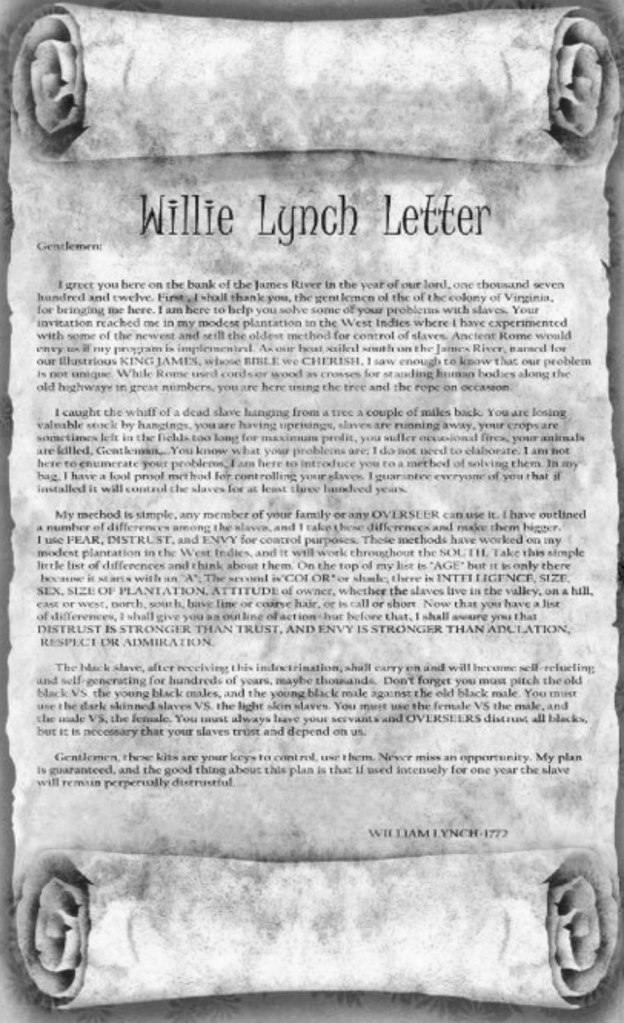
The Legacy of the Willie Lynch Letter: Historical Premise, Racial Division, and Its Ongoing Impact on Black Identity.

The Willie Lynch Letter—widely circulated as a blueprint for controlling enslaved Africans in America—is often cited in discussions surrounding the systemic psychological manipulation and division within the Black community. Although its authenticity has been heavily disputed, the letter remains symbolically powerful. Allegedly delivered by a British slave owner named Willie Lynch in 1712 on the banks of the James River in Virginia, the letter outlines methods to control slaves for generations by instilling division based on skin color, hair texture, age, gender, and other factors. Despite questions surrounding its historical veracity, the themes it presents remain painfully relevant in 2025.


Alleged Origins and Content of the Willie Lynch Letter

According to the document, Willie Lynch was invited from the West Indies to Virginia to share his “expertise” on slave management. The letter begins with Lynch addressing a group of slave owners, promising them a foolproof method to control their slaves for hundreds of years. He outlines a strategy rooted in psychological division, promoting distrust and disunity among slaves through systemic manipulation of differences—particularly skin color (“light vs. dark”), age (“old vs. young”), gender (“male vs. female”), and even hair texture (“nappy vs. straight”).

One of the most notable concepts from the letter is the separation of the enslaved into house Negroes and field Negroes. House slaves, often lighter-skinned due to being the children of white slave masters, were given relatively better living conditions, cleaner clothes, and closer proximity to their enslavers. They were often used to control or report on the darker-skinned field Negroes, who performed brutal labor in plantations under the hot sun. This intra-racial division served the slaveholders by preventing collective rebellion, as envy, mistrust, and intra-group conflict undermined unity.


Historical Debate: Fact or Fiction?

There is considerable scholarly consensus that the Willie Lynch Letter is a hoax. Historians point to linguistic inconsistencies, anachronisms (such as the use of the term “reflex” and modern grammar structures not used in the 18th century), and the lack of historical evidence of a person named Willie Lynch delivering such a speech in 1712. In fact, no credible record of Lynch’s existence or the letter’s origins exists in the colonial archives (Gates, 2003). Nevertheless, the Willie Lynch Letter endures in cultural consciousness because it reflects real strategies historically used to oppress and manipulate African-descended people in America.


Psychological Residue: Division by Design

Despite its dubious authorship, the letter’s ideology of engineered division has echoed throughout centuries of Black experience in the United States. The division by skin tone, known as colorism, has become deeply embedded within the community. Lighter-skinned individuals have often been afforded more social privilege, greater representation in media, and are sometimes perceived as more intelligent or attractive due to Eurocentric beauty standards (Hunter, 2007). This psychological warfare, seeded in slavery, continues to influence hiring practices, dating preferences, and self-esteem in the modern Black population.

Similarly, the division between field Negroes and house Negroes was metaphorically revived in the 1960s during the civil rights movement, particularly in Malcolm X’s speeches. Malcolm used these terms to describe the difference between the “complacent” Black elite who were comfortable within the white establishment (house Negroes) and the oppressed masses pushing for revolutionary change (field Negroes). His framing highlighted the enduring class-based and psychological divisions that hinder Black unity (X, 1963).


Relevance in 2025: The Lingering Divide

In 2025, the spirit of the Willie Lynch Letter remains manifest in subtle and overt ways. Intra-racial tensions still exist around complexion, hair texture, education, economic status, and gender roles. The media continues to elevate lighter-skinned, Eurocentric Black beauty while marginalizing darker-skinned individuals. Black women with natural hair still face discrimination in professional environments, despite the 2019 CROWN Act (Creating a Respectful and Open World for Natural Hair) aiming to combat hair-based bias (Davis, 2020).

Moreover, systemic racism is far from over. Police brutality, educational disparities, housing discrimination, and wage inequality remain daily realities for many African Americans. Movements like Black Lives Matter emerged as a response not just to violence, but also to the broader dehumanization of Black lives. Although progress has been made, including increased Black representation in politics, media, and academia, the legacy of divide-and-conquer tactics continues to erode unity and foster mistrust.


Conclusion

The Willie Lynch Letter, though likely a fabricated artifact, stands as a mirror reflecting real strategies historically employed to psychologically enslave African Americans through division and manipulation. Whether or not Willie Lynch himself existed, the ideology expressed in the letter has been tragically effective in shaping intergenerational trauma and conflict within the Black community. Recognizing and dismantling these residual effects is critical for healing and unity. In 2025, the challenge is no longer only external oppression, but also internalized division. Understanding our history—both factual and symbolic—is a necessary step toward liberation and solidarity.


References

  • Davis, A. (2020). Hair discrimination and the CROWN Act: A legislative response to anti-Black grooming policies. UCLA Law Review, 67(1), 1–25.
  • Gates, H. L. Jr. (2003). The ‘Willie Lynch Letter’: The Making of a Myth. The Root. Retrieved from https://www.theroot.com
  • Hunter, M. (2007). The Persistent Problem of Colorism: Skin Tone, Status, and Inequality. Sociology Compass, 1(1), 237–254.
  • Malcolm X. (1963). Message to the Grassroots. Speech delivered at King Solomon Baptist Church, Detroit.

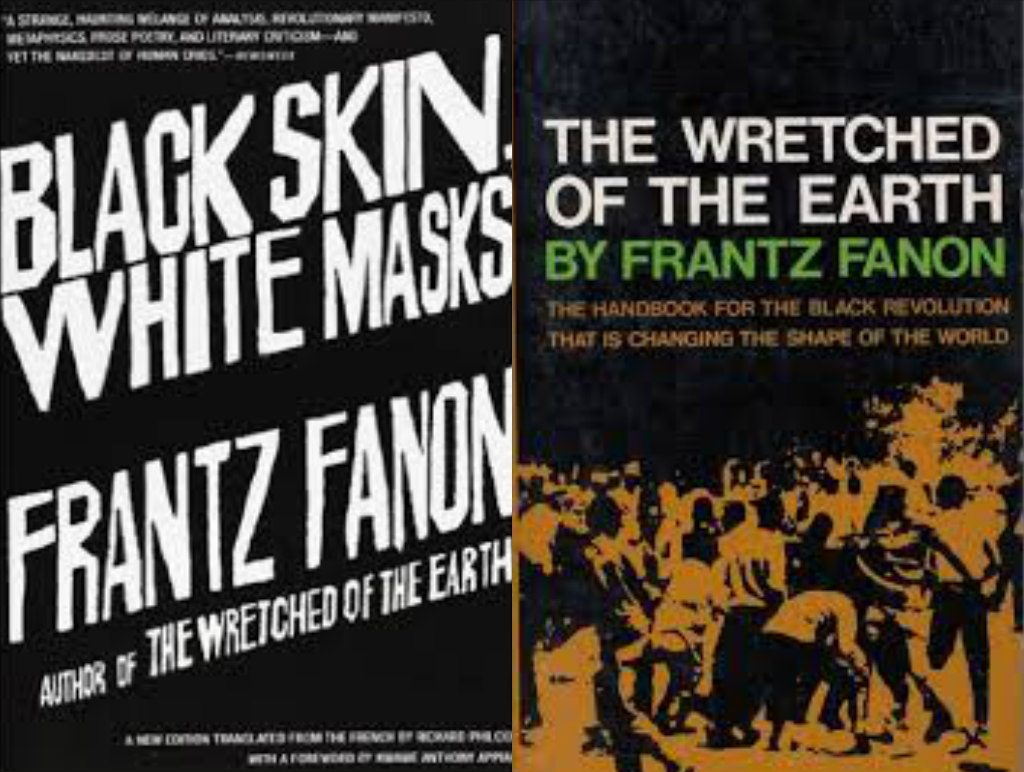
DOUBLE BOOK REVIEW: Black Skin, White Masks & The Wretched of the Earth by Frantz Fanon.

Frantz Fanon: The Revolutionary Mind of Black Liberation
Featuring Reviews of Black Skin, White Masks and The Wretched of the Earth


Who Was Frantz Fanon? Biography & Nationality

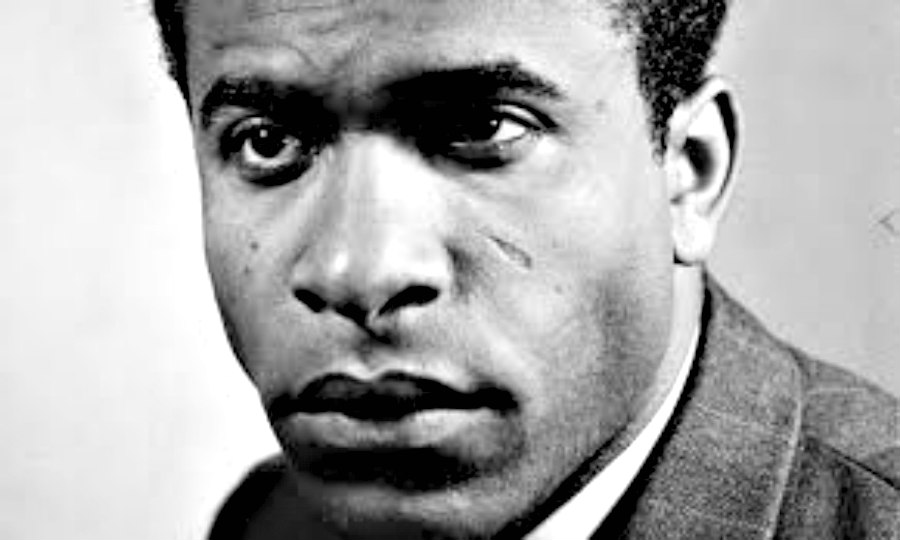
Frantz Omar Fanon was born on July 20, 1925, in Fort-de-France, Martinique, a French colony in the Caribbean. He was a Black psychiatrist, writer, revolutionary theorist, and anti-colonial activist. Fanon was of French nationality, since Martinique was a French territory, but he fiercely rejected colonial identity and became one of the most radical critics of French imperialism.

He grew up speaking French and was educated in the French system, but his experience as a Black man in a white-dominated society led him to reject colonial assimilation and instead advocate for African liberation.


His Marriage and Personal Life

Fanon married Josie (Marie-Josephe) Dublé, a white Frenchwoman, who was a nurse. This marriage sparked controversy, as Fanon wrote passionately against white colonialism and the psychological effects of internalized whiteness among Black people. Yet, he also saw personal relationships as complex and never viewed love solely through political binaries.

They had one son, Olivier Fanon.


His Language and Writing

Fanon wrote in French, and both of his major works have been translated into many languages, including English, Spanish, Arabic, and Portuguese, making his ideas accessible to freedom fighters and intellectuals around the world.


Life in Martinique and France: The Formation of a Revolutionary

Growing up in Martinique, Fanon was considered part of the Black middle class. However, he became deeply disillusioned with the racism of the French colonial structure, even in his homeland. He witnessed colorism, elitism, and a system that trained Black people to idolize whiteness.

He later moved to France to study psychiatry. As a young man, he fought in World War II for the Free French forces, believing in liberty and equality. But upon returning, he was met with the same anti-Black racism, even by those who had called him a fellow soldier. This double betrayal pushed him to rethink everything about colonialism, identity, and liberation.


Fanon wasn’t just a theorist; he joined the Algerian Revolution against French colonial rule, working as a psychiatrist and strategist for the National Liberation Front (FLN) in Algeria.

He treated Algerian fighters traumatized by war, and he exposed the use of torture by the French. His writings were not abstract—they were tools of war. The French authorities expelled him from Algeria for his radicalism, and he spent his remaining years helping liberation movements across Africa, including in Ghana and the Congo.


📘 Book Review: Black Skin, White Masks

⭐️⭐️⭐️⭐️⭐️

Published: 1952

Language: French (translated to English by Charles Lam Markmann)

Original Title: Peau Noire, Masques Blancs

This book is a psychological and philosophical dissection of what it means to be Black in a world built on white supremacy. Fanon dives deep into the Black psyche under colonialism, examining how racism shapes identity, self-worth, language, and love.

Key Messages and Themes:

  1. The Inferiority Complex of the Colonized:
    Black people, especially those educated in white systems, are taught to hate themselves and to wear “white masks” to be accepted.
  2. Language as a Tool of Oppression:
    Speaking French “well” became a way to be seen as civilized, but Fanon argued that this was a linguistic betrayal of self.
  3. Desire for Whiteness:
    Fanon was critical of Black men who sought white women to gain status, and Black women who rejected their own features for European beauty standards.
  4. Racism as a Mental Illness:
    He saw racism not just as social injustice but as a psychiatric condition—both for the oppressed and the oppressors.

“The Black man has no resistance against the white man’s culture. He becomes a mimic man.”
—Frantz Fanon, Black Skin, White Masks

🔥 Impact on the Black Psyche

The book shattered illusions. It revealed how colonialism invaded the mind, creating identity crises and self-hatred. It gave Black people language to understand their trauma and tools to decolonize the self.


📕 Book Review: The Wretched of the Earth

⭐️⭐️⭐️⭐️⭐️

Published: 1961 (just before his death from leukemia at age 36)

Translated by: Constance Farrington

Original Language: French

Introduction by: Jean-Paul Sartre

This is Fanon’s revolutionary manual, a blistering indictment of colonial violence and a blueprint for third-world liberation. Written from the frontlines of the Algerian War, it calls for armed struggle, psychological liberation, and national consciousness.

Key Messages and Chapters:

  1. “Violence is cleansing.”
    Fanon controversially argues that for the colonized to reclaim their dignity, violence is inevitable and purifying. It is how the oppressed reclaim agency.
  2. Mental Illness as a Colonial Weapon
    Fanon documents how colonial trauma causes paranoia, psychosis, and inferiority, especially among youth and fighters.
  3. Revolution Must Go Beyond Nationalism
    Independence is not enough. True liberation must dismantle capitalism, Western models of power, and Eurocentric values.
  4. Warning to Post-Colonial Elites
    Fanon criticized new African leaders who replaced white rulers but served the same Western interests, failing to uplift the masses.

“The colonized can see right away if decolonization is taking place or not. The minimum demand is for the colonized to govern their own country.”
—Frantz Fanon, The Wretched of the Earth


Why Was Fanon Revolutionary?

At a time when France still claimed moral superiority, Fanon exposed the brutality of its empire, tearing down illusions of liberal democracy. His insistence on psychological freedom, militant resistance, and cultural pride made him a hero to Black radicals and a threat to white colonial powers.


How Were Black People Seen in His Time?

In France and its colonies, Black people were exoticized, infantilized, and oppressed. They were taught that whiteness was superior, and “becoming French” was their highest goal. Fanon rejected this with rage and clarity.


Did His Light Skin Give Him Privilege?

Fanon was of mixed ancestry, and his relatively light skin may have given him closer access to French intellectual circles, but he rejected any identity built on proximity to whiteness. He used his position to amplify the pain and resistance of the oppressed, never to benefit personally.

His “je ne sais quoi” was not his skin—it was his brilliance, passion, and fearlessness.


What Was His Impact on Black People Worldwide?

Fanon inspired:

  • The Black Panther Party
  • South African anti-apartheid fighters
  • Caribbean and African revolutions
  • Black Lives Matter and global liberation movements
  • Scholars like bell hooks, Ngũgĩ wa Thiong’o, Angela Davis, and Malcolm X

His writings gave language to the rage and hope of colonized people and continue to empower those fighting white supremacy.


💡 Core Messages of Both Books

  • Colonialism is not just political—it is psychological.
  • Racism creates internalized hatred that must be unlearned.
  • Liberation requires both mental and physical decolonization.
  • Black identity must be rebuilt on truth, history, and cultural pride.
  • Freedom is not given—it must be seized.

Conclusion: The Fire That Still Burns

Frantz Fanon lived only 36 years, but he changed the world. He exposed the invisible chains in the Black mind and gave us tools to break them. His books are not just texts—they are weapons.

“Each generation must, out of relative obscurity, discover its mission, fulfill it, or betray it.”
—Frantz Fanon

Fanon fulfilled his mission. The question now is—will we fulfill ours?

🌱 How Not to Become Toxic: A Guide to Healthy Living and Relationships 🌱

Photo by Godisable Jacob on Pexels.com

🌱🌱🌱

Toxicity is not always intentional. Many people who exhibit toxic behaviors repeat patterns learned from pain, insecurity, or culture. The good news is that no one is doomed to stay toxic—healing, growth, and spiritual renewal are possible. Here are key steps to prevent yourself from becoming toxic in relationships and communities.


1. Develop Self-Awareness

Self-reflection is the first defense against toxicity. Journaling, prayer, or therapy helps you identify negative habits like blaming, criticizing, or manipulating. Psychology emphasizes “emotional intelligence” (Goleman, 1995), the ability to recognize and regulate your emotions while understanding how they affect others. The Bible encourages the same: “Examine yourselves, whether ye be in the faith” (2 Corinthians 13:5).


2. Heal from Past Trauma

Unresolved pain is one of the strongest roots of toxic behavior. Seek professional counseling, spiritual mentorship, or support groups to process grief, abuse, or rejection. Trauma unhealed will often resurface as anger, control, or envy. Psalm 147:3 reminds us: “He healeth the broken in heart, and bindeth up their wounds.”


3. Practice Accountability

Toxic people deflect blame, but growth comes when we admit faults. Surround yourself with honest friends, mentors, or faith leaders who will lovingly correct you. Accountability prevents pride from hardening into toxicity. Proverbs 27:6 says: “Faithful are the wounds of a friend; but the kisses of an enemy are deceitful.”


4. Cultivate Gratitude and Contentment

Envy and jealousy are at the heart of toxic behavior. Instead of comparing, focus on gratitude for your blessings. Gratitude rewires the brain for joy and reduces envy (Emmons & McCullough, 2003). Spiritually, Philippians 4:11 teaches contentment: “I have learned, in whatsoever state I am, therewith to be content.”


5. Strengthen Empathy

Empathy—the ability to feel and understand others’ experiences—counters selfishness and narcissism. Actively listen, validate others’ feelings, and celebrate their victories. Psychology calls this “prosocial behavior,” which fosters cooperation and trust (Batson, 2011). Romans 12:15 reinforces empathy: “Rejoice with them that do rejoice, and weep with them that weep.”


6. Set and Respect Boundaries

Healthy people understand that love is not control. Practice saying “no” respectfully and allow others to do the same. Boundaries prevent manipulation, resentment, and unhealthy dependency. Biblically, even Jesus set boundaries by retreating to pray alone (Mark 1:35), showing that separation can be holy and necessary.


7. Choose Growth Over Ego

Toxicity thrives on pride, stubbornness, and resistance to change. Instead, adopt a growth mindset—believing you can learn, improve, and be transformed. Carol Dweck’s research (2006) shows that people with growth mindsets build resilience and healthier relationships. Spiritually, James 4:10 instructs: “Humble yourselves in the sight of the Lord, and he shall lift you up.”


8. Seek Godly Transformation

Ultimately, breaking the cycle of toxicity requires more than psychology—it requires spiritual renewal. Through repentance, prayer, and the guidance of the Holy Spirit, toxic traits can be replaced with the fruit of the Spirit: “love, joy, peace, longsuffering, gentleness, goodness, faith, meekness, temperance” (Galatians 5:22–23).


Summary: To avoid becoming toxic, one must heal old wounds, embrace accountability, and cultivate gratitude, empathy, and humility. Toxicity is a choice—but so is transformation. By guarding your heart and seeking wisdom, you can become a source of life, not poison, in the lives of others.


📚 References (APA Style)

  • Batson, C. D. (2011). Altruism in humans. Oxford University Press.
  • Dweck, C. S. (2006). Mindset: The new psychology of success. Random House.
  • Emmons, R. A., & McCullough, M. E. (2003). Counting blessings versus burdens: Experimental studies of gratitude and subjective well-being. Journal of Personality and Social Psychology, 84(2), 377–389.
  • Goleman, D. (1995). Emotional intelligence. Bantam Books.

The Double-Edged Tongue: Flattery, Manipulation, and the Power of Speech

Photo by August de Richelieu on Pexels.com

The tongue is a small member of the body, yet it holds immense power. According to Proverbs 18:21 (KJV), “Death and life are in the power of the tongue: and they that love it shall eat the fruit thereof.” This scripture is not metaphorical poetry—it is a sober warning. Words shape perceptions, open doors, destroy reputations, and alter destinies. In a culture flooded with flattering lips and silver-tongued manipulation, it is critical to examine how language can both edify and entrap.

Flattery: A Hidden Weapon
Flattery is not genuine praise; it is strategic speech designed to disarm, seduce, or deceive. The flatterer speaks to your ego, not your soul. According to Proverbs 29:5 (KJV), “A man that flattereth his neighbour spreadeth a net for his feet.” In other words, flattery is a trap—a carefully constructed snare designed to manipulate. People often use flattering words not out of sincerity, but to extract something: affection, sex, money, influence, or power.

Men may tell women, “You’re the most beautiful woman I’ve ever seen,” or, “No one understands me like you do,” not because they believe it, but because they are working toward a sexual conquest. This kind of verbal manipulation uses charm as bait. On the other hand, some women may use seductive or sweet talk to persuade men into providing money, gifts, or attention. This behavior, often referred to as finessing, is a form of verbal exploitation where emotional triggers are used to gain material advantage.

The Psychology of Talking Too Much
Talking excessively is often a symptom of deeper psychological patterns. It may stem from anxiety, narcissism, or the need for control. According to cognitive behavioral psychology, excessive talking can be a defense mechanism to avoid silence or introspection. Moreover, Proverbs is replete with warnings against this habit: “In the multitude of words there wanteth not sin: but he that refraineth his lips is wise” (Proverbs 10:19, KJV). Those who talk too much often reveal secrets, speak carelessly, or fall into boasting—all of which can lead to ruin.

Verbal Traps and Gaslighting
Speech is not only a tool of communication but of psychological warfare. Manipulators use words to confuse, distort, and dominate. This is seen in gaslighting, a psychological tactic wherein someone deliberately causes another to question their reality. A gaslighter may repeatedly deny events, twist narratives, or say things like, “You’re just being sensitive,” or “That never happened,” to erode a person’s confidence and sense of self. Their goal is to gain control by making their victim dependent on their version of reality.

Verbal traps often begin with charm and end in confusion. A manipulator may gain your trust with praise, only to later weaponize that trust through guilt or coercion. This is especially dangerous in intimate relationships, where emotional investment blinds individuals to deceit. The tongue becomes a tool not of connection, but of conquest.

Speech as a Gateway to Sin
The Scriptures make clear that the tongue is a portal through which sin often enters. James 3:5–6 (KJV) declares: “Even so the tongue is a little member, and boasteth great things… and setteth on fire the course of nature; and it is set on fire of hell.” Words can kindle lust, spread gossip, incite violence, or break covenants. With a few spoken sentences, reputations are tarnished, marriages collapse, and friendships dissolve.

Consider how lies, gossip, and false promises lead to social division and spiritual decay. According to Proverbs 6:16–19, among the seven things the Lord hates are “a lying tongue” and “a false witness that speaketh lies.” When people use their tongues to manipulate, seduce, or deceive, they align themselves with spiritual darkness, regardless of how harmless their speech may seem.

Protecting Ourselves from Flattery and Manipulation
To guard against the trap of flattering lips and manipulative speech, one must develop spiritual and emotional discernment. First, recognize that not all compliments are sincere. Flattery often feels excessive or overly timed. Wise people test words against patterns of behavior. Proverbs 14:15 (KJV) reminds us: “The simple believeth every word: but the prudent man looketh well to his going.”

Second, stay grounded in the truth of Scripture. When you know your identity in Christ, you are less vulnerable to those who seek to exploit your insecurities. People-pleasing and approval addiction are spiritual weaknesses that flattery exploits. But when your value is rooted in God—not in compliments, likes, or gifts—you are not easily swayed.

Third, limit your own tongue. Learn the discipline of silence. When you talk less, you listen more. When you stop revealing every emotion, plan, or vulnerability, you become less susceptible to manipulation. Proverbs 17:27–28 (KJV) says, “He that hath knowledge spareth his words… Even a fool, when he holdeth his peace, is counted wise.”

Conclusion: The Call to Speak Life
Speech is sacred. Our words can heal or harm, free or enslave. The tongue, though small, reveals the condition of the heart. As Matthew 12:37 (KJV) affirms, “For by thy words thou shalt be justified, and by thy words thou shalt be condemned.” Those who use their words to deceive, seduce, or manipulate walk a path of destruction. But those who speak truth, encouragement, and righteousness give life to those around them.

Let us be people whose words reflect the wisdom of God and not the cunning of the serpent. Let us guard our hearts, our tongues, and our ears, so that we are not ensnared by flattery nor guilty of offering it deceptively. In a world full of persuasive voices, may we remain anchored in truth, speaking life—not death.


References (APA Style):

  • American Psychiatric Association. (2013). Diagnostic and Statistical Manual of Mental Disorders (5th ed.).
  • Glouberman, M. (2021). The Psychology of Gaslighting and Manipulative Speech. Psychology Today.
  • Twenge, J. M., & Campbell, W. K. (2009). The Narcissism Epidemic: Living in the Age of Entitlement. Free Press.
  • The Holy Bible, King James Version. Scriptures cited: Proverbs 10:19; Proverbs 18:21; Proverbs 29:5; Proverbs 6:16–19; Proverbs 14:15; James 3:5–6; Matthew 12:37; Proverbs 17:27–28; 2 Timothy 3:2.

  • Lundy, B. (2007). Why Does He Do That? Inside the Minds of Angry and Controlling Men. Berkley Books.

💔🧠 Toxic Relationships: A Psychological and Biblical Analysis 🧠💔

Photo by MART PRODUCTION on Pexels.com

💔🧠 🧠💔

“Make no friendship with an angry man; and with a furious man thou shalt not go: Lest thou learn his ways, and get a snare to thy soul.” (Proverbs 22:24-25, KJV)


Defining Toxic Relationships

A toxic relationship is one in which the psychological, emotional, or spiritual well-being of an individual is consistently undermined by another. In psychology, such relationships are characterized by patterns of manipulation, control, gaslighting, jealousy, or chronic disrespect (Lubit, 2002). Unlike healthy relationships, which foster growth and mutual support, toxic ones drain vitality and create cycles of dependency and harm. Toxicity may manifest in romantic partnerships, friendships, family ties, or professional settings. Importantly, toxic relationships are not always outwardly abusive; some are covert, operating through subtle criticism, guilt-tripping, or emotional withdrawal. The Bible acknowledges this destructive dynamic, warning believers to “be not deceived: evil communications corrupt good manners” (1 Corinthians 15:33, KJV).


The Psychology of Toxic Relationships

Psychologically, toxic relationships are often fueled by unresolved trauma, attachment insecurity, or personality disorders such as narcissism. Narcissistic partners, for instance, thrive on admiration and control, often disregarding the emotional needs of others (Campbell & Miller, 2011). Victims may develop symptoms of anxiety, depression, or complex trauma due to constant invalidation. Cognitive dissonance frequently arises when individuals rationalize abuse, believing loyalty or love requires enduring harm. This dynamic mirrors trauma bonding, where cycles of affection and mistreatment create powerful emotional entrapment (Carnes, 1997). Understanding this psychology helps victims recognize that toxicity is not a failure of their love but a dysfunction in the other’s character.


Toxicity Within Families: Parents and Relatives

When toxicity arises in family contexts, the psychological burden intensifies. Parents who are narcissistic, manipulative, or emotionally absent can leave lasting scars on children’s identity formation (Miller, 1997). The Bible acknowledges the complexity of family loyalty, commanding honor toward parents (Exodus 20:12, KJV), yet it also instructs believers to prioritize God’s truth over toxic ties: “He that loveth father or mother more than me is not worthy of me” (Matthew 10:37, KJV). Thus, while honoring family, one must also establish boundaries when relationships become destructive. Toxic relatives may disguise control as “care,” but scripture urges discernment: “From such turn away” (2 Timothy 3:5, KJV).


Toxic Friends vs. Toxic Family

Although toxic behaviors manifest in both friends and family, there are nuanced differences. Toxic friends are usually easier to separate from, as friendships are voluntary and external to one’s bloodline. In contrast, toxic family relationships carry cultural, emotional, and sometimes financial ties that complicate disengagement. Psychologically, betrayal from a parent or sibling often results in deeper wounds due to violated expectations of unconditional support (Johnson, 2019). However, both groups use similar toxic strategies—manipulation, envy, or exploitation. The Bible acknowledges false friends: “A man that hath friends must shew himself friendly: and there is a friend that sticketh closer than a brother” (Proverbs 18:24, KJV). In contrast, some biological relatives may not demonstrate this closeness, highlighting that loyalty must be based on character, not blood alone.


The Nine Steps to Breaking Free

Breaking free from toxic relationships requires intentional psychological and spiritual steps.

  1. Recognition – Acknowledge the relationship is harmful, refusing denial.
  2. Education – Learn about toxic behaviors (narcissism, gaslighting, codependency).
  3. Boundaries – Establish clear limits, even if guilt arises.
  4. Support Systems – Seek trusted friends, mentors, or church community.
  5. Therapy/Professional Help – Cognitive-behavioral therapy aids in rebuilding self-worth.
  6. Spiritual Anchoring – Ground identity in God’s truth (Psalm 27:10, KJV).
  7. Detachment – Limit or cut off contact when necessary.
  8. Healing Work – Engage in journaling, prayer, and self-care practices.
  9. Rebuilding Healthy Relationships – Replace toxic ties with life-giving connections.

For victims of parental toxicity, recourse may include limited contact or supervised interaction, while preserving respect where possible. In cases of spousal abuse, separation or divorce may be necessary to preserve life and well-being, aligning with biblical principles of peace (1 Corinthians 7:15, KJV).


Narcissism and the Markers of Toxicity

Narcissism epitomizes toxicity, characterized by entitlement, lack of empathy, manipulation, and exploitation (Twenge & Campbell, 2009). Narcissistic parents may belittle children to maintain superiority, while narcissistic partners may gaslight spouses into self-doubt. Key markers to avoid include: chronic lying, jealousy, emotional invalidation, controlling behavior, blame-shifting, and cycles of idealization and devaluation. Scripture cautions against aligning with such individuals: “Proud and haughty scorner is his name, who dealeth in proud wrath” (Proverbs 21:24, KJV). Avoidance, rather than reform, is often the wisest course, as attempts to “fix” toxic people usually deepen entanglement.


Example of a Toxic Relationship

Consider a woman married to a narcissistic spouse who alternates between flattery and humiliation. He isolates her from friends, controls finances, and constantly undermines her intelligence. Psychologically, she feels trapped, doubting her worth and fearing abandonment. Spiritually, she recalls Proverbs 14:1 (KJV): “Every wise woman buildeth her house: but the foolish plucketh it down with her hands.” Realizing her husband’s behavior destroys rather than builds, she seeks pastoral counsel, therapy, and eventually separation, choosing preservation over prolonged destruction. Her journey exemplifies how knowledge and faith together break cycles of toxicity.


Conclusion: The Solution and Hope

Toxic relationships are not inevitable prisons but destructive patterns that can be broken. Psychology provides tools for recognition and recovery, while Scripture offers wisdom for discernment and healing. The solution lies in boundaries, support, therapy, and spiritual anchoring. Whether in friendships, family, or romantic partnerships, believers must remember that peace and love are the hallmarks of God-centered relationships: “Follow peace with all men, and holiness, without which no man shall see the Lord” (Hebrews 12:14, KJV). Overcoming toxicity is both a psychological and spiritual liberation—an act of reclaiming one’s God-given dignity.


References

  • Campbell, W. K., & Miller, J. D. (2011). The handbook of narcissism and narcissistic personality disorder. Wiley.
  • Carnes, P. (1997). The betrayal bond: Breaking free of exploitive relationships. Health Communications.
  • Johnson, S. M. (2019). Attachment theory in practice: Emotionally focused therapy for individuals, couples, and families. Guilford Press.
  • Lubit, R. (2002). The long-term impact of narcissistic abuse. Psychiatric Times.
  • Miller, A. (1997). The drama of the gifted child: The search for the true self. Basic Books.
  • Twenge, J. M., & Campbell, W. K. (2009). The narcissism epidemic: Living in the age of entitlement. Free Press.

Emotional Intelligence in Relationships: Understanding, Application, and Impact

Photo by Tara Winstead on Pexels.com

Emotional intelligence (EI) is the ability to recognize, understand, manage, and influence one’s own emotions and the emotions of others (Goleman, 1995). In the context of romantic relationships, EI is crucial for maintaining harmony, fostering empathy, and enhancing communication. Relationships are inherently emotional, and the capacity to navigate feelings effectively determines relational satisfaction, conflict resolution, and intimacy. In both secular psychology and biblical guidance, emotional awareness is linked to wisdom, patience, and love (Proverbs 14:29; James 1:19, KJV).

The Necessity of Emotional Intelligence

The need for emotional intelligence in relationships arises from the complexity of human interaction. Emotions can either strengthen bonds or drive conflict. Partners with high EI are better able to regulate anger, manage jealousy, and respond with empathy to distress. Psychologically, EI contributes to secure attachment and relational resilience (Mayer, Caruso, & Salovey, 2004). From a biblical perspective, emotional regulation and empathy align with Christlike love: “Be ye angry, and sin not: let not the sun go down upon your wrath” (Ephesians 4:26, KJV).

Impact of EI on Communication

Emotional intelligence directly shapes communication in relationships. Individuals with high EI are skilled in expressing feelings constructively, listening actively, and decoding nonverbal cues. For example, when a partner expresses disappointment, an emotionally intelligent response may involve validating the feeling rather than defensiveness. This fosters trust, reduces misunderstandings, and encourages vulnerability (Bar-On, 2006). In biblical terms, the counsel to “let every man be swift to hear, slow to speak, slow to wrath” (James 1:19, KJV) underscores the importance of measured, empathetic communication.

Psychology Behind Emotional Intelligence

Psychological research identifies four core components of EI: self-awareness, self-regulation, social awareness, and relationship management (Goleman, 1995). Self-awareness allows recognition of personal emotions; self-regulation permits control over impulsive reactions. Social awareness fosters empathy, and relationship management enables negotiation and collaboration. These capacities are essential in romantic settings where misunderstandings, conflict, and emotional needs constantly arise.

Examples in Romantic Relationships

Practical examples of EI in relationships include: recognizing when a partner needs space during conflict, expressing appreciation verbally or through actions, and apologizing sincerely after mistakes. For instance, if a woman feels undervalued after a disagreement, a man with high EI may validate her feelings and suggest a solution rather than dismissing her concerns. Conversely, a partner lacking EI may respond defensively, escalating tension and emotional distance.

Here’s a companion table summarizing key emotional intelligence traits, their impact in relationships, biblical parallels (KJV), and examples in romance:

EI TraitImpact in RelationshipsBiblical Parallel (KJV)Example in Romance
Self-AwarenessRecognizes personal emotions and triggers“A prudent man foreseeth the evil, and hideth himself; but the simple pass on, and are punished.” (Proverbs 22:3)A partner notices growing frustration and chooses to pause before reacting in anger.
Self-RegulationControls impulsive reactions, promotes patience“He that is slow to wrath is of great understanding…” (Proverbs 14:29)After a disagreement, one partner calmly discusses feelings instead of shouting.
EmpathyUnderstands partner’s feelings, strengthens emotional connection“Rejoice with them that do rejoice, and weep with them that weep.” (Romans 12:15)Listening attentively when a partner shares personal struggles, validating their emotions.
Social AwarenessRecognizes unspoken cues and social dynamics“Let every man be swift to hear, slow to speak, slow to wrath.” (James 1:19)Sensing a partner’s discomfort and adjusting behavior to ease tension.
Relationship ManagementResolves conflicts, builds trust and intimacy“A soft answer turneth away wrath…” (Proverbs 15:1)Mediating disagreements by seeking compromise rather than insisting on winning.
PatienceReduces impulsivity and resentment“With all longsuffering, forbearing one another in love.” (Ephesians 4:2)Waiting calmly for a partner to share feelings instead of demanding immediate answers.
Emotional ResilienceRecovers from setbacks, maintains relational stability“We glory in tribulations also: knowing that tribulation worketh patience.” (Romans 5:3)After a fight, both partners can forgive and rebuild trust.
MindfulnessMaintains presence and attentiveness in interaction“Be careful for nothing; but in every thing by prayer and supplication with thanksgiving let your requests be made known unto God.” (Philippians 4:6)Focusing fully on a date or conversation without distraction from phones or stress.
AdaptabilityAdjusts to changing circumstances and needs“A prudent man foreseeth the evil, and hideth himself; but the simple pass on, and are punished.” (Proverbs 22:3)Modifying plans when a partner is overwhelmed or stressed.
Conflict ResolutionResolves disputes constructively“If it be possible, as much as lieth in you, live peaceably with all men.” (Romans 12:18)Discussing disagreements calmly and collaboratively rather than ignoring or escalating issues.

This table provides a practical roadmap for applying emotional intelligence in romantic relationships, showing how each trait aligns with biblical wisdom and tangible examples.

Traits Related to Emotional Intelligence and Narcissism

Traits related to EI include empathy, patience, adaptability, and emotional resilience. Narcissism, in contrast, is associated with low emotional intelligence, characterized by lack of empathy, impulsivity, and inability to regulate emotions effectively (Twenge & Campbell, 2009). Narcissistic individuals may struggle to maintain intimate relationships because they prioritize self-interest over mutual understanding. Other traits similar to EI include social competence, mindfulness, and interpersonal sensitivity—each enhancing relational harmony and effective communication.

Emotions and Their Effects

Emotions are complex psychological and physiological responses to stimuli that influence thought, behavior, and relationships (Ekman, 1999). In romantic contexts, emotions can inspire affection, connection, and intimacy, but unchecked emotions such as anger, jealousy, or resentment can undermine trust and relational satisfaction. Emotional intelligence enables individuals to harness emotions constructively, promoting understanding, compromise, and relational growth.

Benefits, Downfalls, and Conclusion

The benefits of emotional intelligence in relationships are manifold: enhanced communication, conflict resolution, intimacy, and long-term relational satisfaction. Conversely, low EI can lead to misunderstandings, relational instability, and emotional harm. The Bible emphasizes the cultivation of self-control, patience, and empathy as foundational to loving relationships (Proverbs 15:1; Galatians 5:22–23, KJV). In summary, emotional intelligence is both a psychological skill and a spiritual discipline, enabling partners to navigate complex emotions, communicate effectively, and build enduring, loving relationships.


References

  • Bar-On, R. (2006). The Bar-On model of emotional-social intelligence (ESI). Psicothema, 18, 13–25.
  • Ekman, P. (1999). Basic emotions. In T. Dalgleish & M. Power (Eds.), Handbook of Cognition and Emotion.
  • Goleman, D. (1995). Emotional Intelligence: Why it Can Matter More Than IQ. Bantam Books.
  • Mayer, J. D., Caruso, D. R., & Salovey, P. (2004). Emotional intelligence: Theory, findings, and implications. Psychological Inquiry, 15(3), 197–215.
  • Twenge, J. M., & Campbell, W. K. (2009). The narcissism epidemic: Living in the age of entitlement. Free Press.
  • Holy Bible, King James Version (KJV).